




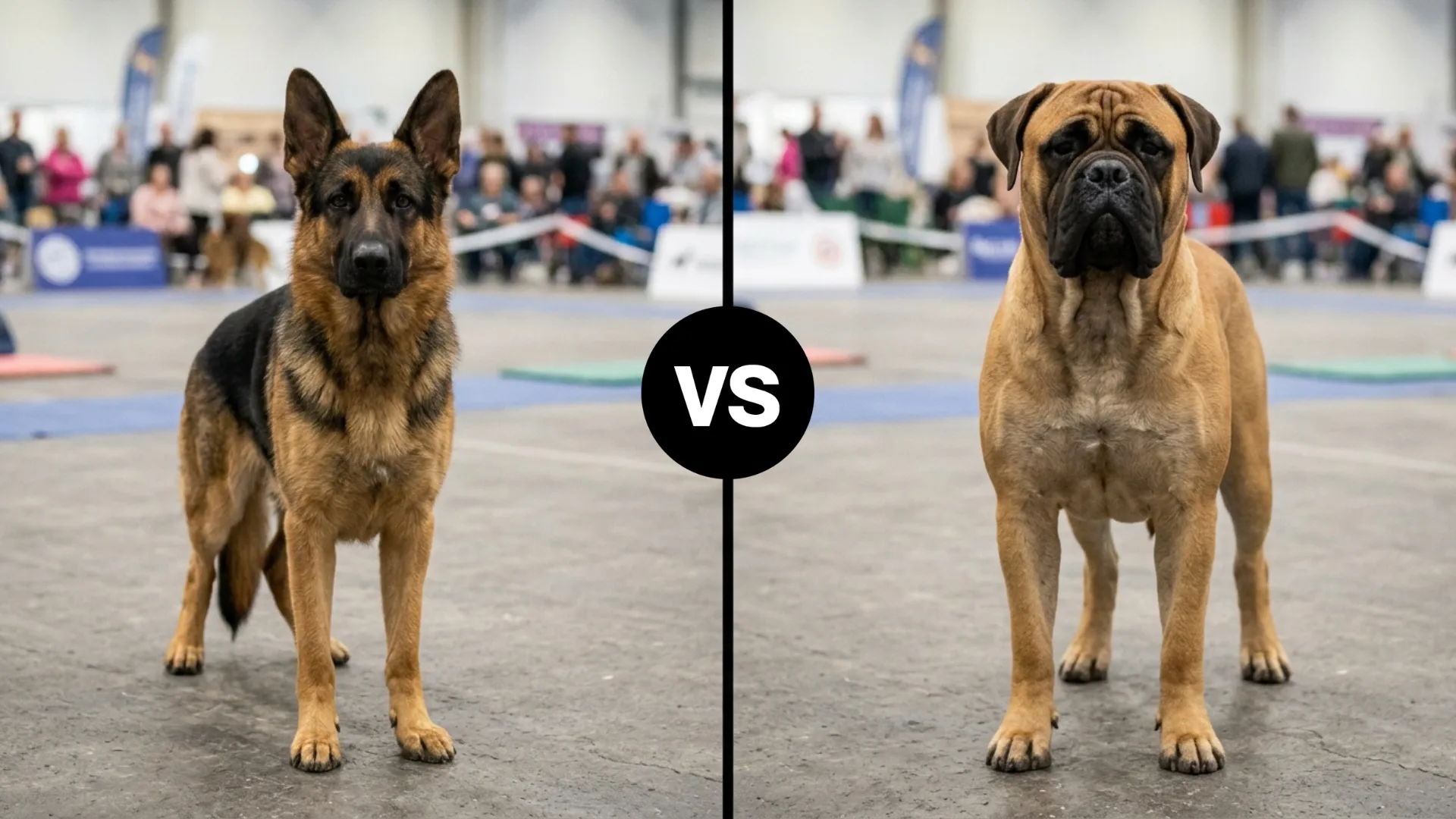
The German Shepherd is one of the most recognizable dog breeds in the world, known for its intelligence, loyalty, and strong working abilities. It’s a breed that appears everywhere—from police and military roles to family homes—making it a true global favorite.
The Bullmastiff, while less widely seen, has an equally impressive background. Originally bred in England as a powerful estate guardian, this breed is calm, confident, and naturally protective, with a quiet but commanding presence.
Both dogs are strong, loyal, and excellent protectors, but they differ in personality, energy levels, and care needs. Understanding these differences is key when choosing the right long-term companion for your home.
In this article, we’ll break down the key differences between the German Shepherd and the Bullmastiff to help you decide which breed is the right fit for your lifestyle.
Key Takeaways
Curious which is better for you, a smart working partner or a calm home guardian?
German Shepherd and Bullmastiff may both protect, but their lifestyles couldn’t be more different.
German Shepherd thrives on energy and training, while Bullmastiff prefers calm and steady companionship.
By the end, you’ll know exactly which breed matches your home and routine.
German Shepherd vs. Bullmastiff Dog Breeds: Quick Facts You Should Know
Both the German Shepherd and the Bullmastiff are powerhouse breeds built for protection, but they bring very different personalities, energy levels, and care needs to the table — and knowing those differences could make or break your decision.
Origins & Purpose
German Shepherd
According to the American Kennel Club, the German Shepherd’s origin dates back to 1899 when Captain Max von Stephanitz attended a dog show in Germany in search of ideal working dogs. There, he discovered a 4-year-old dog named Hektor Linksrhein.
What stood out wasn’t just its wolf-like appearance, but its intelligence, alertness, and strong working instinct. Von Stephanitz saw the perfect foundation for a new breed and immediately purchased the dog for 200 German gold marks, later renaming him Horand von Grafrath.
From the very beginning, the purpose of the German Shepherd was clear: to create a highly intelligent, versatile working dog capable of herding, protection, and any task requiring obedience and precision.
This strong working foundation is why the breed is now widely used in police work, military roles, search and rescue, and service tasks around the world.
Bullmastiff
The Bullmastiff’s origins are rooted in early 1900s England, where gamekeepers needed a powerful yet controlled dog to protect large estates from poachers. Unlike breeds developed through formal breeding programs, the Bullmastiff was shaped through real-life needs on the ground.
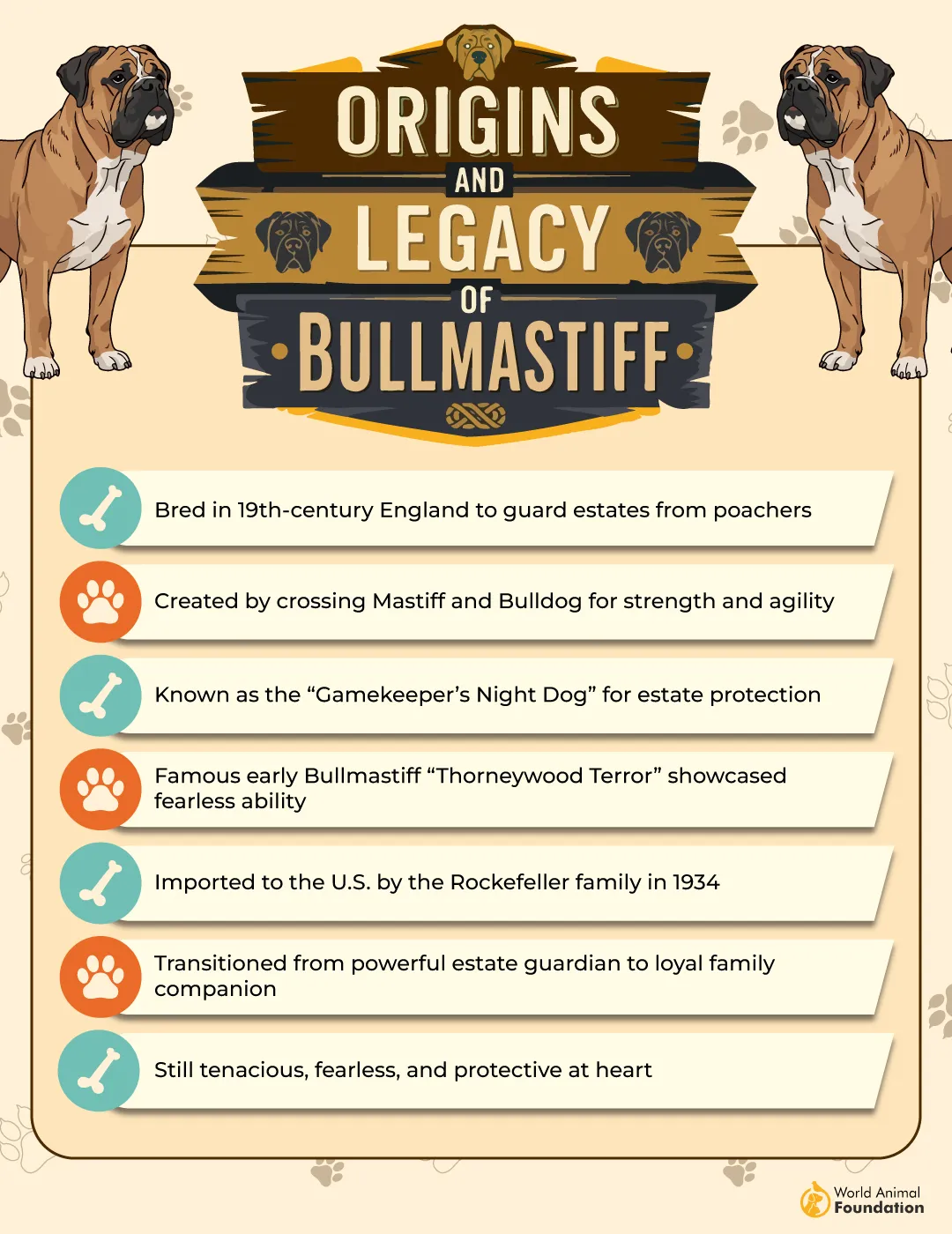
One well-known story from that era describes a man arriving at a dog show with a muscular brindle dog, fully muzzled. He offered a wager, claiming no one could escape the dog.
A volunteer attempted it, but the dog quickly caught him, knocking him down repeatedly until he surrendered. The dog’s control, speed, and strength left a lasting impression and reflected the early type of Bullmastiff.
From the start, the Bullmastiff’s purpose was very specific: to silently guard estates, track intruders, and stop them without excessive aggression or harm. This is why the breed is known today for being calm, confident, and naturally protective rather than overly reactive.
Size & Build
German Shepherd
The German Shepherd is a medium-to-large dog breed with a well-balanced, athletic build. They typically weigh between 50–90 pounds and stand around 22–26 inches tall at the shoulder.
Built for endurance and agility, their body is slightly longer than it is tall, supported by a strong, muscular frame. This structure allows them to move quickly and efficiently, which is one of the reasons they excel in working roles.
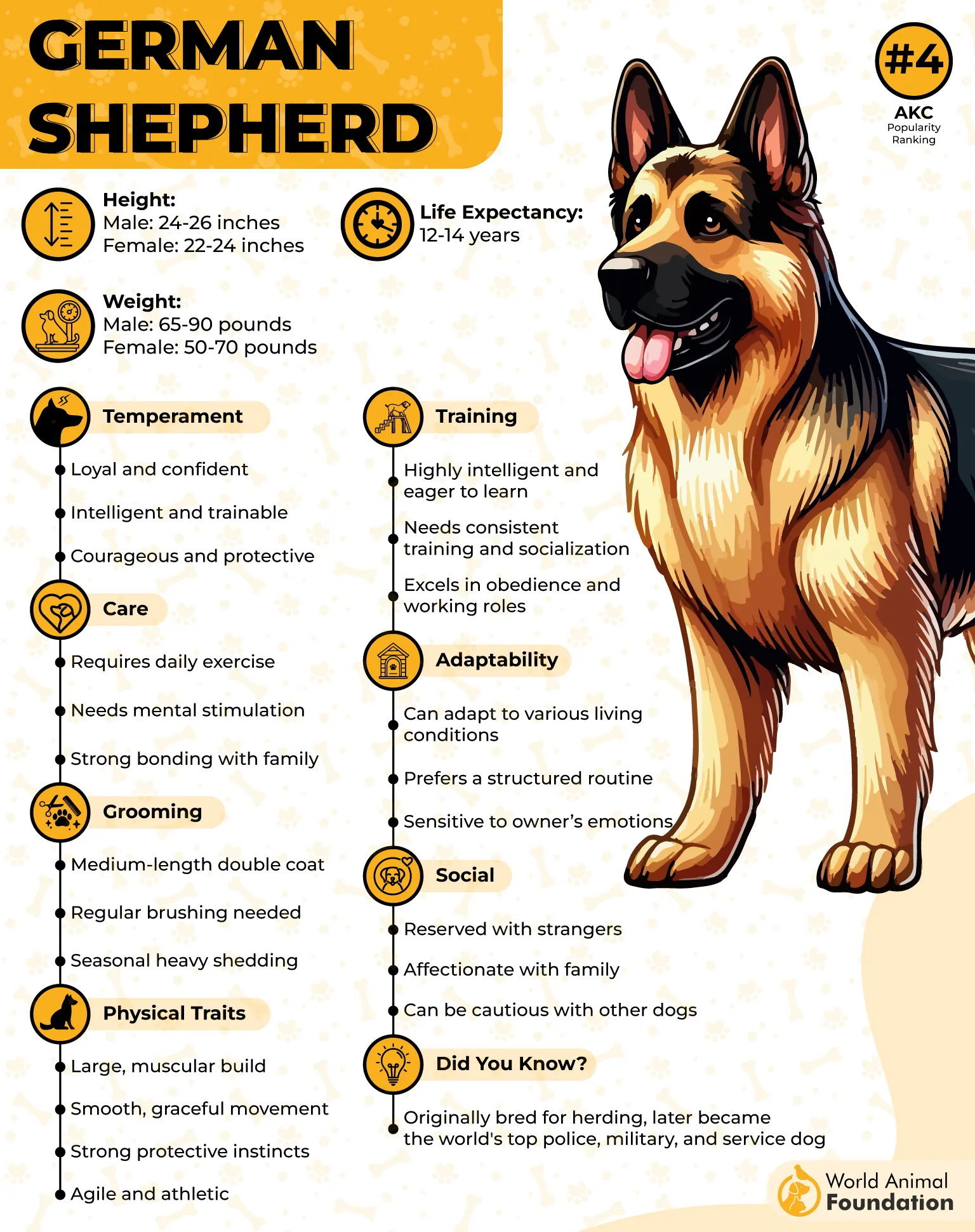
Build: Lean, athletic, and muscular
Posture: Straight back with a strong stance
Overall look: Noble, alert, and highly expressive
Bullmastiff
The Bullmastiff is a large, heavy-set breed known for its sheer power and solid structure. They are significantly bigger than German Shepherds, weighing around 100–130 pounds and standing 24–27 inches tall, depending on gender.
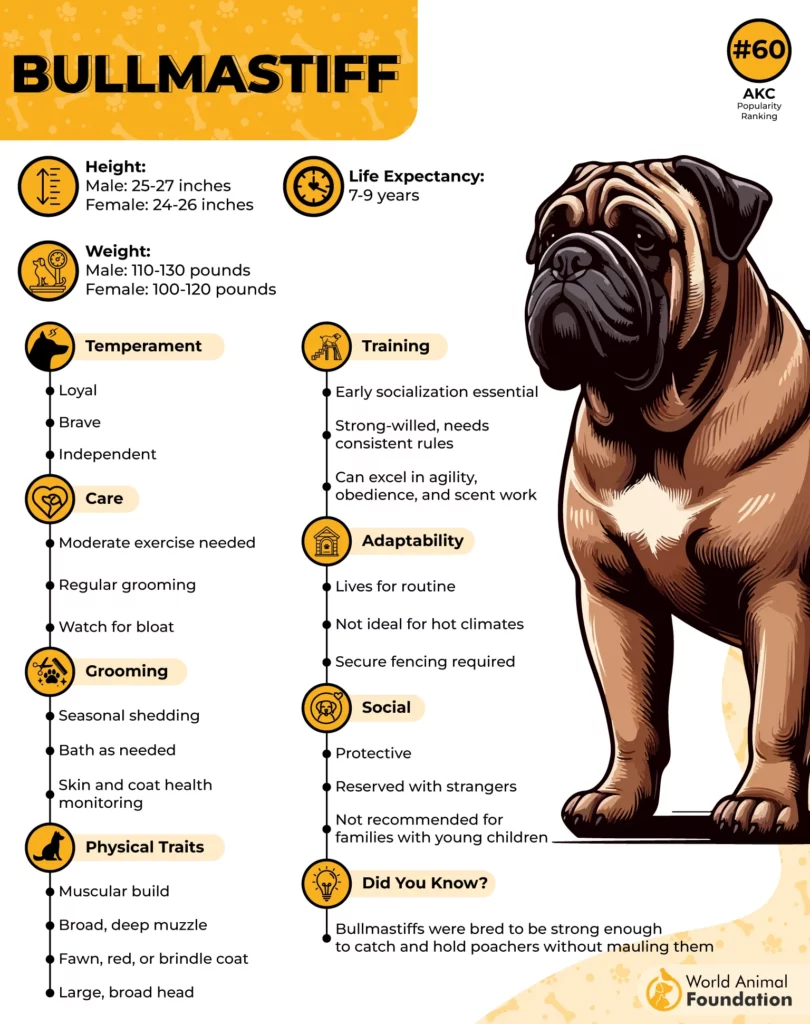
Unlike the agile build of the German Shepherd, the Bullmastiff is built for strength and control. Their body is compact, extremely muscular, and designed to overpower intruders without needing speed or long pursuit.
Build: Massive, thick, and heavily muscular
Frame: Wide chest with a strong, solid stance
Overall look: Powerful, imposing, and confident
Pricing & Availability
German Shepherd
German Shepherd puppies are widely available and relatively easier to find compared to many rare or specialty breeds. Because they are so popular worldwide, you’ll often find them through reputable breeders as well as rescue organizations.
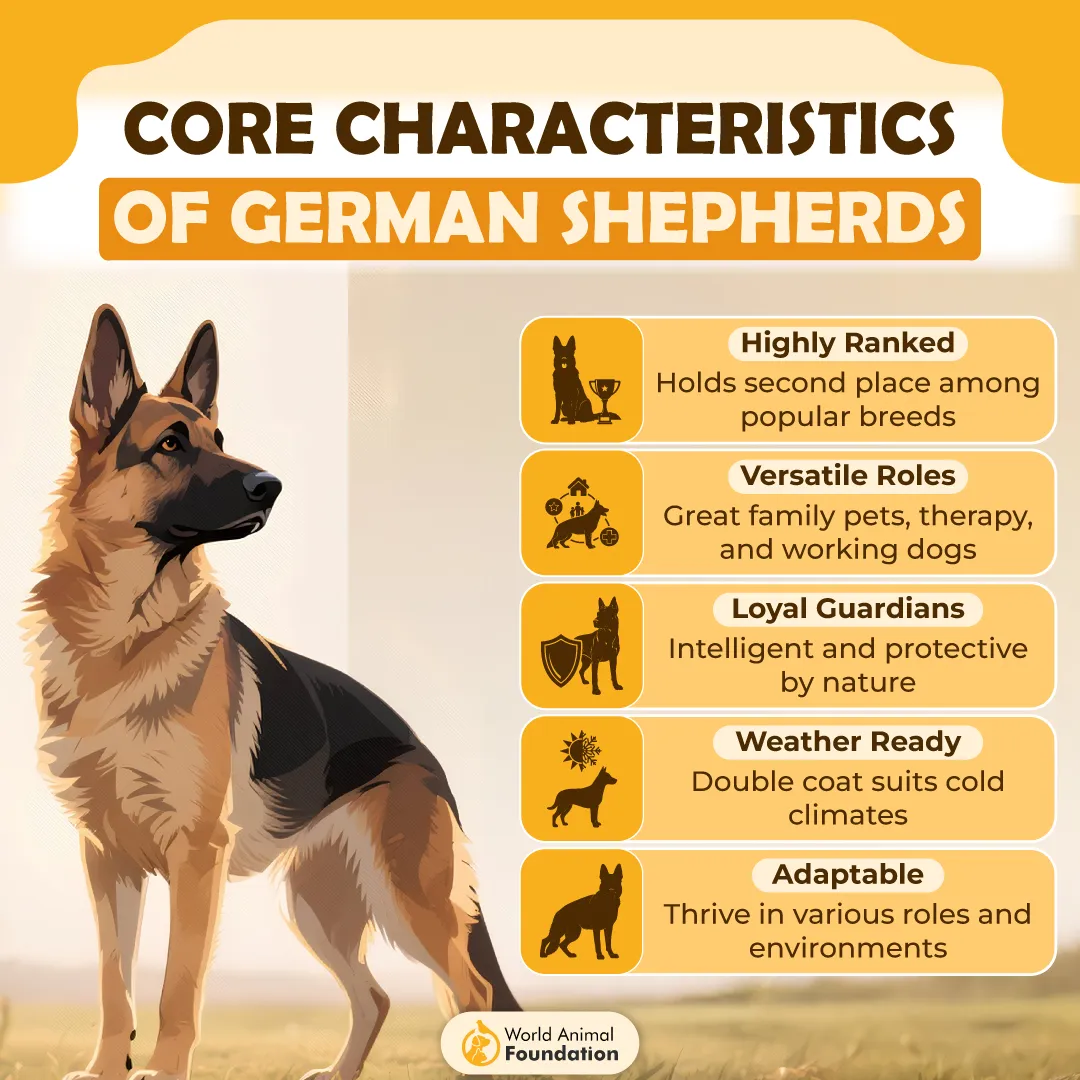
Typical price range: $1,200 – $3,500
Availability: Common and widely bred across many countries
Adoption option: Often available through shelters and rescue groups at lower costs
While they are not among the expensive dog breeds, the price can vary depending on pedigree, health testing, and breeder reputation. Choosing a responsible breeder is important to ensure a healthy, well-socialized puppy.
Bullmastiff
Bullmastiffs are also available through breeders and rescues, but they are generally less commonly seen than German Shepherds in many regions. Adult Bullmastiffs are more frequently found in shelters than puppies.
Typical adoption fee (rescues): $250 – $1,000
Typical breeder price: $2,000 – $3,500
Availability: Moderate; easier in some regions, limited in others
Adoption is a great option for this breed, as it often includes vaccinations, spaying/neutering, and basic health care. If purchasing from a breeder, it’s important to choose a reputable one and be prepared for possible transport costs if local availability is limited.
Personality & Temperament
German Shepherd
The German Shepherd is known for its unwavering loyalty and strong bond with its family. This is one of the main reasons they are widely used in police, military, and service roles around the world.
They are highly intelligent and eager to learn, but they also need early socialization and consistent training. As puppies, they should be gently exposed to different people, children, and animals so they grow into confident, well-balanced adults.
Loyal and protective toward family
Intelligent and highly trainable
Naturally alert and observant
Can be reserved with strangers
German Shepherds are also quite expressive. They may bark when bored or when they sense something unusual, but proper training and regular exercise can help manage this behavior.
Around their family, they often show a playful, goofy side—enjoying games, toys, and interactive activities that keep their mind busy.
Bullmastiff
The Bullmastiff is often described as a gentle giant with a calm and steady personality. They are naturally protective, especially when it comes to their home and family, but they are not overly reactive or aggressive without reason.
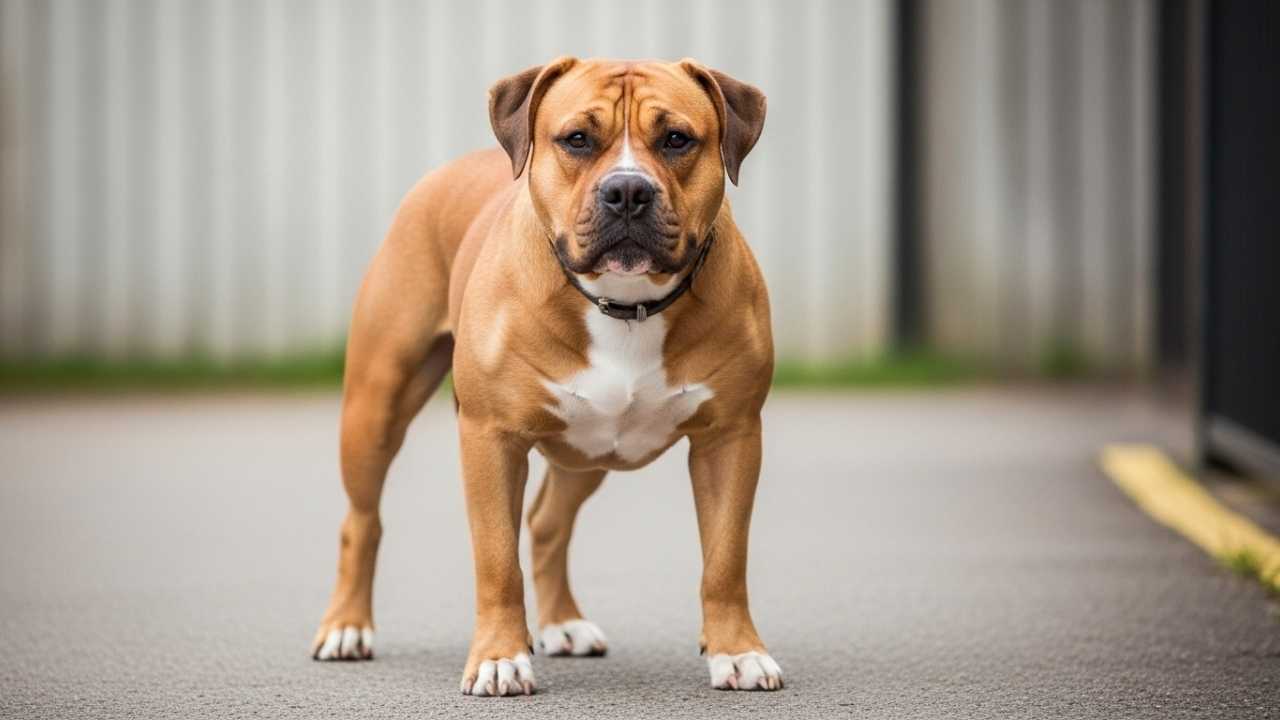
They tend to be affectionate and patient with their family, including children, but can be more reserved around strangers. That’s why early socialization is important to help them feel comfortable in different situations.
Calm, confident, and steady-natured
Naturally protective but not overly vocal
Affectionate with family members
May be cautious around unfamiliar people
Unlike more vocal breeds, Bullmastiffs are generally quiet dogs, as mentioned by PetMD. They will bark only when something feels out of place, making them excellent low-noise guardians.
With proper training and early exposure, they can also get along well with other dogs and pets and become well-mannered household companions.
Exercise Needs & Energy Level
German Shepherd
The German Shepherd is a highly energetic breed that needs plenty of daily exercise and mental stimulation to stay balanced. Chewy mentions they typically require around 2–3 hours of activity each day, combining both physical exercise and structured play.
Best activities: jogging, fetch, hiking, scent work, obedience training
Energy level: very high
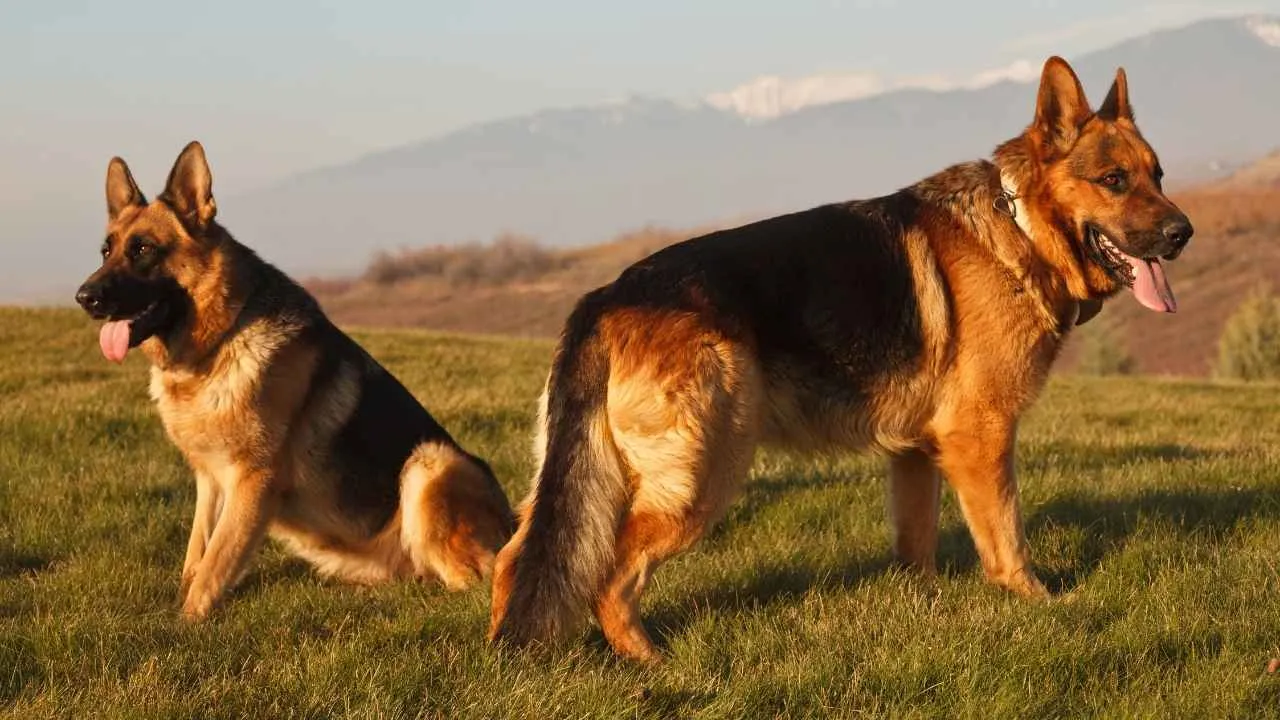
A simple walk isn’t enough for this breed. They thrive when they are challenged both mentally and physically, and they can quickly become bored if their energy is not properly used. Because of their speed and strong instincts, they should be kept on a leash or in a secure area when outdoors.
Bullmastiff
The Bullmastiff has a much calmer energy level and is more suited to a relaxed lifestyle. They still need daily exercise, but it should be moderate and consistent rather than intense or prolonged.
Best activities: short walks, light play in a fenced yard
Energy level: low to moderate
They are not ideal for running or high-endurance activities and can be prone to overheating due to their short muzzle. A steady routine of gentle walks and controlled activity is enough to keep them healthy and content.
Trainability & Obedience
German Shepherd
German Shepherds are highly intelligent and generally very easy to train, which is one of the reasons they are widely used in police, military, and service work. They learn quickly and enjoy having tasks or “jobs” that keep their minds active.
With proper training and socialization, they can become gentle, well-mannered family companions. However, without consistent guidance, they may develop unwanted behaviors such as anxiety, over-protectiveness, or reactivity.
Trainability: Very high
Best approach: Early socialization + consistent, structured training
Key needs: Mental stimulation and purpose-driven activities
They may also have a natural instinct to chase smaller animals like cats, so early training is important in multi-pet homes. With the right foundation, German Shepherds excel in obedience, agility, and working roles.
Bullmastiff
Bullmastiffs are also intelligent, but they tend to be independent thinkers and sometimes have a stubborn personality compared to German Shepherds. This means training requires patience, consistency, and firm but calm leadership.
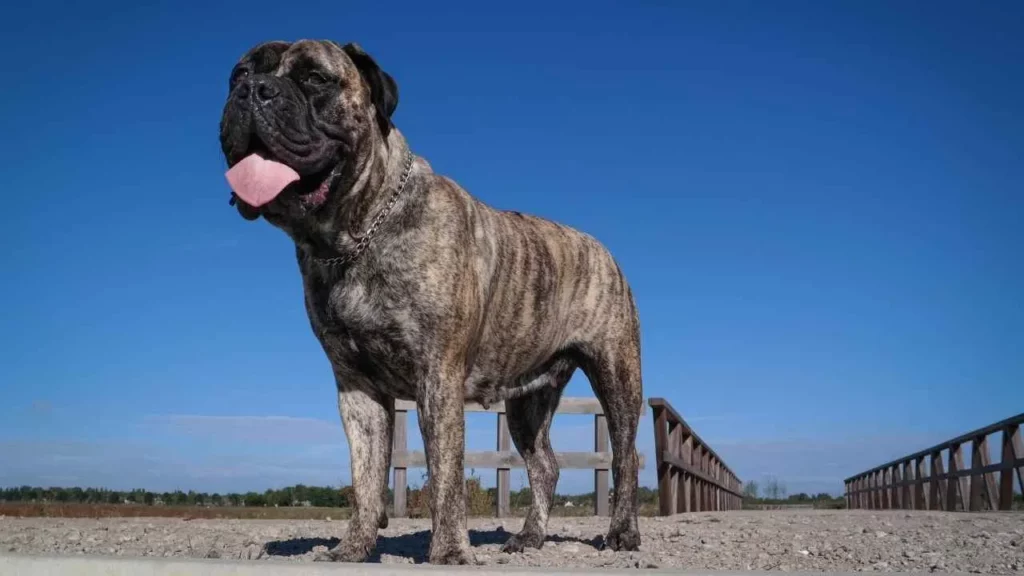
Early training is especially important to prevent habits like jumping on people, which can become difficult to manage once they reach full size.
Trainability: Moderate to high (but independent-minded)
Best approach: Firm, consistent, early training
Key needs: Clear rules and early socialization
Despite their size and strength, Bullmastiffs can become very well-behaved and gentle family dogs when trained properly. They respond best to steady guidance rather than harsh correction, and they do well in obedience classes and structured environments.
Grooming Needs & Shedding
German Shepherd
German Shepherds have a medium-length double coat that is dense, coarse, and often slightly wiry. This coat helps protect them from different weather conditions, but it also means they shed quite a bit throughout the year.
Grooming needs: Brush every few days
Shedding level: High (seasonal heavy shedding)
Bathing: About once a month or as needed
Regular brushing helps reduce shedding and keeps their coat healthy, but you should still expect some dog hair around the home. Thankfully, their coat naturally repels dirt, so they don’t need frequent baths. Over-bathing can actually remove natural oils that keep their skin and coat healthy.
Routine care like nail trimming and dental hygiene is also important—brushing their teeth a few times a week helps maintain overall health.
Bullmastiff
The Bullmastiff has a short, smooth coat that is very low-maintenance compared to many other large breeds. They are moderate shedders and only need basic grooming to stay clean and healthy.
Grooming needs: Occasional brushing
Shedding level: Moderate
Bathing: As needed
However, extra attention should be given to their ears and facial folds (if present), keeping them clean and dry to prevent irritation. Bullmastiffs are also known for drooling, so some dog owners keep a towel handy.
Like all dogs, they need regular nail trimming, ear cleaning, and dental care. Brushing their teeth a couple of times a week helps prevent dental issues, especially given their large build.
Guarding Instincts & Alertness
German Shepherd
German Shepherds are widely known as one of the best protection and working dog breeds in the world. Their guarding ability comes from a strong mix of intelligence, loyalty, and natural protective instincts toward their family and territory.
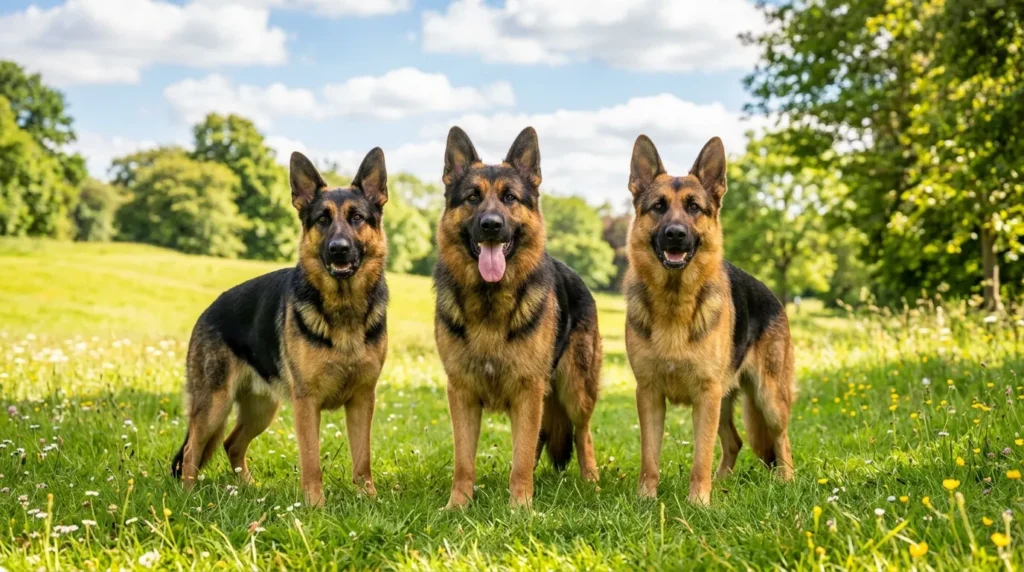
They are highly alert and constantly aware of their surroundings, which is why they are commonly used in police, military, and search-and-rescue roles. With proper training, they learn to distinguish between normal situations and real threats.
Alertness level: Very high
Protective instinct: Strong and training-based
Reaction style: Quick, intelligent, and controlled
Bullmastiff
Bullmastiffs are natural guardians with a calm but powerful presence. They were originally bred to protect estates from intruders, and this instinct remains strong today. Unlike more reactive breeds, they tend to observe first and act only when they sense a real threat.
They are affectionate with their families but naturally wary of strangers, making them excellent watchdogs without being overly aggressive.
Alertness level: Moderate but highly observant
Protective instinct: Strong and instinct-driven
Reaction style: Calm, steady, and confrontational only when necessary
Health & Lifespan
German Shepherd
The German Shepherd has an average lifespan of 7–10 years. They are generally strong dogs, but like many large breeds, they are prone to several genetic and age-related health problems. Regular vet checkups, proper breeding, and a healthy lifestyle play a big role in their long-term well-being.
Degenerative Myelopathy
Hip Dysplasia
Elbow Dysplasia
Cancer (e.g., hemangiosarcoma, bone cancer)
Gastric Dilatation-Volvulus (GDV / bloat)
Allergies
Heart Disease (Dilated Cardiomyopathy, heart murmurs)
Bullmastiff
The Bullmastiff has a slightly shorter average lifespan of 7–9 years. While they are generally healthy dogs, their large size makes them more prone to certain serious genetic and structural conditions. Responsible breeding and early screening are especially important for this breed.
Dilated Cardiomyopathy (DCM)
Entropion
Subaortic Valvular Stenosis (SAS)
Progressive Retinal Atrophy (PRA)
Hip Dysplasia
Elbow Dysplasia
Lymphoma
Gastric Dilatation-Volvulus (GDV / bloat)
German Shepherd vs. Bullmastiff: Which Breed Is Right for Your Home?
Choosing between a German Shepherd and a Bullmastiff really comes down to lifestyle, experience, and what you want in a companion. Both are loyal, protective, and deeply devoted to their families, but they fit into very different types of homes.
The German Shepherd is best suited for active owners who enjoy training, exercise, and mental engagement. If you want a highly intelligent, responsive, and versatile dog that can keep up with an energetic lifestyle, the German Shepherd is a strong match.
The Bullmastiff, on the other hand, is better suited for a calmer household that prefers a more relaxed pace. Their steady, quiet nature makes them excellent for owners who want a low-energy yet powerful guard dog that is affectionate with family.
Conclusion
Both the German Shepherd and the Bullmastiff are loyal, protective, and intelligent breeds, but they differ greatly in energy, temperament, care needs, and lifestyle fit.
From their origins and physical traits to training, grooming, and health concerns, each breed offers something unique depending on what a person is looking for in a companion.
Ultimately, choosing the right dog comes down to understanding these differences and being honest about your own lifestyle and expectations.
Whether it’s the active, highly trainable German Shepherd or the calm, steady Bullmastiff, both can become deeply devoted family members when given the right care, training, and environment.
