




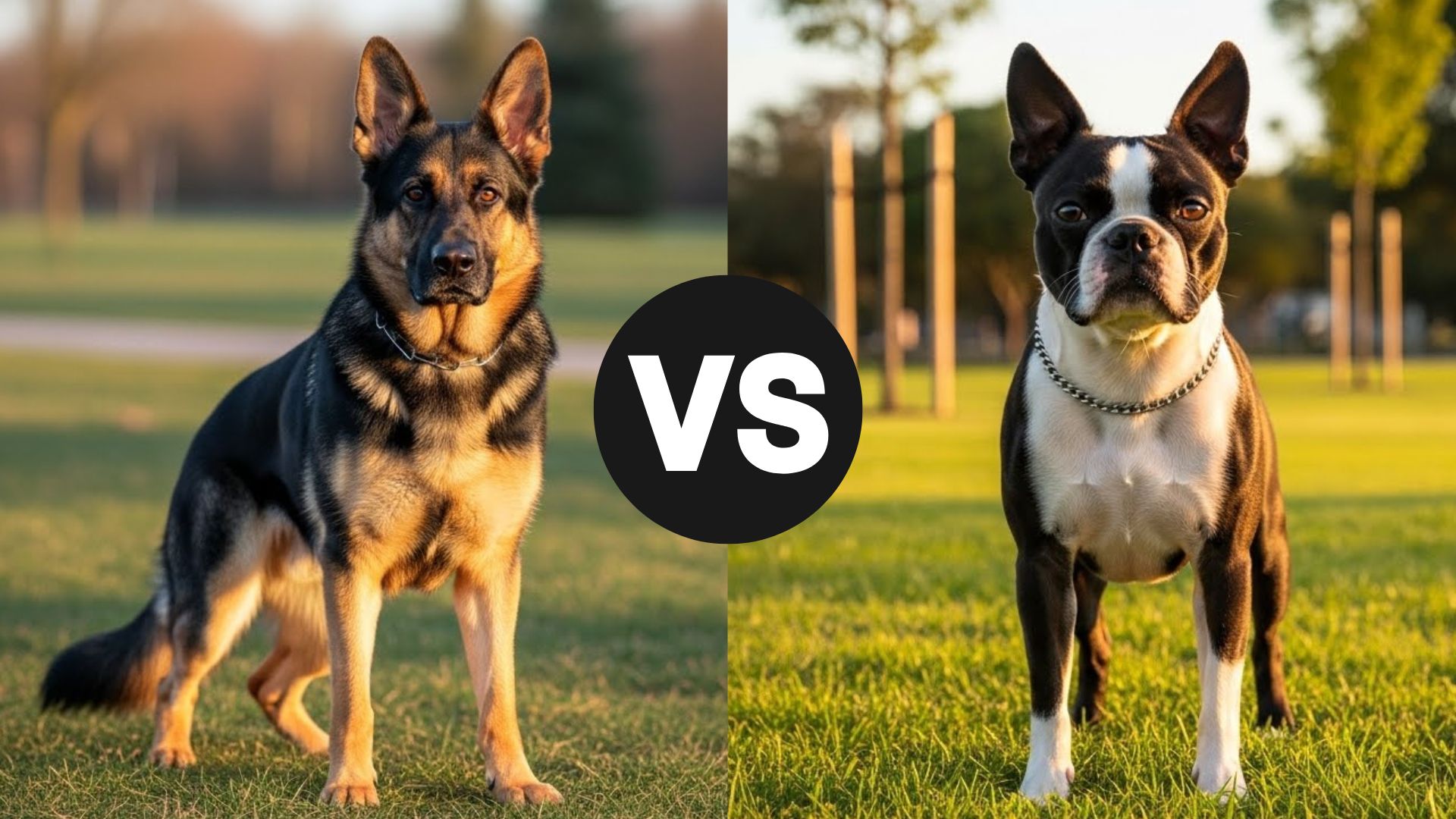
Ever met a dog that looks like it could run airport security, and another that looks like it’s permanently auditioning for a sitcom? That’s the German Shepherd vs. Boston Terrier in a nutshell.
One is a focused, athletic powerhouse built for jobs that demand brains and bravery; the other is a compact, people-loving entertainer who thrives on attention and couch privileges. But picking between them isn’t about “big dog vs. small dog.” It’s about matching energy, space, training time, and the kind of companionship you actually want day to day.
Do you want a loyal shadow that learns fast and needs real work to stay happy, or a cheerful sidekick that turns every visitor into a fan club? Let’s break down what life is really like with each breed, from temperament and exercise to grooming and family fit.
German Shepherd vs. Boston Terrier
At first glance, the German Shepherd and Boston Terrier couldn’t seem more different—one is a confident working dog built for demanding tasks, while the other is a compact companion built for charm and everyday companionship. But choosing between them isn’t simply about size or looks; it’s about understanding what each breed brings to your home, your routine, and your lifestyle.
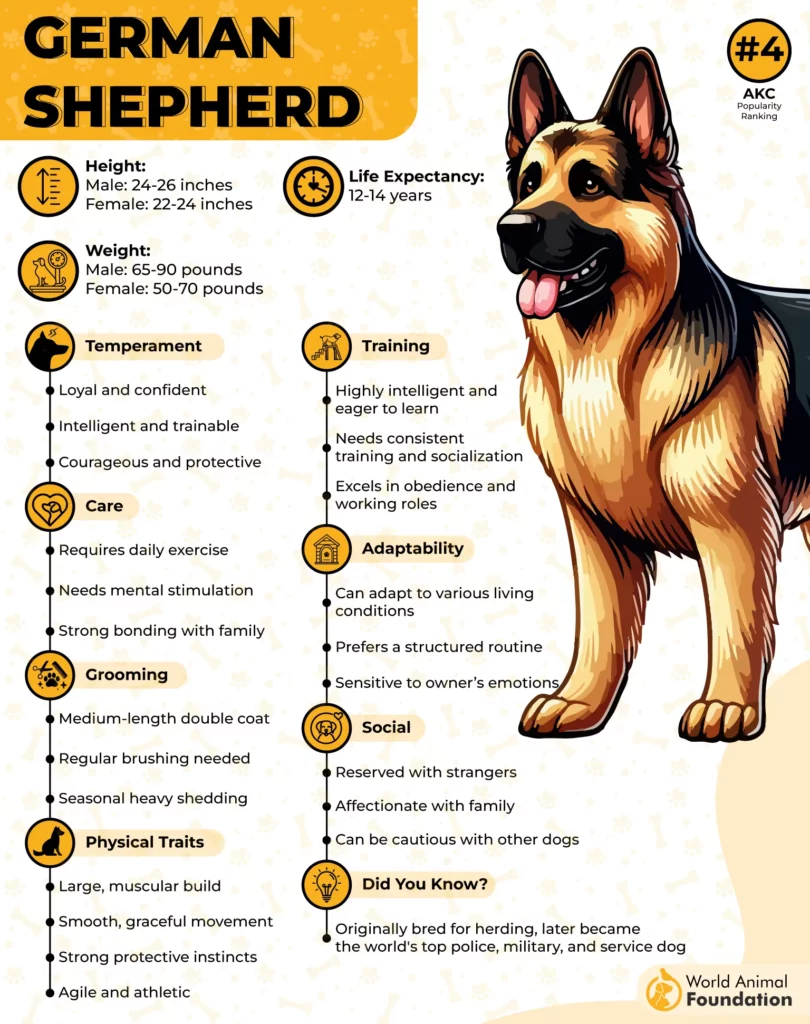
German Shepherds tend to appeal to people who want a structured, active partnership with their dog. They’re driven, athletic, and happiest when they have a purpose, whether that’s training, exploring, or learning something new.
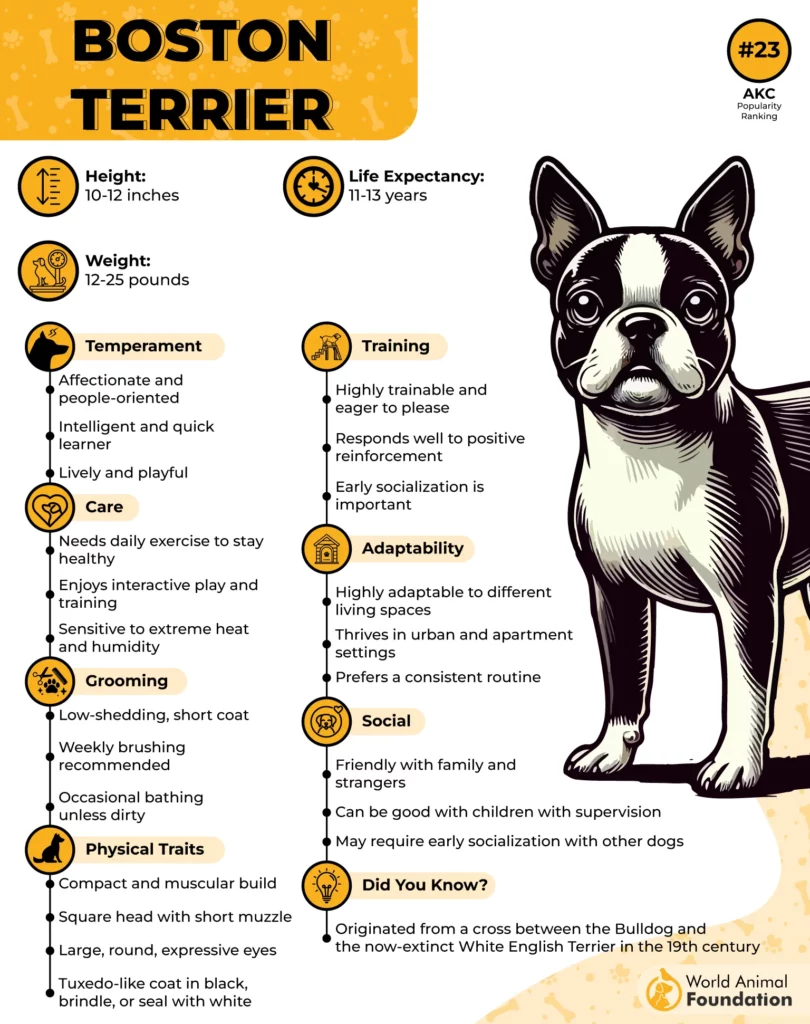
Boston Terriers lean in a different direction: fun-loving, social, and surprisingly adaptable. They slot easily into busy families, small spaces, and everyday life without needing a full-time job to stay content.
This comparison helps highlight what each breed does best. Understanding those differences upfront makes it much easier to see which dog truly fits the rhythm of your world.
Origins & Purpose
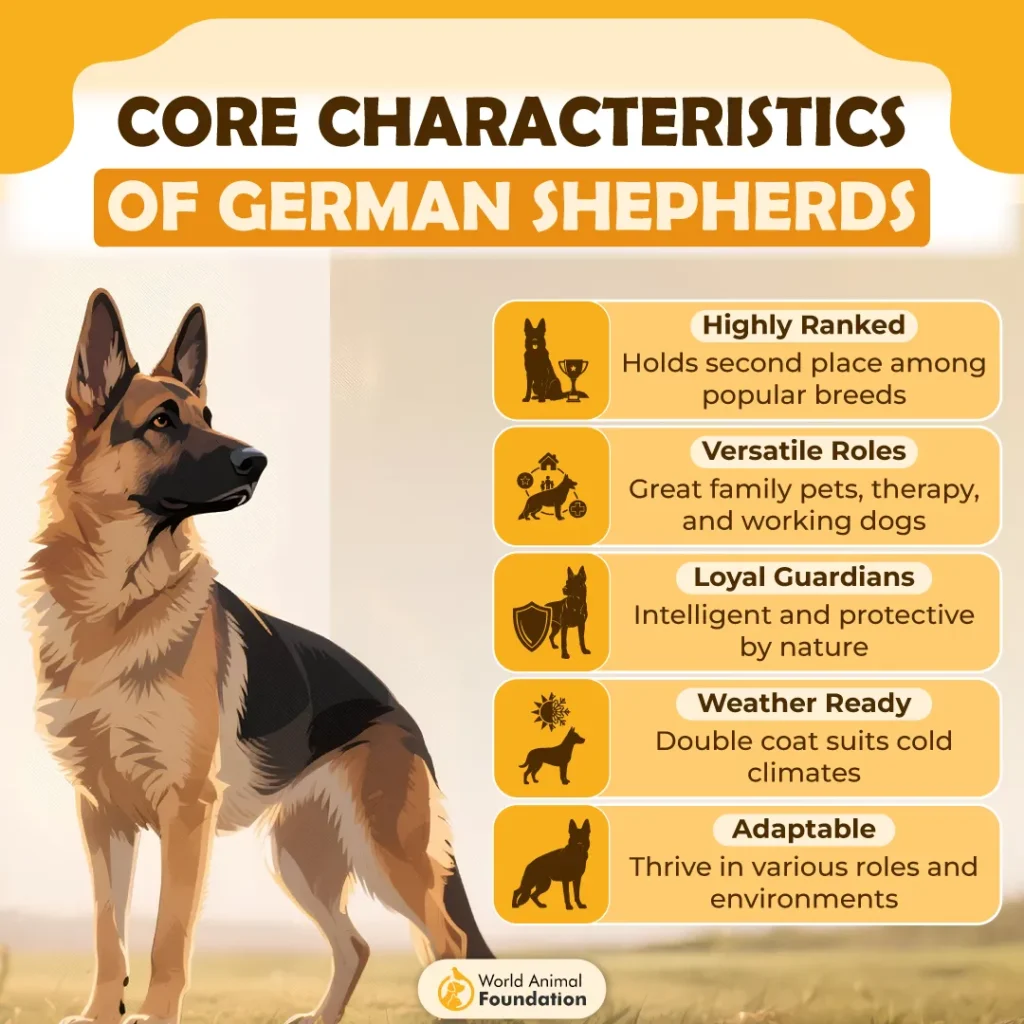
According to the AKC, German Shepherds were developed in Germany as herding and working dogs, built to be steady, capable, and useful in the field. That “job-ready” design is why they’re so common in roles like police work, service work, and search-and-rescue.
Boston Terriers, on the other hand, are an American original with a history tied to companionship and city-friendly living. They were shaped into a compact, people-oriented dog that fits neatly into home life and social settings.
In plain terms, the Shepherd tends to want a mission, while the Boston tends to want a meetup. One leans “partner,” the other leans “pal,” and that difference shows up in daily routines.
If you love structure, training sessions, and purposeful outings, the German Shepherd’s roots make a lot of sense. If you want a cheerful housemate who’s happiest wherever you are, Boston’s background shines.
Size & Build

German Shepherds are large, athletic, and powerfully built, strong enough for demanding work, but balanced enough to move with speed and control. They’re longer than tall, with a substantial, muscular frame that’s made for endurance.
Boston Terriers are small, compact, and neatly put together, with a short coat and a “tight” build that suits apartment life and quick games. They’re lively and sturdy for their size, but they’re not built to haul you up a mountain.
This size gap affects everything from food costs to travel to how much room they need to feel comfortable. It also changes how they play: Shepherds often enjoy big, full-body activities, while Bostons tend to excel at shorter bursts.
Practical reality check: a German Shepherd can accidentally redecorate a coffee table with a happy tail swipe. A Boston Terrier is more likely to zip under it like a tiny commuter.
Temperament & Personality
German Shepherds are known for loyalty, courage, and a more serious, “observant” vibe—often closely bonded to their main person. Many have a thoughtful, reserved confidence rather than instant friendliness with everyone.
As per Britannica, Boston Terriers are typically outgoing, playful, and social, often acting like they were born to greet guests and start the party. They’re commonly described as entertaining companions who enjoy being involved in whatever the household is doing.

Neither personality is “better”; they’re just different flavors of fun. Shepherds can feel like a steady teammate; Bostons can feel like a comedy duo in one dog.
If your home is busy with visitors, kids’ friends, and general chaos, the Boston often rolls with it more easily. If you want an affectionate dog that takes the household seriously and stays alert, the Shepherd leans that way.
Exercise Needs & Energy Levels
German Shepherds are high-energy, and they don’t just need movement—they need meaningful activity. Long walks are great, but they often thrive with jobs like tracking, agility, nose work, and structured training games.
Boston Terriers are energetic too, but their exercise tends to look like shorter play sessions, brisk walks, and lots of interactive fun. Because they’re flat-faced (brachycephalic), overheating and breathing strain can become a real concern in heat or during intense exertion.
So the question isn’t “which one likes exercise,” it’s “what kind of exercise fits your schedule.” The Shepherd often wants longer, more challenging outlets; the Boston usually prefers quick, frequent bursts.
A simple way to picture it:
German Shepherd: fewer, longer sessions + brain work
Boston Terrier: more frequent mini-sessions + careful heat management
Training & Intelligence
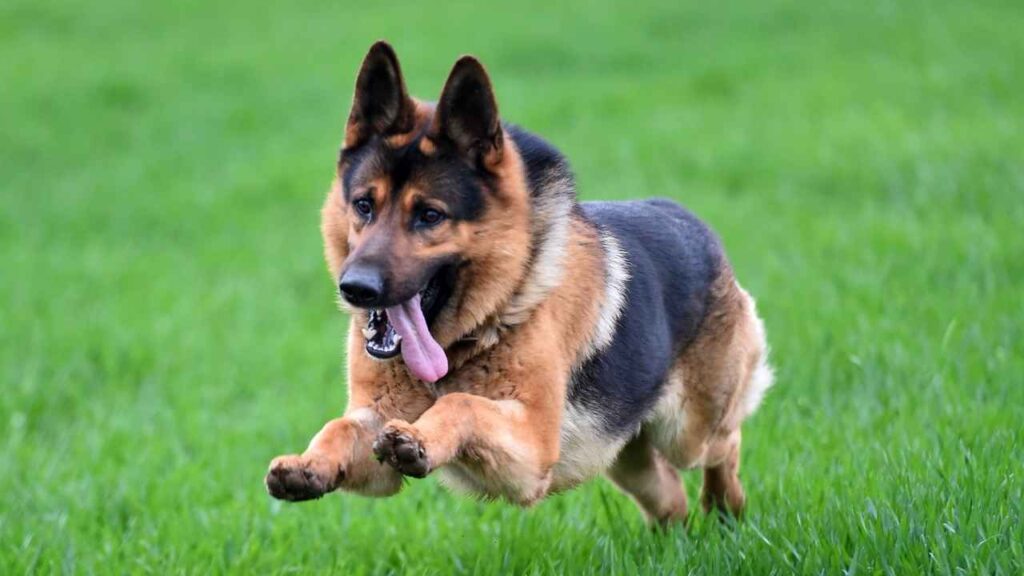
German Shepherds have a strong reputation for trainability and for learning complex tasks, which is why they’re commonly used in specialized work. They tend to do best with consistent training, clear boundaries, and plenty of mental stimulation.
Boston Terriers are also smart and responsive, especially when training feels like a game. They often do well with upbeat, reward-based sessions that keep things moving and avoid boredom.
The big difference is intensity. Shepherds are often happiest when training becomes a lifestyle; Bostons usually want training to be fun, fast, and sprinkled throughout the day.
Helpful mindset shift:
Shepherd: “Teach me the rules and give me a task.”
Boston: “Teach me the rules and make it entertaining.”
Coat Grooming and Care
German Shepherds have a dense coat that sheds heavily, especially during seasonal “blowouts.” Regular brushing isn’t optional if you’d like your floors to remain visible.
Boston Terriers have a smooth, short coat that’s much easier to maintain. They still shed, but grooming is typically simple: quick brushing, basic bathing needs, and routine nail/ear care.

With Shepherds, grooming is more about managing volume and keeping the coat healthy. With Bostons, grooming is more about keeping things tidy and comfortable.
If you enjoy a weekly grooming routine and don’t mind “dog glitter” showing up everywhere, the Shepherd is doable. If you prefer low-fuss upkeep, the Boston is usually the easier roommate.
Health & Lifespan
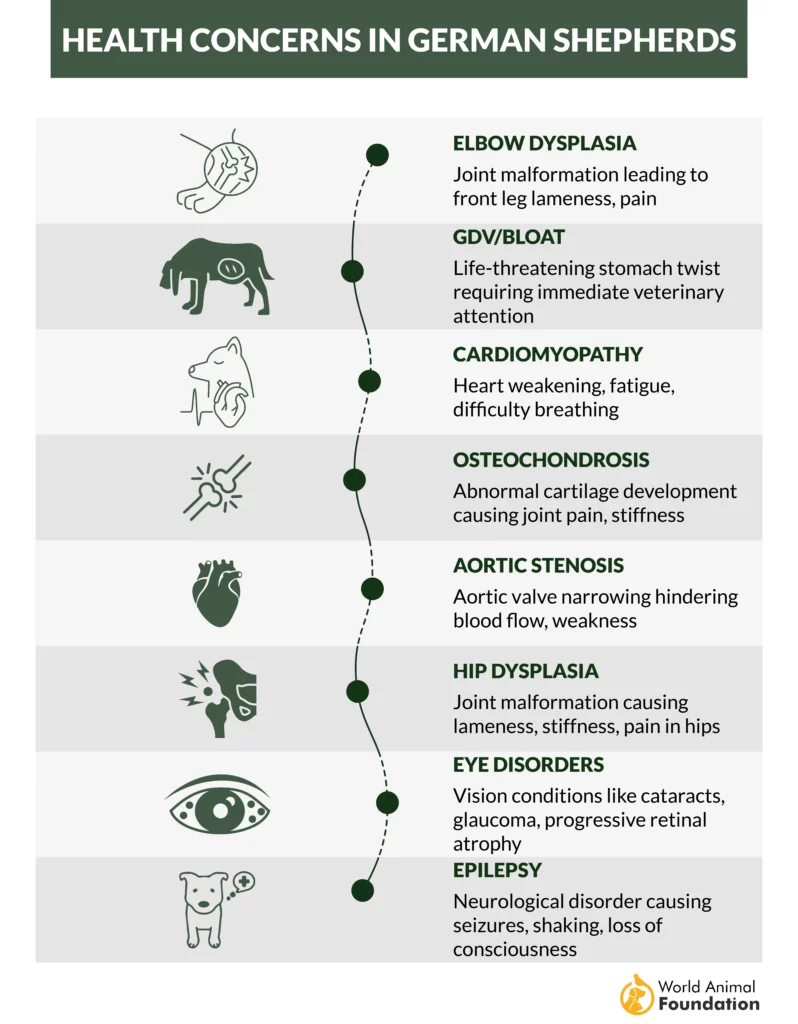
German Shepherds commonly have a shorter average lifespan, with around 7–10 years, and they can be prone to several health concerns. That makes responsible breeding, good conditioning, and proactive vet care especially important.
Boston Terriers often live longer, PetMD notes an average of 11–13 years—but their flat-faced structure can bring breathing risks, especially in hot weather or during prolonged, intense activity. Eye-related issues are also commonly discussed because of their prominent eyes.
In daily life, “health” also means lifestyle compatibility. A Shepherd’s size can amplify orthopedic wear-and-tear, while a Boston’s airway sensitivity can change how you plan walks and playtime.
Smart owner habits for both:
Keep weight in check (joints and breathing both benefit)
Prioritize routine vet visits
Choose an activity that fits the dog’s body, not just their enthusiasm
German Shepherd vs. Boston Terrier: Which one Suits you Best?
Pick a German Shepherd if you want a loyal, highly trainable partner and you’re ready to provide daily structure, exercise, plus mental work, not just a quick stroll. They tend to thrive with owners who enjoy training, outdoor time, and building skills together.
Pick a Boston Terrier if you want a compact, social sidekick that fits easily into busy households and smaller spaces. They’re often happiest doing a little bit of everything with you, walks, play, lounging, so long as you’re mindful about heat and overexertion.

Quick self-check:
If you’re excited by “let’s train, hike, and learn,” lean Shepherd
If you’re excited by “let’s play, cuddle, and charm the neighbors,” lean Boston
Either way, the best match is the one whose needs you can meet on your most normal week—not your most ambitious one.
Conclusion
Choosing between these different breeds comes down to your lifestyle, the time owners can truly give, and the kind of family member you want, whether you’re bringing home a puppy or bonding with adult dogs.
For inexperienced dog owners, a Boston Terrier often feels easier to manage with minimal grooming, while German Shepherds can be easy to train but sometimes strong-willed, more protective, and quicker to bark. Most dogs can be affectionate and gentle with children and other pets when their behavior is guided early, but poor socialization can fuel aggression or seem aggressive and cause worry.
Watch for health issues and health problems, choose a responsible breeder, and ask about American Kennel Club guidance; if you’re choosing male or female, consider spaying/neutered plans and avoid backyard kennels. Other dog breeds, such as the Whippet, can also suit many pets and dog owners.
