




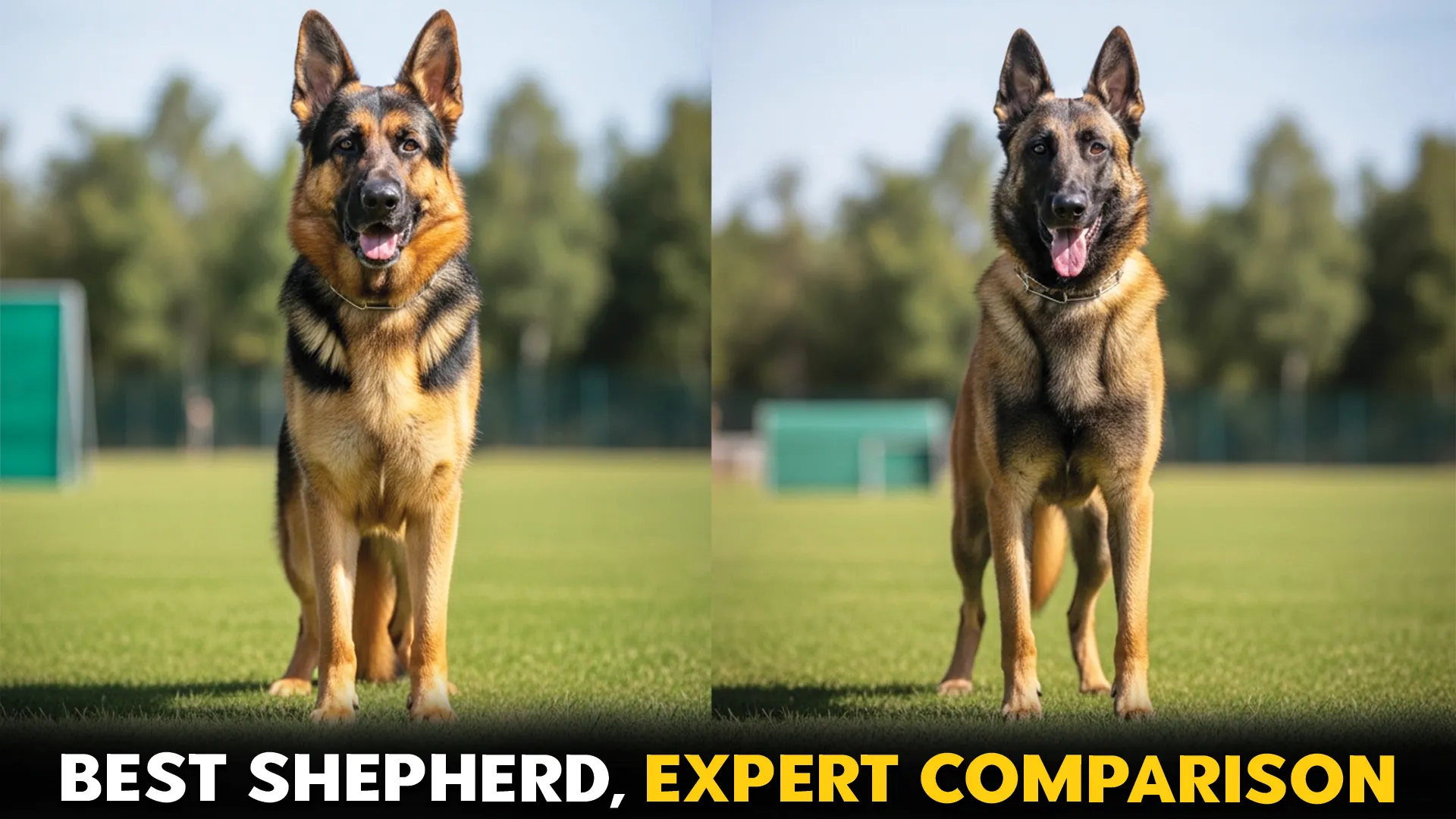
Beautiful, hardworking, and loyal. These three words fit both the Belgian Shepherd and the German Shepherd so well.
When people search for German Shepherd vs Belgian Shepherd: understanding dog breeds, they often want clear answers before bringing a puppy home.
Many families see these two great dogs and feel torn between them. They look alike at first glance. They also share many similarities in how they act and work. Because of this, pet parents compare them again and again.
This guide will help you simply understand dog breeds. You will learn how each breed lives, works, and fits into family life. You will also learn what kind of care, time, and space each one needs. Both breeds can grow into loving family pets with the right support. Yet, their needs can feel very different each day.
In homes across the U.S.A., energy levels matter a lot. A dog with high energy needs more time and play. So, choosing the right match can make life easier for the whole family.
Note: Although the Belgian Shepherd includes four distinct varieties, this article will primarily focus on the Belgian Malinois, as it is the most commonly compared to the German Shepherd.
German Shepherd vs. Belgian Shepherd
Choosing between the German Shepherd and Belgian Malinois can feel tough for many families. Both dogs look strong and alert. Both are known for loyalty and sharp minds. Yet, daily life with each breed can feel very different. One may fit calm homes better. The other may suit active homes more.
Knowing these small differences helps pet parents choose with care.
History & Purpose
Both breeds began as helpers for people. Their early work shaped how they act today. Their past explains why they thrive with tasks and purpose.
German Shepherd
The German Shepherd, also known as the German Shepherd Dog, is a medium-to-large working breed known for its intelligence and obedient nature. Historically, it was a herding dog used to herd sheep and assist farmers.
According to Wikipedia, the breed was developed by Max von Stephanitz starting in 1899, using various traditional German herding dogs to create a consistent, versatile working dog. Over time, its role expanded into disability assistance, search and rescue, police work, and military service.
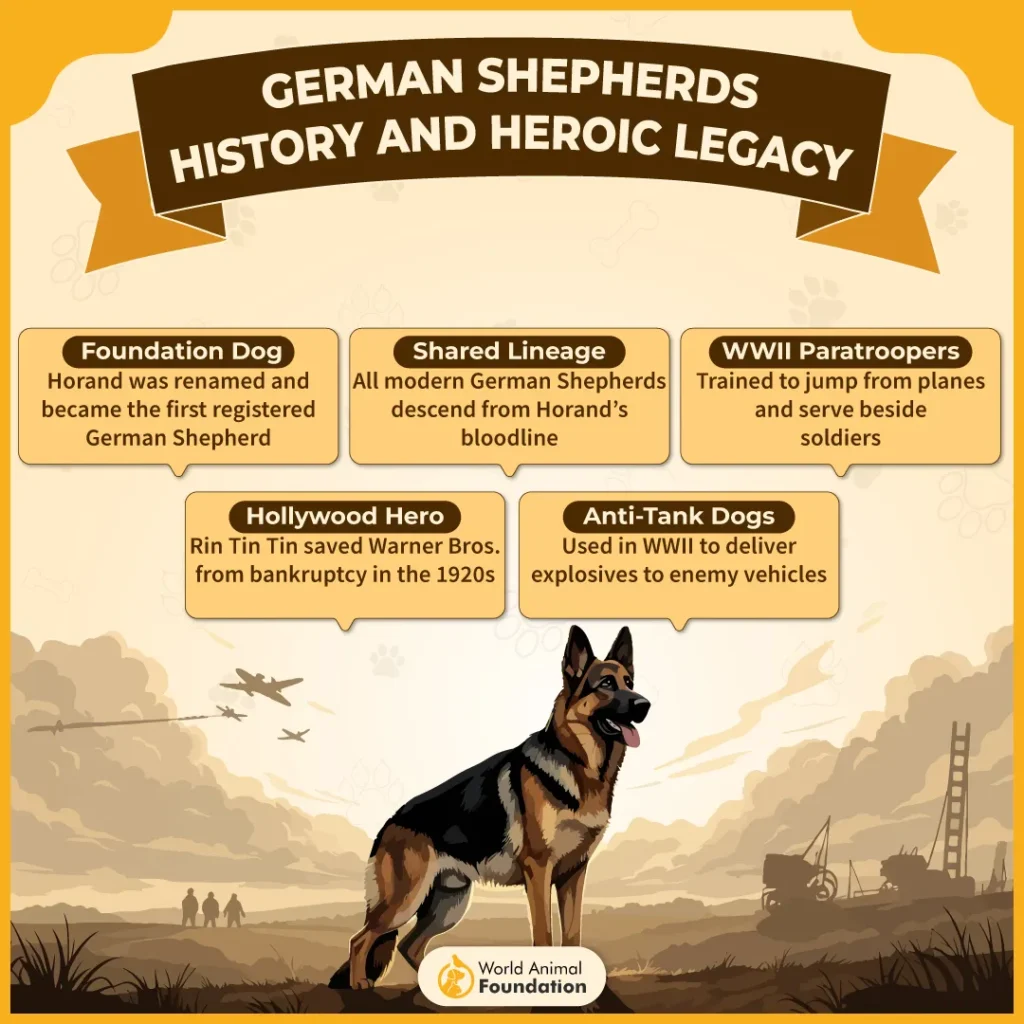
The breed gained international recognition after the end of World War I. Its fame grew further due to police work and its ability to perform a wide variety of tasks.
Commonly kept as a companion dog, the German Shepherd became the second most popular dog breed in the U.S. in 2016 and the most frequently registered breed in many other countries. German Shepherds and Belgian Malinois often share service roles today.
Belgian Shepherd
The Belgian Shepherd, also known as the Belgian Sheepdog or in Dutch as “Belgian Sheepdog”, is a herding dog from Belgium bred in four distinct varieties: the long-haired black Groenendael, the rough-haired fawn Laekenois, the short-haired fawn Malinois, and the long-haired fawn Tervuren.
It was originally bred to herd sheep and other livestock, which shaped its high drive, agility, and alertness. Belgium played a key role in refining the breed, and it served in both World Wars with the Belgian armed forces.
Over time, military and police forces increased demand for the Belgian Shepherd, and the breed gained global trust for service work.
Size & Physical Build
German Shepherd
The German Shepherd dog has a broad chest and strong frame, giving it a stable and powerful appearance. Males typically stand 24 to 26 inches tall at the shoulder and weigh around 65 to 90 pounds, while females are slightly smaller at 22 to 24 inches and 50 to 70 pounds.
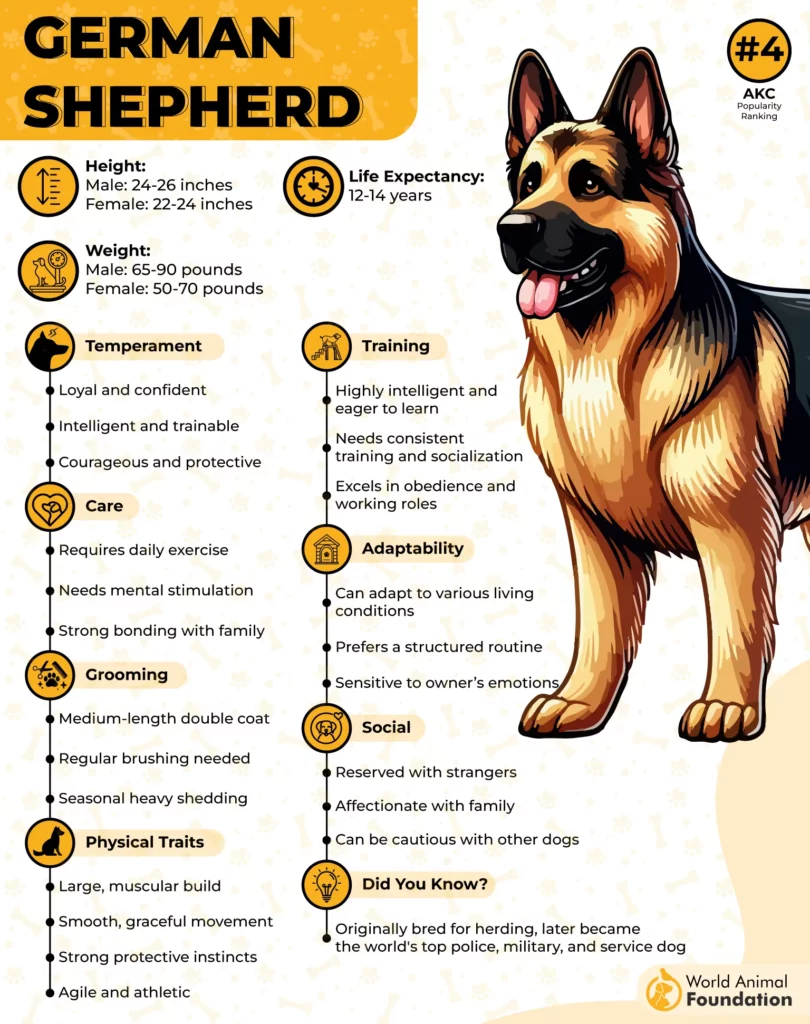
Its long back allows for smooth, graceful movement during walks or work. This breed has a thick double coat that sheds regularly, making brushing important. The waterproof nature of its coat helps it stay comfortable outdoors in rain or snow.
Its body shape affects daily life, from exercise routines to how much space it needs indoors. Male German Shepherds often have a more pronounced muscular build, which supports their active and protective roles.
These features make the breed ideal for families who enjoy outdoor activities and for dogs involved in police forces or dog sports.
Belgian Shepherd
The Belgian Malinois has a lean and athletic physique built for speed and agility. Males Belgian Malinois usually stand 24 to 26 inches tall and weigh around 60 to 80 pounds, while females are slightly smaller at 22 to 24 inches and 40 to 60 pounds.
Its light body allows it to move quickly, making it excellent for intense training and agility exercises. The tight coat requires only quick brushing, reducing maintenance for busy owners. Its muscular build supports long workdays in police or military roles.
The Belgian Malinois’s wide, balanced body shape makes it perfect for dog sports. Despite the differences in size, both German Shepherd and Belgian Malinois share similar personality traits that make them attentive and dedicated companions.
Temperament & Personality
These two breeds are known for their loyalty, intelligence, and strong bonds with humans. Understanding their personalities helps pet parents choose the right fit for their home.
German Shepherd
German Shepherds have a calm and steady nature that makes them a reliable family dog. They are loyal to the family and often gentle with kids, forming strong bonds with their pet owners.
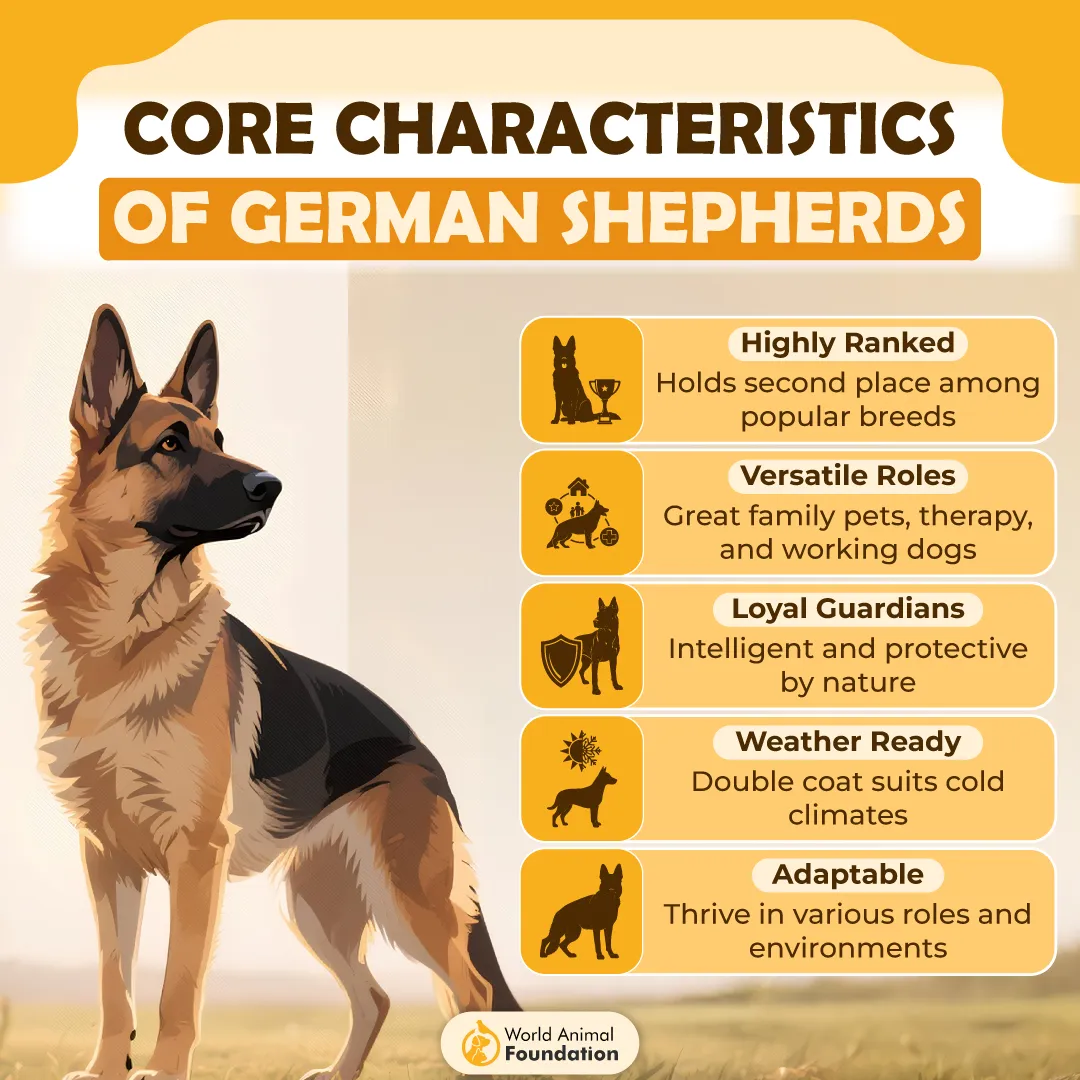
However, they can grow overly protective, which can sometimes lead to separation anxiety if left alone for long periods. With proper training, they manage alien noises and new environments calmly.
These dogs are intelligent and clever, but boredom can lead to destructive behavior, so mental stimulation is important. The key differences in temperament between German Shepherds and other breeds often come from their combination of loyalty, protective instincts, and family-focused behavior.
Their steady cadence in movement mirrors their calm and balanced personality.
Belgian Shepherd
Belgian Shepherd dogs, especially the Belgian Malinois, have an intense drive and sharp focus. The American Kennel Club says that they possess a strong work mindset and form deep bonds with their handlers.
They may struggle with other animals if not socialised early. This breed requires firm guidance from puppy age to manage their high energy and prevent destructive behavior.
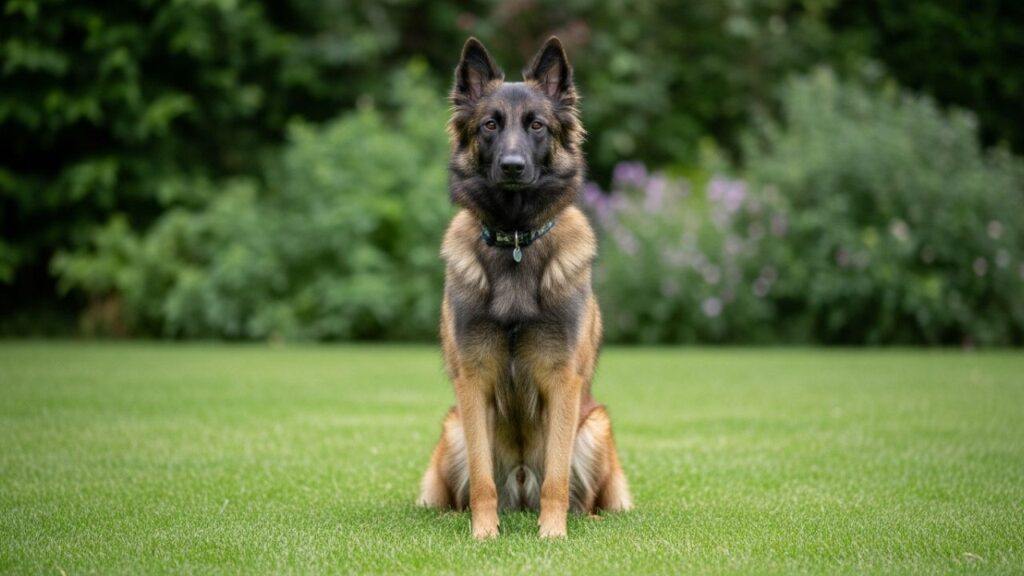
According to Purina, Belgian Malinois are affectionate, devoted, and intelligent. Their cleverness, loyalty, and alertness make them excellent working pups, though owners must understand their energetic nature to avoid separation anxiety.
These traits highlight the key differences between the German Shepherd and Belgian Malinois, even though both breeds are devoted family members.
Exercise & Energy Levels
Both German Shepherds and Belgian Shepherds are highly active breeds that thrive when given regular exercise. Their energy levels make a big difference in daily life, especially for families in the U.S.A. who want a dog that can keep up with outdoor activities.
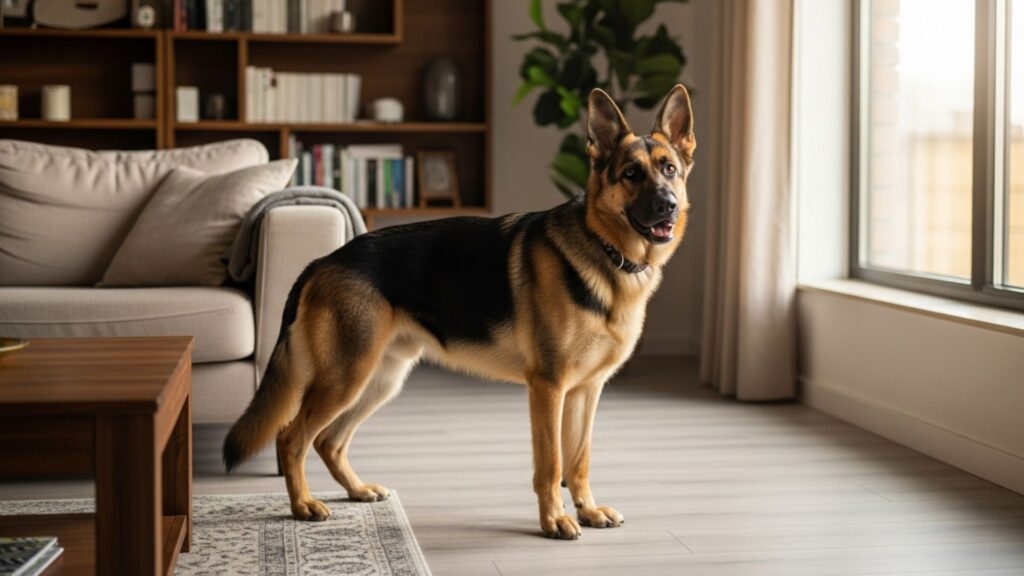
While both breeds need activity, the type and intensity vary. Understanding these differences ensures a happier, healthier dog and helps prevent boredom or destructive behaviour.
German Shepherd
Needs daily walks and play
Loves regular exercise
Enjoys fitness trials and outdoor adventures
Can rest well at home after the activity
Handles long periods indoors better than some high-energy breeds
Belgian Malinois
Needs heavy daily exercise to burn energy
Thrives with agility training and challenging tasks
Needs mental stimulation each day to stay balanced
Can show destructive behaviour when bored or unstimulated
Best suited for active families who can provide consistent engagement
Training & Intelligence
Both Belgian Malinois and German Shepherds are highly intelligent breeds that thrive when challenged. Their mental abilities make early training essential for a well-behaved, happy dog.
German Shepherd
According to PetMD, German Shepherds are one of the most highly intelligent dog breeds, making them eager learners from a young age. They thrive on consistency, positive reinforcement, and a reward system, such as treats or toys, to strengthen the human-animal bond.
Stanley Coren ranked the breed second in overall intelligence among all dog breeds. German Shepherds excel in advanced training and military work, showing remarkable skill in complex tasks.
They are agile dogs who enjoy mental challenges, making them a good fit for first-time owners committed to regular engagement. Their intelligence also makes them responsive in structured training and fun activities that stimulate the mind.
Belgian Shepherd
Belgian Malinois dogs are fast learners but need a trainer with skill and experience. They thrive with firm structure and love complex tasks that challenge their minds. Both Belgian Malinois and German Shepherd dogs benefit from advanced training early in life to build confidence and focus.
Belgian Malinois excel in military work and other high-intensity roles. Engaging them in training activities strengthens the bond with their handler and channels their energy productively.
It is recommended that Belgian Malinois puppies be trained by a professional familiar with the breed to maximize their potential as agile, intelligent dogs.
Grooming Frequency
German Shepherds have a thick double coat and a waterproof coat that helps them stay comfortable outdoors, but they shed loose hair often.
Frequent brushing is important to keep their skin healthy and to reduce mess around the house. With a steady routine, coat care is simple and helps the dog stay comfortable year-round.
Belgian Malinois, on the other hand, have a lower-maintenance coat that still benefits from quick brushing. They produce less loose hair at home, making them easier to manage for busy families.
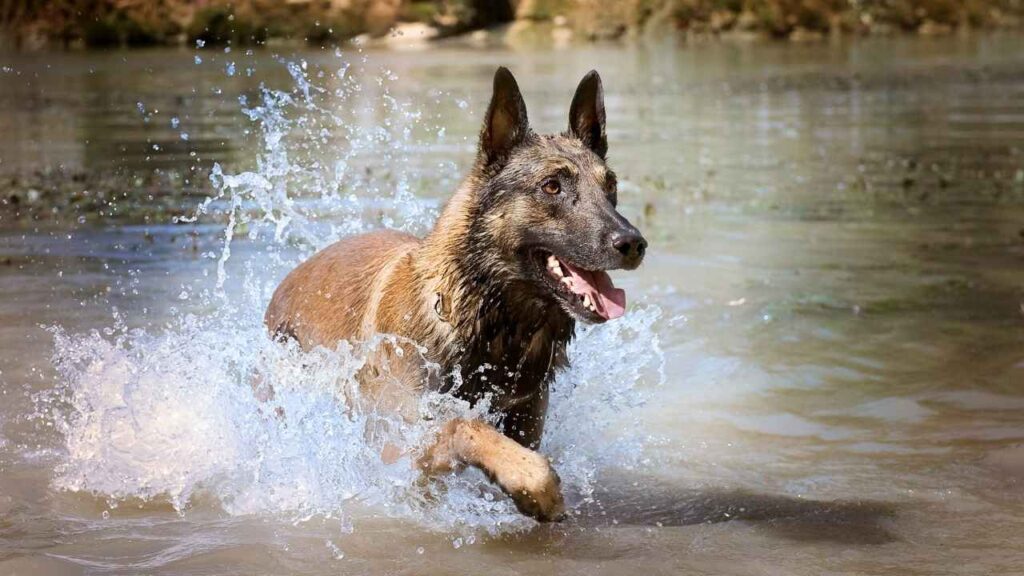
Even with their easy-care coat, regular checkups and grooming are necessary to ensure their skin and fur remain healthy.
Both breeds respond well to consistent grooming routines, though the German Shepherd generally requires more time due to its dense double coat and shedding.
Lifespan Expectancy
German Shepherds and Belgian Malinois are generally long-lived when given proper care, but each breed has health considerations that owners should know. Knowing these details helps ensure a healthy life and reduces the risks of common breed-related conditions.
German Shepherd
German Shepherds are prone to elbow dysplasia and can face spinal cord issues as they age. They may also develop progressive retinal atrophy, so joint and eye care from a young age is important. With proper diet and veterinary attention, most German Shepherds enjoy a long, healthy life.
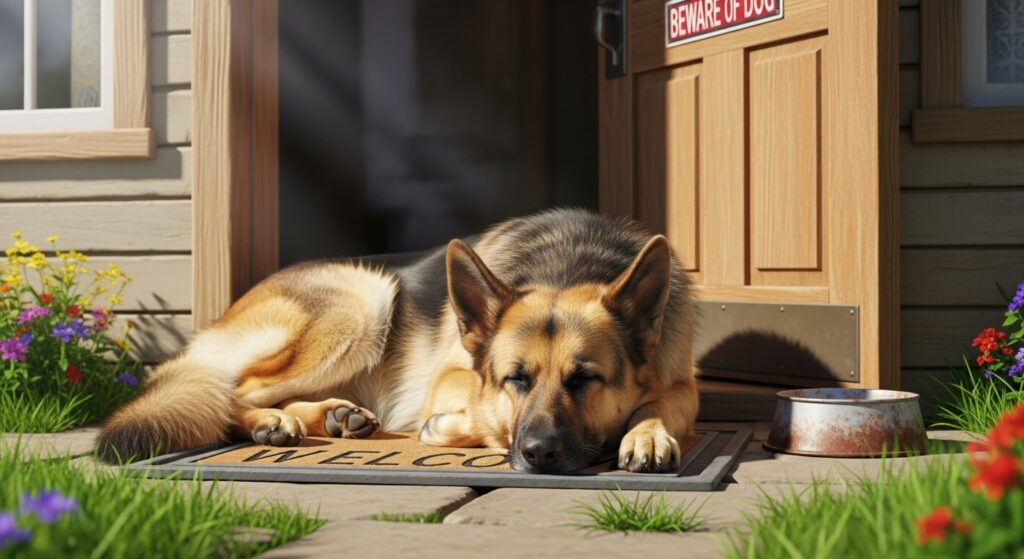
Lifespan
Male German Shepherds: 9–13 years
Female German Shepherds: 9–13 years
Belgian Shepherd
Belgian Shepherds, especially the Malinois, are often seen as a healthier breed overall, but are still prone to some health issues. Annual veterinary checks help maintain strong health and an active life. With care, they can enjoy a long life, thriving in both family and working roles.
Lifespan
Male Belgian Shepherd: 12–14 years
Female Belgian Shepherd: 12–14 years
German Shepherd vs. Belgian Shepherd: Suitability as Family Pets Vs Guard Dogs
German Shepherds make excellent family dogs, especially for households with kids. They protect the home with care and balance their guard duties with affection, showing love to the family.
These dogs often get along well with other pets and adapt to many types of family homes, making them versatile companions. Their steady nature allows them to be both loyal protectors and gentle playmates.
Belgian Shepherds, particularly the Belgian Malinois, have strong guard dog traits and are best suited for working dog roles. They need a task or job to stay calm and focused, which makes them less suited for very busy or stressful homes.
Without proper engagement, they can become anxious or restless. Belgian Malinois thrive in environments where their energy and intelligence are channelled, making them ideal for experienced owners who can provide consistent stimulation and structured routines.
Conclusion
Both Belgian Malinois and German Shepherds share a lot of similarities, including loyalty, intelligence, and strong bonds with their families.
Their physical characteristics and high energy make them excellent working dogs as well as family companions. However, key differences, such as exercise needs, temperament, and training requirements, matter for owners when choosing the right breed for their home.
Lifestyle plays a big role in finding the best fit: active households may thrive with a Belgian Malinois, while families seeking a slightly calmer yet still protective dog may prefer a German Shepherd.
Both breeds are beloved breeds worldwide, admired for their courage, devotion, and versatility.
Most German Shepherds adapt well to family life, while Belgian Malinois excel in more structured or high-energy environments, showing that many breeds offer unique qualities for the right home.
