




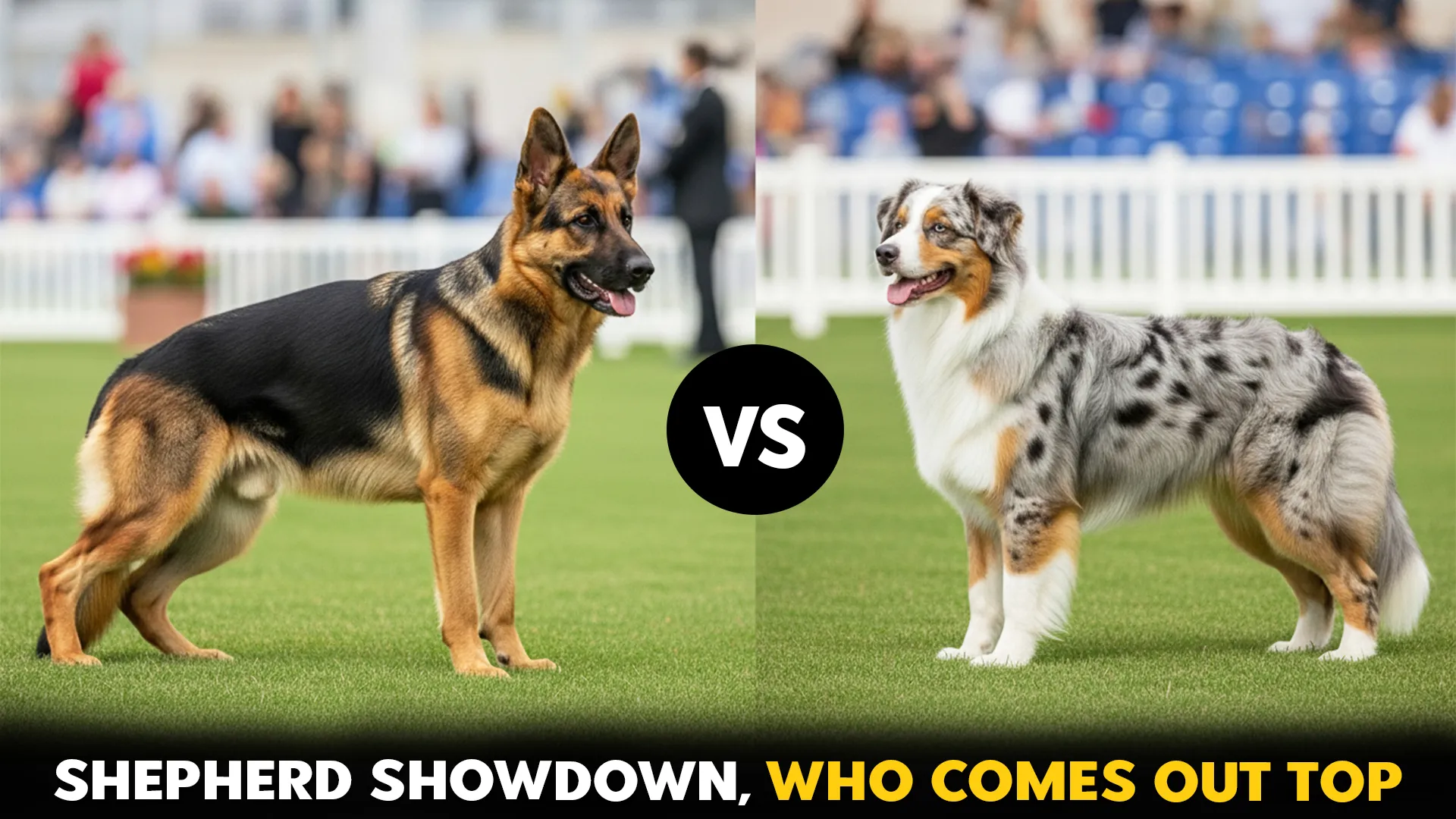
When comparing the German Shepherd and the Australian Shepherd, you are looking at two of the most intelligent and capable dog breeds in the world. Both breeds are widely admired for their loyalty, trainability, and versatility in working roles as well as family life.
Despite their shared intelligence, they were developed for different purposes, which strongly influences their behavior and needs. German Shepherds originated in Germany as herding and protection dogs, while Australian Shepherds were primarily bred in the United States for livestock herding. Understanding these origins helps explain their natural instincts and daily requirements.
This detailed comparison explores key aspects such as size, temperament, health, training, and guarding instincts. By examining these areas closely, you can determine which breed aligns better with your expectations.
Both breeds can thrive in the right environment, but they are not interchangeable in terms of care and behavior. The goal is to provide clarity so you can make a confident and responsible choice.
German Shepherd vs. Australian Shepherd: Dog Breed Showdown
Choosing between a German Shepherd and an Australian Shepherd means deciding between a focused, versatile protector and a high-energy, agile herder. While both share a legendary work ethic, their differing social needs and exercise requirements define which athlete is the best fit for your home.
Size and Strength
The German Shepherd is a large and powerful breed, typically weighing between 55 and 90 pounds depending on gender and lineage. Their muscular build and strong bone structure make them ideal for physically demanding tasks such as protection and search-and-rescue work.
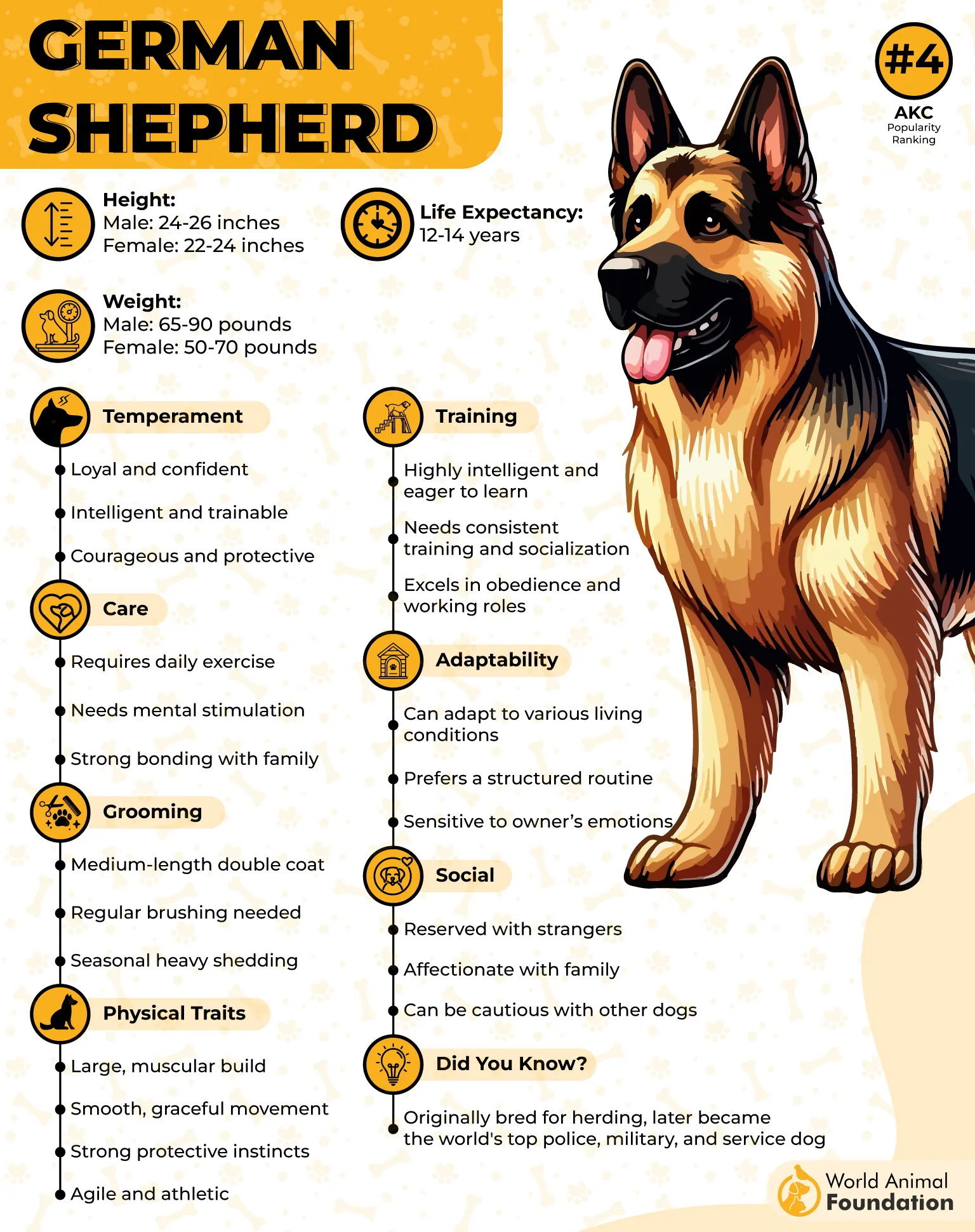
In contrast, the Australian Shepherd is a medium-sized dog, generally weighing between 25 and 65 pounds. Their lighter frame allows for agility and endurance rather than sheer strength. This difference in size plays a major role in determining their suitability for certain roles and living spaces.
German Shepherds possess a commanding presence that often acts as a natural deterrent to intruders. Their strength allows them to perform tasks that require force, such as apprehension or heavy-duty assistance work.
Australian Shepherds, on the other hand, are built for speed, coordination, and quick directional changes. PetMD says this makes them exceptional at herding livestock and participating in dog sports. While they may lack the raw power of a German Shepherd, they excel in stamina and agility.
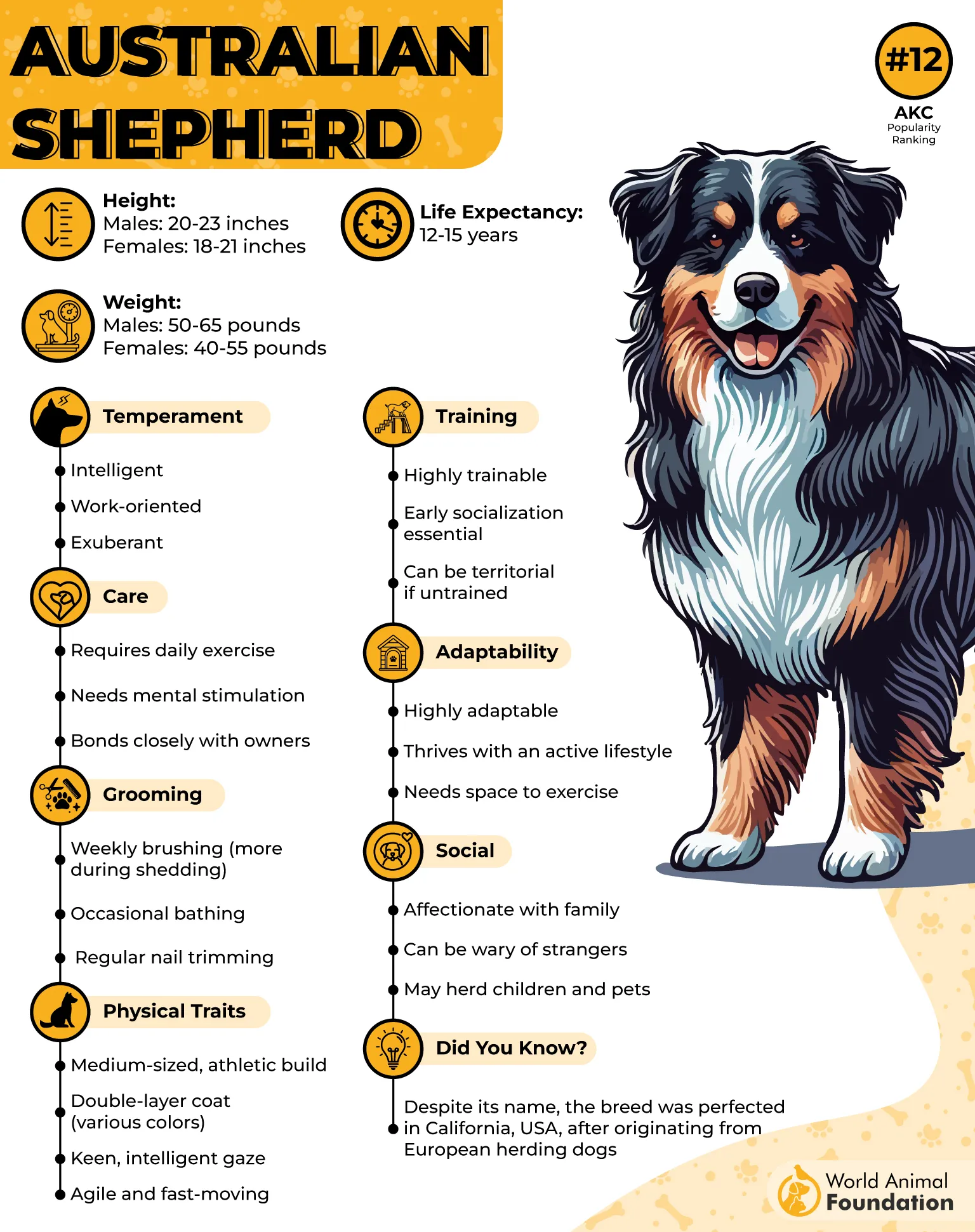
In terms of lifespan, both breeds typically live between 10 and 13 years, though individual health and care can influence longevity. Get them from reputable breeders, and you’ll see them live really long.
Temperament and Personality
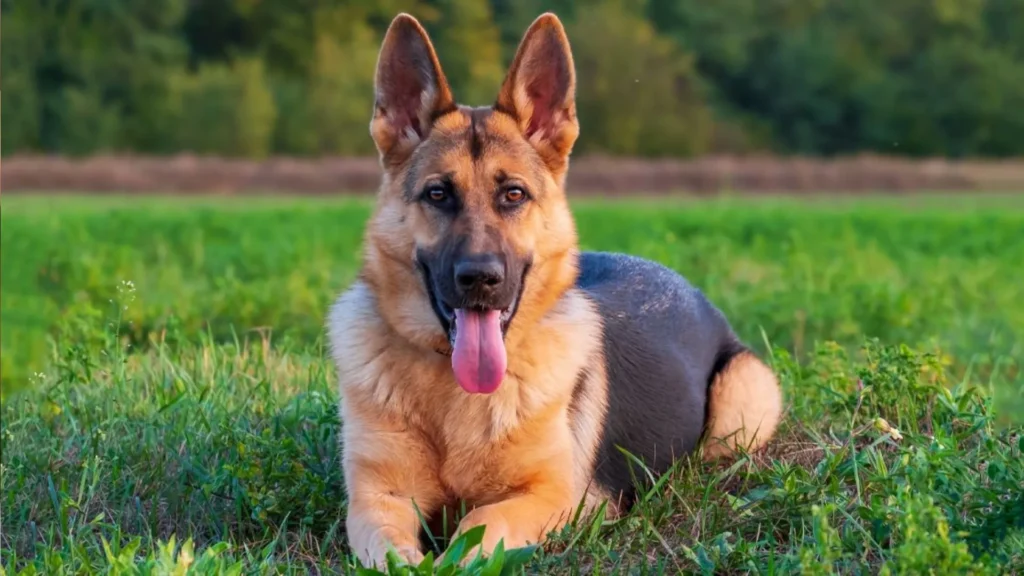
The German Shepherd is widely known for its confidence, courage, and strong sense of loyalty. These dogs form deep bonds with their families and are naturally protective of their loved ones. They tend to be more reserved around strangers, which contributes to their effectiveness as guard dogs.
With proper socialization, these large dogs can also be gentle and affectionate companions. Their balanced temperament makes them both dependable workers and loving pets.
The Australian Shepherd, in contrast, is highly energetic, playful, and people-oriented. These dogs thrive on interaction and enjoy being involved in daily activities with their owners. They are known for their eagerness to please, which makes them highly responsive to training and commands.
AKC says Aussies are typically more outgoing than German Shepherds and can be friendly even with new people. However, their herding instincts may lead them to try to control movement, especially with children or other pets.
Both breeds are intelligent, but they express it differently in their behavior. German Shepherds often display a serious and focused demeanor, especially when given a task. Australian Shepherds tend to be more lively and expressive, constantly seeking stimulation and engagement.
Without proper outlets for their energy, both breeds can develop behavioral issues such as destructiveness or excessive barking. Choosing between them depends on whether you prefer a calm protector or an energetic companion.
Health and Lifespan
The German Shepherd has a typical lifespan of 10 to 13 years, but it is prone to certain genetic health issues. One of the most common concerns is hip and elbow dysplasia, which can affect mobility over time. They may also be susceptible to degenerative myelopathy, a progressive spinal condition.
Proper breeding, regular veterinary care, and a healthy lifestyle can help mitigate these risks. Owners should be prepared for potential long-term medical care.
The Australian Shepherd also shares a similar lifespan of 10 to 13 years, with its own set of health considerations. Britannica says this breed may experience issues such as hip dysplasia, eye disorders, and certain genetic conditions like MDR1 sensitivity.
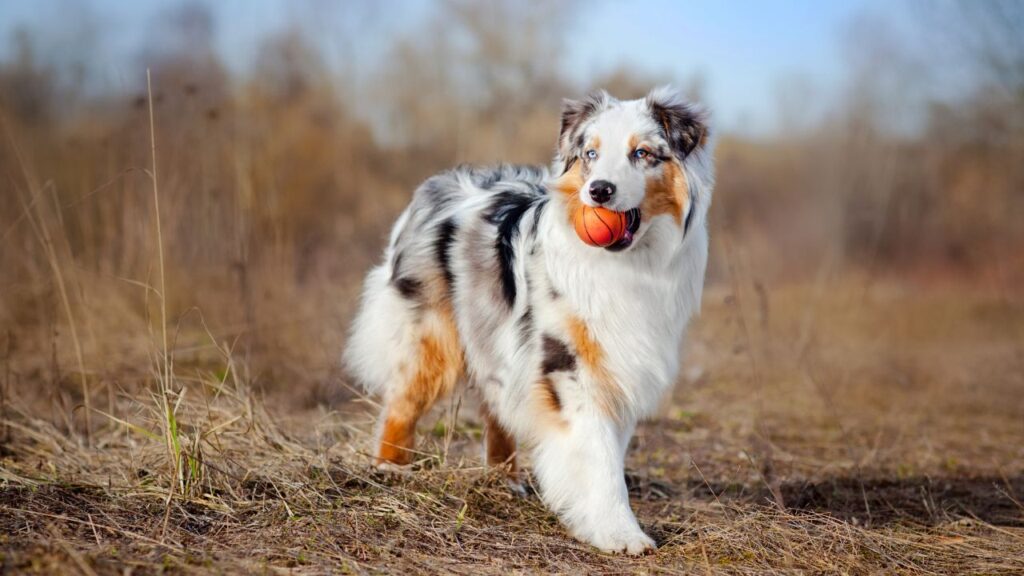
Regular health screenings and responsible breeding practices play a crucial role in maintaining their well-being. Australian Shepherds are generally robust but still require attentive care. Preventive health measures can significantly improve their quality of life.
Both breeds benefit greatly from proper nutrition, exercise, and routine check-ups. While their lifespans are similar, their health challenges differ slightly due to their physical structure and genetics. Early detection of potential issues can make a substantial difference in treatment outcomes.
Prospective owners should research breeders carefully and consider pet insurance for added security. A proactive approach to health ensures a longer, happier life for either breed.
Training and Exercise
Training is one of the strongest qualities shared by both the German Shepherd and the Australian Shepherd. German Shepherds are highly disciplined and are the right dogs for structured training environments.
They respond well to consistent leadership and clear commands, making them ideal for professional work. Short, focused training sessions are particularly effective during their early development stages. As they mature, they can handle longer and more complex training routines.
Australian Shepherds are equally intelligent but often more enthusiastic and energetic during training. They thrive on mental challenges and enjoy learning tricks, agility courses, and advanced commands. Their eagerness to please makes them quick learners, but they can become bored if training is repetitive.
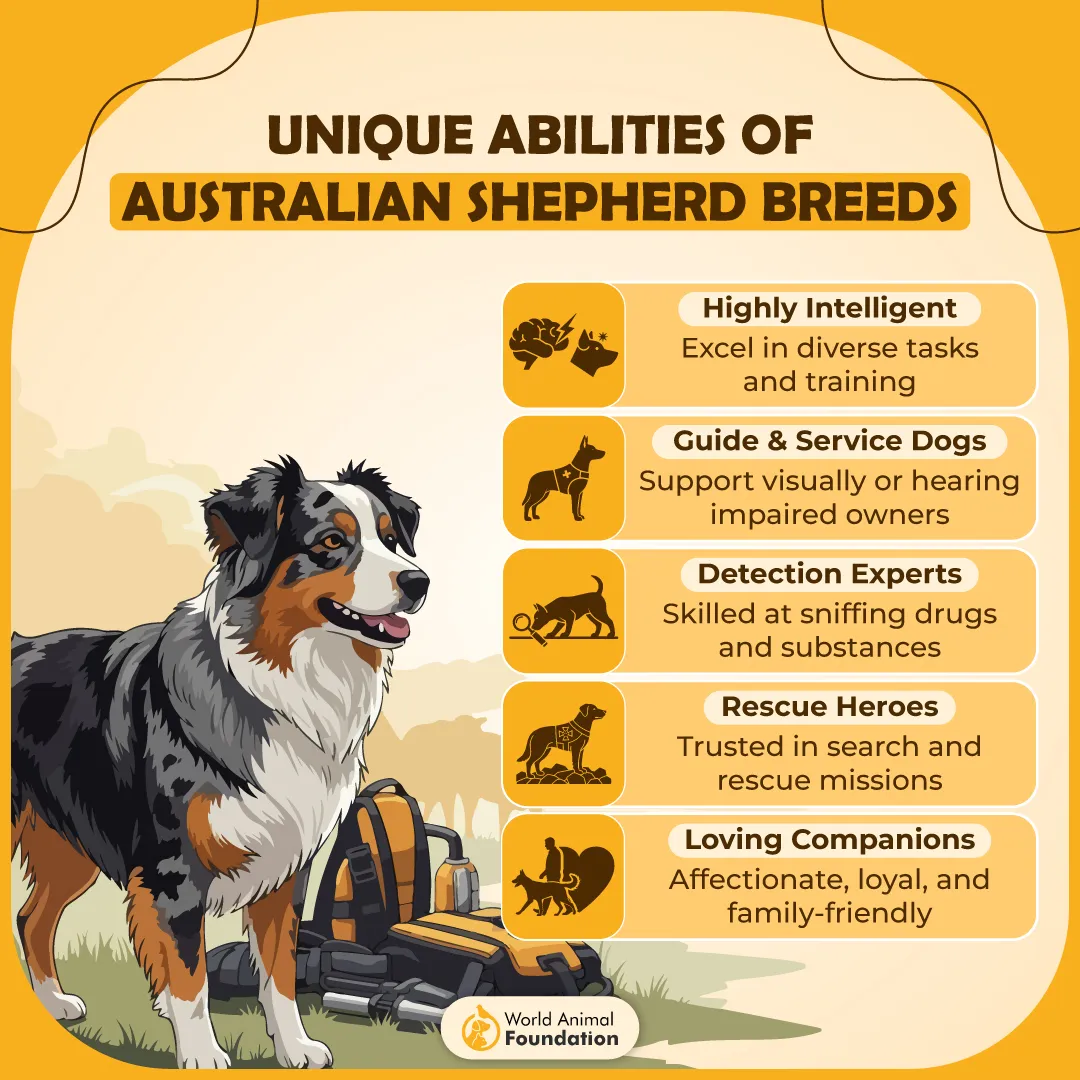
Keeping sessions engaging and varied is key to maintaining their interest. They perform exceptionally well in competitive dog sports and interactive tasks. Positive reinforcement does the charm!
Exercise needs are high for both breeds, though they manifest differently. German Shepherds require structured physical activity such as walks, runs, and task-based exercises. Australian Shepherds need both physical and mental stimulation, often requiring more playtime and problem-solving activities.
Without sufficient exercise, both breeds may develop undesirable behaviors. Owners must be prepared to dedicate time and effort to meet these demands consistently.
Grooming Needs
The German Shepherd has a dense double coat that sheds consistently throughout the year and heavily during seasonal changes. Regular brushing, ideally two to three times a week, is necessary to manage loose hair and prevent matting.

Royal Kennel Club says during shedding seasons, daily brushing may be required to keep the coat under control.
Their coat naturally repels dirt, so frequent bathing is not needed and can even strip essential oils. Maintaining proper grooming helps reduce allergens in the home and keeps their skin healthy.
In contrast, the Australian Shepherd also has a double coat but requires slightly different maintenance. Their medium-length fur can become tangled if not brushed regularly, especially around the ears and tail.
Brushing two to three times a week is generally sufficient, though more frequent grooming may be needed during shedding periods. Unlike German Shepherds, Aussies are more prone to matting if neglected. Regular grooming sessions also provide an opportunity to check for debris, ticks, or skin issues.
Both breeds benefit from a consistent grooming routine that includes nail trimming, ear cleaning, and dental care. Neglecting these aspects can lead to discomfort and potential health problems over time.
While neither breed is considered low-maintenance, their grooming needs are manageable with routine care. Investing in proper grooming tools can make the process easier and more effective. Ultimately, grooming is not just about appearance but also about maintaining overall health and hygiene.
Energy Level
The German Shepherd is a high-energy breed that requires daily physical activity to remain healthy and balanced, says PetPlan. Activities such as long walks, jogging, and structured play sessions help meet their exercise needs. They also benefit from mentally stimulating tasks like obedience training or scent work.
Without sufficient exercise, they may develop destructive behaviors such as chewing or excessive barking. Consistency in activity levels is essential to maintaining their well-being.
The Australian Shepherd is even more energetic and thrives in highly active environments. These dogs require both physical exercise and mental challenges to stay satisfied. Activities like agility training, herding simulations, and interactive games are ideal for this breed.
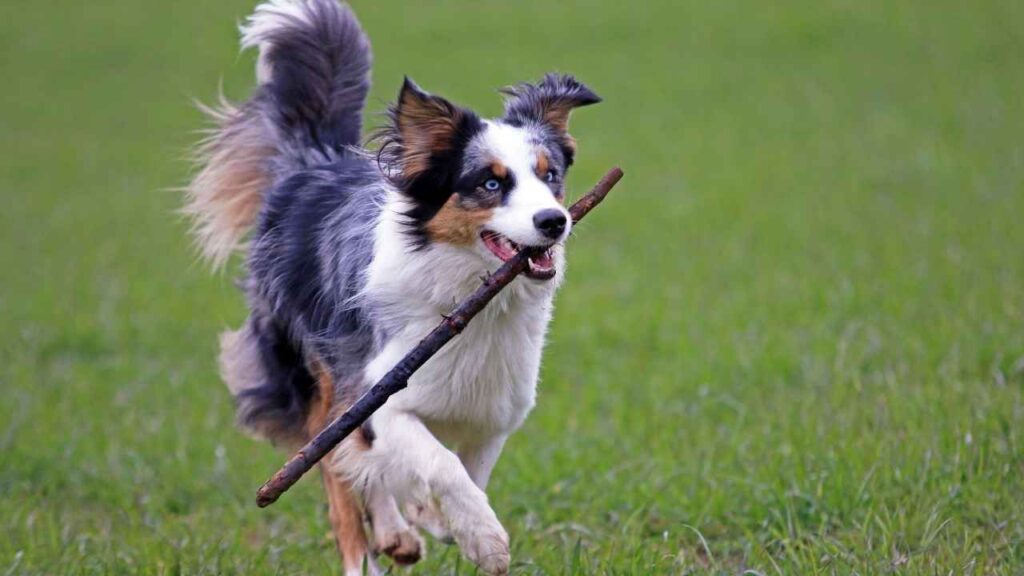
Aussies can become restless and anxious if their energy is not properly channeled. They are best suited for owners who can dedicate significant time to keeping them engaged.
While both breeds are energetic, their needs differ slightly in intensity and focus. German Shepherds tend to enjoy structured routines and purposeful tasks, while Australian Shepherds crave constant activity and variety.
A lack of exercise in either breed can lead to behavioral issues and frustration. Owners must be prepared to commit time every day to meet these demands. Choosing the right breed depends heavily on your ability to match their energy levels with your lifestyle.
Natural Guard Instincts
The German Shepherd is renowned for its strong guarding instincts and protective nature. This herding breed has been used for decades in roles that require vigilance and courage. They also often utilized as police dogs and service dogs.
Their natural suspicion of strangers makes them excellent watchdogs and protectors. With proper training, they can distinguish between real threats and normal situations.
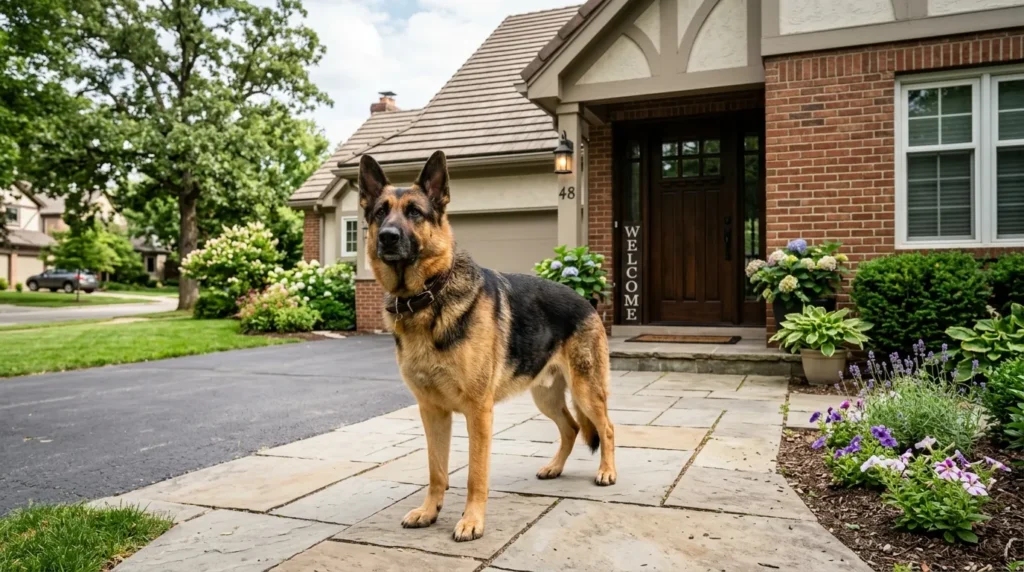
This makes them highly reliable in security-related roles.
The Australian Shepherd also possesses protective tendencies, but they are less intense compared to German Shepherds. Aussies are more likely to alert their owners through barking rather than taking direct action. Their herding background means they are more focused on controlling movement than confronting threats.
Protective Temperament
Training plays a critical role in shaping guarding behavior in both breeds. German Shepherds can become overly aggressive if not properly socialized and trained. They can serve as effective therapy dogs, thanks to their high intelligence, trainability, and deep bonding with handlers
Australian Shepherds, while less aggressive, can still develop reactive behaviors if their energy is not managed. Early exposure to different environments and people helps create balanced behavior. Understanding these instincts ensures safer and more effective companionship.
While they can be protective, they are generally more approachable and less intimidating. This makes them better suited as watchdogs rather than guard dogs.
Conclusion
Choosing between these two breeds ultimately depends on your lifestyle and expectations. German Shepherds are ideal for those seeking a loyal protector with a strong work ethic.
Australian Shepherds are better suited for active individuals who enjoy engaging, energetic companions. Both breeds require commitment, training, and proper care to thrive. Making the right choice ensures a harmonious relationship. Looking for some other dogs? Border collie is also a dog that has similar characteristics.
Each breed brings unique strengths and challenges that should not be overlooked. German Shepherds offer unmatched reliability in protection and structured tasks. Australian Shepherds provide unmatched enthusiasm and agility in dynamic environments.
Understanding these differences helps avoid mismatched expectations. A well-matched owner and dog create a fulfilling experience for both.
