




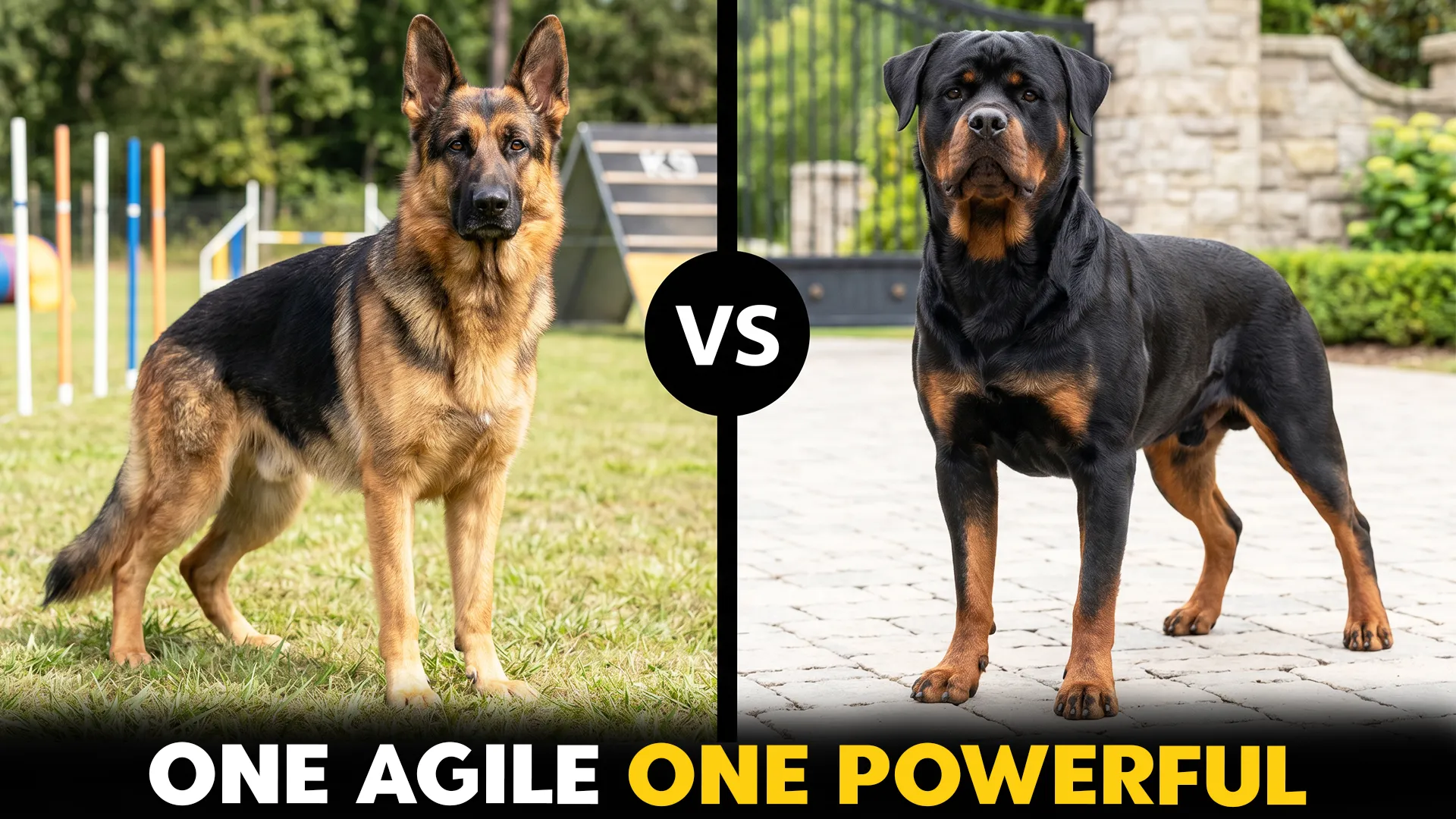
One stroll through a neighborhood park and you’ll spot them like living legends on four legs.
On one side, the German Shepherd moves with sharp focus—ears alert, eyes scanning like it’s secretly on duty for an elite security mission. On the other side, the Rottweiler stands like a silent bodyguard who didn’t even need to announce it showed up… because everyone already felt it.
Now imagine this: You’re holding a snack. One of them is politely calculating whether it’s “work-related evidence.” The other is emotionally negotiating for it with pure, confident eye contact that says, “You won’t need both hands, right?”
Both breeds are powerful. Both are intelligent. And both have starred in more “don’t worry, it’s friendly” conversations than any dog owner can count. Yet somehow, people still try to decide between them like it’s choosing a phone model—when in reality, it’s more like choosing your personal bodyguard… or your very determined shadow.
So, here’s the real question: when two of the most iconic guardian breeds in the world look this strong, this smart, and this unforgettable… how do you actually choose the right one for your life?
Did You Know?
The German Shepherd is one of the most widely used working dogs in police and military roles worldwide due to its intelligence and trainability.
The Rottweiler is one of the oldest herding breeds, originally used by Roman armies to drive cattle and guard supplies.
German Shepherd vs Rottweiler: What Sets Them Apart
Origins & Purpose
The German Shepherd and Rottweiler both come from Germany, but their origins reflect very different working needs.
The German Shepherd was developed in the late 1800s by selecting intelligent herding dogs capable of managing sheep with precision and later adapting to complex roles like police tracking, military service, and guiding the visually impaired.
It was built around quick learning, sharp attention, and the ability to follow detailed commands in changing situations.
The Rottweiler, on the other hand, descends from Roman drover dogs that settled in the Rottweil region, where they were used for driving cattle and guarding butchers’ money during transport.
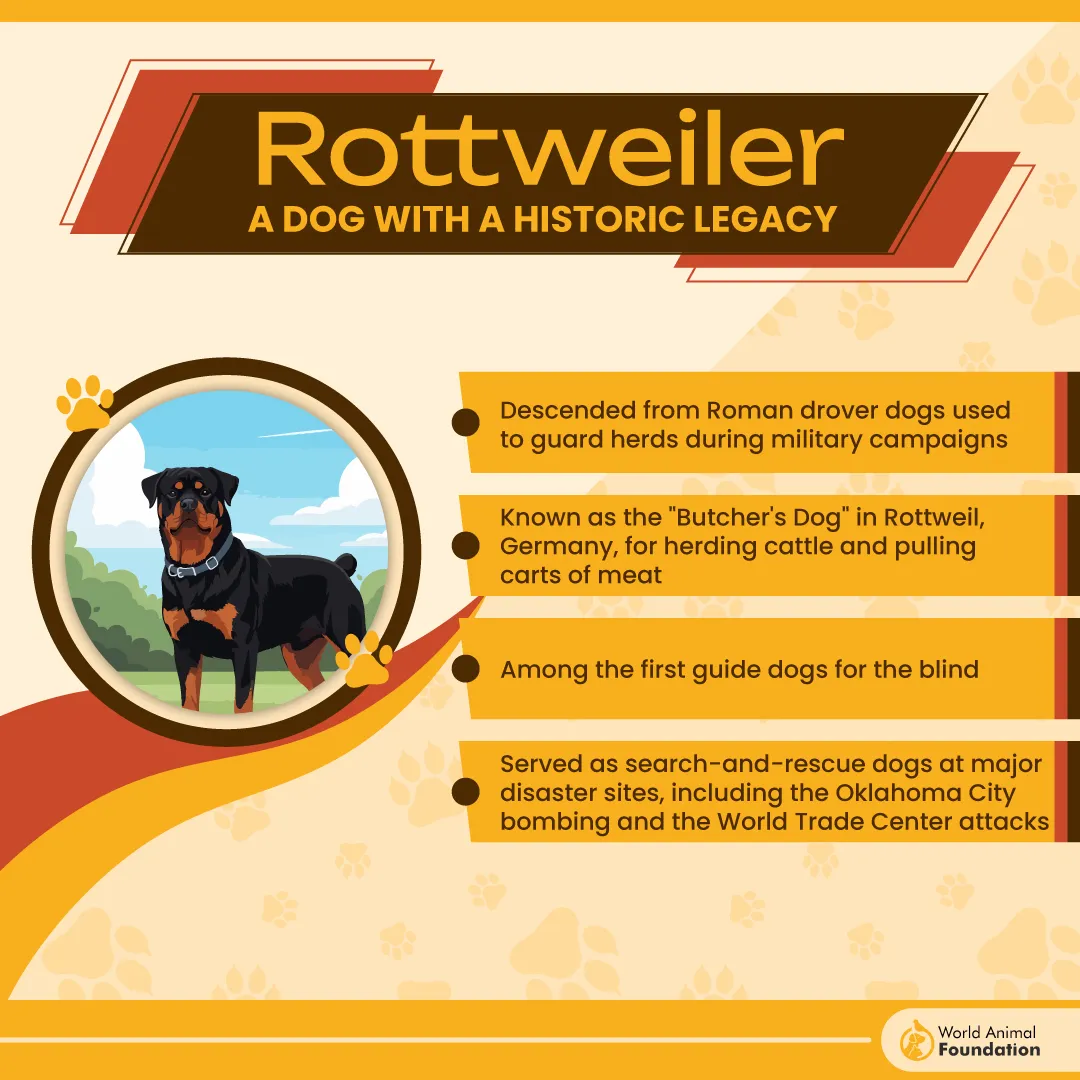
It became known for steady control, physical strength, and calm handling of pressure while working closely with humans in demanding travel and protection tasks.
While both breeds are now widely used in security and service work, the German Shepherd is more associated with rapid responsiveness and versatile task performance, whereas the Rottweiler is valued for composed power and reliable guarding instinct.
Size & Physical Build
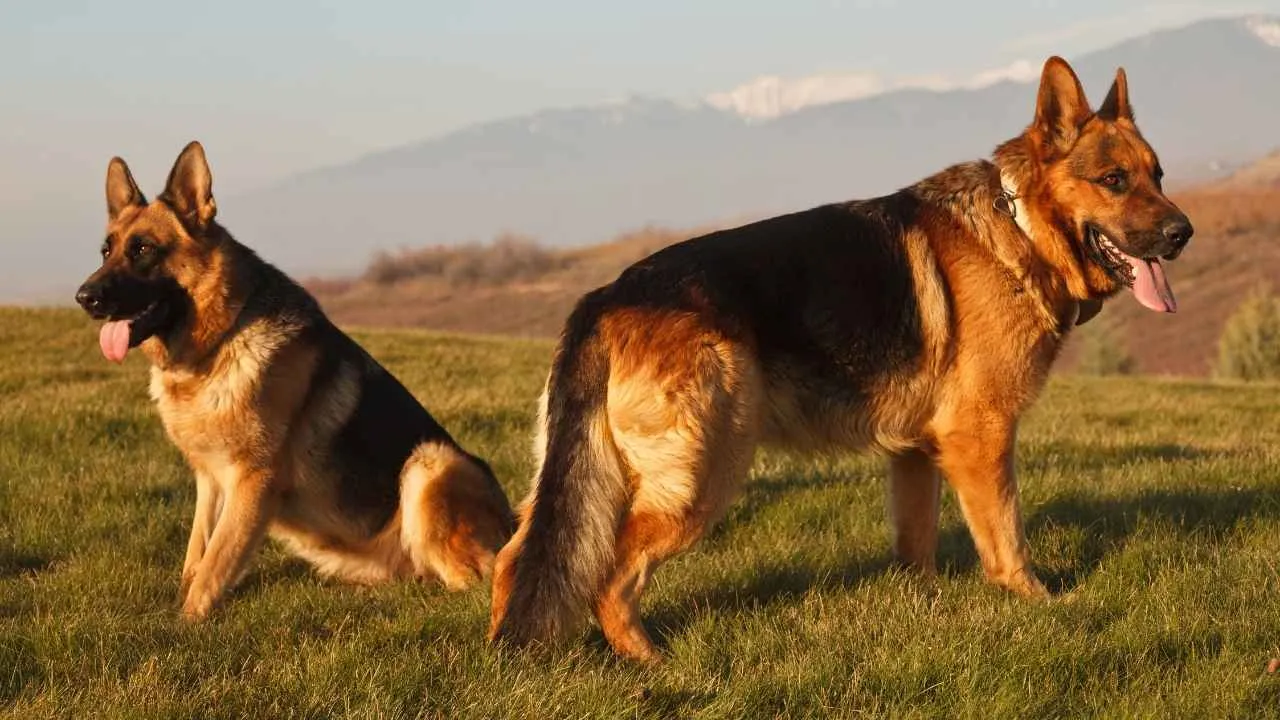
The German Shepherd is built like a long, athletic worker designed for movement and endurance rather than bulk. Its body is slightly stretched, with strong yet lean muscles that support smooth direction changes and sustained activity.

When it moves, the stride is free and flowing, often shifting from a steady trot into fast bursts when tracking or responding to commands.
This structure allows it to cover large areas efficiently, making it well-suited for patrol work, search tasks, and environments where constant motion is required.
Rottweilers are generally broader, heavier, and more powerful than German Shepherds, which are more agile and lean. Its deep chest, thick bone structure, and powerful hindquarters give it strong grounding, especially in tasks that require holding, pulling, or controlled force.
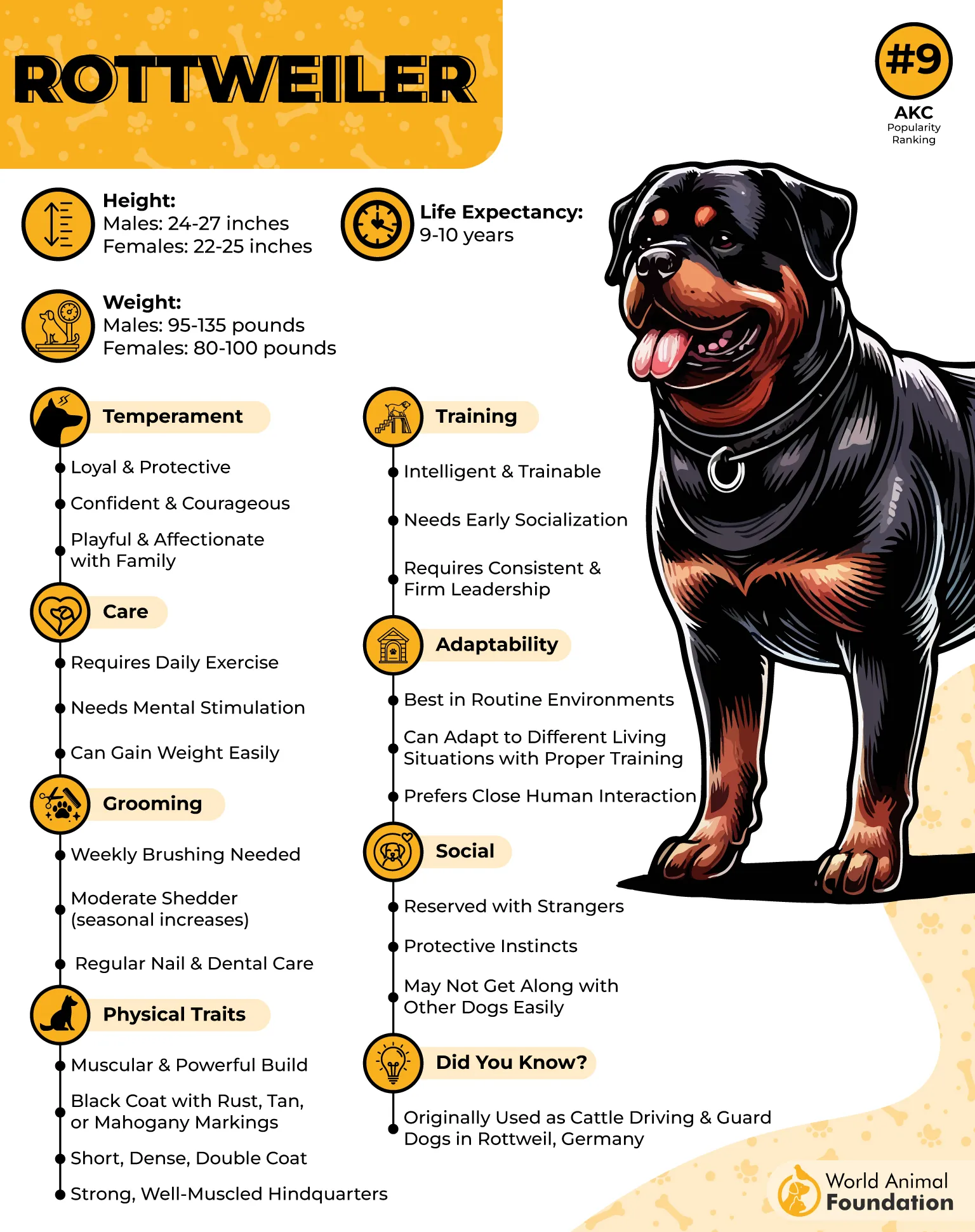
Rottweilers have a short, dense coat that is primarily black with tan markings, while German Shepherds have a double coat that can be either long or short and comes in various colors, including black, tan, and sable.
Together, one shows agility and reach, while the other demonstrates compact power and controlled strength.
Temperament & Personality
German Shepherds are generally more high-energy, versatile, and alert than Rottweilers, which are typically more laid-back and stubborn.
German Shepherds tend to stay watchful around their home, quickly reacting to unusual sounds or movement, which makes them widely used in security, military, and search roles, as noted by Britannica.
Because of its strong intelligence, it learns commands fast but also needs a clear structure, as it can start making its own decisions if not properly guided during training and daily routines.
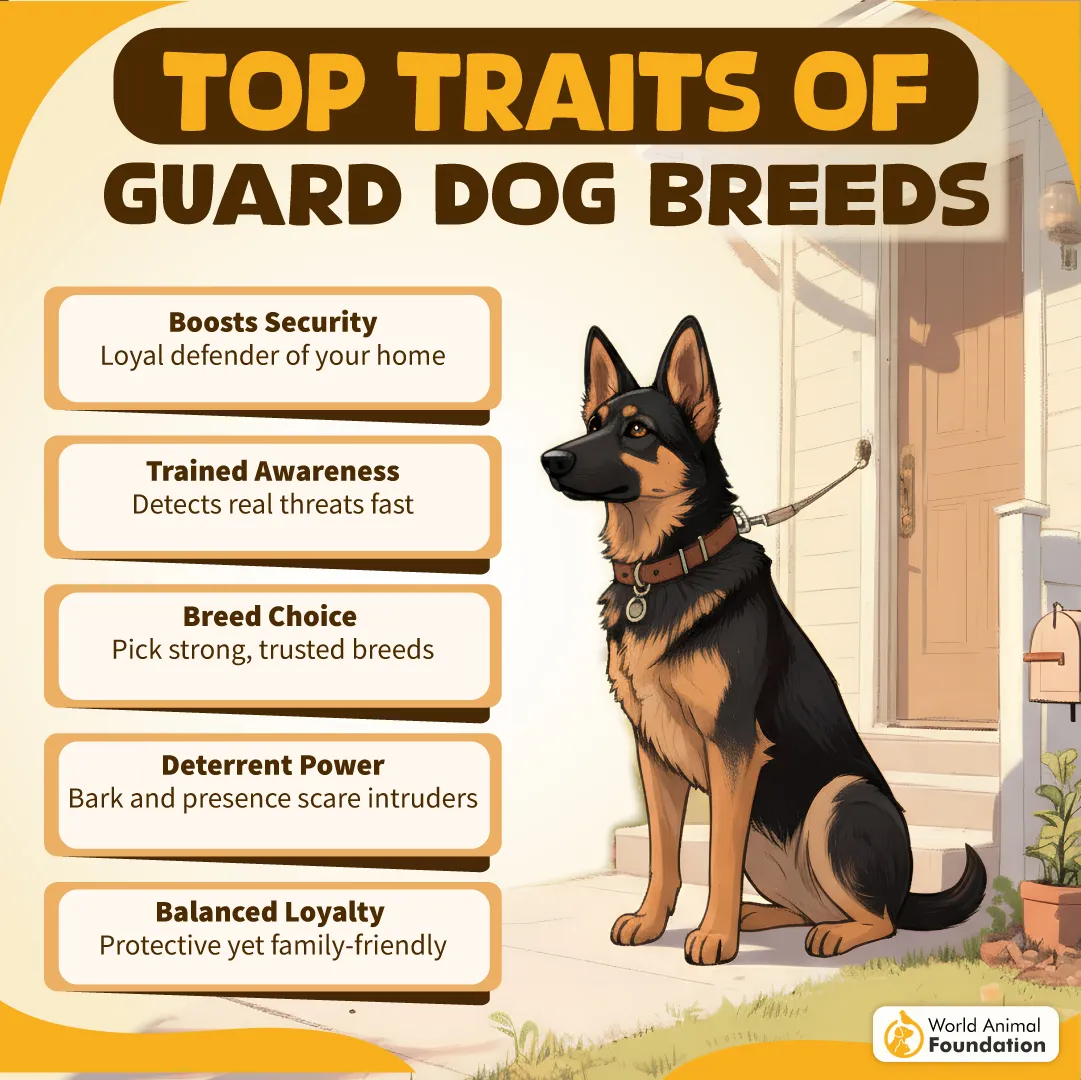
German Shepherds often bark to alert intruders, whereas Rottweilers rely on a confident, intimidating presence to guard.
The Rottweiler is calm, serious, and quietly confident, often behaving gently within its family while staying reserved toward strangers.
It was originally developed for demanding tasks like controlling livestock and protecting valuables, which shaped a steady mindset that prefers clear direction and purposeful activity.
It learns quickly but may resist repetitive or unclear commands, showing a strong independent streak during training. As it matures, it becomes more composed and less playful, focusing its energy on protection rather than constant activity.
Exercise & Energy Levels
German Shepherds require a lot of mental stimulation through activities such as obedience training, agility courses, and interactive playtime to stay happy and healthy.
On the other side, Rottweilers require daily exercise for at least an hour, which can include walks, jogs, and playtime to keep them healthy and happy.
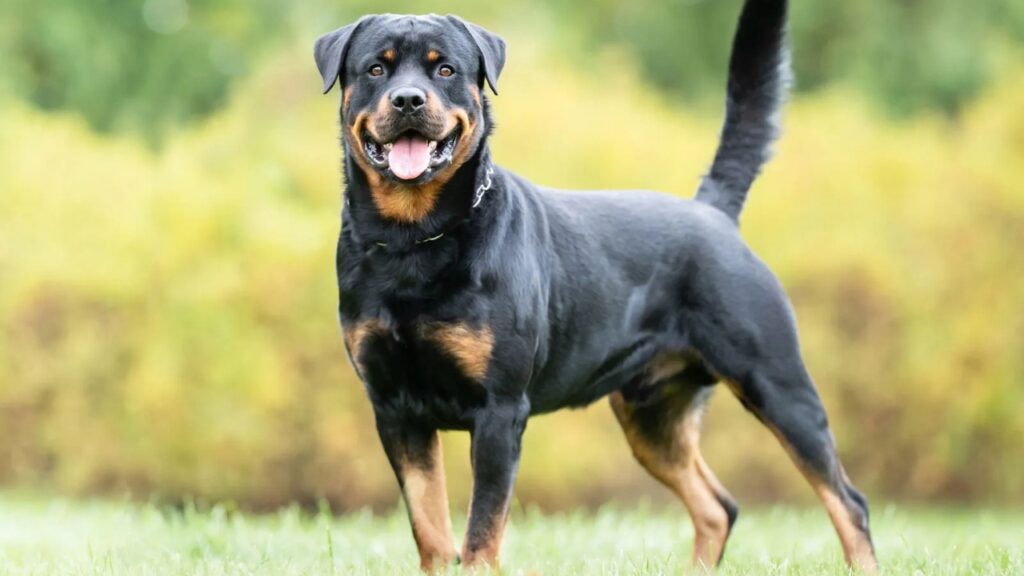
It tends to prefer steady, strength-based activities like walking, swimming, cart pulling, or controlled obedience work that feels purposeful rather than constantly fast and varied.
The German Shepherd can quickly become frustrated, restless, or develop unwanted behaviors if its energy is not properly channeled through structured tasks and consistent engagement.
Whereas the Rottweiler generally maintains a more even temperament with routine exercise and responds well to tasks that emphasize endurance and control instead of rapid stimulation.
Overall, the German Shepherd thrives on dynamic, mentally challenging routines that keep both body and mind busy, while the Rottweiler performs best with stable, consistent activity that builds strength and reinforces calm, focused working behavior over time.
Both Rottweilers and German Shepherds benefit significantly from regular exercise, which helps reduce anxiety and improve their overall well-being.
Training & Intelligence
The German Shepherd is widely recognized for its sharp intelligence and strong response to structured obedience training. It often excels when learning is consistent, reward-based, and paired with clear leadership, as mentioned by PetMD.
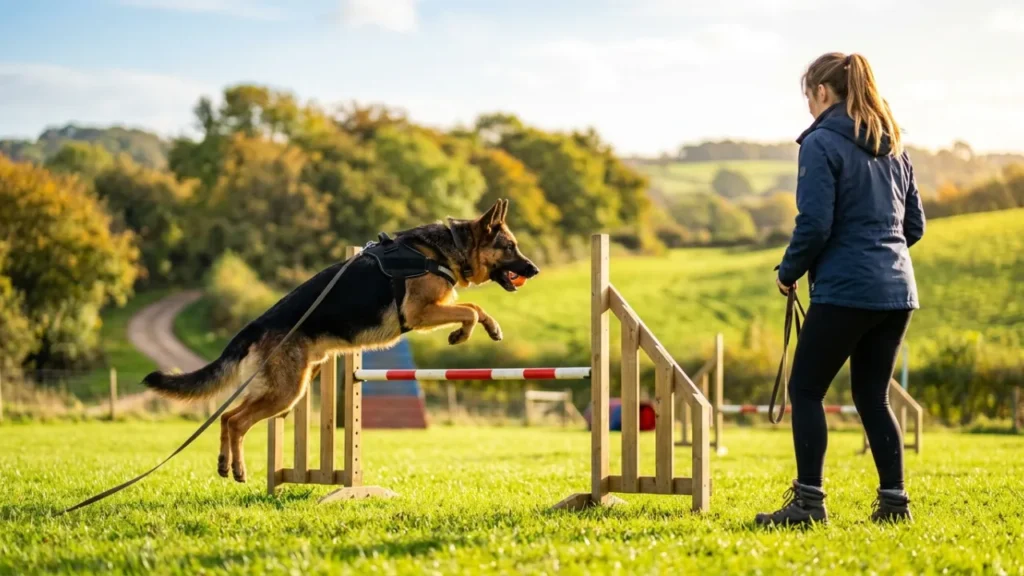
This is why it is frequently selected for military, police patrol, bomb detection, and search-and-rescue work where accuracy and discipline are critical.
It needs early socialization and controlled leash training because its strong drive can lead it to chase movement if not properly guided. This makes it a breed that performs best under experienced handling and well-planned routines.
Both breeds benefit from positive reinforcement training methods, but Rottweilers may respond better to reward-based techniques due to their independent nature.
The Rottweiler is equally intelligent but tends to think more independently. It learns commands quickly yet sometimes pauses to assess instructions before responding, especially if training feels unclear or repetitive. This is why it benefits strongly from calm, consistent, reward-based methods.
It responds well to early socialization with people, environments, and other animals. Once properly guided, it develops into a highly dependable working and protection dog with steady focus and controlled decision-making.
Both breeds are intelligent and incredibly loyal, but German Shepherds are often considered easier to train due to their eagerness to please, while Rottweilers can be more stubborn and require consistent leadership.
Grooming Frequency
The German Shepherd breed has a dense double coat with a harsh outer layer and a soft undercoat. It needs brushing every few days to remove loose hair and keep the coat healthy.
During heavy seasonal shedding, brushing must be done more often to control hair around the home. Bathing is only needed occasionally, as frequent washing can affect natural coat oils.
Nail trimming is important every month to avoid discomfort and posture issues, especially if nails are not worn down naturally through activity.
The Rottweiler has a short, straight, coarse coat that lies flat and is easier to maintain in daily care. It requires weekly brushing to remove loose hair and keep the coat clean. Shedding stays moderate most of the year but increases during spring and fall.
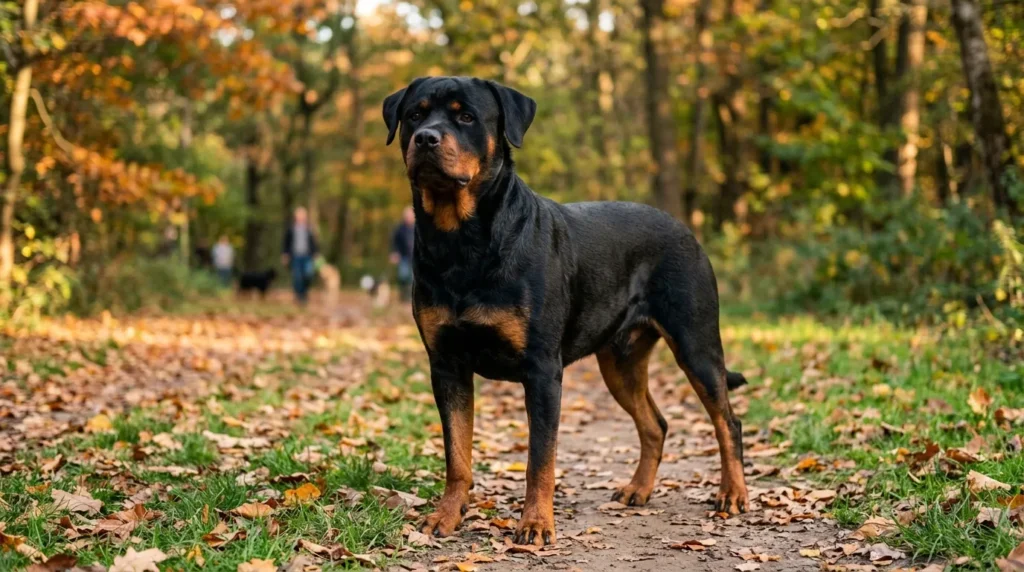
Regular bathing helps maintain hygiene, especially for active dogs. Nail trimming and basic dental care should be done regularly to support overall health and comfort.
Overall, the German Shepherd needs more frequent brushing, while the Rottweiler is simpler to maintain but still requires consistent care routines.
Health & Lifespan
The German Shepherd lives around 7–10 years and is known to face several genetic health concerns. Hip and elbow dysplasia are common and may cause joint pain and limping over time. It is also at risk of degenerative myelopathy, a spinal condition that can affect hind-leg movement.
Bloat or gastric dilation-volvulus is another serious issue in deep-chested dogs and may require emergency care. Allergies and heart problems can also appear with age.
Regular vet checks, controlled exercise, weight management, and preventive care like gastropexy help reduce risks and maintain quality of life, as noted by the AKC.
The Rottweiler typically lives around 9–10 years and is generally robust but still prone to specific health issues. Hip and elbow dysplasia are common and may lead to arthritis if not managed early. It is also at risk of obesity, which can worsen joint strain and overall health.
Other concerns include cranial cruciate ligament rupture, osteosarcoma, eye conditions like entropion, and gastric dilatation-volvulus. Regular exercise, controlled diet, and routine veterinary care help maintain long-term health and mobility.
German Shepherd vs. Rottweiler: Which one is best for you?
Choosing between the German Shepherd and the Rottweiler really comes down to your lifestyle, experience, and how much time you can invest in training, exercise, and daily engagement.
If you want a highly active, highly trainable companion that enjoys constant learning, structured routines, and mentally challenging activities, the German Shepherd is often the better fit.
It thrives in busy environments where it has a clear job to do, whether that’s training sessions, outdoor adventures, or advanced obedience work. It suits pet owners who can provide strong leadership, regular exercise, and early socialization.
If you prefer a calmer, steadier dog with a naturally confident and protective presence, the Rottweiler may be a better choice.
It is more relaxed in daily life, enjoys purposeful activities, and often bonds deeply with its family while staying reserved around strangers. It suits owners who can offer calm, consistent training and firm but fair guidance.
In short, the German Shepherd fits an energetic, task-focused lifestyle, while the Rottweiler fits a more grounded, controlled, and stability-focused home environment.
Conclusion
Both dogs are powerful, intelligent, and deeply loyal companions, but they suit very different lifestyles.
One thrives in fast-paced routines filled with training, activity, and constant mental challenges, while the other performs best in calm, structured environments with steady guidance and purposeful exercise.
Choosing between them depends on how much time, energy, and experience a person can invest in training and daily care. With the right owner, either can grow into a confident, reliable, and loving partner that offers protection, companionship, and lifelong trust.
