




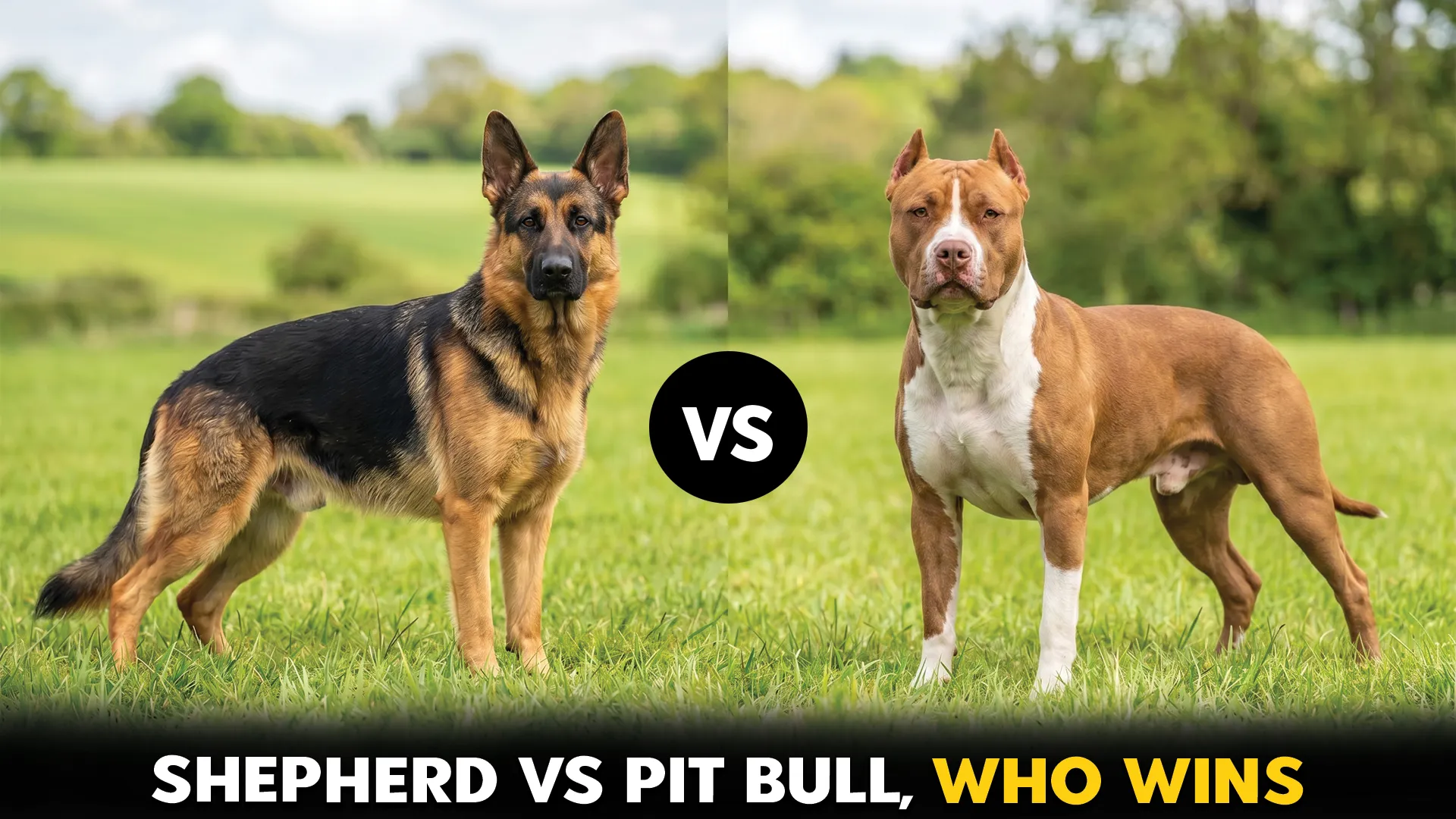
Choosing between two powerful dogs can feel confusing, right? Do you want a loyal guard or a playful friend?
The German Shepherd and the Pit Bull are among the most talked-about dog breeds today. People often compare these two breeds because of their strength, energy, and bold behavior. Yet opinions can be shaped by myths, such as those about dog fighting or old roles.
Both dogs can thrive with proper training and early care. These intelligent dogs can become loving pets with the right guidance. From training sessions to daily exercise, each dog has unique needs.
So, which breed fits your life, your family, and your routine best?
When you compare the German Shepherd with the American Pit Bull Terrier, you notice clear differences in purpose and daily needs. Both are strong and loyal dog breeds, yet they bring very different traits to a home.
Let’s break down their key differences, from origins to care, so you can choose the right fit with confidence.
German Shepherd Dog Breeds vs. Pit Bull Dog Breeds
Origins & Purpose
Understanding where a dog comes from helps explain its skills and behavior today.
German Shepherd
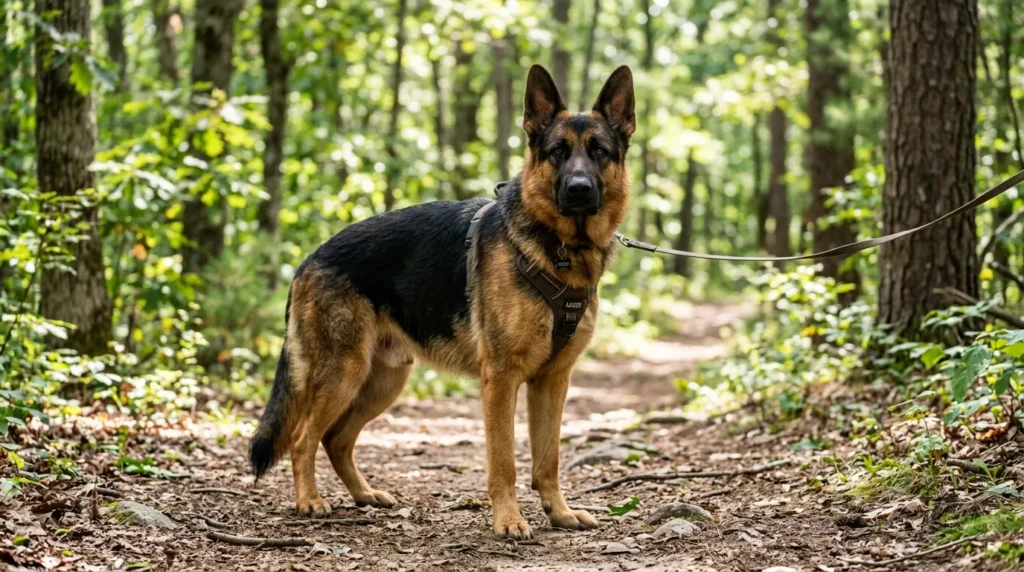
The German Shepherd has a rich and purposeful history. It was developed by Max von Stephanitz in 1899 using traditional German herding dogs, noted by Wikipedia. His goal was to create one of the most reliable working dogs with strong intelligence and loyalty.
At first, these dogs helped farmers manage sheep through careful herding. Over time, their sharp minds and strong protective instincts made them ideal for police work and even military work.
Today, they are known for their obedience, courage, and ability to learn new tasks quickly. Many families also love them as loyal companions who stay alert and devoted to their owners.
Pit Bull
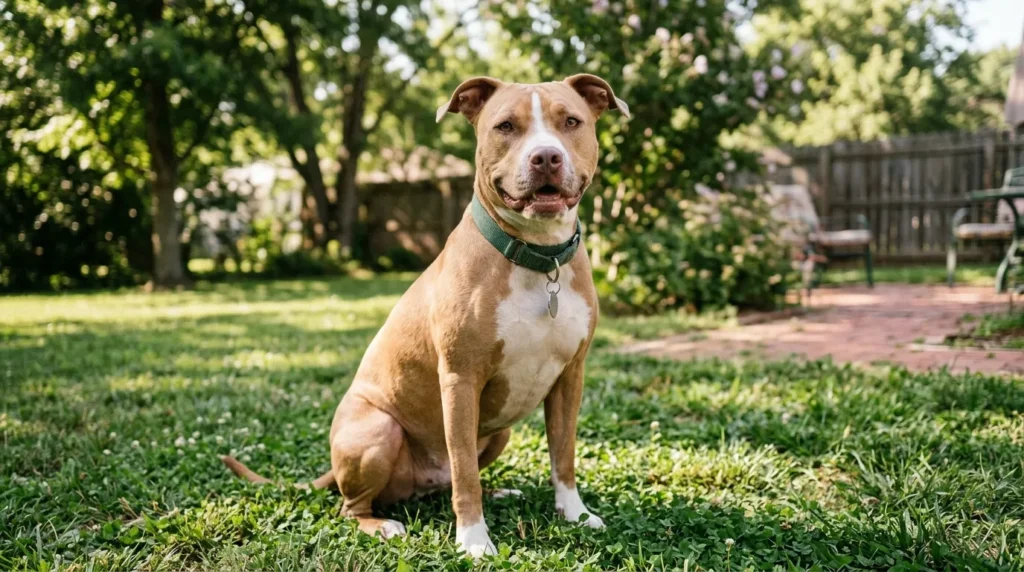
The story of Pit Bulls is very different but just as important. The term “Pit Bull” refers to Pit Bull-type dogs, including breeds like the American Staffordshire Terrier and Staffordshire Bull Terrier.
Many dogs in this group come from a mixed background linked to old bull-and-terrier breeds. In the past, these dogs were sadly used in bull baiting and later in dog fighting. However, times have changed.
Today, many Pit Bulls are loving family pets. They are often called “nanny dogs” because of their gentle bond with children. With proper care, these dogs show loyalty, affection, and a strong desire to please their families.
Size & Physical Build
A dog’s body shape affects its strength, speed, and daily needs.
Let’s explore how these breeds differ in their physical traits and overall structure.
🎧 Dogcast
Episode 37 — Why Dogs Stay Close without Touching
If you don't hear sound, tap the button above to enable audio.
German Shepherd
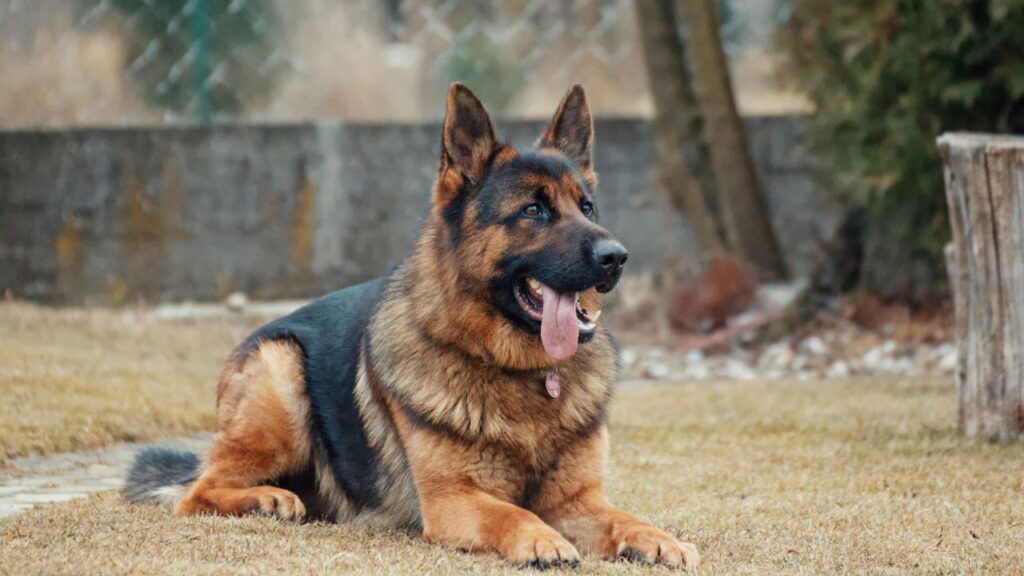
The German Shepherd stands out with a large and powerful frame. Its body shows balance, strength, and purpose. This breed has a firm back, deep chest, and strong legs built for action. Its thick double coat protects it in harsh weather, but it does require frequent brushing to stay clean.
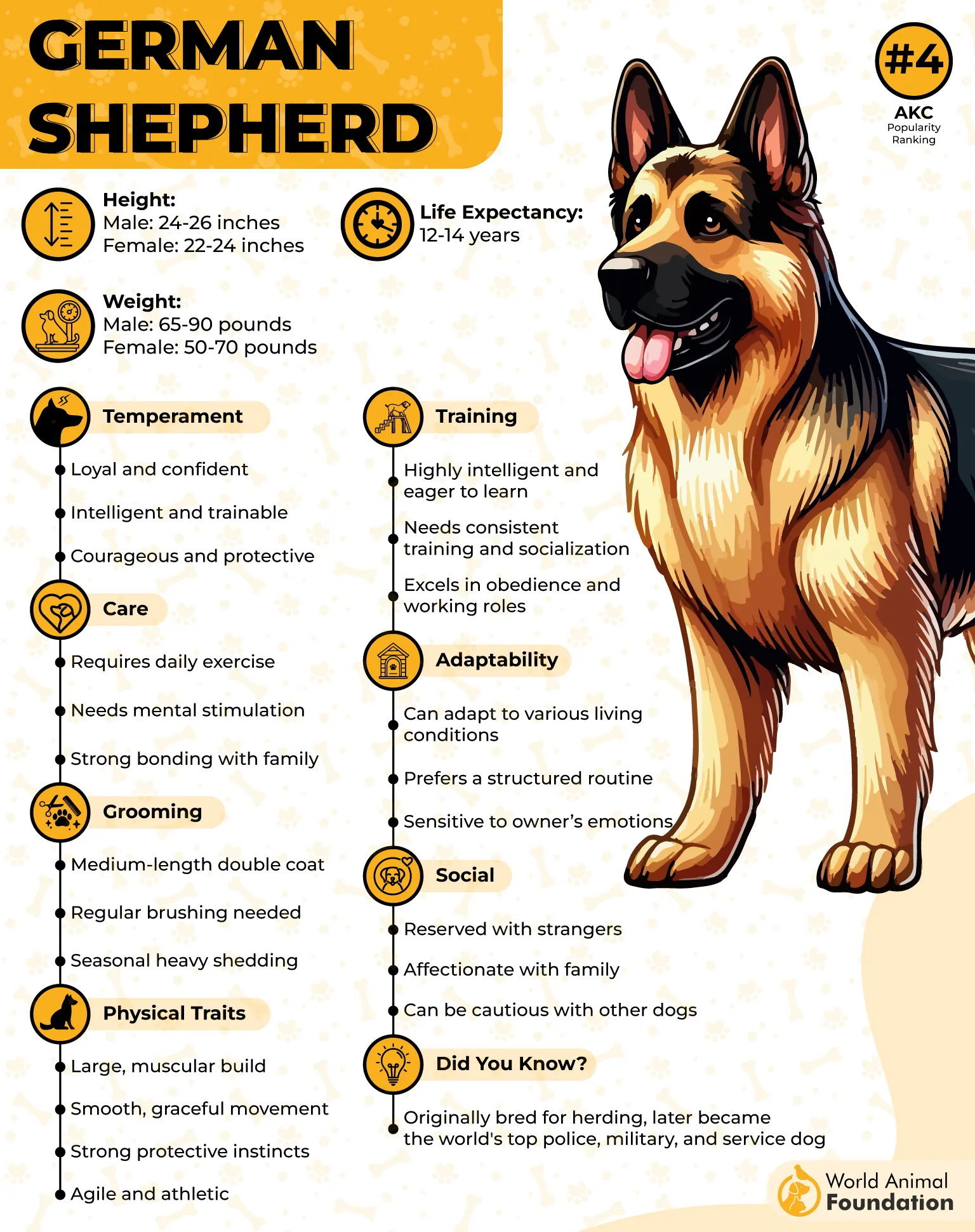
German Shepherd dogs were made for long tasks, so their build supports endurance and long working hours. Their size and activity level often match demanding roles like guarding and service work.
Height & Weight
Male: 24–26 inches tall | 65–90 pounds
Female: 22–24 inches tall | 50–70 pounds
Pit Bull
The Pit Bull has a very different look but is just as impressive. It is a medium-sized dog with a compact and strong body. Its muscular build gives it great power and agility. The smooth coat is short and easy to manage, so grooming needs stay low.
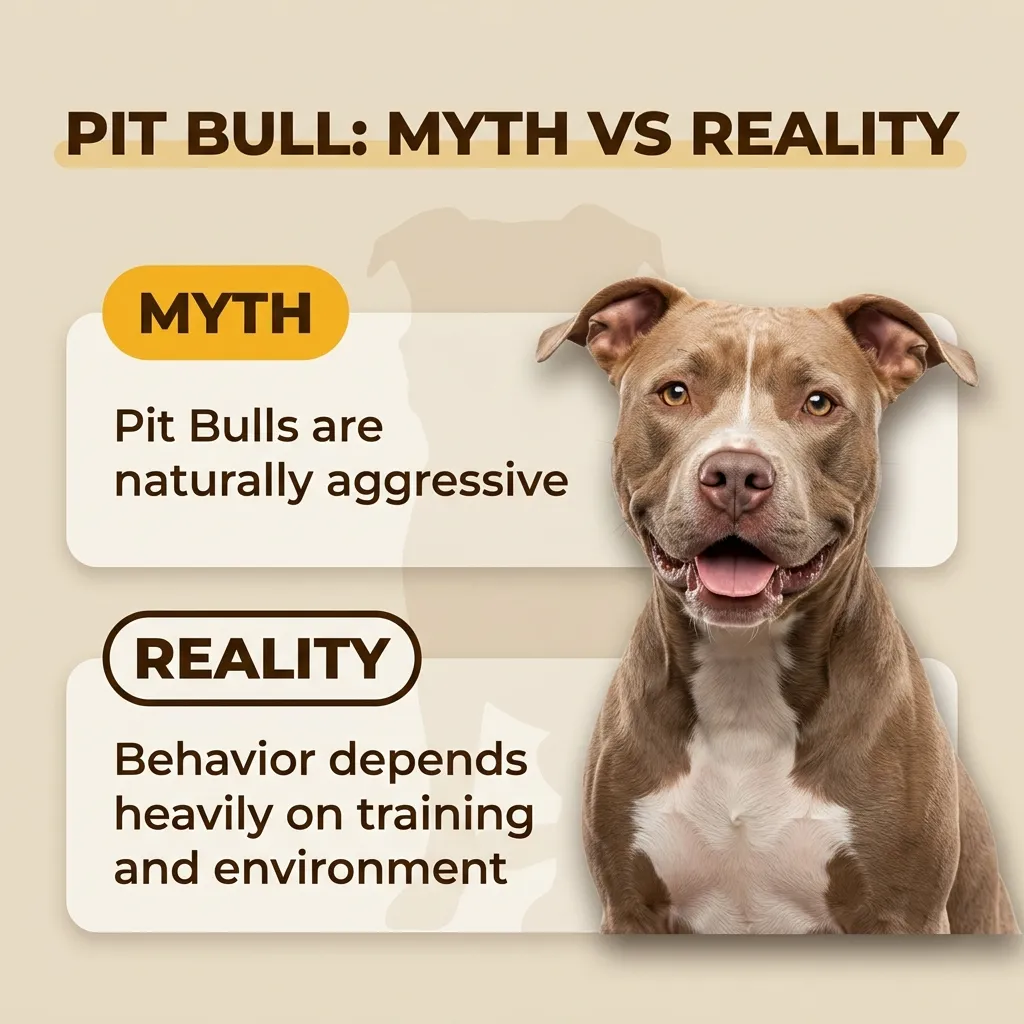
Pit Bull dogs carry solid muscle mass, especially around the chest and shoulders, which adds to their strength. According to the Pawlicy Advisor, they are often short and stocky with wide jaws and small to medium ears set on a broad head.
Height & Weight
Male: 18–21 inches tall | 35–65 pounds
Female: 17–20 inches tall | 30–55 pounds
Temperament & Personality
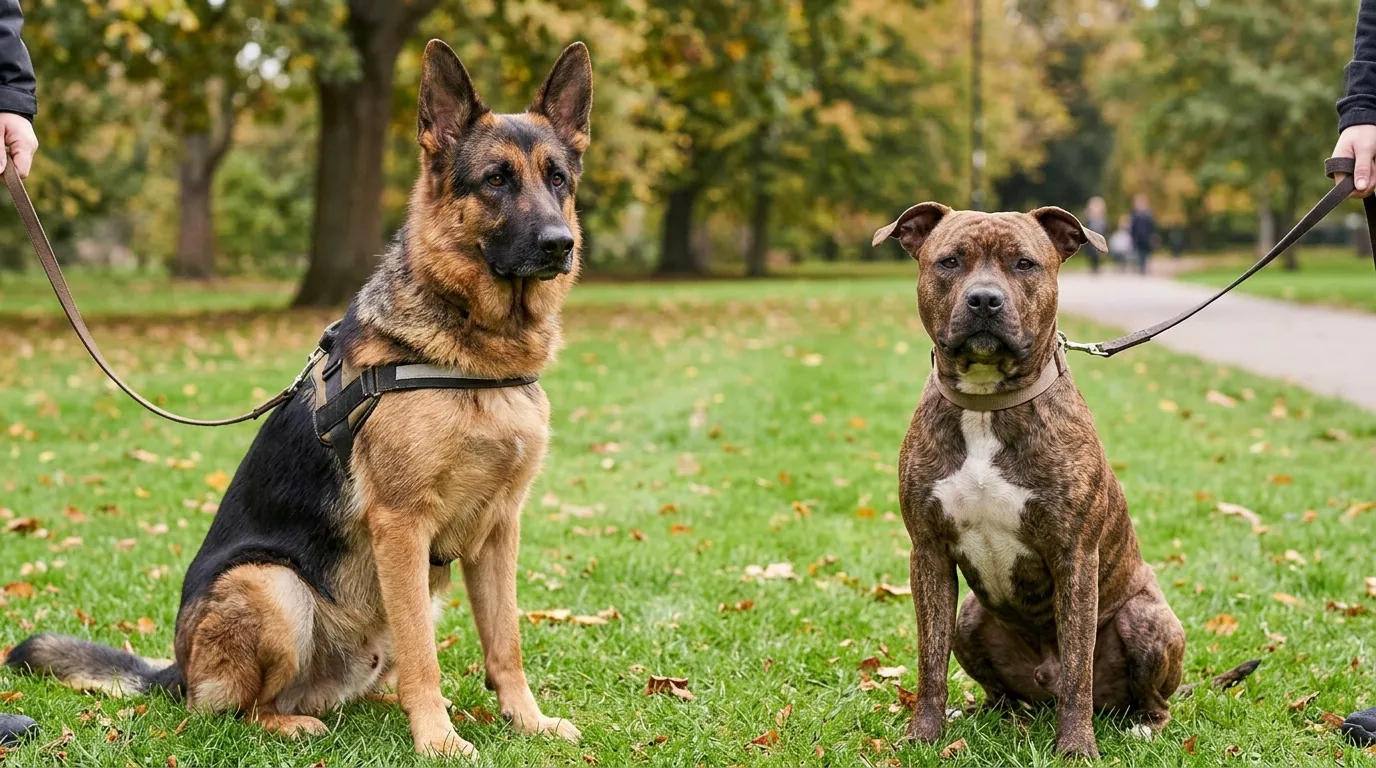
German Shepherd
German Shepherds are known for their strong and steady temperament. These dogs are deeply loyal and form close bonds with their owners. They stay alert and often serve as the home's natural protectors.
In many cases, German Shepherds tend to watch strangers carefully before relaxing. This makes them excellent guard dogs, but also means they need early guidance.
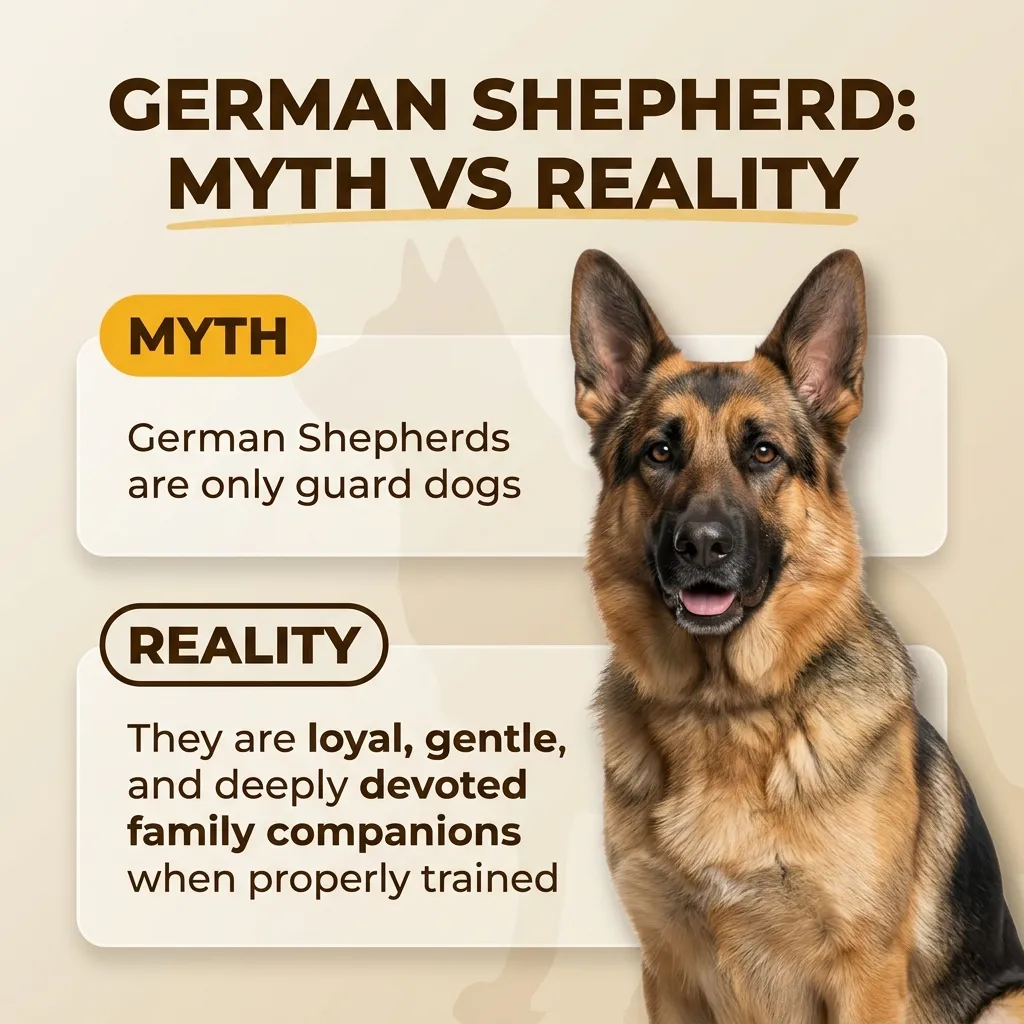
According to PetMD, they are large, agile, muscular, and highly intelligent dogs. These traits help explain why they are so popular in the U.S. Their strong prey drive may lead them to chase animals, so training is important.
With the right care, they can live well with other pets and even small kids. However, without attention, they may develop separation anxiety or show unwanted aggressive behavior.
Pit Bull
Pit Bulls have a warm and people-loving nature. Their temperament often surprises new dog owners. These dogs enjoy being close to their owners and love human attention. Many are gentle with small children and enjoy playtime at home.
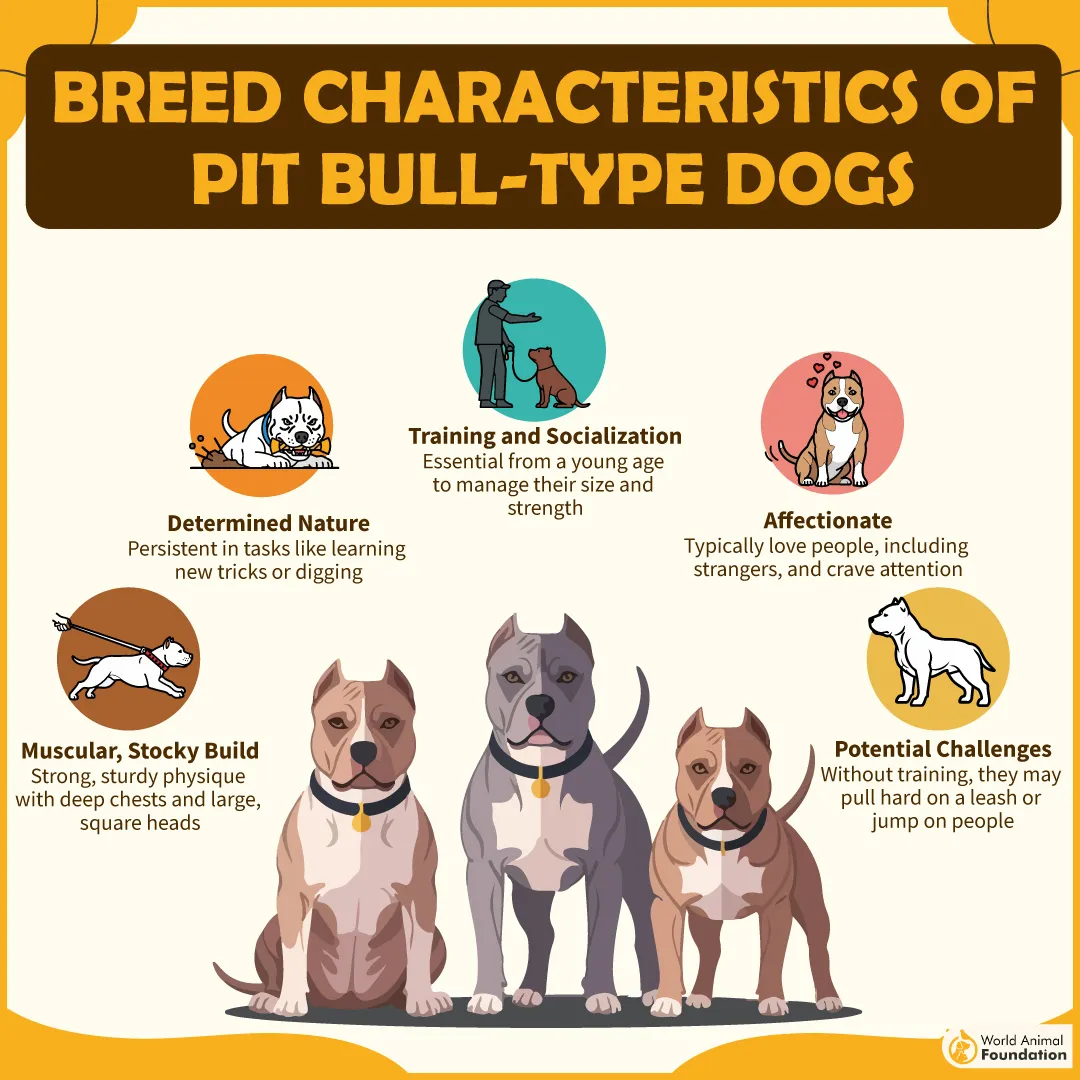
With early training, a puppy can grow into a calm and balanced adult. They usually do well with other dogs, but proper social skills are key.
Some may show aggression toward other animals if not trained early. Their energy makes them playful and active. With guidance, this energy turns into fun and positive behavior instead of problems.
Exercise & Energy Levels
A dog’s energy level decides its daily happiness and behavior.
German Shepherd
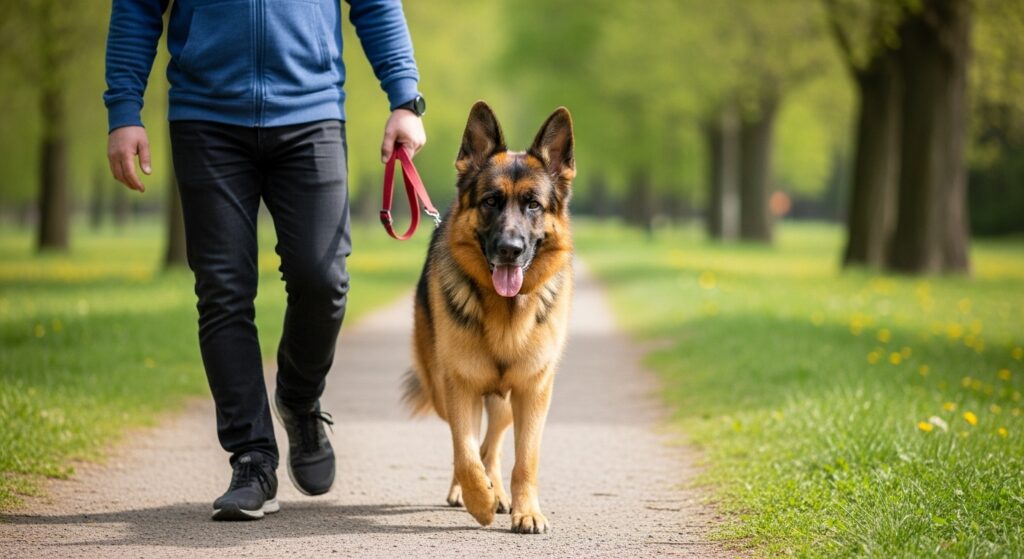
The German Shepherd is a very active working dog. It has a strong need for daily exercise. Without activity, it can become restless and hard to manage. This breed also needs mental stimulation to stay balanced and calm.
Needs proper exercise, like walks or runs
Enjoys training, tasks, and outdoor activities
Requires mental stimulation to avoid boredom
May show behavior problems without enough activity
Pit Bull
The Pit Bull also has a high energy level and loves to stay active. It needs regular exercise to stay healthy and happy. Playtime is very important for emotional balance. When well exercised, it becomes friendly and stable. Without it, the dog may show aggressive behavior or restlessness.
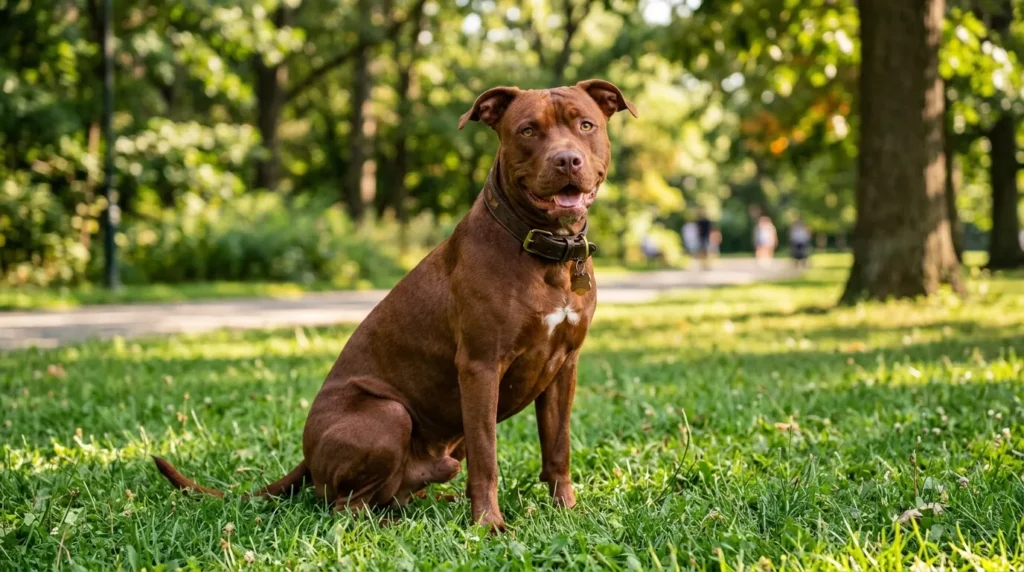
Needs proper exercise every day to release energy
Enjoys games like fetch and tug-of-war
Benefits from mental stimulation and training
Can become restless or aggressive without activity
Training & Intelligence
A dog’s intelligence and how it responds to training can make daily life much easier for owners.
German Shepherd Dog
The German Shepherd is one of the most intelligent dog breeds and is known for quickly picking up new commands. With consistent training and positive reinforcement, they learn discipline, focus, and control at a high level.
German Shepherds require structure from a young age, especially through early socialization, to develop strong, stable behavior patterns. As a puppy, they already show strong learning ability, but without proper guidance, unwanted aggression can develop.
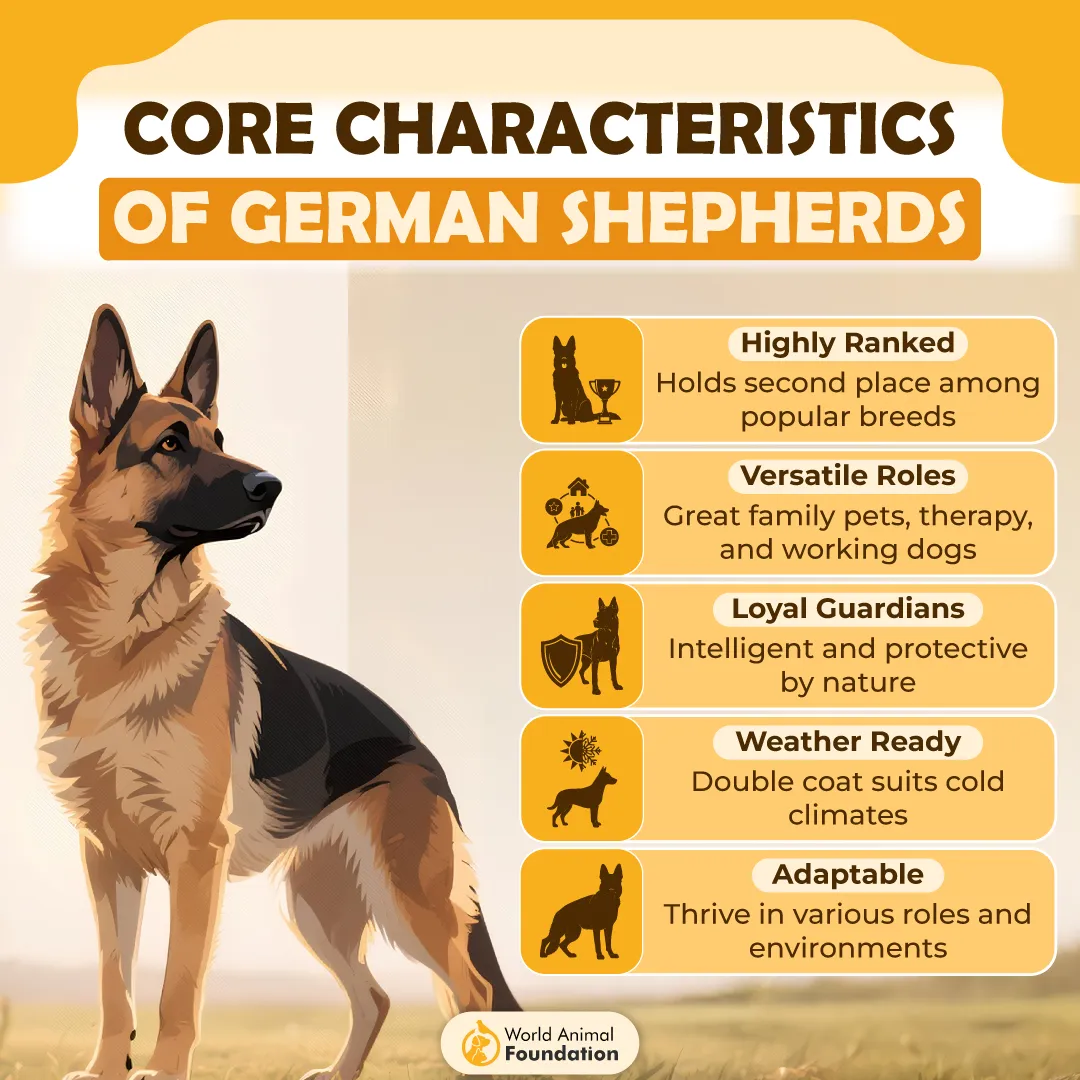
According to Britannica, they also perform well in agility sports, cart pulling, and protection work, demonstrating their adaptability and skill in both mental and physical tasks.
Pit Bull Type Dogs
Pit Bull-type dogs are also smart and highly eager to please their owners. They respond best when training is kept positive, simple, and rewarding. Proper socialization is very important because it helps shape calm, balanced behavior patterns later in life.
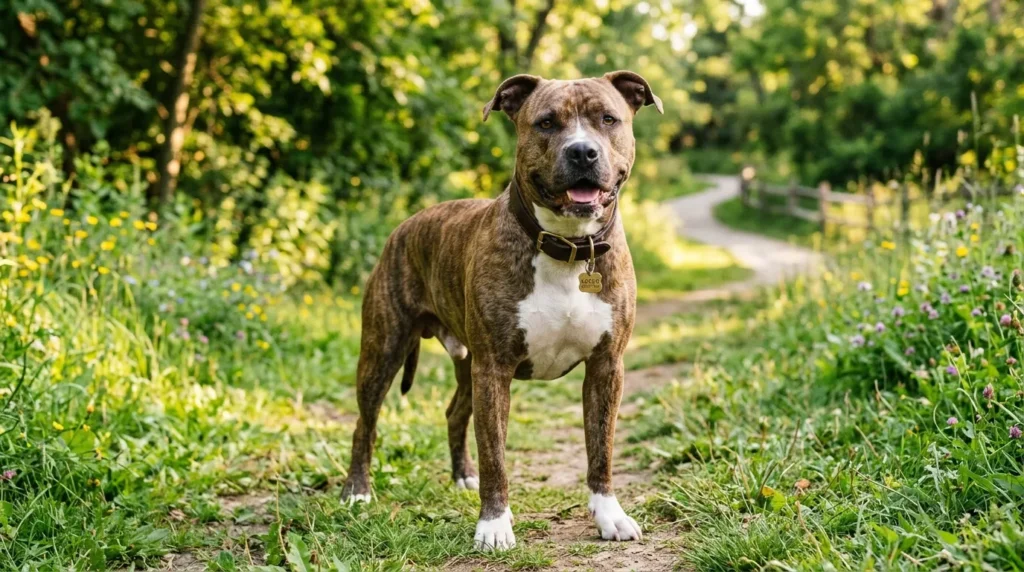
With consistent training and patience, these dogs grow into well-mannered companions. A well-guided puppy learns to control energy and avoids developing unwanted aggression.
Their strong bond with people makes them very responsive during learning, especially when training sessions are fun and engaging.
Grooming Frequency
German Shepherd
The German Shepherd dog has a thick coat that sheds heavily throughout the year. This natural coat protects the dog but also means higher grooming needs compared to many other breeds. Regular brushing helps remove loose hair and keeps the coat clean and healthy.
According to Hill's Pet, this breed has a medium double coat that requires steady care. While brushing should be frequent, occasional baths are also important for maintaining coat health and reducing odor. Without proper care, this breed can be prone to matting and skin issues over time.
Pit Bull
The Pit Bull is often considered low-maintenance when it comes to grooming. It's short, soft coat sheds less and is easy to manage with simple care. Basic brushing once in a while helps keep the coat shiny and clean.
Baths are usually enough to maintain hygiene, making this breed a great choice for busy owners. However, some Pit Bulls can be prone to skin sensitivity or skin allergies, so gentle products and regular checks are important to keep their skin healthy.
Health & Lifespan
Health and lifespan can vary between these two dogs due to their physical structure and care needs. The German Shepherd has a higher risk of joint problems like hip dysplasia and elbow dysplasia, which can affect movement over time.
It is also prone to degenerative myelopathy, a serious condition that impacts the spinal cord and can reduce mobility in later years. To support overall health, this breed needs a healthy diet rich in adequate protein along with regular activity.
On the other hand, the Pit Bull is generally strong but may face skin problems due to sensitivity and digestive issues if its diet is not well-managed.
Without care, it can also experience weight gain, which affects energy and health. The average lifespan of pit bulls is often slightly longer than that of larger breeds, especially when they receive proper nutrition and daily care.
German Shepherd Dog Breeds vs. Pit Bull Dog Breeds: Which one is best for you?
Choosing between these breeds depends on your lifestyle, time, and experience as a dog parent. The German Shepherd suits active people who can handle a large, focused dog with strong protective instincts.
It thrives in homes where owners can commit to training, structure, and daily activity. This breed often does well with families but may need careful introduction to other pets and supervision around children due to its alert nature.
The Pit Bull, on the other hand, fits well in homes seeking a friendly, people-loving companion. It adapts easily to family life and often bonds closely with both adults and kids. With the right training and early socialization, it can live happily and enjoy a balanced routine.
In the end, both breeds need time, care, and attention. Your daily schedule, space, and comfort with training should guide your choice.
Conclusion
In the end, both breeds offer great qualities but suit different lifestyles. The German Shepherd stands out for focus, protection, and strong work drive.
The Pit Bull shines with affection, energy, and close family bonds. Each dog needs early social skills, steady routines, and positive reinforcement to grow into a calm companion.
Owners must also stay aware of common health risks to dogs and provide care at every stage of life. With time, patience, and love, both can live happily.
The best choice depends on your space, time, and daily routine, so choose the dog that truly fits your life.
