




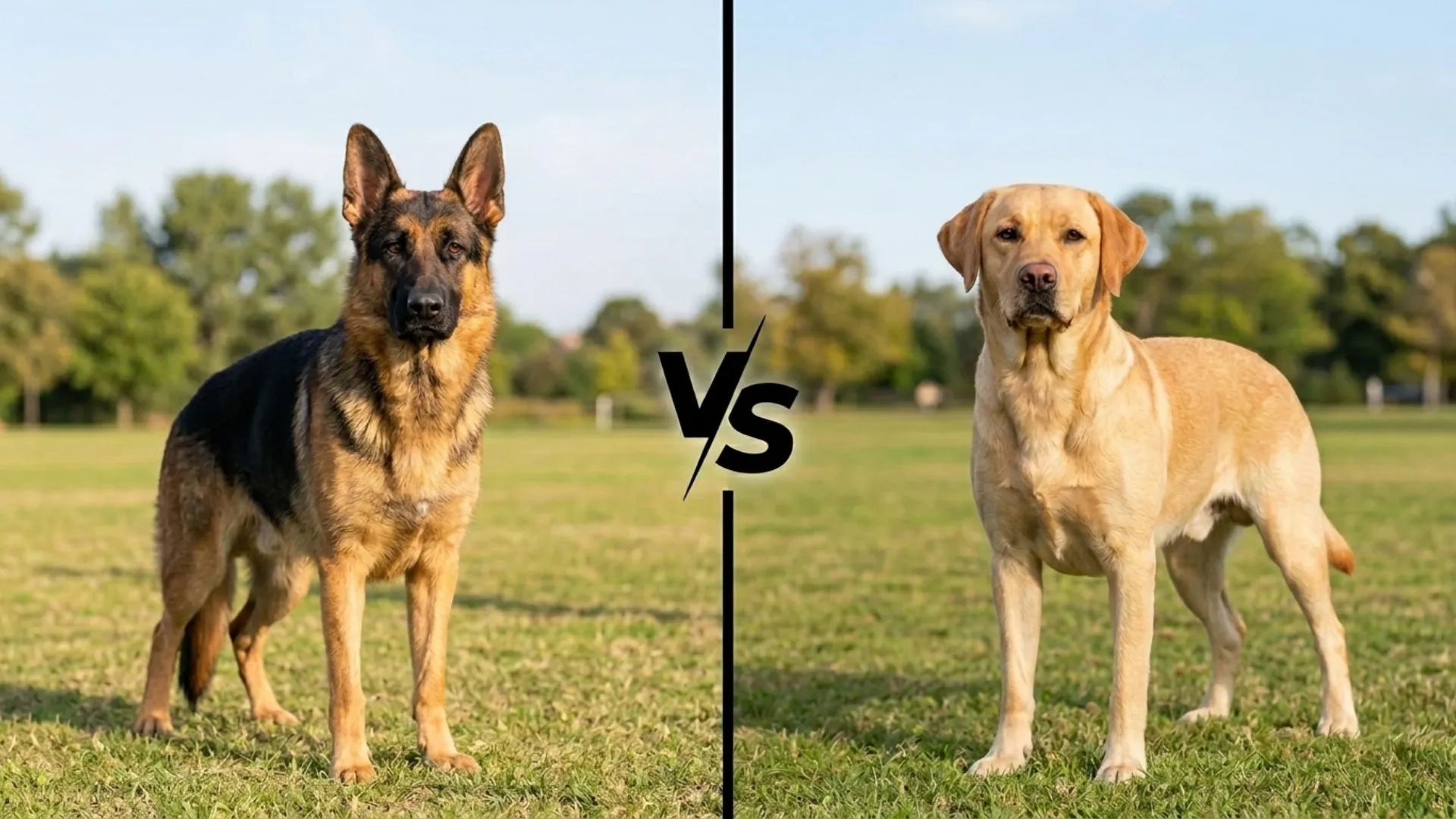
People often assume the best family dog is automatically the one that feels friendliest in the beginning. Others believe intelligence and obedience should matter more than anything else.
Interestingly, both opinions miss important parts of the conversation when comparing these two extremely popular breeds. A dog that learns commands quickly may also demand far more structure than expected. At the same time, a naturally social companion may bring challenges that people rarely consider early on.
The comparison becomes even more complicated because both breeds excel in areas where the other struggles. One is often admired for confidence, focus, and working ability, while the other wins people over through adaptability and emotional warmth.
Selecting between them is rarely about deciding which breed is superior overall. The sections ahead explore where those differences truly begin to matter.
Key Takeaways
Two of the world’s most popular dogs often get compared, but the real differences only show when daily life comes into focus.
German Shepherds carry a working background that shaped their focus and structure, while Labrador Retrievers grew from water work into easygoing companions for families.
One leans toward discipline and alertness, the other leans into social ease and constant friendliness, even though both can serve, protect, and bond deeply with people.
By the end, you will start seeing how lifestyle, not popularity, decides which of these two fits better in real homes.
German Shepherd vs. Labrador Retriever
Origins & Purpose
German Shepherd Roots
The German Shepherd’s history began with herding dogs that worked closely beside farmers across rural Germany, handling livestock while staying responsive to human direction. In 1899, Captain Max von Stephanitz organized those working traits into the structured breed recognized today.
That practical beginning shaped how the breed was later viewed across the world. During both World Wars, the name “German” was temporarily removed in some places, while European regions continued using the term Alsatian for the same breed.
Strong working instincts also pushed the breed into newer roles beyond farmland. German Shepherds later appeared in military service, protection work, and specialized crossbreeding projects such as the King Shepherd and Shiloh Shepherd lines.
Labrador Beginnings
🎧 Dogcast
Episode 37 — Why Dogs Stay Close without Touching
If you don’t hear sound, tap the button above to enable audio.
The Labrador Retriever’s history actually starts in Newfoundland, where St. John’s water dogs worked alongside fishermen by retrieving nets and assisting around icy fishing boats during the early 1800s. Their calm nature in water quickly drew attention from visiting British nobles.
That interest changed the breed’s direction in a major way. Several dogs were brought to England, where they were refined into reliable gun dogs used for retrieving waterfowl during organized hunting trips. Their adaptable working style later opened doors into police work, military assistance, and modern service-dog programs.
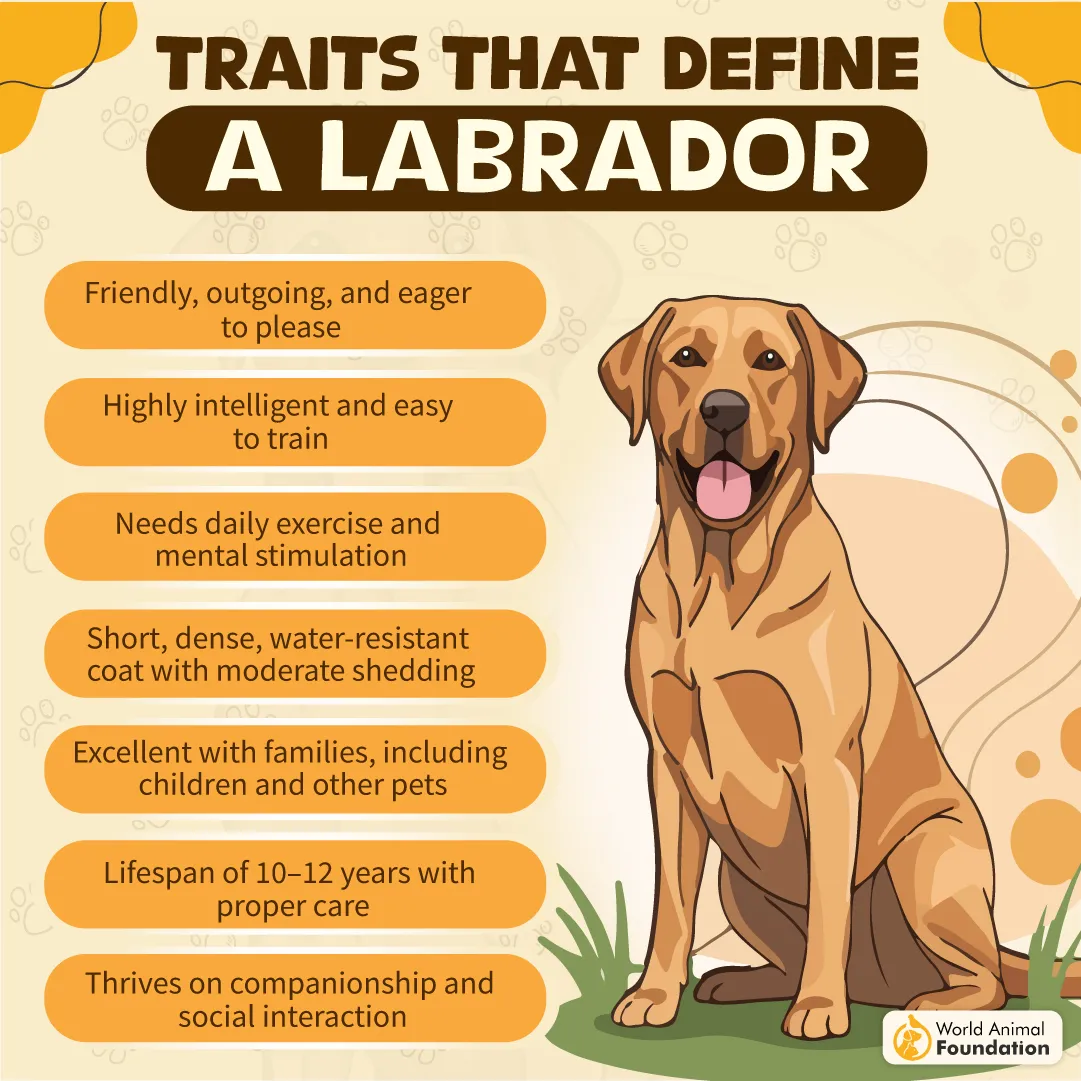
Public familiarity also grew through well-known figures who kept Labradors in their homes, including Prince William, Prince Harry, and President Bill Clinton. Even with that popularity, the breed still reflects its original water-working foundation.
Size & Physical Build
German Shepherd Build
German Shepherd dogs stand taller overall, with males reaching 24 to 26 inches and females measuring around 22 to 24 inches. Their frame gives off a flowing outline with smooth body lines that look athletic without appearing bulky or stiff.
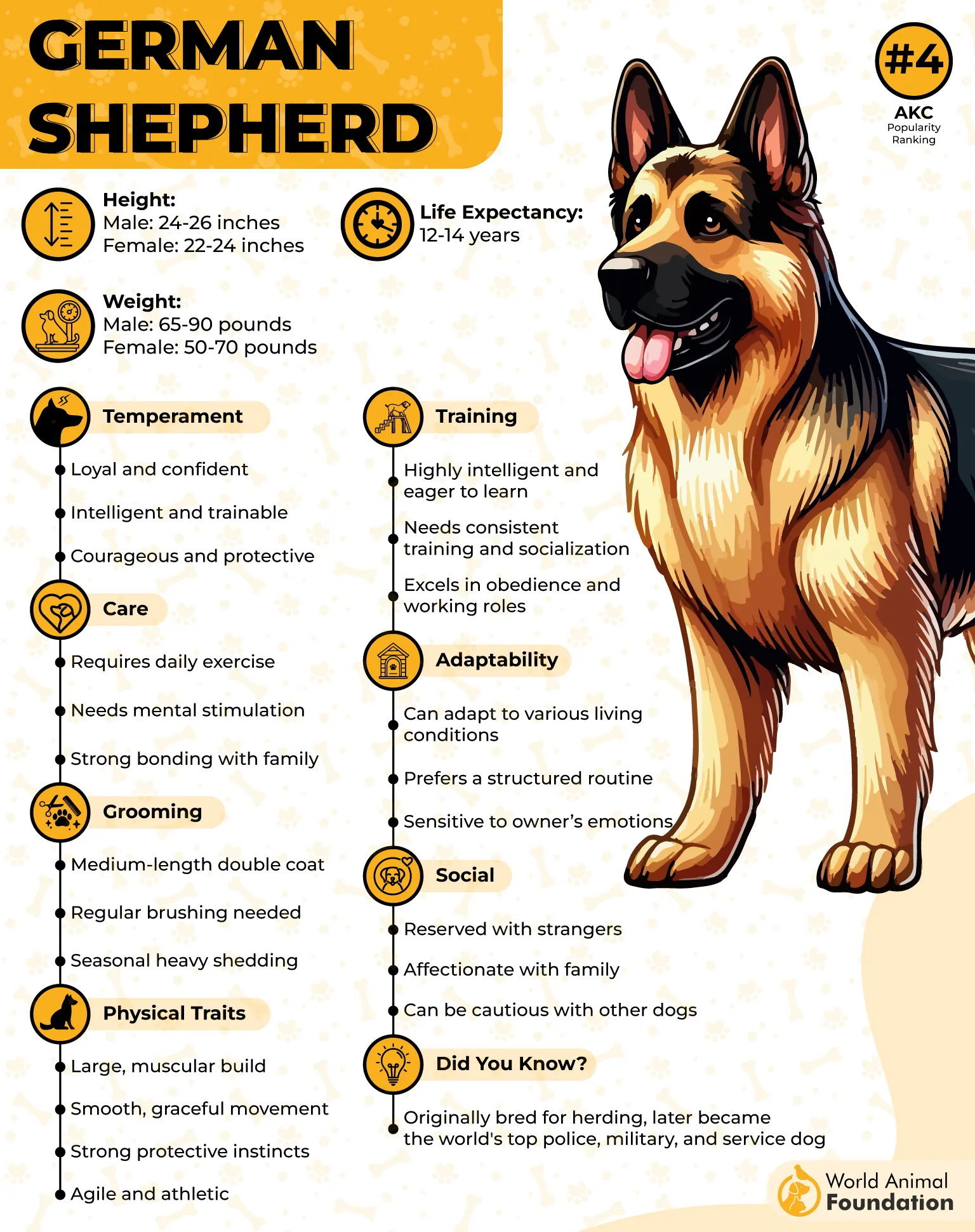
Adult males usually weigh between 65 and 90 pounds, while females range from 50 to 70 pounds. That balanced structure supports the breed’s signature trot, a ground-covering movement known for speed, reach, and controlled motion, as described by the American Kennel Club (AKC).
Labrador Retriever Build
Labrador Retrievers have a broader and heavier appearance, though their height stays slightly lower at 22.5 to 24.5 inches for males and 21.5 to 23.5 inches for females. Their sturdy frame feels solid rather than sharply streamlined.
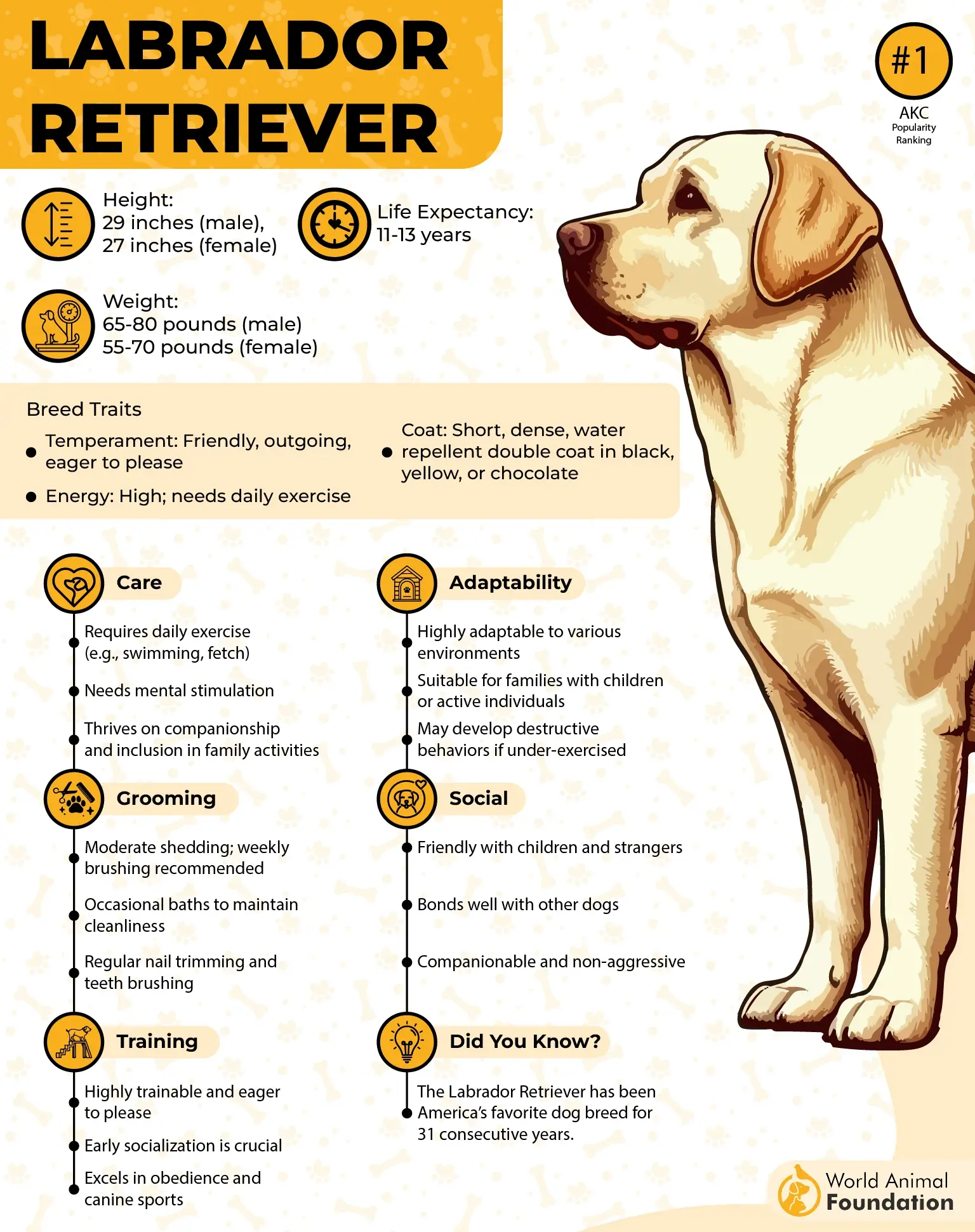
Male Labradors generally weigh between 65 and 80 pounds, while females range from 55 to 70 pounds. A wide head, soft expression, and thick “otter tail” give Labs their familiar, friendly look and constantly alert attitude.
Temperament & Personality
German Shepherd Presence
German Shepherds usually stay closely tuned to their household, reacting quickly to unfamiliar activity while remaining deeply attached to the people they trust most, as noted by Orvis. Early socialization plays a major role in shaping how comfortably they respond to guests and busy environments.
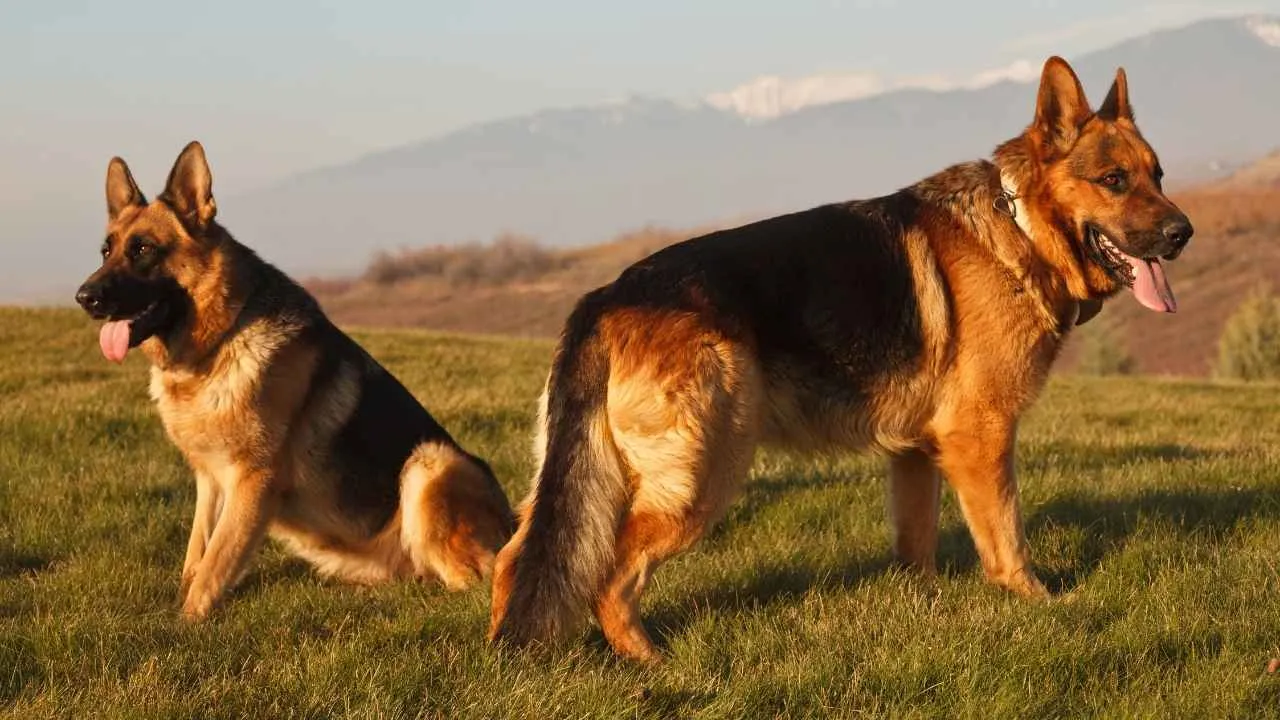
Their herding and guarding history still influences daily behavior inside the home. German Shepherds often stay observant around children and family movement, though supervised interaction and consistent training help keep those protective instincts properly directed.
Labrador Retriever Nature
Labrador Retrievers build social connections much faster, often greeting strangers, children, and other dogs with immediate enthusiasm instead of hesitation. That outgoing personality explains why the breed consistently remains one of America’s most popular family dog breeds.
They also stay playful well beyond puppyhood, which means their energy easily spills into chewing, grabbing objects, or investigating anything left within reach, as PetMD claims. Regular activity, attention, and early boundaries help channel that curiosity into more manageable behavior at home.
Exercise & Energy Levels
German Shepherd Daily Drive
These excellent guard dogs stay mentally sharp when their routine includes more than casual backyard movement or short neighborhood walks. Their working instincts respond best to structured outlets like tracking, herding, agility courses, and dock diving sessions that demand focus and coordination.
Limited activity often shows up quickly through restless behavior, frustration, or destructive habits around the home. Early leash walks, controlled play sessions, and regular task-based exercise help channel the breed’s athletic energy into something productive and balanced.
Labrador Retriever Activity Style
This popular dog breed usually approaches exercise with nonstop enthusiasm, especially when water, retrieving games, or outdoor field activities are involved. Swimming, hunting trips, and fetch sessions tap directly into the breed’s original retrieving purpose rather than simply burning extra energy.
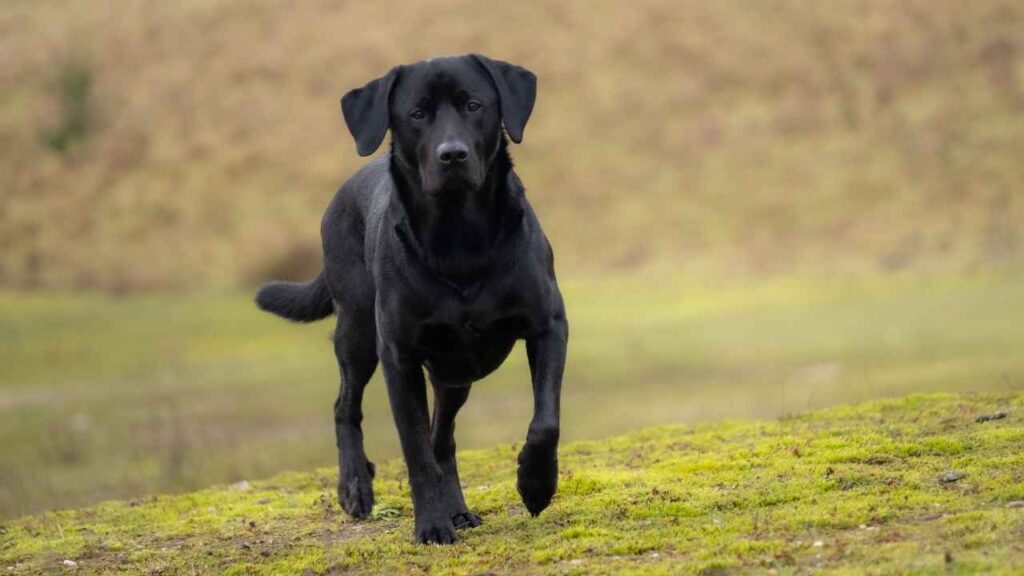
A Labrador without enough daily movement often creates its own entertainment through hyper behavior or destructive habits indoors. Its energy also explains why the breed regularly appears in search-and-rescue work, detection roles, canine sports, and active service programs.
Training & Intelligence
German Shepherd Training Mindset
German Shepherds respond best when guidance starts early, especially during the German Shepherd puppy stage, where structure shapes long-term behavior. Their natural intelligence makes them quick to understand patterns, but consistency matters more than repetition for stable results.

This breed forms a strong attachment with its environment and people, so inclusion in daily household life plays a direct role in shaping balance and confidence. When raised around real family routines, it adapts more smoothly and develops reliable behavior without confusion.
A dog owner who focuses on calm, reward-based direction usually sees steady progress, as these intelligent dogs pick up expectations fast when communication stays clear. Without proper structure and engagement, they can become poor guard dogs in unpredictable situations rather than controlled workers.
Labrador Learning Style
Labradors show steady enthusiasm for learning, especially when introduced to structure during early development stages, supported by puppy classes and social exposure. Their energy and physical strength mean guidance during the first few months helps shape reliable behavior later in life.
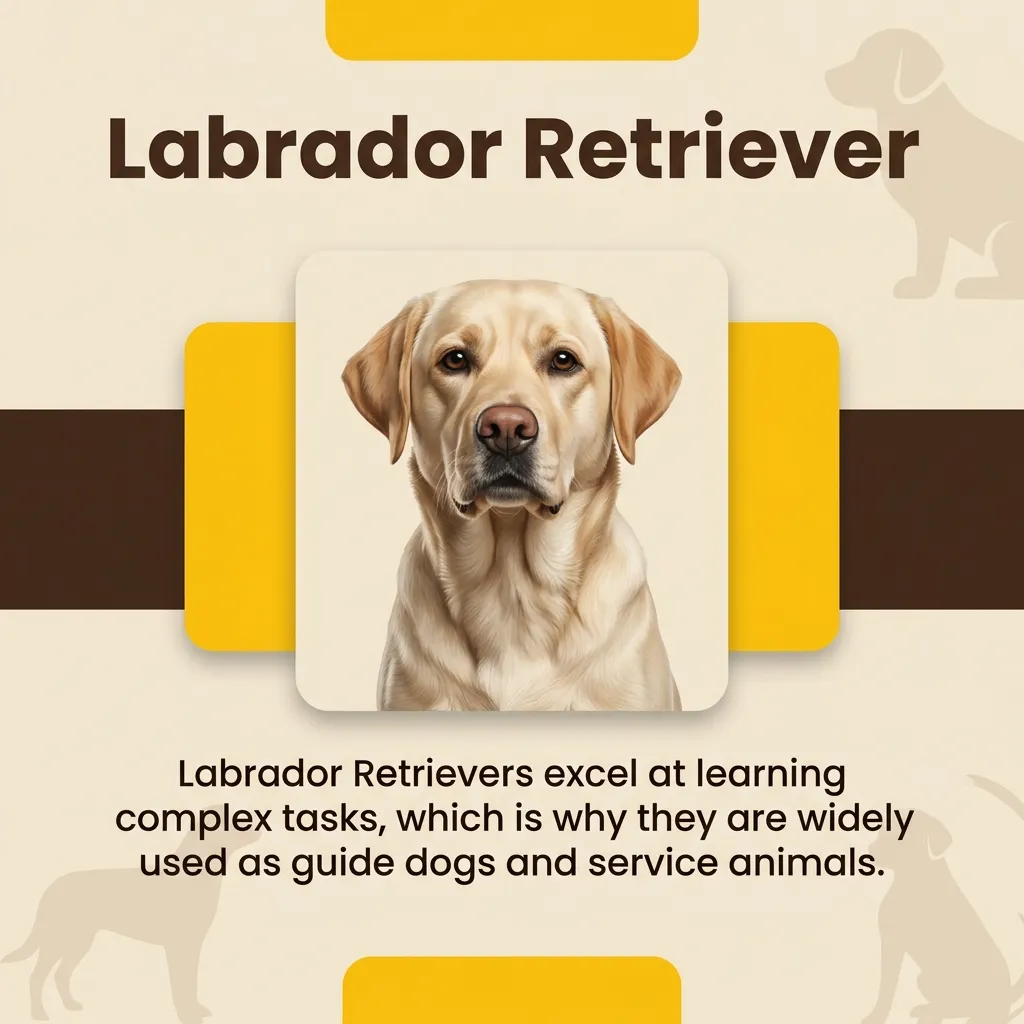
Regular interaction with different people, environments, and routines builds confidence, making them a strong fit for active families who include them in everyday activities. Early obedience work also helps manage their excitement, turning that energy into cooperative behavior rather than scattered responses.
Grooming Frequency
German Shepherd Coat Care Rhythm
The German Shepherd’s double coat combines a dense outer layer with a softer undercoat that naturally sheds throughout the year, making routine upkeep more about consistency than intensity. A quick brushing every few days helps clear loose hair before it settles around living spaces.
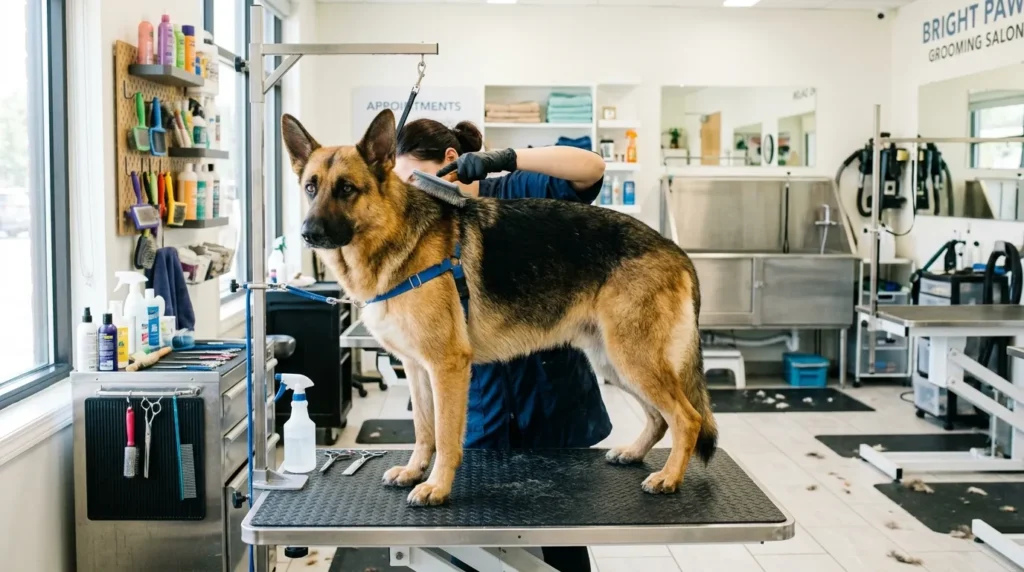
Seasonal shedding shifts this routine into a heavier phase, where brushing becomes more frequent to manage the thicker coat drop. Baths stay occasional, while nail trimming every month helps prevent discomfort or posture issues caused by overgrowth.
Labrador Retriever Coat Maintenance Flow
The Labrador Retriever’s short, water-repellent double coat is built for outdoor activity, but it still releases loose hair regularly as part of its natural cycle. Occasional bathing keeps the coat clean without stripping its protective texture.
Regular upkeep focuses more on small habits than heavy grooming sessions, with nails needing routine trimming and teeth benefiting from frequent brushing to maintain overall comfort and hygiene.
Health & Lifespan
German Shepherd Health Watch
German Shepherd Dogs are generally sturdy, but certain inherited conditions can appear if breeding lines are not carefully managed. Screening often focuses on hip and elbow dysplasia as well as degenerative myelopathy, which can affect mobility later in life.
A more urgent concern in this breed is gastric dilatation volvulus, commonly known as bloat, where the stomach can swell suddenly and become life-threatening. Quick recognition of symptoms and immediate action play a key role in outcomes. Their typical lifespan ranges between 12 and 14 years.
Labrador Retriever Health Focus
Labrador Retrievers are usually robust, yet responsible breeding involves screening for hip and elbow dysplasia, along with heart conditions and hereditary myopathy that affects muscle strength. Eye health is also closely monitored for issues like progressive retinal atrophy.
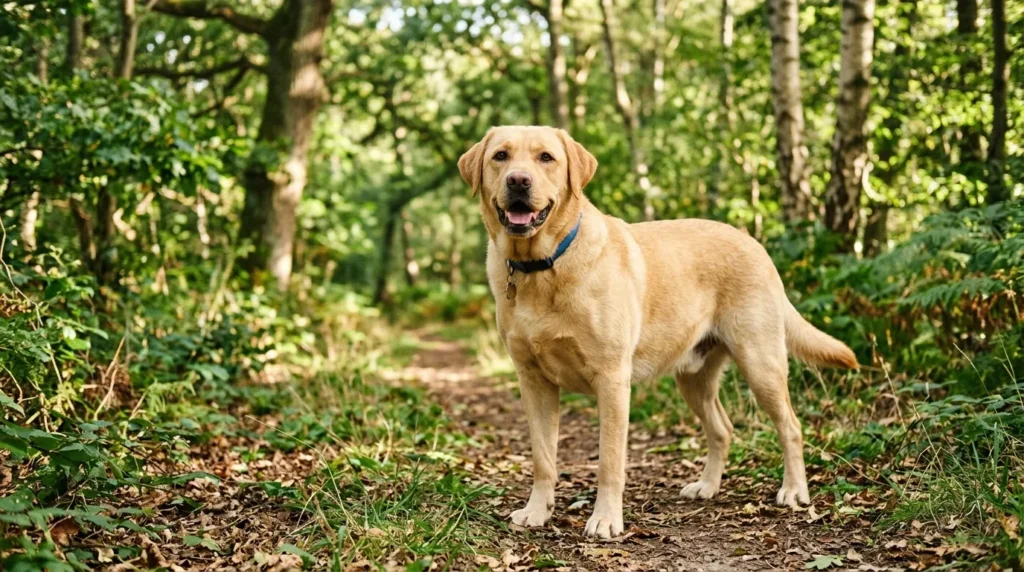
Some young Labs may experience exercise-induced collapse, which can be identified through DNA testing to help guide safer breeding decisions. Like other deep-chested breeds, they also face the risk of bloat, requiring awareness of early warning signs. Their average lifespan falls between 11 and 13 years.
German Shepherd vs. Labrador Retriever: Which one is best for you?
The real difference shows up in how they handle everyday life. A German Shepherd feels like a dog that wants direction, purpose, and a clear sense of “what’s next,” while a Labrador fits more naturally into a relaxed home where things don’t always run on a strict routine.
German Shepherds usually suit people who actually enjoy structure and don’t mind a dog that stays mentally switched on most of the time. They notice everything, react quickly, and tend to feel best when they understand their role in the household.
Labradors bring a lighter energy into the same space. They are easier to read, quicker to bond with strangers, and generally less intense in their reactions, which makes them feel more effortless in social or busy family settings.
The German Shepherd feels like a partner for focus and responsibility, while the Labrador feels like a companion for comfort and easy company. The “better” choice isn’t about ability at all; it’s about whether you want your daily life to feel more structured or more relaxed.
Conclusion
Comparing these two breeds becomes more interesting once daily routines enter the conversation. One tends to watch the world carefully, reacting with focus and purpose, while the other approaches life with openness and a lighter social style. Neither approach is automatically better because both succeed in different households, even among high-energy dogs in the dog world.
The right choice depends on whether structure and predictability feel rewarding or whether a relaxed companion fits better into everyday life. Both dogs carry intelligence and loyalty that first-time dog owners value. The perfect dog eventually becomes more than a family member and turns into a trusted furry friend at home.
