




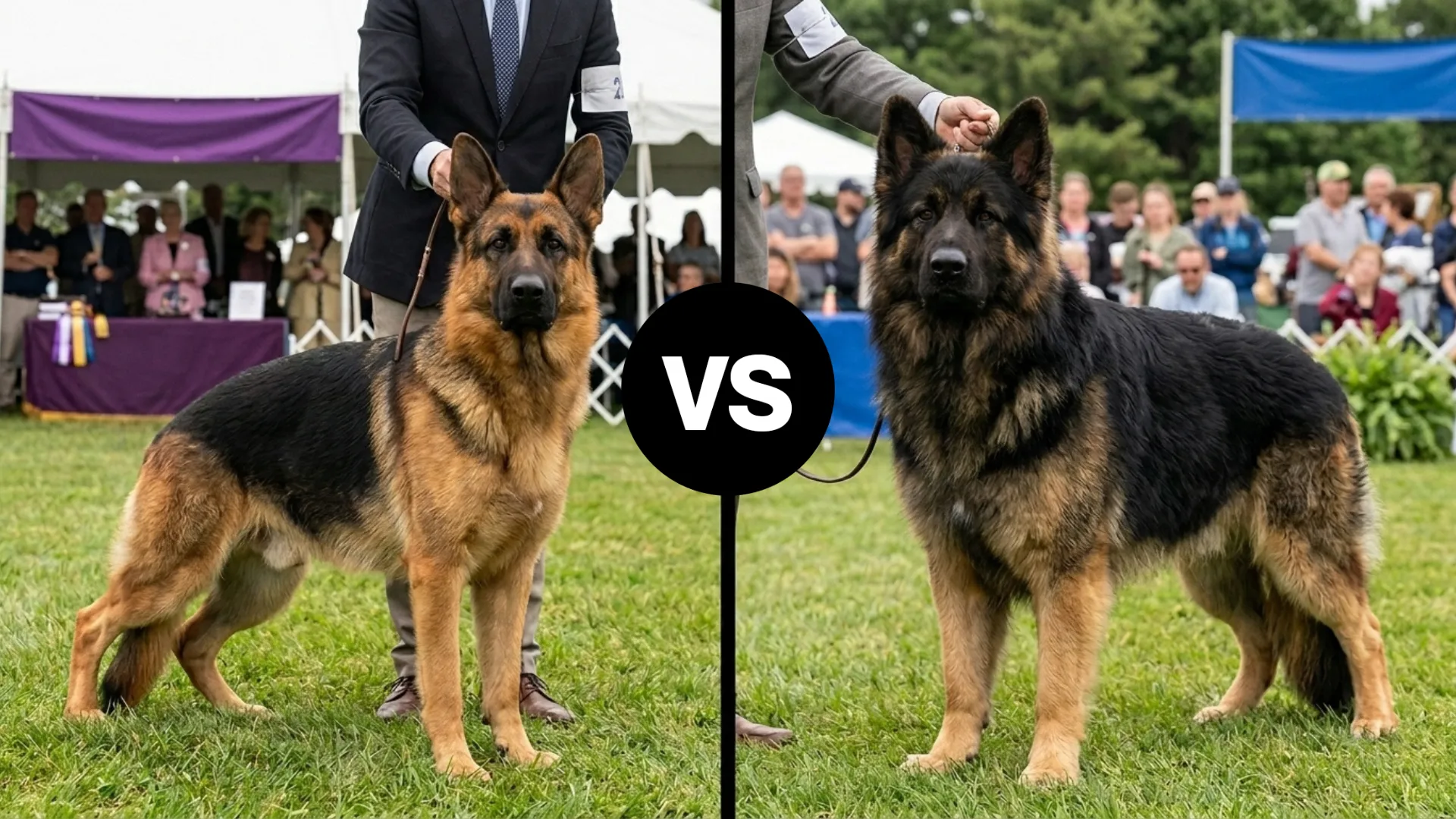
When it comes to legendary working dogs, few breeds command as much respect as the German Shepherd and the King Shepherd. Characterized by their sharp intelligence, unwavering loyalty, and fierce protective instincts, these two dogs appear remarkably similar at first glance. Both showcase the classic shepherd silhouette: powerfully built, striking, and radiating self-confidence.
However, beneath their shared majestic appearance lie notable differences in size, heritage, and temperament that can greatly influence which breed is the right fit for your lifestyle.
If you are considering welcoming one of these powerful protectors into your home, understanding their unique profiles is essential. This comprehensive comparison breaks down the key differences between the German Shepherd and the King Shepherd.
German Shepherd vs. King Shepherd Dog Breeds
While they share a striking resemblance, these two breeds are built for entirely different lifestyles. Whether you are looking for a high-drive working partner or a gentle giant companion, comparing their size, energy, and temperament is the secret to finding your perfect match.
Breed Origin, Recognition, and Purpose
German Shepherd
The German Shepherd is a famously intelligent and hardworking breed. The AKC notes that it was developed in Germany during the late 19th century by Captain Max von Stephanitz, who set out to create the ultimate herding and working dog. Over time, German Shepherds achieved global fame for their incredible smarts and versatility.
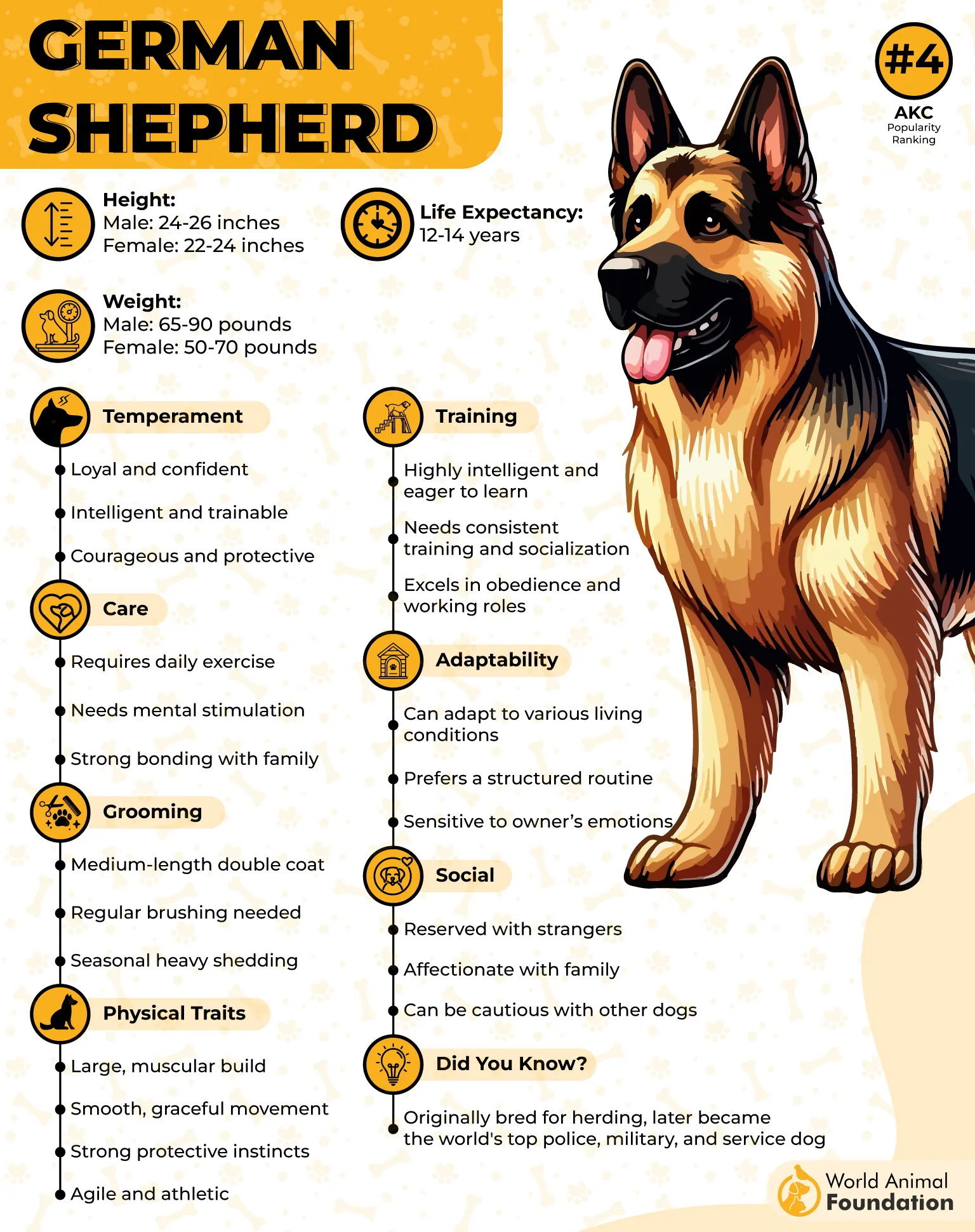
Today, their unique skills make them highly successful in many demanding roles, including:
Police and Military Service: Working as loyal K9 officers.
Search and Rescue: Locating missing people in emergencies.
Service Dog Programs: Assisting individuals with disabilities.
Tracking and Detection: Sniffing out contraband and evidence.
Family Companionship: Acting as loving, protective household pets.
Because of this exceptional track record, the German Shepherd standard is officially recognized by major kennel clubs worldwide.
King Shepherd
The King Shepherd is a relatively new and rare breed that emerged in the United States during the 1990s. CKCUSA mentions that American breeders created this dog in an effort to develop a larger, shepherd-style breed with a more relaxed temperament and fewer health problems than traditional German Shepherd lines.
To achieve this, breeders crossed several lines, including:
German Shepherds
Shiloh Shepherds
Select Giant Working Dog Breeds (such as the Alaskan Malamute and Great Pyrenees)
While the King Shepherd is not yet officially recognized as an individual breed by the American Kennel Club, it is fully recognized and registered by several independent breed associations and rare breed registries.
Key Difference
The German Shepherd is an established, internationally recognized breed historically bred for intense work and utility. In contrast, the King Shepherd is a modern, carefully engineered breed designed to emphasize a much larger size, a calmer family-friendly temperament, and improved overall health.
Size, Build & Appearance
German Shepherd
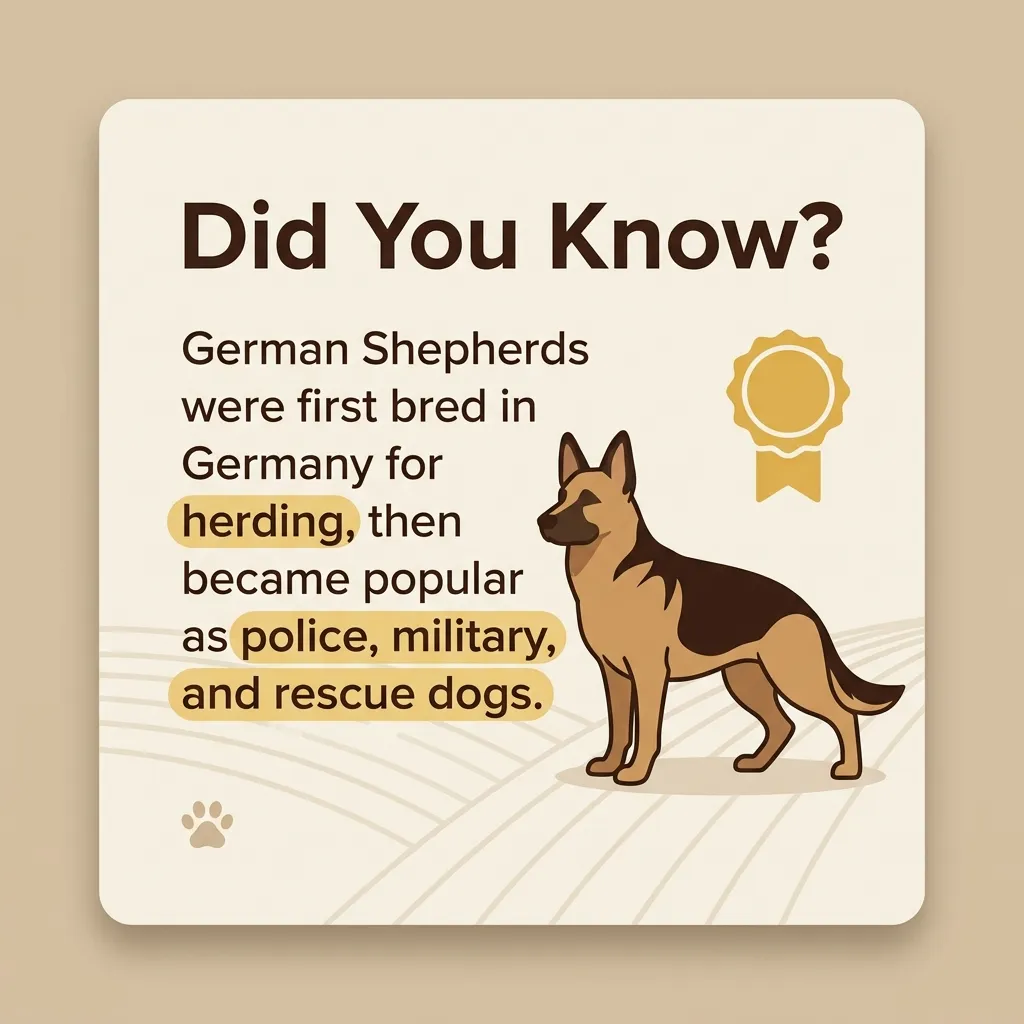
The German Shepherd is a medium-to-large breed known for its balanced, athletic build. Their entire physical construction is built for agility, stamina, and high workability.
Average Size
Height: 22 to 26 inches at the shoulder
Weight: 50 to 90 pounds
Key Physical Features
Strong, Muscular Body: Built with a distinct, instantly recognizable shepherd silhouette.
Alert Ears: Naturally erect, pointed ears that display their attentive nature.
Athletic Movement: A smooth, ground-covering gait designed for endurance.
Medium-Length Double Coat: A dense outer coat with a thick undercoat that protects them from harsh weather.
King Shepherd
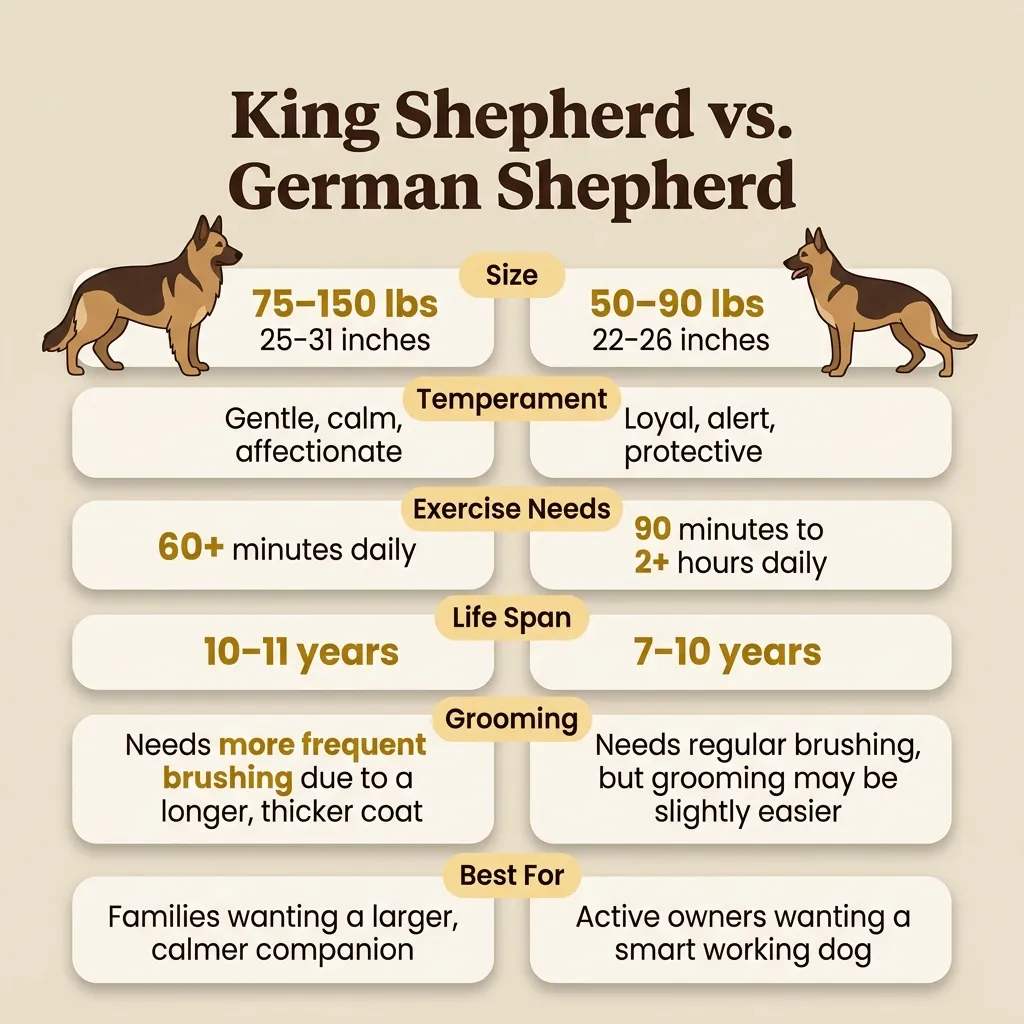
The King Shepherd is a giant-sized breed that is significantly larger and heavier than the traditional German Shepherd. Despite their massive scale, these giant dogs remain surprisingly agile.
Average Size
Height: 25 to 31 inches at the shoulder
Weight: 90 to 150 pounds
Key Physical Features
Massive Frame: Built with a broad chest, a larger head structure, and a highly imposing appearance.
Dense Coat: Features a thick, heavy double coat that adds to their majestic look.
Sturdy Construction: Combining powerful substance with the classic shepherd silhouette.
Key Difference
The King Shepherd is a much heavier and larger giant breed built for mass and presence. On the other hand, the German Shepherd is a more athletic, agile, and compact working dog that thrives on higher energy levels and more intense, regular exercise.
Coat Grooming, Shedding, & General Maintenance
German Shepherd
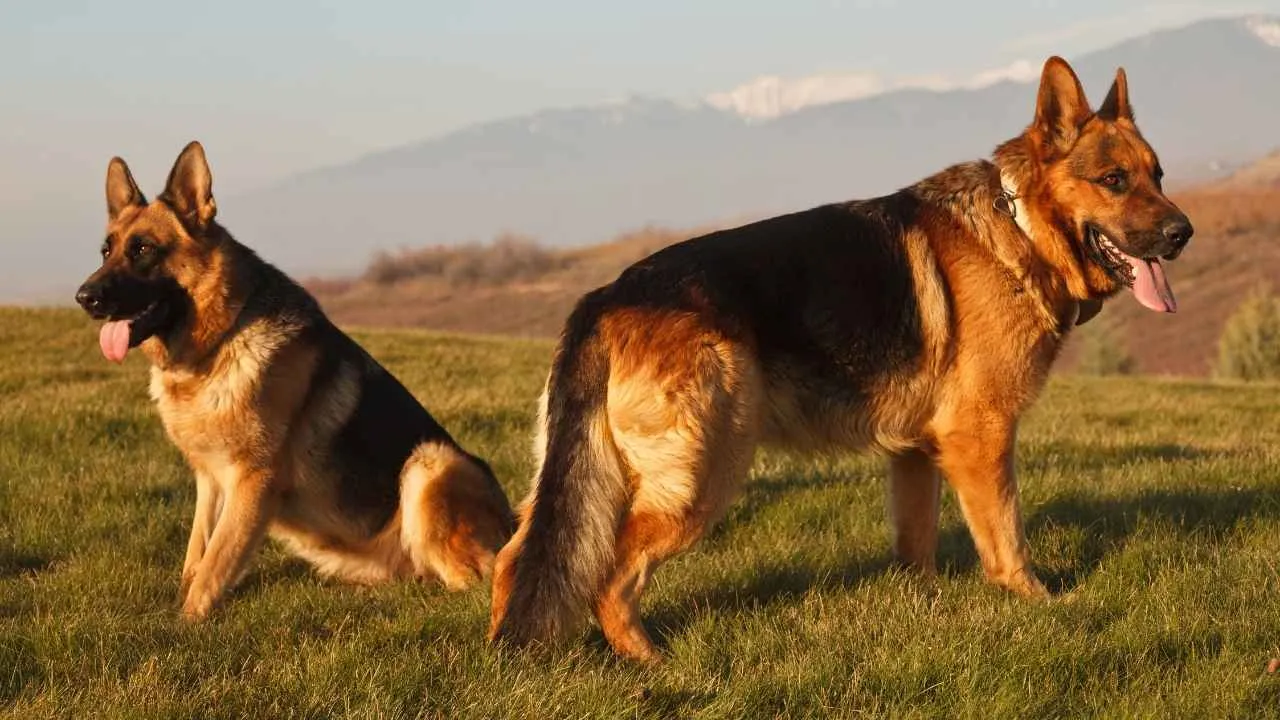
The German Shepherd features a thick, weather-resistant double coat designed to protect them in various climates. Because of this, they are famous among owners for shedding copiously year-round; often earning them the affectionate nickname of "constant shedders."
Key Grooming Tasks
Frequent Brushing: According to Purina, they require daily brushing during their heavy seasonal shedding periods (when they "blow" their undercoat).
Regular Nail Trimming: Routine clips keep their paws healthy and prevent discomfort while running.
Periodic Ear & Dental Care: Consistent ear examinations prevent moisture buildup, while regular teeth brushing protects against periodontal issues.
King Shepherd
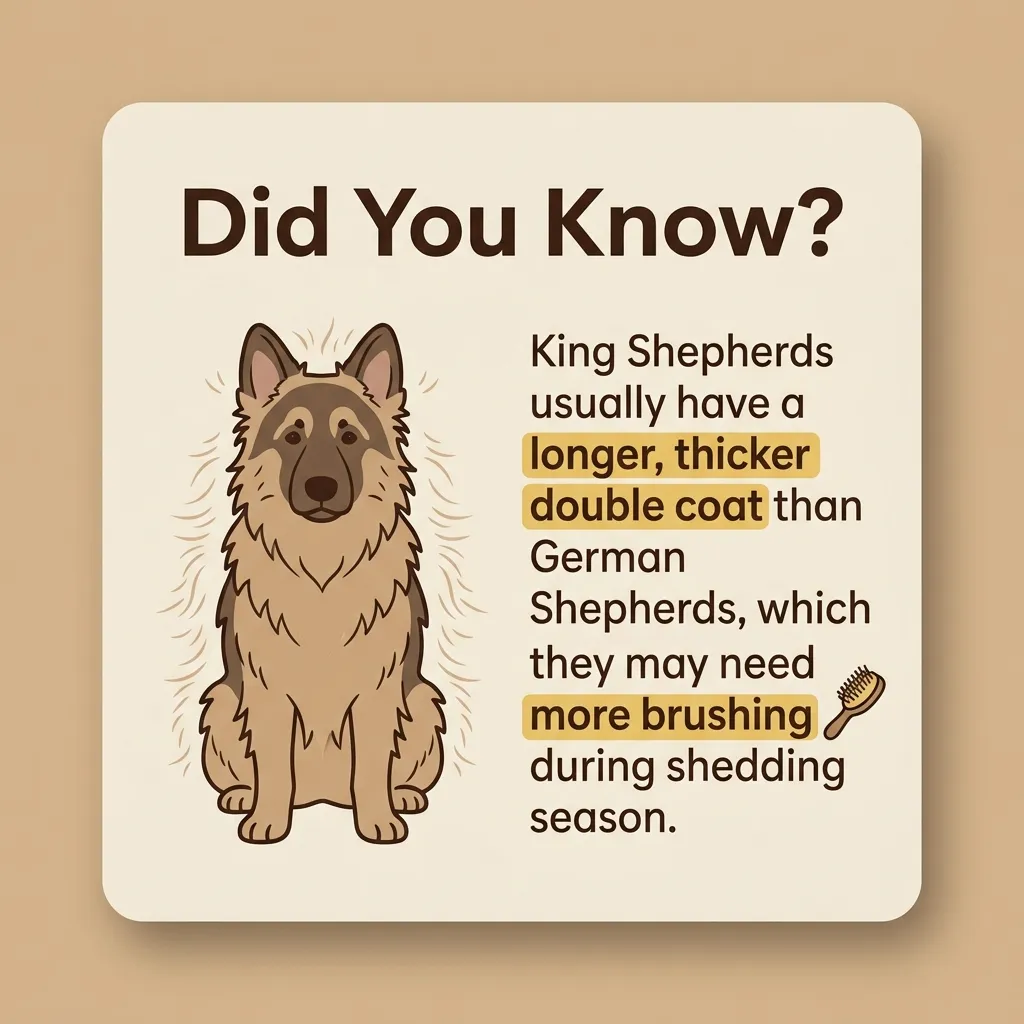
Like the traditional shepherd, King Shepherds possess a protective double coat. However, their fur is usually longer and much heavier than a standard German Shepherd's coat. Because of their massive size and abundant hair, grooming sessions naturally take longer.
Key Grooming Tasks
Frequent Brushing: Requires regular brushing several times a week to prevent mats and tangles in their long, thick fur.
Routine Coat Maintenance: Demands extra attention and deeper brushing during heavy seasonal shedding cycles when they drop their undercoats.
Occasional Professional Grooming: Benefit from periodic trips to a professional groomer for a thorough blowout and deshedding treatment to keep the heavy coat manageable.
Standard Upkeep: Includes routine nail trimming, ear cleaning, and regular dental care to maintain overall health.
Key Difference
While both breeds are heavy shedders, King Shepherds generally require significantly more time and effort to groom. This is entirely due to their massive physical size and their longer, heavier coats.
Temperament, Personality & Behavior
German Shepherd
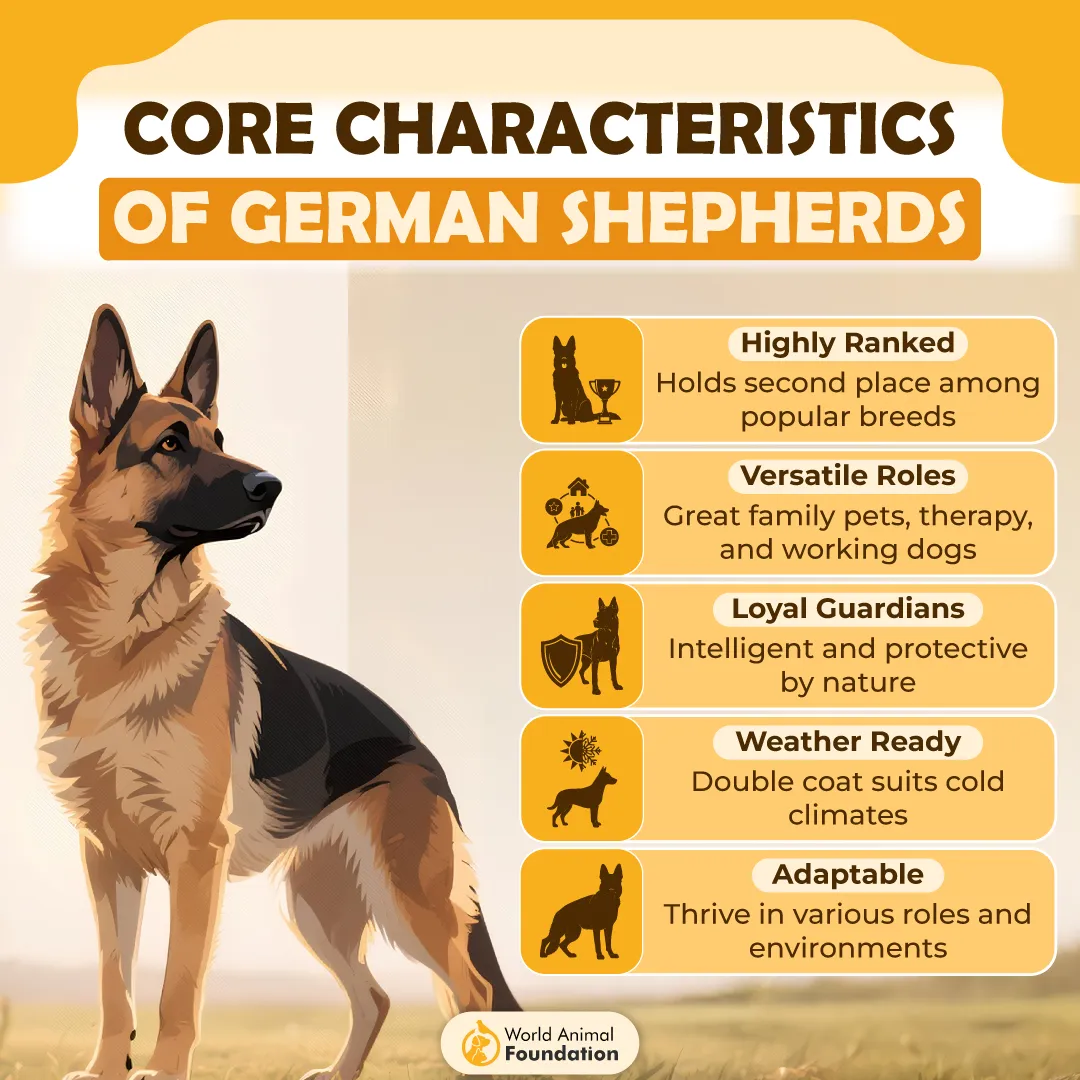
The German Shepherd is a highly confident, loyal, and exceptionally intelligent breed. They form deep, unbreakable bonds with their families, making them incredibly devoted companions. To help them adapt smoothly to different environments and situations, early socialization is essential.
Key Personality Traits
Deep Loyalty: Fiercely devoted to their owners and household.
Courage and Protection: Naturally brave and always alert to their surroundings.
High Trainability: Eager to please and highly capable of learning advanced commands.
Balanced Guarding Instincts: When provided with consistent training, they excel at knowing when to protect and when to relax.
King Shepherd
The King Shepherd has been selectively bred to emphasize a more relaxed, gentle, and family-oriented temperament. They make wonderful, calm household companions, with most owners describing them as significantly more easygoing and mellow than the typical German Shepherd.
Key Personality Traits
Gentle Giant Nature: Known for a calm, patient demeanor that is excellent for family life.
Deep Loyalty: Strongly devoted to their families and protective of their loved ones.
Quiet Confidence: Naturally self-assured, sweet-natured, and steady in various environments.
Balanced Protection: Possesses a natural guarding instinct, but handles situations with a more relaxed approach.
Key Difference
German Shepherds are more intense, driven, and intensely focused on tasks or work. In contrast, King Shepherds possess a much more relaxed and calm demeanor, making them excel primarily as gentle, easygoing family dogs.
Training, Exercise & Activity Needs
German Shepherd
Often called dogkind's finest all-purpose worker, the German Shepherd is an incredibly smart breed that is highly responsive to training. Because of their high energy levels and sharp minds, they require a significant amount of daily physical activity and mental stimulation. Proper stimulation and early socialization are essential to prevent the development of destructive boredom behaviors.
Daily Exercise Requirements
1 to 2 Hours of Daily Exercise: Needs rigorous physical outlets to burn off energy.
High-Intensity Activities: Excels at running, hiking, and intensive play.
Interactive Games: Thrives on games like fetch or frisbee that match their high-drive nature.
Training and Mental Stimulation
Structured Obedience Training: Requires consistent, clear guidance from an early age.
Advanced Canine Sports: Enjoys agility, tracking, or dock diving to keep their minds engaged.
King Shepherd
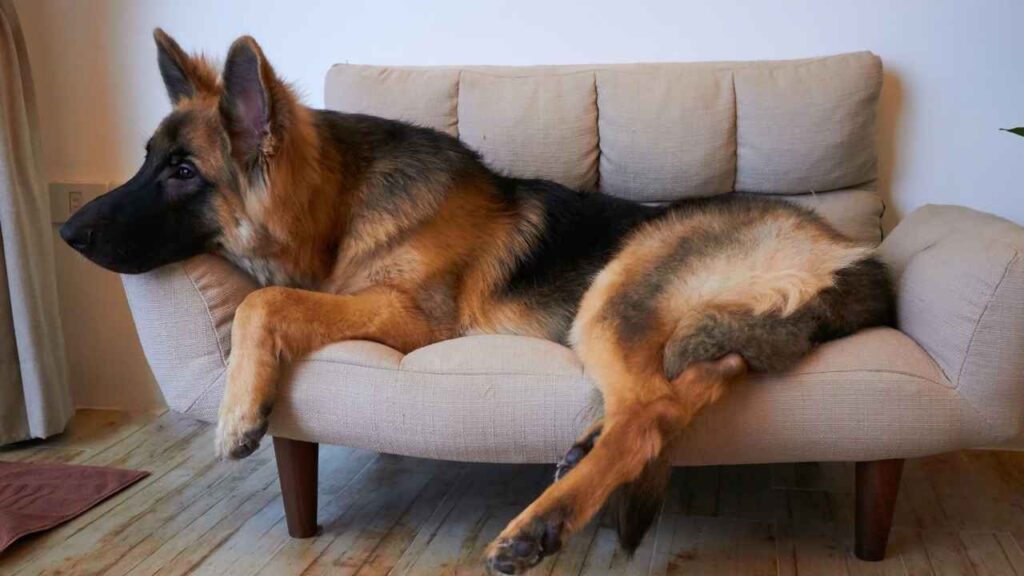
King Shepherds are highly intelligent dogs, but they lack the intense, high-drive work ethic of a standard German Shepherd. While they are still a large breed requiring consistent physical activity, their exercise demands are much less intense and far easier to manage. Because of their giant size and unique genetic mix, owners should plan for regular veterinary visits to monitor their overall health and joint development.
Daily Exercise Requirements
Daily Walks & Outdoor Exploration: Benefits from steady, structured walks and chances to explore the outdoors.
Moderate to High Activity: Enjoys being active but does not require hours of exhausting, high-intensity workouts.
Interactive Play: Thrives on casual backyard games with family members.
Training and Mental Stimulation
Regular Training Sessions: Remains eager to learn and responds beautifully to calm, positive reinforcement.
Manageable Pace: Offers a smart, highly trainable companion without the demanding, non-stop focus of working German Shepherd lines.
Key Difference
German Shepherds require high-intensity physical workouts and serious, structured mental engagement. On the other hand, the King Shepherd is much more manageable, thriving on moderate daily exercise and a more relaxed activity routine.
Health, Lifespan, Concerns & Issues
German Shepherd
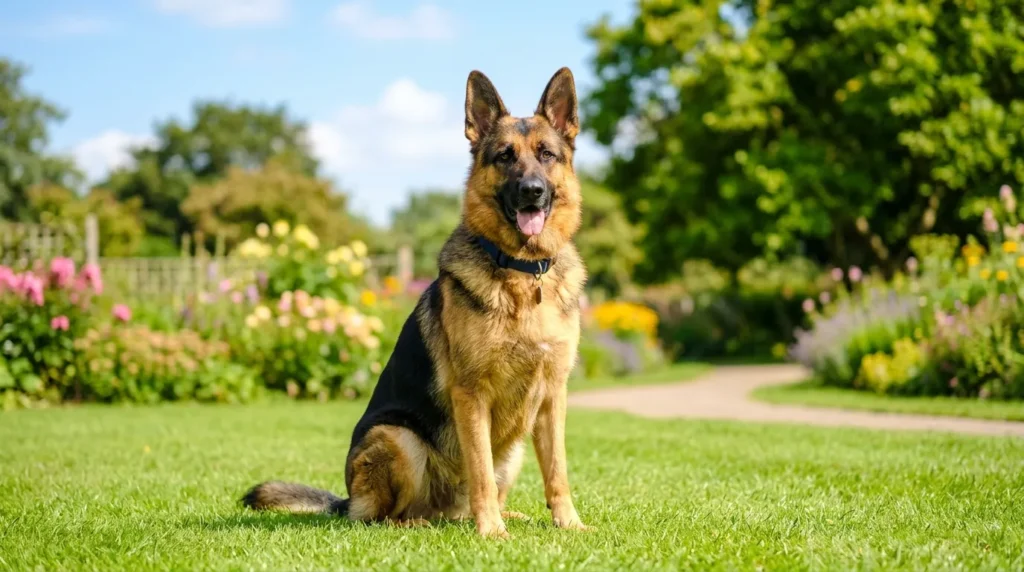
While German Shepherds are generally healthy, robust dogs, they are genetically predisposed to several inherited health conditions. Being aware of these issues can help owners provide proactive care.
Average Lifespan: 9 to 13 years
Common Health Concerns
Hip and Elbow Dysplasia: Genetic joint deformities that can lead to painful arthritis and mobility issues.
Degenerative Myelopathy (DM): A progressive, incurable neurological disease that affects the spinal cord.
Bloat (Gastric Torsion): A life-threatening condition where the stomach fills with gas and twists; common in deep-chested breeds.
Allergies: Susceptible to both food allergies and environmental skin sensitivities.
King Shepherd
A primary goal when developing the King Shepherd was to minimize the severe structural health problems commonly found in other large shepherd breeds. While they are generally healthier and less prone to severe joint angles, their giant size still predisposes them to certain conditions.
Average Lifespan: 10 to 14 years (Note: This is an impressive lifespan for a giant breed).
Common Health Concerns
Hip Dysplasia & Joint Issues: Though bred for better structure, their massive weight can still put pressure on developing joints.
Bloat (Gastric Torsion): As with all deep-chested, giant-sized dogs, this rapid, life-threatening stomach twisting remains a risk.
Thyroid Concerns: Susceptible to conditions like hypothyroidism, which can affect metabolism and coat quality.
Growth-Related Conditions: Because they grow rapidly from puppies into massive adults, careful nutrition is required to protect their bones during development.
Key Difference
The King Shepherd was intentionally bred to minimize the structural and genetic health flaws often seen in standard lines. However, because both are large, deep-chested breeds, owners must remain vigilant, as both the German Shepherd and the King Shepherd remain prone to joint-related issues like hip dysplasia.
Family Compatibility, Social Nature & Lifestyle Suitability
German Shepherd
German Shepherds thrive best in active, busy households where they can receive plenty of attention and continuous mental challenges. Because they are highly intelligent and work-oriented, they easily become bored and destructive if left alone for long periods without a task.
Best Suited For
Active Families: Households that can integrate a high-energy dog into their daily outdoor adventures.
Experienced Dog Owners: Handlers who understand working breed behaviors and can provide confident, consistent leadership.
Working Dog Enthusiasts: Owners who enjoy participating in dog sports, advanced training, or giving a dog a specific "job."
Homes with Fenced Yards: Spaces that offer ample room for high-intensity fetching, training, and daily play.
King Shepherd
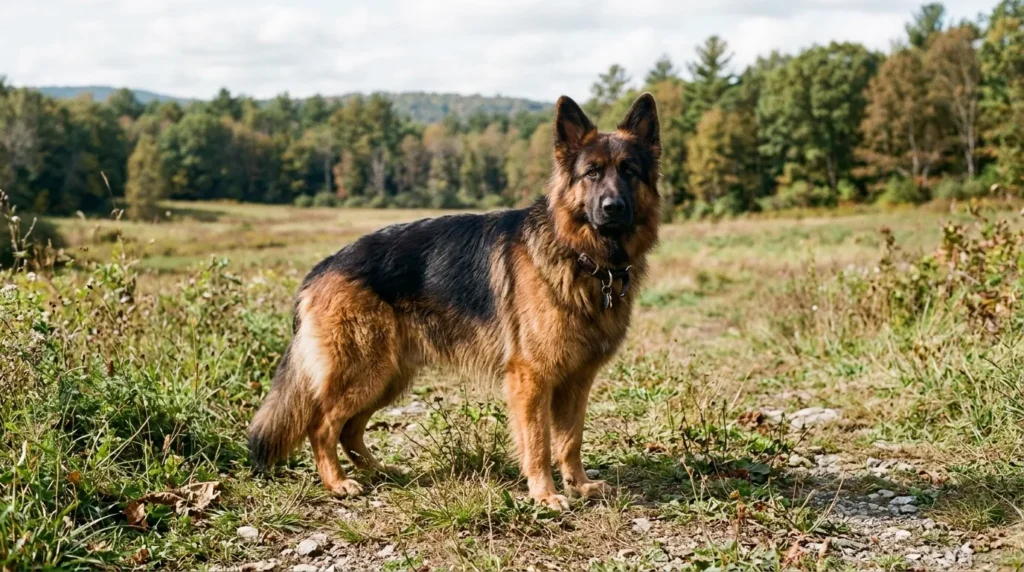
King Shepherds are incredibly accommodating to family life and are highly reputed for their gentle patience around children. Because of their massive physical size, they naturally require more living space than standard breeds, making them best suited for spacious environments where they can stretch out comfortably.
Best Suited For
Families with Space: Households with large, open floor plans that can comfortably accommodate a giant-sized dog.
Mellow Guardian Seekers: Owners who want a watchful, loyal companion with a more temperate and relaxed protective instinct.
Rural or Suburban Homes: Environments with larger yards or acreage that match their size and desire for outdoor exploration.
Multi-Person Households: Big, active families looking for a gentle giant that integrates seamlessly into a group dynamic.
Key Difference
German Shepherds perform best in high-energy, extremely active households that can match their intense need for work and play. Conversely, King Shepherds are much more accommodating to families seeking a gentle, patient giant dog with a more relaxed and less demanding lifestyle.
Rarity of Breeds & Differences in Price
German Shepherd
As one of the most popular and recognizable dog breeds in the world, German Shepherds are highly accessible. Because the breed is so well-established, it is usually quite easy for prospective owners to find highly reputable breeders.
Typical Cost: $800 to $3,500+
Pricing Factors
Standard Companion Lines: Usually fall on the lower to mid-range of the pricing spectrum.
Premium Working Lines: Dogs bred specifically for elite sport, police, or protection work can easily exceed the standard price range due to their specialized genetics and early training.
King Shepherd
Unlike their world-famous cousins, King Shepherds are relatively rare and not very common. Because they are an uncommon breed, availability depends heavily on your geographic location. Prospective owners should expect limited availability and will likely need to join a breeder's waiting list well in advance.
Typical Cost: $2,000 to $5,000+
Pricing and Availability Factors
Higher Entry Cost: Due to the rarity of the breed and the intensive care required to raise giant-breed puppies, initial purchase prices start significantly higher than standard German Shepherds.
Waiting Lists: Because there are fewer reputable King Shepherd breeders globally, securing a puppy often requires patience and advanced planning.
Key Difference
German Shepherds are highly popular and readily available worldwide, making them much more affordable and easier to find. On the other hand, King Shepherds are a rare, niche breed, resulting in a significantly higher price tag and longer breeder waiting lists.
Conclusion
Choosing between a German Shepherd and a King Shepherd ultimately comes down to your personal lifestyle, space, and experience level. Both breeds have the potential to fill your home with immense love, devotion, and protection, but they do so in completely different ways.
Quick Verdict
Choose the German Shepherd if you are an active, experienced owner looking for a high-energy companion that thrives on intense physical training, structured jobs, and non-stop mental challenges.
Choose the King Shepherd if you prefer a massive, luxurious companion with a much more temperate and relaxed lifestyle—offering a gentle, patient family guardian that fits beautifully into a spacious home.
Whichever path you choose, investing in a reputable breeder and prioritizing early socialization will ensure you bring home a loyal, protective partner for years to come.
