




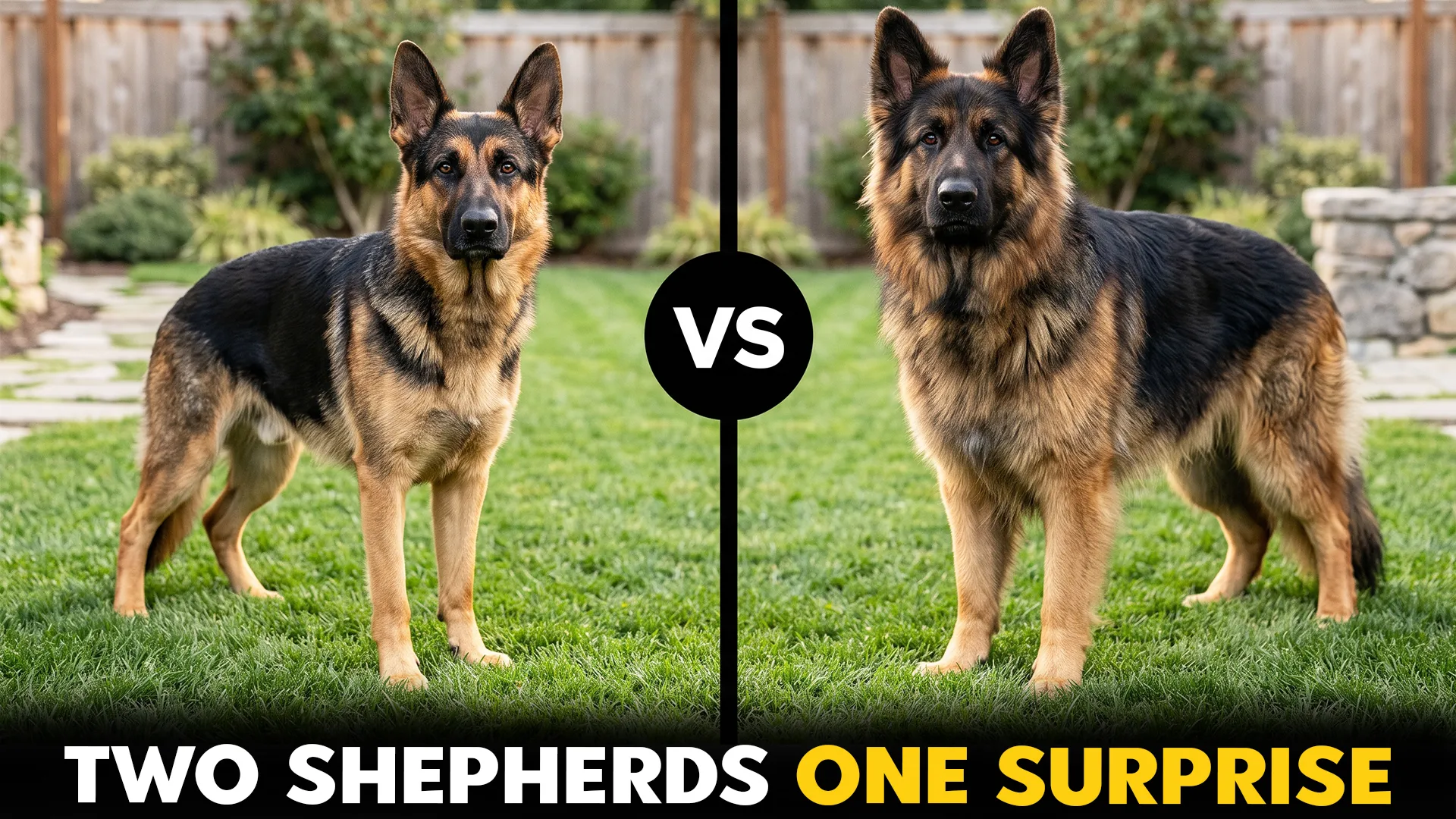
At first glance, the German Shepherd and King Shepherd look so alike that many people assume they are simply different sizes of the same breed. The reality is far more interesting. While they share impressive intelligence, loyalty, and striking appearances, several surprising traits set them apart.
The German Shepherd has earned worldwide recognition as a versatile working dog, while the newer King Shepherd was developed to emphasize larger size, sound structure, and a family-oriented temperament. Their differences extend beyond appearance to include ancestry, personality, and care requirements.
If you’re deciding between these remarkable breeds, understanding those distinctions is essential. This comparison explores the surprising traits that separate the German Shepherd from the King Shepherd, helping you choose the companion that best matches your home, activity level, and expectations.
German Shepherd vs. King Shepherd Dog Breeds: Surprising Traits
Origins & Purpose
The German Shepherd originated in Germany during the late 1800s, where Captain Max von Stephanitz developed the breed by selecting the country’s finest herding dogs. Although first bred to manage and protect livestock, its intelligence, trainability, and courage soon made it invaluable in police work, military service, search and rescue, detection, and assistance roles around the world.
The King Shepherd, by comparison, is a much newer breed created in the United States during the 1990s. Breeders combined German Shepherds with Shiloh Shepherds and carefully selected giant working breeds, including the Alaskan Malamute and Great Pyrenees, to produce a larger dog with a calmer temperament and improved genetic diversity.
One of the biggest differences is that the German Shepherd is a long-established purebred recognized by major kennel clubs worldwide. The King Shepherd remains a modern crossbred developed primarily for family companionship and working ability, with recognition from several rare breed organizations rather than the American Kennel Club.
Size & Physical Build
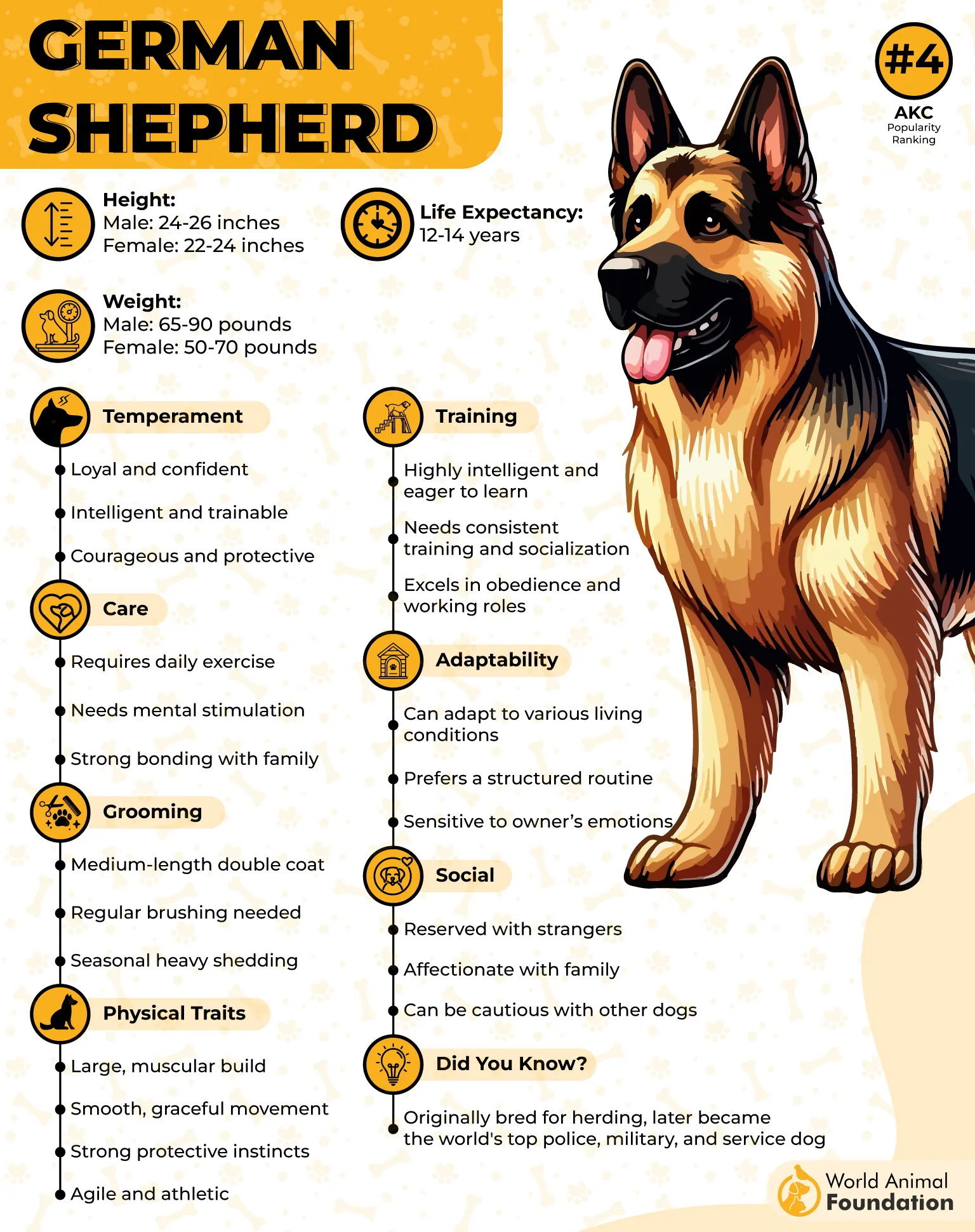
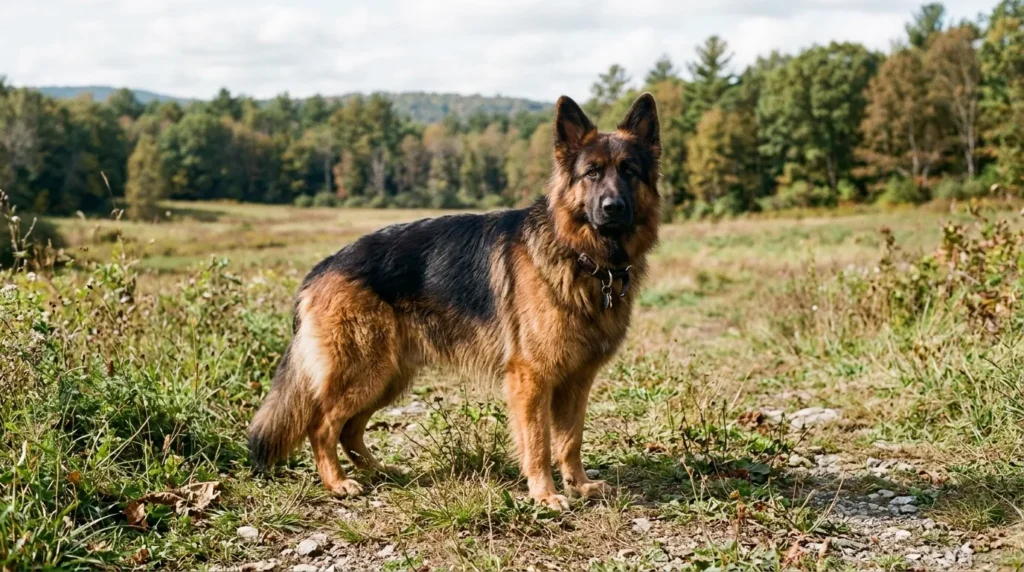
At first glance, these breeds share the classic shepherd appearance, but their size quickly sets them apart. The German Shepherd stands 22–26 inches tall and weighs 50–90 pounds, giving it a lean frame built for speed, endurance, and demanding working roles. According to Purina, German Shepherds are muscular, alert, and admired for their noble, confident presence.
The King Shepherd is the larger of the two, measuring 25–31 inches in height and weighing 90–150 pounds. Its broader chest, heavier bone structure, larger head, and thicker double coat create a more imposing, majestic appearance while still allowing impressive agility for such a giant breed.
Beyond overall size, their build reflects different strengths. German Shepherds have a more athletic silhouette with erect ears, a weather-resistant double coat, and a fluid gait designed for sustained movement.
King Shepherds retain the recognizable shepherd outline but feature a denser coat, darker pigmentation, and a sturdier, more substantial frame that emphasizes power and presence over compact athleticism.
Temperament & Personality
German Shepherds are highly intelligent dogs that form exceptionally strong bonds with their families. According to PetMD, German Shepherds’ loyalty, versatility, and strong work ethic have made them among the most popular and widely admired dog breeds in the United States.
Their natural courage, eagerness to learn, and protective instincts make them outstanding working dogs, though early socialization and consistent training help them develop into well-mannered companions.
King Shepherds were developed with a greater emphasis on a calm, family-friendly temperament. Often described as gentle giants, they are affectionate, patient, and steady, combining natural protectiveness with a more relaxed attitude that allows them to adapt comfortably to home life, as noted by the Continental Kennel Club.
King Shepherd dogs’ impressive size is one of their defining traits, giving them a wolf-like appearance while maintaining the temperament of a loyal family and working dog.
The biggest difference lies in their overall intensity. German Shepherds are typically more energetic and task-driven, thriving when given challenging work or regular mental stimulation. King Shepherds still enjoy activity and training but generally display a quieter confidence, making them better suited for owners seeking a loyal guardian with a softer, more easygoing personality.
Exercise & Energy Levels
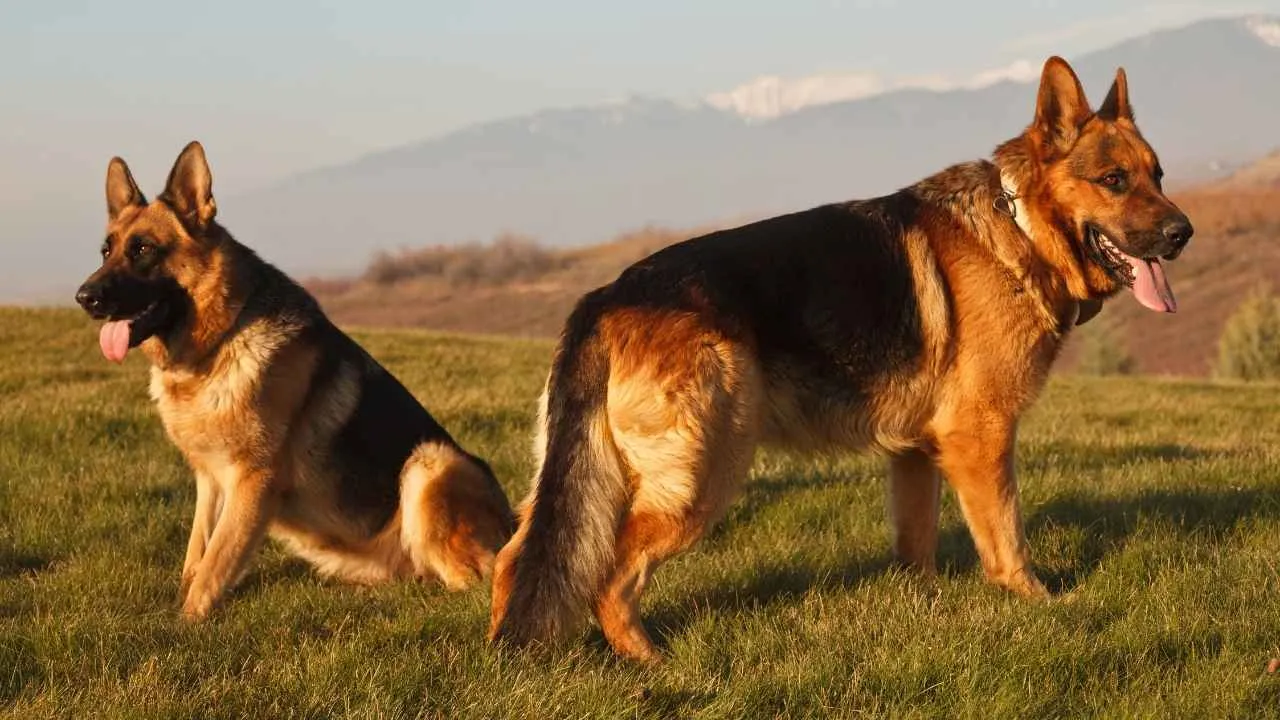
German Shepherds are true working dogs with high energy and thrive on at least 1.5–2 hours of daily exercise. Along with long walks, running, hiking, and games like fetch, they need structured training, agility work, or tracking exercises to keep their intelligent minds occupied and prevent boredom-related behaviors.
King Shepherds are also active and highly trainable, but their energy is easier to manage. They enjoy daily walks, outdoor adventures, jogging, and interactive play, while responding well to regular obedience sessions and positive reinforcement without needing the constant intensity typical of working German Shepherd lines.
The biggest difference lies in the level of activity each breed demands. German Shepherds excel with vigorous workouts and advanced mental challenges, whereas King Shepherds balance exercise with a calmer, family-oriented temperament, making them a better fit for owners seeking an intelligent companion that enjoys staying active without requiring nonstop, high-intensity engagement.
Training & Intelligence
Both the German Shepherd and King Shepherd are exceptionally intelligent, eager-to-learn breeds that respond best to consistent, positive training. Early obedience lessons and socialization are especially important for both, helping them grow into confident, well-mannered companions around people and other animals.
The German Shepherd is the more demanding of the two, combining remarkable intelligence with an intense work drive. It thrives on exercise, structured obedience, and mentally challenging activities like tracking, agility, or advanced problem-solving games to prevent boredom and destructive behaviors.
The King Shepherd offers a more relaxed training experience while remaining highly capable and responsive. It enjoys regular walks, interactive family play, and calm, reward-based training sessions, making it a better fit for owners seeking a smart but more manageable working companion while still benefiting from early socialization and routine exercise.
Health & Lifespan
German Shepherds typically live around 9–13 years and are hardworking dogs, but they are more likely to inherit certain genetic health conditions. Common concerns include hip and elbow dysplasia, degenerative myelopathy, bloat, allergies, and, in some lines, pancreatic insufficiency, making routine veterinary care especially important.
King Shepherds were intentionally developed to improve upon many of the structural health issues seen in traditional German Shepherds. They generally enjoy a lifespan of 10–14 years, though their large size still increases the risk of joint problems, bloat, thyroid disorders, and growth-related conditions during puppyhood.
Although King Shepherds were bred to be healthier overall, neither breed is free from health risks because both are large, deep-chested dogs. Choosing a puppy from health-tested parents, maintaining a healthy weight, providing proper nutrition, and scheduling regular veterinary checkups can help either breed stay active and comfortable for years.
Suitability as Family Pets vs. Guard Dogs
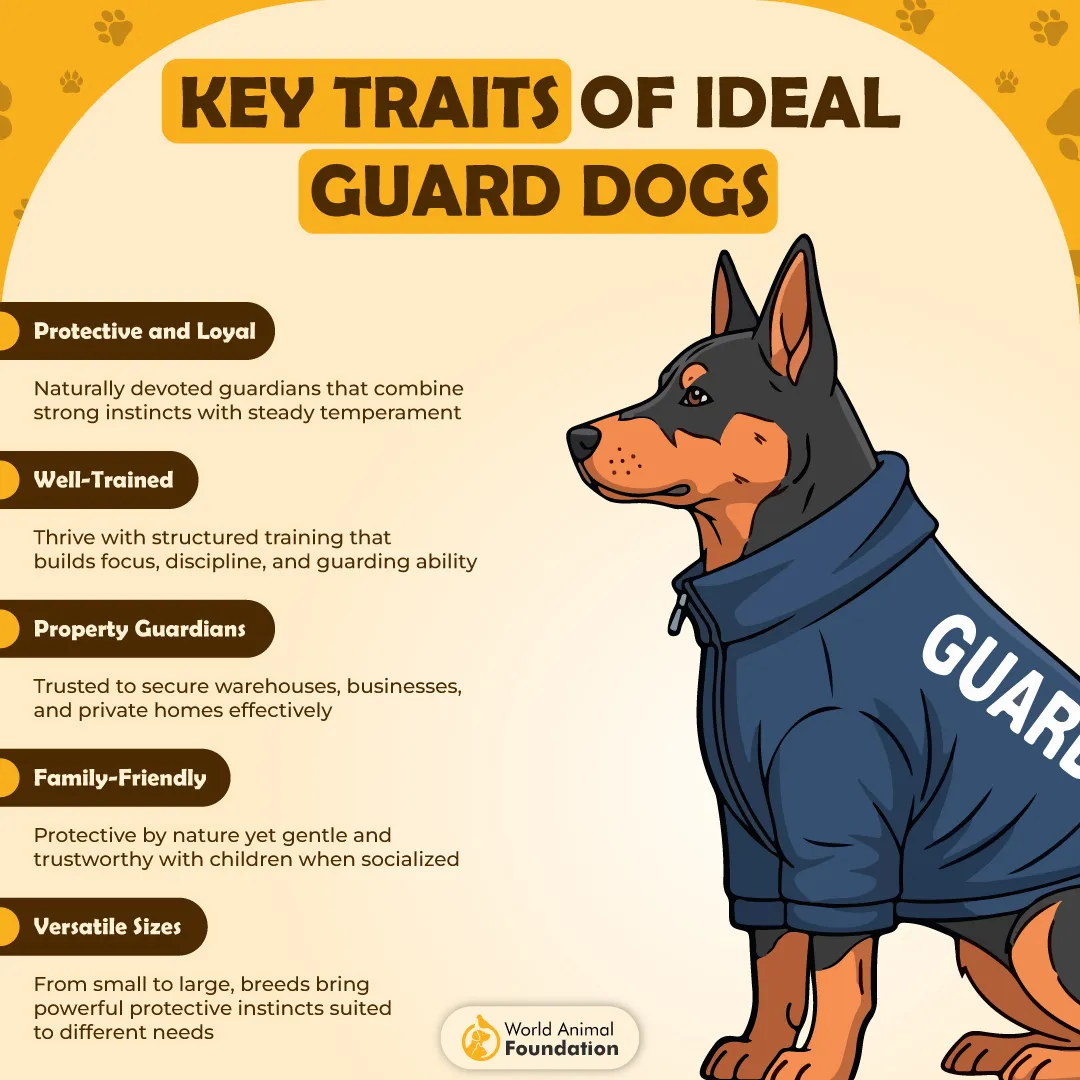
The German Shepherd is an outstanding choice for active families seeking a capable guardian that thrives on training, structured routines, and mentally demanding tasks. Its intelligence and protective instincts make it a dependable watchdog, though it generally suits owners with prior dog-handling experience.
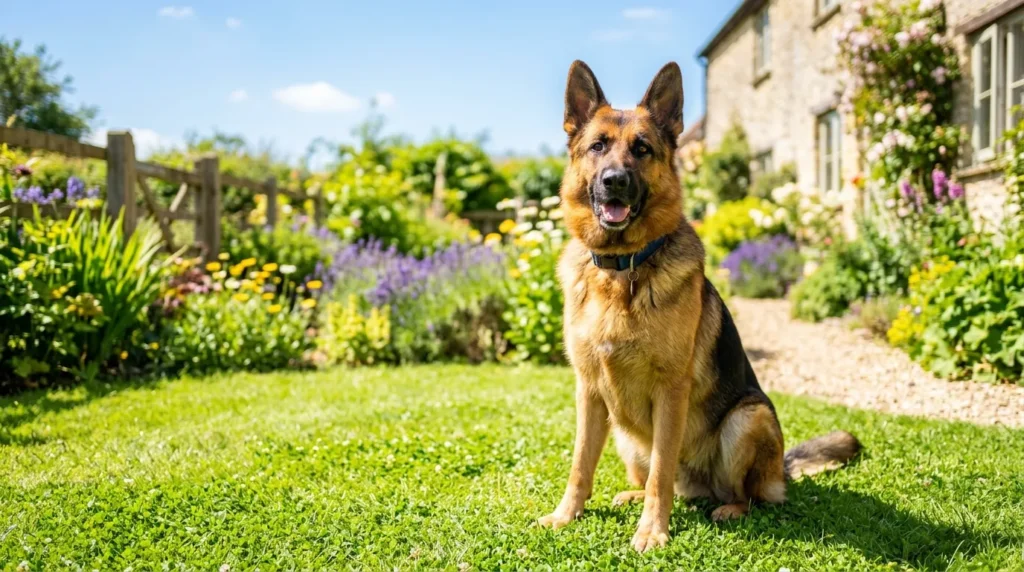
The King Shepherd offers a gentler approach to family protection. While still alert, this larger crossbreed is typically more patient and relaxed around children, making it a great fit for spacious homes where it can enjoy both companionship and moderate activity without constant high-intensity exercise.
Both breeds excel as devoted family protectors when raised with early socialization and consistent training.
The German Shepherd benefits from established breed standards and wider breeder availability, whereas the rarer King Shepherd requires extra care when selecting a breeder because it is not officially recognized as a purebred, making health records and responsible breeding practices especially important.
Conclusion
When comparing the German Shepherd and the King Shepherd, there isn’t a single winner—only the breed that best matches your lifestyle is more suitable for you.
The German Shepherd stands out for active owners who want an intelligent, energetic working dog that thrives on training, challenging tasks, and an active routine.
The King Shepherd, meanwhile, offers the same loyalty and protective nature in a larger, calmer package, making it an appealing choice for families seeking a gentle guardian with a more relaxed temperament.
Whichever breed you choose, early socialization, consistent training, and a commitment to their physical and mental needs will help you enjoy years of companionship with a devoted, confident, and loving partner.
