




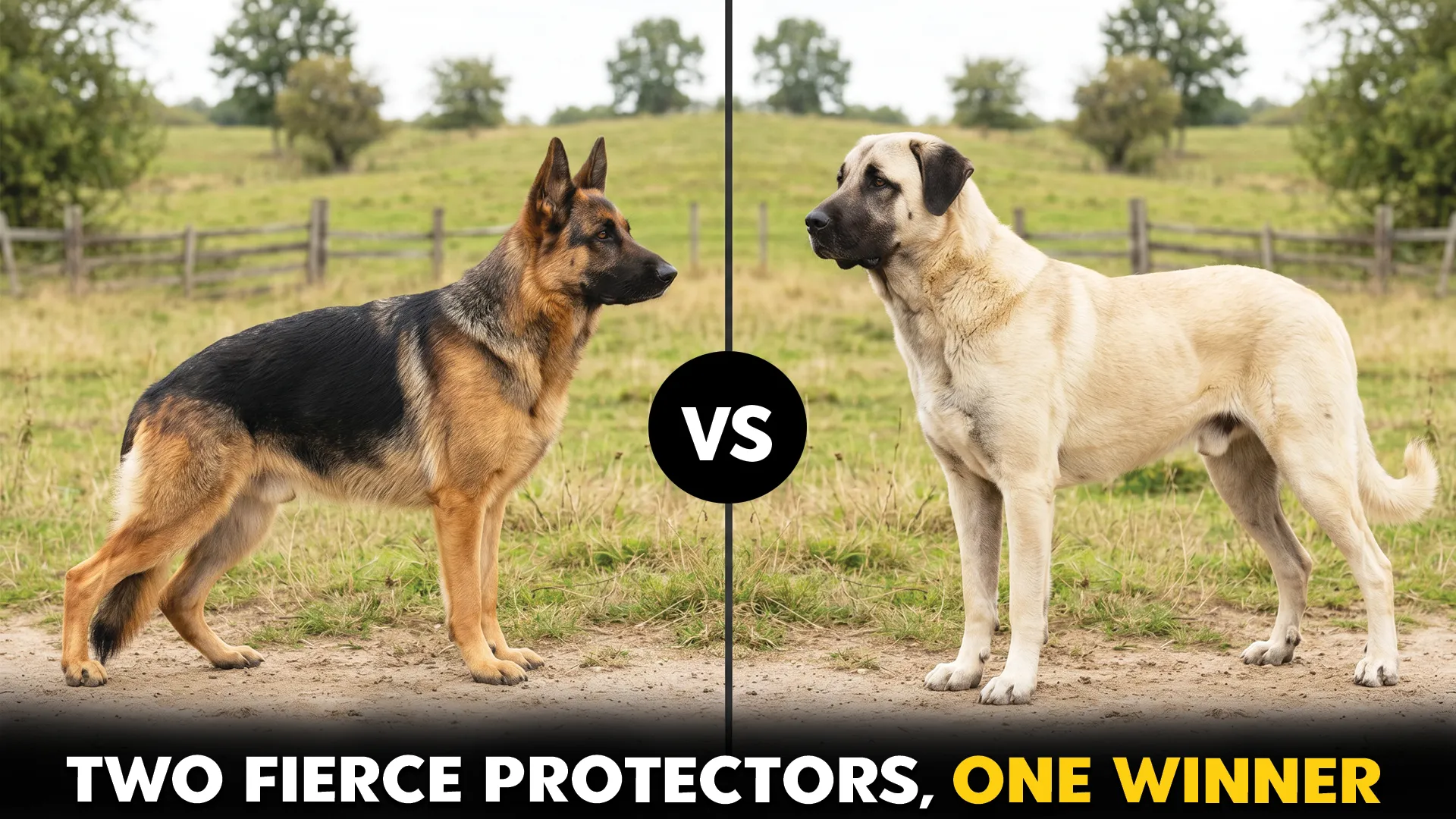
Choosing between a German Shepherd and a Kangal Shepherd Dog feels a bit like choosing between a tactical special-ops character and a mountain guardian boss from an open-world game. Both are powerful, loyal, and highly respected working dogs, but they were built for very different missions.
German Shepherds are famous worldwide for their roles in police work, the military, service jobs, and family protection. Kangals, meanwhile, were developed to guard livestock against wolves and predators across the rugged landscapes of Turkey. One thrives on teamwork with humans, while the other was bred to think independently for hours at a time.
If you’re trying to decide which breed fits your lifestyle, family, activity level, or experience as a dog owner, this guide breaks everything down realistically. From training and grooming to personality and energy levels, here’s how these two legendary guard dogs compare.
German Shepherd Dog Breeds vs. Kangal Shepherd Dog Breeds
Origins & Purpose
The German Shepherd originated in Germany during the late 1800s. The breed was developed primarily for herding sheep, but its intelligence and adaptability quickly made it useful in police, military, rescue, and protection work.
These dogs were designed to work closely with humans and respond quickly to commands. That’s why modern German Shepherds dominate jobs requiring obedience, focus, and precision. Pet Plan says they’re basically the overachievers of the dog world — the type that would finish side quests before you even open the map.
German Shepherds are often called one of the most versatile working breeds ever created. Today they work as:
Police dogs
Search-and-rescue dogs
Military dogs
Service dogs
Protection dogs
Family companions
Owners often describe their German Shepherd as “a dog that always wants a job.” That mindset is deeply rooted in the breed’s history and personality.
The Kangal breed comes from the Sivas region of Turkey and has been used for centuries as a livestock guardian. Unlike German Shepherds, Kangals were bred to protect sheep and goats from wolves, jackals, and even bears with minimal human direction.
That difference matters a lot.
PetMD claims that a German Shepherd constantly looks to humans for instructions. A Kangal was developed to make independent decisions out in the mountains. Think “solo survival mode” versus “team multiplayer.”
Kangals are known for:
Territorial instincts
Protective behavior
Calm confidence
Strong predator deterrence
Independent thinking
Turkey even considers the Kangal a national treasure. The breed’s reputation for protecting livestock is legendary, especially because of its immense strength and powerful bite force.
Size & Physical Build
German Shepherds are athletic, muscular, and agile dogs with a balanced structure. Most males stand around 24–26 inches tall and weigh between 65 and 90 pounds.
Their bodies are built for:
Speed
Agility
Jumping
Endurance
Tactical movement

A fit German Shepherd looks like the canine version of a professional athlete. They move with smooth, efficient strides and can pivot quickly during work or training exercises.
Their thick double coat, not solid white in color but comes with varied coat colors, also helps them handle colder weather, though it definitely increases shedding. Owners joke that the German Shepherd fur somehow appears in rooms the dog has never entered.
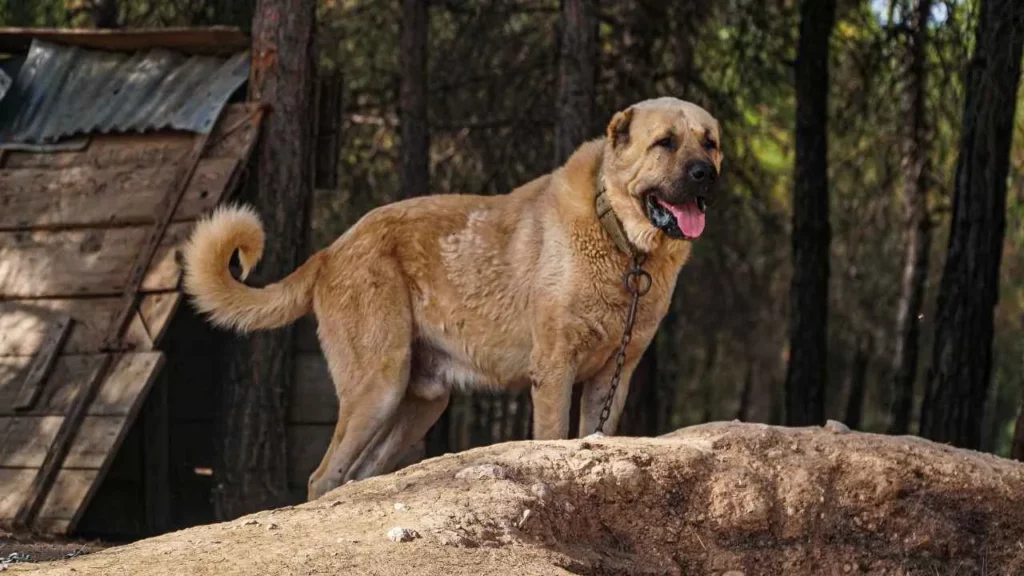
Kangals are significantly larger dogs and are much heavier than German Shepherds. Adult males commonly reach 110–150 pounds and stand up to 32 inches tall.
Everything about the Kangal is designed for strength:
Broad chest
Thick neck
Heavy bone structure
Massive paws
Muscular frame
Despite their size, Kangals are surprisingly athletic when compared to most other pets. They were bred to patrol huge outdoor areas for hours while defending livestock from large predators.
One thing many people misunderstand online is that Kangals are not just “oversized shepherds.” Their structure is purpose-built for guarding and endurance rather than obedience sports or tactical work.
Temperament & Personality
German Shepherds are intensely loyal and deeply connected to their families. They’re protective without being aggressive by default and usually form strong emotional bonds with their owners.
These dogs are:
Intelligent
Alert
Confident
Trainable
People-oriented
These dogs with protective instincts tend to watch everything going on around them, like unpaid neighborhood security staff.
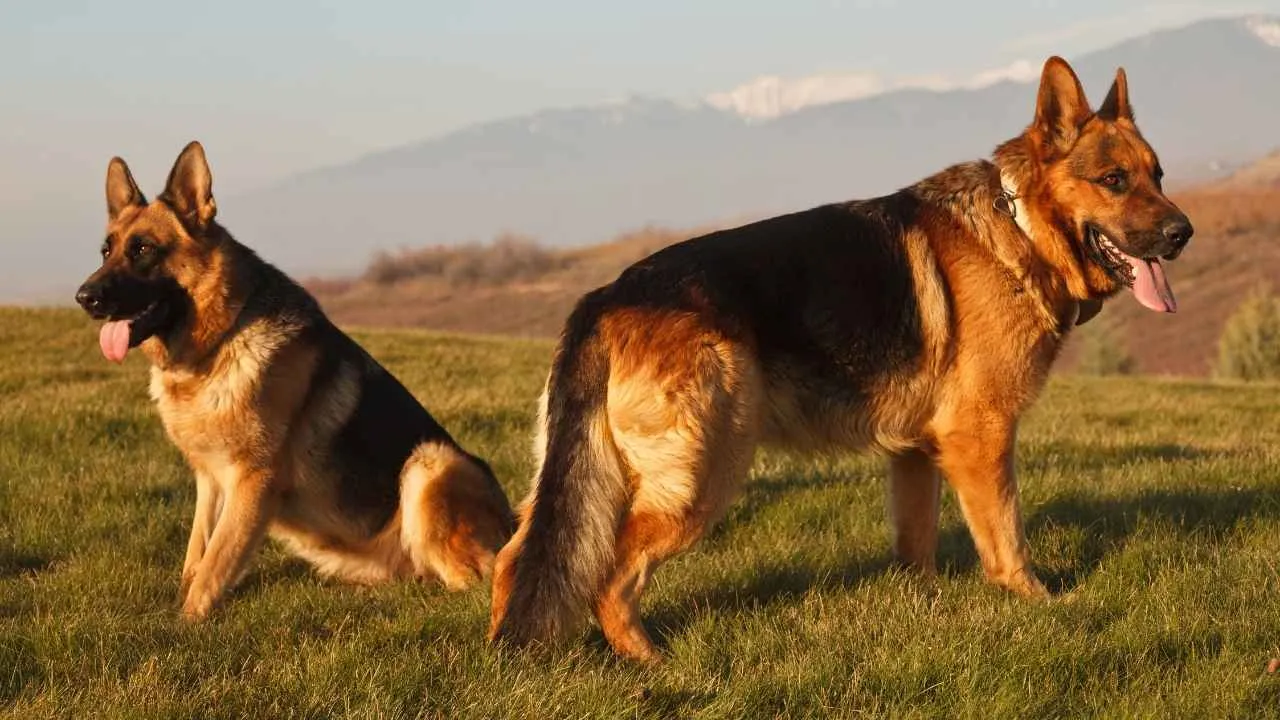
German Shepherds also thrive on interaction and structure. Without mental stimulation, they can become anxious, destructive, or overly reactive. Many owners compare owning one to having a highly intelligent coworker who constantly asks, “What’s next?”
With proper socialization, the American Kennel Club says German Shepherds are excellent family dogs. They’re often gentle with children and naturally protective of their household.
Kangals are calmer, more reserved, and much more independent than German Shepherds. They are not naturally eager-to-please dogs and can be wary of strangers.
Kangals usually think before reacting. They don’t waste energy unnecessarily, but when they believe a threat is real, they become fearless protectors.
Traits commonly associated with Kangals include:
Calm confidence
Territorial instincts
Patience
Courage
Strong independence
Owners often say Kangals behave more like “guardians” than pets. They love their families deeply but usually aren’t clingy or overly emotional.
This breed also matures slowly. Young Kangals can be stubborn and constantly test boundaries, especially if they sense inconsistency from their owner.
Exercise & Energy Levels
German Shepherds are high-energy dogs that need both physical and mental exercise daily. A bored German Shepherd can become destructive surprisingly fast.
Most need:
1–2 hours of exercise daily
Obedience work
Puzzle games
Structured activities
Training sessions
They excel at:
Agility
Tracking
Protection sports
Hiking
Running
If you want a dog that’s always ready for adventure, a German Shepherd is an excellent match.
However, this also means they’re not ideal for extremely sedentary households. Think of them like a gaming PC with high-end specs — if you don’t use the power properly, things get messy.
Kangals also need substantial exercise, but their energy is different. They aren’t hyper or constantly demanding attention like some working breeds.
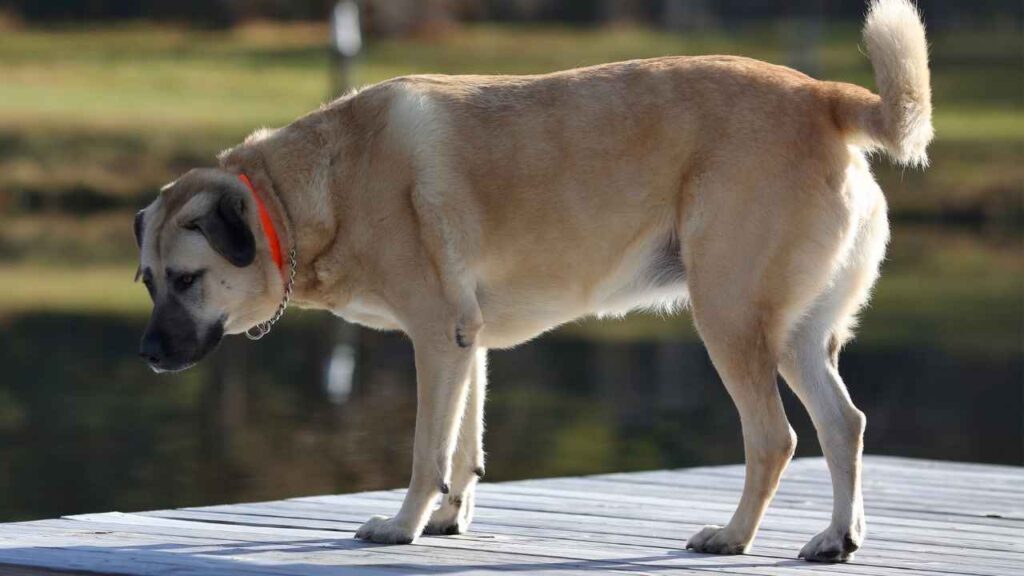
Instead, Kangals prefer:
Patrolling
Guarding territory
Roaming large spaces
Calm observation
Most experts recommend large, securely fenced properties for these dogs because apartments or tiny urban homes usually aren’t suitable. Kangals are endurance dogs rather than speed-focused athletes. They conserve energy until they need it.
Training & Intelligence
German Shepherds are widely considered one of the smartest dog breeds in the world. They learn commands quickly and often enjoy training sessions.
This is why they dominate:
Police work
Service work
Military training
Competitive obedience
They respond best to:
Positive reinforcement
Structure
Consistency
Clear leadership
A well-trained German Shepherd feels almost synchronized with its owner owing to its unique characteristics. Many people describe them as “mind-reading dogs” because of how closely they observe human behavior.
However, their intelligence can also backfire if owners are inconsistent. German Shepherds learn bad habits just as quickly as good ones.
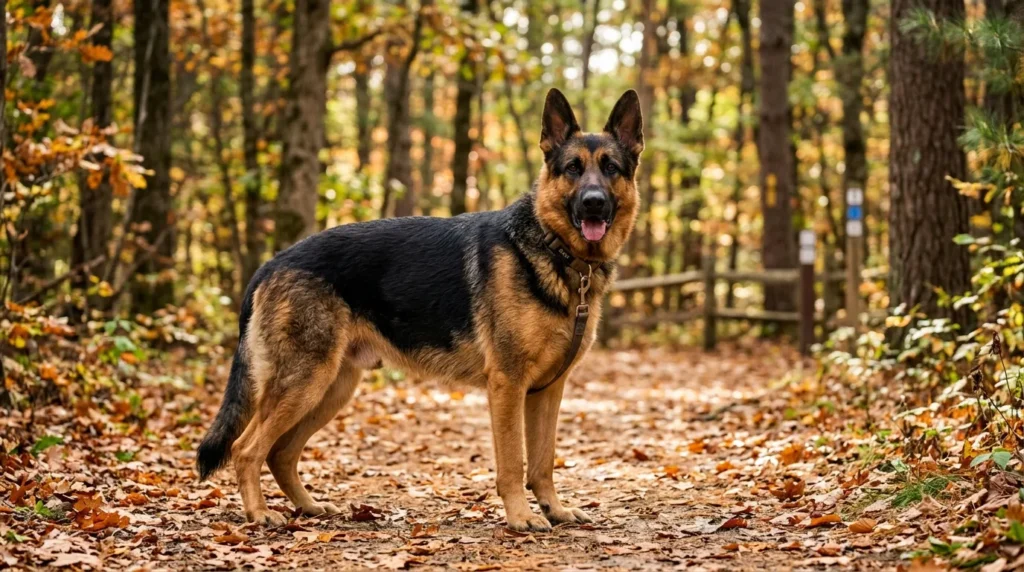
Kangals are intelligent too, claims Purina, but they’re far more independent thinkers. Training one requires patience, confidence, and experience.
Unlike German Shepherds, Kangals were not bred to obey constant commands. They were bred to make decisions on their own while guarding livestock.
That means:
Repetition can bore them
Harsh training damages trust
They may ignore commands they consider unnecessary
Many owners say Kangals understand commands perfectly — they decide whether they feel like following them.
This independent personality makes them challenging for first-time dog owners.
Grooming Frequency
German Shepherds shed heavily year-round and experience major seasonal shedding periods often called “blowing coat.”
Typical grooming needs include:
Brushing several times weekly
Frequent vacuuming
Regular nail trimming
Ear cleaning
UKC, the United Kennel Club, says that its thick coat helps protect it in cold weather, but it definitely increases maintenance.
Many German Shepherd owners joke that owning dark clothes becomes impossible because fur seems to appear everywhere, like glitter after a craft project.
Kangals have shorter, dense double coats that are generally easier to maintain. They still shed seasonally, but usually require less grooming overall than German Shepherds.
Typical care includes:
Weekly brushing
Seasonal deshedding
Nail trimming
Occasional bathing
Because Kangal dogs often spend more time outdoors, owners should regularly check for:
Ticks
Burrs
Dirt buildup
Paw injuries
Overall, Kangals are considered the lower-maintenance breed in terms of grooming.
Health & Lifespan
A German Shepherd dog usually lives around 9–13 years.
Common health concerns include:
Hip dysplasia
Elbow dysplasia
Degenerative myelopathy
Bloat
Allergies
Responsible breeding matters hugely with German Shepherds because poor breeding practices have contributed to structural and health problems in some bloodlines.
Maintaining a healthy weight and engaging in regular exercise can significantly reduce joint stress.
Kangals generally live 11–15 years, which is impressive for such a giant breed.
Potential health concerns include:
Hip dysplasia
Bloat (GDV)
Joint problems
Because they grow very large, careful nutrition during puppyhood is important to protect developing bones and joints.
Many owners also recommend avoiding excessive exercise while young Kangals are still growing.
Which One Is Best for You?
Choose a German Shepherd if you want:
A highly trainable dog
Active companionship
Advanced obedience potential
Family protection
A dog that thrives on teamwork
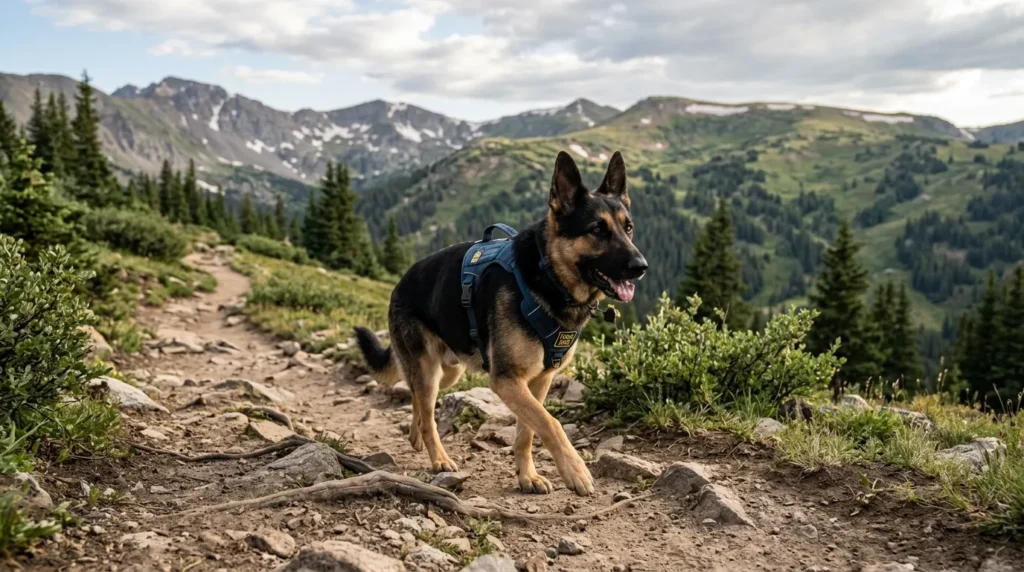
German Shepherds are better suited to people who enjoy structured training, outdoor activities, and regular interaction with their dogs.
Choose a Kangal Shepherd Dog if you want:
A livestock guardian
A calm but powerful protector
A more independent dog
A rural-property companion
Strong territorial instincts
Kangals are usually best for experienced owners with large outdoor spaces and confidence in handling giant guardian breeds.
For most suburban families, the German Shepherd is the more adaptable and manageable option. For rural protection work and livestock guarding, the Kangal is almost unmatched.
Conclusion
Both the German Shepherd and the Kangal Shepherd Dog are incredible working dogs, but they shine in completely different environments.
The German Shepherd is like the all-purpose elite teammate — intelligent, responsive, versatile, and deeply connected to humans. They fit active homes where training, structure, and interaction are part of daily life.
The Kangal is more like an ancient guardian warrior — calm, independent, and built to protect without hesitation. They’re powerful dogs that demand space, experience, and strong leadership.
Neither breed is “better” overall. The best choice depends entirely on your lifestyle, experience, and what role you want your dog to play in your life.
