




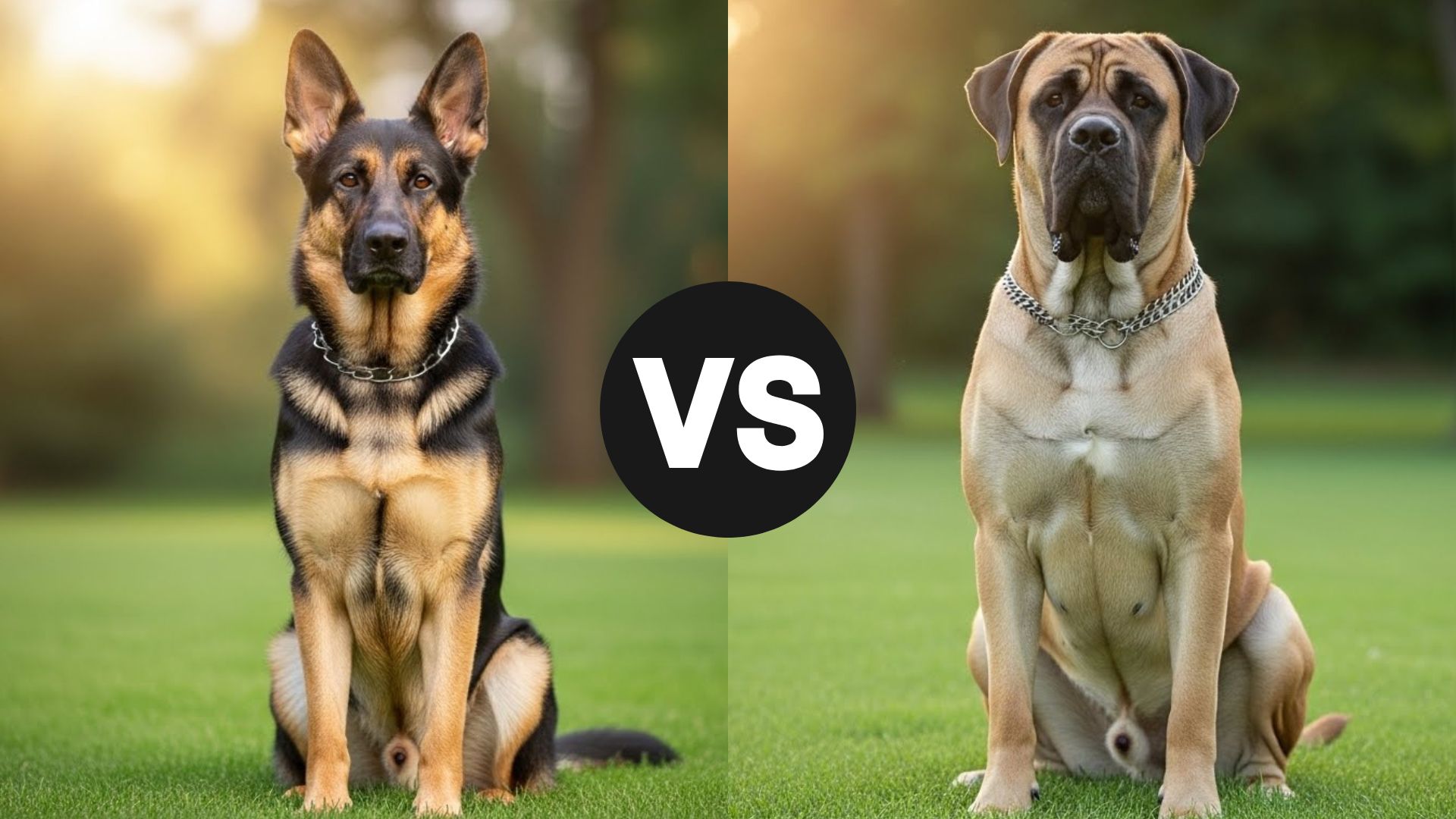
Trying to choose between a German Shepherd and an English Mastiff? You’re comparing two very different kinds of “great dog.”
The German Shepherd is built for movement and problem-solving: alert, responsive, and happiest when it has a job to do. The English Mastiff is built for calm authority: huge, steady, and often surprisingly low-key once it knows its people are safe.
That difference shows up everywhere, from training and exercise to how much space they take up in your home and how they handle visitors. One tends to follow you from room to room, ready for the next cue; the other may stay planted like a polite boulder with opinions.
If your lifestyle is active and structured, you’ll likely lean one way. If you want a relaxed guardian presence, you may lean on the other. Let’s break it down clearly.
German Shepherd vs. English Mastiff
Mastiff vs. German Shepherd: Overview
The English Mastiff is a giant working dog with a long history in England as a guard type. Modern breed profiles commonly describe them as devoted and affectionate at home, with an instinct to watch their space. Their day-to-day style is often calmer and more home-centered than many working breeds.
According to the AKC, the German Shepherd was developed in Germany from herding and farm dogs and later became widely used in service roles.
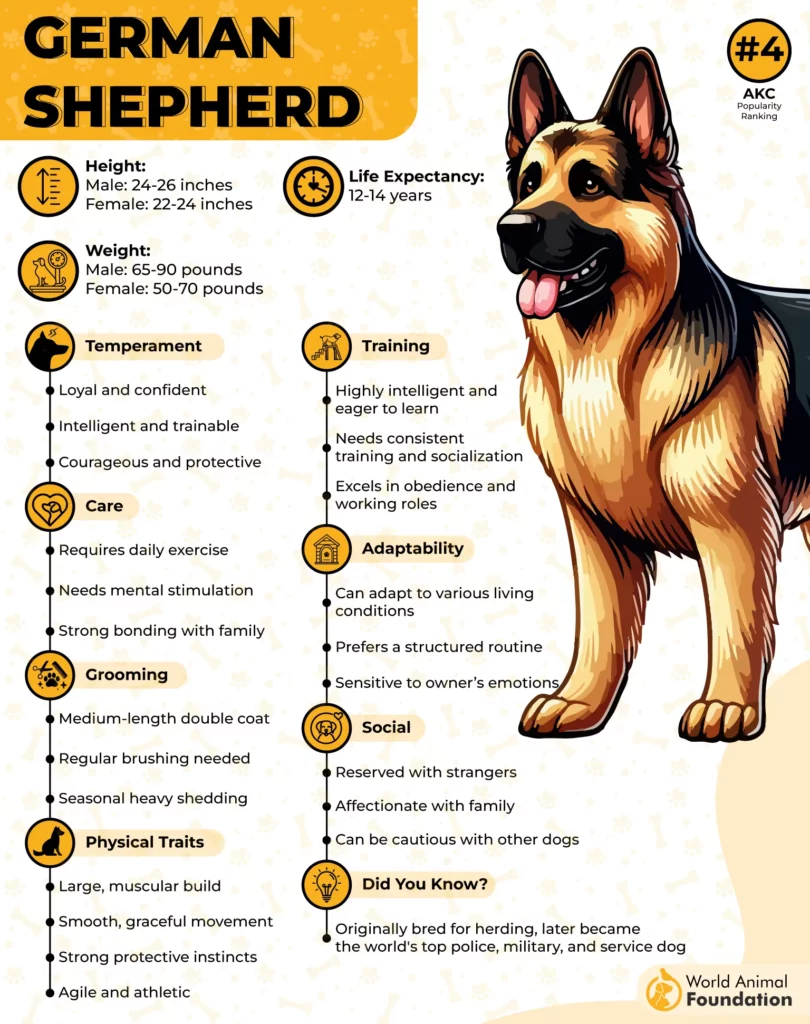
Breed references consistently highlight intelligence, alertness, and loyalty, plus strong suitability for police, military, and guide work. That background usually shows up as a stronger need for structure and engagement.
So the real decision is about role fit. A Mastiff typically provides a steady presence and quiet deterrence without demanding constant activity. A German Shepherd typically offers active partnership and thrives when it has training, tasks, and routine.
Physical Size, Strength & Overall Build Comparison
Mastiffs are built for mass and power, with sources describing them as giant dogs that can exceed 200 pounds. Their frame is broad and heavy, which makes them impressive in a doorway and equally impressive on a leash. Because of size alone, early manners and calm handling are priorities, not optional extras.
German Shepherds are strongly built but designed for athletic function rather than maximum bulk. Breed descriptions emphasize a capable working body made for movement, stamina, and responsiveness. Their strength is more “go and do” than “stand and block.”
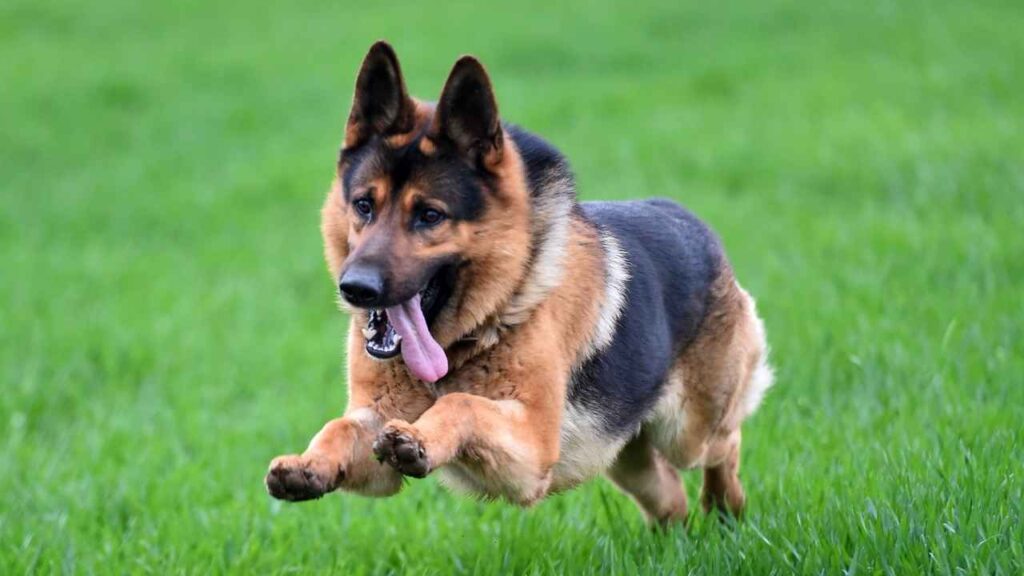
In daily life, Mastiff strength feels like leverage and weight you must manage carefully. German Shepherd’s strength feels kinetic and persistent, which you must channel with exercise and training. Both are powerful, but the kind of power is different.
Personality Traits & Temperament Differences
As per PetMD, Mastiffs are often described as loyal, affectionate, and fairly laid-back in the home. Many are content with long stretches of calm, which can suit quieter households. At the same time, breed guides note they can become sharply alert when unfamiliar people enter their space.
German Shepherds are typically described as intelligent, alert, and strongly loyal to their people. They often prefer involvement and can be intense in how closely they track their environment. When well socialized and well exercised, that intensity becomes focus rather than friction.
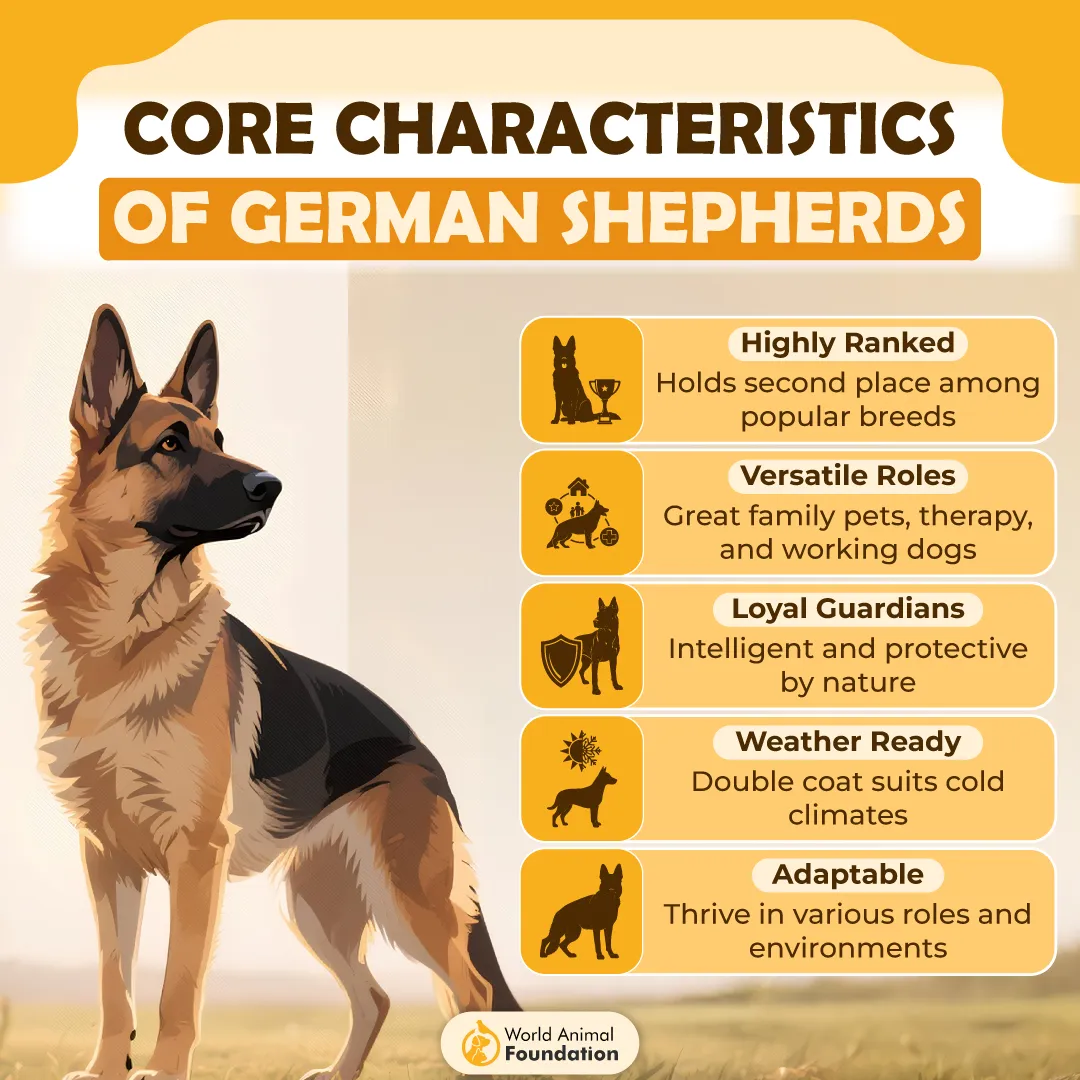
Mastiff temperament often reads as steady companionship with a serious protective switch. German Shepherd temperament is constant awareness and readiness to act or learn. Your lifestyle determines which one feels easier to live with.
Activity Requirements: Exercise & Daily Energy Levels
Mastiffs are commonly described as not high-energy dogs, and many are happy with a relaxed routine. They still benefit from regular, sensible exercise to support joints and weight management. The goal is consistency and conditioning, not high-impact workouts.
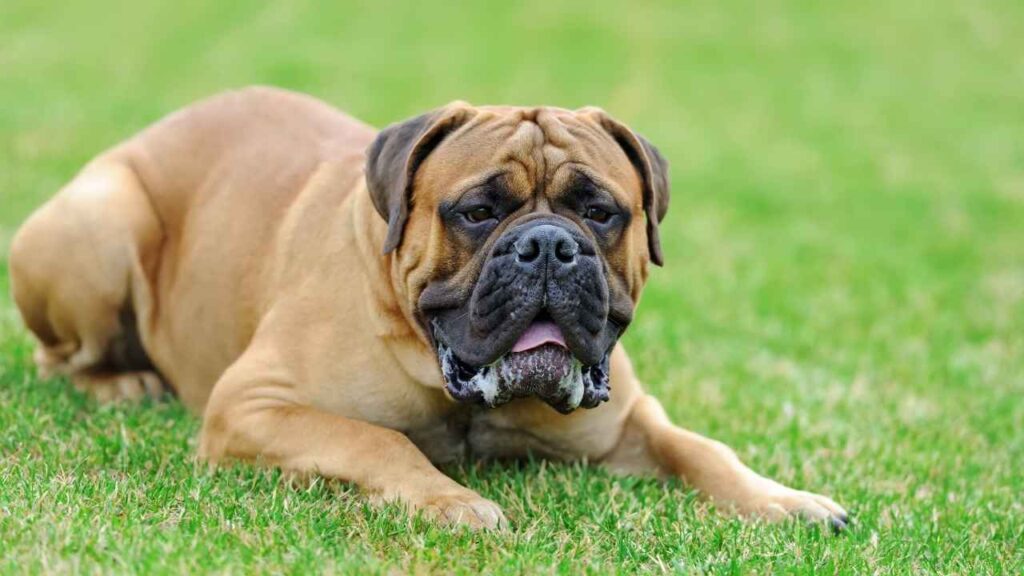
German Shepherds are described as highly active and typically need daily exercise plus mental stimulation. Some breed guidance suggests roughly one to two hours of activity per day, along with training or brain work. If those needs aren’t met, restlessness and unwanted behaviors become more likely.
The contrast is “maintenance vs outlet.” Mastiffs do best with steady walks and calm enrichment that keep them healthy. German Shepherds do best with longer exercise blocks plus training that gives their energy a direction.
Learning Ability, Trainability & Working Intelligence
German Shepherds are repeatedly noted for quick learning, responsiveness, and usefulness in demanding roles. Their history in police, military, and guide work reflects strong working intelligence and practical trainability. Many thrive when training is structured, progressive, and part of daily life.
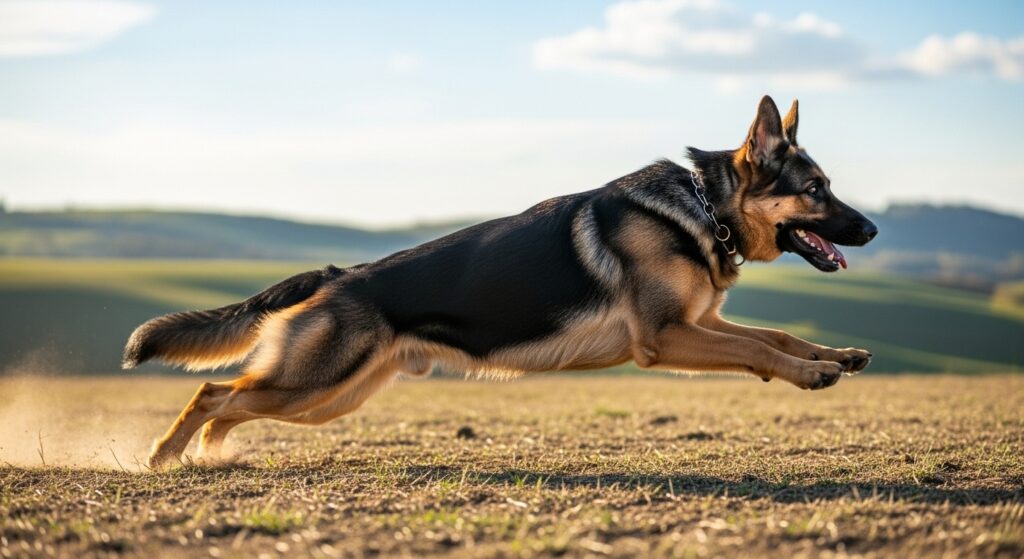
Mastiffs can learn reliably, too, but breed care sources emphasize socialization and manners as priority training goals. Their protective instincts mean early exposure to people, environments, and handling is especially important. Training success often depends on calm consistency rather than high repetition or intensity.
So the challenge differs. German Shepherds often learn fast but need ongoing work to stay satisfied. Mastiffs may be less “busy,” but they must be trained early because size makes leash skills and polite greetings essential.
Communication Style & Vocal Behaviors
Mastiffs often communicate with posture and presence more than constant barking. Breed references describe them as relaxed at home but quick to become alert when a new person enters. Many owners also manage heavy drooling, which becomes part of everyday “signals” and cleanup.
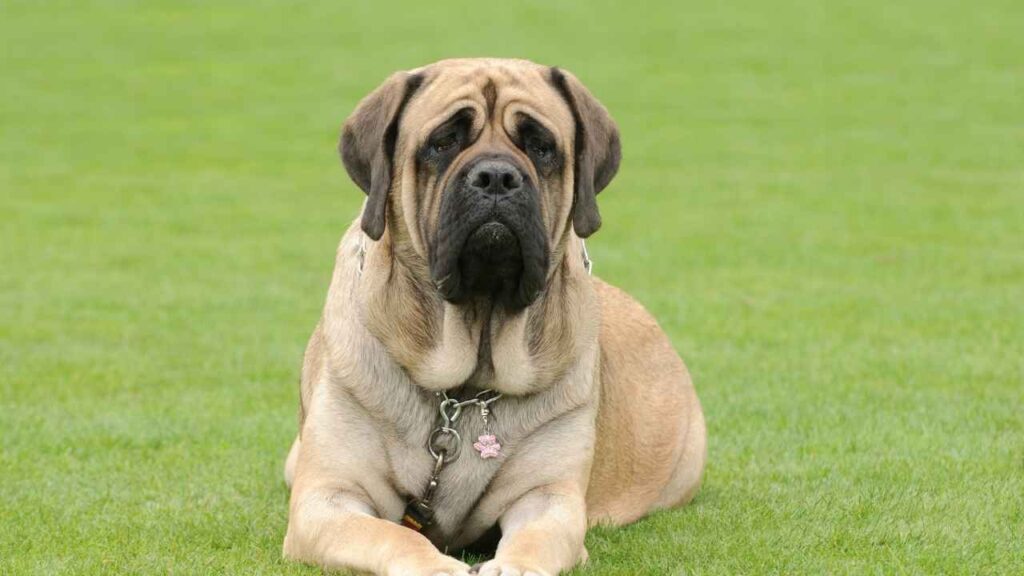
German Shepherds are closely associated with alertness and watchdog behavior. Many are more likely to vocalize or physically respond to changes in the environment, especially if under-exercised. Their communication can be more frequent and more “broadcast” than a Mastiff’s.
If you want fewer alerts and a more silent assessment, Mastiffs often match that style. If you want a dog that notices everything and responds quickly, German Shepherds fit, but you’ll need to teach them an off-switch. Calm greeting habits matter with both breeds.
Coat Type, Shedding Patterns & Grooming Needs
Mastiffs typically have a short, dense coat with moderate shedding and straightforward grooming. Routine brushing and basic hygiene checks are usually enough for coat care. The bigger daily factor is drool management, which can be frequent and messy.
German Shepherds typically have a double coat and are widely described as heavy shedders. Grooming is not complicated, but it can be constant, especially during heavier shedding periods. Brushing becomes a routine tool for keeping fur under control.
What you’ll “feel” in your house is different.
Mastiff home: more wiping, towels, slobber cleanup
Shepherd home: more brushing, vacuuming, fur on fabrics
Common Health Concerns & Expected Lifespan
Mastiffs, like many giant breeds, are commonly described as having shorter lifespans than smaller dogs. Veterinary-oriented sources often cite an average lifespan around 6 to 10 years and note giant-breed vulnerabilities. Responsible breeding and careful weight management are recurrent in care guidance.
German Shepherds are commonly linked to inherited and mobility-related concerns. Some welfare guidance highlights degenerative myelopathy as a condition seen in the breed. Screening, thoughtful breeding choices, and long-term conditioning are often emphasized.
Smart prevention is similar for both breeds.
keep them lean and muscular, not heavy
build exercise gradually in puppyhood
choose health-tested lines and plan for long-term care
Mastiff vs. German Shepherd: Home Protection Role vs. Family-Friendly Nature
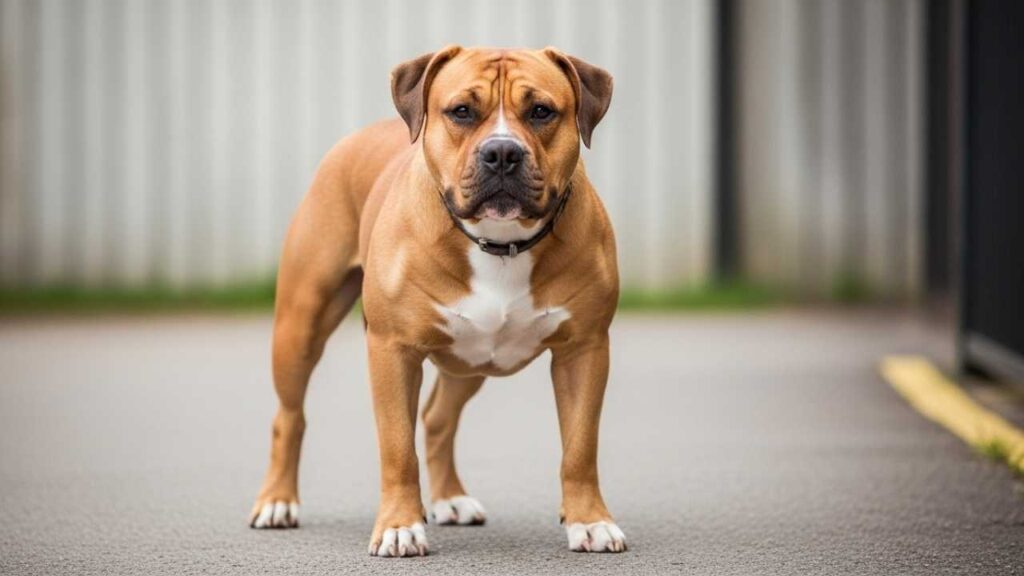
Mastiffs have a long guard-dog history and are still widely described as natural home protectors. Their protection style often looks like quiet deterrence backed by size, steadiness, and a deep warning presence. They may be calm most of the day, but can become quickly alert when someone unfamiliar enters.
As per PDSA, German Shepherds are strongly associated with active protection work and watchdog roles. Their alertness, trainability, and common use in service contexts often translate into faster, more involved home monitoring. They’re more likely to patrol, alert, and engage with what they perceive as changes.
Both can be family dogs, but they fit different homes.
Mastiff fits: calmer households, space for a giant, low-drama routine
Shepherd fits: active households, consistent training, daily structured outlets
Conclusion
Choosing between the Mastiff and the German Shepherd is really choosing what your home needs from two breeds of large dogs. Purebred German Shepherds are built for agility, herding sheep, and focused dog training, while Mastiffs are large dogs that protect loved ones with calm power.
Either one breed can become an obedient dog with positive reinforcement, consistent training sessions, and smart handling from a young age, especially around strangers, small animals, a cat, and children, the risk of aggression is still there when canines get bored or anxious.
Dogs require space, routine, and a fenced yard, plus frequent brushing for shedding and dead hair. Work with reputable breeders and a veterinarian to support health, bonding, and safe behavior so your pet stays a loyal friend who can protect your world without turning aggressive.
Other dog breeds, such as Cane Corso, Pit Bulls, and a German Shepherd, also share many traits.
