




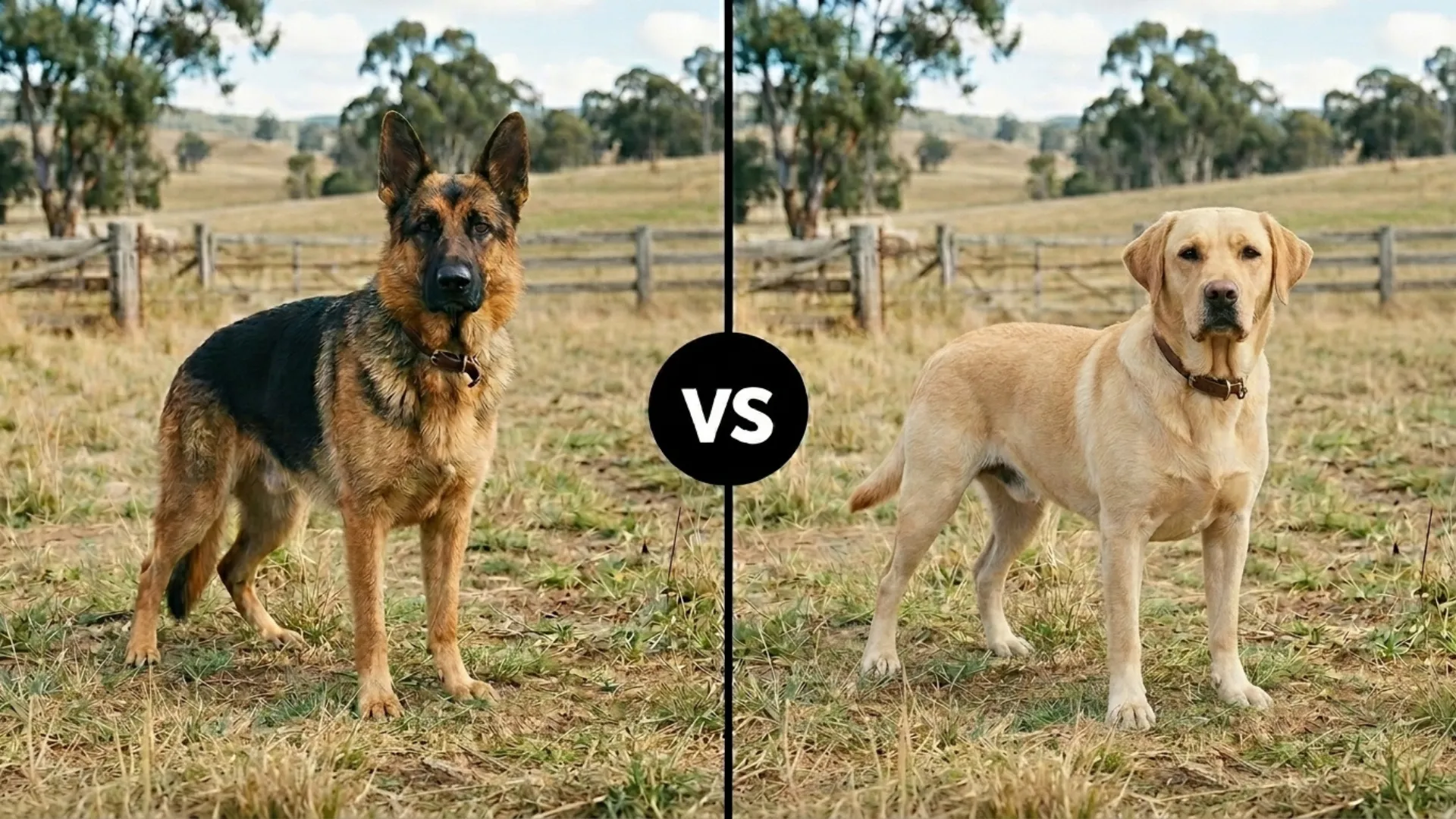
German Shepherds and Labrador Retrievers are two of the world’s most respected and dependable dog breeds, admired for their intelligence, loyalty, and remarkable working abilities. Although both breeds were developed in different parts of the world during the nineteenth century, they quickly earned reputations as reliable companions capable of assisting humans in demanding and even life-saving roles.
From family homes to rescue missions, these dogs continue to stand out for their courage, adaptability, and strong bond with people. While they share many admirable qualities, each breed brings unique strengths to the table.
German Shepherds are widely recognized for their protective instincts, sharp focus, and ability to perform under pressure, making them exceptional in security and service work. Labrador Retrievers, on the other hand, are celebrated for their friendly temperament, problem-solving skills, and calm nature, allowing them to excel as therapy, assistance, and rescue dogs.
Choosing between these breeds depends largely on lifestyle, activity level, and personal expectations. Both require proper training, socialization, exercise, and care, but their personalities and working styles can suit very different households and responsibilities.
German Shepherd Dog Breeds vs. Labrador Retrievers
When disaster strikes, two legendary breeds consistently answer the call: the German Shepherd and the Labrador Retriever. While both are world-class lifesavers, they rely on completely different instincts—one using tactical protection and fierce loyalty, the other utilizing an unmatched nose and a calm, lifesaving touch.
🎧 Dogcast
Episode 37 — Why Dogs Stay Close without Touching
If you don’t hear sound, tap the button above to enable audio.
Breed Origins & Functional Background
The German Shepherd Dog, often called the GSD, and the Labrador Retriever are two highly respected working breeds developed for very different purposes. Originating from Germany and Canada, these intelligent dogs became famous for loyalty, versatility, and dependable service alongside humans.
German Shepherds were carefully developed in rural Germany by Max von Stephanitz, who wanted an ideal herding and protection dog capable of working long hours. Their intelligence, endurance, and protective instincts later helped them excel in police, military, and rescue roles where courage and focus are essential.
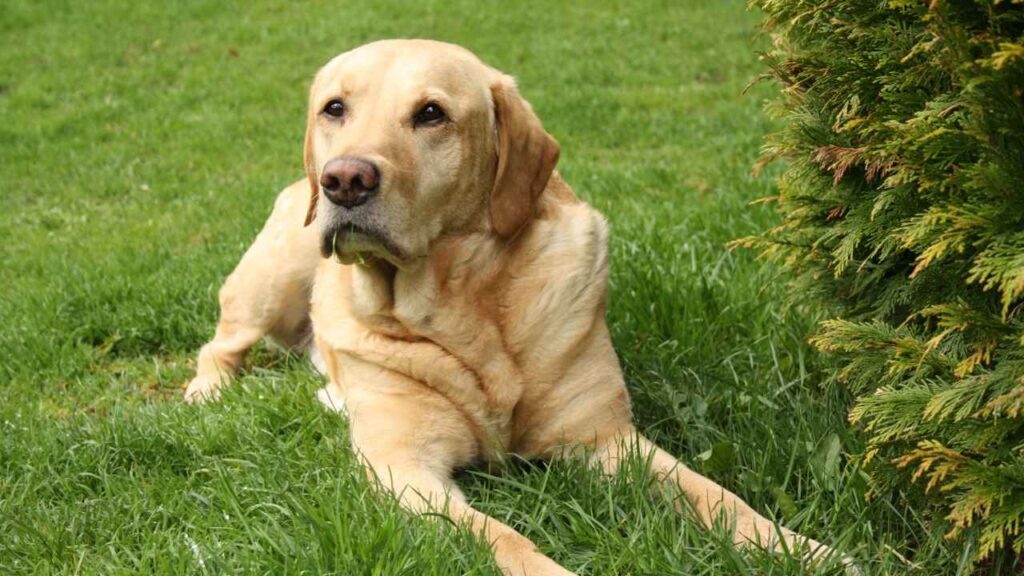
Labrador Retrievers, originally descended from St. John’s water dogs in Newfoundland, were bred to assist fishermen and hunters by retrieving fish and waterfowl. Their powerful tails, love of swimming, and eager-to-please personality made them excellent partners for water-based work and modern assistance tasks.
While German Shepherds are often more protective and reserved with strangers, Labradors are widely admired for their gentle, social nature around families and children. Both breeds rank among the world’s most intelligent dogs and remain highly trainable companions for service and lifesaving work.
Fact: Labrador Retrievers were considered the most popular dog breed for many consecutive years before recently being surpassed by the French Bulldog.
Physical Characteristics & Body Structure
While both dogs share similar size ranges and strong athletic builds, their appearance, coat textures, and personalities create very different impressions.
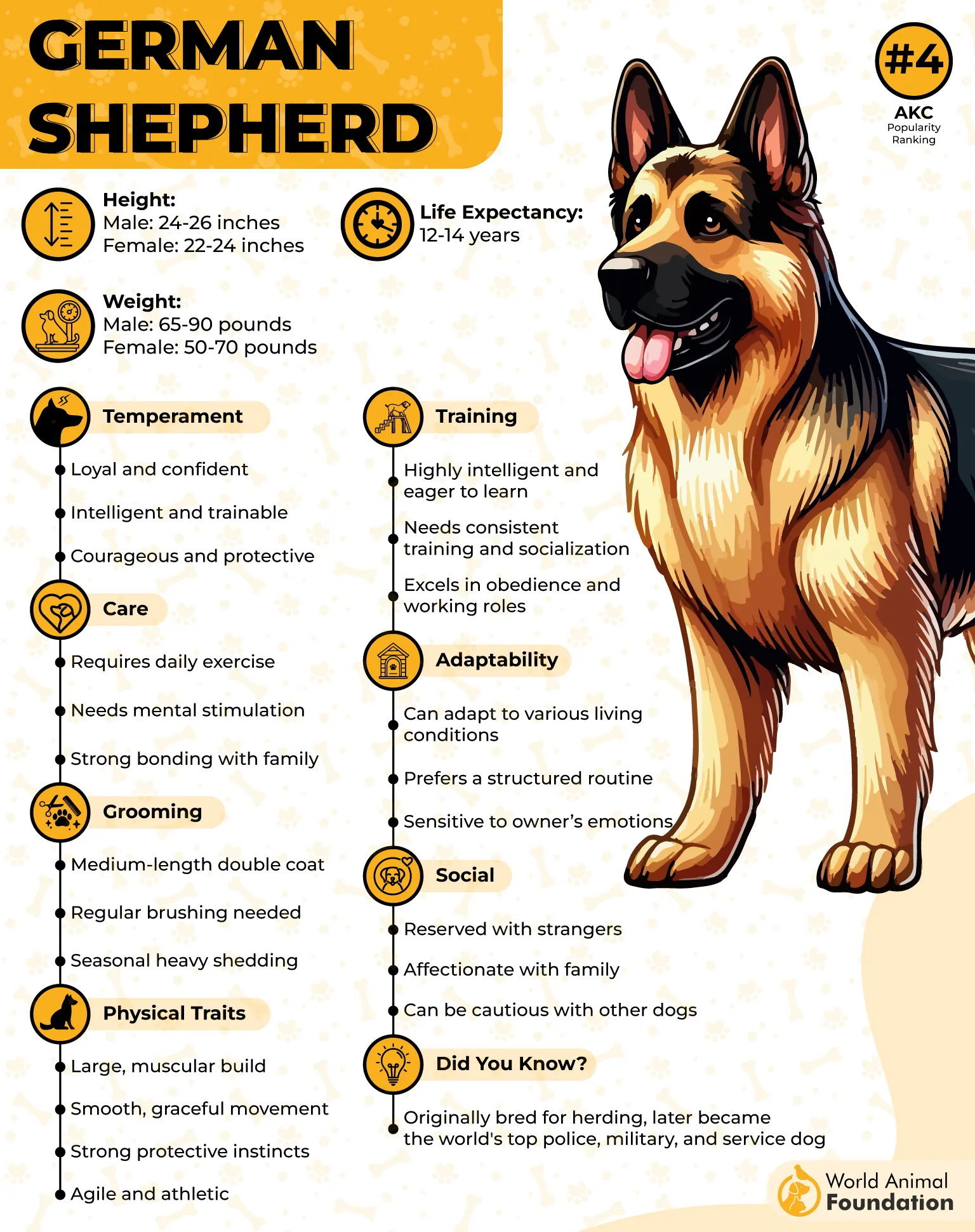
German Shepherds are agile herding and guarding dogs recognized for their proud posture, domed forehead, bushy tail, and alert expression. Their double coat may be short or long and commonly appears in combinations of black, tan, sable, or gold shades that enhance their commanding presence.
Labrador Retrievers display a softer and more approachable appearance with broad heads, expressive eyes, and their famous strong “otter-like” tails. Their short water-resistant coats appear in black, yellow, or chocolate shades, reflecting the breed’s history as hardworking water retrievers and hunting companions.
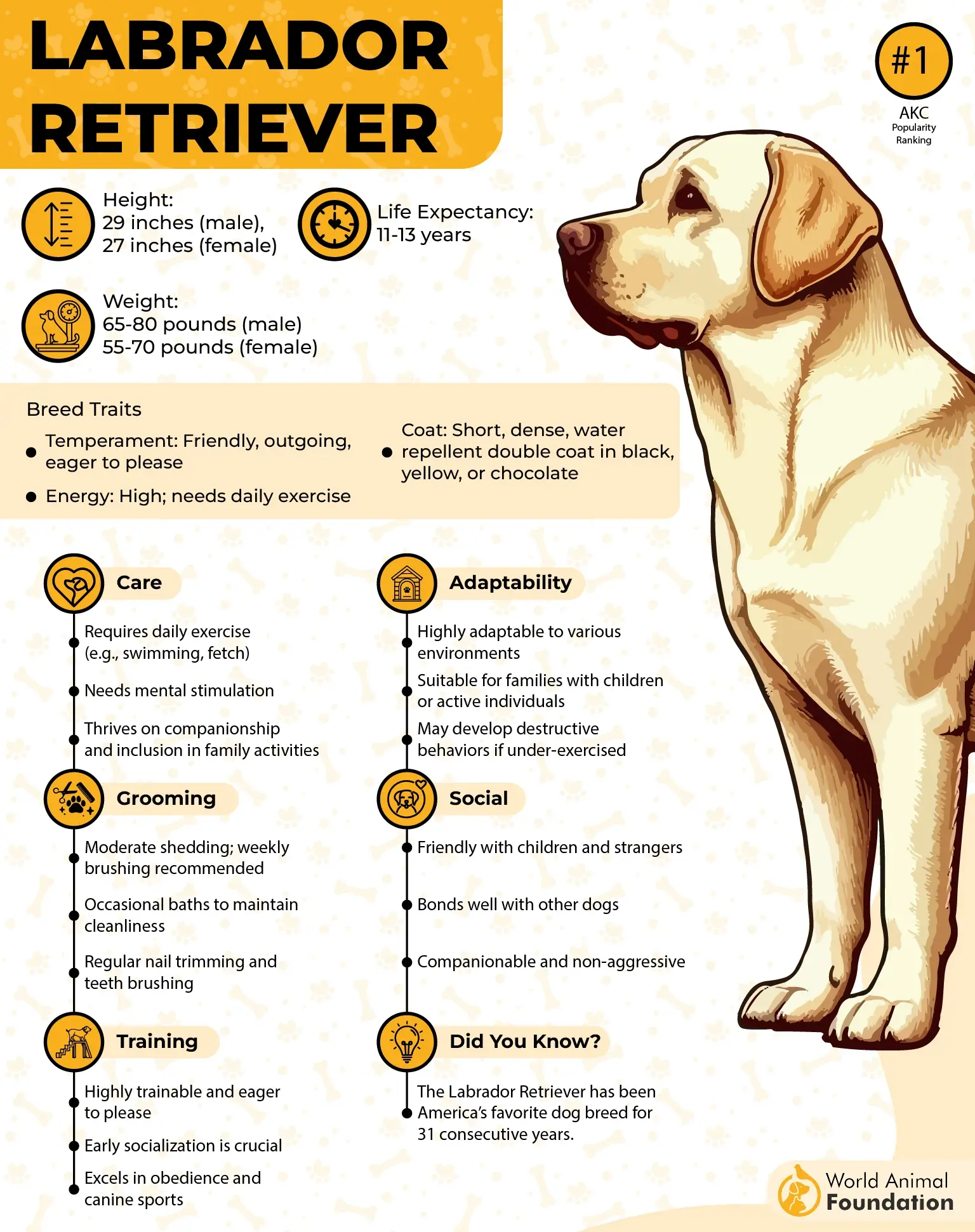
Although both breeds are medium-to-large dogs with similar height ranges, their personalities often influence which family chooses them. German Shepherds are admired for their protective instincts and confidence, while Labradors are loved for their gentle, friendly, and easygoing nature around people and other animals.
Fact: Labrador Retrievers were originally developed with water-resistant coats and powerful tails to assist fishermen and hunters in cold Canadian waters.
Temperament & Behavioral Profile
The German Shepherd Dog and the Labrador Retriever are admired for their patience and strong working abilities. Both are medium-to-large dogs with energetic personalities, yet each approaches companionship and daily life in very different ways.
German Shepherds are naturally alert, protective, and deeply devoted to their families. Originally developed as herding and guardian dogs, they often remain cautious around strangers while showing gentleness and affection toward people they trust, including children within the household.
Labrador Retrievers are known for their cheerful and outgoing personality. These sporting dogs thrive on companionship, social interaction, and playful activity, often forming quick friendships with both people and other pets.

Both breeds require regular exercise and mental stimulation to stay healthy and emotionally balanced. German Shepherds usually benefit from structured activity and training sessions, while Labradors enjoy interactive games, outdoor adventures, and social play. Their exercise needs may vary depending on the dog’s personality and lifestyle.
Fact: German Shepherds shed heavily throughout the year because of their thick double coat, especially during spring and fall shedding seasons.
Activity Requirements & Energy Levels
The German Shepherd Dog and the Labrador Retriever are known for their endurance and dependable personalities. Both are energetic medium-to-large dogs that excel in active homes and demanding working roles, though their exercise styles and daily needs differ slightly.
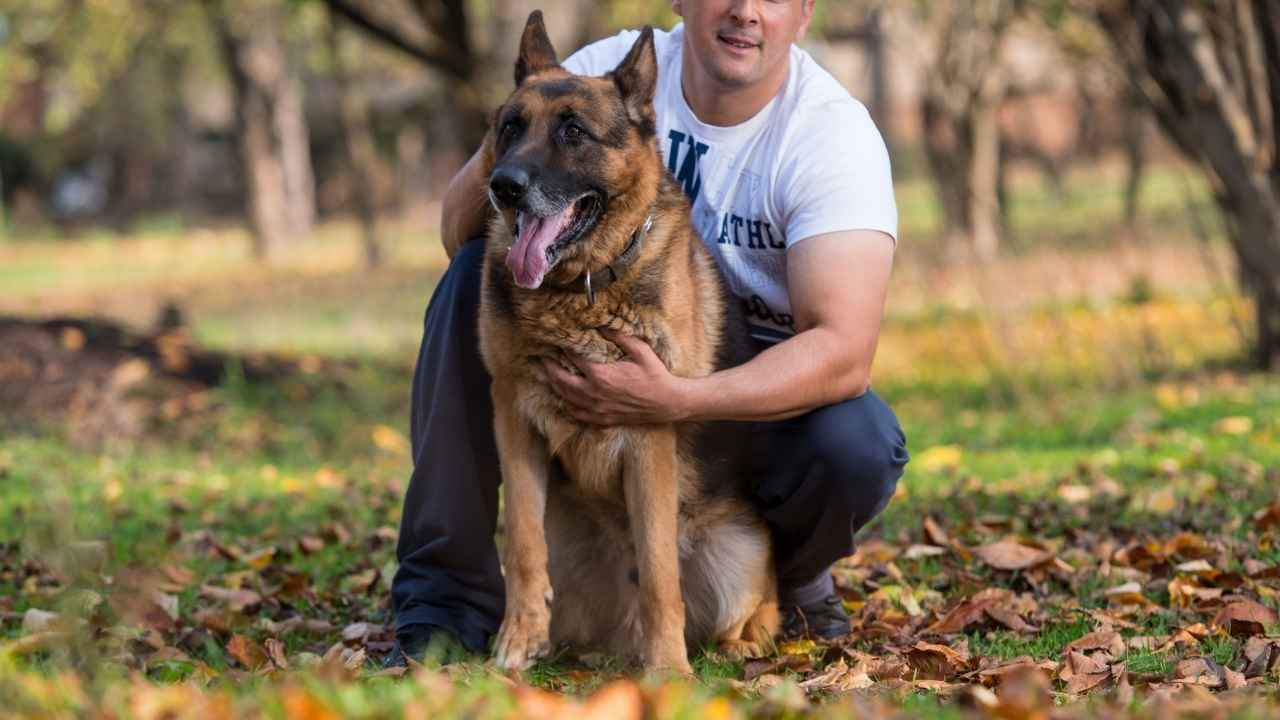
German Shepherds are highly driven dogs that thrive when given structured physical activity and mental challenges. Daily walks, obedience work, training games, and problem-solving activities help channel their strong herding and guarding instincts while keeping them emotionally balanced.
Labrador Retrievers are equally energetic but usually express it through playful outdoor activities and social interaction. Fetch games, swimming sessions, running, and off-leash play suit their sporting background perfectly, especially since Labs naturally love water and retrieving tasks.
Both breeds require consistent exercise schedules to avoid boredom and destructive habits. German Shepherds often need more mental stimulation alongside physical activity, while Labradors benefit greatly from interactive family play and companionship during exercise sessions.
Fact: Labrador Retrievers have webbed feet and a powerful “otter tail,” features that help them swim efficiently while retrieving in water.
Trainability, Intelligence & Learning Ability
The German Shepherd Dog and the Labrador Retriever are two highly intelligent breeds recognized for their loyalty, trainability, and dependable personalities. Both are widely trusted in working roles and family environments because of their ability to learn quickly and build strong bonds with humans.
The German Shepherd puppy is an exceptionally sharp-minded dog originally bred for herding and protection work. These dogs’ focus, obedience, and eagerness to perform tasks make them successful in police service, search-and-rescue missions, guarding duties, and advanced assistance work that requires discipline and concentration.
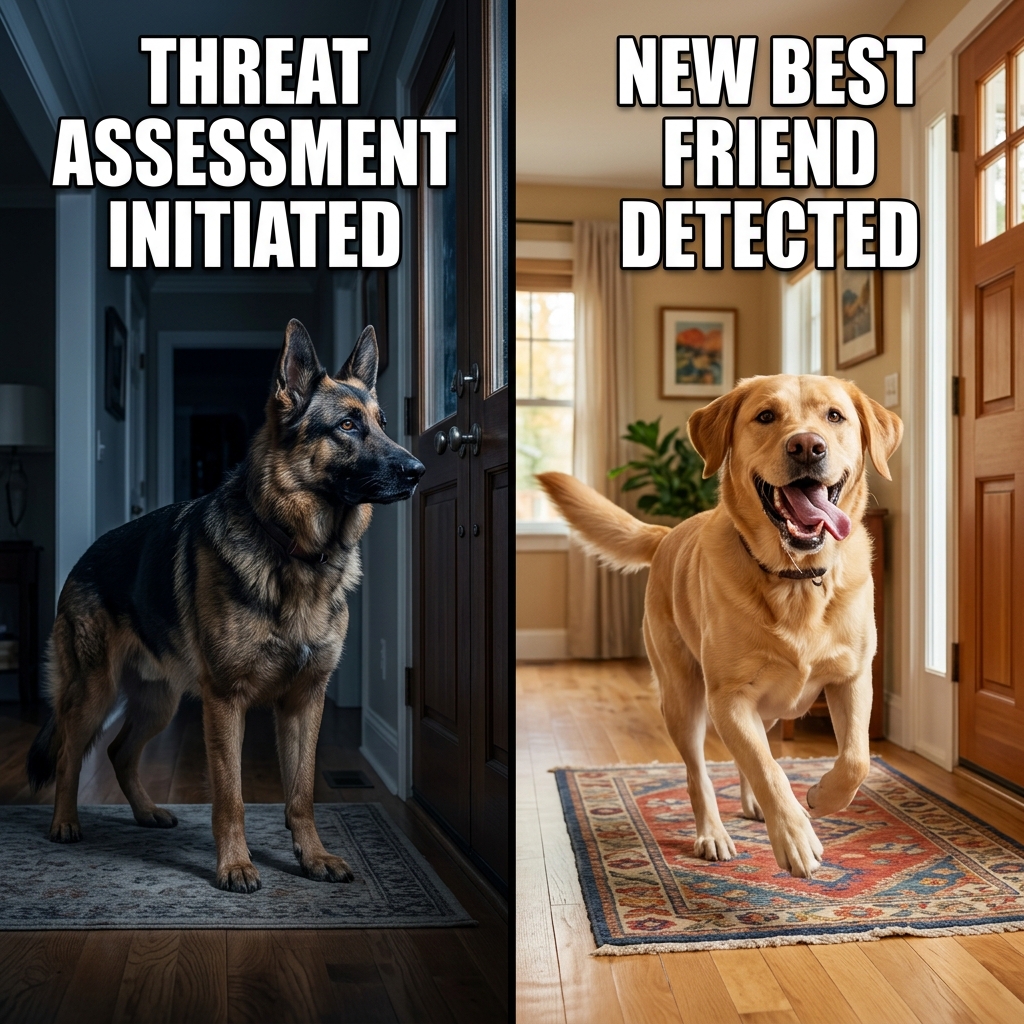
Labrador Retrievers display intelligence through their friendly, cooperative nature and strong desire to please people. These great family dogs’ calm patience and adaptable personality help them excel as guide dogs, therapy companions, rescue dogs, and affectionate family pets that work well with children and other animals.
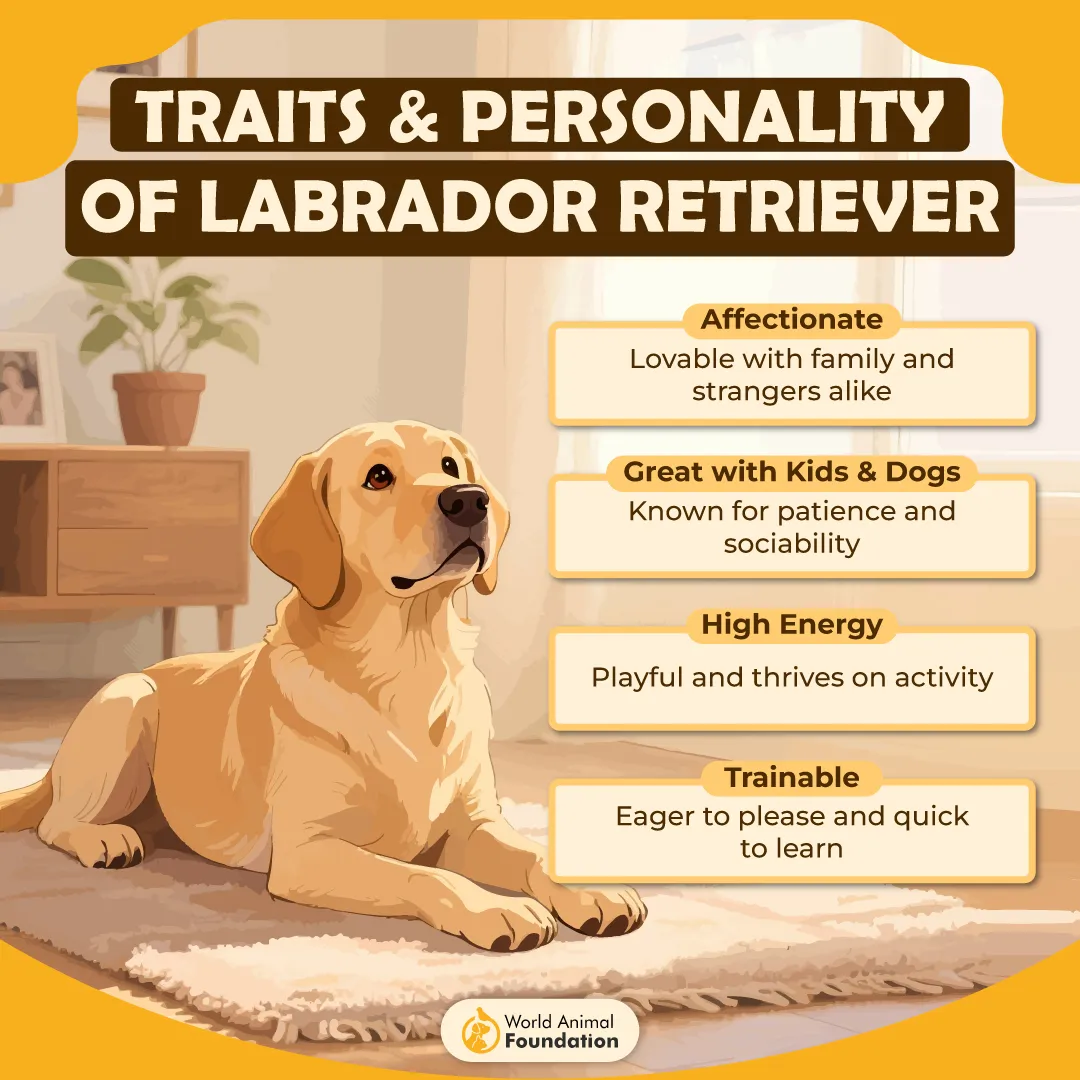
According to Hills Pet, Labrador Retrievers are intelligent and generally easy to train because of their strong desire to work with people. However, they can gain weight easily if they do not receive enough exercise and proper portion control.
Both breeds benefit from early training, mental stimulation, and active daily routines. German Shepherds usually thrive in structured environments with challenging activities, while Labradors enjoy playful learning sessions, interactive games, and social experiences that keep their minds engaged and balanced.
Coat Maintenance & Grooming Needs
The German Shepherd Dog and the Labrador Retriever are two athletic breeds. While both have double coats and active personalities, their appearance, grooming routines, and historical roles developed in very different ways.
German Shepherds are powerful herding and guard dogs recognized for their proud stance, bushy tail, domed forehead, and alert expression. Their thick double coat commonly appears in black and tan combinations, though other shades are also seen in the breed.
According to the American Kennel Club, German Shepherd dogs only need occasional baths, but their nails should be trimmed regularly to prevent pain and structural problems caused by overgrowth.

Labrador Retrievers were originally developed from St. John’s water dogs and early Newfoundland dogs to assist fishermen and hunters. Their broad head, kind eyes, water-resistant double coat, and sturdy “otter tail” helped them excel in swimming and retrieving tasks in cold water environments.
Both breeds shed throughout the year because of their double coats, although German Shepherds usually shed more heavily during seasonal changes. Regular brushing helps maintain coat health, manage loose fur, and support the protective qualities of their weather-resistant coats.
Average Lifespan & Longevity
Although both are active medium-to-large dogs, they differ slightly in lifespan and in the health conditions commonly associated with each breed.
German Shepherds are powerful dogs with athletic builds, but they can be vulnerable to several inherited and orthopedic conditions. Hip dysplasia, elbow dysplasia, cataracts, epilepsy, degenerative disc disease, and degenerative myelopathy are among the health concerns owners often monitor throughout the dog’s life.
Labrador Retrievers are generally considered healthy companions, though they may also face issues such as obesity, hip and elbow dysplasia, epilepsy, eye disorders, bloat, and osteochondritis dissecans. Their energetic appetite and love of food can sometimes contribute to unhealthy weight gain if exercise is limited.
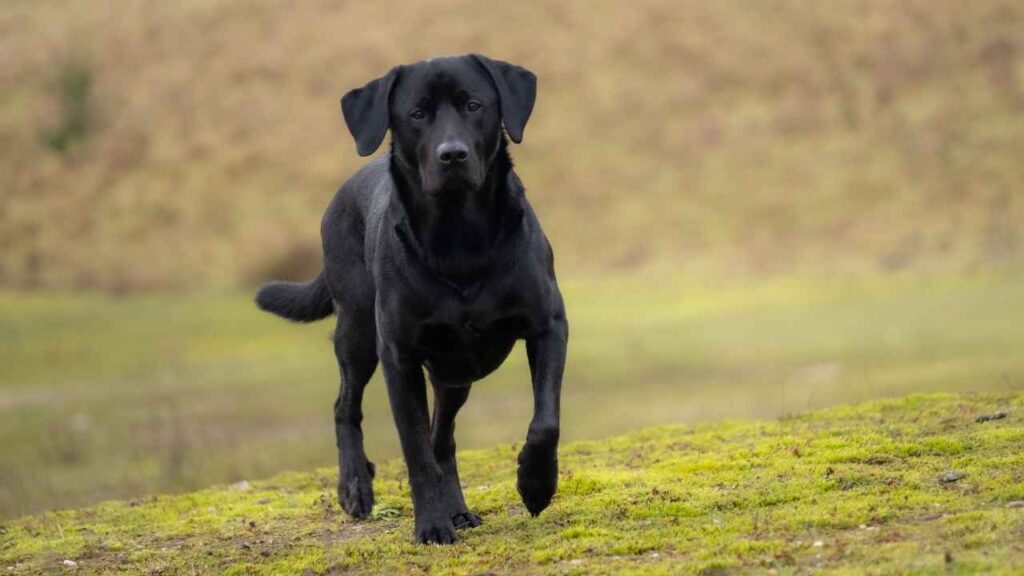
While both breeds benefit from regular veterinary care, balanced nutrition, and regular exercise, Labradors often have a slightly longer average lifespan than German Shepherds. Responsible breeding and early health screenings can also help reduce the risk of inherited conditions.
German Shepherd Dog Breeds vs. Labrador Retrievers: Suitability for Family Life vs. Guard Duties
While both dogs excel alongside humans, their appearance, protective instincts, and working styles reflect the very different purposes they were originally bred for.
German Shepherds are powerful herding and guard dogs recognized for their alert posture, bushy tail, and black-and-tan double coat. Their protective instincts, sharp focus, and willingness to follow commands make them trusted choices for police work, guarding, rescue operations, and service tasks requiring endurance and discipline.
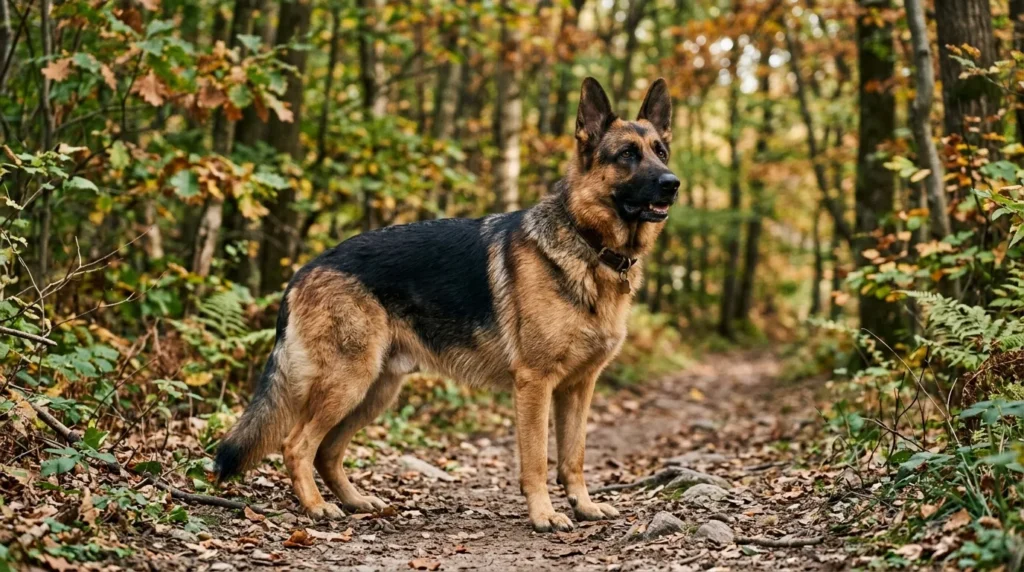
According to PetMD, German Shepherd dogs are loyal and alert companions with strong instincts rooted in their history as herders and guardians.
Labrador Retrievers approach work with a friendlier and more social personality. Originally bred to assist fishers and hunters, these family dogs are eager to cooperate with people and enjoy tasks that involve companionship, retrieving, and family interaction rather than territorial guarding behavior.
Both breeds are highly trainable because of their intelligence and curiosity. German Shepherds often thrive in structured protection and obedience work, while Labradors usually succeed in family environments, therapy work, and service roles where calm friendliness and emotional connection are valuable strengths.
Conclusion
German Shepherds and Labrador Retrievers have earned worldwide respect through their intelligence, loyalty, and remarkable working abilities. Both breeds were originally developed for demanding tasks and continue to serve families and communities with dedication and reliability.
German Shepherds stand out for their protective instincts, endurance, and strong focus during guard work, rescue missions, and advanced training. Their alert nature and willingness to work closely with humans make them dependable partners in challenging environments.
Labrador Retrievers bring a different kind of life-saving strength through their gentle temperament, friendly personality, and eagerness to assist people. Their calm patience and social nature help them excel in therapy, assistance, and family-centered roles.
Despite their differences in personality, appearance, and working style, both breeds thrive with proper exercise, training, companionship, and mental stimulation. Whether valued for protection, emotional support, rescue work, or loyal friendship, these remarkable dogs continue to prove why they remain among the most admired breeds in the world.
