




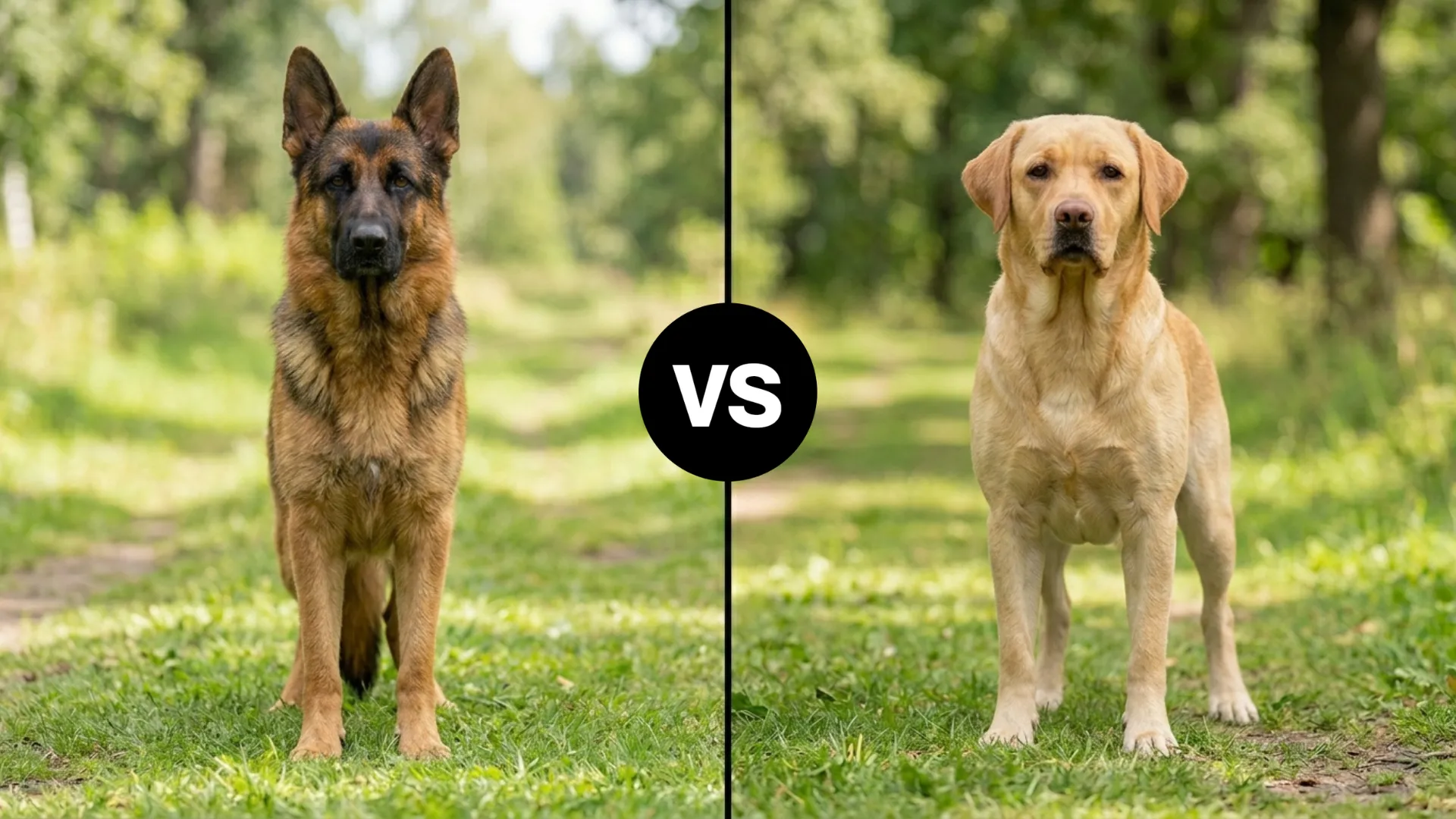
When it comes to choosing a dog, the debate between German Shepherds and Labrador Retrievers has sparked countless conversations among pet owners.
Both breeds are iconic, beloved for their loyalty, intelligence, and versatility, but they couldn’t be more different in their personalities, training needs, and ideal lifestyles. Think of it like choosing between two main characters in a Netflix series—both bring star power, but one is more of a strategic planner while the other is the ultimate team player.
Understanding the unique traits of each breed can help you make an informed decision, whether you’re looking for a guard dog, a family companion, or a high-energy adventure buddy.
German Shepherd vs Labrador Retriever: Surprising Facts You Should Know
Breed Origins & Functional Background
German Shepherds were the brainchild of Captain Max von Stephanitz, who wanted a versatile, intelligent dog capable of herding, protection, and police work. He focused on creating a dog with strong work ethics, courage, and mental acuity.
Over the decades, these dogs became synonymous with reliability in law enforcement, military service, and search-and-rescue operations. Their genetics emphasize stamina, problem-solving ability, and alertness—traits that have been scientifically linked to their high working memory capacity compared to many other breeds.
Labrador Retrievers, meanwhile, evolved as cooperative working dogs. Their social nature made them ideal for team-based tasks, like fishing or hunting, where they had to follow subtle cues from humans.
Labs were bred for intelligence, trainability, and a gentle mouth for retrieving game—traits that have translated into their modern roles as therapy dogs, guide dogs, and beloved family pets.
They excel at problem-solving tasks involving human social cues, highlighting their highly adaptive intelligence.
Physical Characteristics & Body Structure
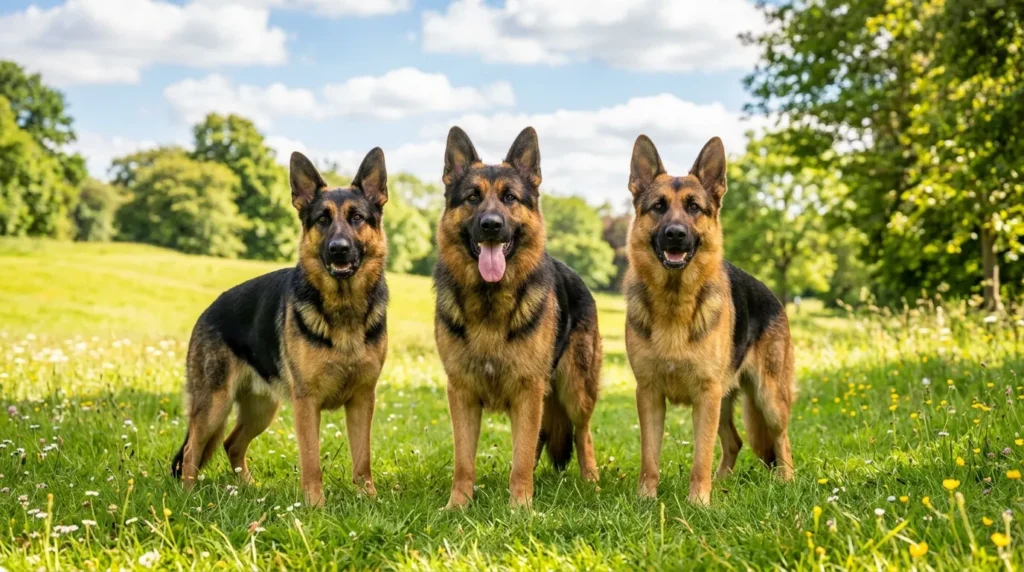
German Shepherds are medium to large-sized dogs, usually weighing between 65 and 90 pounds and standing 22 to 26 inches tall at the shoulder. Their muscular build, sloping back, and powerful hindquarters make them ideal for work that requires agility, speed, and endurance.

GSDs are also renowned for their expressive faces, pointed ears, and strong jaws, giving them an imposing presence—perfect for protective roles.
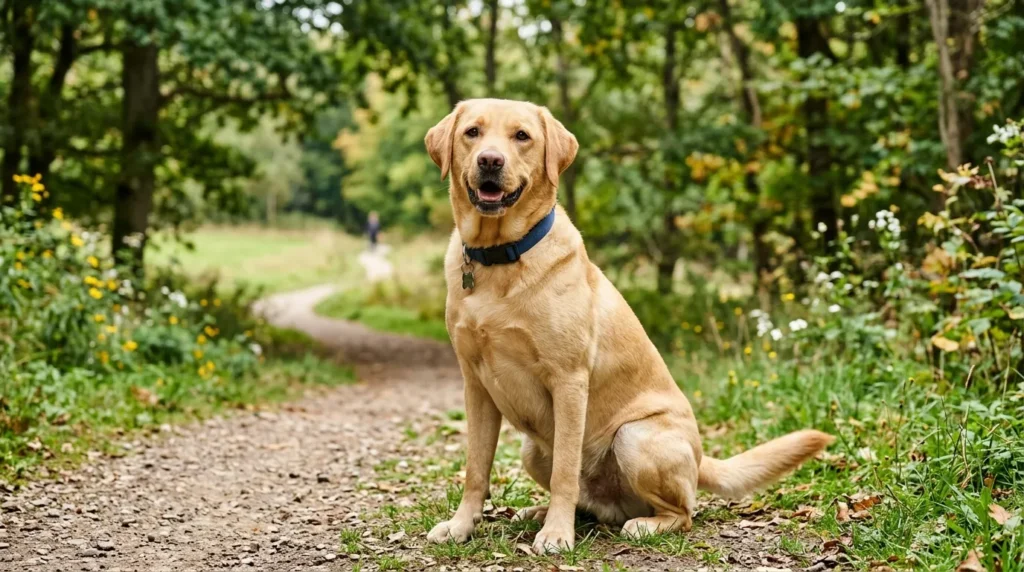
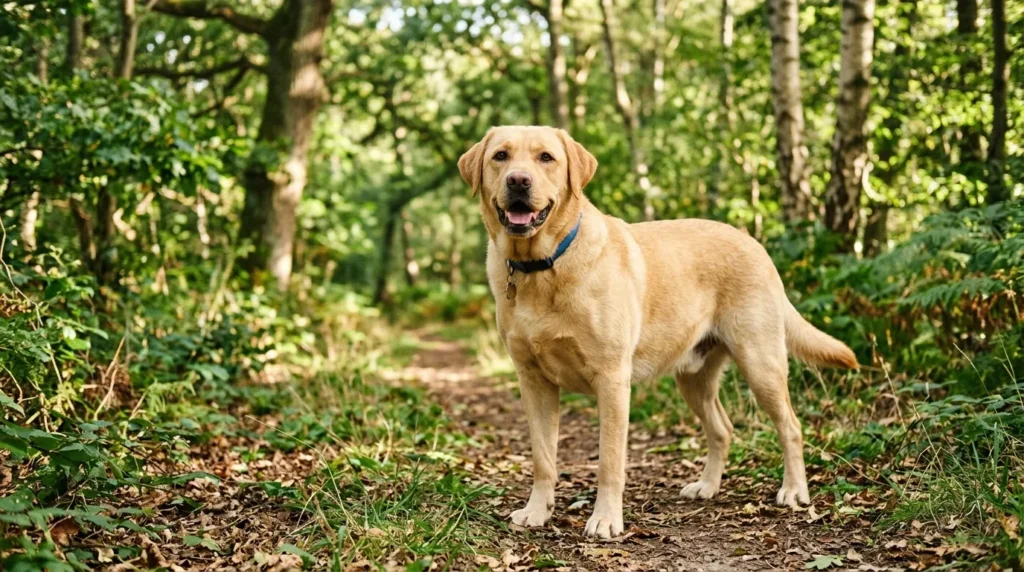
Labrador Retrievers, in contrast, have a more robust, stocky frame. Adult Labs typically weigh 55 to 80 pounds and stand 21.5 to 24.5 inches tall. Their thick, water-resistant coat, webbed paws, and otter-like tail reflect their working heritage.
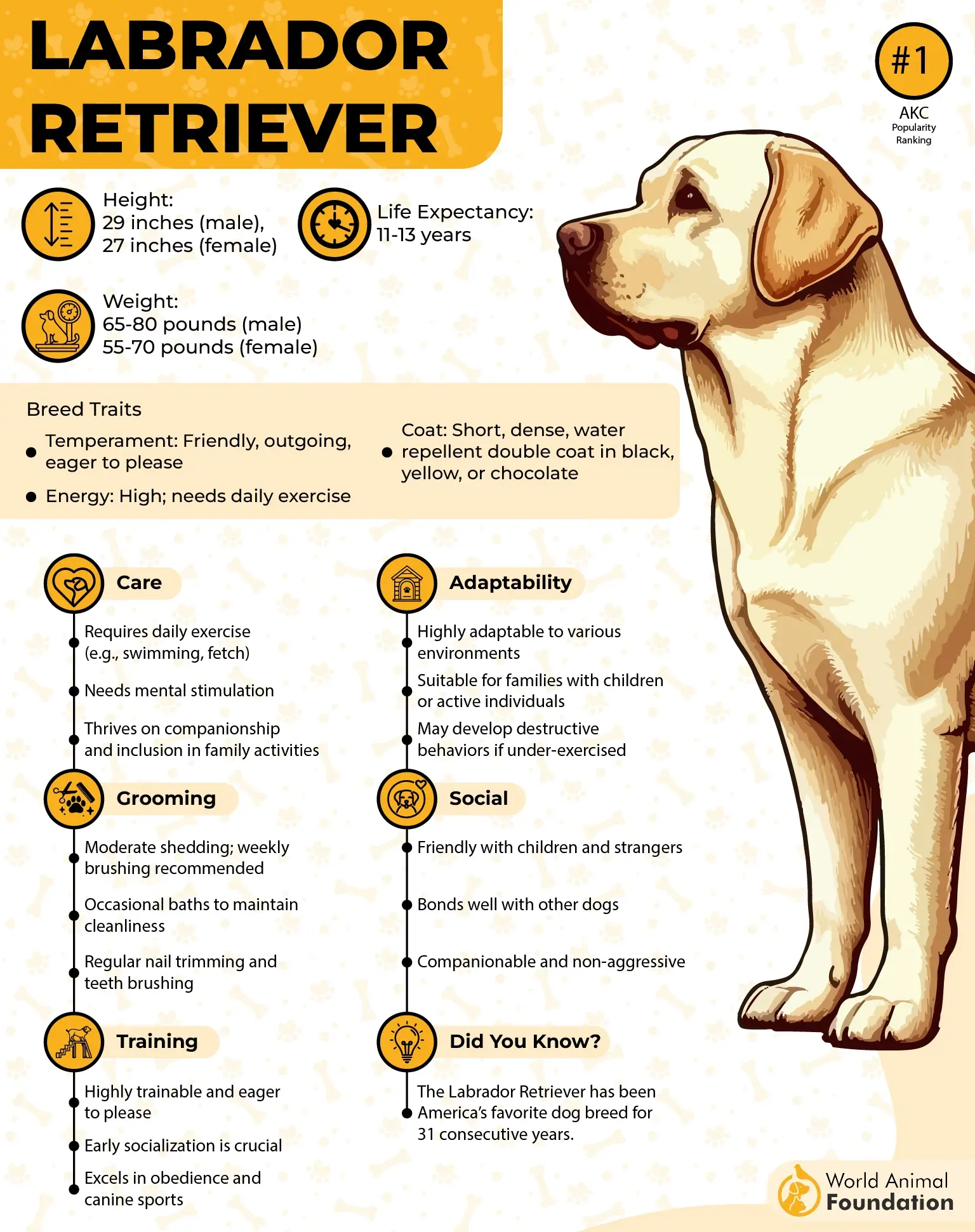
While Labrador retrievers tend to be strong and muscular, their structure favors endurance and swimming over tactical agility. One interesting fact: Labs’ skeletal and muscular anatomy makes them prone to hip and elbow dysplasia, whereas GSDs are more often affected by degenerative myelopathy, emphasizing the importance of responsible breeding and early health screening.
Temperament & Behavioral Profile
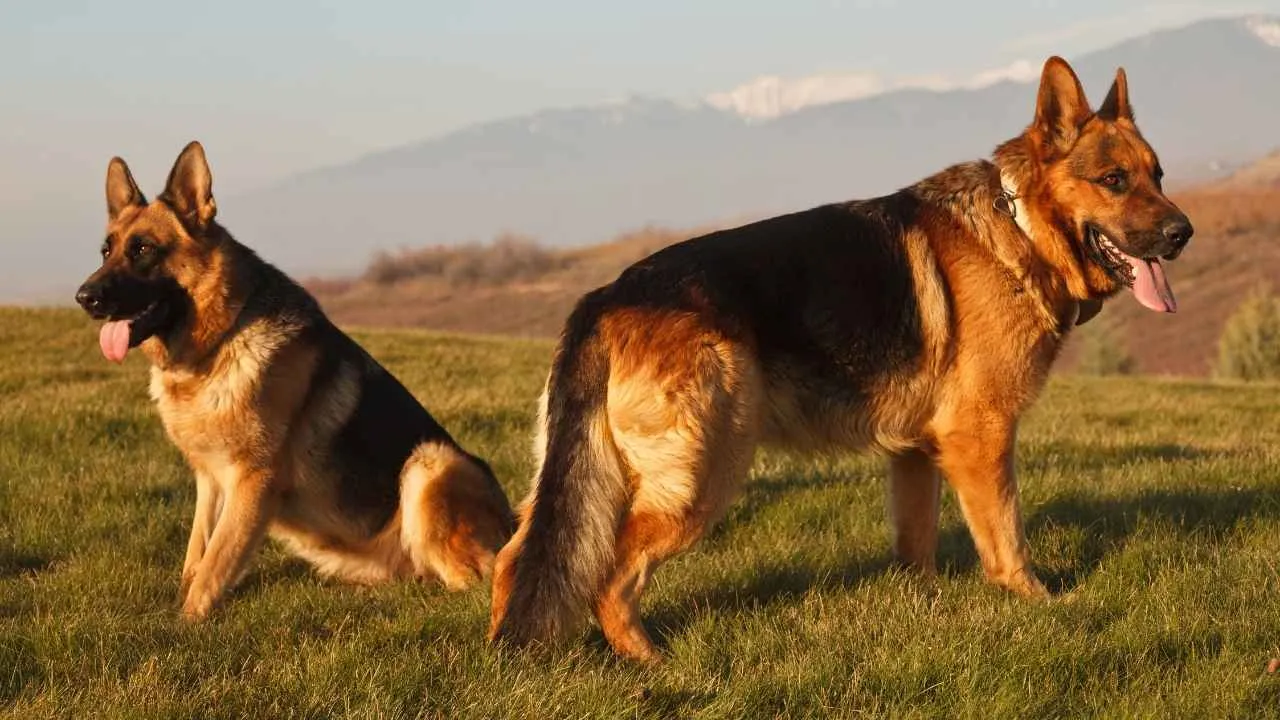
German Shepherds are known for their protective instincts, intelligence, and independence. They are often described as “thinking dogs” who need mental stimulation and a sense of purpose.
Without proper training, GSDs can become overprotective or anxious, so they thrive in households where rules are clear and consistent. Owners often report that GSDs develop a strong bond with one or two people in the household, showing loyalty and a willingness to protect at all costs. Their temperament makes them excellent watchdogs and companions for active individuals who enjoy structure and routines.
Labs, on the other hand, are famously friendly, outgoing, and easygoing. They are almost universally social, making them great with children, other pets, and strangers. While GSDs may require careful socialization to avoid territorial or aggressive behavior, Labs tend to seek social interaction and instinctively enjoy collaborative games.
Their temperament makes them ideal family dogs, therapy dogs, and social pets for almost any environment. One fun insight from owners: Labs are sometimes called the “class clowns” of dogs for their playful, goofy personalities.
Activity Requirements & Energy Levels
German Shepherds are high-energy dogs that need regular exercise and mental challenges, says the AKC.
A 30–60-minute daily walk won’t cut it; GSDs require activities that engage both body and mind, such as obedience training, scent work, or agility. Studies have shown that GSDs who are under-stimulated can develop behavioral problems such as excessive barking, chewing, or anxiety.
Pet parents say that Labs also have high energy levels, but their exercise needs are often fun-oriented. Labs thrive on swimming, fetching, and running in open spaces. Unlike GSDs, who require structured activities to stay mentally sharp, Labs often self-motivate through playful interaction.

Even daily backyard play sessions can satisfy these dogs’ physical needs, though they still benefit from training challenges and socialization to remain well-rounded.
Trainability, Intelligence & Learning Ability
German Shepherds are renowned for their trainability and intelligence. They consistently rank among the top breeds in obedience and working intelligence tests.
A well-trained GSD can learn dozens of commands and tasks, making them ideal for law enforcement, search-and-rescue, and specialized assistance roles. Their intelligence means they often anticipate commands and act independently—but this also requires an experienced handler who can provide consistent guidance.
Purina claims that Labrador Retrievers are highly intelligent, too, but their learning style leans toward reward-based motivation. Labs excel in positive reinforcement training, often learning quickly and retaining commands well, but they may lack the tactical foresight of GSDs in problem-solving situations.
They are more likely than GSDs to focus on human social cues in cooperative tasks, which aligns well with their roles as therapy and service dogs.
Coat Maintenance & Grooming Needs
German Shepherds have a double coat that sheds year-round, with heavier shedding during seasonal changes. Brushing two to three times a week is recommended, and more frequent grooming is needed during shedding seasons.
Regular baths, ear cleaning, and nail trimming are essential for maintaining hygiene and preventing skin issues.
Labs have a short, dense coat that is water-resistant, reflecting their aquatic heritage. While easier to manage than the GSD’s double coat, Labs do shed consistently. Weekly brushing helps reduce loose hair and prevent matting, and baths should be given as needed.
Both breeds benefit from dental care, ear cleaning, and paw inspections, but GSDs typically require more attention due to their longer coat and higher activity levels.
Average Lifespan & Longevity
German Shepherds have an average lifespan of 9–13 years, though genetics, diet, and activity level can significantly influence longevity.
Common health concerns include hip dysplasia, elbow dysplasia, degenerative myelopathy, and gastric torsion (bloat). Regular vet check-ups, proper diet, and preventive care can help mitigate risks.

Labradors tend to live slightly longer, with an average lifespan of 10–14 years. They are prone to obesity, hip and elbow dysplasia, and certain hereditary eye conditions. Maintaining a balanced diet and consistent exercise routine is crucial to keeping Labs healthy and active throughout their lifespan.
Both breeds benefit from early health screenings, particularly when obtained from reputable breeders.
Suitability for Family Life vs. Guard Duties
German Shepherds excel in protection and working roles.
Their loyalty, intelligence, and alertness make them natural guardians for families who prioritize safety. However, they require a committed owner who can provide training, structure, and plenty of mental stimulation. Families who enjoy outdoor activities, hiking, or obedience sports often find GSDs an ideal match.
Labradors shine as family companions when compared to most other dogs. Their gentle temperament, social nature, and playful energy make them perfect for households with kids or multiple pets. Labs may not have the same guarding instincts as GSDs, but their friendliness, empathy, and trainability allow them to excel in service, therapy, and companionship roles.
Conclusion
Choosing between a German Shepherd and a Labrador Retriever ultimately comes down to lifestyle, experience, and the type of companionship you’re seeking.
If you want a tactical, loyal, and protective partner who thrives on structure, challenge, and mental engagement, a German Shepherd is a perfect choice. If you’re seeking a social, playful, and family-oriented dog that adapts well to a variety of environments, a Labrador Retriever is an ideal fit.
Both German shepherds and Labs are intelligent, trainable, and devoted, but understanding their unique traits ensures a happy, healthy, and rewarding relationship for both dog and owner.
In the end, whether you’re team GSD or team Lab, both these popular family dogs bring joy, loyalty, and unforgettable companionship—just in very different flavors. Think of it like choosing between a strategic, action-packed video game (GSD) and a collaborative, open-world adventure (Lab)—both are epic, but the experience feels entirely different.
