




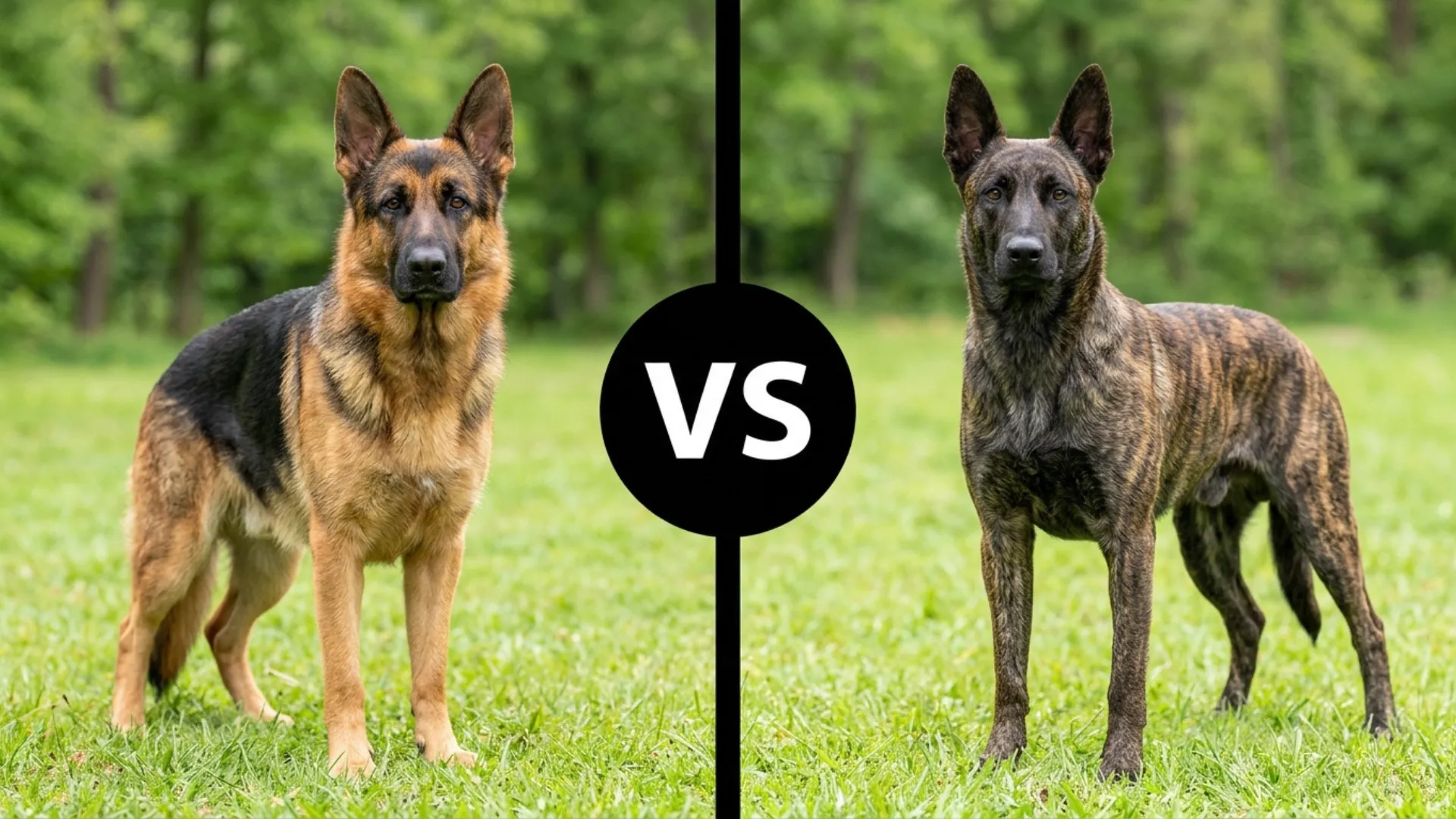
They may share the sharp ears and serious stare, but these two shepherds are not running the same playbook.
At first glance, these two shepherd breeds look like close cousins: sharp ears, athletic bodies, serious expressions, and enough intelligence to notice every shortcut you take.
Yet one was developed in Germany in 1899, while the other earned its place on Dutch farms long before a formal breed standard.
That gap shows up in everyday stuff glossy photos skip: how each dog learns, sheds, guards, and reacts when the day gets boring. One may want your next instruction; the other may already be drafting a better plan.
Quick Facts About German Shepherd Dog Breeds vs. Dutch Shepherd Breeds
Breed Origins & Functional Background
The German Shepherd was deliberately developed in Germany in 1899, while the Dutch Shepherd grew from practical farm work in the Netherlands during the 18th century.
Britannica credits German cavalry officer Max von Stephanitz with shaping the German Shepherd around herding ability, trainability, and dependable working nerve — a blueprint that turned a regional sheepdog into one of the best-known working dog breeds in the world.
Dutch Shepherds had a less polished origin story: they were originally bred for herding livestock, guarding property, pulling carts, and generally collecting every job no one else wanted. By 1914, Dutch breed authorities limited their coat color to brindle, separating them visually from nearby shepherd breeds.
The breed is still uncommon outside its home country; in the United States it sits in the American Kennel Club’s (AKC) Foundation Stock Service rather than the Herding Group, with the American Dutch Shepherd Association serving as its parent breed club.
So, the German Shepherd arrived with a blueprint; the Dutch Shepherd arrived with a packed résumé. Both retain strong working instincts, but their histories explain why one often looks to its person for direction while the other may assess the situation first.
Physical Characteristics & Body Structure
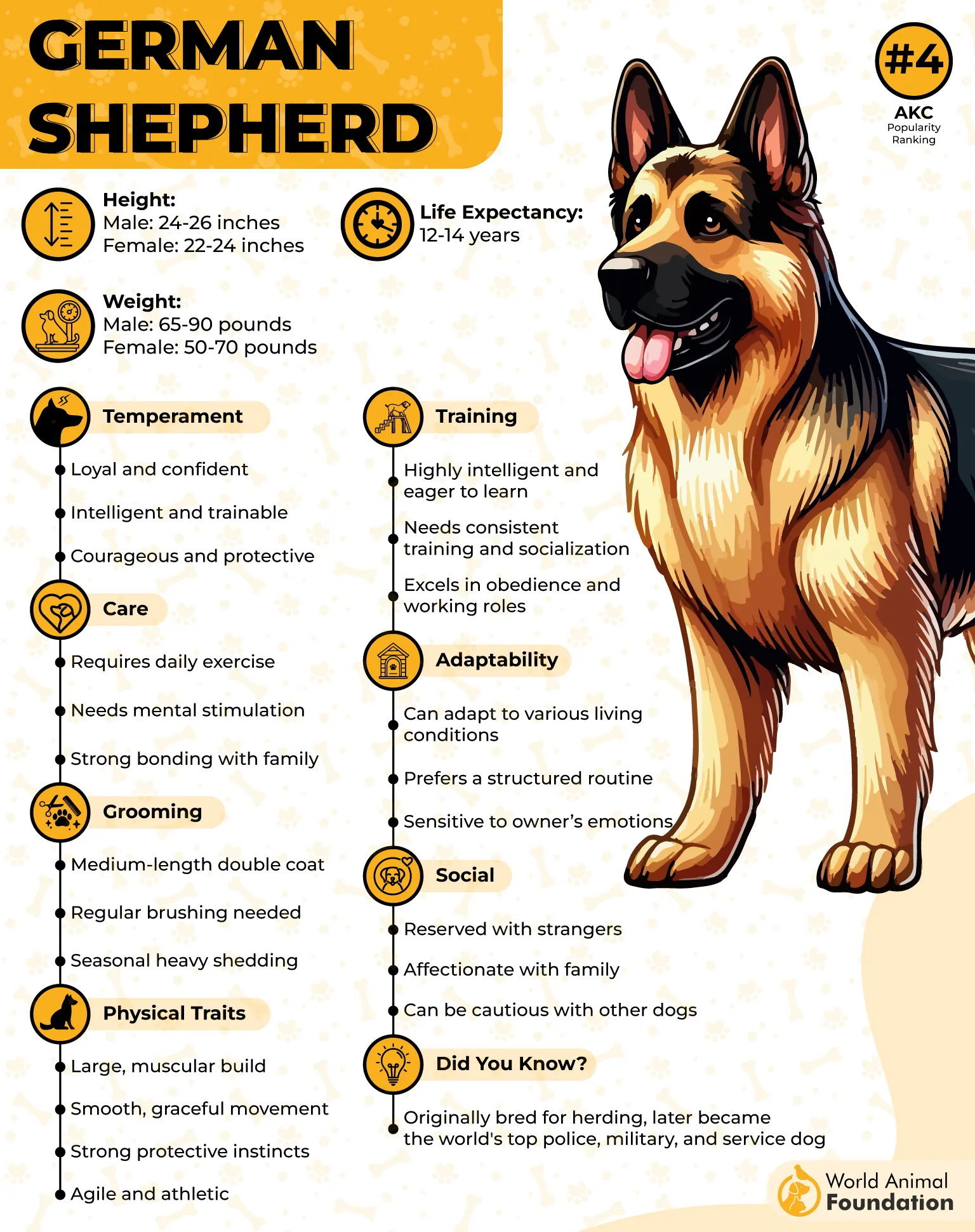
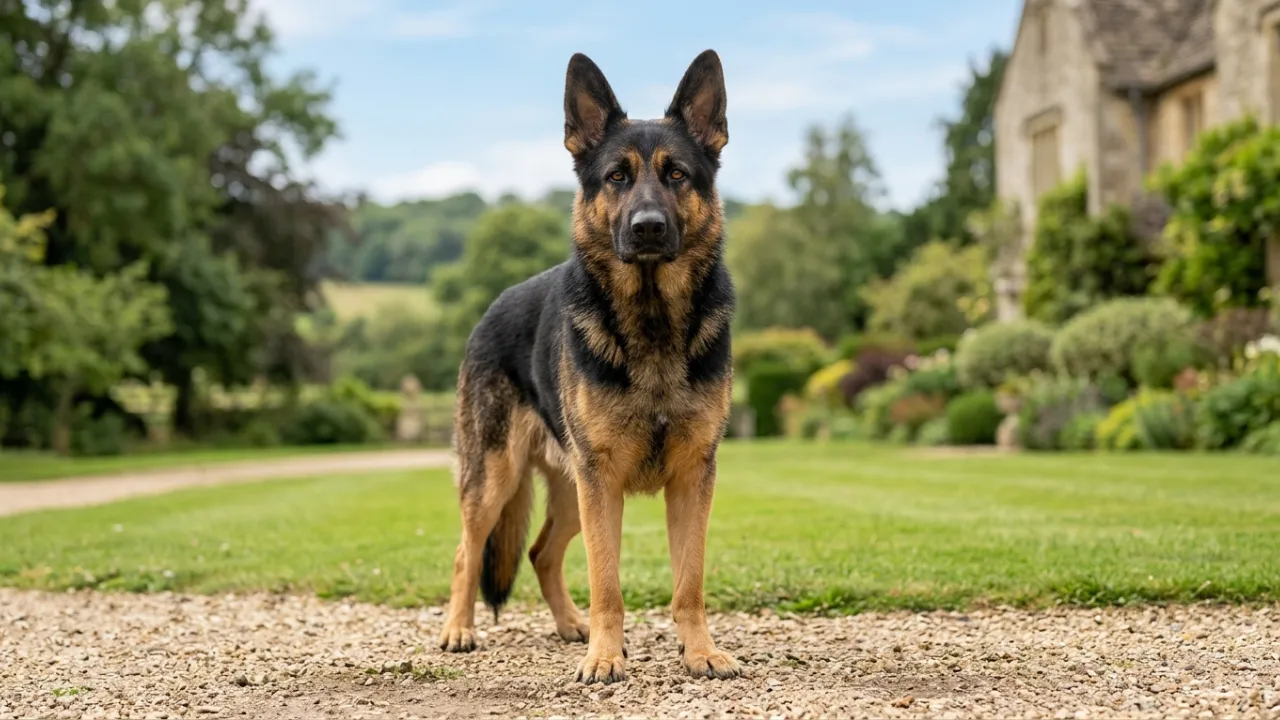
German Shepherd dogs are larger, with males typically standing 24–26 inches and females 22–24 inches at the shoulder. Their weight commonly falls between 50 and 90 pounds, paired with a deep chest, firm muscle, and the familiar long-bodied outline.
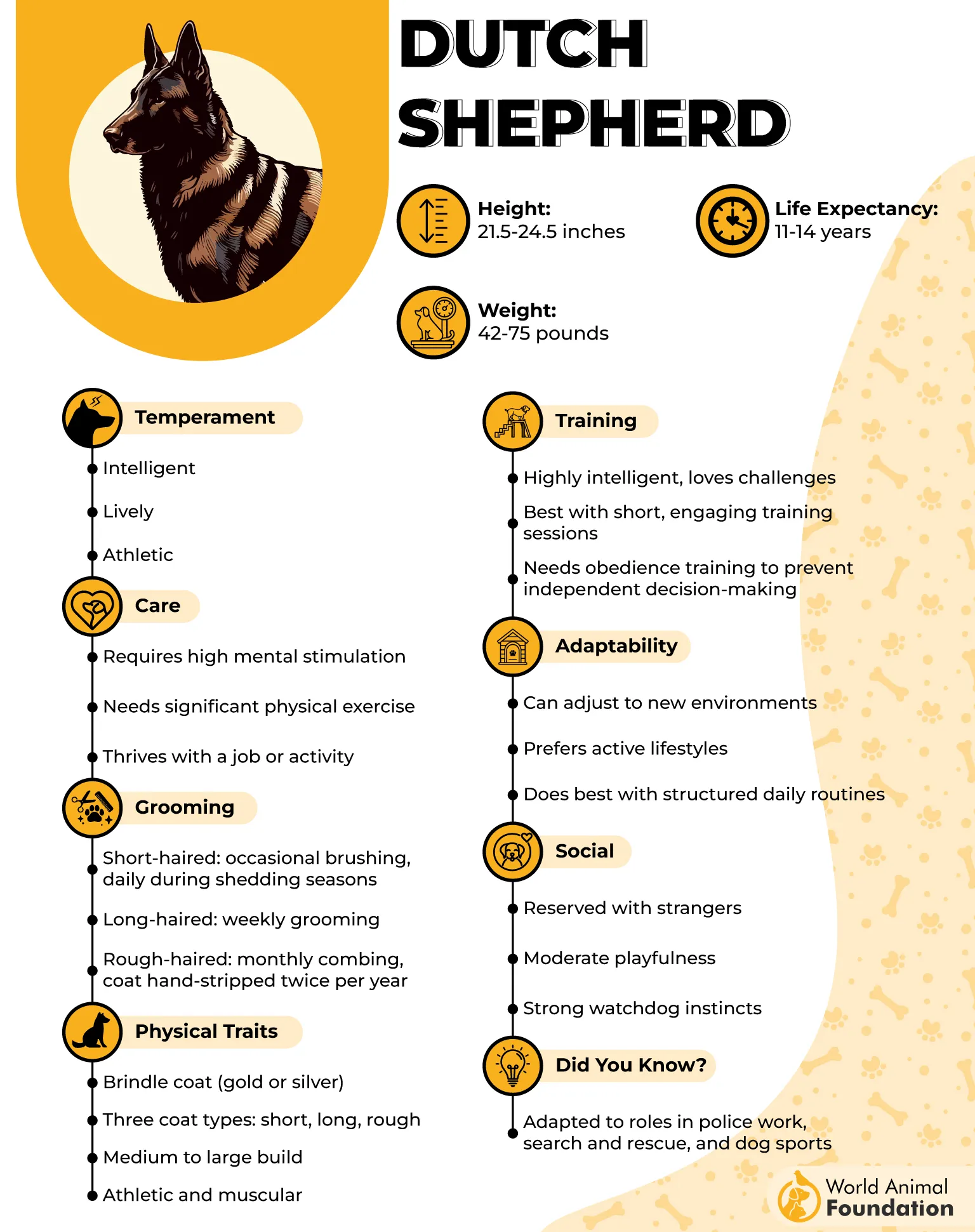
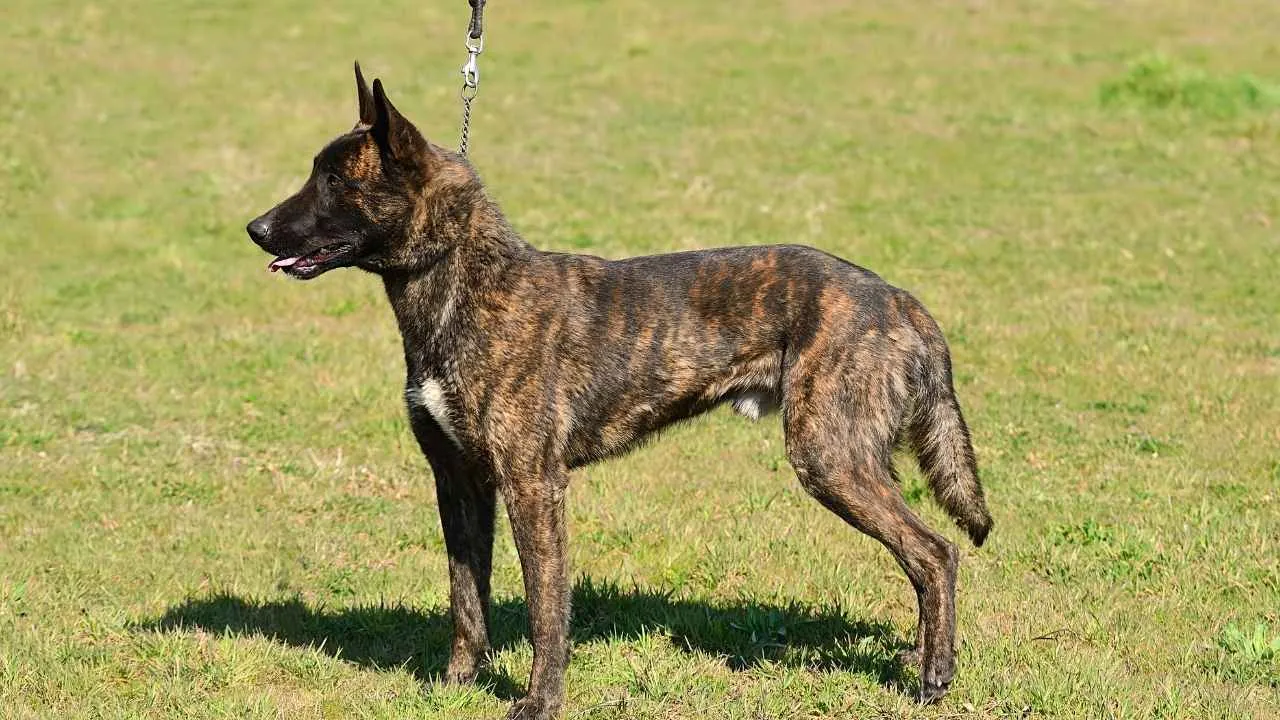
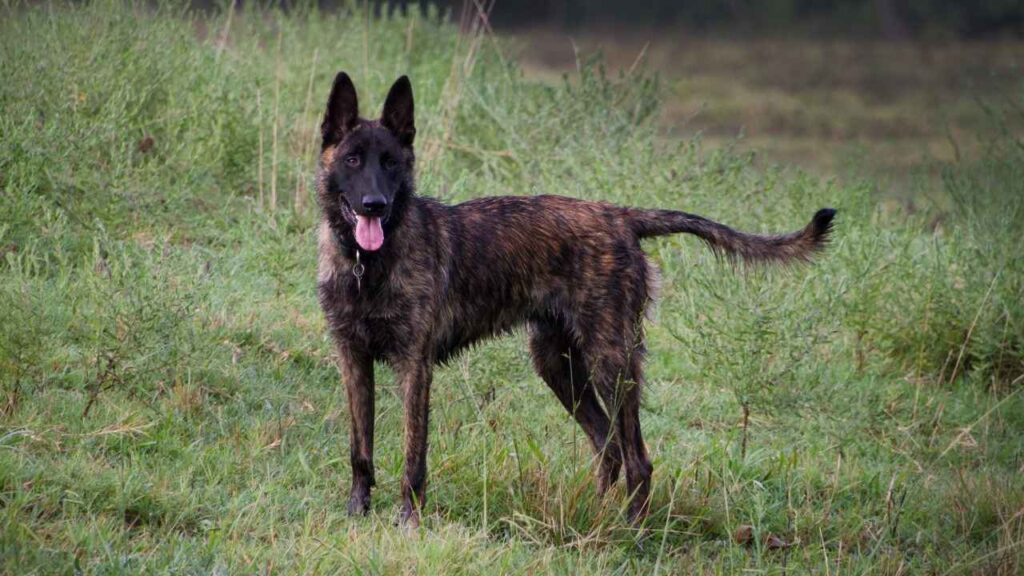
Dutch Shepherds are more compact, generally measuring 21.5–24.5 inches and weighing about 42–70 pounds. Their athletic frame is leaner, and their standout feature is the gold brindle or silver brindle coat, which comes in three coat types: short hair, long hair, and rough hair. The short-haired variety is by far the most common; the rough-haired one is genuinely scarce.
Many dog lovers describe the German Shepherd as longer than tall and built for strength without clumsiness. The Dutch Shepherd looks more like an endurance athlete: less dramatic, perhaps, but ready to clock another shift.
One of the key differences buyers notice first is simply color — brindle belongs to the Dutch Shepherd alone.
Temperament & Behavioral Profile
Neither breed greets strangers with the warmth of a decorative houseplant.
The German Shepherd bonds hard and speaks up. Many dog experts flag a strong guarding instinct that needs careful socialization around visitors, other dogs, and smaller animals. Affectionate at home, reserved everywhere else.
That protective nature is what most owners underestimate.
The Dutch Shepherd watches just as closely but thinks for itself, and may start herding cats or bicycles. One shadows you from room to room; the other decides the room needs managing.
Both make a fine family pet in the right hands.
Activity Requirements & Energy Levels
Two hours a day. That is the German Shepherd’s minimum, according to PDSA — walks, play, training, and safe off-leash time.
Dutch Shepherds need 90–120 minutes plus a thinking job: scent work, tracking, agility.
Both are high-energy dogs bred for a shift, not a stroll. Physical exercise alone won’t do it. Without mental stimulation, a bored shepherd invents its own work — usually involving your furniture.
Dog sports are the cheap fix. Agility, flyball, and nose work keep either breed busy enough to stay happy in an ordinary house.
Trainability, Intelligence & Learning Ability
You will live with a dog that notices your inconsistencies faster than most coworkers do. German Shepherds learn quickly through positive reinforcement, structured repetition, and a job that makes sense, yet many mature mentally later than their adult appearance suggests.
Dutch Shepherds are also extremely capable learners, especially when lessons involve motion, problem-solving, and physical work. However, their independent streak can turn a basic obedience class into a polite negotiation conducted at speed.
Expect both breeds to need short daily training sessions of 10–15 minutes, not one heroic lesson every Sunday. The practical divide is simple: German Shepherds often ask for guidance, while Dutch Shepherds may test the guidance before agreeing it is worthwhile.
Coat Maintenance & Grooming Needs
The German Shepherd sheds constantly, then spectacularly.
Many dog groomers recommend near-daily brushing of that double coat, with extra work during shedding seasons in spring and autumn.
Dutch Shepherd grooming requirements are lighter. Short-haired dogs need weekly or occasional brushing. Long-haired ones need combing; rough-haired ones need hand-stripping twice a year.
Neither breed wants frequent baths — a few a year protects the coat’s natural oils.
Add nail trims and regular ear checks to catch ear infections early, and the pet care routine is covered.
Average Lifespan & Longevity
This is the widest gap between them.
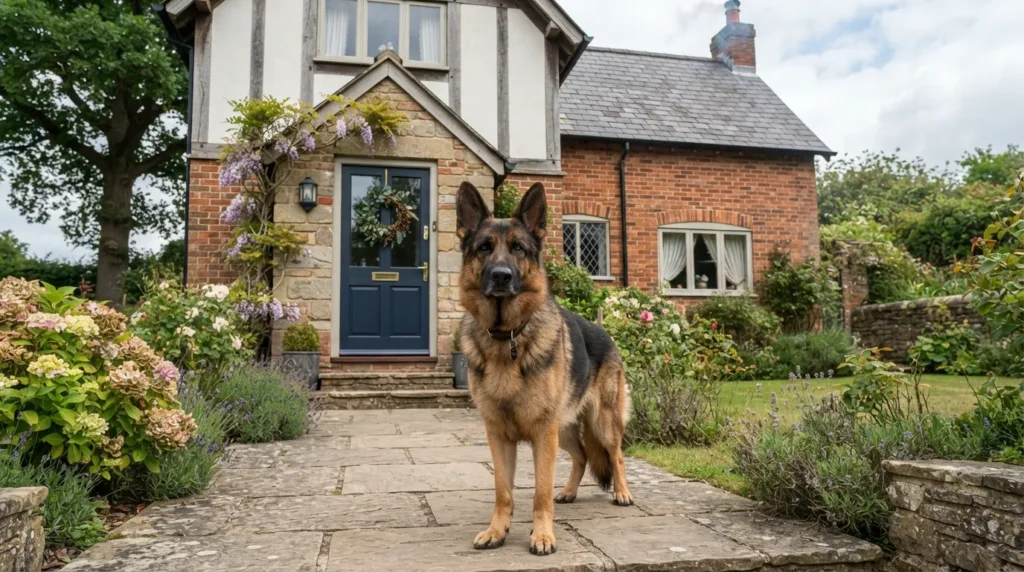
German Shepherds average 7–10 years. Hip dysplasia, elbow dysplasia, degenerative myelopathy, and bloat all run in the breed, and many dog experts place it in the Kennel Club’s highest category of conformation-related health concern.
Dutch Shepherds live longer at 12–15 years, and count as a fairly healthy breed against other breeds their size. They still face hip dysplasia, progressive retinal atrophy, bloat, and von Willebrand disease.
The life expectancy gap is real. Ask any breeder for parent screening records.
Suitability for Family Life vs. Guard Duties?
Both suit skilled, active homes. Protective instincts need calm socialisation, never encouragement.
Experienced, active family: German Shepherd. Close teamwork and handler-focused guarding. Its long police dog history is exactly why structure matters.
Sport-minded owner: Dutch Shepherd. High drive, independent problem-solver. Both breeds turn up in police work and search and rescue.
Young children, little time: neither.
Source carefully. A reputable breeder screens hips, elbows, and eyes. Dutch Shepherd puppies usually mean a waiting list, while breed rescue dogs come with an adult temperament you can actually assess.
Pick the lifestyle you can keep for 10–15 years.
Conclusion
German Shepherds bring the classic, intensely intelligent loyal working-dog partnership; Dutch Shepherds bring leaner farm-dog versatility and a streak of “I’ve got this.” Both are brilliant, protective, and far too clever for a life built around occasional walks and good intentions.
Choose the dog whose daily needs fit your actual schedule, space, and training experience. Meet adults from responsible breeders or rescues, ask about temperament and health testing, then let real-life compatibility make the call.
