




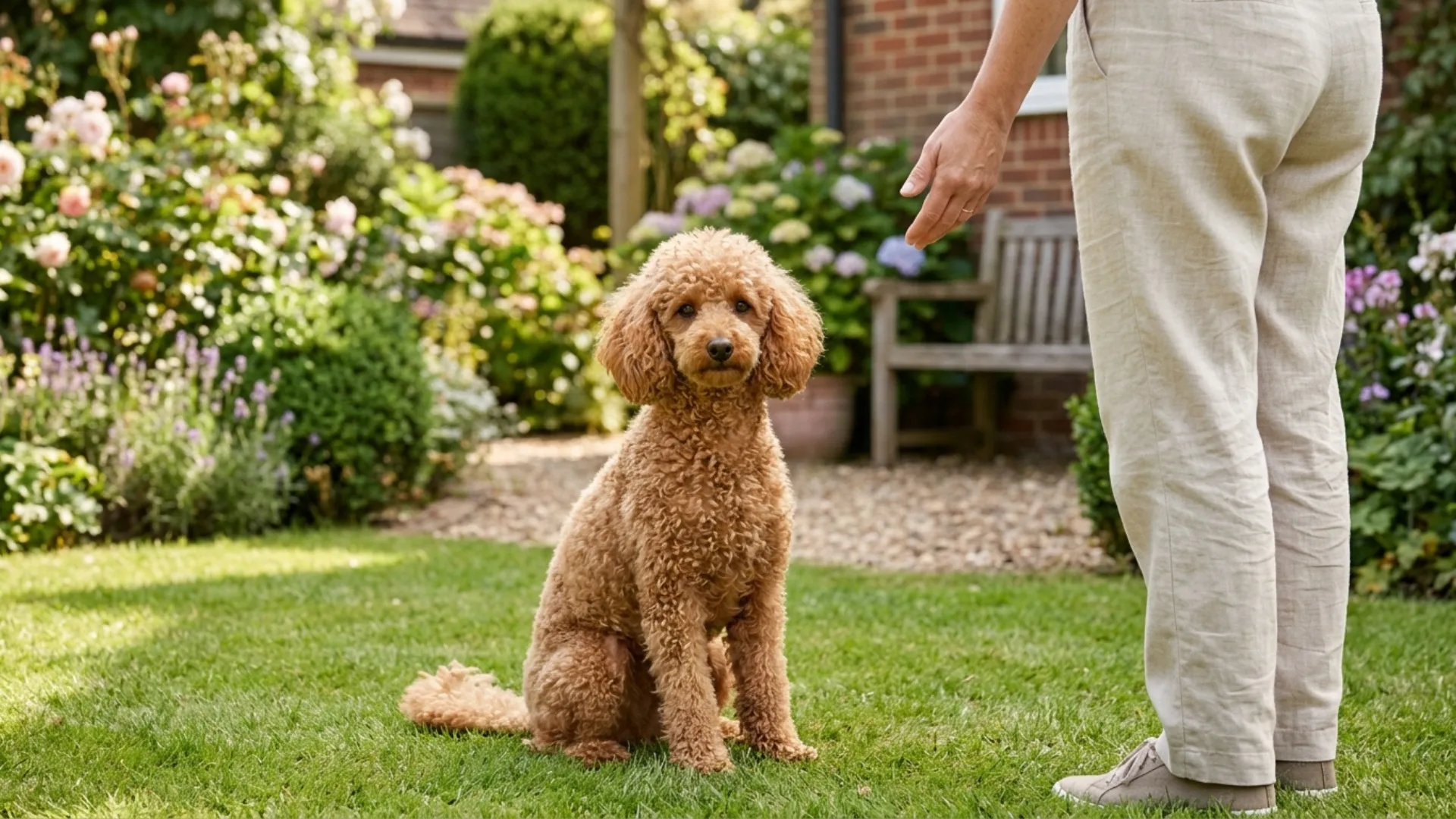
Ever wished your dog could understand the assignment without turning every training session into a dramatic negotiation? Some dog breeds are naturally eager to cooperate, incredibly affectionate, and surprisingly quick at learning commands.
These gentle-hearted companions combine intelligence with a sweet personality, making everyday life feel a little easier and a whole lot more adorable.
But here’s the thing: obedience isn’t just about sitting politely or performing fancy tricks. It’s about communication, trust, patience, and a dog’s willingness to work alongside its favorite humans.
From affectionate retrievers to tiny dogs with impressive learning abilities, these ten breeds show how kindness and trainability can create an amazing companionship experience.
Gentle-Hearted Dog Breeds with Outstanding Obedience Skills
1. Golden Retriever
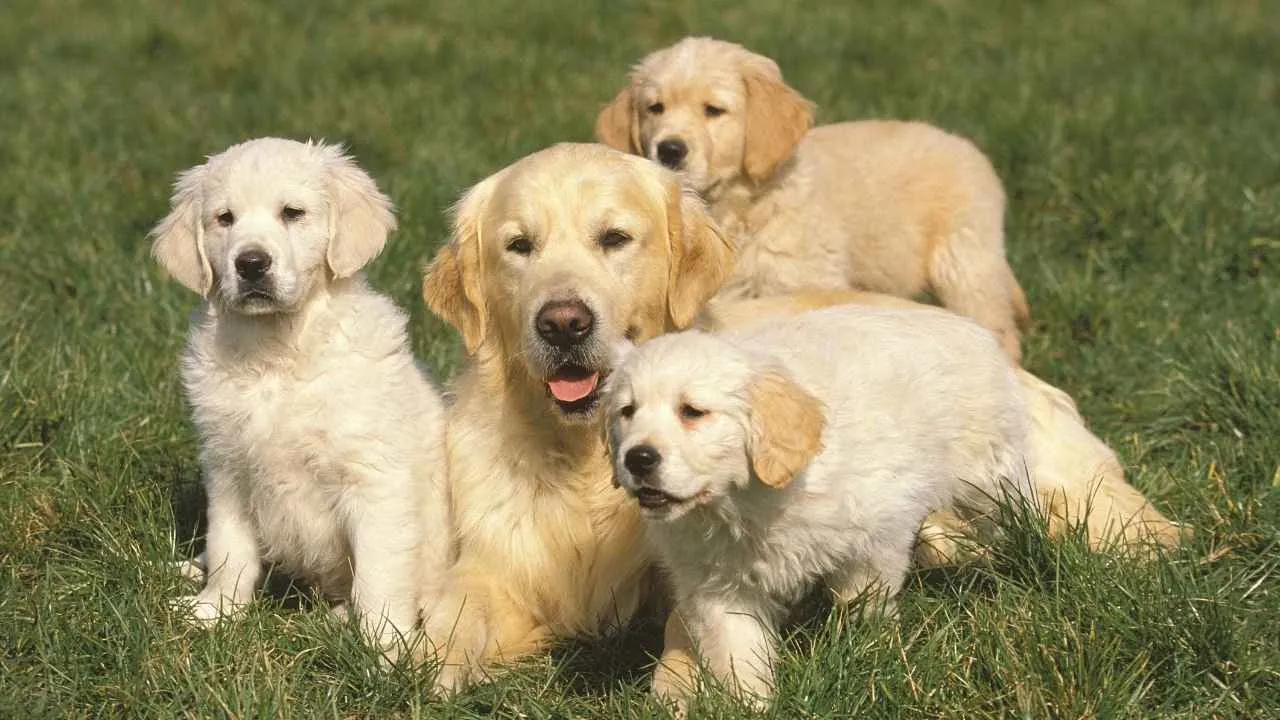
Golden Retrievers are the wholesome besties of the dog world, and their obedience skills match their affectionate personalities. Their patience, cooperation, and enthusiasm make them responsive to structured training.
One reason this obedient dog breed excels at obedience is its strong desire to interact with people. It frequently responds enthusiastically to verbal praise, treats, and playful rewards, making positive reinforcement especially effective.
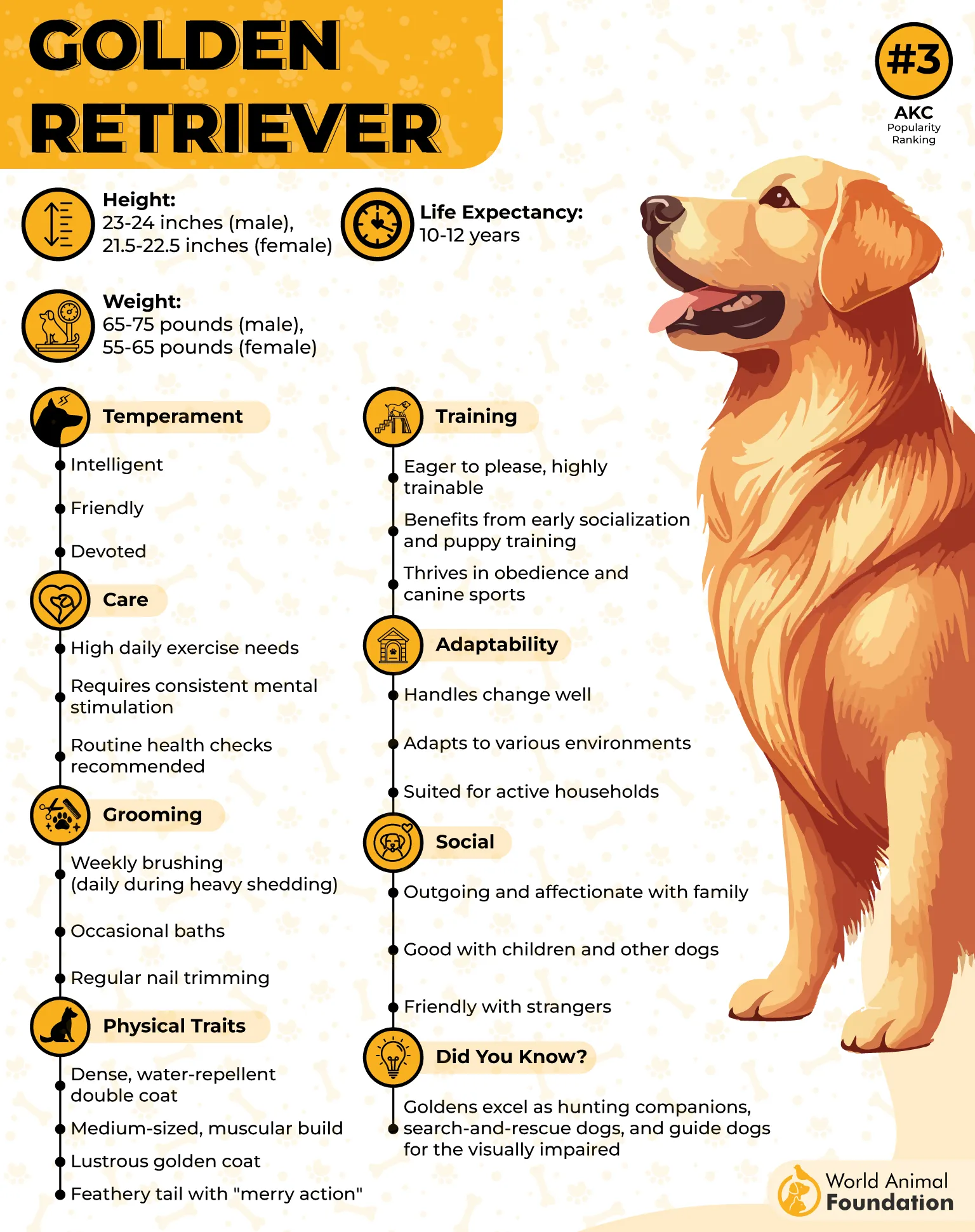
Their gentle nature is another major advantage, particularly in households with children and other pets. A properly socialized Golden Retriever can learn to greet visitors calmly, walk politely on a leash, and respond reliably to familiar commands. However, their naturally enthusiastic personality means younger dogs may need extra practice controlling excited greetings.
They also serve as guide dogs, assistance dogs, and service dogs; these roles require more than intelligence because dogs must stay composed around distractions and respond appropriately to human needs.
2. Labrador Retriever
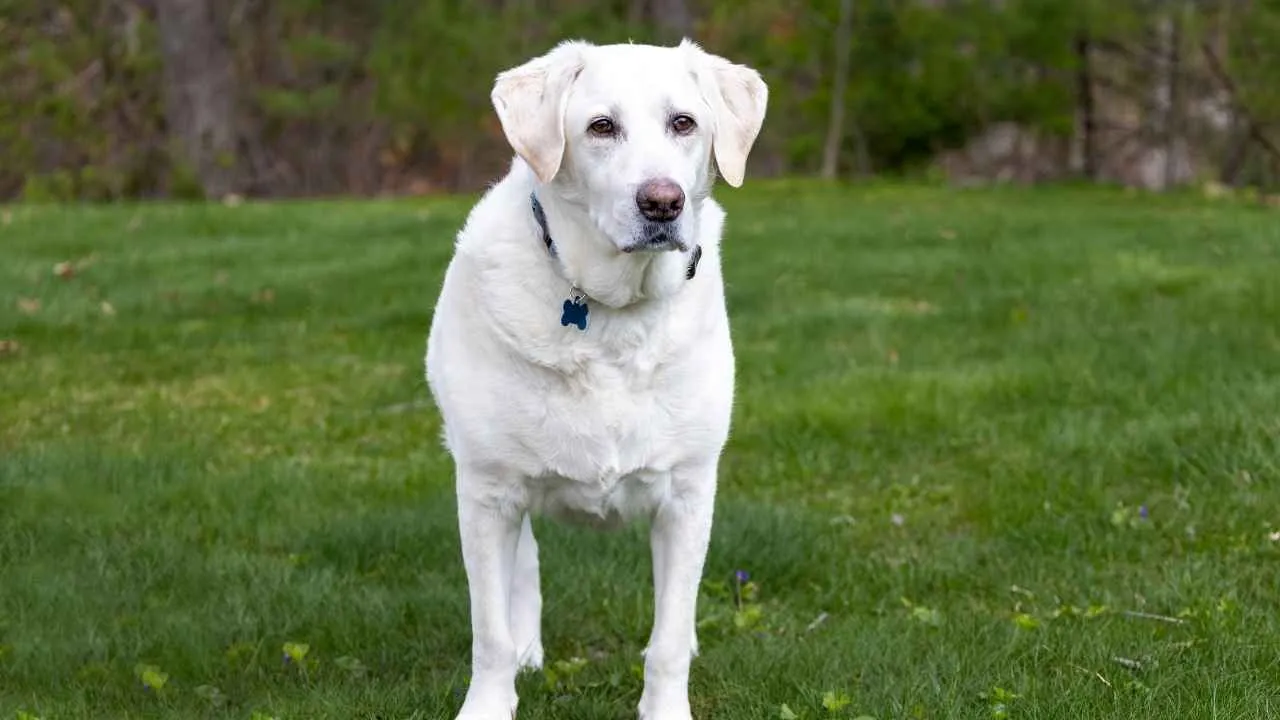
Originally used for retrieving work in Newfoundland and later developed as hunting dogs, Labrador Retrievers were bred to work closely with people. That working background helps, so many enjoy learning commands and completing tasks.
These dogs are famously food-motivated, which can make reward-based training incredibly productive. A small treat offered immediately after the correct behavior reinforces everything from basic sitting to complex obedience.
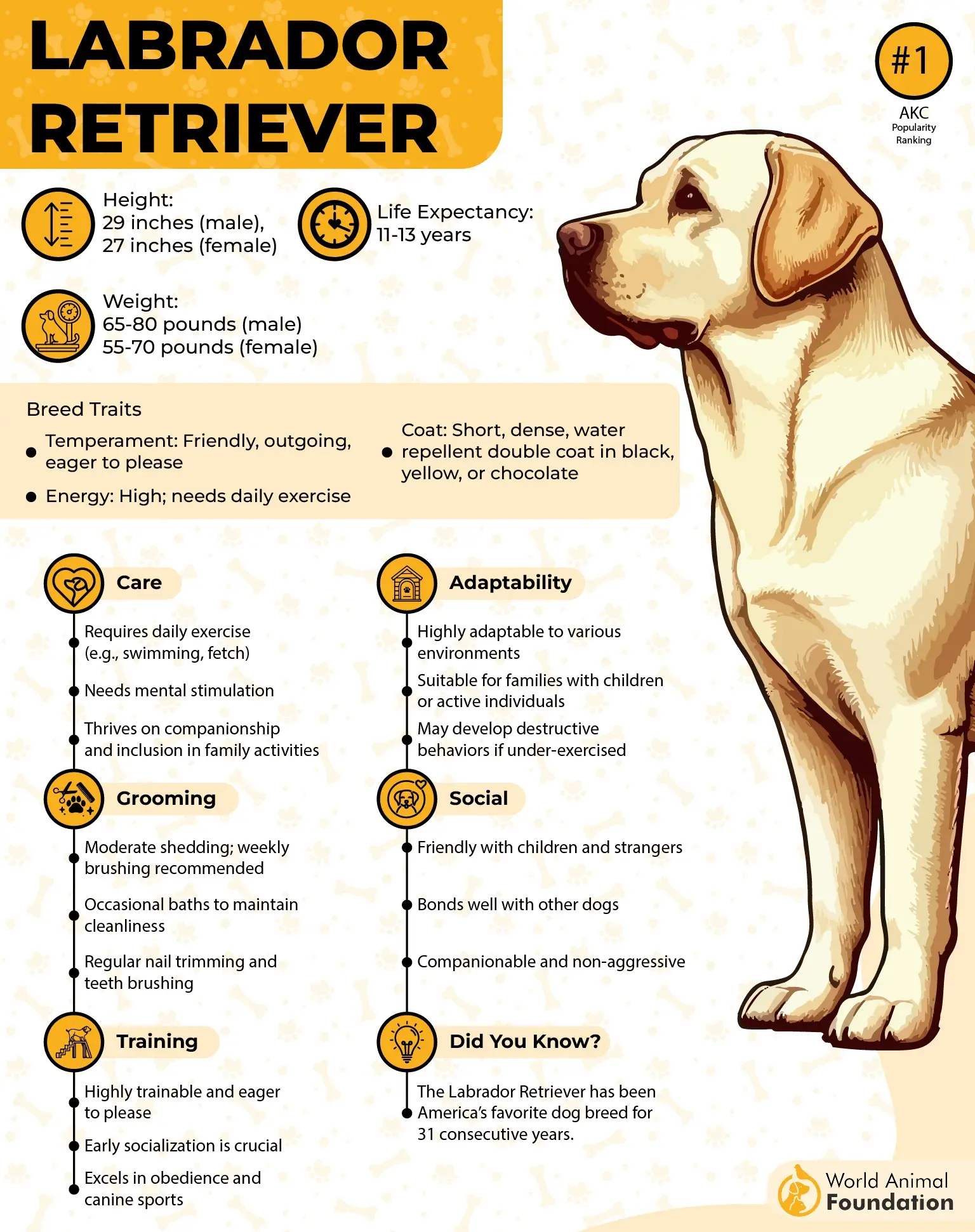
Their affectionate temperament makes them popular family companions, although their friendliness doesn’t automatically guarantee perfect manners. Young Labs can become energetic jumpers, enthusiastic leash pullers, or accidental household chaos machines when their excitement gets out of hand.
These easy-to-train dogs are widely used in guide-dog programs, detection work, and other assistance roles because they are trainable and adaptable. Their success in these fields reflects careful breeding, individual temperament assessments, and extensive professional training.
3. Toy Poodle
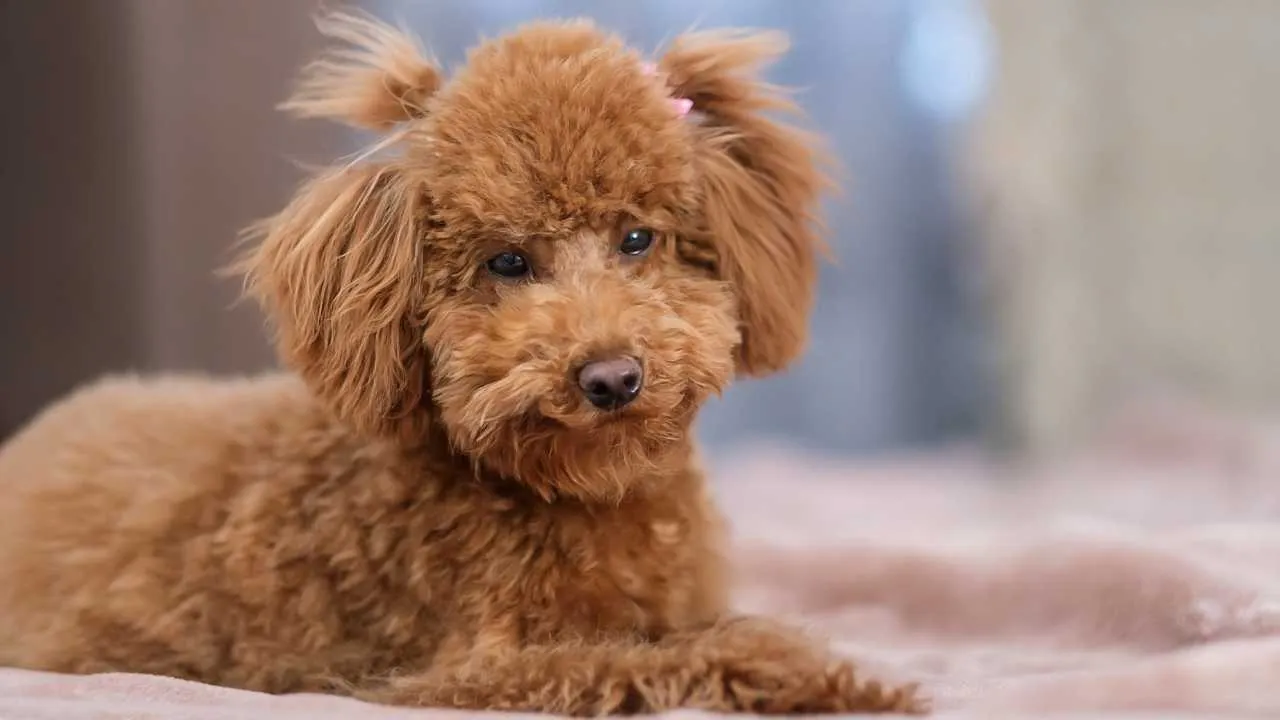
Don’t let the tiny size and fashionable curls fool you because Toy Poodles have serious brainpower in their miniature frames. They belong to the Poodle family, whose larger ancestors developed as skilled water retrievers. That heritage contributes to their reputation for intelligence, responsiveness, and impressive learning abilities.
Toy Poodles often pick up new cues quickly, especially when training feels like an entertaining game. Their alertness allows them to notice subtle changes in body language, hand signals, and familiar routines. This sensitivity can make them wonderfully responsive, although harsh corrections may undermine their confidence.
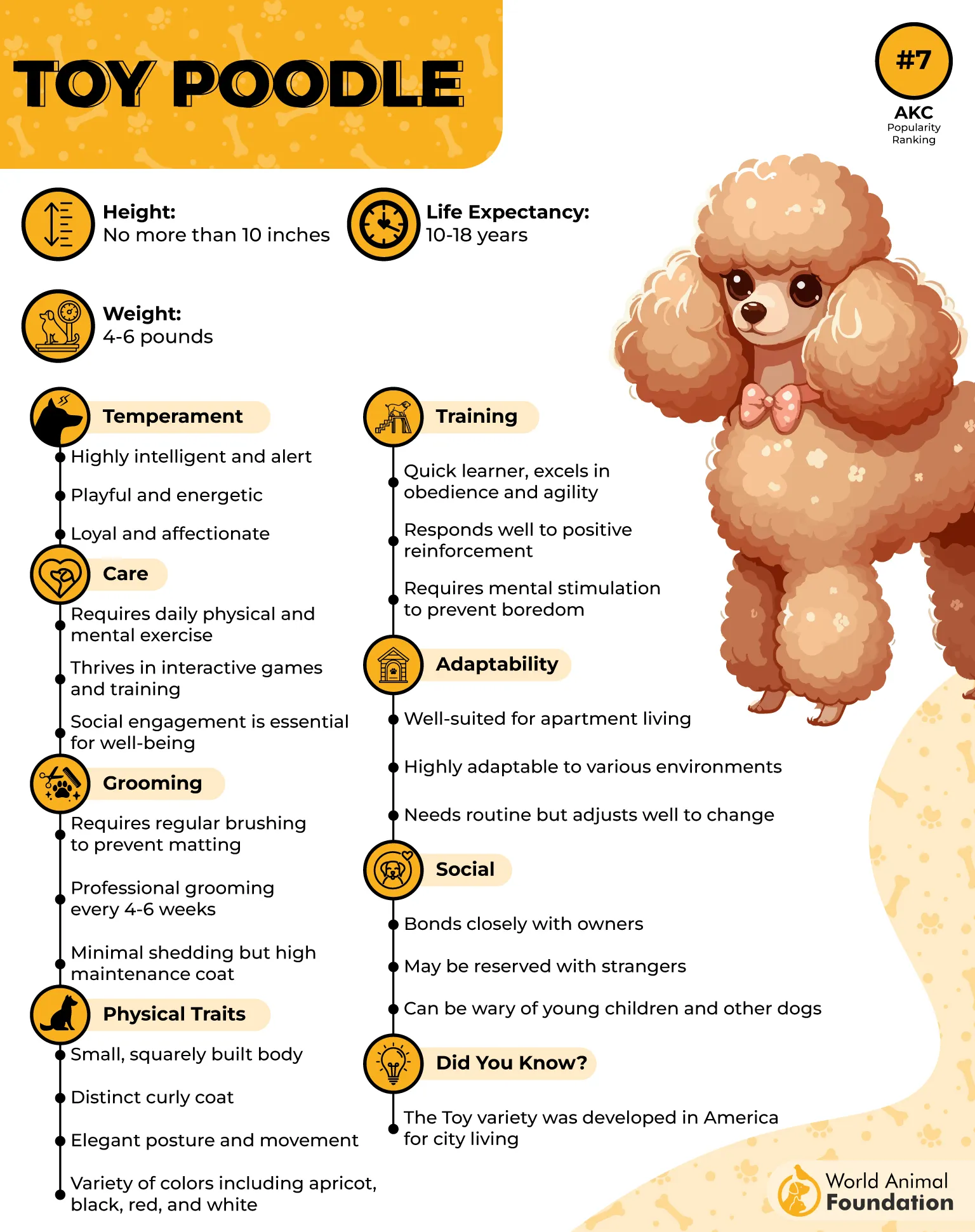
Despite their small stature, these dogs can participate in rally obedience, trick training, and appropriately adapted agility activities. The AKC recognizes Toy Poodles as intelligent, active companions rather than purely decorative lapdogs. Their eagerness to engage with people makes regular mental challenges an important part of their care.
Their affectionate personalities often lead to close relationships with household members, but some individuals may be cautious around unfamiliar people. Early socialization helps them develop confidence around visitors, new environments, and everyday sounds.
4. Collie
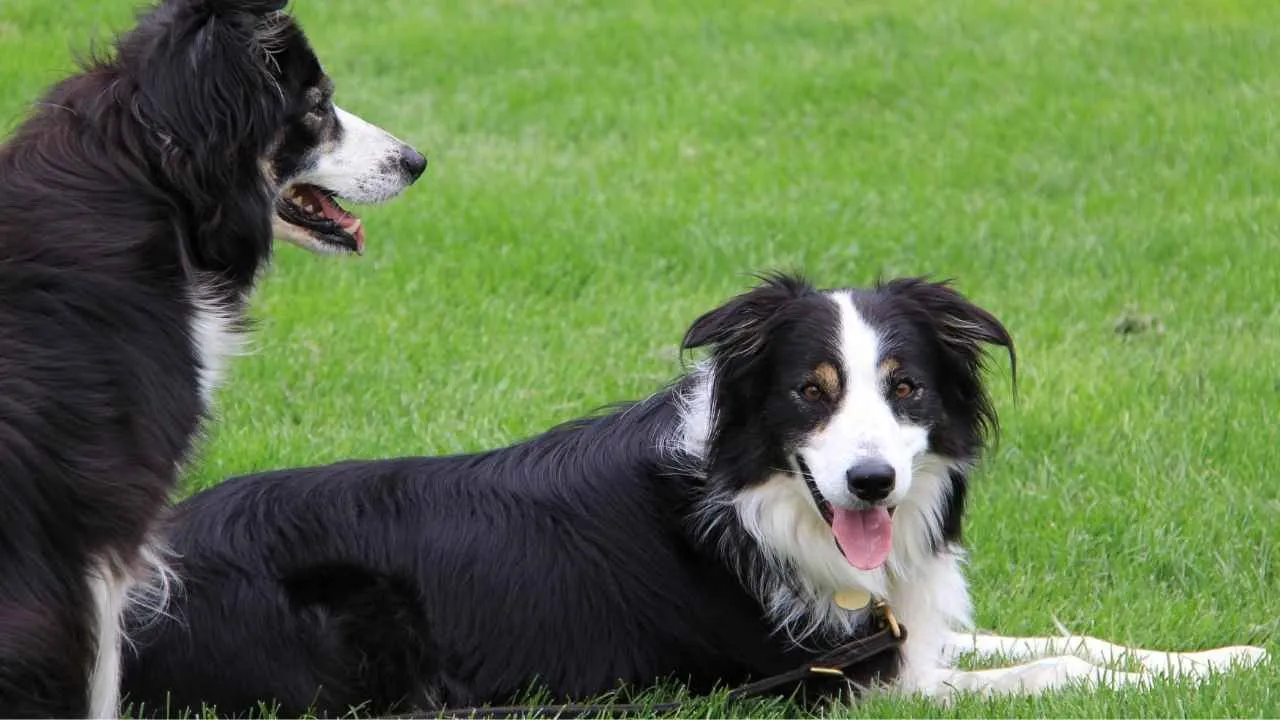
Developed as a herding dog in Scotland and northern England, the Collie learned to respond to human direction while managing livestock. That history helped shape its attentiveness, responsiveness, and ability to work cooperatively.
The Collie Club describes them as sensitive dogs who notice changes in their owners’ voices and behavior. This awareness can be useful during obedience training because clear, calm communication helps them understand expectations. Reward-based methods generally match their temperament better than intimidation or overly strict techniques.
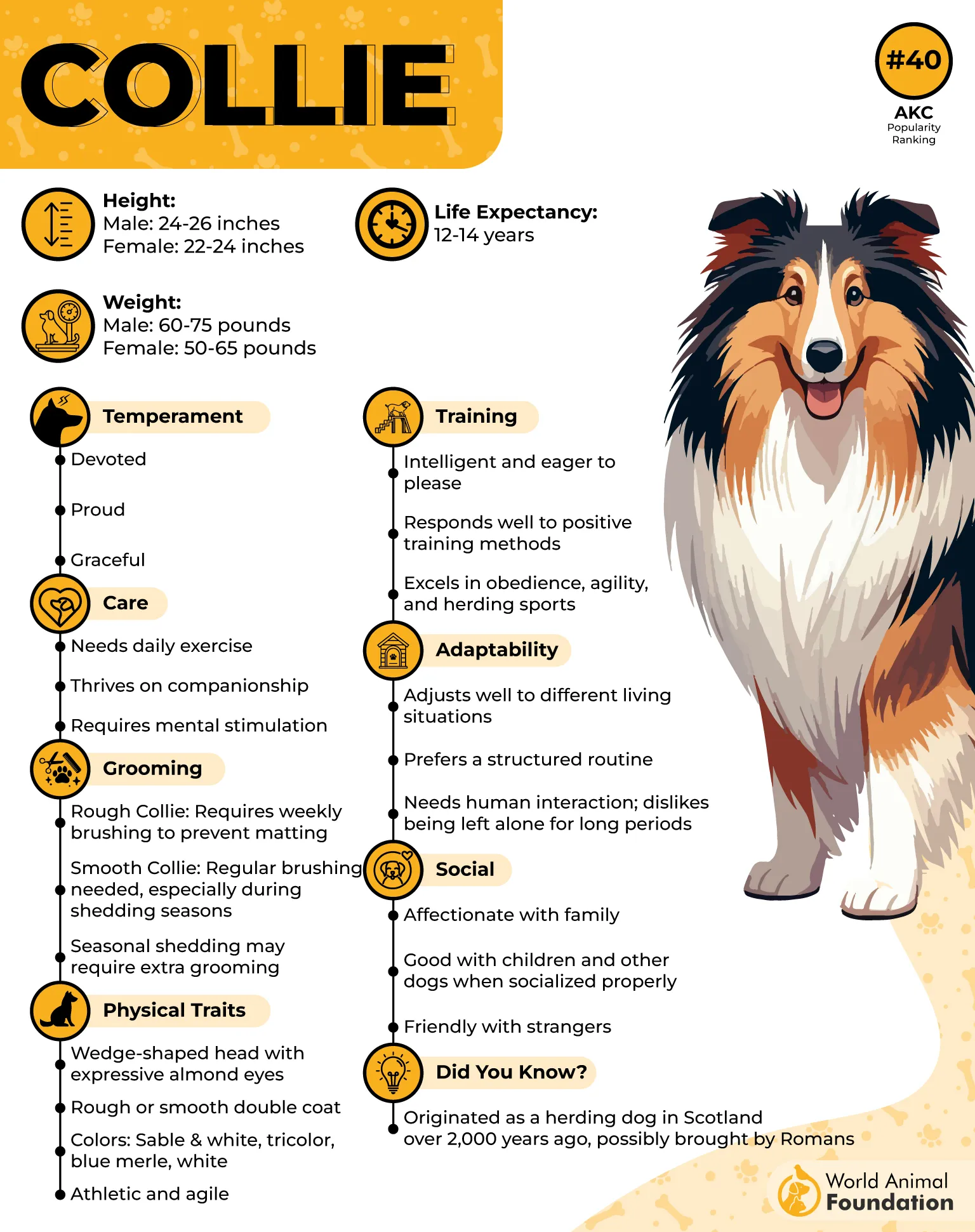
Their affectionate nature makes them popular family companions, especially for people seeking a dog that enjoys close human interaction. Many Collies develop strong bonds with children, but appropriate supervision remains essential; their herding background may occasionally show up as attempts to control movement, so owners should redirect that behavior constructively.
These intelligent dogs can perform well in obedience, rally, and other canine sports that require concentration and teamwork. They benefit from learning practical behaviors such as coming when called, walking without pulling, and remaining calm around distractions.
5. Shetland Sheepdog
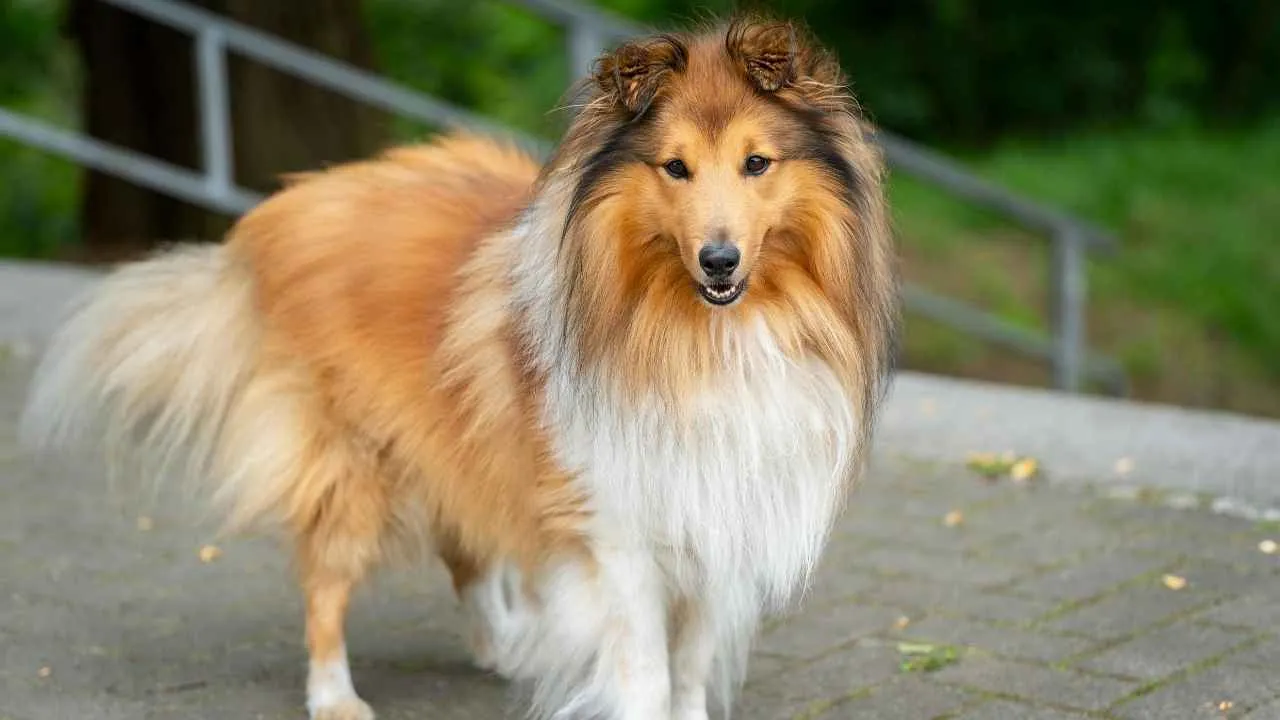
The Shetland Sheepdog, affectionately called the Sheltie, is proof that a smaller dog can have enormous working ambition. Their quick reactions and close attention to handlers translate beautifully into modern obedience activities.
Shelties are particularly impressive at learning command sequences that require speed and accuracy. Many excel in obedience, rally, and agility because they enjoy solving problems alongside their handlers. Their intelligence and athleticism mean they often enjoy more challenging tasks after mastering basic commands.
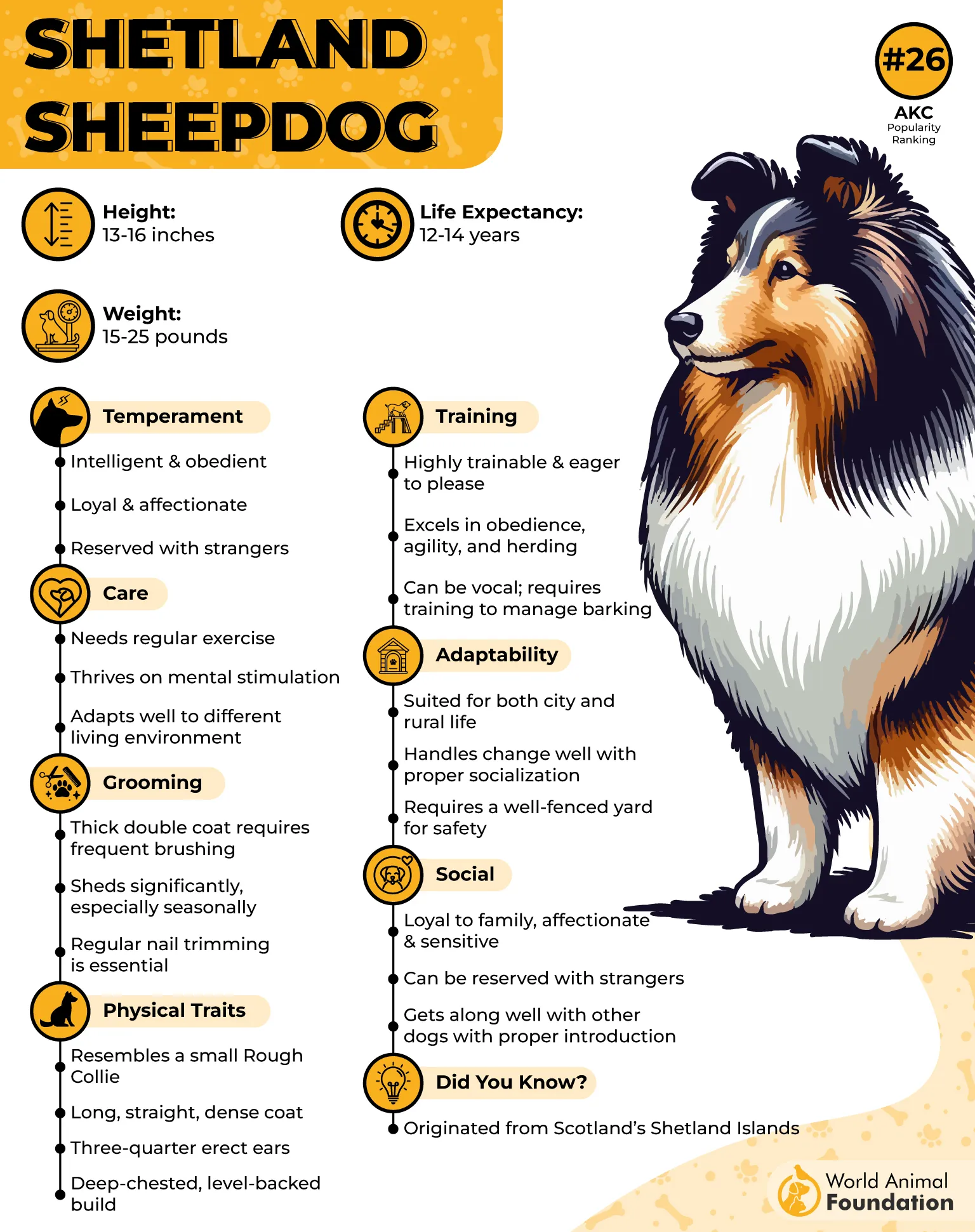
Behind that impressive work ethic is a deeply affectionate dog that often forms strong attachments to familiar people. Hills Pet says Shelties may be reserved around strangers, but thoughtful socialization can help them feel more comfortable in unfamiliar situations.
Because they were developed as alert herding dogs, Shelties can be vocal when they notice unusual activity. Training a quiet cue and rewarding calm behavior can help prevent excessive barking from becoming a household habit.
6. English Springer Spaniel
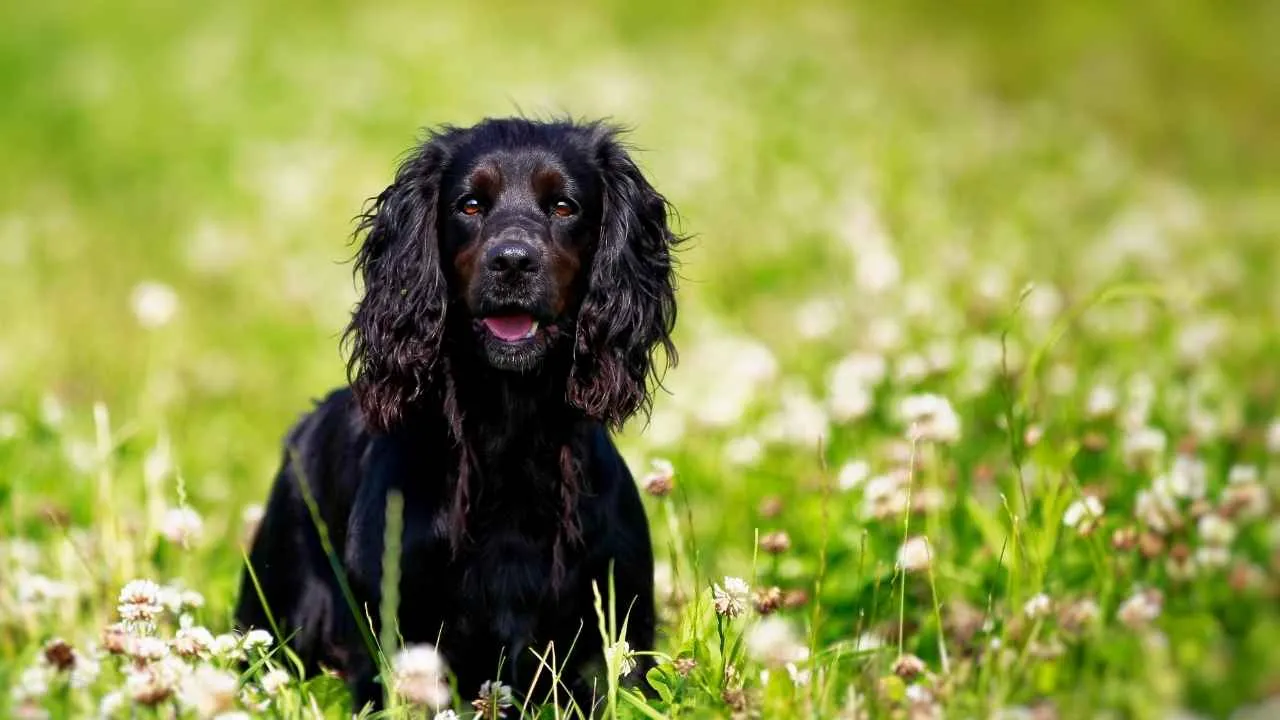
English Springer Spaniels have a cheerful personality that makes ordinary training sessions feel like exciting adventures. Historically bred to locate and flush game birds, they developed a strong ability to cooperate with hunters and respond to directional commands.
One of their greatest strengths is their enthusiasm for interactive activities. Many Springers respond well to retrieving games, food rewards, and enthusiastic verbal encouragement. Because they can be distracted by interesting scents, train recall in controlled environments before moving to new locations.
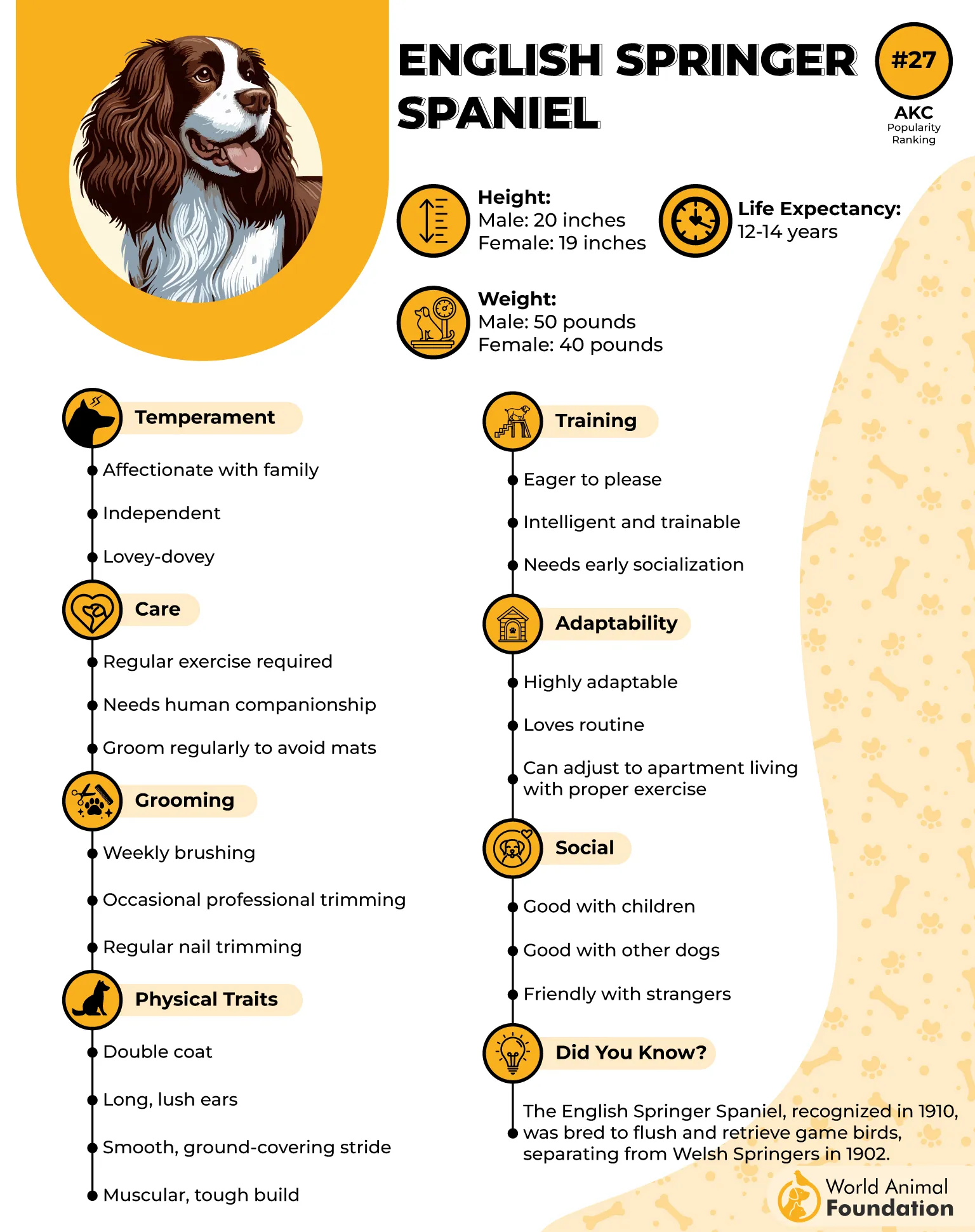
Their affectionate nature makes them devoted companions who frequently enjoy spending time close to family members. Well-socialized English Springer Spaniels are often friendly and playful, although individual personalities can vary considerably.
Field-bred and show-bred lines may differ in energy levels, working drive, and training requirements. Dogs from highly active working backgrounds often need substantial physical exercise alongside structured mental activities.
7. Flat-Coated Retriever
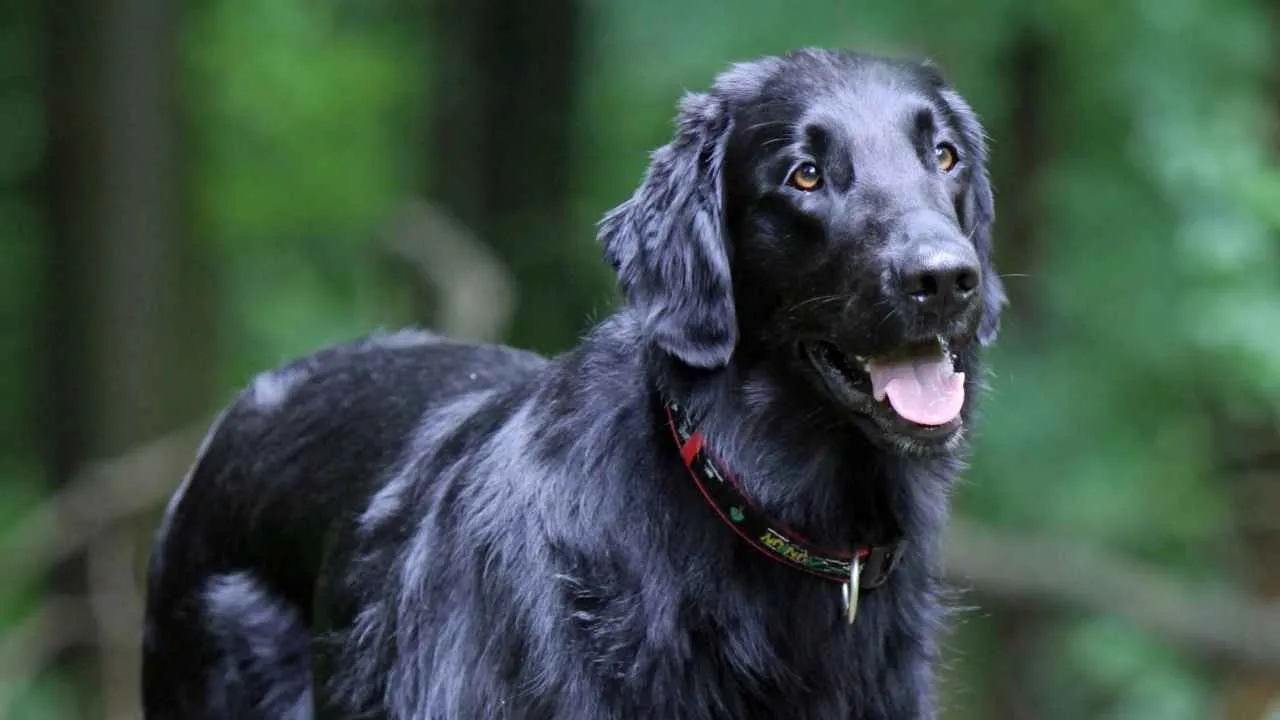
Flat-Coated Retrievers are often described as the retriever family’s eternal puppies, and their playful personalities back up that reputation. Their natural enthusiasm and willingness to engage with people provide a strong foundation for obedience training.
These dogs generally enjoy learning through activities that involve movement, interaction, and rewards. Retrieving exercises can be particularly motivating because they connect training with the breed’s original working purpose. Their playful approach means owners may need to balance excitement with patience-building exercises.
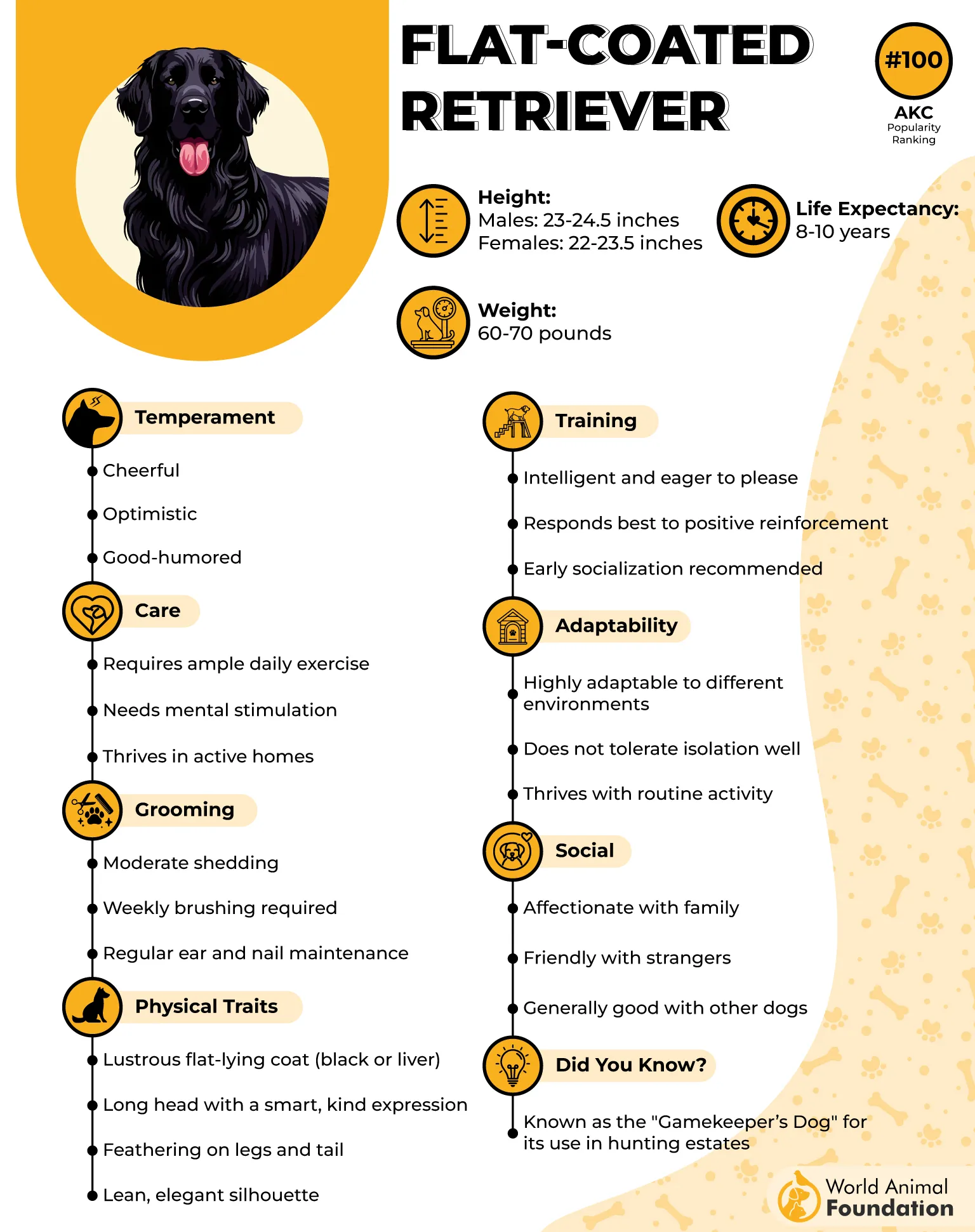
Although intelligent and capable, Flat-Coated Retrievers sometimes mature behaviorally more slowly than owners expect. Owners who approach training with humor, patience, and clear expectations often find their playful nature highly rewarding.
Advanced obedience, retrieving games, and scent work offer excellent opportunities to strengthen communication with these active dogs. Regular practice helps them stay focused even when exciting distractions appear.
8. Cocker Spaniel
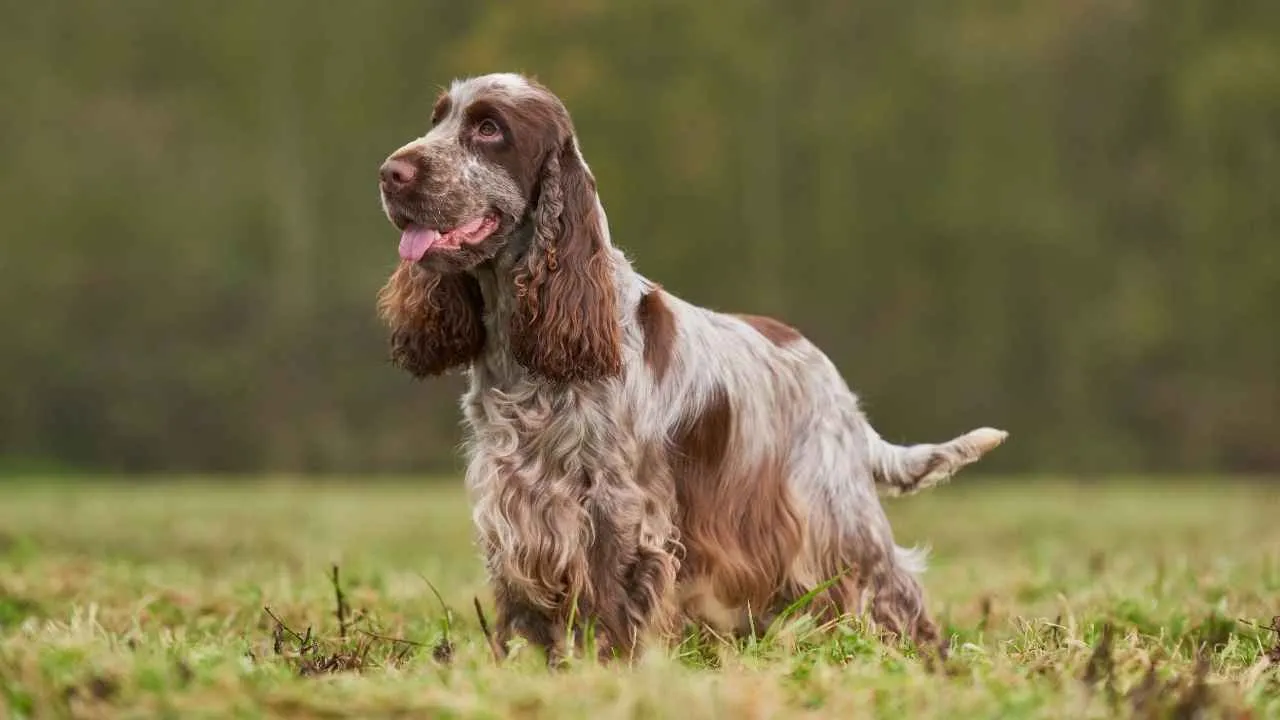
Cocker Spaniels bring soft ears, expressive eyes, and an affectionate personality that can make them absolutely irresistible. Their history of working alongside people helps explain their responsiveness to training and interest in human interaction.
Many Cocker Spaniels learn basic commands effectively with encouraging, consistent lessons. Food rewards and play can motivate them to repeat desirable behaviors. Because some individuals are sensitive to harsh handling, supportive training methods help maintain trust and enthusiasm.
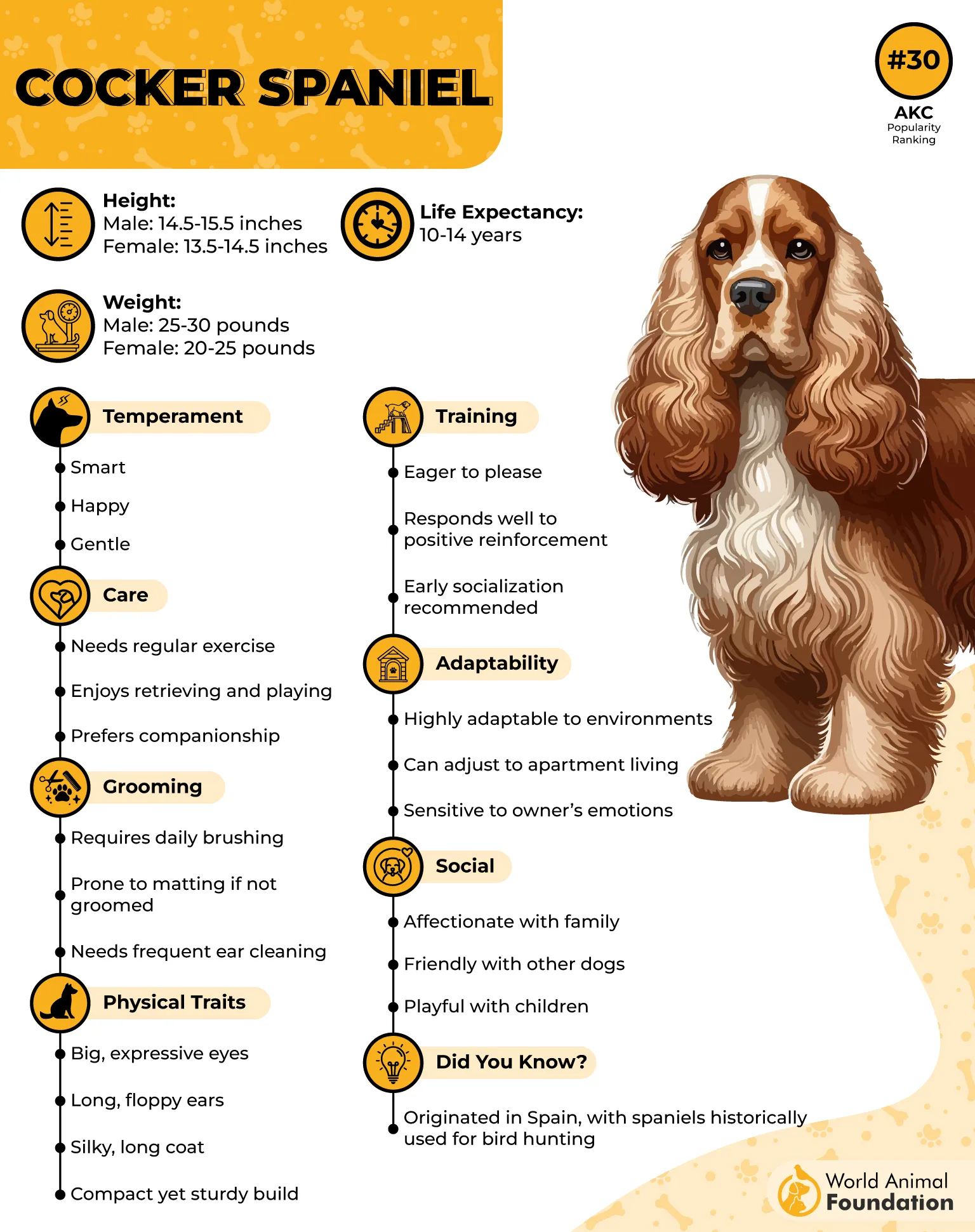
These Spaniel dogs often enjoy close companionship and can develop strong emotional attachments to their families. Their affectionate behavior makes them appealing household pets, but owners should still teach them to be comfortable being independent. Gradually practicing short periods of separation helps them learn that being alone is a normal part of daily life.
Cocker Spaniels also have a strong sense of smell that can occasionally compete with their attention to commands. Practicing recall around mild distractions before moving to busier environments helps improve reliability.
Consistent grooming is another important consideration because of their feathered coat. Teaching cooperative care behaviors, such as calmly accepting brushing and ear exams, makes maintenance easier for everyone.
9. Papillon
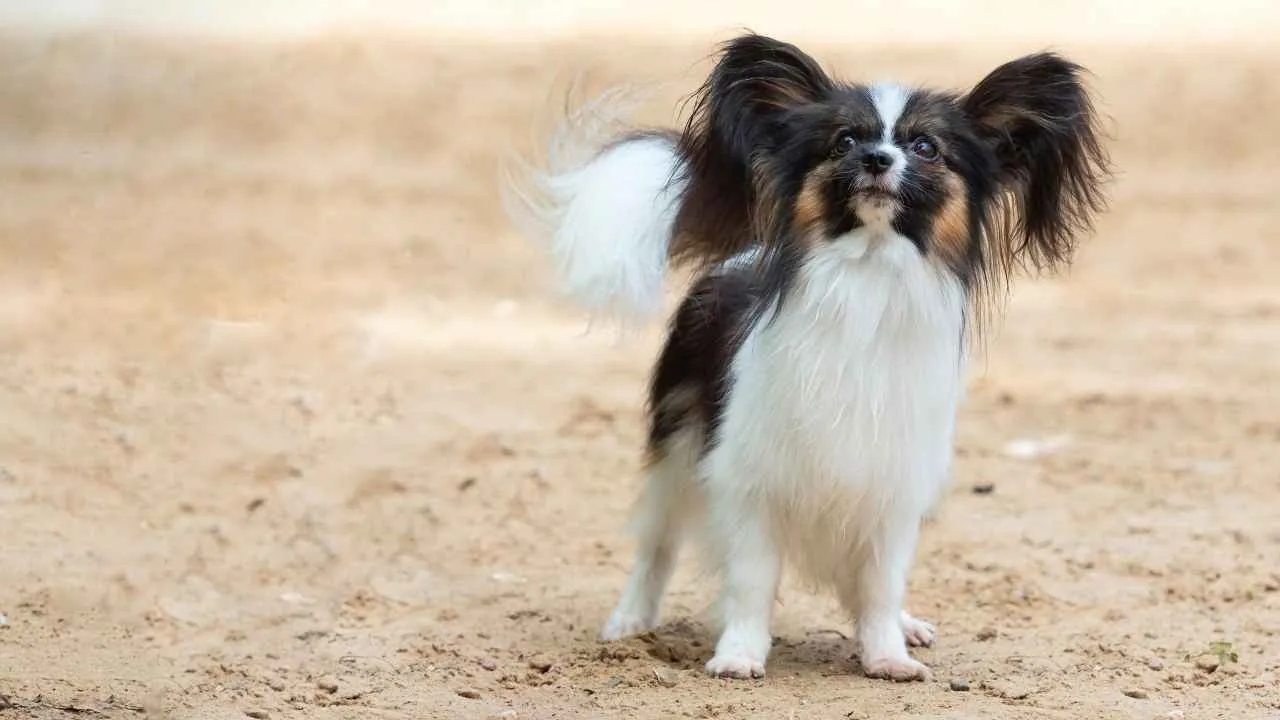
The Papillon might look like a delicate little aristocrat, but this breed has the confidence and intelligence of a much bigger dog. Beneath that elegant appearance, the breed is known for learning quickly and enjoying interactive training.
Despite being in the toy group, they learn quickly and enjoy obedience, making them some of the most trainable dog breeds. Their quick movements, alert expressions, and eagerness to participate make them entertaining training partners.
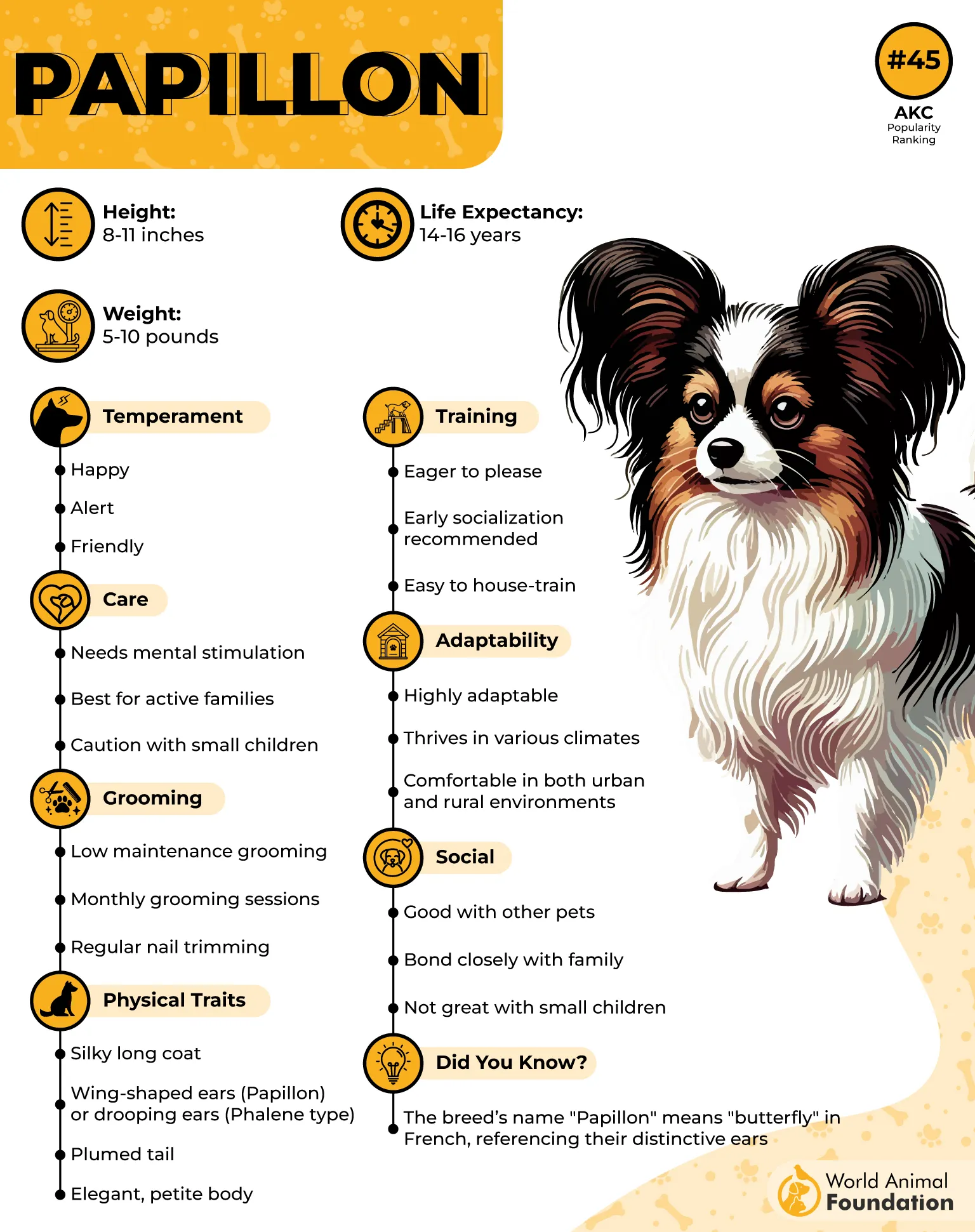
These dogs are often affectionate with familiar people and enjoy joining household activities. Their small size requires careful handling, especially around young children who may accidentally injure them.
A Papillon’s intelligence can become a challenge when owners underestimate its need for mental stimulation. Without interesting activities, some individuals may develop unwanted barking or attention-seeking habits. Teaching a settle command, providing puzzle feeders, and rewarding quiet behavior can help establish healthy routines.
10. Havanese

As Cuba’s native companion breed, Havanese dogs developed a long history of close relationships with people rather than demanding fieldwork. This people-oriented background helps explain why many enjoy learning behaviors that earn attention and praise.
Their intelligence and playful temperament make reward-based obedience training a natural fit. Havanese dogs often respond enthusiastically to treats, cheerful encouragement, and interactive games. Their compact size also makes it convenient to practice basic commands in smaller indoor spaces.
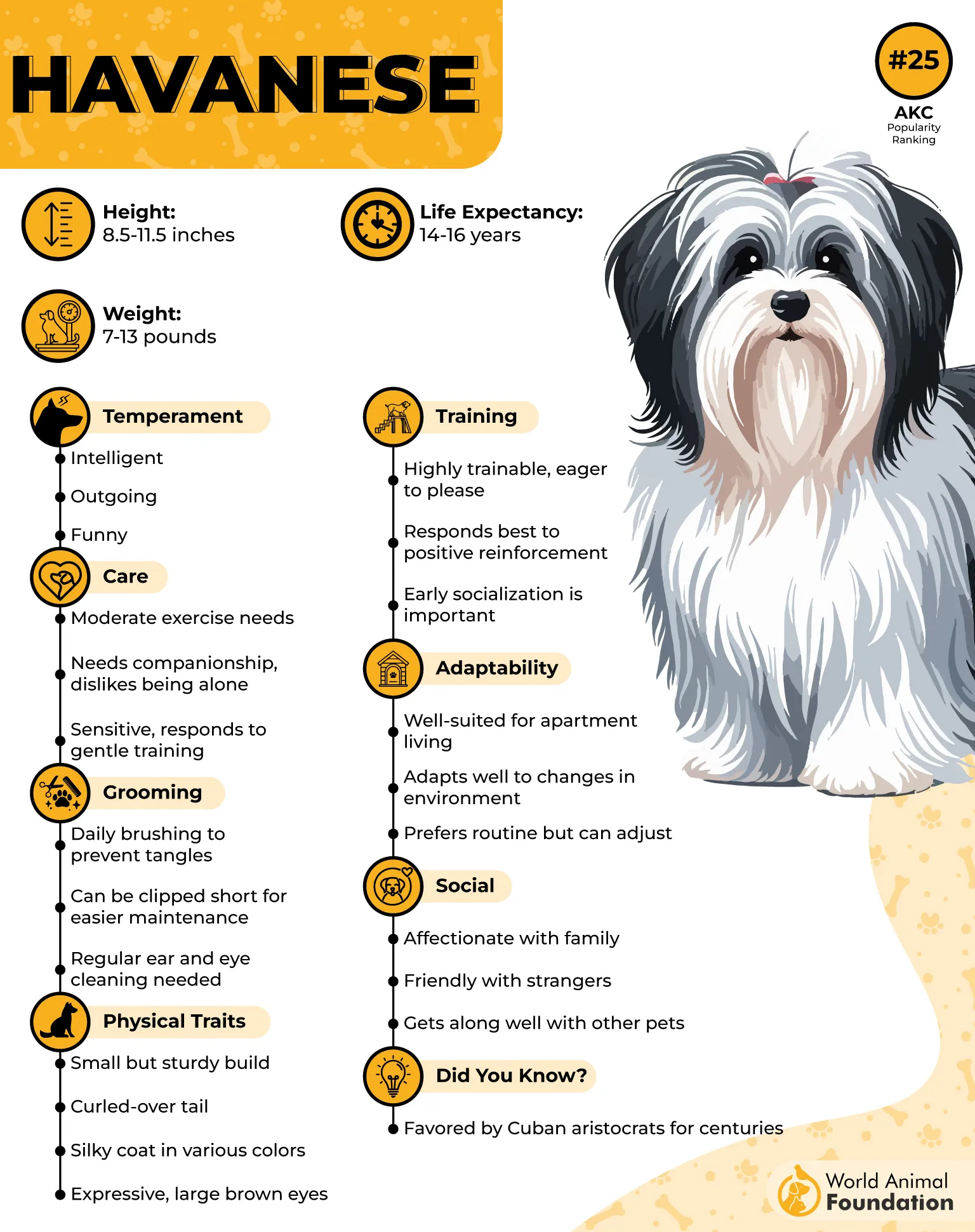
Although generally friendly and affectionate, these dogs still need early socialization to become comfortable around unfamiliar environments. Gradually introducing different sounds, surfaces, visitors, and everyday situations helps build confidence. Their gentle personalities respond better to patient guidance than to pressure or punishment.
Havanese dogs can learn useful household behaviors such as settling on a mat, waiting politely, and coming when called. Some may find house training challenging, particularly when routines are inconsistent or outdoor opportunities are limited. Predictable schedules, supervision, and immediate rewards for successful toileting can make the process more manageable.
Conclusion
Finding a dog with outstanding obedience skills doesn’t mean choosing the most serious or intimidating breed.
However, even naturally trainable, eager-to-please dogs need consistent practice and positive reinforcement to develop reliable manners. Breed tendencies offer useful guidance, but individual temperament, health, early experiences, and training methods ultimately influence behavior.
