




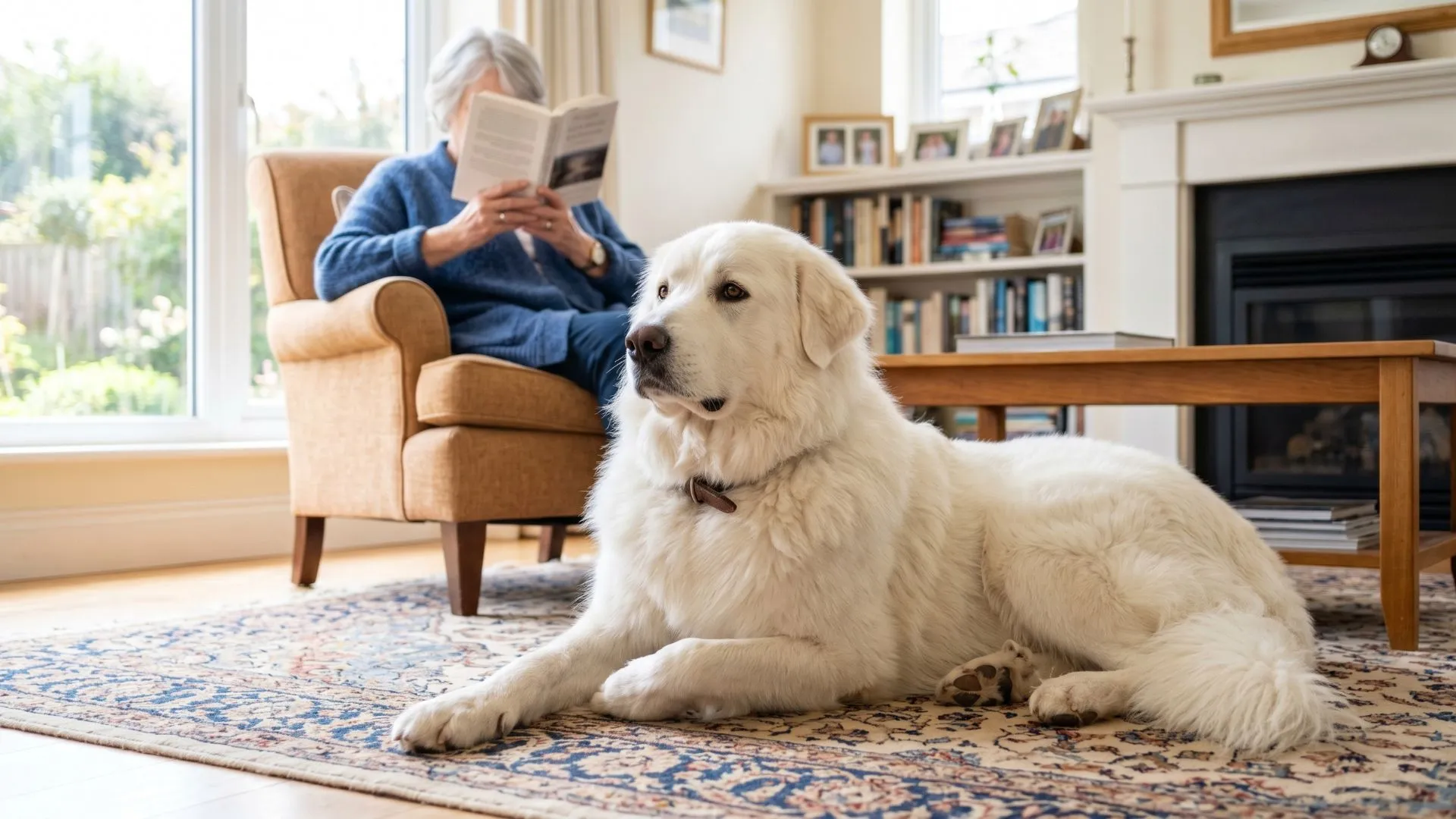
A dog can make a home feel safer, warmer, and much less lonely. For many seniors, the right companion is not just a pet but a loyal friend who brings comfort, routine, and a reassuring presence throughout the day. When chosen carefully, a gentle dog can offer both affection and a quiet sense of protection.
For older adults, protection does not always mean having a big or intense guard dog. In fact, the best choice is often a calm, alert, and easygoing companion that notices unusual sounds, stays close to its owner, and can be managed safely on walks or around the home. Seniors need a dog that fits their lifestyle, not one that creates extra stress.
In this article, we will explore the best dog breeds for seniors seeking protection. You will learn what makes a dog senior-friendly, which traits matter most for safety and companionship, and how to choose a loving four-legged friend that brings peace of mind without becoming too difficult to care for.
Key Takeaways
Gentle protective dogs should be loyal, calm, alert, and easy for seniors to manage safely.
The best breed depends on the senior’s home, mobility, activity level, and support system.
Early training and socialization are important, especially for large or naturally protective breeds.
The right dog can offer more than protection. They can bring comfort, routine, companionship, and peace of mind.
Gentle Dog Breeds Perfect for Seniors Seeking Protection
1. Broholmer
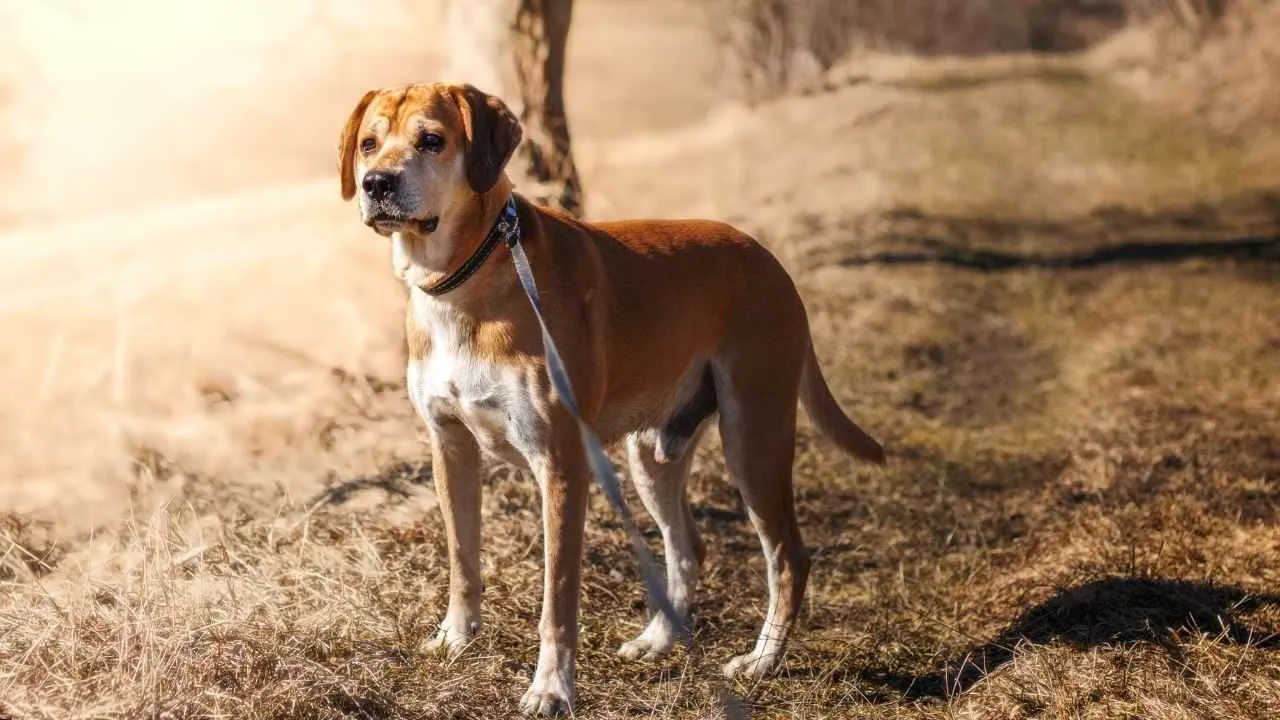
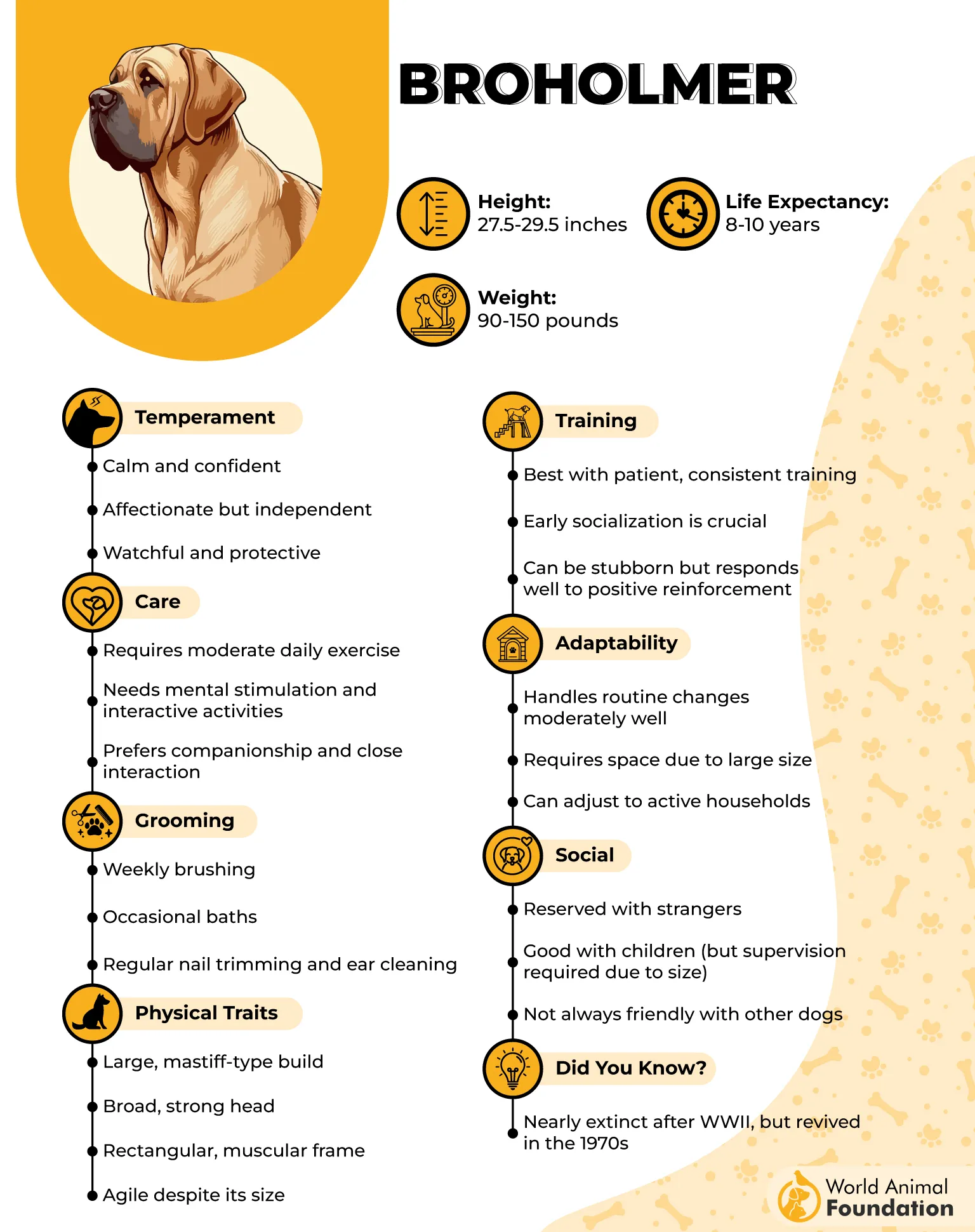
Broholmers are large, mastiff-type dogs from Denmark. They have been known since the Middle Ages and were once used for stag hunting, according to Royal Canin. Later, they became farm and manor guard dogs. Today, they are mainly companion and protection dogs.
They are calm, well-balanced, and friendly, but always alert. They are self-assured dogs with a steady nature. Their size alone can help deter strangers, while their temperament stays gentle and composed.
Care, Training, and Behavior
Broholmers need early socialization and consistent training. They should learn rules from a young age and follow clear boundaries. They respond best to calm, firm, and gentle communication. Positive and consistent training works well for them.
They should be guided patiently, as they are confident and sometimes underestimate their size. Early obedience training helps them become well-mannered and stable companions. They are not suited for harsh treatment and need respectful handling.
Best Fit for Seniors
Broholmers are loyal, protective, and very watchful. They are patient with children and usually friendly with other dogs. They enjoy being close to their families and often prefer to stay near their owners.
They are best suited for seniors with space and who can safely manage a large dog. They need supervision in public due to their strength. With proper care, they are calm, affectionate, and reliable guardian companions for seniors seeking both comfort and protection.
2. Boerboel
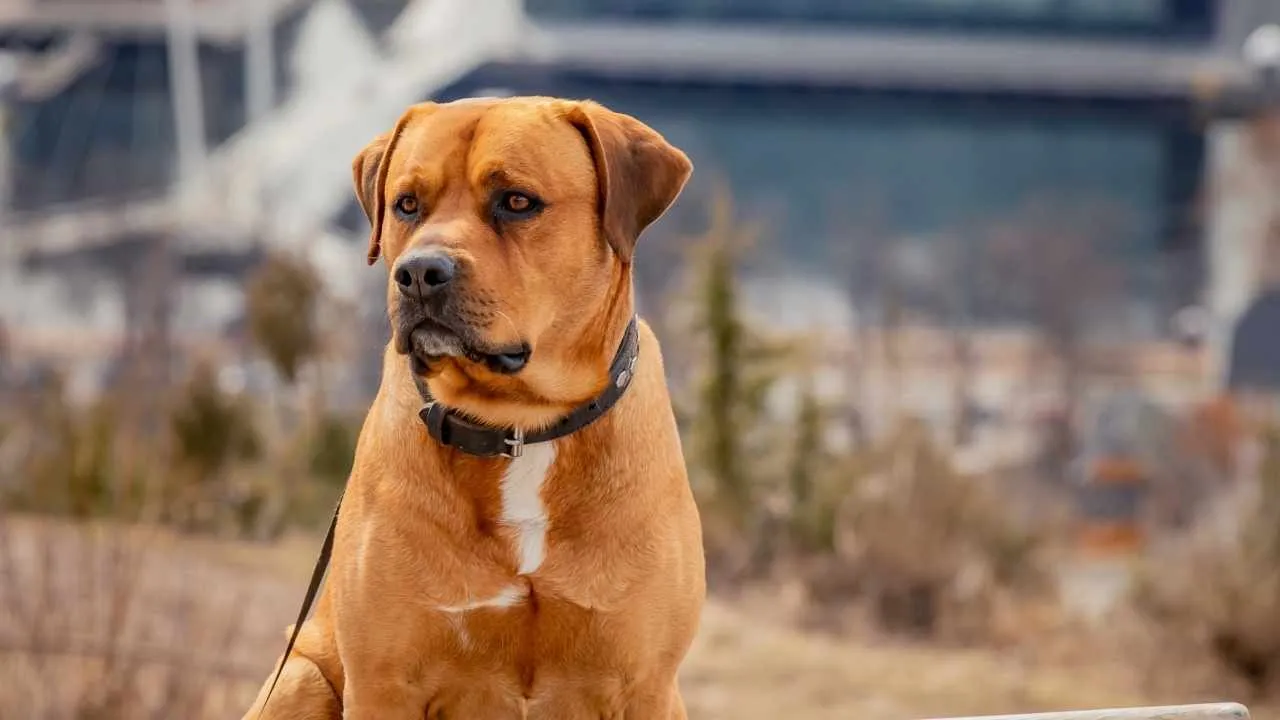
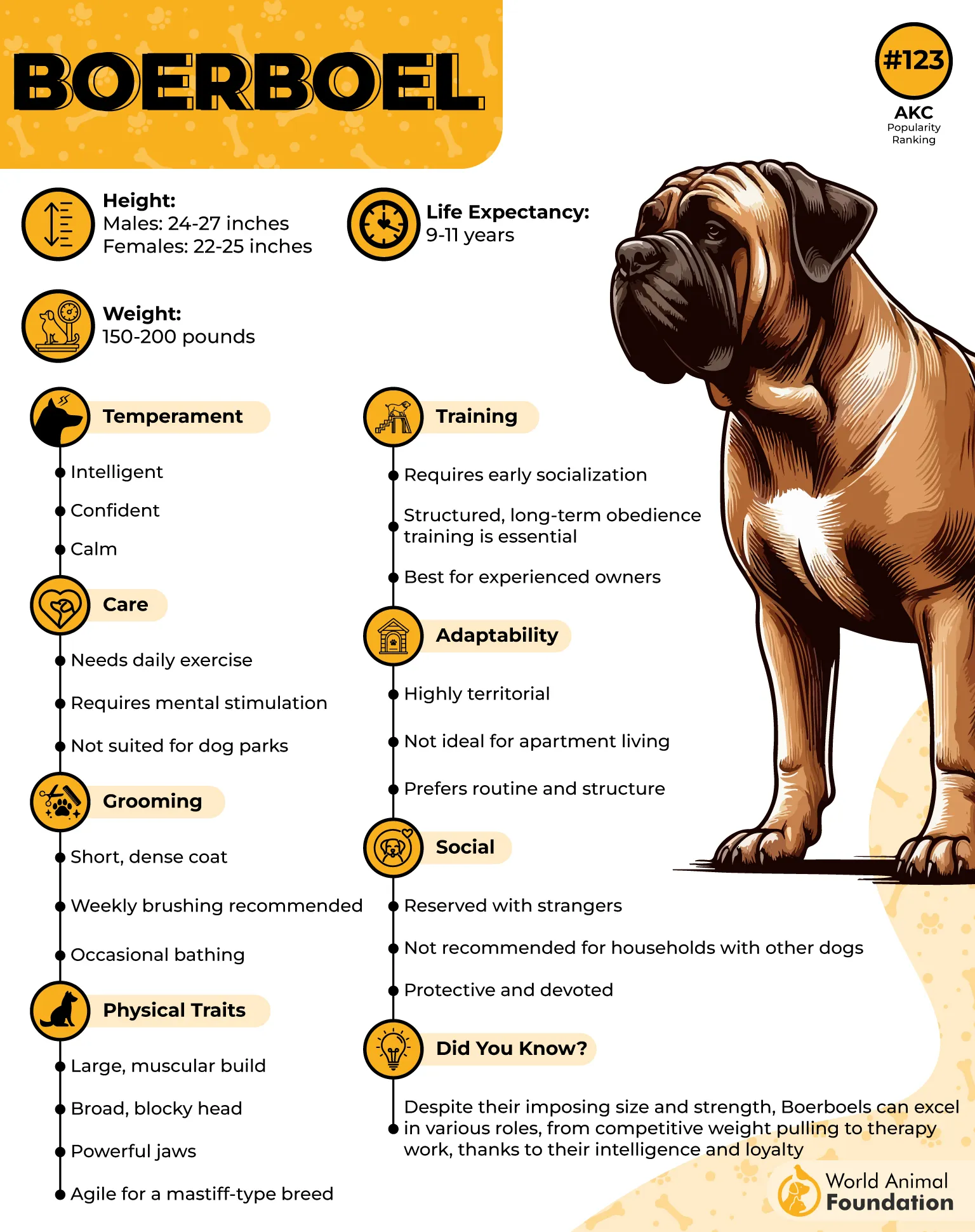
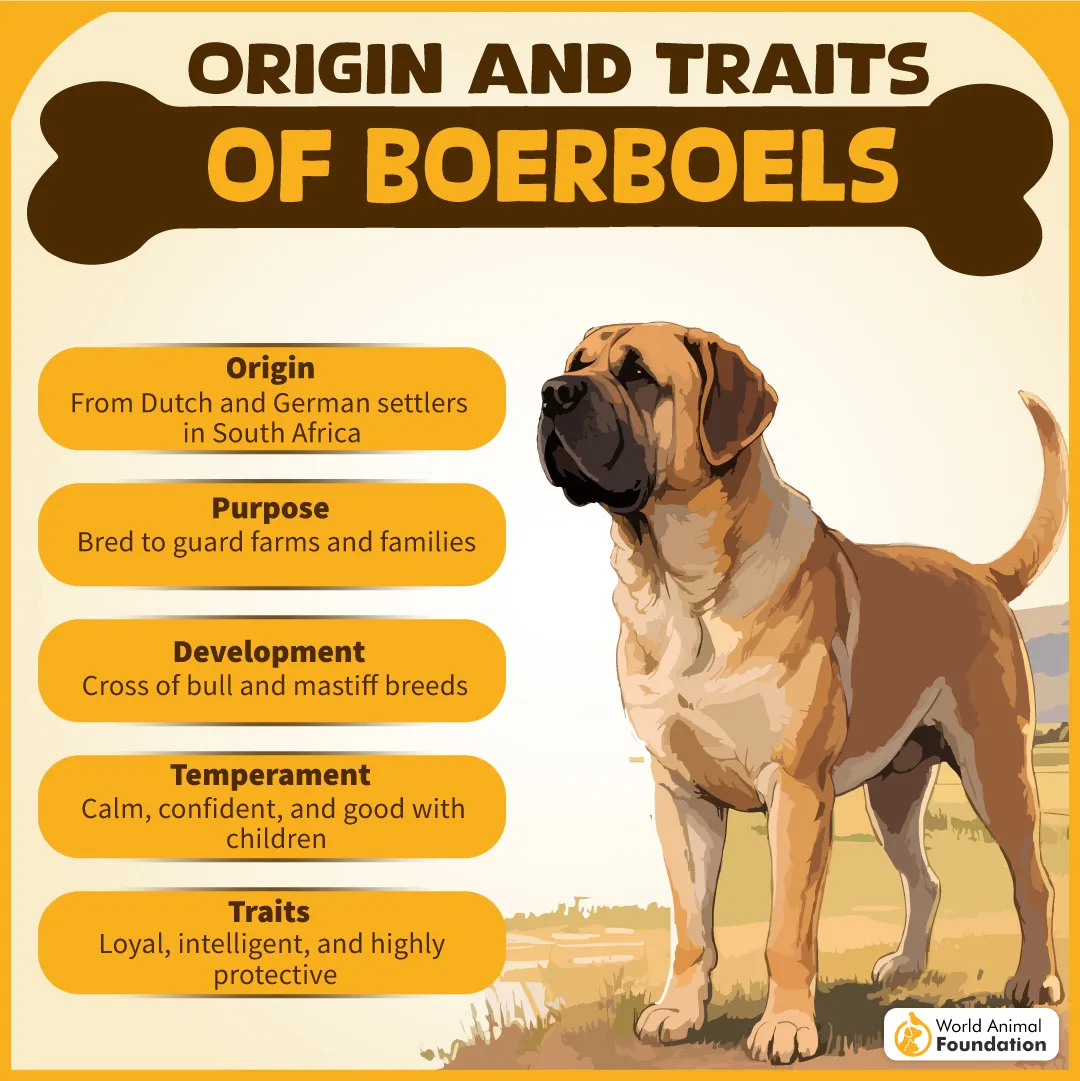
Boerboels are strong guardian dogs that were originally bred for protection, hunting, and farm work. These instincts are still present today. They are deeply loyal to their families and naturally reserved around strangers.
They are calm, confident, and intelligent dogs. Despite their strong appearance, they are affectionate with their owners and show a gentle, steady nature within the family.
Care, Training, and Behavior
Boerboels are playful and enjoy family life. They can be good companions for children, but play should always be supervised because of their large size. They are intelligent but can also be stubborn and territorial. Early and consistent training is very important for them.
They need clear rules from the start and respond best to firm, structured, and positive guidance. Early socialization helps them accept guests and prevents overprotective behavior. They also need regular physical and mental activity to stay balanced and well-behaved.
Best Fit for Seniors
Boerboels are protective, watchful, and highly devoted to their families. They are calm with familiar people but cautious with strangers. They can become very accepting once properly introduced.
They are best suited for experienced or confident owners who can manage strong dogs. They are not ideal for first-time owners due to their power and guarding instincts.
3. Bullmastiff
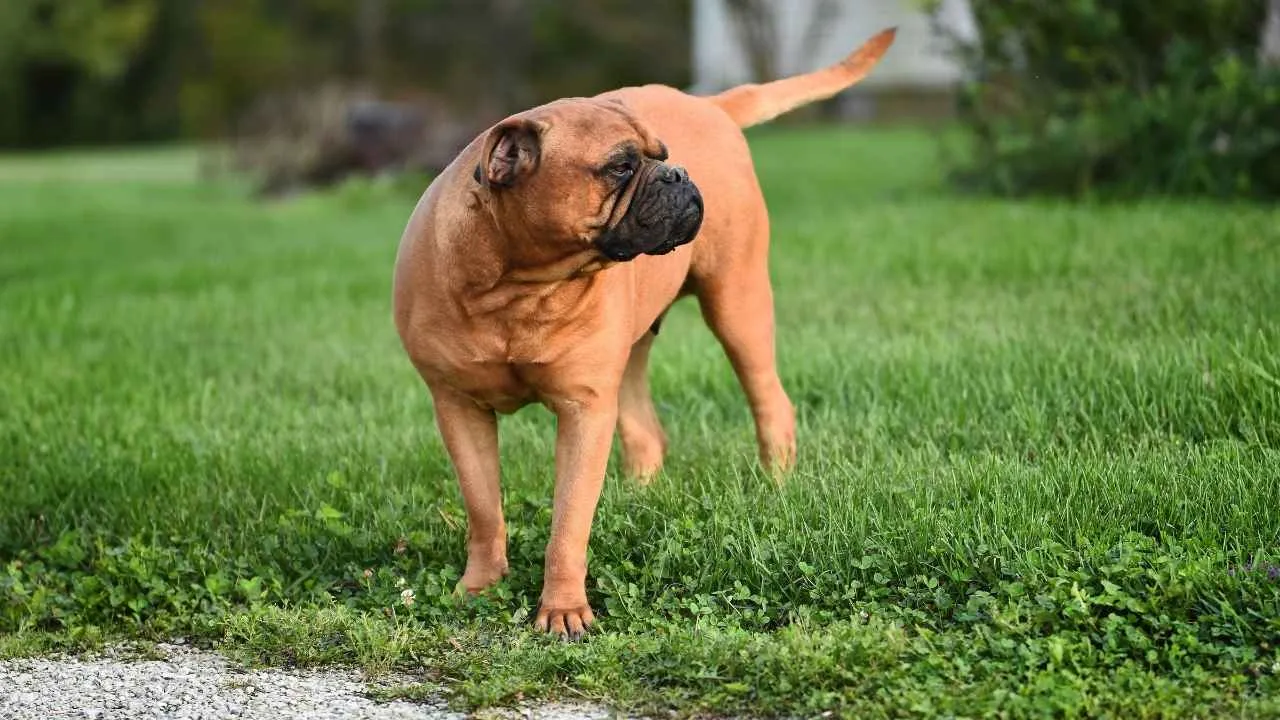
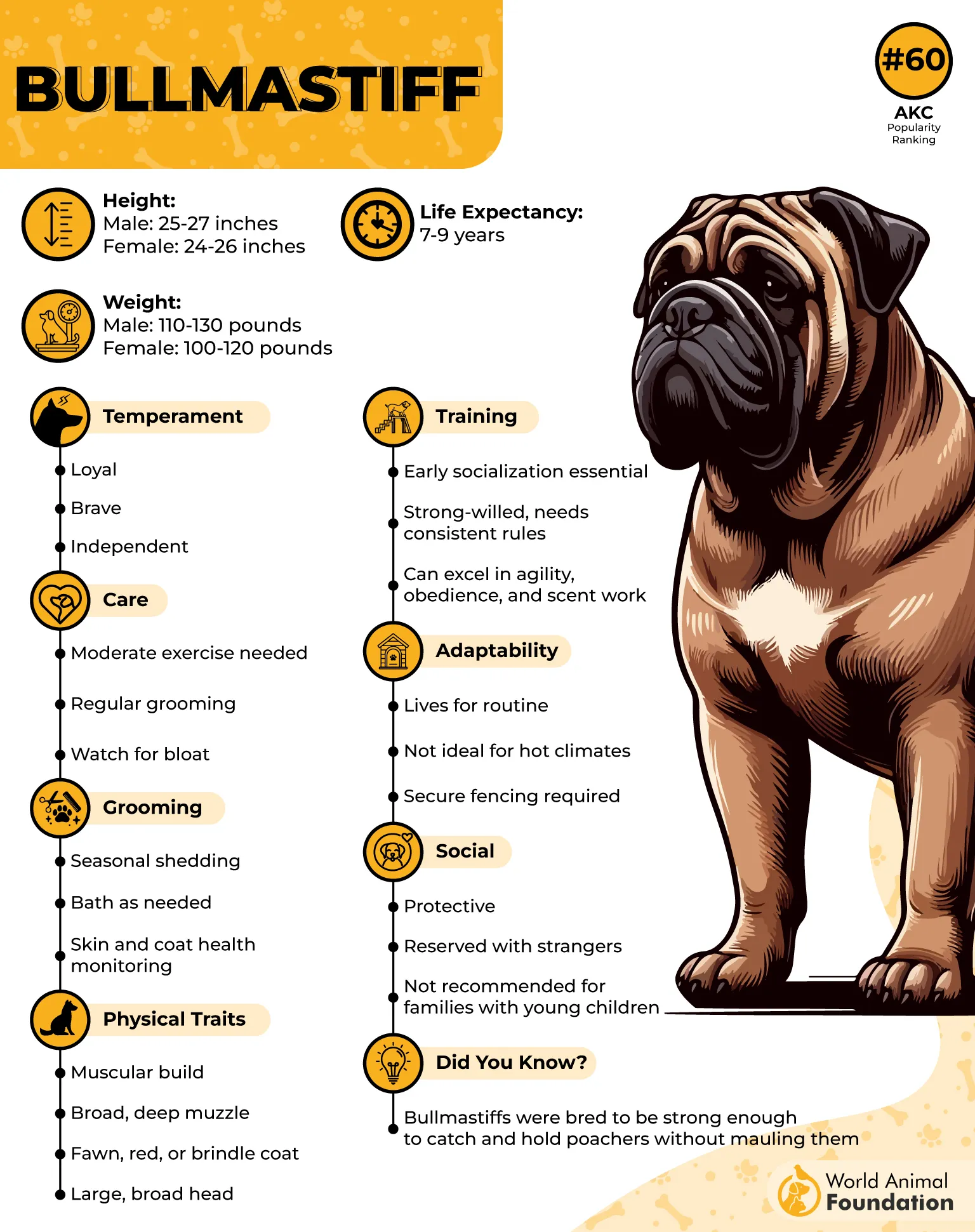
Bullmastiffs are calm, loyal, and powerful dogs with a natural guarding instinct. They were originally developed to help protect estates, so they are alert and confident when something feels unusual. At home, Bullmastiffs are often gentle and affectionate with their families.
They are not known for barking too much, but they will usually alert their owners when they sense something out of place.
Care and Activity Needs
Bullmastiffs need early training and socialization because they grow into very strong dogs. They can be smart and quick to learn, but they may also be strong-willed. Clear rules, routines, puppy classes, and positive training are helpful.
They enjoy daily walks, outdoor play, obedience, tracking, scent work, and other calm activities. They are good walking companions, but they are not ideal running partners.
Best Fit for Seniors
Bullmastiffs can suit experienced seniors who want a steady, loving protector and can manage a large dog safely. They need secure fencing, especially outdoors, and they should be supervised around children because their size can accidentally knock someone over.
Their short coat is easy to maintain, though they shed seasonally and may drool or snore. With patient care and early training, Bullmastiffs can be gentle protectors and devoted family companions.
4. Great Dane
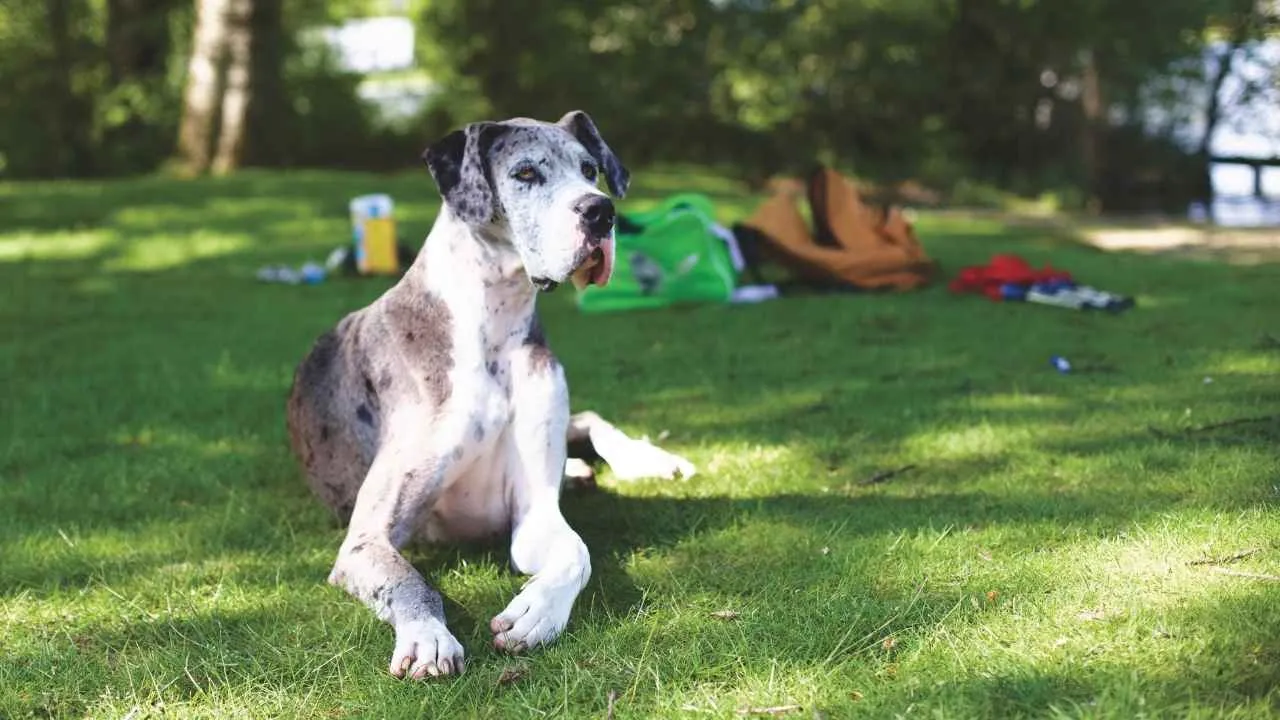
Great Danes are gentle giants with a calm demeanor and friendly nature. They were once used for hunting and guarding estates, so they still have an instinct to watch over the home.
For seniors seeking protection, Great Danes can be reassuring because their size alone may make strangers think twice. These affectionate dogs are good with their families, patient with children, and usually eager to please.
Care and Activity Needs
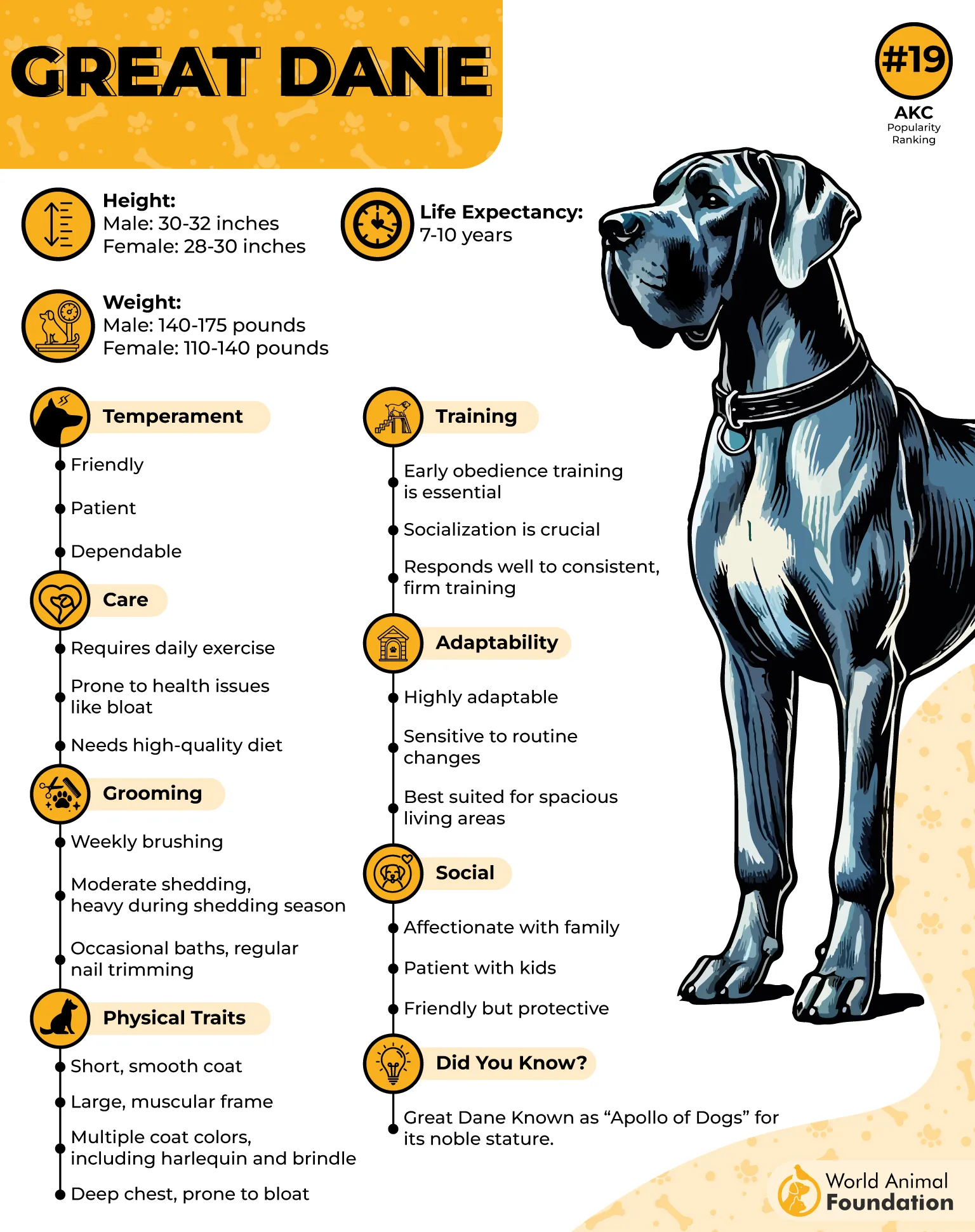
Great Danes need daily exercise, but they are not usually overly energetic. Brisk walks two or three times a day can help keep them healthy and settled. They also need early socialization and obedience training because they grow into very powerful dogs.
Positive reinforcement training, puppy classes, and exposure to different people, places, and animals can help them become confident and well-mannered companions.
Best Fit for Seniors
Great Danes are best for senior pet owners with enough space and who can safely manage a very large dog. They should be kept on a leash or in a secure fenced area when outside. They have minimal grooming needs as their short coat is fairly easy to care for, with weekly brushing and occasional baths.
Owners should also be careful around mealtimes because this breed can be at risk for bloat. With the right home, training, and gentle care, Great Danes can be loving protectors and peaceful companions for seniors.
5. Great Pyrenees
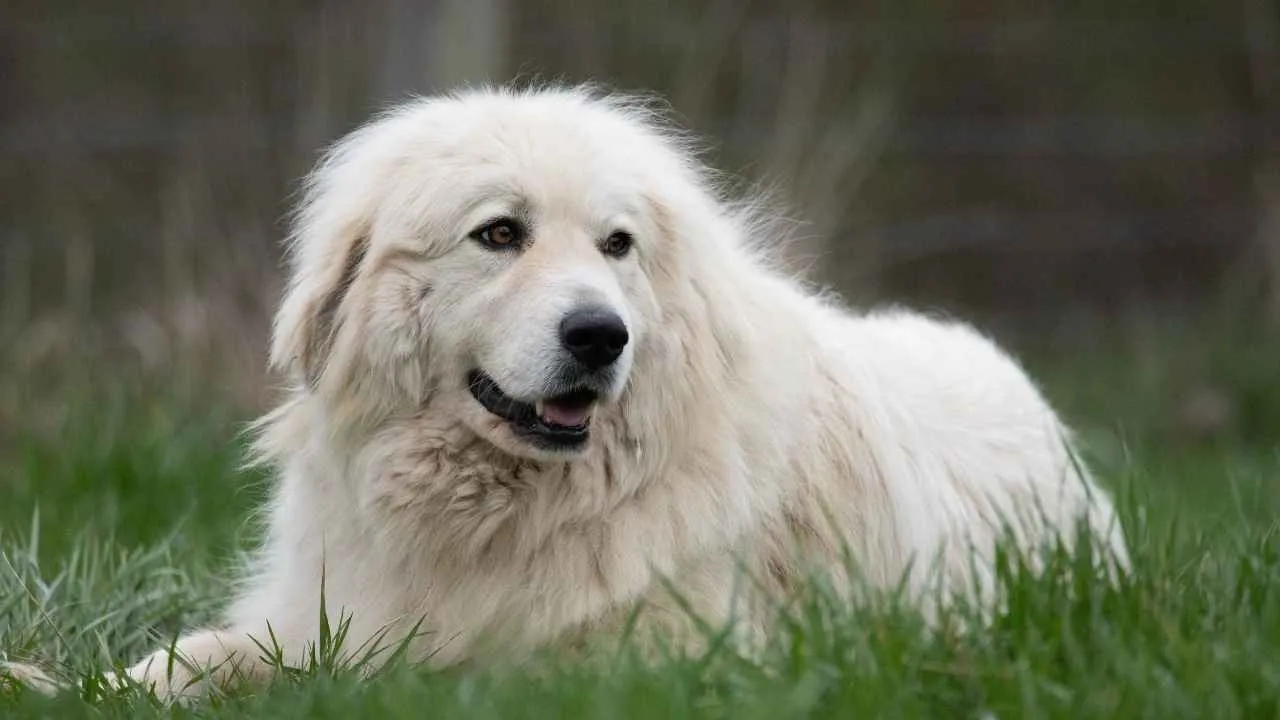
Great Pyrenees are calm, majestic, and naturally watchful dogs. They were originally bred to guard sheep from predators, so protection is part of their nature. For seniors seeking protection, the Great Pyrenees can offer a steady and reassuring presence at home.
They are naturally gentle with their families, devoted to the people they love, and quick to alert owners when something seems unusual.
Care and Activity Needs
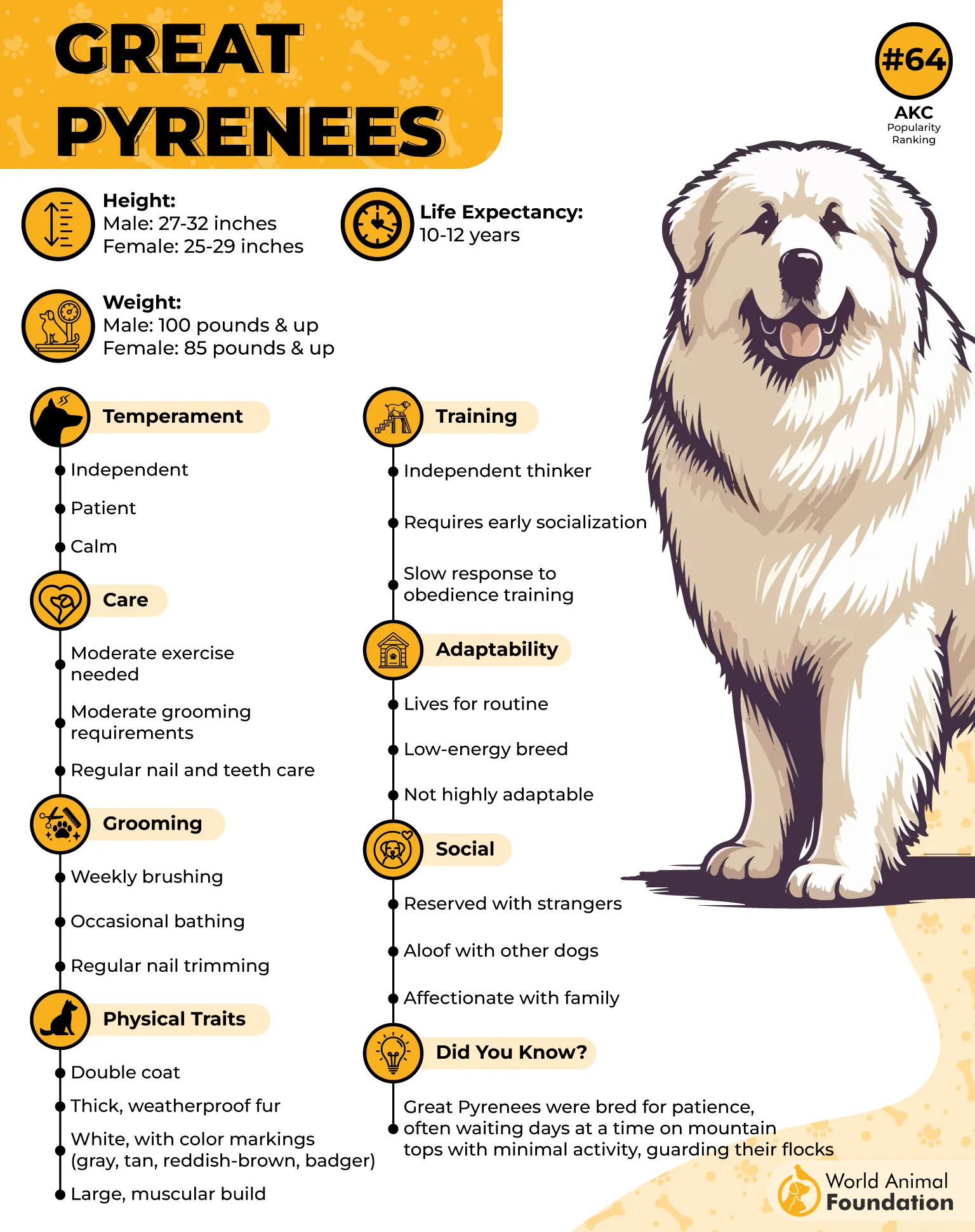
The AKC says that Great Pyrenees are not highly active dogs, but they still have moderate exercise needs. Walks, quiet outdoor time, hiking, cart-pulling, and other calm activities can help keep them healthy. They are independent thinkers, so training can take patience.
Early socialization, puppy classes, positive reinforcement, and a consistent routine are important to help them become well-mannered companions.
Best Fit for Seniors
The Great Pyrenees can be a good match for senior owners who live a calm life and have enough space. They may do best in suburban or rural homes with secure fencing, as they enjoy roaming outside.
Their thick double coat is dirt- and tangle-resistant, but they shed heavily and need regular brushing. With patience, space, and gentle care, Great Pyrenees can be loving protectors and peaceful companions for seniors.
6. Boxer
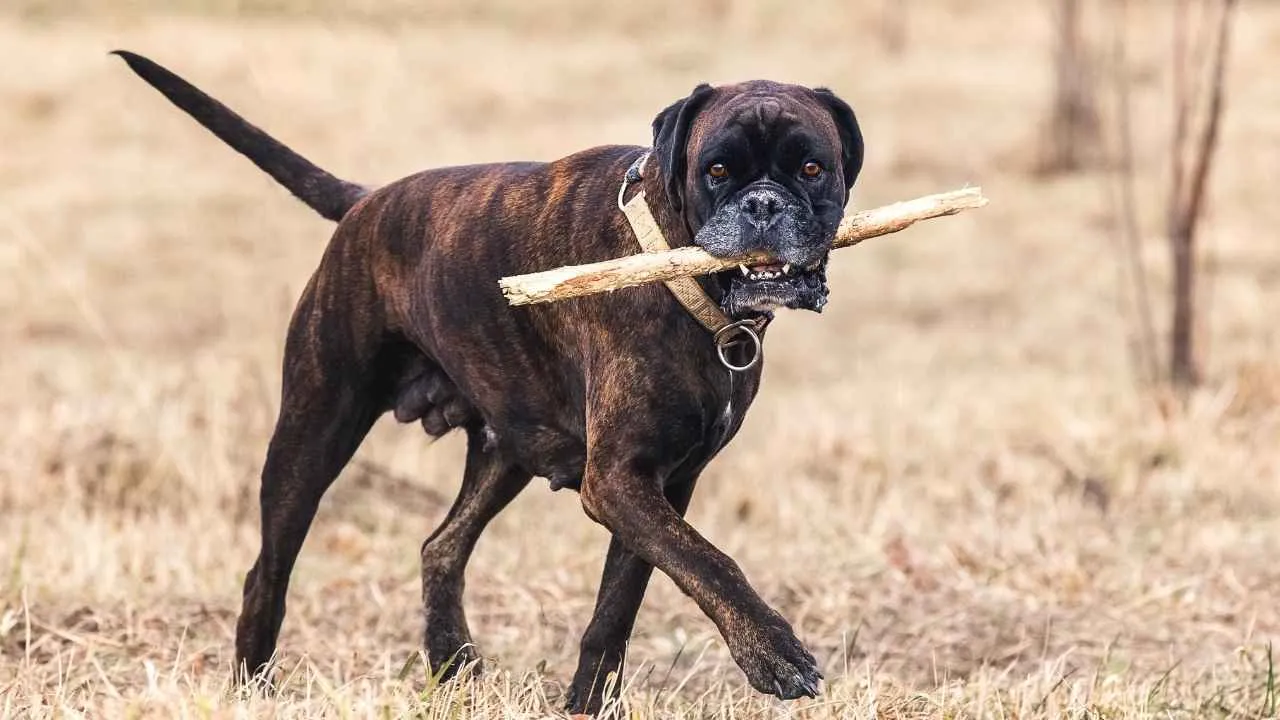
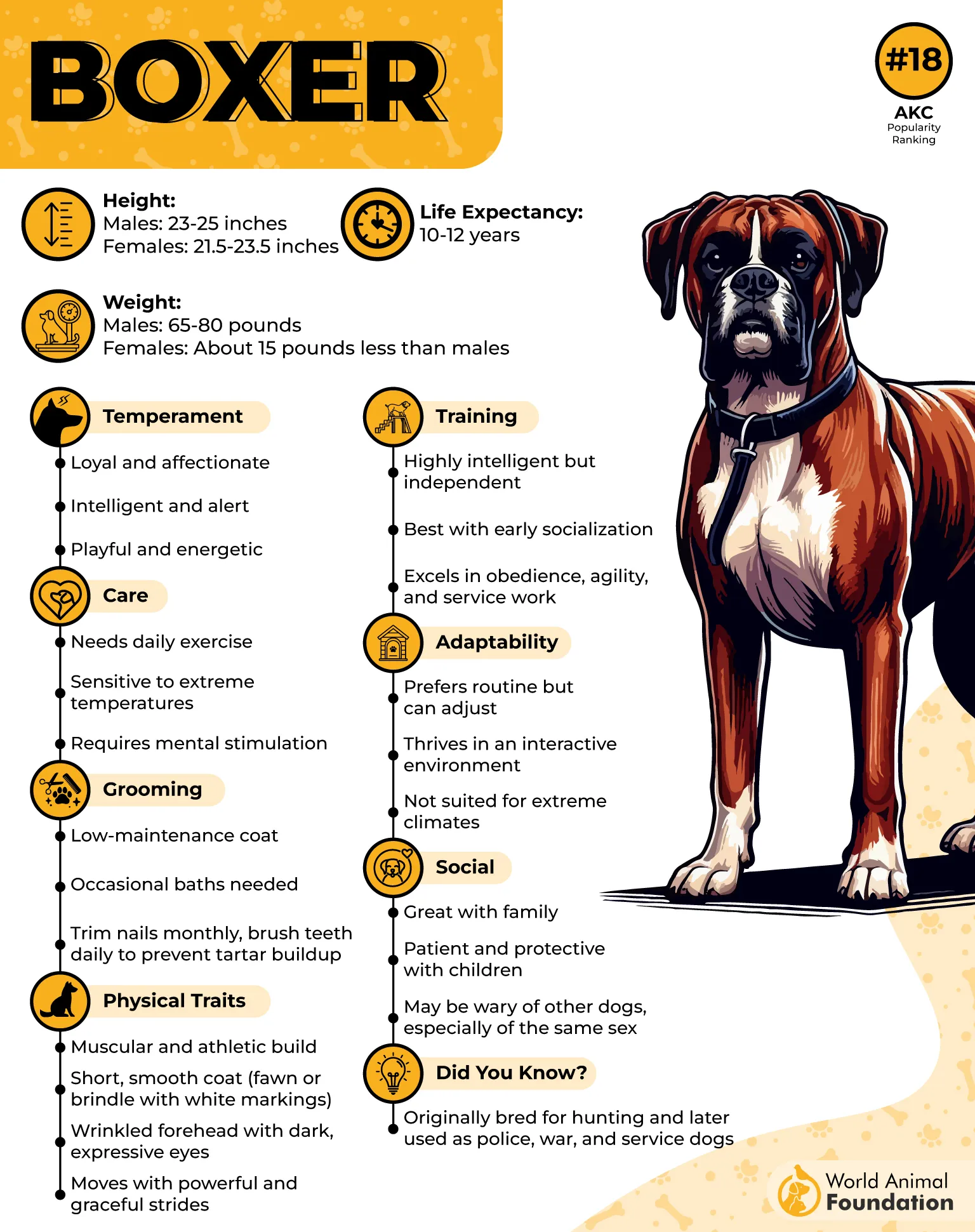
Boxers are loyal, bright, and alert dogs with a playful side. They are known for their courage and strong love for their families. For seniors seeking protection, Boxers can offer both companionship and a watchful presence at home.
They take the role of watchdog seriously and will usually respond bravely if they sense a threat. They are also affectionate, silly, and fun, which makes them great companions for pet-friendly senior living.
Care and Activity Needs
Boxers need daily exercise and mental stimulation. Walks, fetch, flyball, frisbee, nose work, agility, and other activities can help keep them busy. They are intelligent and trainable, but they may get bored with too much repetition.
Early socialization, leash training, and positive reinforcement are important. They should be kept on a leash or in a secure fenced area because they may chase small animals.
Best Fit for Seniors
Boxers are best for active seniors who can handle a strong, bouncy, and playful dog. They may not be ideal for very frail adults because they often jump, paw, and play with excitement. Their short coat is easy to care for with brushing once or twice a week and occasional baths.
They also need regular nail trims and teeth brushing. With training, exercise, and patience, Boxers can be loving protectors and joyful companions for seniors.
7. Giant Schnauzer
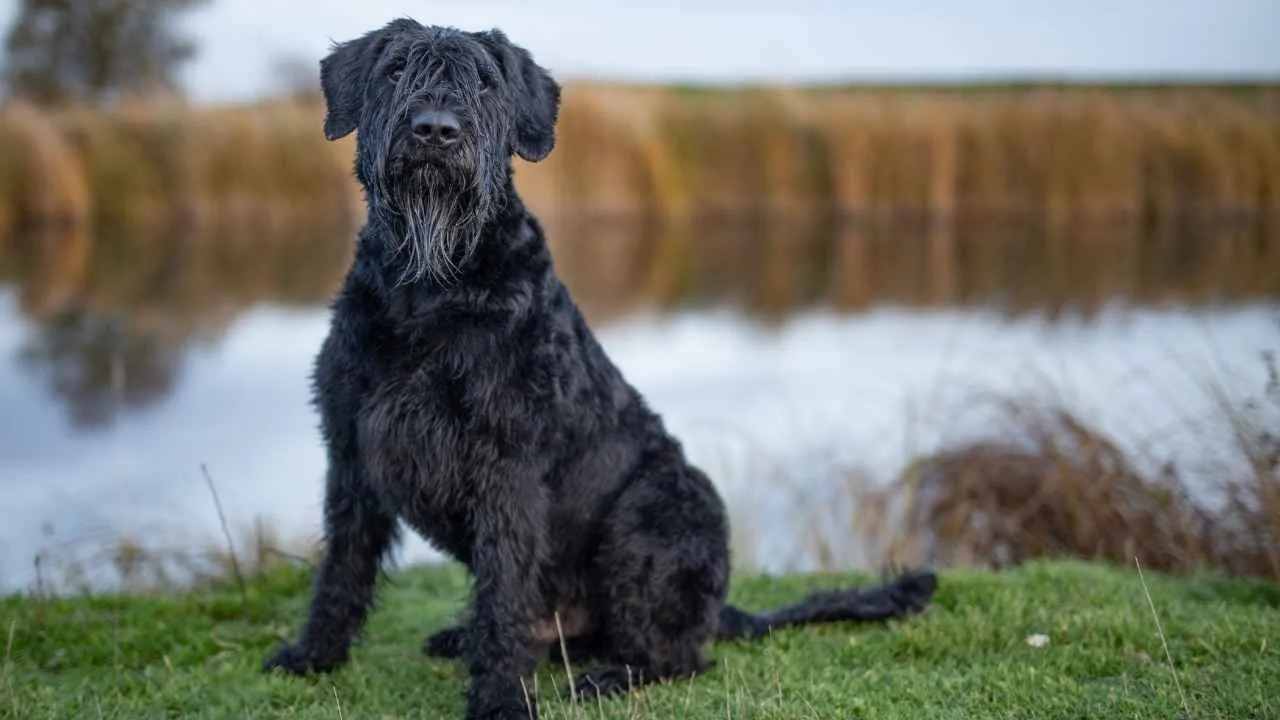
Giant Schnauzers are bold, loyal, and highly intelligent dogs. They were developed to guard farms and homes, so they have a strong sense of responsibility toward their families. For seniors seeking protection, Giant Schnauzers can offer a confident and watchful presence.
They are gentle and affectionate with their own people, but they may be cautious around strangers until they understand who is safe.
Care and Activity Needs
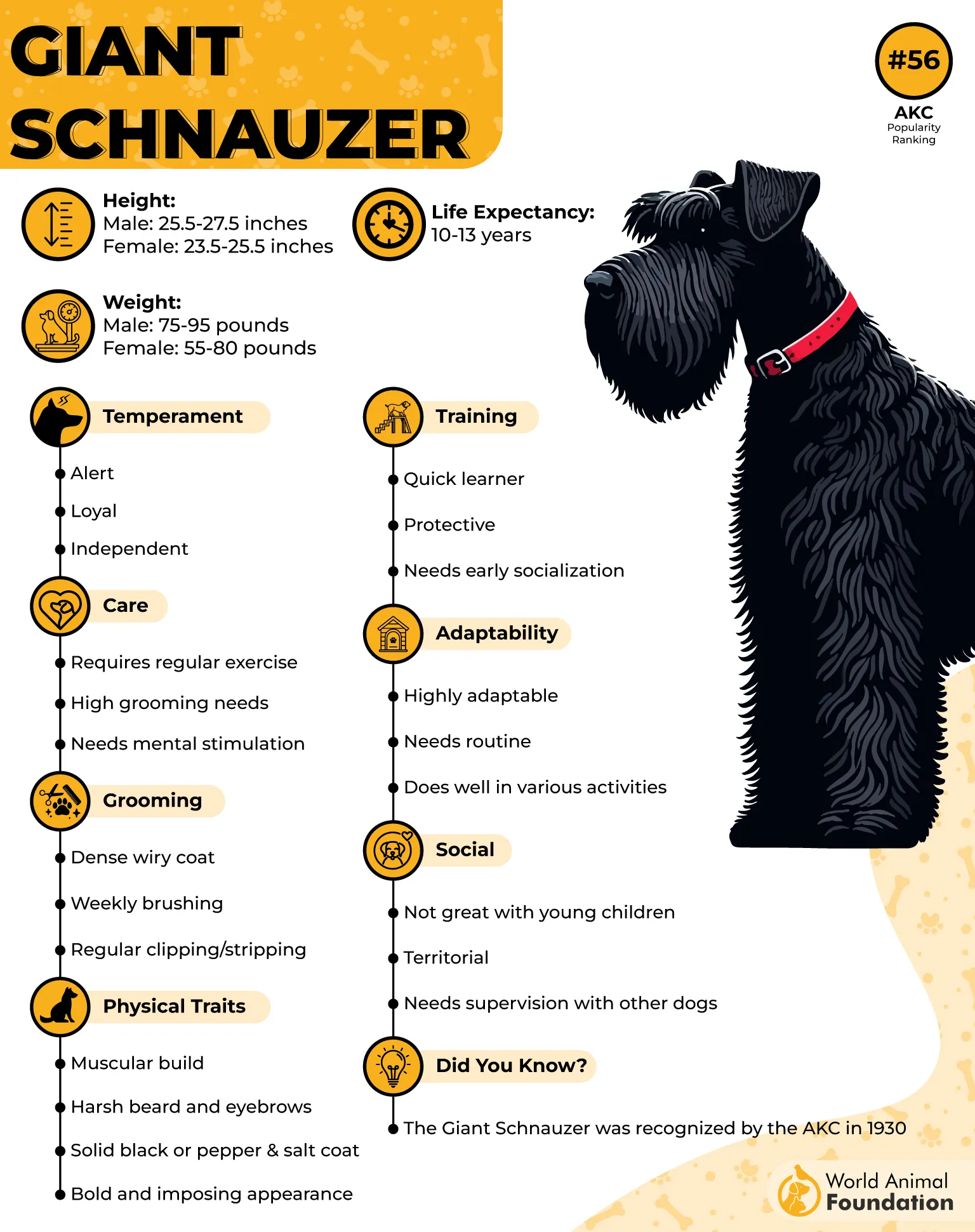
According to WebMD, Giant Schnauzers are high-energy dogs that need daily exercise and mental stimulation. Long walks, running, hiking, fetch, scent tracking, agility, herding, and obedience can help keep them happy.
They learn quickly and are eager to please, but they need early socialization and positive training to manage their protective and territorial instincts. They also need companionship and should not be ignored or left alone in a yard.
Best Fit for Seniors
Giant Schnauzers are best for active seniors or experienced owners who can handle a strong, energetic dog. They do well with fenced space where they can play safely with their owner. Their wiry double coat needs weekly brushing and occasional professional grooming to prevent matting.
Their eyebrows and beard also need care. With training, exercise, and regular grooming, Giant Schnauzers can be devoted protectors and loving companions for seniors.
Conclusion
Choosing a gentle protective dog for seniors is really about finding the right balance. The best dogs are loyal, calm, alert, and loving without being too hard to manage.
Certain breeds need more space, training, exercise, or grooming than others, so the right match depends on the senior’s health, home, routine, and support system.
Before bringing any furry friend home, whether a mixed breed or a purebred dog, take time to meet the breed, talk to a vet or trainer, and be honest about daily care needs. A good protective dog should not just make a senior feel safer.
They should also bring comfort, purpose, and quiet joy to everyday life. With the right breed, a dog can become more than a guardian; they can become family and make dog ownership rewarding.
Looking for more dog breeds for seniors? You can also check out the Cavalier King Charles Spaniel, Shih Tzu, Bichon Frise, French Bulldog, Yorkshire Terrier, and Maltese Dog.
