




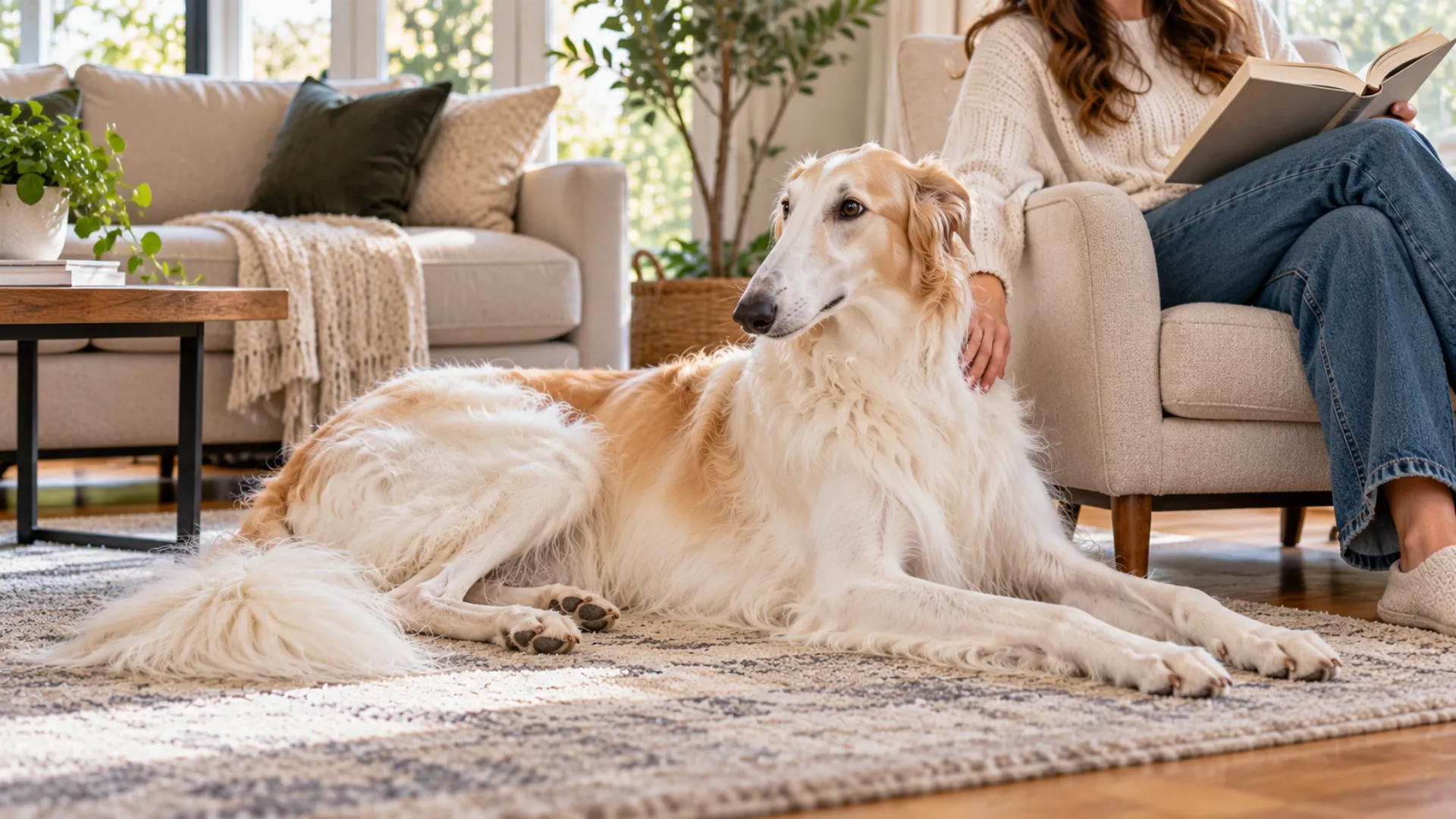
A loving dog does not have to be a constant commentator. While barking is a normal form of canine communication, some breeds tend to be less vocal and can fit more comfortably into quieter households.
These gentle companions may bark when they are excited, alert, anxious, or need attention, so no breed is completely silent. Regular exercise, mental stimulation, socialization, and consistent training can also help prevent unnecessary barking.
If you value a calmer home environment, choosing a breed with lower vocal tendencies can make daily life more peaceful. Explore seven gentle dogs that combine quieter personalities with companionship and charm.
Gentle Dog Breeds with Minimal Barking Tendencies
1. Greyhound

Known for their quiet nature, Greyhounds are surprisingly relaxed companions despite their reputation for speed. They enjoy lounging at home after exercise and generally maintain a calm presence, making them well suited to households seeking a less vocal dog.
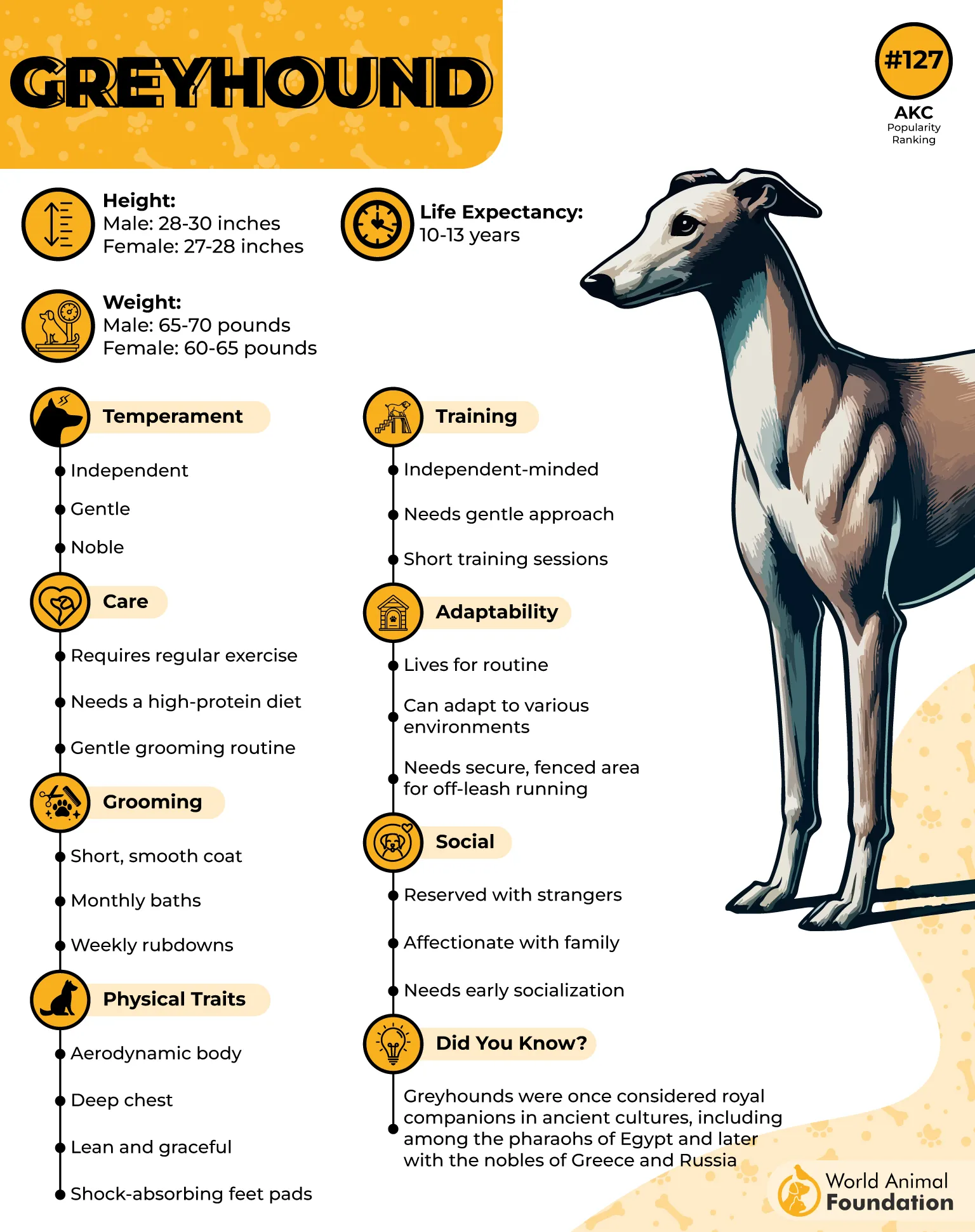
According to PDSA, despite their athletic build, they do not need extensive exercise and can make excellent companion pets.
Their gentle disposition is paired with an independent streak inherited from their sighthound background. Regular opportunities to run in a secure area help satisfy their energy needs, while short, patient training sessions suit their sensitive temperament and tendency to make decisions independently.
How This Breed Stands Out
Remarkably serene indoors: After suitable exercise, Greyhounds are content to relax at home and spend peaceful time with their families.
Gentle, graceful temperament: Their sweet nature, elegant movement, and affectionate behavior make them calm and pleasant companions.
2. Whippet
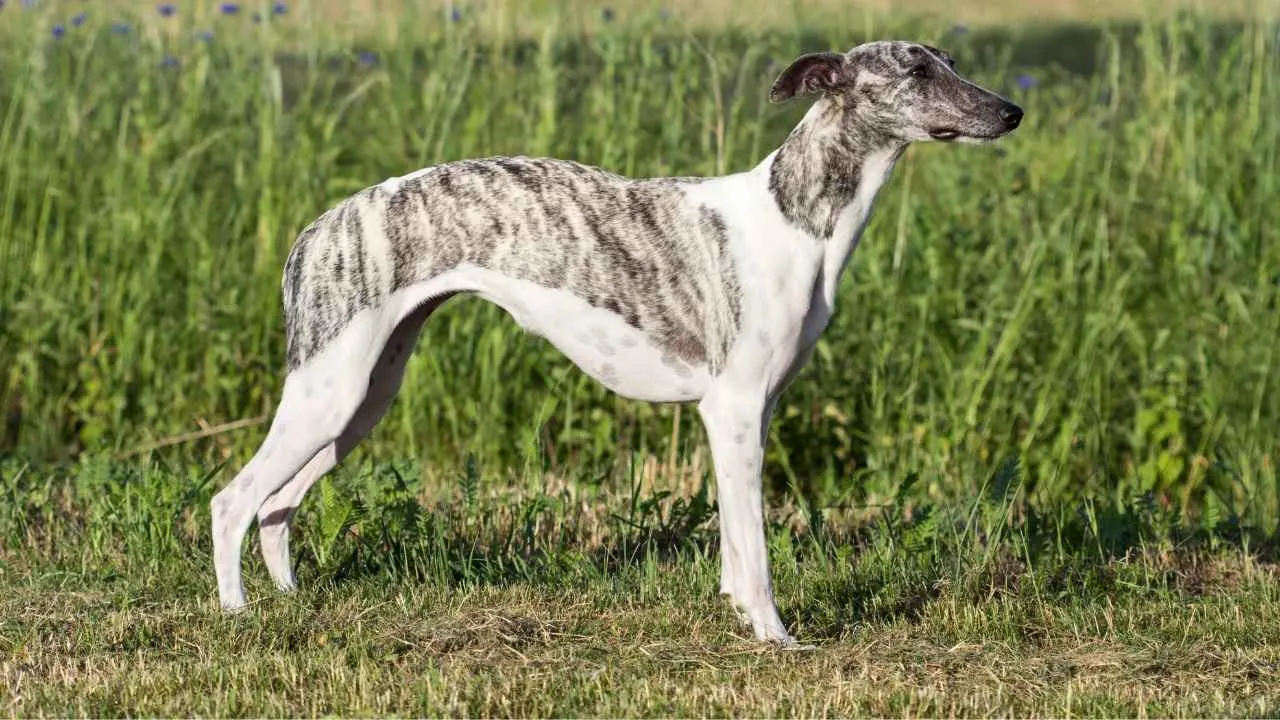
Whippets are typically quiet companions who bring a relaxed presence to the home. Although they have moderate to high exercise needs, they can settle peacefully indoors once their energy has been properly channeled through regular activity.

According to Orvis, Whippets need a securely fenced yard and should be walked on a leash to prevent them from chasing small animals. They are also known for their gentle, peaceful nature and friendly attitude toward family members and strangers.
Outside, this breed reveals its remarkable athleticism through rapid bursts of speed. Vigorous retrieving games, walks, play with another dog, or activities such as lure coursing and agility can provide suitable outlets, while early training and socialization encourage good manners.
How This Breed Stands Out
Quiet homebody personality: Whippets are generally calm inside the home and enjoy relaxing with their families after exercise.
Lightning-fast outdoor bursts: Their natural sprinting ability allows them to release energy through explosive running in securely fenced spaces.
3. Cavalier King Charles Spaniel

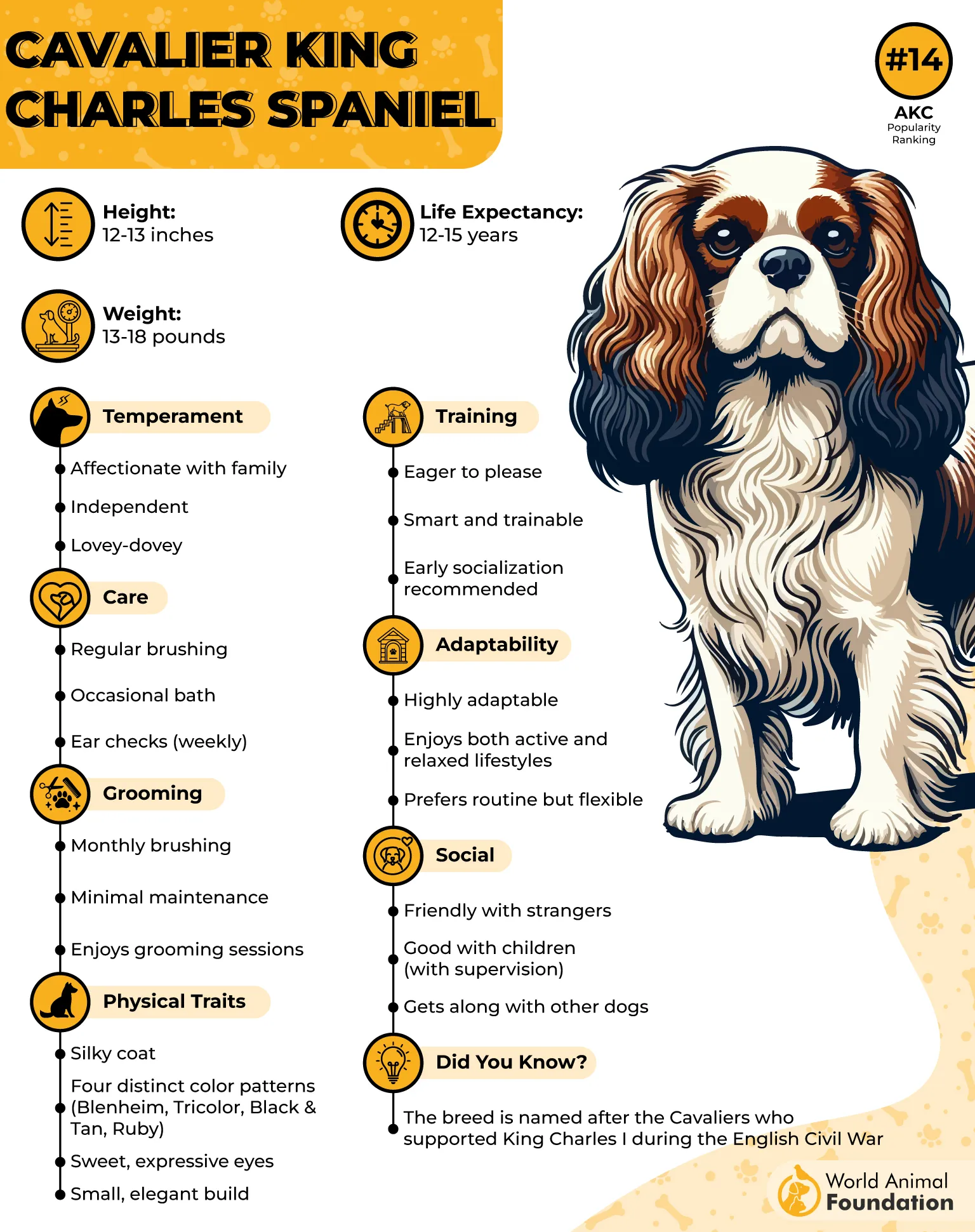
The Cavalier King Charles Spaniel is a gentle companion known for its calm, friendly nature and relatively quiet behavior. Its relaxed personality makes it well suited to apartment living, while its affectionate disposition helps it settle comfortably into family life.

Although generally not prone to excessive barking, a Cavalier may become vocal when seeking attention or feeling lonely. Providing companionship and avoiding prolonged isolation can help maintain its peaceful temperament and reduce unnecessary vocalization.
How This Breed Stands Out
Soft-spoken companionship: Cavaliers are generally quieter dogs, preferring calm interaction and relaxed time with their families.
Adaptable family nature: Their friendly, easygoing personality allows them to fit comfortably into apartments and various family environments.
4. Newfoundland
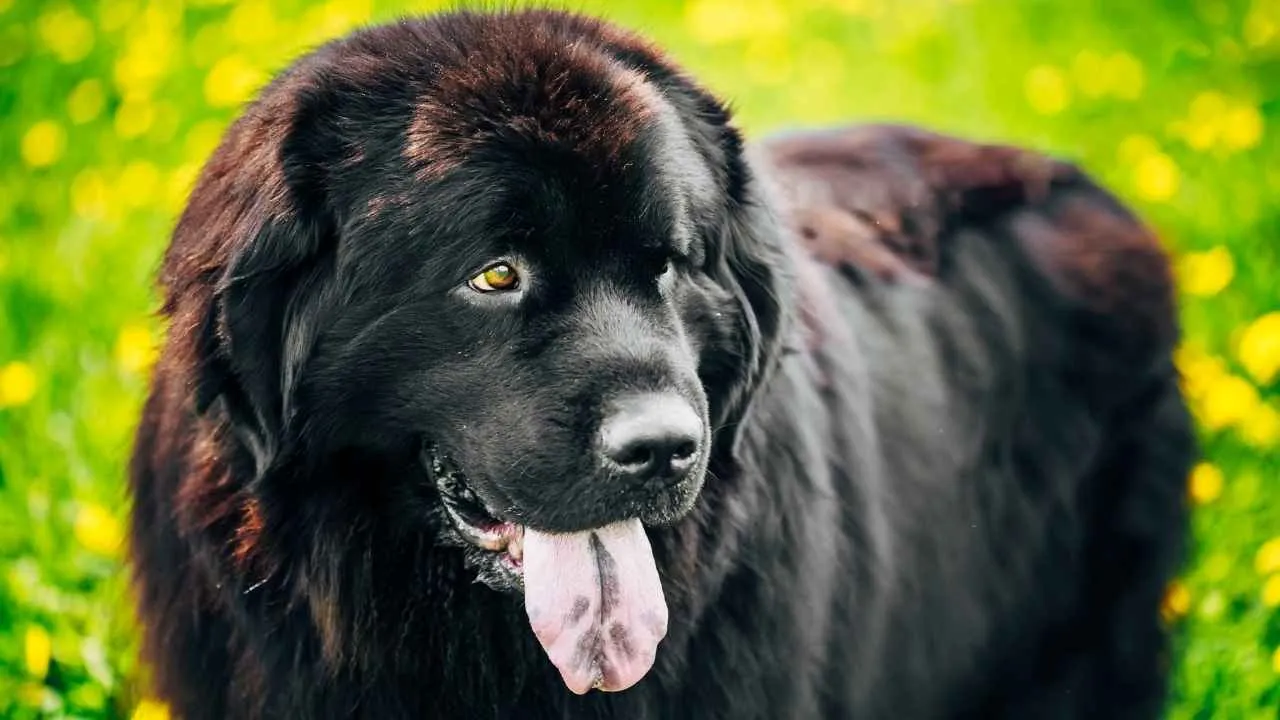
The Newfoundland is a gentle giant known for its affectionate nature and relatively quiet behavior. Although its imposing size can seem intimidating, this breed typically uses its deep bark to alert its family when something requires attention rather than vocalizing unnecessarily.
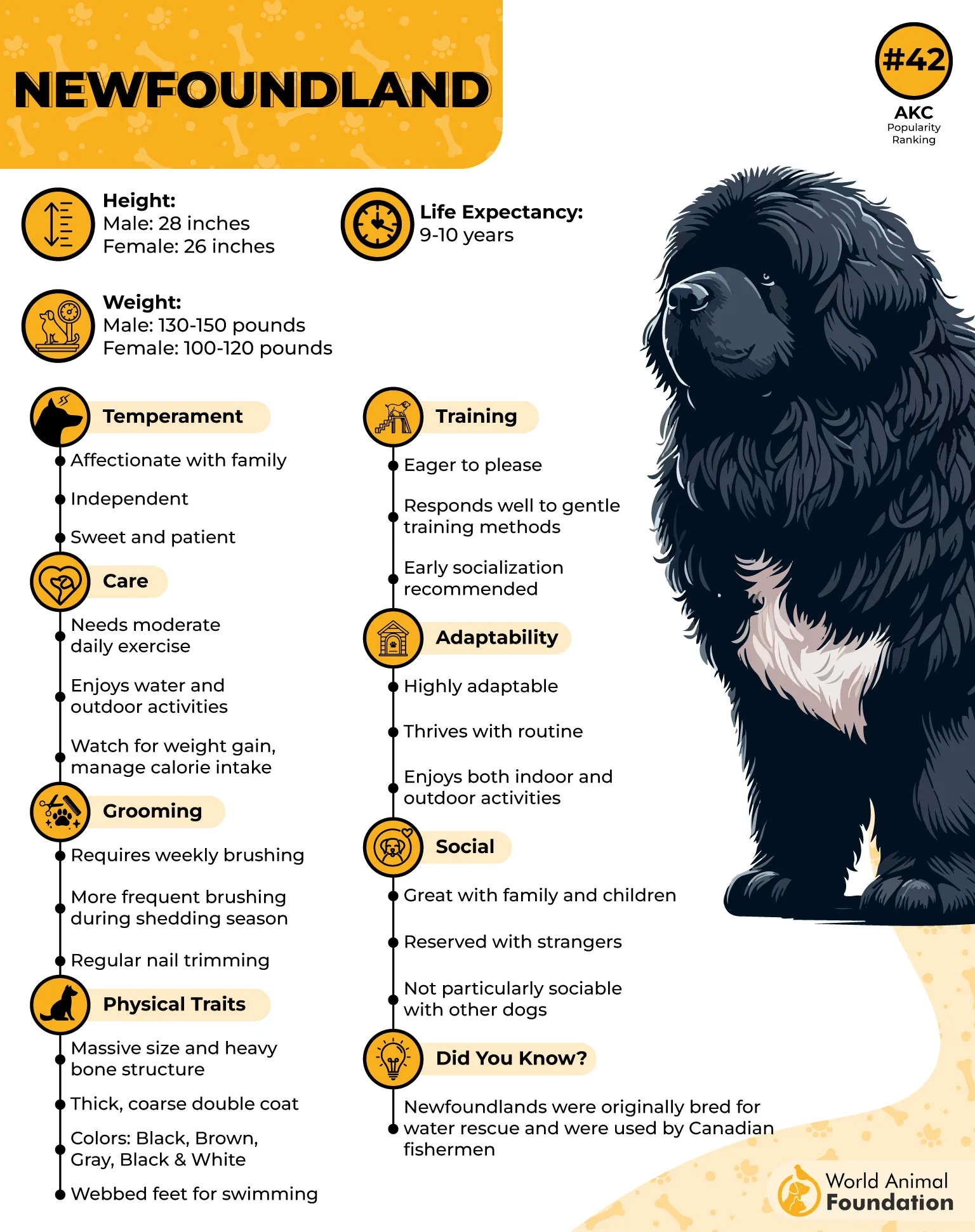
With a strong water connection, Newfoundlands have a long history of helping with water-related work and rescuing people from danger. They enjoy swimming, walks, and moderate daily exercise, while their trusting nature makes them responsive to gentle training and early socialization.
How This Breed Stands Out
Deep voice used sparingly: The Newfoundland generally remains quiet but can use its powerful, deep bark when it senses something worth alerting its family about.
Patient water-rescue heritage: Its natural swimming ability and working history around water contribute to its reputation as a capable, dependable water dog.
5. Great Dane
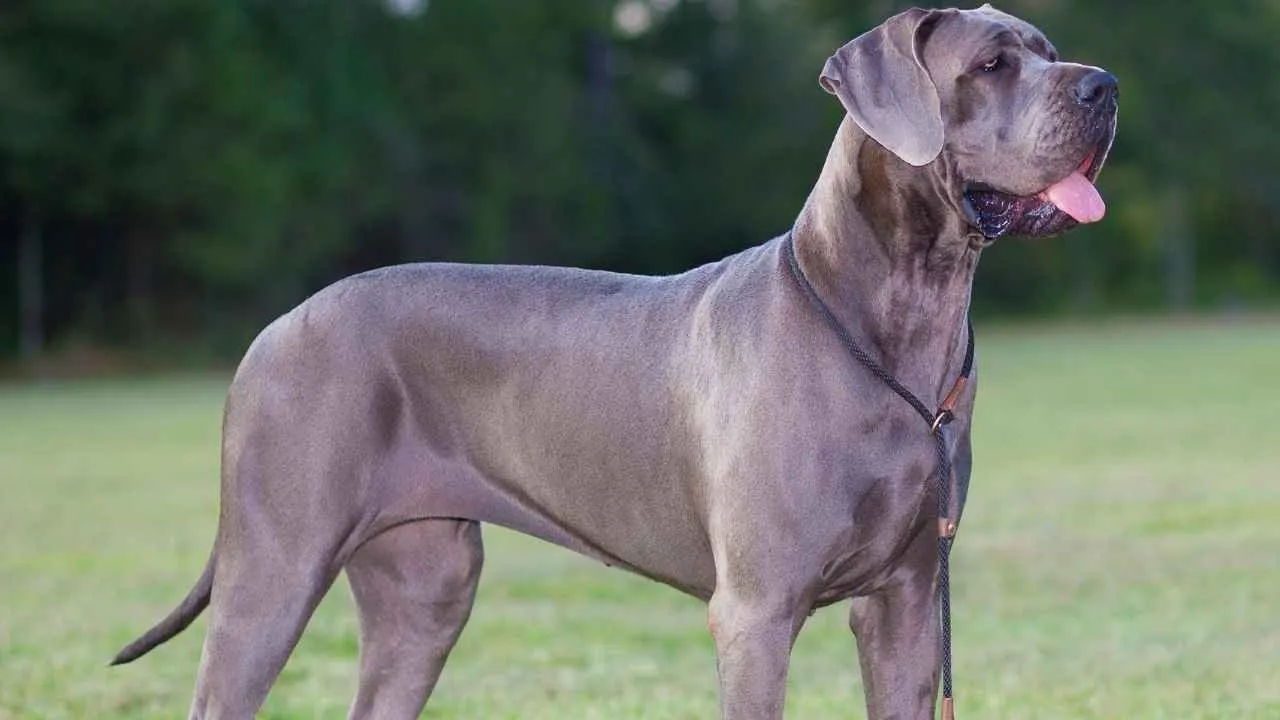
Despite their towering stature, Great Danes are among the quieter giant breeds. They typically bark only when they have a reason, such as alerting their family, while their imposing presence alone can make them effective household guardians.

According to WebMD, Great Danes can make good household companions, including in families with children, thanks to their mild-mannered temperament and trainability.
Inside the home, these gentle giants are generally sociable, patient, and easygoing. Daily walks and age-appropriate exercise help maintain their well-being, while early socialization and consistent obedience training encourage their friendly nature and good manners.
How This Breed Stands Out
Calm giant presence: Their enormous size and dignified bearing create an impressive presence without requiring constant vocalization.
Surprisingly relaxed household behavior: Great Danes can settle comfortably at home and enjoy spending time with their families despite their substantial size.
6. Japanese Chin
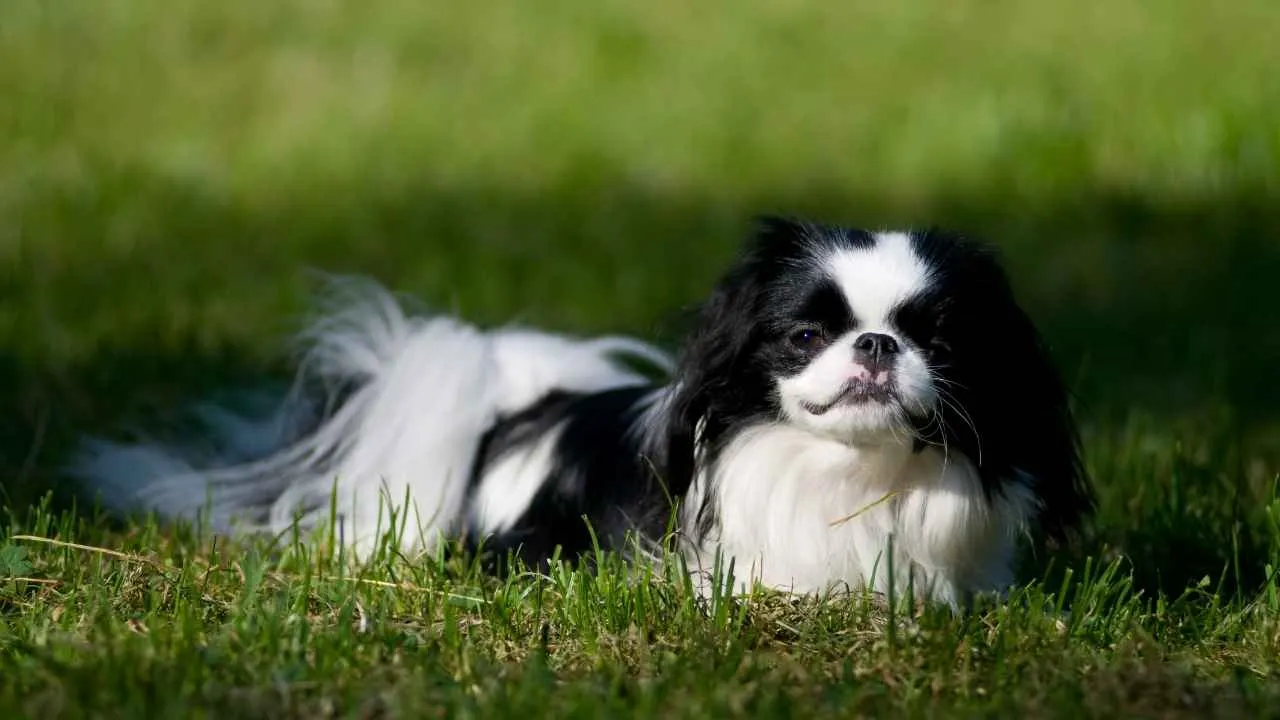
The Japanese Chin is a refined toy companion known for its distinctly feline personality and quiet nature. These charming dogs enjoy curling up with their people and can adapt particularly well to apartment living, where their calm presence suits indoor routines.
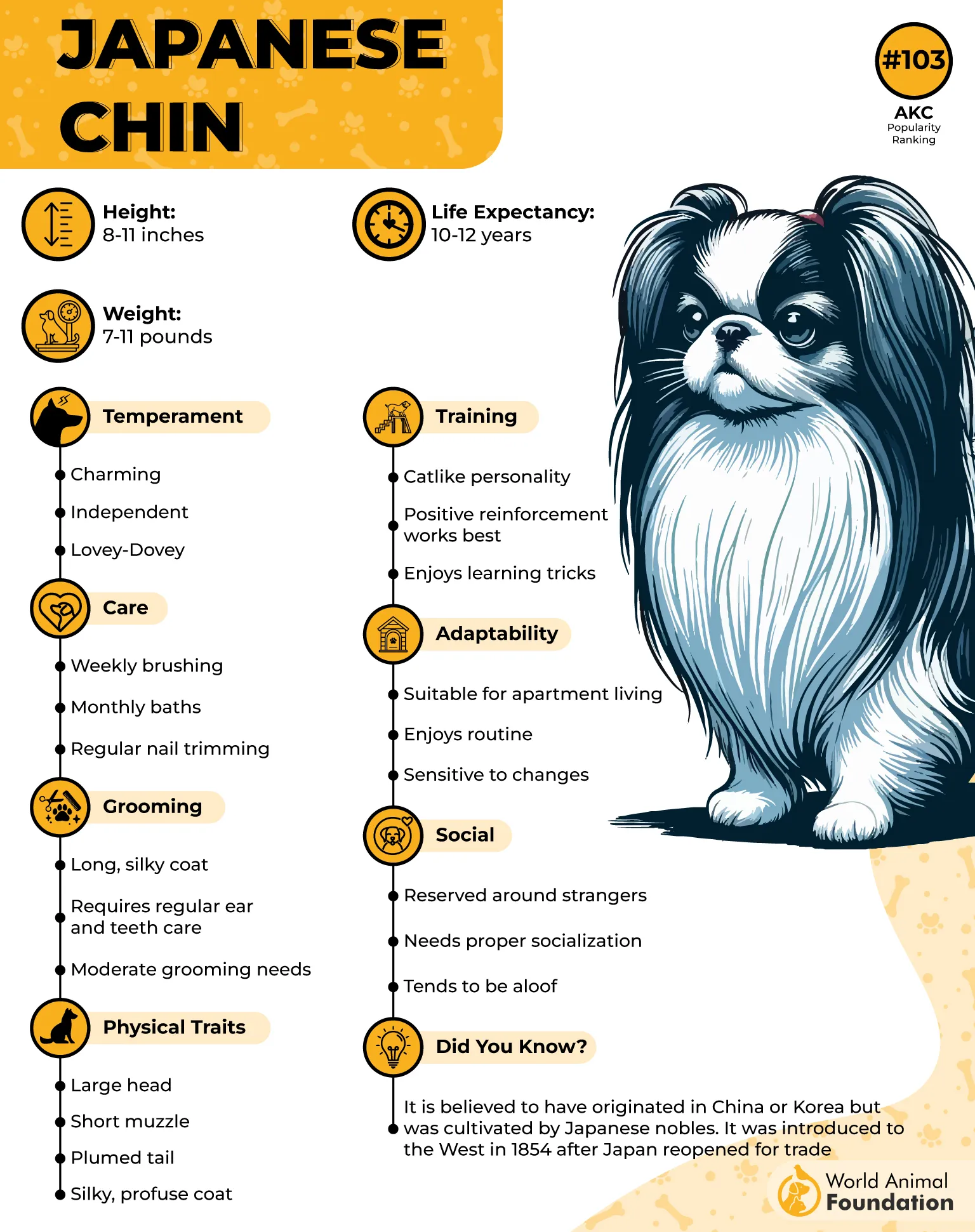
Although generally quiet, a Chin may become vocal when anxious, lonely, or deprived of attention. Gentle, positive training works best, as harsh methods can cause them to withdraw. Slow walks, supervised exploration, and engaging trick sessions can provide suitable activity.
How This Breed Stands Out
Cat-like quietness: Japanese Chins are naturally reserved and generally quiet, often displaying the independent manner associated with cats.
Delicate, graceful movements: Their elegant appearance and refined movement reflect the graceful qualities that have long defined this companion breed.
7. Borzoi
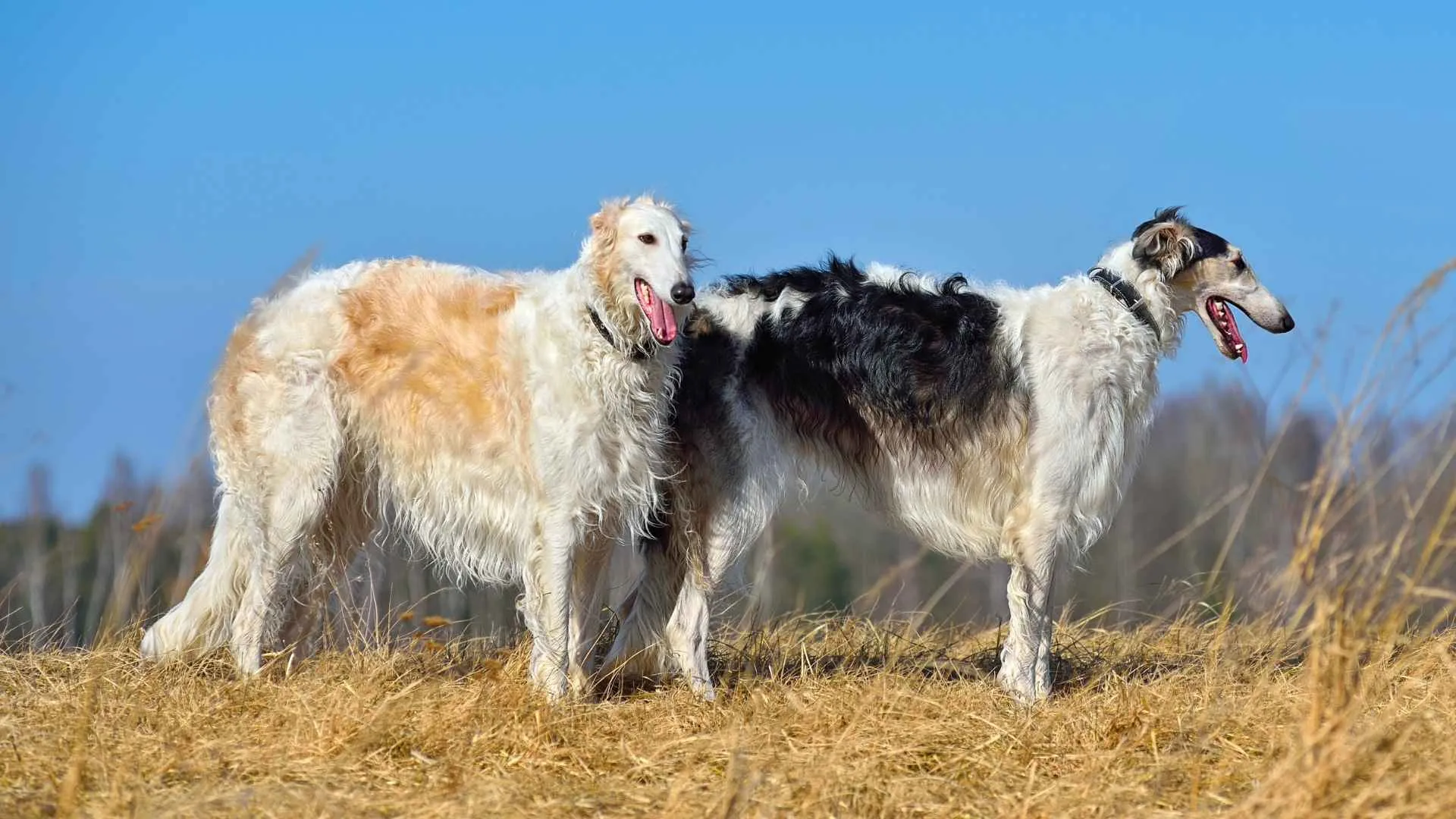
The Borzoi is a graceful Russian sighthound recognized for its dignified appearance and remarkably quiet nature. Bred to pursue large game, these stealthy hunters had little need for barking, a trait that remains characteristic of the breed today.
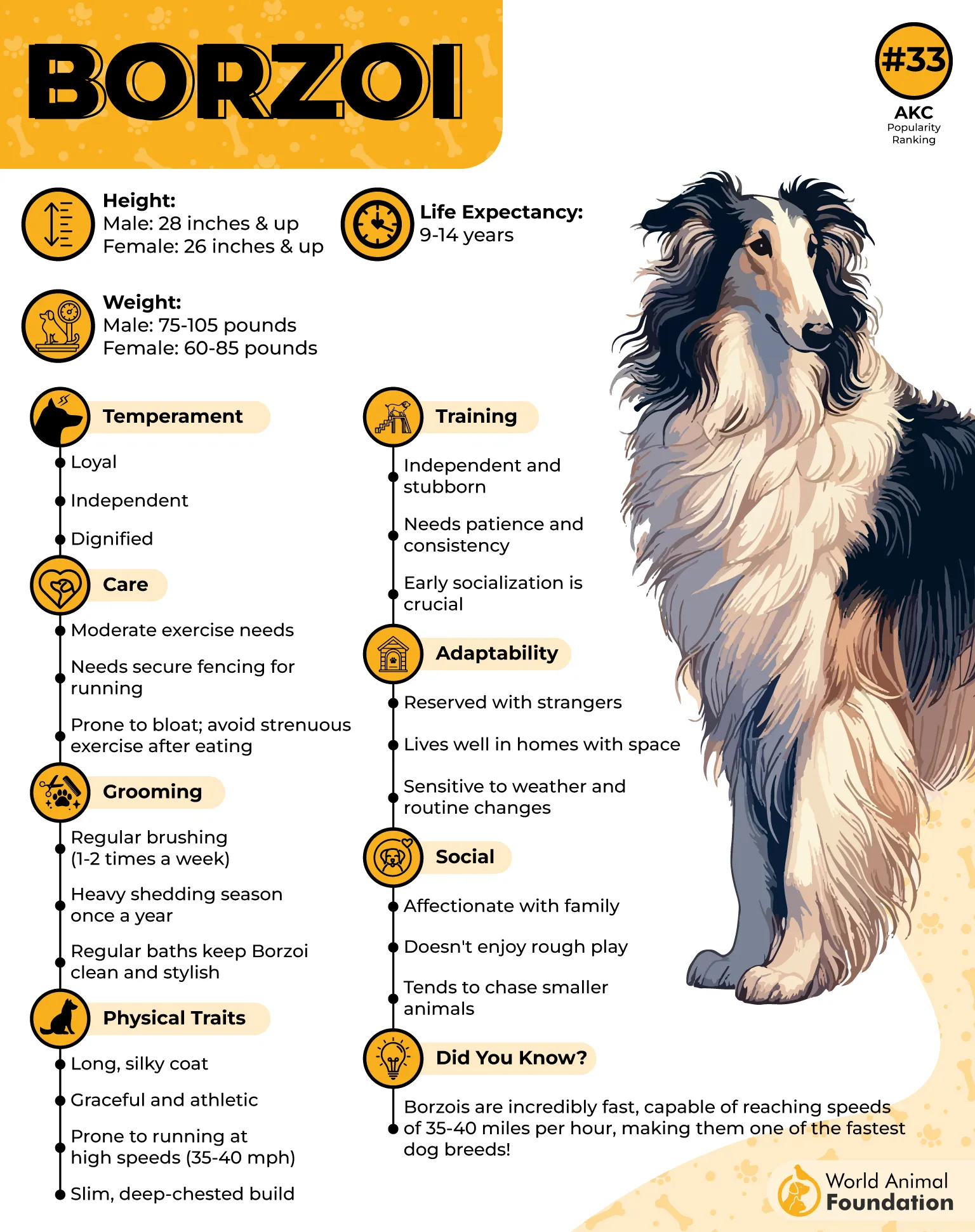
Despite their calm demeanor, Borzois require regular exercise and activities that challenge both body and mind. Their athleticism and speed make opportunities for safe running valuable, while interactive toys and engaging activities can help keep their intelligent minds occupied.
How This Breed Stands Out
Reserved, dignified demeanor: Borzois have a gentle, elegant personality and often carry themselves with a composed, somewhat reserved manner.
Quiet sighthound heritage: Their history as stealthy hunting dogs helps explain their naturally low-vocal nature and quiet presence.
Conclusion
Choosing a gentle, quieter dog can make everyday life more peaceful, especially for families and households where excessive barking may be disruptive. These breeds offer calm companionship while still bringing their own distinctive personalities.
From relaxed Greyhounds and Whippets to affectionate Cavaliers and Newfoundlands, each breed has different exercise and social needs. Some are content indoors, while others require regular opportunities to run and explore.
Great Danes, Japanese Chins, and Borzois also demonstrate that a quiet nature can exist alongside impressive size, elegance, or athletic ability. Proper training, socialization, companionship, and appropriate activity remain important for every breed.
Ultimately, minimal barking does not mean a dog is completely silent. Understanding what may trigger vocalization and providing suitable care can help these gentle companions remain comfortable, well-adjusted, and enjoyable members of the household.
