




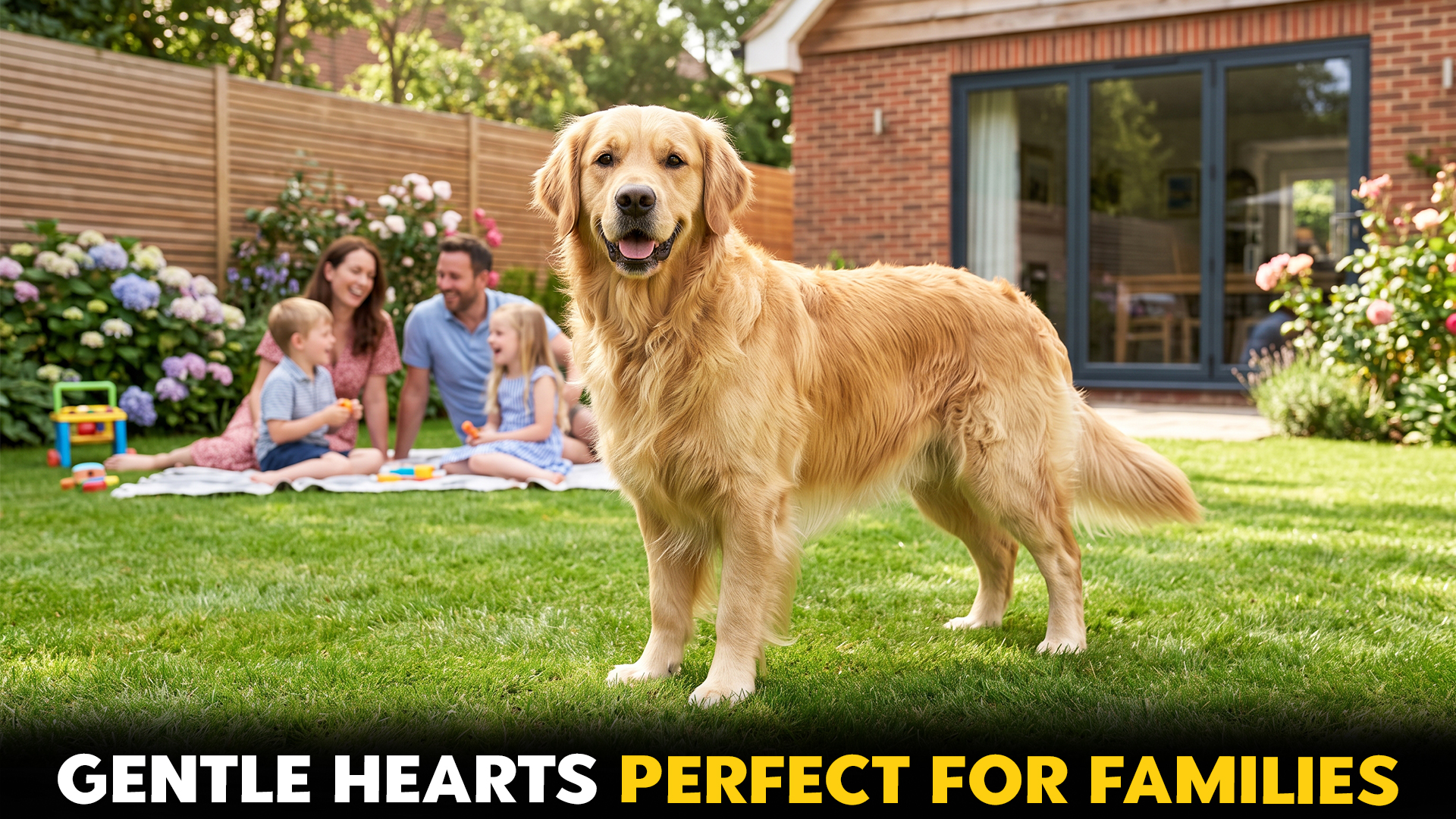
Bringing a dog into a family home sounds simple. Add a wagging tail, a few toys, and everyone lives happily ever after, right? Well, almost.
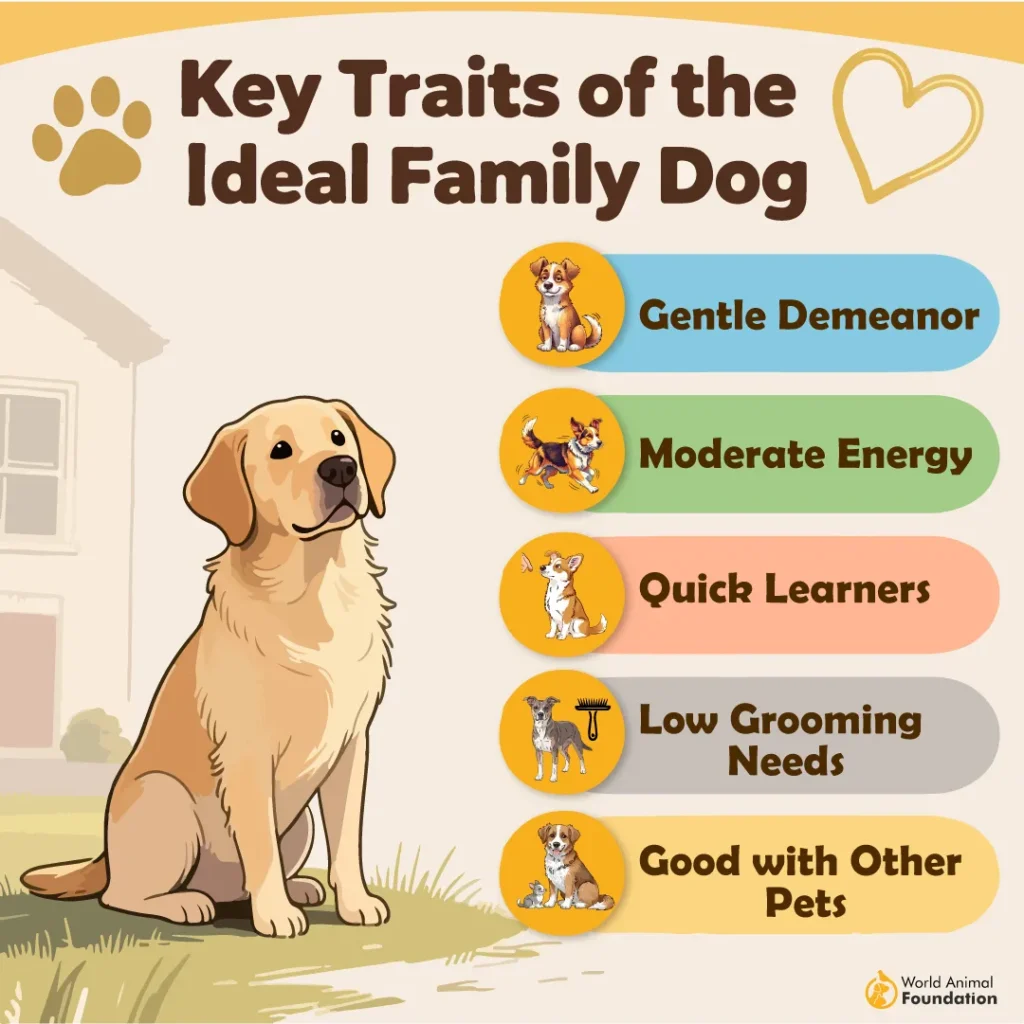
A wonderful family dog needs more than an adorable face and champion-level cuddling skills. Their temperament should suit your household, routine, living space, and children’s ages. Some dogs happily join noisy games and backyard adventures, while others prefer their personal bubble firmly unpopped.
The right match can become a patient playmate, comforting companion, and expert detector of opening snack packets. So, which gentle dogs are ready to fit into family life? Let’s meet them.
Did you know?
Children who help feed, walk, and play with a family dog may gain more than a furry sidekick. These shared routines can encourage responsibility, empathy, cooperation, active time outdoors, and plenty of everyday conversations too.
Top Gentle Dog Breeds That Thrive in Family Settings
1. Golden Retriever

Golden Retrievers bring cheerful, trustworthy energy to a household, as though joining the whole family was always on their calendar. These affectionate and friendly dogs stay outgoing and eager to please. Ordinary moments quickly become opportunities for play, companionship, and tail-powered enthusiasm.
Originally bred as Scottish gundogs, Golden Retrievers were developed to retrieve waterfowl during demanding hunts. That working background still shines through in their love of swimming and fetching. A tossed toy rarely remains unattended for very long.
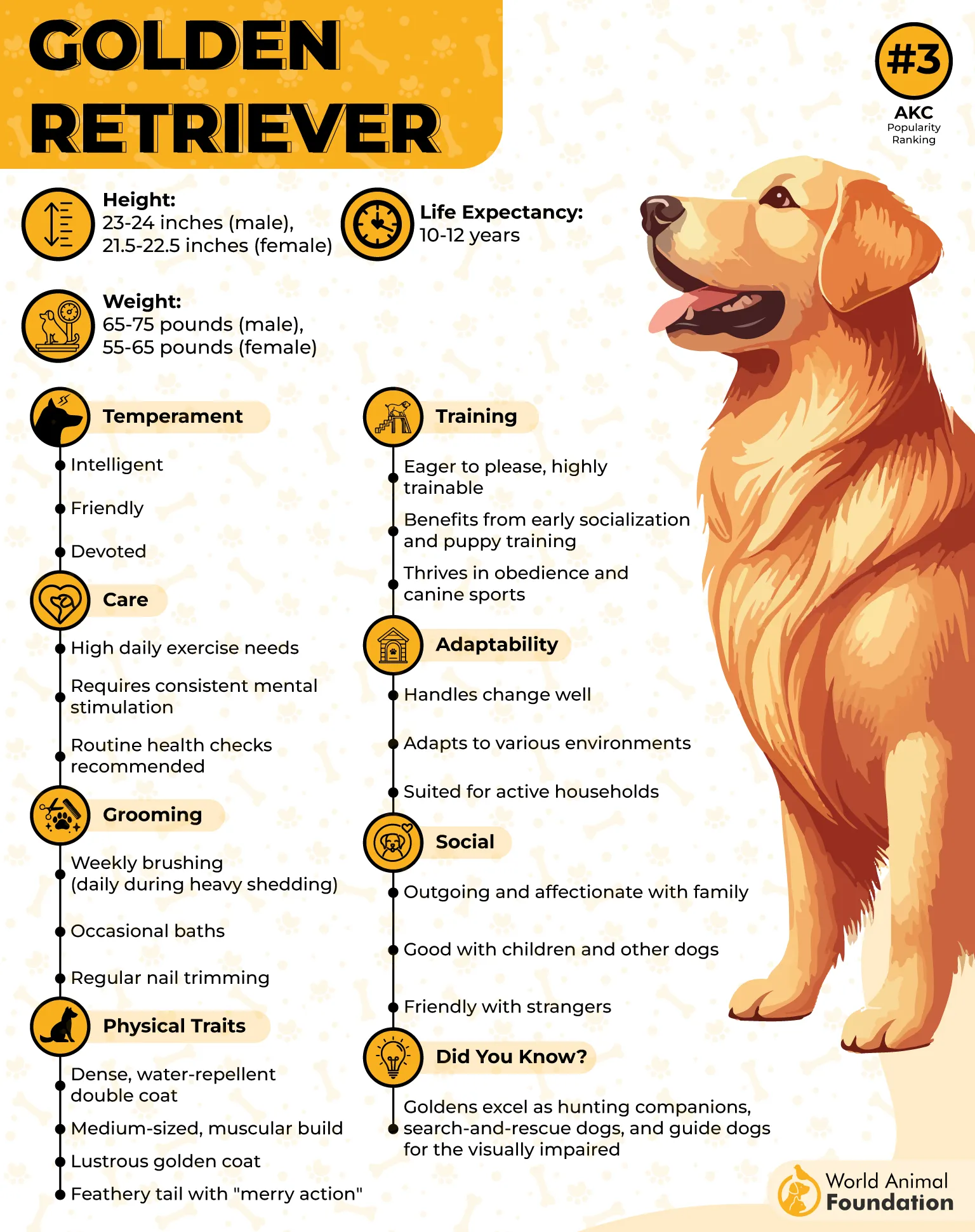
Young kids and other pets can find a friendly companion in a well-socialized Golden Retriever. Their affectionate, loyal nature suits shared homes beautifully. Puppyhood socialization helps those famously sunny manners grow in the right direction.
Why This Gentle Breed Thrives in Family Settings
Easy trainability helps establish dependable household manners.
Puppyish playfulness often continues well into adulthood.
2. Cavalier King Charles Spaniel

Cavalier King Charles Spaniels once warmed royal laps in chilly castles and carriage rides, which is quite the résumé for a cuddle specialist. Their affectionate, playful devotion remains present. Aggression or shyness is not characteristic of these gentle companions.
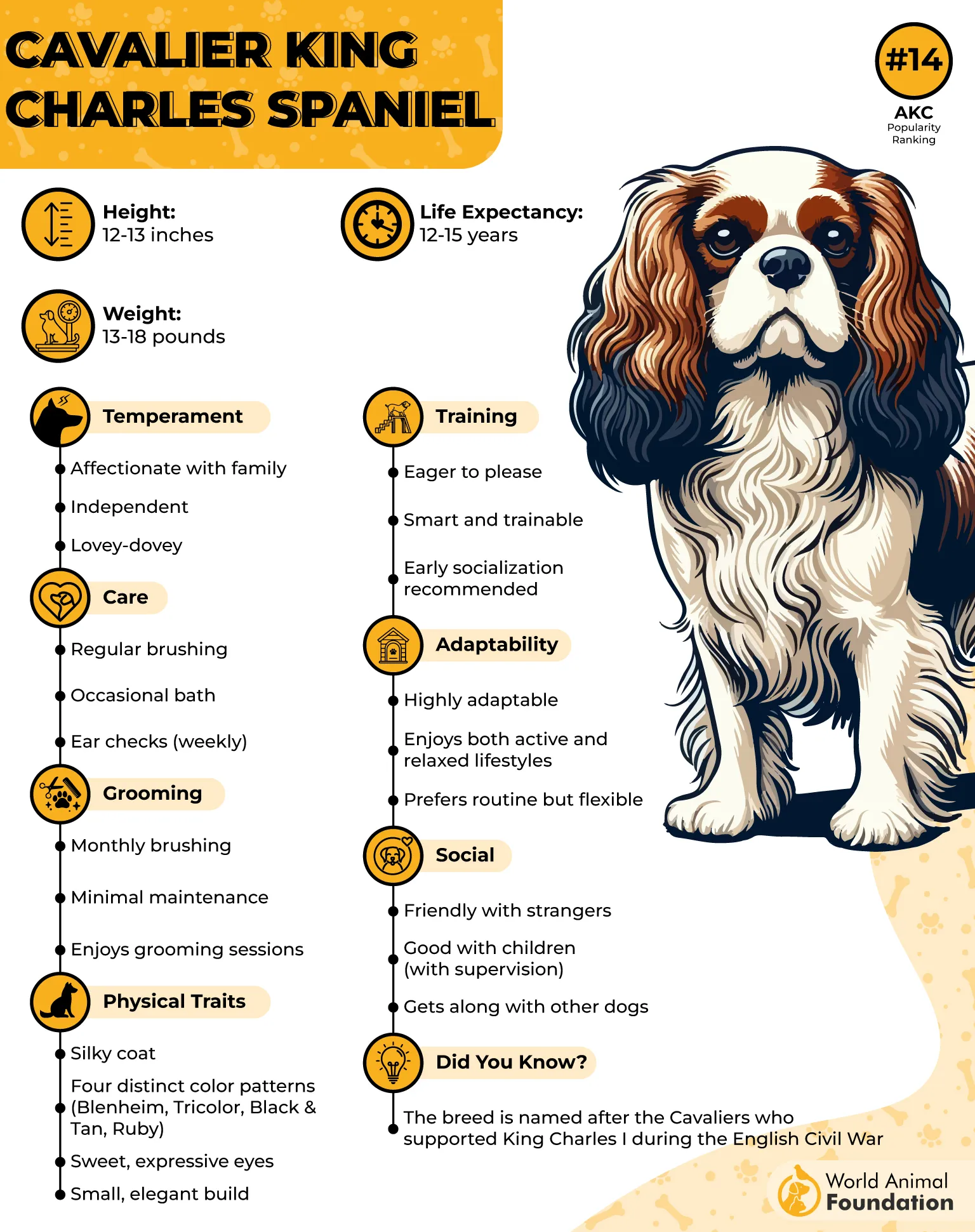
Among the best dog breeds for family life, Cavaliers are patient with children and comfortable around cats and other dogs. They crave human interaction. An available lap will usually be claimed as premium seating before anyone else notices.
As noted by PetMD, Cavaliers are bright, eager to please, and often easy to train. Short, game-like sessions using positive reinforcement work nicely. Favorite toys or treats help them learn new cues quickly while keeping lessons cheerful.
Why This Gentle Breed Thrives in Family Settings
Moderate activity needs accommodate both active households and homebodies.
Adaptability allows them to settle into large homes or small apartments.
3. Newfoundland

A Newfoundland can look like a small bear entering the living room, then behave like the sweetest guest imaginable. Docile, empathetic, and patient, this gentle giant brings a calm demeanor and unwavering loyalty. There is also a distinctly cuddly spirit beneath all that fluff.
Children often gain a tolerant, natural protector in a Newfoundland, while other dogs and cats usually meet a gentle roommate. That enormous size can cause accidental bumps. Little ones still need supervision and guidance during every interaction.
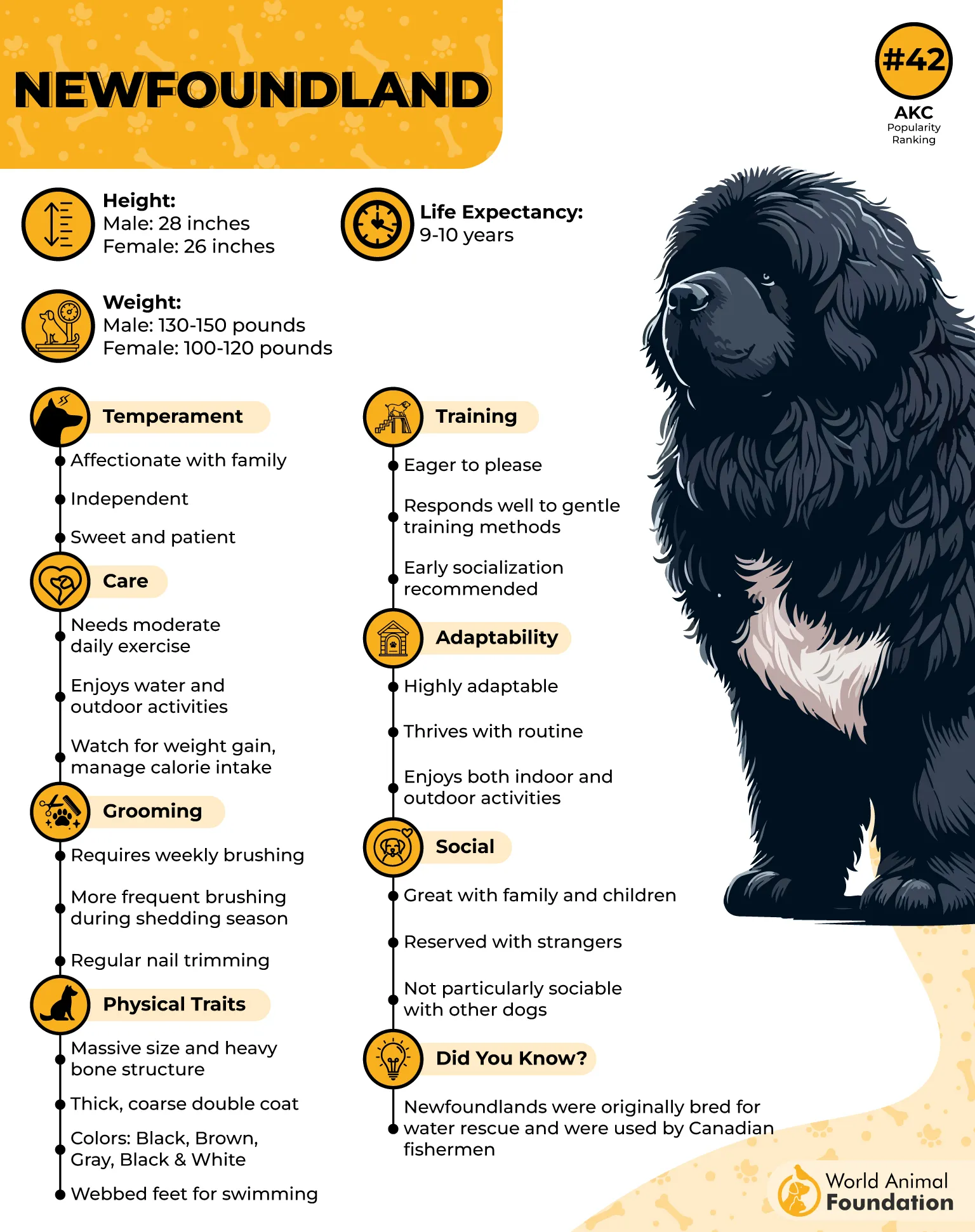
Regular movement need not become a canine boot camp. A couple of walks and some swimming can satisfy this laid-back breed. Moderate exercise maintains fitness without placing unnecessary pressure on joints that require thoughtful management.
Why This Gentle Breed Thrives in Family Settings
Strong rescue instincts reveal a deeply caring nature.
A watchful presence can raise the alarm when trouble appears.
4. Whippet

The Whippet brings gentle affection wrapped in a sleek, speedy package. This family-oriented dog becomes a calm lounger once play ends. Remarkable acceleration and serious sofa appreciation share one elegant body.
Apartment walls do not trouble a Whippet when regular exercise and mental stimulation are provided. After burning energy through walks, games, or secure runs, this quiet companion happily switches into energy-saving mode. Stretching out near the humans becomes the next important appointment.
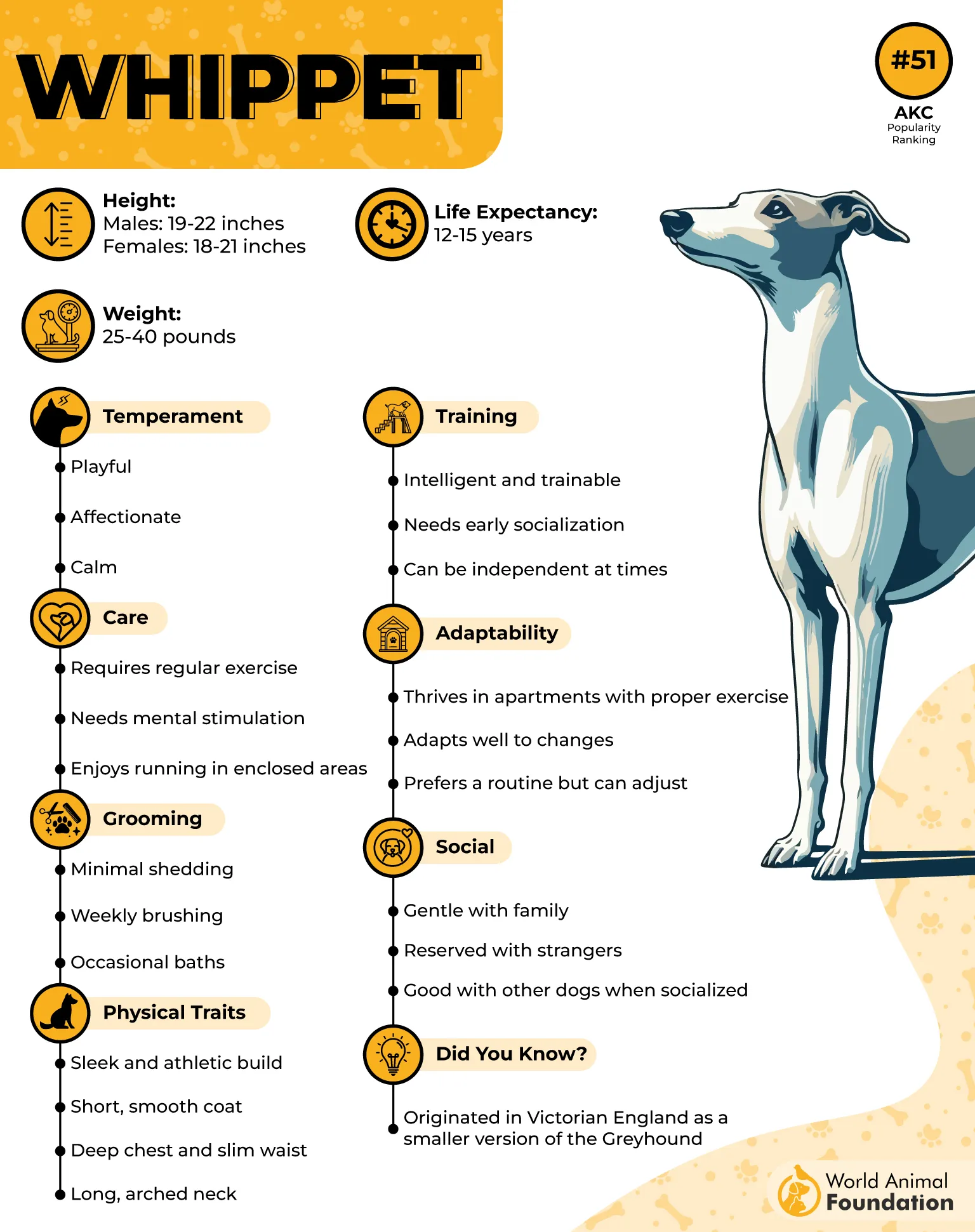
According to Orvis, Whippets are clean, low-maintenance companions. Grooming stays refreshingly simple with a few brushing sessions each week and a monthly bath. Check their ears for infection, clean them gently when needed, and trim their nails monthly to prevent cracking.
Why This Gentle Breed Thrives in Family Settings
Among the most low-maintenance breeds because its short, smooth coat has minimal grooming needs.
They are people-loving pups and can become excellent therapy dogs.
5. French Bulldog
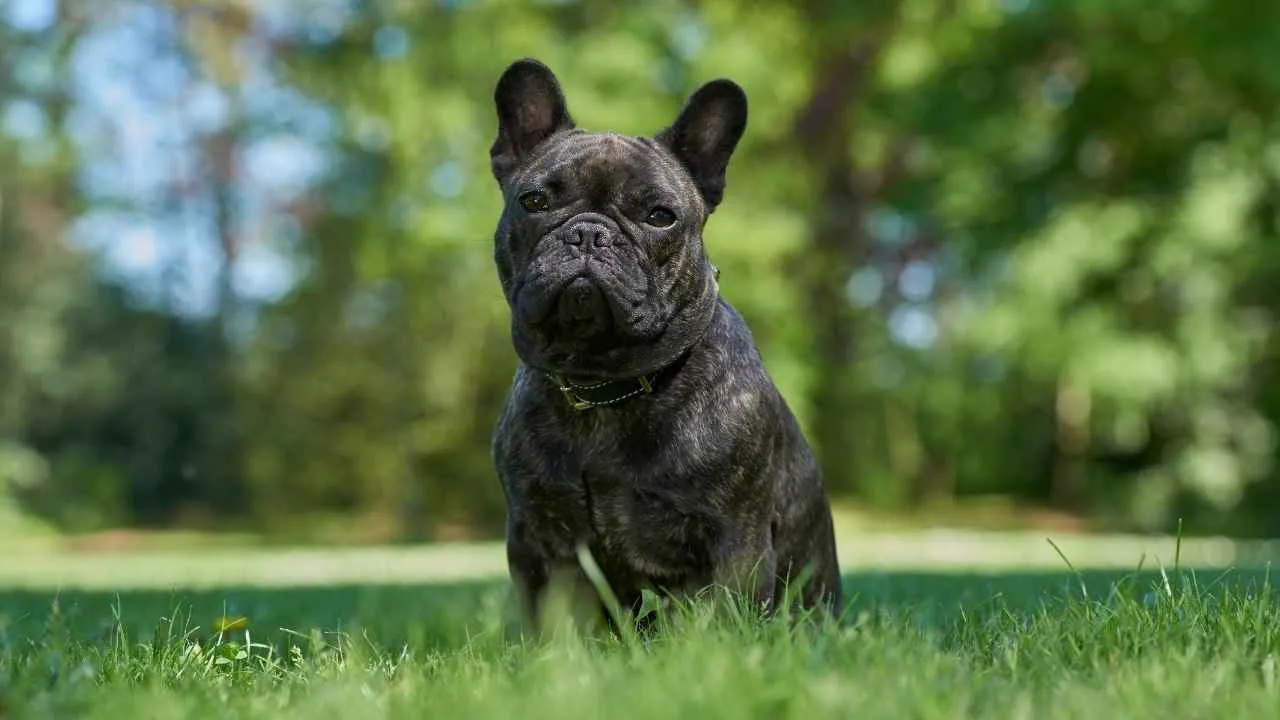
French Bulldogs arrive with comical expressions, lively personalities, and an impressive talent for becoming the center of attention. Affectionate and sociable, they stay close to their people. Everyday household moments soon resemble scenes from a tiny canine sitcom.
First-time dog owners may find this incredibly affectionate breed manageable because it is generally easygoing, adaptable, and compact. Its personality is hardly pocket-sized, though. Newcomers should expect playful antics, strong family bonds, and a companion that thrives on generous attention.
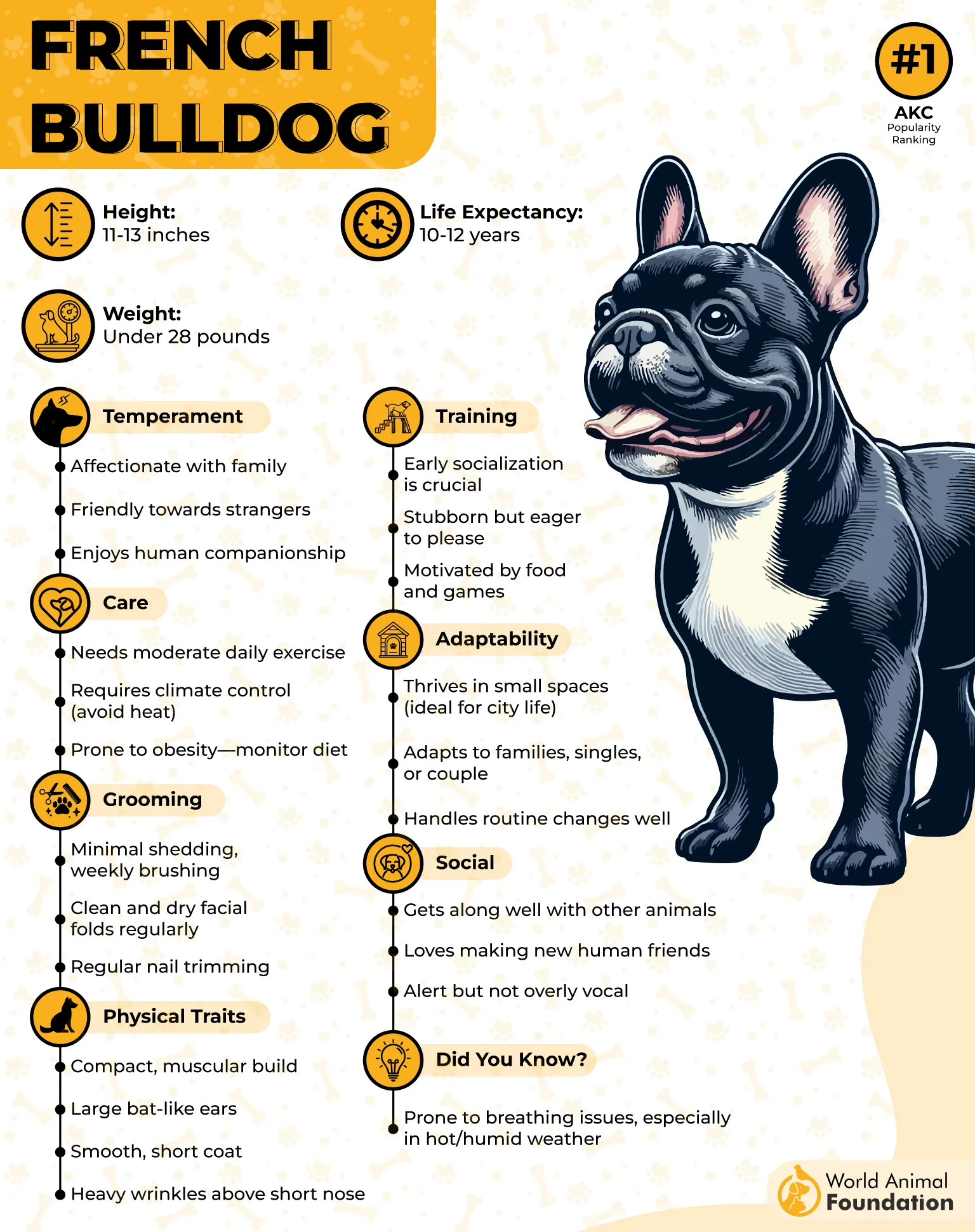
Short daily walks and playful sessions suit French Bulldogs better than demanding workouts. Their short muzzles increase the risk of breathing trouble and overheating. Activity should remain brief, moderate, and carefully timed during hot or humid conditions.
Why This Gentle Breed Thrives in Family Settings
Proper socialization can encourage friendly relationships with children and other pets.
Limited barking makes shared indoor spaces noticeably calmer.
6. Shih Tzu

A Shih Tzu carries the spirit of a little lion, although this one would much rather occupy your lap than rule the jungle. Affectionate, playful, and extroverted, these loyal companion dogs adore staying close to their people and joining household fun.
For families wanting fewer puppy-stage surprises, an adult Shih Tzu with training may offer an easier beginning. Adult dogs often arrive with established routines and some socialization. There is still bonding ahead, just with fewer mystery puddles along the way.
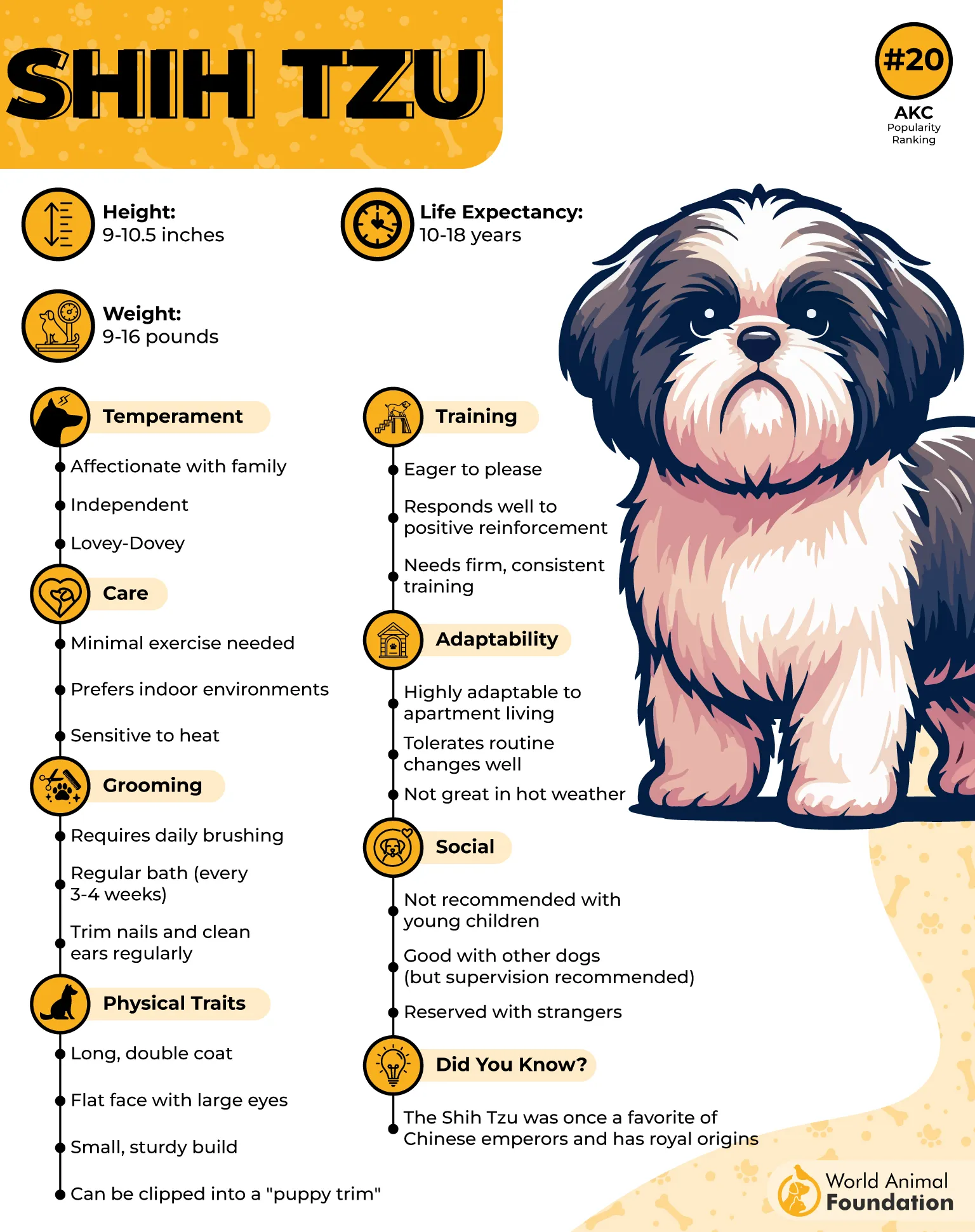
As mentioned by WebMD, start your Shih Tzu’s training and socialization early to discourage excessive barking, aggression, and fearful behavior. Praise and rewards work best here. Keep your approach gentle yet firm because harsh methods do not suit this breed.
Why This Gentle Breed Thrives in Family Settings
Careful supervision encourages enjoyable play with children.
Short walks and games fit comfortably into household routines.
7. Saint Bernard

A Saint Bernard brings an easygoing presence that feels reassuring rather than imposing. These patient dogs stay devoted to family and cherish companionship. Once puppy excitement settles, they become calm adults that would happily lean against you or occupy the sofa.
Originally bred around the Great Saint Bernard Pass, Saint Bernards helped monks locate travelers lost in Alpine snow. Younger dogs learned rescue work by following experienced ones. Apparently, even heroic mountain skills once came with an impressive canine mentoring program.
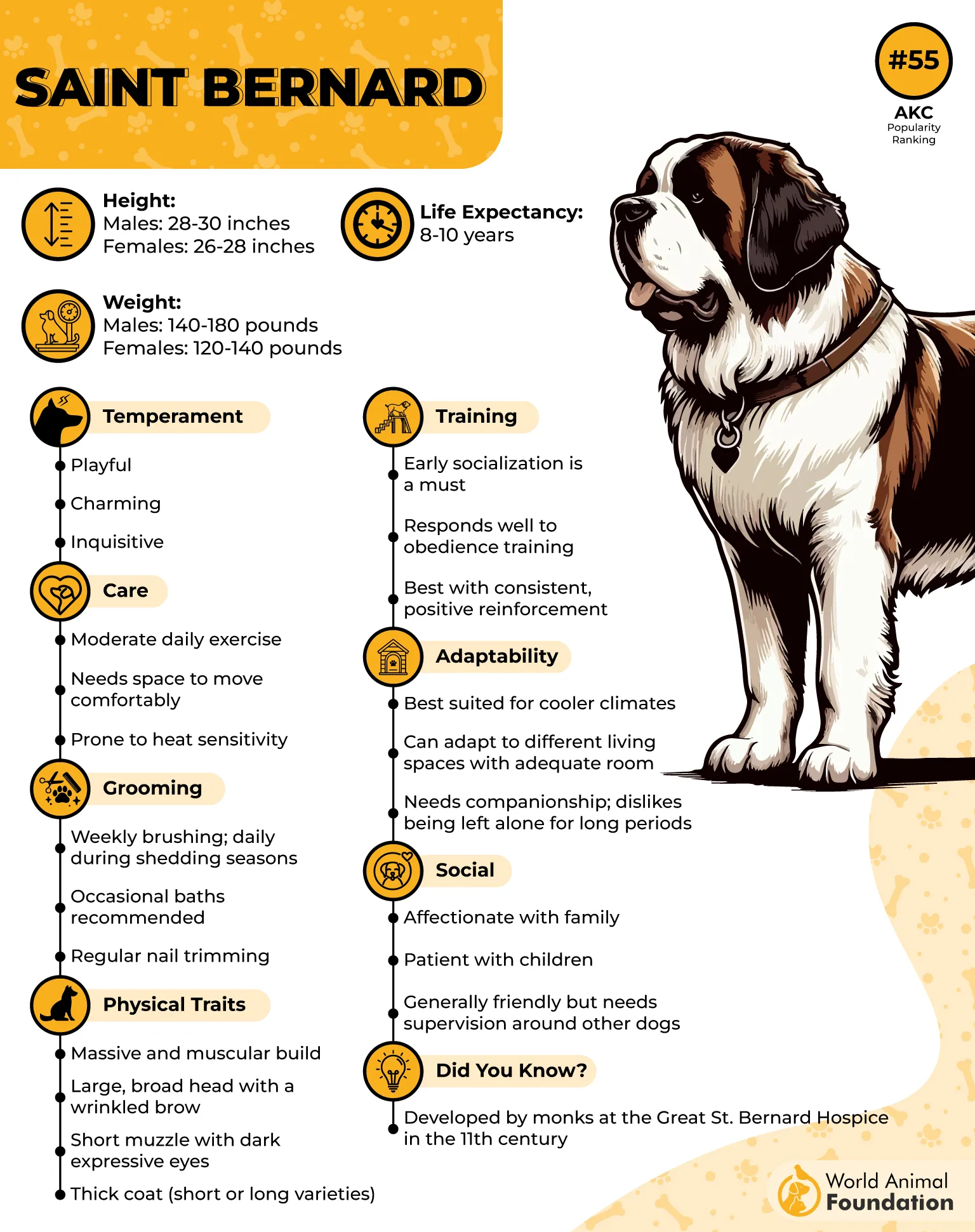
Young children receive thoughtful treatment from a Saint Bernard. This large breed has a gentle demeanor and friendly personality, often moving carefully or stepping aside to avoid accidental bumps. Its patient playfulness creates a warm, watchful presence around family members.
Why This Gentle Breed Thrives in Family Settings
Early introductions can foster friendly relationships with other furry friends.
Their imposing presence may deter intruders without aggressive behavior.
8. Japanese Chin
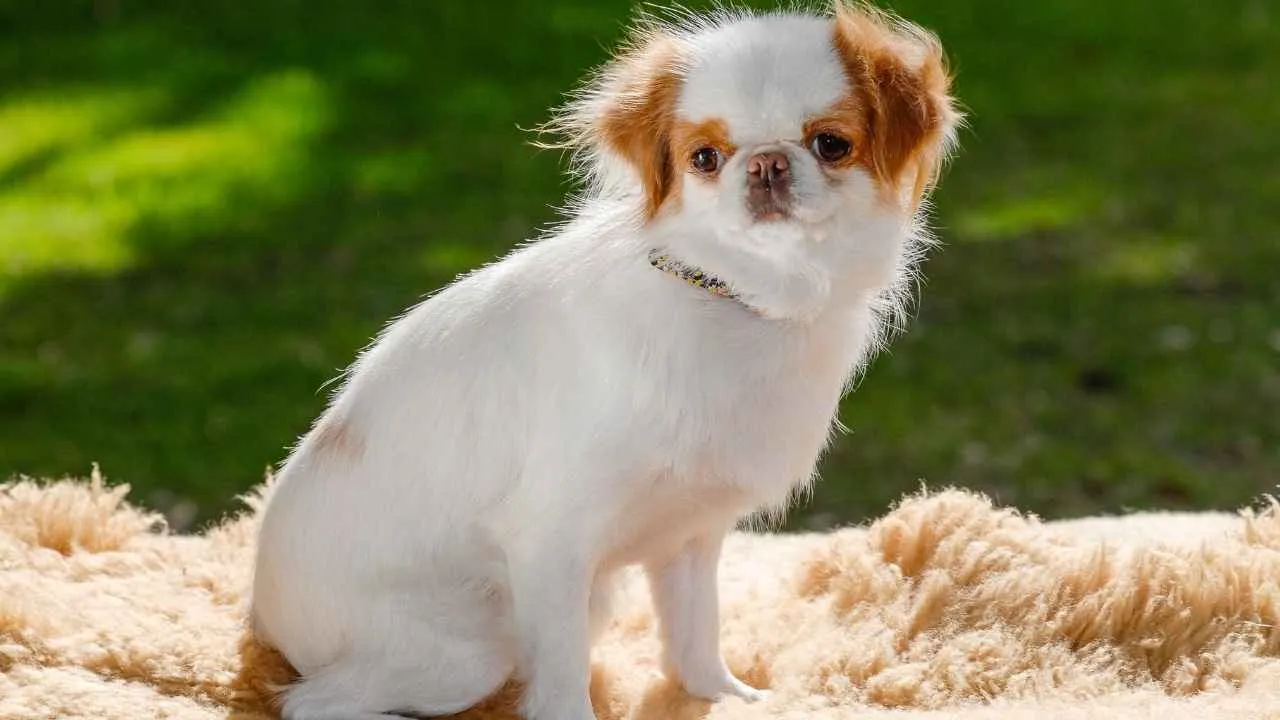
A Japanese Chin approaches companionship with the polished confidence of royalty and the comic timing of an entertainer. Bright, graceful, and famously catlike, this affectionate lap dog can appear dignified one moment and delightfully silly the next. Household entertainment is handled.
Originally bred strictly as companions for royalty, Japanese Chins had one assignment: charm, amuse, and comfort their humans. Japanese nobles cultivated the breed into its familiar form. Clearly, these little dogs entered palace life with an unusually excellent job description.
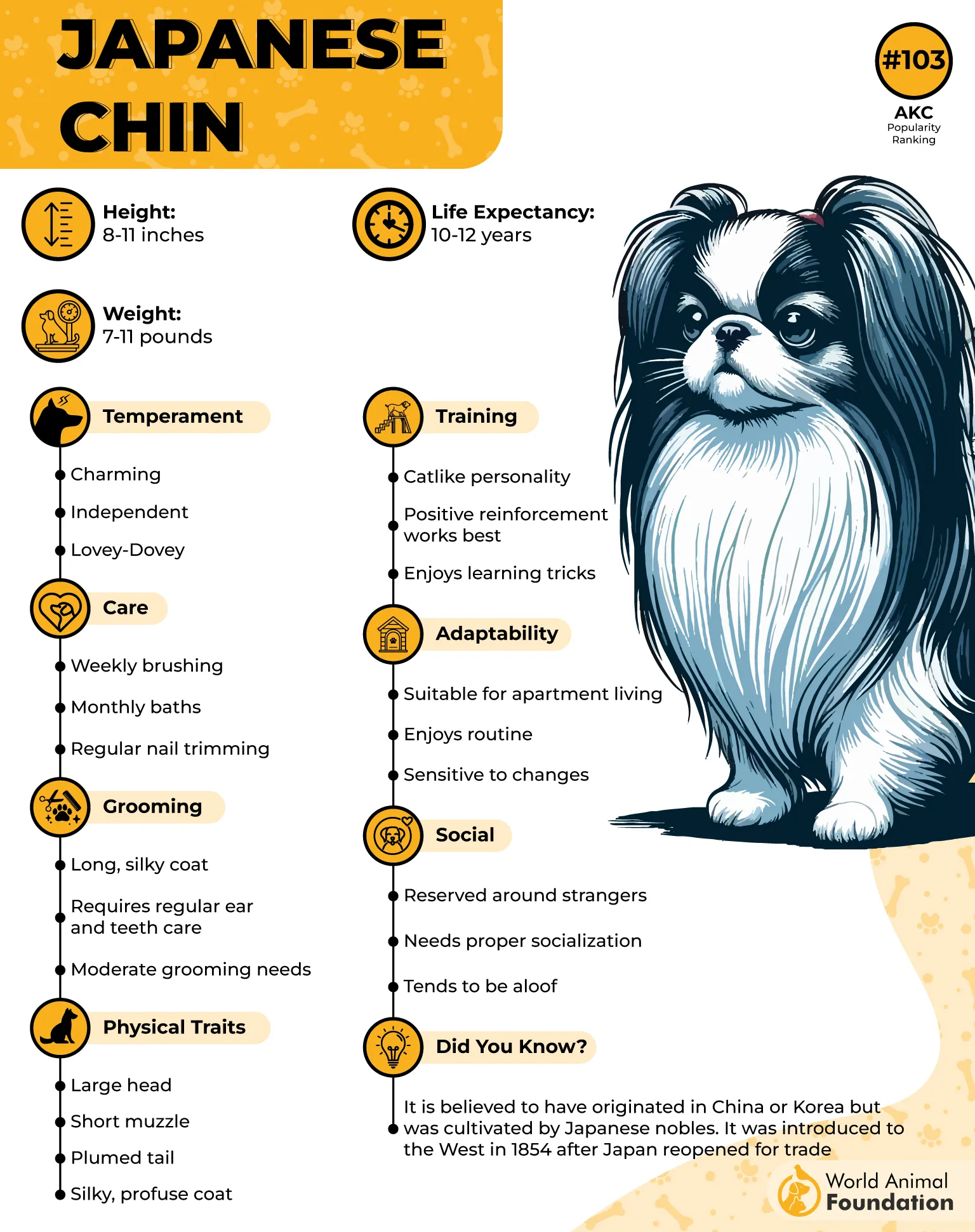
Barking is generally not the Japanese Chin’s chosen hobby, which suits families who appreciate quieter company. This dog has a calm temperament and tends to be reserved around unfamiliar people or situations. Proper and consistent socialization can help new encounters feel less like unexpected royal audiences.
Why This Gentle Breed Thrives in Family Settings
Apartment living suits their compact, indoorsy lifestyle.
Interesting training sessions can turn trick learning into lively entertainment.
9. Great Dane
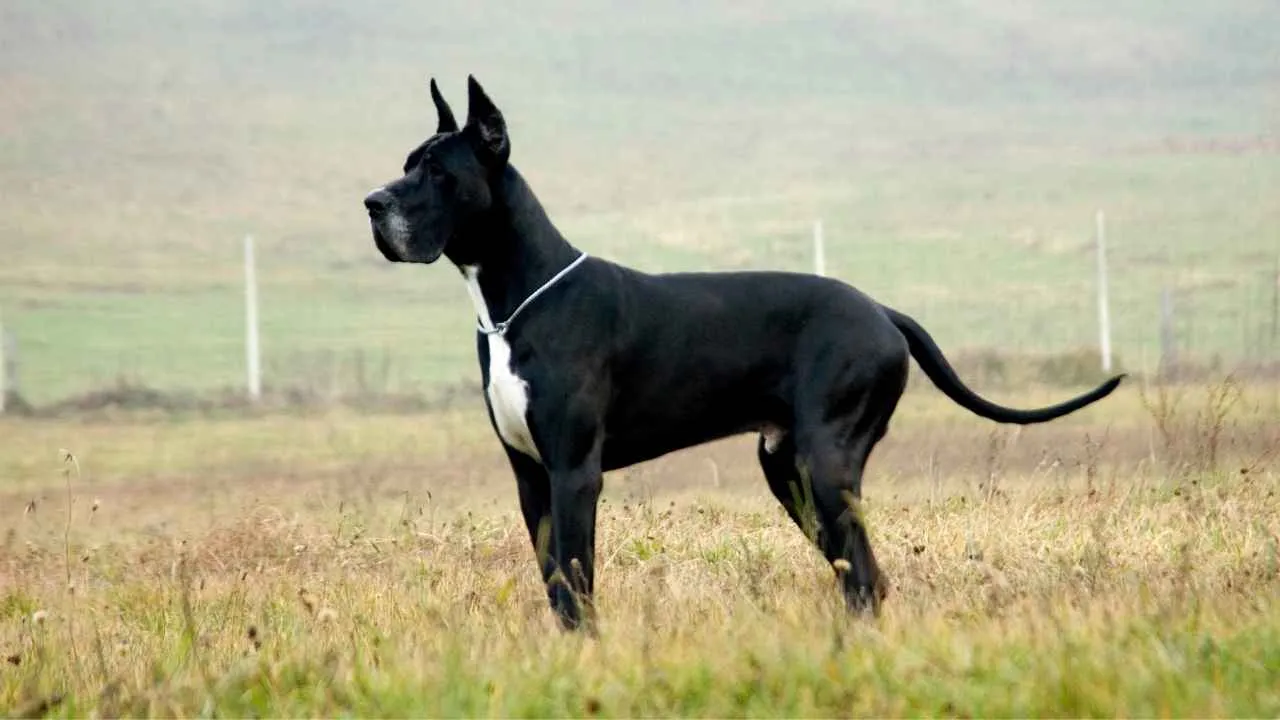
A Great Dane may require its own sofa, yet this towering dog often remains convinced that a human lap is available. Friendly, dependable, and easygoing, these gentle giants crave close contact. Their impressive presence comes with a wonderfully soft-hearted personality.
Great Danes fit family life through gentle behavior, devotion, and a peaceful manner indoors. They are loving with children and comfortable around pets. Small youngsters still need supervision because an affectionate giant can accidentally forget where those enormous feet landed.
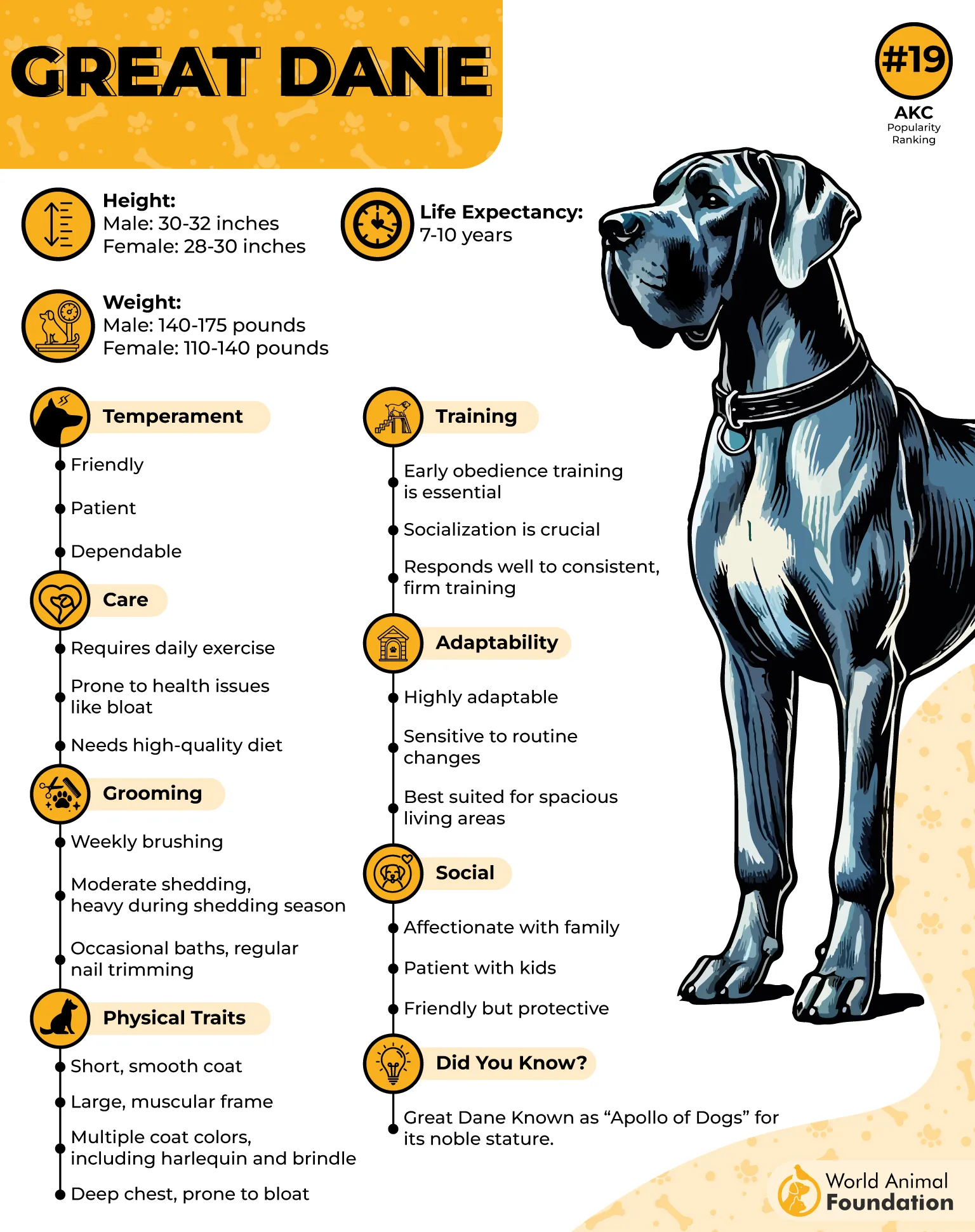
For busy families with packed schedules, a Great Dane’s exercise routine can be manageable. Moderate activity and a leisurely walk may keep this lower-energy dog content. Young dogs need limited walks while growing quickly, so marathon outings can stay off the family calendar.
Why This Gentle Breed Thrives in Family Settings
Responsive learning can lead to success in training competitions.
Certain individuals become devoted and capable family guardians.
Conclusion
A dog with a gentle temperament can bring warmth, laughter, and plenty of everyday comfort to a home. But the best match is never just about a sweet face. Consider your children, pets, space, routines, and the time you can share, because those details help a dog truly settle in.
Take a moment to reflect on the kind of companion your household needs. Then meet dogs carefully, ask thoughtful questions, and give your future pup the patient welcome it deserves. The right dog breed can become part of your favorite memories, and your heart will know it.
