




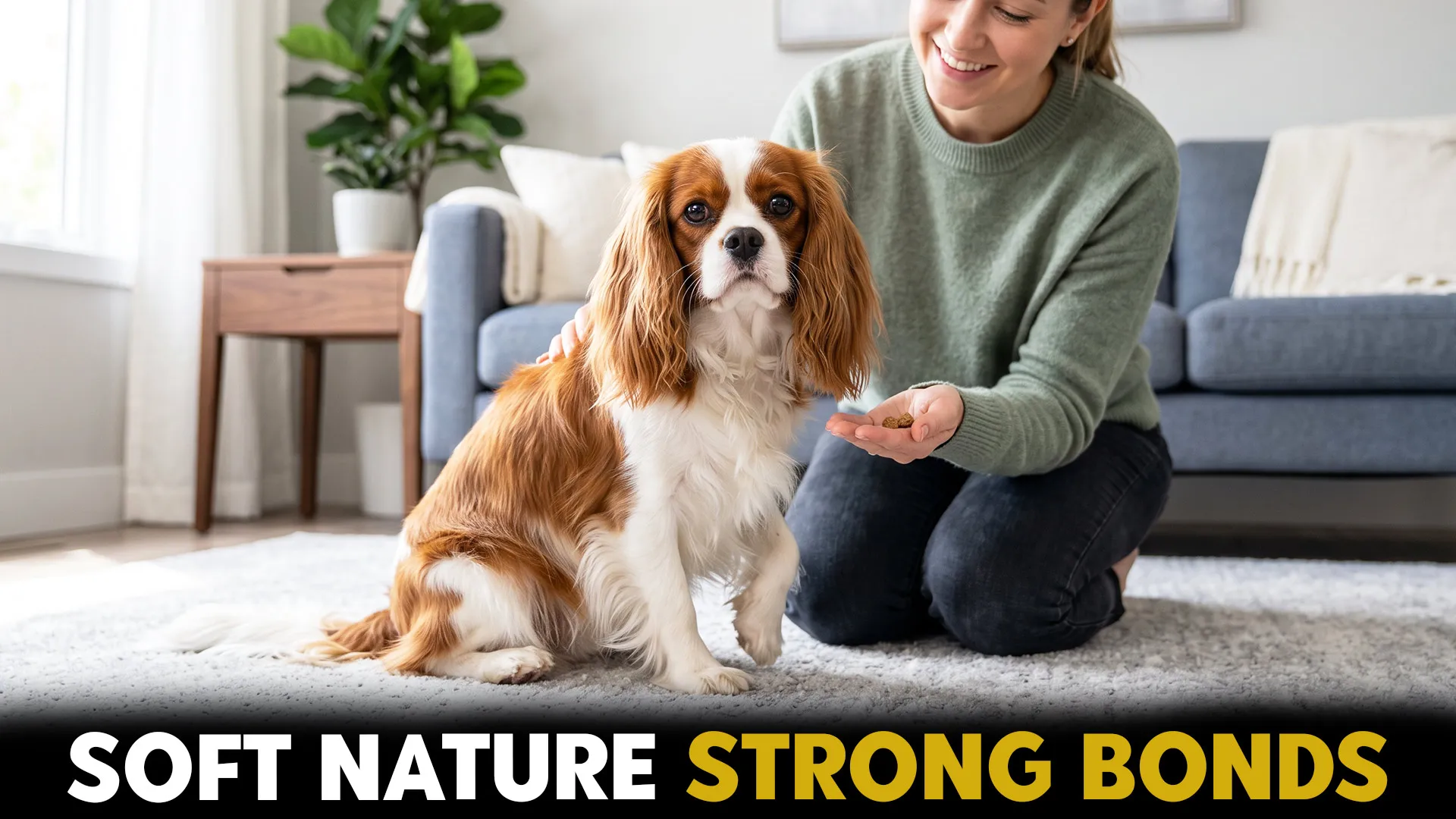
Getting your first dog should feel exciting, not like accidentally enrolling in a master’s degree in canine crisis management. Gentle breeds can make the learning curve kinder by offering affection, responsiveness, and temperaments that generally welcome patient guidance.
Still, “gentle” does not mean identical, effortless, or permanently sleepy. One dog may require daily combing, another may have delicate bones, and a third may arrive with enough terrier confidence to question your entire management structure.
The best beginner match depends on time, budget, home activity, grooming tolerance, and willingness to train. These seven breeds offer very different paths to companionship, so let’s uncover the charm—and the fine print—behind every adorable face.
Gentle Dog Breeds: Perfect Choices for First-Timers
1. Bolognese
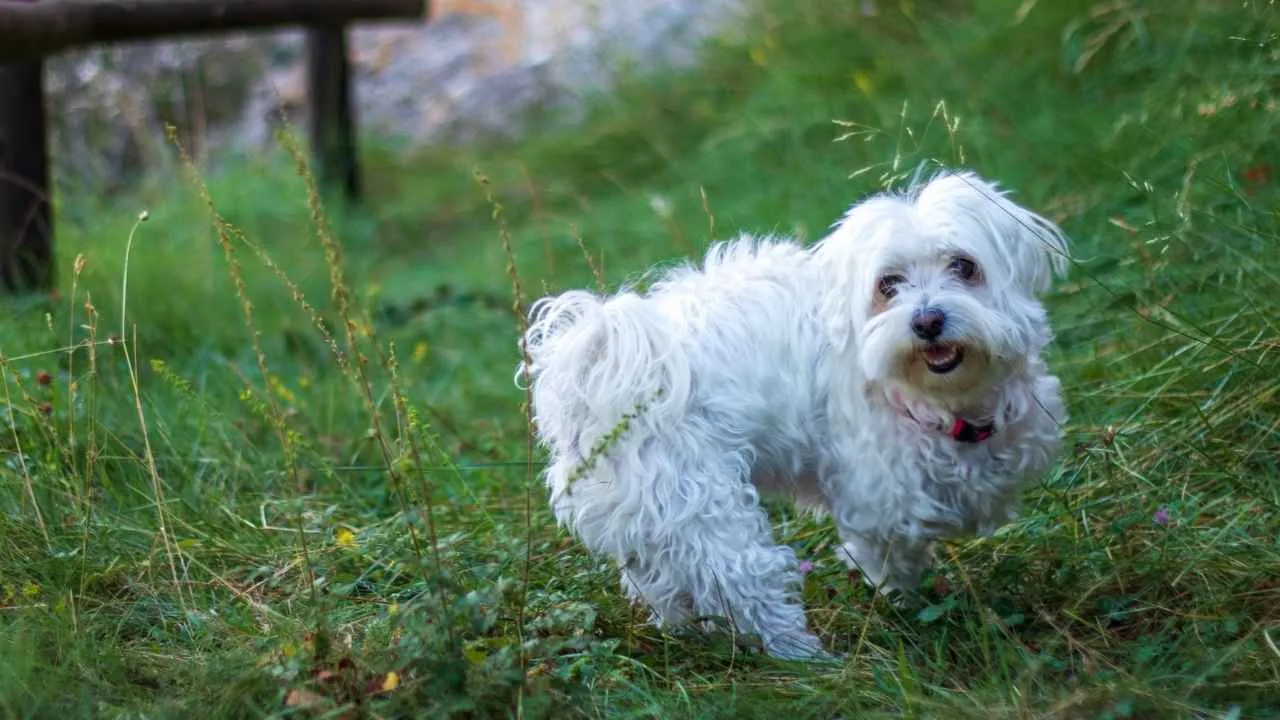
Originating in Italy, this Bichon-family companion historically appeared in aristocratic households and was sometimes presented as a valuable gift. The American Kennel Club describes the breed as having an affectionate, calm, faithful, playful, easygoing, and deeply fond of people, making it one of the best dog breeds for first-time owners.
Its temperament makes a strong case for first-time ownership, especially in a quieter household. A well-socialized Bolognese is usually affectionate with family, polite around familiar people, and less relentlessly energetic than many small dogs.
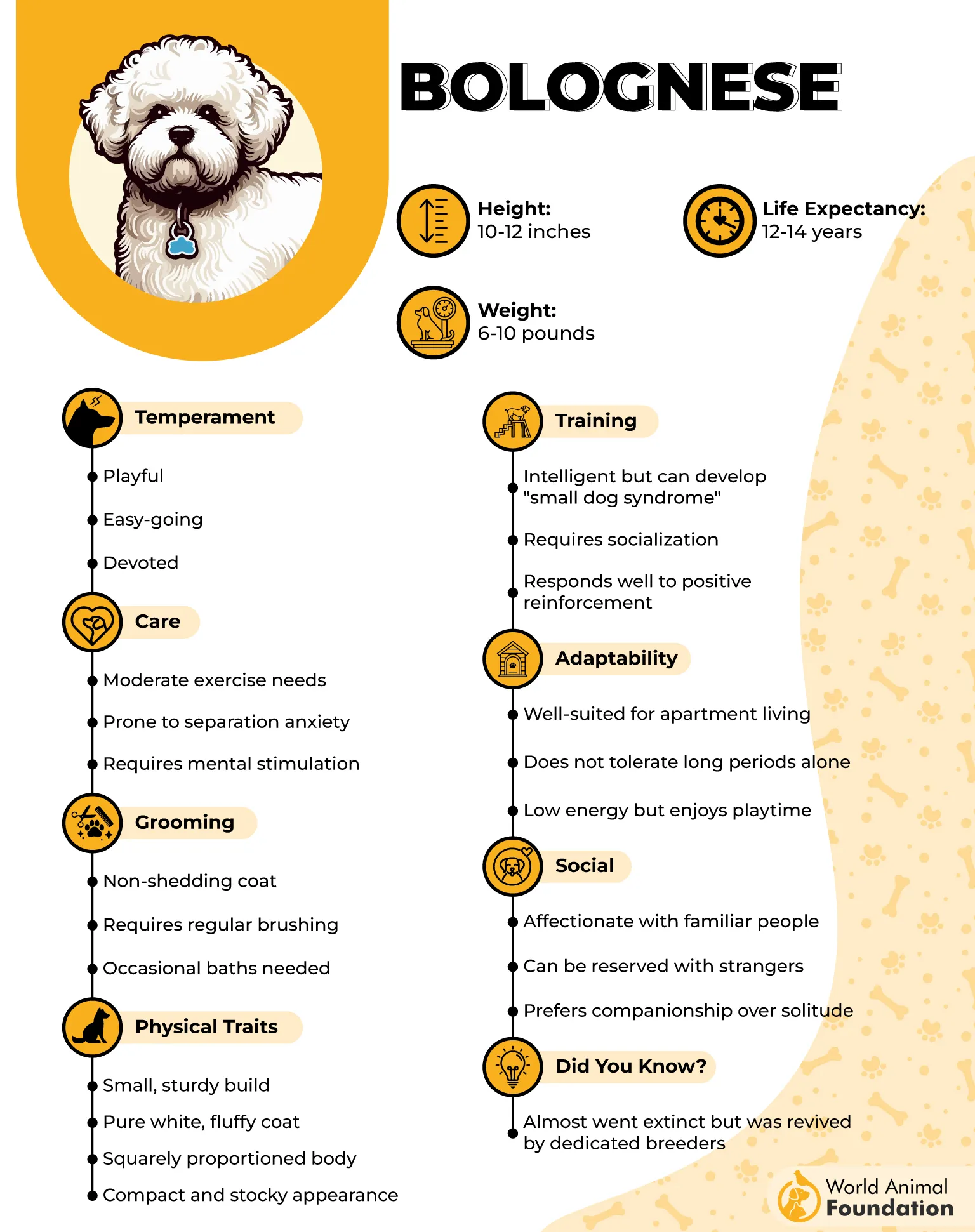
Moderate daily activity keeps this companion physically healthy and mentally settled. Short walks, gentle indoor play, scent games, and five-minute training sessions can provide a satisfying routine. Puppies naturally bring more zoomies and curiosity, while mature adults often become accomplished lap warmers after exercise.
House-training can require patience because a small bladder leaves little room for scheduling mistakes. Take puppies outside after they wake, eat, drink, and play, then reward success immediately.
2. Russian Toy
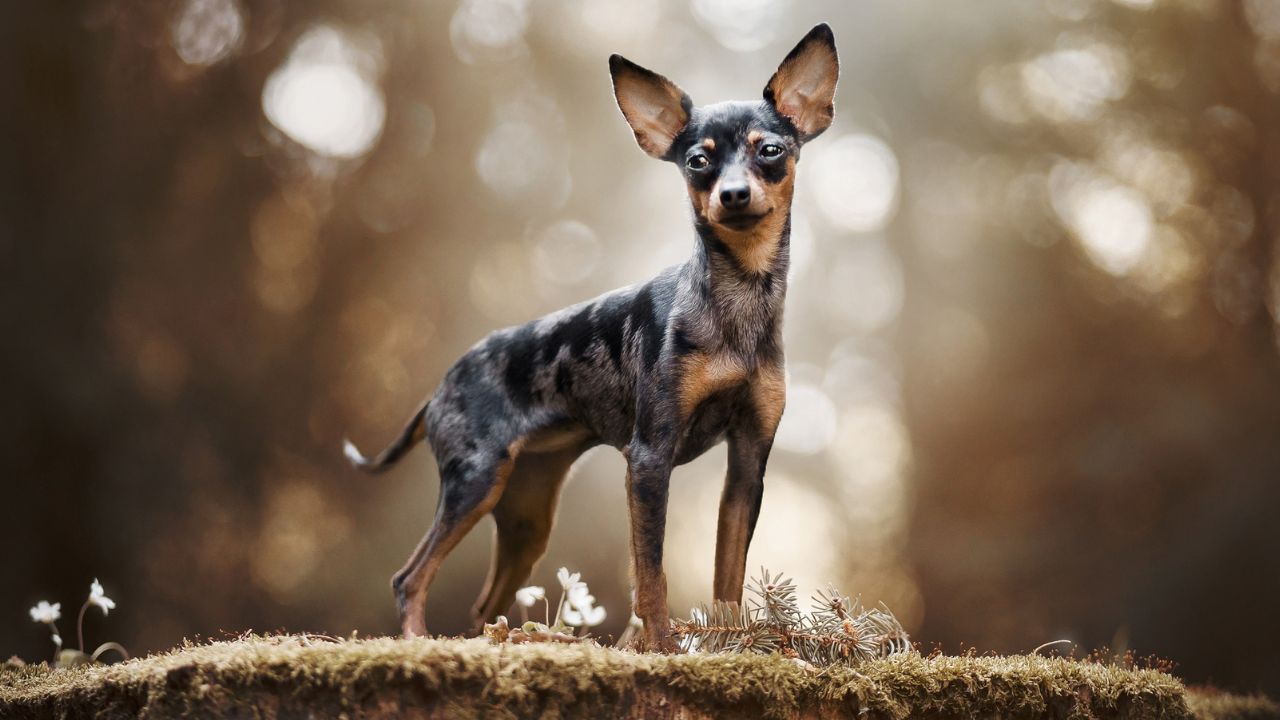
The Russian Toy is a low-maintenance dog that is cheerful, intelligent, eager to please, affectionate with family, and sometimes reserved with strangers.
This breed’s fine bones make thoughtful handling an essential part of ownership. Falls from furniture, uncontrolled encounters with larger dogs, and rough play with young children can cause serious injuries. First-time owners should add ramps, block dangerous jumps, and learn to watch the floor before taking an enthusiastic backward step.
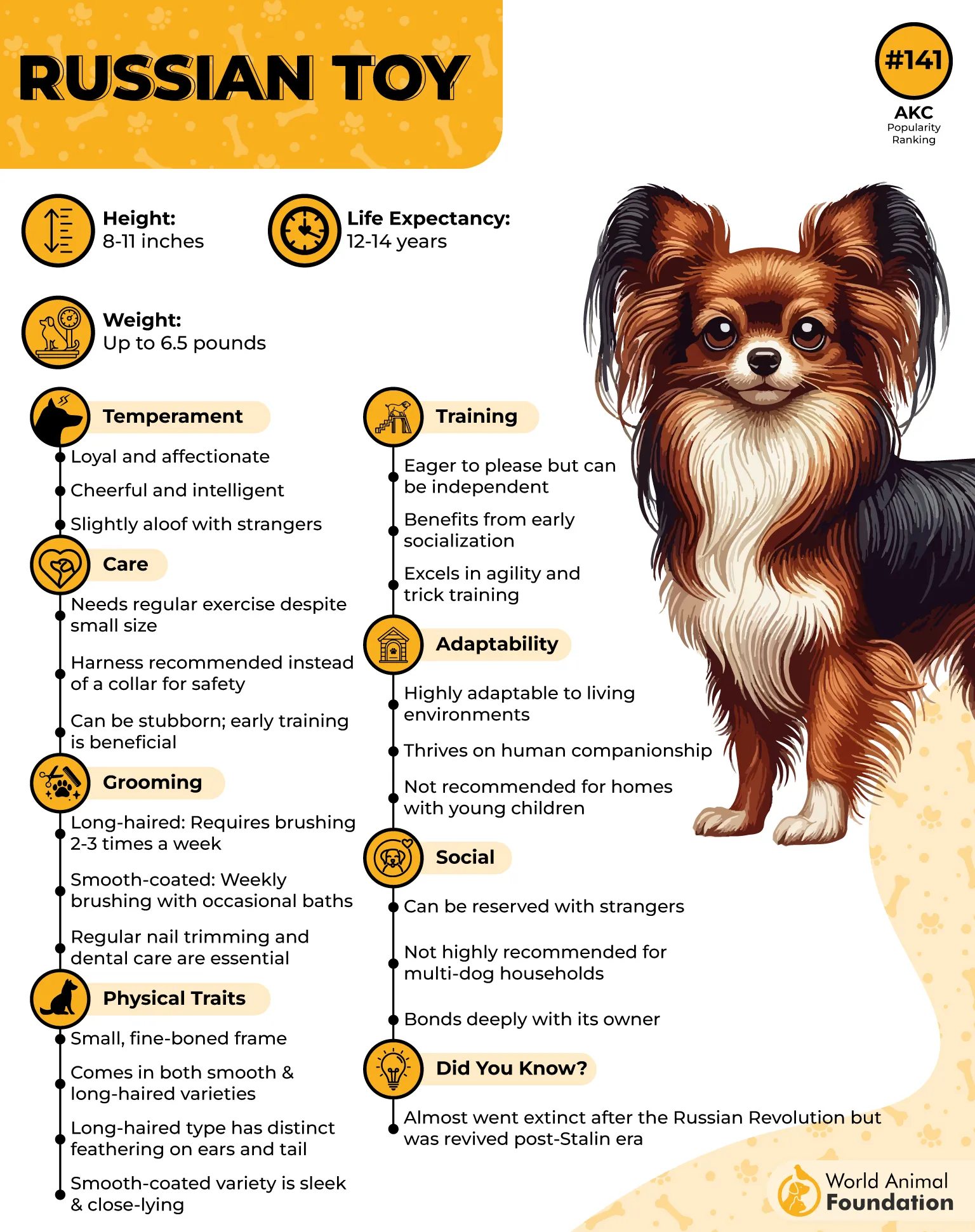
These Russian dogs are active without needing a marathon schedule. Brisk walks, indoor games, trick practice, and carefully scaled dog sports can satisfy their athletic side before cuddle mode begins. Their curiosity makes them engaging companions for beginners who want to train, rather than carry, a tiny dog.
Two coat varieties offer different appearances without creating an enormous grooming burden. The smooth coat needs occasional brushing, while the long-haired variety requires extra combing around the ears, tail, and leg feathering. Dental care and nail trimming deserve close attention because small mouths crowd teeth and long nails alter an already delicate gait.
3. Russian Tsvetnaya Bolonka
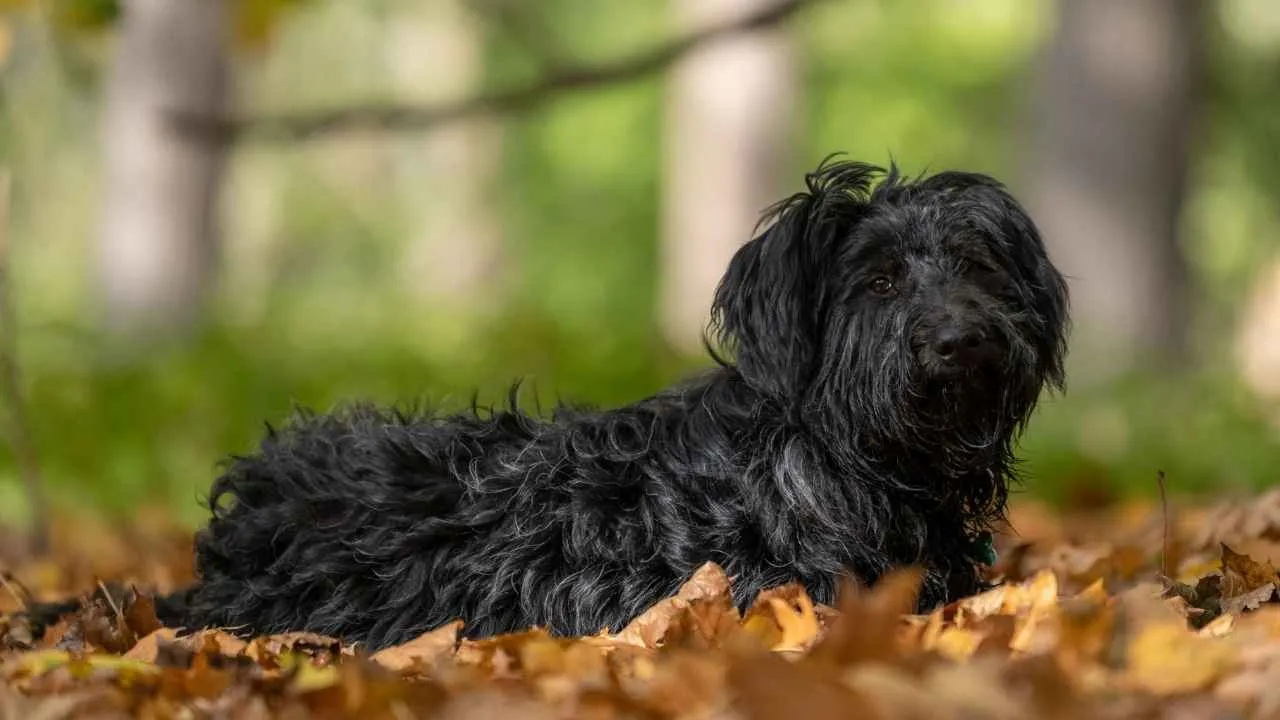
The Russian Tsvetnaya Bolonka’s name translates to “Russian Colored Lapdog,” reflecting its appearance and deliberate development as an urban companion.
They were created for apartment life and are typically sweet, intelligent, friendly, and willing to please. For beginners, the breed offers sociability without the physical demands of a large dog. Many Bolonki live comfortably with considerate children, compatible dogs, and cats after sensible introductions.
Their sturdy little bodies handle ordinary family life better than some ultra-fragile toys do, though enthusiastic handling still requires supervision.
Daily exercise can involve relaxed walks, indoor fetch, training games, and safe outdoor exploration. Roughly 30–45 minutes of varied activity may suit many healthy adults, depending on age and individual energy. These dogs enjoy doing things with their people, making companionship itself a powerful training reward.
Rarity creates the breed’s biggest practical complication, as puppies may require long waiting lists or travel. Prospective owners should verify health testing, meet adult relatives when possible, and avoid sellers using scarcity to excuse poor transparency.
4. Italian Greyhound
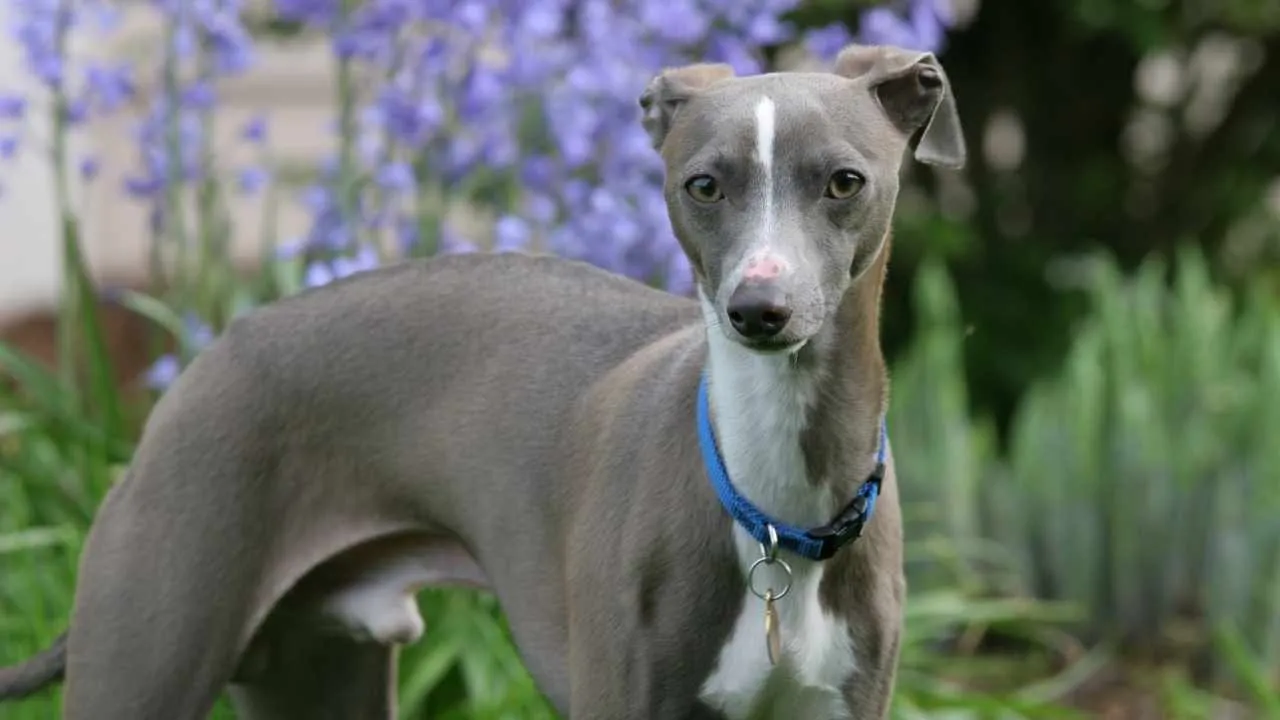
The Italian Greyhound is a true miniature sighthound, historically treasured as both a companion and a small-game courser.
At home, many Italian Greyhounds are sensitive, physically affectionate, and determined to locate the warmest blanket available. They often bond intensely with their people and may become shy when early social experiences are too limited.
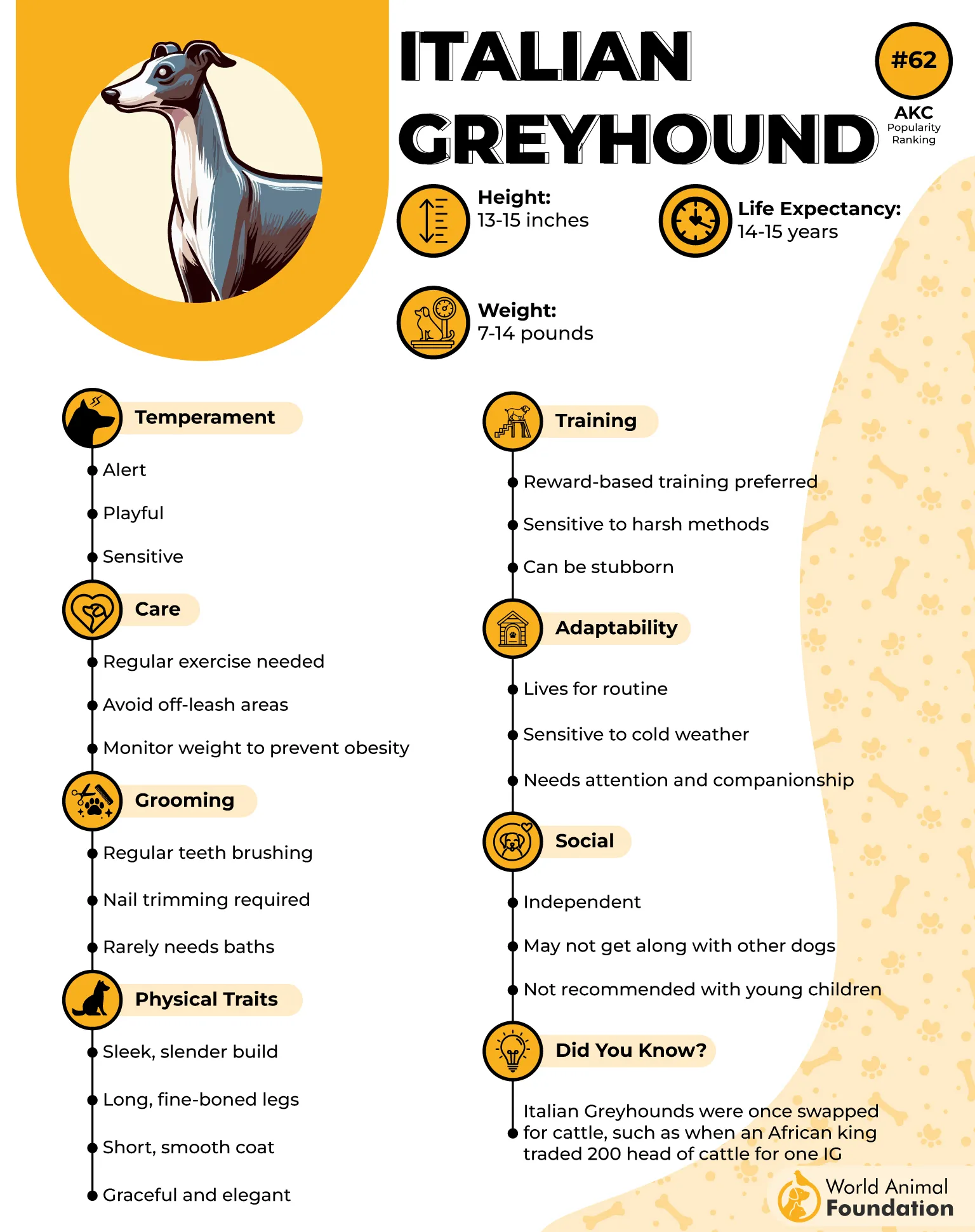
Their slim limbs are vulnerable to fractures, particularly during the fast-growing puppy stage. High furniture, slippery flooring, rough children, and collisions with larger dogs create avoidable risks. Experienced owners frequently use rugs, ramps, gated areas, and supervised play to protect the dog without wrapping it in metaphorical bubble wrap.
Exercise should include daily walks and opportunities to run safely inside a securely fenced space. A moving squirrel can activate sighthound instincts faster than a beginner can say “come,” so off-leash freedom in open areas is risky.
Beginners who can manage fragility, dental care, and patient training gain an exceptionally tender companion with equal talent for elegance and comedy.
5. Cavalier King Charles Spaniel
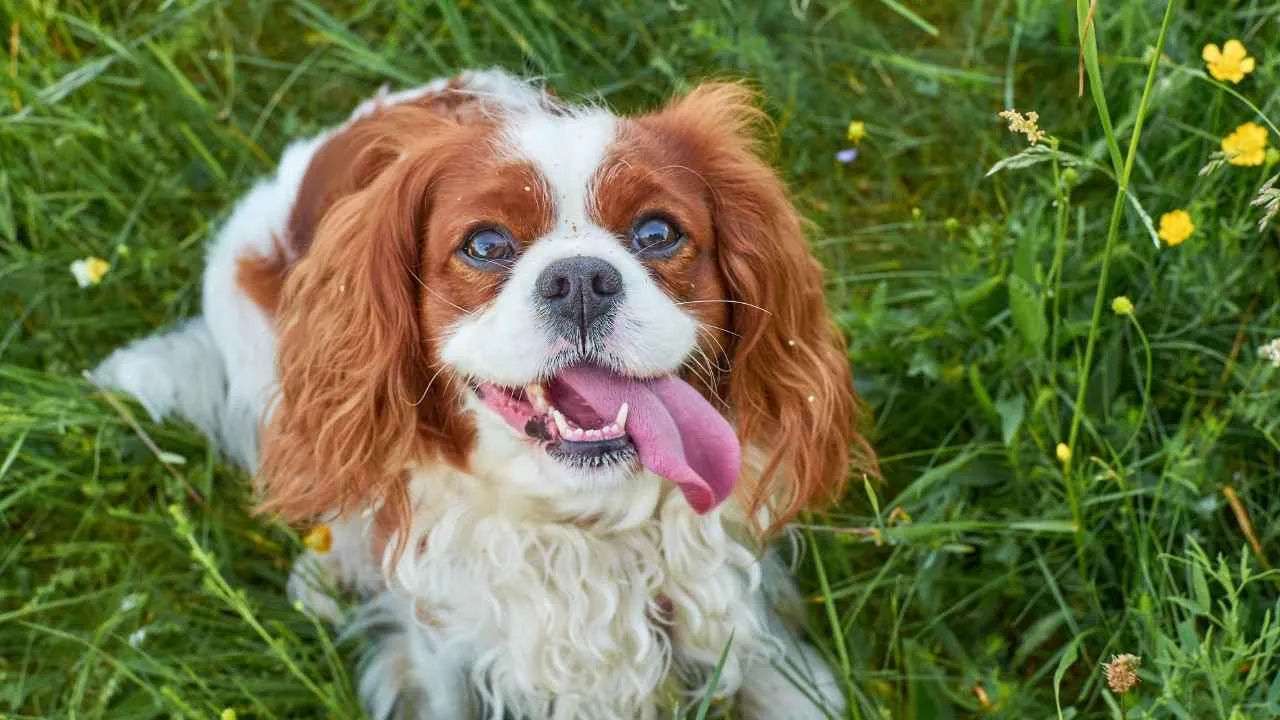
The Cavalier King Charles Spaniel combines companion-dog sweetness with enthusiasm inherited from sporting spaniels.
These small dogs typically welcome affection, visitors, and friendly animals with very little dramatic negotiation. Their patient nature can suit respectful children, older adults, and first-time owners who want an emotionally open companion.
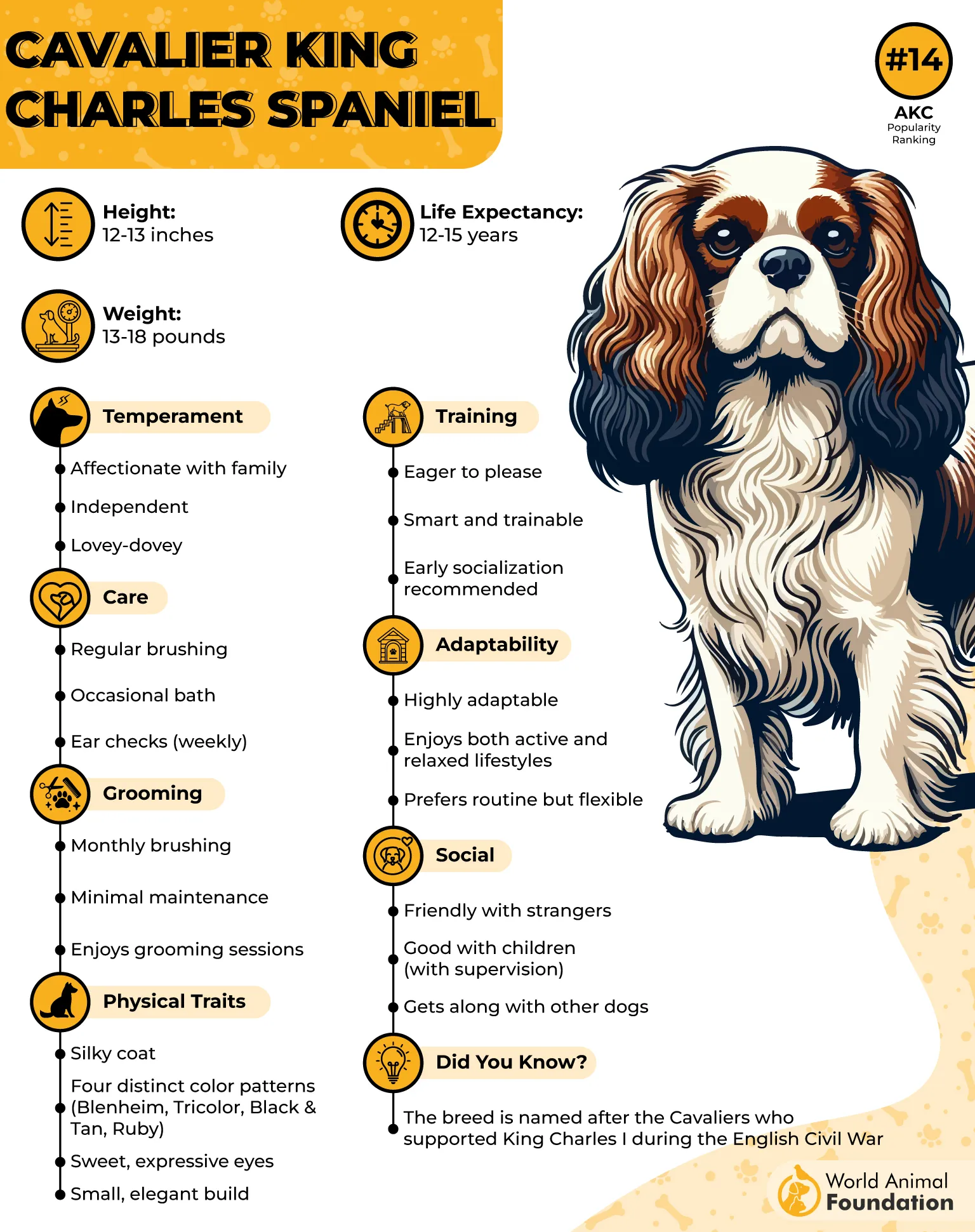
Moderate exercise makes the breed flexible enough for both active and quieter homes. Daily walks, sniffing time, gentle fetch, and occasional countryside adventures help maintain fitness without demanding extreme athleticism.
Long ears should be inspected for trapped moisture, while daily toothbrushing helps maintain a small, crowded mouth. Grooming is manageable for beginners who establish a routine instead of waiting for tangles to form their own government.
A healthy, thoughtfully bred Cavalier offers extraordinary gentleness, but affection should never distract buyers from responsible health research.
6. Australian Terrier
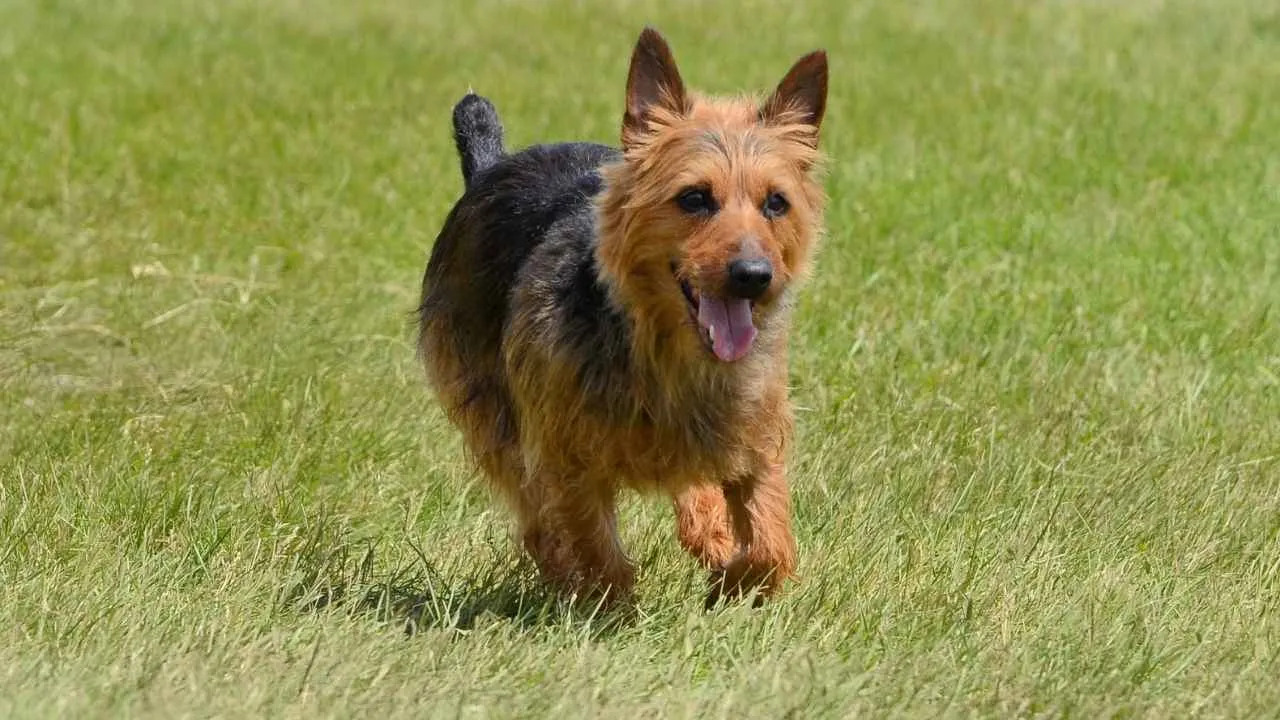
The Australian Terrier is the spicy entry on this gentle list, so let’s manage dog ownership expectations before the tiny mustache starts making promises. It is plucky, spirited, clever, upbeat, and packed with old-fashioned terrier grit.
According to family, PetMD notes that this dog can be loyal, affectionate, and surprisingly sensitive beneath its confident exterior. Small pets, unfamiliar dogs, and outdoor wildlife can activate prey drive, territorial behavior, or an entirely unnecessary personal investigation.
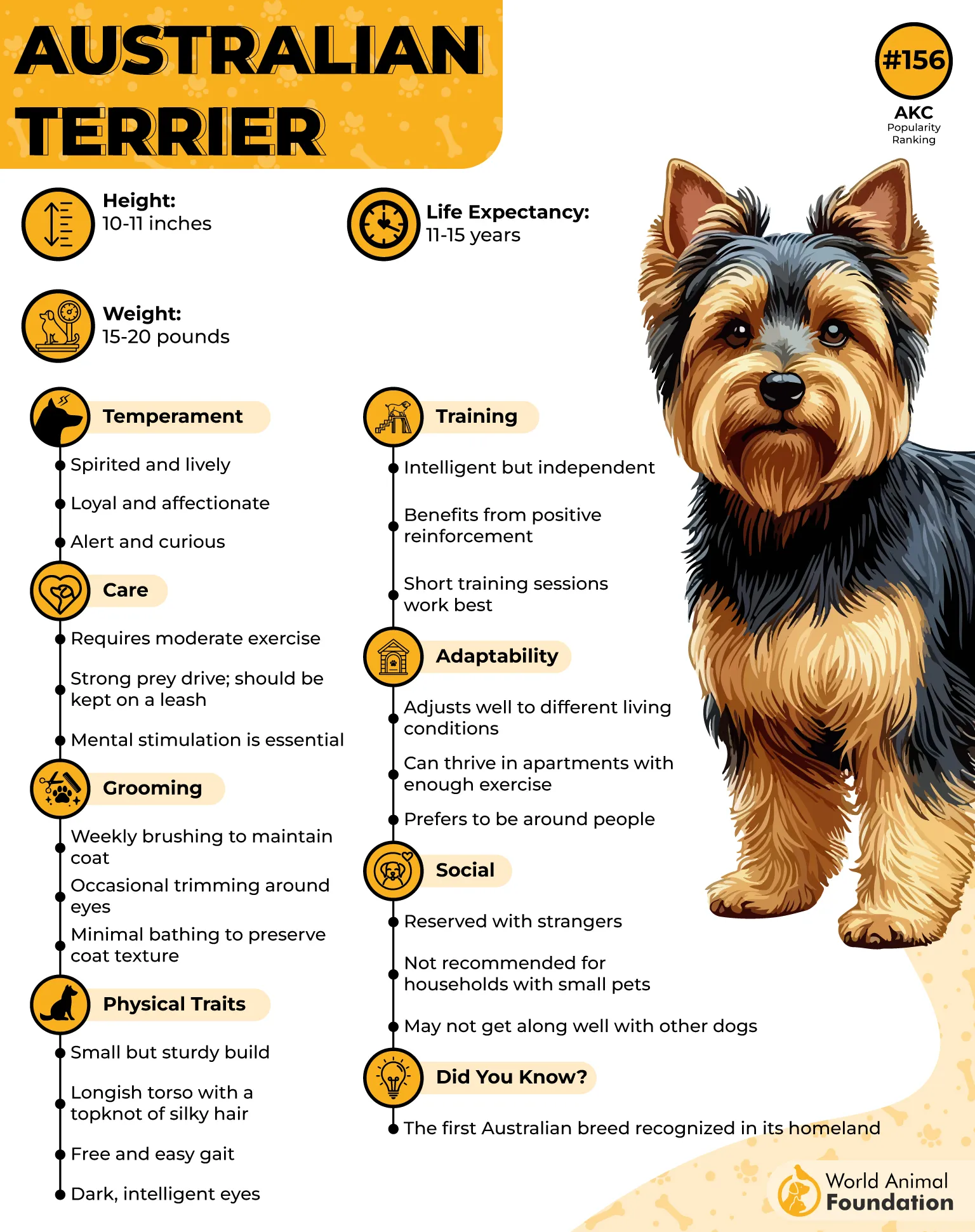
Daily walks, sniffing games, controlled digging activities, and puzzle toys help channel its busy mind. Training this excellent dog breed should include recall, leave-it, leash skills, calm greetings, and disengagement from moving animals.
First-time pet owners who respect its instincts can gain a spirited, devoted companion, but anyone seeking effortless gentleness may prefer one of the companion breeds above.
7. Brussels Griffon
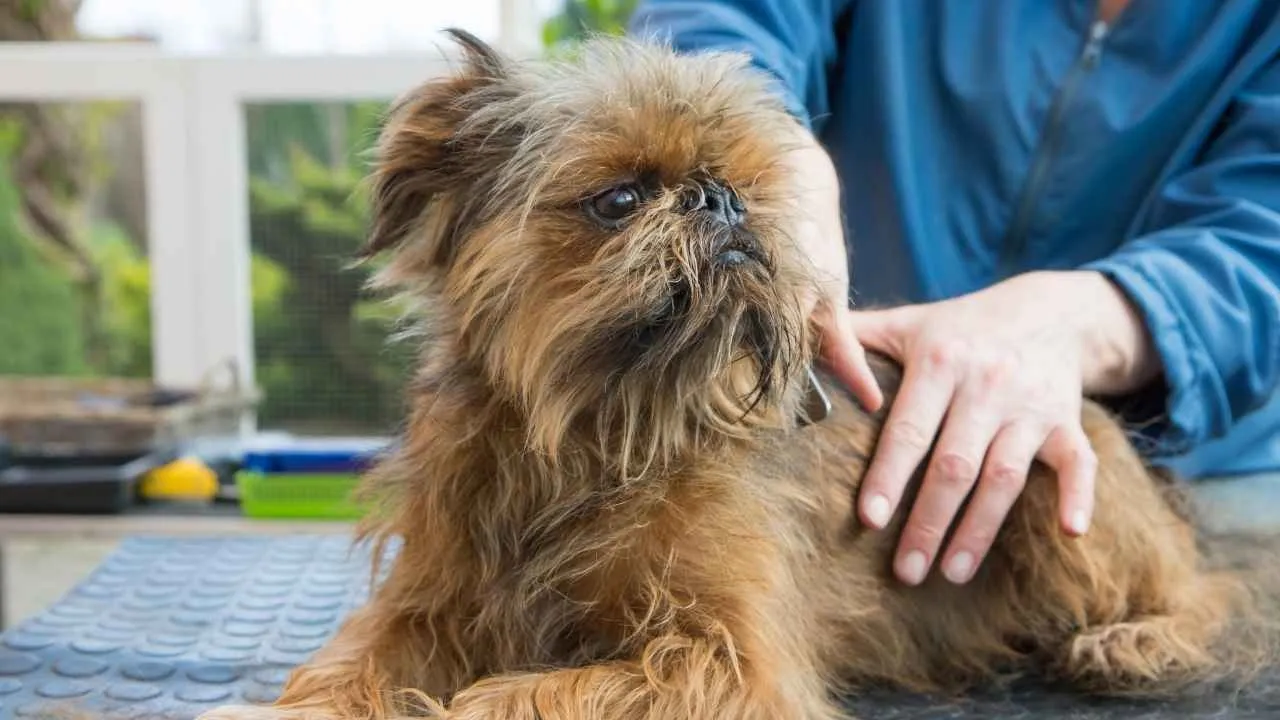
The Brussels Griffon is a small dog that comes with a big personality. Developed in Belgium from small, stable ratters, this adaptable dog breed later entered homes and became a fashionable companion.
These affectionate dogs form exceptionally close bonds and often follow their chosen humans from room to room, as noted by Britannica. That velcro behavior delights owners who want constant companionship but can create trouble when the dog must suddenly spend long days alone.
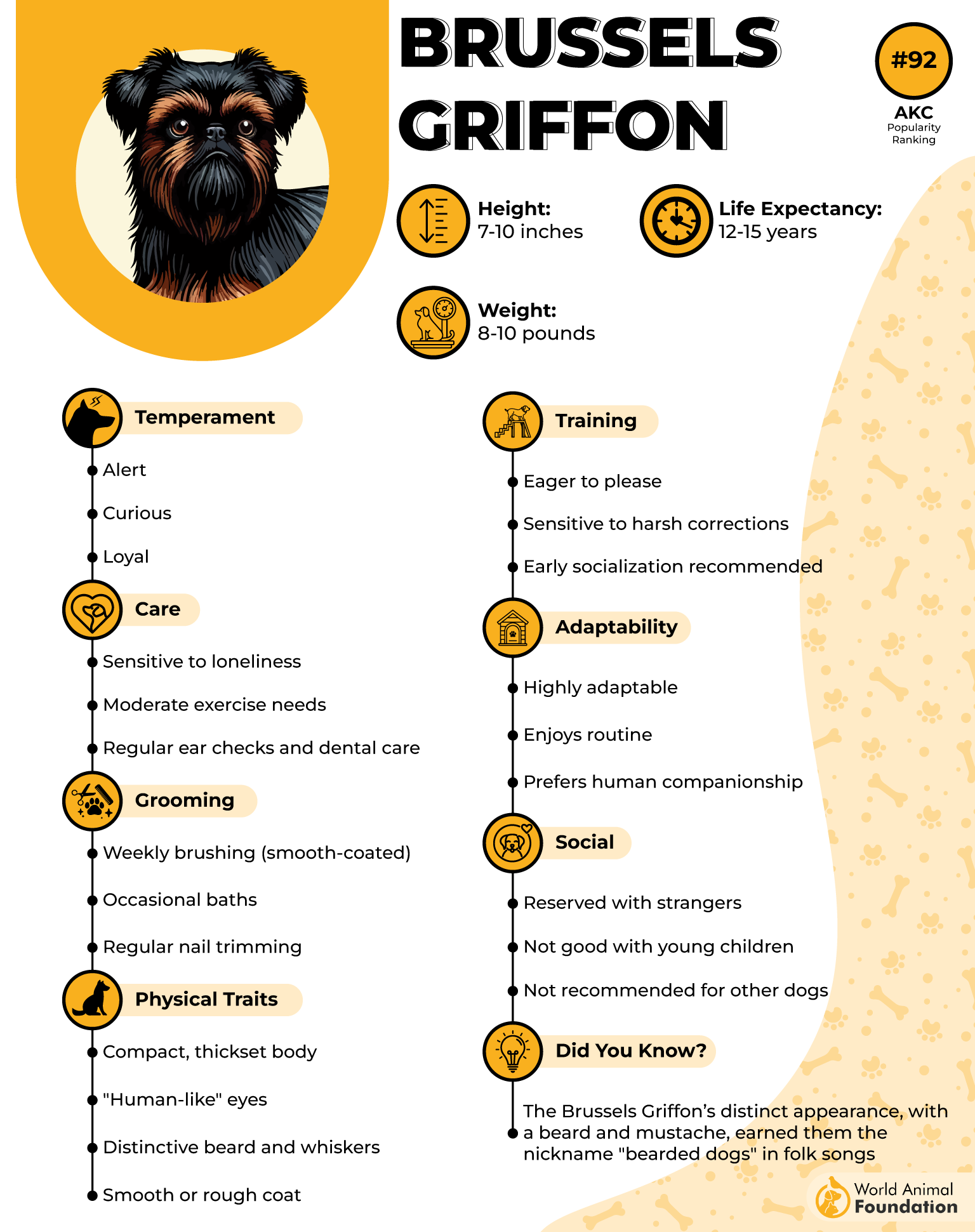
The exercise requirements of these adult dogs can be met with moderate walks, playful indoor sessions, and mentally engaging training. Short trick-training sessions often work beautifully because attention from a trusted person is highly rewarding.
New dog owners need to remember that this emotionally sensitive dog needs gentle handling, early socialization, and patient house training. A beginner who wants an interactive relationship rather than an independent pet may find the Griff’s loyalty wonderfully intense.
Conclusion
Gentleness comes in several forms: quiet devotion, sensitive affection, friendly sociability, or spirited loyalty guided by thoughtful training. These loyal companions are not mixed-breed dogs, but they can suit first-time owners. However, delicate bones, grooming commitments, health risks, prey drive, and separation sensitivity should never be hidden behind cute faces.
Golden Retriever, Shih Tzu, Labrador Retriever, Yorkshire Terrier, Bichon Frise, Basset Hound, Cocker Spaniel, Border Collie, French Bulldog, and Bernese Mountain Dog are also some great choices for first-time dog owners.
The right breed is not automatically the smallest or calmest-looking dog. New owners should compare each breed’s ordinary daily needs with their real schedule, budget, children, pets, and tolerance for hair, barking, or clinginess.
