




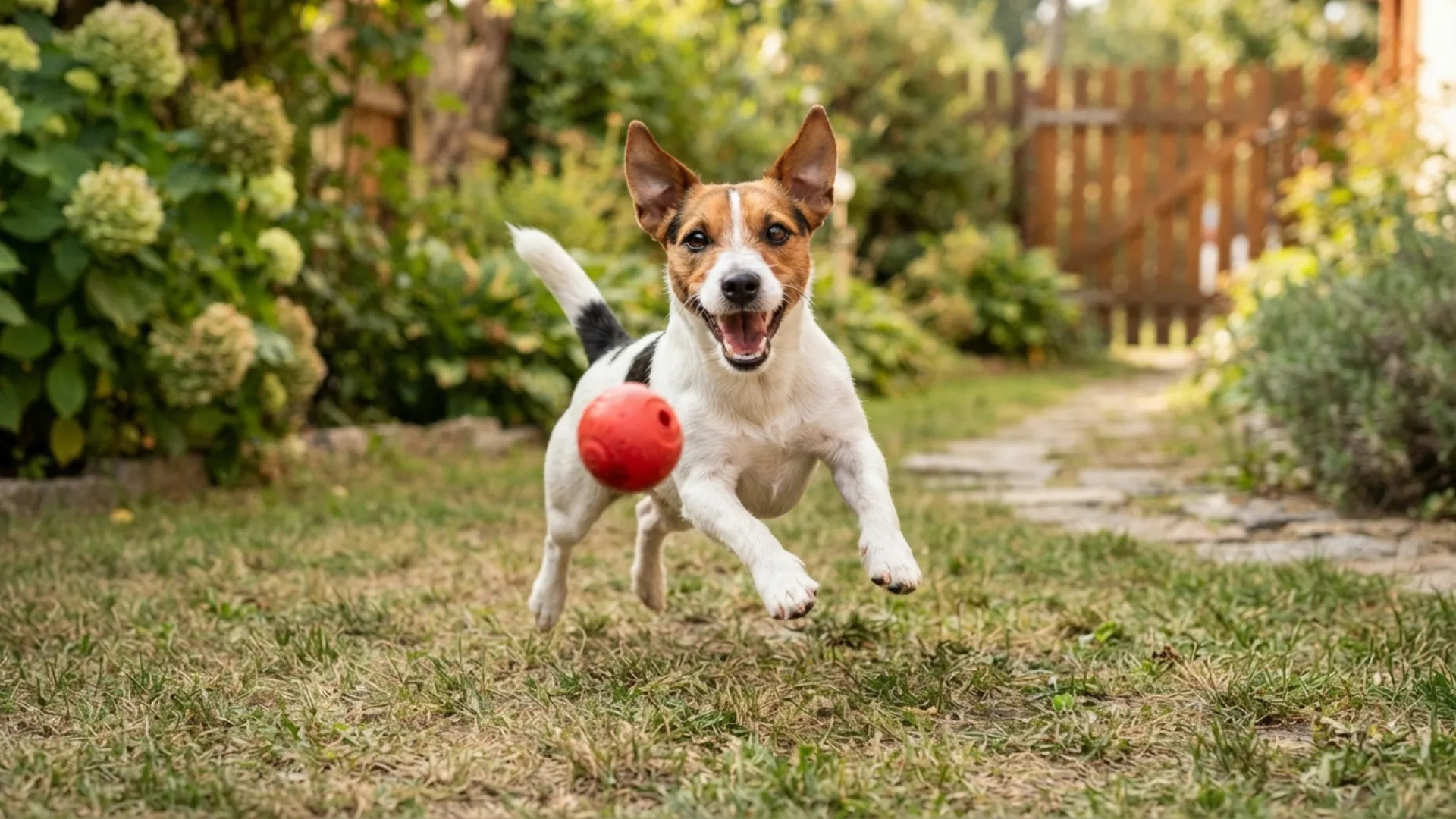
Fun-loving small dog breeds can turn your day into a string of games, greetings, and little adventures. Their compact size may make them easy to fit into busy homes, but their playful side can keep life lively.
Play gives dogs physical exercise, mental stimulation, and social interaction, while sniffing, searching, and puzzle activities give their brains something worthwhile to work on. Veterinary behavior specialists also note that regular enrichment can reduce boredom and encourage healthy, natural behaviors.
That matters when you want a small companion that enjoys being involved rather than spending the day waiting for attention. A good match can bring energy to indoor games, walks around the neighborhood, training sessions, and simple moments at home. The real fun comes from finding dogs that enjoy an active connection with their people.
By the final section, you’ll have a clearer picture of the playful personalities of these adorable companions worth welcoming into your home.
Key Takeaways
Life with a small dog can get surprisingly busy when every toy, sound, and open space becomes an invitation to play.
The Jack Russell Terrier takes that energy seriously, with a fearless streak that can send it chasing trouble much bigger than itself.
Then comes the Papillon, whose quick mind turns fetch, scent games, and even a living room into something worth exploring.
As the list continues, these playful little dogs reveal just how much energy, curiosity, and personality can fit into a small frame.
Fun‑Loving Small Dog Breeds That Never Get Bored
1. Jack Russell Terrier
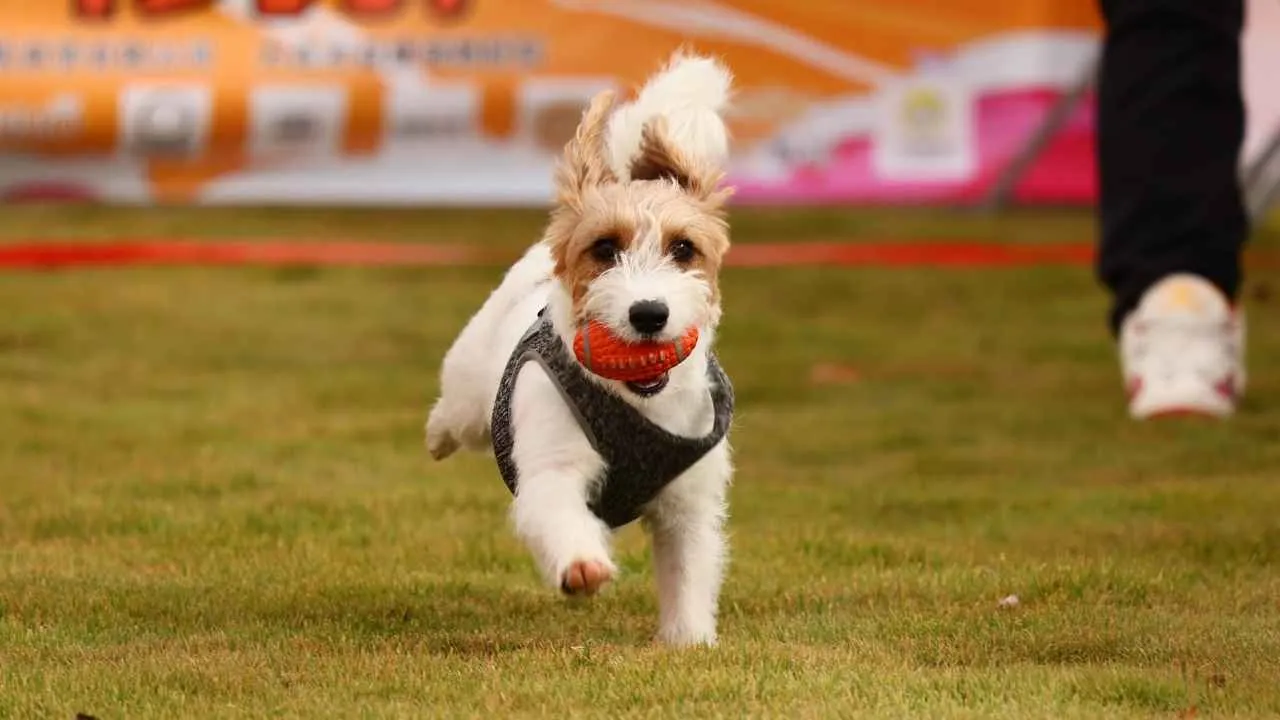
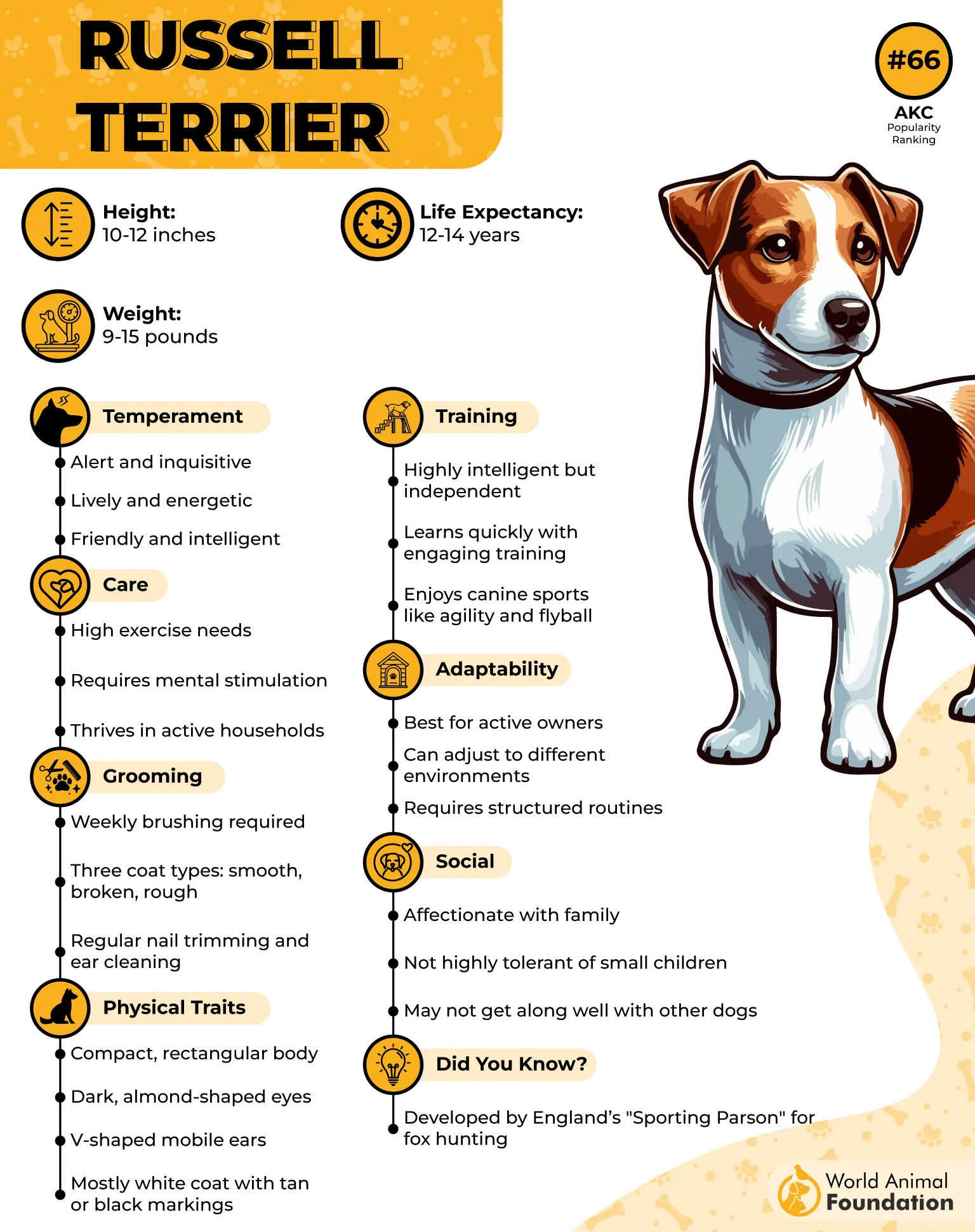
Jack Russell Terrier was originally bred by Reverend John Russell, who bred fox-hunting Terriers in Devonshire, England, during the mid-to-late 1800s. His first Terrier, reportedly named Trump, came from a milkman around 1816 and became part of his breeding efforts.
Plenty to Do
This small terrier breed has an athletic physique with remarkable energy, so a quiet routine can quickly leave this breed looking for its own entertainment. A backyard gives it room to run, play, dig, and use that restless curiosity in useful ways, as PDSA noted.
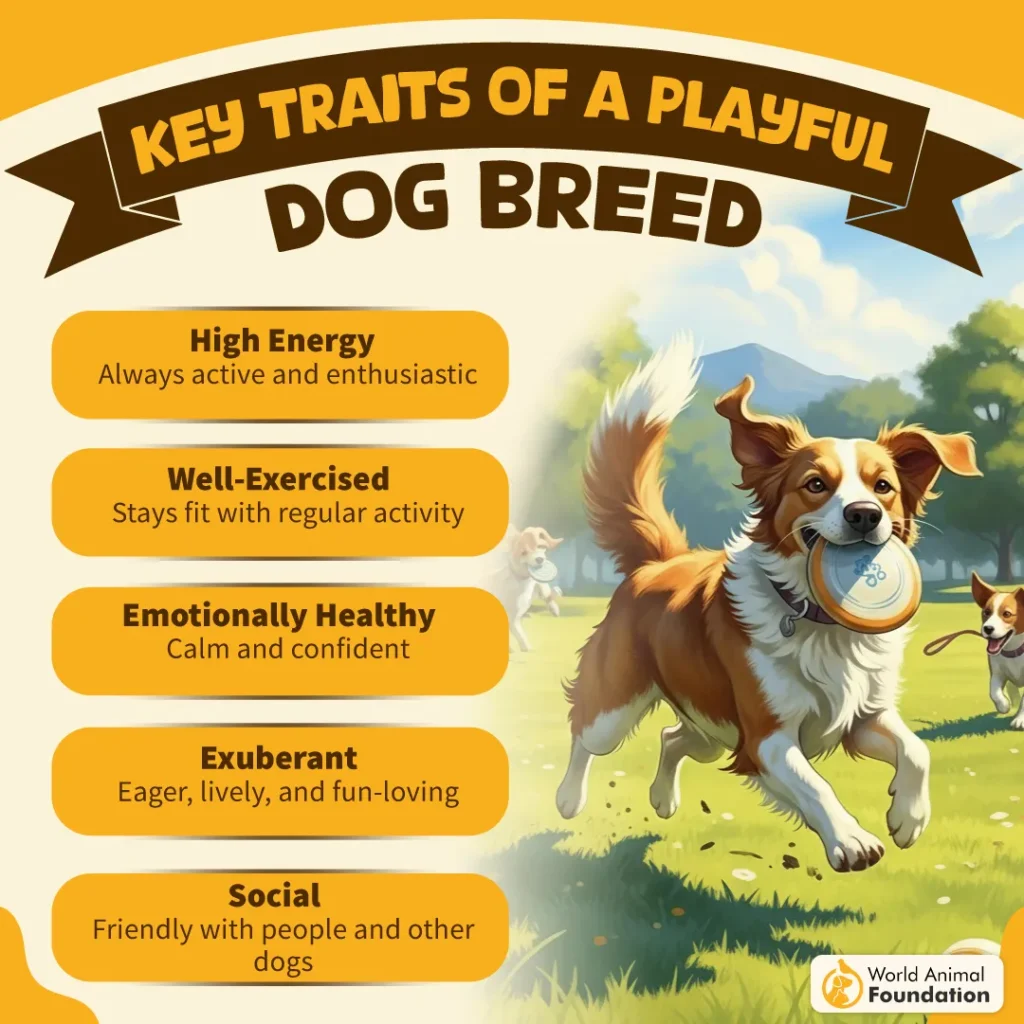
The small details can make a noticeable difference:
Needs regular human interaction
Boredom can trigger destructive behavior
Secure fencing helps prevent escapes
Clever and Fearless
Jack Russell Terrier brings plenty of personality to training, picking up tricks such as roll-over, shake, and high-five while retaining a fearless streak from its hunting roots. Its bold nature can also make it willing to confront perceived danger, even when something much larger is involved.
2. Papillon
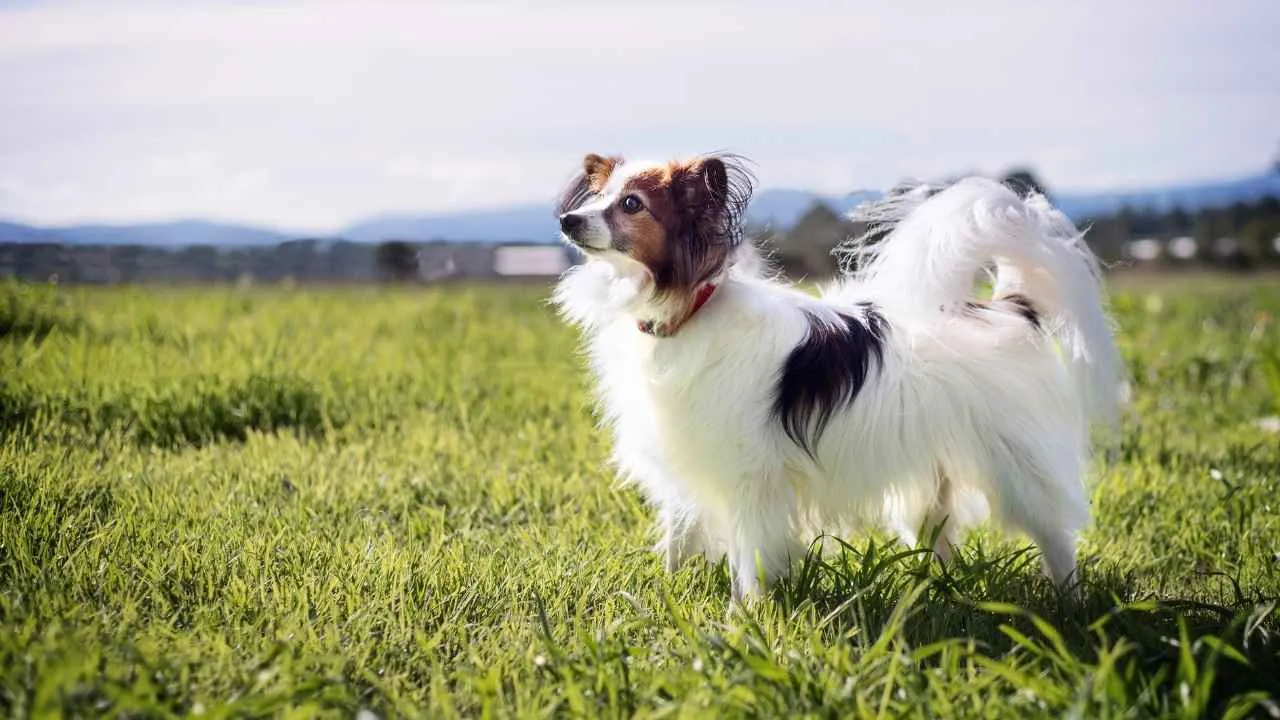
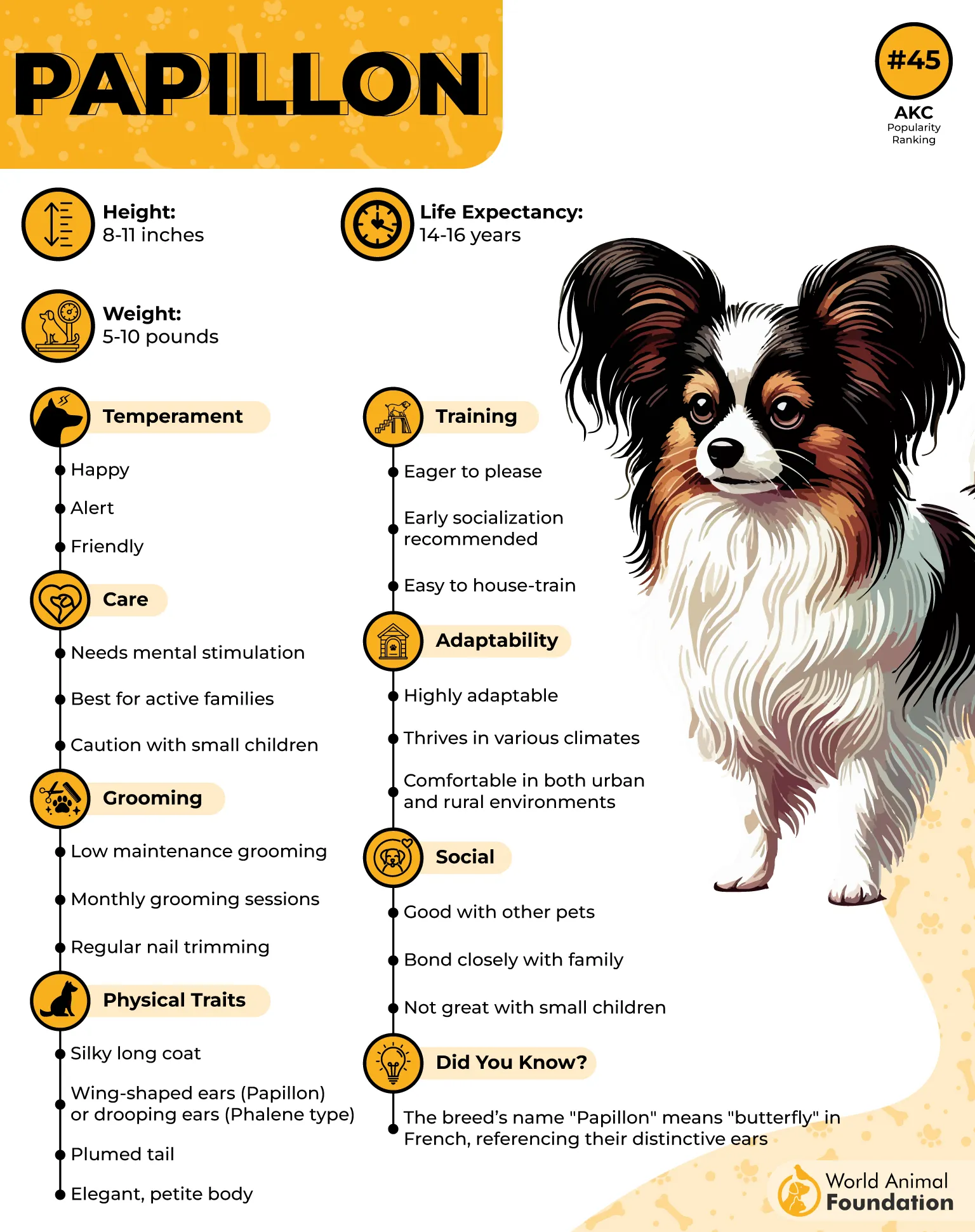
Papillon descends from European Toy Spaniels that appeared in royal court paintings as early as the 1500s, including works by Titian. Its butterfly-like upright ears became fashionable much later, toward the end of the 19th century, giving the breed its familiar name.
Small Size, Busy Mind
They need only about 30 to 45 minutes of daily exercise, with leisurely walks, scent walks, or a lively game of fetch enough to use up that energy. A spacious yard is unnecessary, since a living room can become a perfectly good place for play and activity.
A handful of practical factors can shape the experience:
Puzzle toys provide mental challenges
Agility can channel its quickness
Fetch works well indoors
Social by Nature
WebMD mentions that this little dog breed is generally outgoing with people, cats, and other dogs, while early socialization helps prevent puppies from becoming overly dependent on their families. Their small, delicate frame also calls for supervision around large dogs and children who may play too roughly.
3. Boston Terrier
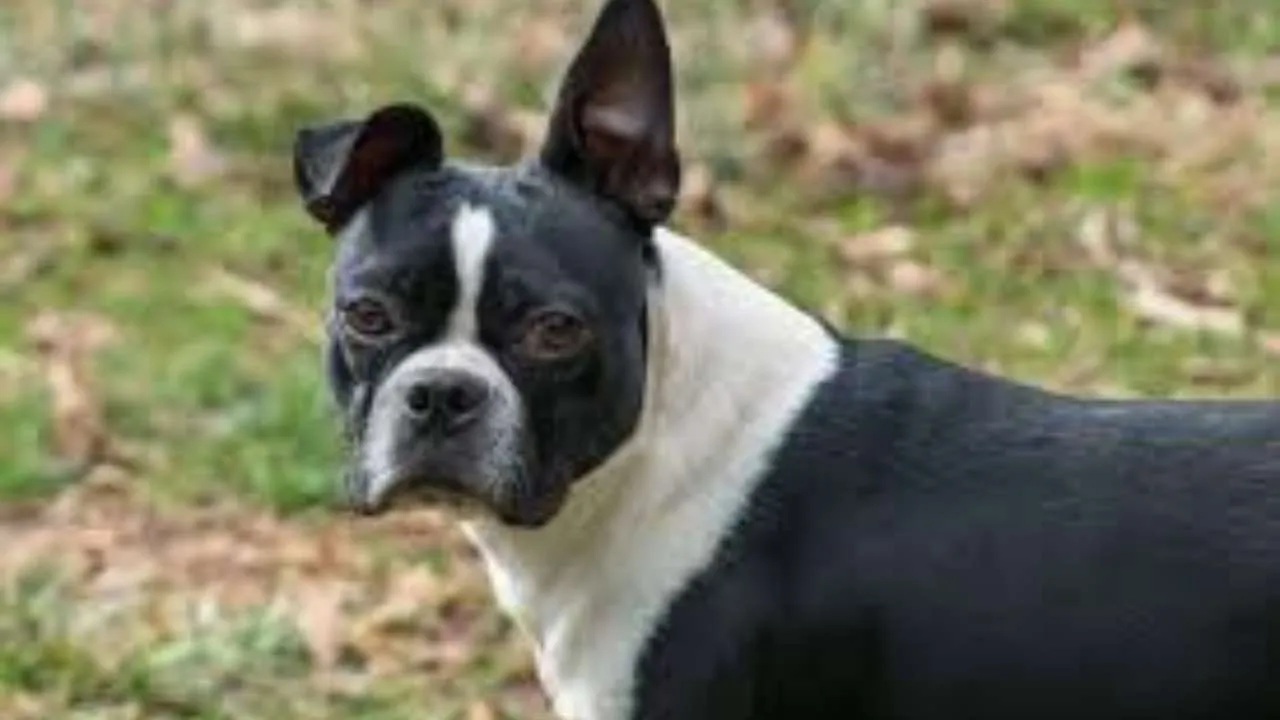
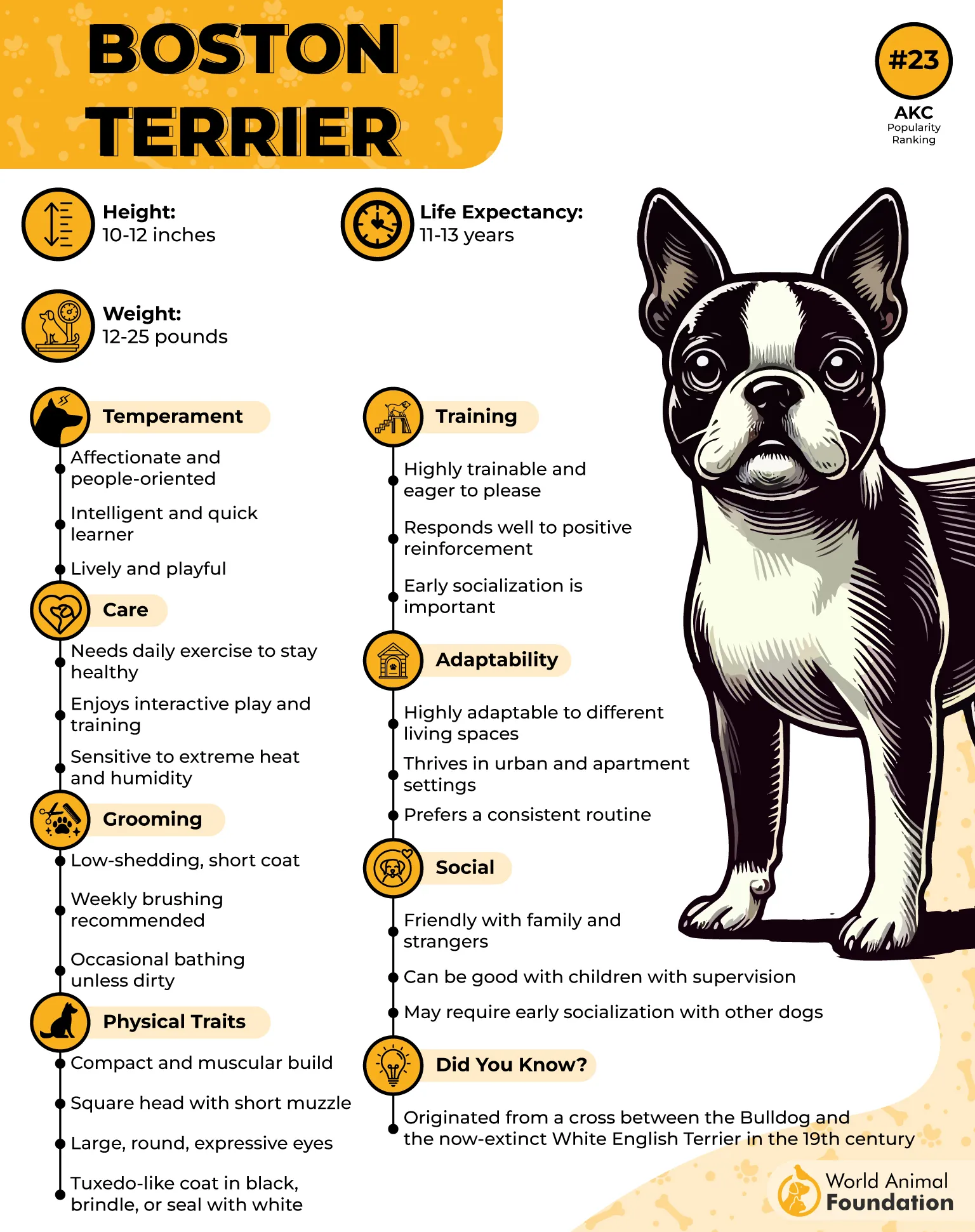
Boston Terrier was developed in the United States during the late 1800s through crosses between terriers and French Bulldogs, as mentioned by Omlet.
The American Kennel Club officially recognized the breed in 1893 and classifies it within the non-sporting group rather than the terrier group today.
A Lively Companion
These terriers bring plenty of energy into daily life and enjoy games such as fetch and frisbee with their family. Its playful nature comes with a need for regular attention, while hot, humid weather can make strenuous activity harder because of potential breathing difficulties.
A few details add more to its everyday personality:
Nicknamed the “American Gentleman”
Can snore during sofa naps
Often plays with toys for hours
Alert and Affectionate
Even as a petite dog, they usually bark when there is a reason, giving them an alert side without making noise a constant feature of the home. Early socialization is important because insufficient exposure to unfamiliar people can lead to territorial behavior and snapping at strangers.
4. Toy Poodle
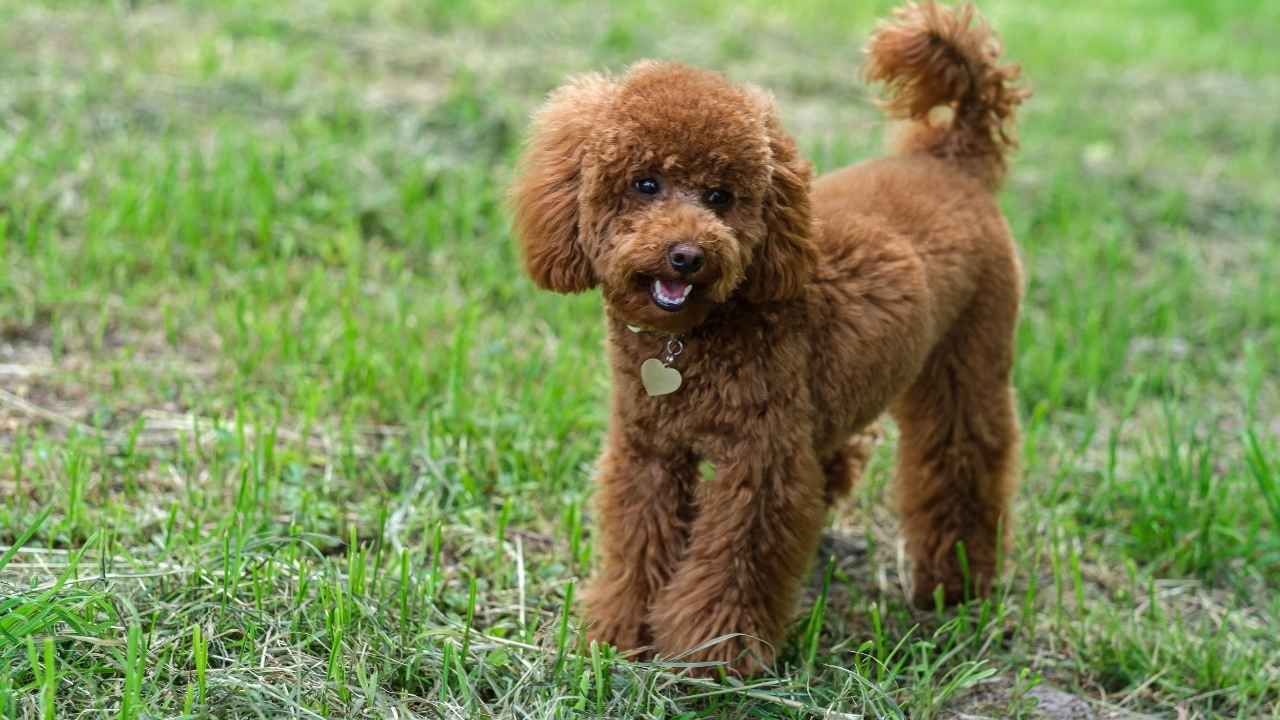
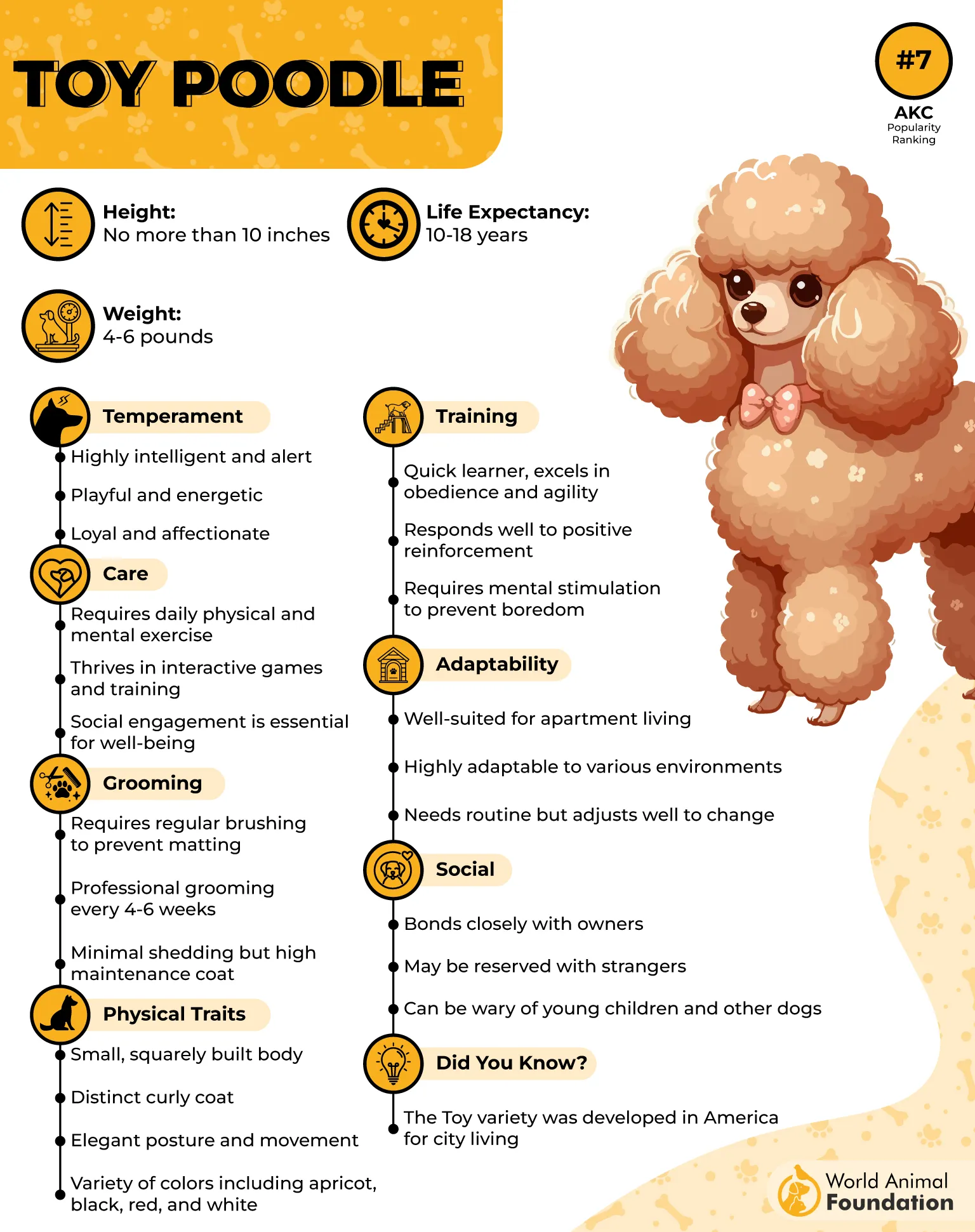
Toy Poodle belongs to a breed line shaped by European hunting and herding work, with roots often linked to curly-coated dogs from Asia. In Germany, Poodles took on roles ranging from military and guide work to circus performances before becoming closely associated with France.
Clever in a Small Frame
These elegant toy dogs are quick to learn and have a strong appetite for activity in everyday home life, making short walks and indoor games useful parts of their routine. It can turn simple play into a proper challenge, especially when tricks and training are involved.
The following abilities make that energy especially versatile:
Quick with obedience exercises
Suited to agility courses
Enjoys Flyball competitions
Needs Its People
Toy Poodle is highly social and prefers regular company, with long periods without interaction capable of leading to destructive behavior. Once its energy has been used through play, outdoor activity, or training, it may happily curl up beside a favorite person.
5. Yorkshire Terrier
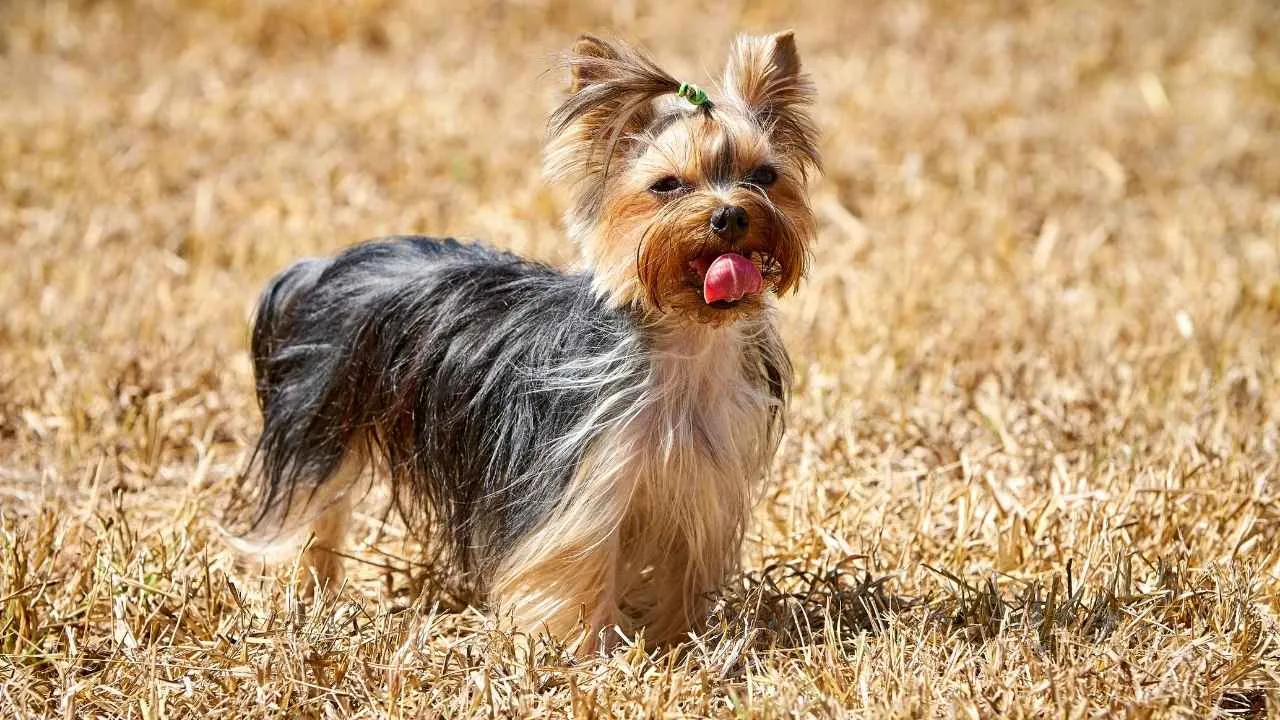
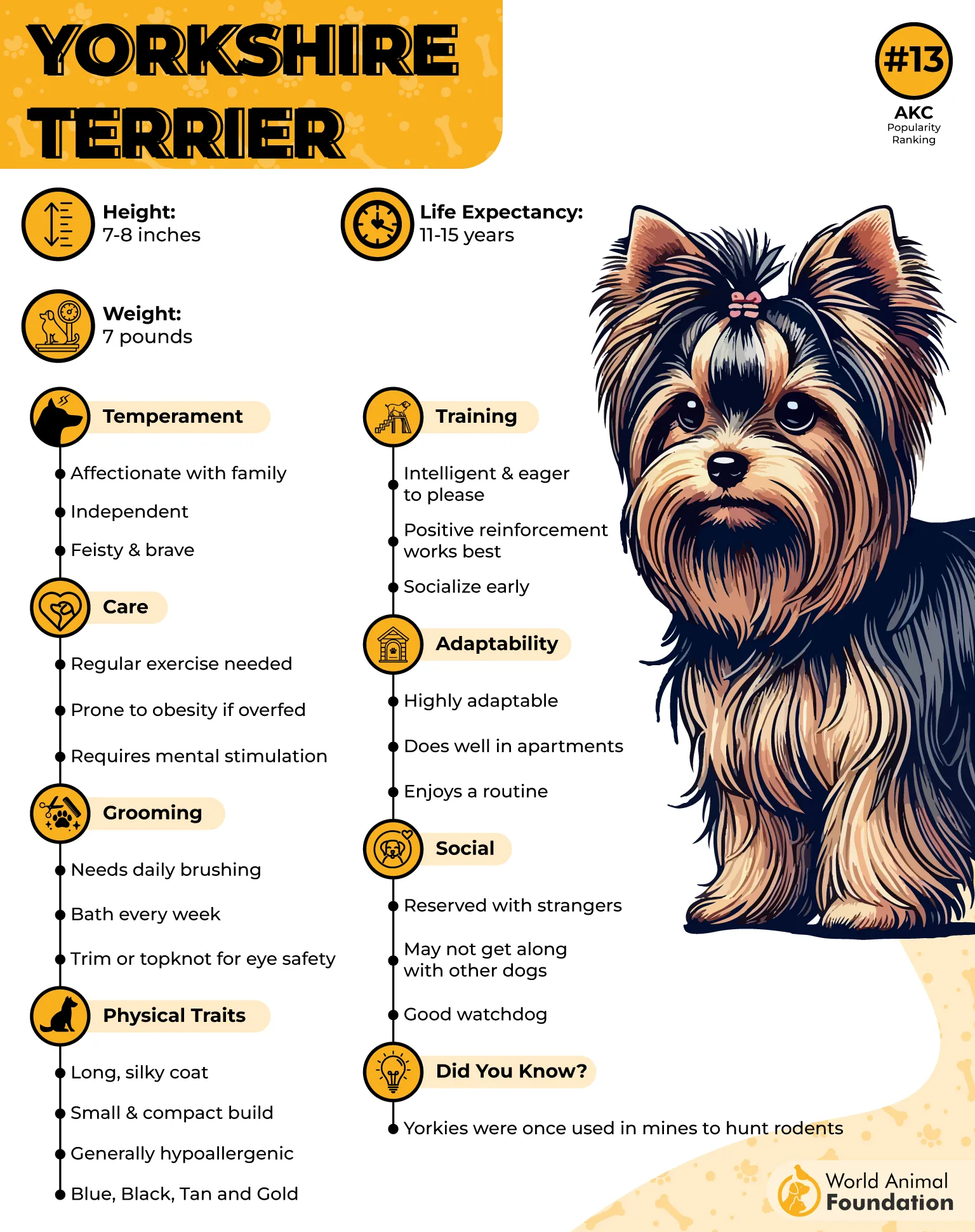
Yorkshire Terrier emerged in Yorkshire during the mid-19th century after Scottish workers brought small terriers into the region’s cotton mills. These dogs were used to control rats, with Waterside, Paisley, and Skye Terriers likely contributing to the breed’s early formation.
Small Dog, Busy Mind
Yorkies pack plenty of activity into a small frame, with short walks and indoor fetch often enough to fit their routine. Its curious nature also means games and simple tasks can give it something useful to focus on around the house.
These characteristics make daily life with this toy breed more interesting:
Frequent barking can alert you to visitors
Small furry pets may trigger its prey drive
Long periods alone can be difficult
Social Skills Matter
These dainty creatures can become protective of their people, making early puppy classes and introductions to unfamiliar faces especially valuable. With proper socialization, it can fit well into family life and interact appropriately with respectful children.
6. Cairn Terrier
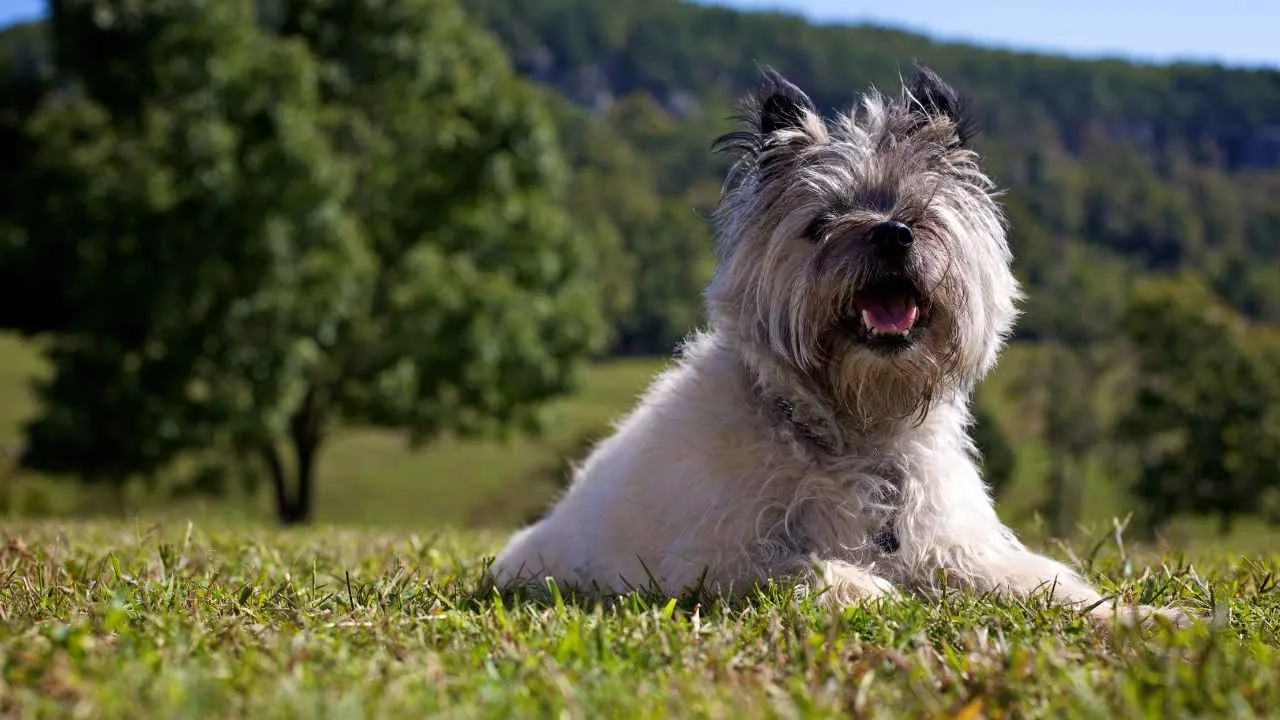
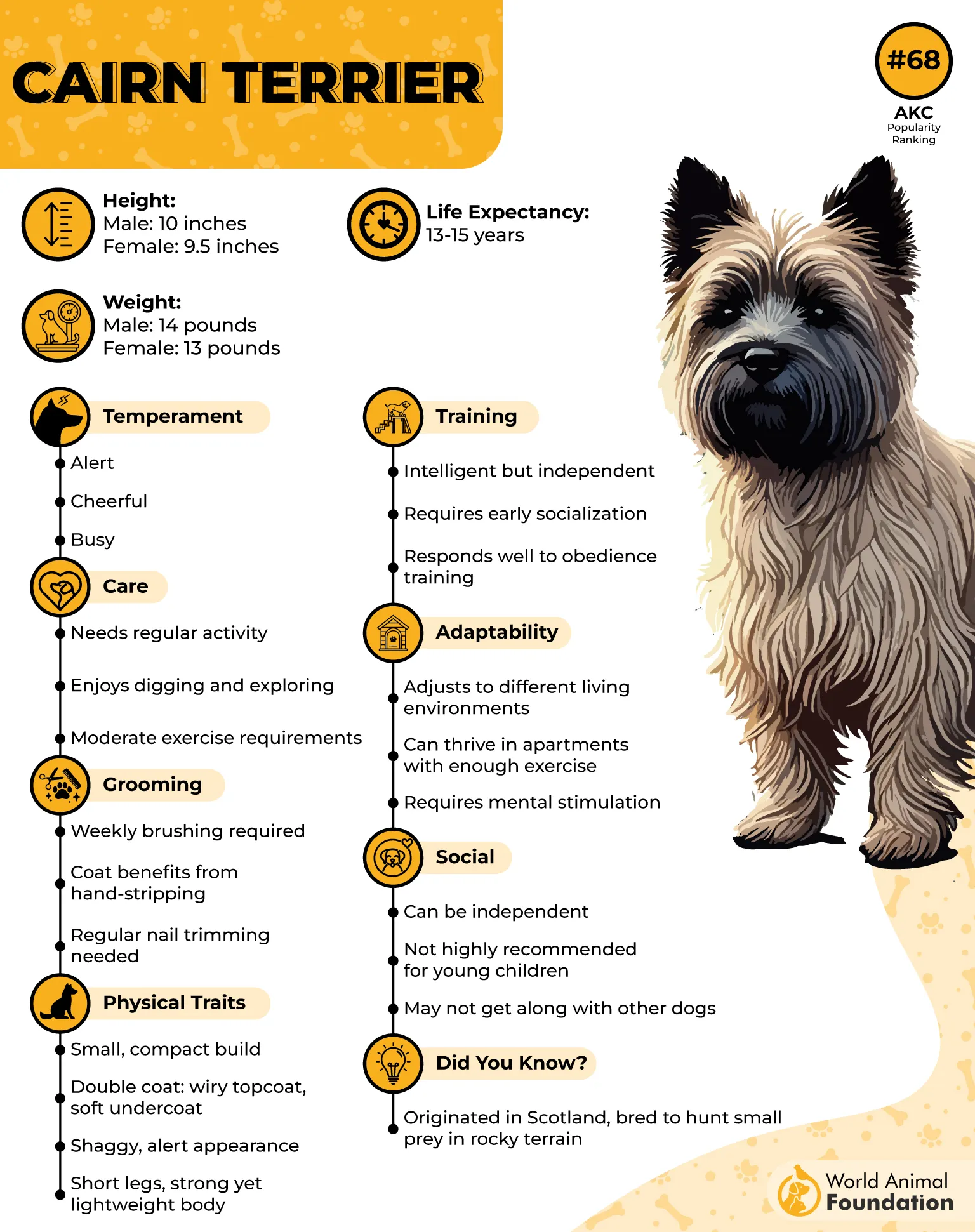
Cairn Terrier comes from Scotland’s Highlands, where these small dogs were used to pursue quarry among the rocky cairns scattered across the region. Their earlier name, Short-Haired Skye Terrier, was later replaced by Cairn Terrier in the early 1900s.
A Dog With Plenty to Do
This other tiny lap dog has plenty of energy in daily life, so a long walk paired with interactive play helps channel it productively. Their curiosity also makes exploring, digging, and garden activities particularly appealing.
What seems minor at first can matter in everyday life:
Do well in obedience and agility competitions
Can learn to remain alone for a few hours
Generally barks when there is a reason
Close to People
Cairn Terrier is sensitive beneath its fearless attitude and enjoys being near its people, including relaxing beside them on the sofa.
Respectful children can make good companions, while individual dogs may have difficulty with cats or small furry animals because of their terrier instincts.
7. Miniature Pinscher
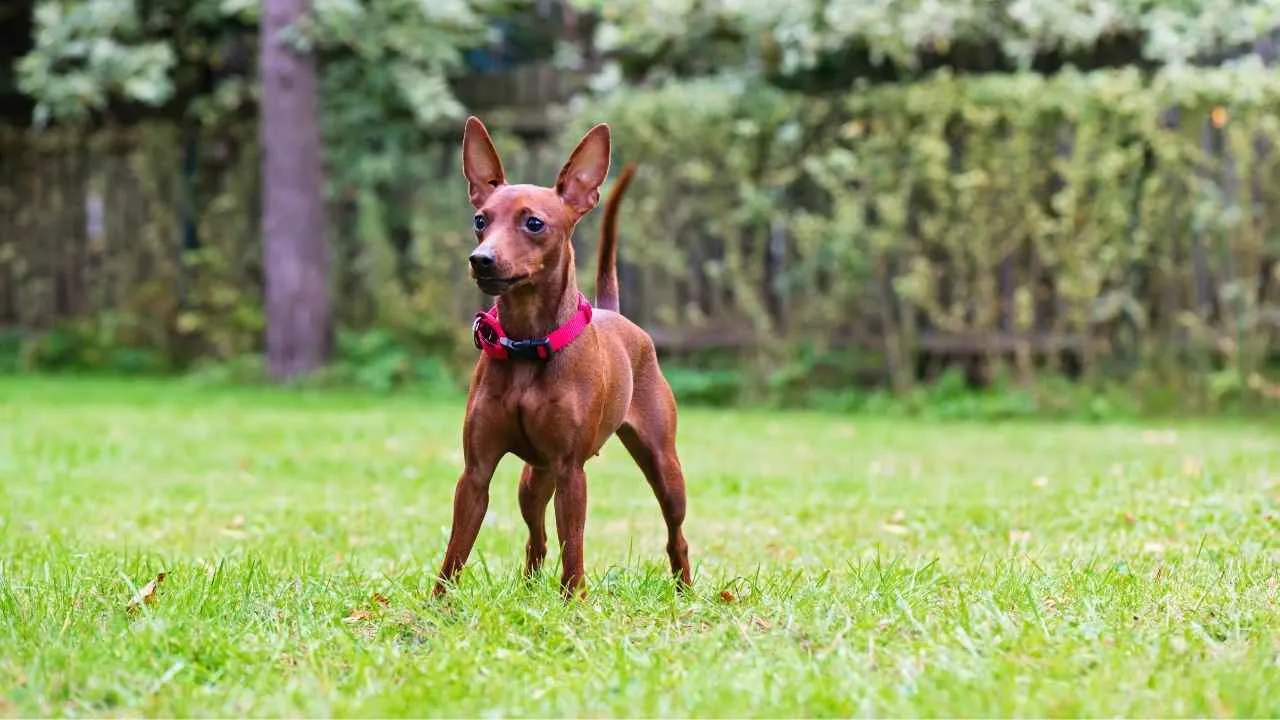
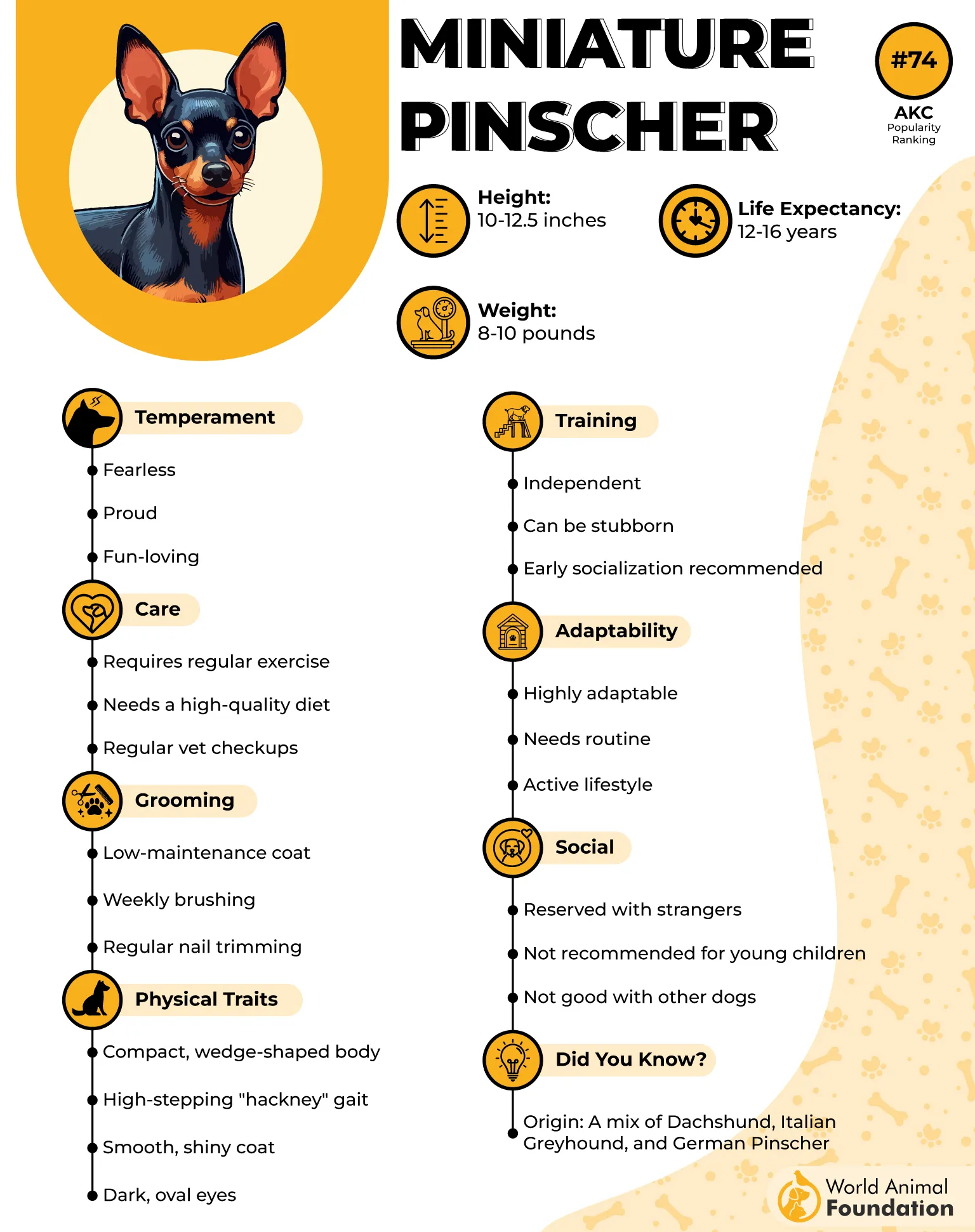
Long before the Doberman Pinscher existed, the Miniature Pinscher was already being used in Germany to catch rats and control vermin around homes and farms.
Although its history stretches back hundreds of years, written records of the breed only appear within about the last two centuries.
A Lively Housemate
Min Pin brings plenty of energy into daily life and enjoys being involved with its family rather than being ignored for long stretches. Its compact size also pairs with a playful nature, making games and interactive activities useful parts of its routine.
The small details can make a noticeable difference:
Older children are a better match
Puppy classes aid dog socialization
Agility and Flyball suit its energy
Keep That Leash Handy
Miniature Pinscher needs a long daily walk, preferably in a secure area because this breed can be remarkably determined when looking for an escape route. Its strong instinct to chase small animals also makes off-leash freedom risky, while rough play with larger dogs can lead to injuries.
Conclusion
Life with a small dog can be full of movement, mischief, and cheerful moments when its need for activity is given enough attention.
A compact body does not always mean a quiet personality or an easygoing routine. Daily walks, indoor games, training, and mental challenges can help turn extra energy into something useful, which is one of the good things about having an active little lapdog.
It is also important to consider how much company your dog needs and whether your home can support safe play. Dogs with mellow personalities may offer a calmer routine, while others need more engagement.
When those needs fit your lifestyle, choosing the right companion can be an excellent choice for everyday interaction, learning, and simple fun together at home each day.
