




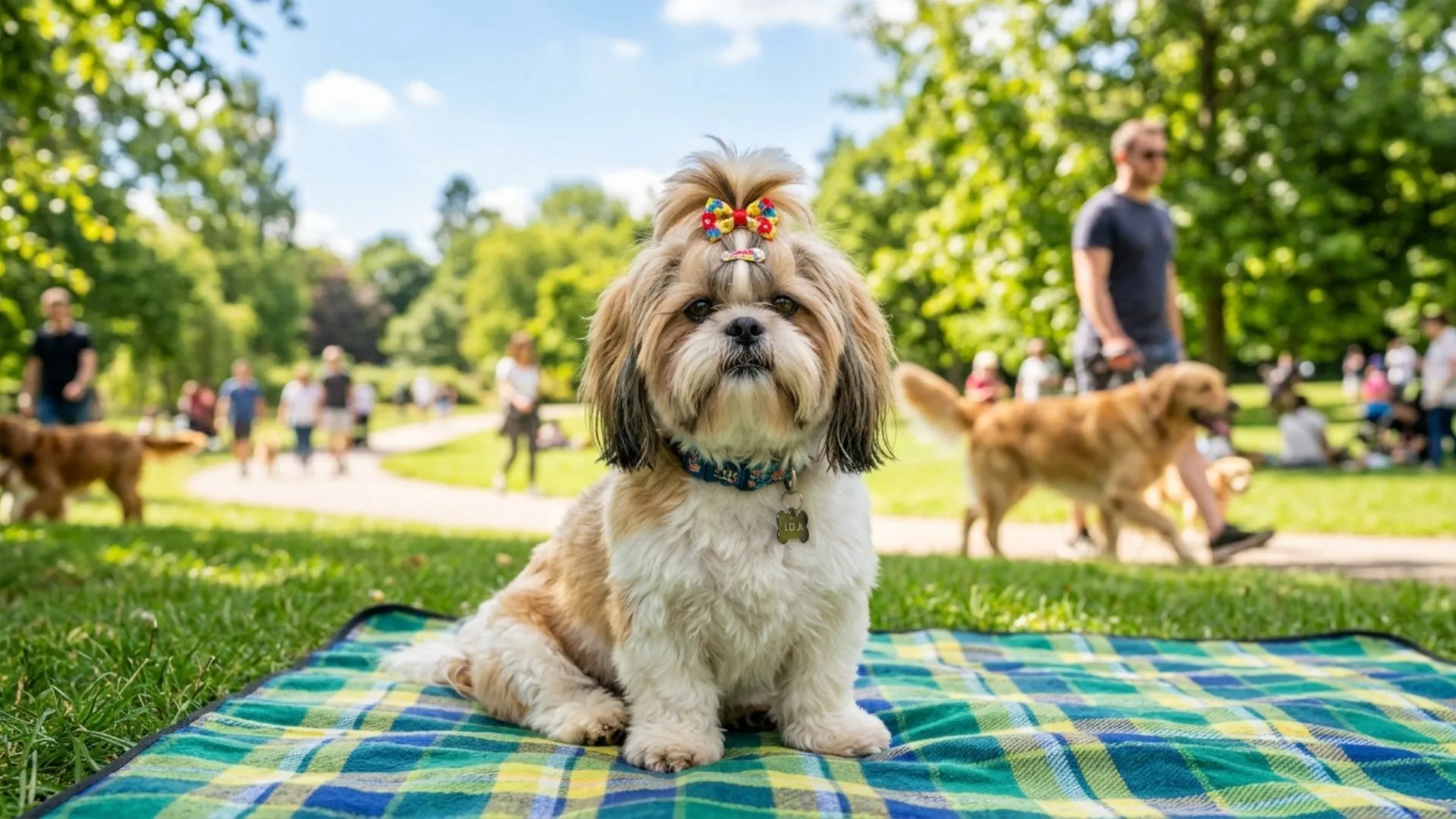
People often assume energetic dogs are more fun to live with because they appear playful, expressive, and constantly excited about everything around them. But in real homes, endless excitement can quickly become exhausting.
A dog that reacts intensely to every sound, movement, or unfamiliar face can slowly turn simple routines into daily stress. That reality surprises many owners after the initial excitement wears off. Calm dog breeds, on the other hand, are frequently overlooked because their behavior appears less dramatic at first glance.
Yet these are often the dogs that create the most peaceful and enjoyable living environment over time. They stay approachable without becoming overwhelming, friendly without demanding constant attention, and emotionally steady in situations where other dogs lose control. That balance matters far more in daily life than people expect.
The breeds featured ahead are admired for their ability to remain calm, gentle, and dependable even when the environment around them becomes loud, crowded, or unpredictable.
Key Takeaways
Many people look for excitement in a dog, yet long-term comfort often comes from breeds that remain calm when the environment shifts.
The Cavalier King Charles Spaniel, Shih Tzu, and Pug show how calm companionship can quietly shape a more peaceful home.
The Newfoundland, Saint Bernard, and Greyhound may look powerful or fast, yet they stay surprisingly gentle and steady indoors.
Continue to the end to find the breeds that consistently bring balance, warmth, and emotional stability into a home.
Friendly Dog Breeds that Stay Calm in Any Situation
1. Cavalier King Charles Spaniel
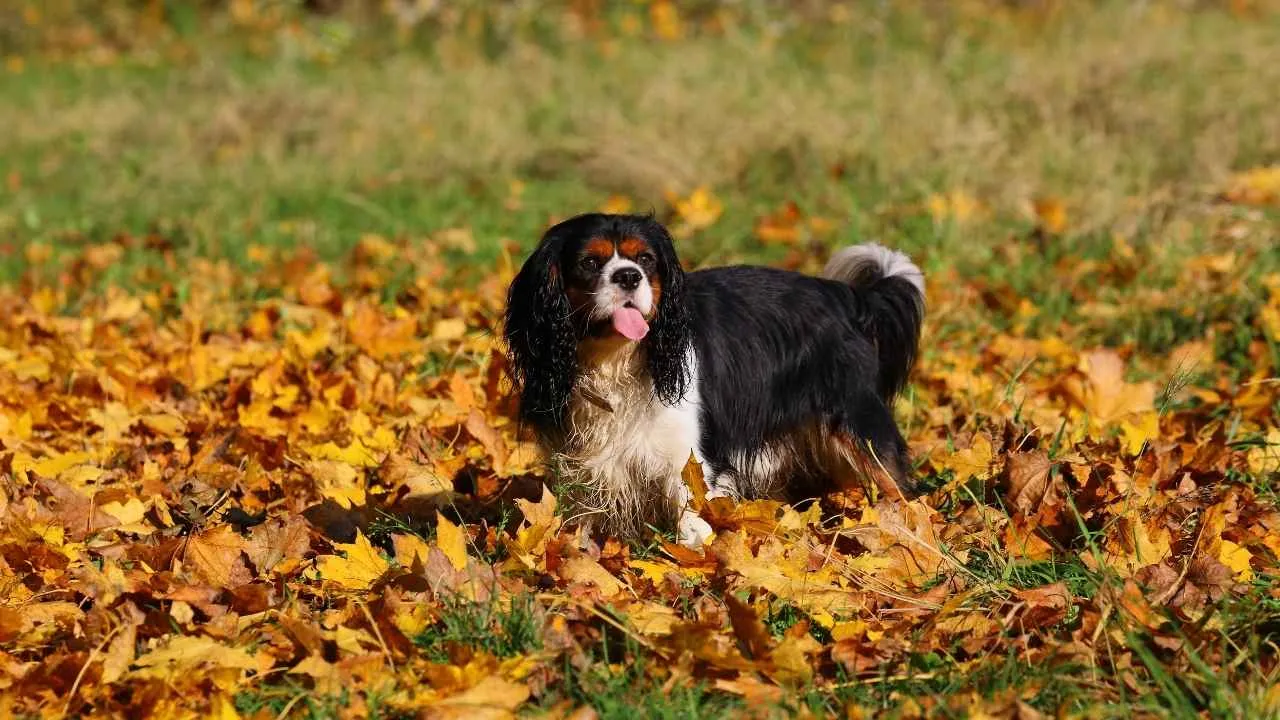
Cavalier King Charles Spaniel carries a long association with British royal courts, where it became a close indoor companion during the 17th century under King Charles I and King Charles II.
Its role began as a comforting lap presence in cold interiors and carriage travel, shaping a dog built around closeness rather than distance work.
Gentle companion shaped by constant human connection
This lap dog shows a soft expression and small, balanced frame that reflects its purpose as a close-contact companion dog. Its temperament stays calm in varied household settings, supported by a naturally social and people-focused behavior pattern.
That social nature appears in clear traits:
Strong attachment to human presence in daily routines
Steady tolerance toward children and household activity
Comfortable interaction with other dogs in shared spaces
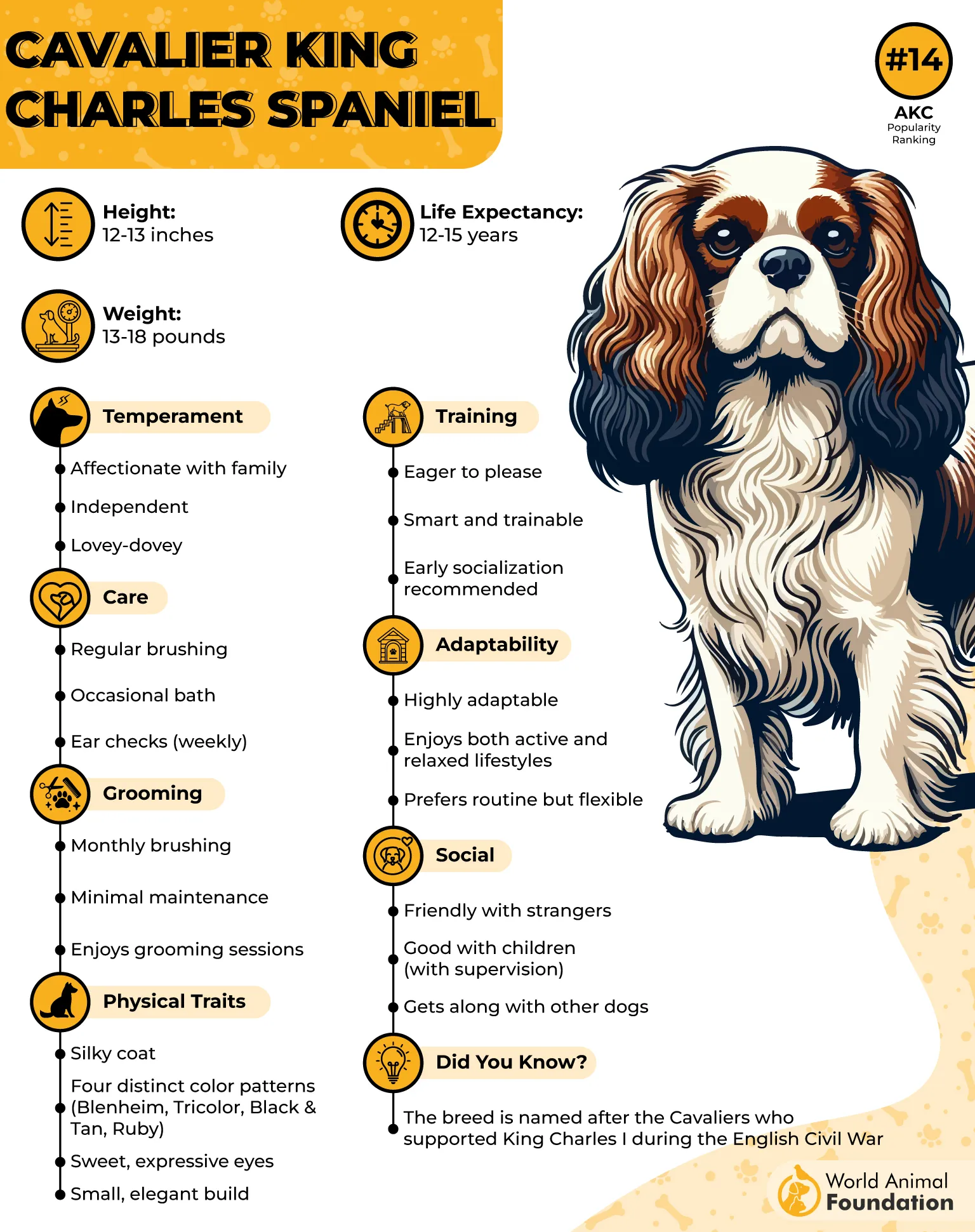
Modern role in balanced home living
In present-day homes, the Cavalier fits into both relaxed and moderately active lifestyles, as long as regular walks and attention are part of the routine, as PetMD noted. A secure, enclosed environment is preferred since its curiosity toward scents can draw it away from supervision outdoors.
2. Shih Tzu
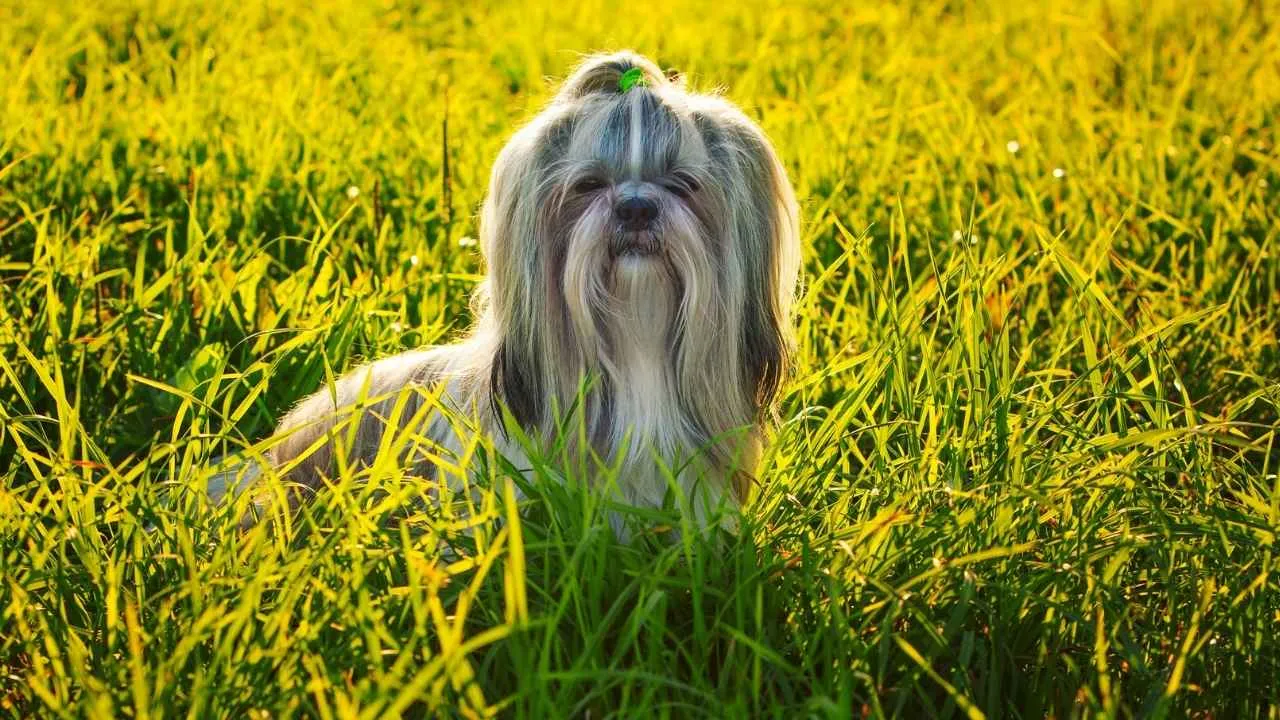
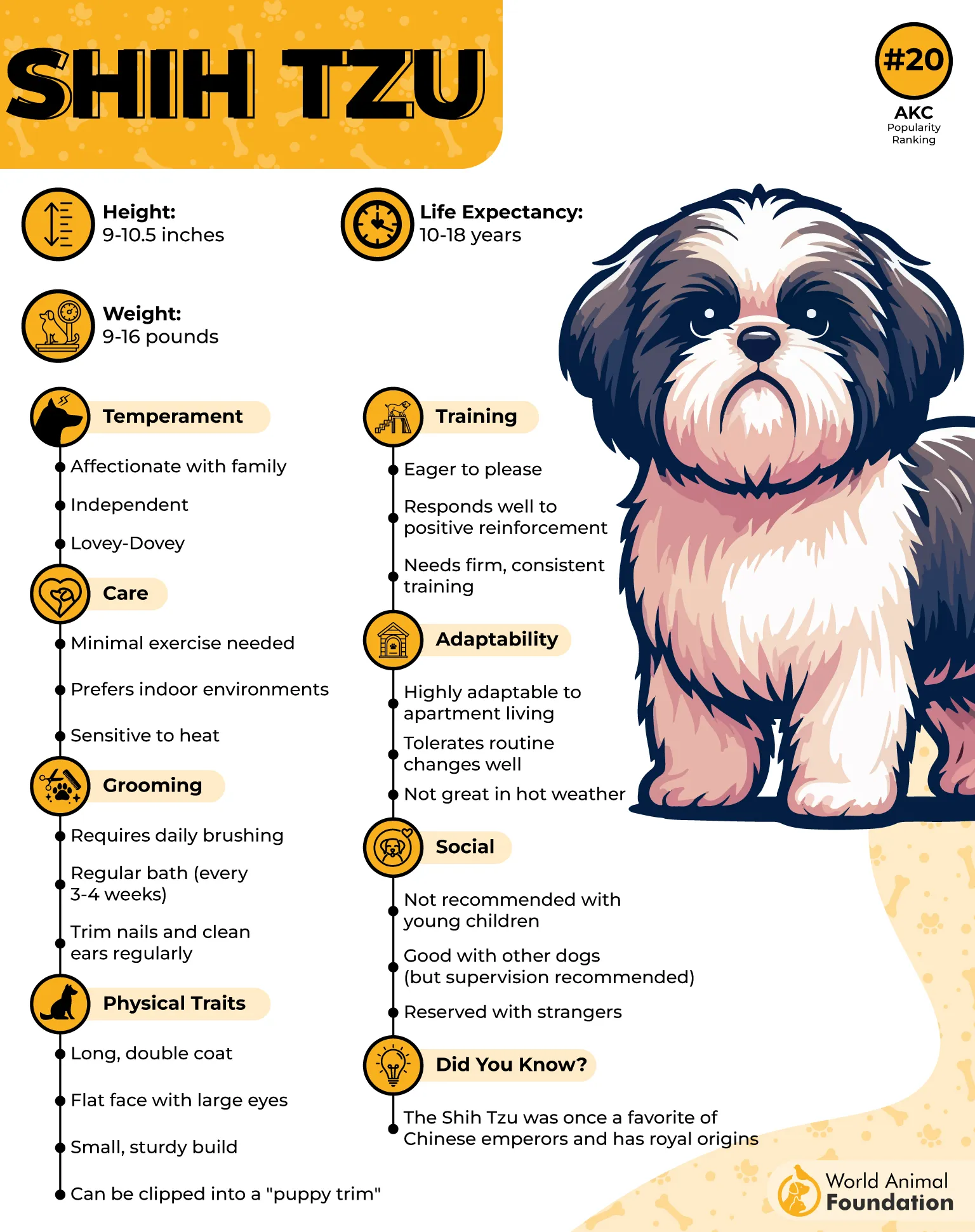
Shih Tzu traces back to Tibetan roots, where it was shaped as a compact companion for palace life rather than field work, later refined in Chinese imperial circles as a small, alert presence inside homes.
Its identity stayed closely tied to companionship, built around constant human proximity rather than independent tasks.
Indoor Structure and Daily Rhythm
This calm dog has a build and daily behavior that stays light and manageable, fitting in apartments where interaction matters more than endurance work. Grooming needs and handling shape much of its care routine, along with simple activity patterns suited to close living spaces.
What stands out in daily handling:
Responds best to calm, steady interaction
Prefers short, consistent activity bursts
Needs regular coat maintenance attention
Work Rest Balance in Behavior
Personality stays people-focused, reacting quickly to household movement and often showing alertness when someone enters its space.
It adjusts its behavior around familiarity, staying sociable when introduced properly, but can show vocal reactions when routines feel unfamiliar, as per the American Kennel Club (AKC).
3. Pug
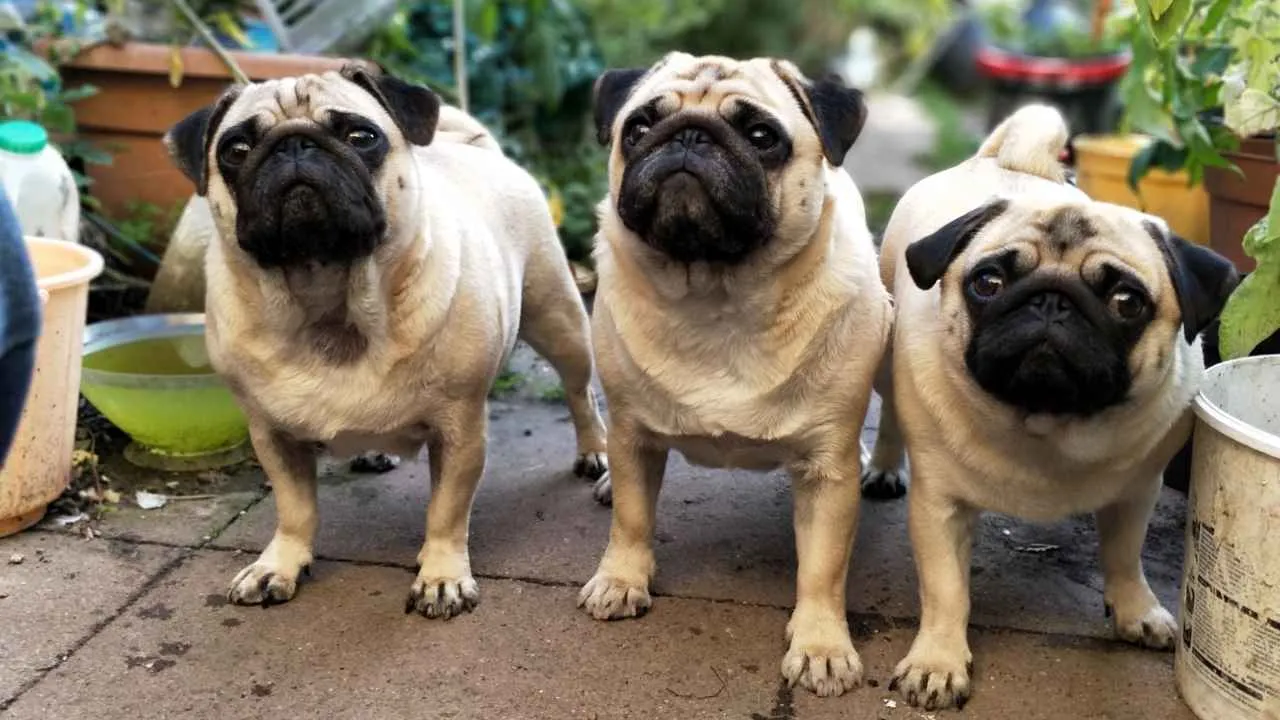
Pugs come from an old Chinese toy lineage that was shaped for close companionship inside royal homes and later spread worldwide as a steady household favorite. Its role stayed centered on presence and attention rather than any working task, making it a naturally people-oriented small breed.
Build and Everyday Comfort Pattern
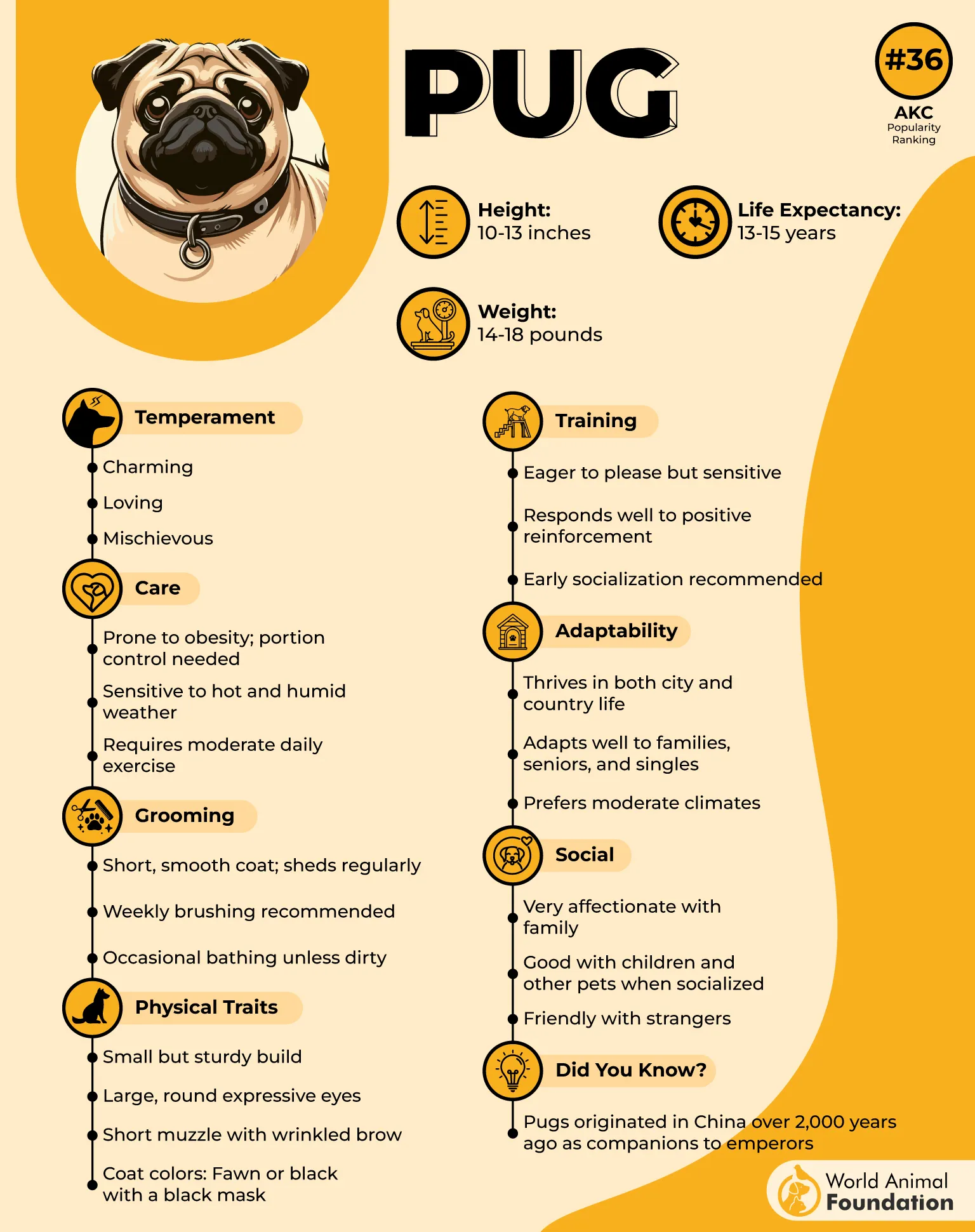
A compact frame with a flat face defines its look, along with breathing patterns that can sound heavy during rest or activity, which is why short, easy walks suit it best.
That everyday balance becomes clearer through:
Short bursts of playful energy
Better comfort with light walks
Sensitive to heat and overexertion
Calm Interaction Style at Home
As one of the calmest dog breeds, Pugs tend to stay close to their people, showing steady interest in daily movement and reacting quickly when attention shifts in the home. It blends into mixed-pet households when introduced early and handled with simple, consistent routines.
4. Clumber Spaniel
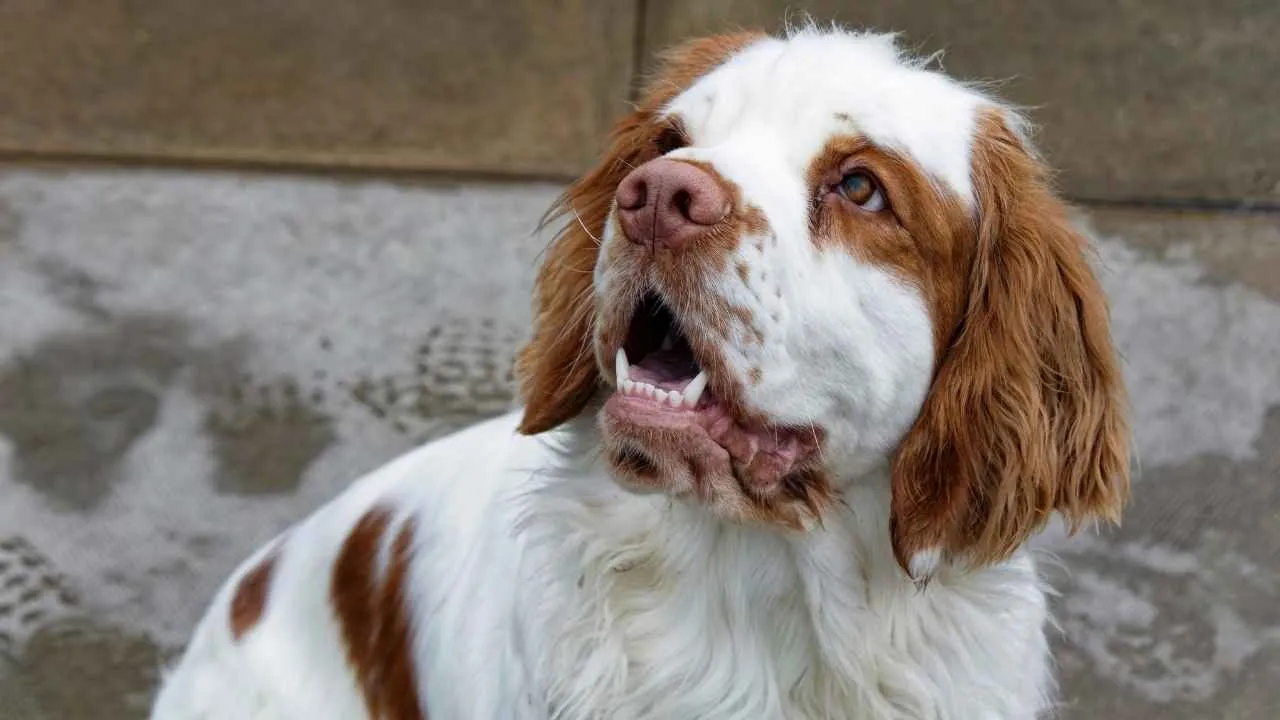
The Clumber Spaniel developed in England as a steady retrieving dog, shaped for quiet field work and trusted by nobility for controlled game recovery in large estates. Its role stayed focused on slow, deliberate work where patience mattered more than speed or range.
Build and Working Flow
A heavy, low-set frame defines its movement, yet it stays steady and purposeful when working scent trails or retrieving across open ground without rushing. Its calm energy makes it reliable in slow-paced outdoor tasks where focus matters more than quick reaction.
These qualities shape how it works across different tasks:
Steady scent tracking over distance
Controlled retrieving in open fields
Calm movement in structured tasks
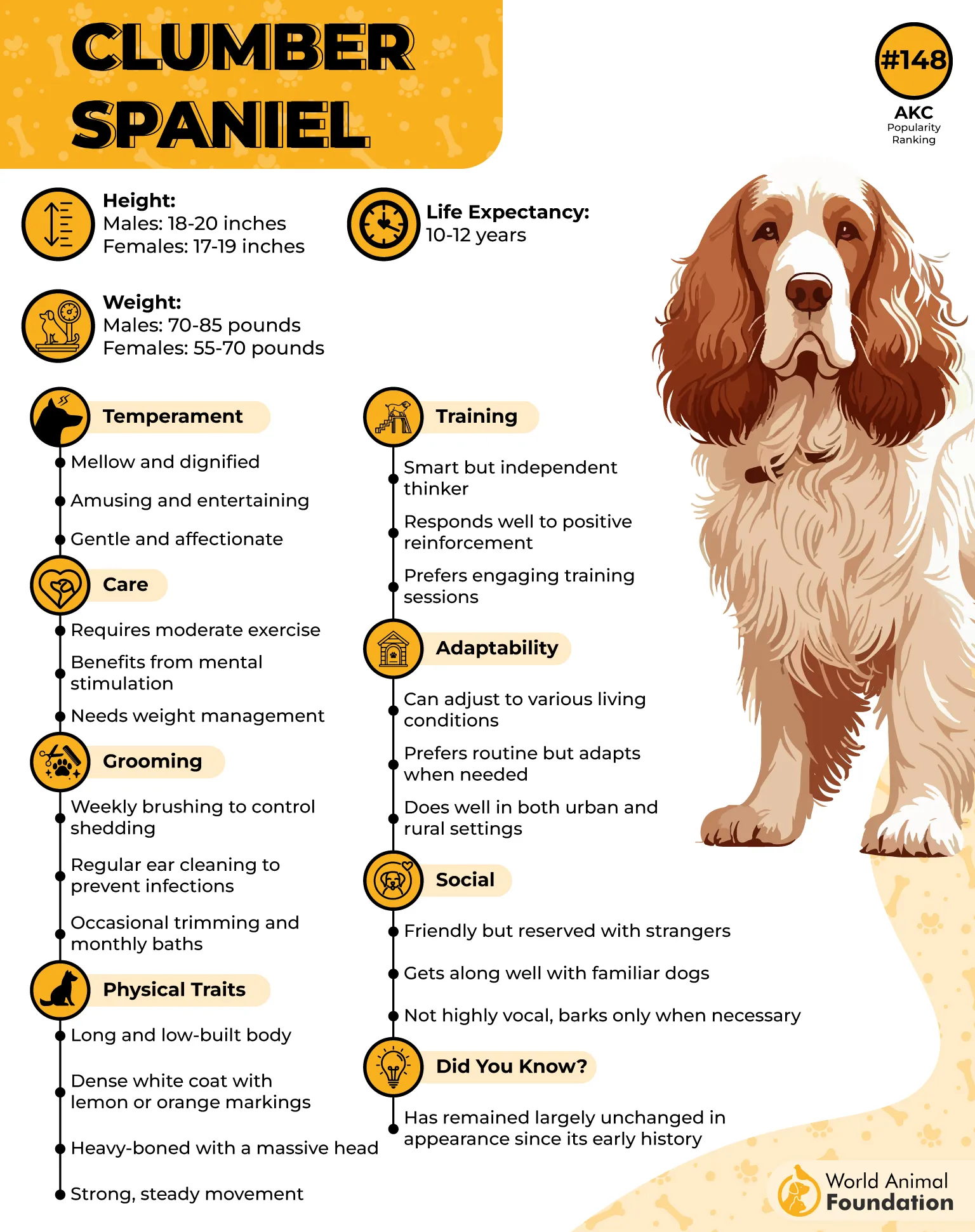
Calm Temper in Action
This chill dog moves through tasks with a calm temperament, showing patience even during longer outdoor sessions without breaking rhythm. It responds best when guidance stays clear, avoiding rushed or scattered behavior while working alongside handlers in steady coordination.
5. Tibetan Spaniel
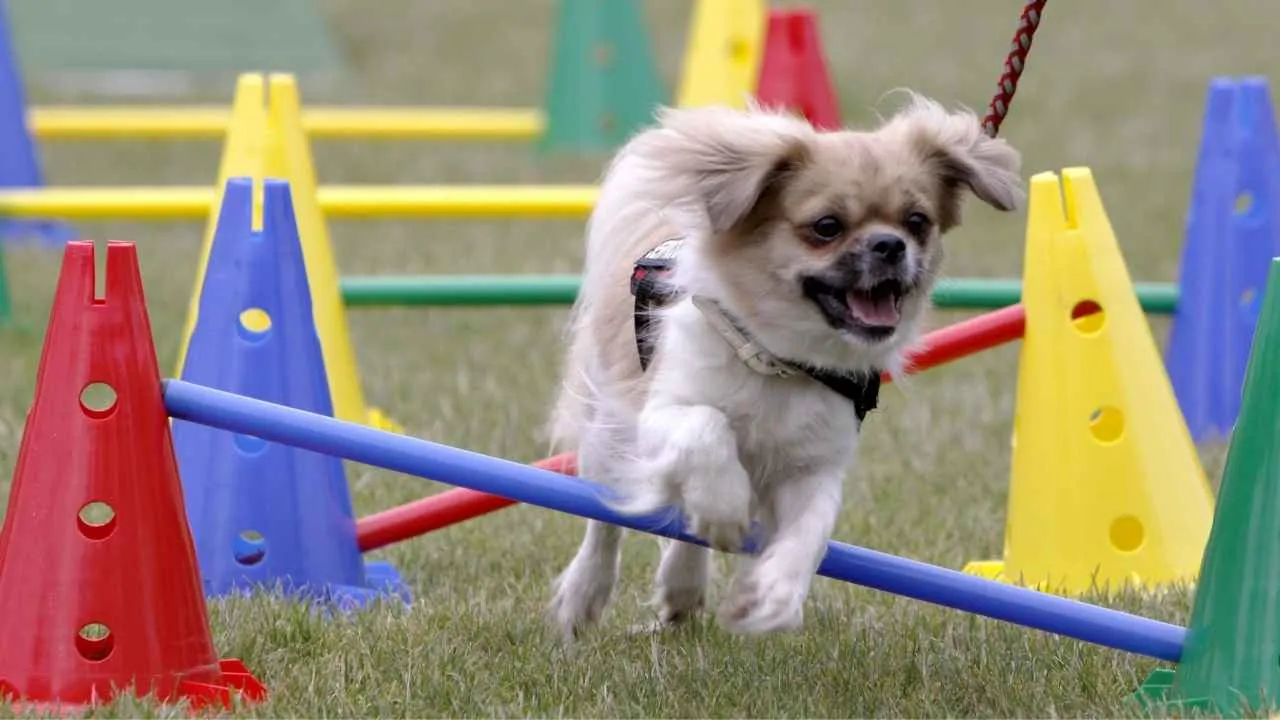
The Tibetan Spaniel originated in Tibetan monasteries, where it worked along high walls, watching movement and giving quiet alerts when something shifted below. Its role stayed rooted in observation and companionship rather than field hunting or heavy outdoor work.
Build and Distinct Look
Small frame with a blunt muzzle and large expressive eyes gives it a watchful expression, while a plumed tail curves over the back and a “lion’s mane” frames the neck. Though called a spaniel, it sits closer to ancient Asian companion breeds like Pugs and Lhasas than sporting spaniels.
Its everyday behavior shows:
Moves quickly with purposeful direction
Switches between calm rest and alert bursts
Performs best in secure, fenced surroundings
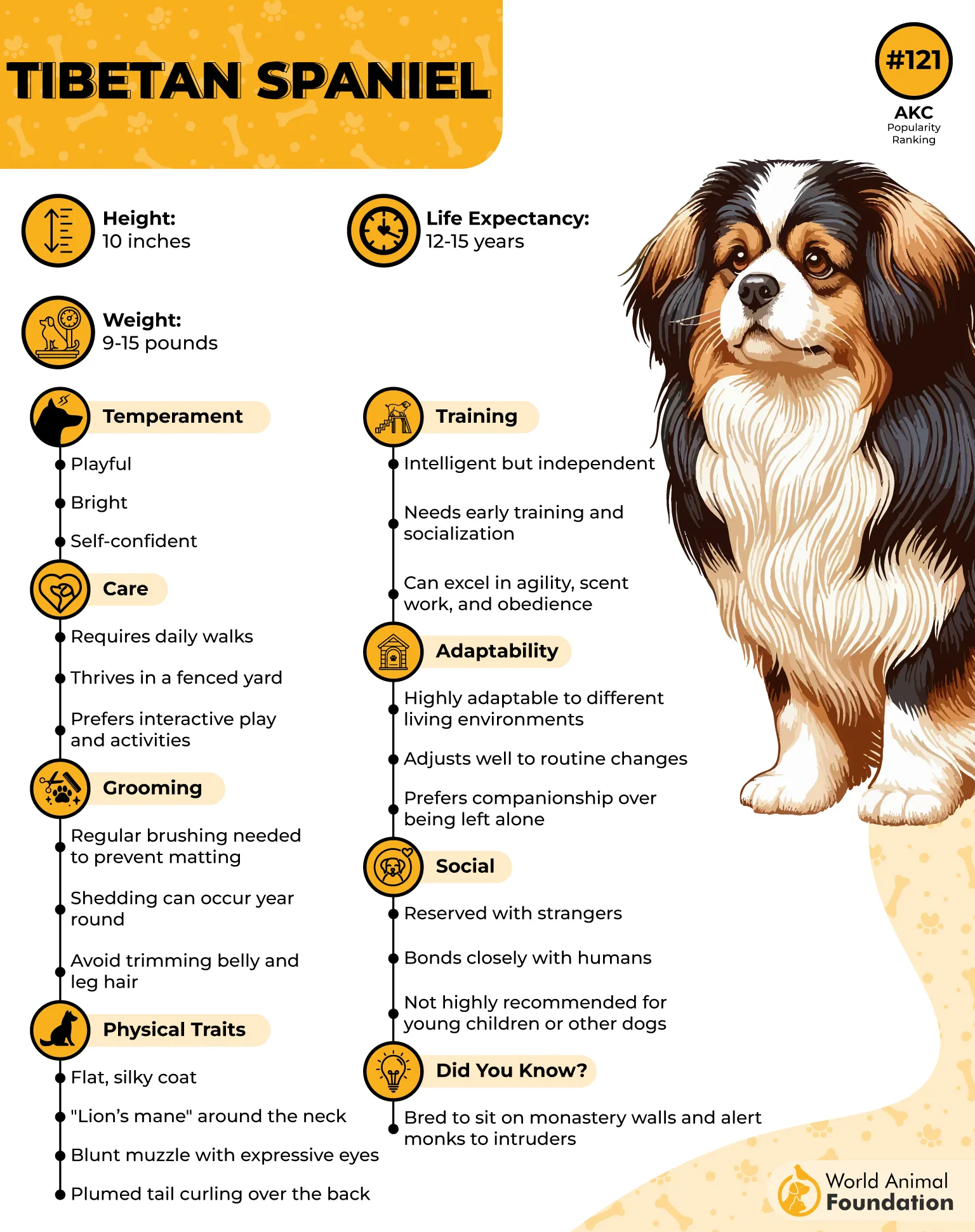
Temper and Attachment Style
This breed has a gentle temperament and stays curious and alert, often reacting early to sounds or movement around the home without becoming overly reactive. It builds a tight bond with its people, showing steady attachment while still keeping a slightly independent rhythm.
6. Pekingese
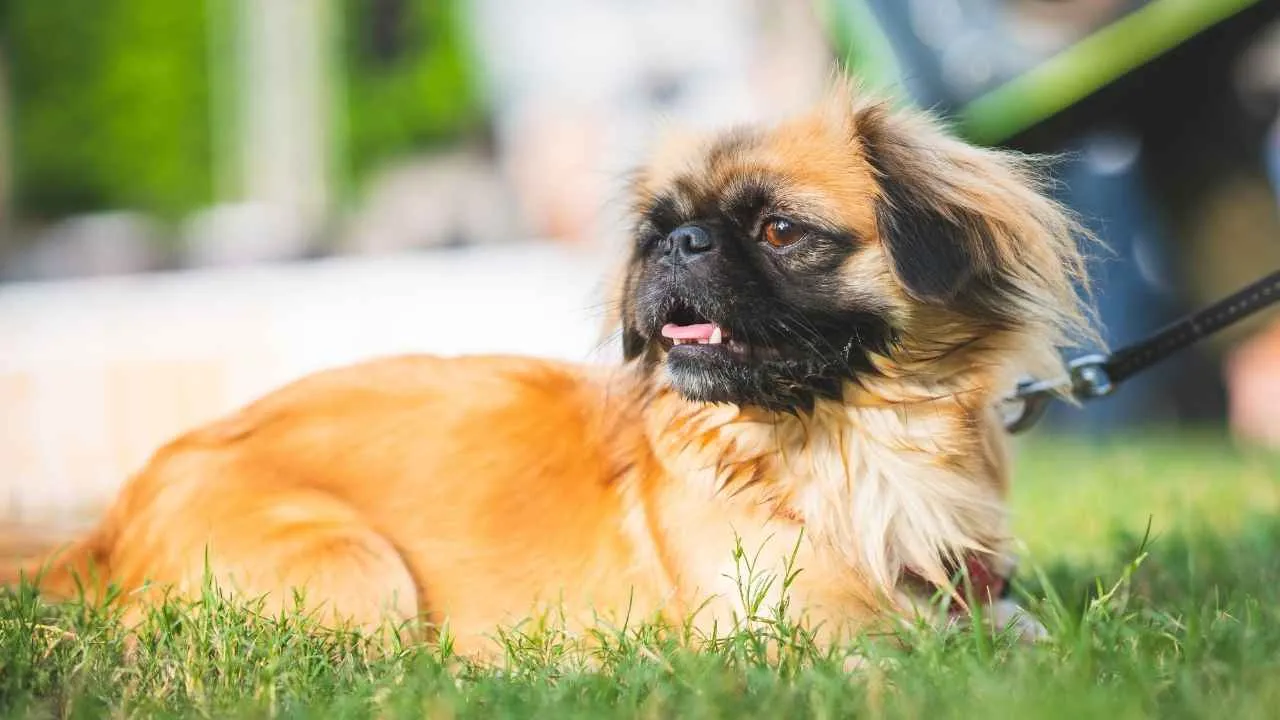
Pekingese dogs were treasured in ancient Chinese courts, where they lived alongside rulers and remained close to palace life rather than outdoor duties. Its role centered on companionship inside refined settings, shaping a calm presence built around human closeness and steady interaction.
Compact Form and Rolling Movement
This toy breed stands low and sturdy, with a wide, short face, large expressive eyes, and a thick mane of longer hair around the neck and shoulders. Its distinctive rolling gait gives it a smooth side-to-side motion that sets its movement apart in daily activity.
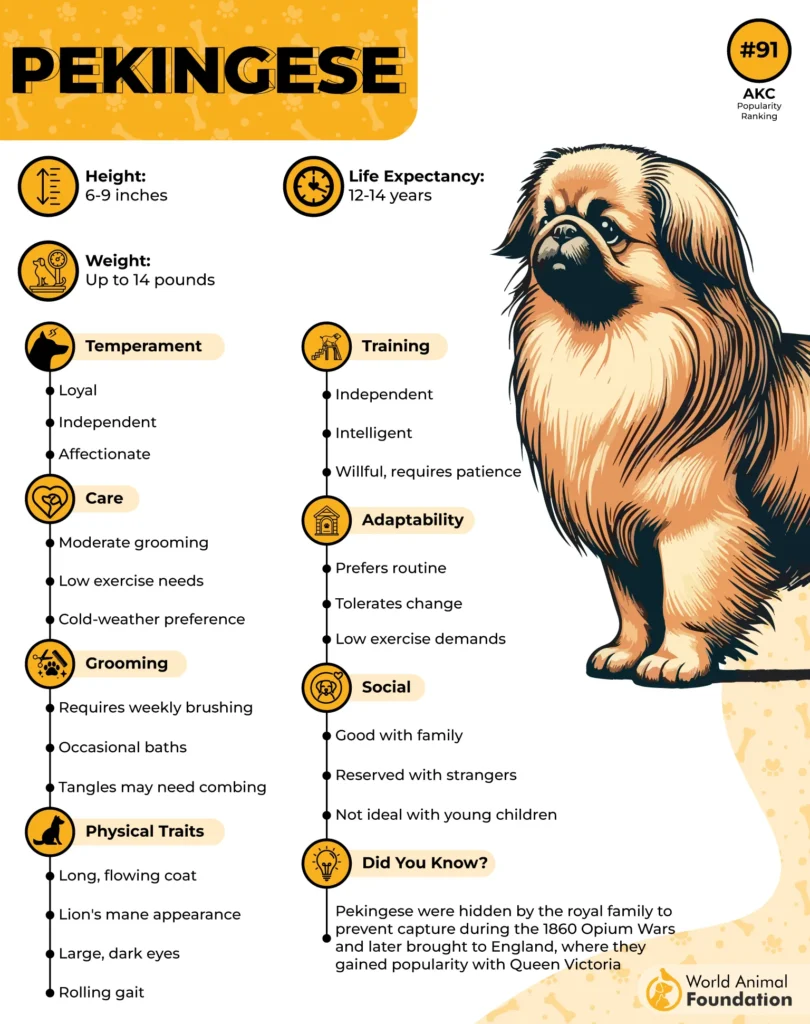
Key personality traits of this breed are:
Compact body weighing up to 14 pounds
Lion-like mane around neck and shoulders
Effortless rolling gait during walking
Confident Yet Affectionate Temperament
Pekingese forms strong bonds with its chosen person, showing loyalty while keeping a self-assured attitude shaped by palace living, as Orvis reports. It stays friendly and loving in familiar surroundings, yet maintains clear boundaries and a composed response in varied situations.
7. Newfoundland
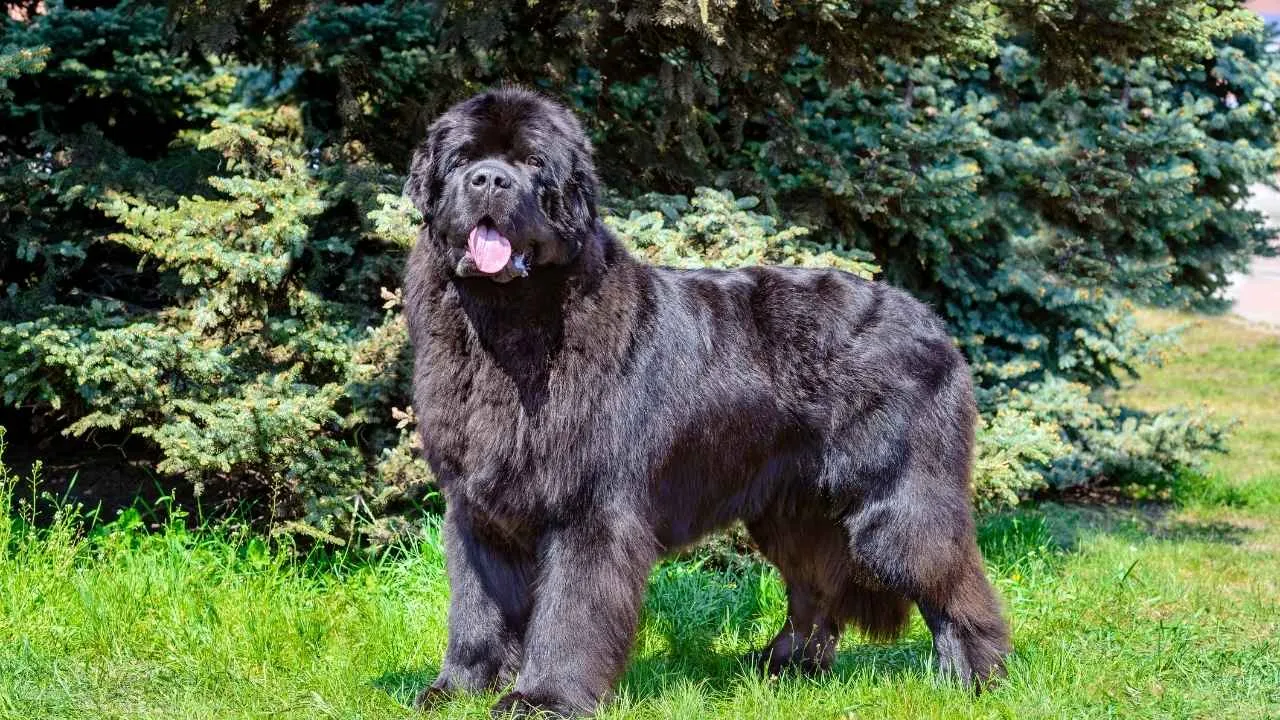
Newfoundland stands out as a massive, heavy-boned working breed shaped for strength on land and confidence in water. Its history centers on draft work, lifesaving ability, and steady companionship rather than speed or sharp pursuit roles.
Powerful Frame and Versatile Skills
This giant breed has a broad head, deep chest, and calm expression that reflects its steady nature in demanding environments. Built for endurance, it performs well in water work and controlled land tasks while remaining composed around people.
Key working strengths include:
Strong swimming ability in open water
Reliable draft and cart-pulling skills
Steady response in structured training tasks
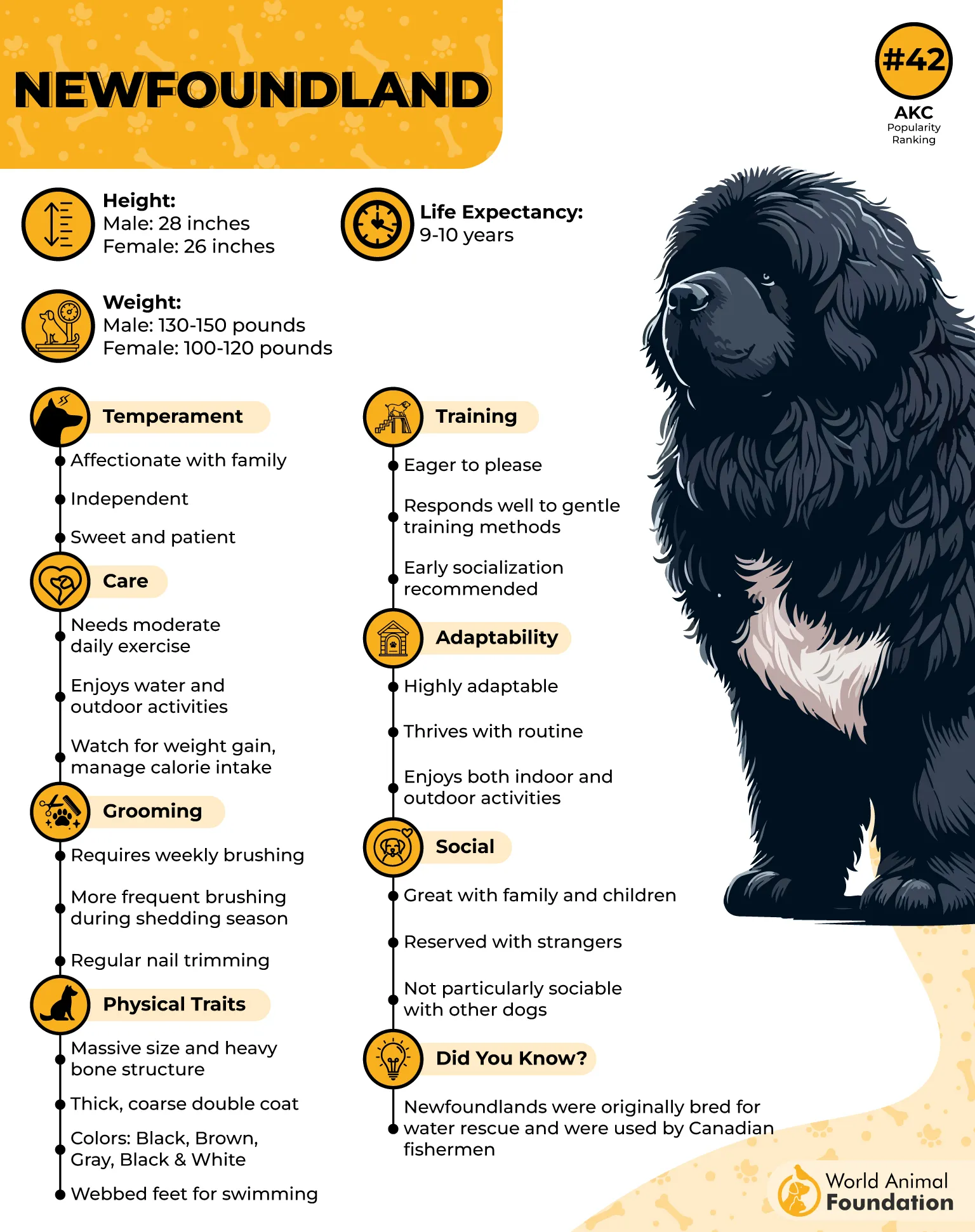
Calm Temper Around Family
Its gentle temperament makes it especially steady in homes with children, where patience and watchfulness define daily interaction. Trusting by nature, it responds well to consistent guidance and maintains a composed attitude in busy surroundings.
8. Saint Bernard
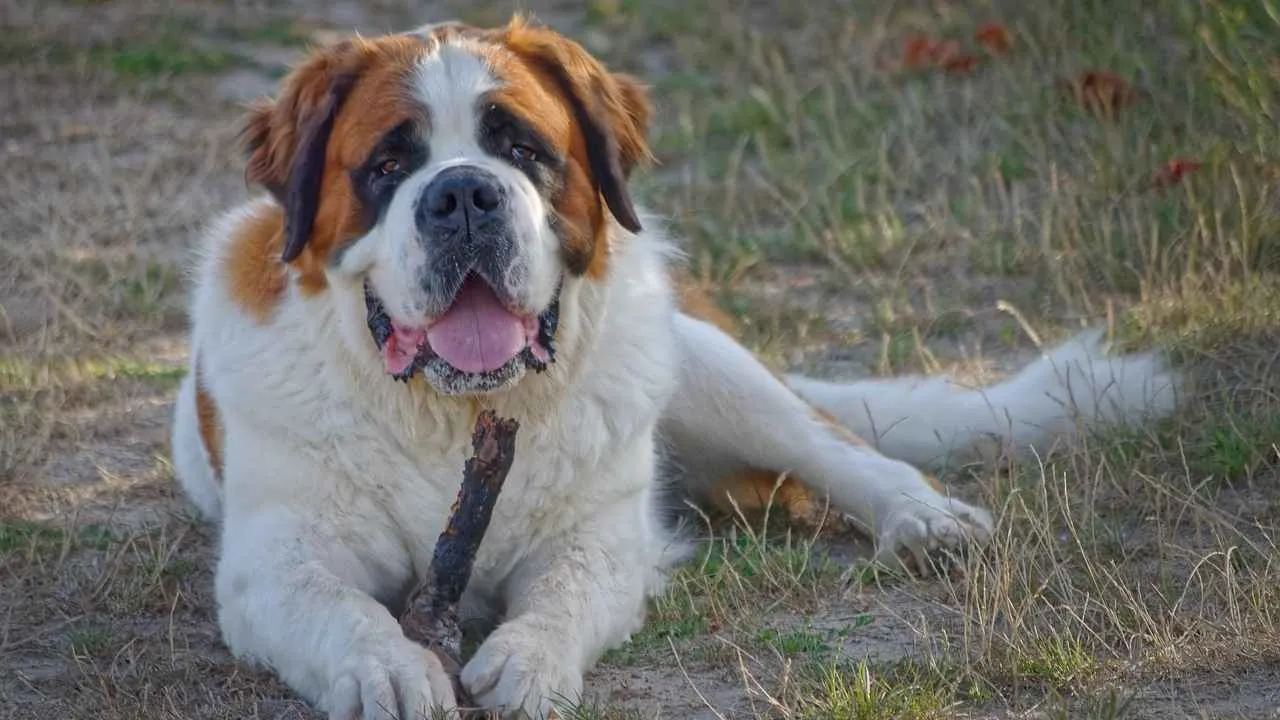
Saint Bernard earned its reputation in the Swiss Alps, where it assisted travelers in harsh mountain conditions and became known for its steady presence during rescue work. Its role centered on reliability in cold terrain, paired with patience and a composed attitude around people in need.
Powerful Build and Steady Strength
A massive frame with strong muscles and a broad head gives this breed an imposing yet friendly expression, supported by calm eyes and a balanced stance. Despite its size, it remains generally calm in daily life and does not demand intense routines to stay steady.
What defines its everyday presence:
Watchful yet patient temperament
Moderate daily activity needs
Comfortable with structured outdoor walks
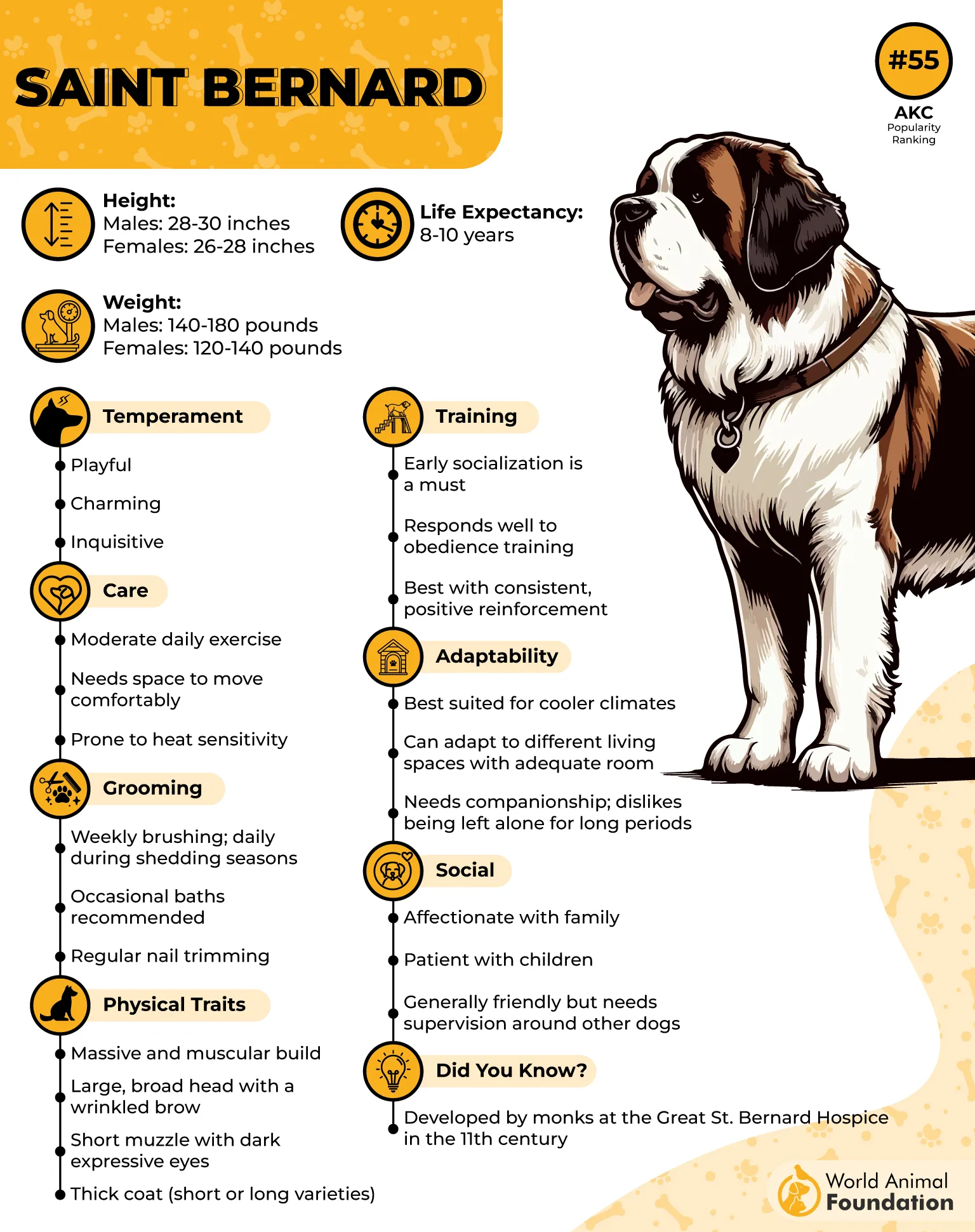
Role in Family and Outdoor Settings
In practical use, it enjoys participating in walks, hikes, or light drafting activities that involve teamwork with handlers. Its preference for cooperative tasks makes it suited to environments where interaction and shared movement matter more than speed-based demands.
9. Greyhound
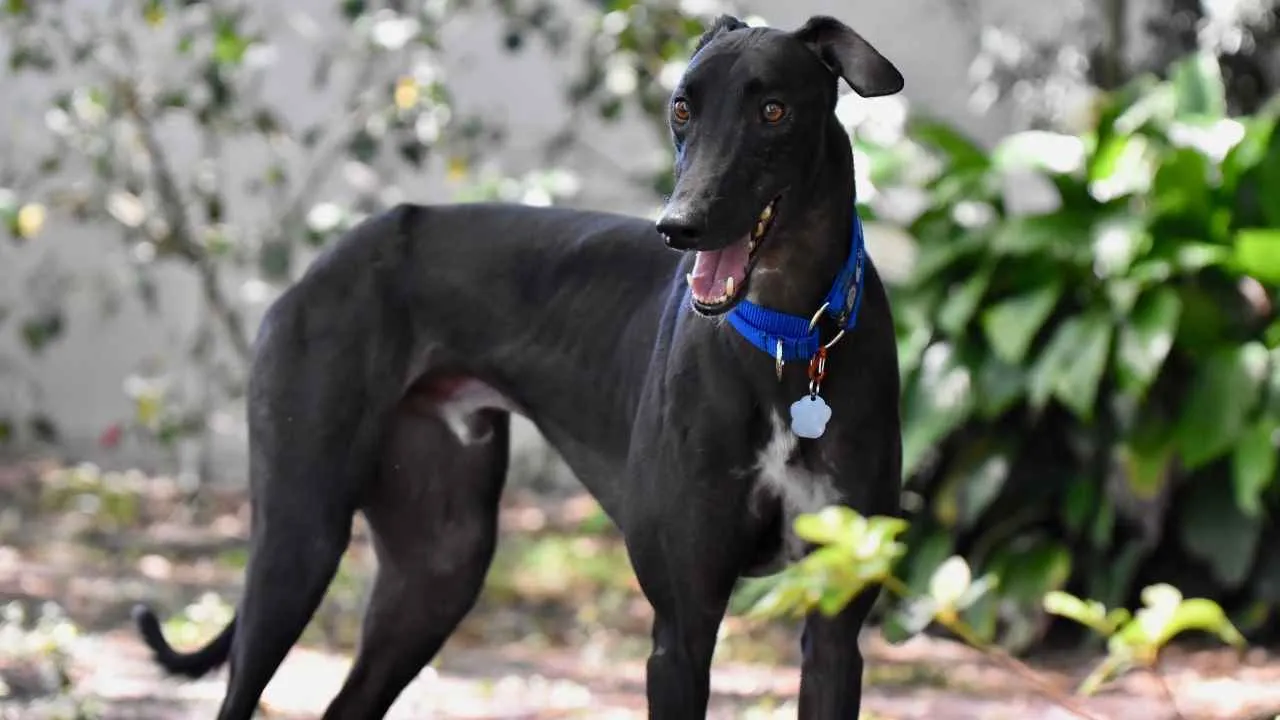
Greyhound has long been recognized for its unmatched speed, shaped over centuries as a coursing hound built for pursuit rather than endurance work. Its reputation grew through art, literature, and royal admiration, reflecting a form refined strictly around function.
Aerodynamic Build and Movement Control
The breed’s narrow skull, deep chest, tucked waist, and shock-absorbing feet form a streamlined outline designed for rapid acceleration and balance at high speed. Despite this athletic structure, it settles easily indoors and adjusts smoothly between rest and sudden bursts of motion.
What defines its physical performance:
Streamlined frame for fast acceleration
Deep chest supporting strong lung capacity
Flexible build for controlled high-speed turns
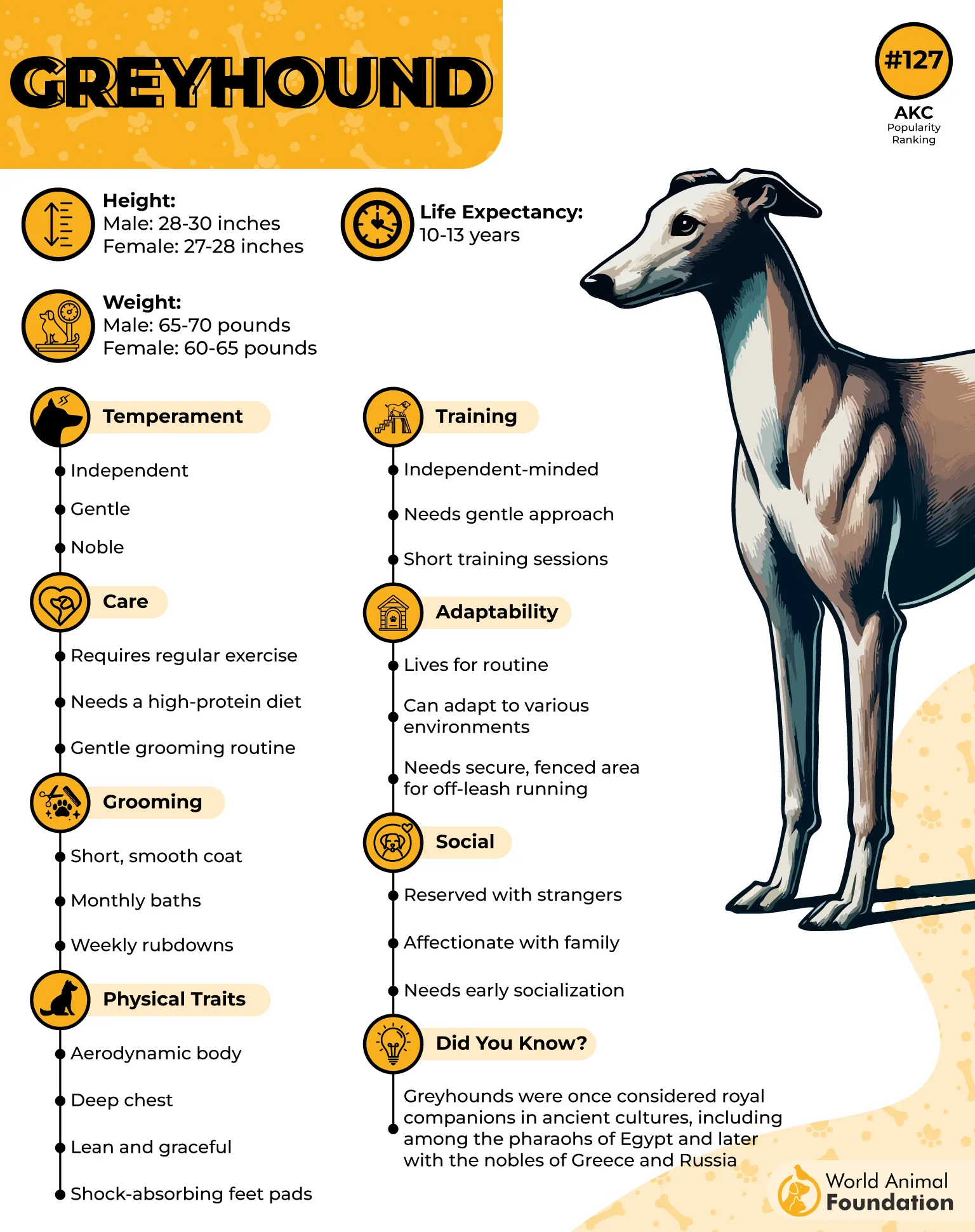
Temperament at Home
Greyhounds carry a gentle and composed nature, often described as noble in demeanor, while remaining calm around people. It responds well to relaxed environments and shows an independent side without becoming demanding in daily interaction.
10. Irish Wolfhound
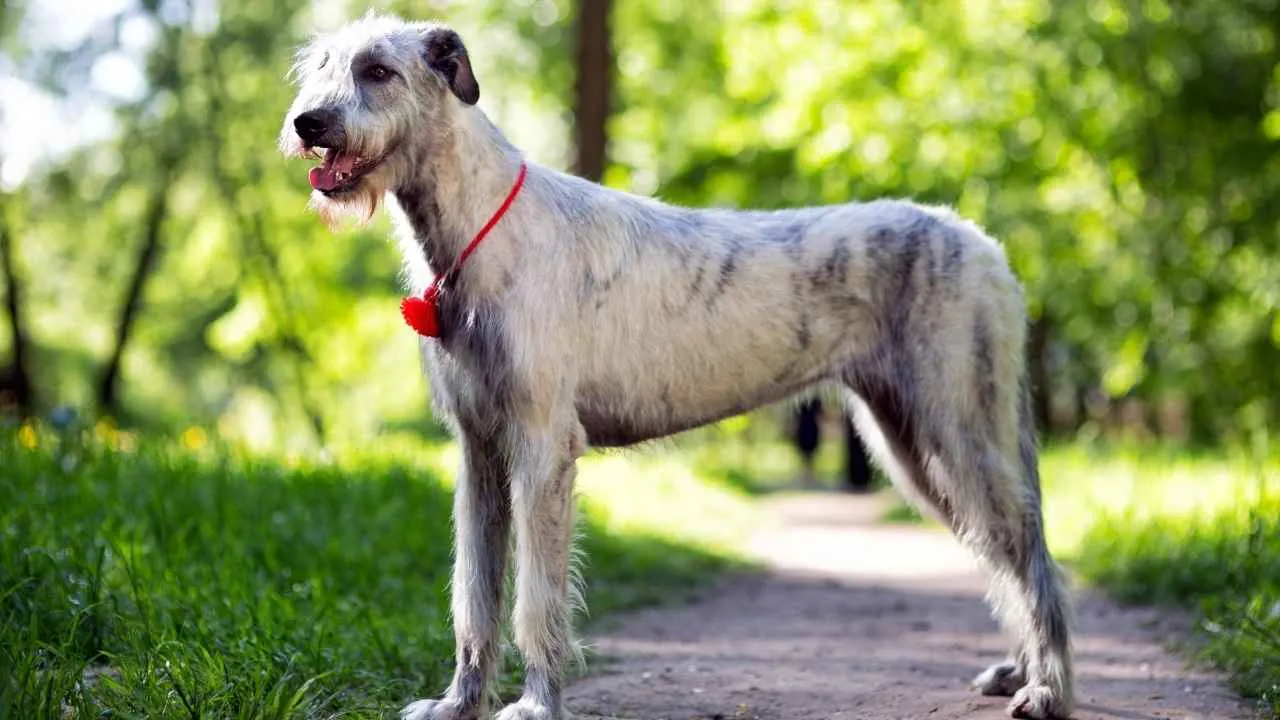
Irish Wolfhound stands out for its towering height paired with a calm, almost quiet presence that feels steady in any setting. Once used against large game, its role has shifted into a composed companion that stays relaxed around everyday activity.
Size, Movement, and Space Use
A tall, muscular frame built along greyhound lines gives it long, efficient strides, allowing it to cover ground smoothly without wasted effort. Even with that reach, it settles into slow, measured movement with just long walks and open play.
A closer look at how it handles space:
Covers ground with long, even strides
Adjusts pace from gallop to relaxed walking
Needs secure areas for safe movement
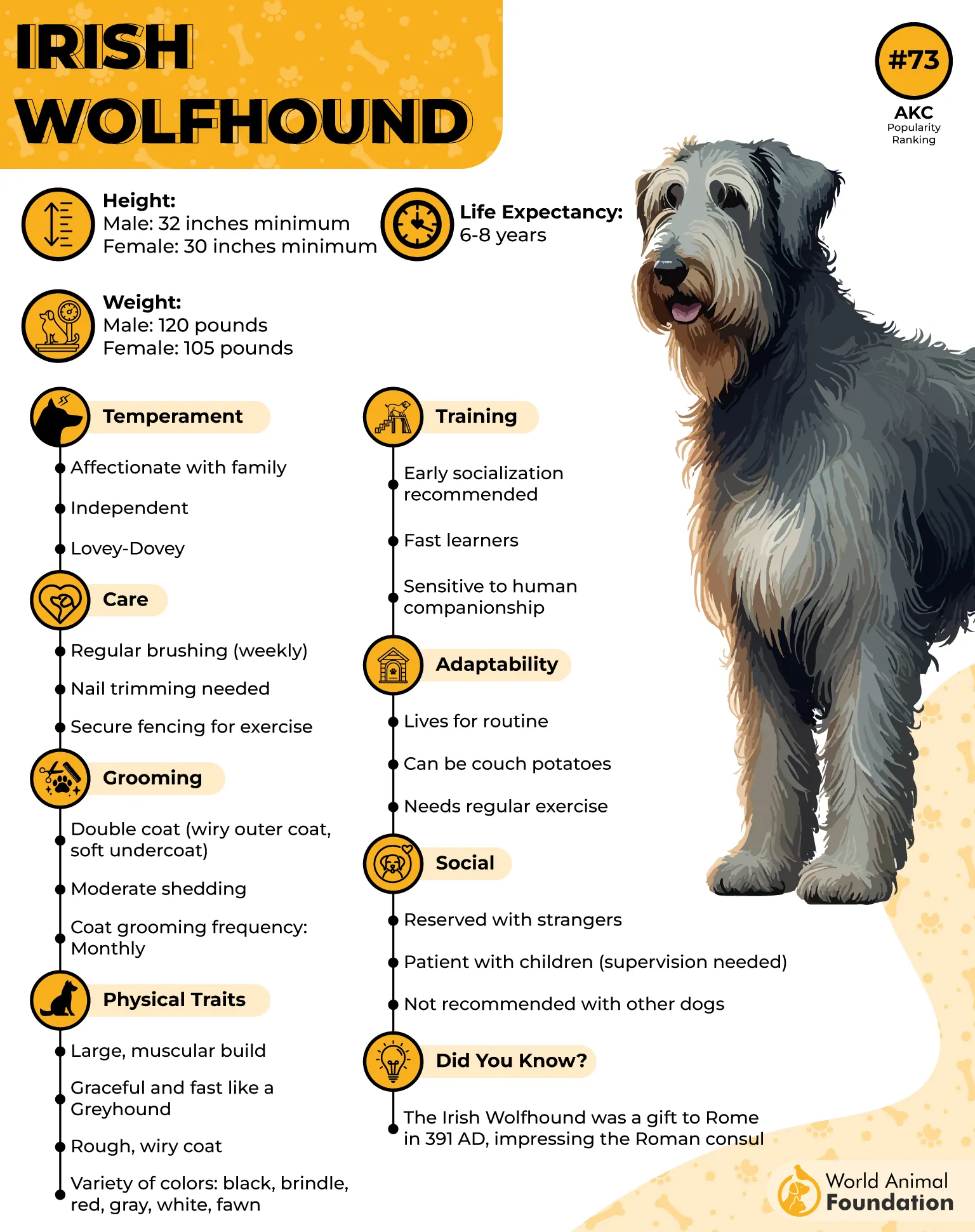
Behavior in Calm Settings
Its temperament leans toward patience, especially around children, though its size requires mindful interaction in close spaces. This large dog breed does not react sharply to everyday noise, maintaining a composed attitude that fits steady home environments.
Conclusion
The most comforting dogs are often the ones that stay calm when daily life becomes noisy, crowded, or unpredictable. Instead of reacting to every small change, they bring steadiness into the home and make ordinary routines feel far more relaxed over time. That quiet balance leaves a stronger impression than people usually expect at first.
The couch potato breeds in this list continue standing out because they combine friendliness with emotional stability in a very natural way. Some stay closely connected to people, while others prefer a softer, quieter presence indoors. Together, they show how calm companionship can completely change the atmosphere of a home.
