




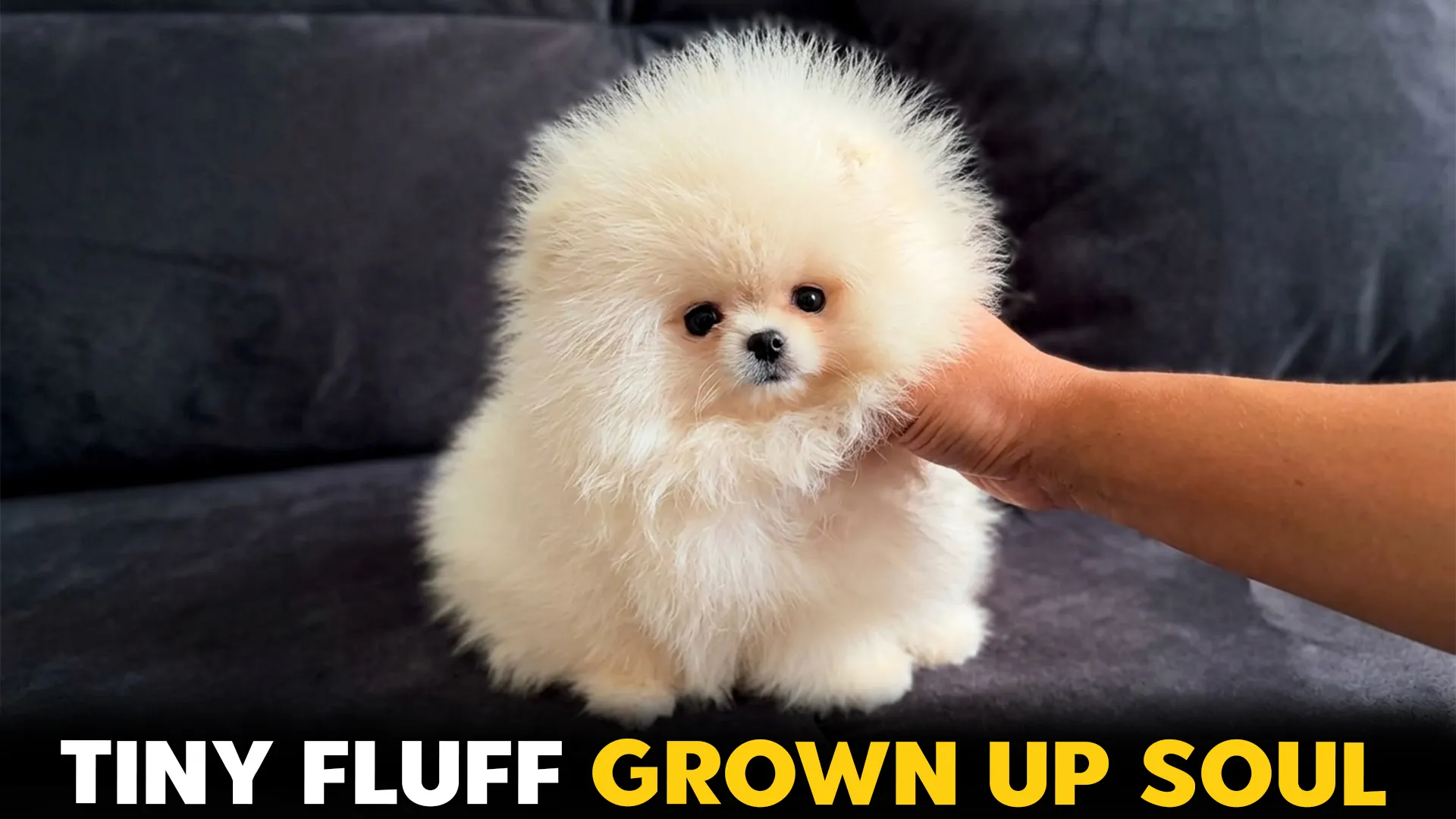
Many people assume that small fluffy dogs are all energy, noise, and endless mischief. While some certainly fit that stereotype, others carry themselves with surprising maturity. They may look like living stuffed animals, but beneath the fluffy coats are thoughtful, loyal, and emotionally balanced companions.
These dogs often form deep bonds with their families and handle daily life with a calm confidence that feels far beyond their size. Many families now prefer smaller breeds because they adapt well to modern living while still offering strong companionship. That trend helps explain why mature-minded small dogs continue to gain popularity.
If you have ever wanted a dog with the heart of a wise old friend wrapped inside a cloud of fur, this list is for you.
Fluffy Small Dog Breeds With Grown‑Up Temperament
1. Pomeranian
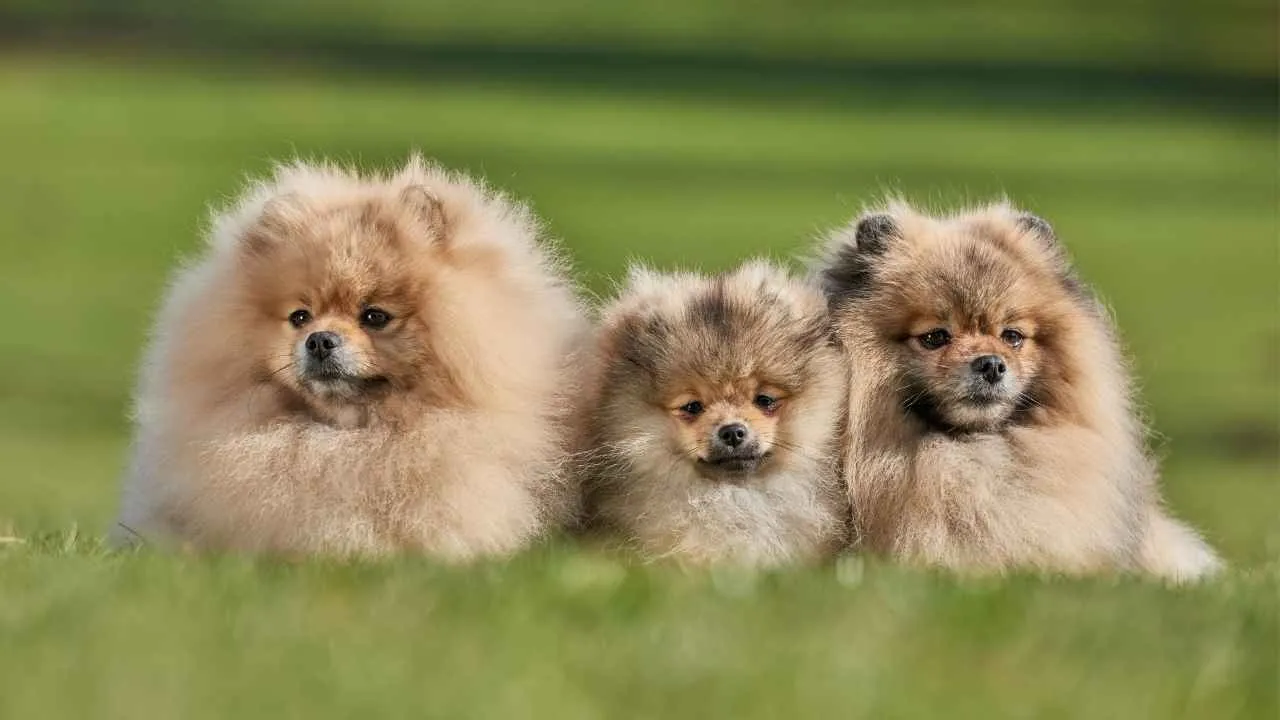
This small fluffy dog breed was developed in the regions of north-west Poland and north-east Germany from the spitz type dogs. It has been the favorite lap dog for the royalty since the 18th century. Queen Victoria was obsessed with the breed, and the breed underwent a size reduction to half during her reign, according to Wikipedia.
It weighs around 3-7 pounds and carries a big personality. It has a strong sense of hearing, and its territorial protectiveness makes it an excellent watchdog. It forms strong emotional bonds with the owner and reads human emotions really well. This allows it to perform well as a therapy dog.
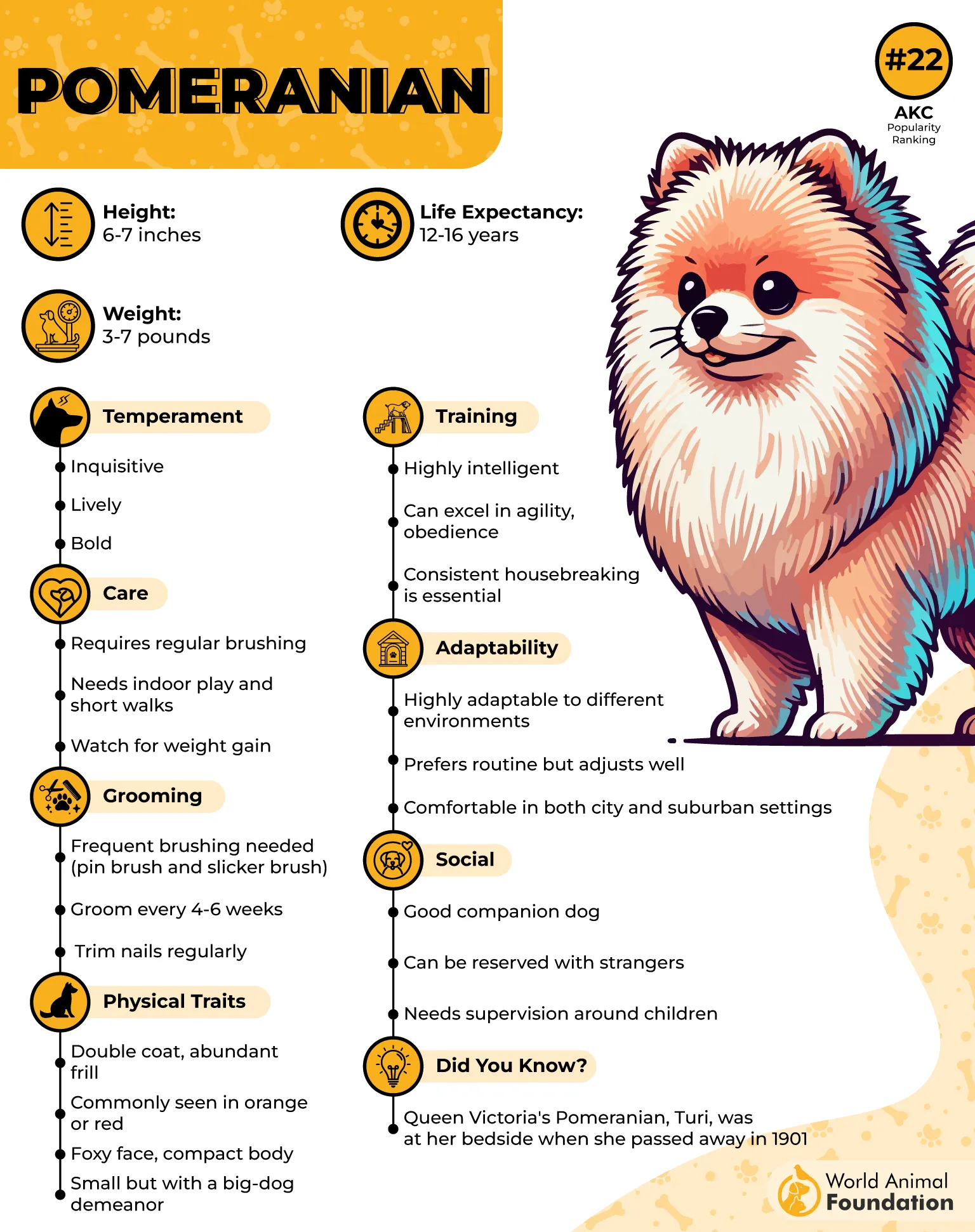
Being highly intelligent, it tends to learn tricks quickly. It has a thick double coat that requires frequent grooming: brushing using the line brushing method. It needs monthly baths. Always use a deshedding and volumizing shampoo.
2. Bichon Frise
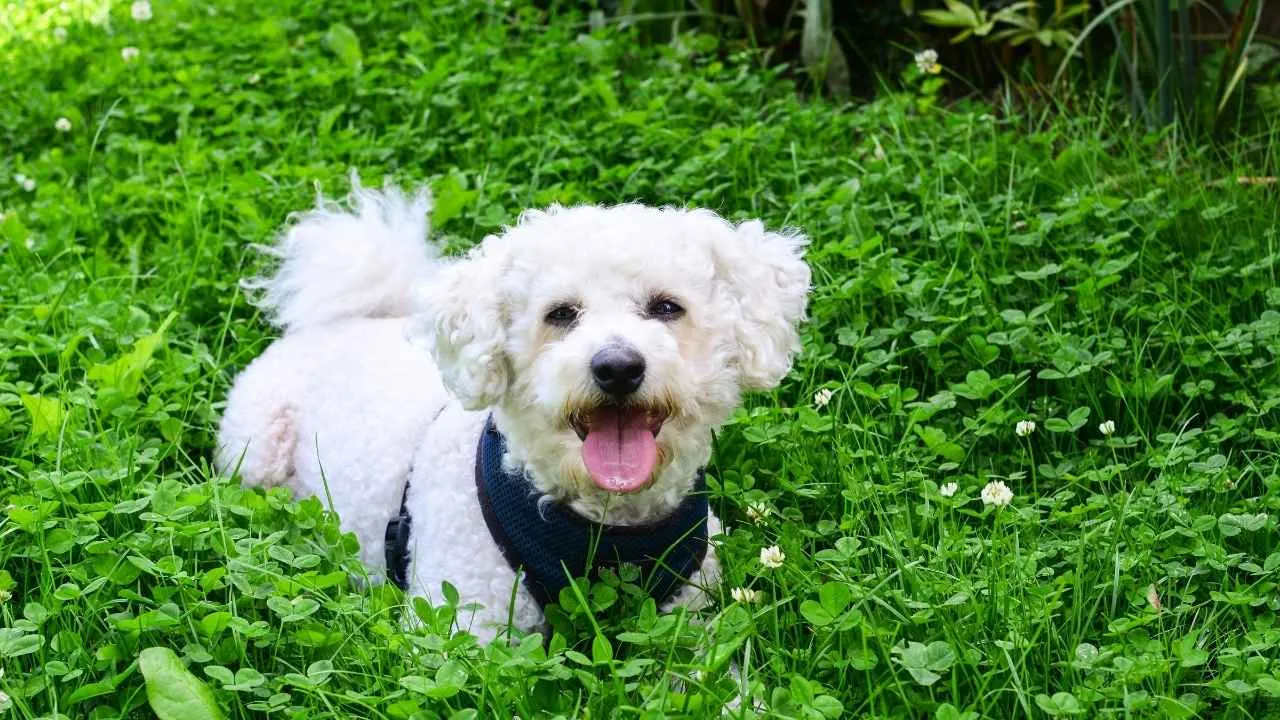
This bichon-type dog breed was developed in the Mediterranean region and was brought to Europe in the 14th century by sailors. This dog had to come out onto the streets to perform as a circus performer and a street dancer for its survival after the French Revolution.
The small breed weighs around 12-18 pounds, making it ideal for apartment living. It has an affectionate nature and makes good friends with small children, other pets, and even strangers. It thrives on low-impact exercise to avoid obesity. The ‘Bichon Blitz’ is famous because the breed has short bursts of energy, where it zooms around and moves in tight circles before coming back to the resting phase
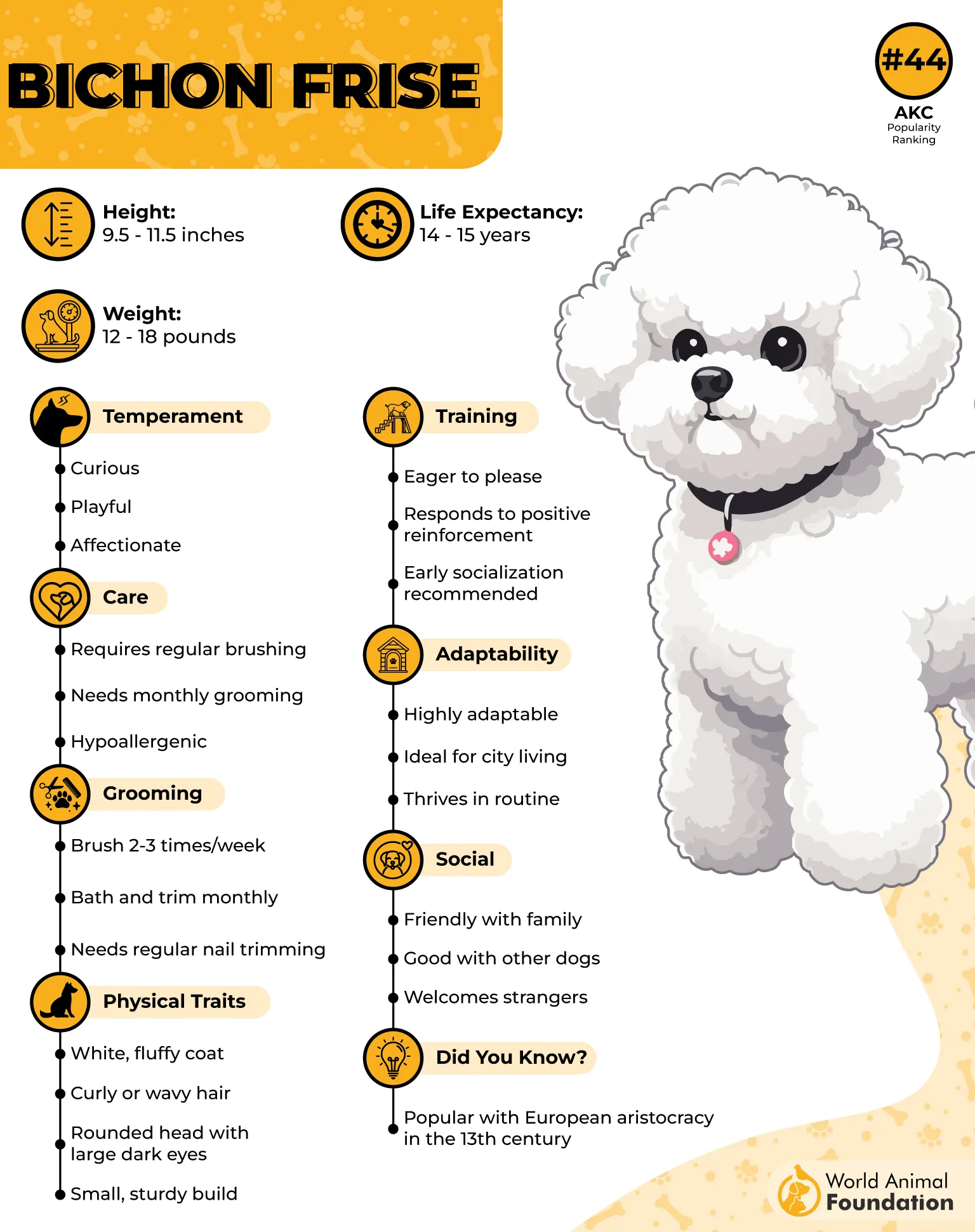
The breed has a velvety double coat that traps the loose hair inside, making it a hypoallergenic breed. This fluffy breed has regular grooming needs: daily brushing using a slicker brush and a metal comb for tangles, use gentle wipes to clean tear staining around the eyes, and monthly bathing. Since brushing after bathing may result in tight and painful mats, always comb the coat prior to bathing.
3. Coton de Tulear
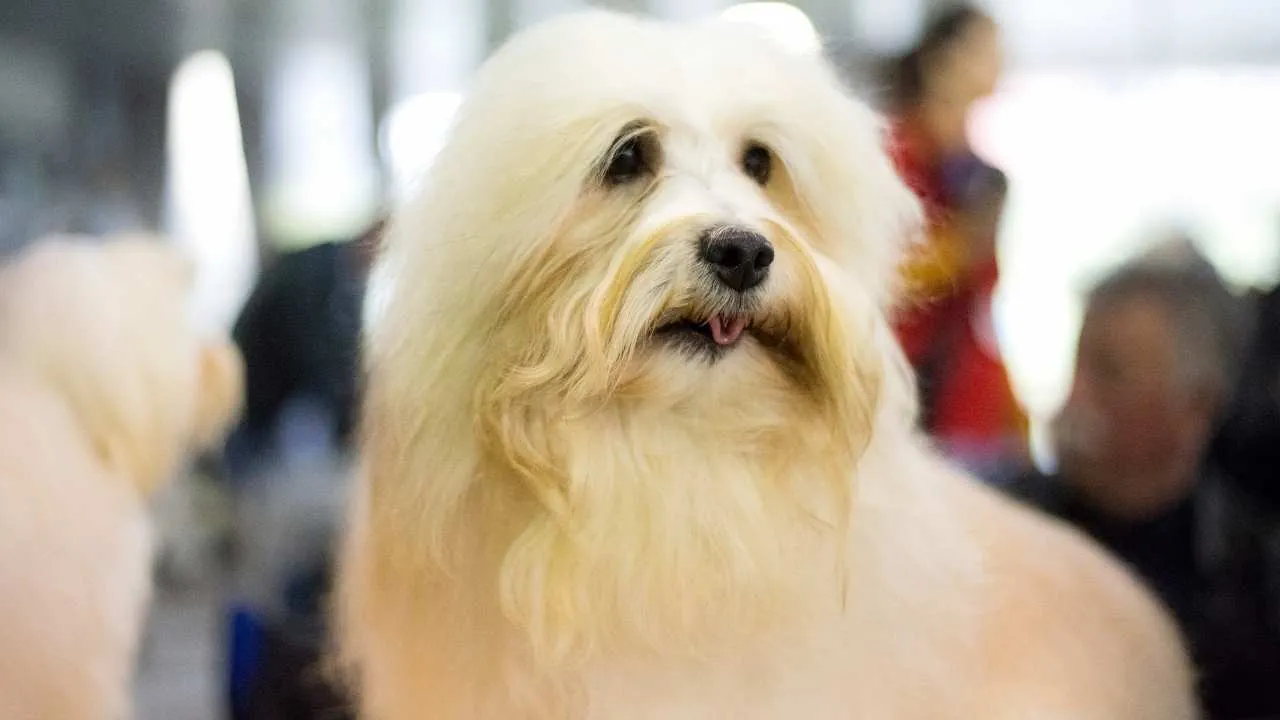
The ancestors of the breed arrived in the Tulear region in the 17th century as a ship dog. These little dogs were interbred with the local breeds, resulting in the Coton de Tulear, as per Purina UK. The ‘coton’ in its name refers to ‘cotton,’ because of its fluffy and cotton-like pure white coat.

It is a portable breed with a weight of around 8-15 pounds. The ‘coton dance’ is famous since it tends to perform tricks, such as walking briefly on its hind legs and jumping up and down. Despite having delicate joints, it loves to explore rocky outcrops and sniff new trails.
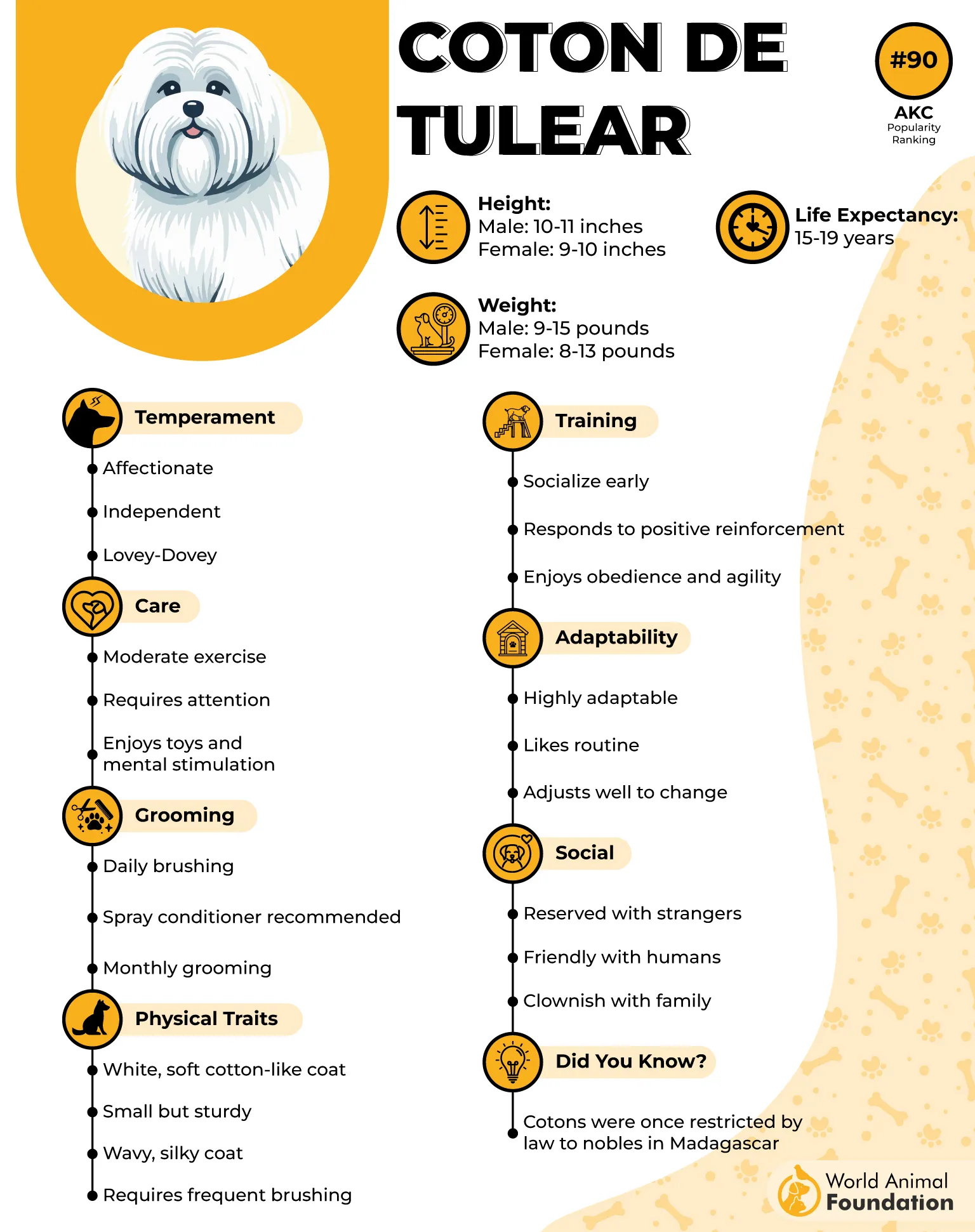
The soft coat is dense and neither tightly wiry nor harsh. It needs brushing every alternate day to remove loose hair and evenly distribute natural oils. Pat dry the coat after bathing instead of rubbing. Either trim the head hair to tie it in a topknot to prevent irritation in the eyes.
4. Miniature American Eskimo Dog
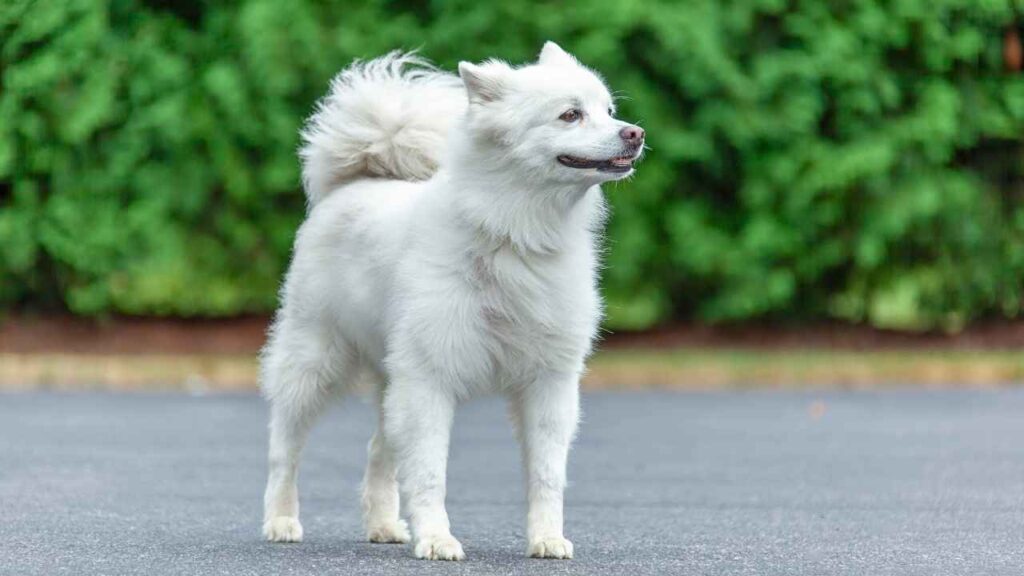
Originally bred in Germany, the American Eskimo Dog was developed as a companion dog. It has also served as a watchdog for ages because of its keen observational instincts. The breed comes in three varieties: toy, miniature, and standard.
Because of its eager-to-please temperament, it was widely used as a circus performer as well. The breed has moderate energy levels and needs 30-45 minutes of daily exercise: agility training, advanced trick training, scent games, fetching, and running. It is a barking breed and loves to communicate through its vocals.
The double coat requires brushing 2-3 times a week to prevent matting. Focus on the backs of the front and the rear legs that carry feathering. Never clip or shave the white coat entirely. Only perform ‘spot trimming’ under the belly, around the feet, and between the toes. Professional grooming is recommended once a year.
5. Japanese Spitz
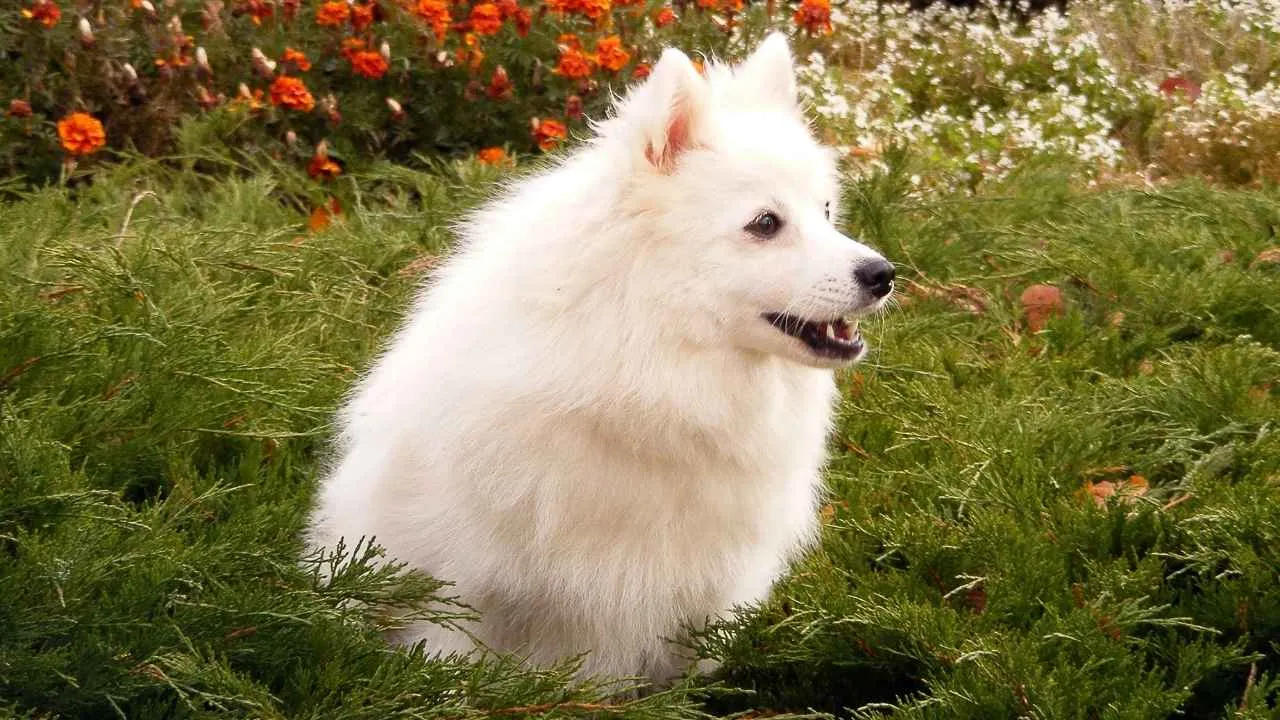
The ancestors of this dog, the Japanese Spitz, were brought to Japan in 1920 through China and Siberia. The breed was first exhibited in 1921 at a Tokyo show. It is considered a little comedian who loves to make you laugh, says the American Kennel Club (AKC).
Because of its high speed (19 mph) and endurance, the breed is a perfect candidate for agility courses, rally competitions, and obedience trials, since it can travel long distances without tiring. Originating in Japan, the breed has a thick ‘ruff’ around its neck, giving it a mane-like appearance.
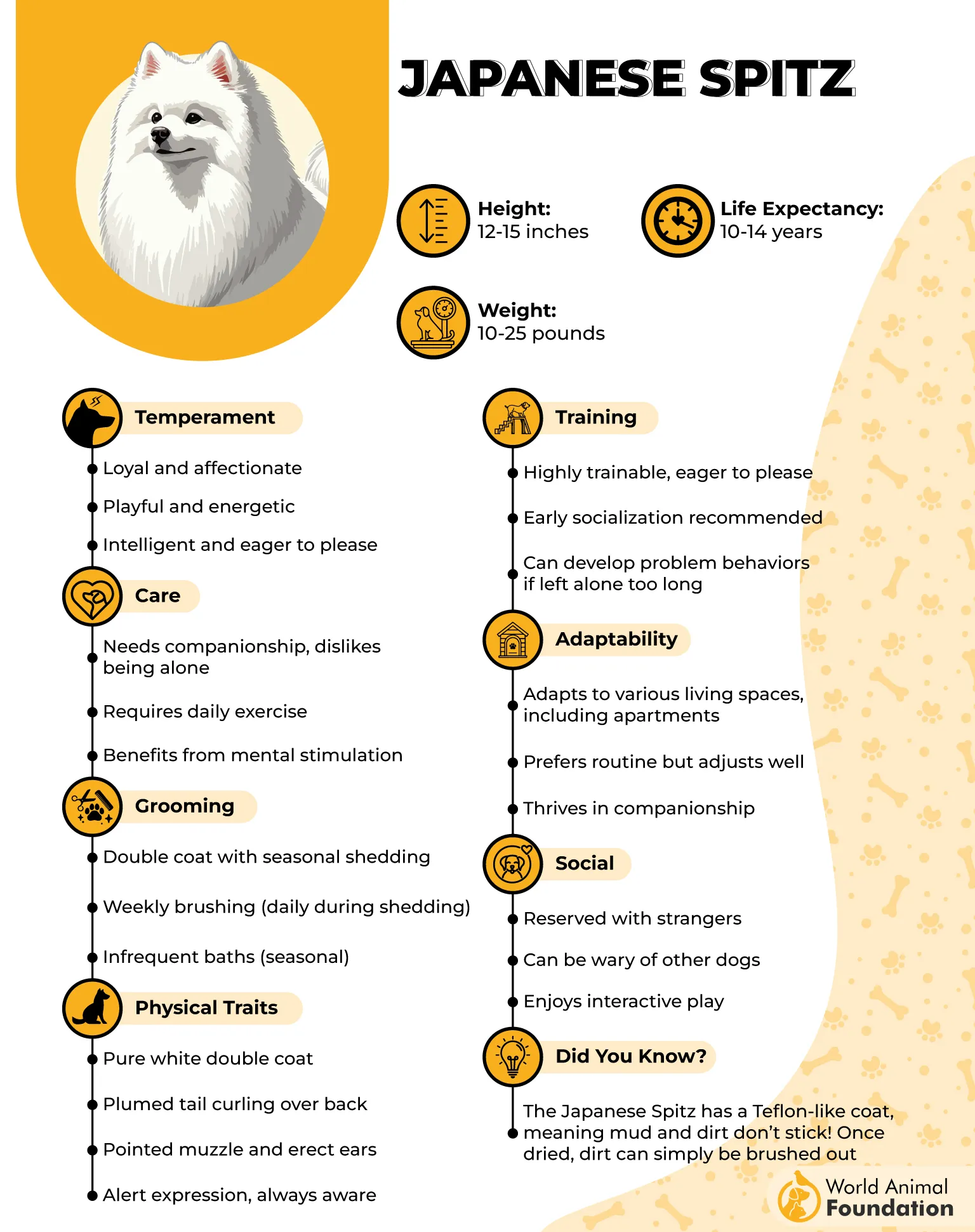
The coat texture of this great family pet is often compared to Teflon, as the mud or dirt rarely sticks to the coat. It needs weekly brushing using a pin brush to reach the undercoat and prevent mats. Trim the hair between the paw pads and around the private areas for cleanliness.
6. Papillon
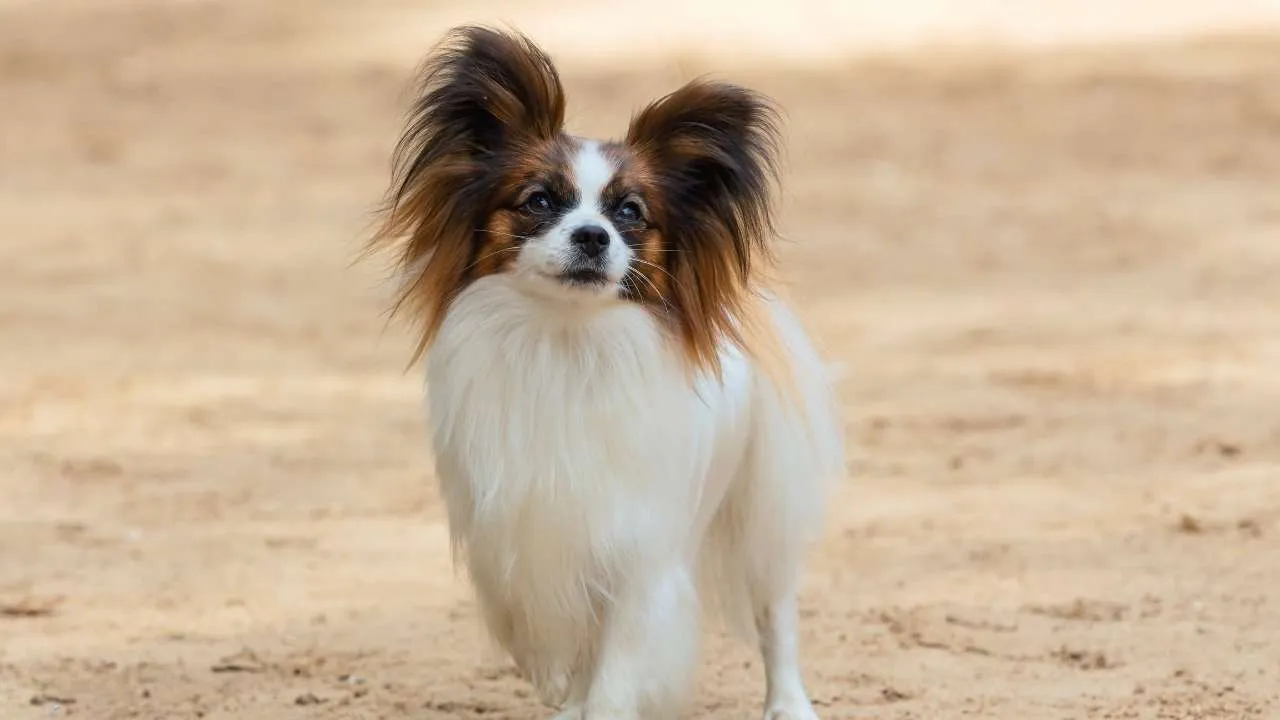
This alert dog originated in France and is famously known for its ‘butterfly-like ears.’ The breed was developed as a lap dog and has been depicted in Western artworks since the 16th century. The breed weighs around 5-10 pounds and stands 8-11 inches tall.
It is one of the longest-living dog breeds (14-16 years) because of its lower genetic health considerations. Because of its sharp focus, it is widely used as a service dog and can be trained to interrupt panic attacks using deep pressure therapy (DPT).
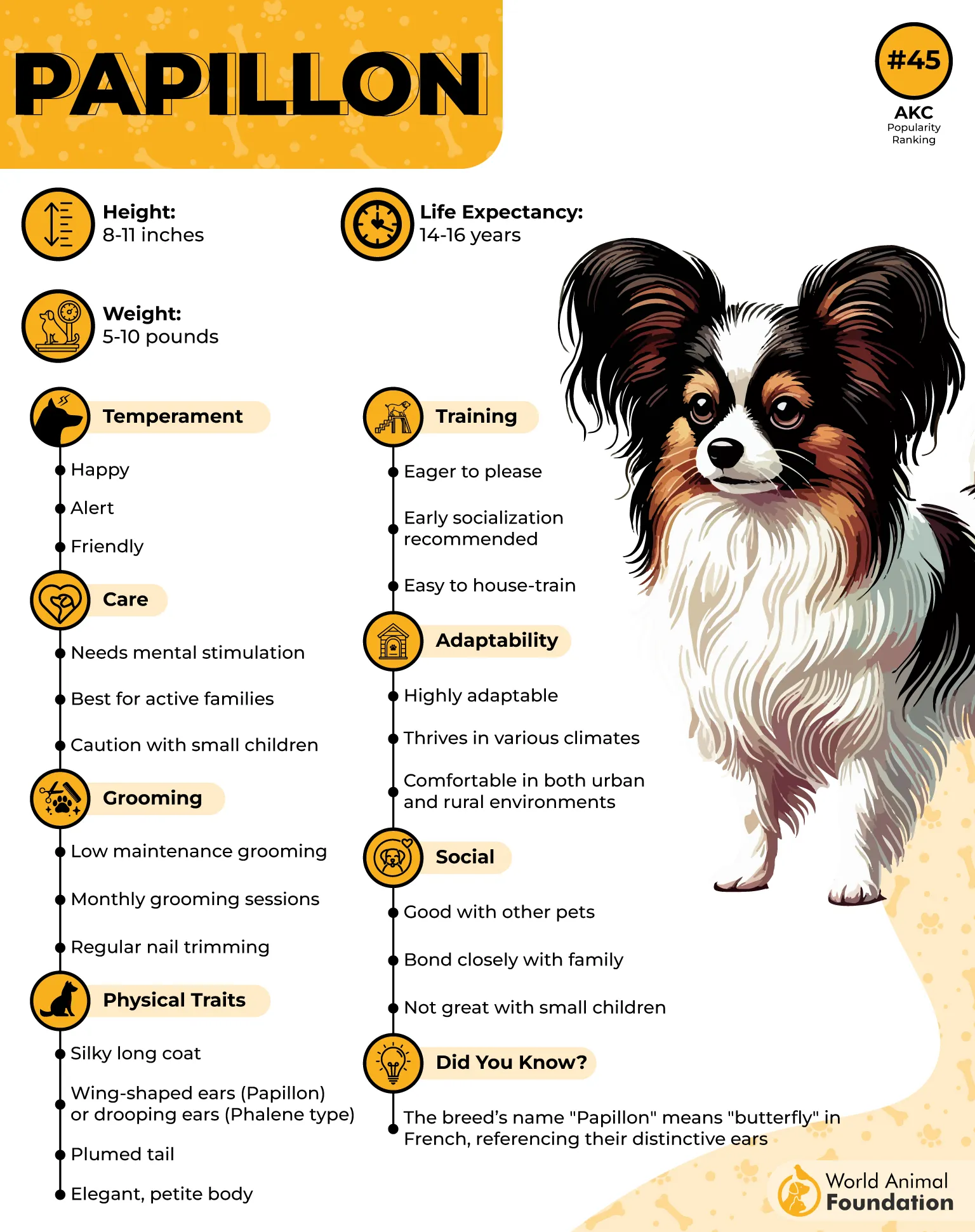
Ideal for active families, the Papillon excels in dog sports and canine agility. It has a silky coat that consists of a single layer. It has fringes on the ears, chest frills, and on the thighs and tail. Use a natural bristle brush and a steel comb for regular brushing (2-3 times a week).
7. German Spitz
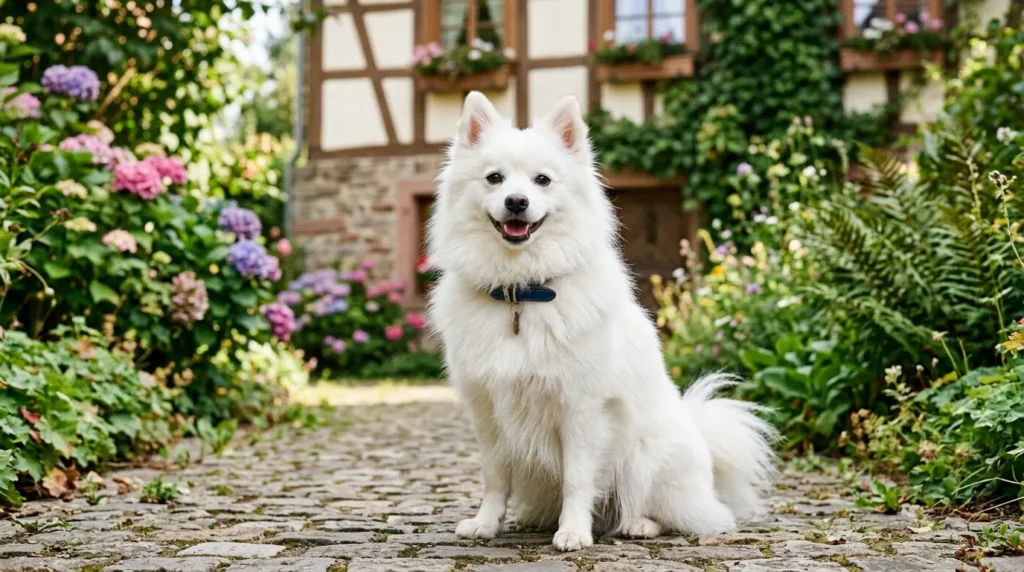
This spitz-type dog breed was developed in Germany and has 5 different varieties based on the size and colors: Wolfsspitz, the Giant Spitz, the Medium Spitz, the Miniature Spitz, and the Pomeranian or Dwarf Spitz. It is one of the oldest dog breeds with a history dating to 1450 AD.
Rooted in its history as ‘mistbellers,’ it is highly observant and barks only to alert the owner of unusual activity or a threat. This is a highly devoted breed that is attuned to the owner’s emotions, making it ideal for first-time owners. It has a standoffish double coat with a thick mane around the neck, a bushy tail, and feathered legs.
The breed has a low-shedding coat that ‘blows’ twice a year. It needs regular brushing in ‘the wrong way,’ against the direction of the hair growth, to ensure that the brush is reaching the skin. Bathe the breed when it is dirty or smelly. Shaving the coat reduces the dog’s ability to regulate body temperature.
Conclusion
Whether it is a confident Pomeranian, the cheerful Bichon Frise, the adaptable Coton De Tulear, the clever Miniature American Eskimo Dog, the balanced Japanese Spitz, the brilliant Papillon, or the dependable German Spitz, each offers something unique while sharing a common trait: a grown-up approach to life.
Choosing a dog is never just about appearance. It is about finding a companion whose personality matches your lifestyle. Sometimes the wisest friend in the room is not the biggest one. Sometimes it is the fluffy little dog quietly sitting beside you, watching the world with calm and thoughtful eyes.
