




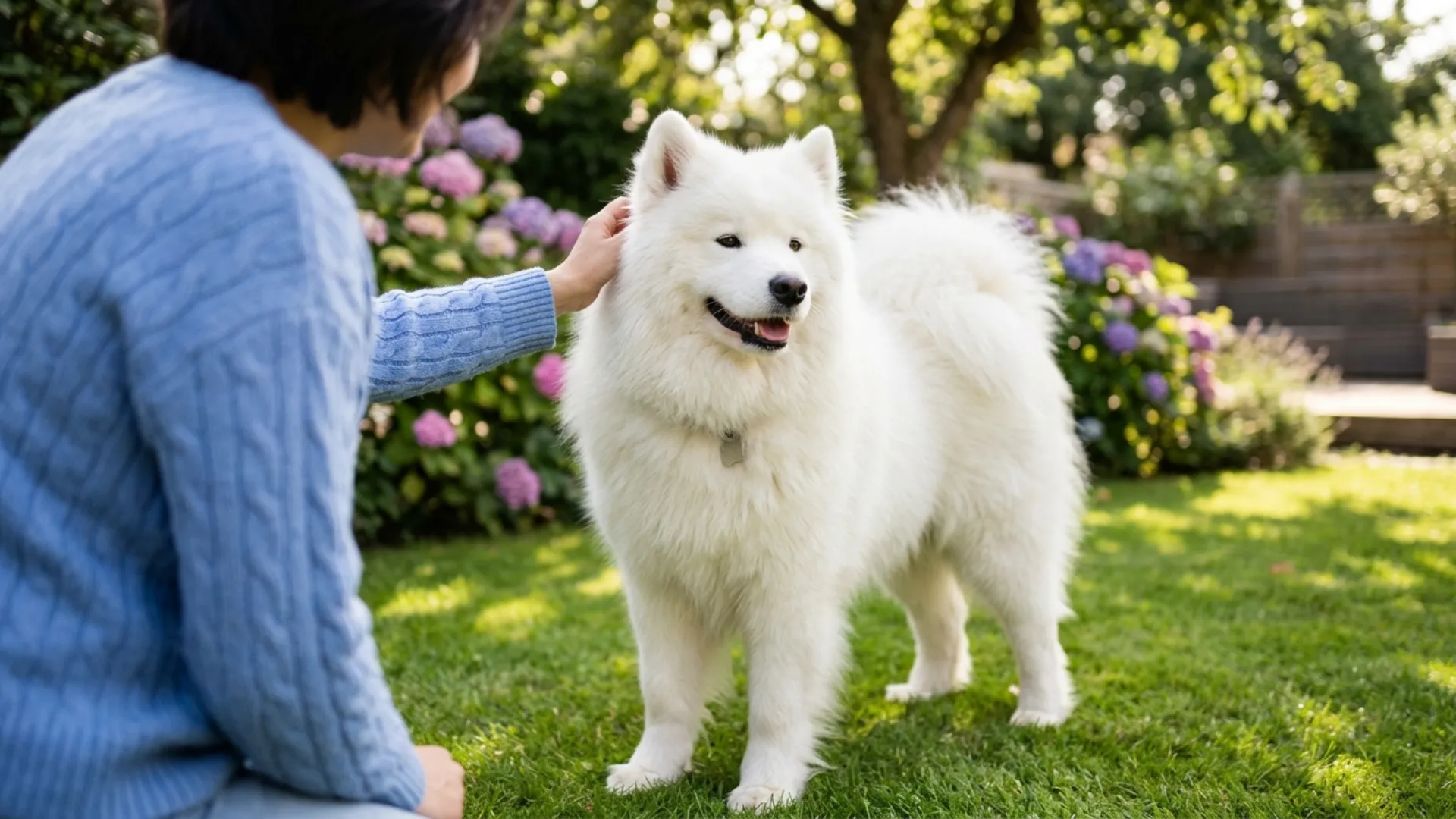
Fluffy dog breeds may look similar at first glance, but living with them can feel completely different depending on which one you choose.
Some stay surprisingly manageable despite their thick coats, while others require constant grooming and attention just to keep things under control. The difference is not always obvious in pictures or quick descriptions, which is why many people end up with a dog that does not match their expectations.
It is not just about how much fur they have. It is about how that fur fits into your daily routine and how much effort it quietly demands over time. Once you understand that, the decision becomes far more intentional.
This article looks closely at fluffy dog breeds that stand out for both their coats and their livability, giving you a clearer sense of which ones actually work as long-term companions.
Key Takeaways
That soft, cloud-like coat everyone falls for often comes with a side most people only discover after bringing the dog home.
Chow Chow carries a thick mane with surprisingly clean habits, while the Samoyed’s cloud-like coat was built to survive extreme cold, not just to look soft.
Collie and Old English Sheepdog bring that flowing, storybook look, but their grooming needs quietly shape how your days are planned.
As you go through each breed, the difference between “looks soft” and “lives well with you” starts to stand out in ways most people miss.
Most Fluffy Dog Breeds for a Loving Pet Experience
1. Chow Chow
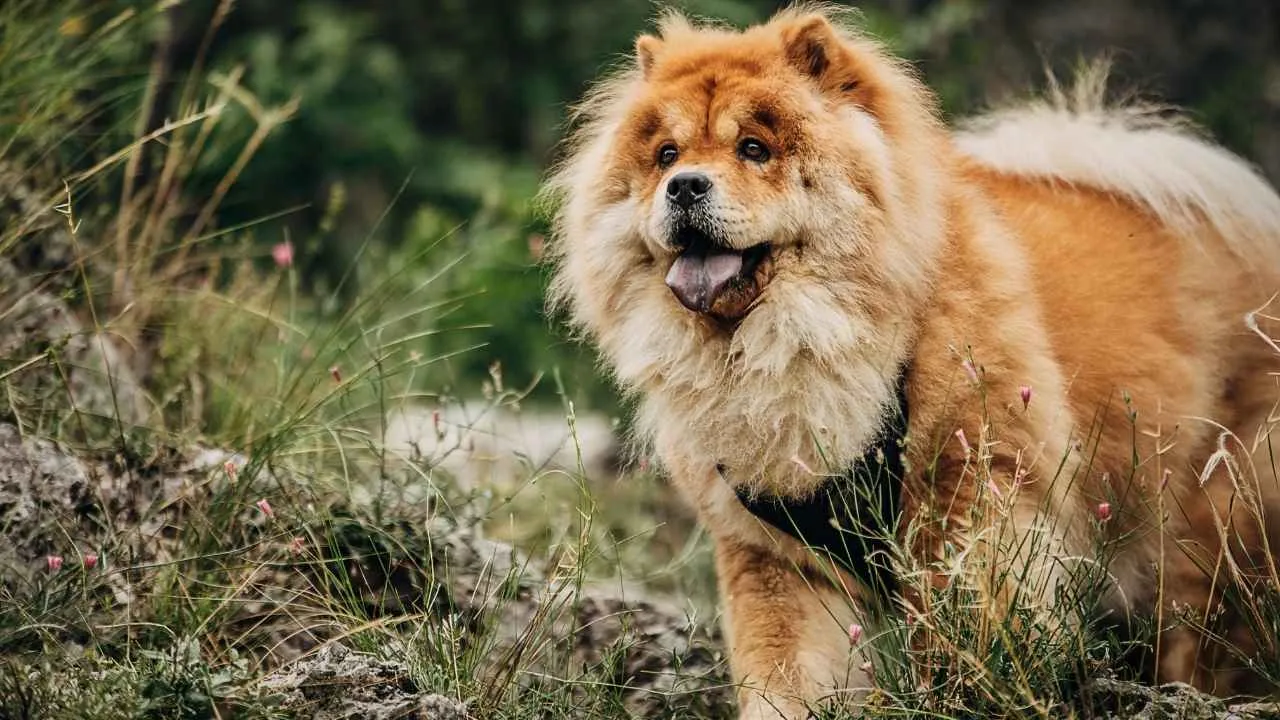
Chow Chow appears with a dense double coat forming a thick mane around the head and shoulders, giving a lion-like outline. Its deep chest and compact frame add to a solid, grounded look. The blue-black tongue and almond-shaped eyes reinforce its unmistakable expression.
Distinct physical identity
This fluffy dog breed presents a collection of features that set it apart visually, each contributing to its composed appearance. Its stiff-legged gait and structured build give a controlled, almost deliberate motion.
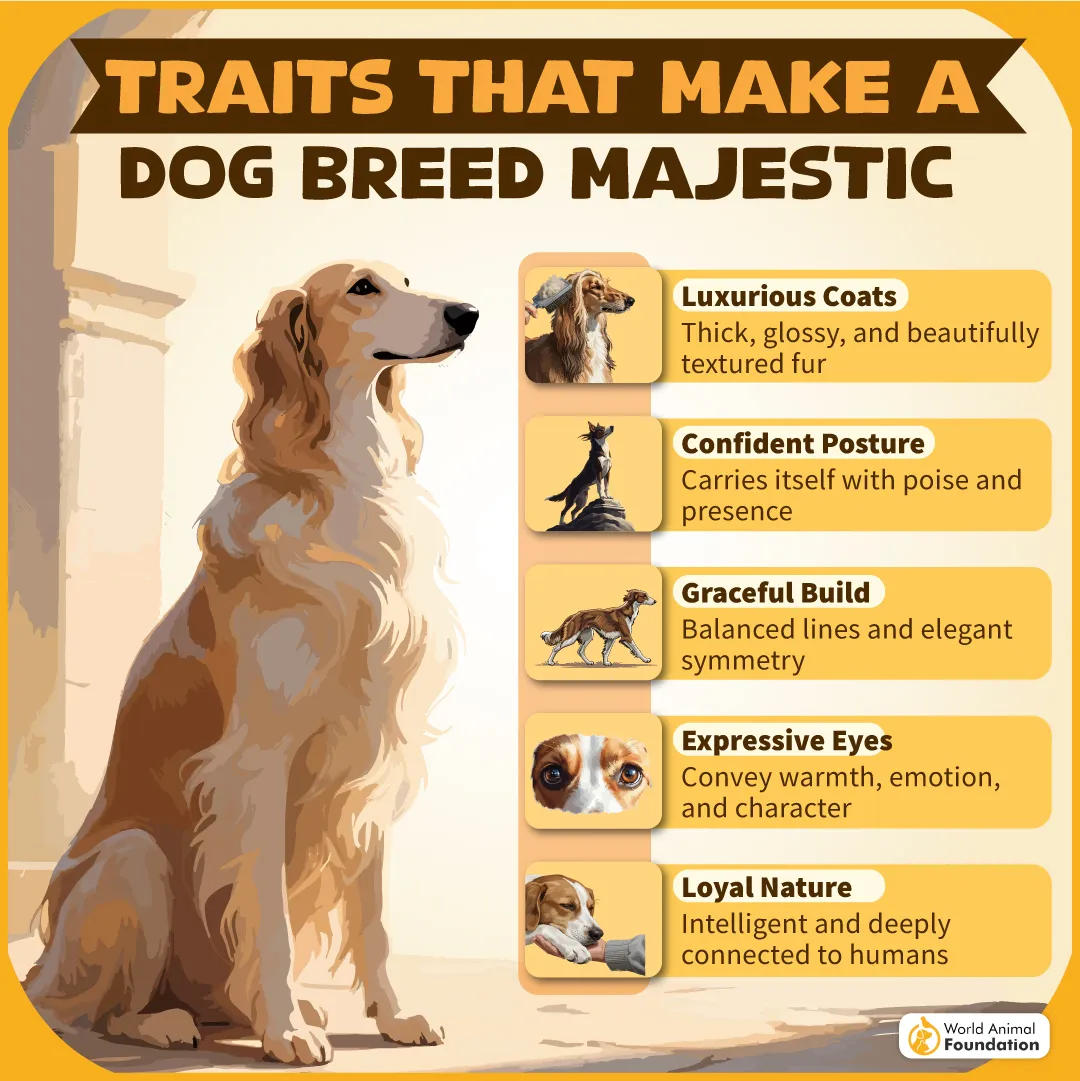
Look closer at what shapes this identity:
Lion-like ruff framing the head
Blue-black tongue rarely seen in other breeds
Deep-set eyes create a reserved expression
Clean habits and coat care
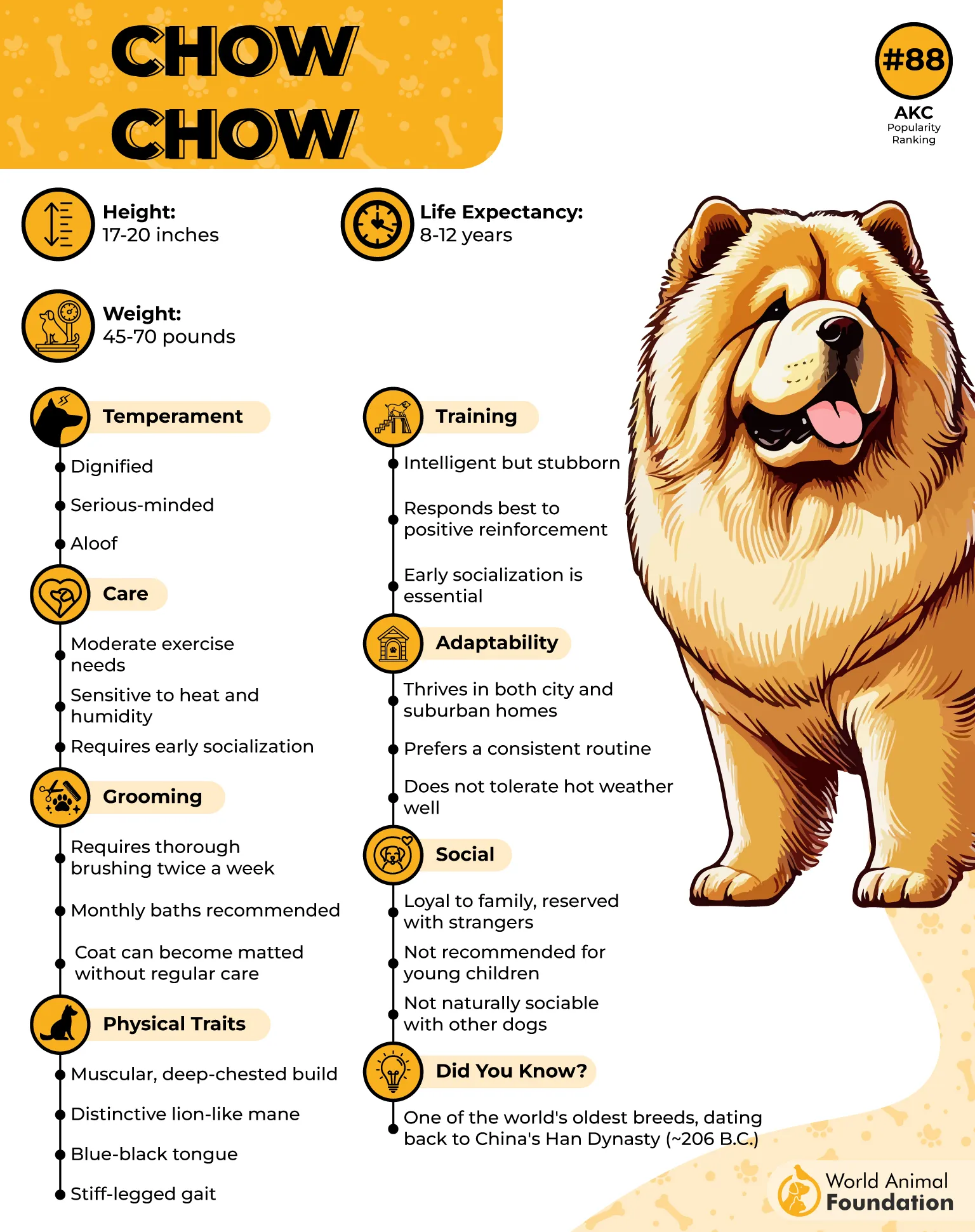
This breed shows unusual cleanliness, often compared to cats in its grooming habits and lack of strong odor, as stated by Britannica. Its thick double coat requires regular brushing and attention to skin condition to remain healthy. Routine care becomes an essential part of living with this breed.
2. Collie
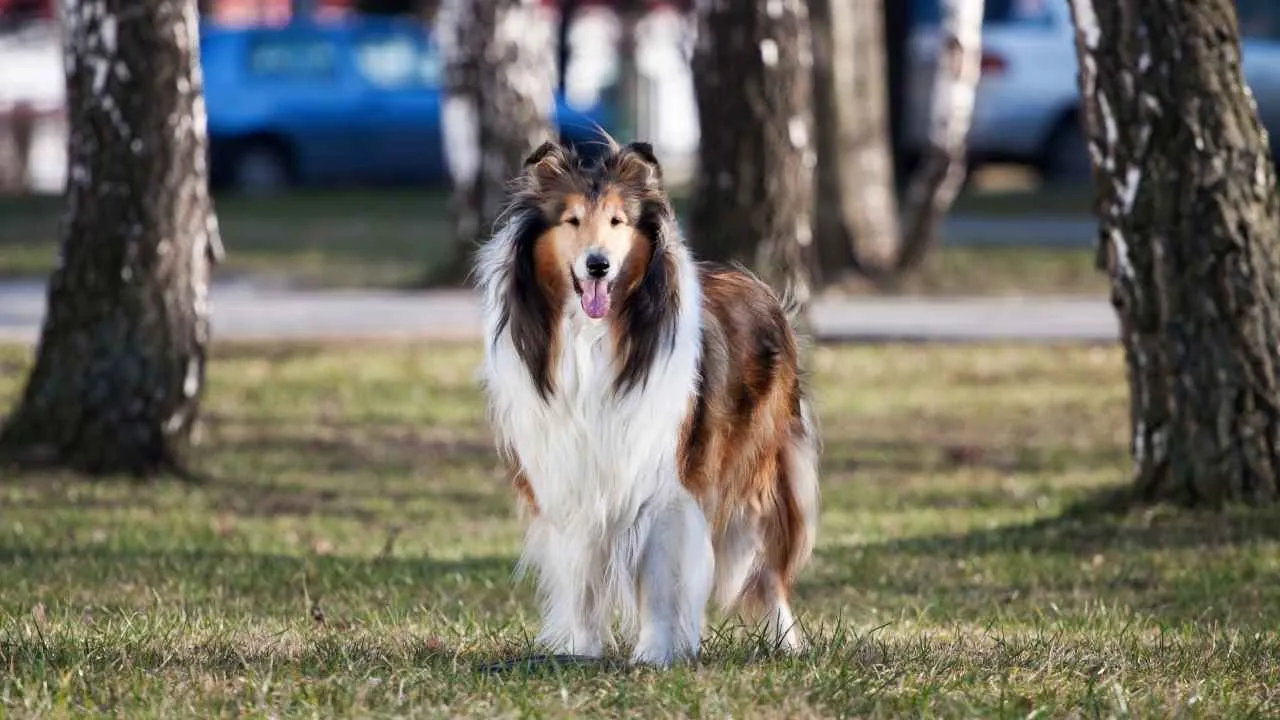
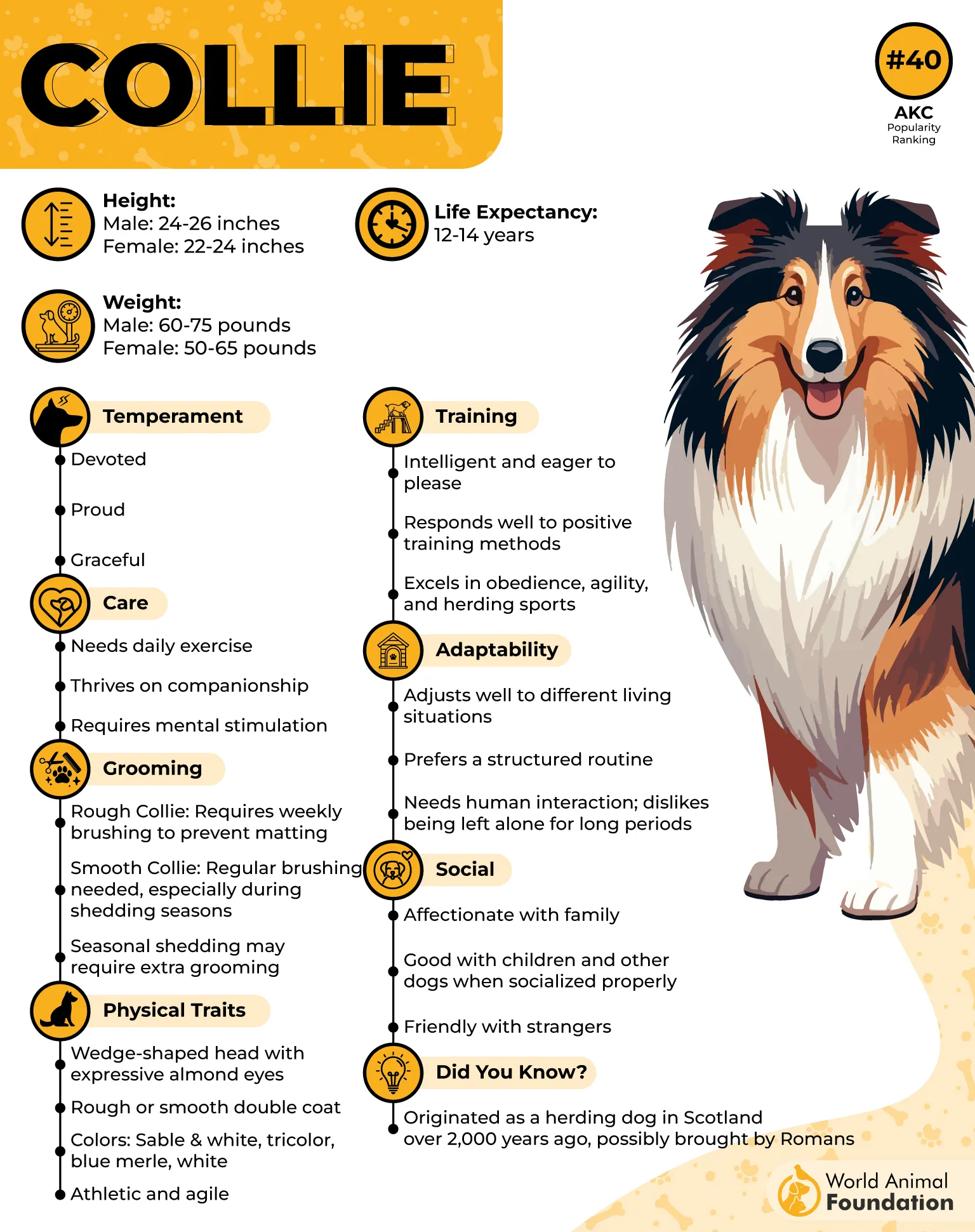
Collies draw attention through their long, flowing coat and refined, wedge-shaped head that gives a constantly expressive look. Almond-shaped eyes and mobile ears shift with subtle mood changes. This combination creates a visual presence that feels animated even at rest.
Coat variety and visual detail
They appear in both rough and smooth coats, each offering a different texture while sharing the same striking outline. Color patterns range across sable and white, tricolor, blue merle, and full white variations.
These coat features shape its appearance in distinct ways:
Rough coat forms a dense, showy outer layer
Smooth collies present a sleek, close-fitting finish
Color patterns highlight facial and body structure
Interaction shaped by companionship
As devoted dogs, they form close bonds with children and remain engaged in shared spaces, often responding to social activity around them, as PetMD notes.
Its herding nature reflects in how it stays aware of group movement without creating tension. This creates a presence that feels involved rather than distant.
3. Samoyed
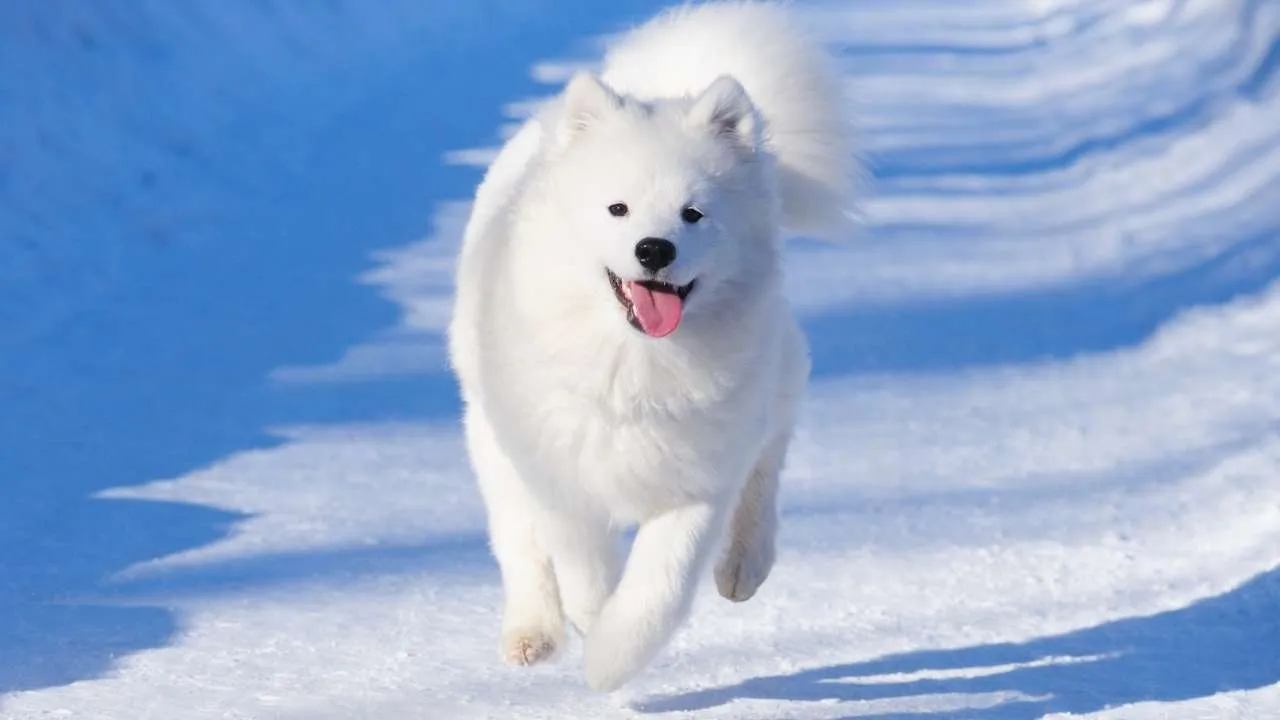
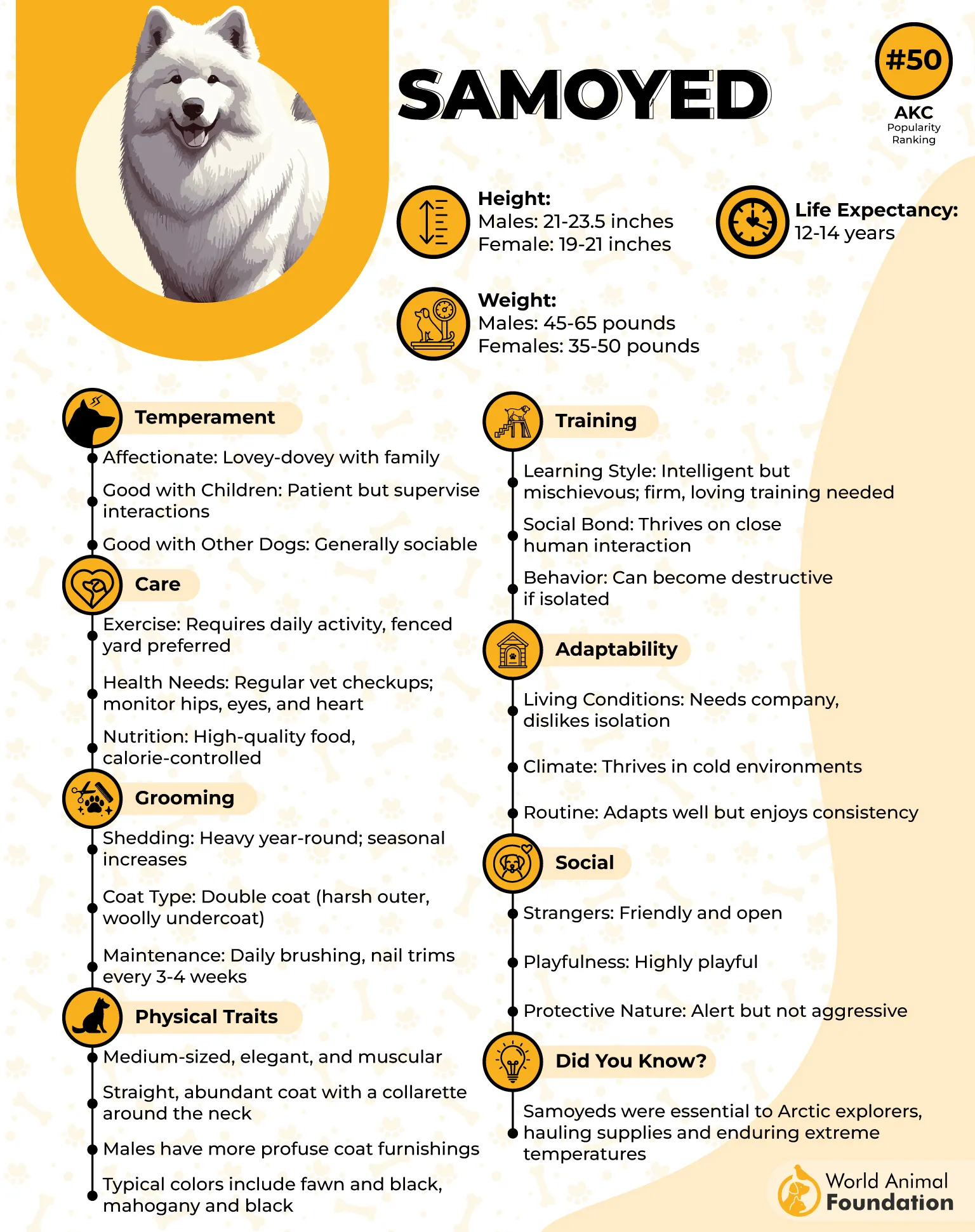
Samoyeds present a dense white double coat that protects against extreme cold, combining a harsh outer layer with a thick wool-like undercoat. This structure forms a barrier strong enough for conditions as severe as minus sixty degrees. The visual softness reflects insulation rather than decoration.
Functional features within the fluff
This white, fluffy dog shows practical design even in its most charming details, including a curved mouth that limits drooling in freezing air. Its body remains powerful and agile, shaped for continuous work in harsh climates.
A closer look reveals key physical elements:
Double coat with an insulating underlayer
An upturned mouth reduces ice buildup
Muscular frame built for endurance
Behavior shaped by constant companionship
According to Greencross Vets, a Samoyed reacts poorly to isolation, often becoming restless or destructive when left alone for long periods.
It shows a strong need for interaction, reflecting its nature as a social and engaged working dog. This behavior connects directly to its dependence on regular human presence.
4. Pekingese
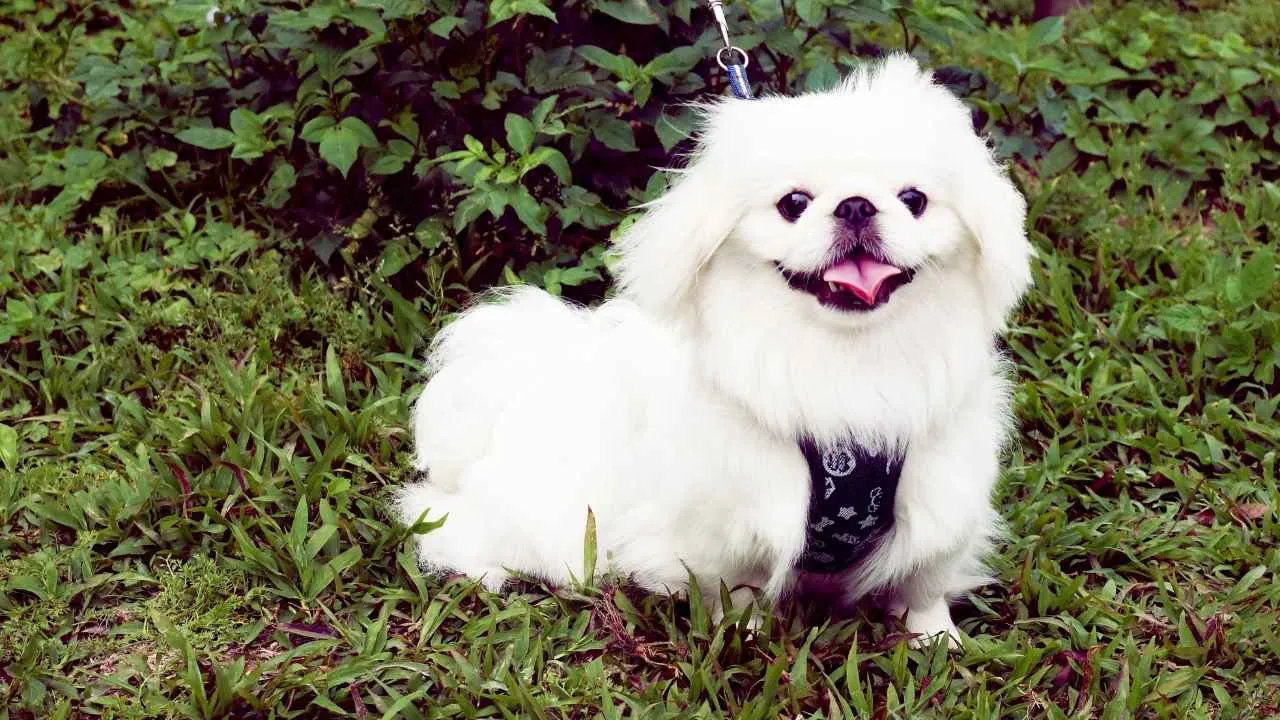
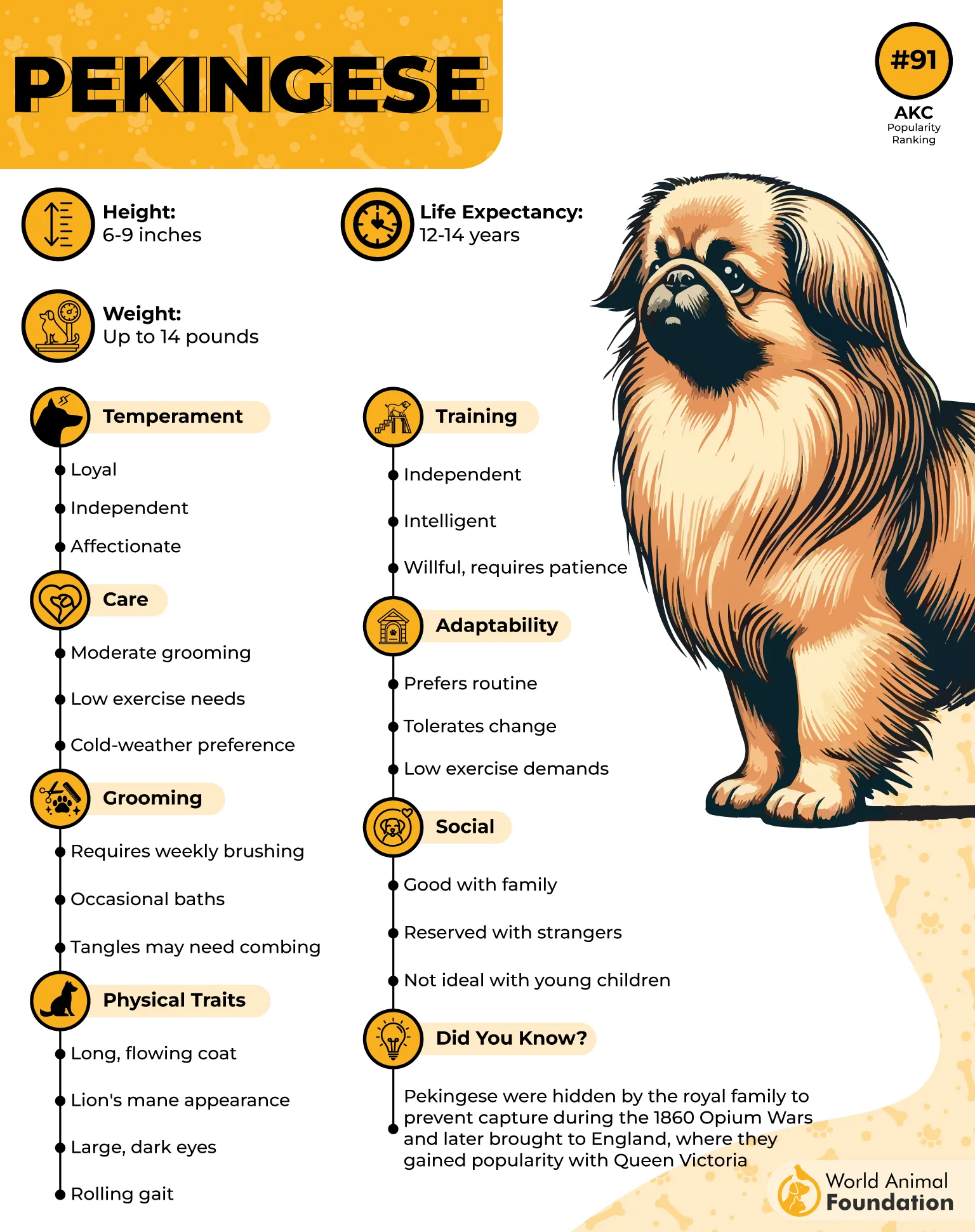
Pekingese is recognized by a compact, stocky frame wrapped in a long coat that thickens around the neck into a lion-like mane. Its broad, short-muzzled face and large, bright eyes give a striking, almost sculpted appearance. The rolling gait adds a distinct rhythm to how it carries itself indoors.
Coat detail and visual structure
This small, fluffy dog shows its defining look through coat density and placement, especially around the shoulders, where length becomes most noticeable. Color ranges across red tones, from lighter golden shades to deeper hues.
This visual identity forms through key features:
Dense, fluffy coat forming a mane around the neck
Broad, envelope-shaped head structure
Seasonal shedding requires regular brushing
Personality shaped by close bonds
They build a strong attachment to one preferred person, often focusing their attention within a smaller circle rather than broadly. Its behavior reflects confidence with a hint of independence, shaped by its palace life origins. Interaction stays selective rather than overly eager.
5. Alaskan Malamute
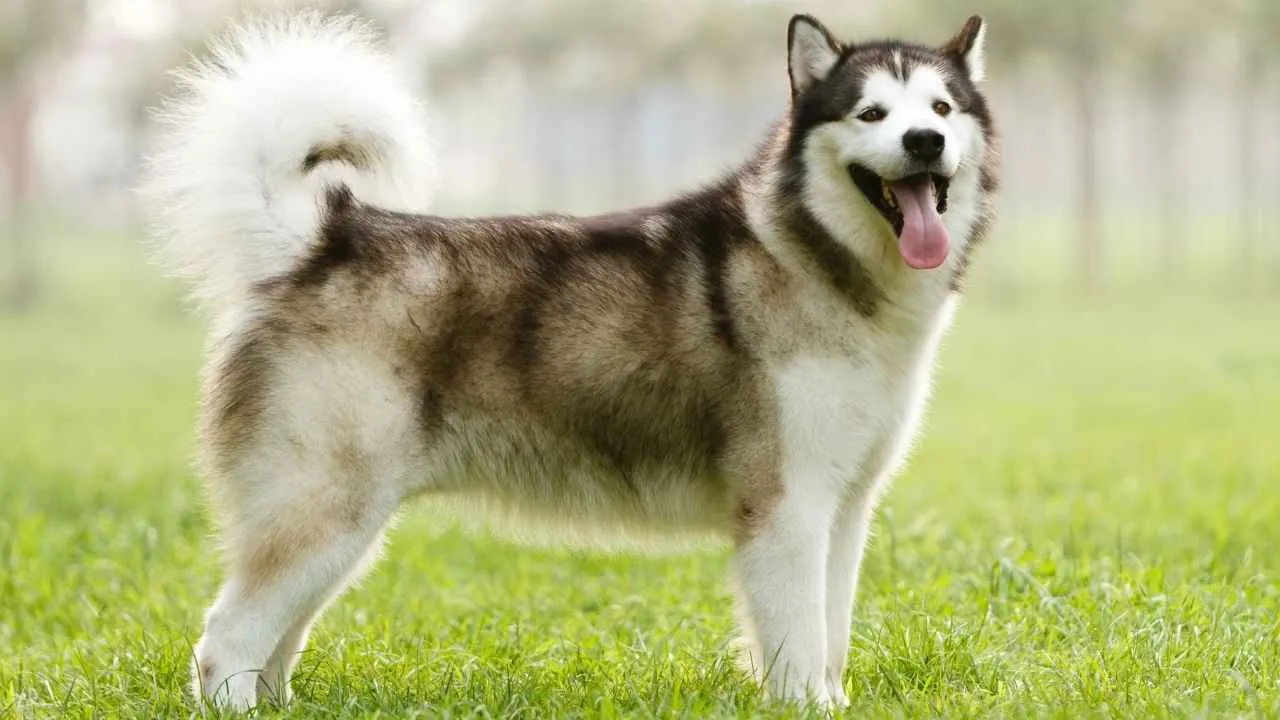
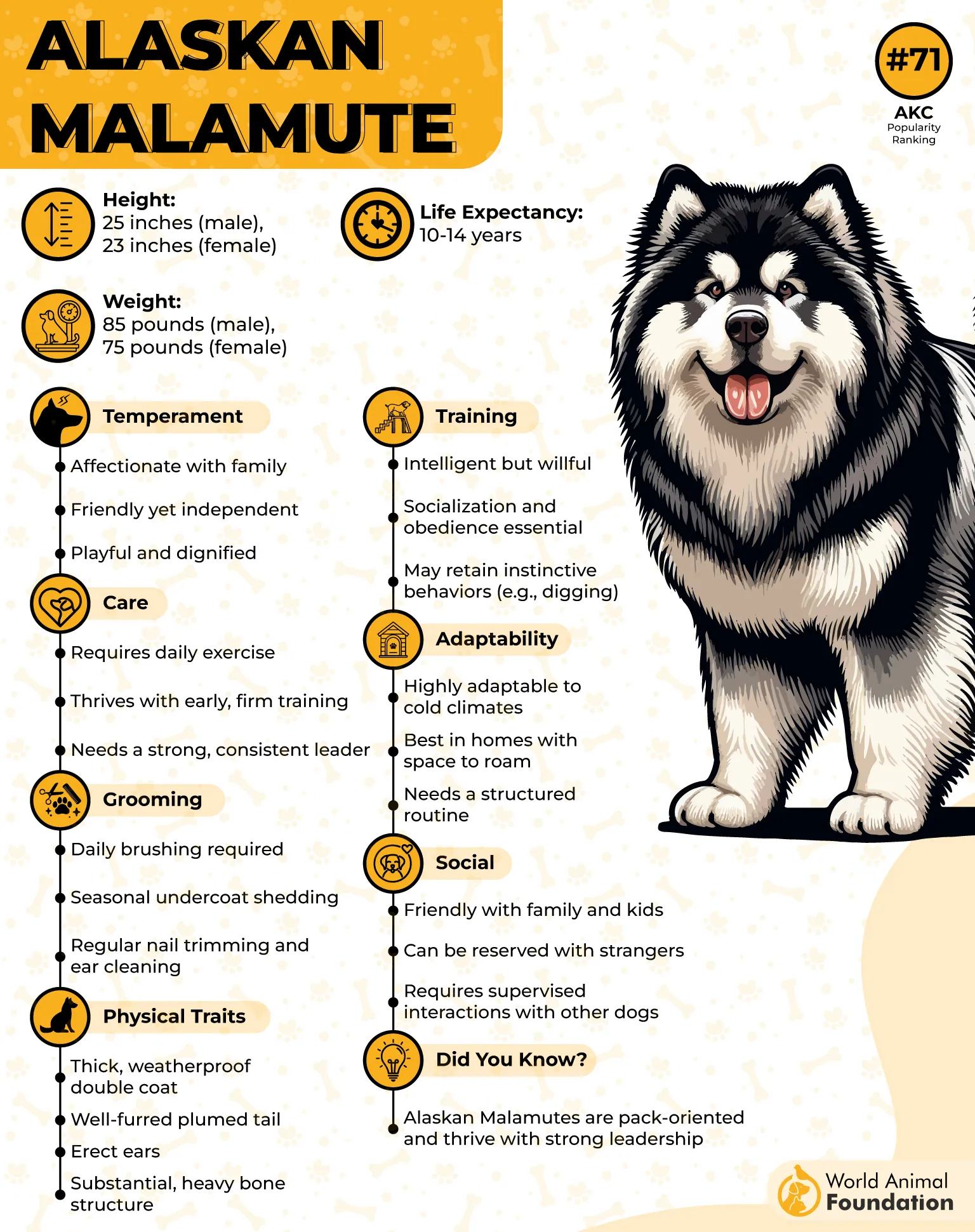
Alaskan Malamute has a thick, weatherproof coat layered over heavy bone and a deep chest built for demanding work. Its plumed tail curves over the back, paired with erect ears and a solid frame that reflects its spitz type. The dense coat gives a full, plush appearance tied directly to its working purpose.
Structure shaped for heavy tasks
This big, fluffy dog breed reflects strength through broad shoulders and a powerful build suited for pulling weight rather than speed. Its body alignment supports long-distance effort while handling resistance across tough terrain.
That design becomes clear through physical features:
Deep chest supporting lung capacity
Thick double coat protects against the cold
Strong shoulders built for load pulling
Pack instinct within the home
Malamutes function within a pack structure, recognizing proper mental stimulation and clear leadership as part of their daily behavior. Without a defined direction, this small dog tends to take control within its environment. Early guidance influences how this instinct appears in household settings.
6. Old English Sheepdog
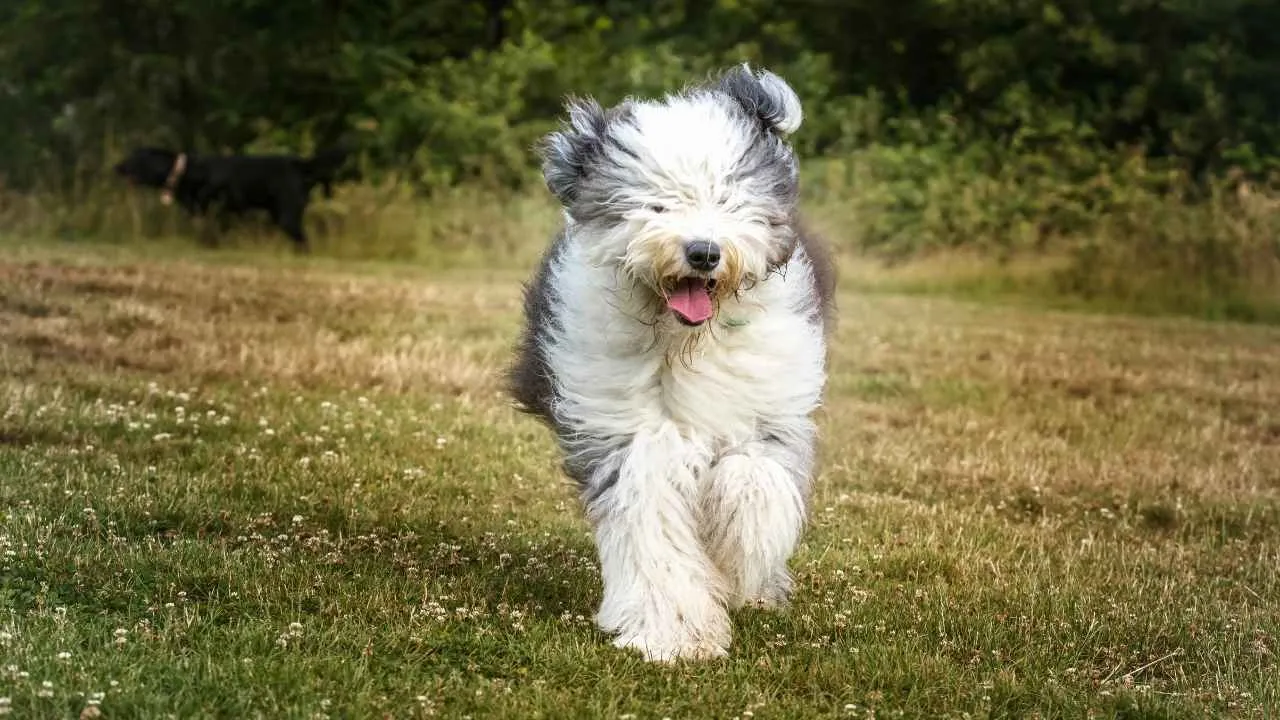
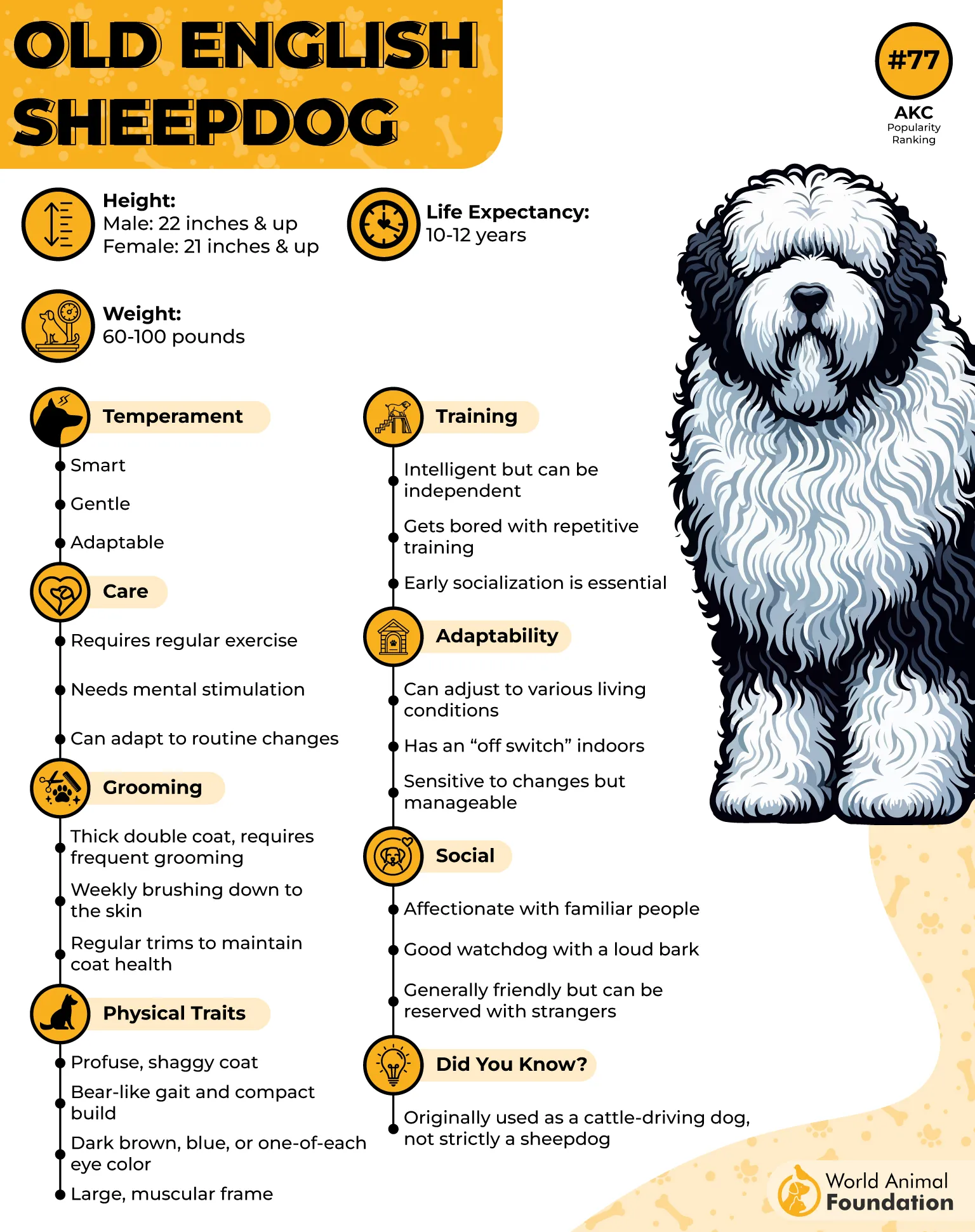
The Old English Sheepdog is instantly recognized by its dense, profuse coat that often covers the eyes, creating that familiar peek-through look.
Beneath that heavy coat sits a compact, muscular frame built for active work. The overall impression blends softness in appearance with underlying strength.
Movement that feels unexpected
They travel with a rolling, bear-like gait, yet show surprising agility when navigating space. Its body structure supports both steady motion and quick adjustments during activity.
That contrast becomes clearer in motion and form:
Bear-like shuffle during casual movement
Nimble footwork during active moments
Strong bone structure supporting balance
Temperament inside the home
This fluffy breed brings a composed and agreeable nature into daily life, often balancing alertness with calm interaction. It engages well with children, showing patience during play while remaining attentive to surroundings. A distinct bark signals awareness without constant noise.
7. Leonberger
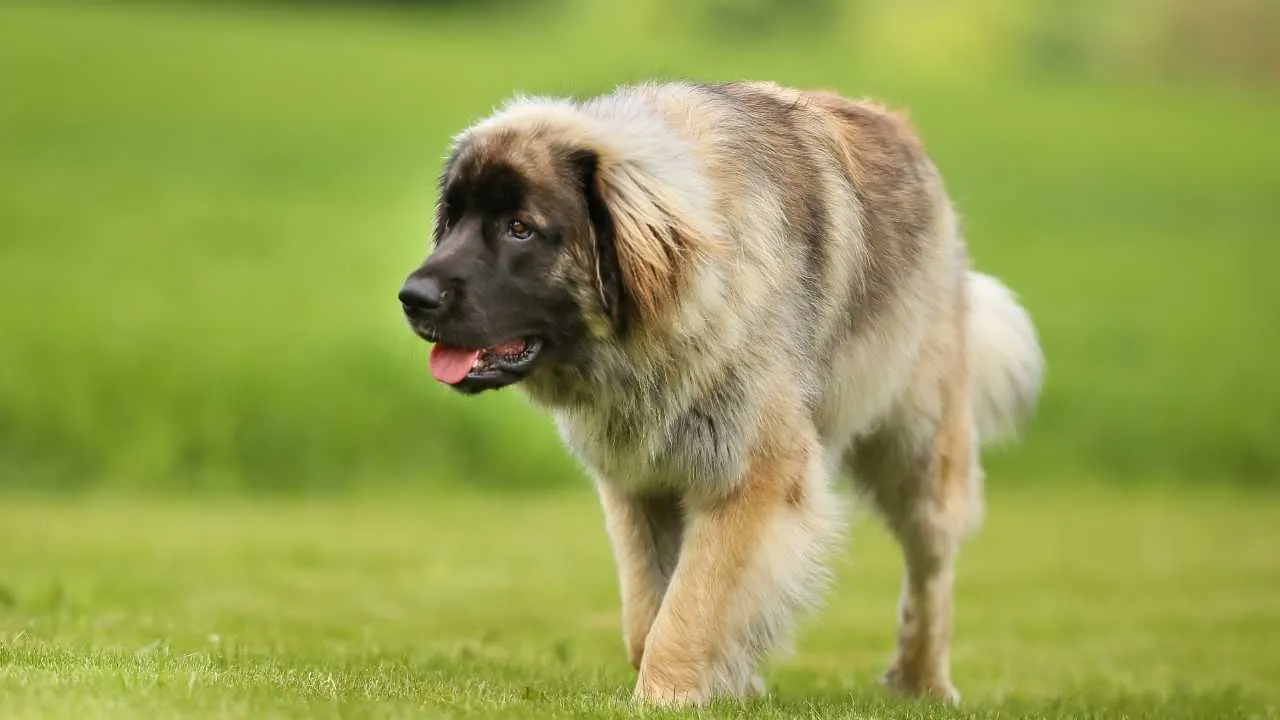
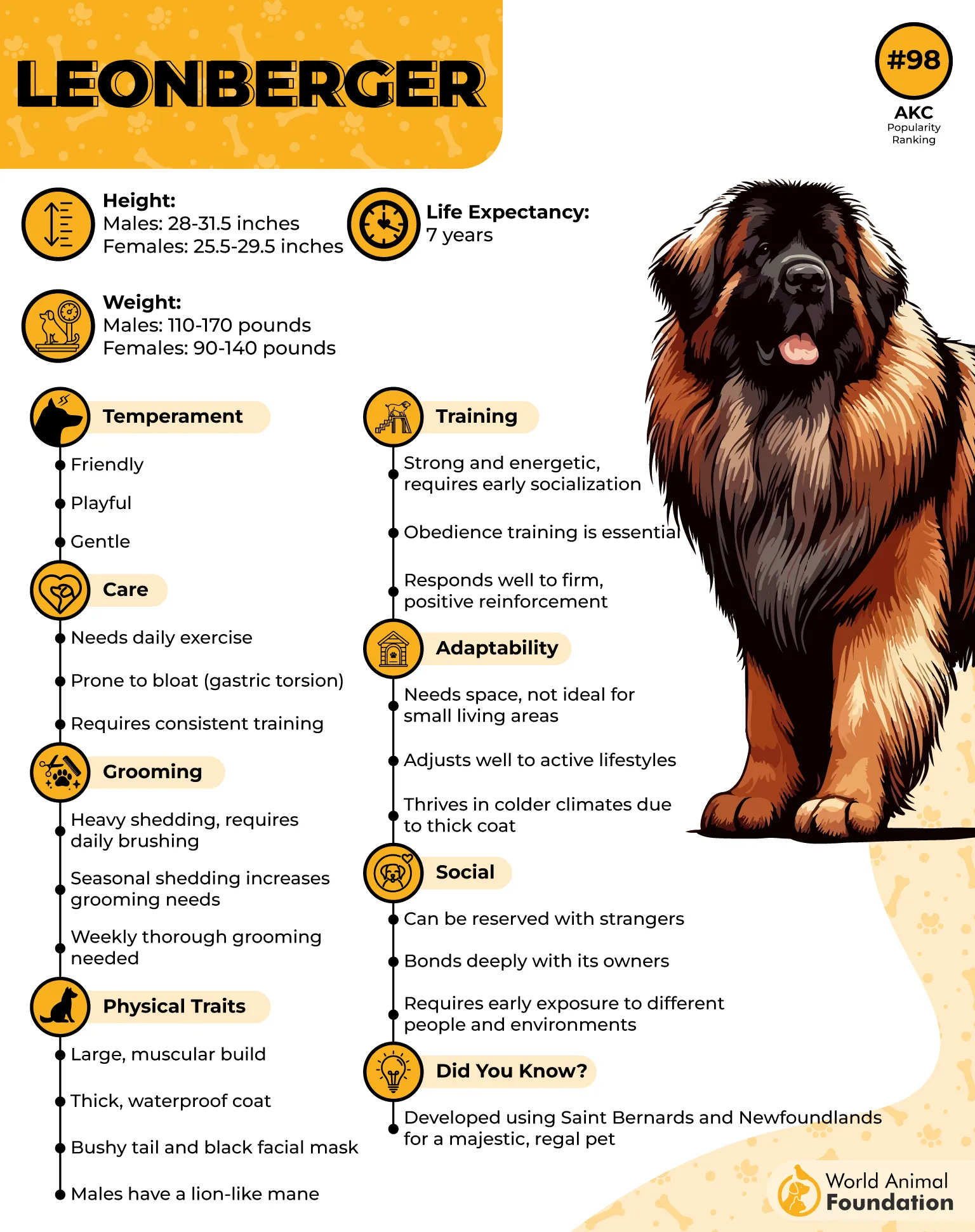
Leonbergers stand out with a dense, medium-long coat, with males showing a lion-like mane around the neck and chest. The black facial mask frames dark eyes, giving a composed and thoughtful expression. Its overall appearance blends size with a refined, almost ceremonial look.
Structure behind the fluff
This large dog combines a heavy build with an easy, elastic gait, allowing smooth movement despite its size. Features like triangular ears and a thick tail add to its balanced outline rather than excess bulk.
That structure comes together through key elements:
Waterproof outer coat with dense layering
Mane formation around the neck and chest
Strong frame supported by fluid movement
Coat care and living space
They require daily brushing, especially in areas prone to matting, such as behind the ears and legs. Seasonal shedding increases heavily, making grooming a consistent part of life with this breed. Limited indoor space does not suit its size or coat management needs.
8. Newfoundland
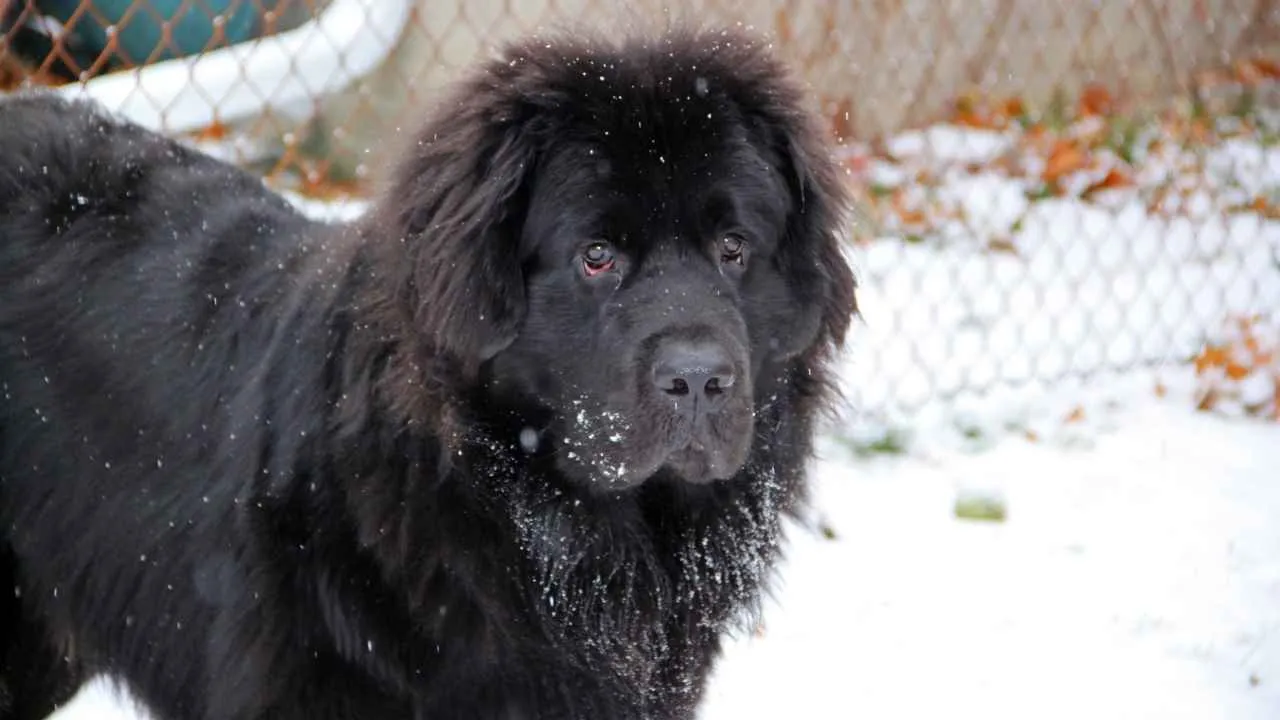
The Newfoundland combines a solid, heavy-boned structure with a composed expression that makes its size feel gentler. Its broad head and soulful eyes give it a distinct, approachable look despite its strength. The thick outer coat adds to its full, dense appearance.
Coat texture and visual identity
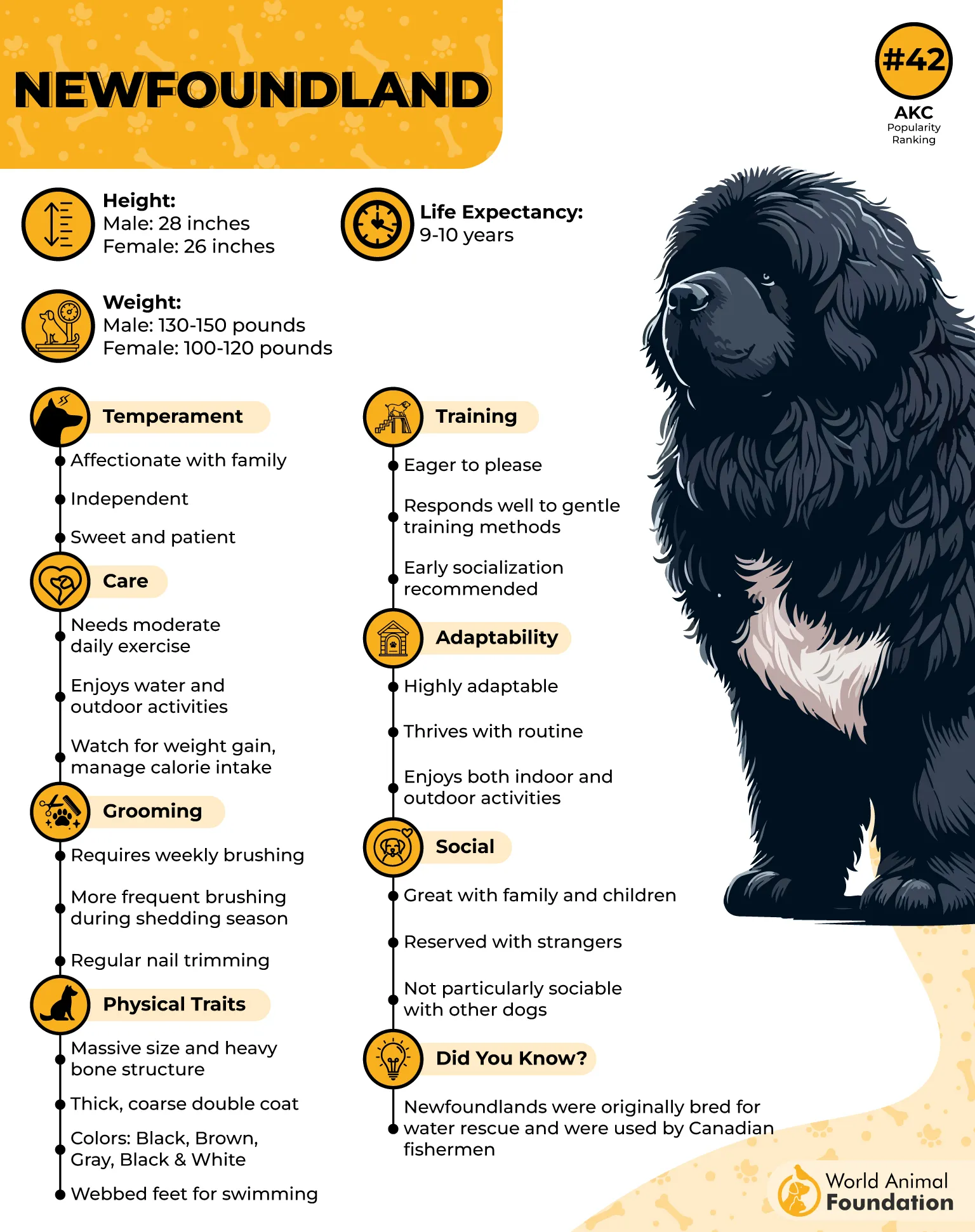
This gentle giant shows a flat, coarse outer coat that forms a dense layer across its large frame, available in black, brown, gray, and the Landseer pattern. This physical build pairs visual weight with a balanced outline.
Key coat and structure details include:
Flat, coarse outer coat covering the body
Recognized colors, including the Landseer pattern
Large, solid frame with heavy bone
Temperament centered on patience
Newfies interact with a steady and gentle manner, especially around children, earning their reputation as a dependable family companion. Its behavior reflects a trusting nature that responds well to calm handling. This temperament shapes how it fits into close household settings.
9. Great Pyrenees
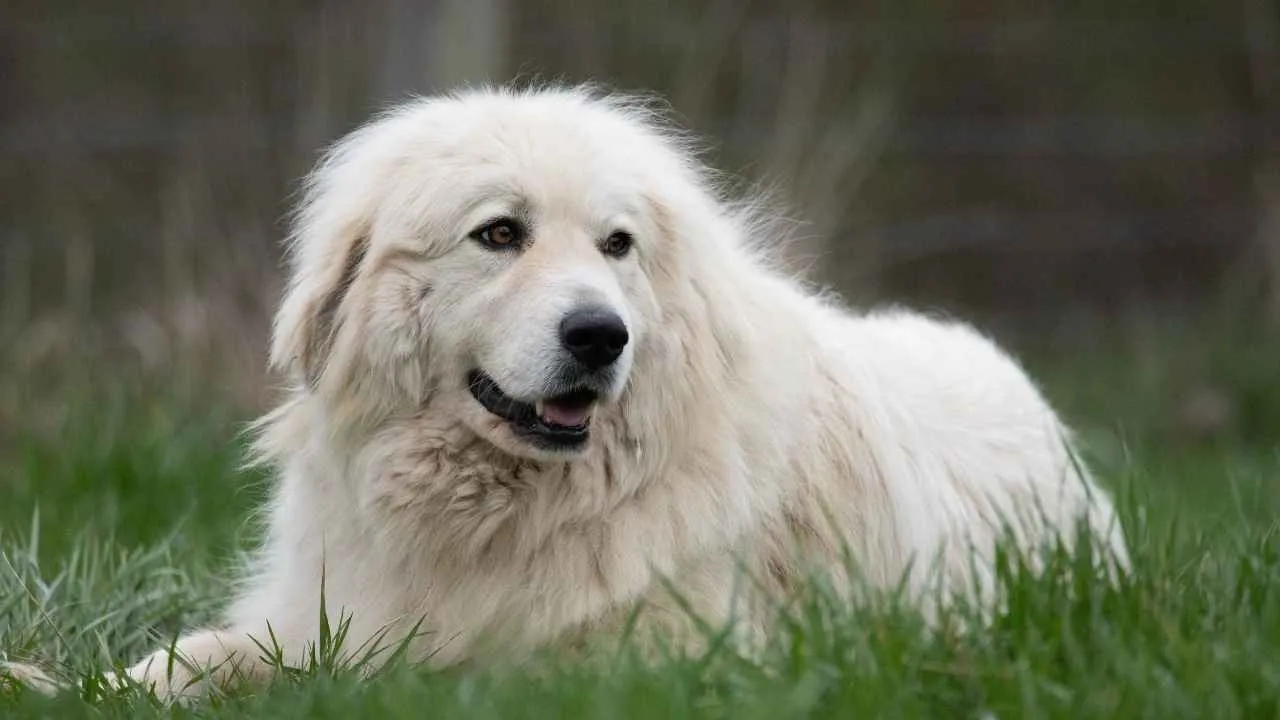
The Great Pyrenees features a dense, weatherproof coat that reflects its life on snowy mountain terrain. The thick outer layer, often white or marked with soft shades, adds to its striking, full-bodied appearance. This coat plays a central role in both protection and visual presence.
Guarding style shaped by patience
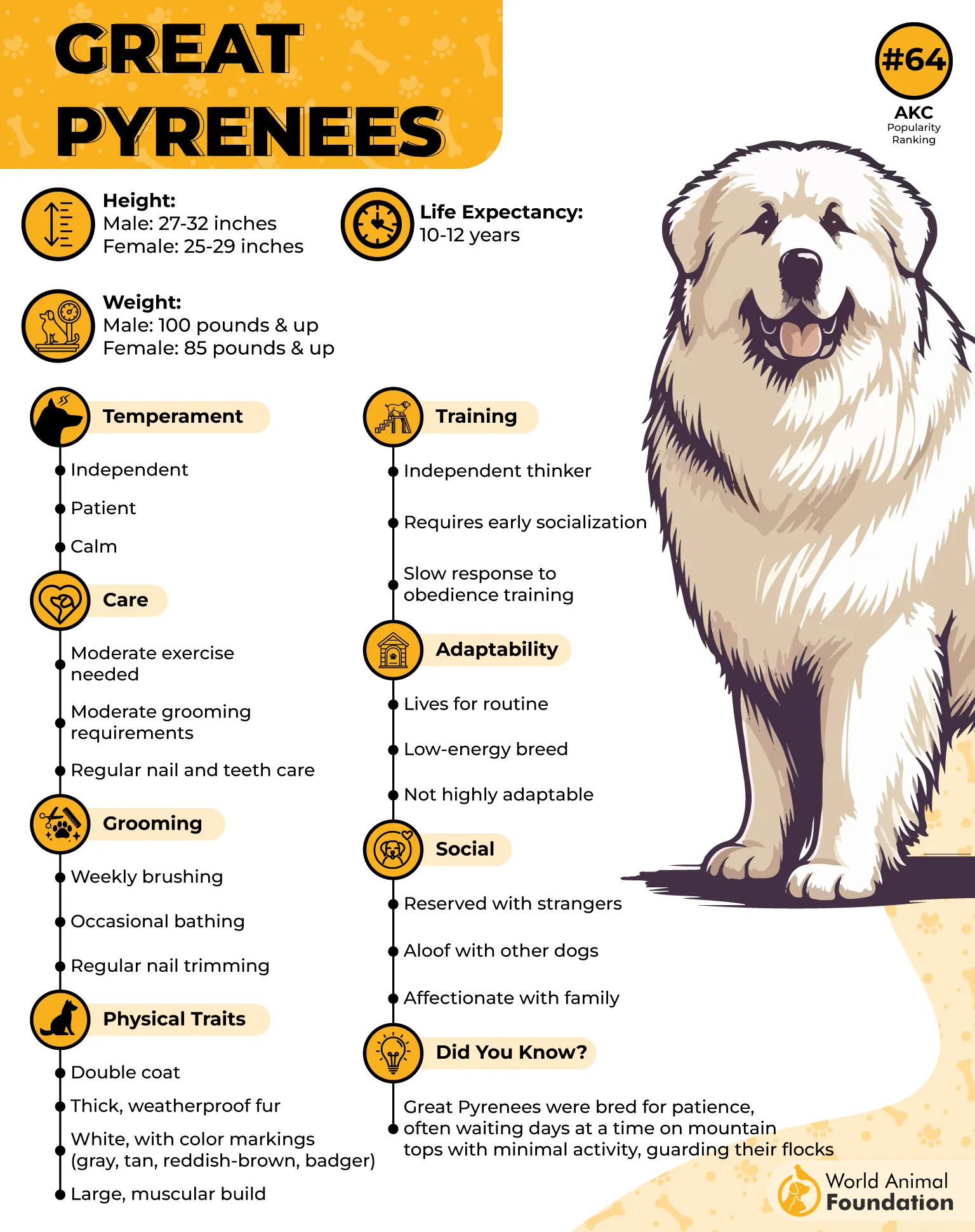
They approach protection through quiet awareness, observing surroundings with a calm and steady demeanor. It does not rush into action, instead holding energy until a real threat appears.
That working pattern shows in distinct ways:
Patrols territory with slow, deliberate movement
Reacts only when a clear threat is present
Conserves energy between active moments
Strength paired with controlled movement
This breed combines a powerful frame with the ability to respond quickly when required. Its size and muscle allow it to confront large predators, while its movement remains balanced and purposeful. This blend reflects a dog built for endurance over constant activity.
10. Japanese Spitz
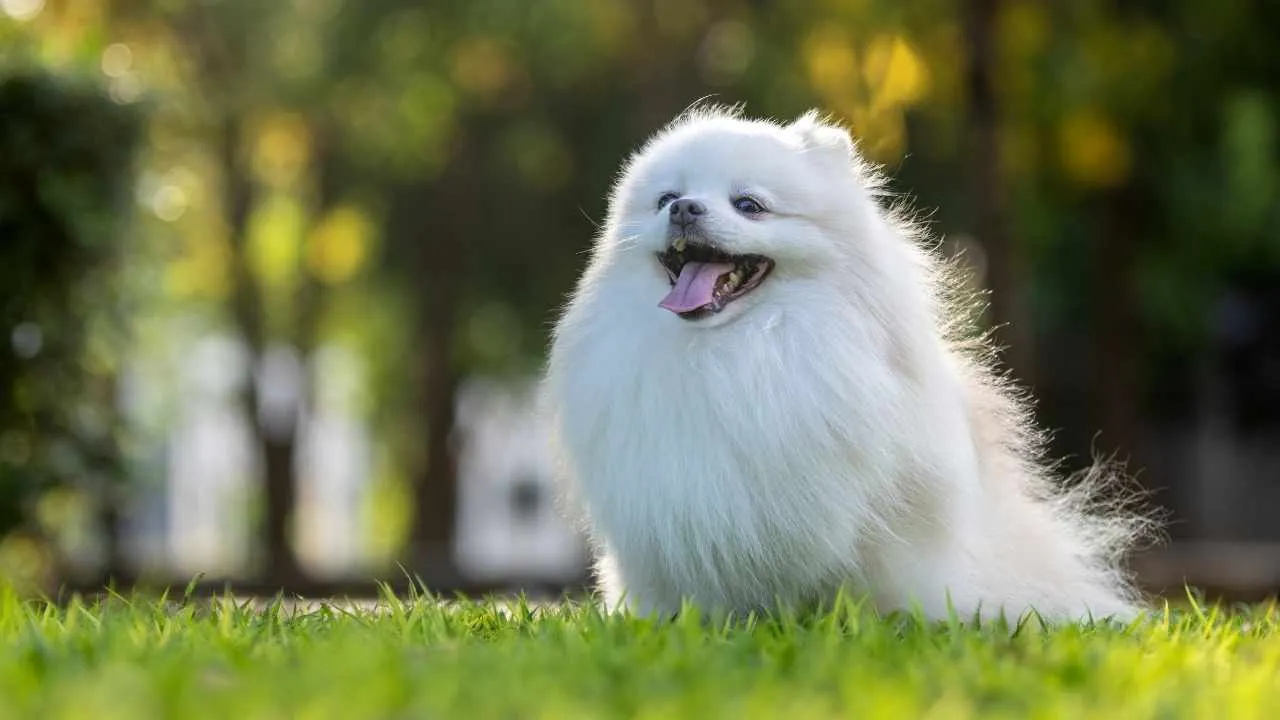
The Japanese Spitz stands out with its bright white coat, forming a soft mane around the neck, complemented by a curled tail over the back.
Its fox-like face, marked by dark eyes and a pointed muzzle, adds a lively expression. Every feature contributes to a look that feels animated and alert.
Personality is built on interaction
They bring a playful, almost theatrical energy into daily life, often reacting in ways that invite attention and engagement. Its eagerness to please connects directly with how quickly it responds during shared activities.
That playful nature comes through in simple ways:
Reacts with expressive facial cues
Seeks interaction during routine moments
Engages easily during outings and travel
Adaptability across living spaces
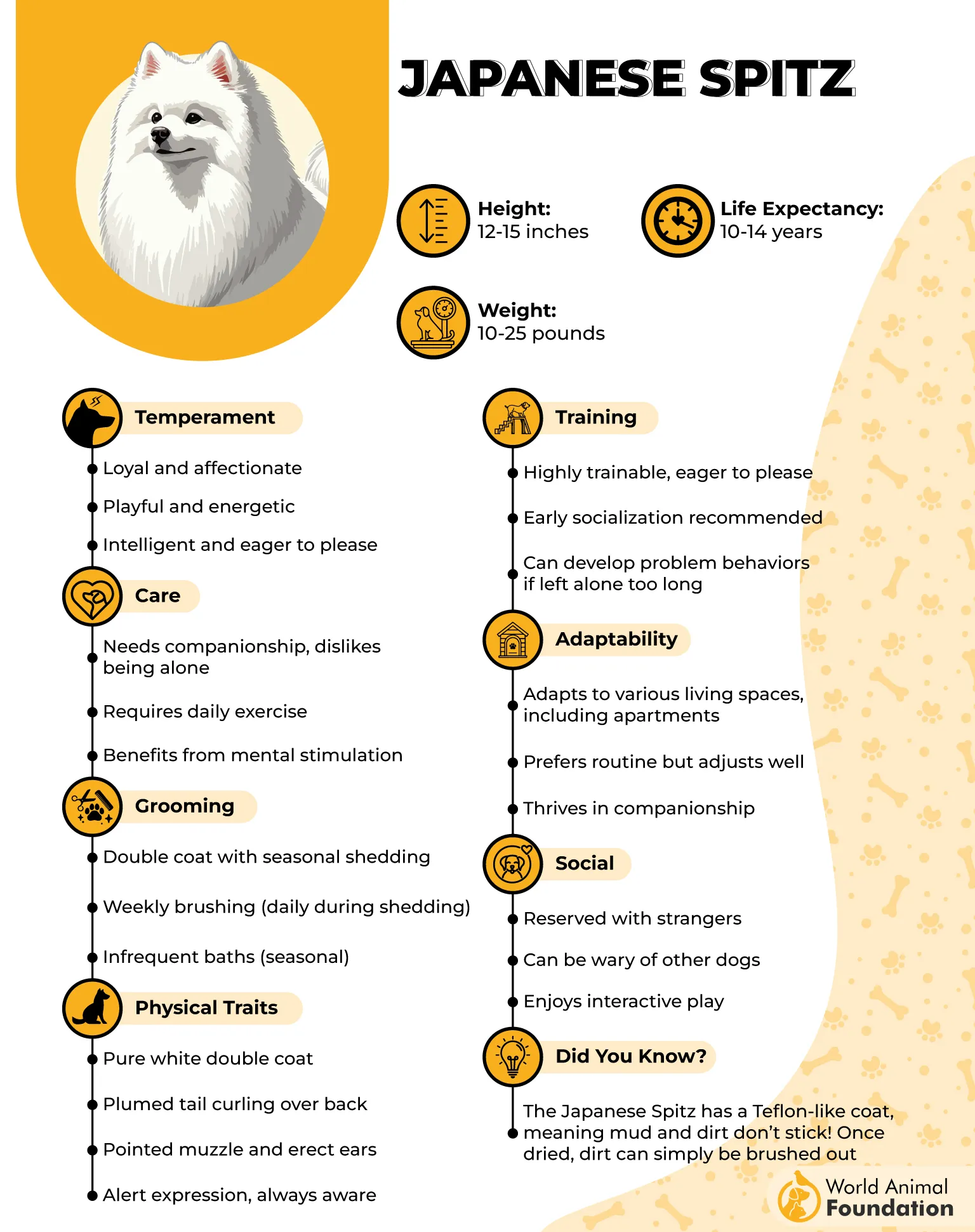
Japanese Spitz fits into both open environments and compact homes without losing its active nature. It enjoys outdoor experiences like walks, beach visits, or open runs, yet adjusts comfortably indoors afterward. This flexibility allows it to align with different living setups.
Conclusion
Fluffy dog breeds often look similar from a distance, but living with them highlights differences that shape everyday life. Coat type, grooming needs, and behavior all play a role in how manageable each breed feels over time. Some bring ease into a routine, while others require ongoing effort that slowly becomes part of daily structure.
Recognizing this early as a pet parent helps avoid mismatched expectations. It shifts the focus from appearance to long-term compatibility and balance. In the end, the right choice is not just about softness or volume of fur, but about finding a companion that fits smoothly into your life without creating unnecessary strain.
