




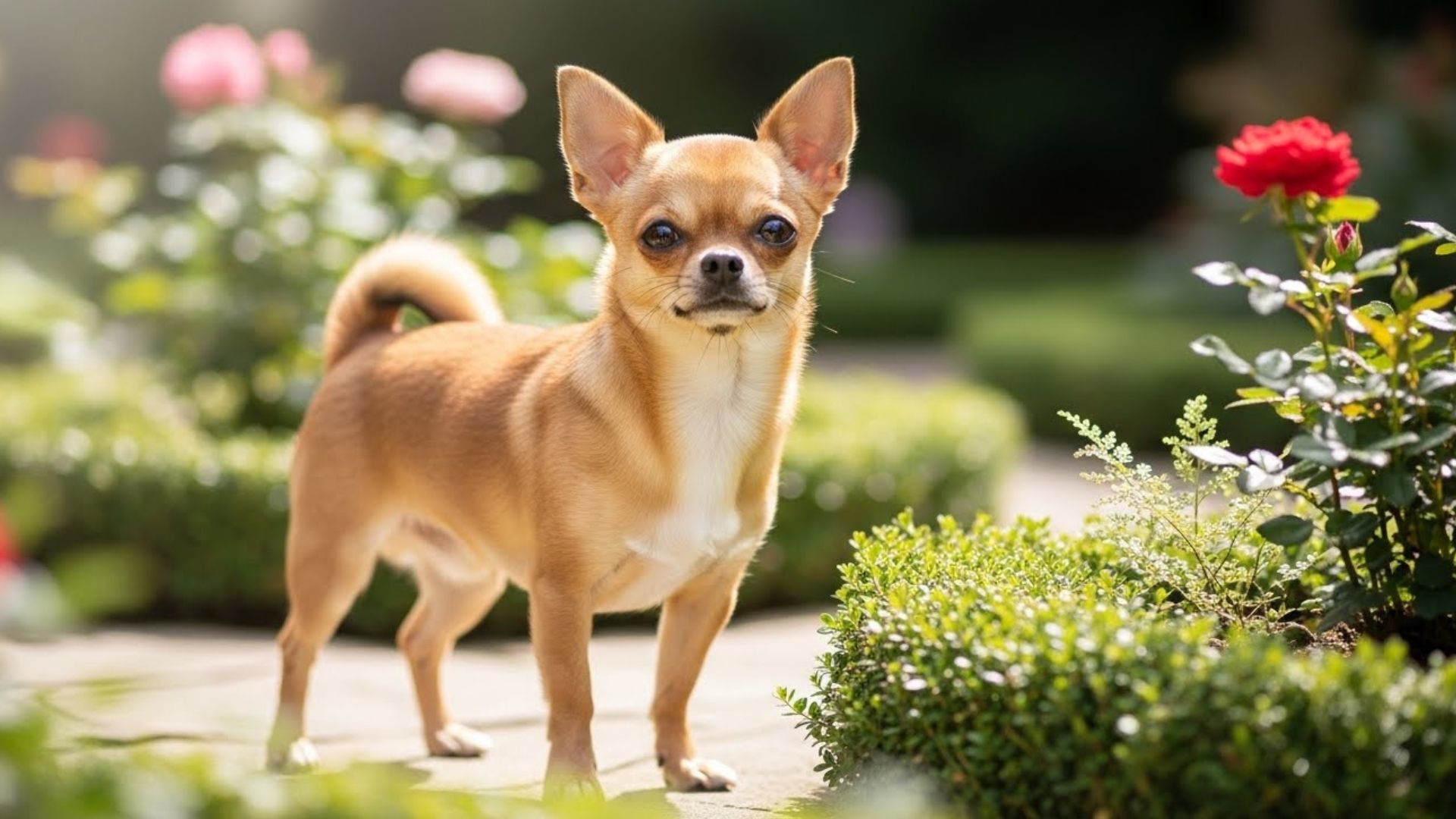
Looking for a small dog that can fit right into your lap and heart?
Imagine coming home after a long day, and a tiny, playful companion rushes to greet you, tail wagging, eyes sparkling, and ready to snuggle. That’s the magic of fantastic small dog breeds staying tiny forever.
These little dogs are not just cute—they are companions who bring joy, laughter, and love into your everyday life. Many small dog breeds that stay small forever have thrived in homes for generations, offering affection, loyalty, and spirited personalities despite their tiny size.
Interestingly, small size can mean fewer health stresses on the body. Because they have less mass, small dogs often experience less strain on their joints, bones, and organs, which contributes to a longer, healthier life.
According to LiveScience, this is one reason small dogs often enjoy longer lifespans than larger breeds. This makes them ideal lap dogs and perfect companions for apartments, small spaces, or families looking for affectionate dogs who love cuddles, playtime, and companionship.
Whether you want a calm friend to sit with you or a lively little pup ready for fun, these small dog breeds bring happiness into every moment.
Fantastic Small Dog Breeds – Staying Tiny Forever
1. Chihuahua
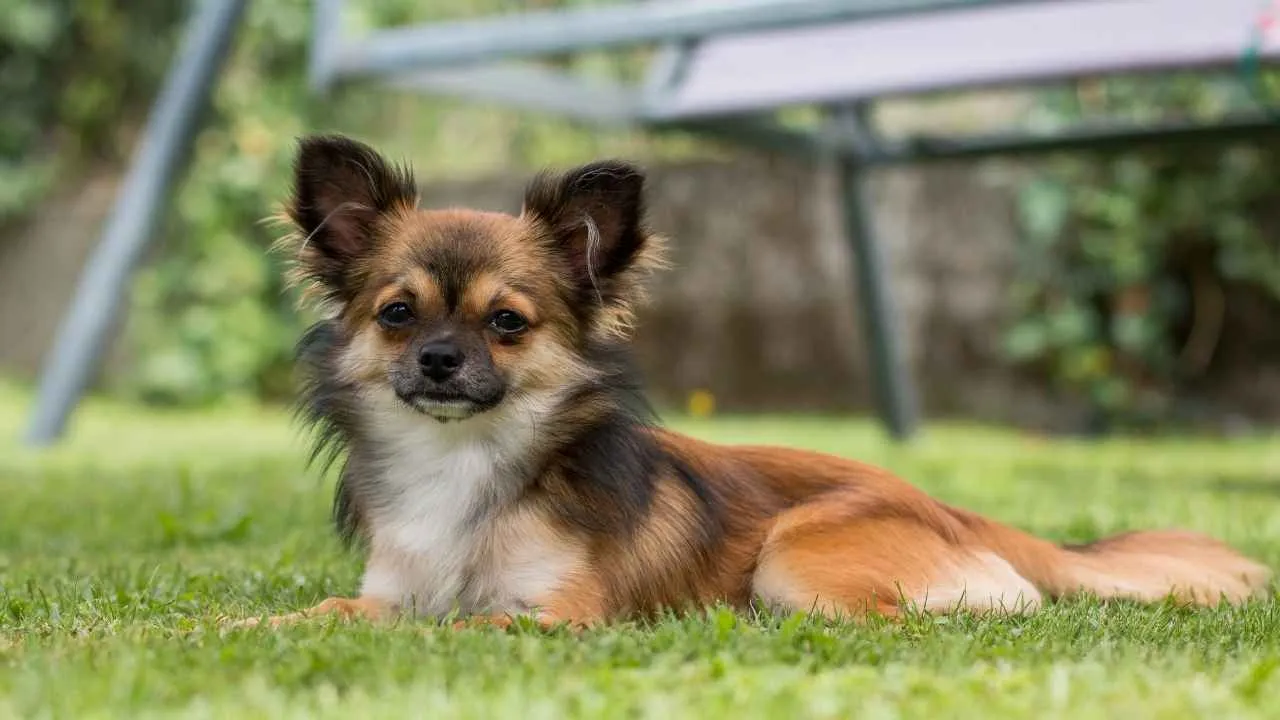
Ever wondered how a dog so tiny can have such a huge personality?
The Chihuahua is one of the most fascinating small dog breeds, staying tiny forever, with a history that traces back to ancient Mexico. Believed to have been companions to the Toltec civilization, these little pups were cherished for their loyalty and are considered the national dog of Mexico.
Despite their small size, Chihuahuas have a personality that’s larger than life. They are fiercely loyal, alert, and affectionate, making them ideal companions who bond closely with their human family.
Playful and curious, they love exploring their surroundings and can show remarkable confidence around strangers. Chihuahuas are perfect for tiny dogs who offer endless joy, companionship, and spirited energy.
According to the American Kennel Club, they are also highly intelligent and eager to please, which makes them quick learners in training.
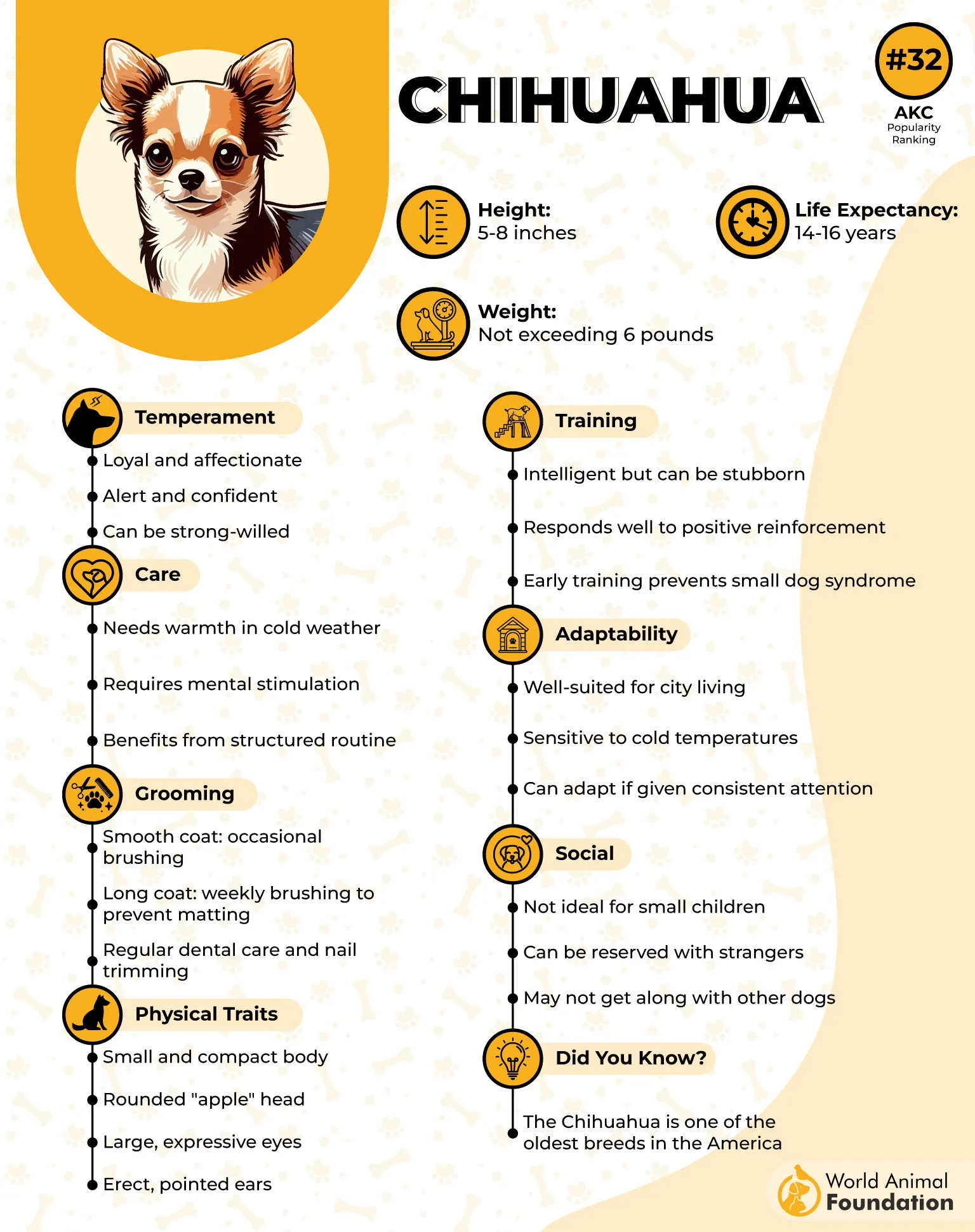
Care
Chihuahuas thrive with gentle exercise, regular dental care, and a balanced diet. They enjoy playtime and social interaction, but their small size means careful handling is important.
Fun Fact
Chihuahuas are known to shiver or tremble when excited or nervous, which is completely normal. This quirky behavior is a signature trait that makes them even more endearing.
2. Pomeranian
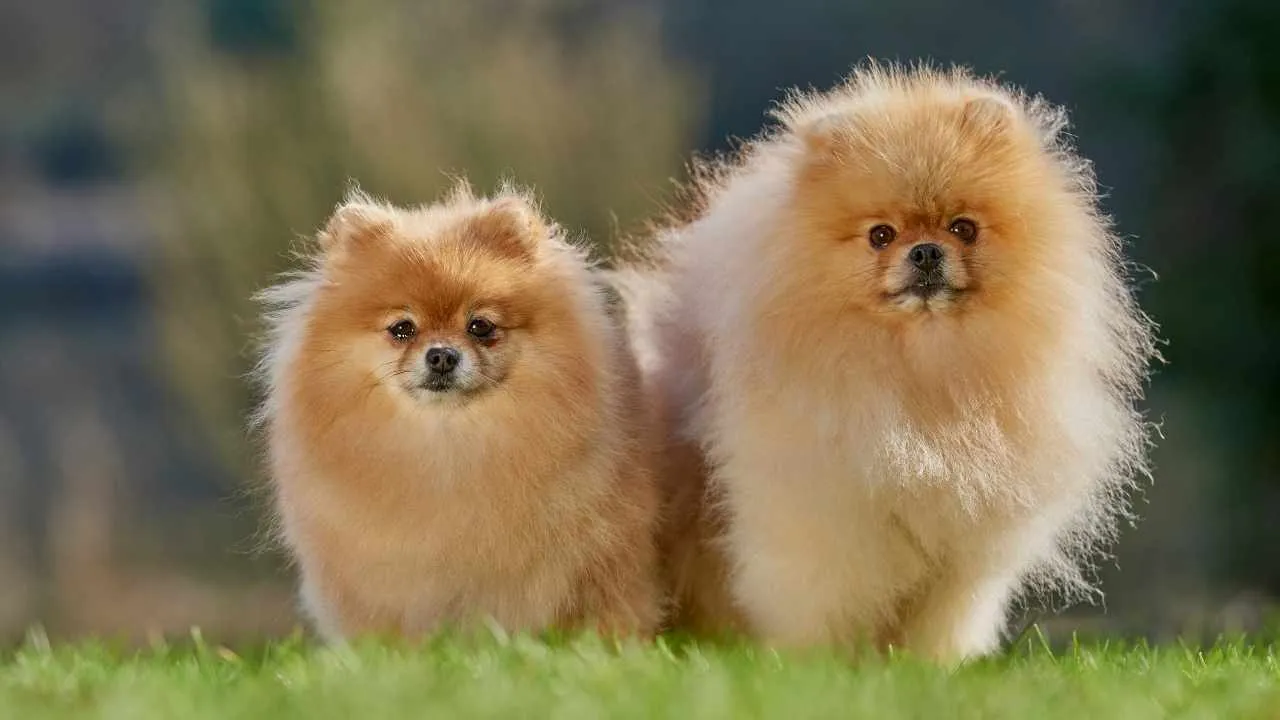
Ever wondered how a tiny ball of fluff could carry so much personality inside?
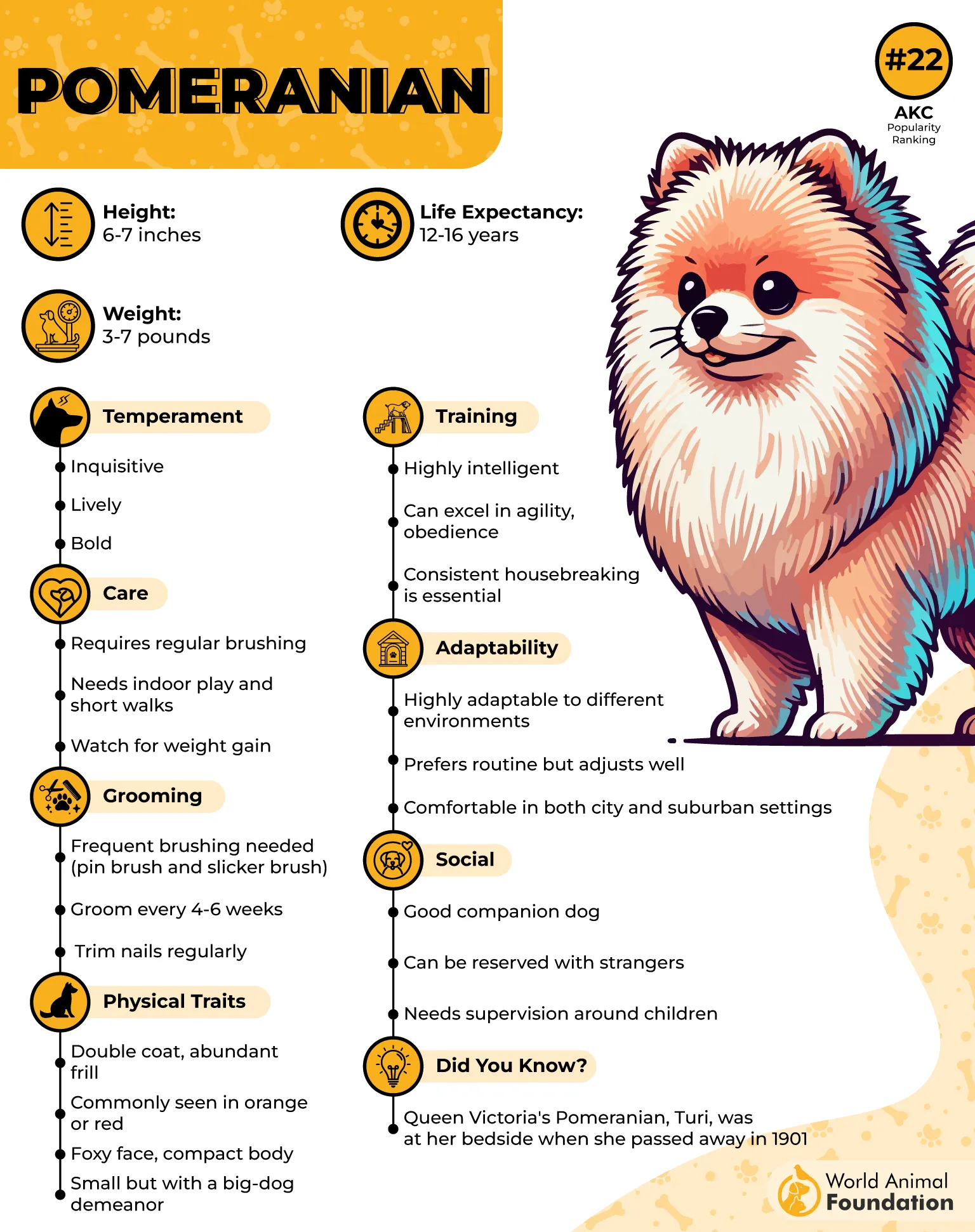
The Pomeranian is a perfect example — a spirited toy‑breed dog that has charmed people for centuries. Originating in the Pomerania region (now part of northern Poland and northeastern Germany), Pomeranians descended from larger Spitz‑type dogs.
Over time, breeders selected for smaller size, producing the compact, fluffy companions known today. Pomeranians may be small, but their spirit is larger than life. They are confident, alert, playful, and curious.
Their lively nature often shines through in playful antics, quick reactions, and a readiness to explore. They bond closely with their human families and often carry the boldness of a larger dog — a trait that makes them both entertaining and lively companions.
Care
Pomeranians thrive with regular grooming, mental stimulation, and moderate play. Their double coat is one of their signature features — to keep it healthy and tangle‑free, brushing several times per week is ideal.
According to PetMD, they enjoy indoor play and short walks rather than long, strenuous exercise, which suits apartment or small‑space living. Because of their lively temperament and sometimes vocal nature, early socialization and training help them behave well with people and other dogs.

Fun Fact
Pomeranians once weighed much more than today’s tiny versions. In the 19th century, during the reign of Queen Victoria, she owned particularly small Pomeranians — this sparked the trend of breeding Poms down in size. As a result, what used to be a medium‑sized Spitz became the “tiny companion” we know now.
3. Yorkshire Terrier
Ever wonder how such a little pup can act like he owns the place?
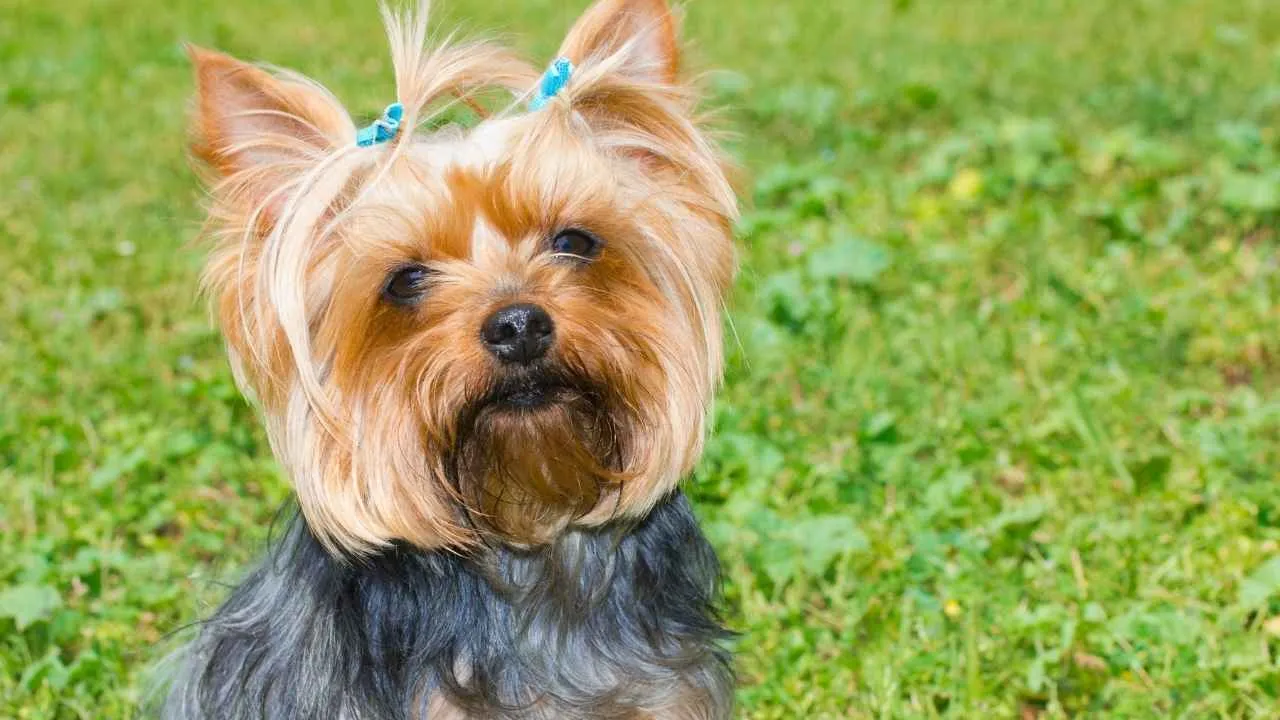
The Yorkshire Terrier was specifically bred in the mid‑1800s among textile workers in Yorkshire and Lancashire, England. These workers brought over small terriers, including broken‑haired Scotch and other local types, and selectively bred for a compact size and alert temperament.
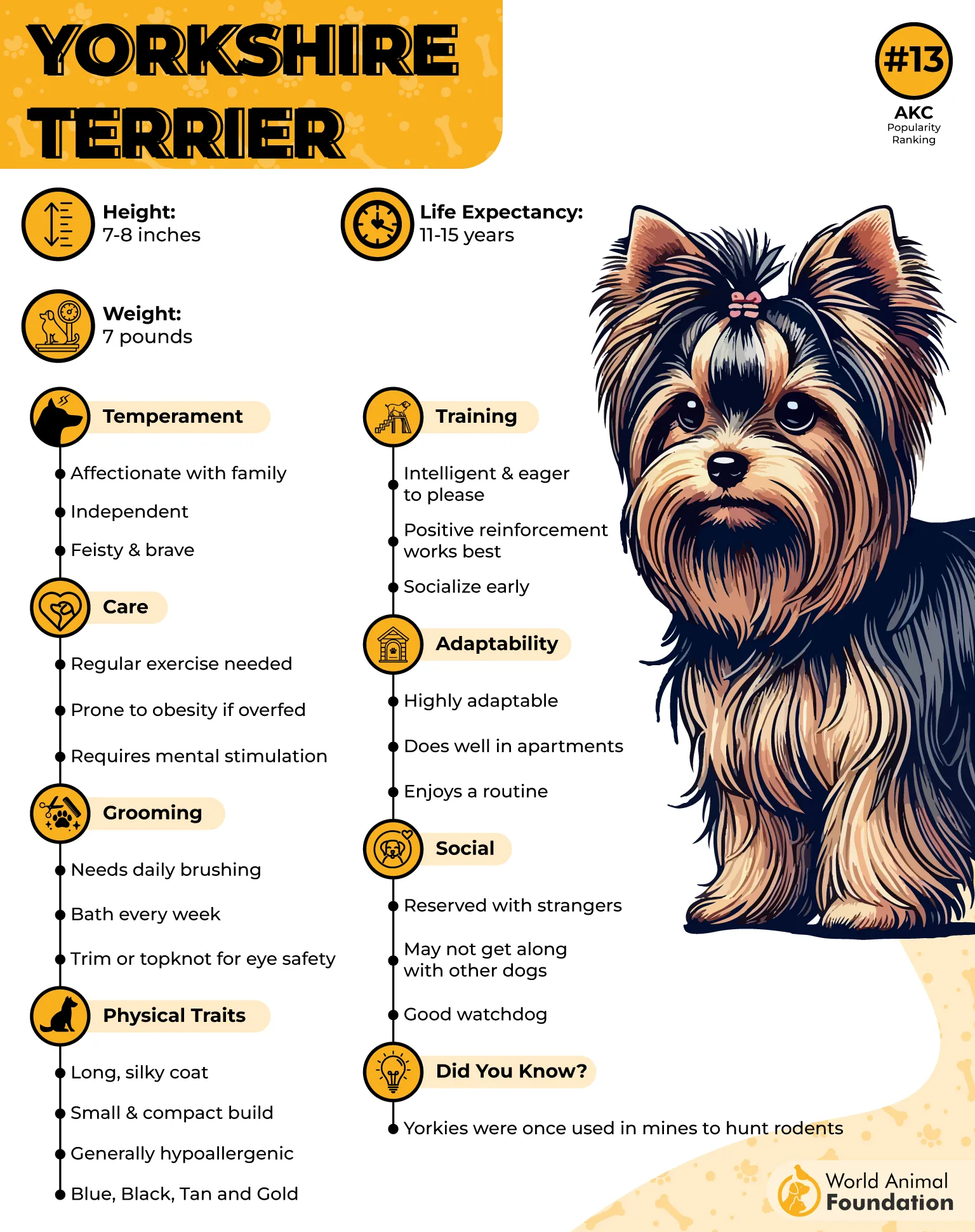
Over time, that breeding developed into the toy‑sized Yorkie we know today — officially recognized by the register of pedigree dogs in the late 1800s. Though small in size, it’s not just a Yorkshire Terrier — the Yorkie has a “big dog” personality. It is lively, confident, and often quite bold — traits true to its terrier roots.
Affectionate with family, Yorkies love being close — especially teacup Yorkies, which are tiny versions of this spirited breed. They make loyal companions and offer a lot of energy for their size.
Care
Because of the Yorkie’s silky, floor‑length coat in many lines, regular grooming is a must. Frequent brushing — ideally several times a week — helps avoid mats and keeps its coat healthy.
They also benefit from daily short walks or indoor play sessions, which help burn off their high energy and keep them mentally stimulated. Due to their small size and lively temperament, early socialization and gentle training help them behave well with people, children, and pets.
Fun Fact
As noted by Britannica, one of the most remarkable stories involving a Yorkshire Terrier is about a dog named “Smoky.” During World War II, Smoky — a Yorkie — served in jungle warfare in New Guinea.
Despite her tiny size, she survived dozens of air raids and went on many missions. She is often called one of the first therapy dogs and helped boost the popularity of the breed globally.
4. Maltese
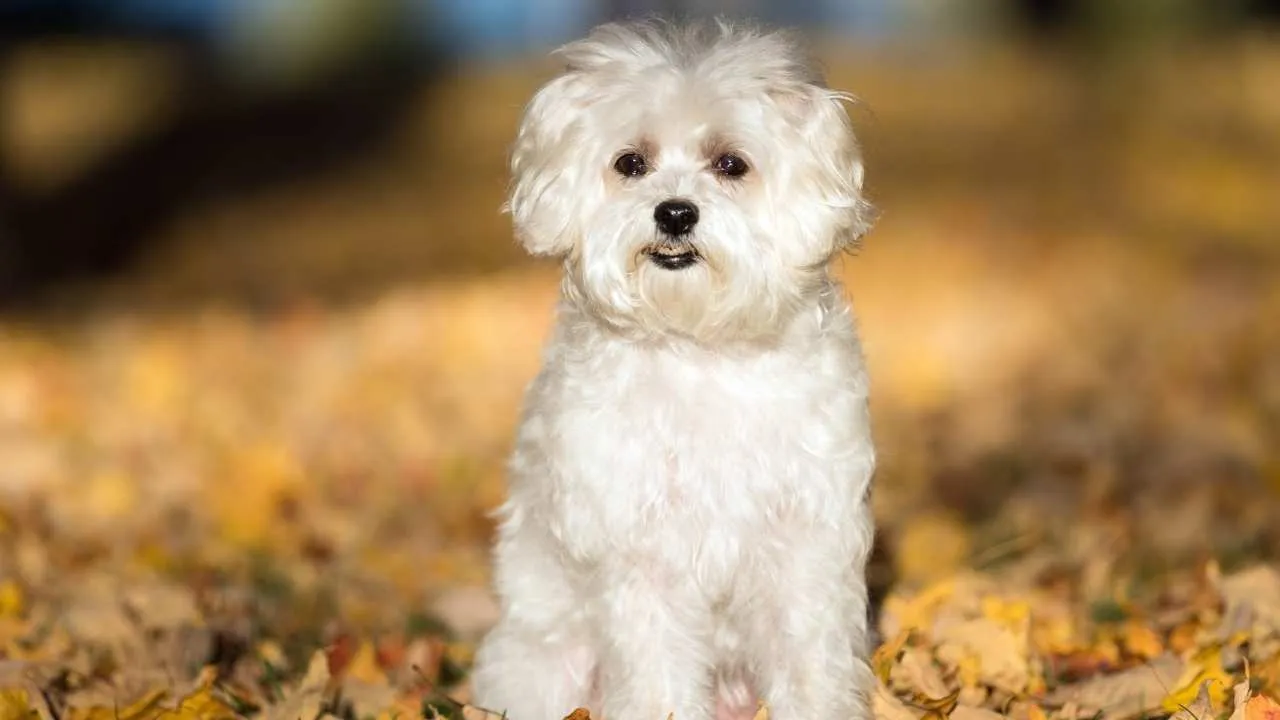
Have you ever met a dog so gentle and elegant that it feels like royalty has arrived?
The Maltese is a small dog breed that has been adored for over two thousand years. Originating from the Mediterranean island of Malta, these dogs were cherished companions to nobles and aristocrats, celebrated for their beauty, intelligence, and affectionate nature.
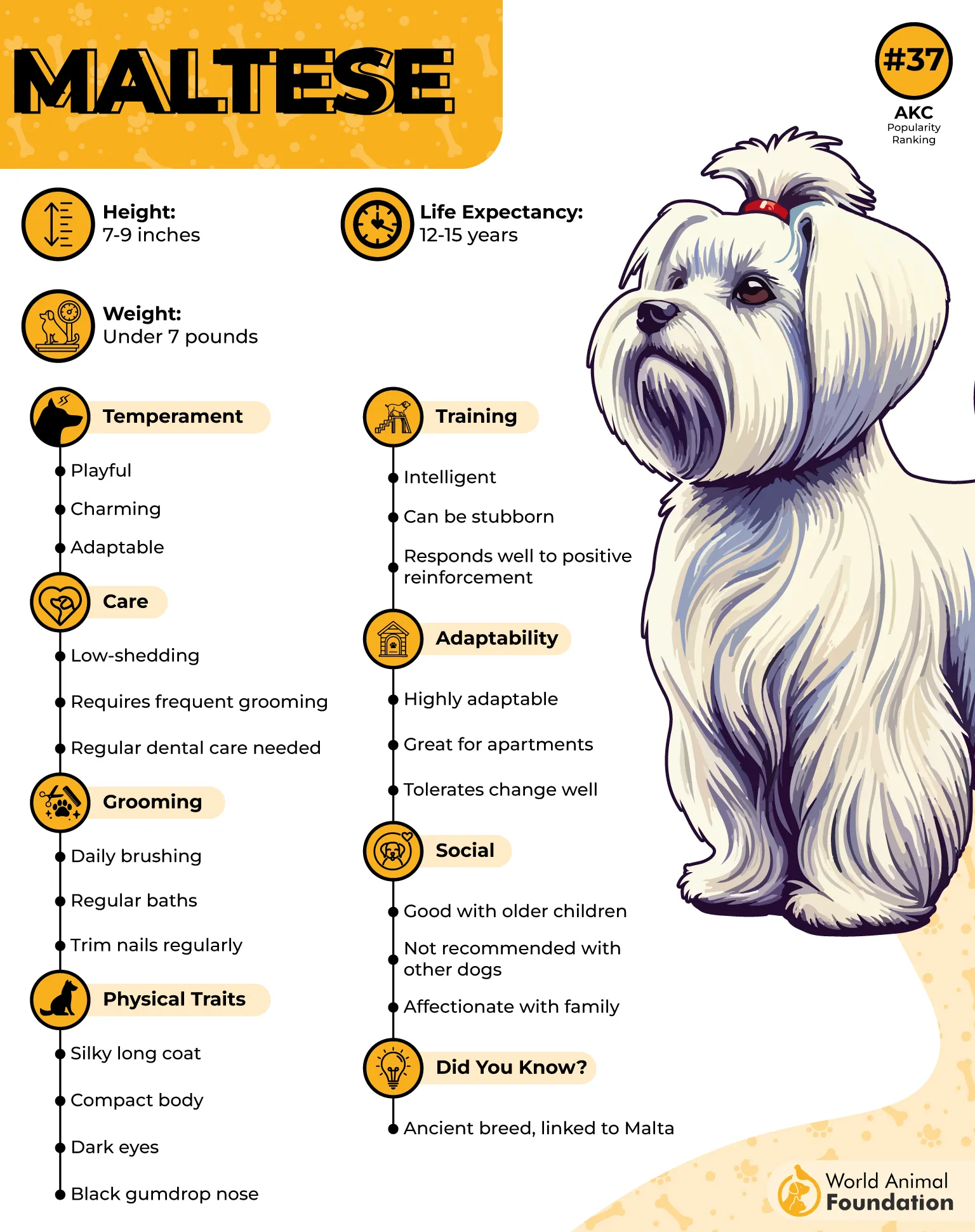
Maltese dogs are playful, friendly, and incredibly loyal. They thrive on companionship and enjoy interacting with family members and other dogs. Their calm and affectionate temperament makes them ideal for lap-loving owners, while their lively playfulness adds joy and energy to the home.
These tiny companions fit tiny dog breeds, staying tiny forever and bringing happiness wherever they go.
Care
The Maltese’s long, silky coat requires regular grooming to prevent tangles and mats. Daily brushing is recommended to maintain their elegant appearance.
They enjoy gentle play, short walks, and social interaction to keep them happy and healthy. Early socialization and positive training help cultivate well-behaved companions who get along with people and other animals.
Fun Fact
Despite their delicate appearance, Maltese dogs have a surprisingly bold personality. They are excellent watchdogs and will alert their owners to any unusual activity, showing courage far beyond their size.
5. Pekingese
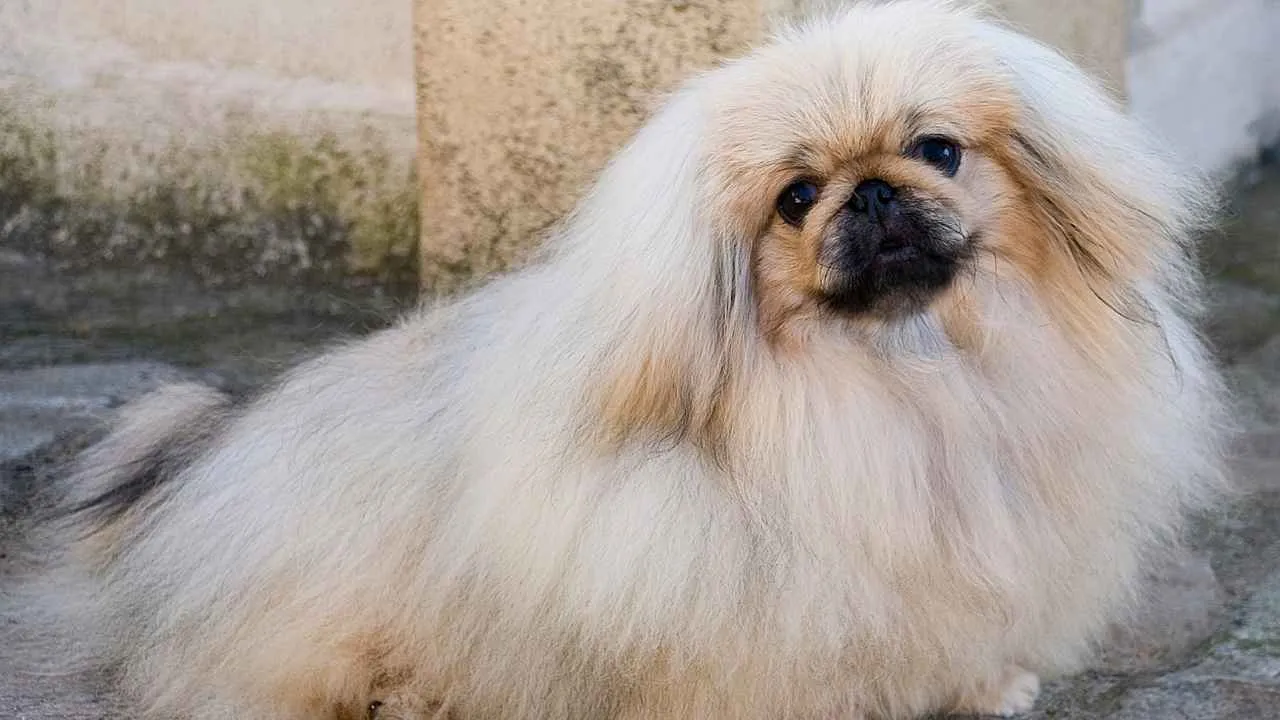
Ever imagine a tiny dog carrying the spirit of royalty in its fur and eyes?
The Pekingese is a small dog breed with ancient roots — originally bred as palace companions for emperors in ancient China. These “lion dogs” were so valued that they were restricted to royalty for centuries, living in luxury and treated with deep respect.
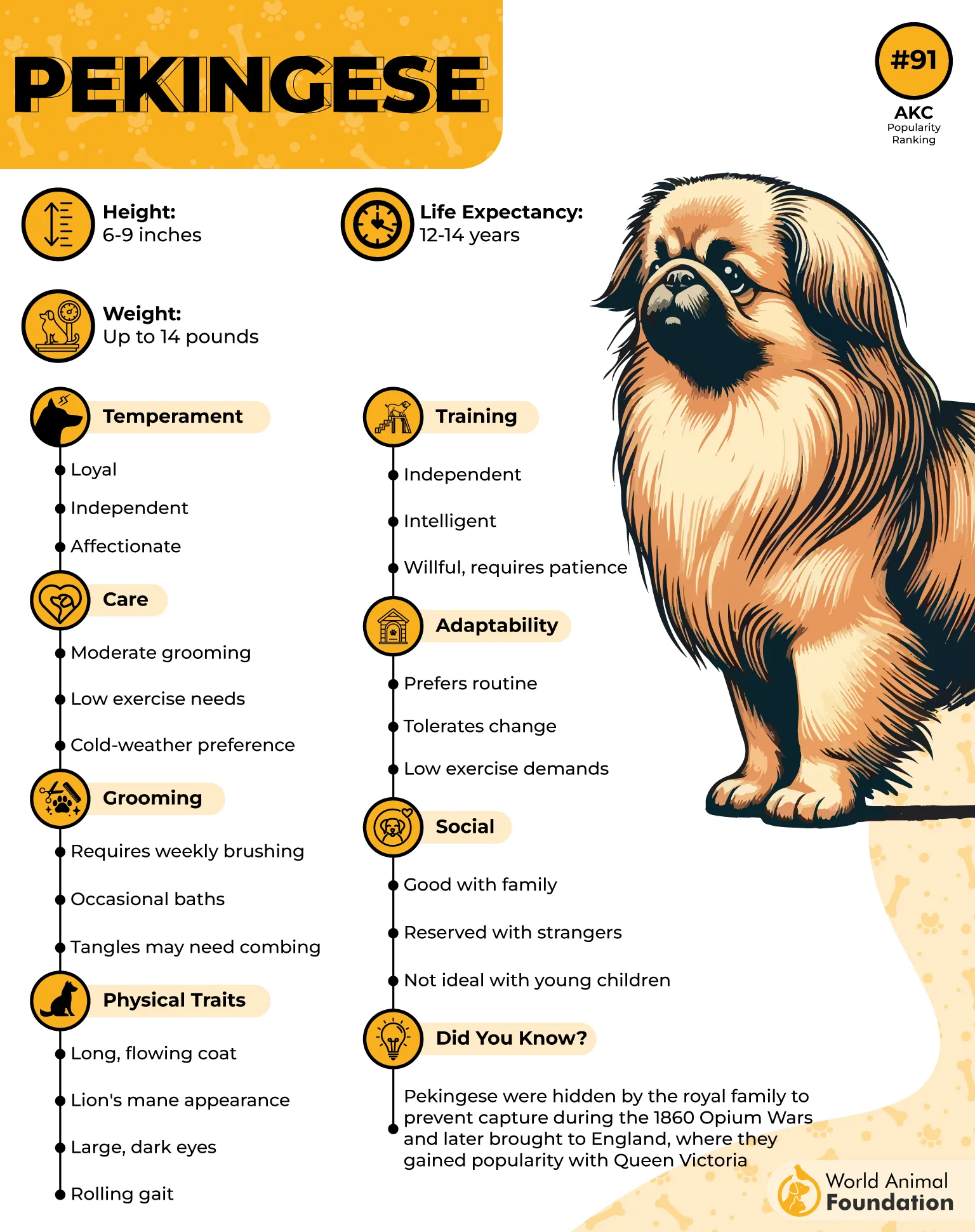
Though compact, Pekingese carry a proud and dignified personality. Their protective nature makes them loyal and devoted to their family, often forming strong bonds and becoming affectionate lap dogs. At the same time, they are alert and confident — traits that echo their history as royal guardians.
Their calm dignity and regal charm make them an ideal dog, staying tiny forever, yet offering companionship, character, and comfort.
Care
Because of their thick double coat, Pekingese need regular grooming. Daily brushing is ideal to prevent mats and keep their fur healthy. Their short, flat face means they can overheat easily and may sniffle or snore — so owners must avoid hot weather and provide plenty of water and cool resting spaces.
Because they are built low to the ground, heavy exercise isn’t needed — gentle walks or indoor play are enough. They thrive as calm indoor companions rather than high‑energy outdoor dogs.
Fun Fact
Legend says that, in ancient times, some Pekingese were so small they were carried inside the sleeves of royal robes. That’s where their nickname “sleeve dogs” comes from — a vivid image of a miniature companion nestled close, ready to calm or comfort its owner.
6. Toy Poodle
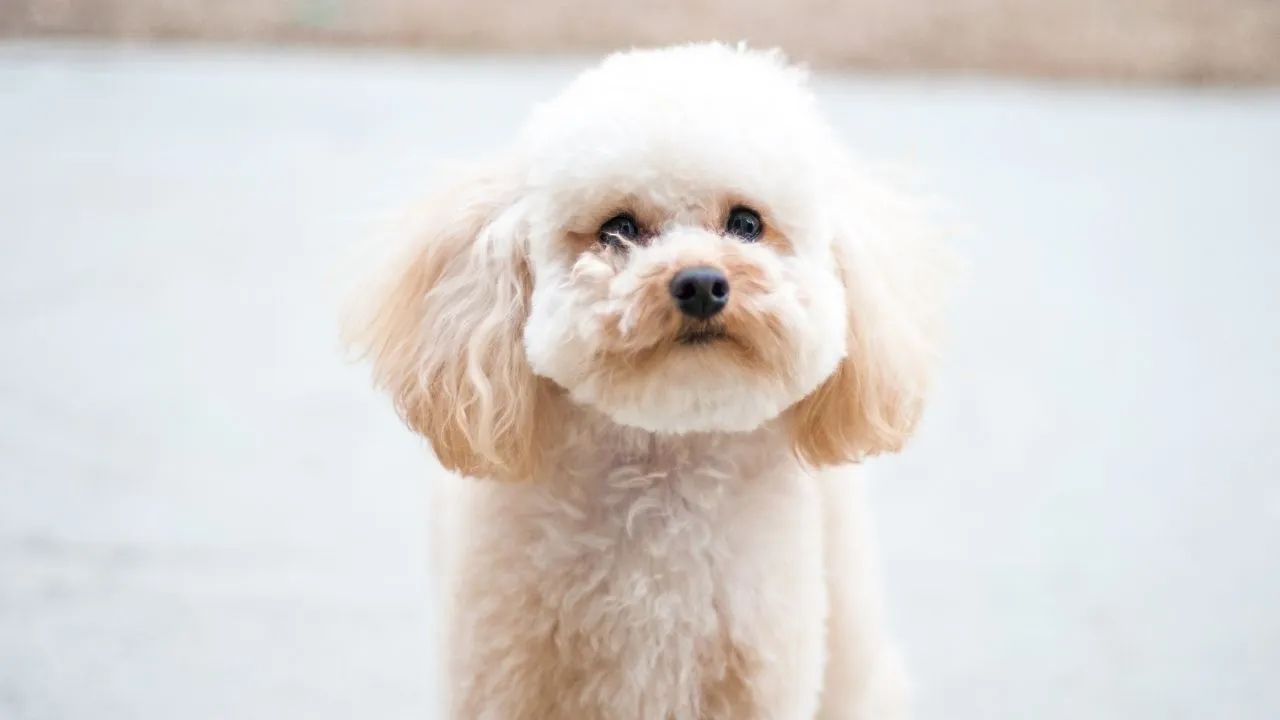
Ever thought that a tiny, fluffy friend could be smarter than you?
The Toy Poodle proves exactly that — a small dog breed with a big brain and a heart full of charm. The Toy Poodle was developed by selectively breeding down from larger Poodles (originally water‑retrieving dogs) to create a compact companion-sized version.
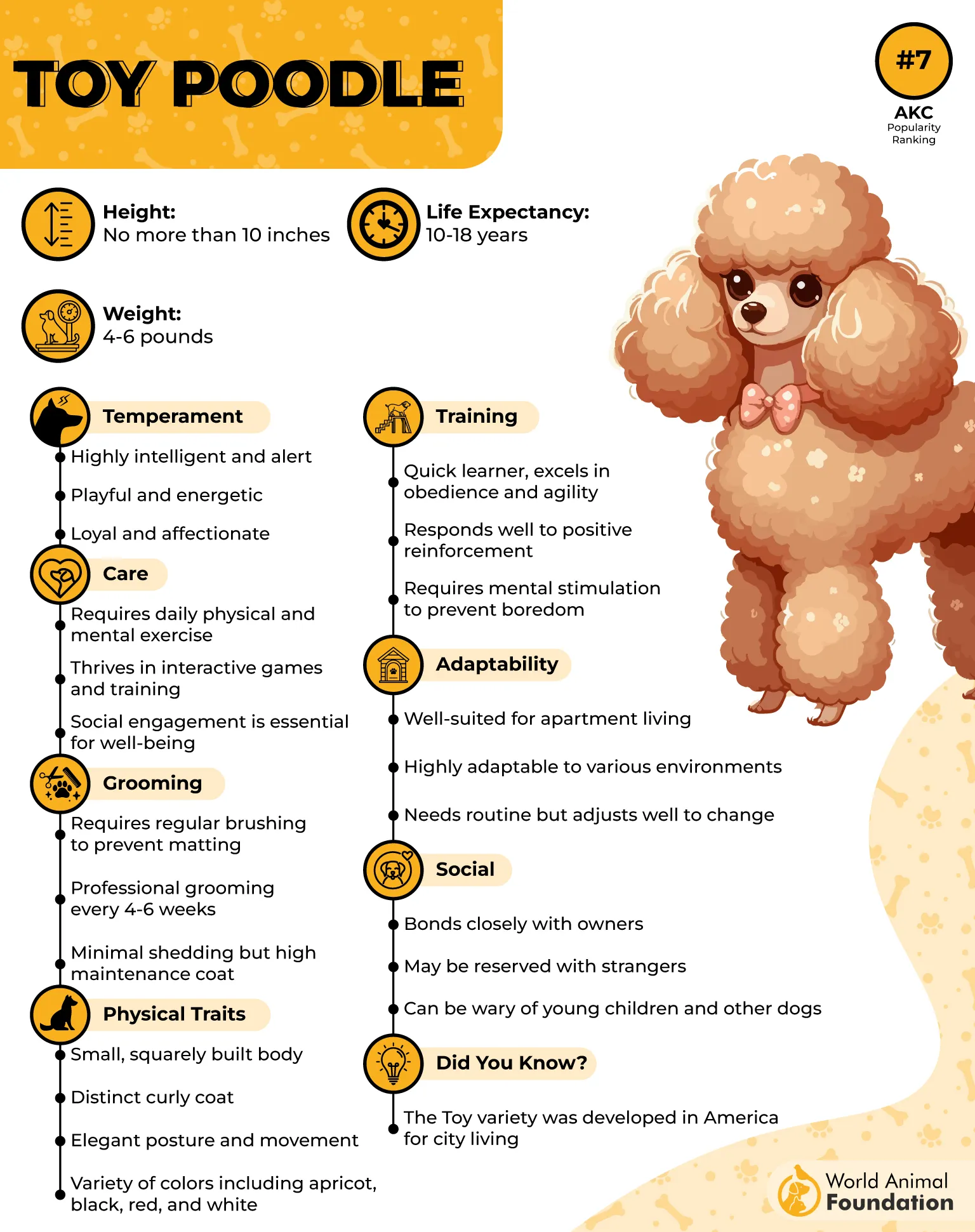
Though light and delicate, Toy Poodles have lively, intelligent personalities. They are playful, alert, and eager to please. Their sharp minds and incredibly affectionate nature make them great family dogs who bond deeply with their families.
Their willingness to learn and friendly temperament often make them great for first-time pet owners, too.
Care
Toy Poodles need regular grooming: their curly coat grows continuously, so a trim every four to six weeks helps keep them neat. Daily brushing is recommended to prevent mats. Though small, they benefit from daily activity — a brisk walk or indoor play session helps burn their energy.
Mental stimulation matters too; interactive toys and gentle training help keep them happy and well‑behaved.
Fun Fact
Despite their tiny size, Toy Poodles rank among the smartest dog breeds in the world. This intelligence, combined with their energetic spirit, means they can master tricks, enjoy games, and even take part in dog sports — all in a small, apartment‑friendly package.
7. Papillon
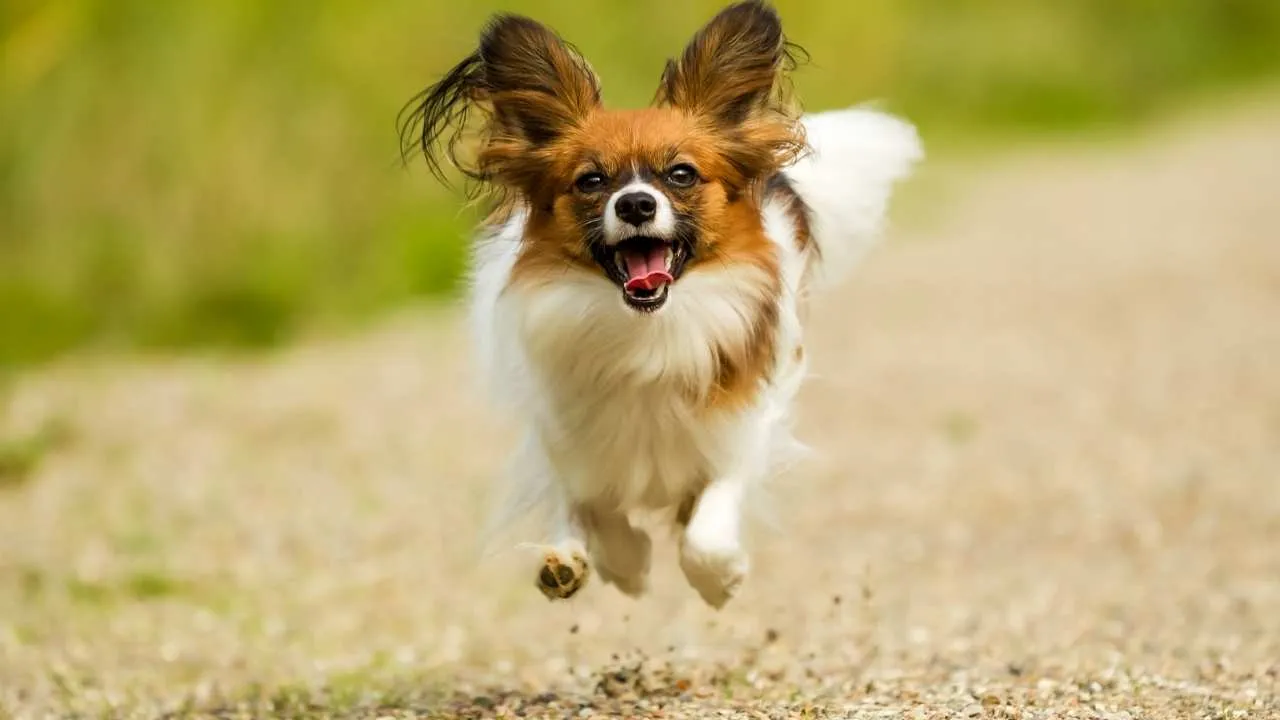
Ever wondered what an adorable “butterfly dog” would look like in real life?
The Papillon is exactly that — a small dog breed whose graceful, wing‑like ears earned it the French name “Papillon.” This breed dates back to the 1500s, when its ancestors appeared as elegant toy spaniels in European noble courts.
Over centuries, Papillons became beloved companions of royalty and aristocrats across France and Spain. Papillons aren’t just pretty faces — they are lively, intelligent, and full of energy. They love being around people, play eagerly, and enjoy learning new tricks.
Their bright eyes and alert posture show that they’re always ready for fun or mental games. Because of their affectionate yet spirited nature, they make excellent companions, fitting perfectly into homes where love, attention, and a bit of activity exist.
Care
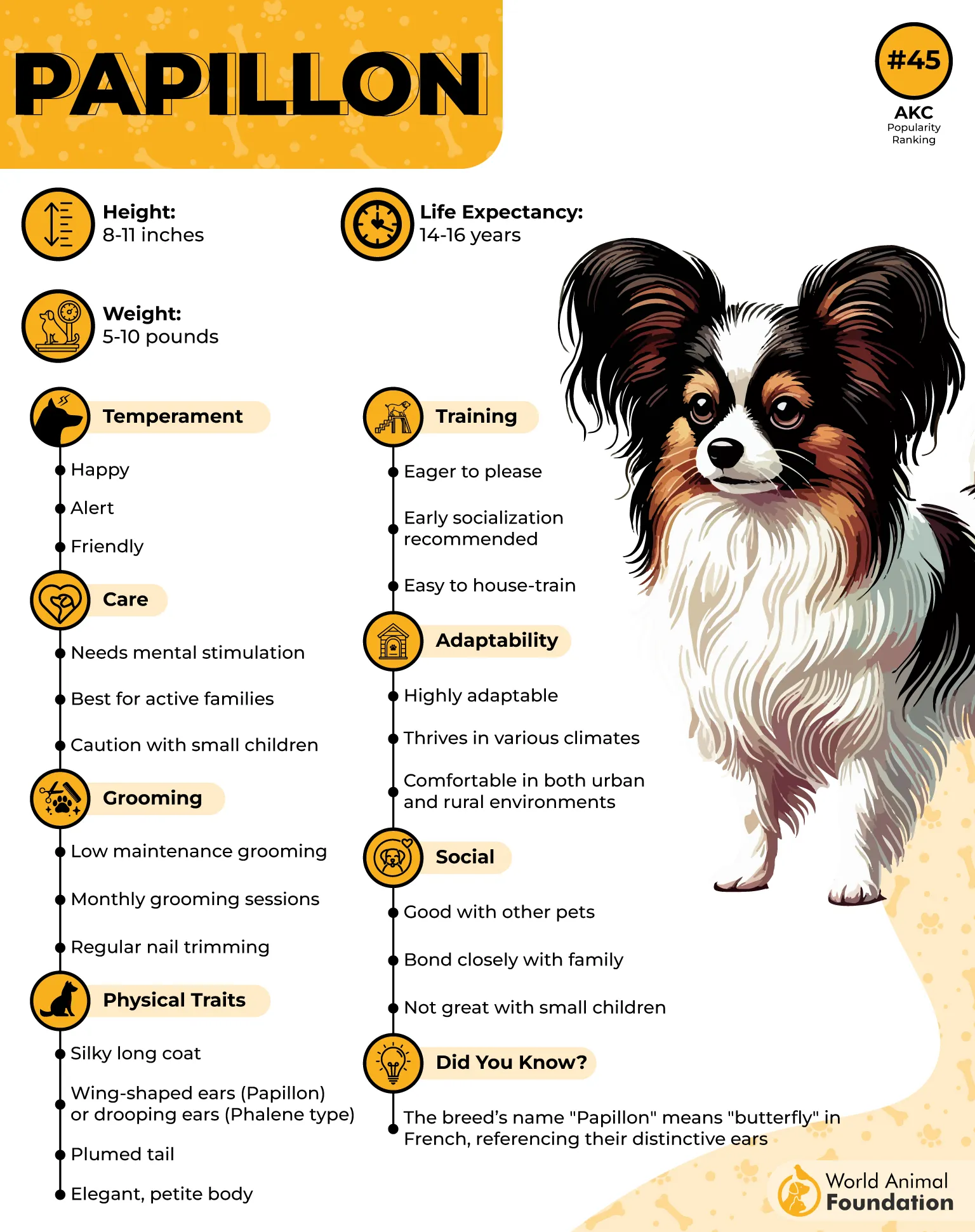
Even with their long, silky coat, Papillons are not very high‑maintenance. They shed only moderately. Brushing once or twice a week helps prevent mats, especially around their ears, chest, and legs.
Because they are energetic and smart, they need daily activity — a brisk walk or indoor play for about 30–45 minutes helps burn energy and keep them happy. Puzzle toys or training sessions are great for their clever minds.
Fun Fact
Not all Papillons have the same ear type. Some are born with the classic upright “butterfly ears,” while others have floppy ears — these are called “Phalène,” which means “moth” in French. Both types can even appear in the same litter! This little twist shows how unique and varied these tiny dogs really are.
8. Shih Tzu
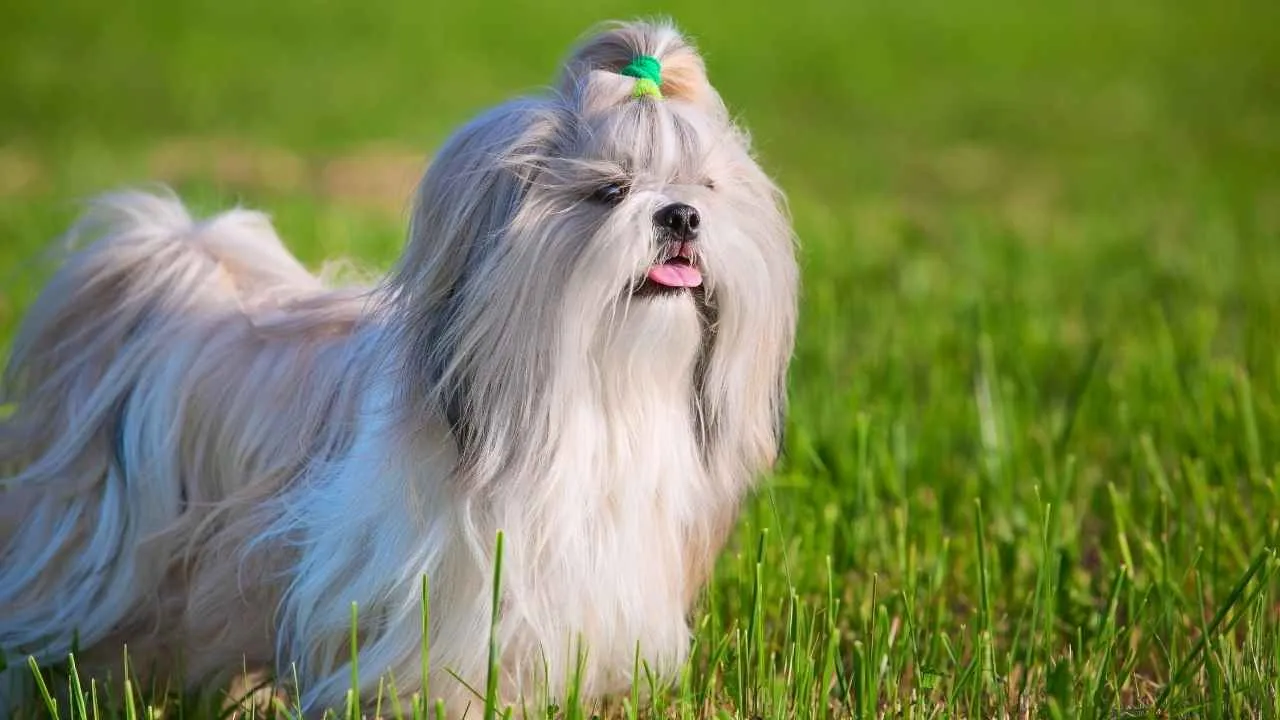
Ever wondered how a toy dog can carry the royal charm of centuries past in its soft fur and bright eyes?
The Shih Tzu began high up in the high mountains of Tibet, believed to be descended from a mix of ancient Tibetan and Asian dogs. Over time, they made their way to China’s royal courts, where emperors and nobles treated them as cherished companions, living lives of luxury and reverence.
Shih Tzus are gentle, friendly, and affectionate. They love being around people — they enjoy cuddles, quiet time on a lap, or playful moments with family members. Their cheerful and easy‑going temperament means they often get along well with children, other pets, and new visitors, making them ideal companions.
Because they were bred to be small indoor companions, Shih Tzus fit perfectly into the idea of small dog breeds staying tiny forever and offering love, comfort, and loyalty. They bring warmth and companionship without needing big yards or lots of space, though they can develop separation anxiety if left alone for long periods.
Care
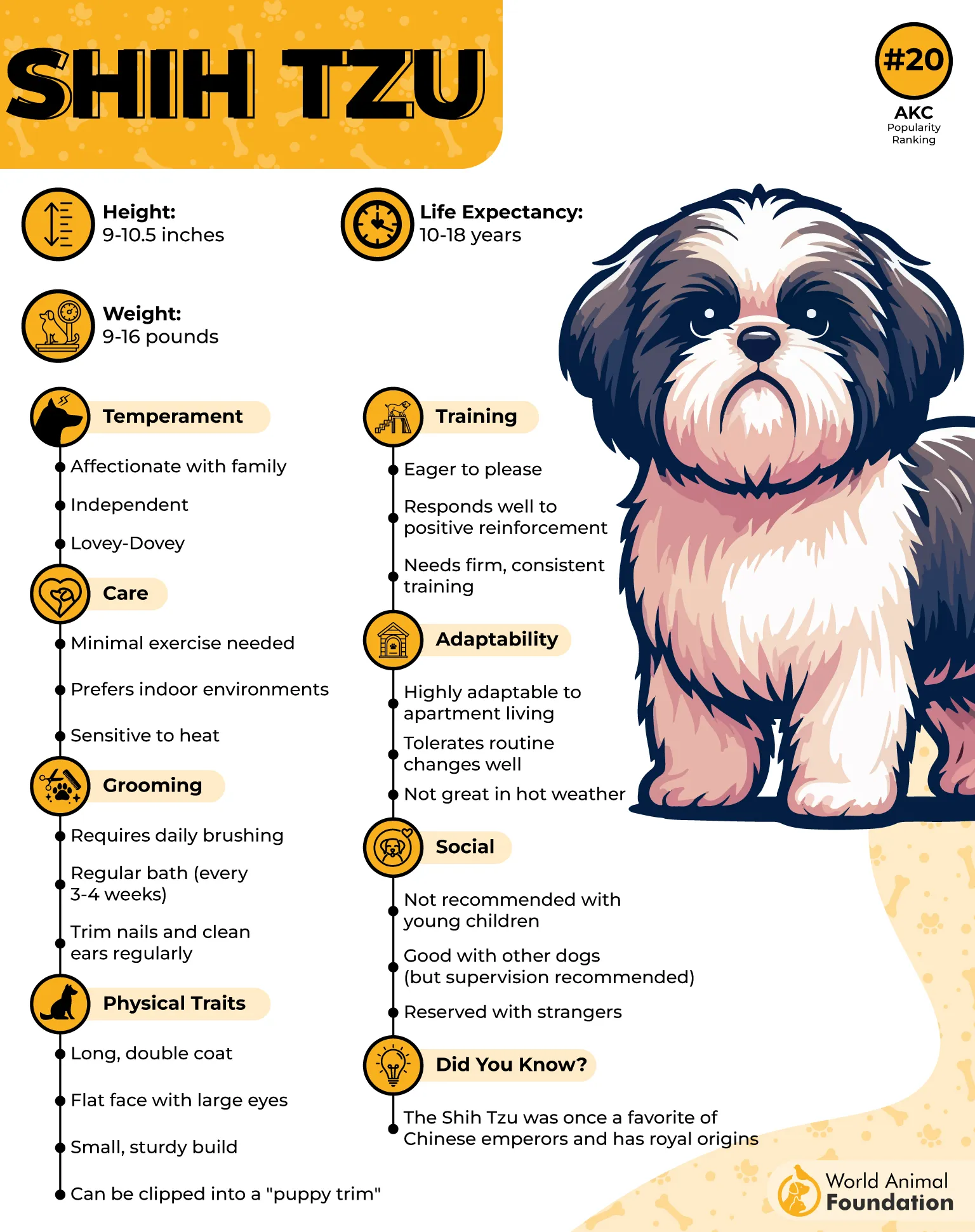
The Shih Tzu’s long, soft double coat needs regular attention. Daily or every couple of days brushing helps avoid mats and keeps the fur smooth and healthy. If the coat is kept long, regular baths and conditioning help; many owners opt for a shorter “puppy‑cut” to reduce maintenance.
Short, gentle walks or indoor play (about 20–30 minutes a day) satisfy their exercise needs — they don’t demand intense activity. Because of their flat faces (short muzzle), avoid strenuous activity in hot weather; always ensure cool, comfortable conditions to prevent breathing problems.
Fun Fact
The name “Shih Tzu” literally means “lion dog” — a nod to ancient Buddhist symbolism where lions represented strength, protection, and royalty. So, this tiny breed carries a name that once evoked majestic guardians of temples and palaces
9. Brussels Griffon
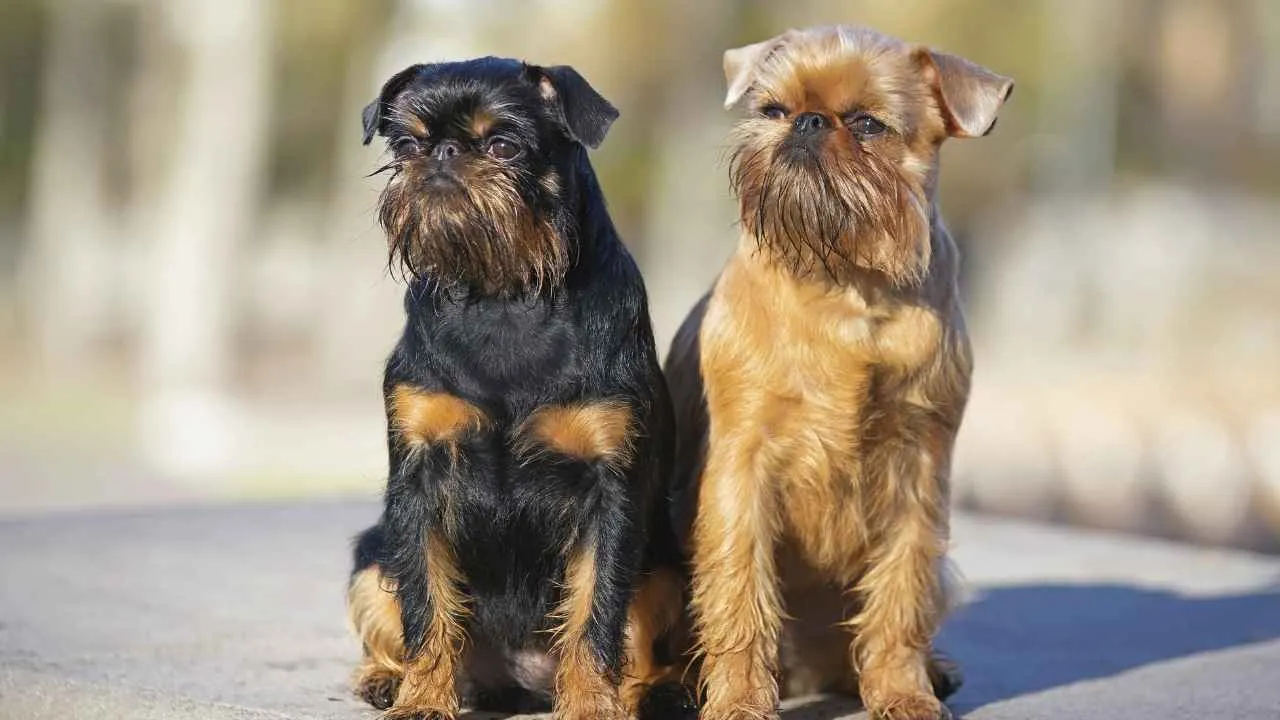
Ever imagined a tiny dog with a face so expressive it almost seems human?
The Brussels Griffon began in Belgium in the 1800s. Initially, these dogs worked in stables — hunting rats and keeping vermin away from horses and feed. Over time, people loved their tenacious spirit and turned them into beloved pups, refining their look and temperament for life at home.
Brussels Griffons are small but full of charm. They are smart, alert, playful, and very loving. They often form very strong bonds with their human family — some call them “velcro dogs” because they like to be with you almost all the time.
Their lively yet gentle nature makes them great companion dogs, especially for people who want a tiny friend with a big heart.
Care
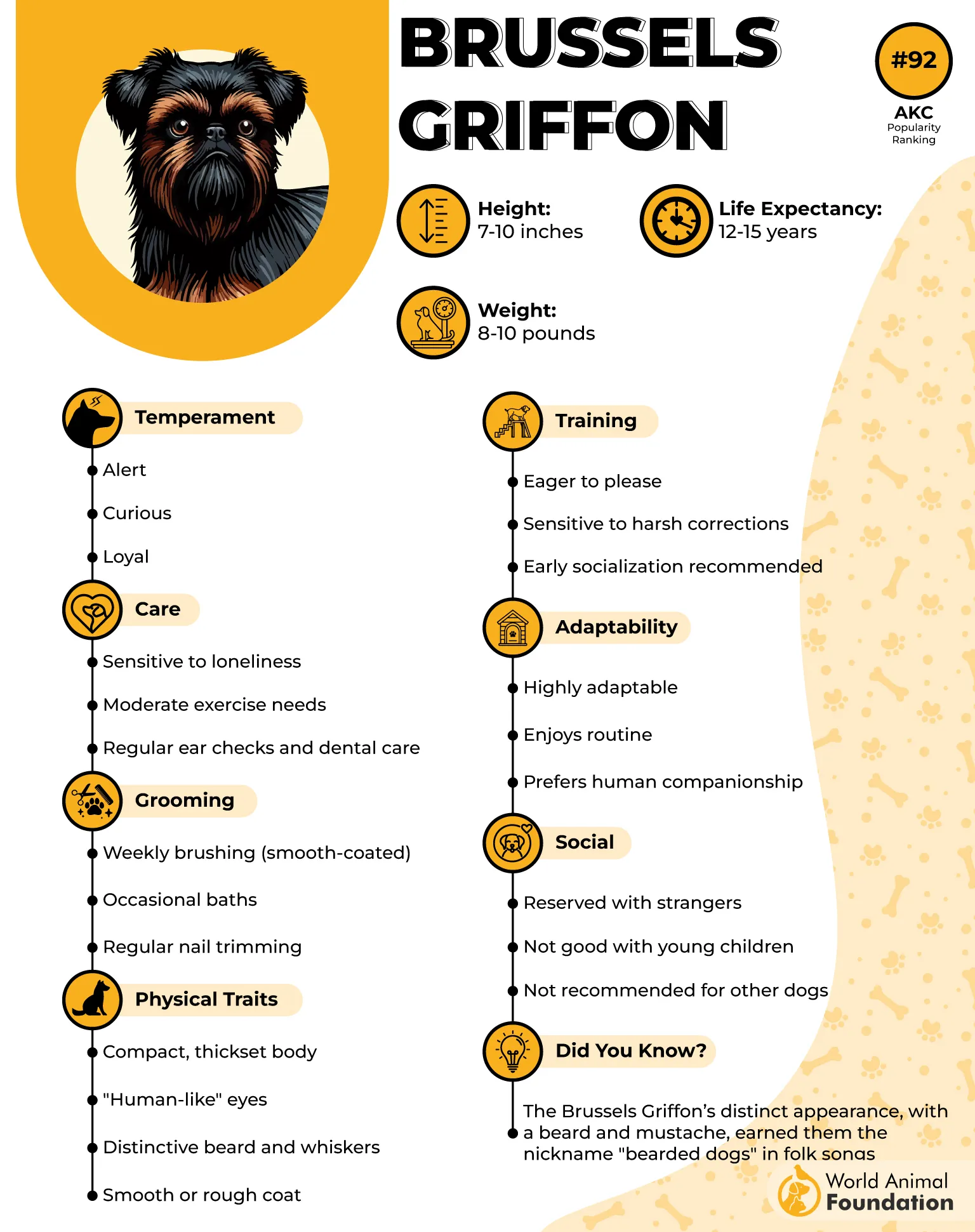
Brussels Griffons do well as indoor or apartment dogs. Their moderate energy means they’re happy with short daily walks or indoor play rather than long hikes. Their coat can be smooth or wiry (rough). Smooth‑coated Griffons need regular brushing and occasional baths.
Rough‑coated ones — with their wiry fur and beard — benefit from grooming every few weeks to keep the coat healthy and neat. Because of their short snout (they are “brachycephalic”), they can be sensitive to heat and humidity.
It’s best to avoid strenuous activity on hot days and make sure they have cool, comfortable rest spots.
Fun Fact
With their scruffy beards, big round eyes, and short snout, some people say Brussels Griffons look like tiny “little men” or even resemble fictional characters from movies. Their expressive faces and almost‑human gaze are part of what makes this breed so unique.
Conclusion
So, are you ready to welcome a tiny companion into your life?
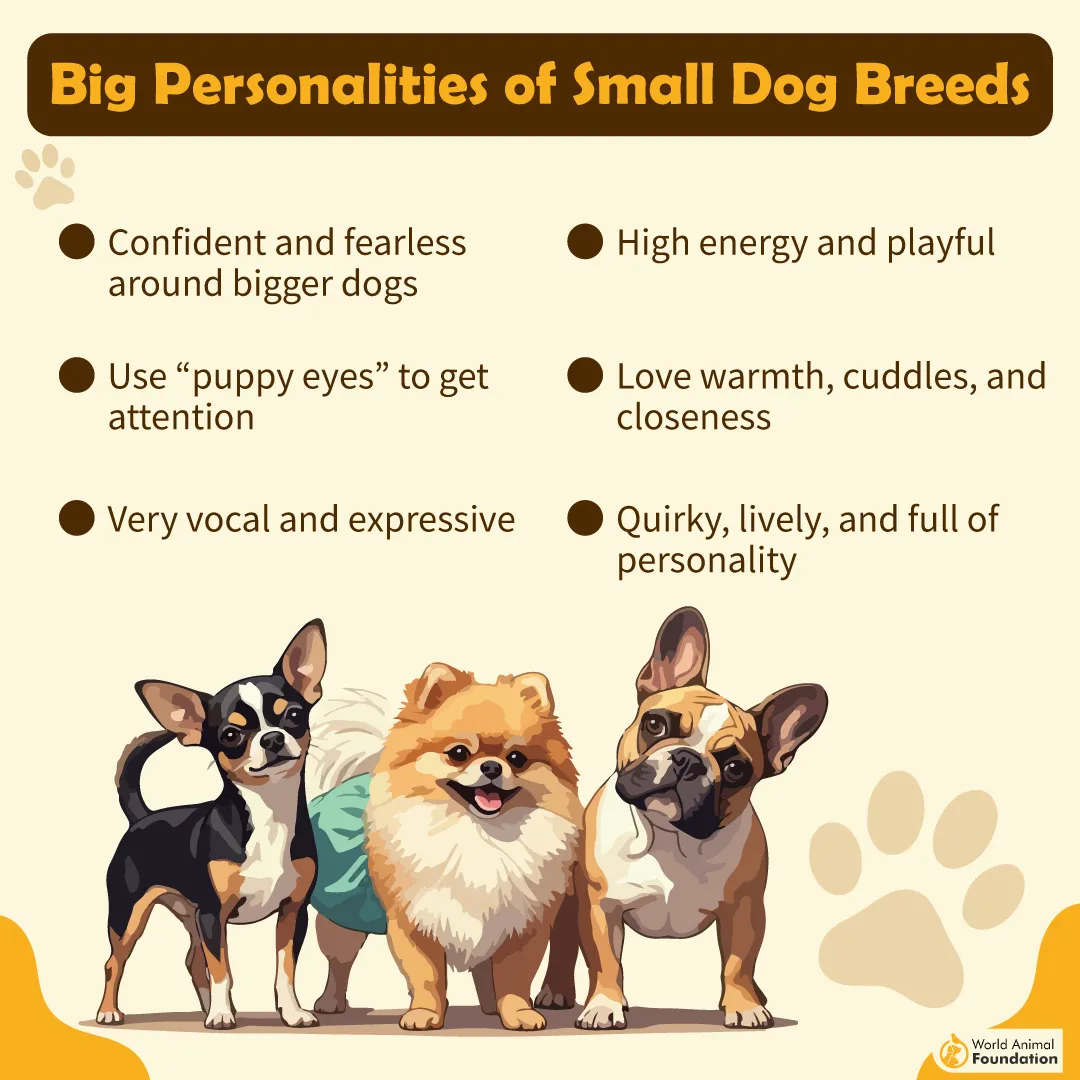
These fantastic small dog breeds staying tiny forever prove that big personalities come in little packages.
Do you live in an apartment or a house with small spaces?
No problem!
These small breeds adapt easily, get along with other pets, and are perfect family dogs. Their affectionate temperament and big personalities make them wonderful companions for children and adults alike.
Many of these breeds, like the Papillon or Toy Poodle, are highly trainable and enjoy mental stimulation through play or gentle obedience training.
These tiny dogs can stay small forever, love their families deeply, and brighten your life every day. Their patient and friendly nature makes them well-known as ideal companions for any lifestyle, whether you prefer calm moments or playful activities. There are so many breeds to choose from, each with a unique charm and personality.
So, why wait?
Adopt a lap dog today and enjoy the loyal, playful, and affectionate friendship only a tiny dog can give.
After all, isn’t life better with a little companion by your side?
