





A small dog can bring a whole lot of happiness into a family home. From cuddling on the couch to joining in on playtime, these little companions can make everyday moments more special.
The best part? You don’t need a big house or a huge backyard to enjoy the company of a loving dog. Many small breeds are perfectly happy sharing a cozy space with their favorite people.
However, finding the right little companion for a family with children takes more than looking at size and cuteness. A good family dog should have a gentle nature, plenty of patience, and the ability to adjust to the energy of a busy household.
Whether your family enjoys outdoor adventures, relaxed afternoons at home, or a little bit of both, there’s a small dog that could fit right in. Let’s explore seven tiny dog breeds that can make a cozy home feel even more complete!
Fantastic Small Dog Breeds for a Cozy Life
1. Cavalier King Charles Spaniel
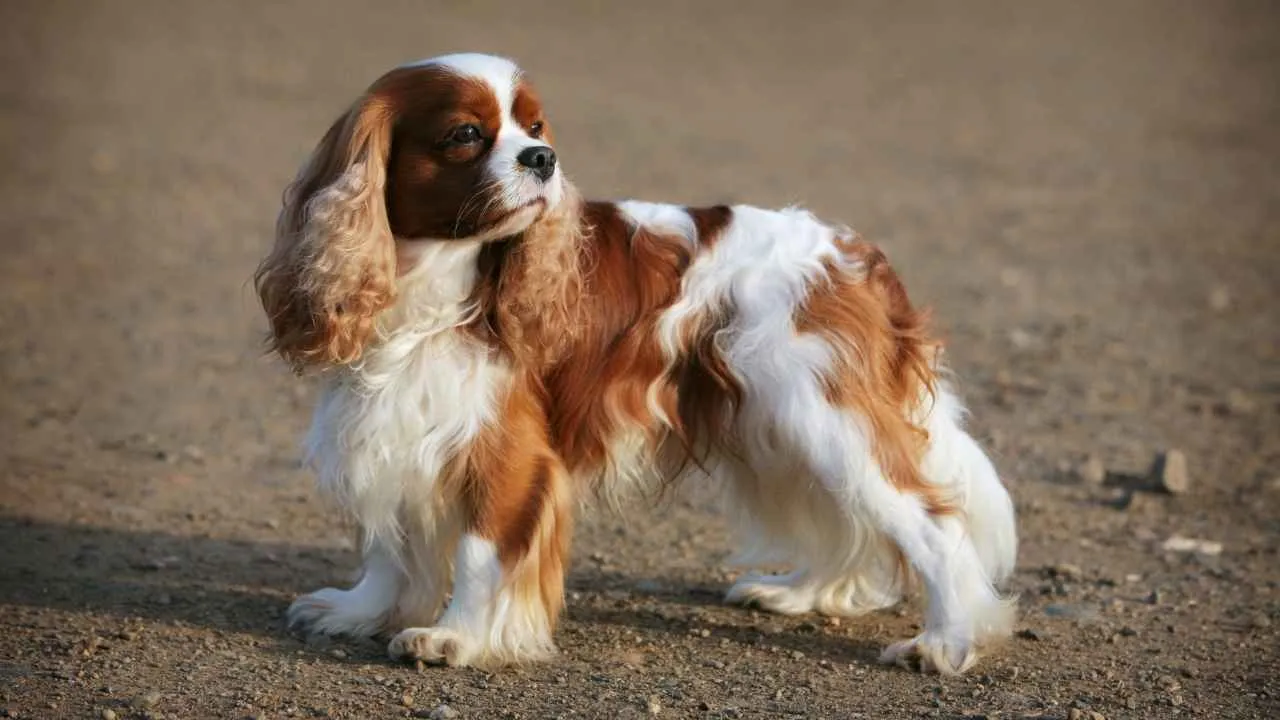
With their sweet expressions, silky coats, and affectionate personalities, Cavalier King Charles Spaniels bring plenty of warmth to a family home.
Originally bred as companions for British royalty in the 17th century, these dogs were loved by King Charles I and his son, Charles II, who took them almost everywhere, even to Parliament.
Temperament and Personality
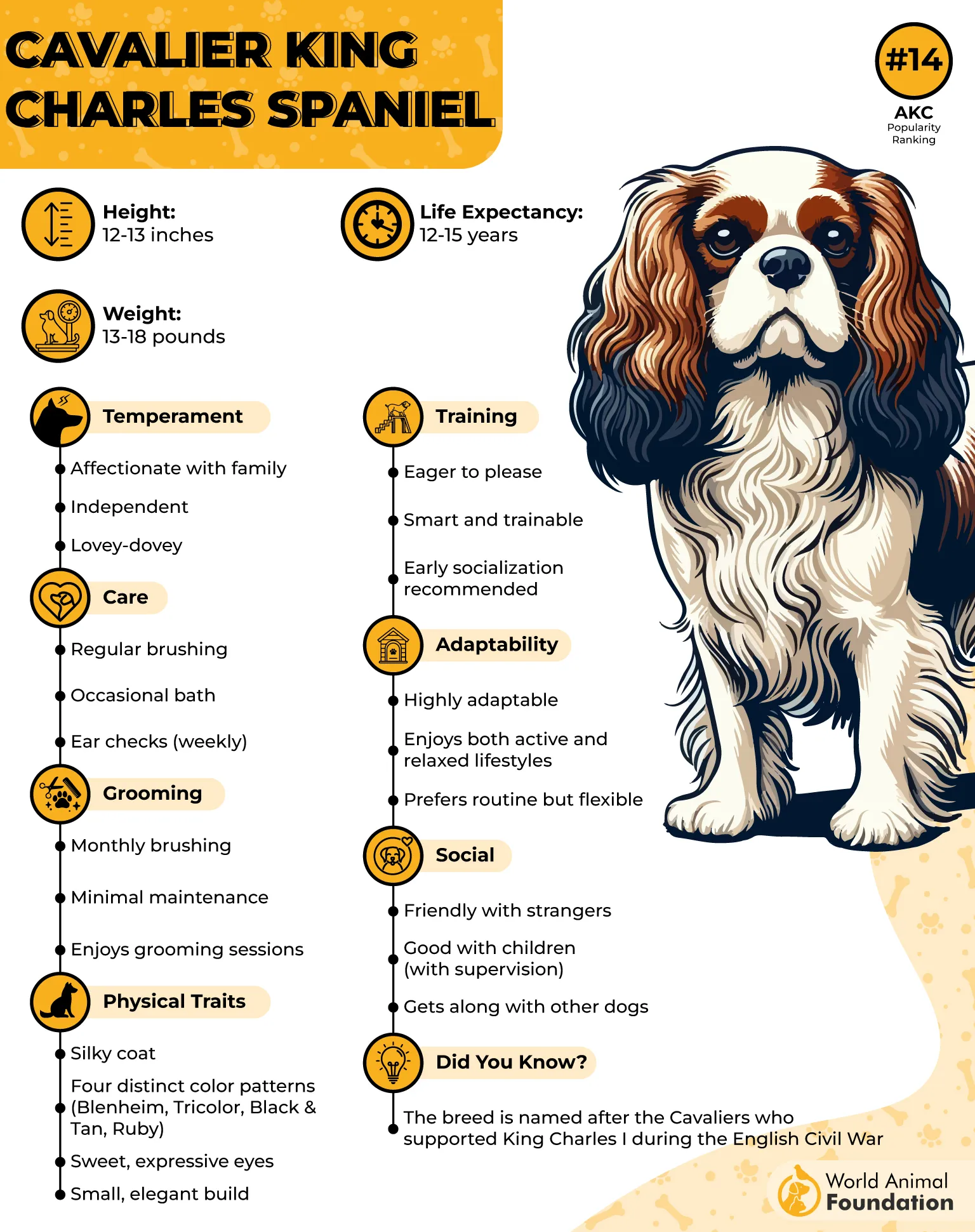
Cavaliers have a gentle, patient nature that makes them excellent family companions. They get along well with children, other dogs, and even cats when properly socialized. They are intelligent and eager to please, which makes training easier.
Although they enjoy outdoor activities and playful moments, they are equally happy relaxing on the couch with their families. However, they thrive on human companionship and should not be left alone for long periods, as mentioned by PetMD.
Care and Exercise
Cavalier King Charles Spaniels need regular brushing to manage loose hair, along with weekly ear and eye checks. Their exercise needs are moderate, and two daily walks of 20–30 minutes, along with playtime, usually keep them happy.
They also enjoy chasing squirrels and playing in the backyard. Families with young children should supervise their interactions to prevent grabbing or rough handling.
2. Japanese Chin
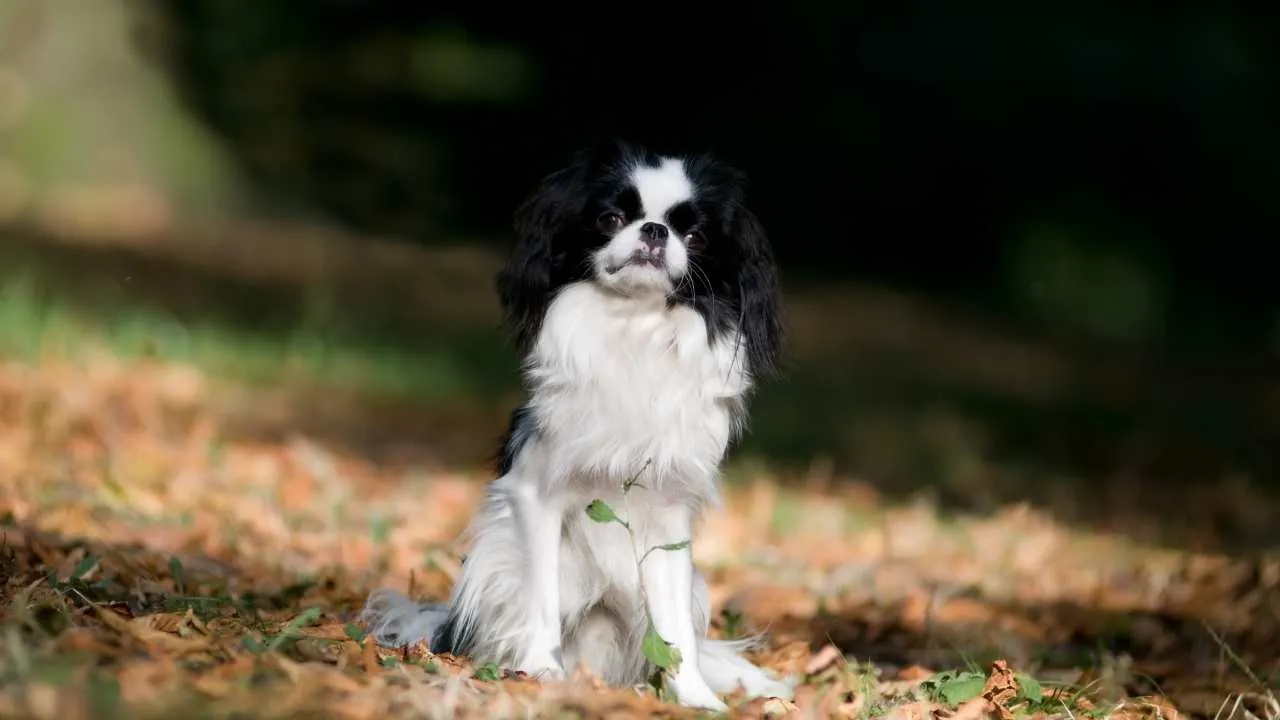
With their silky coats, large round eyes, and elegant appearance, Japanese Chins have a charm that is hard to miss. Despite their name, the breed is often believed to have originated in China, although its exact roots remain unclear.
These dogs were kept by Buddhist monks and gifted to nobility. They eventually became familiar companions in Imperial palaces. Their distinctive looks include a broad head, short muzzle, profuse neck mane, and a plumed tail that curls over the back.
Temperament and Personality
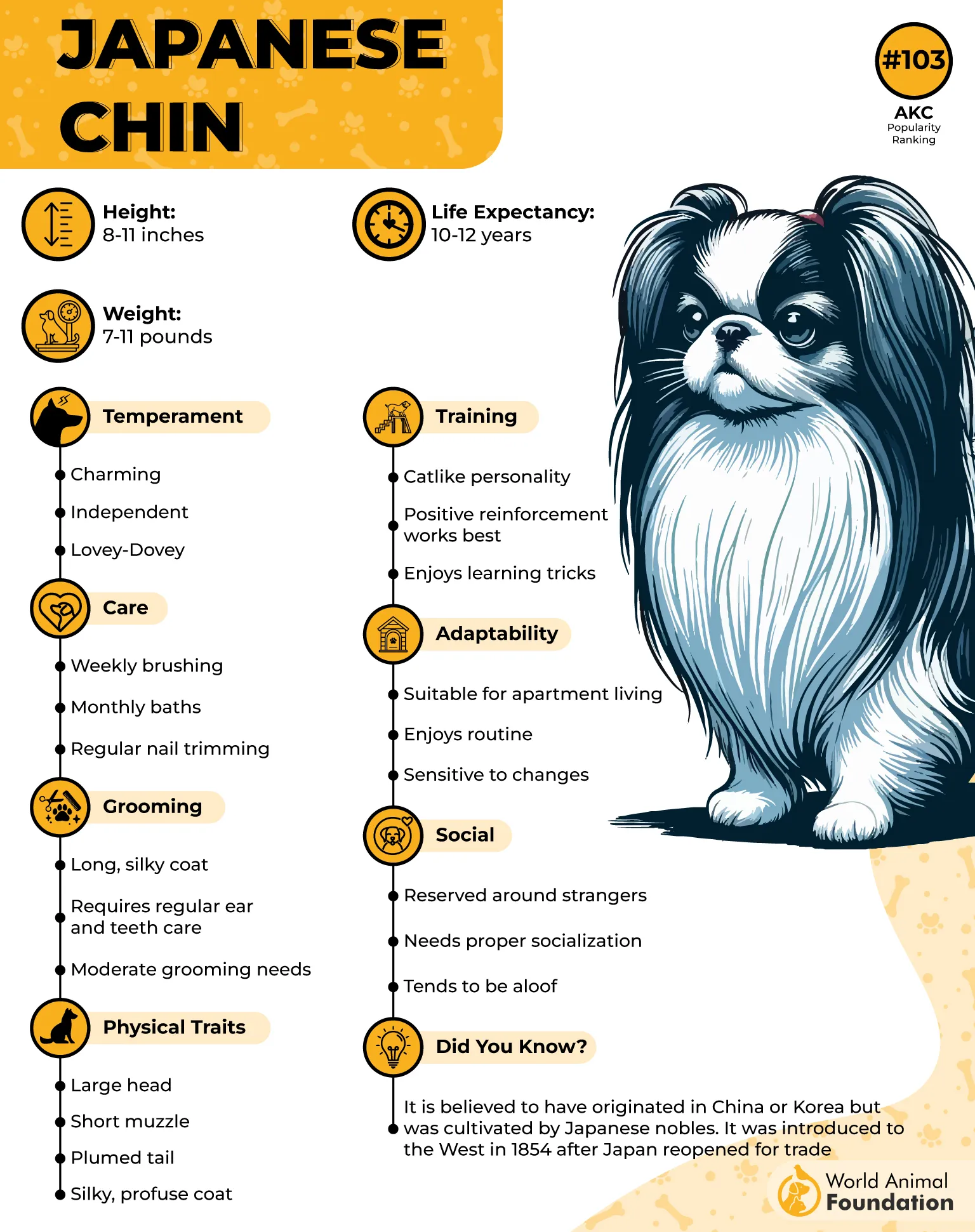
Japanese Chins are affectionate, playful, and gentle companions with a personality that is often compared to cats. They enjoy lounging on high spots, such as couch backs and bookshelves, and may even clean their faces with their paws.
They are friendly with people, enjoy playing with children, and can get along with other animals when raised together. Although they are generally quiet, they may bark to alert their families when someone approaches the door.
Care and Exercise
Japanese Chins have long, silky coats that are fairly easy to maintain. Brushing two to three times a week, regular baths, and extra attention behind the ears help prevent matting and manage seasonal shedding.
Their eyes are vulnerable because of their flat faces, so any injury should receive prompt veterinary attention. These little companions do not need a large space for exercise, making them suitable for apartment living.
3. Toy Fox Terrier
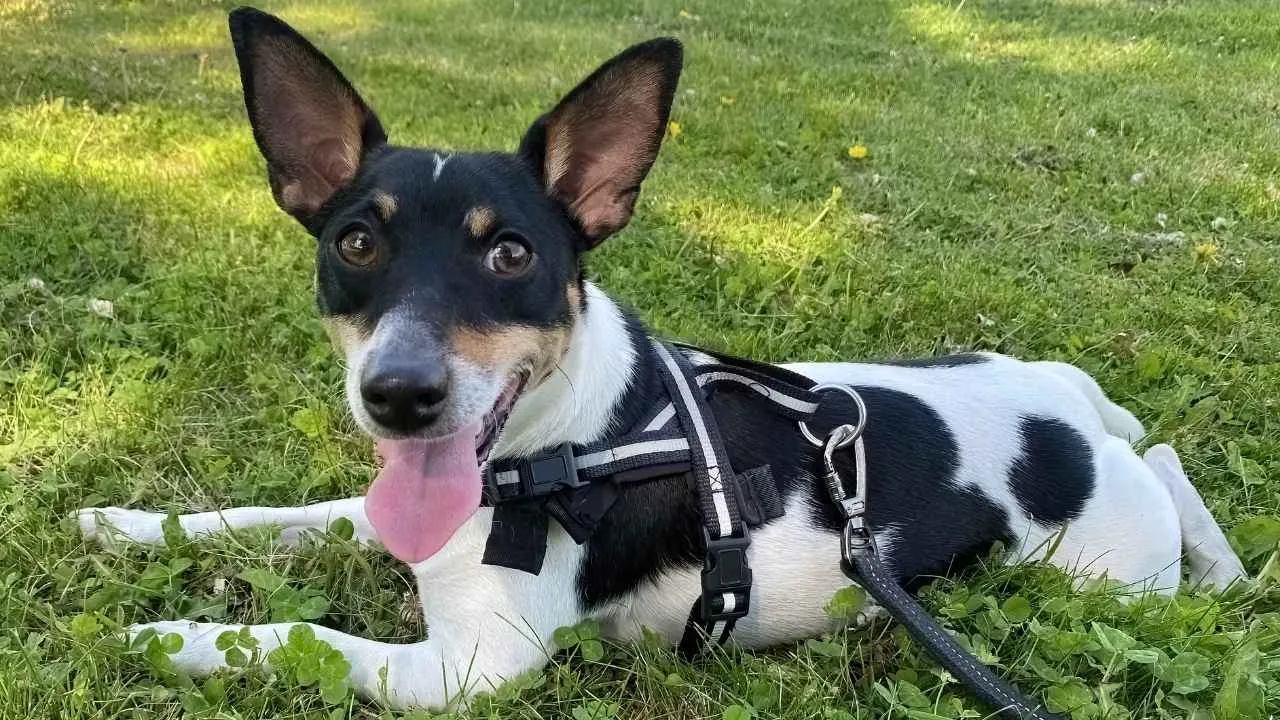
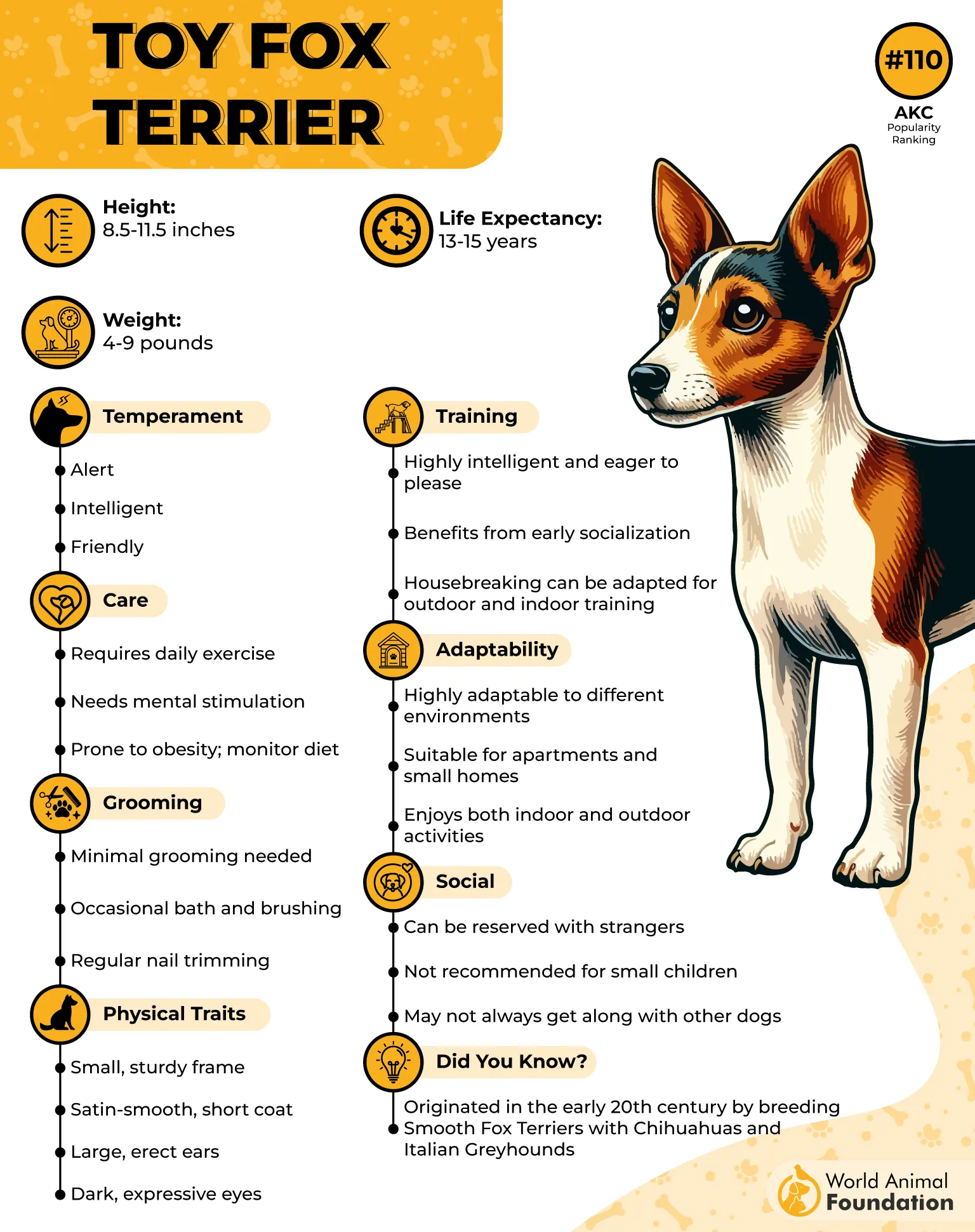
Small in size but full of personality, Toy Fox Terriers are lively companions with a fascinating history. They originated from the Smooth Fox Terrier and were developed into smaller dogs in the 1920s.
Originally used as barnyard ratters, they later became popular as companion dogs and even circus entertainers. These little athletes have sleek, smooth coats, muscular bodies, large upright ears, and dark, expressive eyes.
Temperament and Personality
Toy Fox Terriers are curious, confident, and affectionate dogs that love being part of everything their families do. They form strong bonds with their owners and enjoy curling up on laps just as much as exploring their surroundings.
However, don’t expect them to spend the entire day lounging around! They generally get along well with others, but their strong hunting instincts mean rodents may not make suitable companions.
Care and Exercise
Toy Fox Terriers have short, smooth coats that are relatively easy to maintain. Their biggest care requirement is keeping up with their high energy levels.
They need at least an hour of daily exercise through walks, active play, and engaging activities. Interactive toys and games also help keep their minds occupied and prevent boredom.
4. Pug
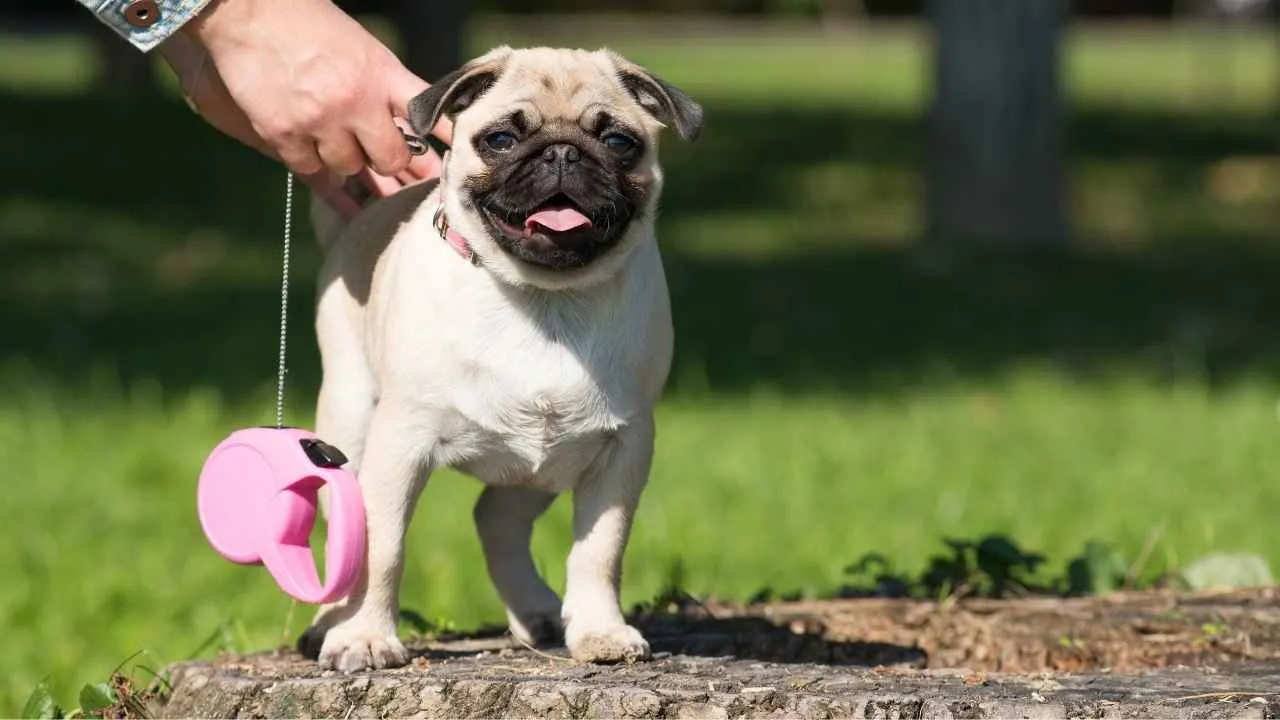
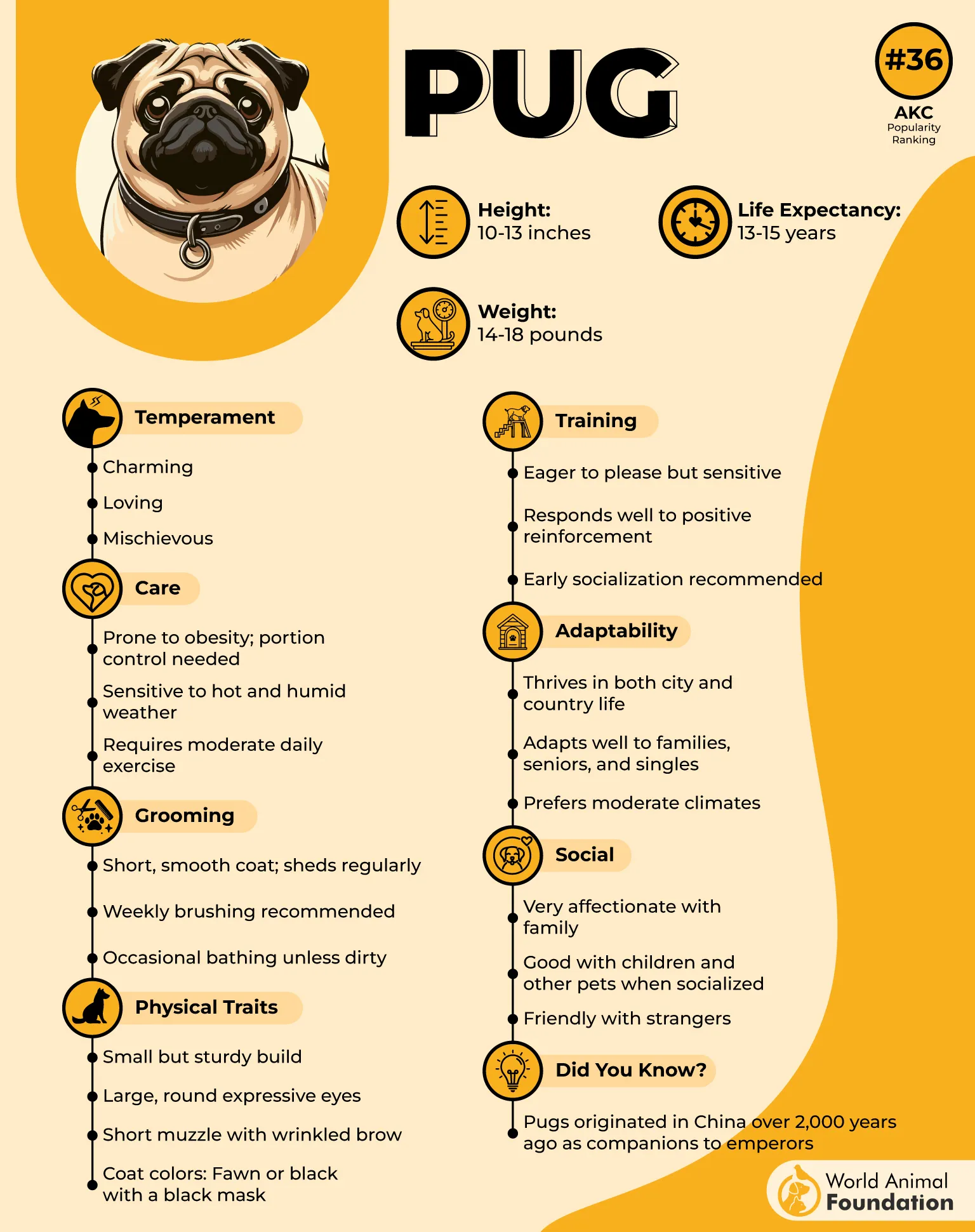
Small, sturdy, and full of character, Pugs have been winning hearts for centuries. They were once companions to Chinese emperors and later became associated with Holland’s Royal House of Orange.
Their motto, multum in parvo, means “a lot in a little,” which perfectly describes their big personalities. Pugs have large, round eyes, wrinkled brows, and expressive faces that often show surprise, happiness, and curiosity.
Temperament and Personality
Pugs are affectionate, sociable, and playful companions who love being around people. They get along well with children, strangers, and other pets, making them lovely additions to family homes.
Often described as the clowns of the canine world, they entertain their families with silly antics, funny expressions, and adorable snorts. Although they enjoy games and short walks, they are not particularly athletic and prefer relaxing on laps or lounging on the sofa.
According to Greencross Vets, they also make good watchdogs without being overly noisy.
Care and Exercise
Pugs have short daily exercise needs. Gentle walks and indoor playtime are usually enough to keep them active. Since they have flat faces, they can experience breathing difficulties, so strenuous exercise should be avoided.
They also do best in moderate climates and need extra care in very hot or cold weather. Pugs love human company and may develop separation anxiety if left alone for long periods.
5. Miniature Pinscher
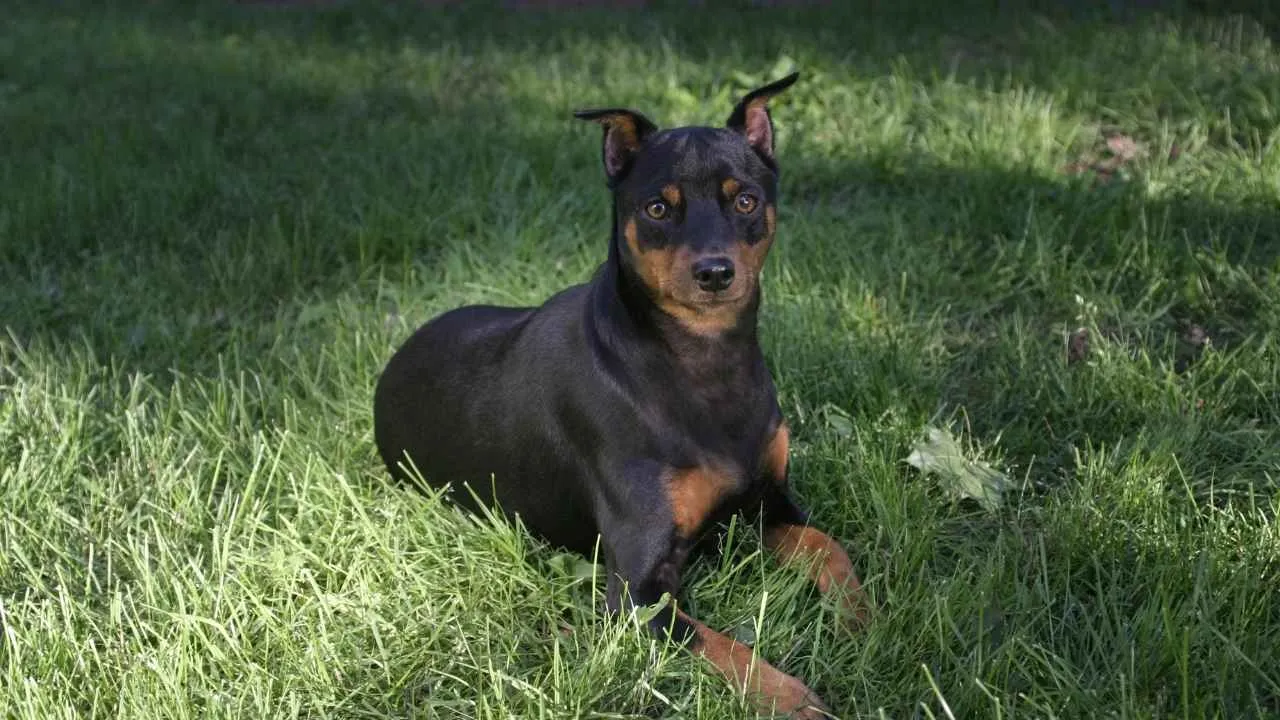
Often called the “King of Toys,” Miniature Pinschers are confident little dogs with big personalities. They originated in Germany, where they were used to keep rats out of barnyards.
Despite their resemblance to Doberman Pinschers, they are a separate breed and are believed to have descended from Dachshunds and Italian Greyhounds.
Temperament and Personality
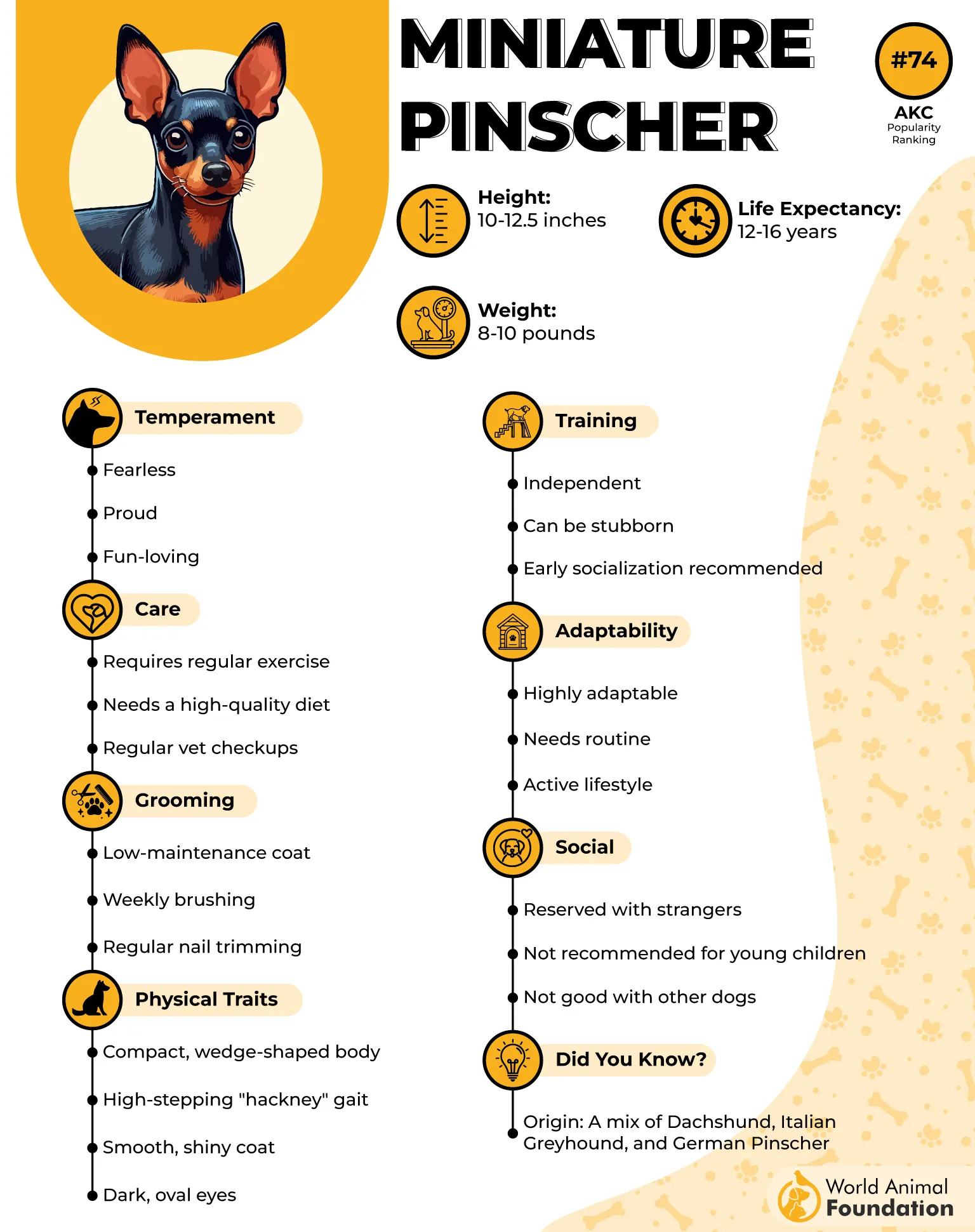
Miniature Pinschers are fearless, energetic, and curious dogs that often seem unaware of their small size. They form strong bonds with their owners and can adapt to homes with single occupants, couples, or families with older children.

Intelligent and loyal, they also have a stubborn streak that can make training challenging at times. Their confident nature and lively personalities make them entertaining companions, especially for families who enjoy an active lifestyle.
Care and Exercise
Miniature Pinschers have smooth, short coats that require minimal grooming. However, their high energy levels mean they need plenty of daily exercise, playtime, and mental stimulation.
Consistent training is also important to help manage their independent nature. Since these fearless little dogs often act much bigger than they are, attentive supervision is necessary to keep them out of trouble.
6. Papillon
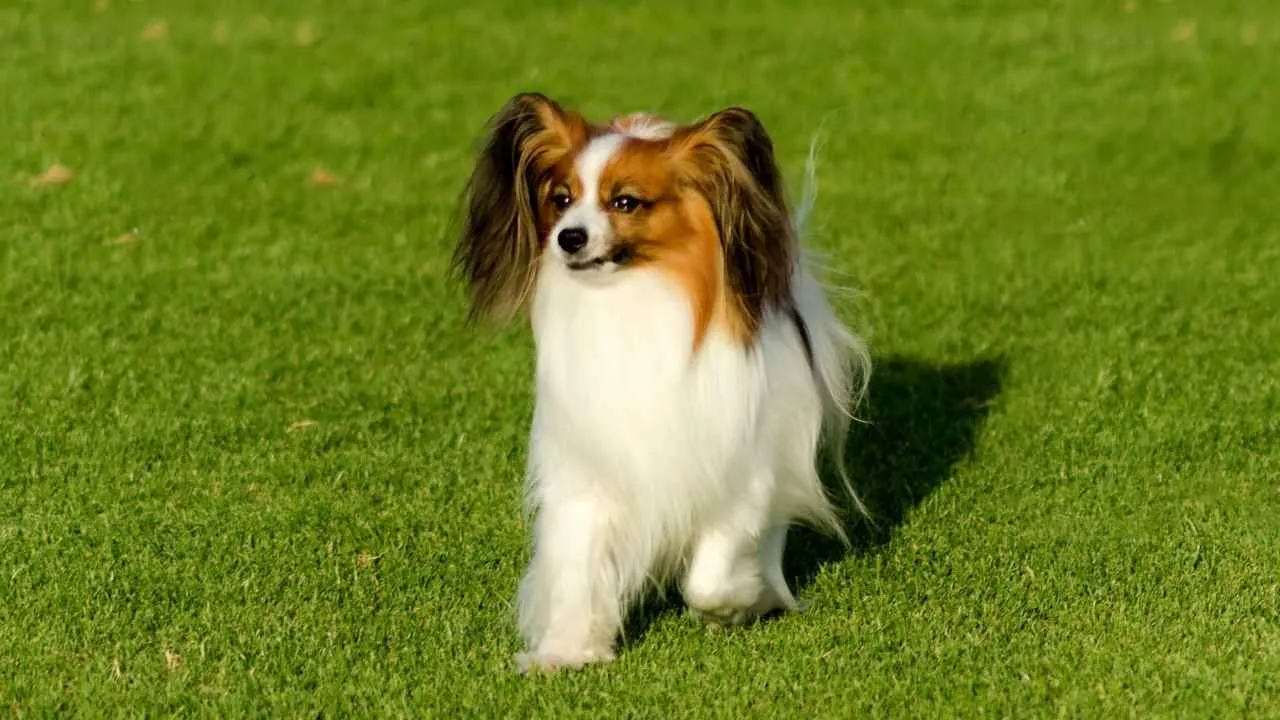
Known for their beautiful butterfly-shaped ears, Papillons are elegant little dogs with a lively personality. Their name comes from the French word for “butterfly,” inspired by their distinctive ears.
Papillons have long, silky coats, plumed tails, and fine-boned bodies. According to the AKC, some have upright ears, while others, known as Phalenes, have drooping ears. Both types can appear in the same litter.
Temperament and Personality
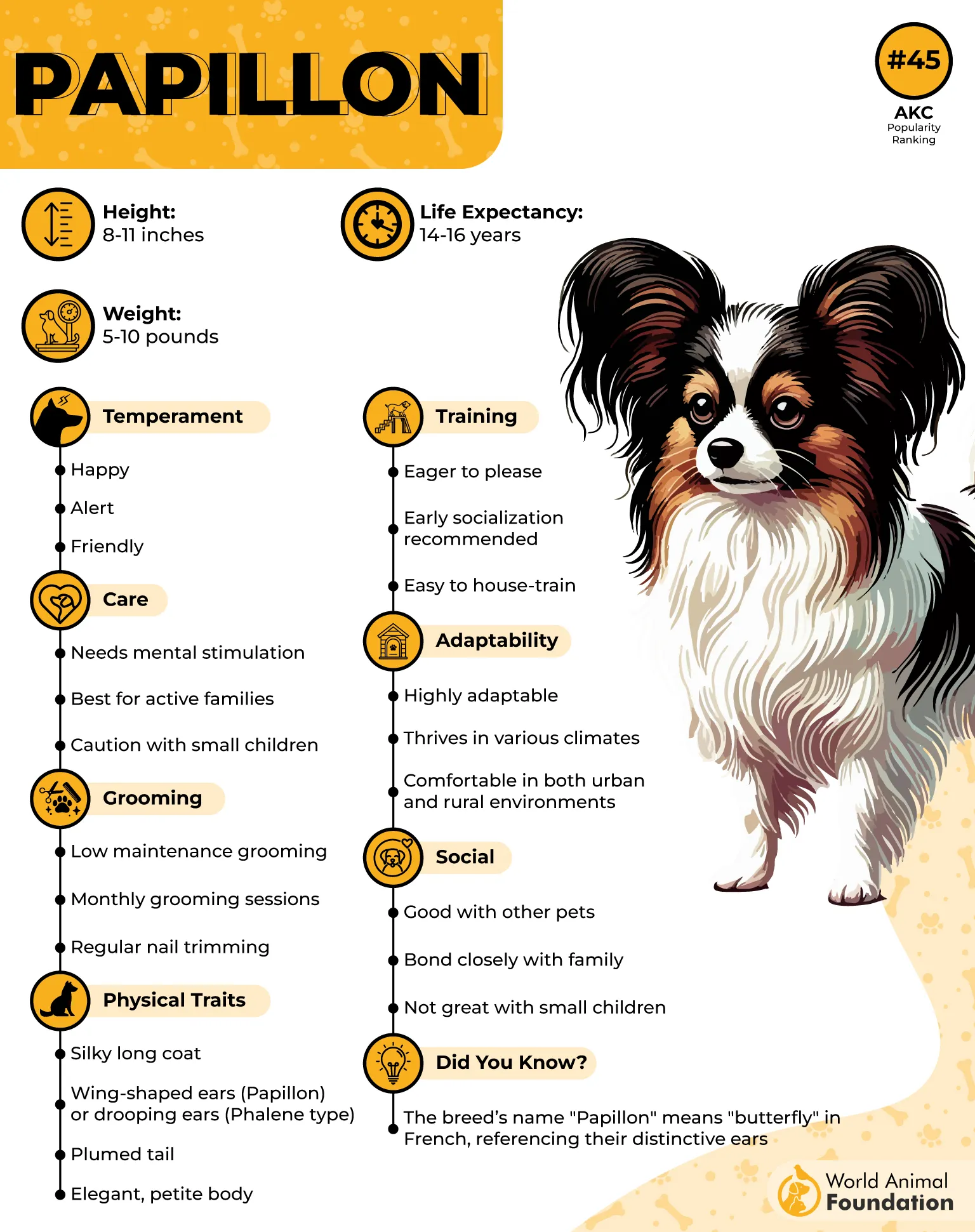
Papillons are friendly, curious, and highly intelligent companions. They are considered among the smartest and most trainable toy breeds. Their eager-to-please nature makes them quick learners, and they enjoy performing tricks, playing fetch, and learning new activities.
They get along well with people of all ages and other pets when properly socialized. These gentle dogs can also make excellent companions for children and older adults.
Care and Exercise
Despite their delicate appearance, Papillons are athletic and energetic dogs that enjoy staying active. They excel at agility and obedience competitions, but also enjoy everyday games and family activities.
Their long, silky coats need regular brushing to stay in good condition. These adaptable companions can live happily in both city and country homes and do well in warm or cool climates.
7. Chinese Crested
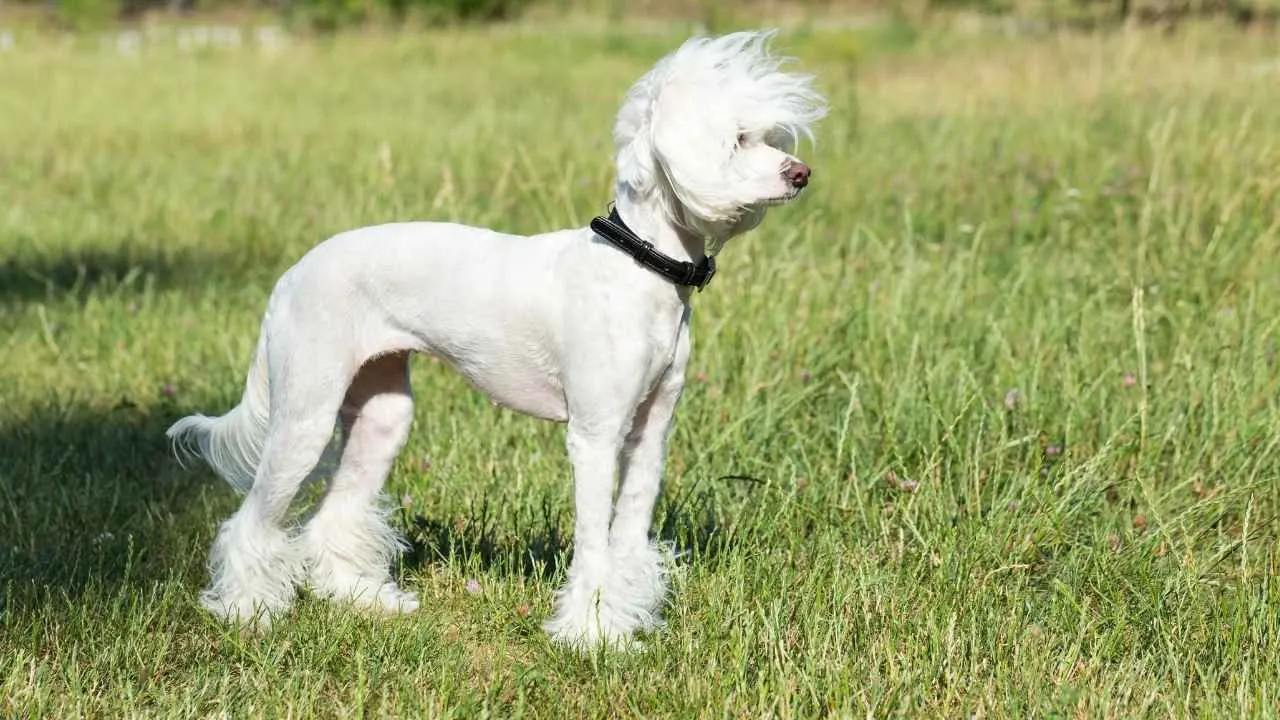
With their unusual hairstyles, spotted skin, and elegant build, Chinese Crested Dogs are hard to mistake for any other breed. These small toy dogs come in two varieties: hairless and Powderpuff.
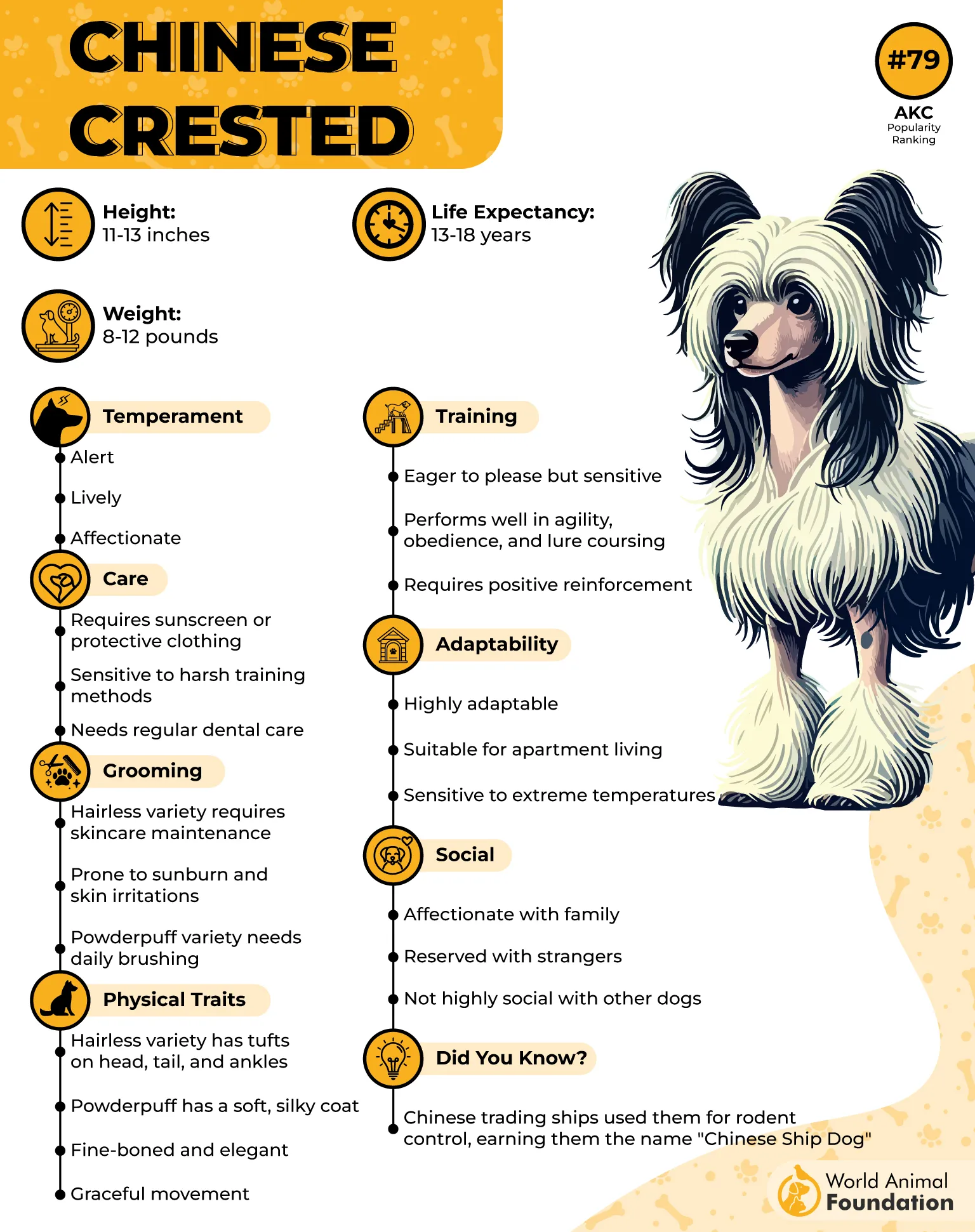
The hairless variety has smooth, soft skin with tufts of hair on the head, tail, and ankles. In contrast, Powderpuffs have soft, silky coats covering their entire bodies. Both types have a fine-boned or heavier build and graceful movements.
Temperament and Personality
Chinese Crested Dogs are cheerful, playful, and affectionate companions that form close bonds with their families. They are happiest when spending time with their favorite people, often settling comfortably on their laps.
These dogs are usually quiet and attentive but also enjoy bursts of activity. Their bright, intelligent minds make them easy to train. They can learn basic obedience, perform tricks, and enjoy activities that keep them mentally engaged.
Care and Exercise
Chinese Crested Dogs have different grooming needs depending on their coat type. Hairless dogs have very little shedding, while Powderpuffs need regular brushing to maintain their silky coats.
Both varieties enjoy playtime and benefit from activities that keep them physically and mentally stimulated. Their compact size makes them suitable for cozy indoor living, but they still need regular attention and opportunities to stay active.
Conclusion
Small dogs can bring big happiness to a cozy home. From affectionate lap companions to playful, energetic little personalities, each breed has something special to offer.
The best choice depends on your family’s lifestyle, the time you can give your dog, and the kind of companionship you enjoy. Consider their temperament, grooming needs, exercise requirements, and compatibility with children before making a decision.
Take time to learn about each breed and meet potential companions before bringing one home. Remember, a small dog still needs proper care, training, attention, and plenty of love.
After all, the best furry companion isn’t simply the one that fits your home but the one who makes it feel more like home.
