




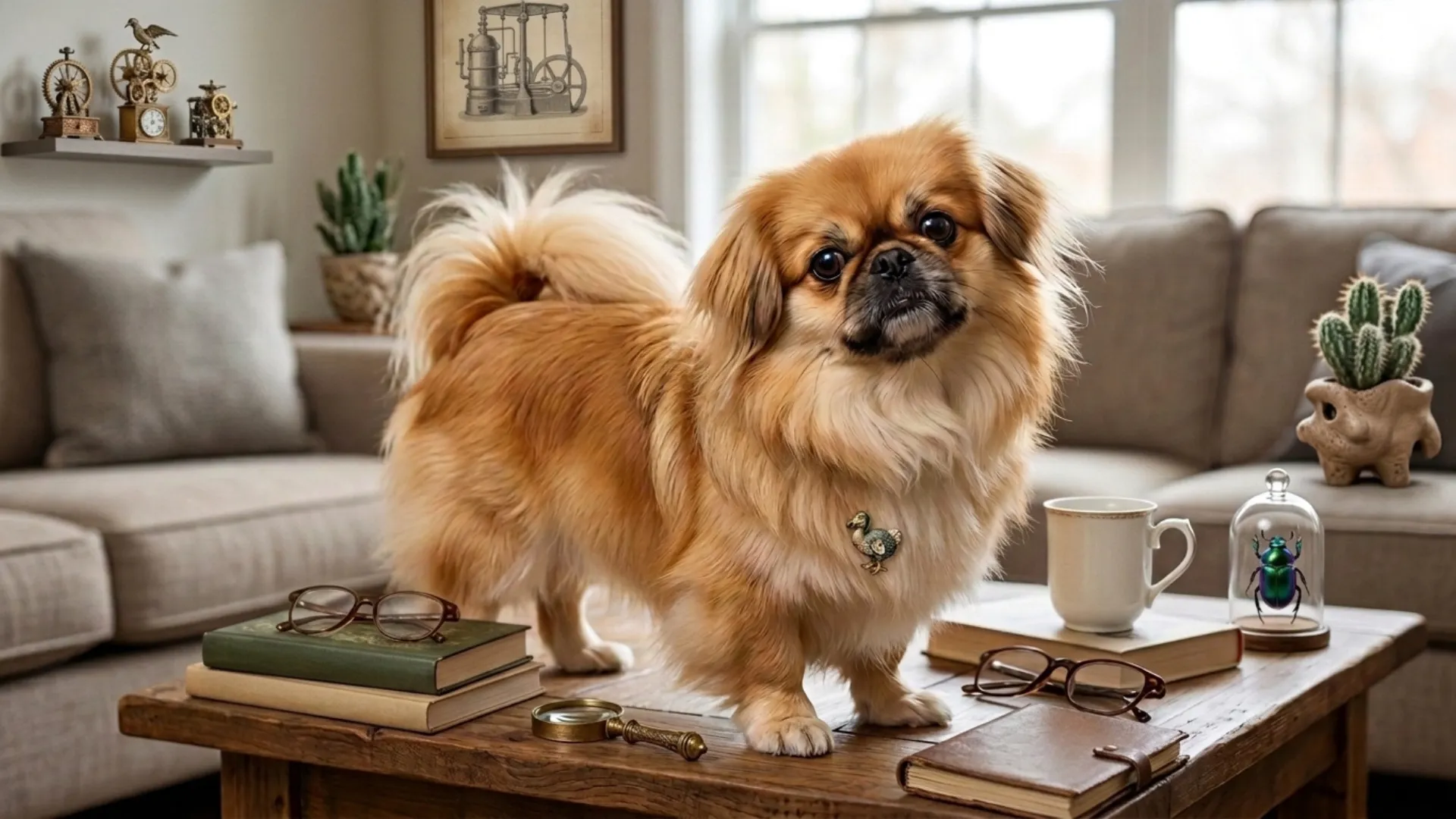
They may be small, but they leave paw prints on the biggest parts of our hearts. That saying fits pocket dog breeds perfectly. These tiny companions may fit in your lap, yet their personalities often fill an entire room. Actress and dog lover Audrey Hepburn once surrounded herself with small dogs because they brought comfort and joy wherever they went.
That is easy to understand after spending time with one. Some are little comedians, some act like tiny royals, and others believe they can guard the whole neighbourhood despite weighing less than a bowling ball.
If you are searching for a small dog with a big personality, you are in the right place. Let us meet seven adorable pocket-sized breeds and the wonderful quirky habits that make each one unforgettable.
Fantastic Pocket Dog Breeds and Their Quirky Traits
1. Japanese Chin
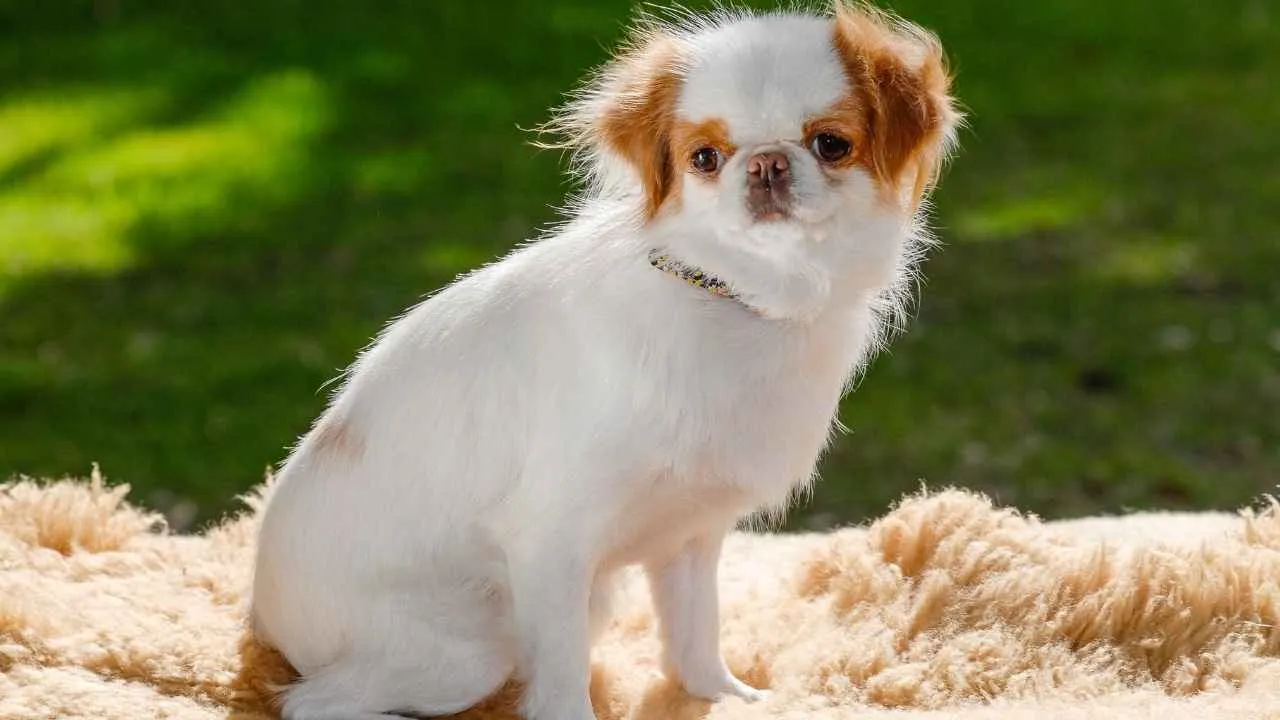
Also known as the Japanese Spaniel in some countries, the breed has its ancestry in either Korea or China between 520-732 AD. The small breed was valued in the Eastern ruling dynasties and was given as a tribute to foreign visitors. The breed arrived in Japan in the 16th century, according to Dogs Australia.
This dog exhibits an erratic spin-and-prance maneuver in tight circles when excited, called the ‘chin spins.’ This elegant breed is not yappy and produces a ‘woo-woo’ sound when happy or trying to communicate. It has a cat-like personality and loves to sit on a high place to observe its surroundings.
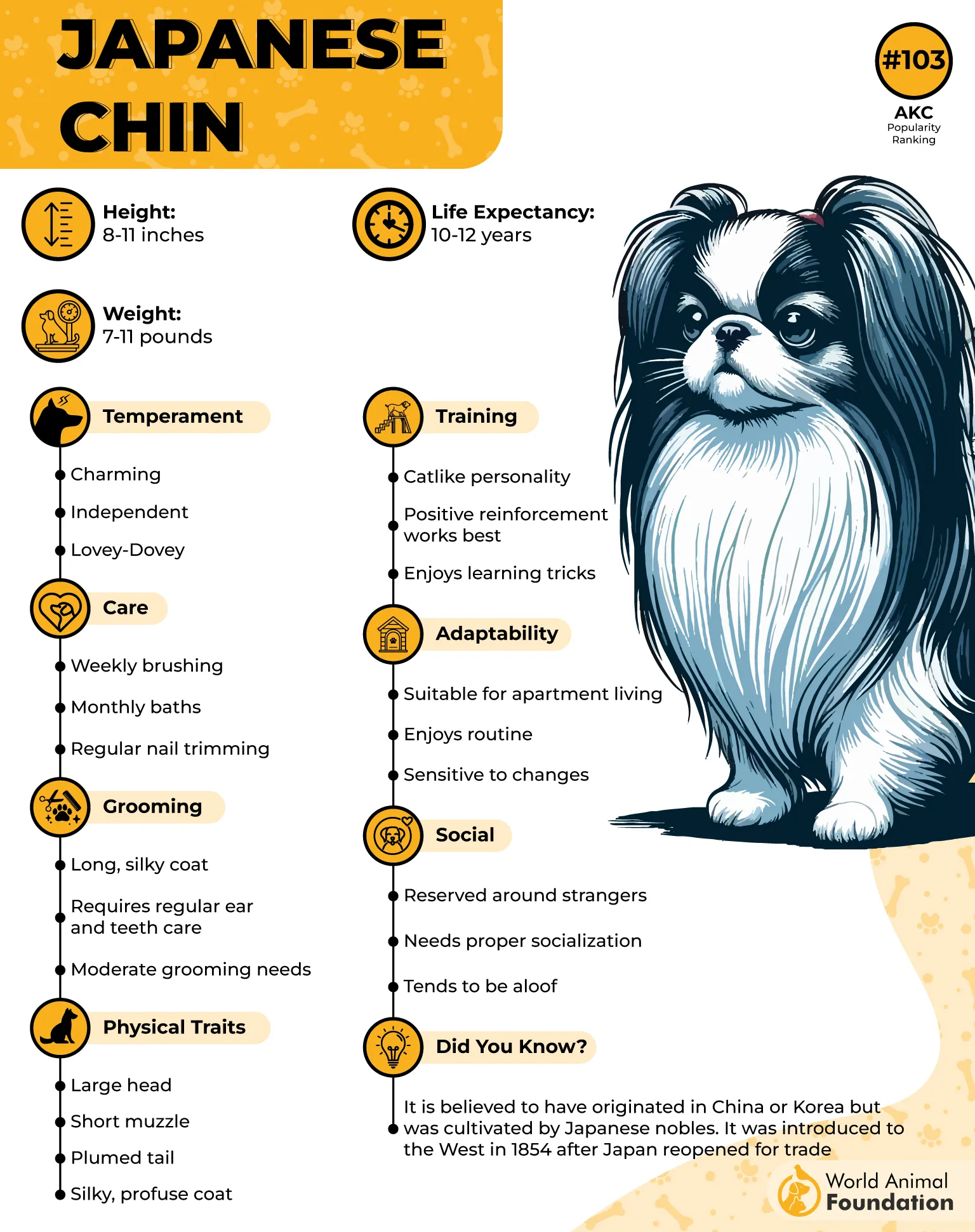
It uses its paws to clean and wipe its own muzzle and face just like a cat. It has distinctive facial expressions because of its wide-set eyes, flat face, and short snout.
2. Shih Tzu
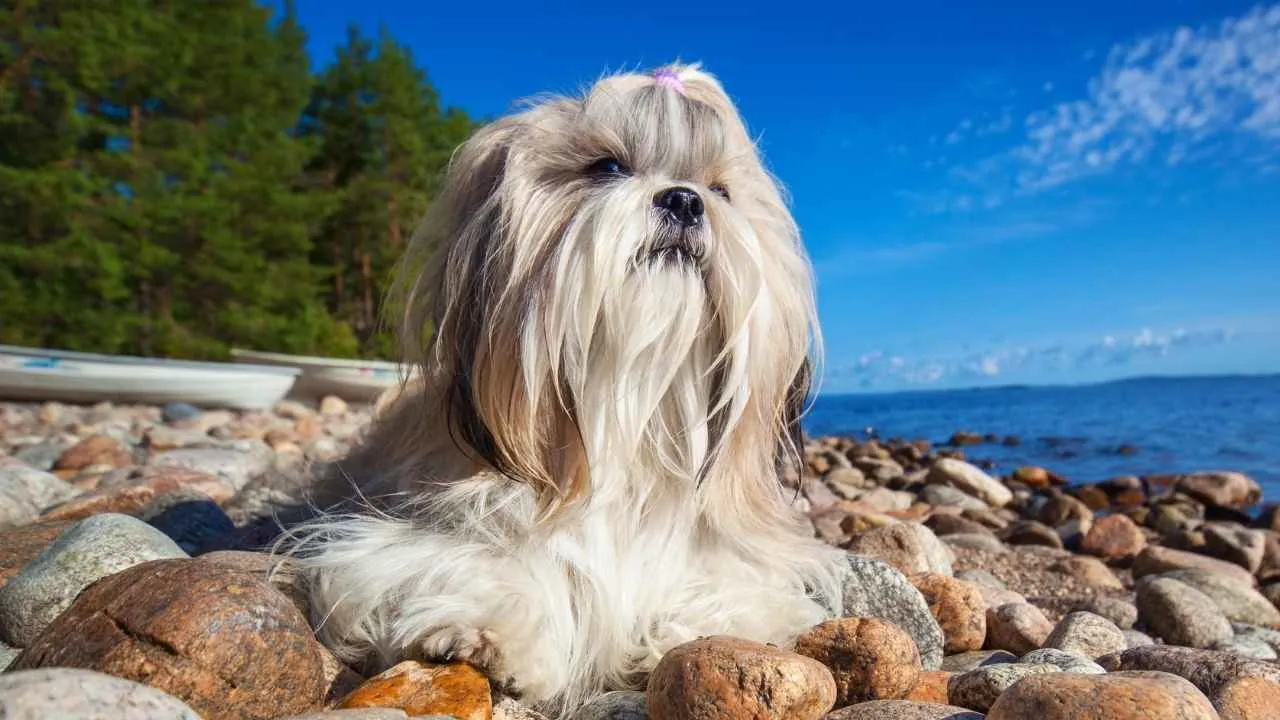
Originally bred in Tibet, the gentle and energetic dog was used to serve as a watchdog and an entertainer during the reign of Empress Tzu Hsi. This intelligent dog was sold by the caretakers of the palace after her death. It was then crossed with the Pekingese to improve several traits.
The dog loves to run in tight circles, tucks its tail, and jumps and runs over furniture for 5-10 minutes before finally coming back to its resting phase. It sleeps in a pretzel-like posture. Despite being known as a lap dog, the breed loves to pounce toys up in the air, suggesting it wants to play.
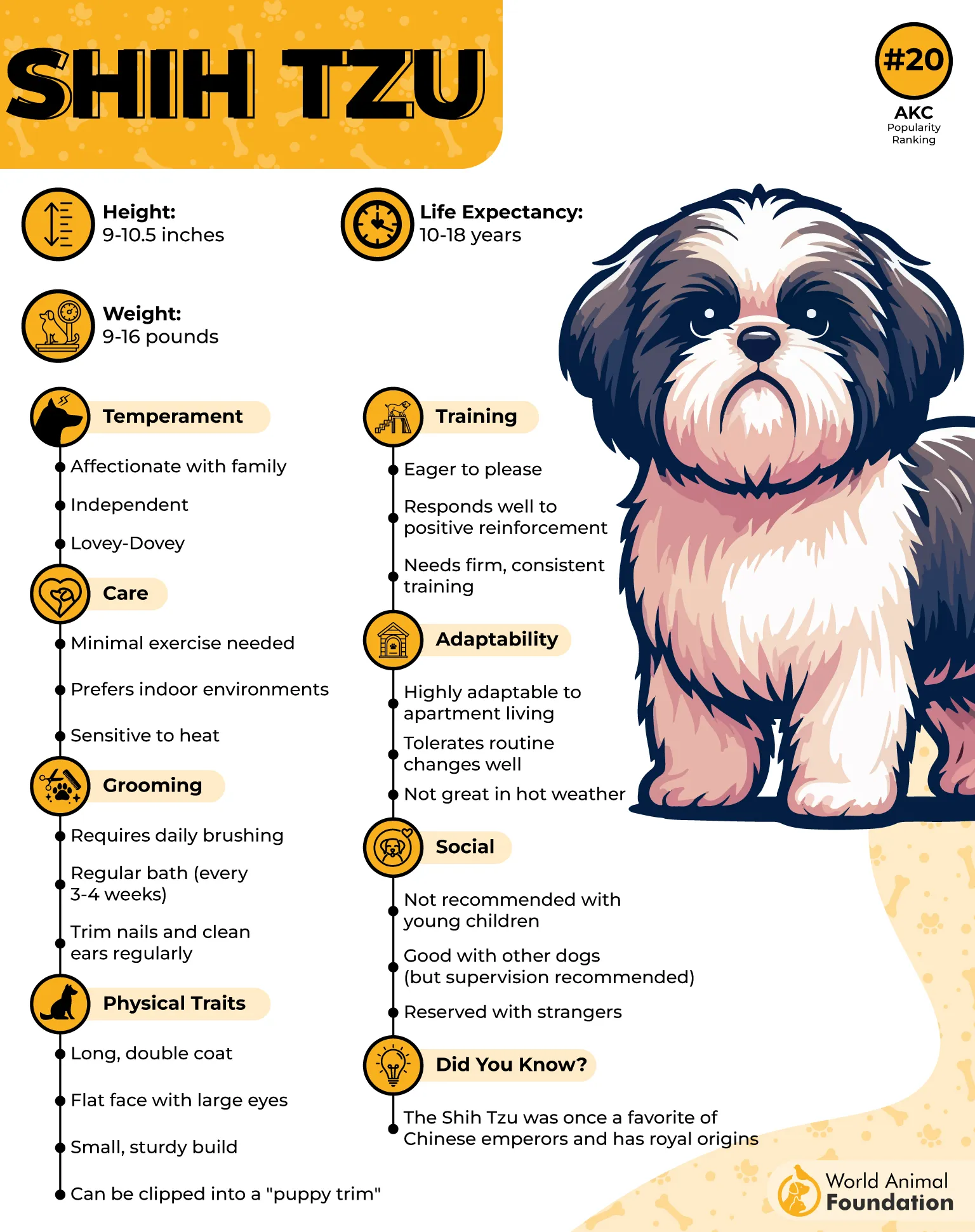
Bred for the royal monasteries, the dog often treats its owner as a royal servant. It has a unique ‘prancing gait’ that demands your applause and attention. However, it needs consistent training to socialize in a busy environment.
3. Maltese
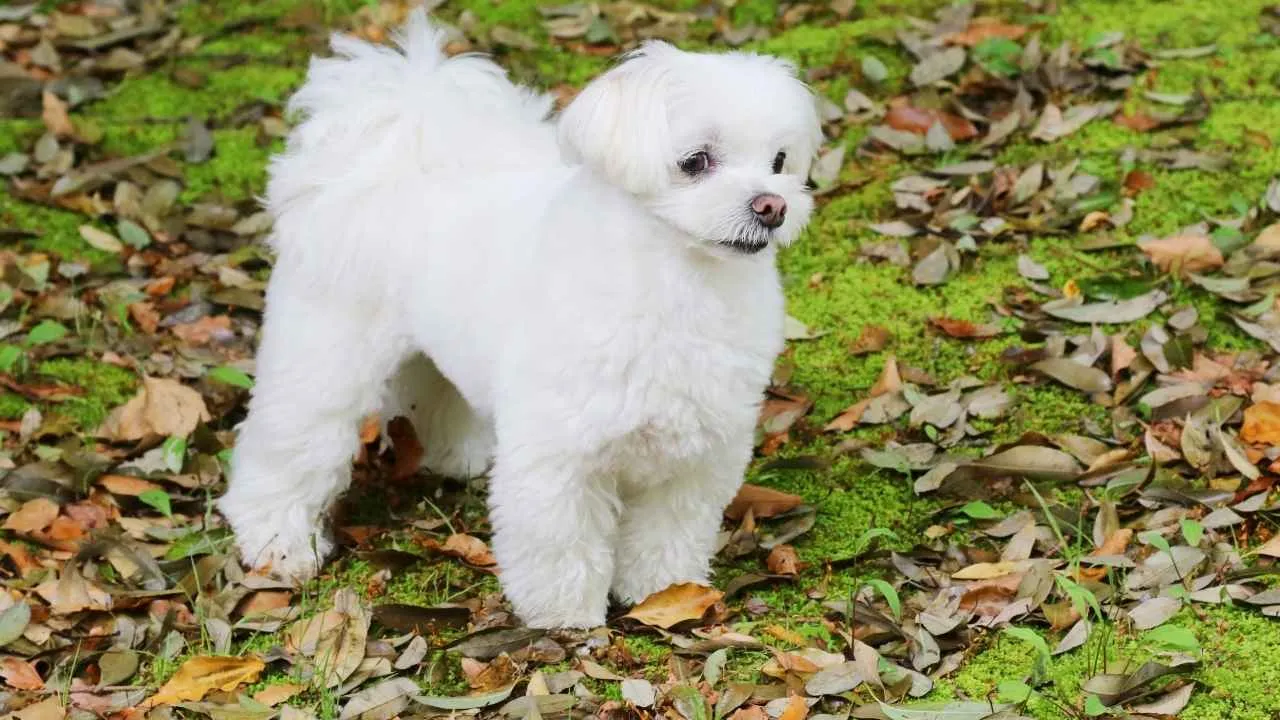
One of the ancient dog breeds, the Maltese has a history dating back to 1500 BC. The unique breed was developed in the Maltese region in the Mediterranean from Spaniel or Spitz-like breeds. It has been adored by ancient civilisations like the Greeks, Romans, and Egyptians, as per Pooch & Mutt.
It exhibits a cute ‘Maltese hop,’ where it bounces in a tip-toe walking style to welcome its favorite person. Since it is an ultimate attention-seeker, it tends to show different tricks (spinning, rolling, and giving high-fives) in exchange for treats and rewards.
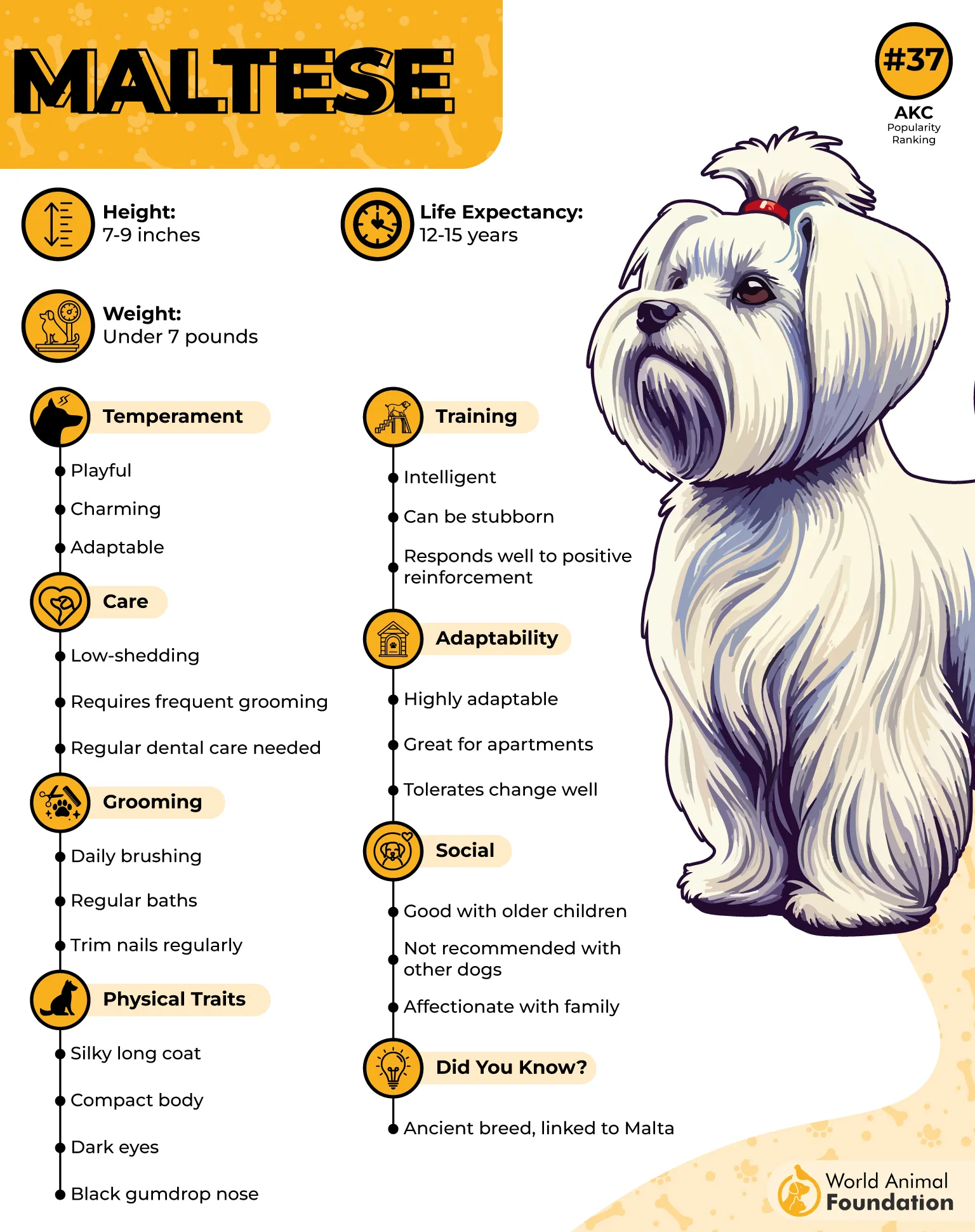
It has very high energy levels and shows a ‘big dog attitude.’ It loves to wag its tail when excited and enjoys being a part of family activities. It has a silky, white, thick coat that gives it a cloud-like expression.
4. Pekingese
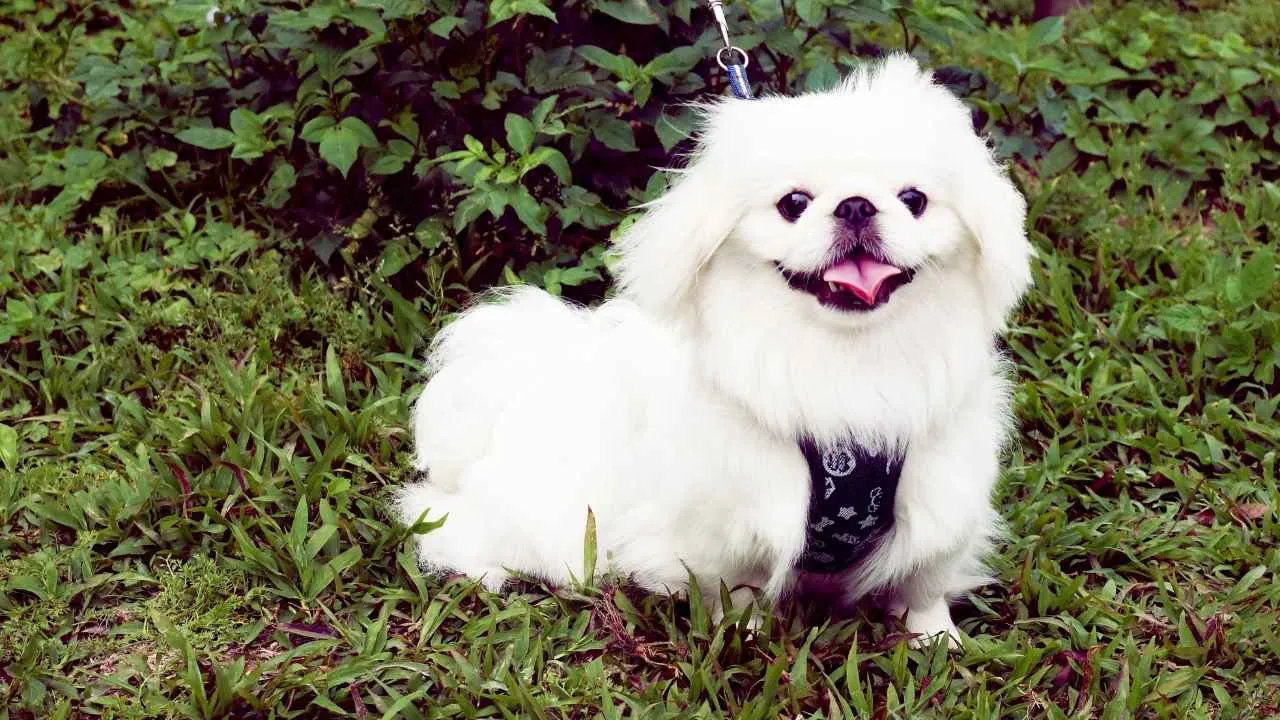
Originating in China, the breed (also known as the Lion Dog) was developed by the Buddhist monks. The primary goal of the aesthetic breed was to serve as a lap dog. The history of the ancient breed is 2,000 years. Today, it is kept as a pet and a show dog, says Omlet.
Despite its small stature, it is an excellent guard dog and produces loud barks to alert the owner of a potential threat. This affectionate breed has short legs and walks with a rolling gait. It has a strong digging instinct and tends to navigate through tight spaces, pillows, blankets, and your lap.
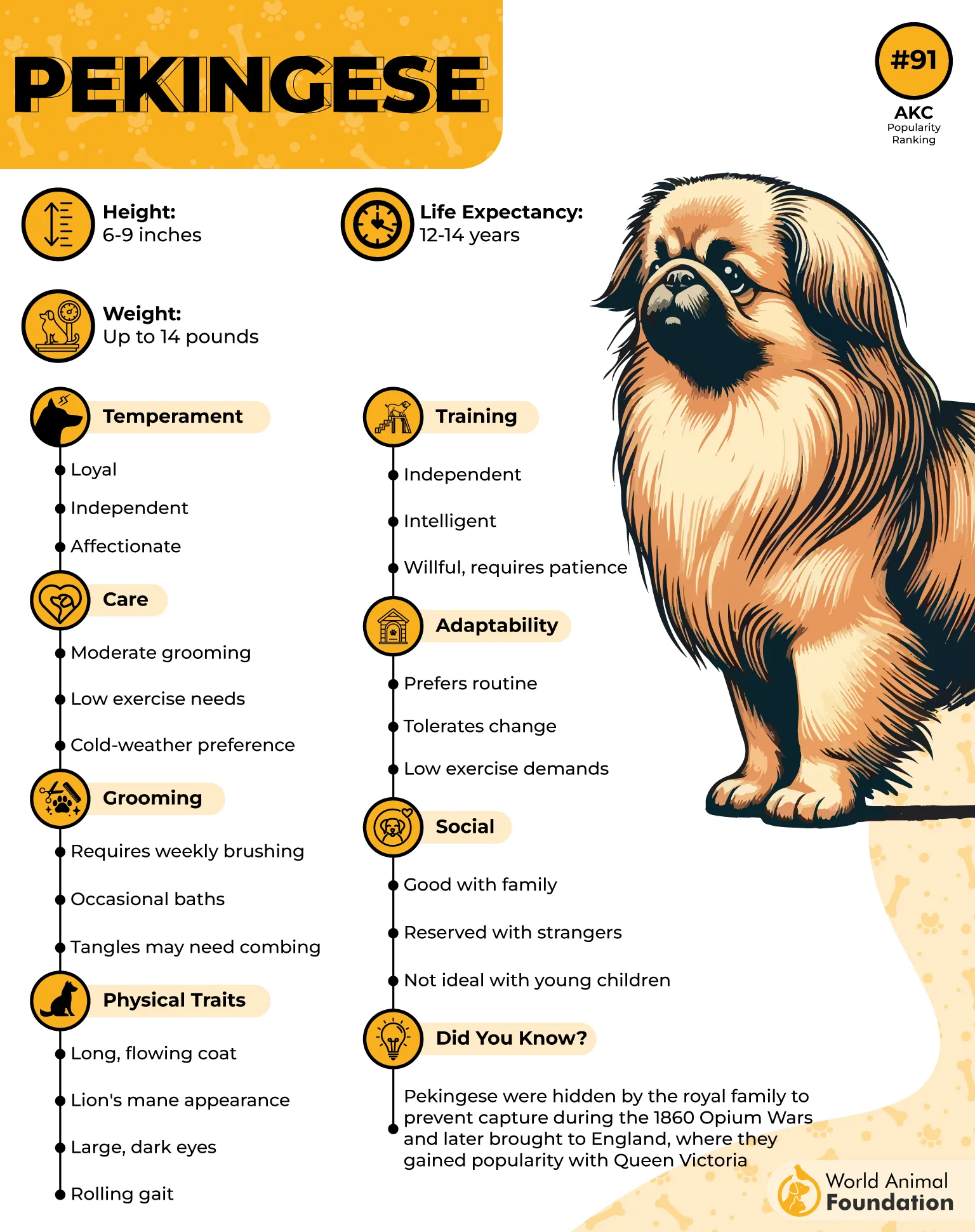
It loves to cuddle but only with its favorite person, as it is aloof to strangers. Since it is a brachycephalic breed, it makes loud and funny noises while sleeping.
5. Havanese
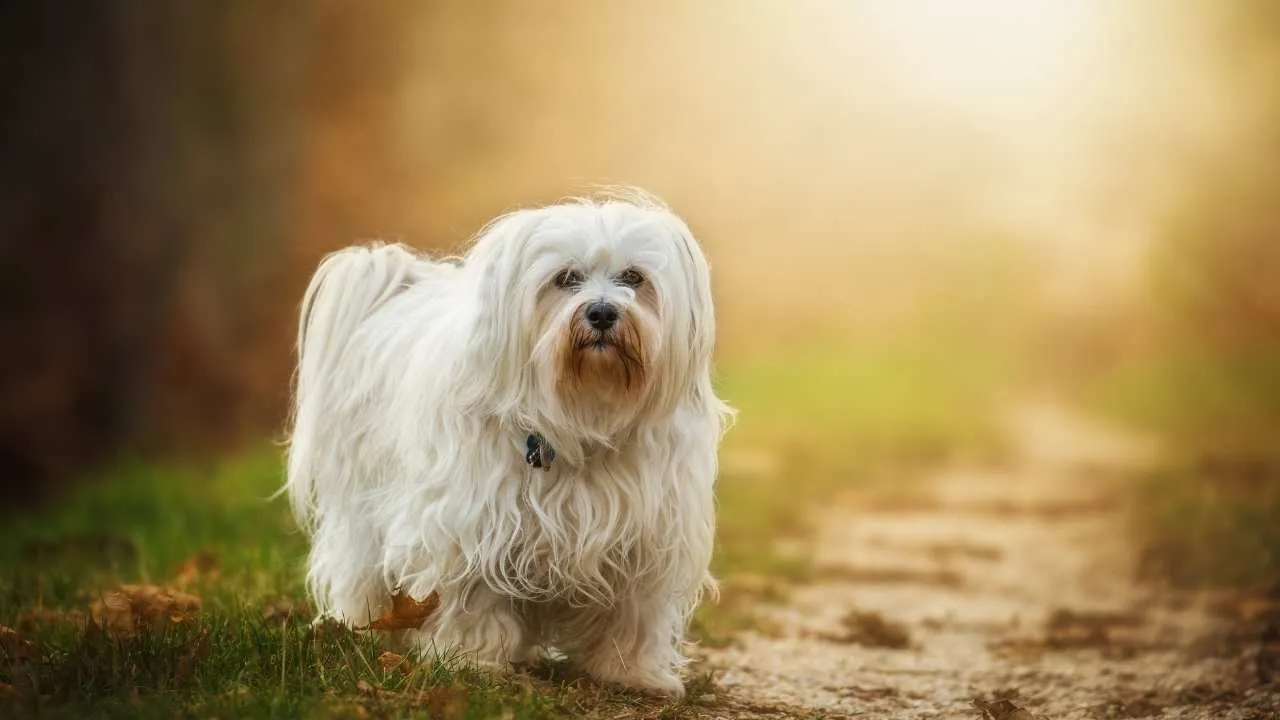
This tiny bichon-type dog and the national dog of Cuba was developed in the 16th century. This Havana Silk Dog was used to be presented as a gift as a status symbol. It gained popularity in Europe in the 18th century and was loved by Queen Victoria and Charles Dickens.
It makes a low grr-ing noise while running in excitement, which is actually a throaty noise of happiness, called ‘run like hell.’ This breed is obsessed with paper; it shreds, eats, and plays with paper. It is famously known for creating its own games.
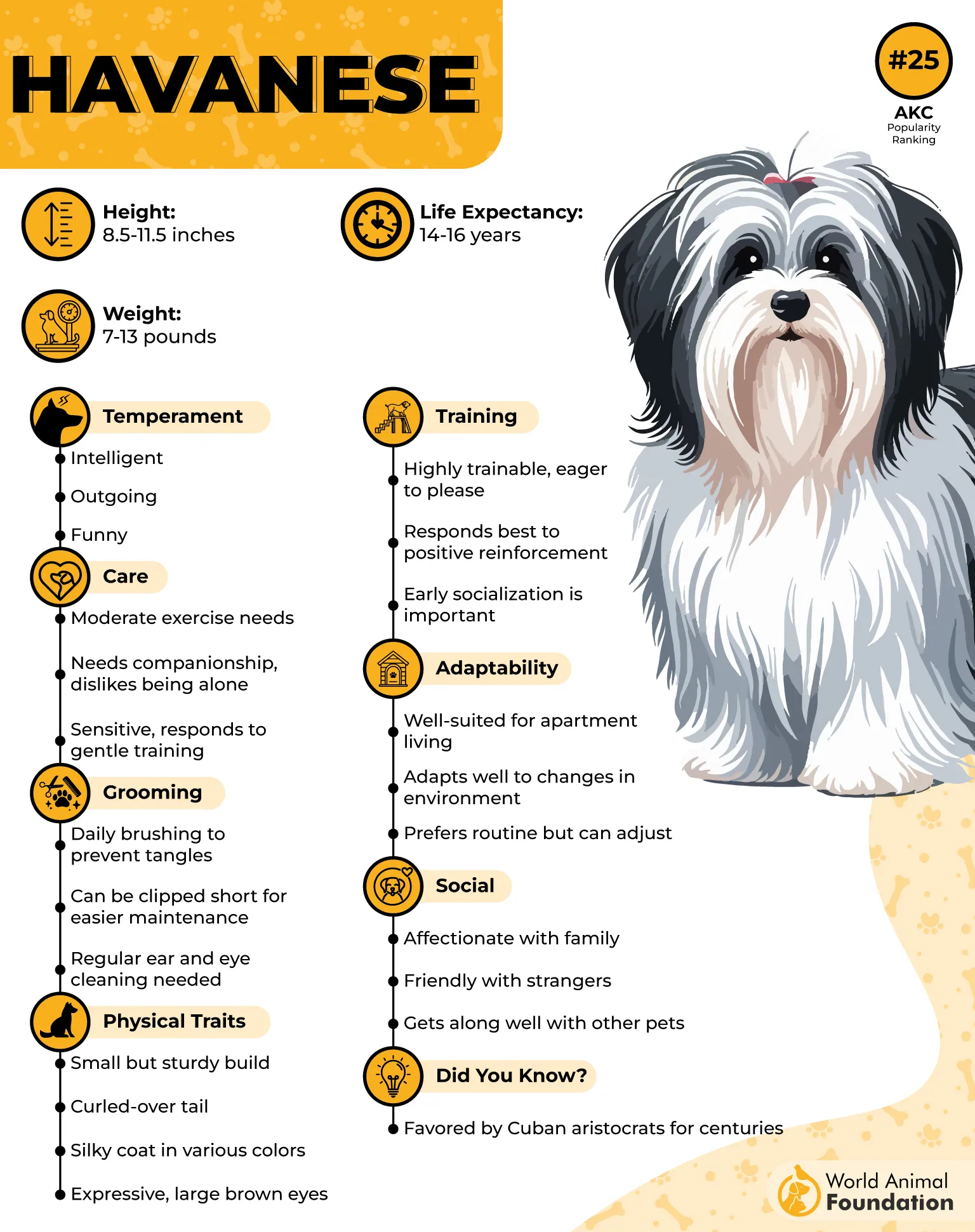
Historically used as a street performer, the breed loves to show off its tricks. The eager-to-please nature makes it show new tricks and ask for treats in return.
6. Pug
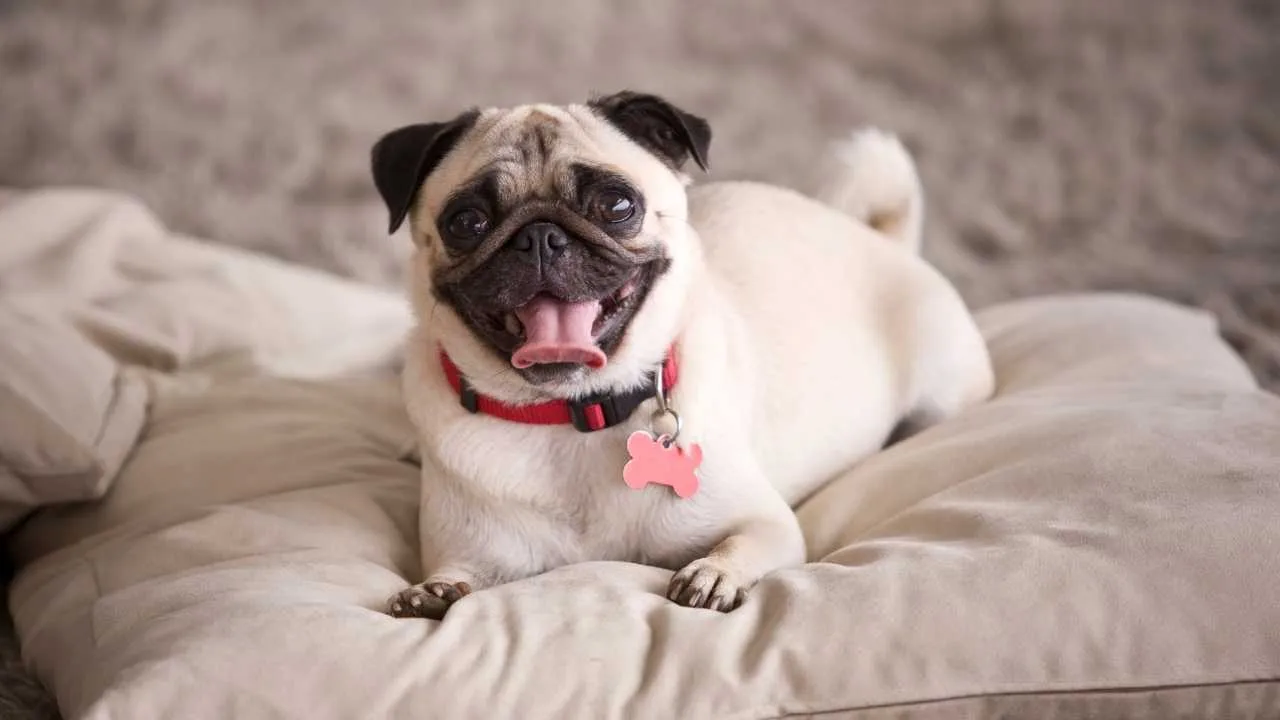
The history of this wonderfully weird breed dates back to 700 BC. It was first imported to Europe from China in the 16th century and reportedly saved the life of the Prince of Orange, William, by giving him a warning of the arrival of the Spaniards. It is called by various names in different parts of the world.
This funny little clown has keen ears, and it tends to tilt its head in the direction of the sound to hear what you’re saying. Known for its ‘reverse sneezing,’ the breed gasps and snorts (rapidly inhales through its nose). It sleeps in a sploot form (lies flat on its belly with its legs spread out).
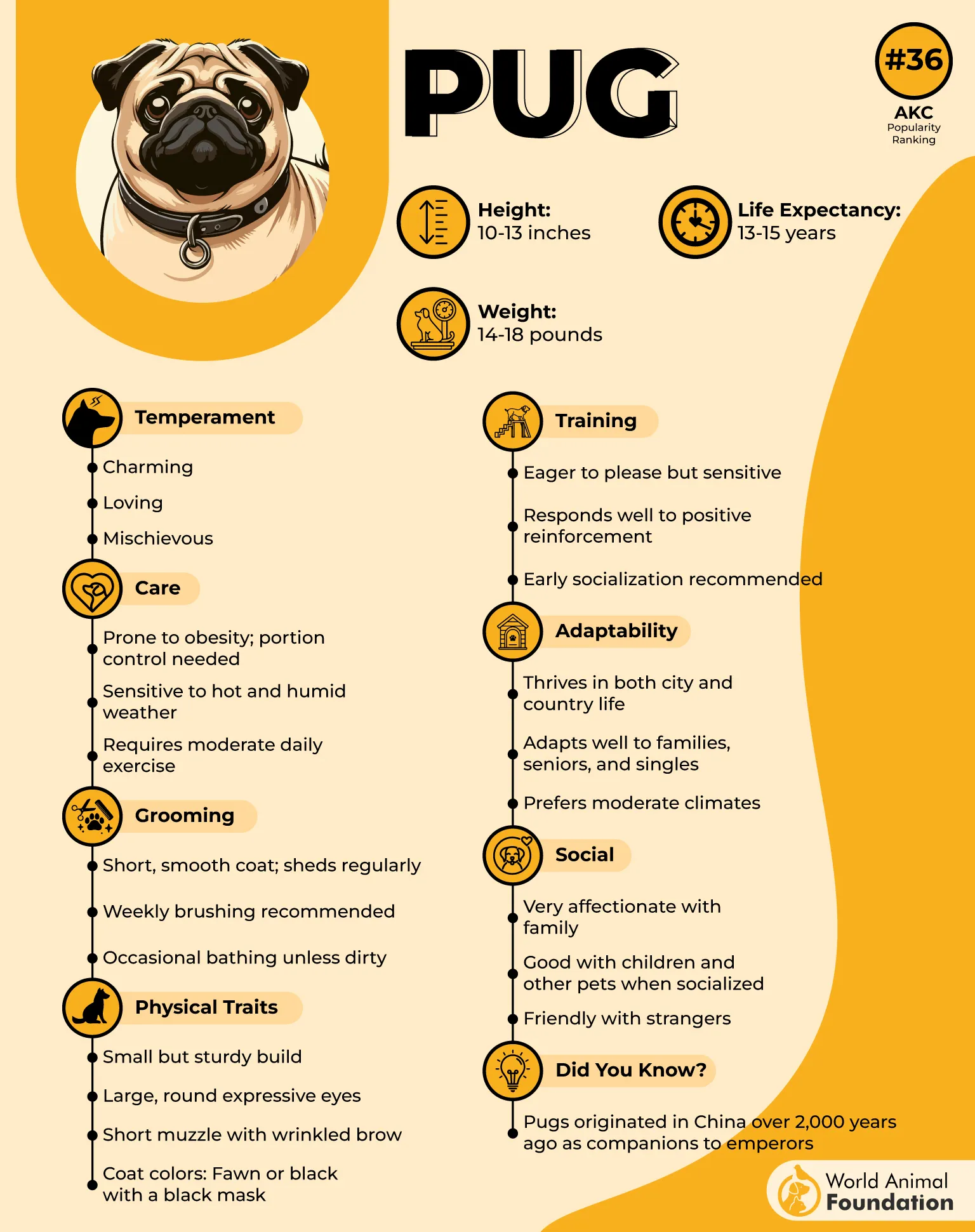
It acts like a ‘zoomie’ by widening its eyes, tucking its tail, and moving in tight circles before finally coming back to its laid-back state.
7. Brussels Griffon
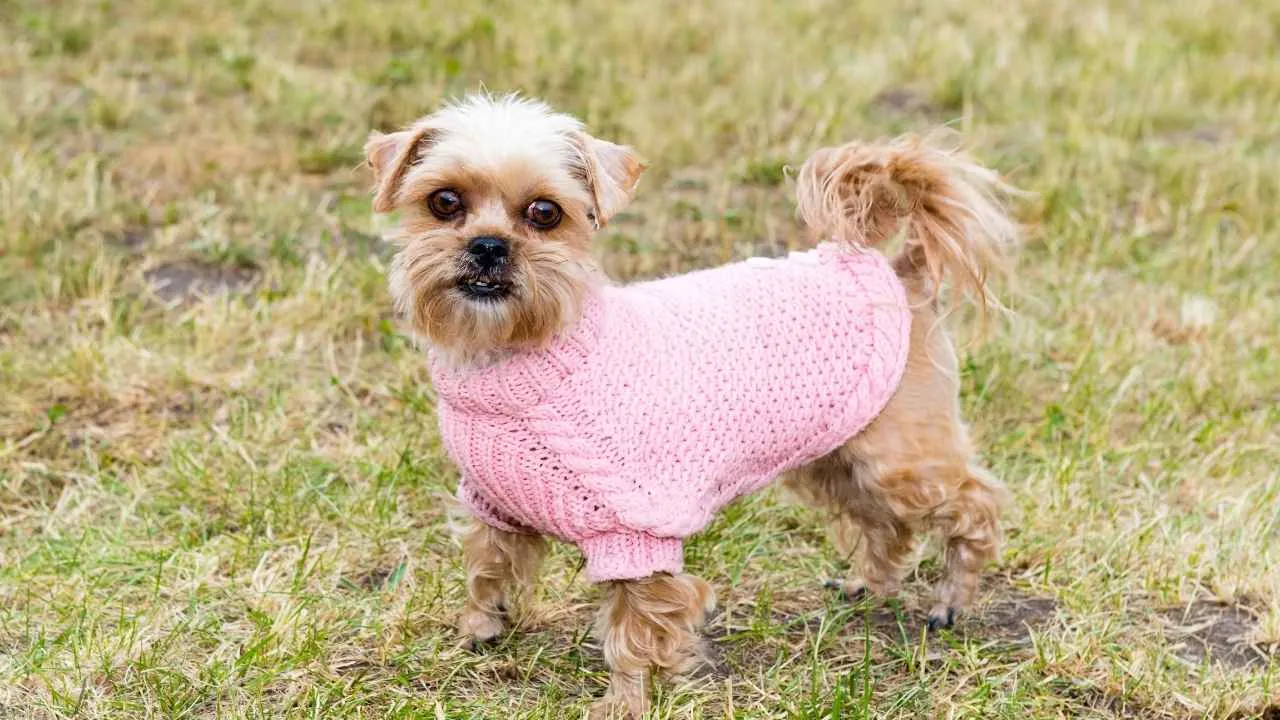
This pocket dog (developed from Smousje) was bred in Belgium as a hunting dog. Its primary goal was to kill rodents in the stables. This dog was then bred with the King Charles Spaniel and the Pug in the 19th century. It was officially recognized by the American Kennel Club in 1900.
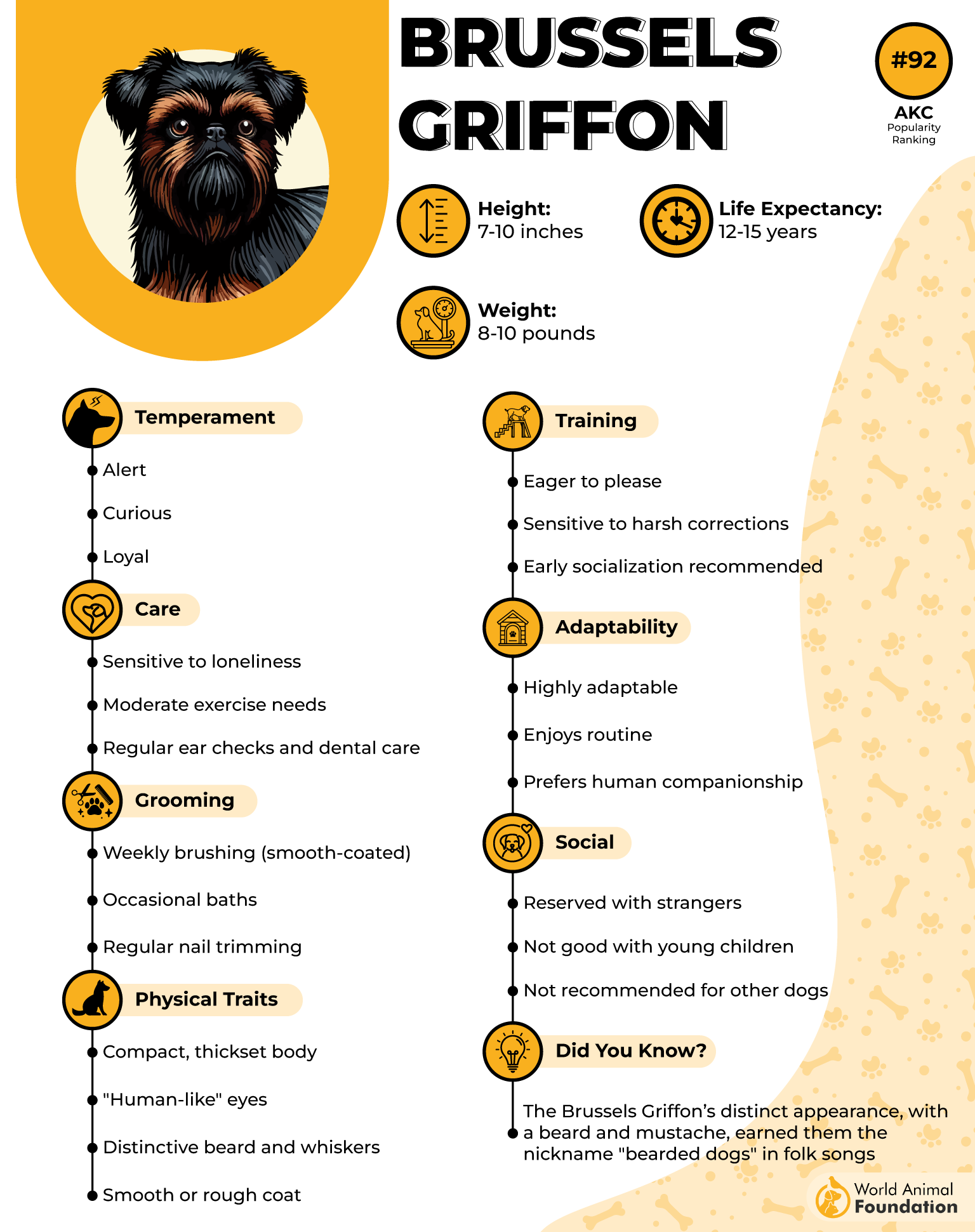
The breed produces a low and rumbling sound that is neither a pur nor a growl, called the ‘Griffon Grumble.’ It deliberately taps, pokes, and holds hands with its owner with its paws. It uses its smushed nose, round eyes, and small face to give human-like expressions.

Despite being highly trainable and intelligent, the breed has an independent streak that can lead to stubbornness. It has a velcro nature; hence, it forms strong bonds with the owner.
Conclusion
Pocket dog breeds prove that size has very little to do with personality; every breed brings something special to the table, whether it is the Japanese Chin’s playful charm, the Shih Tzu’s confident attitude, or the Pug’s ability to make everyone laugh without trying. The best choice depends on your lifestyle, your home, and the kind of companion you want by your side.
Spend time learning about each breed before making a decision. A dog is more than a cute face or a funny habit. It is a lifelong friend that deserves love, patience, and proper care. When you find the right match, even the smallest dog can become one of the biggest joys in your life.
