




Life can feel like a juggling act. Between work, family, errands, and that endless pile of laundry that somehow never disappears, many people dream of having a dog without adding another full-time job to their schedule.
The good news? Some breeds are naturally easier to care for than others. They still need love, exercise, and attention, but they typically require less grooming, have moderate exercise needs, or adapt well to a more relaxed routine.
According to the American Pet Products Association, around 95 million U.S. households own a pet; a clear sign of just how important animal companionship has become in modern life. Yet many first-time owners underestimate the daily commitment involved.
Choosing the right breed can make all the difference. If you want a loyal companion without constantly chasing grooming appointments or marathon walks, these low-maintenance dog breeds are well worth a closer look.
Fantastic Low-Maintenance Dog Breeds for Easy Lifestyles
1. French Bulldog
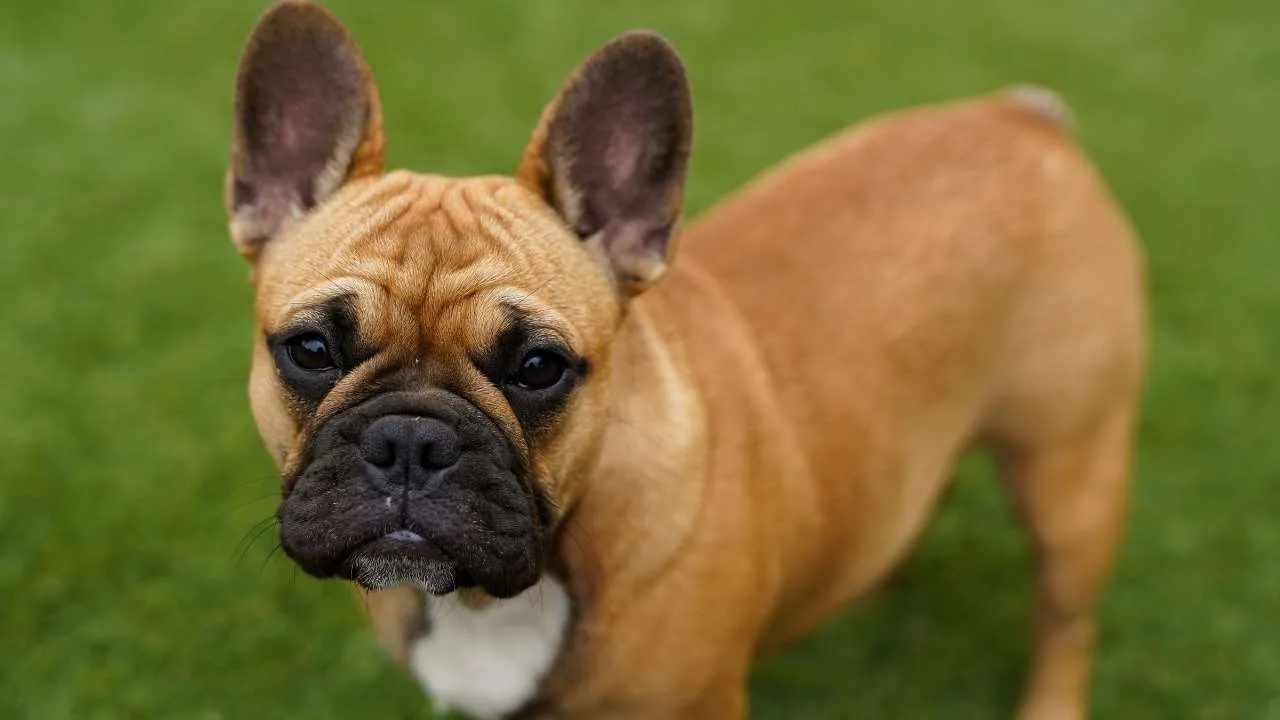
The French Bulldog was bred in England in the 1800s by lace makers as a compact lap dog. Over time, it was crossed with other breeds, giving the modern Frenchie its signature bat-like ears. According to Purina UK, famous painters like Edgar Degas have even portrayed the breed in their work.
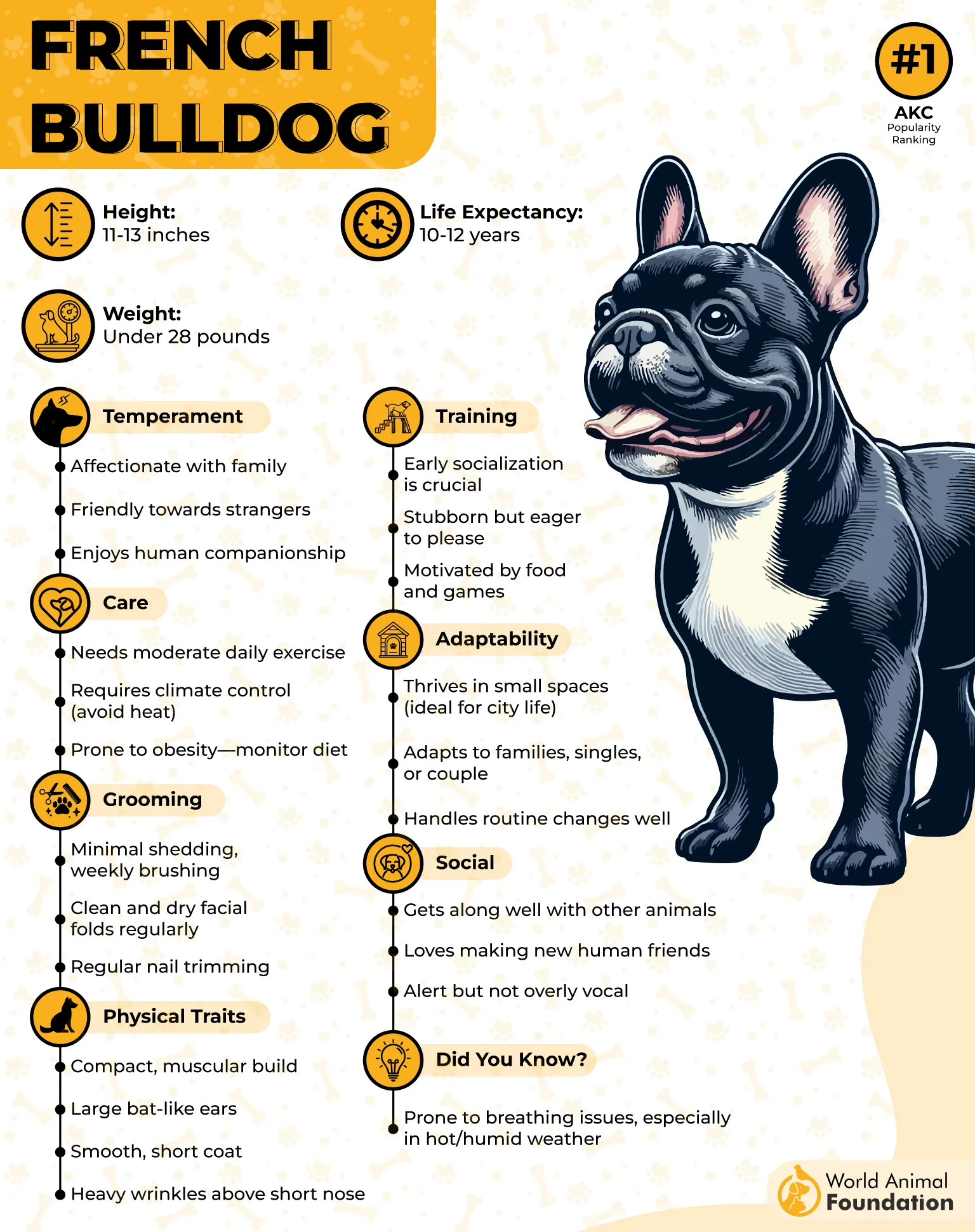
It is a brachycephalic breed, meaning it has a flat face and narrowed airways, which can sometimes make breathing a challenge. Weighing between 16–28 pounds and standing 11–13 inches tall, it is well-suited for apartment living. It is also a quiet breed by nature, only barking to alert its owner to a potential threat.
The French Bulldog has a smooth, single coat that keeps grooming simple: regular cleaning of skin folds with gentle wipes, weekly brushing with a hound glove and soft bristle brush, and a bath once a month. Thanks to its laid-back personality, low-impact exercise is usually all it needs to stay happy and healthy.
2. Chihuahua
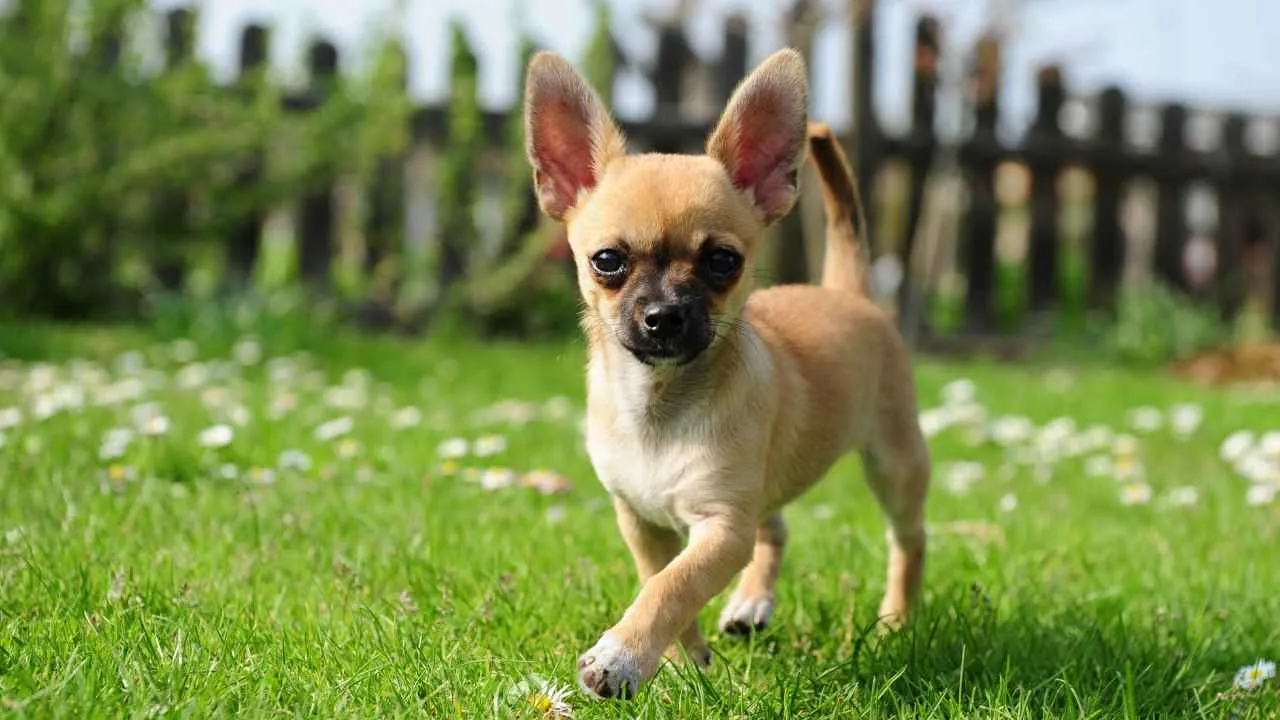
The Chihuahua is the smallest dog breed in the world. Originally developed in Mexico, it is believed to descend from the Techichi, a small companion dog kept by the Toltec civilization. Through selective breeding, the Chihuahua evolved into the tiny, devoted companion we know today.
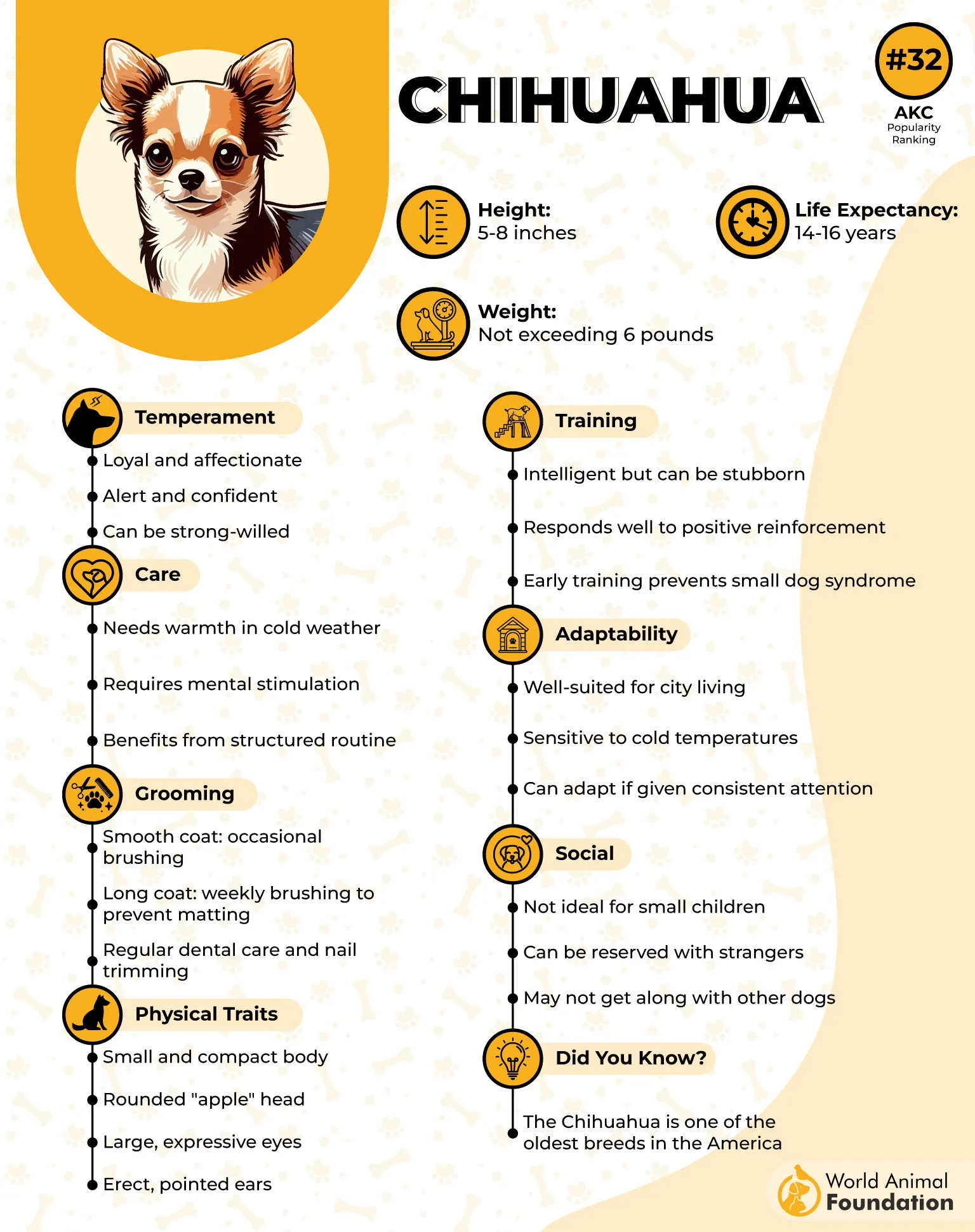
The breed stands 5–8 inches tall and weighs between 3–6 pounds. One notable feature is its large, erect ears, which promote healthy airflow to the ear canal, reduce moisture buildup, and lower the risk of ear infections. Its high metabolic rate and small stomach also mean lower monthly food costs compared to larger breeds.
The coat comes in two varieties: shorthaired, requiring weekly brushing, and longhaired, needing a brush two to three times a week. Due to its tiny mouth, teeth crowding is a common concern, making daily teeth brushing essential. A daily walk or play session of 30–60 minutes is generally enough to keep this little dog happy and healthy.
3. Pug
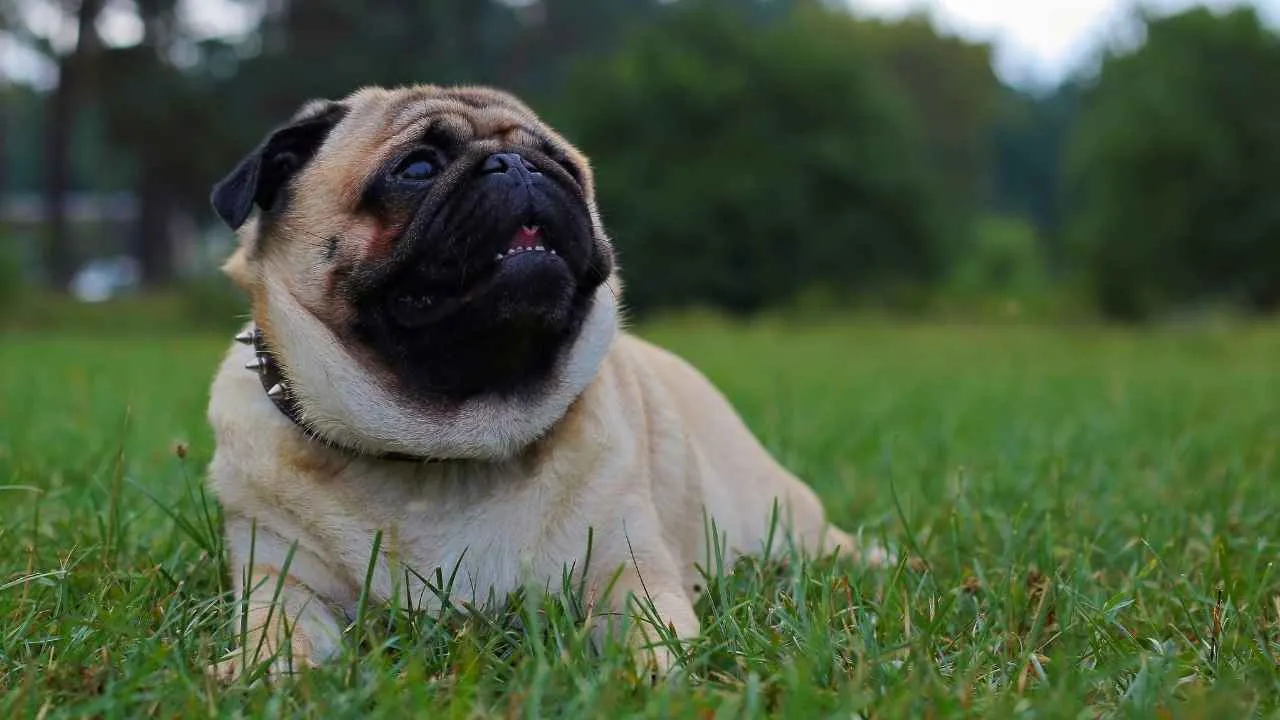
The Pug’s history stretches back some 2,000 years, originally bred as a lap dog for Chinese emperors. The breed later became the mascot of Holland’s royal House of Orange after a Pug famously saved the life of a prince by barking to warn him of approaching danger.
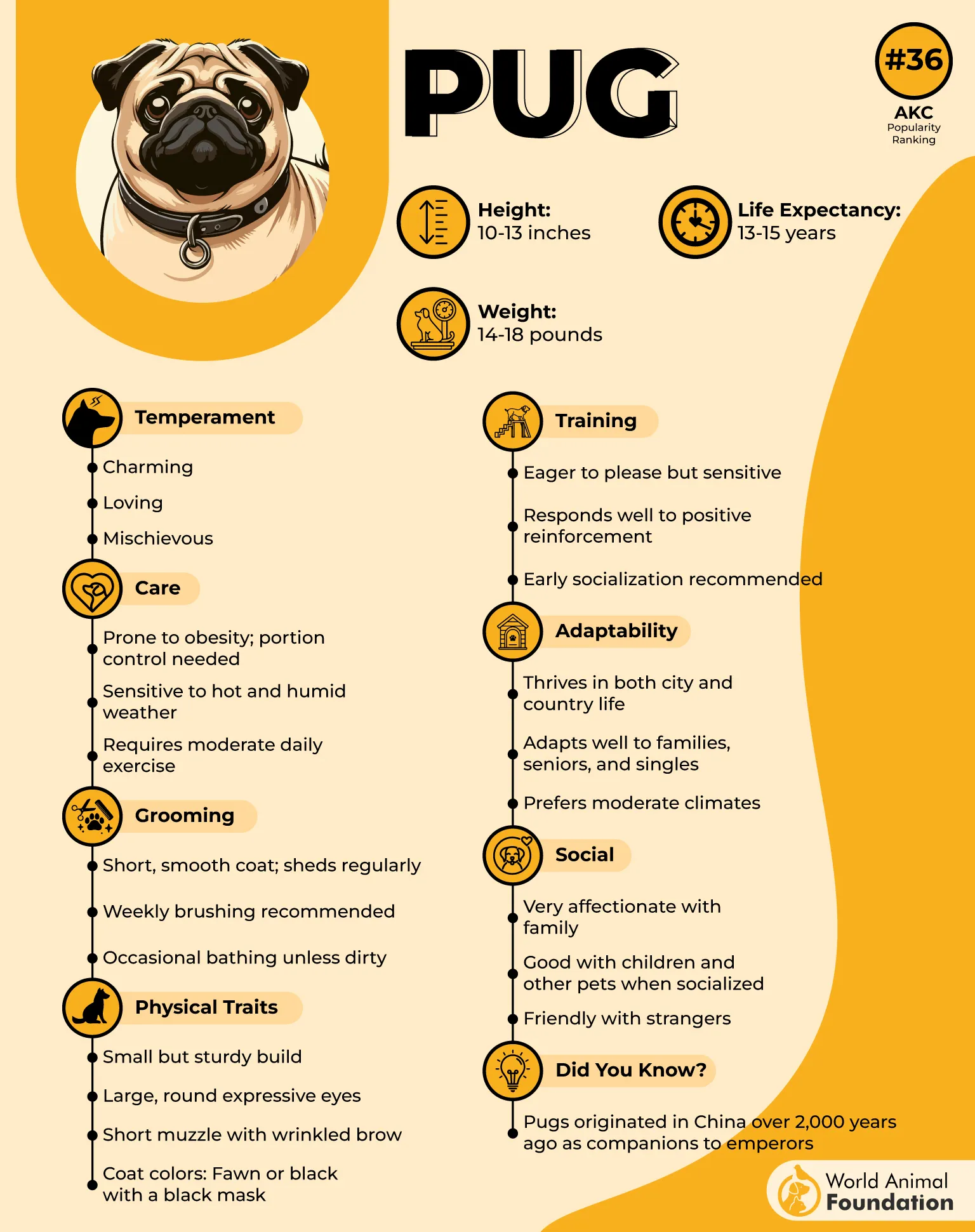
Biologically, the Pug was built for comfort over speed. As a brachycephalic breed, its narrowed airways and compressed nasal passage make it difficult to pant efficiently, which means it struggles to regulate body temperature in heat. This makes the Pug a naturally low-energy dog with a low prey drive — an ideal match for laid-back families.
Exercise needs are minimal: just 20–30 minutes a day through one or two slow walks, a gentle game of fetch, puzzle toys, or scent games is plenty. The deep folds around its nose and eyes need to be cleaned about three times a week to prevent irritation and infection.
For coat care, a deshedding tool and soft bristle brush will keep shedding manageable and the coat tangle-free.
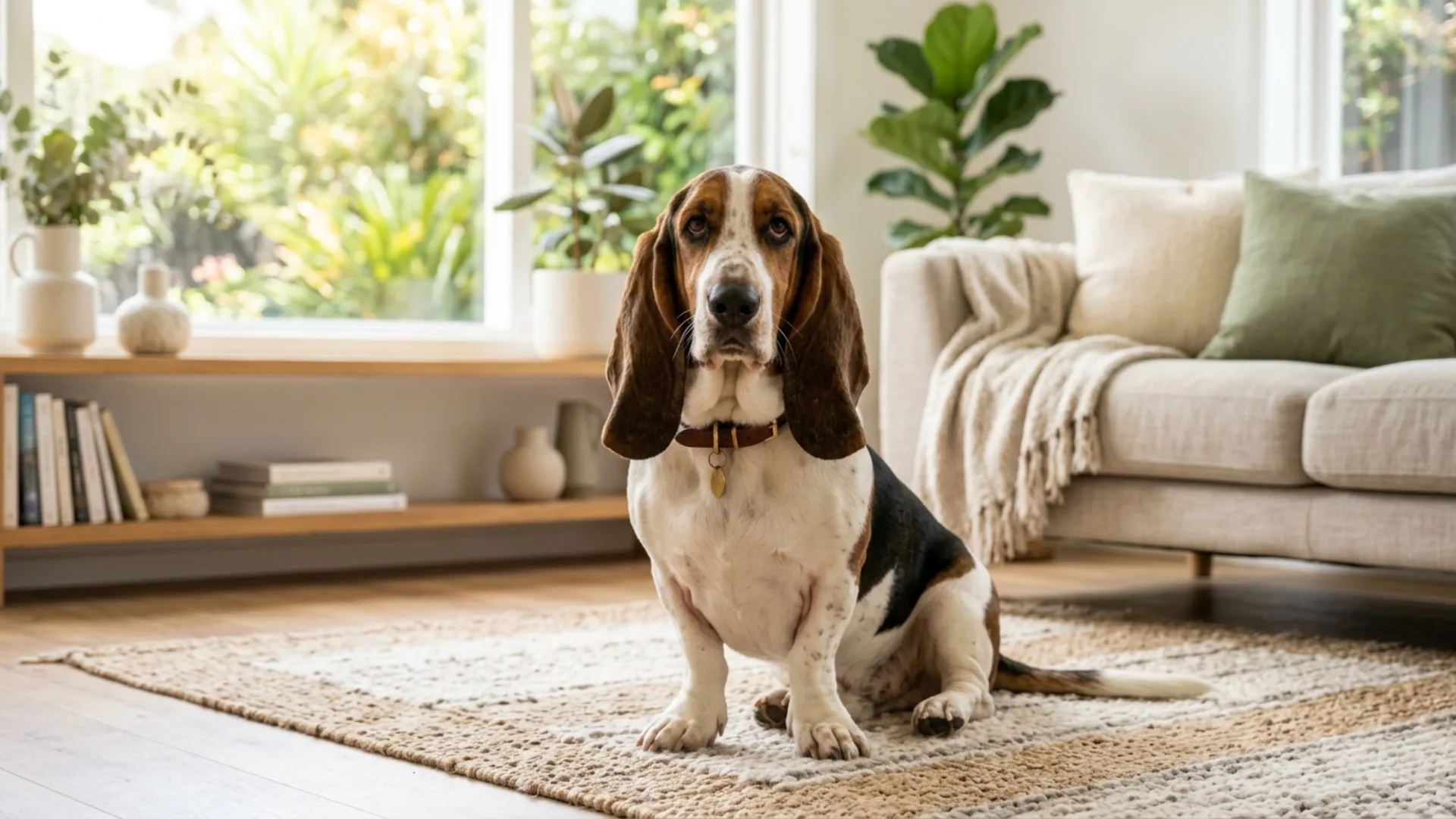
4. Basset Hound
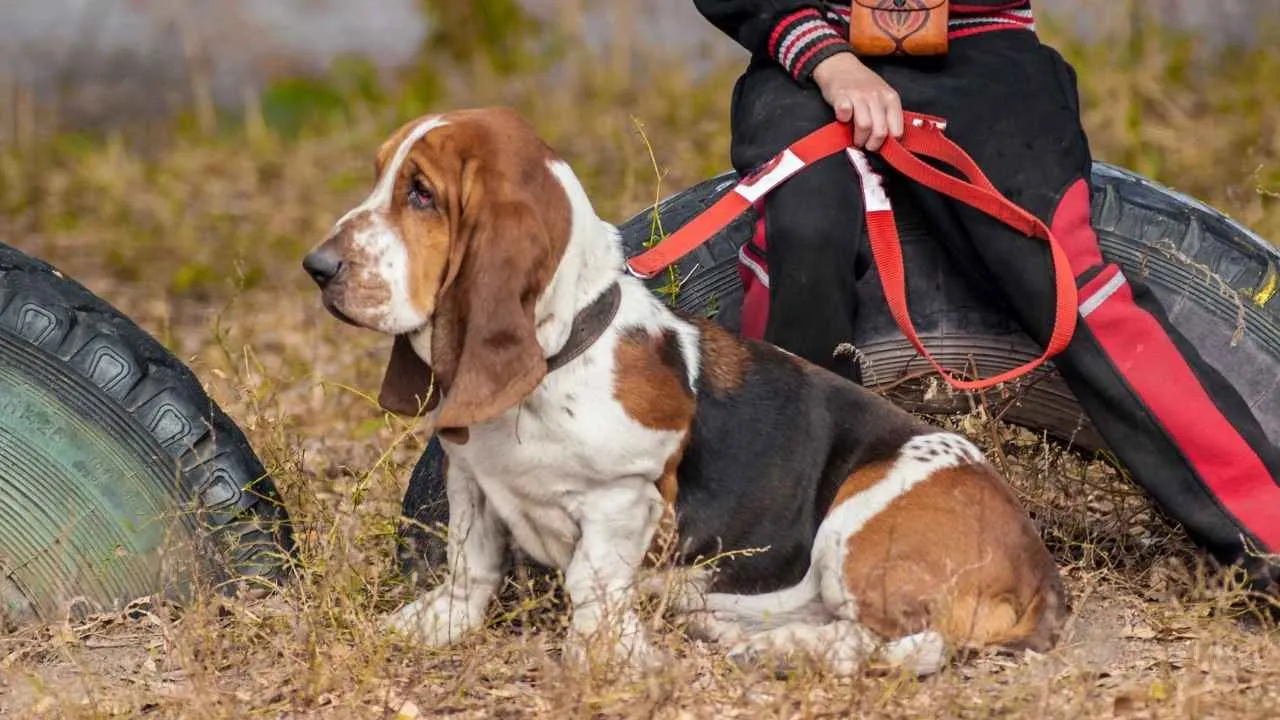
The Basset Hound was originally developed in France as a scent hound, descending from the ancient St. Hubert Hound, a breed that closely resembles the modern-day Bloodhound.
According to PetMD, the name ‘basset’ comes from the French word meaning ‘low,’ a nod to the breed’s habit of keeping its nose close to the ground while tracking a scent. It weighs between 40–65 pounds and stands around 15 inches tall.
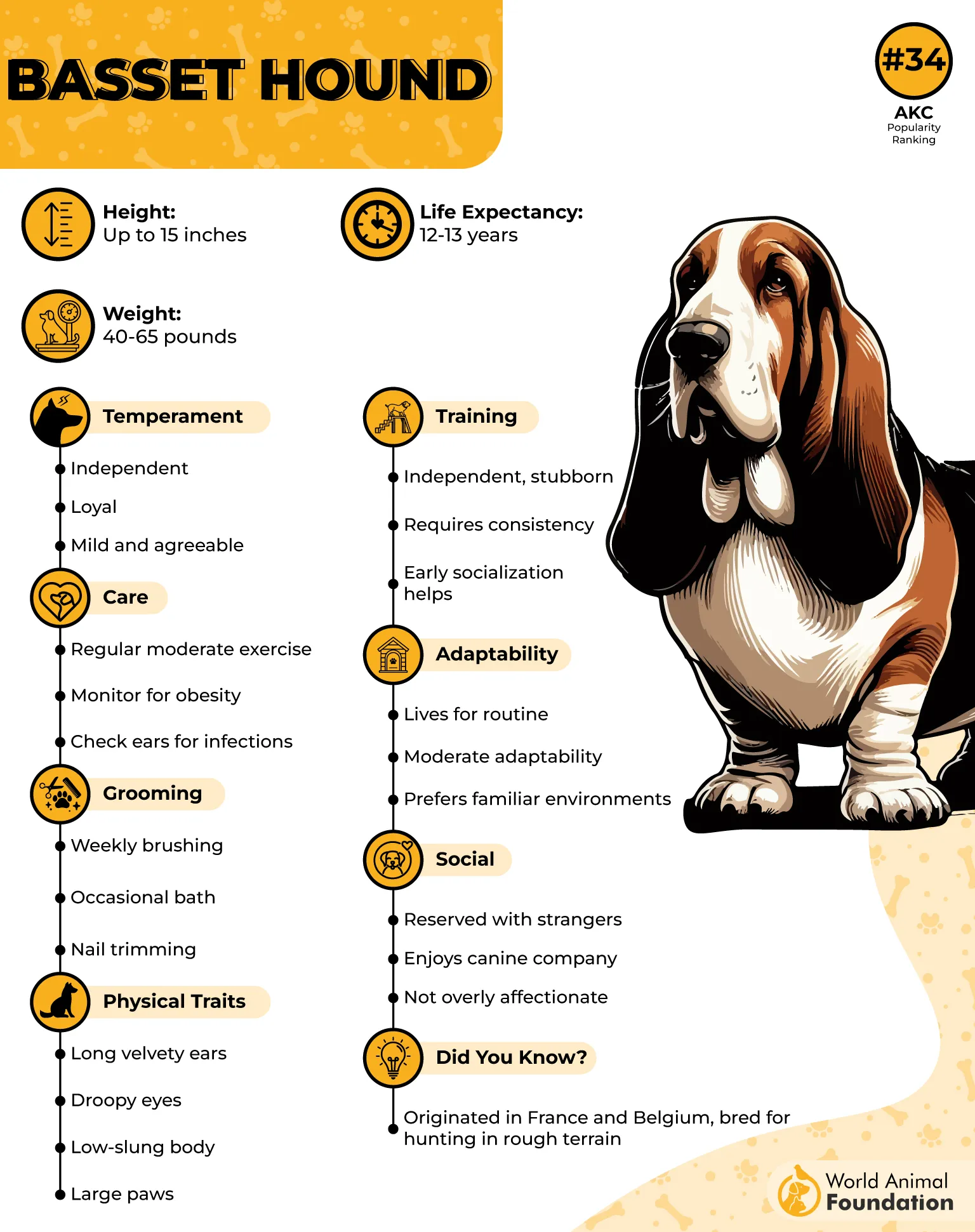
The Basset Hound has chondrodysplasia, a condition characterized by dwarfism and heavy bones. Its short legs, low center of gravity, and naturally slower metabolism mean it tires more quickly than most breeds and benefits from short breaks during more demanding activity.
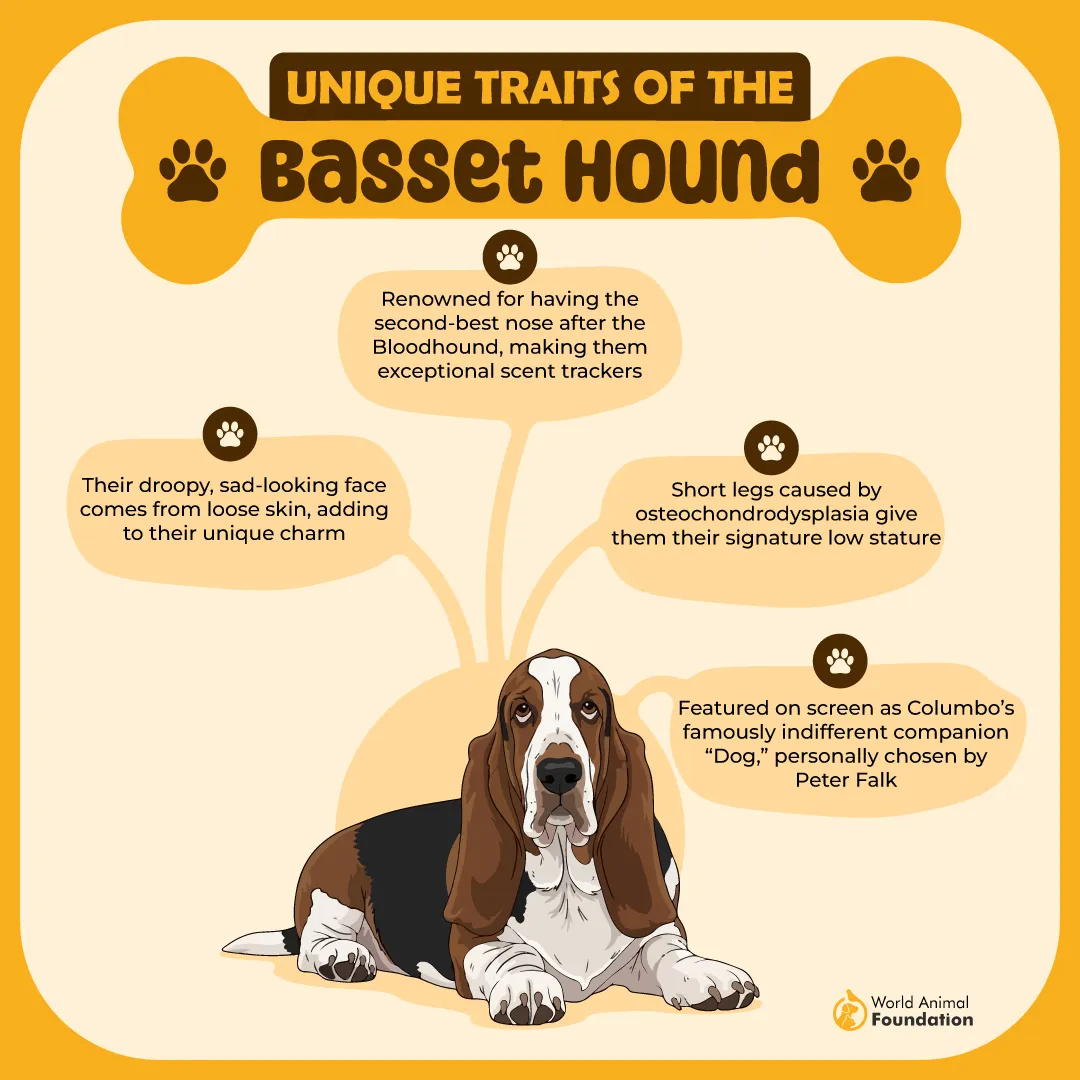
Despite this, the breed has moderate energy levels and does well with 30–60 minutes of daily exercise, including walks, scent tracking, leash work, and basic obedience training. Its short, smooth coat is low-maintenance, needing just a weekly brush to remove dust and distribute natural oils evenly.
5. Italian Greyhound
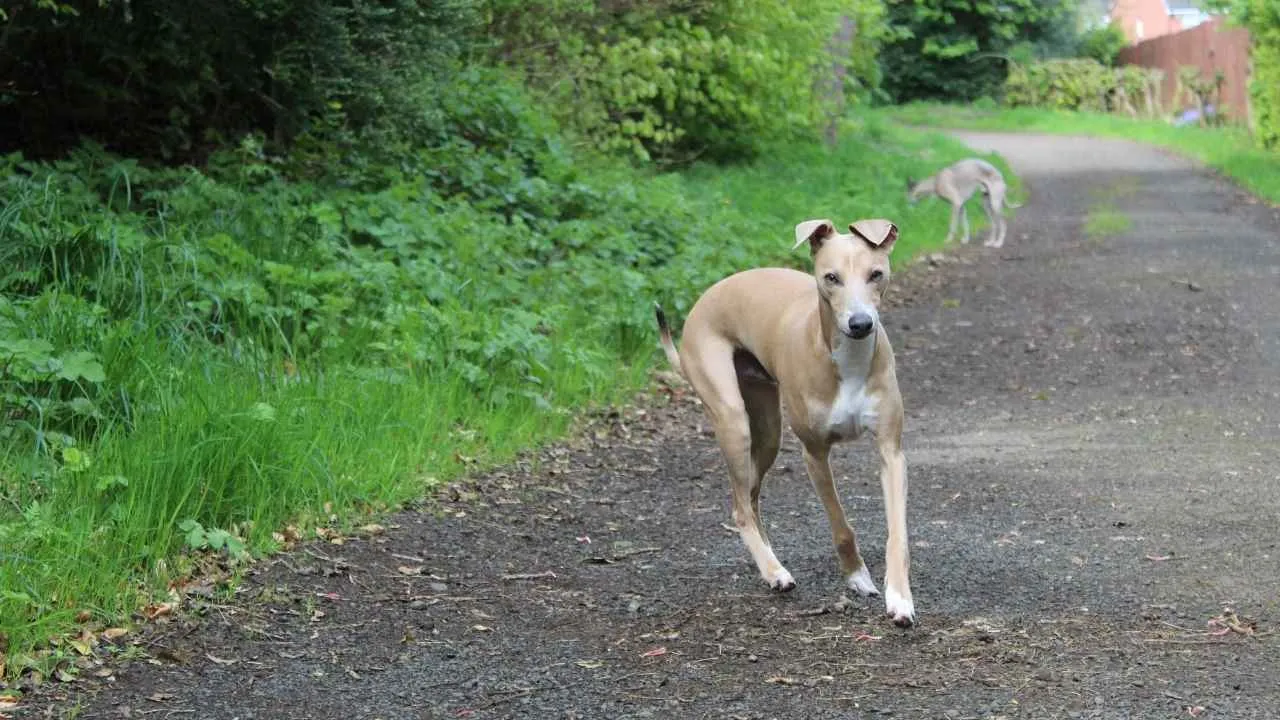
Originating in Italy, the Greyhound was bred as a sighthound, built to hunt hares and rabbits. It can reach speeds of up to 25 mph, making it a natural at dog sports and agility. Much of that speed comes from its distinctive tucked abdomen, which reduces air resistance while running.
The coat produces very little dander and lacks natural oils, resulting in minimal to no dog odor: a bonus for owners with sensitive noses. Despite its athletic build, the Italian Greyhound does not need constant exercise.
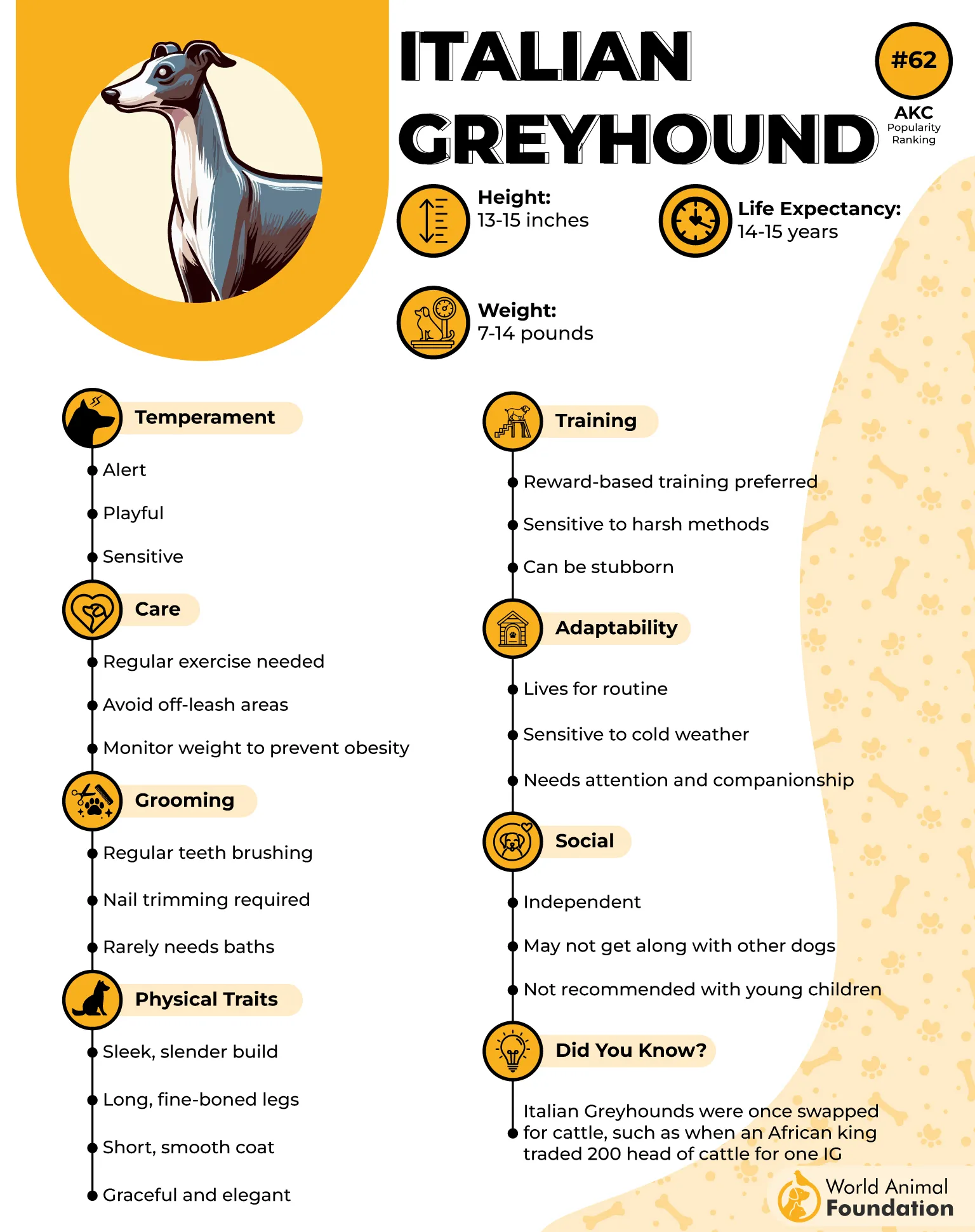
After a good run, it is perfectly happy to sleep for extended stretches. It also has a distinctly cat-like personality: it licks its paws and coat to remove debris and carries an independent streak.
Grooming is refreshingly simple: occasional baths and a brush with a grooming mitt or soft bristle brush when needed. Exercise-wise, the breed tends to move in short, enthusiastic bursts before happily returning to rest mode. Leisurely walks and interactive play sessions are more than enough to keep it satisfied.
6. Boston Terrier
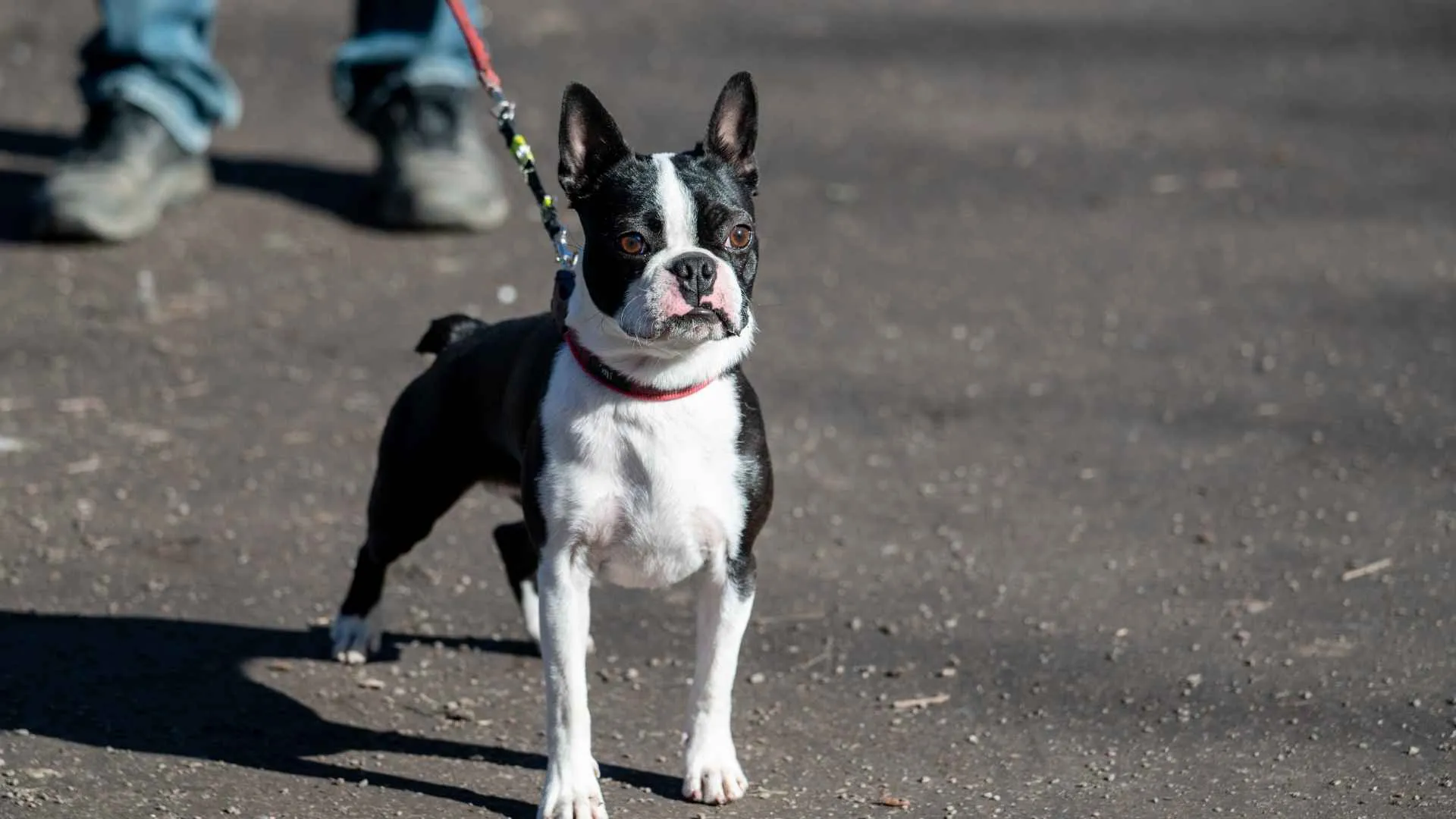
Developed in the United States, the Boston Terrier is a non-sporting breed with plenty of charm. It is affectionately nicknamed the ‘American Gentleman’ for its distinctive tuxedo-like coat: a white base with dark markings across the chest. Eager to please and quick to learn, it is one of the more trainable breeds on this list.
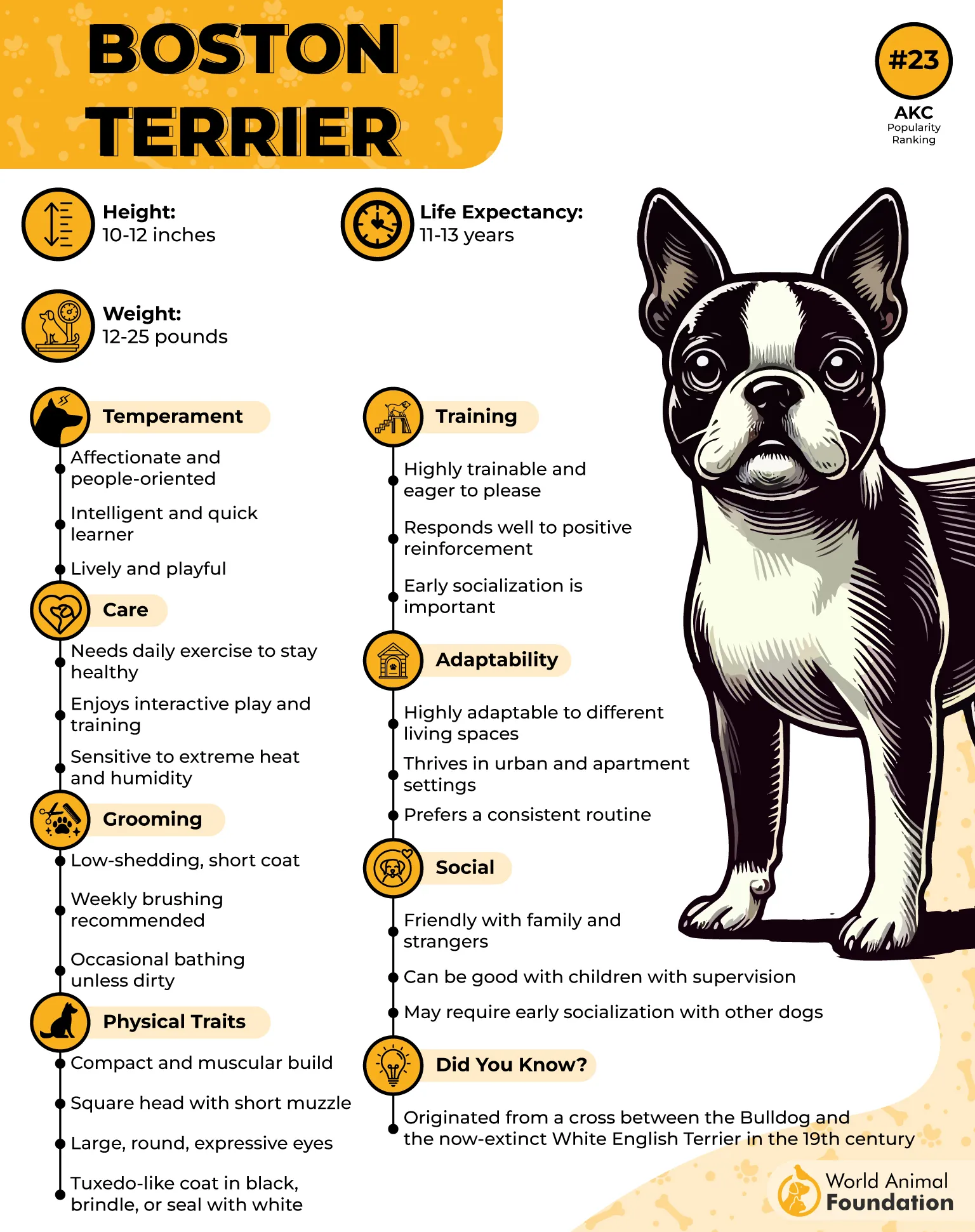
Weighing between 10–25 pounds and standing 15–17 inches tall, it is compact and easy to travel with. Its body is built for short bursts of energy rather than sustained activity. Unlike many other short-snouted breeds, the Boston Terrier is less prone to drooling; a welcome trait for anyone who prefers a tidy home.
Grooming is straightforward: weekly brushing is sufficient, along with regular cleaning of facial wrinkles to prevent skin infections. As a brachycephalic breed, it can struggle to regulate body temperature in the heat, so outdoor exercise is best avoided on hot summer days.
7. Dachshund
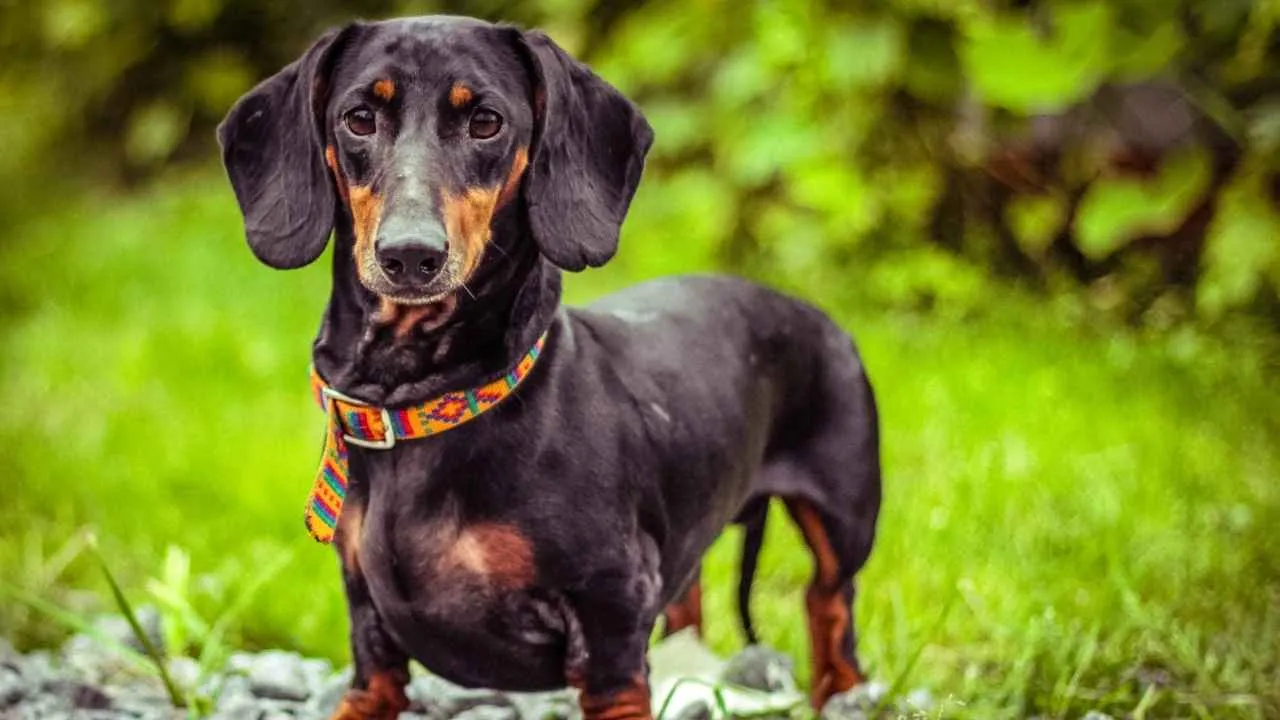
The Dachshund was originally developed in Germany as a hunting dog. The name comes from two German words: ‘dachs’ meaning badger, and ‘hund’ meaning dog, reflecting its original purpose of hunting badgers through tight underground burrows. Its elongated body and short legs made it perfectly suited for navigating narrow spaces.
Because of its long spine, the Dachshund is prone to spinal issues, most notably Intervertebral Disc Disease (IVDD). High-impact activities like jumping and stair climbing are best avoided.
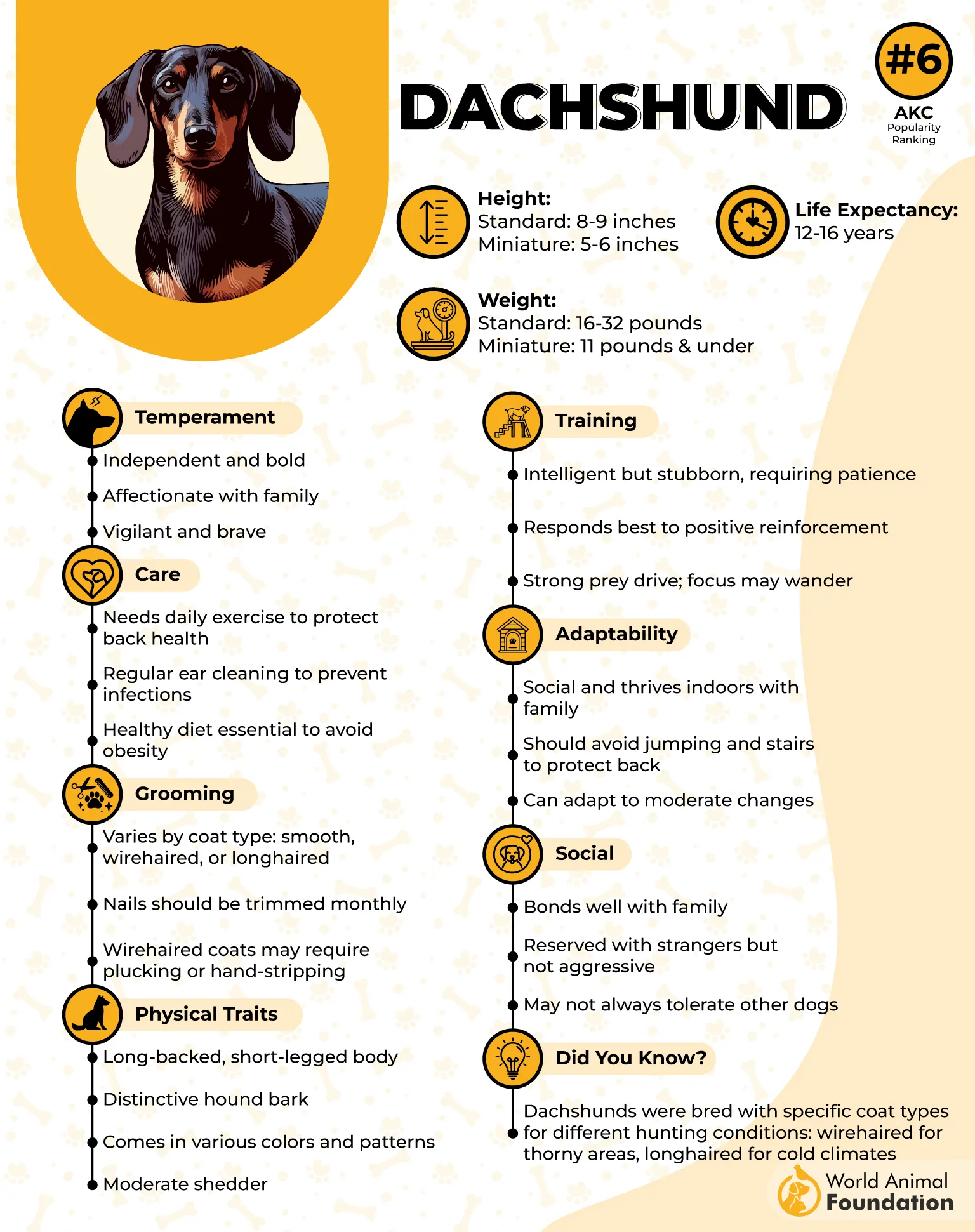
Moderate exercise is the way to go: brisk walks, scent games, and plenty of mental stimulation keep this breed happy without putting strain on its back.
The coat comes in three varieties: shorthaired, which is low maintenance and needs just a weekly brush; longhaired, which benefits from brushing two to three times a week; and wirehaired, which requires daily brushing and occasional hand stripping. Its floppy ears can trap moisture and bacteria, so regular ear cleaning is essential.
8. Whippet
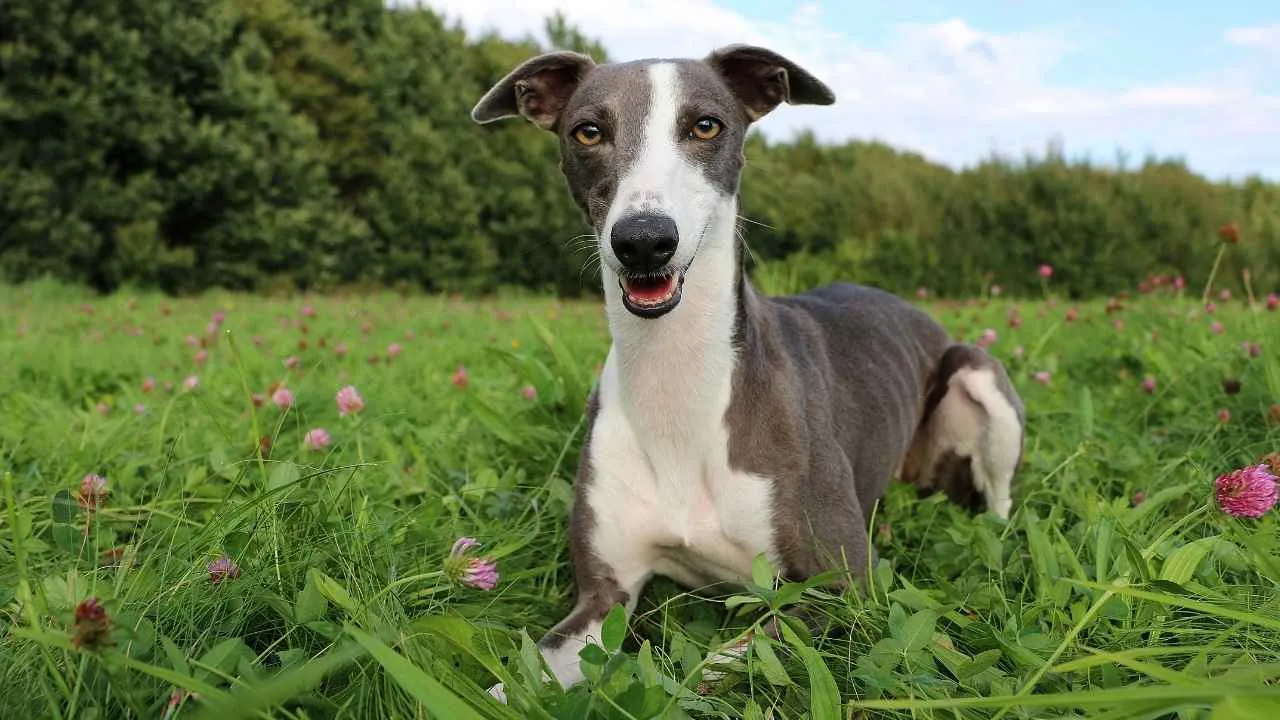
Coal miners in northern England were fond of sporting dogs, particularly the Greyhound. Since the breed was large and demanded plenty of space, miners began selectively breeding smaller dogs to create a Greyhound-inspired companion with a more manageable size and minimal grooming needs. The result was the Whippet.
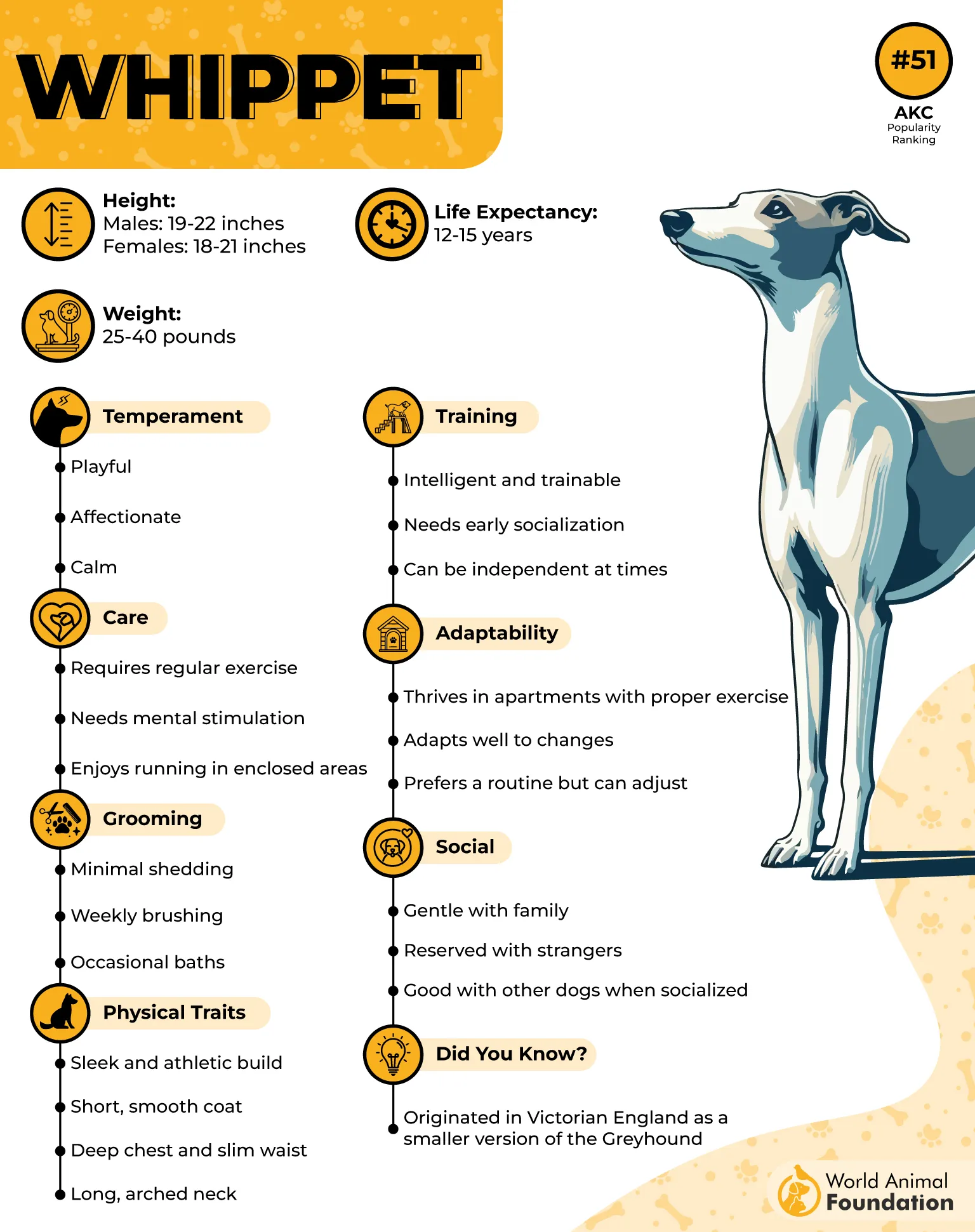
As a sighthound, the Whippet follows a familiar pattern: rapid bursts of energy followed by longer periods of rest. Just 45–60 minutes of daily physical and mental stimulation is enough to keep it satisfied. It is an affectionate breed that bonds closely with its people, though its lean frame and low body fat make it sensitive to cold temperatures.
Grooming is simple: a weekly once-over with a hound grooming mitt and soft bristle brush is all it takes. Monthly baths are sufficient, as over-bathing can strip natural oils and lead to dry, flaky skin. Nails should be trimmed every two to three weeks, as long nails can cause the Whippet to slip on hard floors.
9. Greyhound
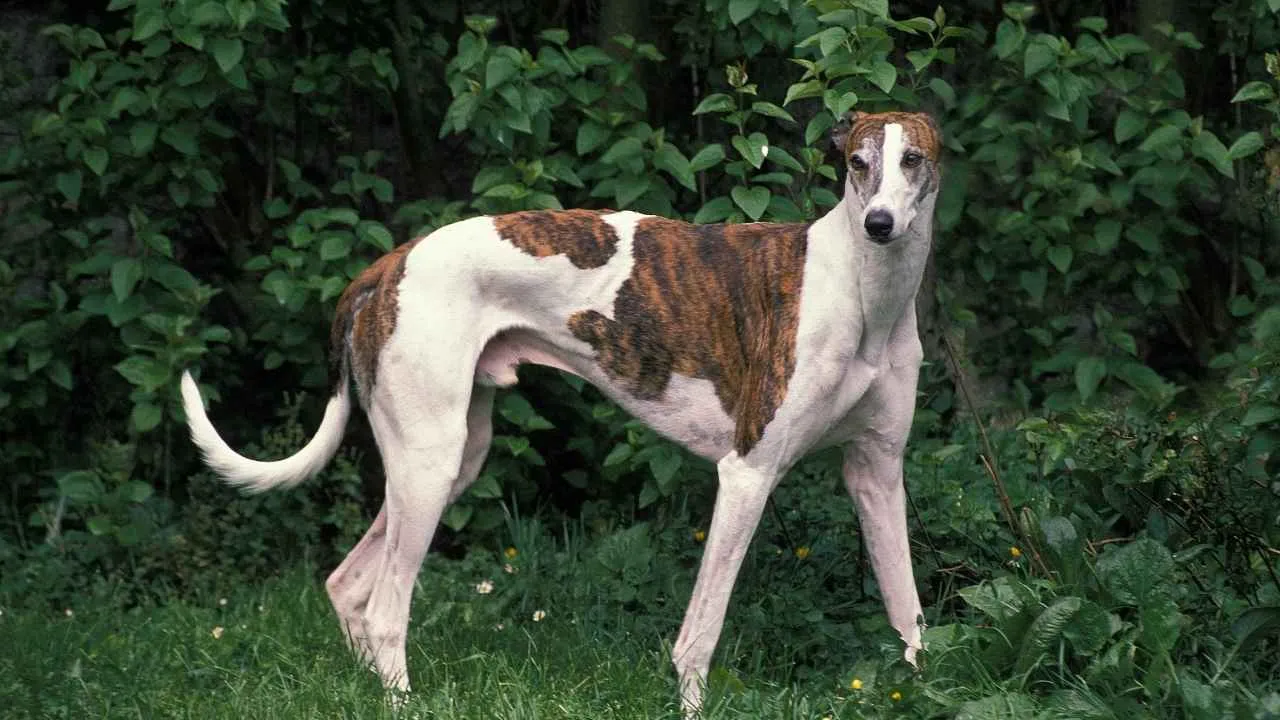
The Greyhound is the fastest dog breed in the world, capable of reaching speeds of up to 45 mph. Weighing between 60–70 pounds and standing 27–30 inches tall, it is a large and athletic breed, yet surprisingly calm at home, sleeping anywhere from 12–18 hours a day.
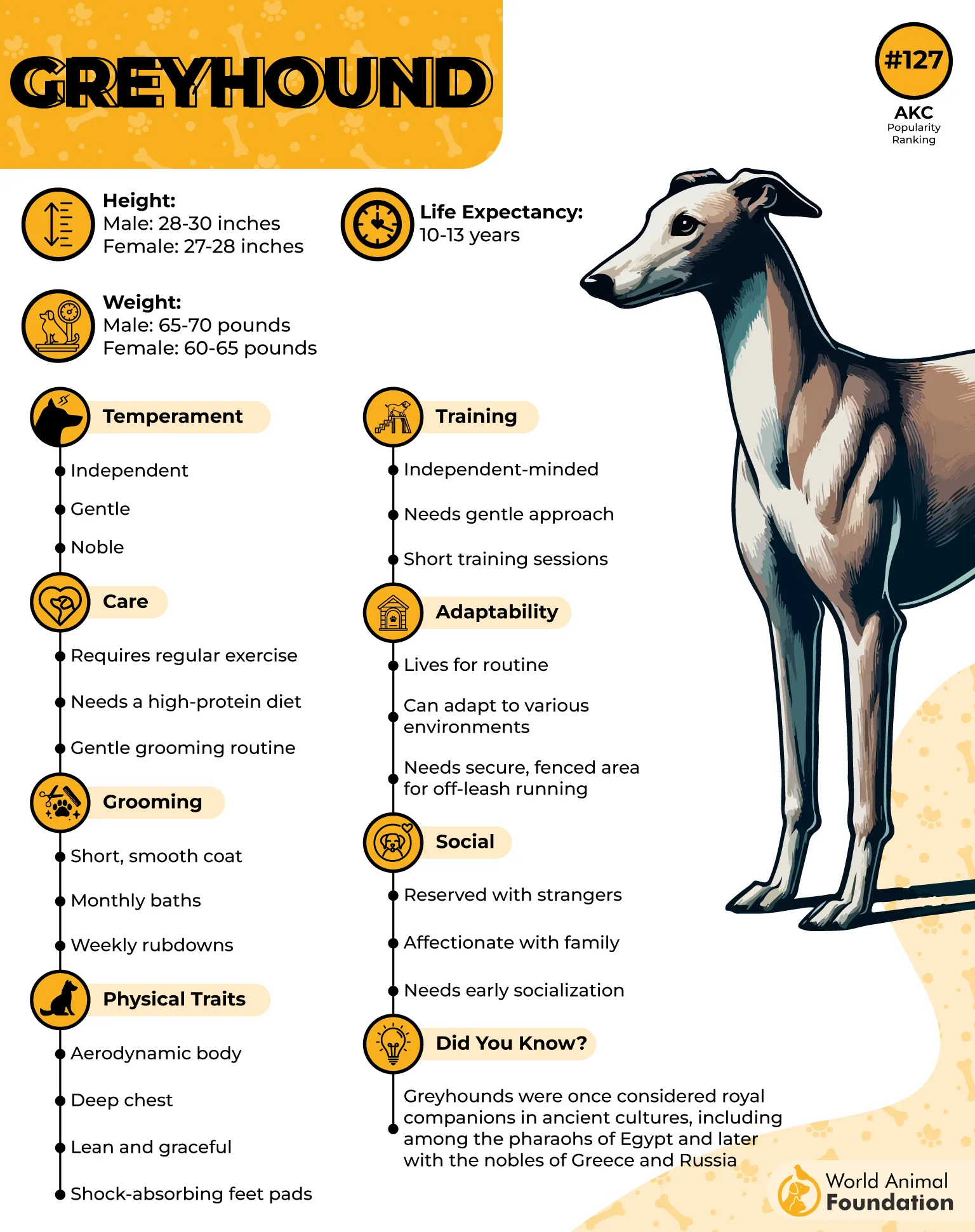
Despite being high-energy in short bursts, the Greyhound has very low body fat and expends energy efficiently through light muscle activity, which means it does not need constant exercise to stay content. Its single coat lacks oil-producing glands, resulting in minimal body odor, and the breed takes care of much of its own grooming.
30–60 minutes of daily exercise is enough: a 20–30 minute walk paired with leash training works well, though its strong prey drive means it should always be kept on a leash in open areas. Due to its low body fat and thin coat, the Greyhound is sensitive to cold and will appreciate a dog coat or sweater during winter months.
Conclusion
Choosing the best dog breeds should never be about finding the easiest options. It should be about finding the right match for your lifestyle. Every dog needs care, training, affection, and responsible ownership. However, some breeds can make the journey more manageable for busy individuals and families.
Think of it like choosing the right travel companion. Some friends want to climb mountains every weekend, while others are perfectly happy sharing coffee and conversation. Low-maintenance breeds offer that same balance.
They bring loyalty, comfort, laughter, and companionship without demanding every spare minute of your day. When chosen thoughtfully, these dogs can fit naturally into everyday life and become beloved family members for years to come.
