





Looking for a dog that can handle an active routine without creating a second job at home? That combination is more realistic than it sounds. An energetic dog does not automatically require complicated grooming, elaborate care, or endless hours of structured activity.
Some breeds have short, easy-care coats, easy grooming needs, and enough stamina for walks, hikes, play sessions, or outdoor adventures. Others are naturally adaptable and can settle comfortably after getting the exercise they need. The important part is knowing where the balance lies for you.
A dog that looks easy to care for may still have intense exercise needs, while another may be athletic without demanding constant maintenance. Breed size, coat type, energy level, trainability, and daily care requirements deserve careful consideration.
The best matches can fit into your schedule without making everyday dog care unnecessarily complicated. Here are the breeds worth considering for households.
Key Takeaways
The right dog can enjoy your walks, playtime, and outdoor plans without making everyday care feel complicated.
Cavalier King Charles Spaniels bring a sporting side to their gentle nature, while French Bulldogs prefer shorter outings and plenty of time with their people.
Pugs keep things even more relaxed, with short walks and indoor games often enough to keep them happy and engaged.
The list then moves through playful Boston Terriers, tiny Chihuahuas, easygoing Maltese, and the ever-curious Dachshund, each bringing a different idea of low-maintenance living.
Fantastic Low-Maintenance Dog Breeds for Active Lifestyles
1. Cavalier King Charles Spaniel
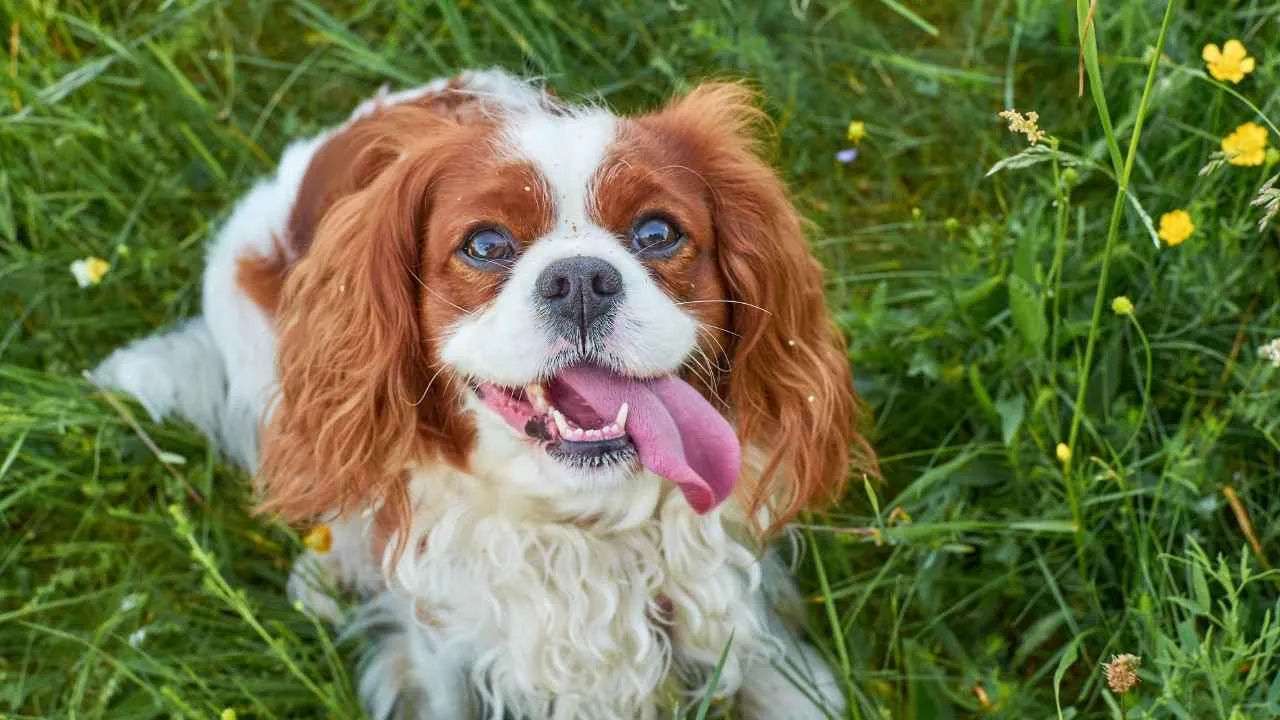
Cavalier King Charles Spaniel descends from the small toy spaniels seen in northern European paintings from the 16th through 18th centuries.
These little dogs warmed laps in drafty castles and during chilly carriage rides, while one old English prescription even called for a “comforte dog” to sit on the Queen’s lap during a cold.
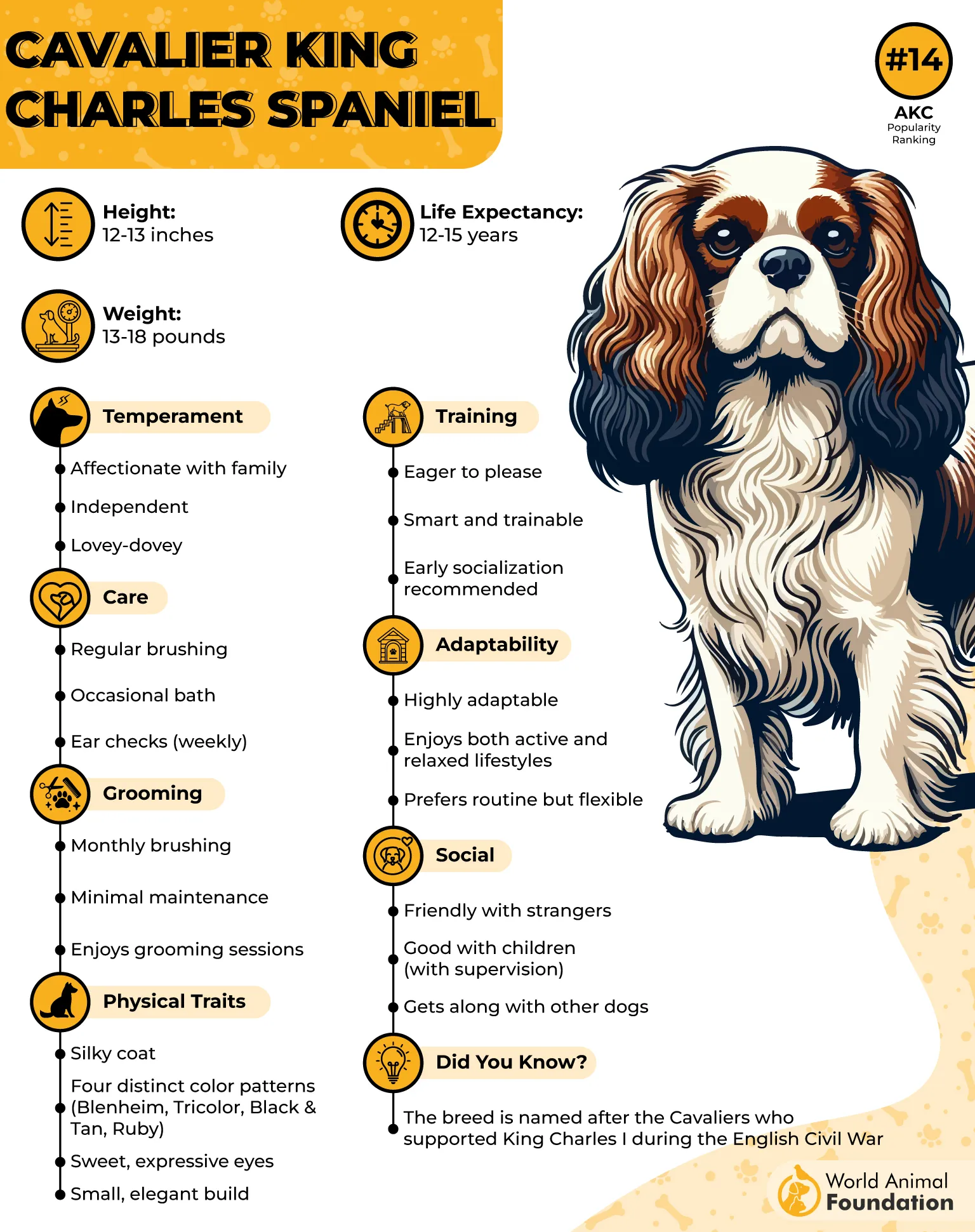
Easygoing Exercise
These spaniels have a moderate energy level, with two 20- to 30-minute walks each day usually paired with play and training, as per PetMD. Their sporting ancestry also gives them an interest in leisurely longer walks, scent work, and activities that do not depend heavily on speed.
These practical details make their routine easy to manage:
Daily brushing helps prevent ear and coat mats
Monthly baths are generally sufficient
Flyball and agility provide active mental challenges
Social by Nature
Cavalier King Charles Spaniel tends to greet unfamiliar people warmly and generally gets along with other animals, including cats.
2. French Bulldog
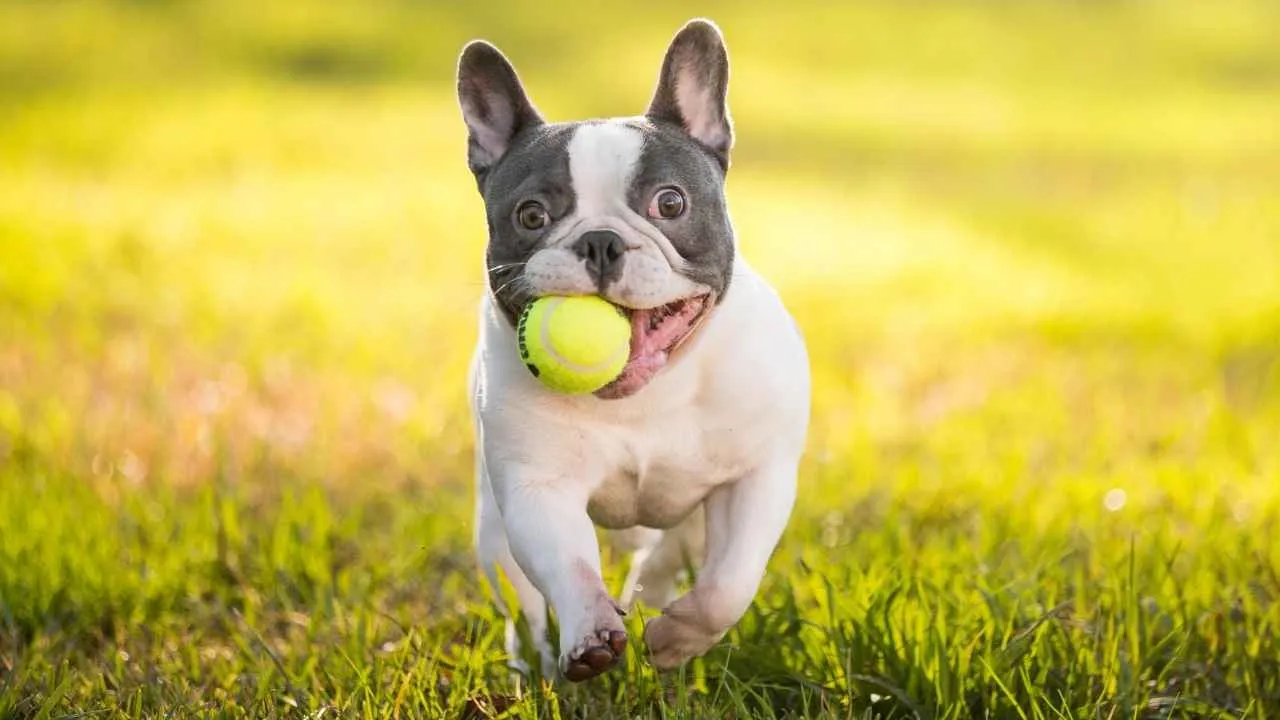
French Bulldog began in England as a smaller version of the Bulldog, gaining popularity among lace makers before accompanying workers who emigrated to France.
By 1898, the breed had received official recognition from the American Kennel Club, and its popularity later spread across the U.S., UK, and Australia.
An Easygoing Pace
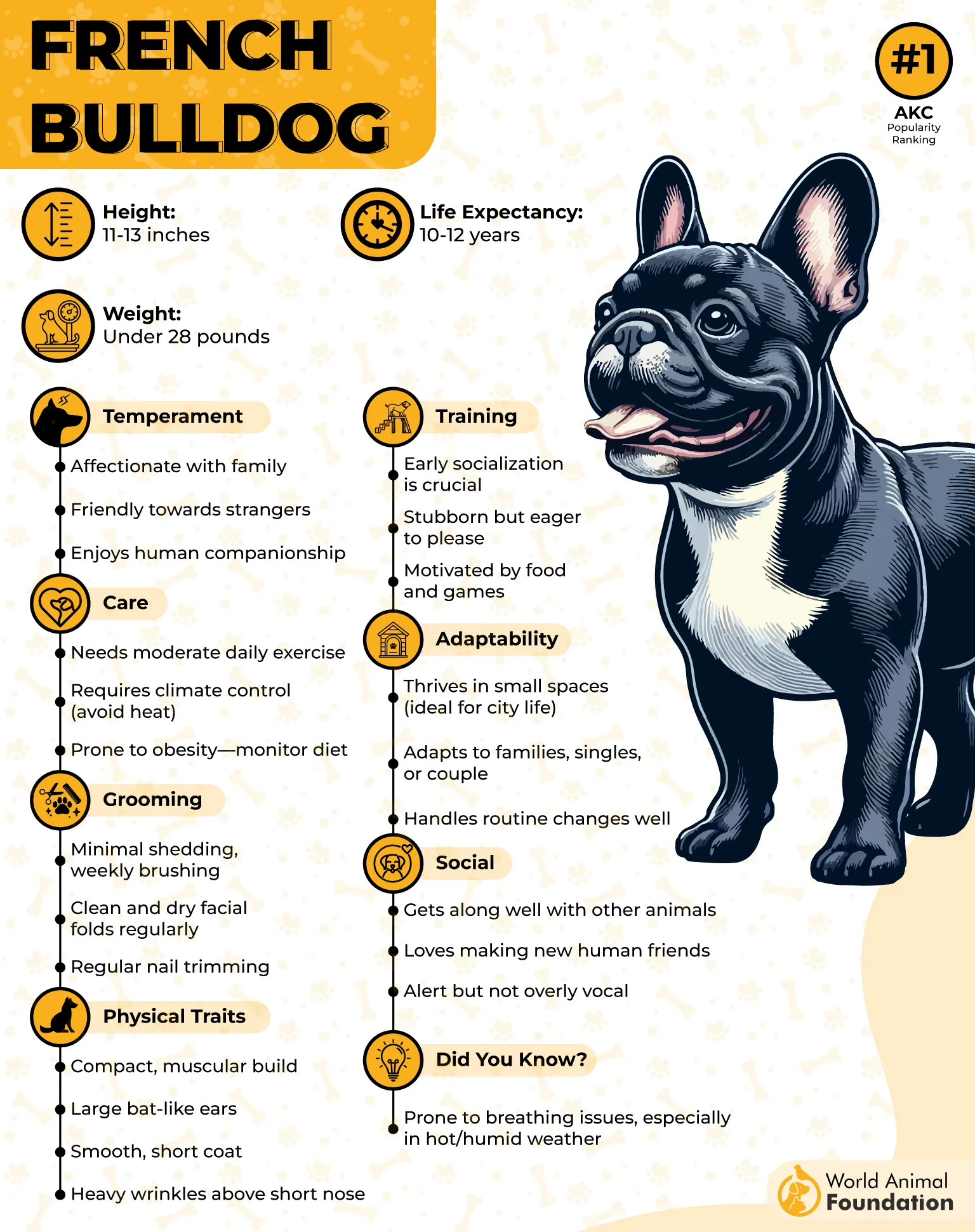
Frenchies suit a lifestyle that includes shorter outings rather than strenuous physical challenges. Its short legs and flat face make laid-back strolls, brisk neighborhood jaunts, and occasional games of fetch more suitable than demanding athletic sessions.
There are plenty of ways to keep it engaged:
Use a harness during outdoor activity
Dog puzzles can provide mental enrichment
Scent work offers a simple indoor challenge

Social by Nature
This low-maintenance breed generally gets along well with children, babies, cats, and other dogs when introductions are handled properly, as the AKC claims. Early training and socialization can also help shape polite greetings and calmer behavior when unfamiliar people or animals arrive at home.
3. Pug
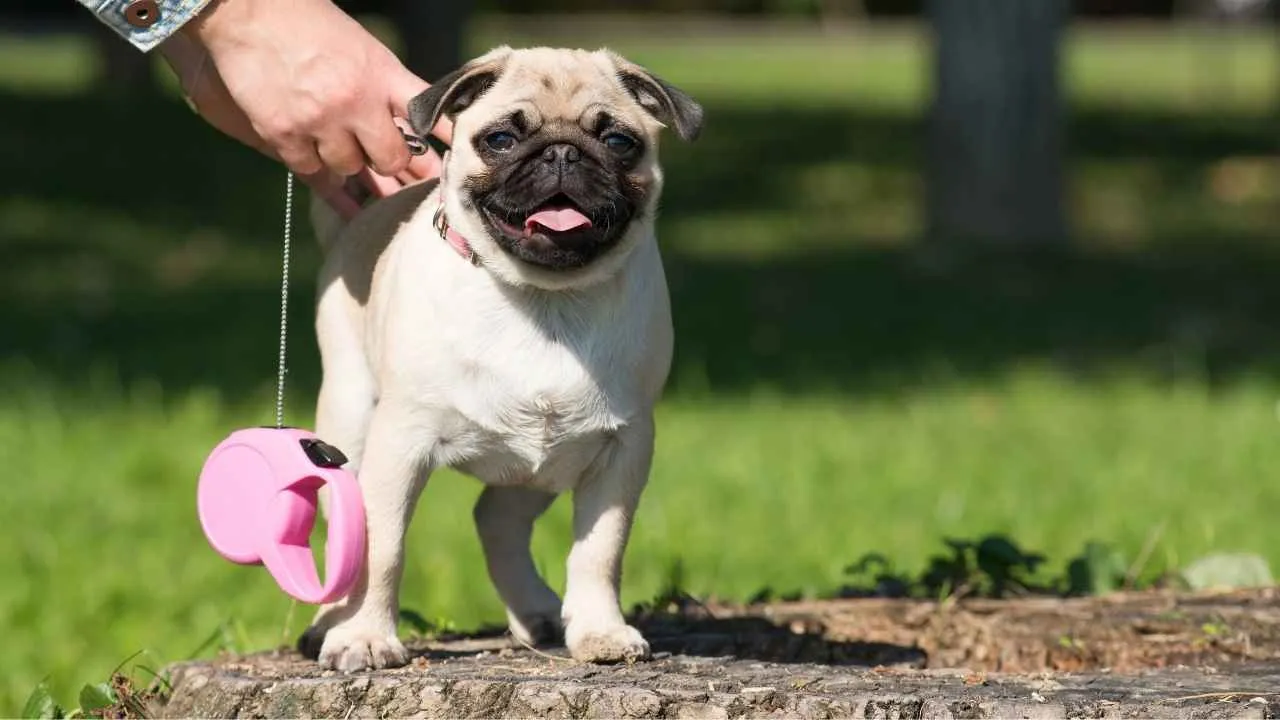
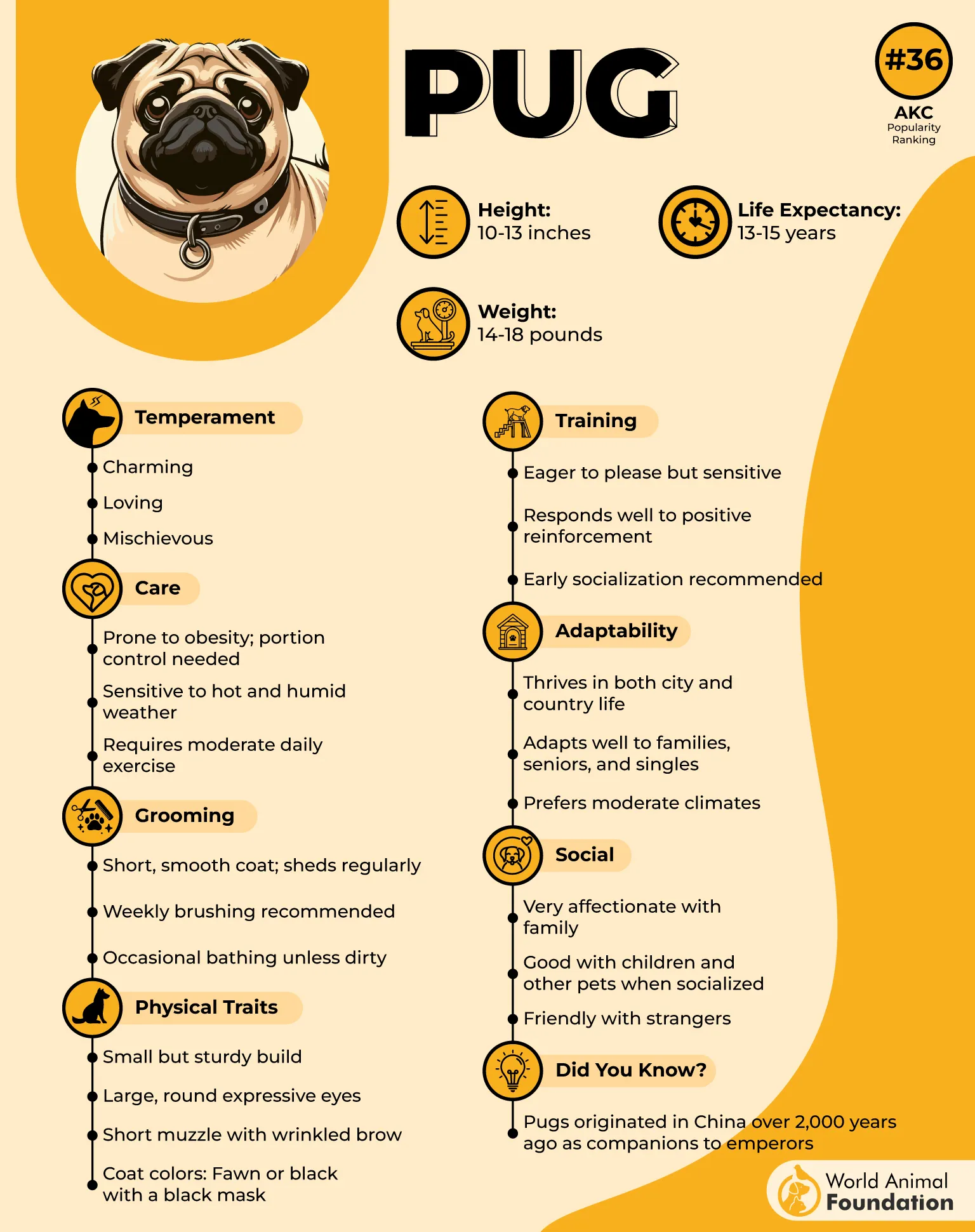
The pug originated in China, where its small size, round head, and deeply expressive face distinguished it from larger mastiff-type dogs.
Dutch East India Company trading ships later brought these dogs to Holland, linking the breed with the House of Orange after one famously alerted Prince William to approaching Spanish soldiers in 1572.
Easygoing Activity
These affectionate dogs have fairly low energy needs, making their daily routine easier to manage than that of breeds built for intense physical work. Most need less than an hour of exercise, with short walks and indoor games fitting their natural pace.
These specifics make their activity level easier to picture:
Typical speed: 5 to 10 mph
Short fetch games suit them well
Agility is possible for some Pugs
A Social Little Character
Pugs enjoy being included when something interesting is happening and can become especially animated when family activities begin. Its friendly nature also makes it a good match for children, babies, and other pets when interactions are handled carefully.
4. Boston Terrier
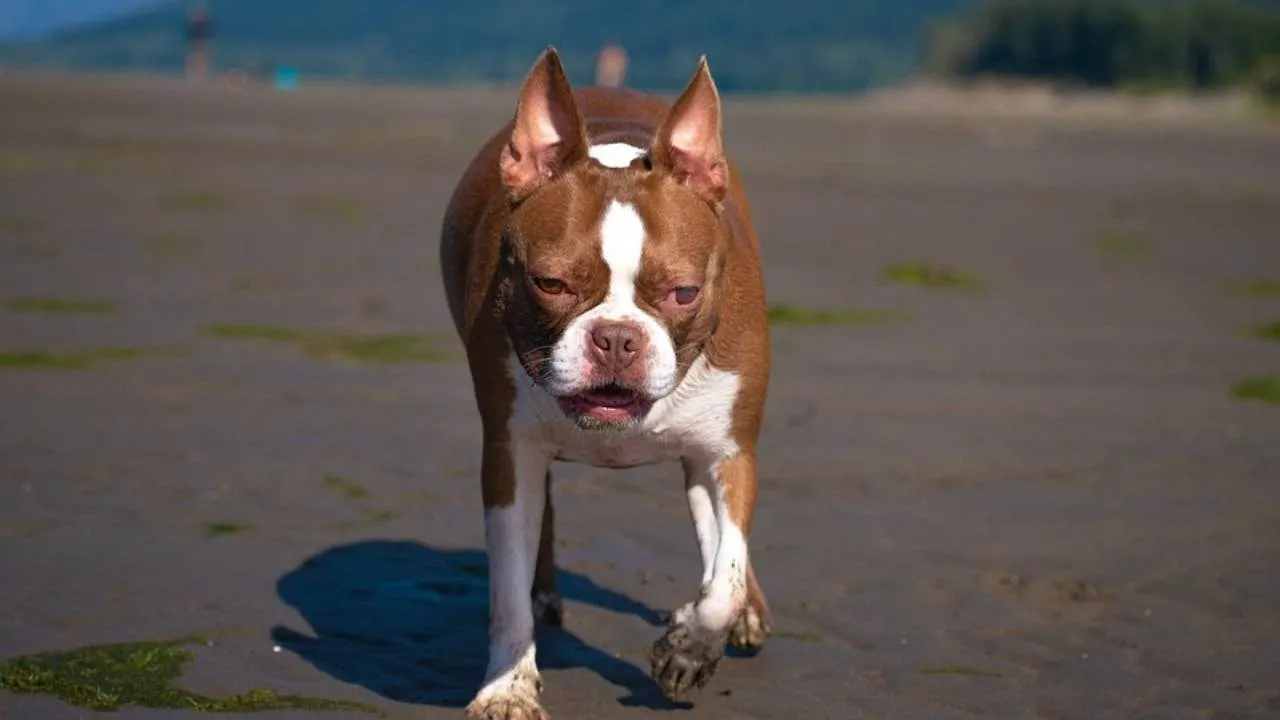
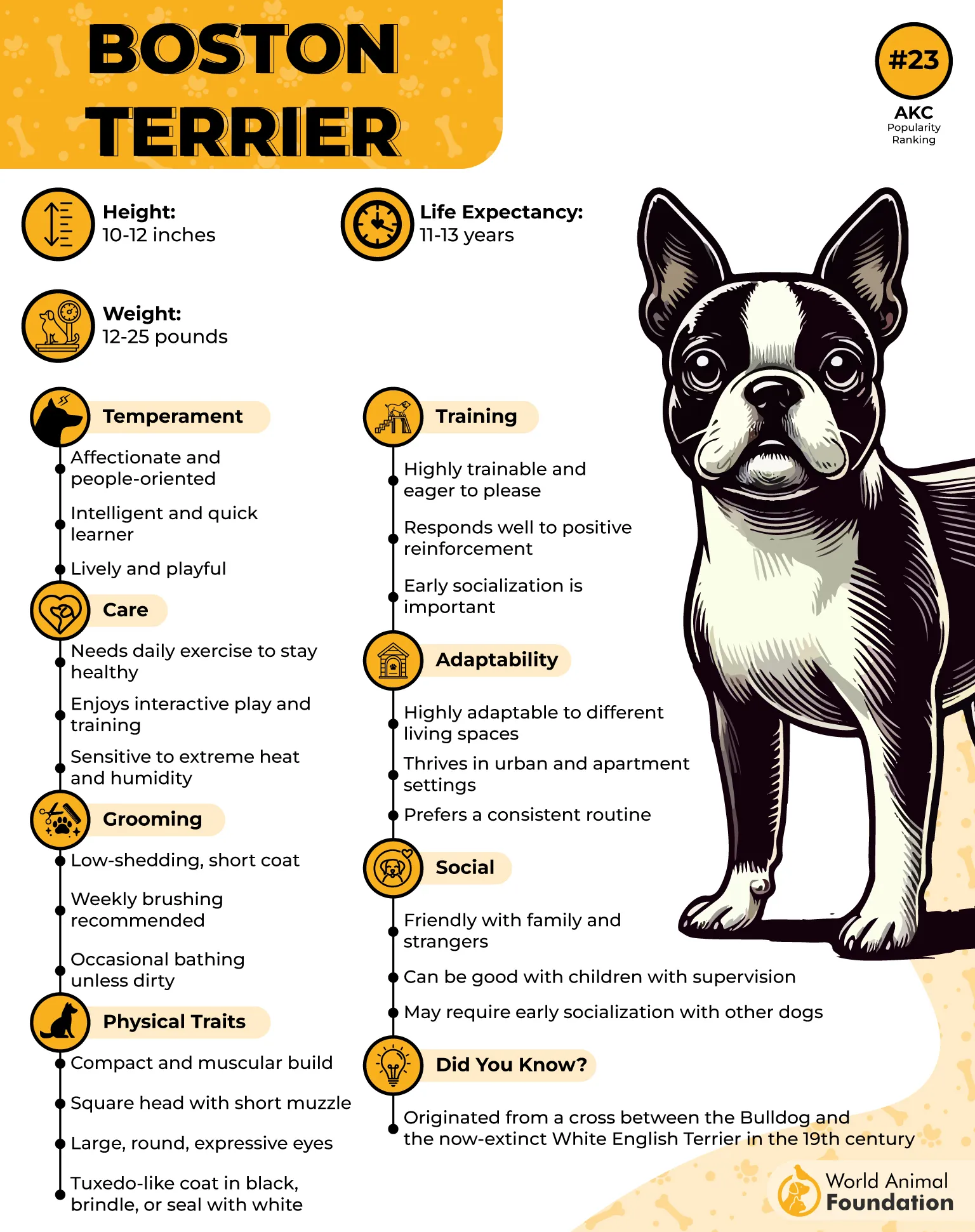
Boston Terrier was originally bred in the United States during the late 1800s, when a Bull and Terrier type dog was crossed with a French Bulldog. The American Kennel Club recognized the breed in 1893, and it became one of the relatively few breeds originating in the USA.
Built for Active Days
Boston Terrier has a moderate energy level, yet a quick bathroom break is hardly enough activity for this playful little dog. Up to an hour of walking and daily play can meet its physical needs, while puzzle toys and interactive games add mental work.
Three activities can add variety to that routine:
Obedience training for focused learning
Agility trials for active challenges
Flyball for fast-paced play
The Social Side
These playful dogs are highly attached to their people and can become unhappy when left alone for long periods. Early socialization matters too, since an exuberant Boston may overwhelm shy dogs, while a well-socialized one can enjoy interactions with cats, children, and other dogs, as Chewy notes.
5. Chihuahua
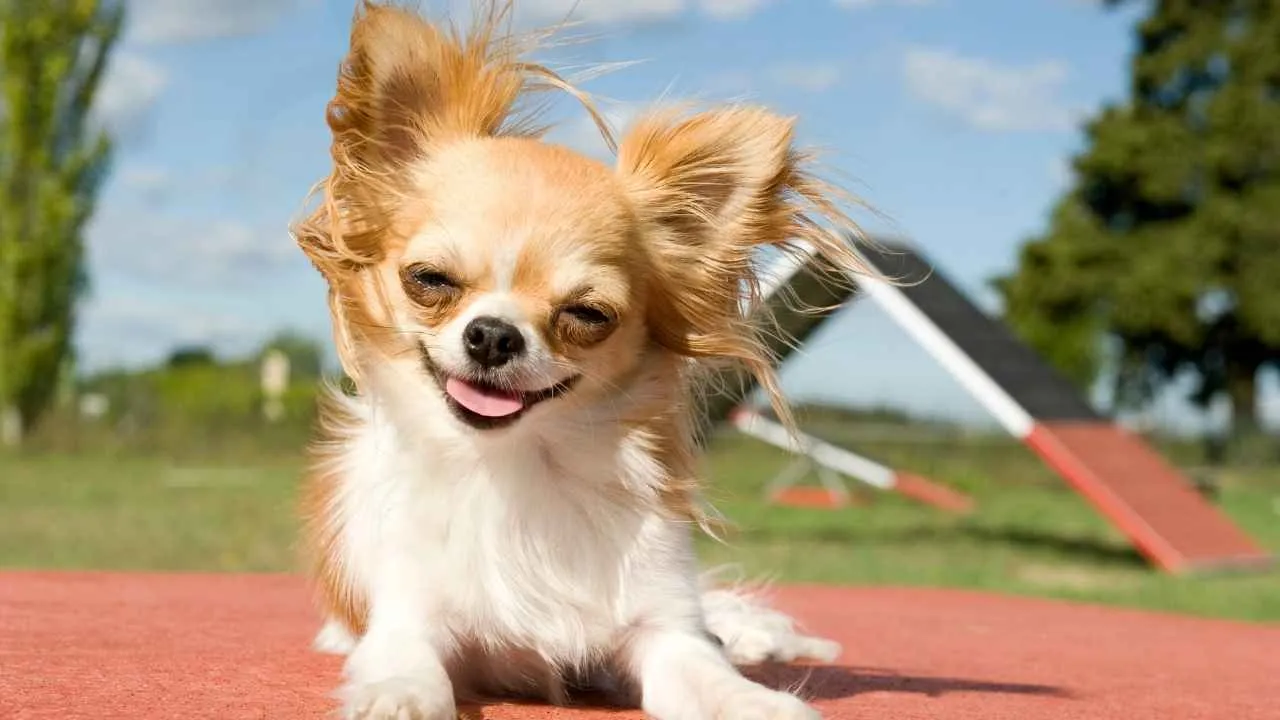
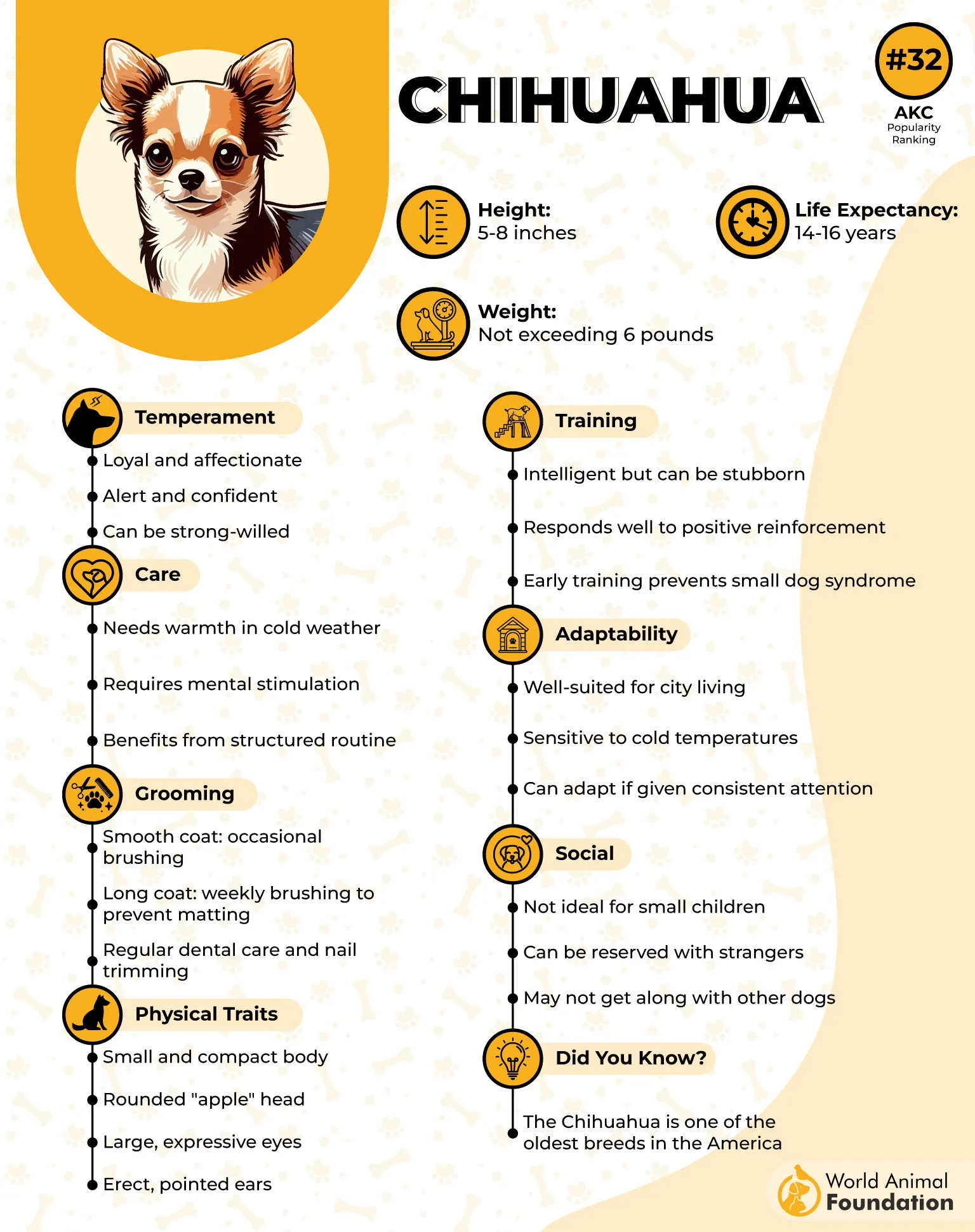
Chihuahua has an uncertain origin, with theories pointing to China or Central and South America. In 1850, several small dogs were found in Chihuahua, Mexico, and later brought into the United States as people began discovering their value as companion animals.
Small-Dog Exercise
This great companion can get its daily activity through short bursts around the house, backyard sprints, or a brief walk around the block. Long-distance running is unsuitable for such a tiny frame, while interactive toys can add mental work during quieter parts of the day.
Here’s what life with this breed looks like:
Weekly brushing for short-haired Chihuahuas
Monthly baths usually suffice
Early training helps limit excessive alert barking
Big Personality
Chihuahuas have a feisty, confident temperament and can become intensely attached to one person, often the primary caregiver. That attachment may also make the dog protective, with some Chihuahuas snapping when unfamiliar people approach their favorite person too closely.
6. Maltese
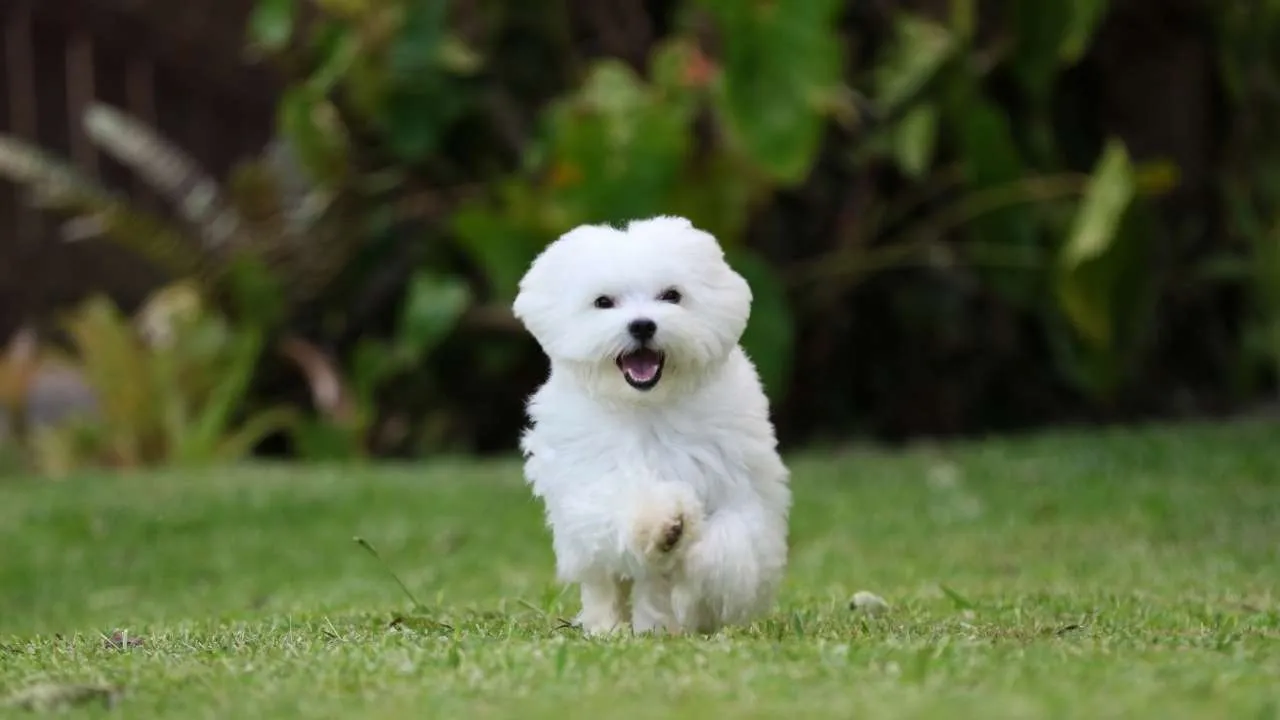
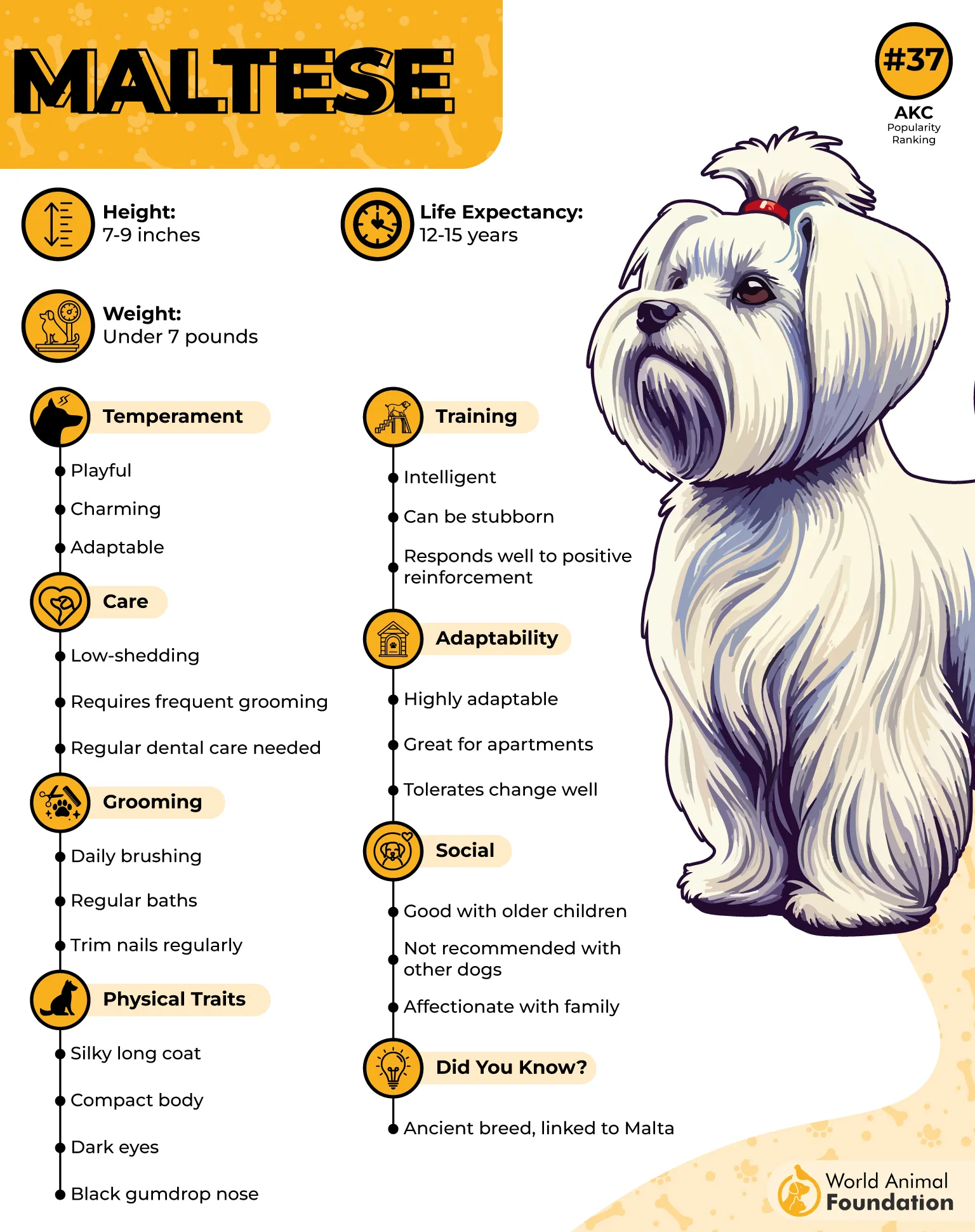
Maltese has an origin that remains unclear, with theories linking its early journey to traders who brought similar dogs through Asia into Central Europe. Records reach as far back as 300 BC, while Malta’s role as a trading port is one reason the breed became associated with the island.
Apartment-Sized Routine
Maltese needs relatively little exercise compared with highly athletic breeds, with a brisk 20- to 30-minute walk plus some play often fitting its daily routine. Indoor fetch, scent work, and interactive toys can add variety without requiring a large outdoor space.
These characteristics make its compact lifestyle easier to understand:
Can enjoy apartment or larger-home living
Playful well beyond puppyhood
Quick to pick up training
A Small, Alert Companion
This cute dog breed can bark at sounds around the home, including noises from nearby apartments, and everyday sounds may catch its attention when no one is around. Its small frame also calls for supervision around babies, toddlers, and much larger dogs, especially during lively interactions.
7. Dachshund
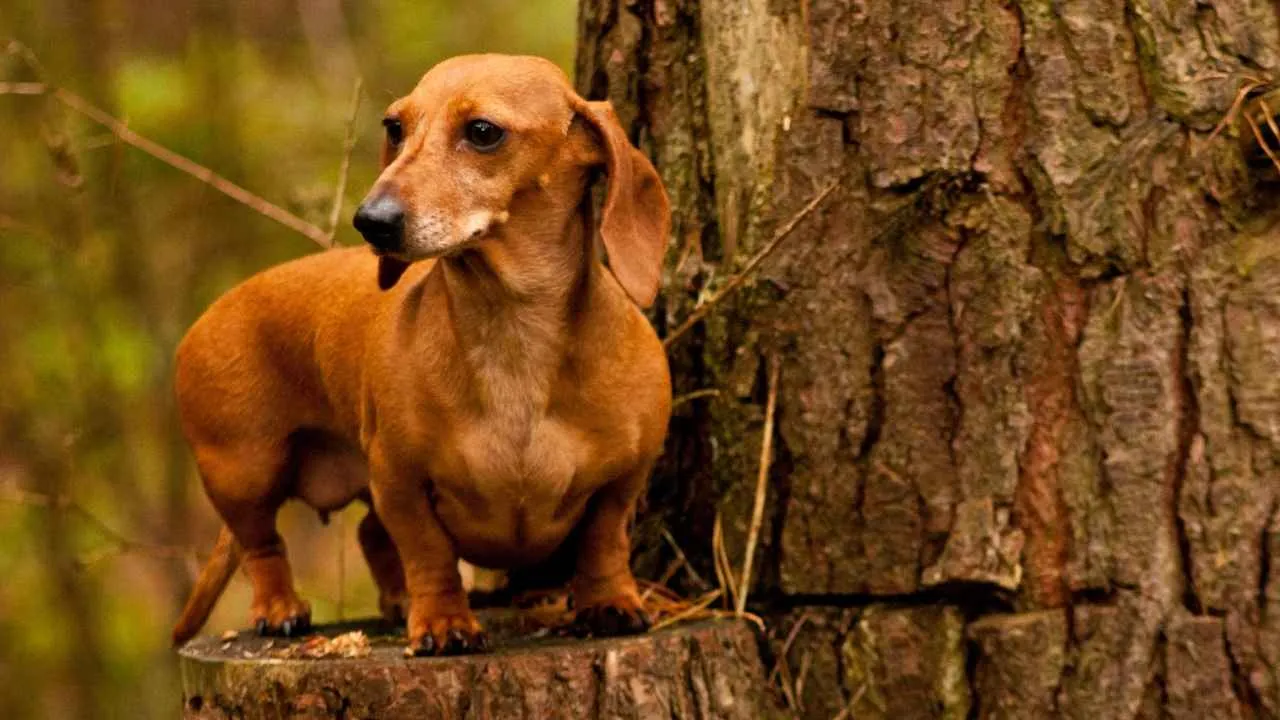
Dachshund first appeared in written records during the 16th century, with a name drawn from the German words for badger and dog. These compact hunters were bred to follow badgers underground, then also pursued foxes and rabbits through similarly demanding terrain.
Easy Coat Care
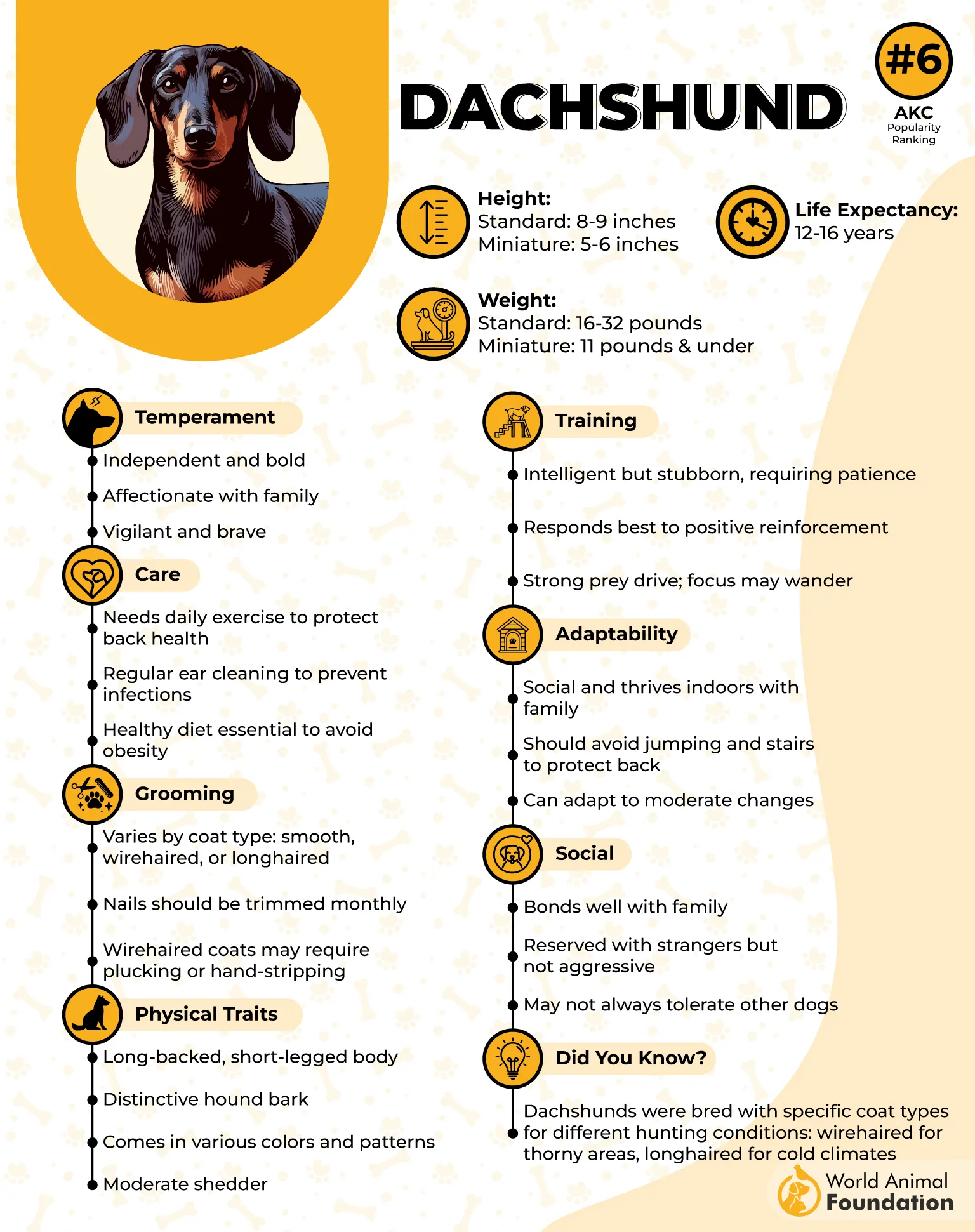
Dachshunds need surprisingly little bathing, with a wash every few months generally enough for short-haired dogs. Grooming time varies by coat type, while short-haired varieties can simply receive occasional brushing and regular wiping with a grooming glove.
Its small frame calls for careful handling:
Needs careful handling due to its fragile back and neck
Avoid jumping, tugging, and rough play
Supervised yard time helps prevent digging or wildlife chasing
A Mind With Opinions
Dachshunds are playful, bold, and famously independent, so training can require patience even when the dog understands what is being asked. Daily walks of around 30 minutes, along with play and short training sessions, give its active mind something useful to focus on.
Conclusion
An active lifestyle does not always mean choosing a dog that comes with complicated daily care. Coat type, exercise needs, size, and the dog’s temperament all influence how manageable a companion feels from one day to the next. Some dogs can join walks, games, and outdoor plans while having minimal grooming needs.
Others need shorter activities but still enjoy being included in family life. Regular exercise remains important, even when grooming is easy. Before choosing, pet parents should consider how much time they have for walks, play, training, and basic care. The right breed fits your activity level without making everyday responsibilities feel overwhelming.
