




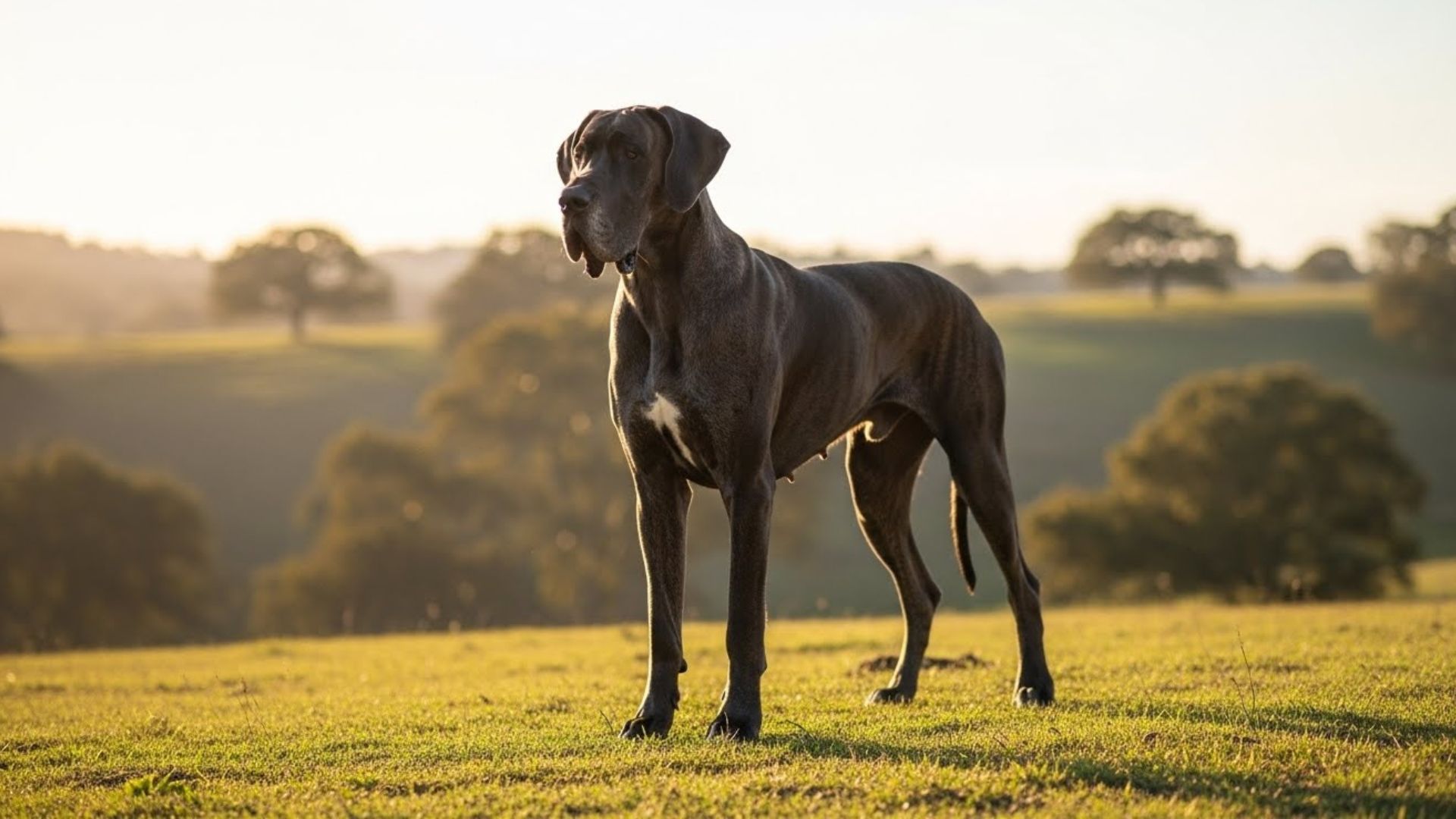
Time moves too quickly, especially when you’re sharing it with a dog. It’s hard to find a furry friend who can accompany us for the longest time possible. They fill our lives with love, memories, and unwavering loyalty but unfortunately, it never lasts long.
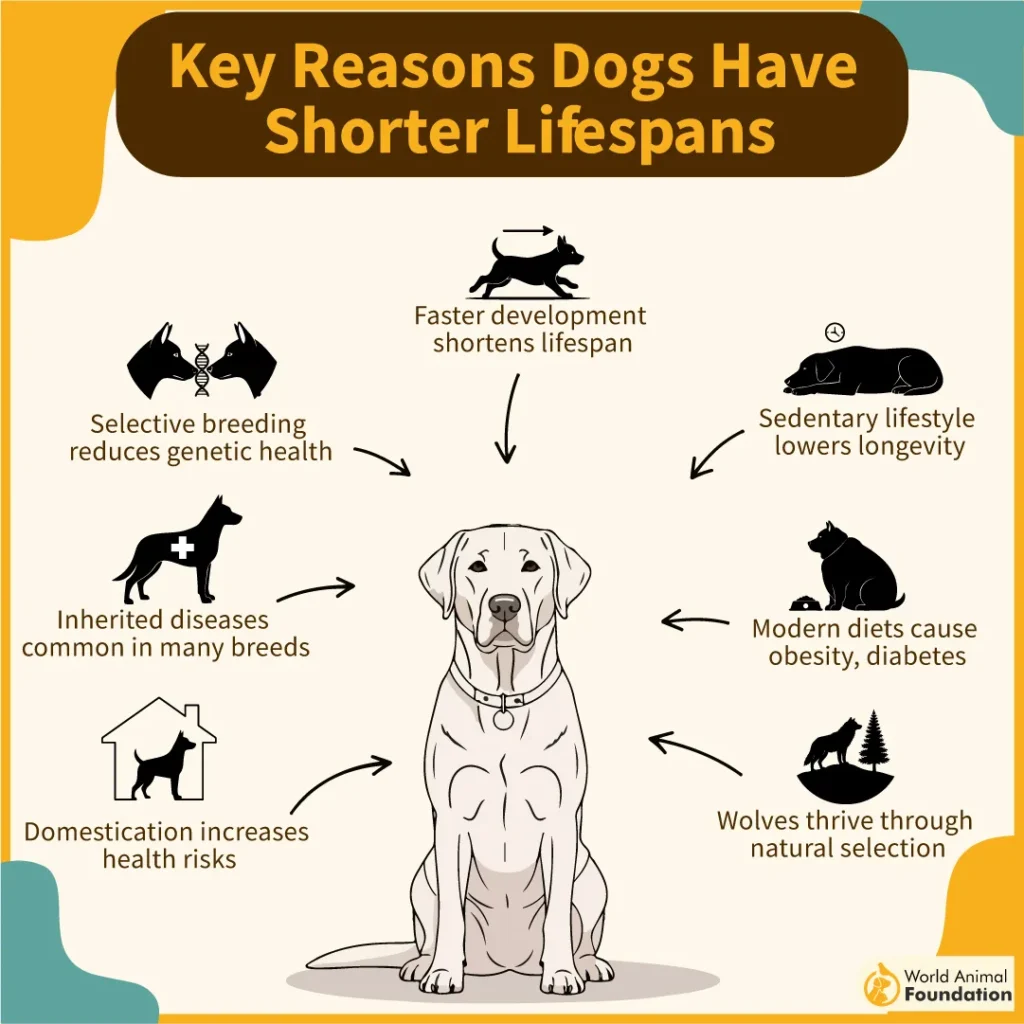
Many dog breeds, particularly gentle giants, tend to have shorter lifespan due to their large size. While other breeds are affected by genetic, breed-related health issues. Understanding these realities can be truly heartbreaking for some prospective dog owners. That being said, considering a breed’s life expectancy before bringing one home is essential.
Being informed allows potential owners to prepare emotionally and learn about preventive care and lifestyle choices that may help extend their pup’s life. In this guide, we’ll discover some big, fluffy dog breeds with shortest lifespans, along with tips to ensure they enjoy a joyful, healthy life.
Exploring Dog Breeds with Reduced Lifespans
1. Great Dane
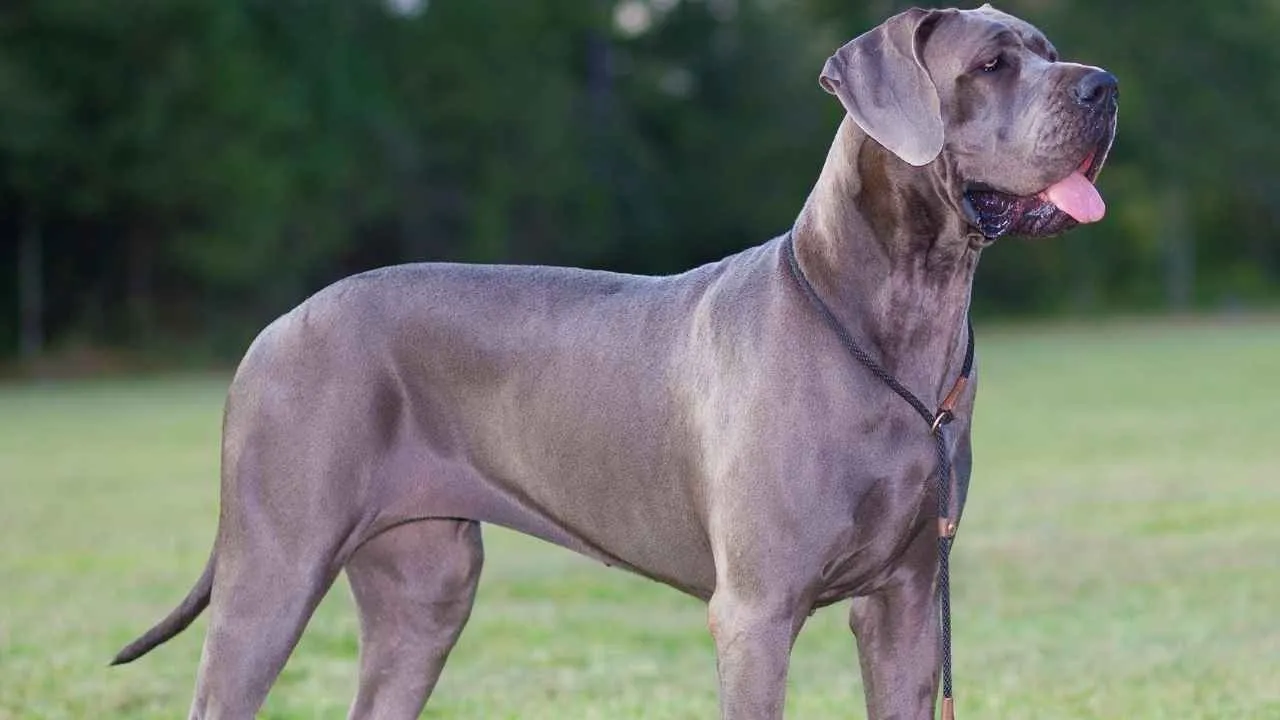
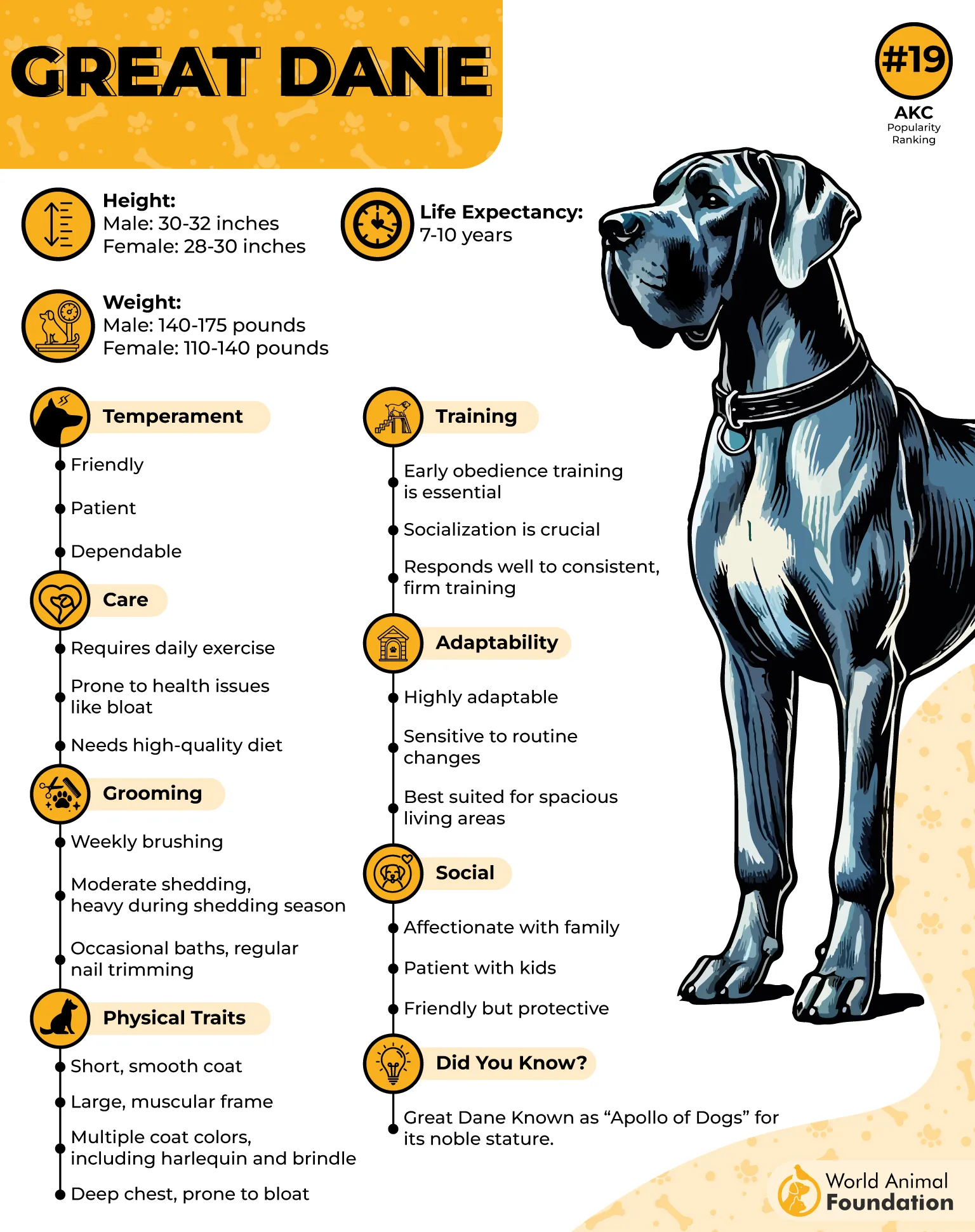
Lifespan: 7-9 years
Often called the “Apollo of Dogs”, the Great Dane stands among the world’s largest dog breeds. This larger-than-life breed has majestic and muscular built with a low-key, sweet personality. Their size may look intimidating at first, but they’re truly gentle by heart. According to PetMD, they were originally bred in Germany to hunt wild boars and guard estates.
Factors Affecting Reduced Lifespan
Gastric Dilatation-Volvulus: One of the most common health concerns in Great Dane is bloating. It is essential for owners to be aware of the symptoms, as it can lead to a life-threatening situation.
Environment: Like other dogs, Danes also need a surrounding where they can adjust with their large size easily and roam around.
Joint Problems: A common medical issue in larger breeds. The greater size and muscle can put a lot of pressure on joints, leading to problems like arthritis and hip dysplasia.
Care Tips
Regular exercise is extremely important to ensure a healthy and long life of your Great Dane. Long walks and playing fetch are best moderate exercises for this breed. Avoid strenuous activities, as there’s a higher risk of joint disease. A well-balanced diet can keep their weight in check, also extend few years in their limited lifespan.
2. Bernese Mountain Dog

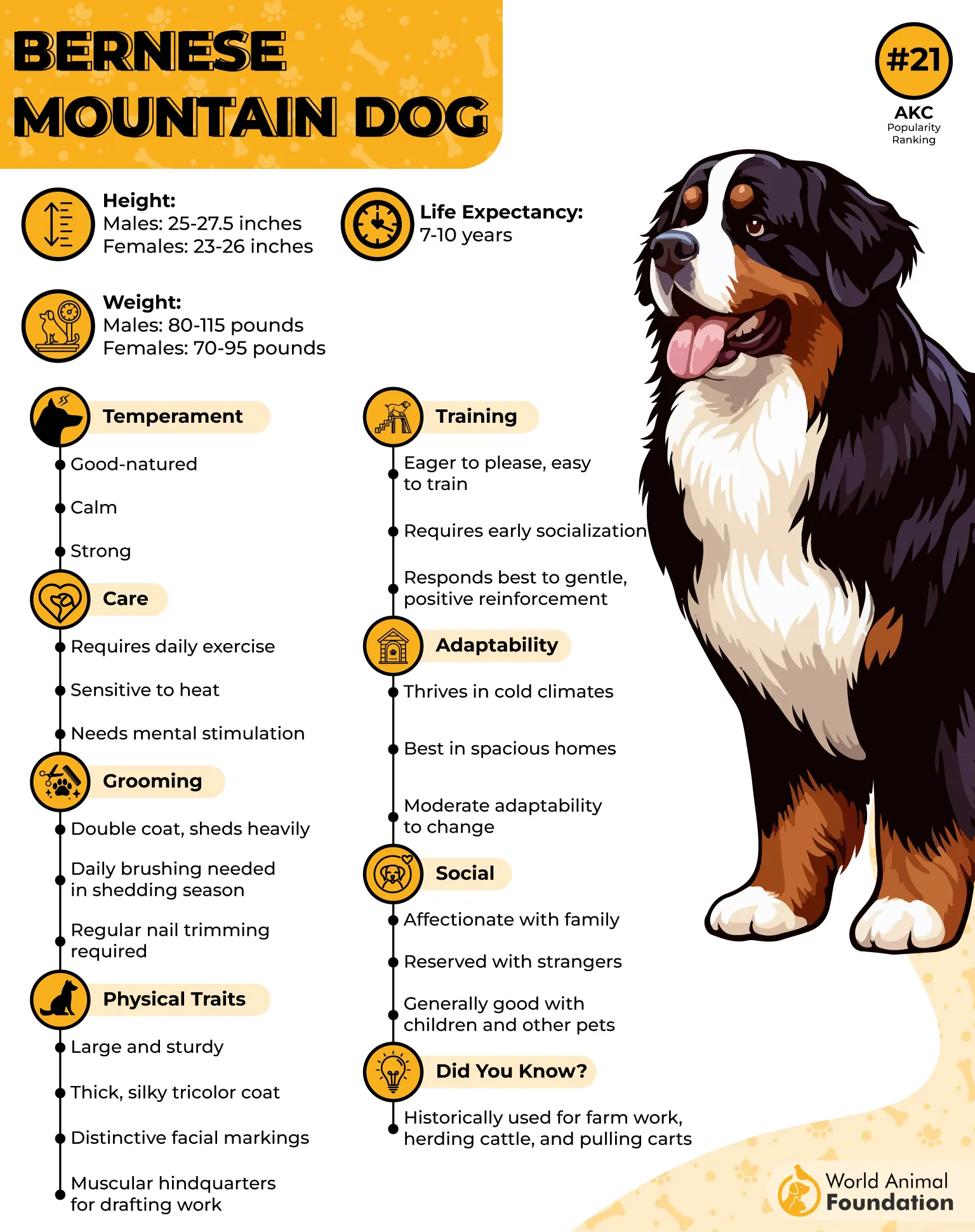
Lifespan: 6-8 years
One of the calmest breeds you’ll ever see, the Bernese Mountain Dog is a gorgeous tricolor breed. They are gentle giants known for their calm and affectionate nature. They were originally bred as a farm dog in Switzerland, but now they’re popular family pets. Despite their happy temperament, these large dogs are still not suitable for busy families or households with small children.
Factors Affecting Reduced Lifespan
Breed-specific Health Risks: Berners are prone to several genetic conditions such as cancer, orthopedic diseases (hip and elbow dysplasia), and gastrointestinal issues that significantly impact lifespan.
Breeding Practices: Ongoing research and breeding programs focus on improving the genetic diversity of a breed. But the efforts to reduce the certain health problems have actually increased the risk.
Size: While some smaller dog breeds live a longer and healthier life, there are some large breeds like Berner, that experience a shorter life expectancy due to the strain that their size places on their bodies.
Care Tips
Proper diet and nutrition are extremely important for longevity of a Bernese Mountain Dog. Weight management is equally important, as obesity can lead to several health problems. Daily exercise can help to maintain their weight and ensure they remain active, mentally and physically. Don’t forget to take them on regular check-ups, as it can help in early detection of any genetic disease.
3. Saint Bernard
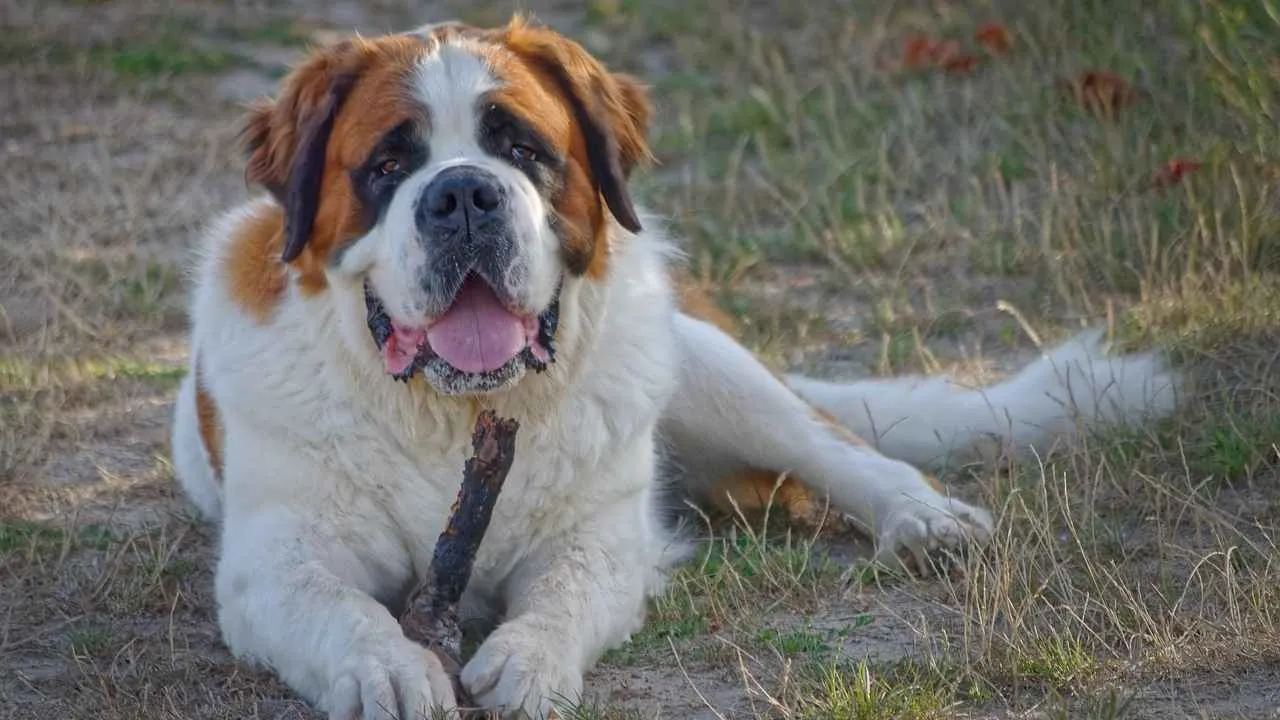
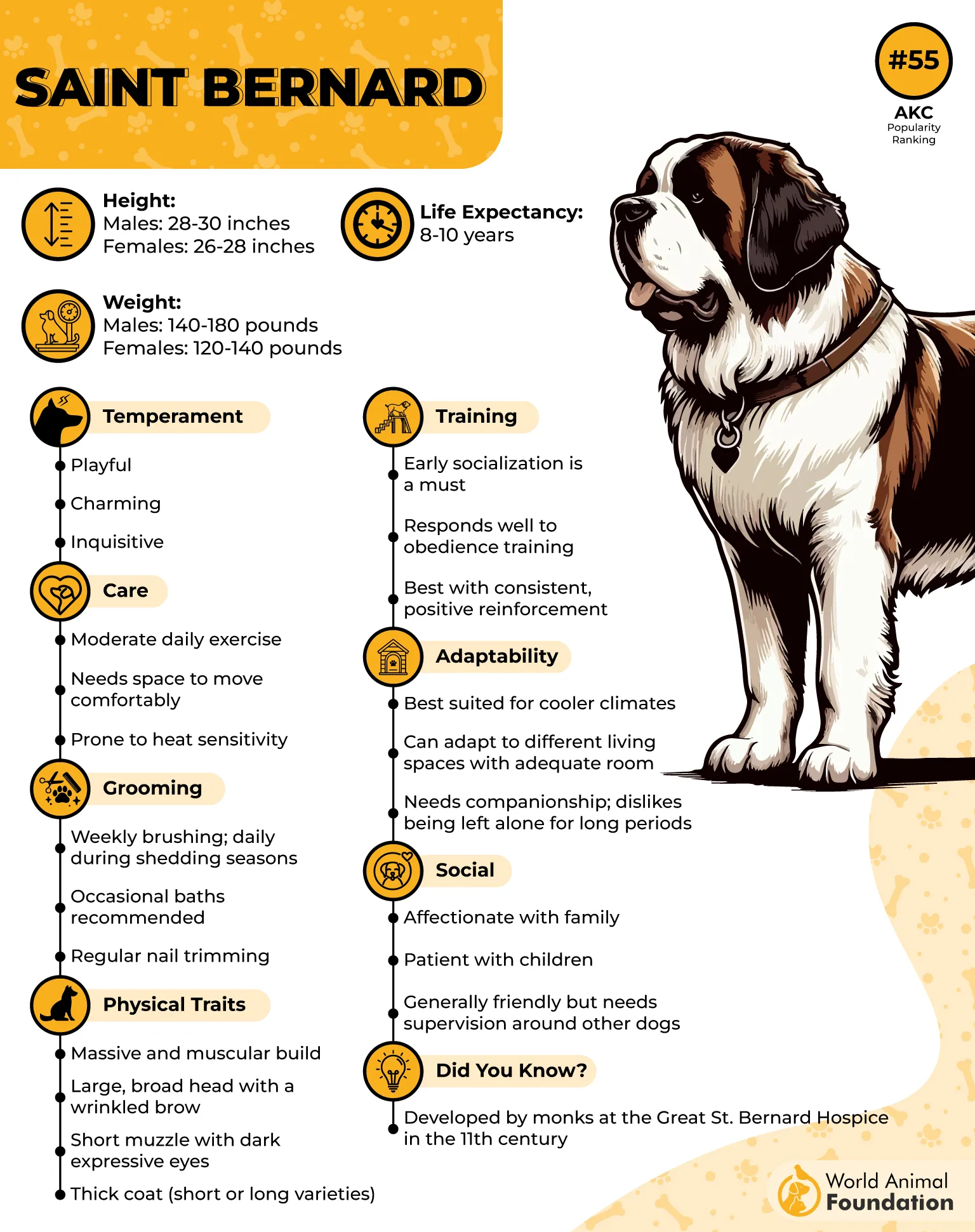
Lifespan: 8-10 years
The Saint Bernard is a large and muscular working breed from the Western Alps in Italy and Switzerland. This breed is strongly recognized for its rescue work in snowy mountain passes, as stated by Britannica. They’re imposing in size, but Saint Bernards have incredibly gentle nature and friendly disposition especially around children, earning them a title as ‘nanny dogs‘.
Factors Affecting Reduced Lifespan
Genetics: Like all dogs, Saint Bernards also inherit some genetic traits that affect their health and lifespan. Canine hip dysplasia, heart disease, and bloating issues are major health concerns in them.
Diet and Exercise: The choice of food addressing their age and level is necessary. Many owners are unable to feed their pup the ‘right food’, meaning they never get proper nutrition.
Heat Stress: Frequent exposure to high temperatures can weaken their health and reduce a dog’s ability to fight against other medical conditions.
Care Tips
A regular exercise routine with moderate activity can help prevent excessive weight gain and keep their hearts healthy. But remember, not to over-exercise them (as they have heat sensitivity), try to keep them cool in hot weather. Frequent vet checks and early health screening support early detection of potential health issues.
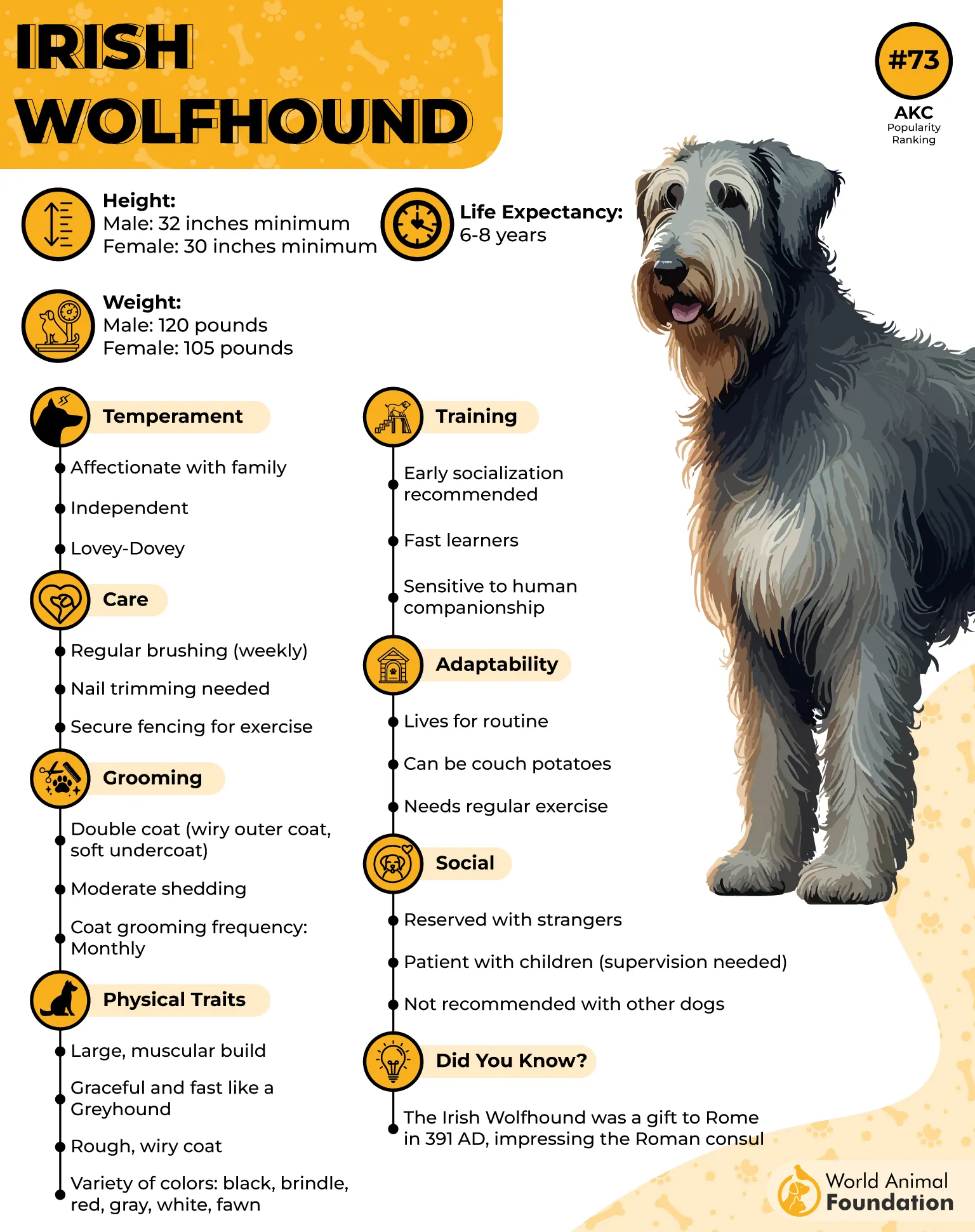
4. Irish Wolfhound
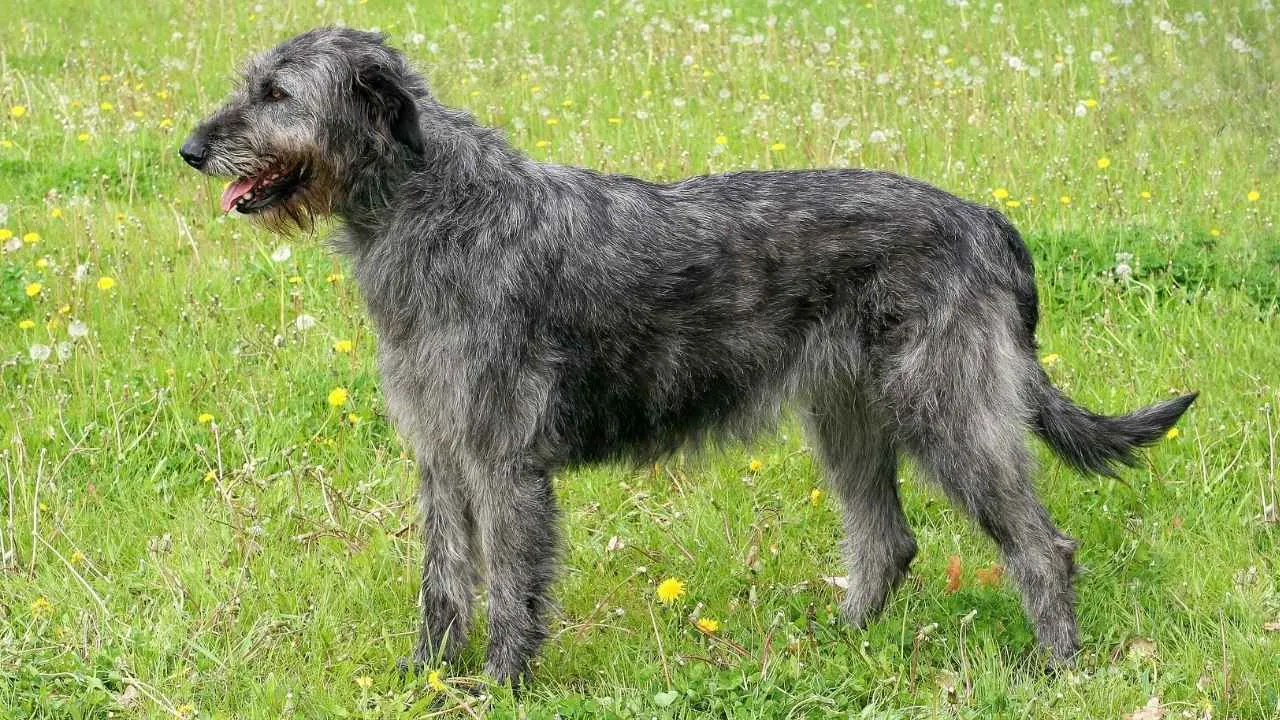
Lifespan: 6-8 years
Tallest of all dog breeds, Irish Wolfhounds has a heart as big as rest of them. They have sweet, gentle disposition and shaggy coat that gives them a unique appearance. The size and height may seem intimidating, but they’re extremely loyal and loving in nature. They were originally bred in Ireland for hunting big games such as wolves, boar and deer.
Factors Affecting Reduced Lifespan
Common Health Issues: One of the most common health concerns found in Irish Wolfhound is dilated cardiomyopathy (a condition that leads to heart failure), hip dysplasia, and osteosarcoma (bone cancer).
Impact of Diet: Proper diet tailored with high quality dog food is essential to ensure their well-being. Right nutrients and controlled portions are important to prevent obesity and other diseases.
Lack of Physical Activity: You must make sure that your dog gets to stretch every day. Not having enough activity can actually result in a shorter lifespan of Irish Wolfhound.
Care Tips
Overall hygiene plays a big role to maintain a dog’s health. Make sure to trim your pup’s nails often and brush their teeth regularly. With large breeds like Irish Wolfhounds, feed them food that’s specially formulated according to their age. They are happiest when active, so take them for a walk or play daily.
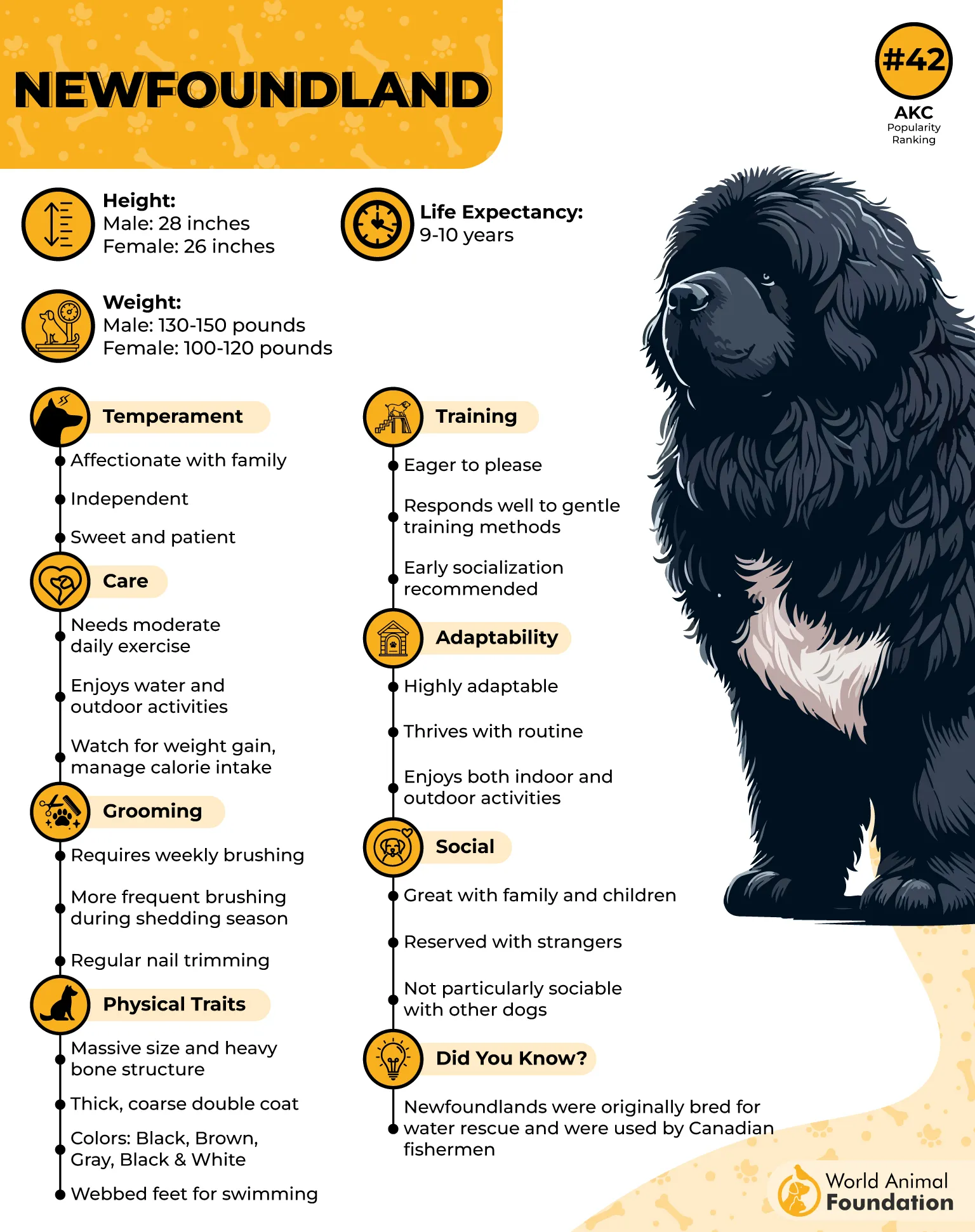
5. Newfoundland
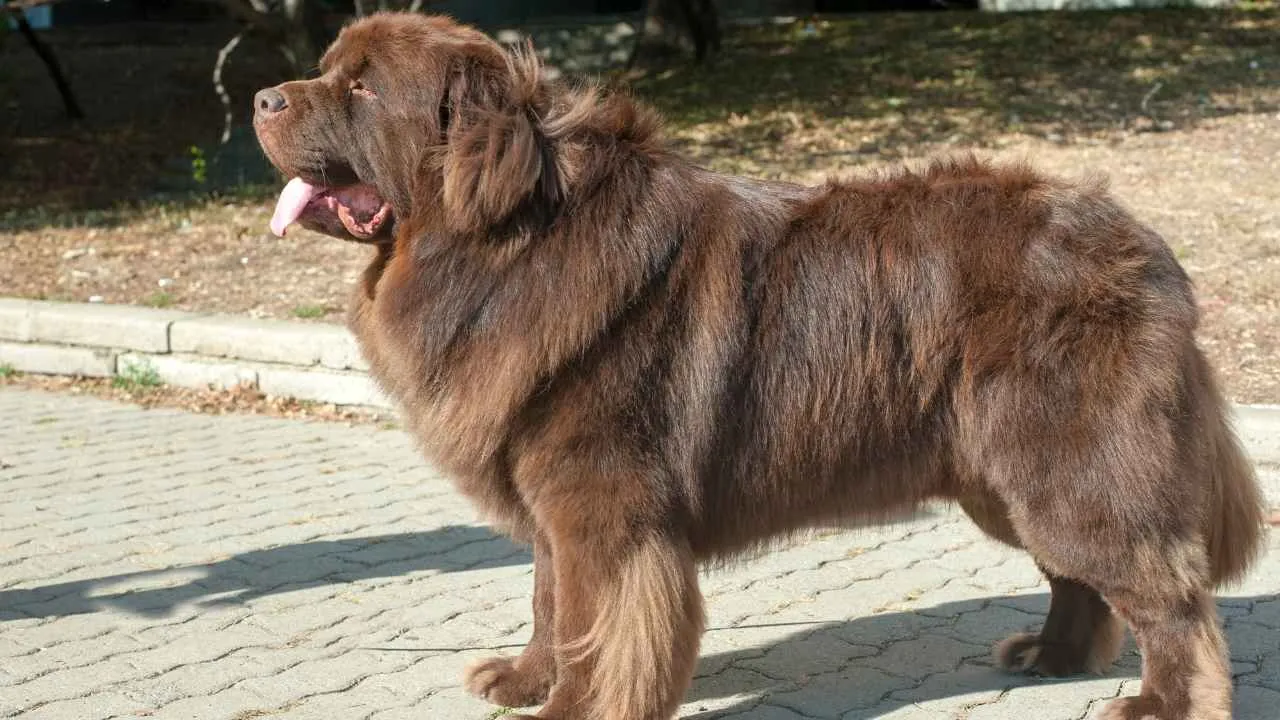
Lifespan: 8-10 years
Affectionally known as “Newfies” were originally bred in Newfoundland, Canada to accompany fishermen. Because of their history as water rescue dogs, these dogs are natural swimmers with thick double coat and webbed feet. Newfies are one of the friendliest breeds you’ll ever meet, and the best part is that they make excellent family pets.
Factors Affecting Reduced Lifespan
Common Diseases: Newfoundland is prone to several health conditions. Many of them are genetic, such as eye problems, cystinuria, hip and elbow dysplasia.
Size: Larger dogs die more often from cancer and have shorter-than-average lifespan as compared to smaller dogs. It is because they grow faster and experience abnormal cell growth.
Environment and Conditions: If your pup is living in a condition where there’s not enough attention, space, and mental stimulation, then it can badly affect their health, sleep cycle, and longevity.
Care Tips
Getting your Newfoundland from a reputable breeder is necessary, as you can take a good start with your new pup. They will need at least 30 minutes of regular activity to stay fit and avoid health issues like arthritis and obesity. A sturdy fence is essential for a Newfoundland that roam around in the yard. Always ensure their environment is safe and secure.
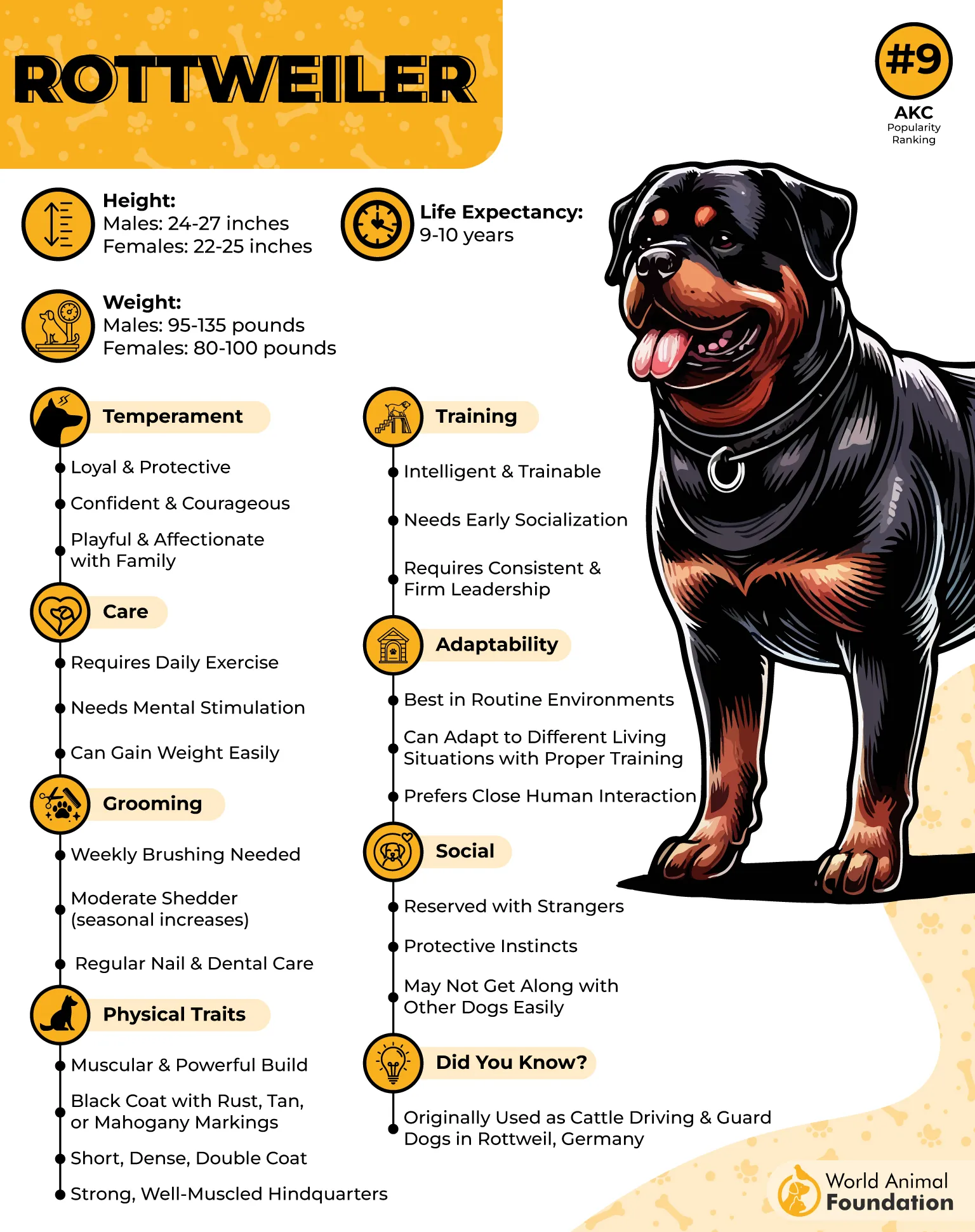
6. Rottweiler
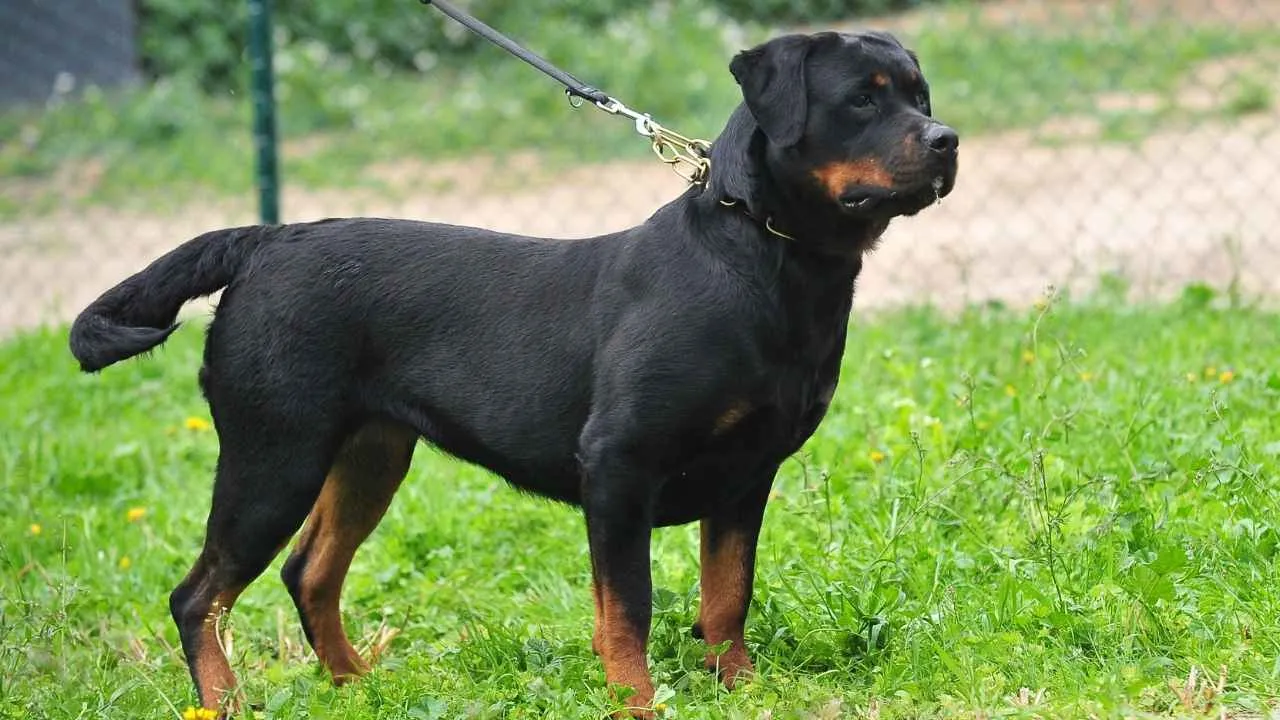
Lifespan: 9-10 years
Rottweilers are one of the most popular dog breeds in the world with impressive size and strength. It is known for its powerful built, confident demeanor, and effortless trotting gait. These descendants from the mastiffs have been doing guarding and protection work from 1900s. Today, they’re used as police and military dogs, as noted by Britannica.
Factors Affecting Reduced Lifespan
Genetics: Like other purebred dogs, Rottweilers also have limited genetic pool, increasing the risk of many innate diseases.
Diet and Nutrition: Feeding a poor diet that’s void in nutrients like proteins, vitamins, healthy fats, and minerals can badly affect their durability.
Common Health Concerns: Rottweilers have a predisposition to certain hereditary conditions. Common diseases found in this breed are osteosarcoma (type of cancer), subaortic stenosis (heart disease), and gastrointestinal disorders.
Care Tips
Some Rotties can live for 12 years or more, with proper care and guidance. Regular veterinary exams can allow your vet to catch early signs of any potential disease sooner. Feeding multiple smaller meals, a day can actually help to avoid many bloating and gastric issues. To increase their happiness and life expectancy, keep them in a dog-friendly environment.
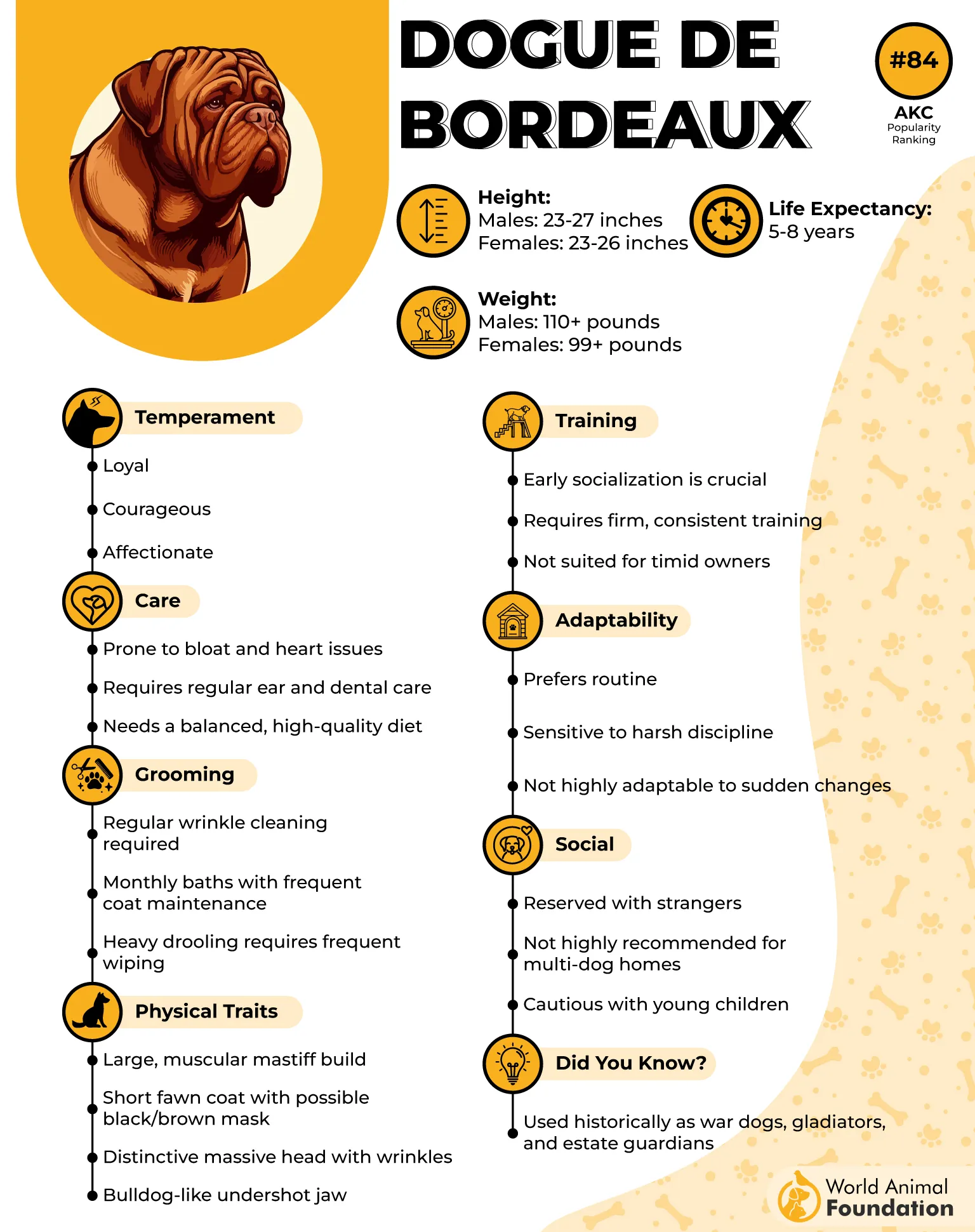
7. Dogue de Bordeaux
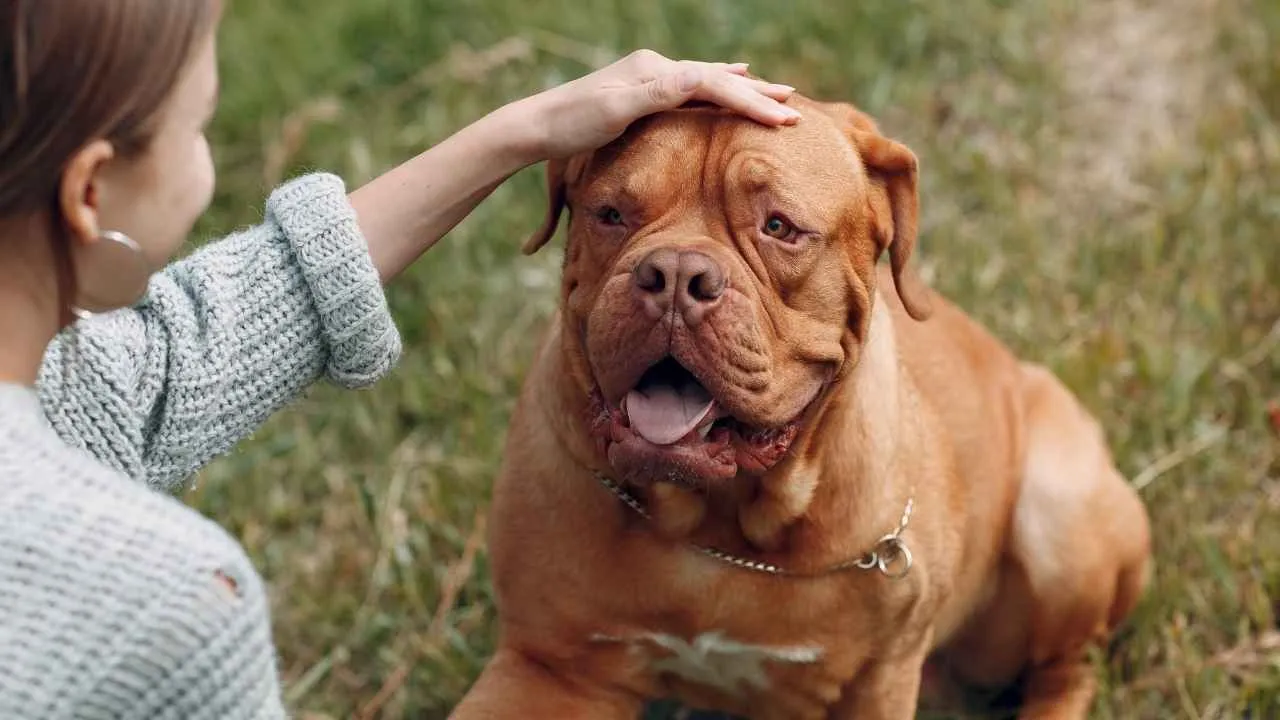
Lifespan: 5-8 years
Also known as the French Mastiff, is a powerful giant breed that originated in France. They are among the oldest dog breeds in the world, noted famously for their loyalty, courage, and protective nature. They make great housedogs and go exceptionally well with children. AKC notes that many DDB’s owners share their delightful experience with these loyal dogs.
Factors Affecting Reduced Lifespan
Common Health Problems: DDBs have higher risk of many health conditions such as cancer, joint problems, heart problems, and gastric torsion.
Diet and Nutrition: Just like human needs proper diet to live a healthy and long life, similarly dogs need a well-balanced packed with essential nutrients to ensure their well-being.
Age-related issues: Dogue de Bordeaux have average life expectancy for 5 to 8 years only. As they age, they’re more susceptible to age-related ailments, such as arthritis, joint issues, cognitive decline, and organ dysfunction.
Care Tips
The Dogue de Bordeaux needs 45 minutes of physical activity daily to fulfil its exercise needs. Keep them mentally stimulated with short, fun sessions and stress-free environment. Regular vet visits are also important to monitor their health and address any potential health problems. Try to give them proper care and attention from early age, it also contributes to a healthy, long life.
Conclusion
Sharing life with one of these seven dog breeds bring immense joy, even though their time with us is heartbreakingly short. They may not stay as long as smaller breeds, yet they leave a lasting impression on the hearts of their loved ones. Pet parents need to focus on their quality of life, rather than quantity of years.
Fortunately, you can make your pup stay a little longer with mindful caring and preventive health checks. After all, it’s not about counting how many years your canine companions’ lives, but how much compassion fill those years.
