




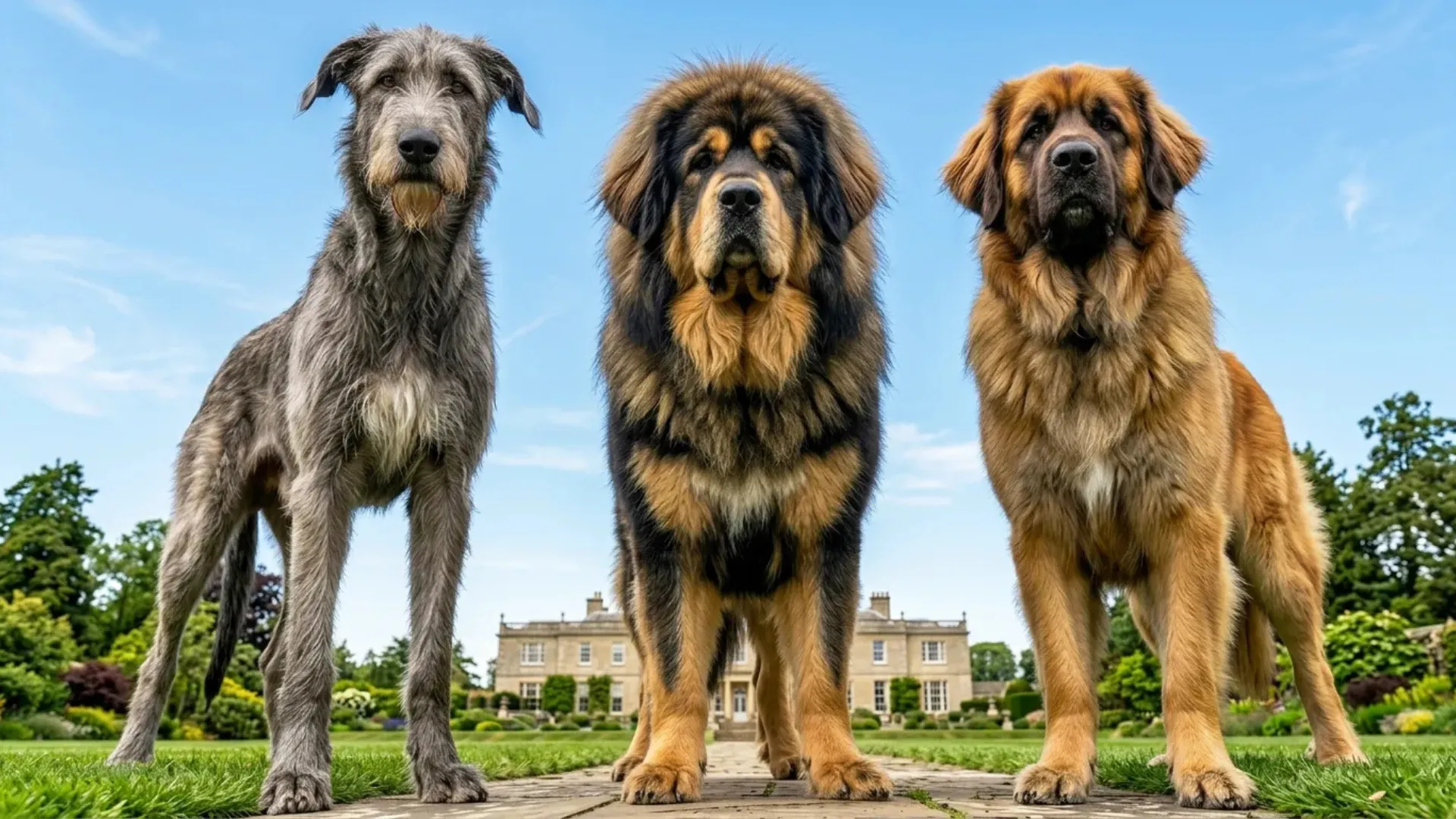
When did you last spot a truly giant dog on your morning walk? Chances are it was a Great Dane or a Newfoundland; both wonderful breeds, but hardly rare sights anymore. If you’ve ever wanted a dog that turns heads for all the right reasons, maybe it’s time to look beyond the usual suspects.
Owning a rare giant breed is a whole different experience. Every walk becomes a conversation starter, strangers stop to ask questions, and there’s a quiet satisfaction in having a companion that most people have never even heard of. It’s not for everyone, but for the right person, it’s absolutely worth it.
We’ve put together a list of 9 giant breeds that are true hidden gems. Along the way, we’ll cover what makes each one special, how rare they actually are, and what you can expect in terms of temperament, exercise, and grooming, so you know exactly what you’re signing up for.
Exceptional Giant Dog Breeds: Rare and Wonderful
1. Irish Wolfhound
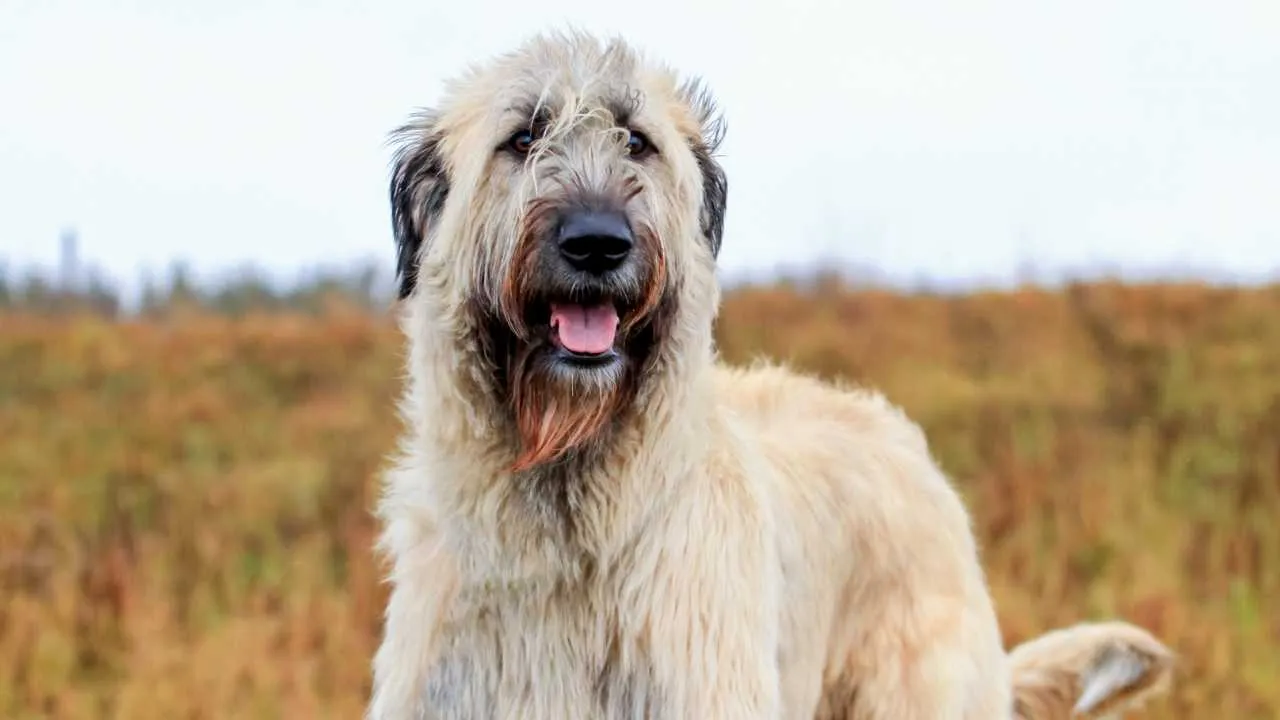
The Irish Wolfhound is a genuinely rare breed with a remarkable backstory; they came close to extinction before dedicated breeding programs in the late 19th century brought them back. They’re famously described as “gentle when stroked, fierce when provoked,” and that really does capture their nature well.
What makes them visually striking is their combination of long legs, a deep chest, an athletic build, and the natural agility of a sighthound. Despite their imposing size, Irish Wolfhounds are gentle, eager to please, and respond well to positive reinforcement and consistent training.
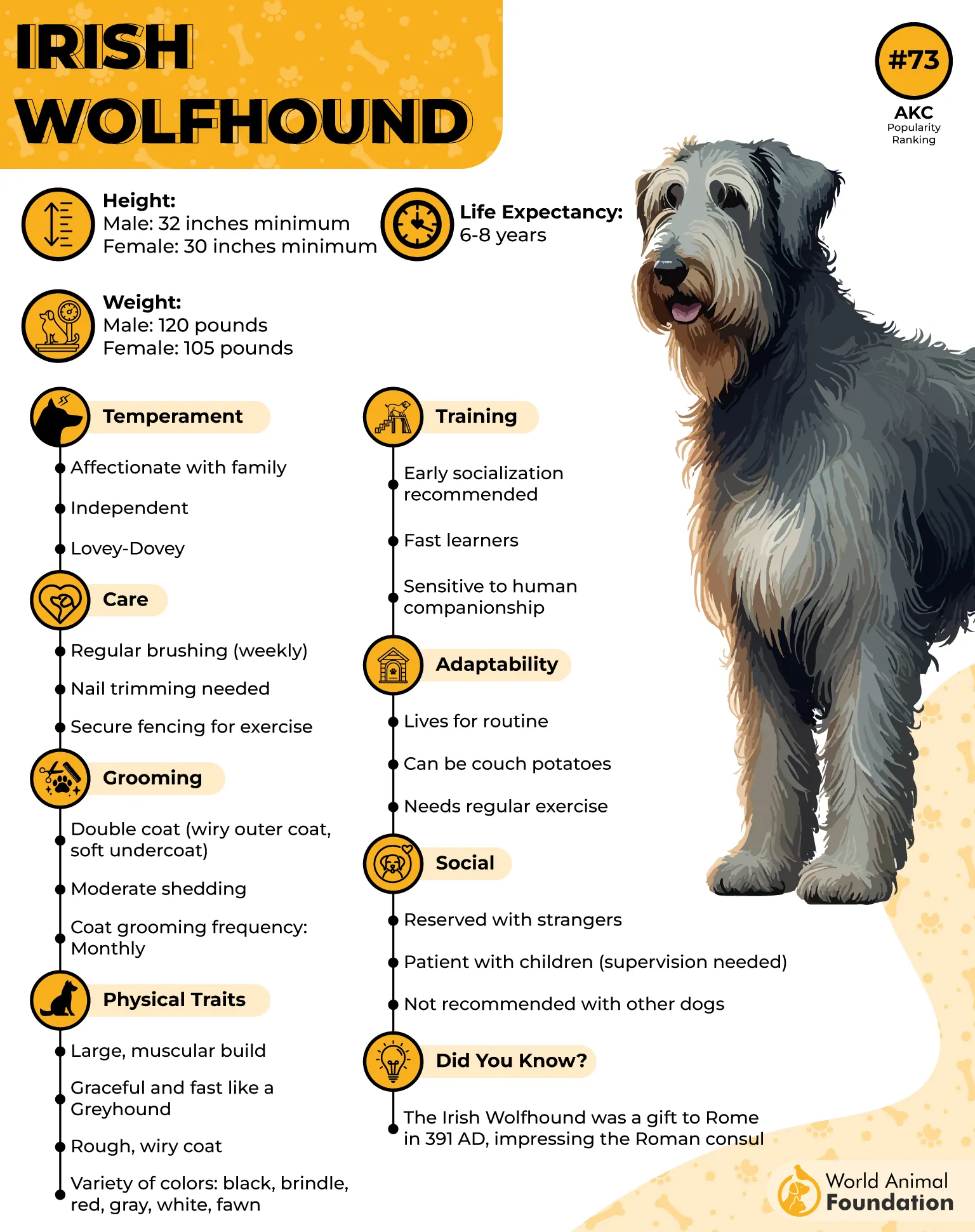
At home, they’re surprisingly relaxed, happy to lounge around for most of the day, though they do need moderate exercise, including a couple of leashed walks daily for mental stimulation.
Their coat is rough, wiry, and shaggy, and while it sheds moderately throughout the year, maintenance is straightforward. A brush once or twice a week is usually enough to keep things tidy. They don’t need frequent baths and aren’t known for drooling either, which makes them a relatively low-fuss dog for their size.
2. Tibetan Mastiff
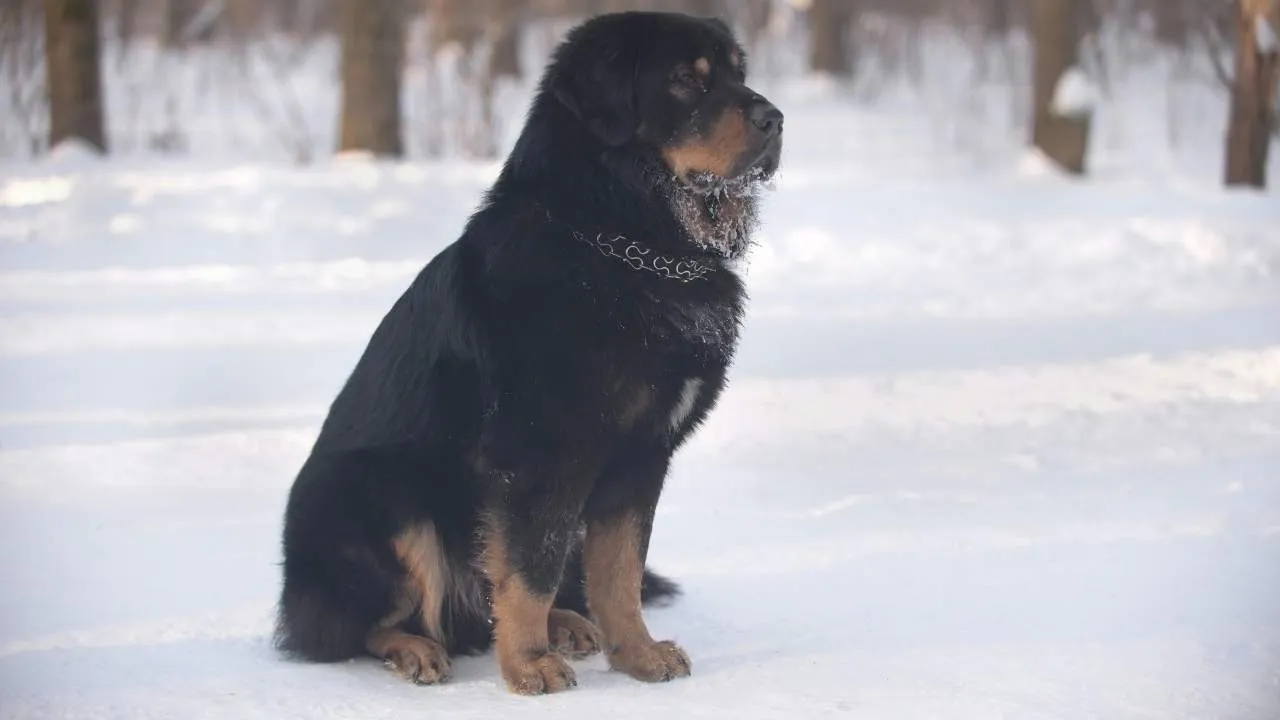
The Tibetan Mastiff is not your average family dog. Aloof, fiercely independent, and deeply territorial, they form strong bonds with their own family but are naturally suspicious of strangers; uninvited guests won’t get a warm welcome. They are not people pleasers, and they won’t pretend to be.
Their mystique once made headlines in China, where authentic primitive bloodlines were closely guarded, driving demand and prices sky-high. That exclusivity is a big part of why they remain one of the rarest and most expensive dogs in the world.
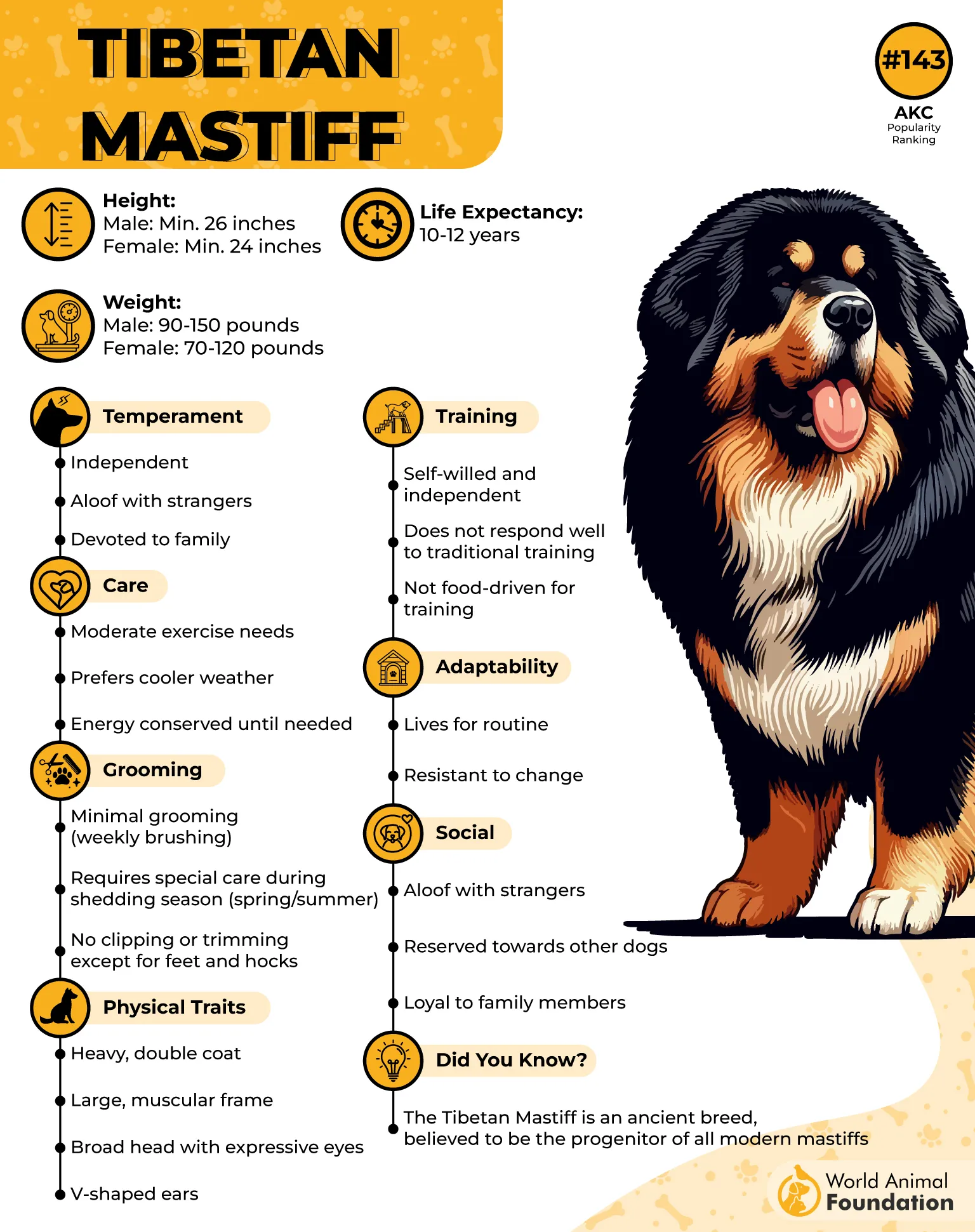
Physically, they’re hard to miss: their lion-like mane and thick, dense coat make them look even larger and more imposing than they already are.
Training a Tibetan Mastiff requires patience, consistency, and experience. Their stubborn streak is real, and first-time dog owners may find them overwhelming. Indoors, they’re calm and low to moderate energy, often content to find a good vantage point and keep watch over their surroundings.
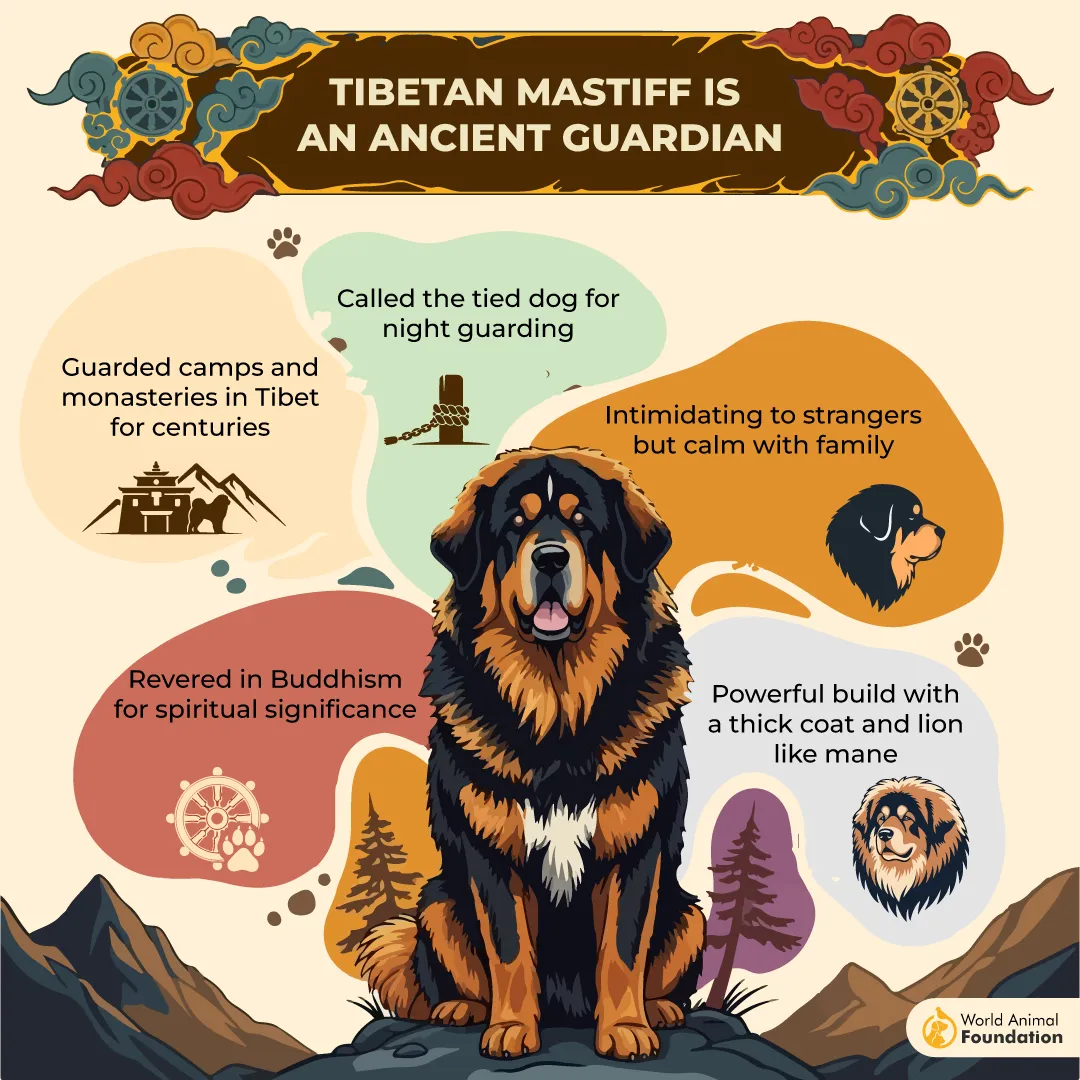
That said, regular walks are still important to meet their moderate exercise needs and keep them mentally balanced.
3. Kuvasz
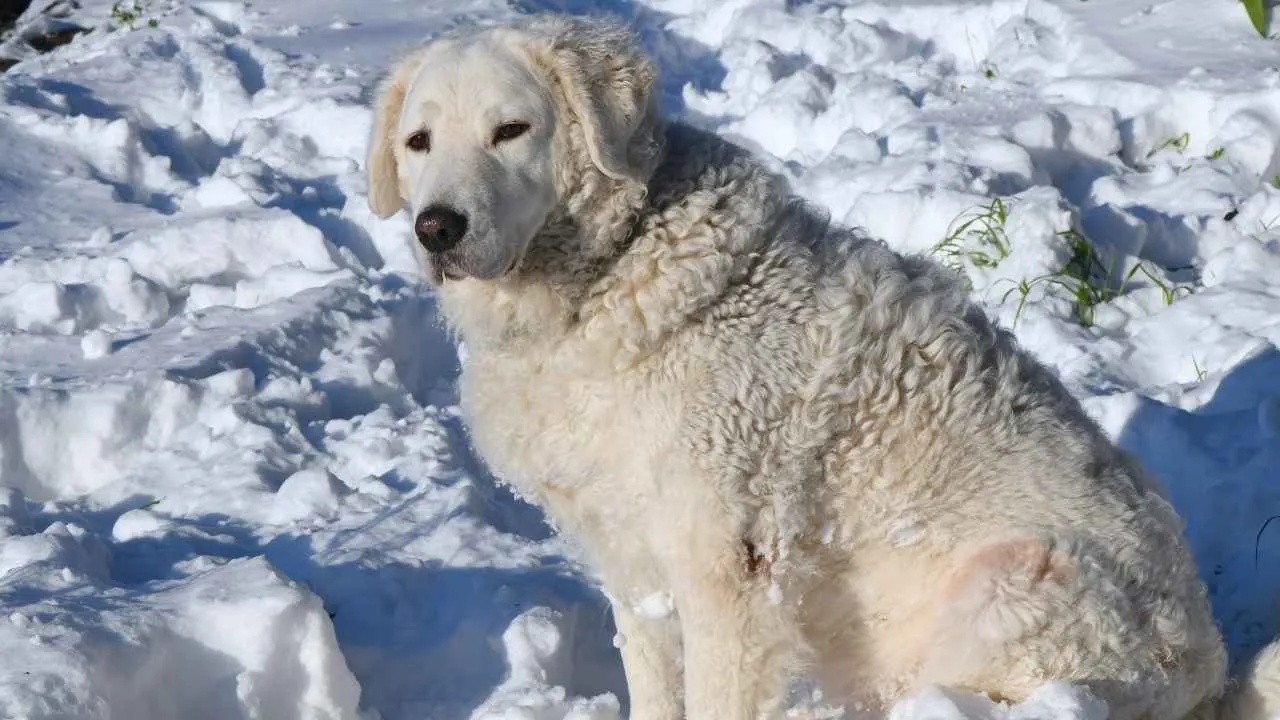
The Kuvasz is a large, snow-white dog with a history as impressive as its appearance. Originally bred to guard livestock against apex predators, they later found their way into royal courts; King Matthias Corvinus of Hungary famously trusted his Kuvasz more than his own human guards.
According to the AKC, their name comes from the Turkish word “Kuwasz,” meaning guardian of nobility, which tells you everything about the role they were built for.
Loyal, brave, and dignified, the Kuvasz is also reserved by nature; not the type to warm up to strangers quickly. Their story took a heartbreaking turn during World War II, when their protective instincts made them targets for invading soldiers.
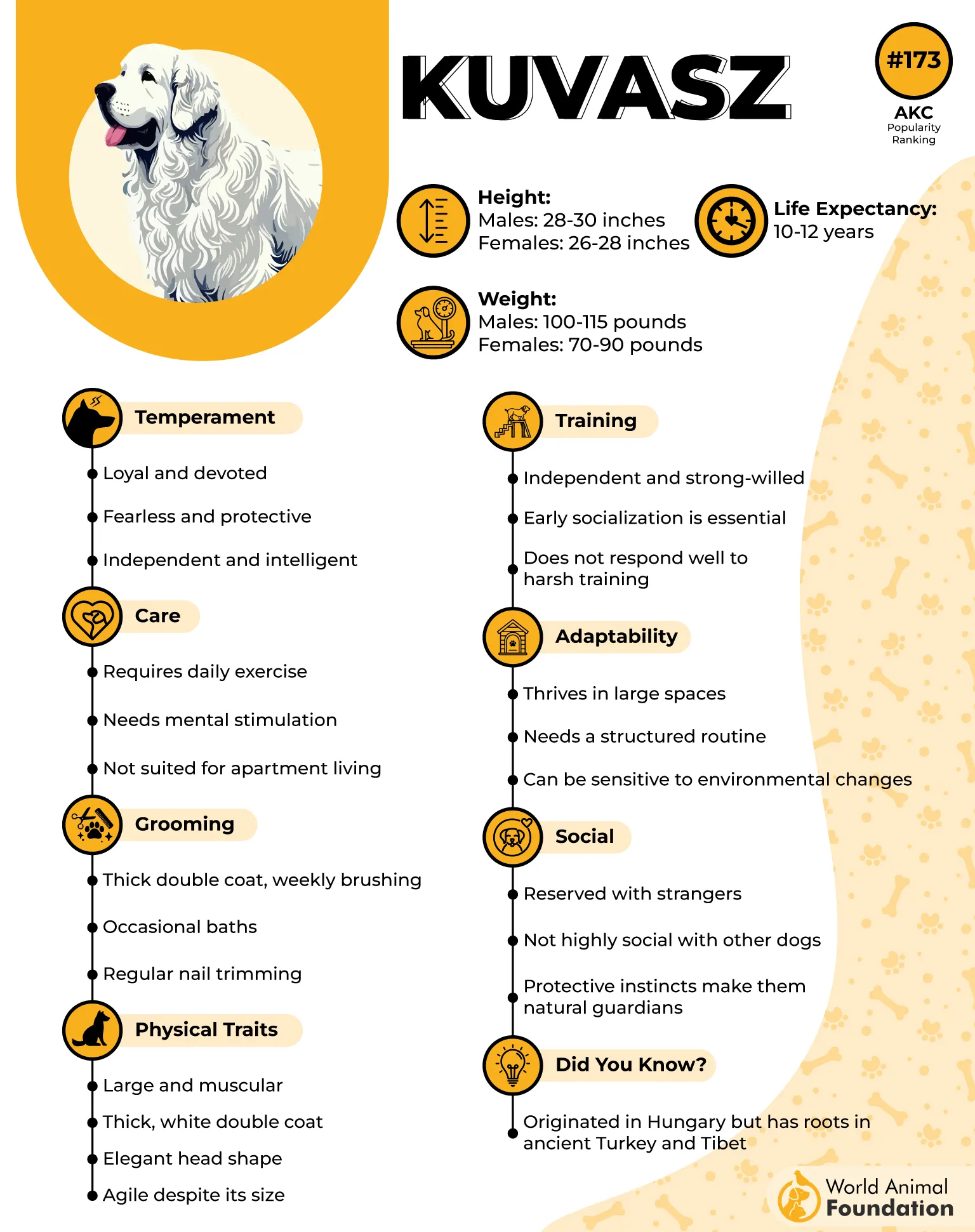
The breed was nearly wiped out, with fewer than 30 remaining in Hungary by the war’s end. Dedicated breeders stepped in to bring them back, and the Kuvasz survives today because of those efforts.
They’re best suited to experienced owners. Independent thinkers by nature, they tend to get bored with repetitive training and need someone who can keep things varied and engaging.
Apartment living isn’t a good fit; they thrive with space and enjoy long hikes, brisk walks, and fetching games. Their thick double coat needs brushing a few times a week to remove dead hair and prevent matting.
4. Leonberger
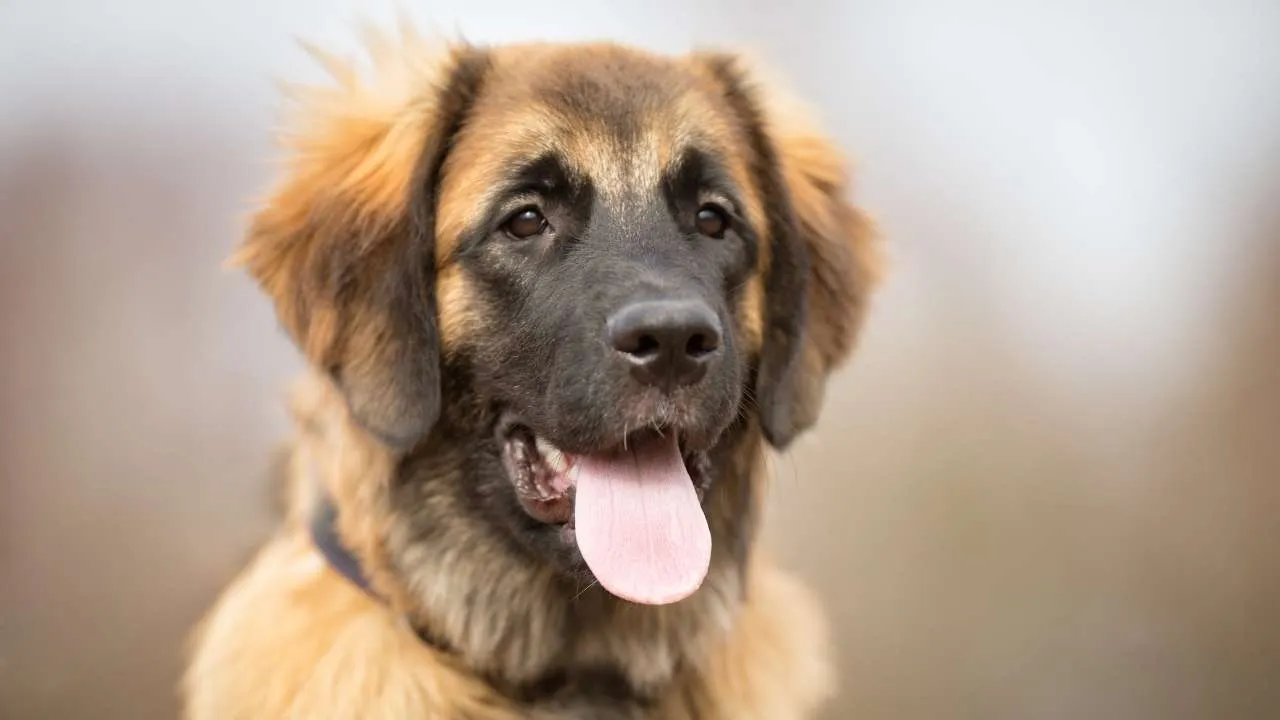
Leonbergers are often called gentle giants, and it’s a title they’ve earned. Behind that imposing, lion-like appearance is a sweet-natured, playful dog that’s remarkably patient with children; qualities that also make them well-suited as therapy dogs.
Their history is a close call worth knowing about. The breed was nearly wiped out during the World Wars, and after World War I, only around 5 dogs out of 25 surviving individuals were selected to rebuild the breed. The effort paid off, but Leonbergers remain rare; with an estimated 30,000 worldwide, you’re unlikely to come across one on your average neighborhood walk.
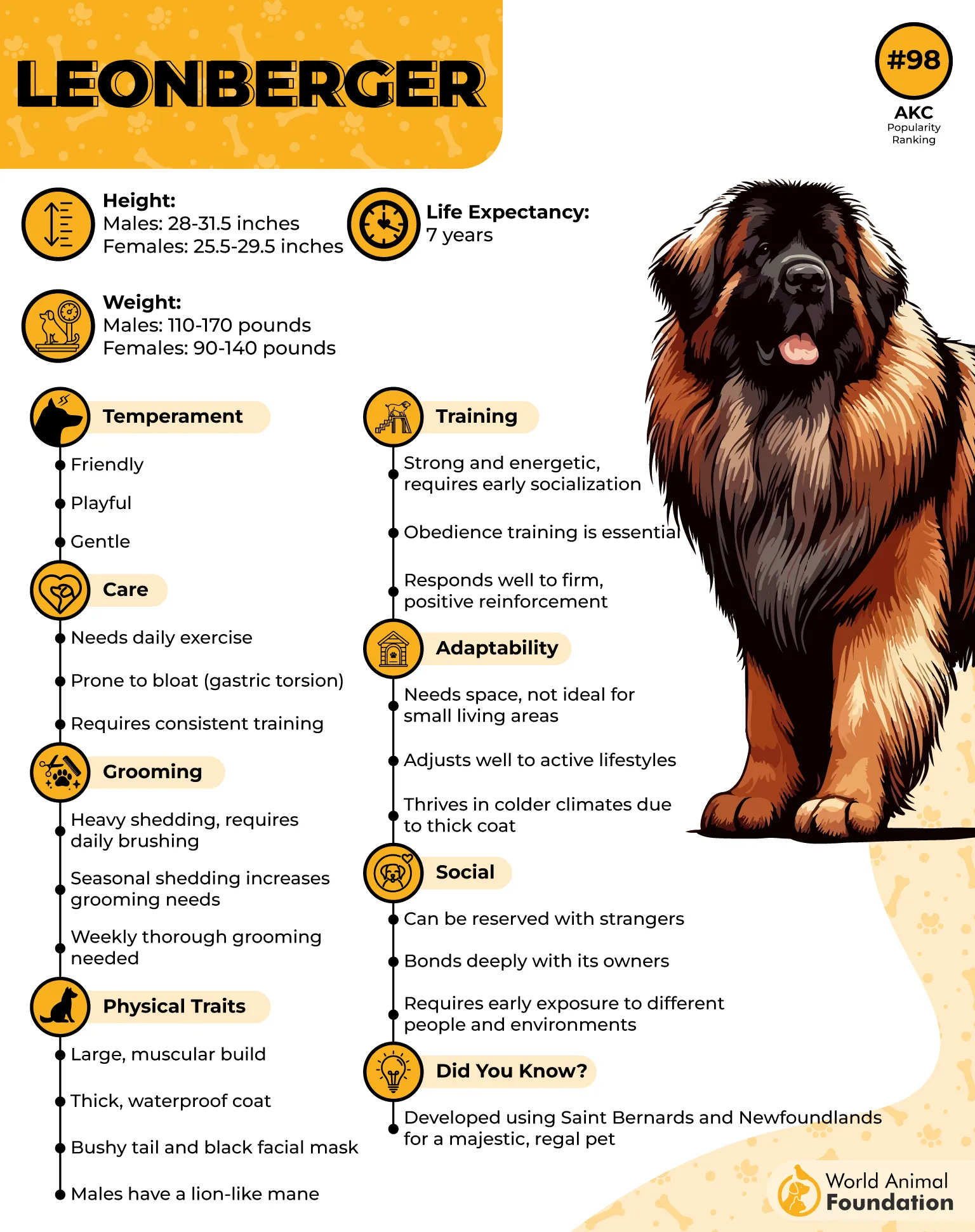
Physically, they’re hard to mistake. A heavy mane around the neck and chest, webbed feet, and a distinctive black facial mask set them apart from just about every other breed. Omlet UK mentions that their double coat sheds heavily year-round and needs brushing several times a week to stay manageable.
In terms of personality, Leonbergers are eager to please and generally calm, but their sheer strength shouldn’t be underestimated. They enjoy long brisk walks, swimming, and hiking; activities that let them stretch out and burn energy while staying close to their favorite people.
5. Kangal
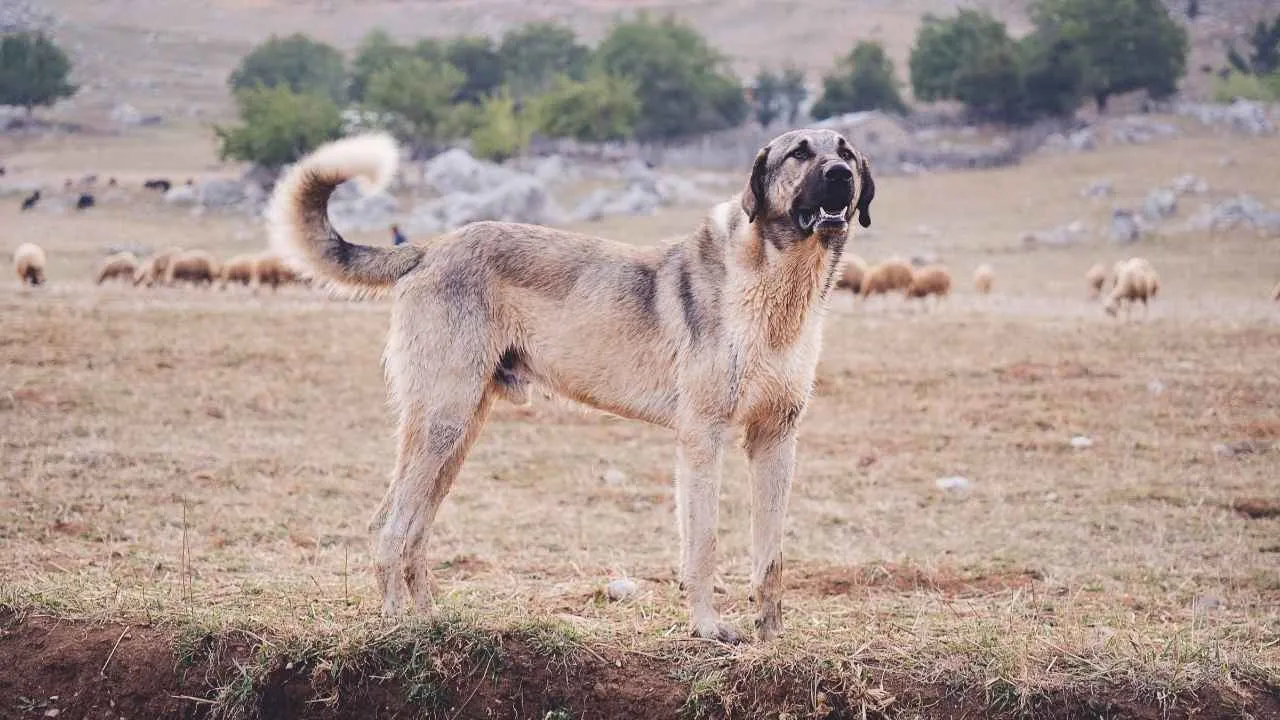
The Kangal is a primitive breed with a serious job description: protecting flocks of sheep from large predators like wolves, bears, and cheetahs. Originating from the Sivas region of Turkey, they’re so deeply tied to the country’s heritage that they’re recognized as Turkey’s national dog.
For decades, the Turkish government restricted the export of Kangals to protect their bloodlines, which is a big reason why they remain highly uncommon in the West. Finding one outside of Turkey is still no easy task.
Physically, they’re built for the work they were bred to do: athletic, fast, and powerful, with a bite force of 743 PSI, among the strongest of any dog breed. They’re not aggressive by nature, but that strength is very real.
Kangals are best suited to highly experienced owners. They’re independent, high-stamina dogs that need regular exercise and mental stimulation to stay balanced. That said, when they’re not working or active, they’re perfectly content to spend long stretches simply lounging around; a surprisingly laid-back side to an otherwise formidable dog.
6. Black Russian Terrier
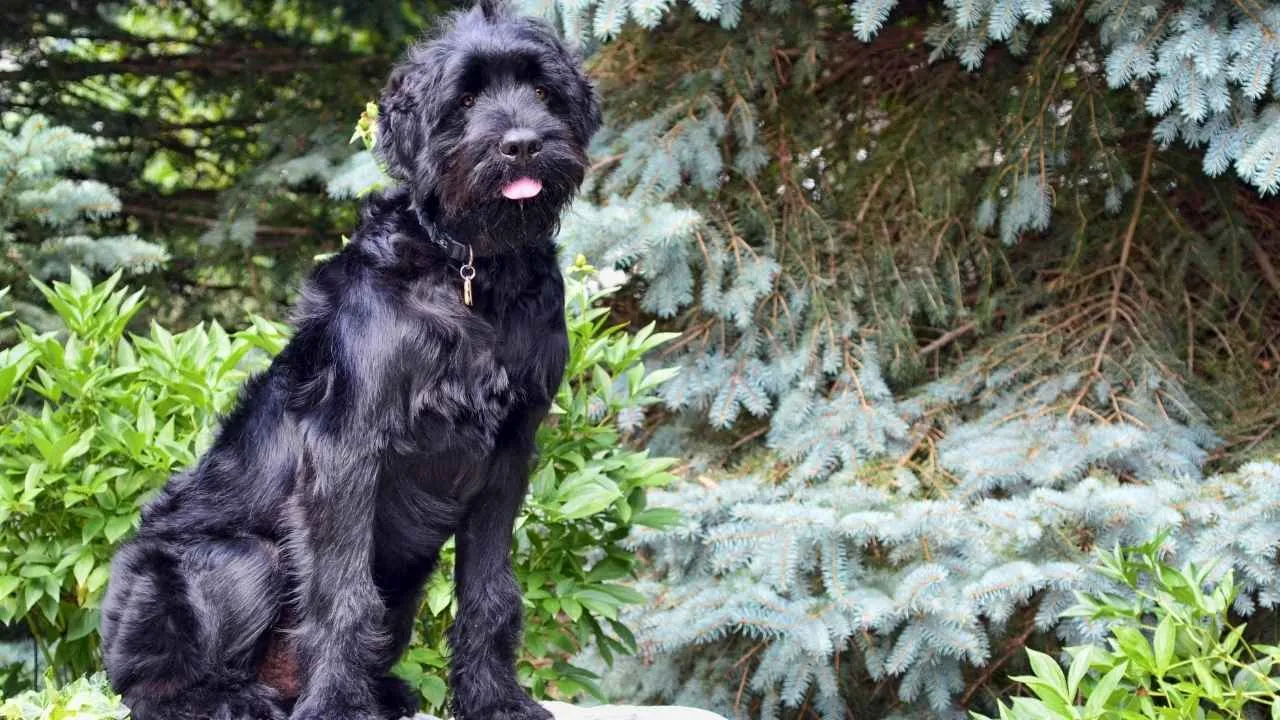
The Black Russian Terrier, affectionately known as the “Black Pearl of Russia,” was purpose-built by the Soviet military at the Red Star Kennel. Breeders crossed 17 to 20 different breeds to develop a massive, fearless dog capable of patrolling borders and guarding prisons. It was a deliberate creation, engineered for a very specific purpose.
Because they were originally developed exclusively for state and military use, they remained scarce outside Eastern Europe for decades. Civilian ownership only began expanding in the late 20th century, and even today, spotting one in a regular neighborhood is a rare occurrence.
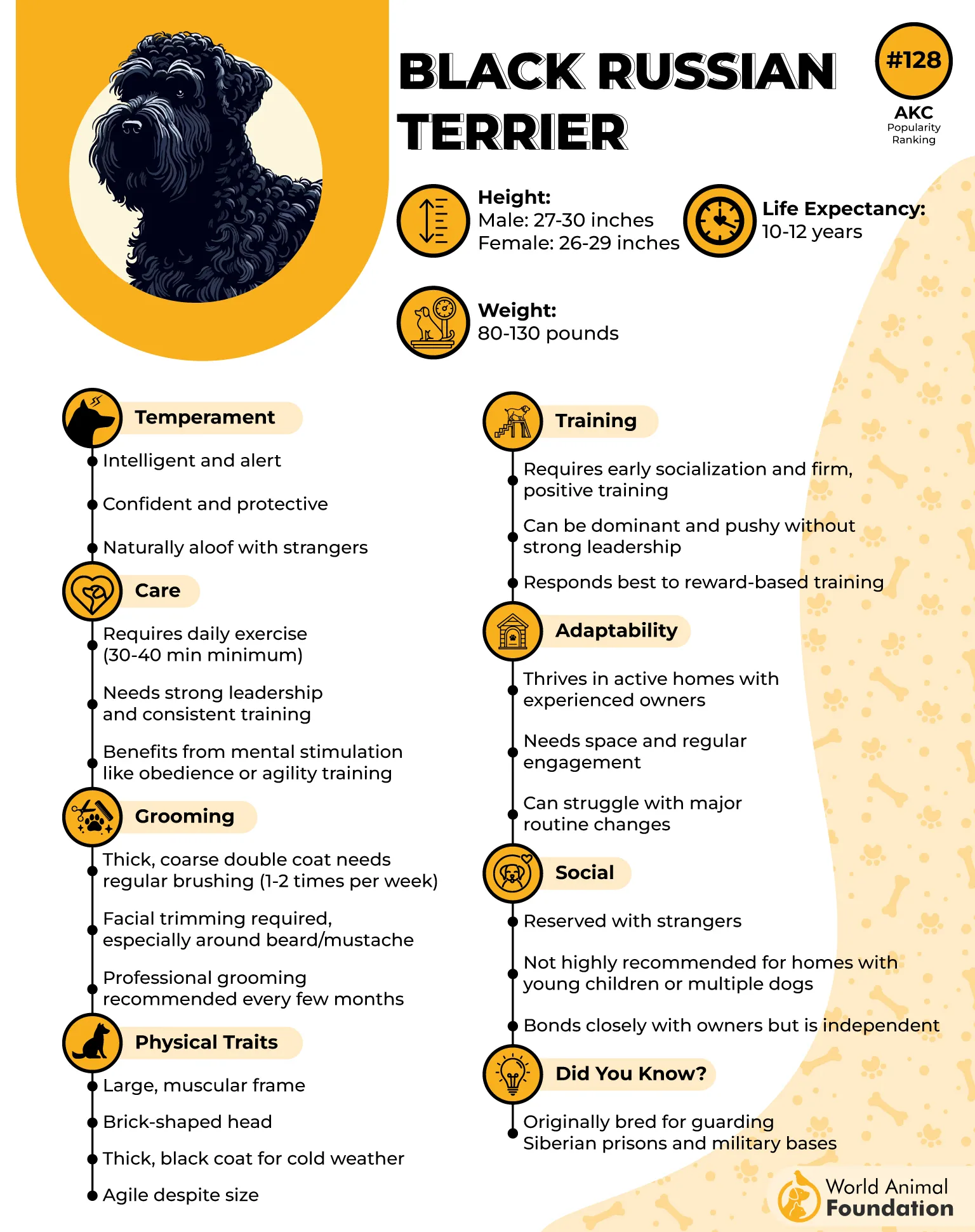
In terms of personality, Black Russian Terriers are independent thinkers that need a confident, experienced handler to bring out the best in them. But there’s a softer side too. As BRT breeder Robison puts it, according to Chewy, “They are work hard, nap hard dogs. Once they have had their job of the day, they are more than happy to relax at your feet or on the couch.”
A dog that takes its responsibilities seriously, then clocks out completely- honestly, relatable.
7. Scottish Deerhound

The Scottish Deerhound, known as the “Royal Dog of Scotland,” was bred for one purpose: speed. These rare sighthounds were built to run down large prey at full pace, and that heritage still shows in everything about them.
Their appearance is distinctive and hard to forget: a tapered head, long muzzle, and a soft mustache and beard that give them an almost wise, weathered expression. They look like they have stories to tell.
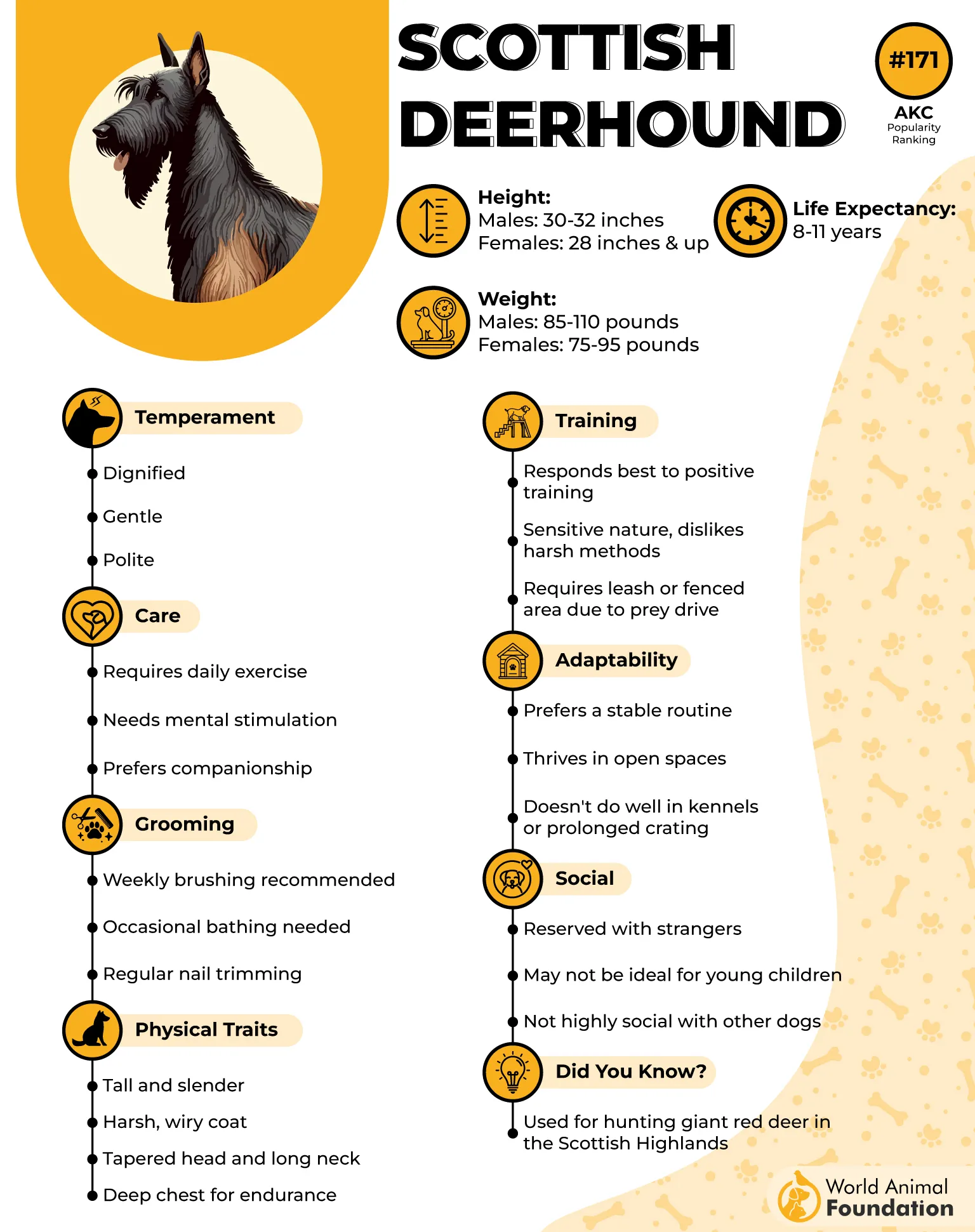
As sighthounds, they’re independent thinkers, so training works best with a calm approach and positive reinforcement rather than firm-handed methods. They need around 30 to 45 minutes of exercise daily in a wide open space where they can stretch their legs properly; a small backyard won’t cut it for a dog built to run.
Their rough, wiry coat is surprisingly low maintenance for a breed this size. It sheds lightly to moderately and only needs a weekly brush with a slicker brush to remove debris and keep the shaggy coat in good shape. They don’t need frequent baths and aren’t known for drooling either, making them one of the cleaner giant breeds to live with.
8. Tosa
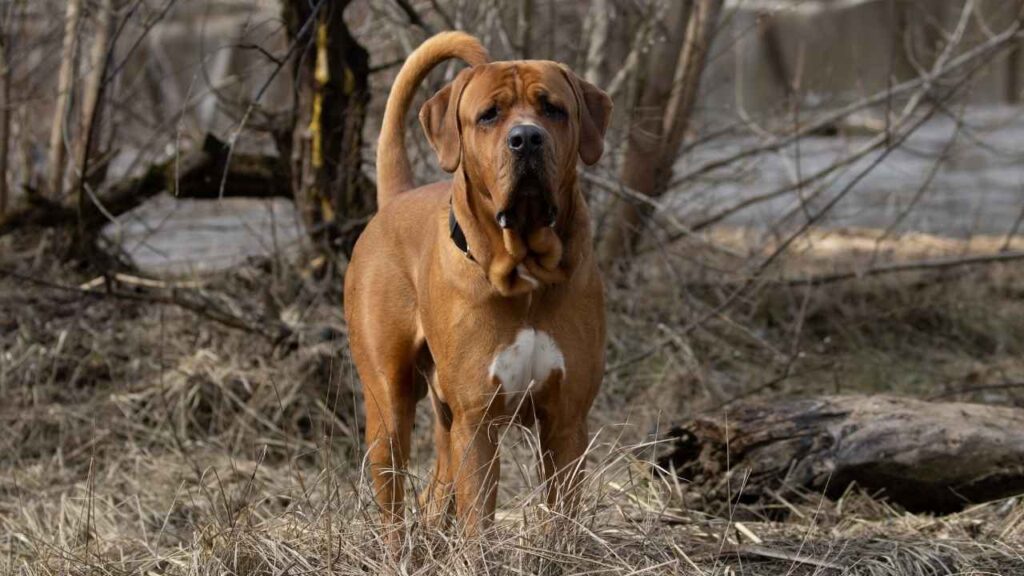
The Tosa Inu, also known as the Tosa Token, Japanese Mastiff, or Japanese Fighting Dog, is one of the rarest breeds on this list. Originating in Japan, the Tosa carries a significant historical background that has led many countries to impose strict ownership regulations or outright bans on the breed.
What sets them apart from other mastiff-type dogs is their agility. Where many large mastiffs are slow and lumbering, the Tosa is athletic and powerfully built; a combination that makes them an entirely different proposition to manage.
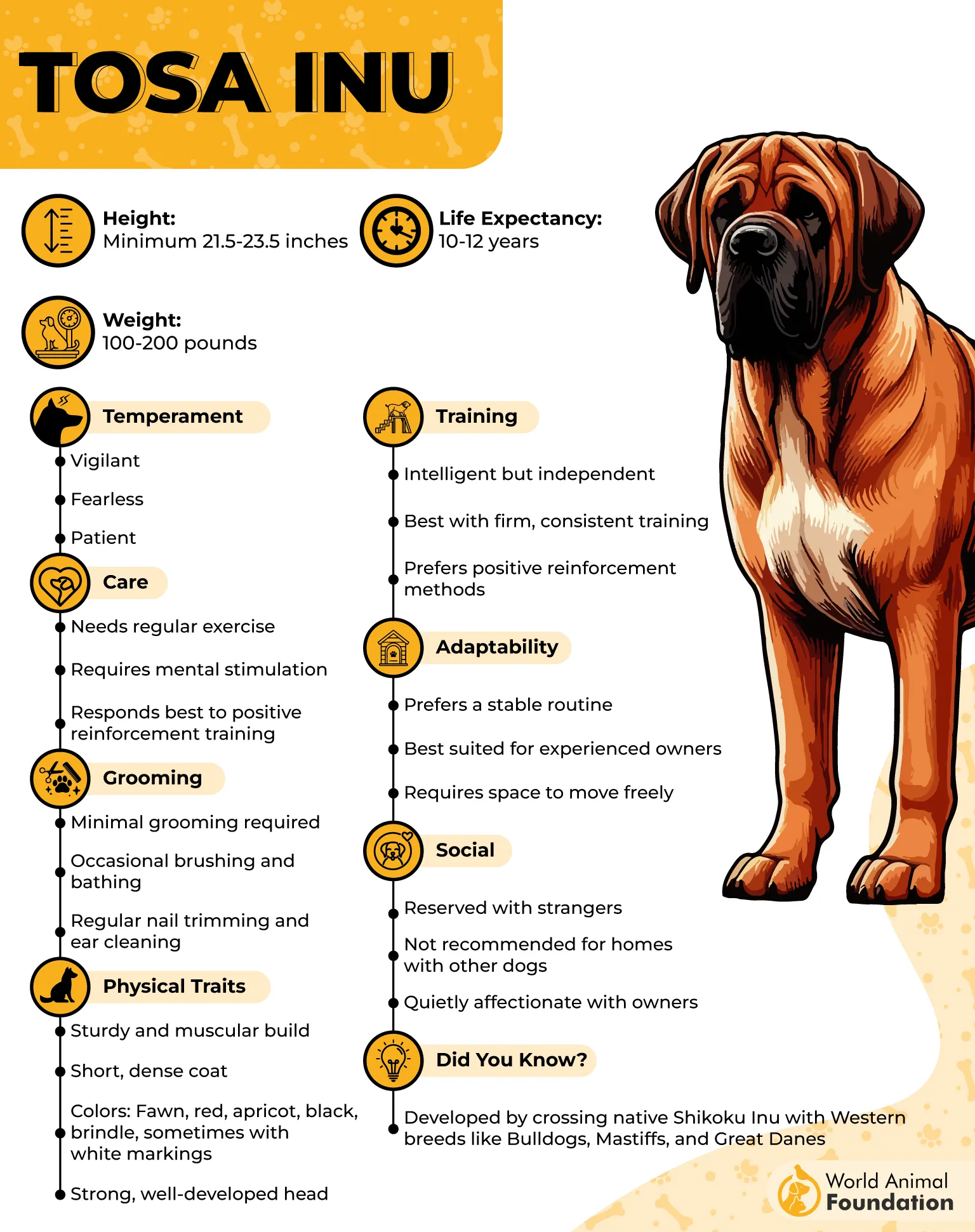
At up to 180 pounds, this is not a dog for the inexperienced. Tosas are eager to please, but their willful, stubborn streak means consistent, structured training is non-negotiable. Only highly disciplined, experienced owners should consider this breed.
On the more manageable side, their exercise needs are moderate rather than demanding. Their short, single coat sheds moderately and is easy to maintain; a few brushing sessions a week is all it takes to keep it clean and healthy.
9. Central Asian Shepherd Dog

The Central Asian Shepherd Dog, commonly known as the Alabay or CAO, holds national treasure status in countries like Turkmenistan and Kazakhstan, and as a primitive breed, they’re genuinely rare outside of Central Asia.
What makes them physically unique goes beyond their imposing size. They have thick, elastic skin around the neck, a natural adaptation that protects their vital organs from wolf bites: a feature developed over centuries of guarding livestock against serious predators. They also have an efficient metabolism, meaning they require less food than many other giant breeds of a similar size.
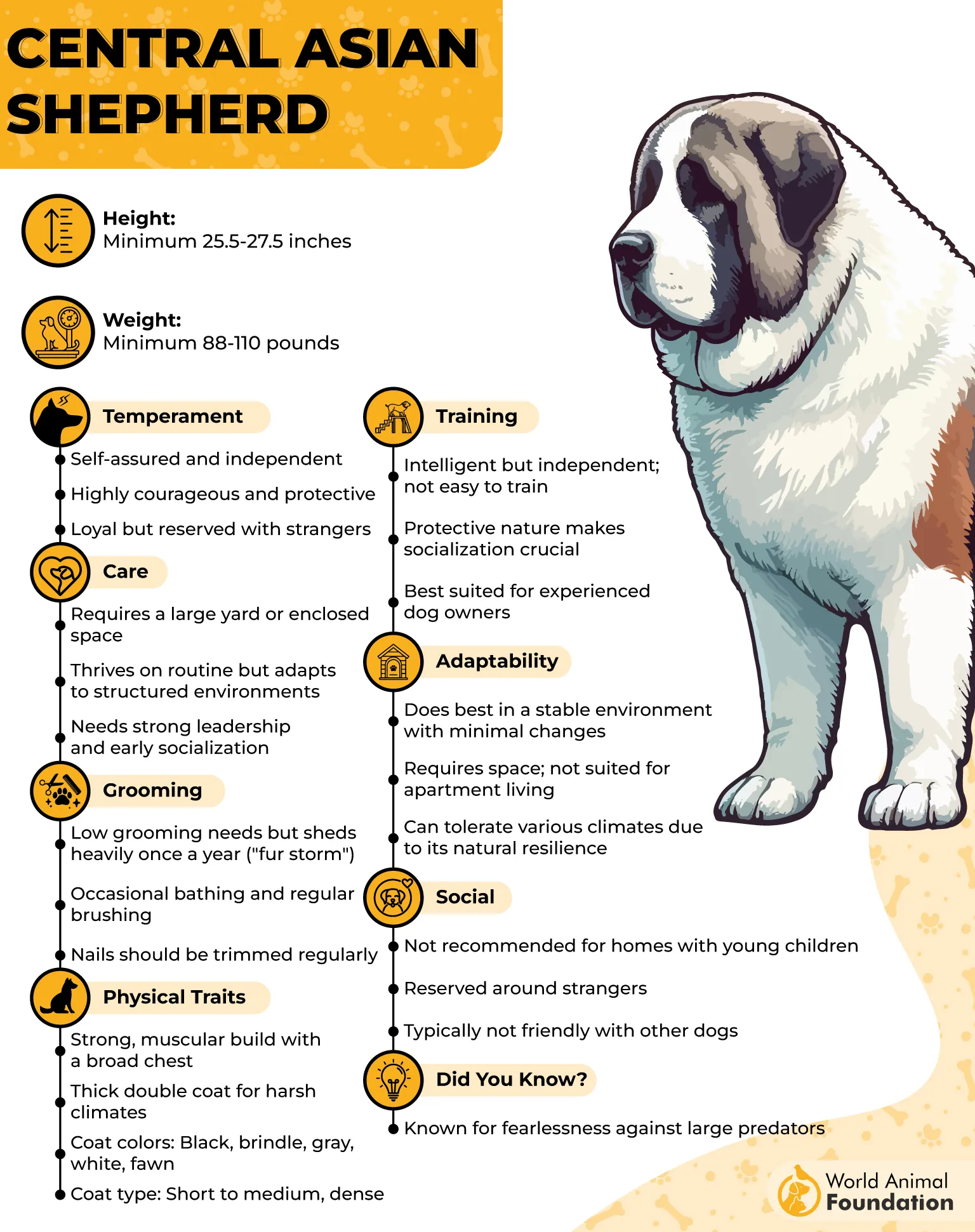
In terms of temperament, Central Asian Shepherd Dogs are not people pleasers and have a strong independent streak. Training them requires a calm, consistent approach that respects their nature rather than trying to override it; heavy-handed methods won’t work with this breed.
The good news is that their exercise needs are moderate. They don’t need intense, high-impact activity, but regular movement is still important to keep them healthy and mentally balanced.
Conclusion
These 9 giant breeds are genuinely rare, and each one brings something unique to the table, whether that’s the Kangal’s remarkable bite force, the Kuvasz’s royal history, or the Central Asian Shepherd’s wolf-proof neck. What they all have in common is that they’re not beginner dogs. Their independent, strong-willed nature means experienced handling isn’t just recommended; it’s essential.
They also differ in their training styles, exercise needs, and grooming requirements, so if you ever get the chance to bring one of these rare giants home, make sure you’ve done your homework first. The right owner makes all the difference with breeds like these.
