




Some dogs learn quickly, solve problems fast, and love having a job to do. That natural ability is exciting, but it only shines with the right training.
In this guide, we will look at exceptional dog breeds known for sharp minds and strong learning potential, along with practical ways to train them for maximum intelligence.
You will learn how to build attention, communication, and confidence through simple routines that fit real life. Whether you are raising a puppy or improving skills with an adult dog, the goal is the same: a smarter, happier companion who enjoys learning with you.
Exceptional Dog Breeds: Training for Maximum Intelligence
1. Border Collie
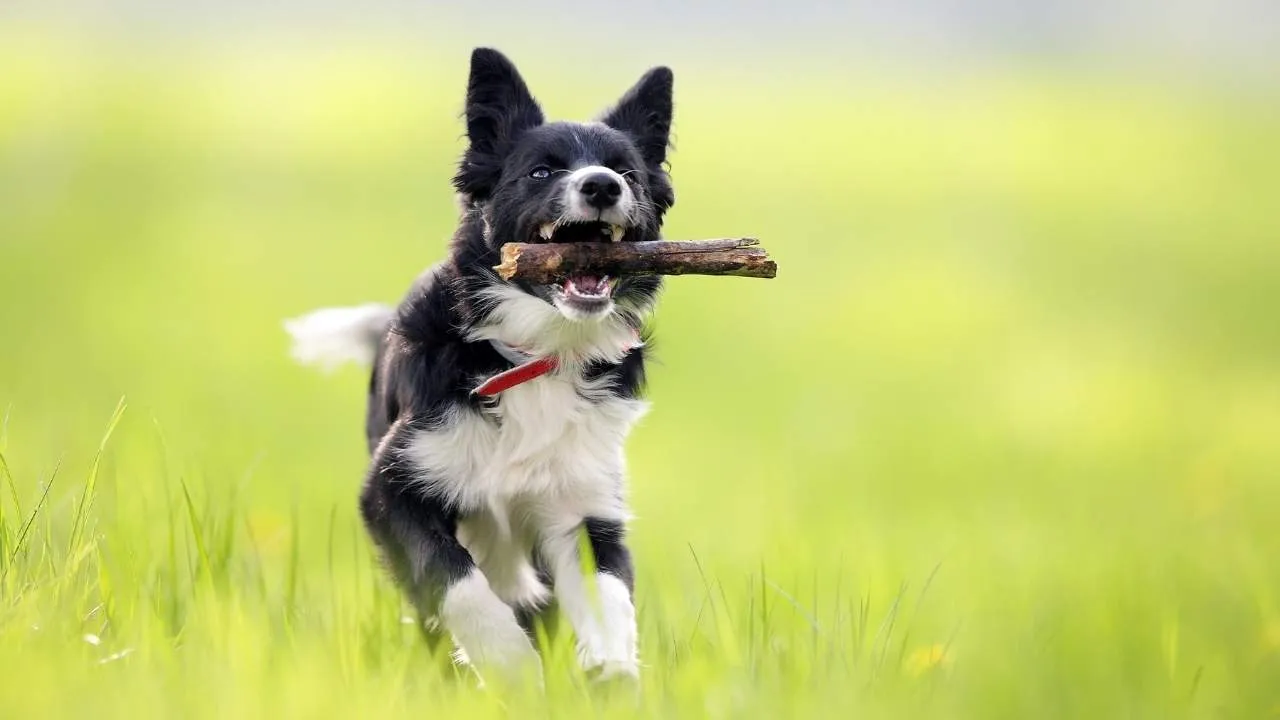
The border collie is often treated as the most intelligent dog breed because it is so focused, quick to respond, and deeply tuned in to daily tasks. This dog was originally bred for herding livestock, and that working background still shapes its strong learning ability today.
Many intelligent dog breeds enjoy training, but border collies learn commands fast and stay engaged when the work feels meaningful.
These dogs need regular mental stimulation, not just a short walk around the block. Puzzle toys, scent games, and short training sessions help protect them from destructive habits when they are left bored.
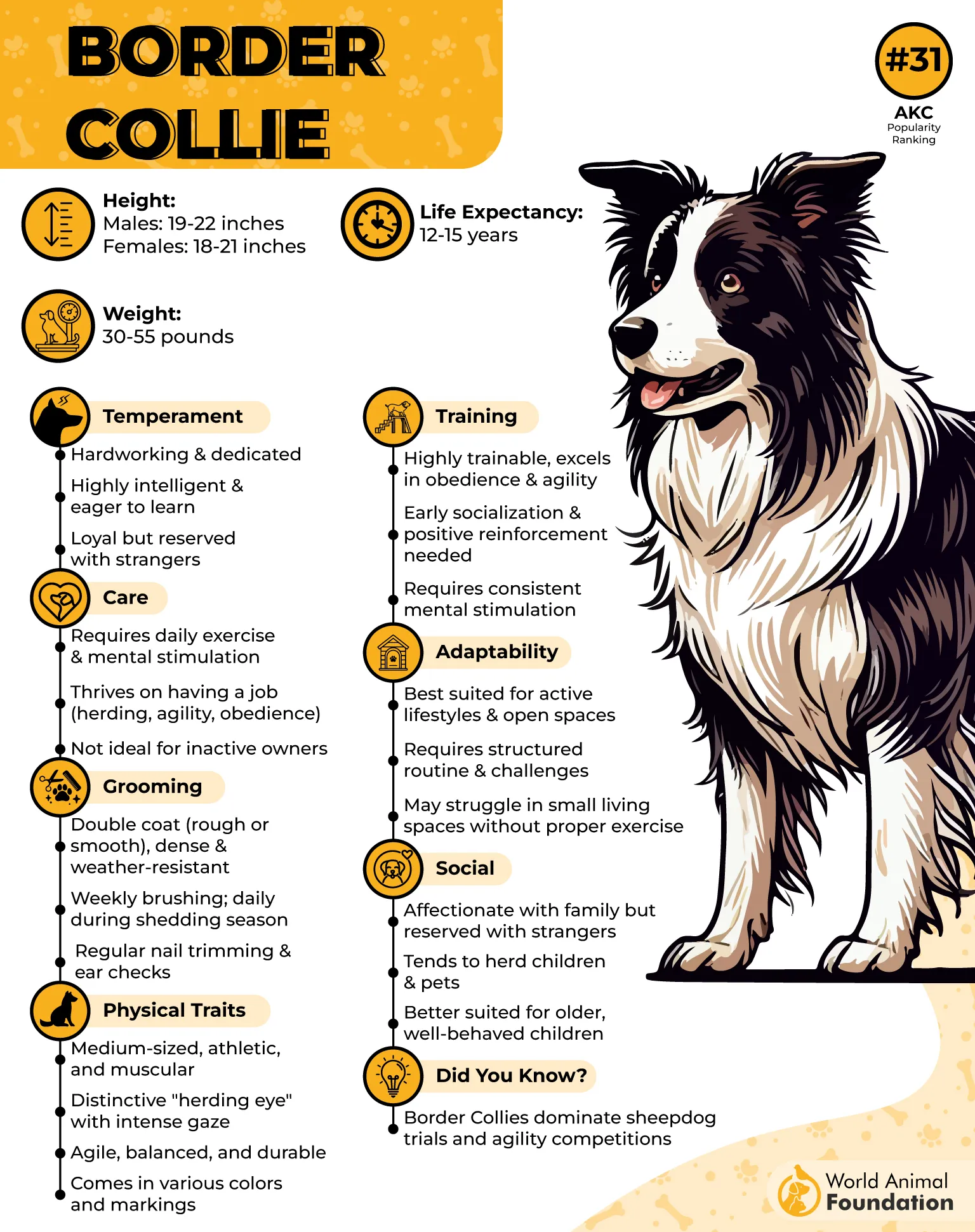
Their problem-solving abilities and sharp canine intelligence also mean they may anticipate commands if routines become too predictable.
Border collies can be affectionate with family members and watchful around strangers, with a style that feels more focused than noisy. Because they may try herding livestock behavior with kids by circling or nipping, consistent training and positive reinforcement are important early on.
Why This Breed Is a Good Fit
Great for owners who want intelligent dogs that enjoy learning new commands almost every week.
A fun match for people who like mental challenges, dog sports, and active bonding time.
Properly trained, this dog can turn daily practice into a smart and satisfying routine.
2. German Shepherd
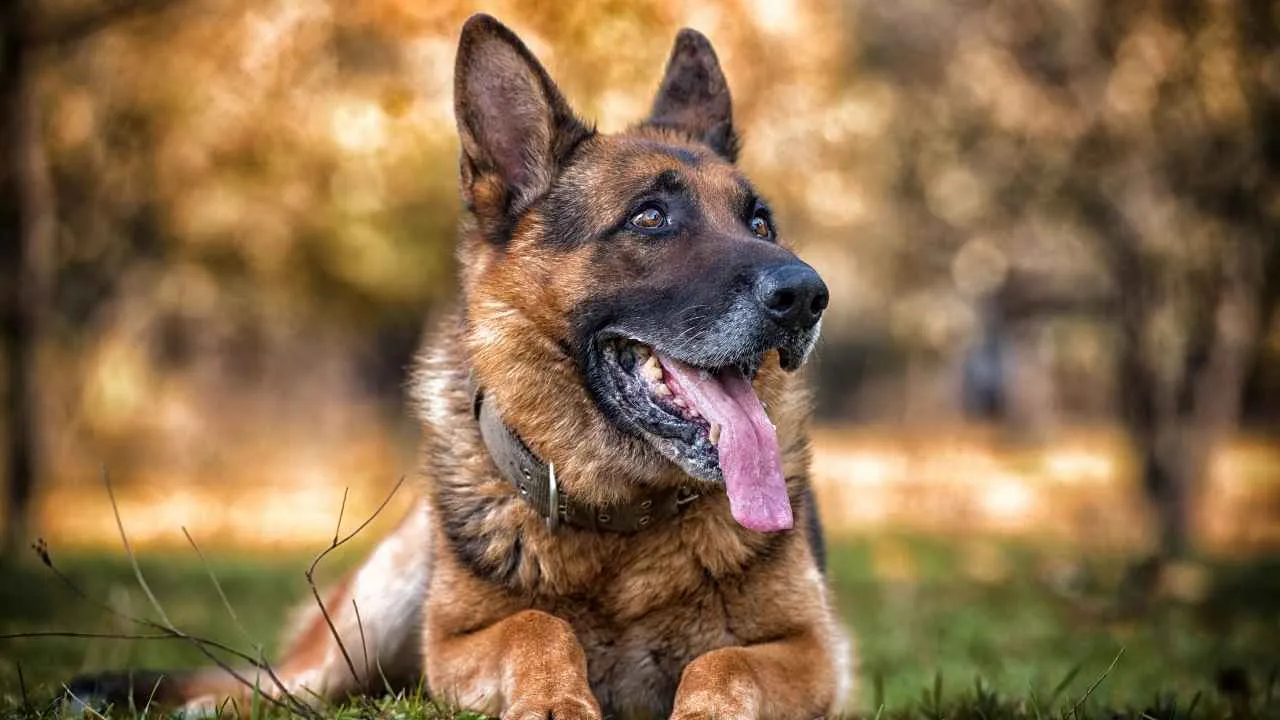
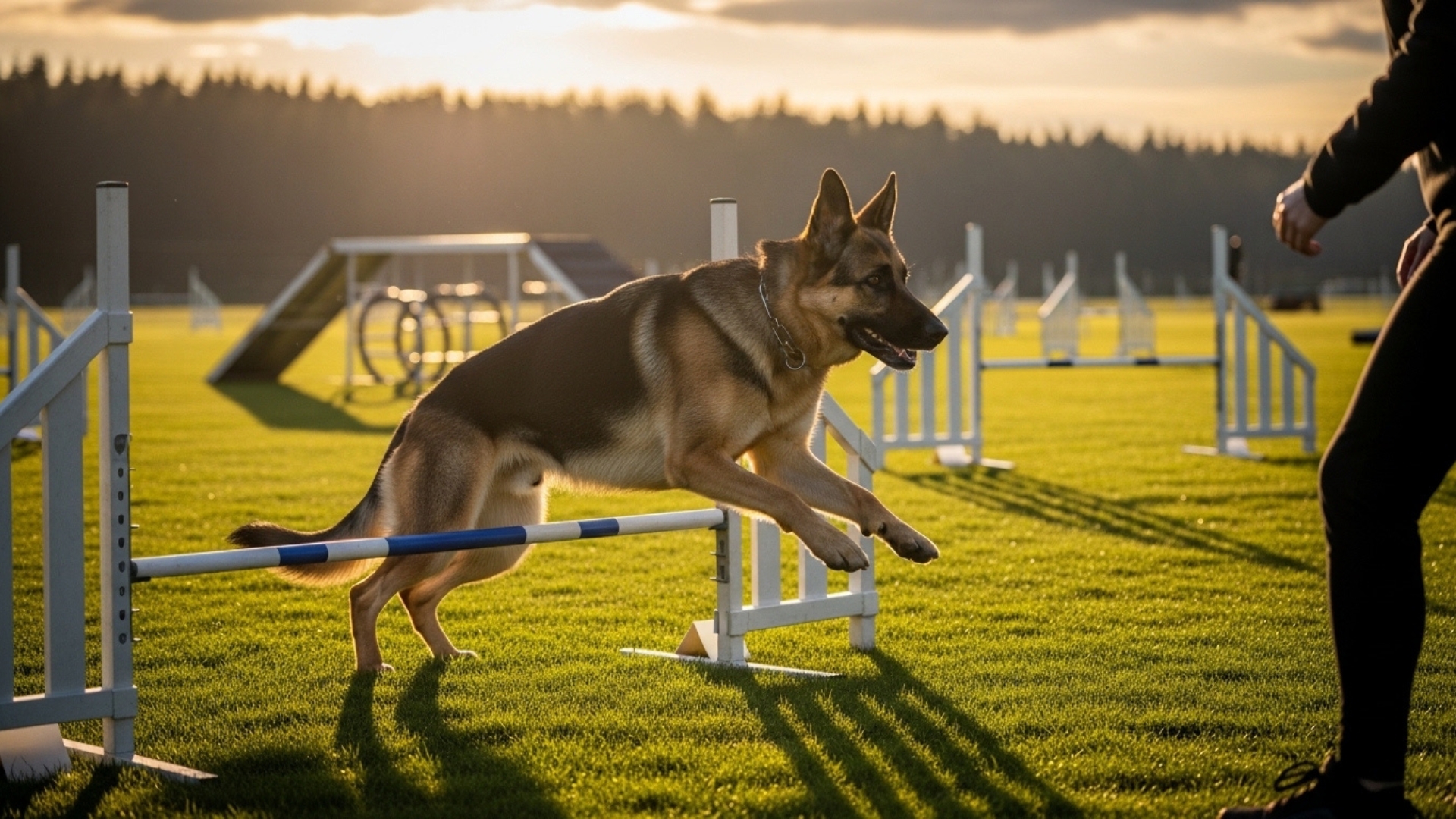
The German Shepherd is one of the most recognized intelligent dog breeds for people who want a capable partner with loyalty and purpose.
Known for keen canine intelligence and a strong work ethic, this breed is highly intelligent and often chosen for demanding jobs. Its alert nature can look serious in public, but many families know the softer side at home.
According to Britannica, the German Shepherd is commonly trained as a watchdog and a guide dog for people who are blind, and it also works in police and military service.
Because this dog is often used in search and rescue dog roles and other working tasks, mental exercise matters just as much as physical activity. German shepherds respond well to obedience training, clear structure, and training methods that reward good behavior instead of confusion.
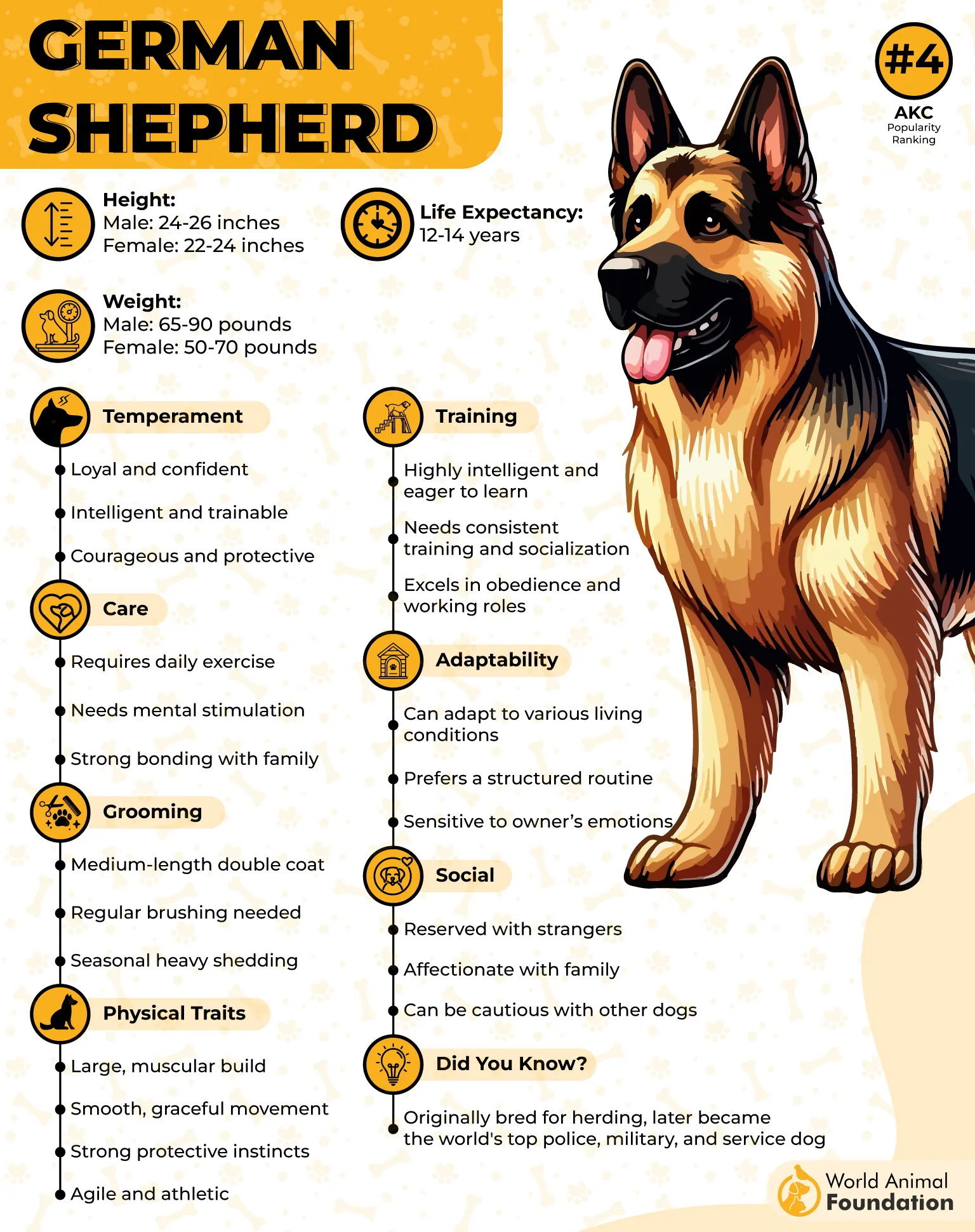
Their dog’s intelligence shows up in how quickly they understand routines and adapt to new commands. This breed can seem reserved with unfamiliar people, especially when it is in watch mode, yet it is also sensitive and deeply attached to family members.
Positive reinforcement and consistent training help shape calm responses while protecting that natural confidence.
Why This Breed Is a Good Fit
Ideal for owners who enjoy a smart dog with purpose, structure, and daily goals.
Works well for homes ready to support mental stimulation and steady training sessions.
A solid pick when you want intelligent dogs with loyalty and serious focus.
3. Poodle
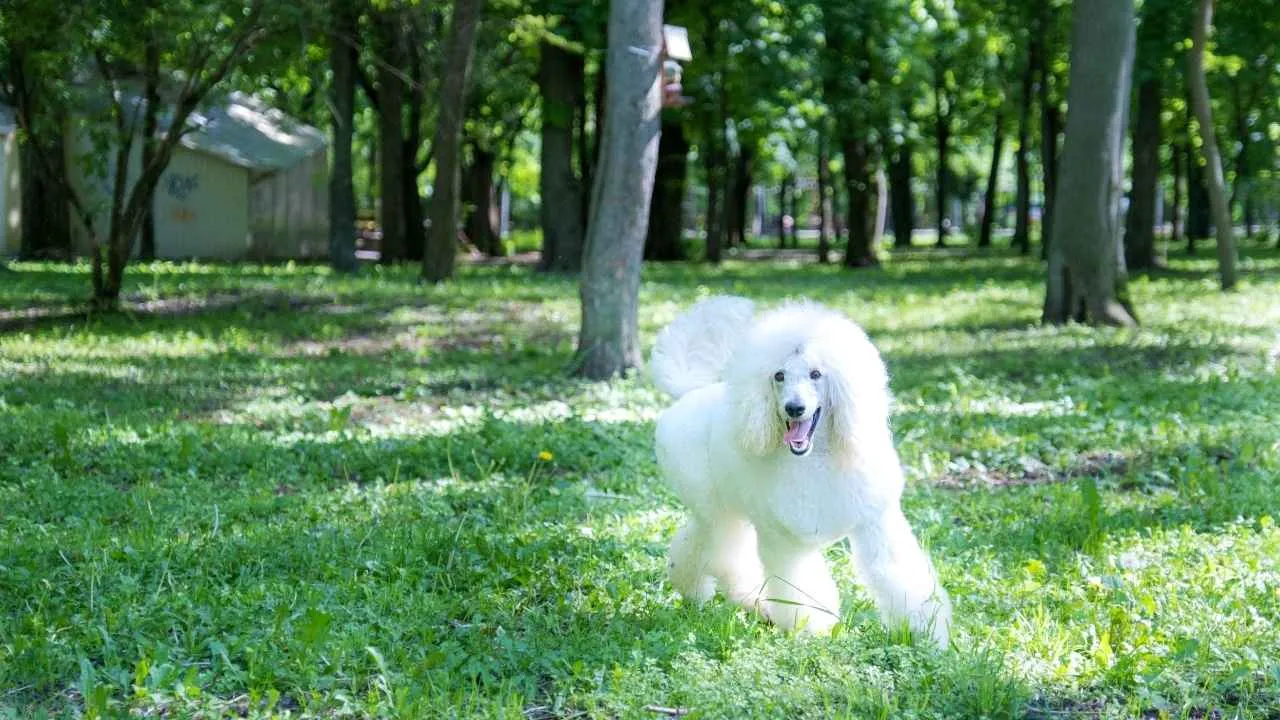
Poodles often surprise people because their fancy look hides a practical history and a sharp mind. This dog was bred to retrieve from water, and the coat had a functional role in protecting joints in cold conditions.
That mix of purpose and style is one reason poodles remain among the most intelligent dog breed choices for modern homes. According to AKC, Poodles are highly trainable and usually eager learners when training sessions are upbeat and clear.
They benefit from mental stimulation through puzzle toys, scent work, and obedience competitions that keep their brains active. With strong learning ability and excellent problem-solving skills, many poodles pick up new tricks quickly and enjoy repeating them for praise.
Poodles also tend to bond closely with people and prefer quality time over being ignored for long periods. Their gentle temperament and social nature make them lovely family pets when properly trained with positive reinforcement and consistent routines.
Why This Breed Is a Good Fit
Great for busy owners who still want smart dogs that enjoy short, meaningful practice.
Fits homes that value mental challenges as much as cuddles and companionship.
Brings a fun mix of exceptional intelligence and family-friendly charm.
4. Golden Retriever
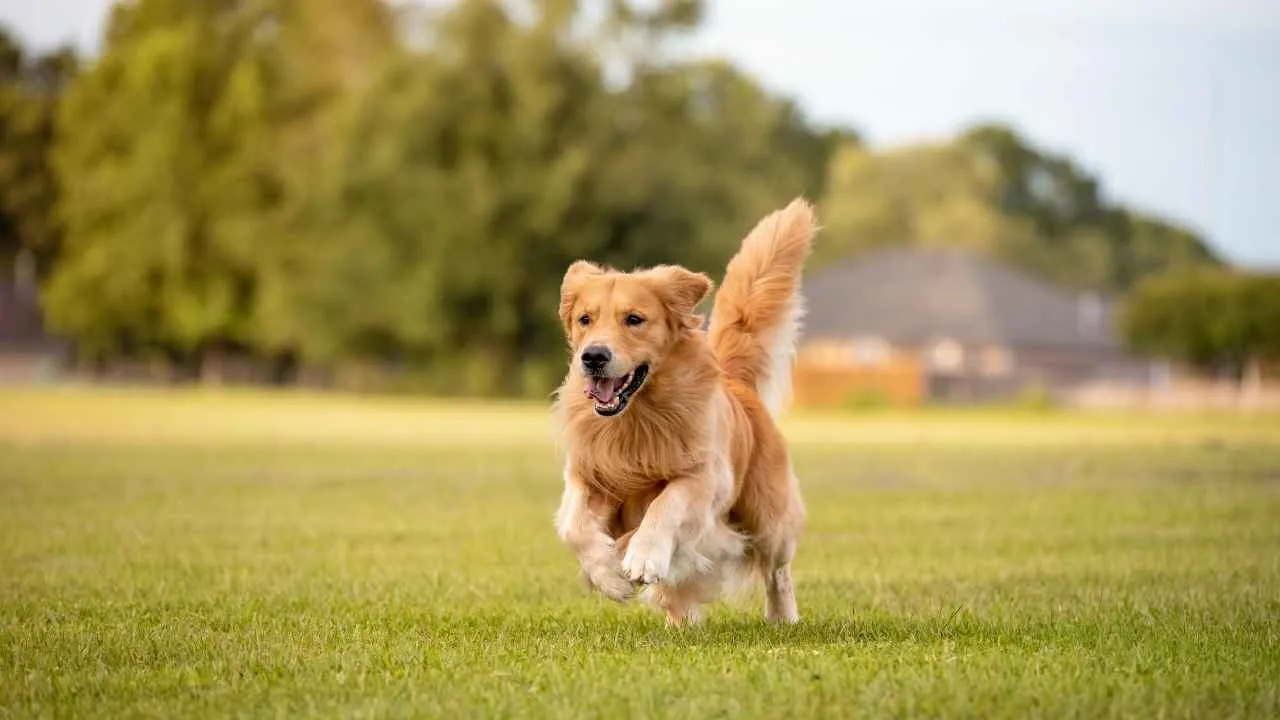
The Golden Retriever is one of the most beloved dog breeds because it combines warmth, playfulness, and a strong desire to be involved.
These intelligent dogs often stay goofy for longer than expected, making training feel lively and rewarding rather than stiff. A golden retriever usually wants to be near people, and that social connection supports steady learning ability.
This breed thrives when training sessions feel positive and interactive. Mental stimulation, puzzle toys, and simple obedience training games can build focus while channeling energy into good behavior.
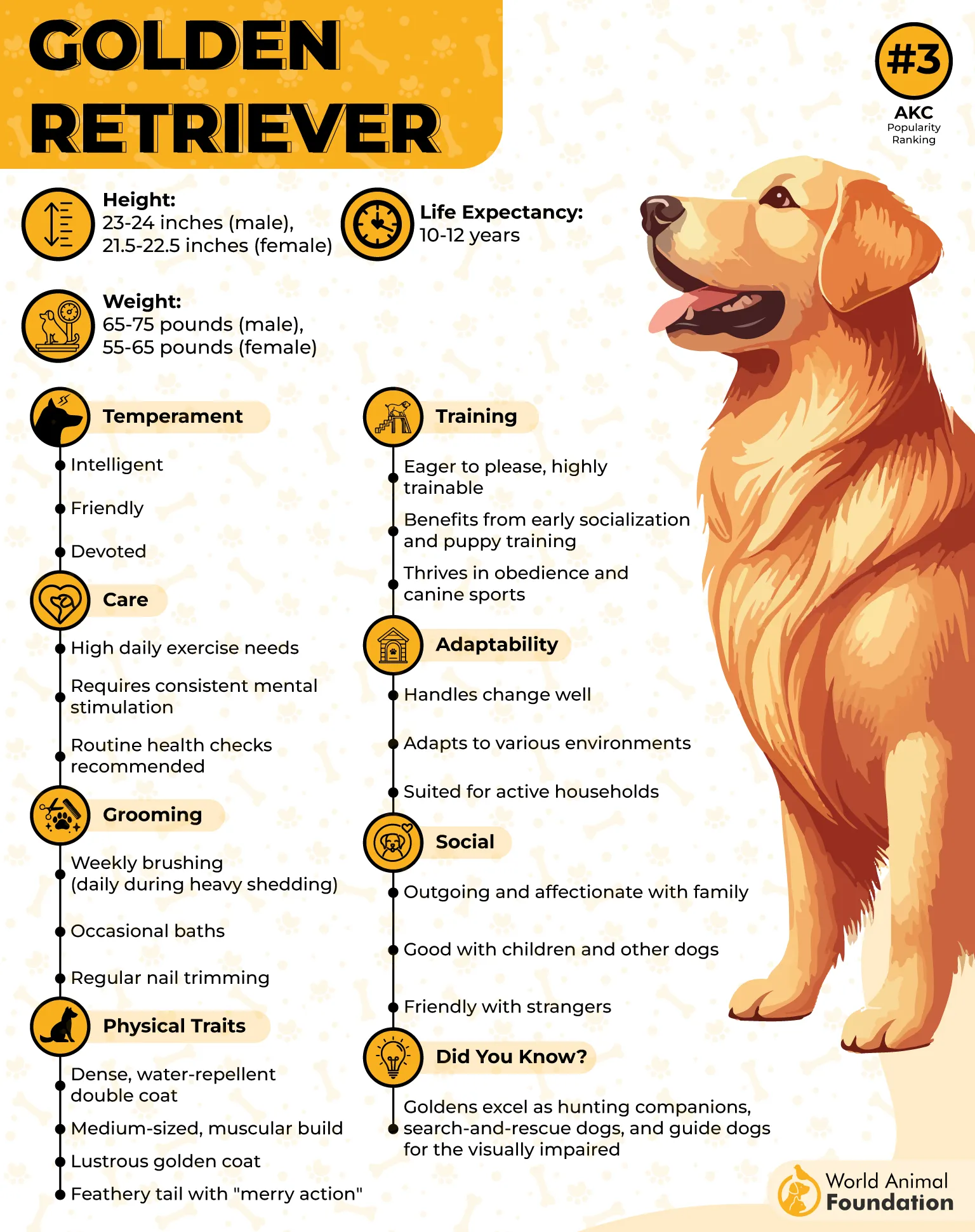
Golden retrievers are smart dogs with solid problem-solving abilities, and many enjoy agility competitions or service work-style tasks that give them a clear job.
Because they love being with family members, they are usually happiest as part of daily life rather than left alone outside for long hours. As a properly trained dog with positive reinforcement, a golden retriever can become one of the most reliable family pets in the home.
Why This Breed Is a Good Fit
Excellent for families who want intelligent dogs with a cheerful spirit and trainable nature.
A strong choice for owners who enjoy teaching new commands through play.
Keeps the article theme strong by blending brains, warmth, and easy teamwork.
5. Doberman Pinscher

The Doberman Pinscher is a striking dog with a serious presence, especially once it moves out of the puppy stage. As per PetMD, a Doberman Pinscher often looks like it is always on duty, and that protective posture can feel intense to strangers.
Under that guard-focused look, many doberman pinschers are affectionate, sensitive, and deeply connected to their people. These smart dogs need early socialization and consistent training to shape confidence into steady manners.
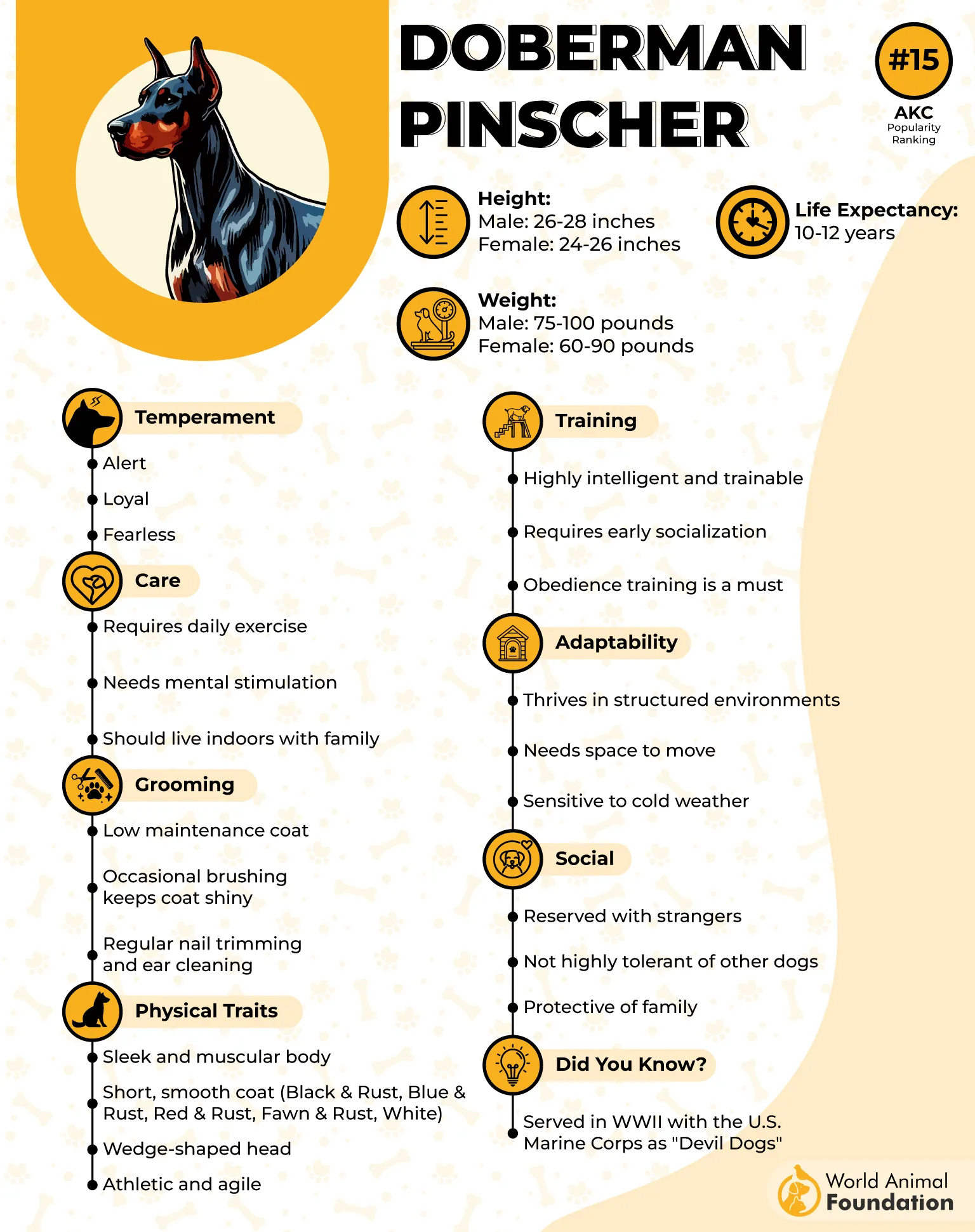
Obedience training, mental stimulation, and short training sessions help prevent destructive habits and support strong problem-solving abilities. Because they are independent thinkers, clear training methods and positive reinforcement work better than harsh correction.
Their dog’s intelligence can be impressive in obedience trials, detection dog tasks, and focused home routines when they are properly trained. The Doberman stands out for combining learning ability, emotional intelligence, and a natural drive to protect family members.
Why This Breed Is a Good Fit
Great for people who want intelligent dogs with focus, loyalty, and a confident presence.
Best for homes ready to invest in mental challenges and early guidance.
A smart pick if you enjoy structured training tips and purposeful daily practice.
6. Shetland Sheepdog
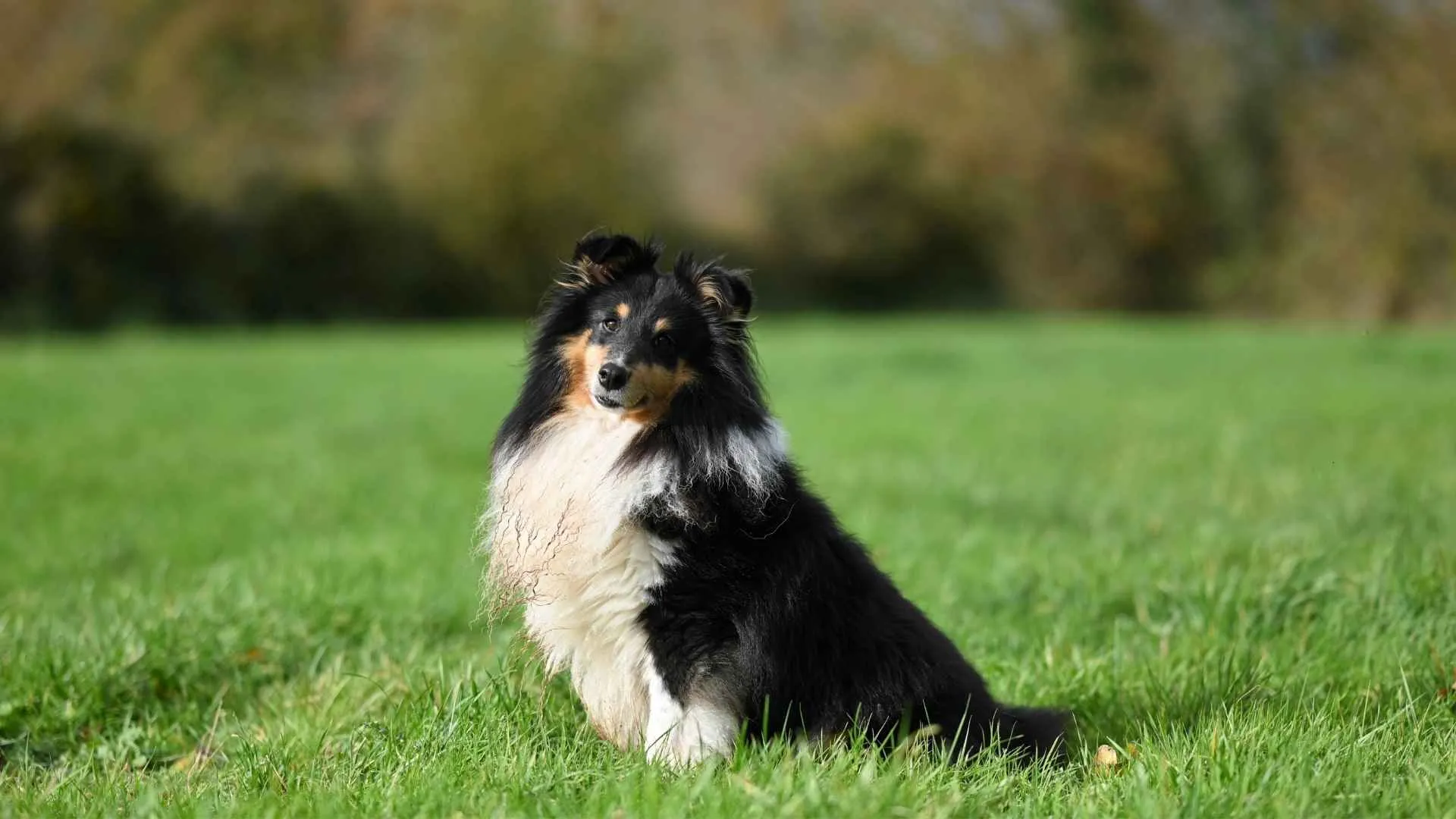
The Shetland sheepdog is a small pup with a big brain and a strong need for activity. This breed is often listed as one of the most intelligent dog breeds because of its trainability and quick response to direction. These intelligent dogs do not enjoy sitting idle for long.
They need mental stimulation through obedience intelligence games, agility competitions, and regular training sessions that let them use both body and mind. Their learning ability and problem-solving skills make them very responsive to new commands when the environment stays calm and organized.
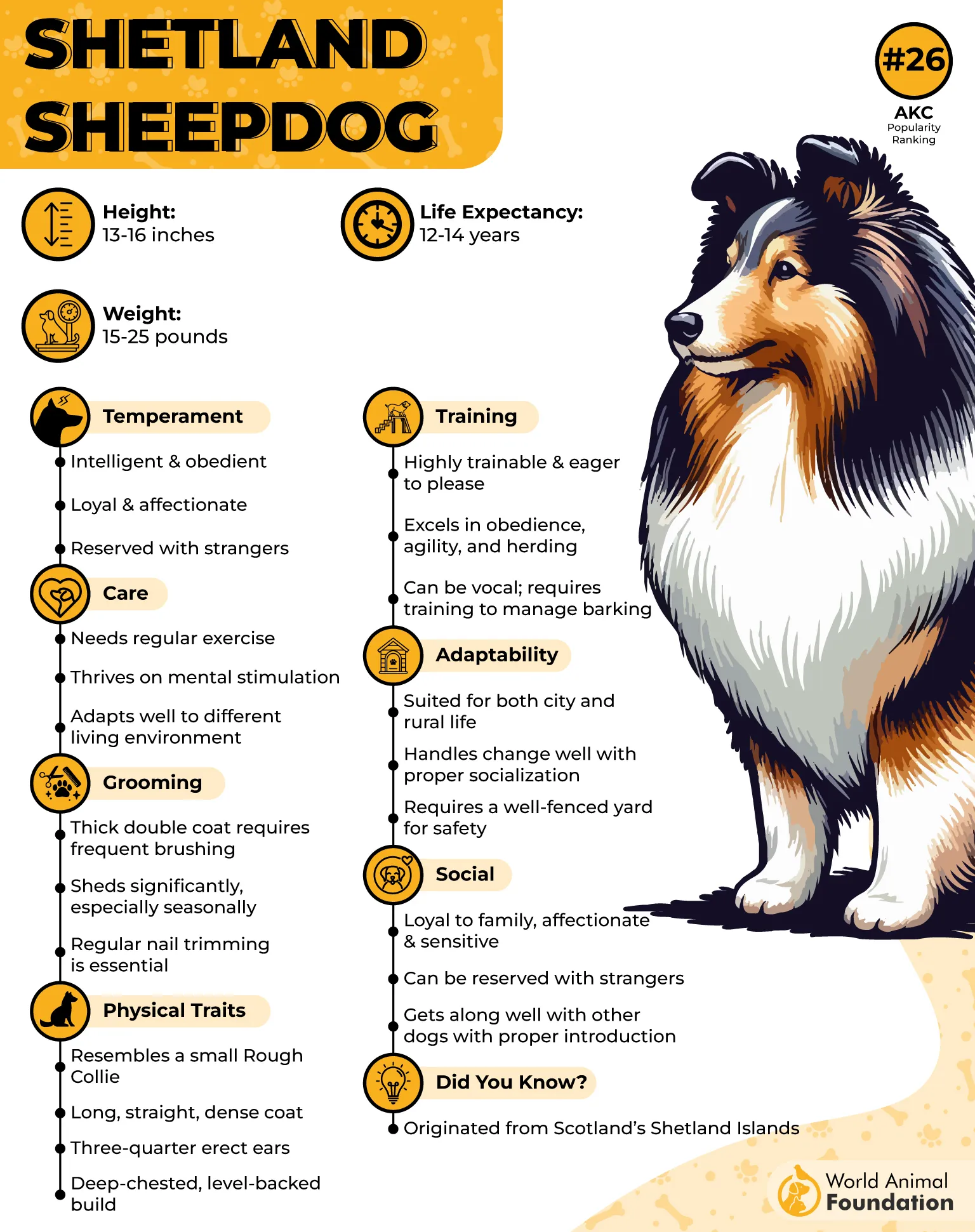
Shelties are devoted and active, but they often prefer order over loud chaos. They can be wonderful family pets in homes that respect their sensitivity and provide consistent training with positive reinforcement.
Why This Breed Is a Good Fit
Perfect for owners who want intelligent dogs in a smaller size with serious trainable talent.
Thrives in homes that enjoy calm routines, mental exercise, and playful skill building.
Bring the article topic to life with brains, speed, and a neat little work ethic.
7. Labrador Retriever

The Labrador retriever is one of the most familiar dog breeds in homes around the world, and that popularity makes sense. A Labrador retriever is often friendly, easygoing, and comfortable around people, which helps training feel natural.
These intelligent dogs usually learn best when lessons are upbeat, clear, and connected to everyday life. Labs are known for patience and tolerance, so they often fit well with families looking for reliable family pets.
Their learning ability improves with mental stimulation, scent work, and training sessions that include praise, rewards, and mental challenges. Because they are smart dogs with a people-first style, many labs thrive in service dog roles.
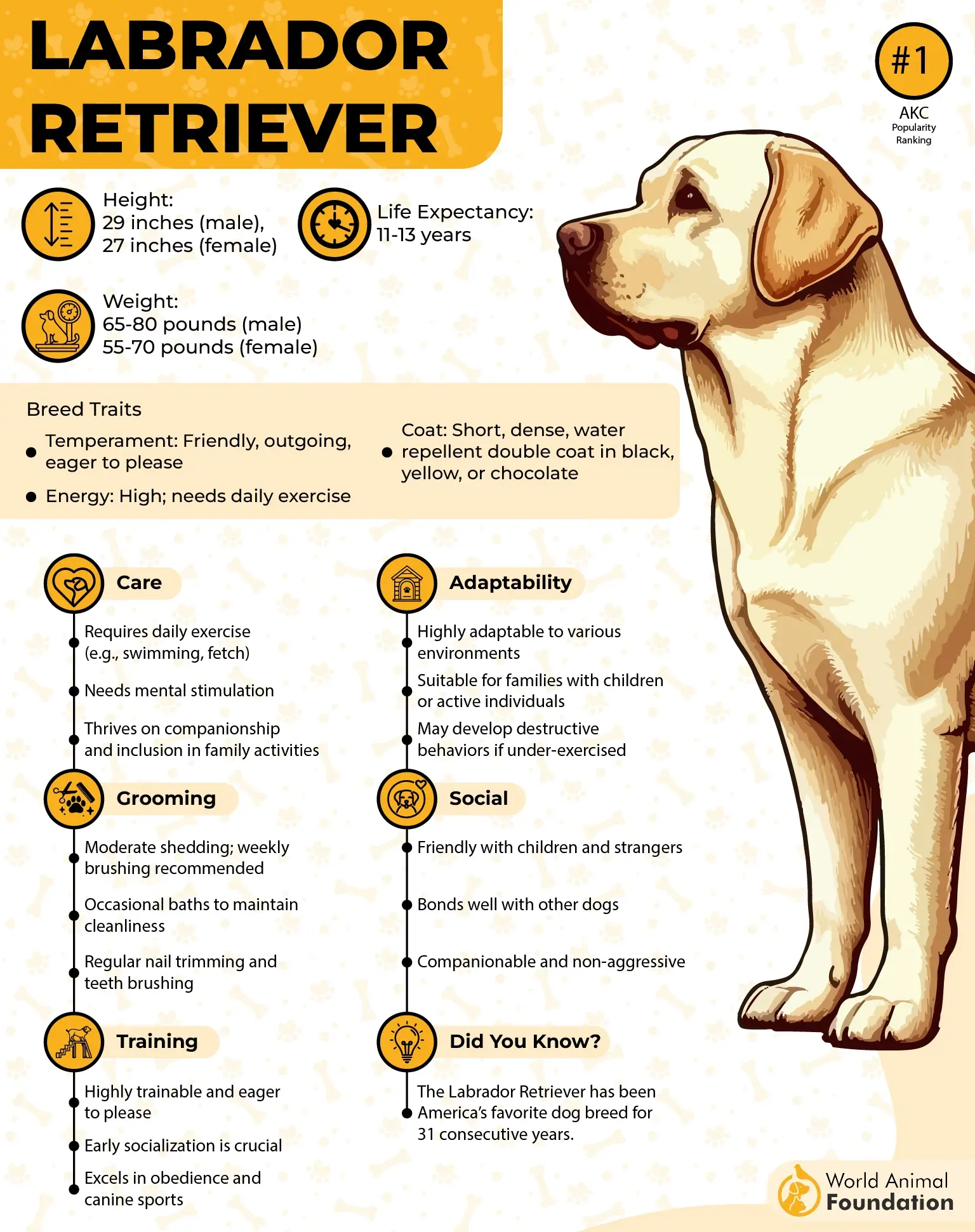
According to Hill’s Pet, Labrador Retrievers are strong, well-built dogs with a balanced, nearly square shape, a sturdy frame, and solid legs.
This breed can read human emotions well and often responds with a calm, friendly presence. Properly trained with positive reinforcement and consistent training, the Labrador becomes a dependable companion for busy homes and active routines.
Why This Breed Is a Good Fit
Excellent for families who want intelligent dogs with an easygoing and social personality.
A great option for owners interested in service dog-style training and scent games.
Keeps learning fun, which makes training easier for both the dog and the humans.
8. Papillon
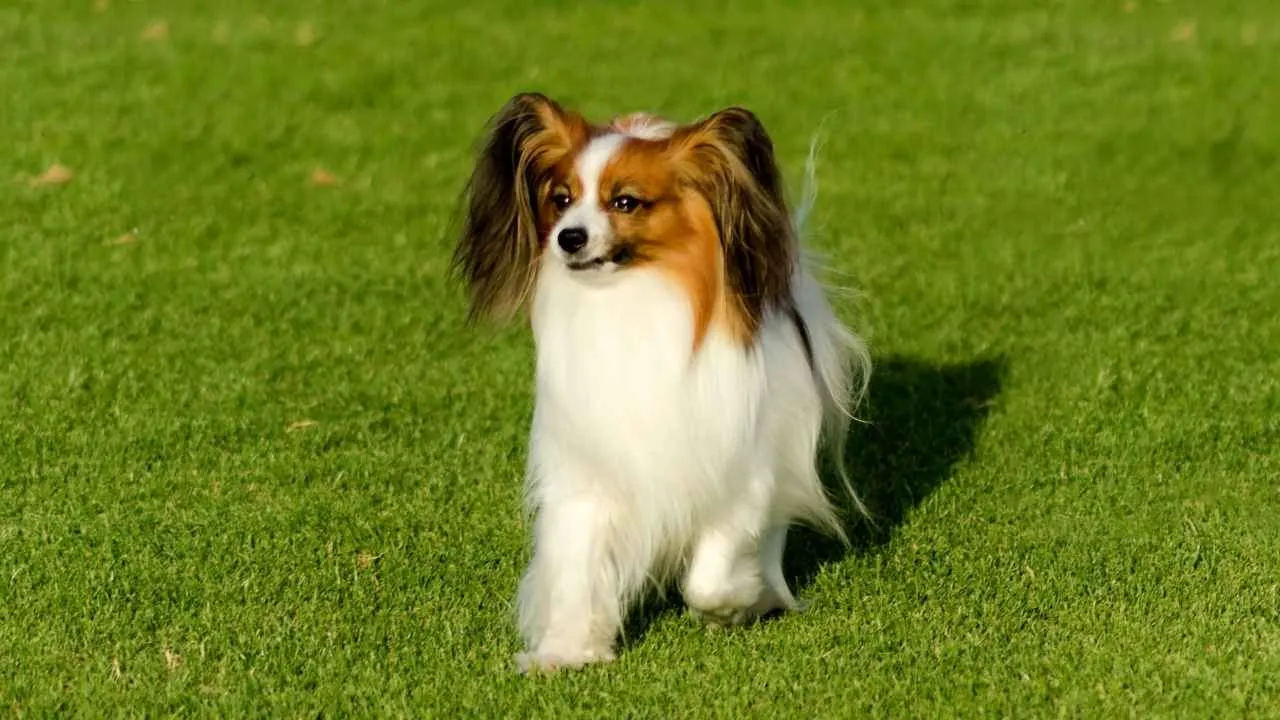
The Papillon is one of those small dogs that can surprise people with a sharp mind and lively personality. This dog is compact, adaptable, and very connected to people, which makes it a strong candidate for homes that want intelligent dogs in a smaller package.
The butterfly-like ears give it a fancy look, but the mind behind those furry faces is all business during training. Papillons do well in many settings and enjoy spending time with their humans, which supports steady learning and focus.
They are smart dogs that benefit from mental stimulation, puzzle toys, and training sessions built around new tricks and short mental challenges. Their problem-solving abilities also show up in agility competitions, where quick thinking and body control matter.
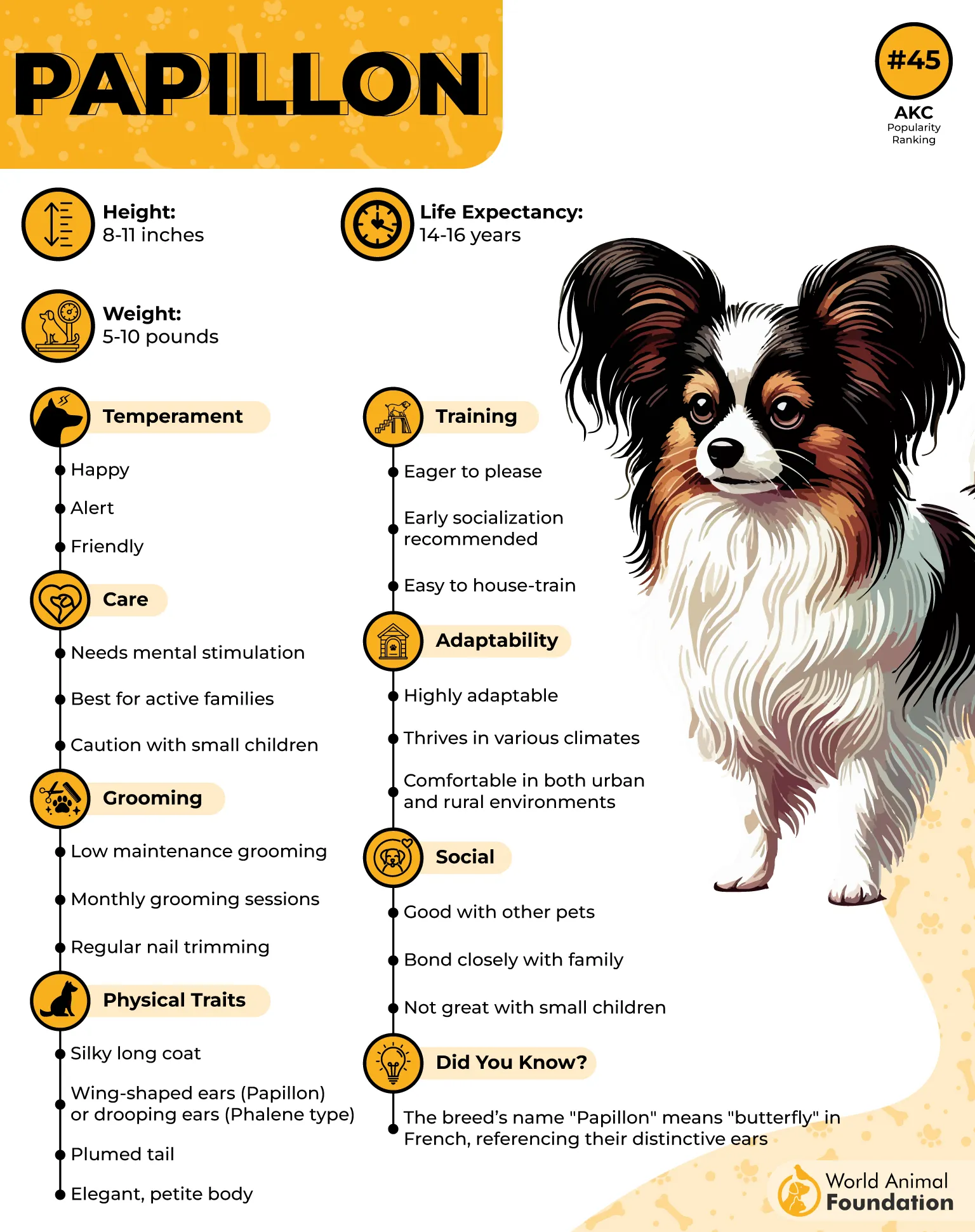
This breed is friendly and happy, with a style that often feels bright and engaged. Papillons can also work in therapy and service dog roles, which highlights both canine intelligence and social adaptability.
Why This Breed Is a Good Fit
Great for people who want intelligent dogs with a compact size and an active brain.
Fun for owners who enjoy agility competitions and quick learning games.
A lively reminder that small dogs can bring huge learning ability.
9. Rottweiler

The rottweiler is a powerful dog with a stocky build and a strong guarding instinct, but there is also a calm and affectionate side at home. Many rottweilers stay very tuned in to their family members, especially when they feel responsible for the space around them.
This balance of protection and closeness makes them one of the more intelligent breeds to train thoughtfully. These intelligent dogs need dedicated owners, consistent training, and clear routines from the start.
Mental stimulation, obedience training, and mental exercise help direct their problem-solving abilities into good behavior instead of stubborn habits. Because they are independent thinkers, training methods should be steady and fair, with positive reinforcement used to build trust and focus.
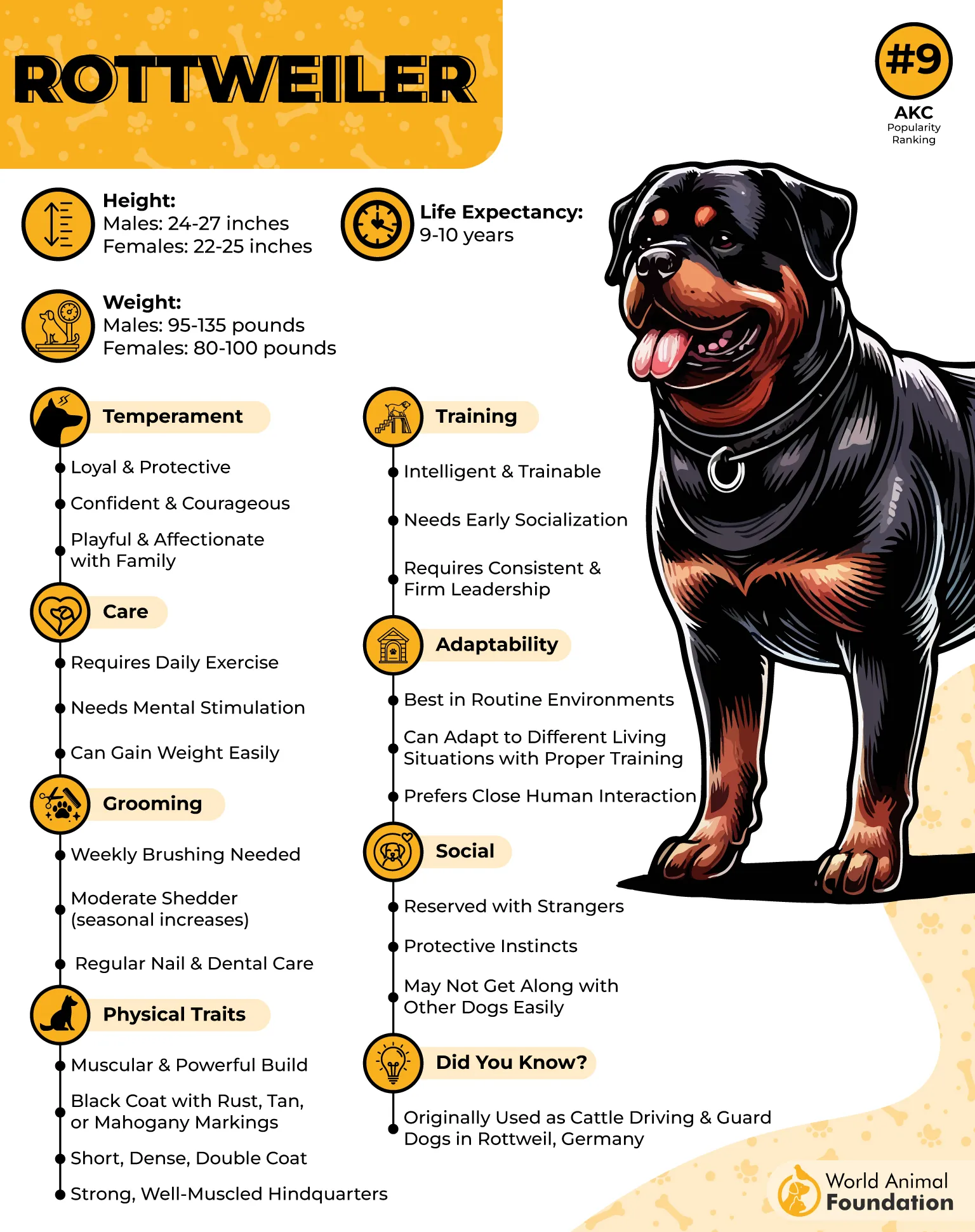
Some Rottweilers stay more watchful than others, but all benefit from early structure and regular engagement. Properly trained, they can become stable family pets with strong loyalty and above average intelligence for home tasks and controlled routines.
Why This Breed Is a Good Fit
Best for owners who want intelligent dogs with strength, loyalty, and a steady routine.
A strong match for homes that can commit to consistent training and mental challenges.
Brings a smart, protective presence while still being affectionate with family members.
10. Australian Cattle Dog
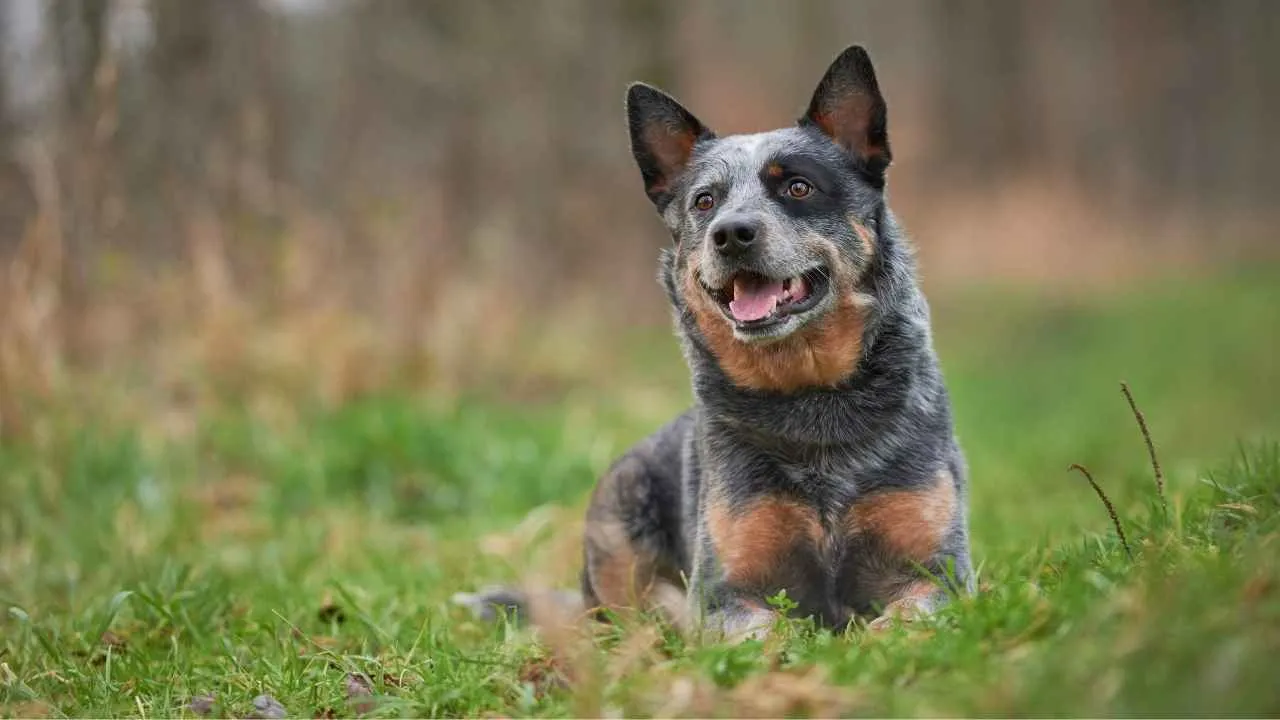
The Australian Cattle Dog was developed for hard work in demanding conditions, and that purpose still defines the breed today. The Australian Cattle Dog was created for moving cattle and is known for nipping at heels while herding livestock.
This job-focused history helps explain why it is one of the most highly intelligent dog breeds for task-based training. These intelligent dogs need more exercise, mental stimulation, and regular mental challenges than many family pets.
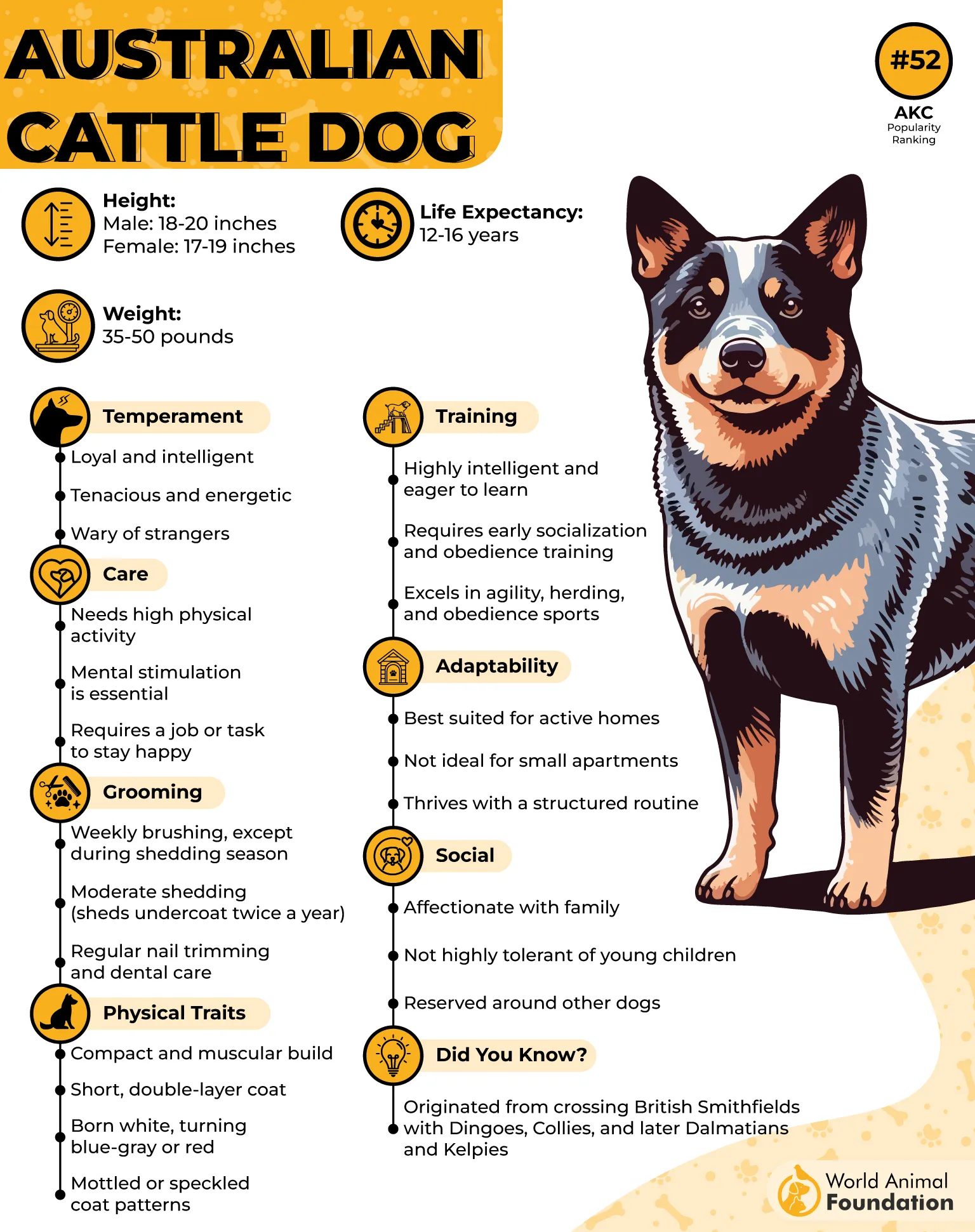
Their problem-solving abilities, learning ability, and sharp focus make them excellent at training sessions that include scent games, obedience training, and new commands. Because they are independent thinkers, they do best when training methods are clear and consistent.
This dog is not just energetic; it is purposeful, and that matters for maximum intelligence training. When properly trained with positive reinforcement and consistent training, the breed can become highly trainable, engaged, and deeply rewarding to work with.
Why This Breed Is a Good Fit
Perfect for active owners who want intelligent dogs with real work energy and focus.
Great for daily mental stimulation plans that go beyond basic walks.
A fun choice if you enjoy training tips, problem-solving games, and a dog that loves a job.
Conclusion
Training for maximum intelligence is not about turning every dog into a performer. It is about understanding canine intelligence, using fair training methods, and giving intelligent dogs the mental stimulation they need to feel balanced and engaged.
Some breeds love structured obedience training, while others shine through scent work, service work, or playful problem-solving skills.
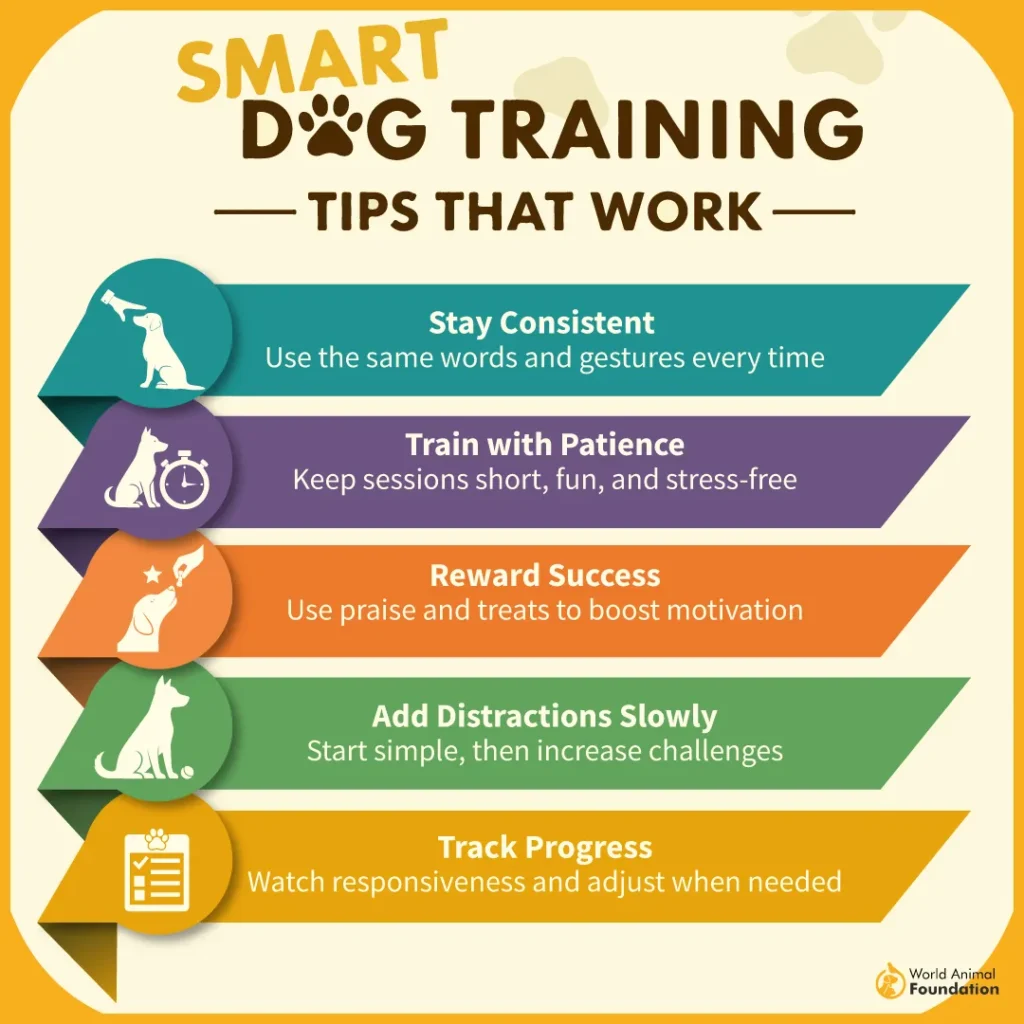
The best results come from positive reinforcement, consistent training, and short training sessions that build trust over time. When a dog feels understood and properly trained, learning becomes faster, happier, and more reliable.
Pick the breed that fits your lifestyle, then support its natural strengths with patience, clear routines, and a little humor along the way.
