




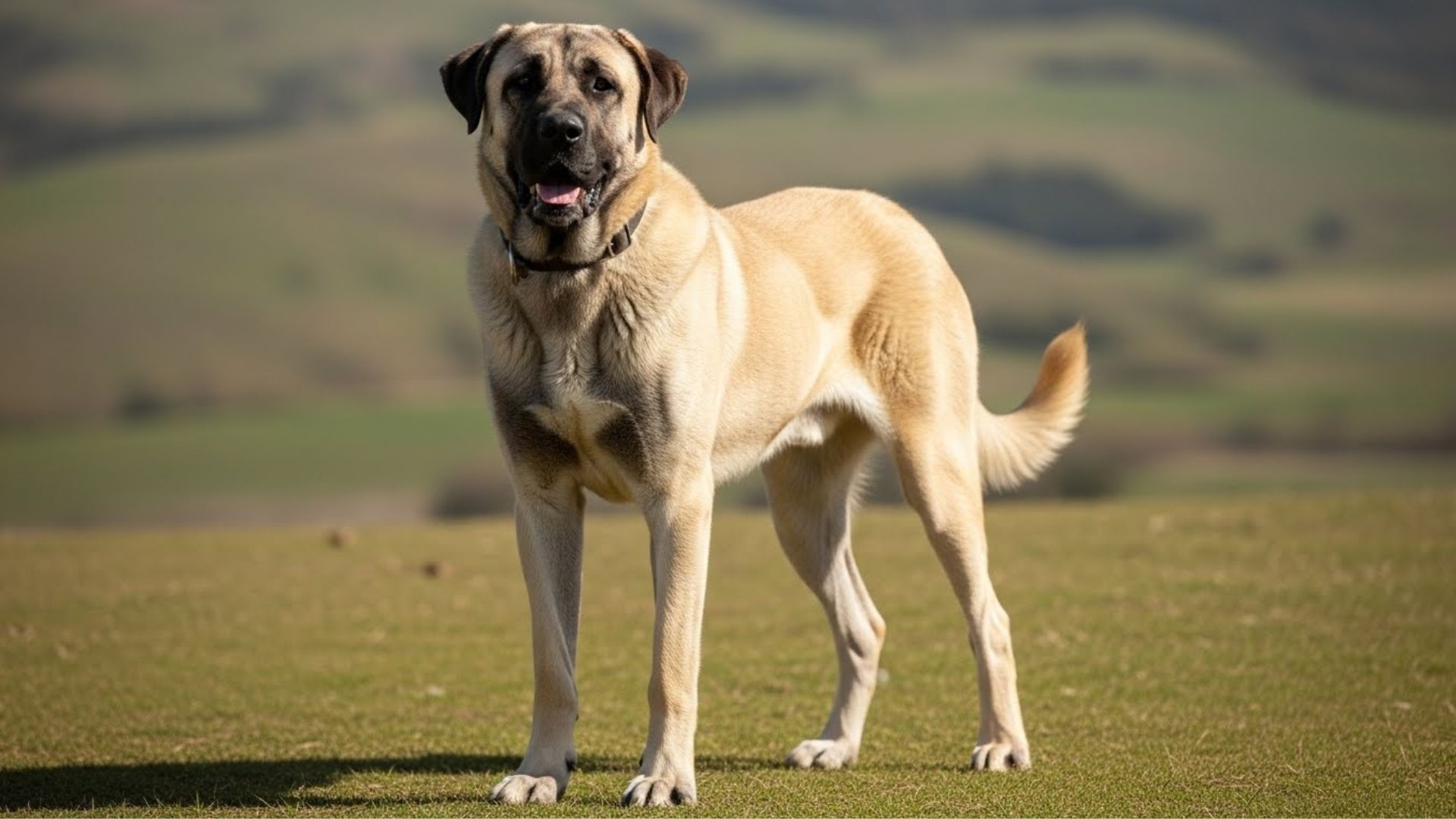
Big power dogs can still fit a busy life if you plan smart.
Some dogs look like they were built in a gym. Thick neck. Solid chest. Strong legs. And that “don’t mess with my people” vibe.
But here’s the best part! A powerful build does not always mean a wild, nonstop dog. Many strong breeds can live well with you, even if your days are packed, as long as you give them the right kind of time. Not more time. Better time.
Below are 7 strong-built breeds, each with its own style of strength.
Exceptional Dog Breeds Possessing Powerful Builds
1. Kangal
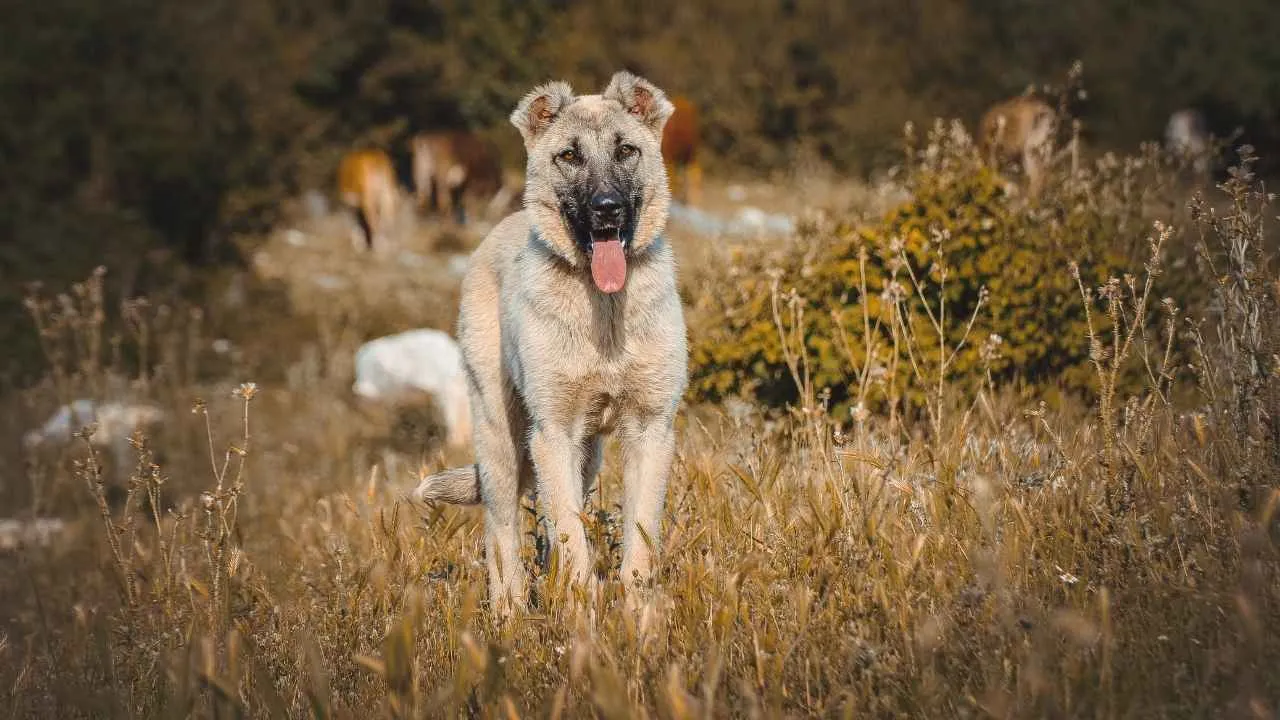
The Kangal is pure muscle with a calm brain. This breed is famous for having the strongest recorded bite force in dogs, around 743 PSI. That number is wild, right?
But the Kangal is not walking around looking for trouble. It was shaped for one job: protect the flock from serious predators, then go back to being chill.
What makes them special is their balance. They can be gentle with family, yet fearless when something feels off. They often read the room better than we do.
If you have limited time, the key is not “more play.” It’s clear rules, steady walks, and early social time, so they learn what is normal.
But wait, there’s more! This is not a small-space, “two quick potty breaks” dog. Kangals do best with room to move, a confident owner, and calm, firm training. If you rush this breed or skip structure, it gets even worse, though, because they may start making their own rules.
Time-Smart Ownership Notes
Keep walks calm and steady, not chaotic sprint sessions.
Teach “place,” “leave it,” and “quiet” early. It saves your day later.
Give a safe yard routine if you cannot do long daily adventures.
Socialize gently, often, and early so their guarding instincts stay balanced.
2. Cane Corso
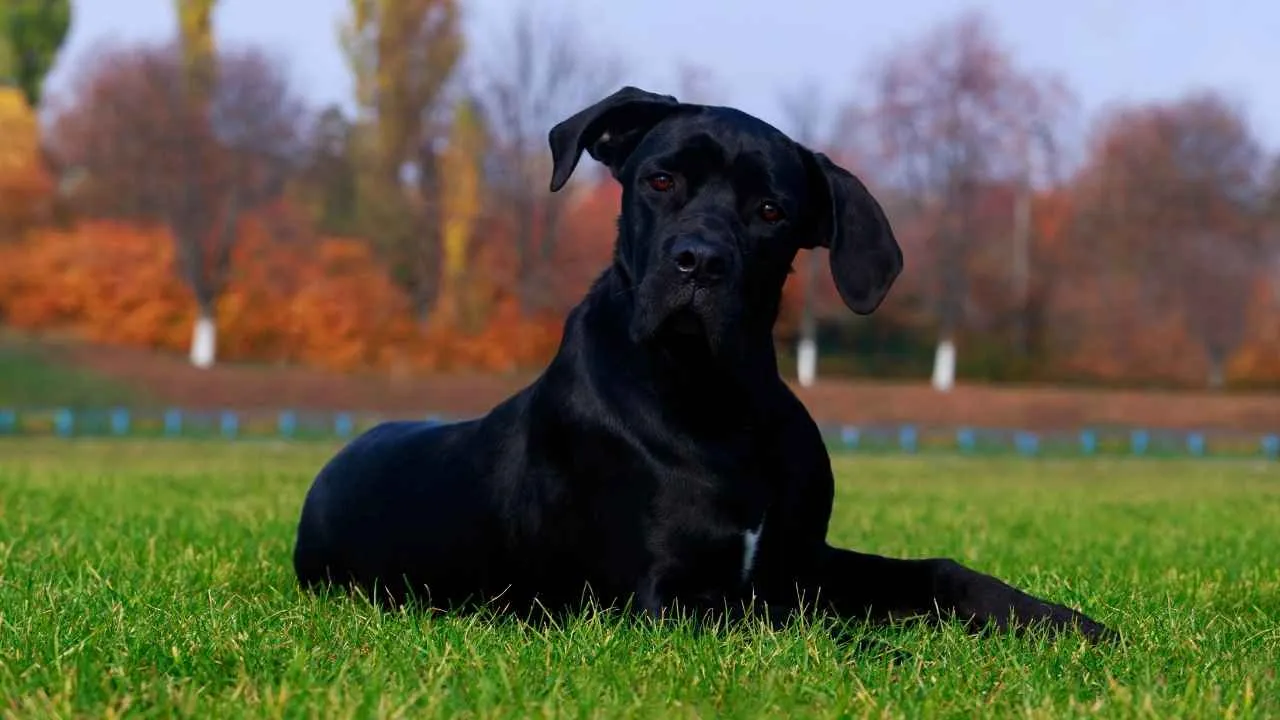
The Cane Corso is a strong, athletic mastiff type with a serious build and a working-dog mindset. Many adult males stand about 25 to 27.5 inches at the shoulder, and females about 23.5 to 26 inches. They are large-boned, big-headed, and built as they mean it. And yes, they do.
According to AKC, this breed comes from Italy and has a history tied to guarding and hunting, including tough work like boar hunting.
Later, they became all-around farm dogs, helping drive livestock and guard land. That background shows in how they act today: watchful, loyal, and very tuned in to their home.
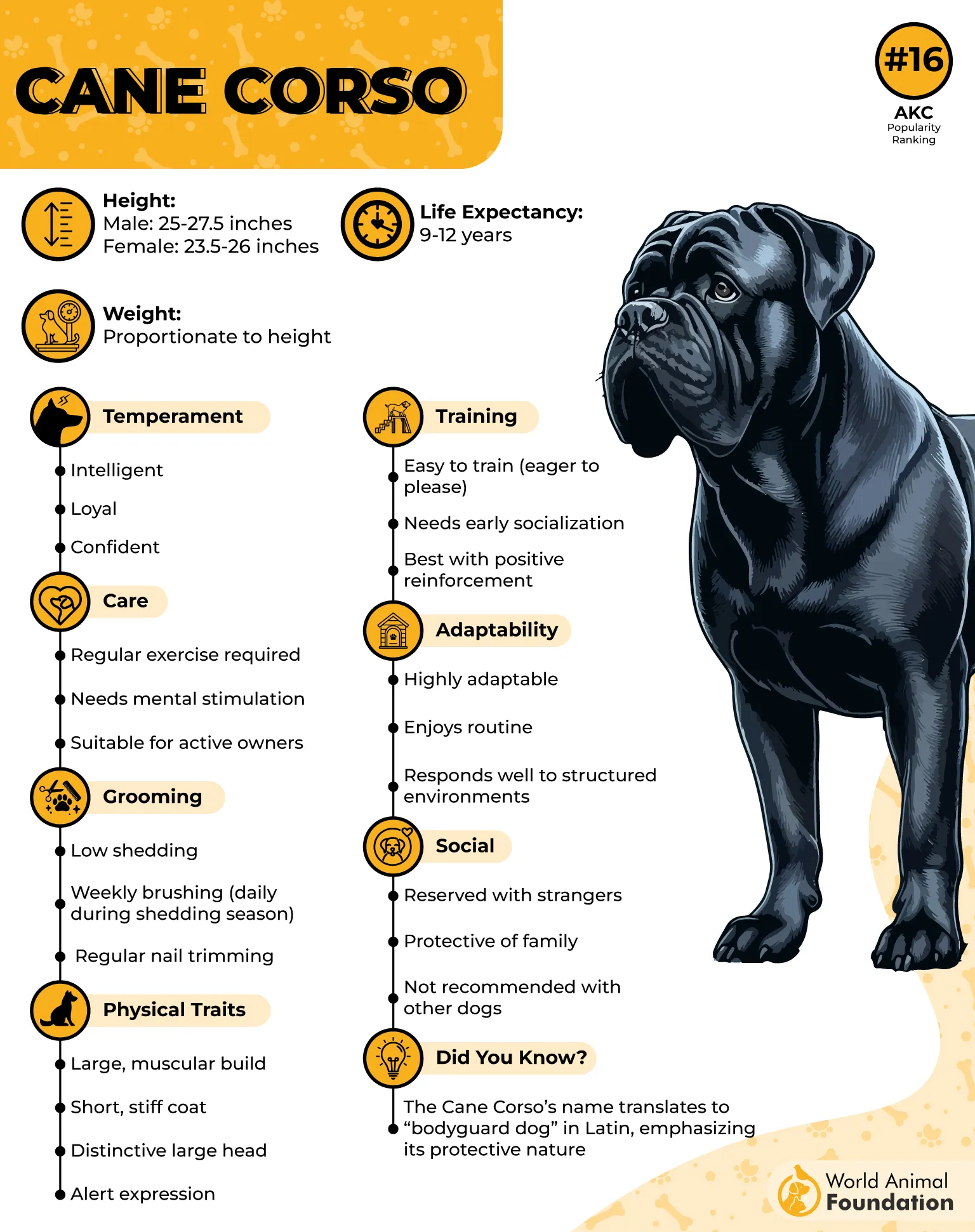
Here’s the good part. Cane Corsos can be intelligent, trainable, and affectionate with family. They often like being close to their people.
If your time is limited, focus on short training chunks twice a day and a steady routine. A Corso that knows the plan is a calmer Corso. A confused Corso is a full-time job.
Time-Smart Ownership Notes
Two short training blocks beat one long weekend session.
Give them a “job” like carrying a backpack on walks.
Do calm greetings so they do not get pushy with guests.
Structure matters more than speed. Slow and steady wins here.
3. Rottweiler
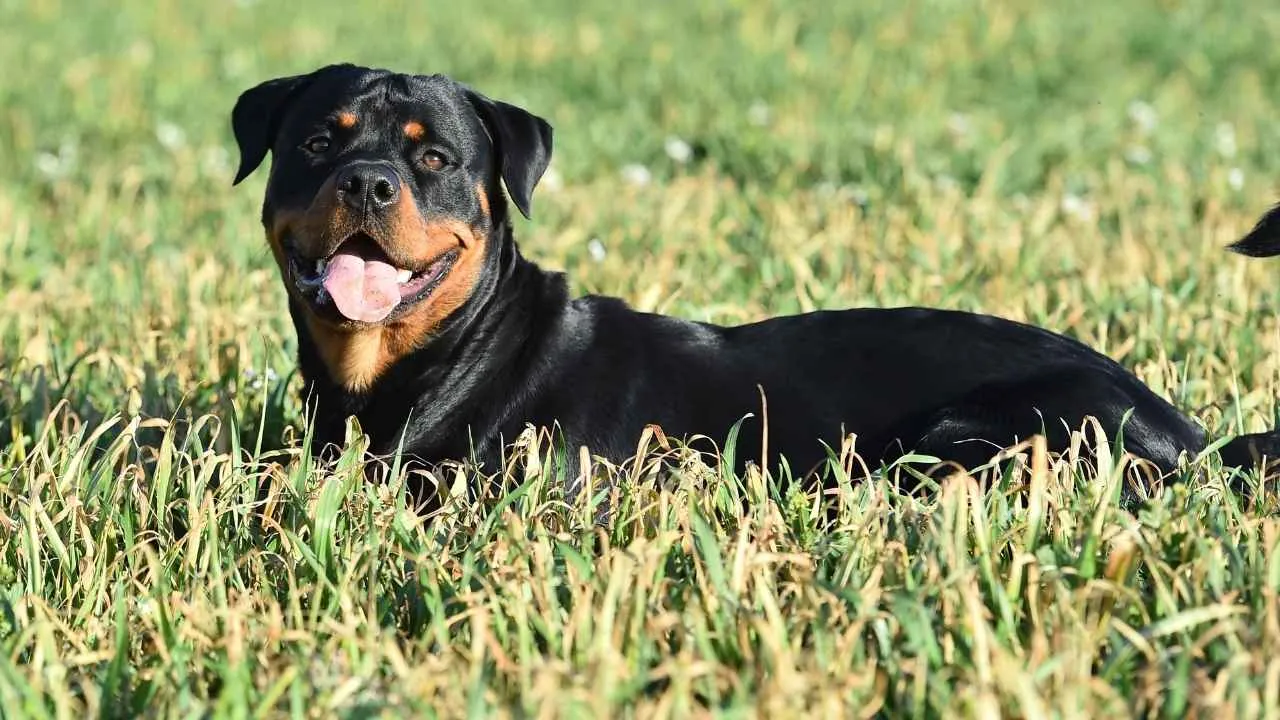
Rottweilers are the “tank with a heart” type. They have a muscular frame, a broad chest, and a confident stance that makes people step aside without any drama.
Long ago, they worked as herders and cart pullers. They were even used as guard dogs and strong helpers around markets, thanks to their size and steady nature.
What makes a Rottweiler special is how power meets focus. They can be extremely loyal, very smart, and deeply bonded to their people.
But why bother with that bond if you do not guide it? Without training and social time, a strong dog can become rude, jumpy, or too protective.
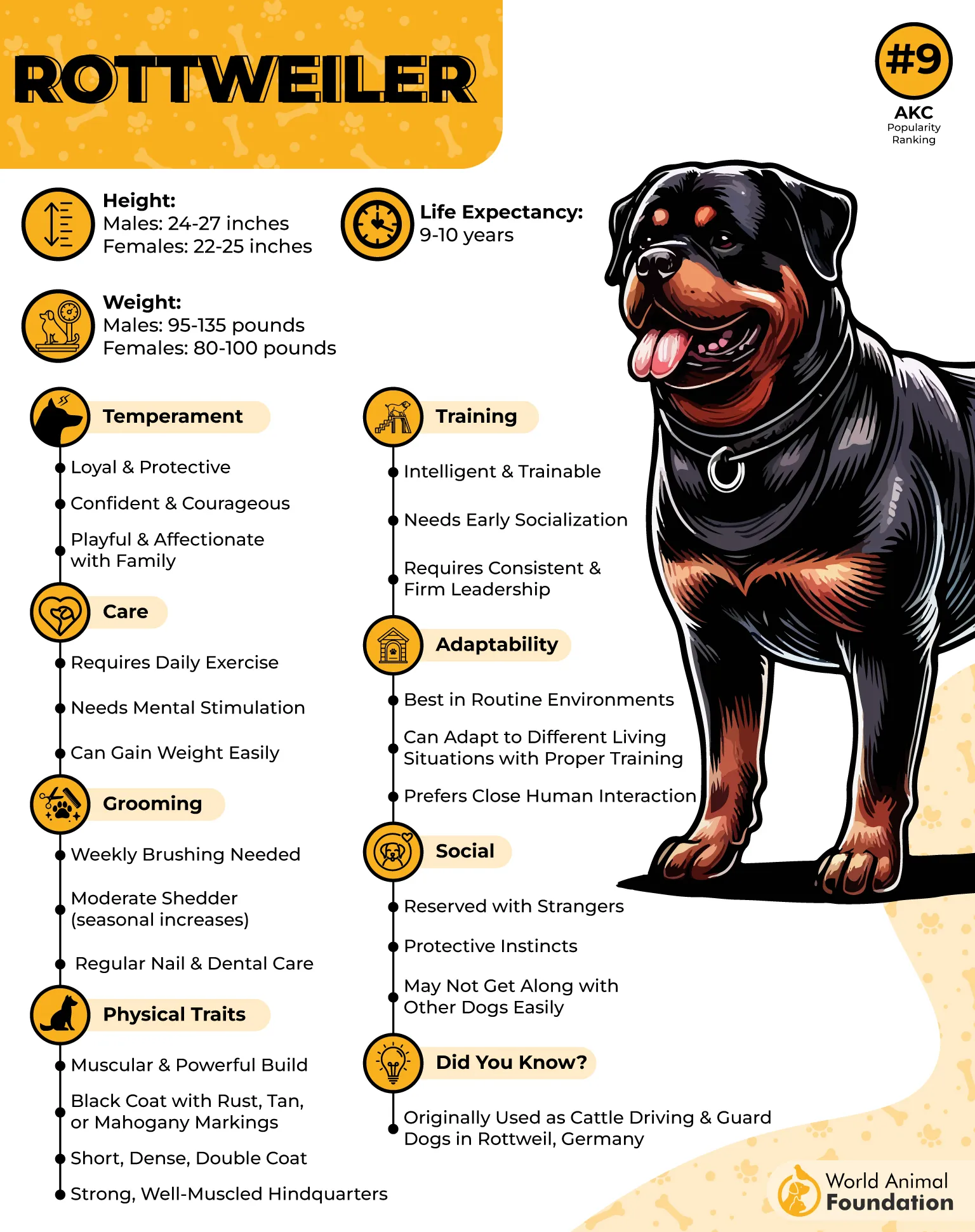
If you have limited time, do the basics every day. A Rottweiler thrives on routine. Simple walks. Clear rules. Real praise. They often respond well to firm but gentle training.
And when raised responsibly, they can be loving, steady, and dependable, like that one friend who always shows up.
Time-Smart Ownership Notes
Practice calm leash walking. It saves your arms and your pride.
Short brain games at home work well on busy days.
Early social time helps them stay polite with strangers.
Keep exercising regularly, not randomly. Consistency keeps them stable.
4. German Shepherd
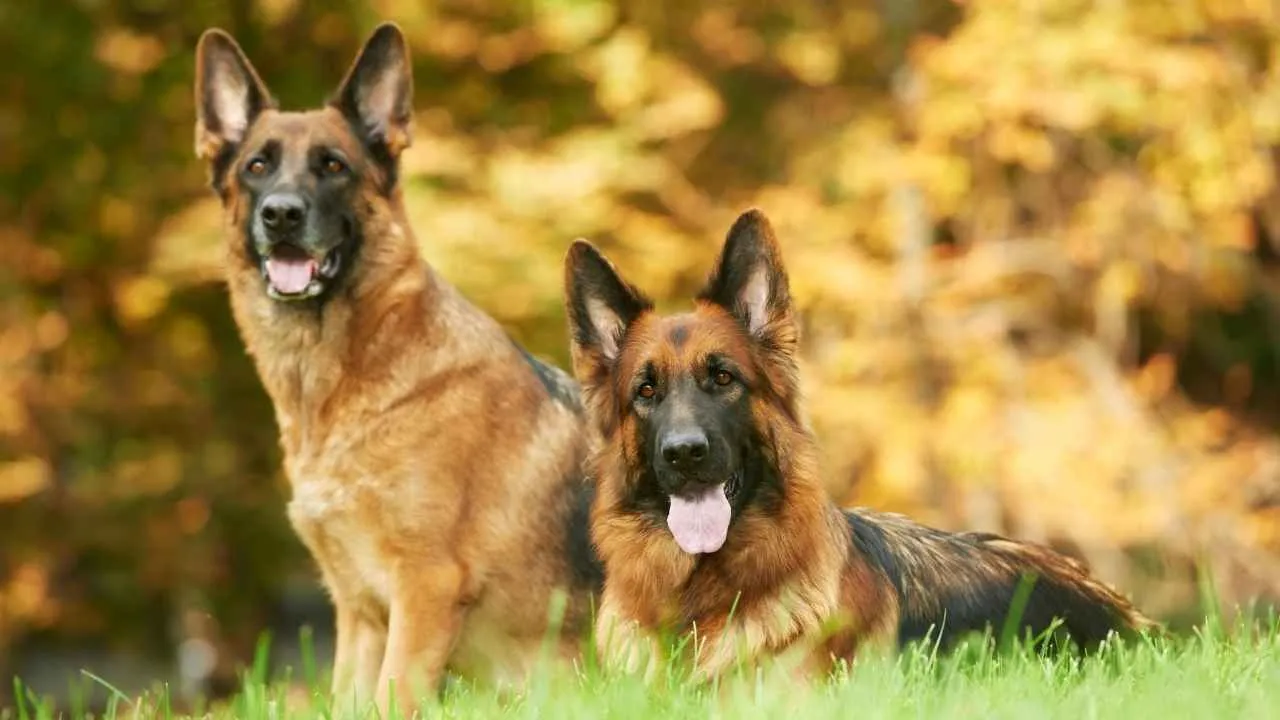
German Shepherds are built for action. They are muscular, agile, and known for doing real work with humans. You see them in police work, rescue roles, and service jobs for a reason.
They are strong, fast learners, and often very protective of their home.
This breed is special because it blends power with problem-solving. A German Shepherd does not just run. It thinks. That’s amazing, until you forget to give their brain something to do. Then they may bark too much, chew stuff, or act restless.
Sounds crazy, right? It’s not “bad behavior.” It’s boredom wearing a dog costume.

With limited time, make your minutes count. Five minutes of training with clear rewards can calm them more than a messy hour of half-attention.
Use simple commands, repeat them daily, and keep life predictable. A well-trained Shepherd can be a devoted buddy and a strong guardian, without turning your house into a stress zone.
Time-Smart Ownership Notes
Teach one new skill per week, then repeat it daily.
Use sniff walks when you are tired. Sniffing is real work.
Give a safe chew item to prevent “home remodeling.”
Keep training upbeat. A stressed owner creates a stressed dog.
5. Doberman Pinscher
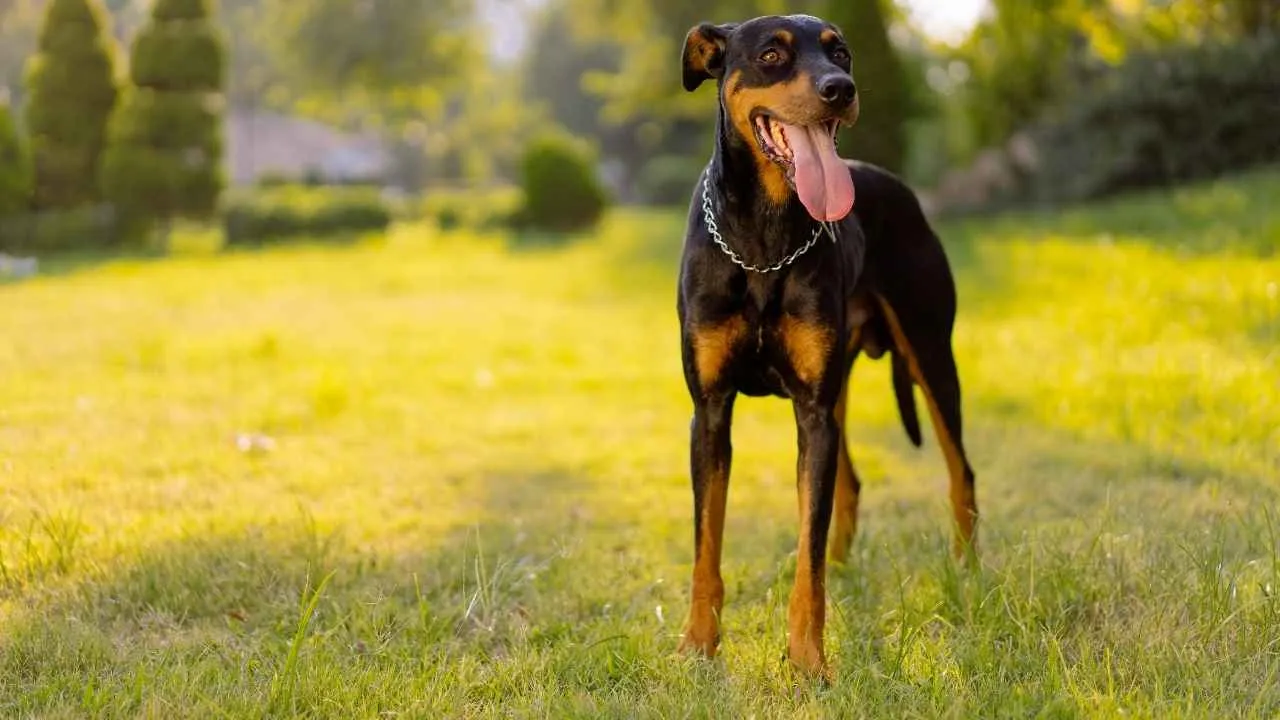
Dobermans look like they were drawn by an artist with a ruler. Sleek body. Strong muscles. Fast movement. They are known for loyalty, alertness, and protective instincts, which is why they show up in security-type roles.
What makes the Doberman special is speed plus control. They can go from relaxed to ready in a blink. That’s great for protection, but it also means they need guidance.
If you have limited time, you cannot “wing it” with this breed. They do best when rules are clear, and the home routine is steady.
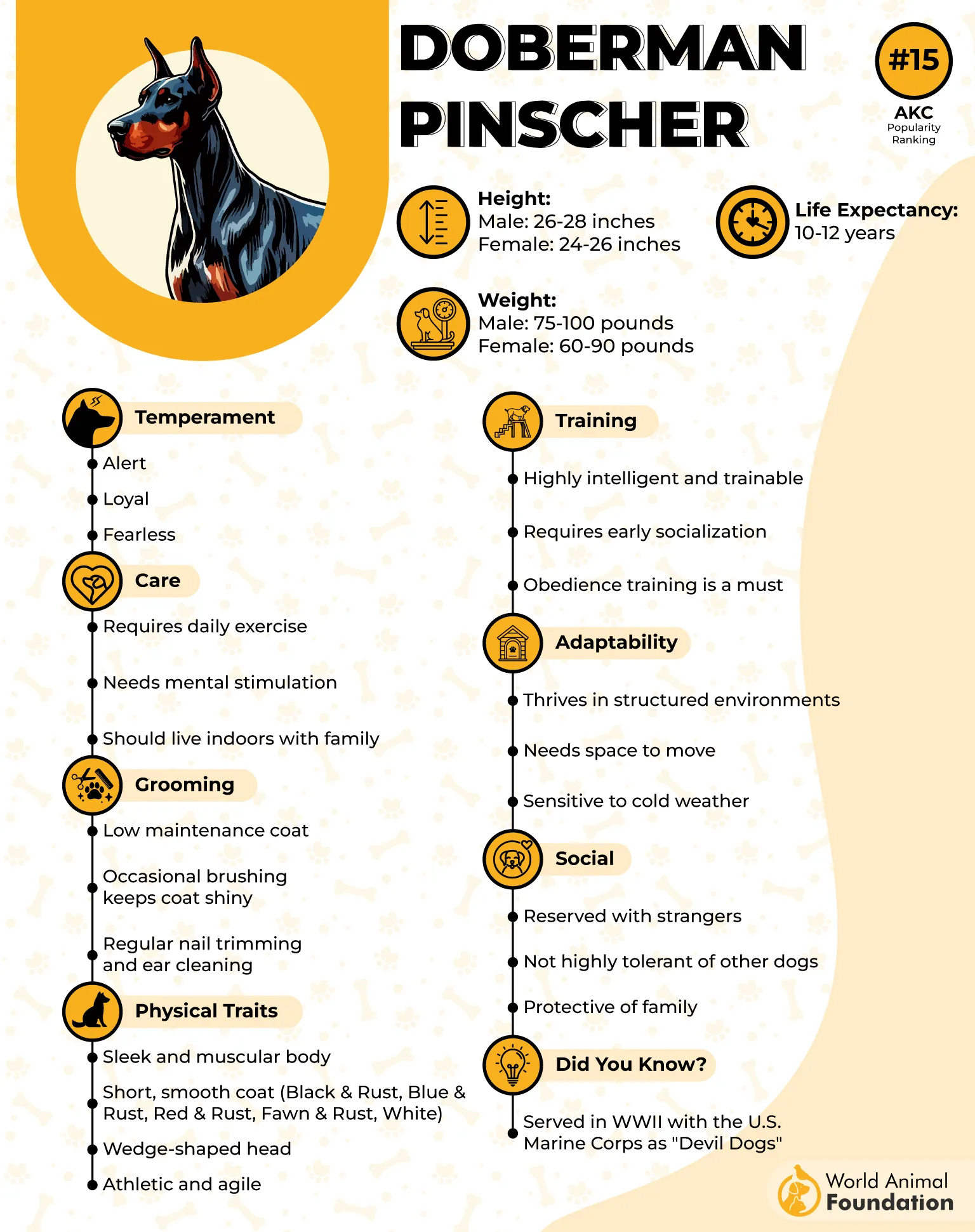
Here’s the best part! PetMD notes that many Dobermans love being close to their people. They often want to follow you around like a shadow with abs.
If you give them daily structure, even short sessions, they can be both a loving family dog and a strong guard type. Skip the structure, and it gets even worse, though, because their energy can spill into stress.
Time-Smart Ownership Notes
Do short, focused drills: sit, stay, heel, place.
Avoid rough hype games right before guests arrive.
Give daily movement, even if it is brisk walking.
Reward calm behavior. Make calm feel “worth it.”
6. American Pit Bull Terrier
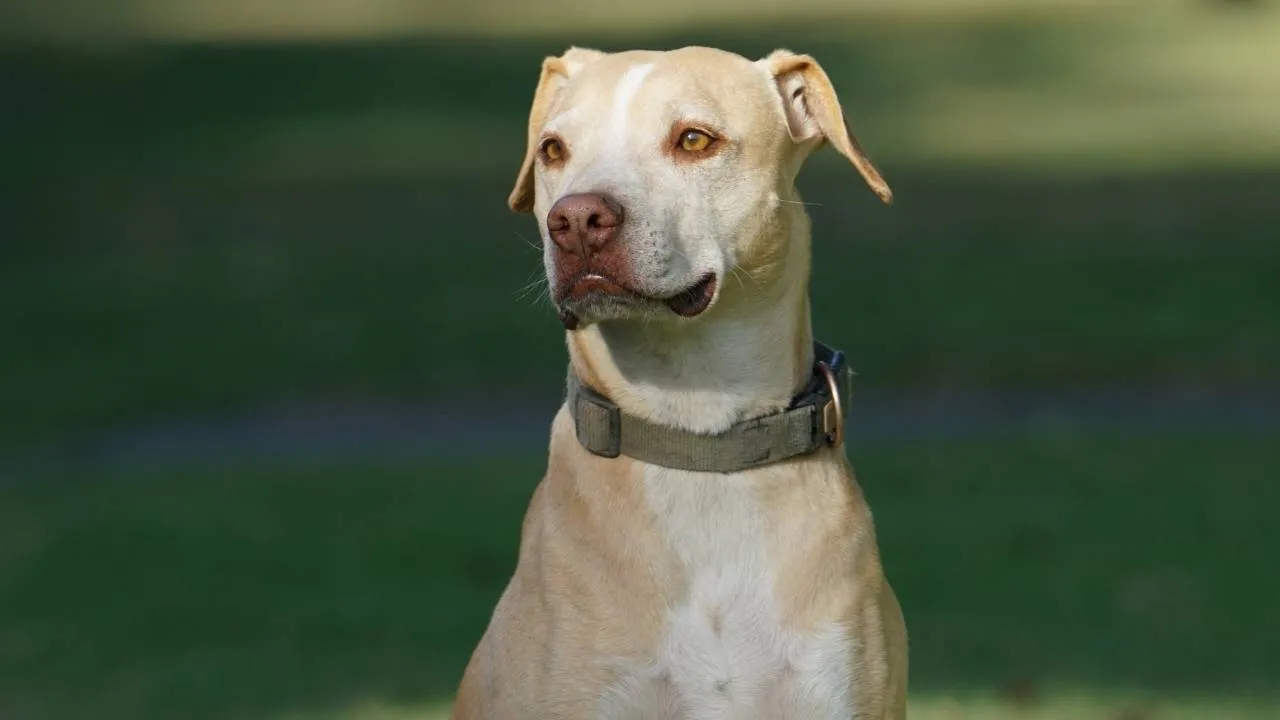
The American Pit Bull Terrier is compact in strength. They are often smaller in frame but heavy and blocky, with a wide chest and a square, powerful head shape.
Many people talk about them as if they are only one thing. That’s unfair and also unhelpful. The truth is more real: they are strong, athletic, and can be very people-focused when raised with care.
Historically, according to WebMD, pit bull-type dogs were bred for different tasks like hunting and livestock work, and some lines were tied to cruel sports in the past.
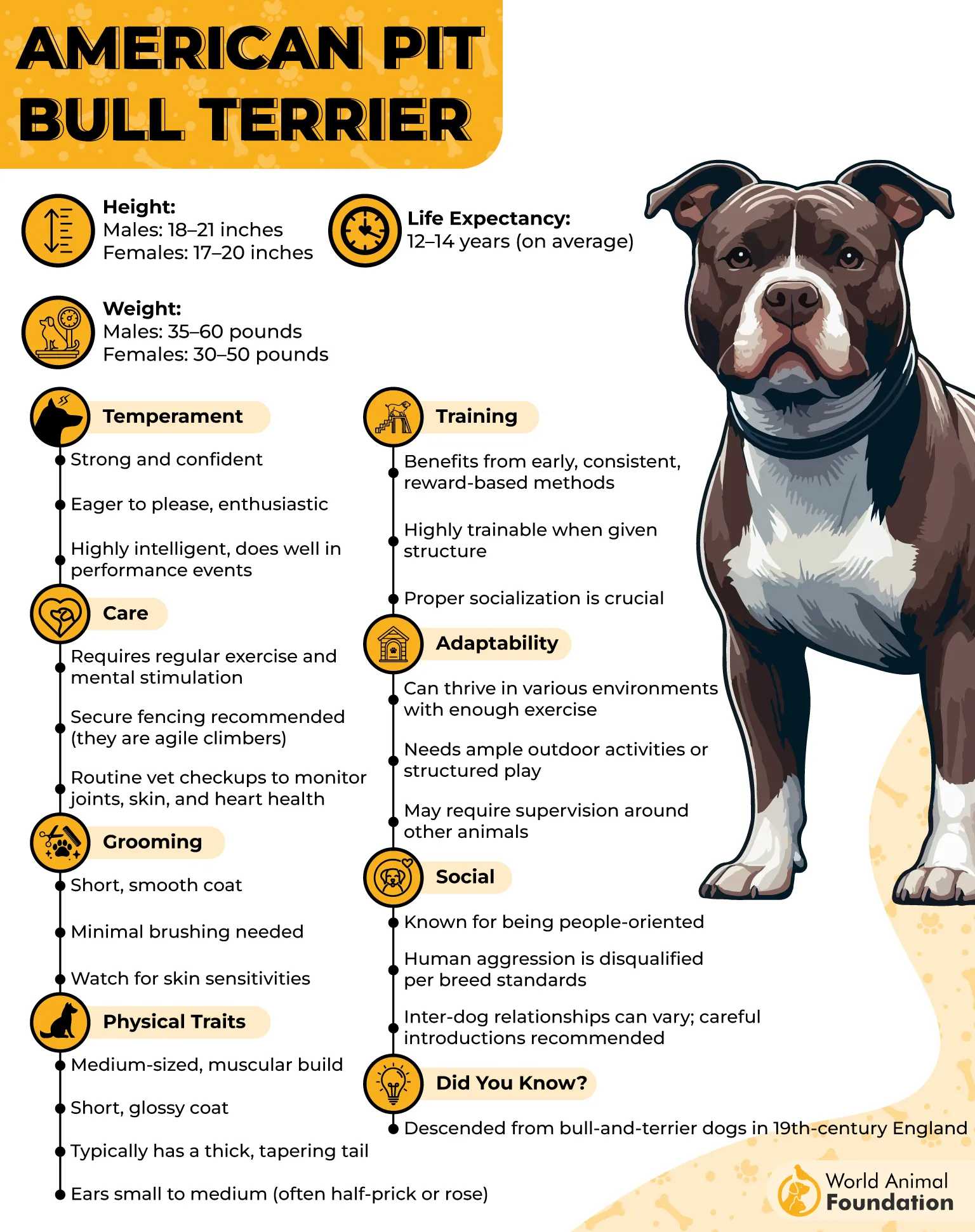
That history does not decide your dog’s future, but it does remind you to be responsible. With good social habits and obedience training, many can become loving companions.
If you have limited time, this breed can still fit, because they often enjoy focused play and clear training. They also show up in dog sports like weight pulling because they are determined and muscular.
The key is to channel that drive into healthy outlets. A bored pit bull will invent hobbies you did not ask for, like shredding your pillow. They will not feel sorry.
Time-Smart Ownership Notes
Use tug and fetch with rules: start, stop, drop it.
Socialize early so they stay polite with new people and dogs.
Practice calm greetings to prevent jumping and chaos.
Give daily exercise. It keeps their body and mood balanced.
7. Siberian Husky
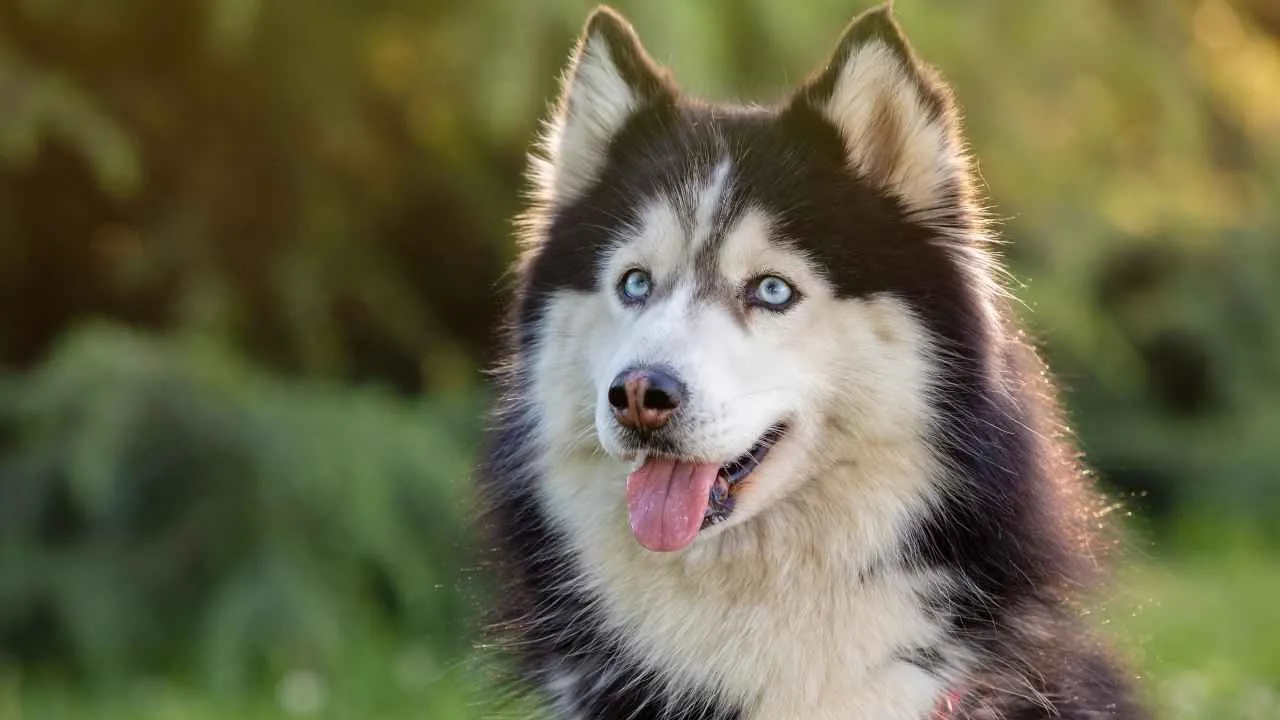
Huskies are built for endurance, not just looks. They were developed for pulling loads across snow, and they earned fame as sled dogs that could run far in brutal weather.
A famous example people often talk about is the long, stormy serum delivery run to Nome, which helped show their grit and stamina.
What makes the Husky special is its mix of strength, energy, and social nature. They can be playful, talkative, and stubborn in a funny way.
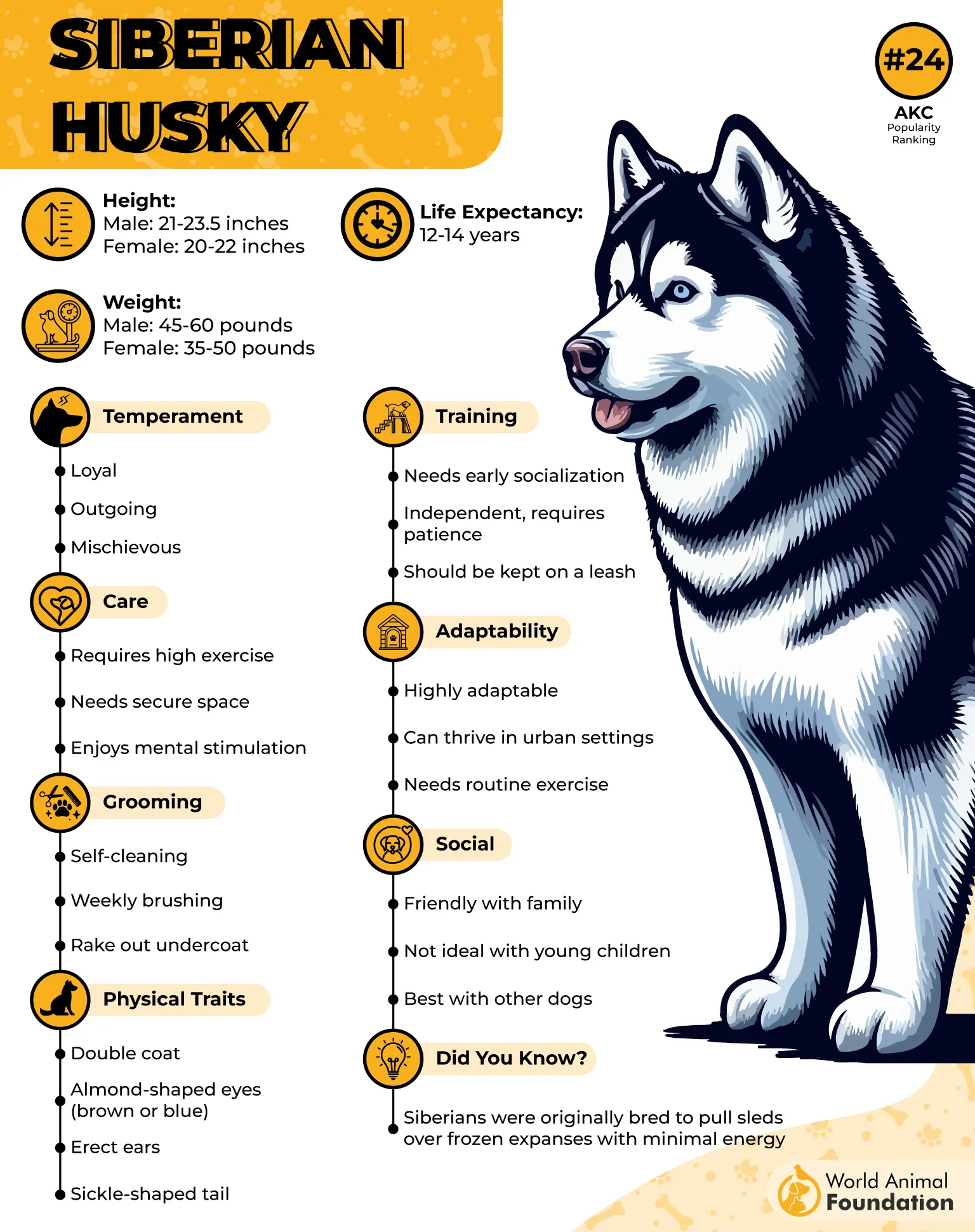
But why bother with that cute face if you cannot meet their needs? A Husky without daily movement can turn your home into a loud, dramatic comedy show.
If you have limited time, plan smart. Huskies tend to do best with active owners and a daily exercise habit. Even a solid 40-minute routine can make a big difference.
Also, secure your space. Huskies are famous for slipping out like furry escape artists. It’s impressive, but also… very not fun at 7 a.m.
Time-Smart Ownership Notes
Pick one daily workout time and stick to it.
Use a secure leash and safe fencing habits.
Add brain games at home to reduce restlessness.
Expect sass. Train anyway. Love them through the drama.
Conclusion
These war dog vibes and the strongest guard dog breeds look impressive, but the real win is raising a strong dog with a calm demeanor and good manners.
Many of the world’s strongest dog breeds have a commanding presence, serious physical strength, and a real protective nature driven by protective instincts and natural instincts. Some were bred specifically to guard livestock, and even face wild boars or support big game hunting. Others shine in military and police work, and search and rescue as versatile working dogs with sharp instincts.
But here’s the best part! When you provide consistent training, dogs thrive and bond closely, building strong bonds that last from a young age into adulthood. Meet their exercise needs and add mental stimulation, especially for active pups and active families.
Whether it’s a Siberian Husky with thick coats, an Alaskan Malamute, or even other breeds like the Belgian Malinois, who excel in other dog settings with the right start, the goal stays the same: devoted dogs, incredibly loyal, and safe, loving family pets that are also excellent companions.
And yes, some have a massive bite force or even the strongest bite force, but with an experienced owner, kind structure, and daily routine, these powerful dogs can still be great family pets with an affectionate nature, strong physical power, and incredible strength.
