




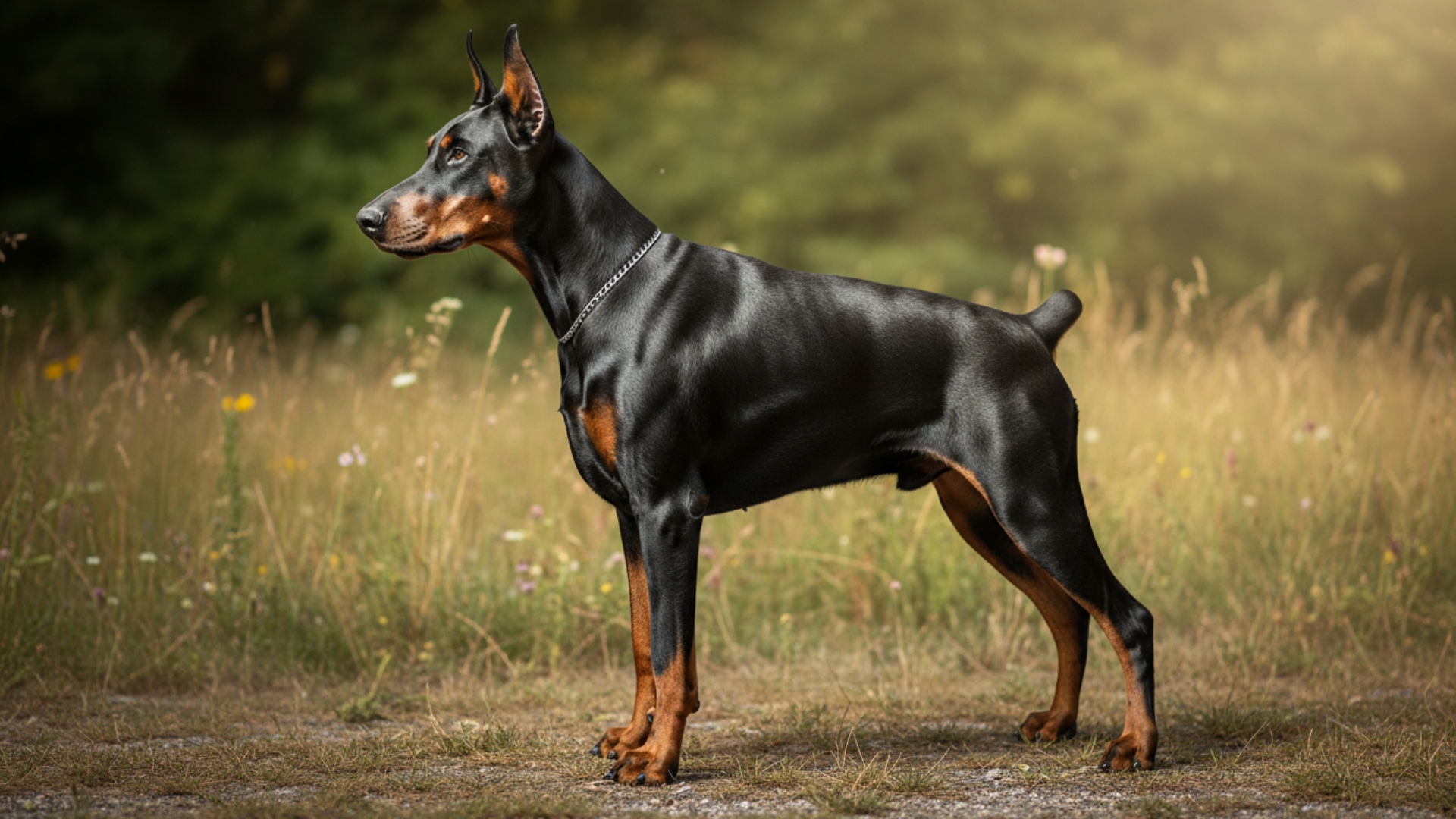
If you’ve ever wished for a little extra muscle around the house — whether for heavy lifting, outdoor adventures, or simply reliable protection — some dogs are built to answer the call.
Certain breeds are known for their powerful physique, incredible endurance, and hardworking spirit. These aren’t just pets; they’re loyal companions with strength, stamina, and a natural drive to stay active and useful.
From farm guardians to sled pullers and protective family watchdogs, these exceptional dogs combine muscular builds with intelligence and heart. They thrive when given purpose, proper care, and consistent training — and in return, they offer unwavering loyalty and joy.
If you’re ready for a furry partner who brings both power and personality, these strongest dog breeds might just be your perfect match.
Exceptional Dog Breeds Defined by Their Powerful Physique
1. Saint Bernard
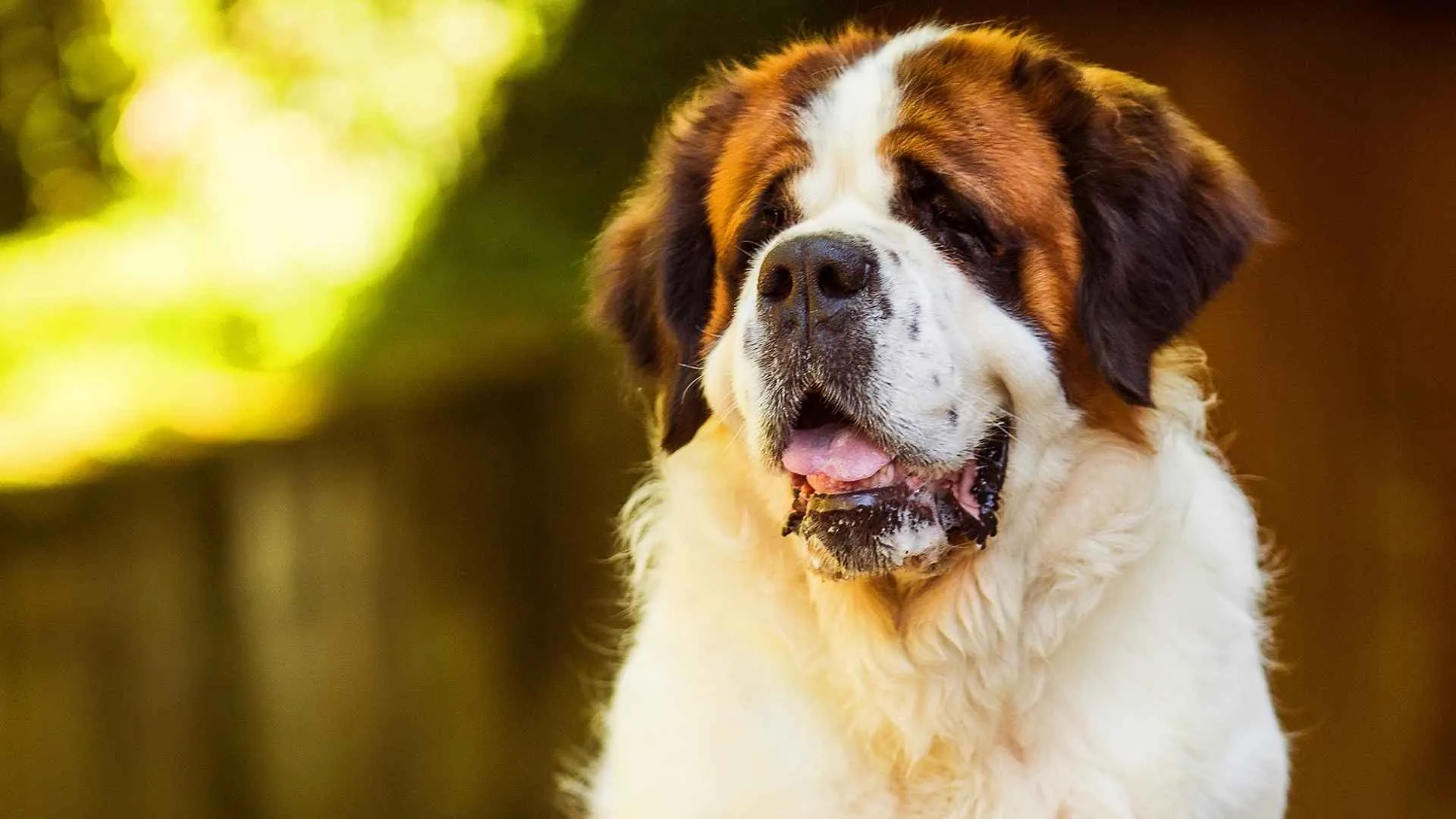
If dogs had a “big softie” award, the Saint Bernard would win it every single year—probably while drooling a little on the trophy.
Originally bred in the snowy passes of the Alps, these majestic fluff-tanks were famous for rescuing stranded travelers. Yes, the whole “tiny barrel around the neck” image is a bit romanticized—but let’s be honest, it does make them look like four-legged emergency responders with a flair for drama.
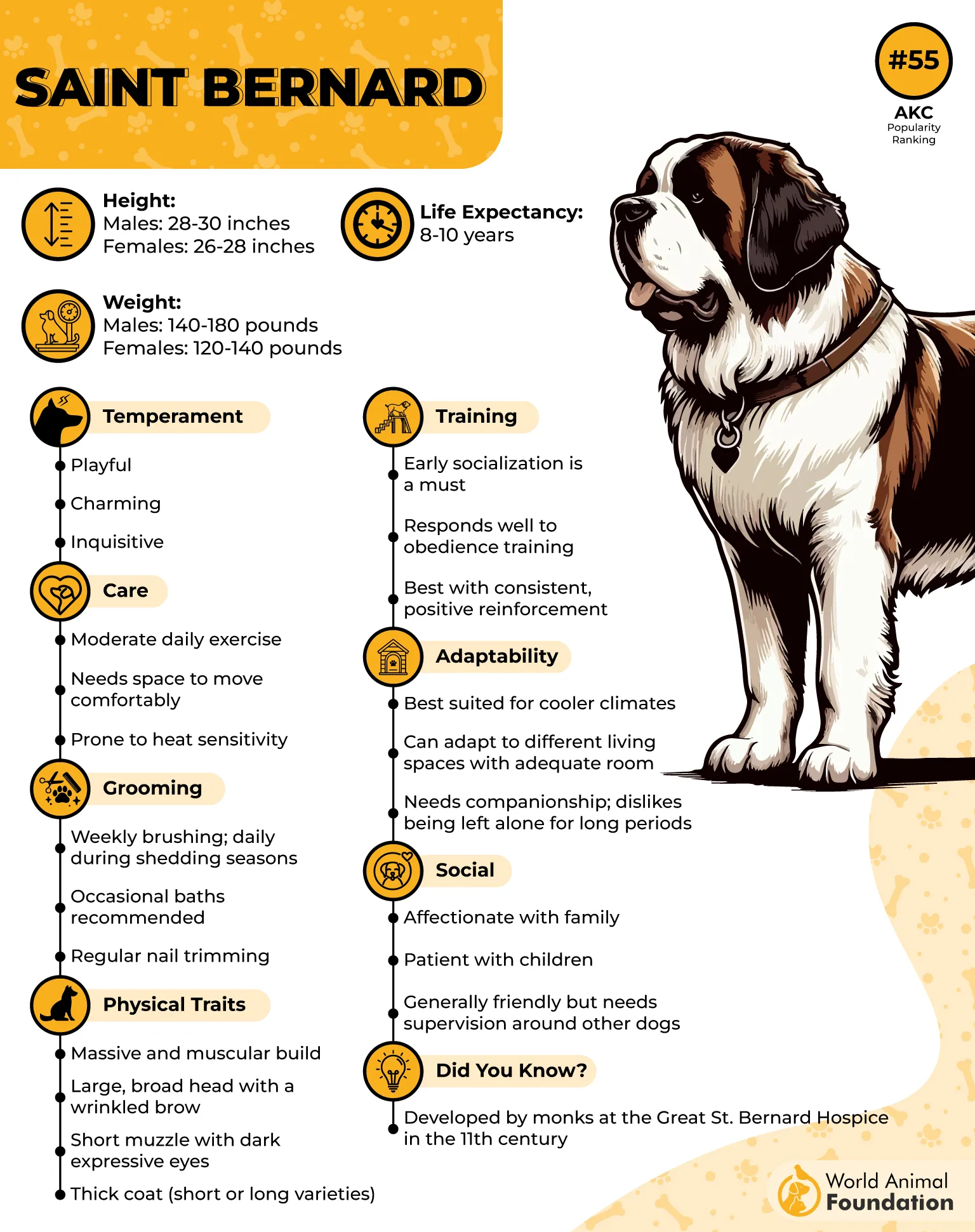
Saint Bernards are huge. We’re talking:
A dog that can accidentally sit on your laptop… and your problems
A walking weighted blanket
A creature that thinks it’s a lapdog (it is not… but no one told them)
Despite their size, they are famously gentle and patient, especially with kids. They’re basically the dog version of that calm, responsible friend who makes sure everyone gets home safe—except this one sheds… a lot.
They’re not marathon runners, but they’re not couch potatoes either. A daily 30-minute walk keeps them happy and healthy. Too much heat? Nope. These dogs are built for snow, not summer—so air-conditioning quickly becomes their best friend (and yours).
Early training and socialization help them grow into:
Well-behaved giants
Polite leash walkers
Dogs that don’t greet guests like a flying carpet
The Saint Bernard is the perfect mix of strength, kindness, and comedic chaos. They may look intimidating, but inside they’re just oversized cuddle enthusiasts who want love, snacks, and maybe your entire couch. If you’ve got the space, patience, and a good mop, you’ve got yourself one unforgettable companion.
2. Kangal
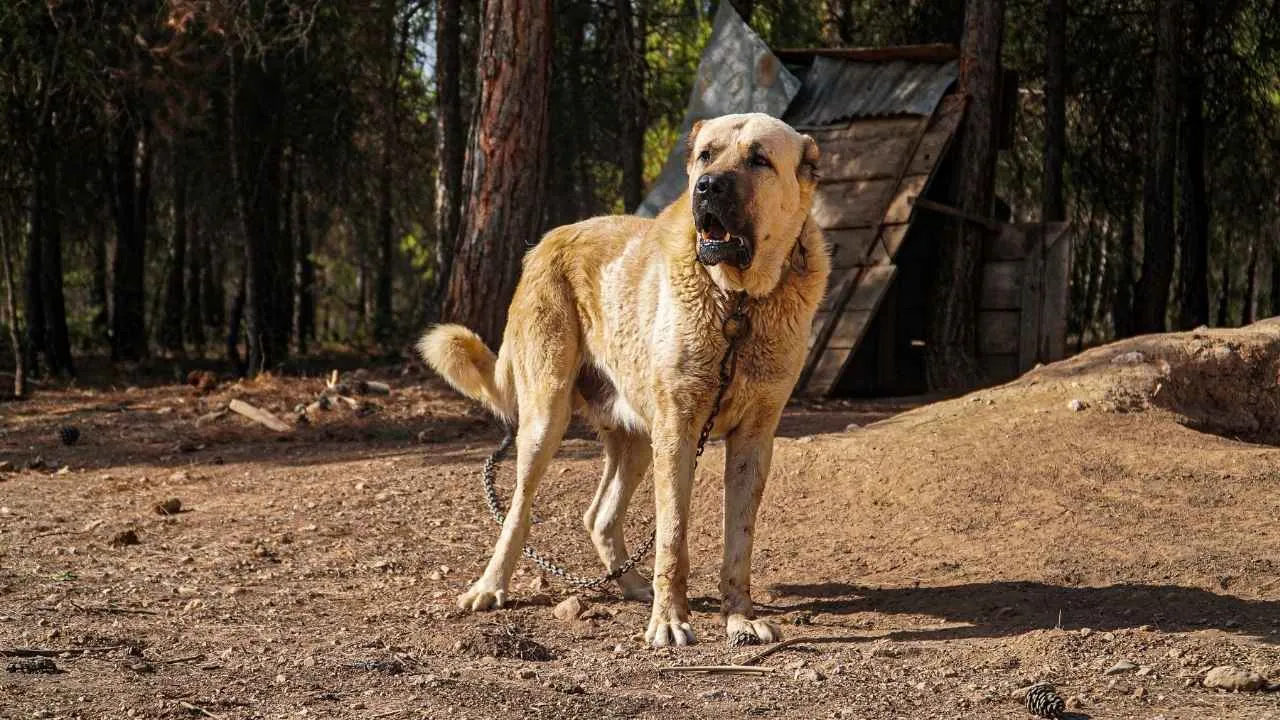
Meet the mighty Kangal—a dog that doesn’t just look powerful… it practically radiates authority. If the Saint Bernard is the gentle babysitter, the Kangal is the no-nonsense security guard who clocks in early and never misses a shift.
Originating from the rugged lands of Turkey, this breed has one main job: Protect the flock. At all costs. “And trust me—they take that job very seriously,” says Wikipedia.
Kangals are known for their:
Incredible strength
Lightning-fast reflexes
One of the strongest bite forces in the canine world
But here’s the twist—they’re not aggressive by default. They’re calm, controlled, and calculating. They don’t bark unnecessarily. They don’t show off. They just watch—like a furry security camera with muscles.
Kangals are highly intelligent but very independent. This means:
They don’t blindly follow commands
They prefer making their own decisions
Training requires patience (and humility )
In busy urban areas, they can struggle unless given proper space and structure. Without it, they may become bored—and a bored Kangal is basically a strategist looking for a mission.
The Kangal isn’t just a dog—it’s a guardian spirit in canine form. Powerful, calm, and deeply devoted, they’re perfect for the right environment and owner.
3. Doberman Pinscher
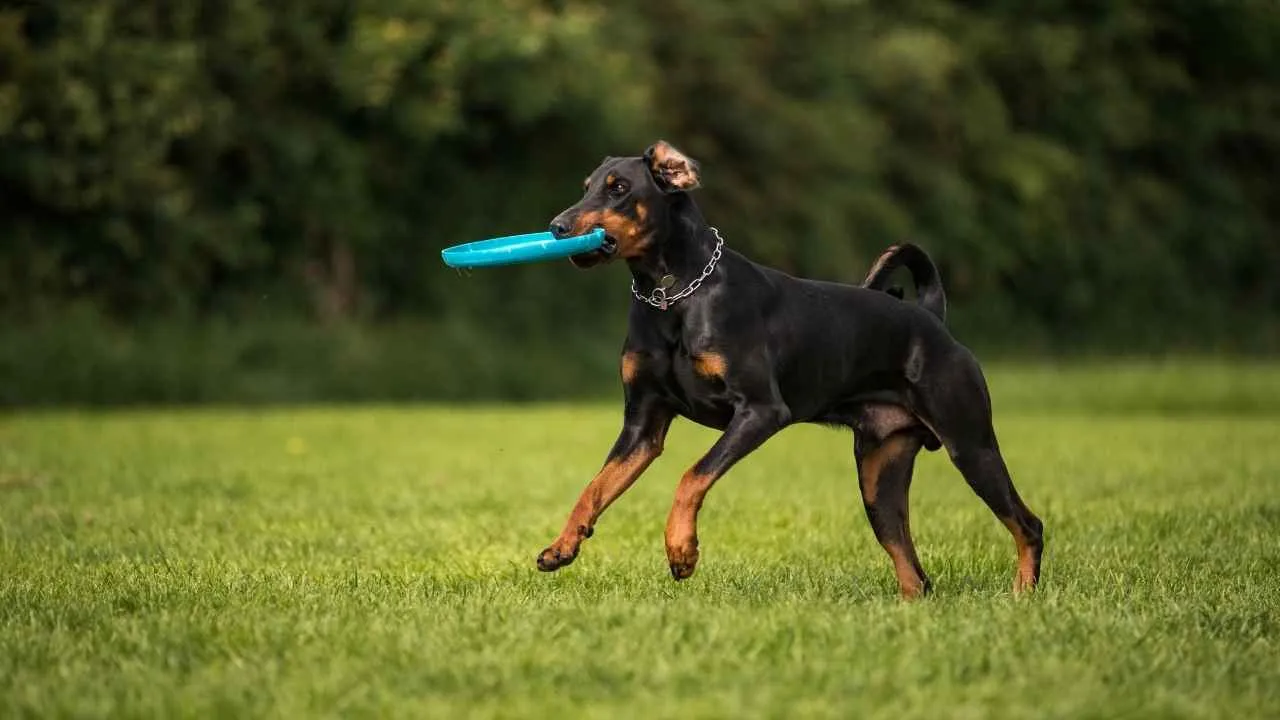
If dogs had a special forces unit, the Doberman Pinscher would probably be the team captain — sharp suit, sharper mind.
Bred in the late 1800s by a German tax collector named Louis Dobermann (who clearly needed reliable backup on collection day), Dobermans were designed with one goal in mind: protection with precision. The result? A sleek, muscular powerhouse wrapped in loyalty and intelligence.
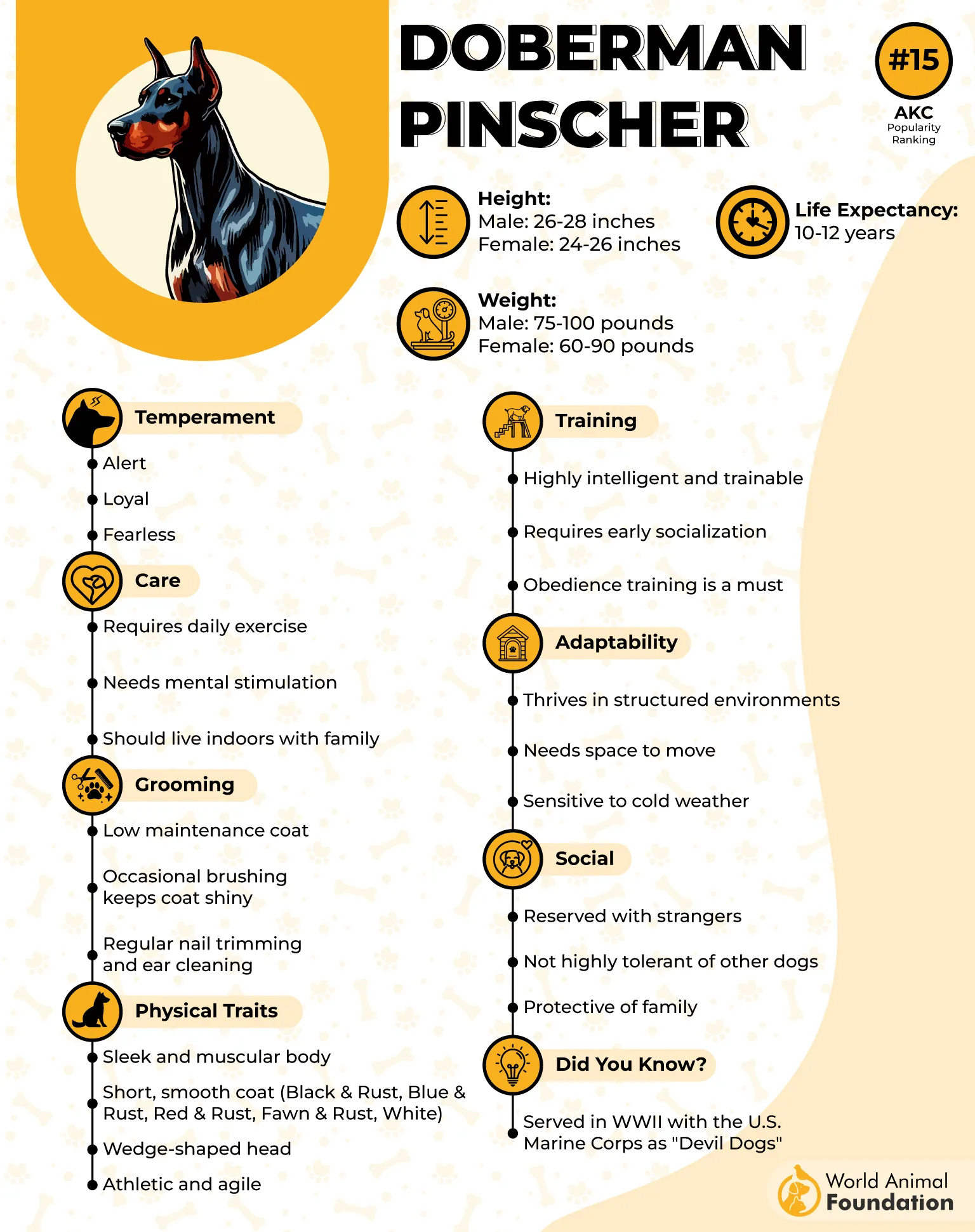
Dobermans are the definition of “exceptional dog breeds defined by their powerful physique.”
They’re lean, fast, and incredibly strong — not bulky bodybuilders, but more like canine Olympians. Their stamina is impressive, and they thrive on activity.
These dogs don’t just follow commands — they understand them. Dobies excel in:
Obedience training
Agility courses
Tracking exercises
Advanced protection work
Teach them once, and they’ll remember it. Teach them twice, and they’ll probably wonder why you’re repeating yourself. Their quick responses and eagerness to work make training sessions feel less like chores and more like teamwork.
Despite their serious reputation, Dobermans are affectionate, friendly, and deeply bonded to their families. Yes, they can be incredible guard dogs with proper training — but at home, they’re often oversized lap dogs who forgot they weigh 70–100 pounds.
These powerful dogs are protective without being unnecessarily aggressive, confident without being reckless. Early socialization and consistent training shape them into balanced companions who know when to switch from “couch cuddler” to “home security system.”
4. Boerboel
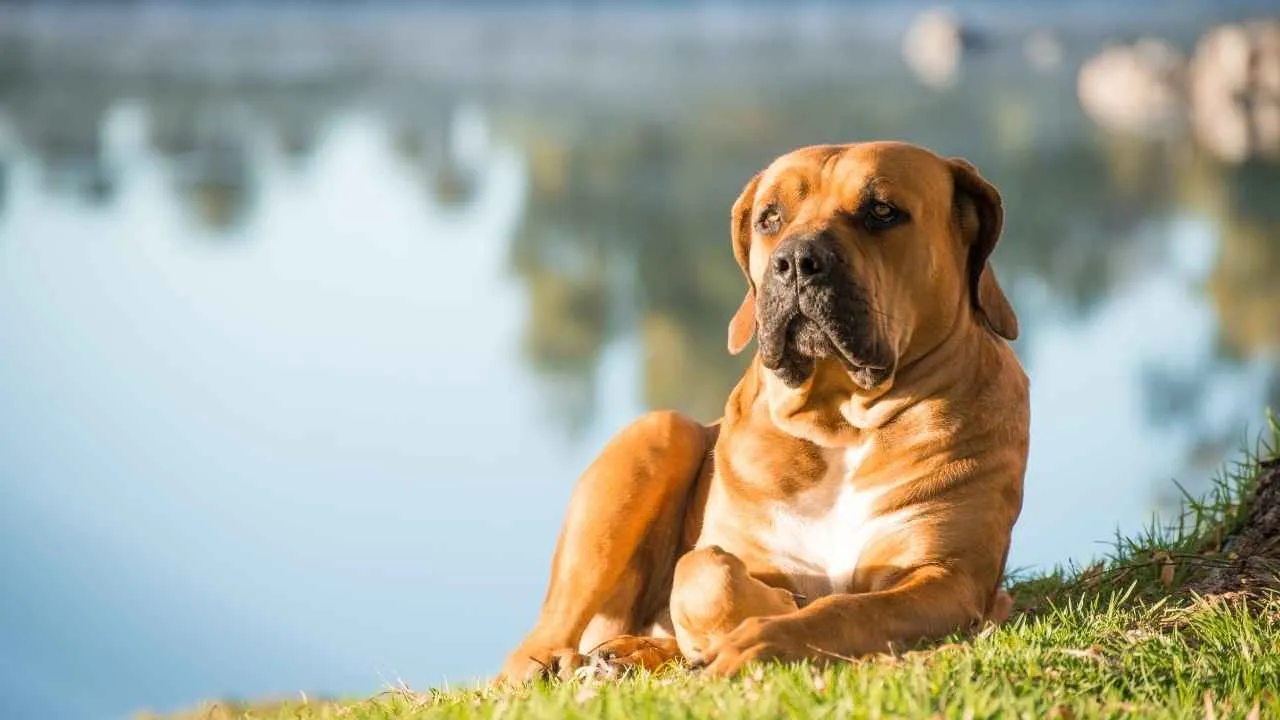
At first glance, the Boerboel looks like the kind of dog that guards castles… or at least your backyard with the seriousness of a professional bodyguard. And you’d be absolutely right.
But here’s the plot twist: beneath that massive, muscular frame beats the heart of a devoted family companion — especially when it comes to “their” children.
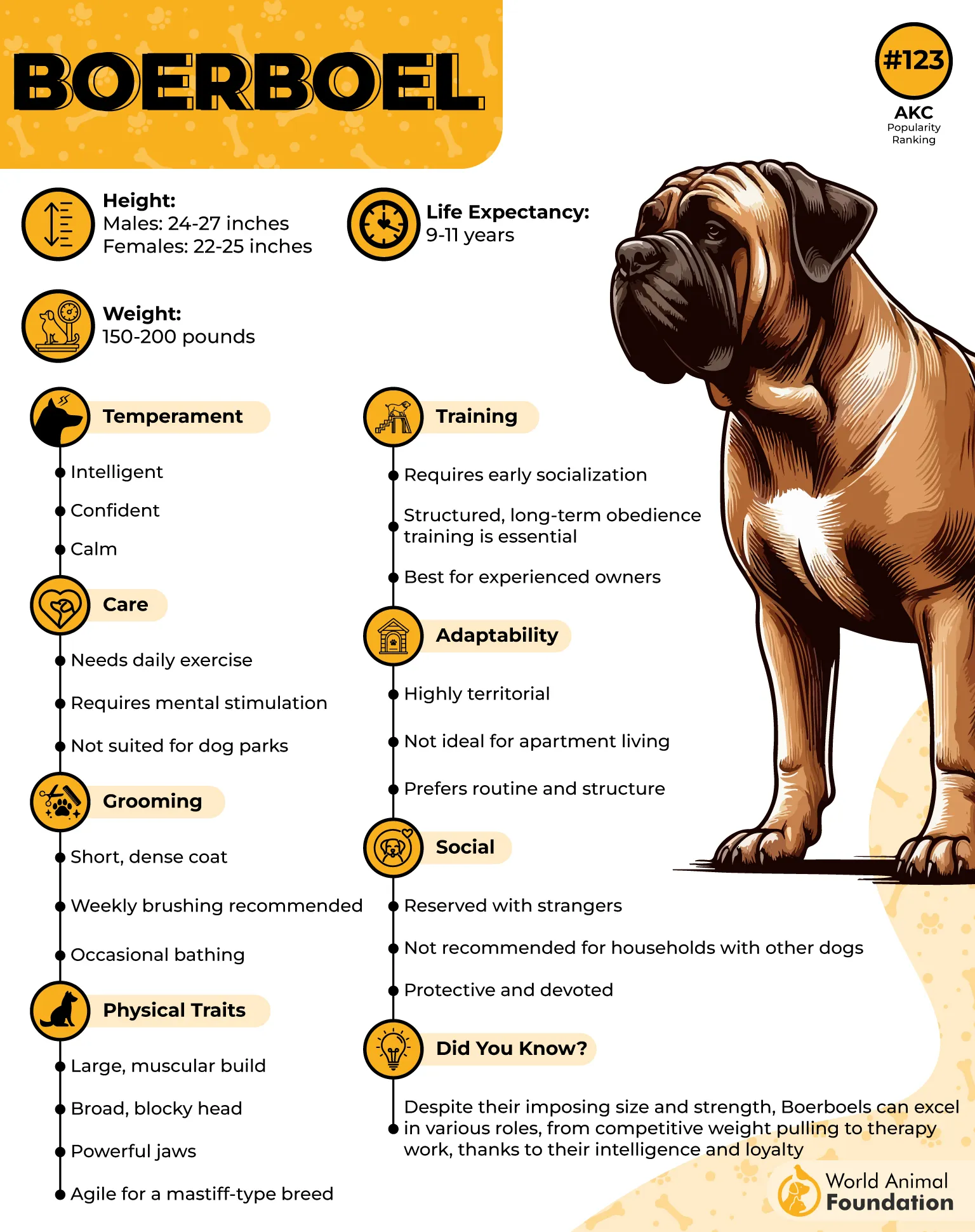
Originating from South Africa, the Boerboel was bred to protect farms from predators and intruders. Translation? This dog takes security very personally.
They are:
Bold
Confident
Territorial
Naturally protective
A Boerboel doesn’t need to be told to guard — it’s practically in their DNA. If someone unfamiliar approaches your home, they’ll know about it long before you do.
Here’s where things get interesting. Despite their intimidating presence, Boerboels are known for being calm, affectionate, and deeply loving toward their families. Around children they trust, they can be surprisingly patient and gentle — like a 150-pound babysitter who also happens to bench-press furniture.
Their loyalty runs deep. Once you’re part of their circle, you’re protected for life. Now, let’s be honest. This is not a beginner’s dog, as per WebMD.
Boerboels are:
Strong-willed
Extremely powerful
Prone to pulling on the leash
Big fans of chewing if bored
Naturally territorial
Training must start early. Socialization is critical. And space? Non-negotiable. This is not an apartment-friendly “maybe we’ll go for a short walk” breed. Boerboels need room to move, structured exercise, and consistent mental stimulation.
If you’re experienced, confident, and ready for a dog that takes both love and protection seriously, the Boerboel might just be your gentle giant… who also doubles as your personal security team.
5. Rottweiler
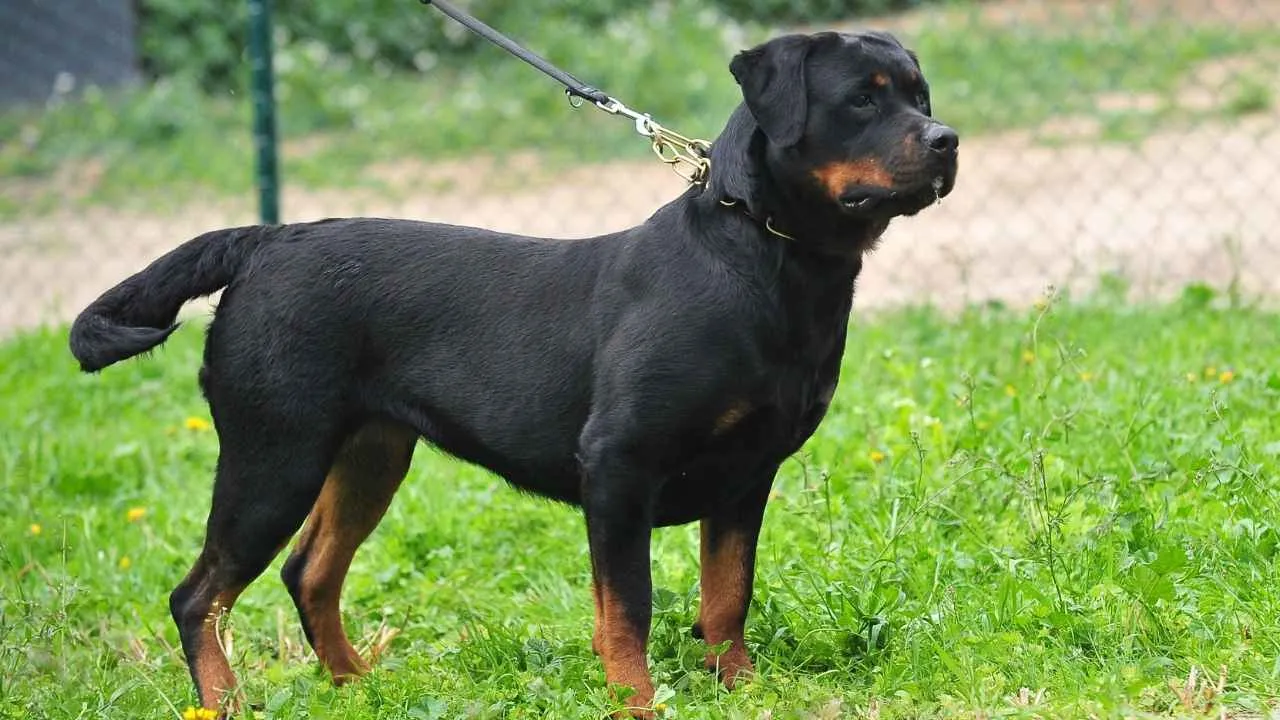
If strength had a mascot, it might just be the Rottweiler. Muscular, courageous, and deeply devoted, the Rottie carries centuries of working-dog history in every confident step.
Rottweilers trace their roots back to Roman drover dogs that marched with armies, guiding and protecting cattle. Fast forward to today, and they’re still proving their versatility as:
Herding dogs
Guard dogs
Service and therapy dogs
Devoted family companions
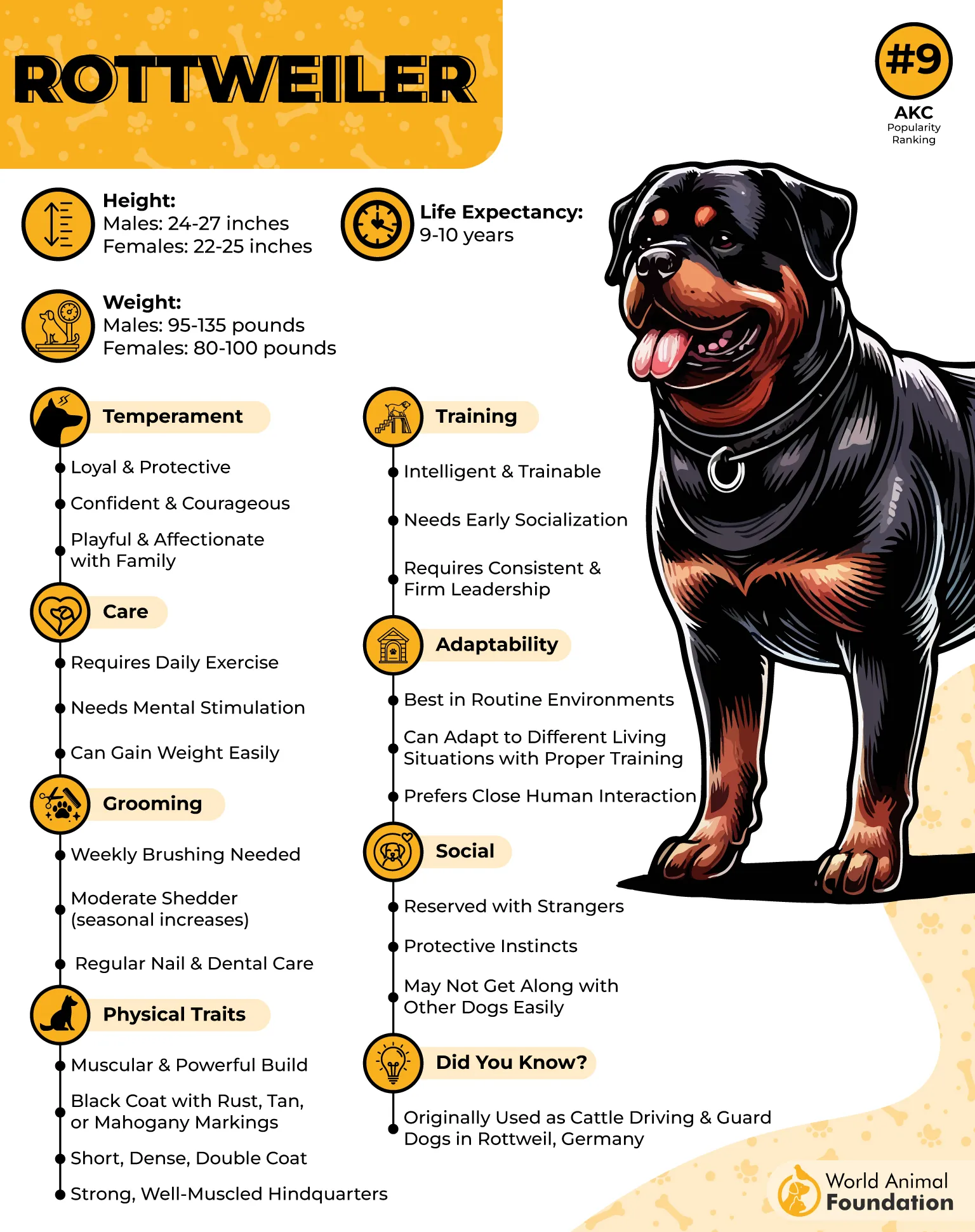
The Rottweiler’s build says “security detail,” but their temperament says “let’s play.” They’re known for calm confidence — not reckless aggression. A well-bred, well-trained Rottie doesn’t go looking for trouble. They simply handle it if it shows up.
Their territorial instincts are strong, which is why early training and socialization are so important. With proper guidance, those protective instincts become balanced and controlled rather than reactive.
Rottweilers are hardworking “people dogs.” They form tight bonds with their families and prefer being involved in daily life. If you move from the couch to the kitchen, don’t be surprised if your 100-pound shadow follows.
They thrive when given:
Clear leadership
Consistent training
Mental challenges
Purposeful activity
Without direction, that intelligence can turn into stubbornness. With structure? You get one of the most reliable companions around.
They strike that rare balance between world-class guardian and affectionate clown. Because of their size, strength, and territorial nature, early socialization is essential. A properly raised Rottweiler is confident, calm, and steady — not unpredictable.
6. Rhodesian Ridgeback
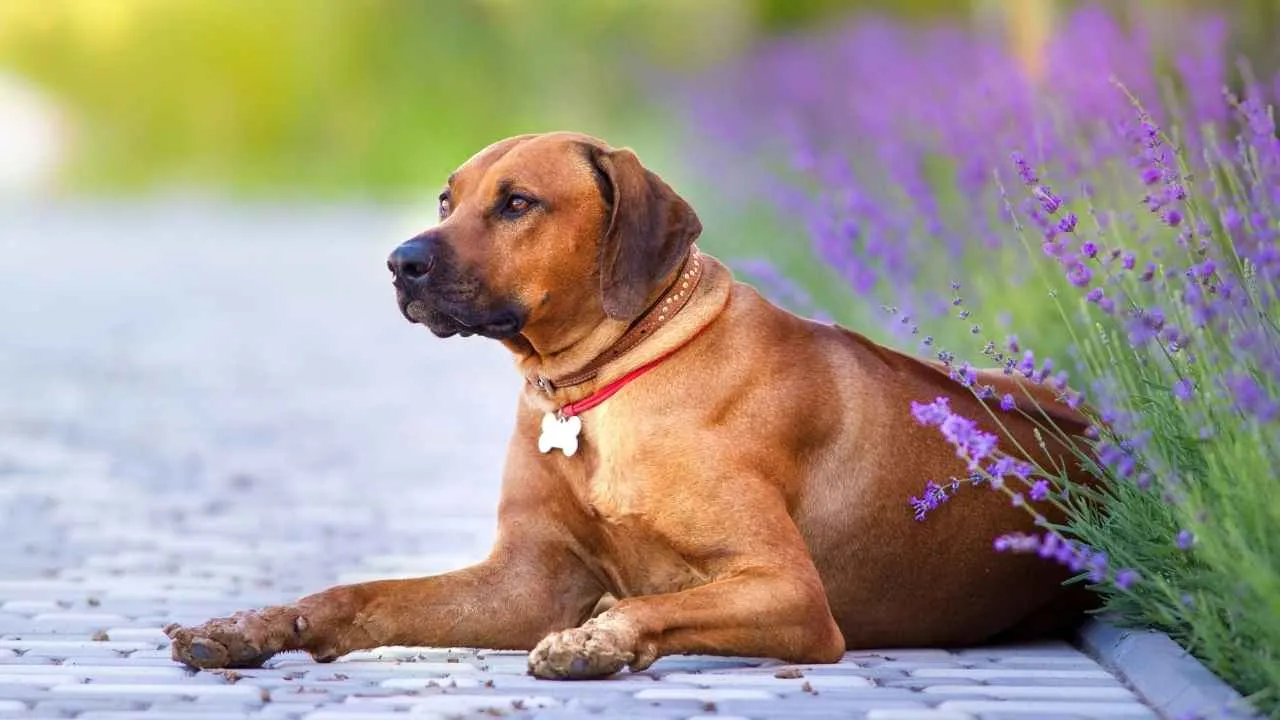
Meet the dog with a built-in racing stripe. The Rhodesian Ridgeback gets its name from the distinctive ridge of hair that runs along its back — growing in the opposite direction from the rest of its coat. It’s like nature said, “Let’s add a signature detail.”
Originally bred in southern Africa, Ridgebacks were famously used to track and corner lions. Yes — lions. Not fight them, but hold them at bay until hunters arrive. That takes serious courage, intelligence, and athleticism.
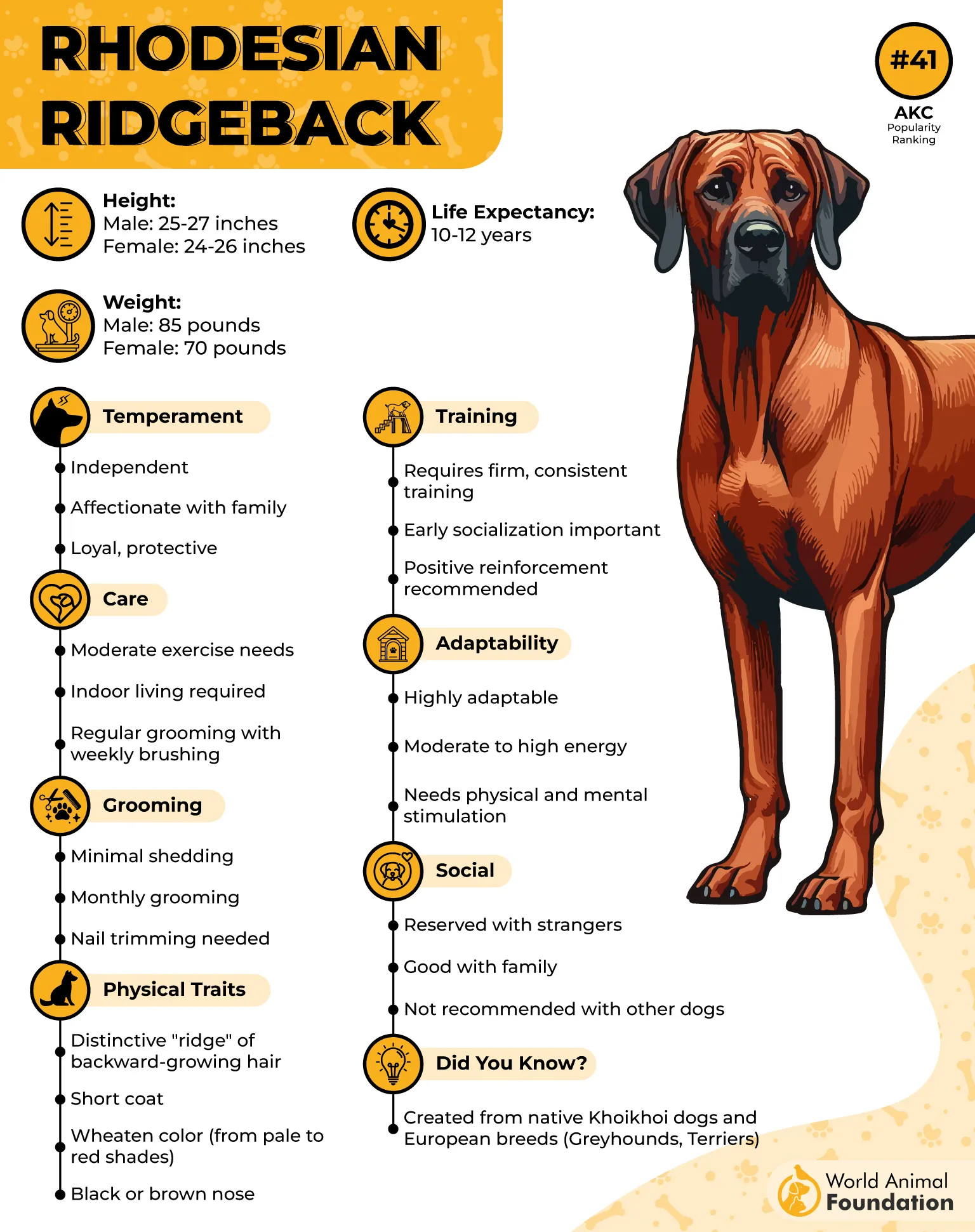
Rhodesian Ridgebacks are lean, muscular, and built for endurance. Think marathon runner, not bodybuilder. These large dog breeds can sprint, hike, and explore for hours — and still look elegant doing it.
If you’re an active person who loves:
Long runs
Hiking adventures
Outdoor exploration
Ridgebacks are intelligent, but they’re also independent. They were bred to make decisions in the field, so blind obedience isn’t exactly their style.
Training requires:
Consistency
Patience
Positive reinforcement
A confident leader
Despite their lion-hunting roots, Ridgebacks are affectionate and deeply loyal to their families. They tend to be reserved with strangers but are not naturally aggressive.
At home, they’re often calm and dignified — until something exciting happens. Then you’ll witness the full athletic performance.
The Rhodesian Ridgeback is the definition of an exceptional breed, defined by a powerful physique and a fearless spirit. Elegant yet strong, independent yet loyal, athletic yet affectionate — they’re the kind of dog that turns heads at the park and then quietly guards your home like a silent sentinel.
7. German Shepherd
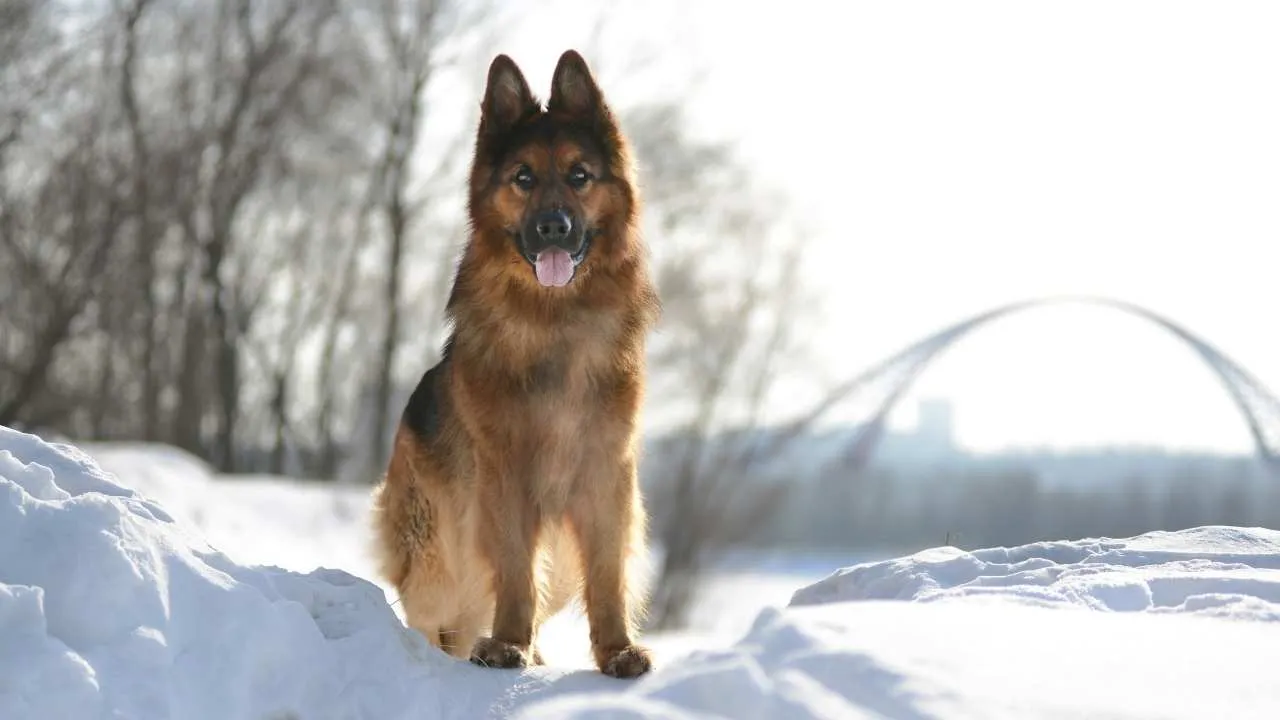
If dogs had résumés, the German Shepherds would be several pages long — with glowing references.
Originally bred for herding sheep, this medium-sized dog breed quickly proved it could do much more than manage livestock. Today, German Shepherds serve in:
Police and military work
Search-and-rescue missions
Disability assistance roles
Guarding and protection
Devoted family companionship
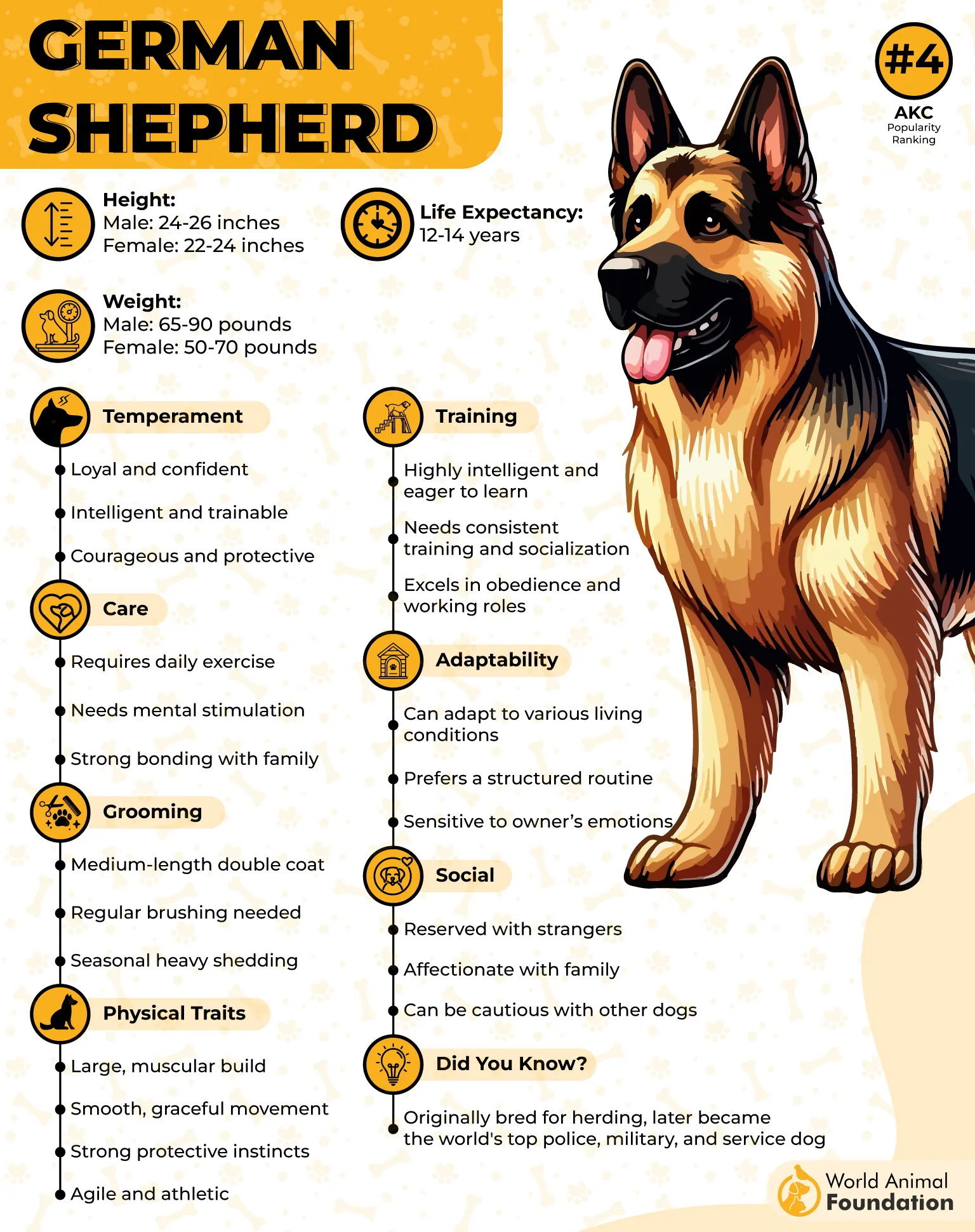
Basically, if there’s a job to be done, a German Shepherd is already halfway through it. German Shepherds are highly intelligent and incredibly obedient. They don’t just learn commands — they understand patterns, routines, and expectations. Training them is less about repetition and more about partnership.
They are known for:
Eagerness to learn
Strong work ethic
Focus and discipline
Natural curiosity
That curiosity makes them excellent in search missions and guard roles. They want to investigate. They want to understand. And most importantly, they want a purpose.
They’re loyal to their core and protective of their family and territory. Without proper socialization, that protectiveness can become overbearing. But with early exposure and consistent training, you get a balanced dog that knows when to relax and when to stand firm.
Despite their working-dog reputation, German Shepherds are deeply bonded to their owners. They thrive on connection and involvement. Leave them out of family activities, and they’ll likely sit nearby supervising anyway.
The German Shepherd is the ultimate example of an exceptional breed defined by powerful physique, sharp intelligence, and unwavering loyalty. Confident yet obedient, protective yet devoted, serious yet surprisingly affectionate — they are not just dogs.
Conclusion
Powerful dog breeds are known for their muscular body, physical strength, agility, and protective nature. These strongest breeds combine extremely strong builds with intelligence and loyalty. However, their size, territorial instincts, and guarding abilities require proper care, early socialization, structured training, and consistent leadership.
Ultimately, powerful dog breeds are not defined by danger but by responsibility. When well-socialized and trained, their physical strength, protective instincts, and muscular presence make them devoted family guardians rather than threats — proving that true power lies in balance, control, and proper care
