





People often say, “Big things come in small packages,” and some little dogs prove that every single day. While they may not scare away an intruder with their size, many small breeds have sharp instincts, quick reactions, and fearless personalities that make them excellent watchdogs.
Actress Betty White, a lifelong dog lover, once said, “Once you have had a wonderful dog, a life without one is a life diminished.”
The loyalty often comes with a strong desire to protect the people they love. These compact companions notice unusual sounds long before most humans do and are not shy about sounding the alarm.
If you want a dog that is easy to live with but always keeps an eye on things, these small breeds deserve a closer look.
Excellent Small Dog Breeds for Reliable Watchdog Duties
1. Miniature Pinscher
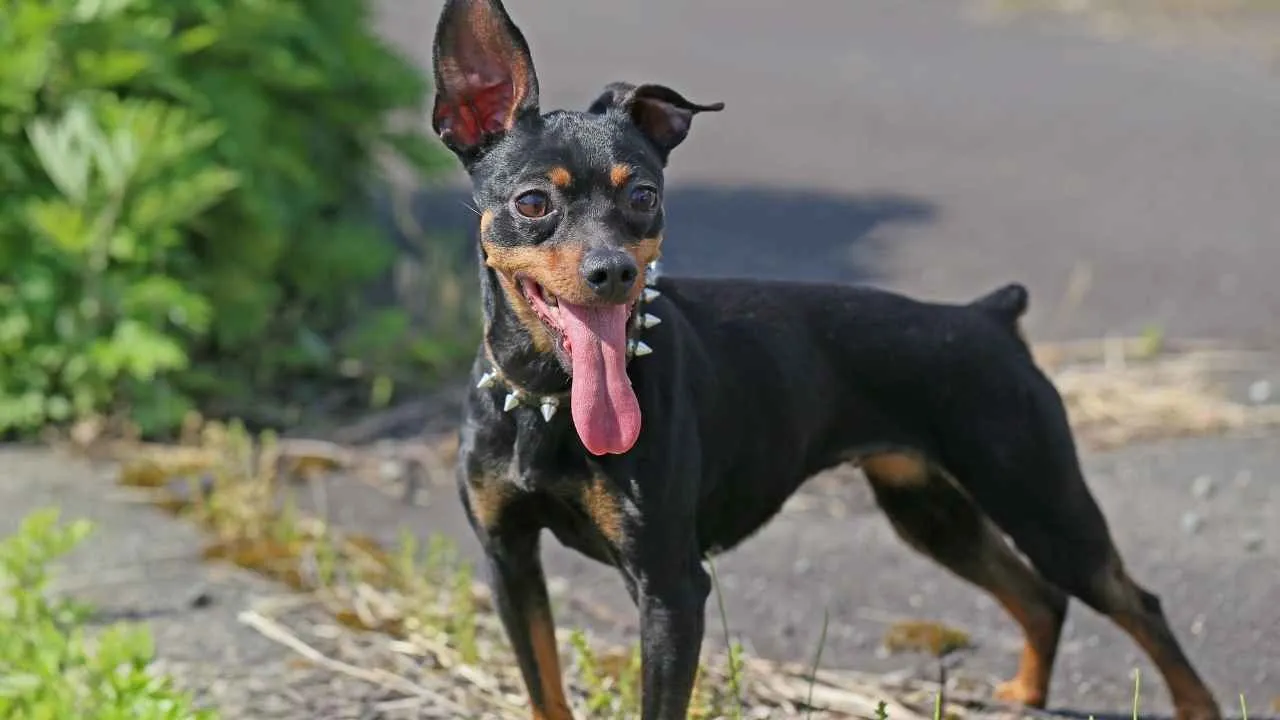
This dog breed was developed as a ratting dog in Germany some 200 years ago. Though it closely resembles the Doberman Pinscher, the Min Pin is a separate breed and was developed by crossing a Dachshund and an Italian Greyhound. Originally called Reh, it gained popularity in the 19th century, as per Orvis.
The small dog has naturally upright ears that act like highly sensitive satellite dishes, moving in the direction of the source of the noise. With a naturally fast metabolism, the Min Pin is always active and in motion, making it alert and producing a sharp bark to alert the owner.
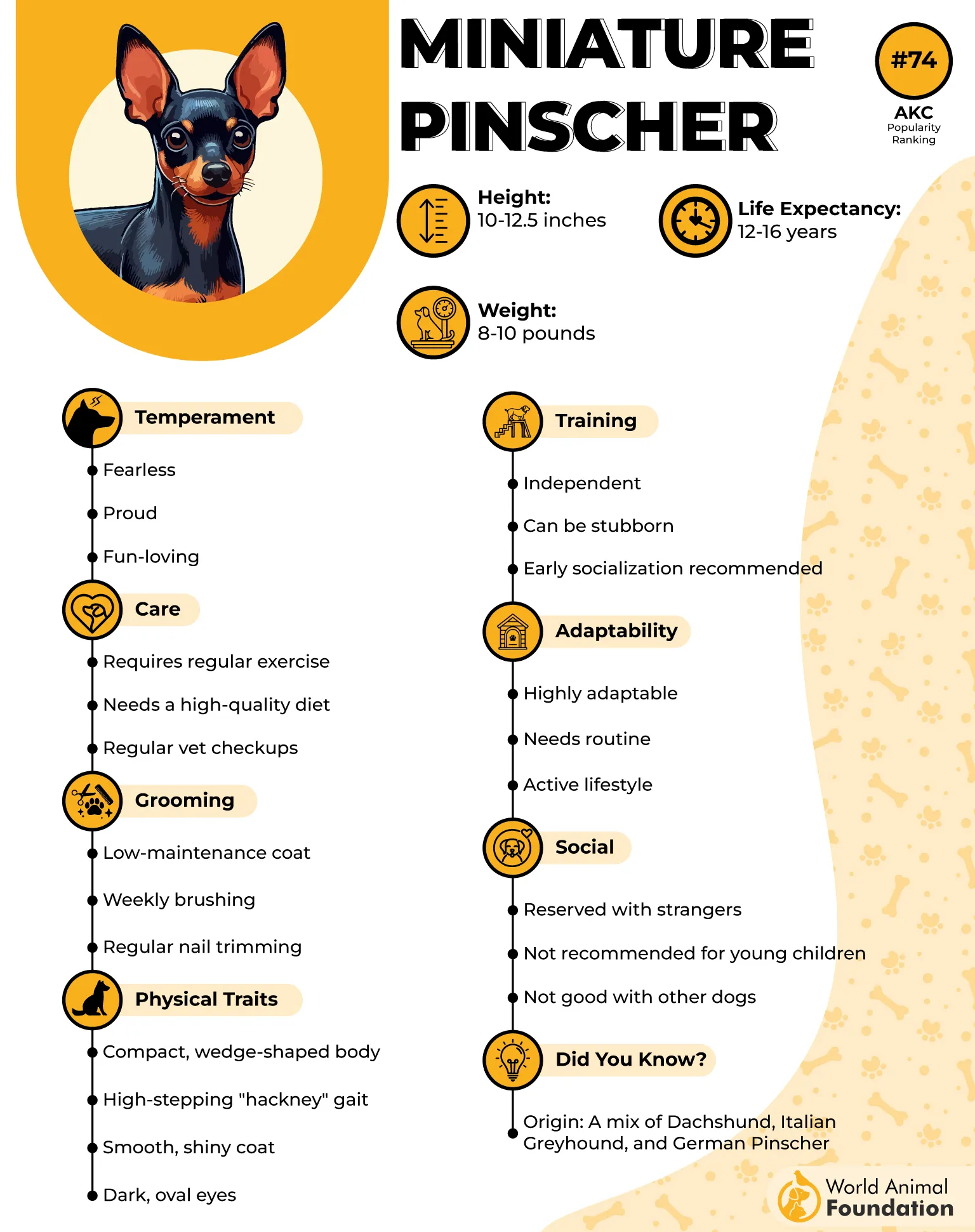
The breed has a high-stepping gait (similar to a Hackney horse) that allows rapid movement to investigate territorial boundaries. Desensitize the breed to normal noises, such as wind, cars, or neighbors, to avoid excessive barking. The high-energy breed requires 30-60 minutes of daily exercise.
2. Miniature Schnauzer
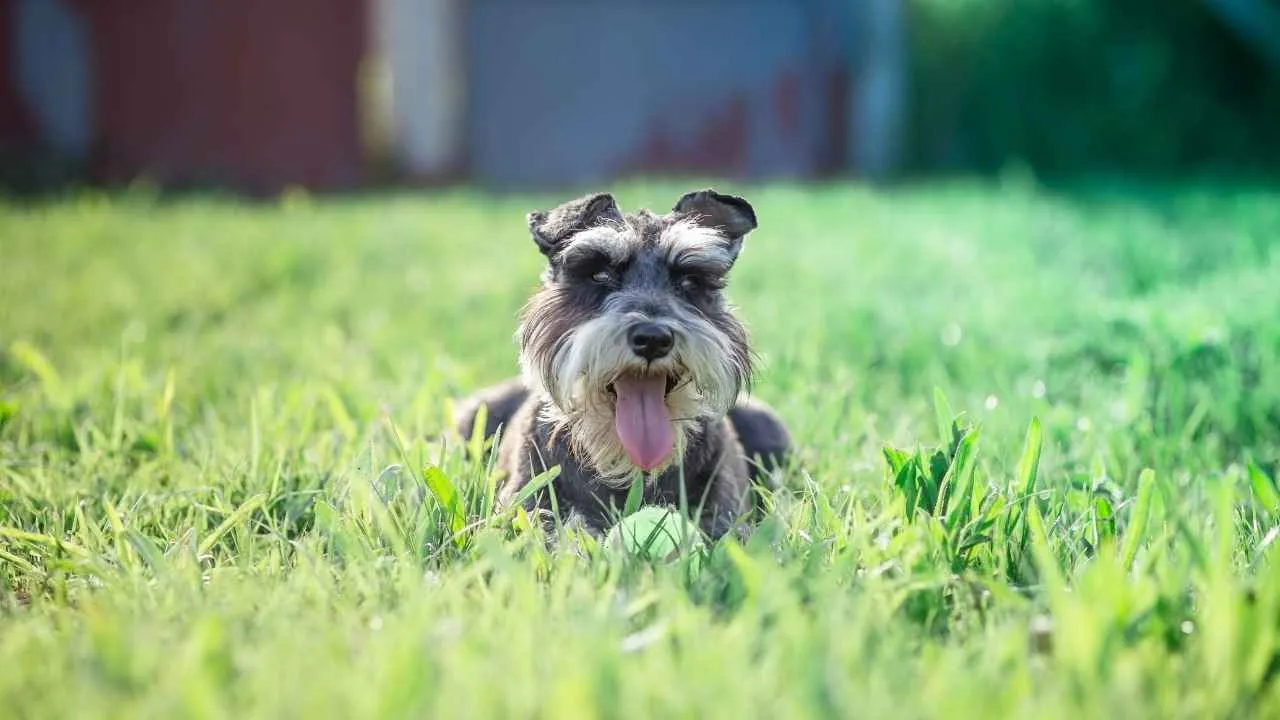
The history of the breed traces back to the 15th century in Germany. It was used as a farm dog to protect property, herd livestock, and exterminate vermin. The farmers came up with an idea of creating a small dog to hunt vermin by crossing a Standard Schnauzer, a Poodle, and the Affenpinscher.
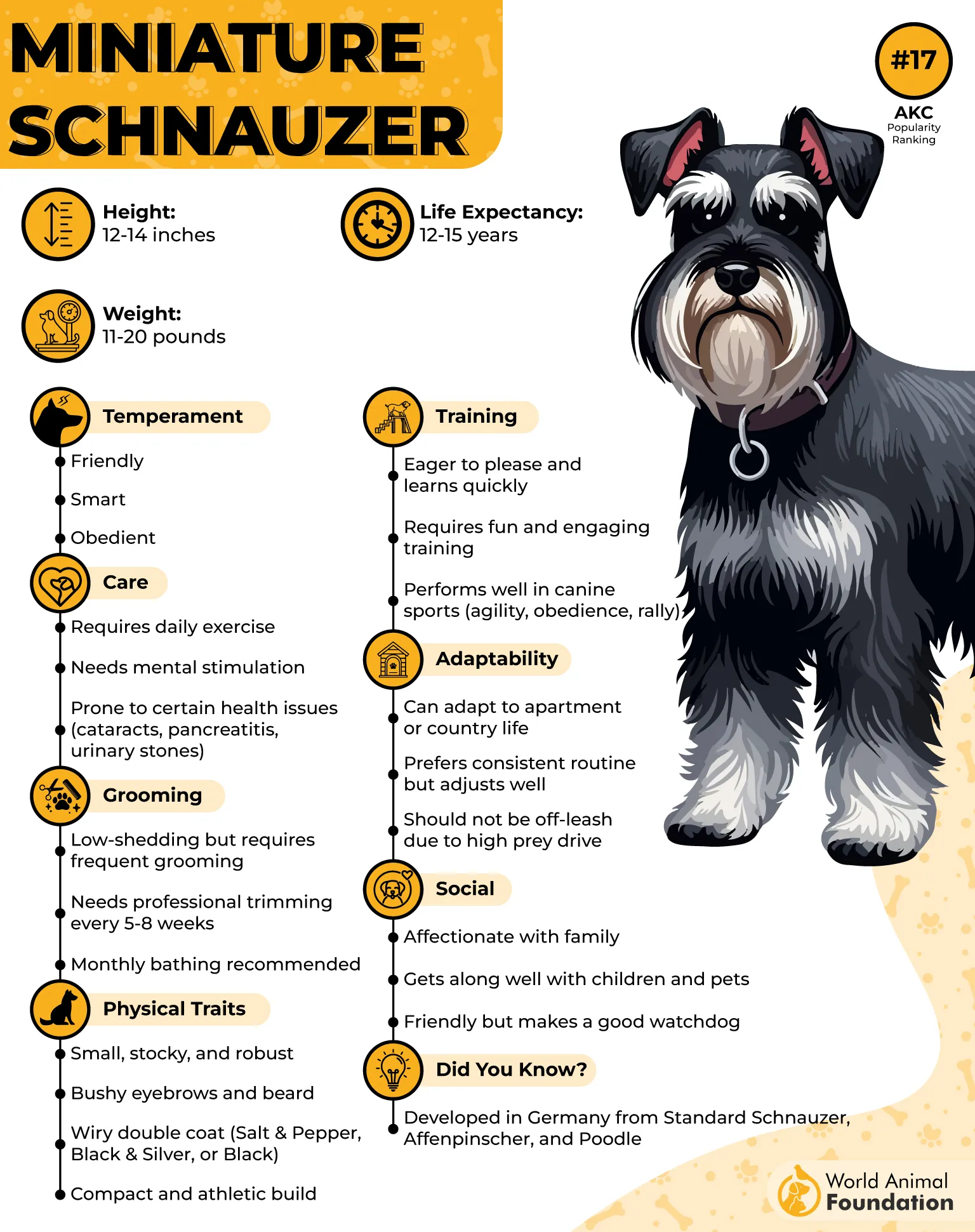
Because of its high intelligence, it can differentiate between normal situations and potential threats. The small breed is notoriously brave, stands firmly on its ground, and barks loudly enough to draw attention rather than hide from a threat.

It first freezes in its position to keenly observe the surroundings. The intelligent dog has moderate exercise requirements (30-60 minutes): brisk walks, jogging, off-leash play, and canine sports like agility, barn hunt, and flyball. It may chase small animals because of strong instincts to catch prey.
3. Chihuahua
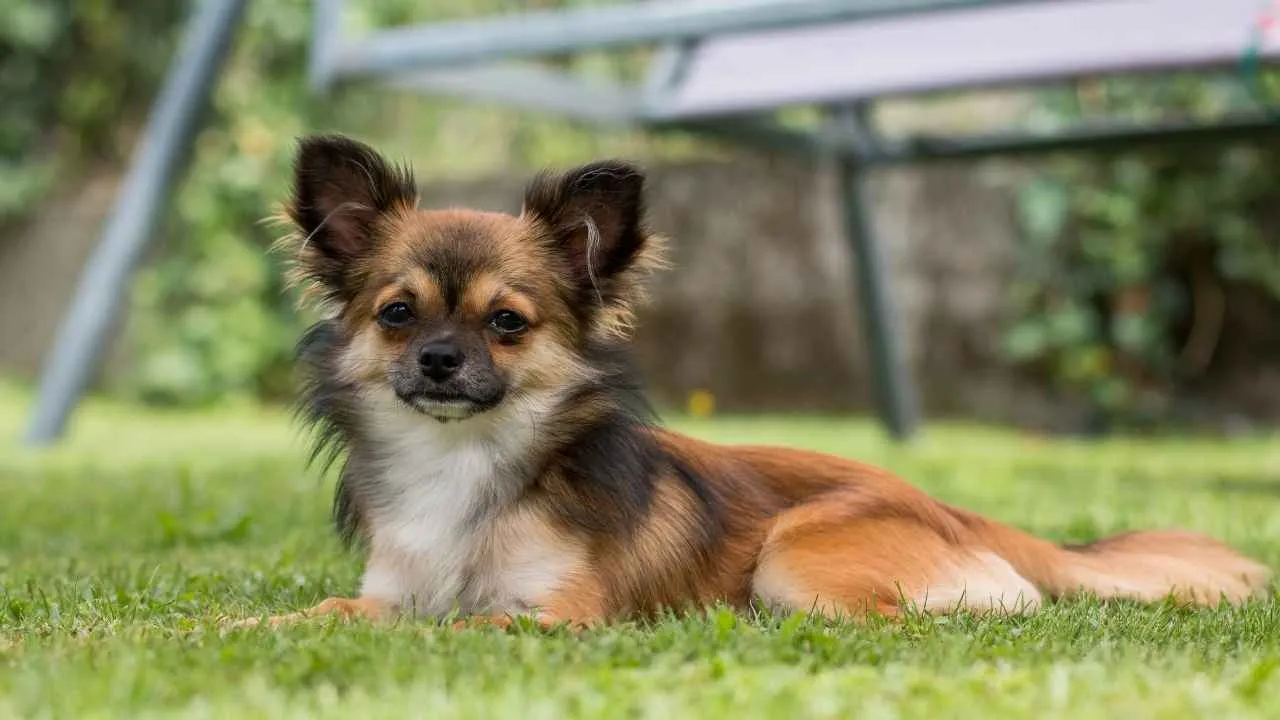
The fast-moving little dog is a small dog breed in the canine kingdom. It has a rounded little head, a ‘saucy’ expression in its dark, round eyes, a short, pointed muzzle, and erect ears. The breed originated in Chichen Itza in Mexico and was taken to Europe by the Spanish explorers and conquerors.
The breed has a fast basal metabolic rate and an energetic disposition, allowing it to react quickly to stimuli with a high-pitched, piercing bark. It is highly focused and selectively hears when chasing. Despite its tiny size, the Chihuahua is a fiercely territorial and brave dog.
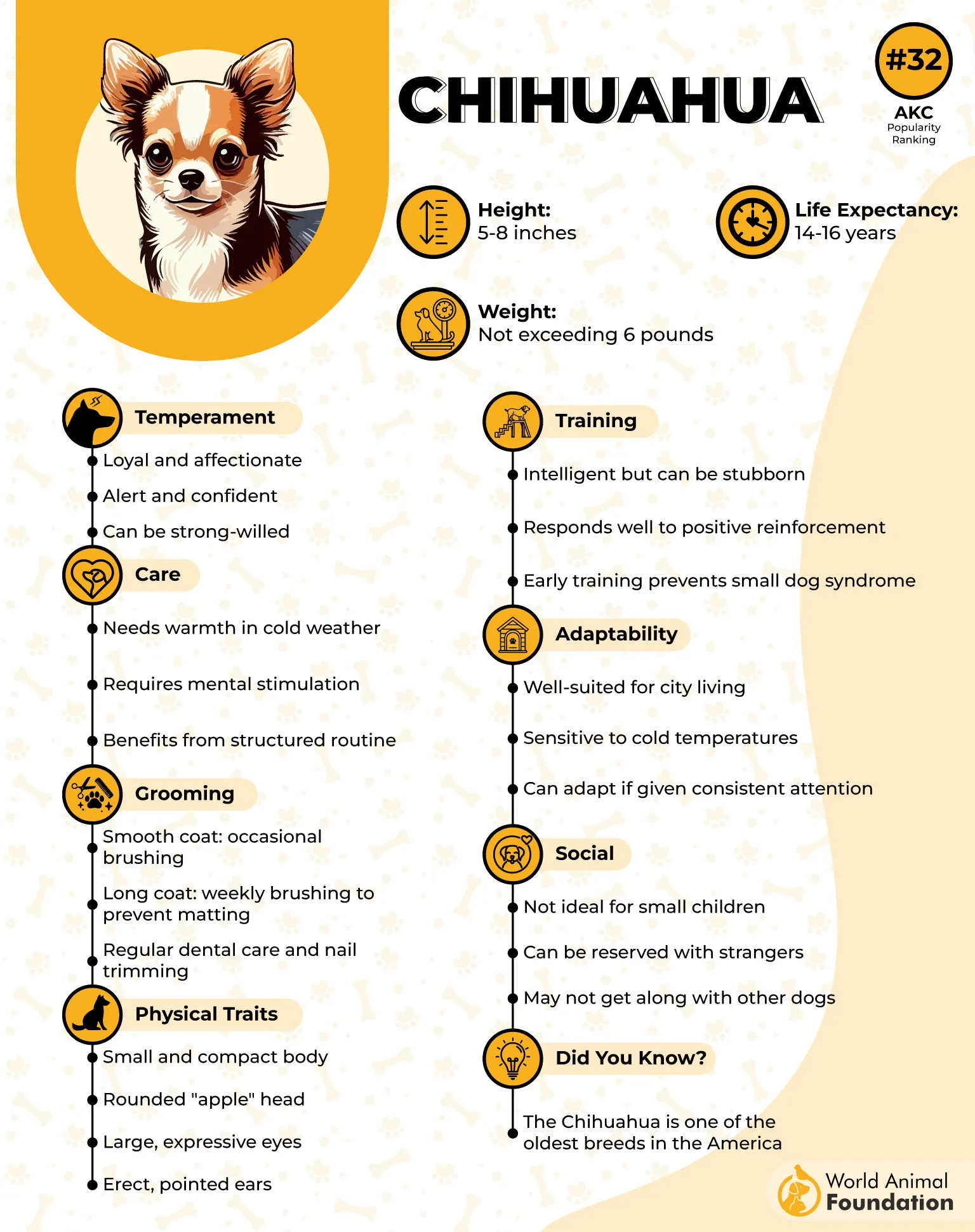
It needs 30-60 minutes of daily exercise, such as short, gentle walks and indoor play. Grooming depends on the coat type: a smooth coat requires weekly brushing, and a long coat requires 2-3 brushings a week using a soft-bristle brush to prevent tangles and mats.
4. Lhasa Apso
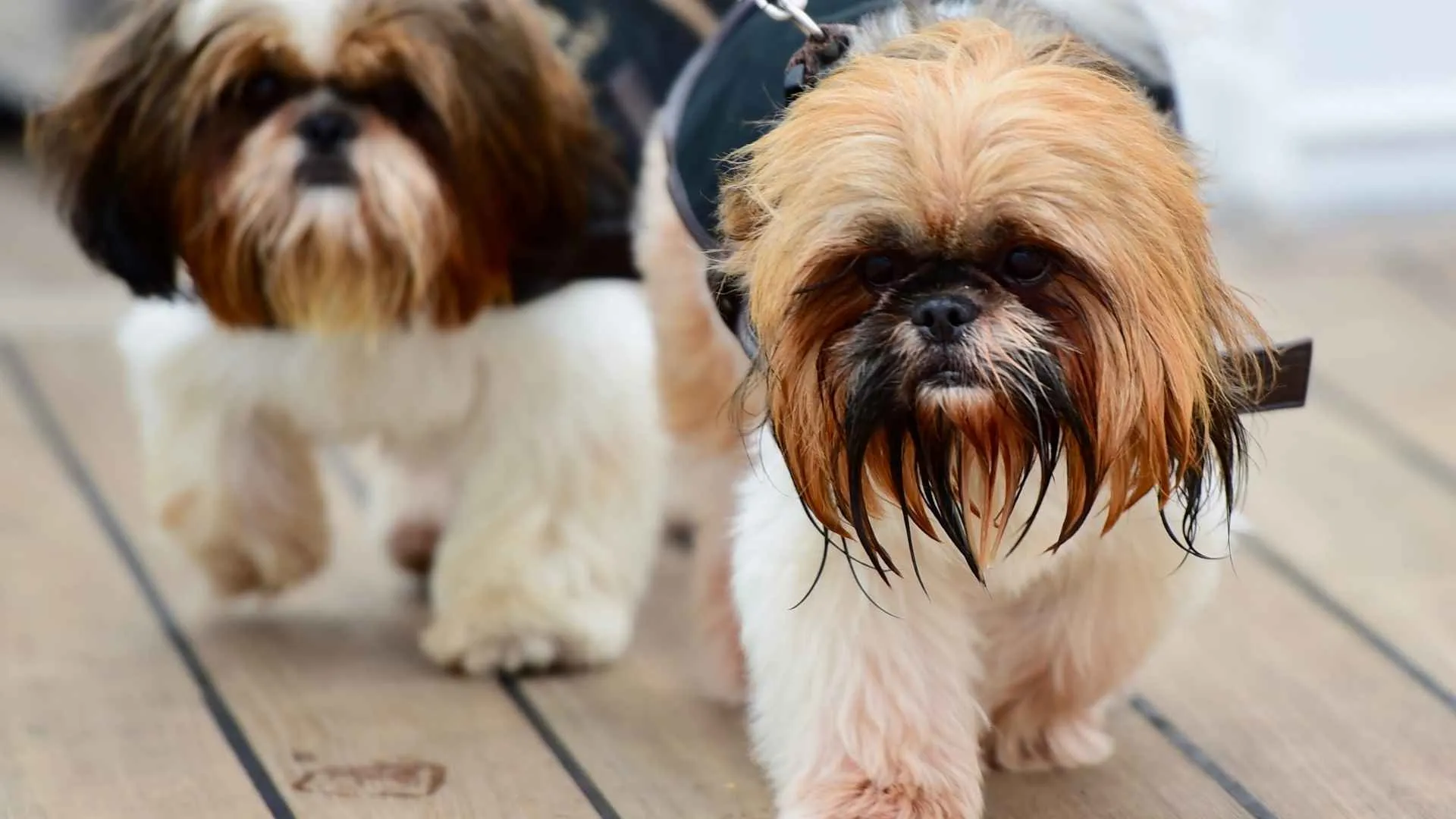
This small guard dog breed was developed in the region of Tibet for the Buddhist monasteries to alert the monks about intruders. Lhasa is the capital of Tibet, and Apso is translated as ‘bearded’ in English. This is one of the ancient dog breeds, and has been bred as a domesticated dog since 800 BC, says Omlet.
Being highly observant in nature, it can detect minor changes in the environment. With up to 220 million olfactory receptors, it can smell unfamiliar scents from a distance before humans. Being independent and highly territorial in nature, it has low levels of fear-based hormones when approached by strangers and views itself as a protector.
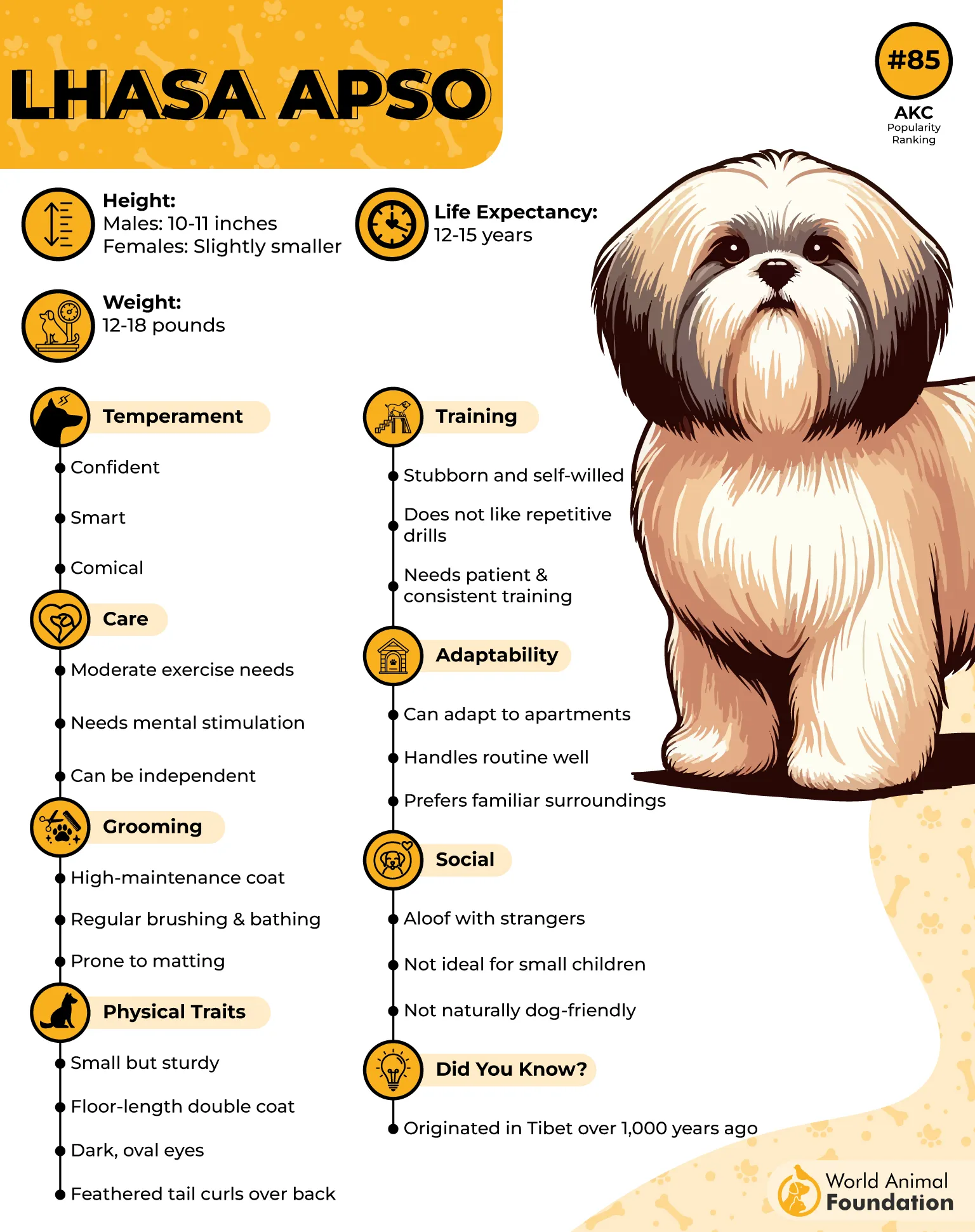
It is widely used as an assistance dog for disabled people, alerting them to doorbells, etc., using its sharp sense of hearing and barking. This watchdog has moderate exercise requirements (30-60 minutes): 2-3 walks, sniff walks, indoor play, and mental stimulation.
5. Dachshund
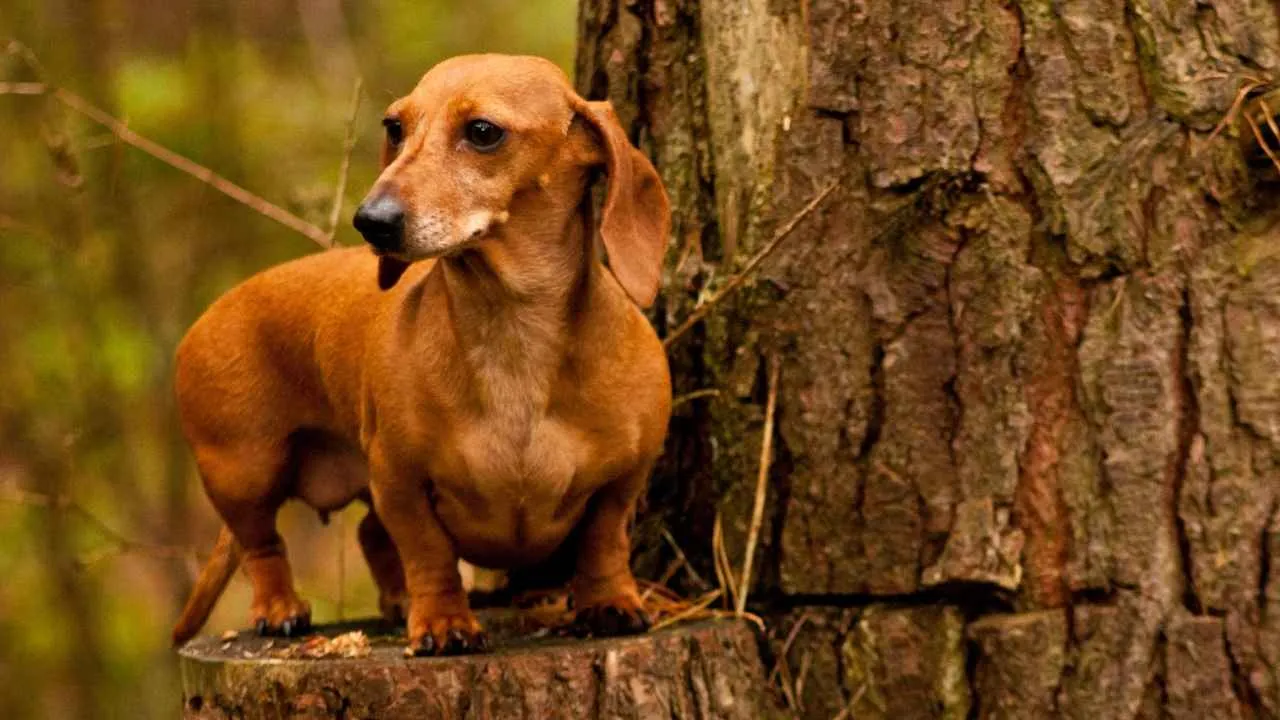
Developed in Germany in the Middle Ages, the Dachshund was bred as a badger hunter in the 17th century (dach: badger, hund: dog). The breed has sharp claws, short legs, and an elongated spine, making it an ideal underground hunter and a digger.
Once the prey is found, it emits a deep and loud bark to alert the owner and inform about its current location. The fiercely brave breed does not get easily intimidated, even by large dogs. The olfactory bulb, combined with a specialized nasal cavity, detects microscopic chemical changes, body language alterations, and subtle environmental shifts.
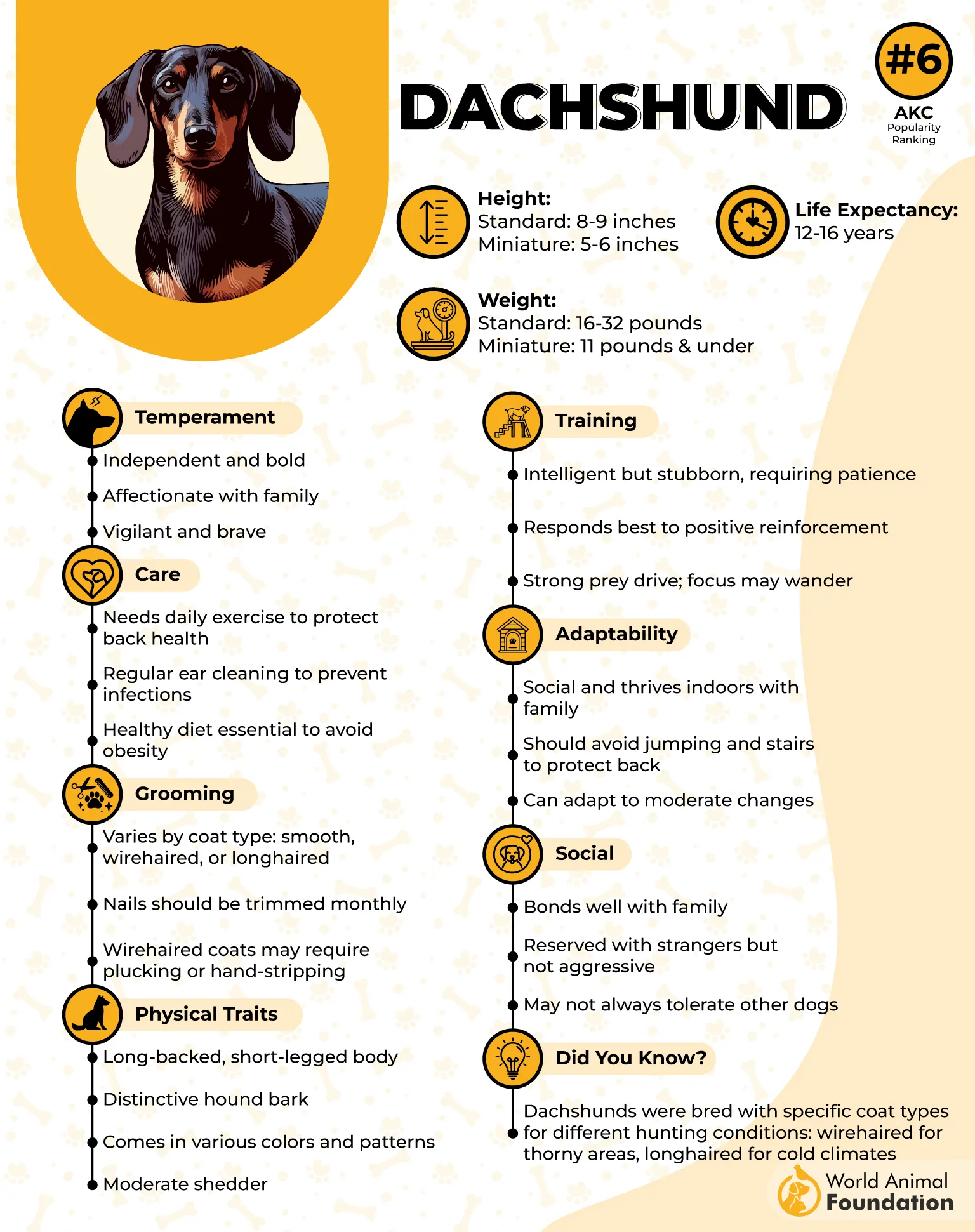
The low body stature is designed to detect seismic vibrations. It excels in feeling ground-level movements, such as footsteps. High-impact exercise (jumping and stair climbing) must be avoided as it is prone to spine-related health concerns (IVDD).
6. Yorkshire Terrier
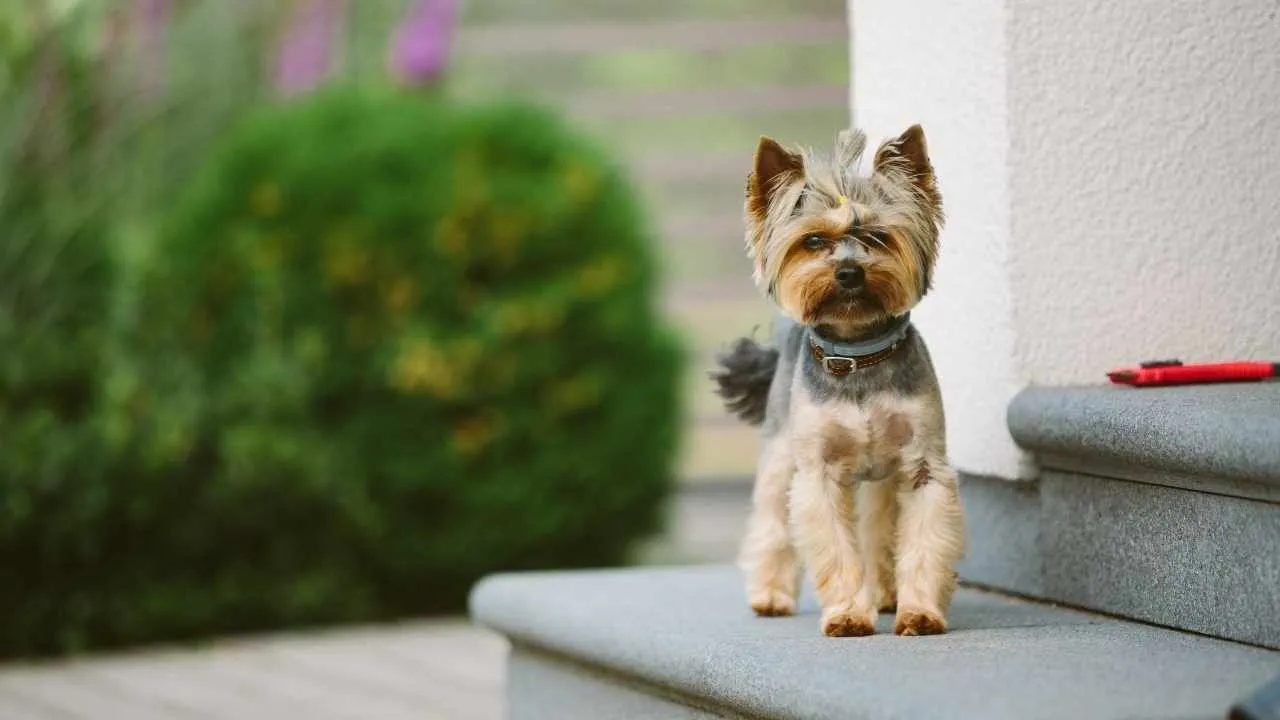
Originating in the Yorkshire region of England in the 19th century, the Yorkshire Terrier was developed to catch rats and rodents in the cotton mills and was classified as a working dog. It is a cross of Waterside, Paisley, and Skye Terriers. Today, it is widely used as a watchdog, family companion, and fashion show dog.
Despite a small frame, its respiratory tract and vocal cords produce a surprisingly sharp bark, alarming the owner. It has V-shaped ears that capture high-frequency or distant noises. It has an affectionate nature and loves to snuggle. It is well suited for families with older children.
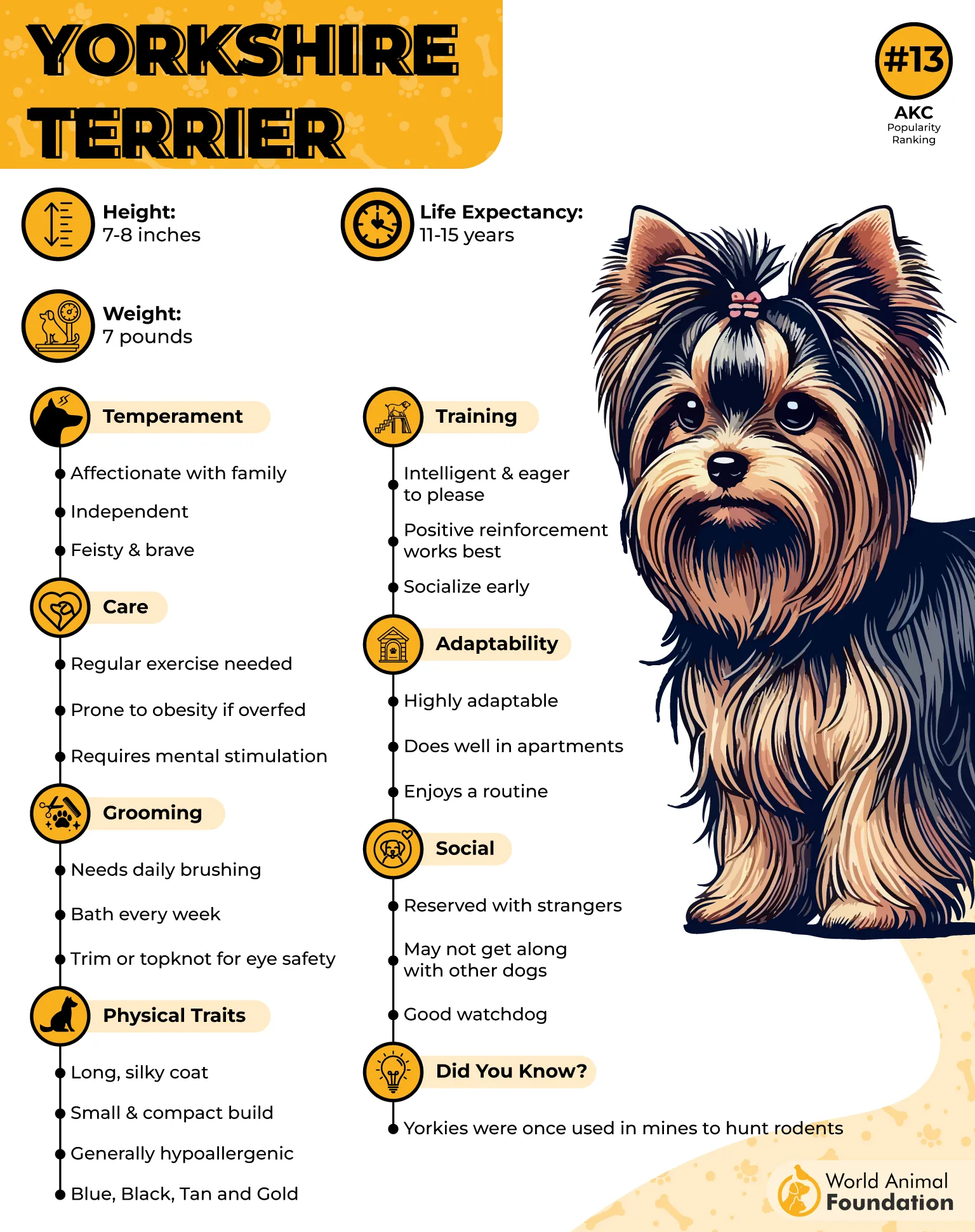
It is used as a guard dog, as the burglars tend to step away when the dog barks prior to them noticing the size. Since it can be a bit yappy, obedience training and proper socialization are important. Low-impact exercise is recommended for the breed (30-50 minutes) daily.
7. Jack Russell Terrier
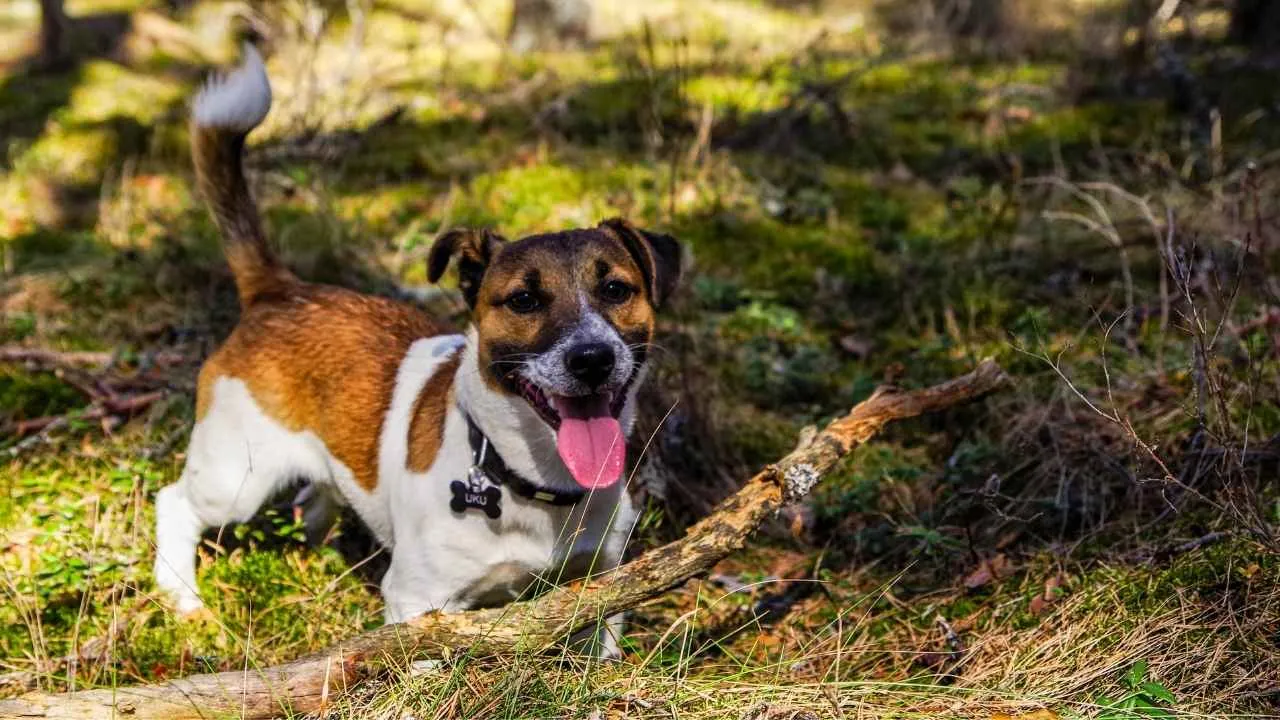
The small terrier, a white-bodied dog, was originally bred as a fox-hunting breed in North Devon in the early 19th century by a country parson, Jack Russell. It has appeared in many films and TV shows with several historical dogs of note, according to Wikipedia.
It has 300 million scent receptors, an advanced olfactory bulb, and the Jacobson’s organ (located in the nasal cavity to detect pheromones). This complex structure detects intruders, hidden threats (like snakes), or foreign objects. The ‘button ears’ can pick up frequencies between 45,000 and 65,000 Hz.
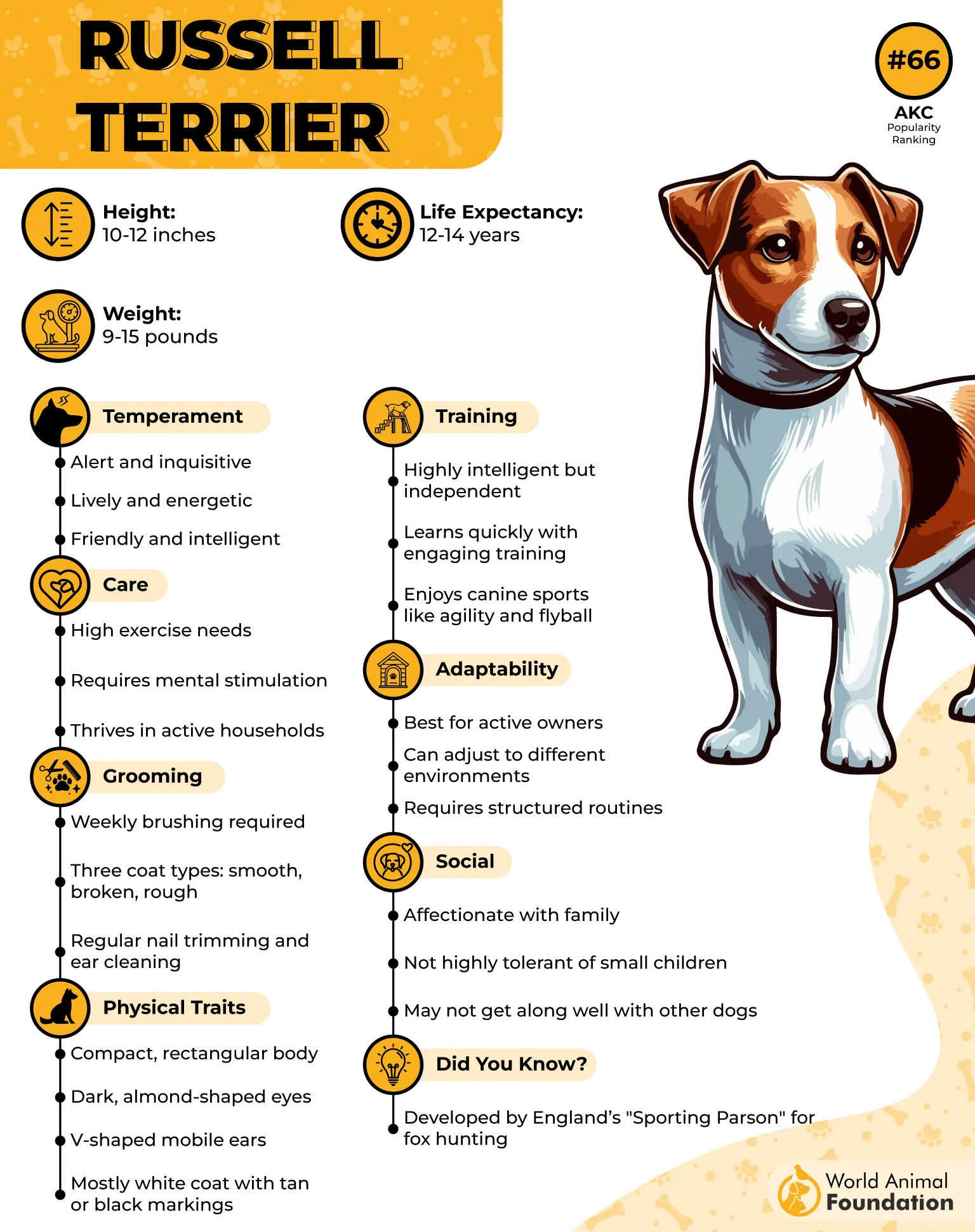
The tightly fitting eyelid rims and the concentrated visual cells provide a wide field of view and high sensitivity in low-light settings. It is naturally vigilant at spotting and chasing off mice, rats, and other pests because of its ratting history, and is widely used for property protection and intruder alarming.
8. Tibetan Spaniel
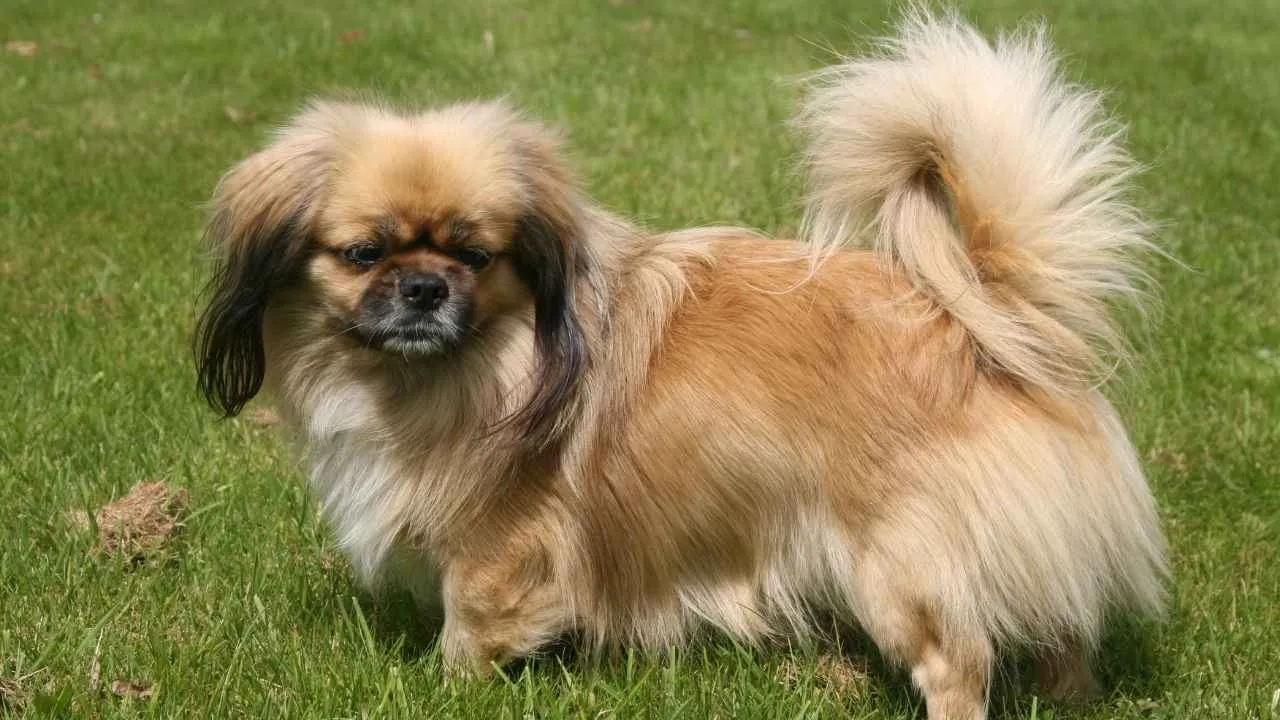
Sometimes known as the Tibbie, the Tibetan Spaniel originated in Tibet’s Himalayan Mountains some 2,000 years ago to live alongside the Buddhist monks. It used to rest on the monastery walls to warn monks of approaching wolves or strangers.
It has a thick mane around its neck, giving it a lion-like appearance. With acute senses of sight and hearing, it can perceive low volume and instantly alert the owner. It has an innate desire to climb, allowing it to scale tabletops, windowsills, and worktops to establish high-vantage observation posts.
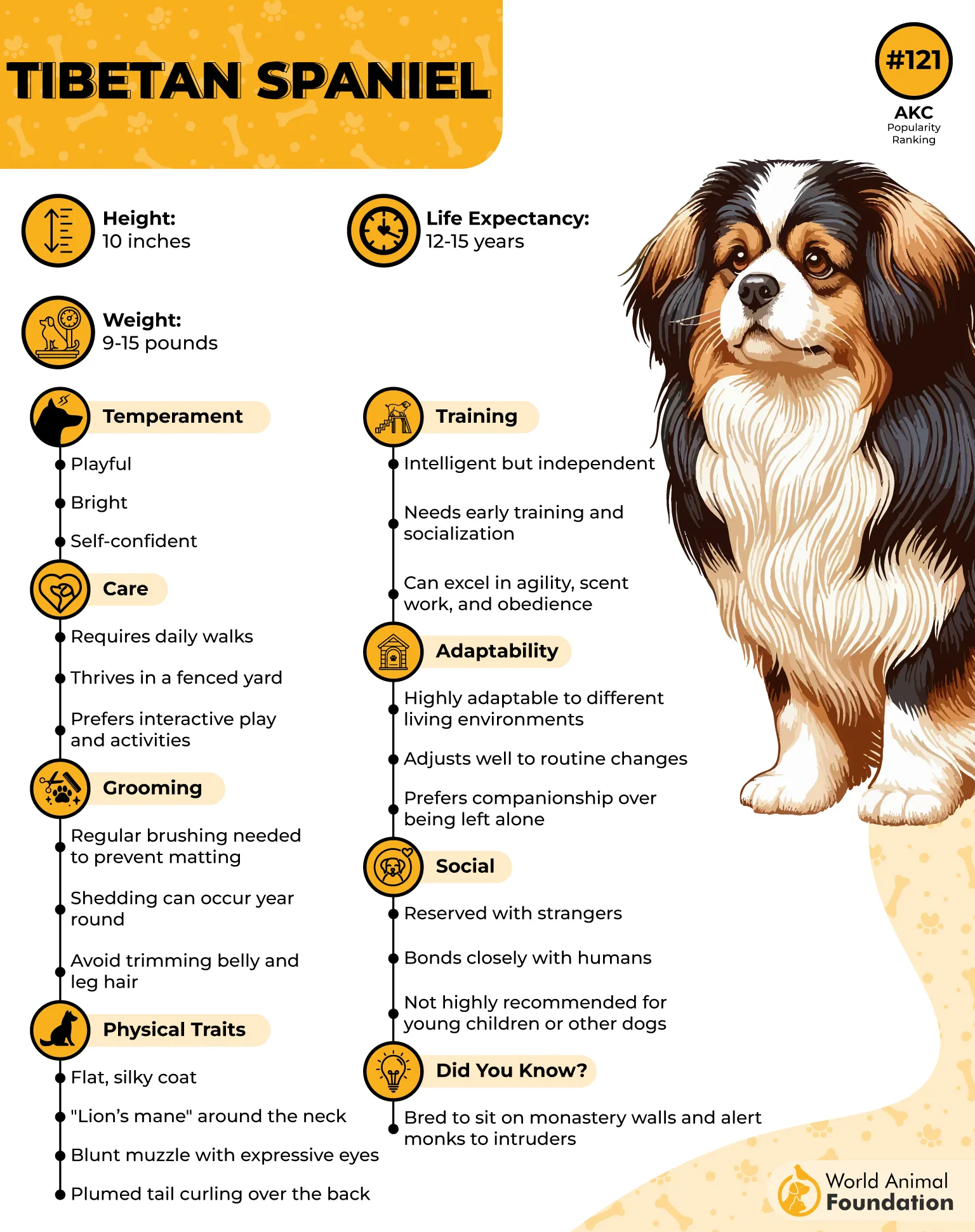
Since it has an independent streak, it can develop stubbornness; thus, proper socialization and early training are non-negotiable. Because it is a brachycephalic breed, it may face breathing issues. Daily workout for 30-60 minutes: off-leash play, scent work, indoor games, and short walks are recommended.
9. Scottish Terrier
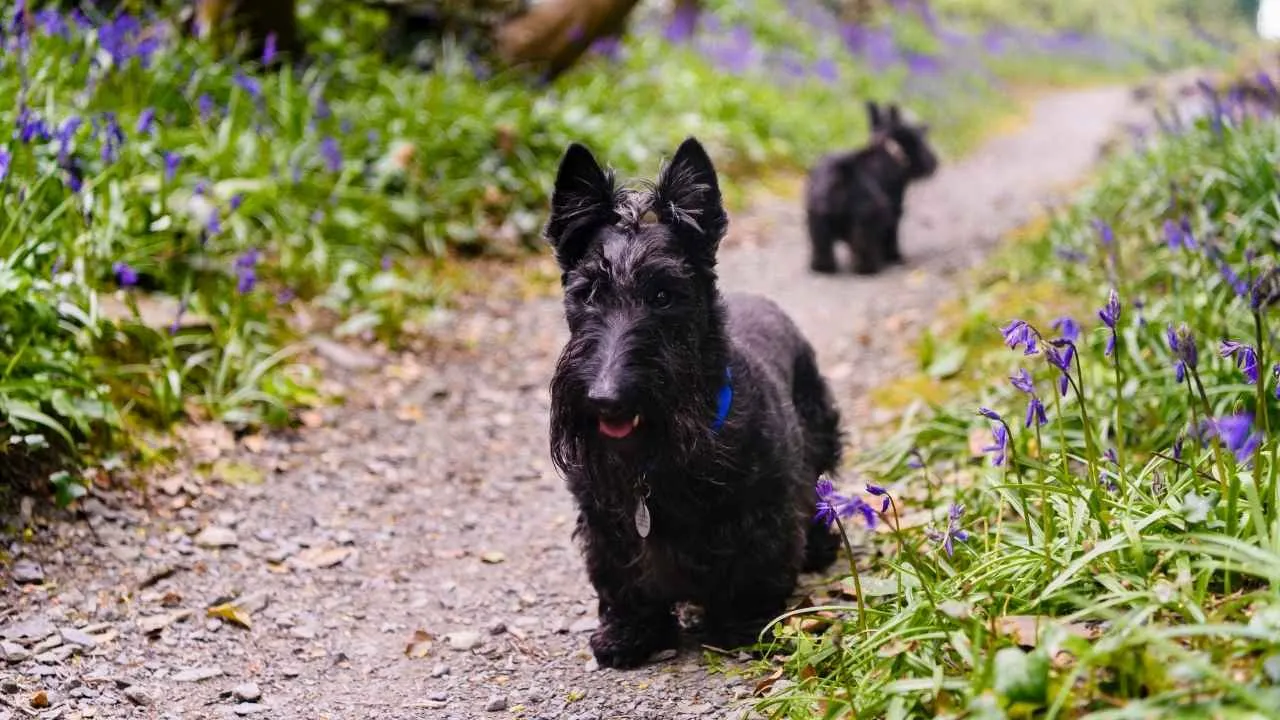
Known as the Scottish Terrier since 1879, the breed had other names in the past. These included the Aberdeen Terrier, the Hard-Coated Scotch Terrier, and the Die-Hard or Wire-Haired Terrier. It is closely related to the West Highland White Terrier and is the descendant of the ancestral Highland Terrier.
The incredibly loyal breed has an alert carriage and a tail that stands straight when danger is sensed, showing its readiness to react. It is naturally reserved and distrustful of unknown individuals, making it one of the best guard dogs. The small breed tends to scan and patrol your yards and possesses strong hunting instincts.
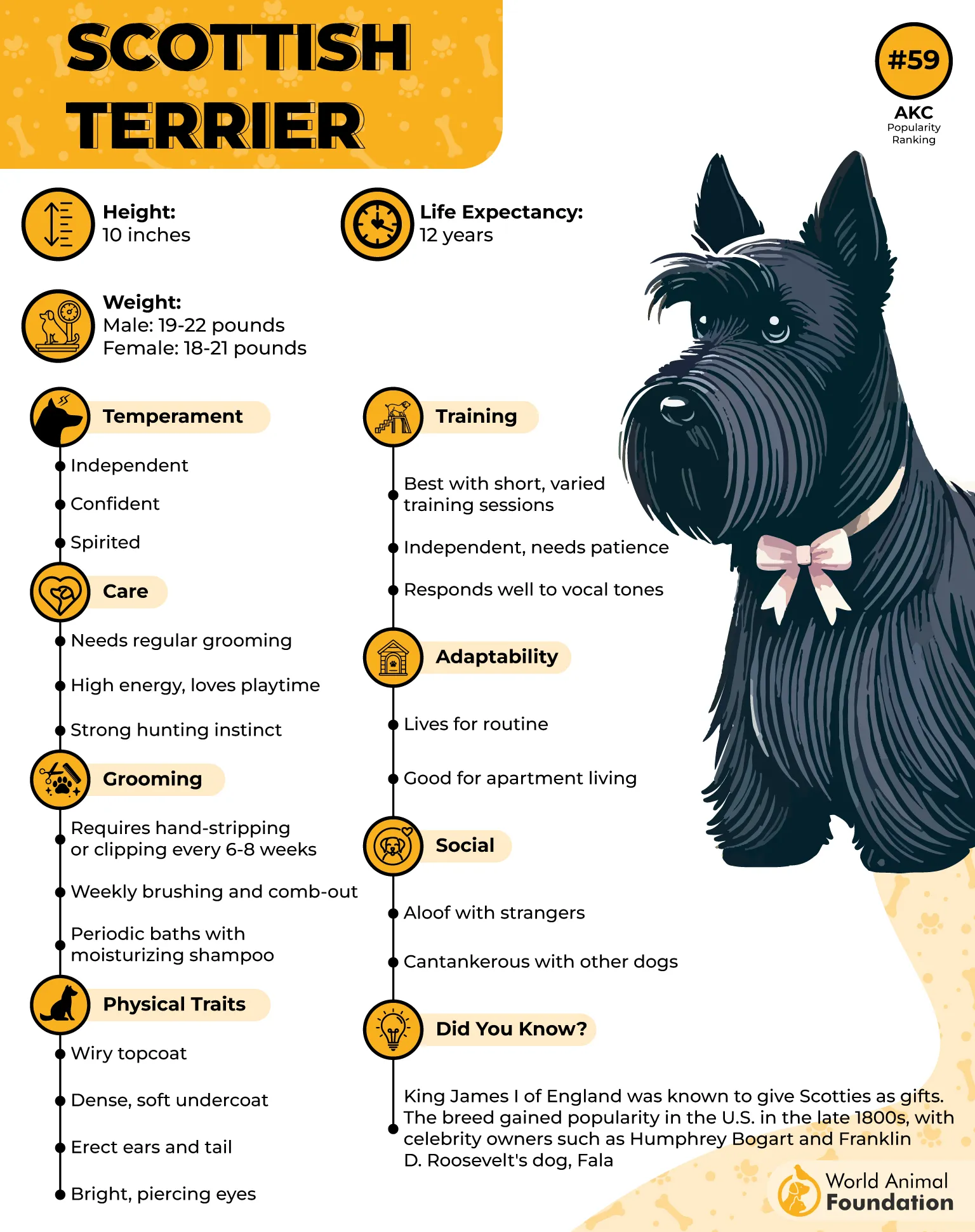
It forms a strong bond with the owner’s family and sees them as a ‘pack.’ The dog requires at least 30-45 minutes of daily exercise: brisk walks, leashed outdoor play, soft fetching, and indoor play. It has a heavy boned structure and can not swim.
Conclusion
A dependable watchdog does not have to weigh 80 pounds. Many small dogs are naturally observant, loyal, and quick to alert their families when something feels out of place. Each breed brings its own strengths.
Some rely on bold confidence, while others depend on keen hearing, strong territorial instincts, or unwavering devotion to their owners.
The best choice depends on your lifestyle, home, and willingness to provide proper training and daily mental exercise. Remember, a good watchdog should know when to bark and when to relax.
With patience, consistent guidance, and plenty of love, these small but mighty companions can become trusted family members that offer both comfort and an extra set of watchful eyes every day.
