




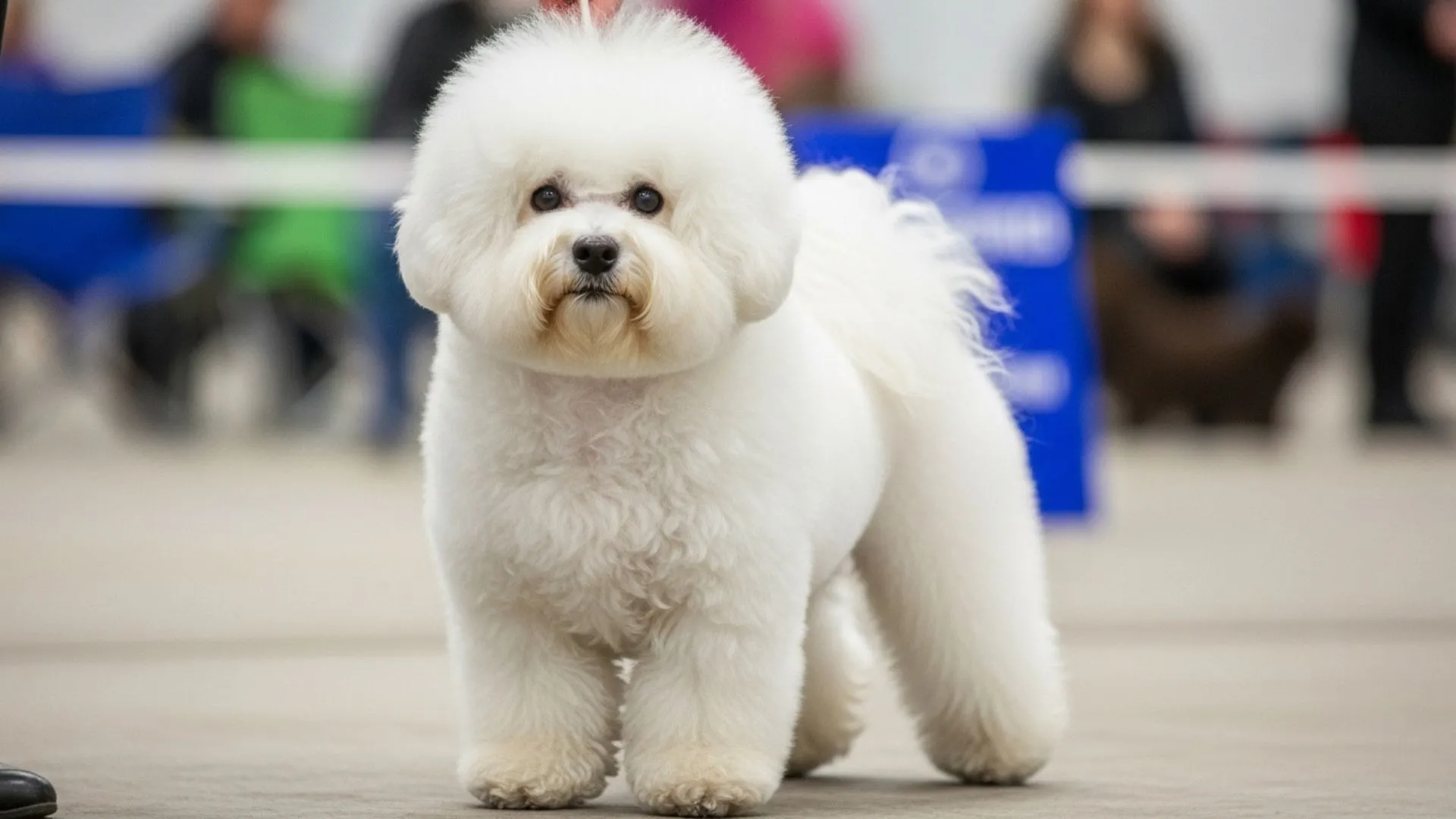
Love dogs, but not the constant battle with pet hair on your clothes, sofa, and probably your coffee too?
You’re not alone—many pet parents search for dog breeds that shed less and still bring all the joy, energy, and chaos (the good kind) into their homes.
That’s where low-shedding dog breeds and hypoallergenic dogs come into the picture.
But not all dogs handle shedding the same way. While no shedding dog is completely mess-free, some breeds shed so little that your vacuum cleaner might finally get a day off.
These low-shedding breeds are often loved for their coat type, which helps trap loose hair instead of spreading it everywhere.
That’s also why many allergy sufferers prefer hypoallergenic dog breeds.
That’s exactly what makes these breeds so popular today. In this guide, we’ll explore some of the best breeds that don’t shed much, are easier to manage, and are perfect for apartment living, family homes, and anyone who wants a cleaner, happier pet parenthood experience without giving up cuddles.
Excellent Dog Breeds That Barely Shed: A Grooming Guide
1. Miniature Poodle
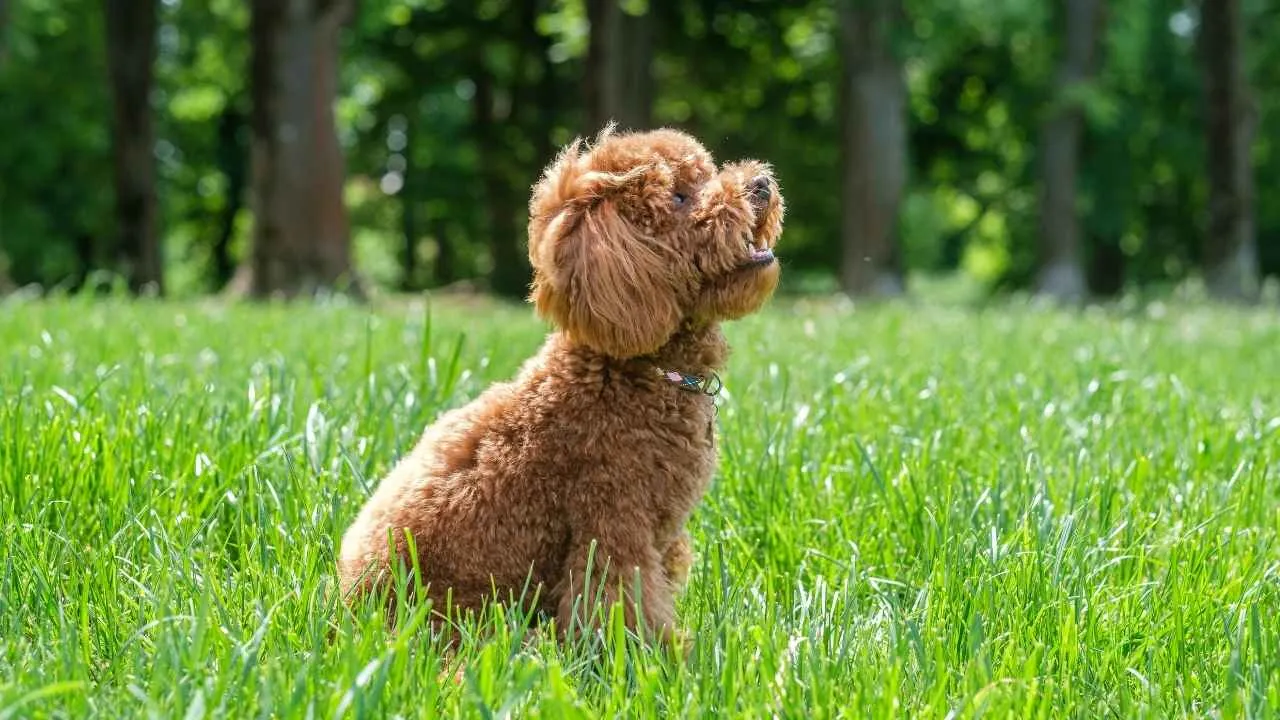
Don’t let their fancy curls fool you—Miniature Poodles are basically little athletes wearing a fluffy designer coat.
As per PetMD, their coat is dense, curly, and tightly textured, designed to trap loose hair instead of letting it fall everywhere, which makes them low-shedding and often a better option for allergy-sensitive homes.
They come in striking colors like black, white, apricot, and red, giving them a classy, eye-catching look, but that stylish coat needs regular grooming to stay soft, clean, and mat-free.
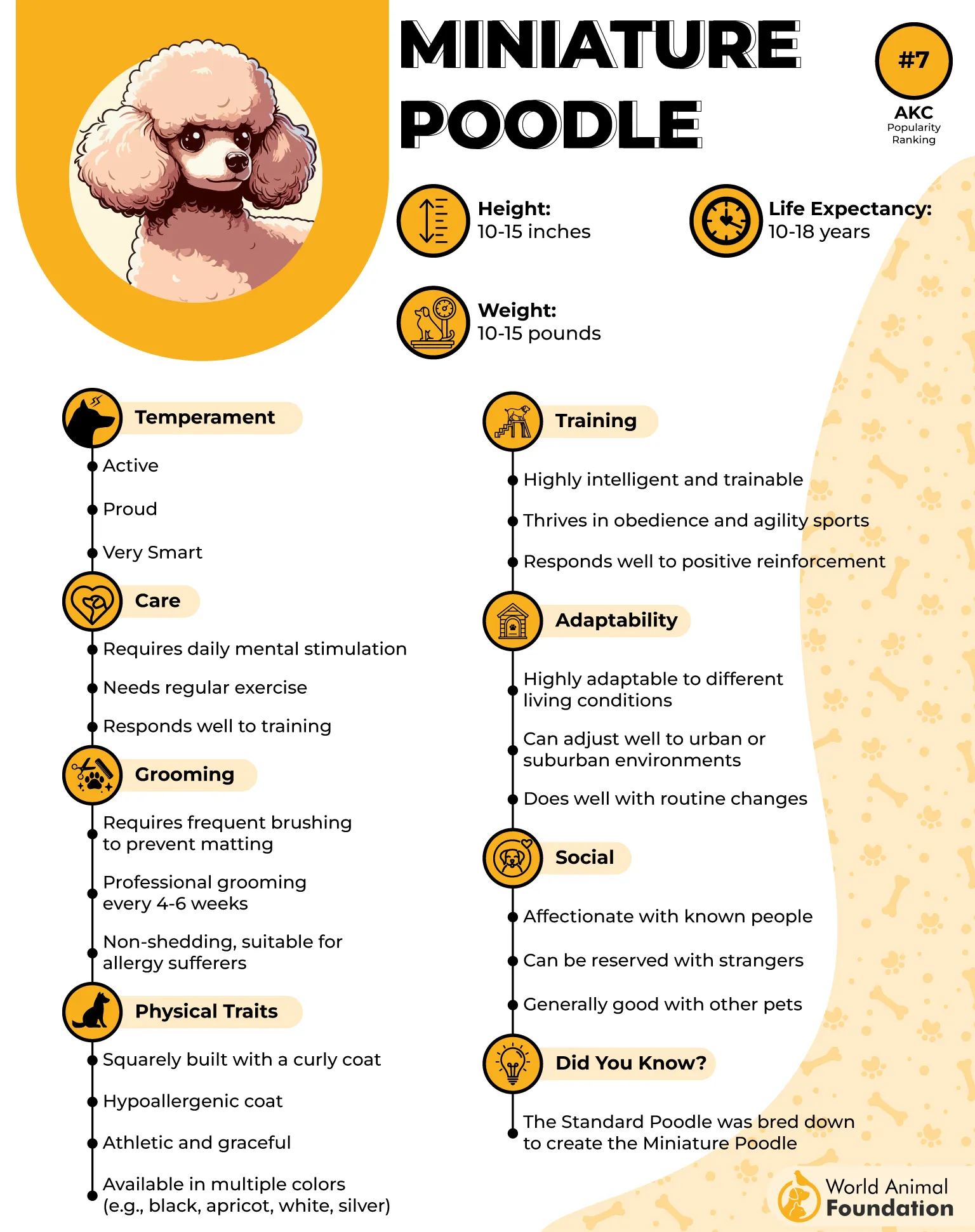
Grooming Tips
Regular brushing to prevent tangles and allergic reactions
Book professional grooming every 4–6 weeks
Clean ears regularly to avoid dog allergies
Bathe once a month with dog-safe shampoo
Miniature Poodles are also highly intelligent, active, and eager to learn, which means they need both ample exercise and mental stimulation.
When given proper care and attention, they become affectionate, playful companions that fit well into many types of homes.
2. Bichon Frise
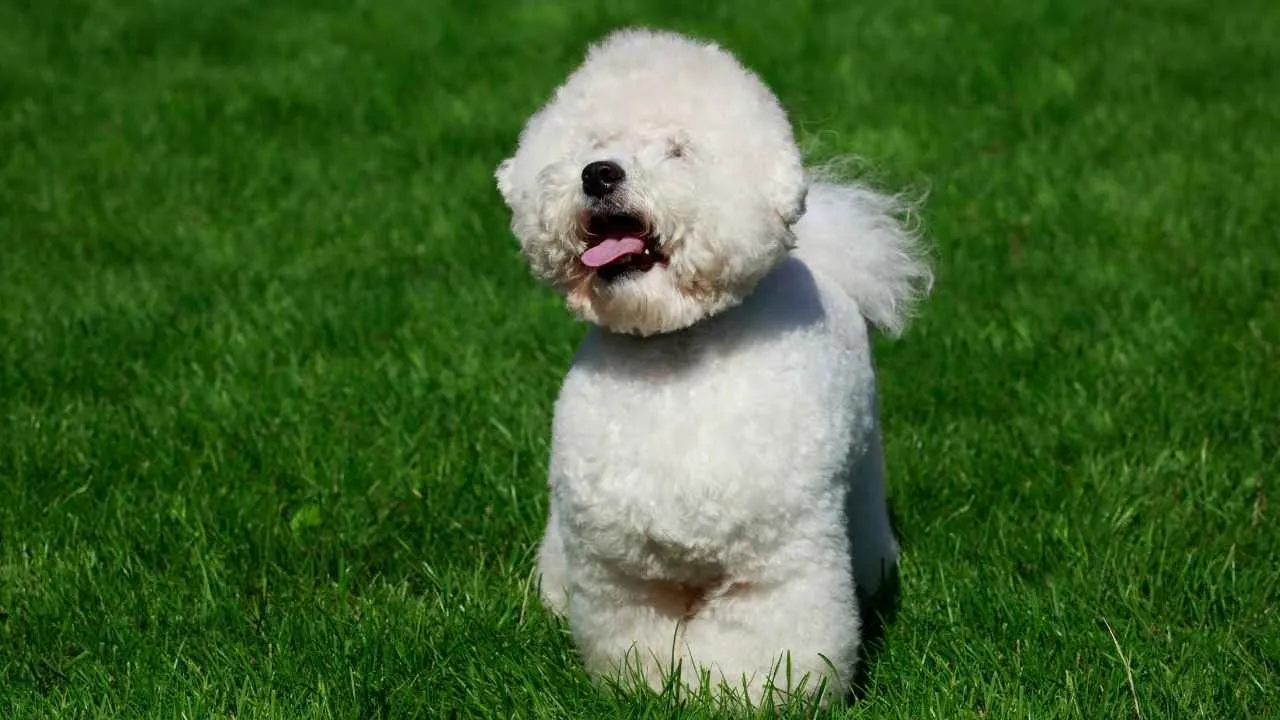
The Bichon Frise is a small, sturdy dog known for its soft, dense, white coat type that gives it a fluffy, cloud-like appearance.
This coat is made of a curly underlayer that traps loose hair, making the breed low-shedding and also considered a relatively hypoallergenic breed, as per the AKC.
Their dark eyes, rounded head, and bright expression give them a cheerful, teddy-bear look that matches their friendly nature.
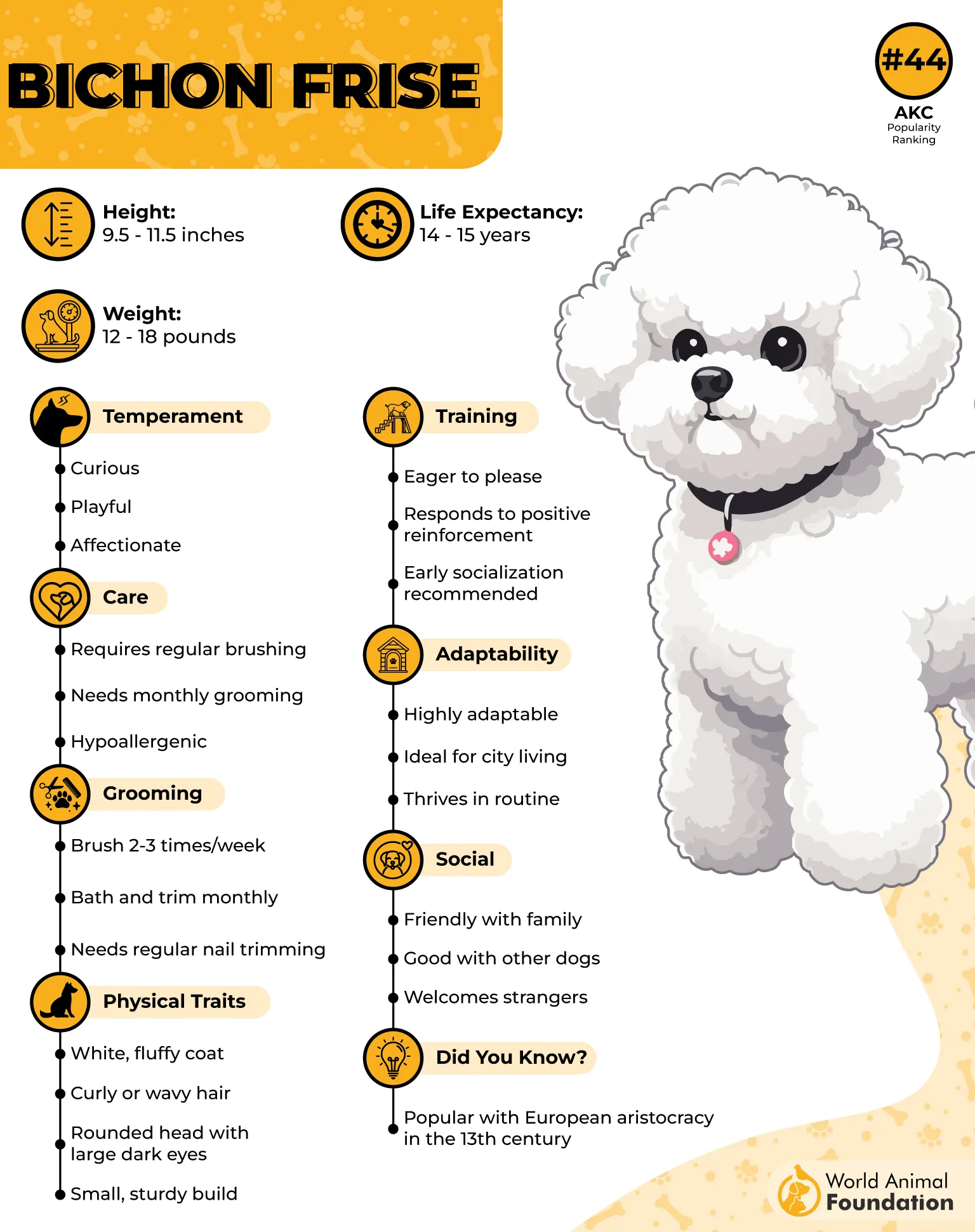
Grooming Tips:
Brush 2–3 times a week (daily brushing preferred)
Professional grooming every 4–6 weeks
Regular nail trimming
Bichons are playful, social, and full of personality, with quick bursts of energy followed by calm cuddles.
They get along well with children and other pets but need early training and socialization to support good behavior and house training.
3. Maltese
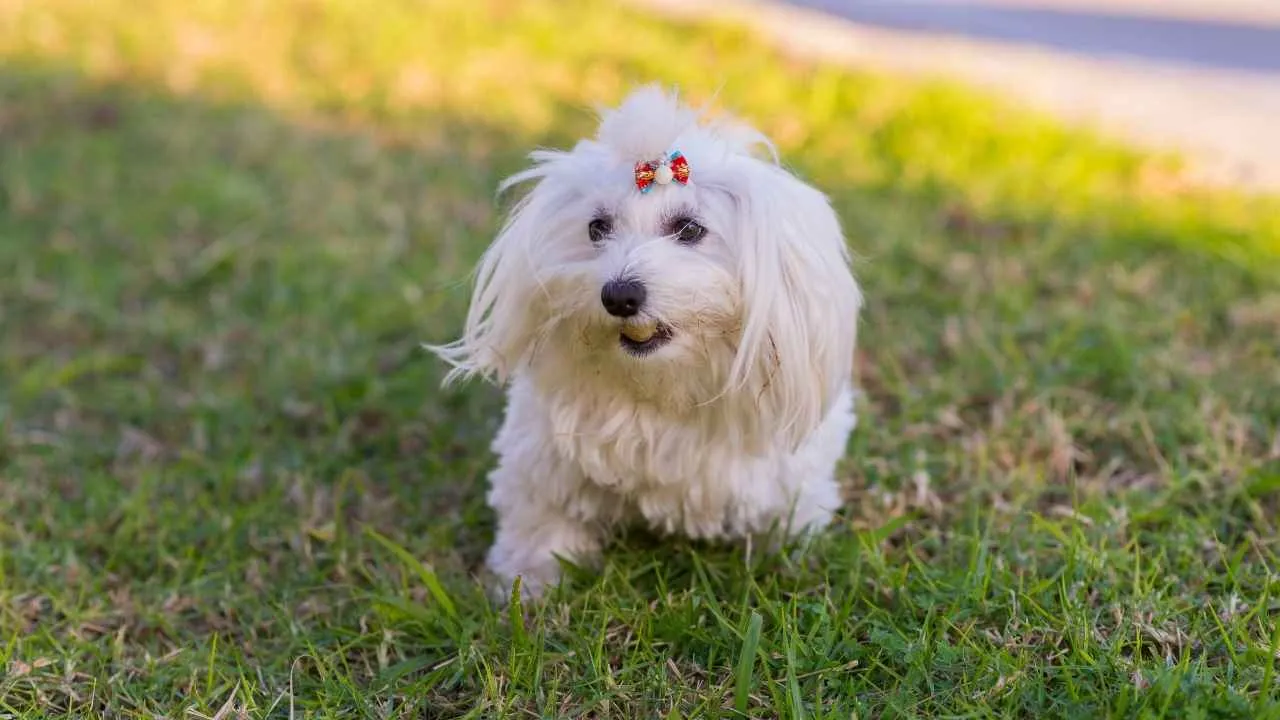
The Maltese is a tiny dog breed known for its long, pure white, silky coat that flows smoothly along the body and gives it a refined, elegant appearance.
Despite its soft and delicate look, this dog sheds surprisingly low, which makes the breed a good choice for those looking for a dog with a low-shedding coat.
The fine hair tends to trap loose strands instead of releasing them into the environment, helping reduce visible dog hair around the home.
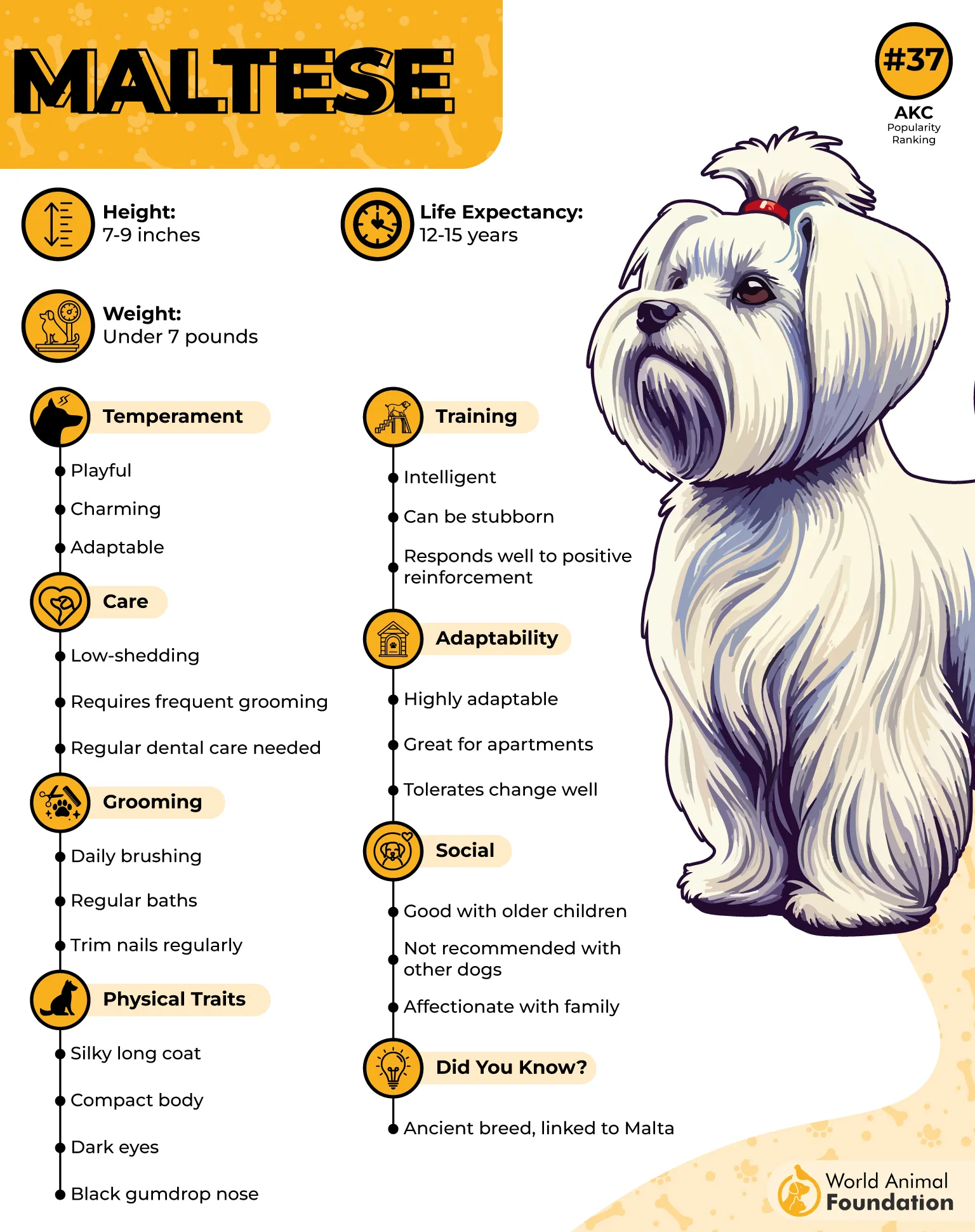
Grooming Tips
Brush the dog’s coat daily to prevent tangles and matting
Trim or clip every 6 weeks for low-maintenance grooming
Use gentle whitening shampoo to maintain coat brightness
Regular conditioning helps manage dryness and knots
Beyond its beautiful coat, the Maltese is a lively, highly social, and friendly dog. Its small size makes it adapt well to apartment living and enjoys being close to its owners, making it an ideal pet for families, seniors, and allergy sufferers alike, as per Britannica.
4. Yorkshire Terrier
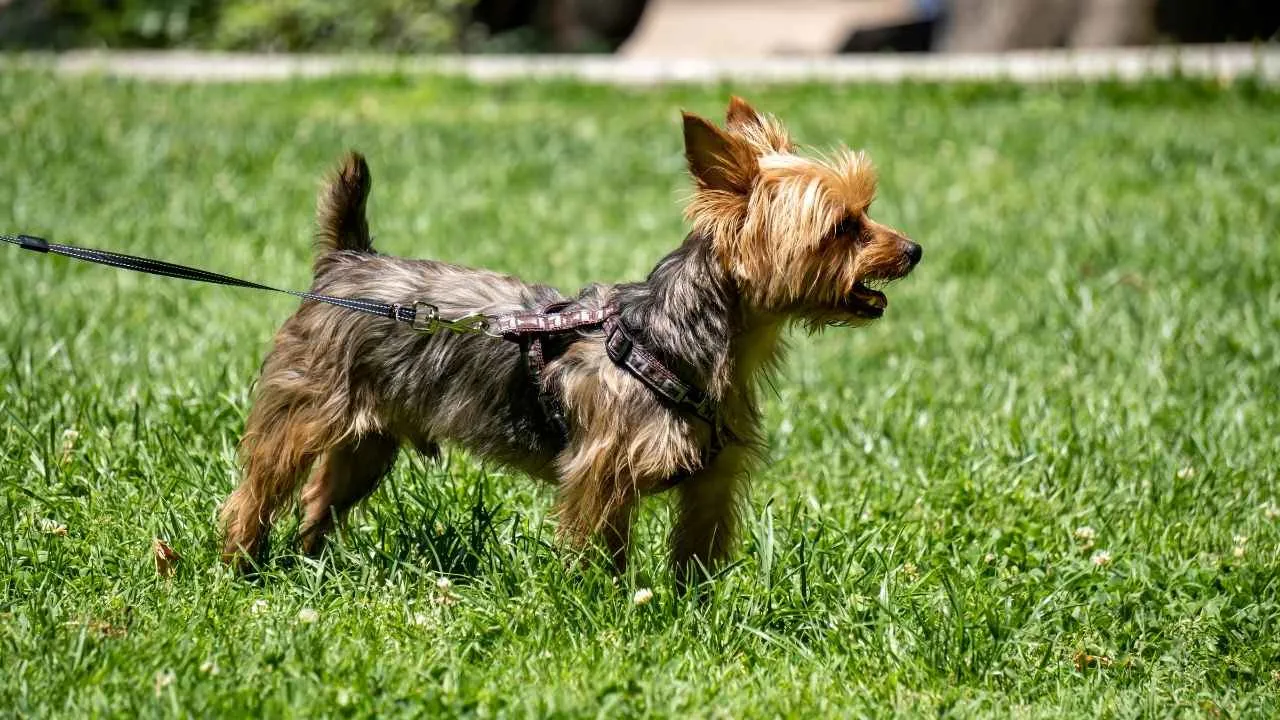
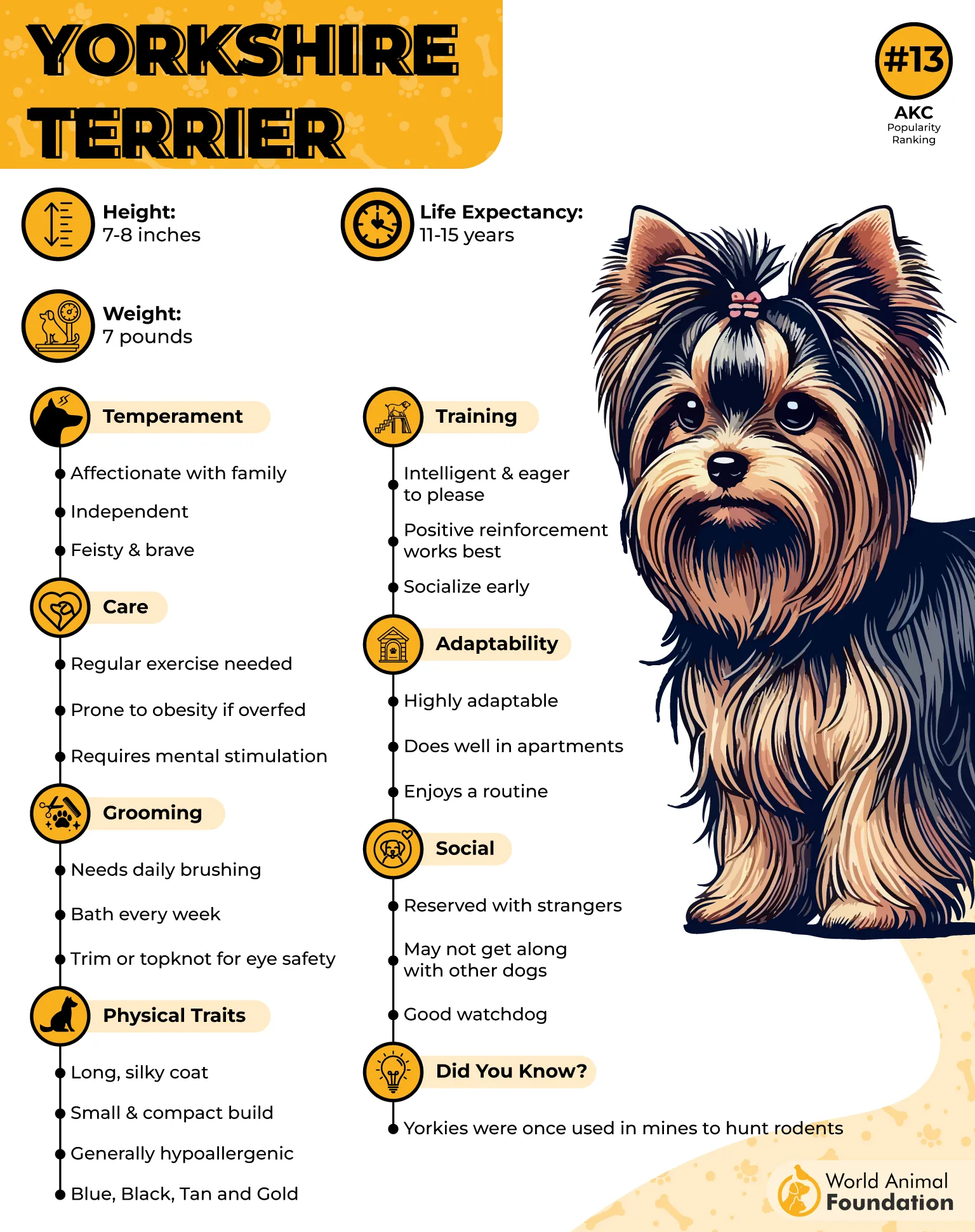
The Yorkshire Terrier, or Yorkie, is a small toy breed known for its fine, long, silky, straight coat that gives it a glossy, elegant appearance.
As per Wikipedia, the coat is typically steel-blue on the body with tan markings on the head.
Despite its elegant, flowing appearance, the Yorkie’s coat does not shed much, making it a great fit as a low-maintenance breed and often appealing to allergy-sensitive owners who prefer completely hypoallergenic dogs.
However, the long fur can easily tangle and trigger allergic reactions if not properly maintained, so frequent grooming is essential.
Grooming Tips
Frequent brushing to prevent knots and matting
Trim coat short for easier low-maintenance care
Bathe regularly and condition long, silky hair
Keep ears, feet, and tail areas clean and tidy
Yorkies are bold, confident, and energetic despite their tiny size. They adapt well to apartment living and make affectionate companions, but they require consistent grooming and training to keep both their coat and temperament well-balanced.
5. Portuguese Water Dog
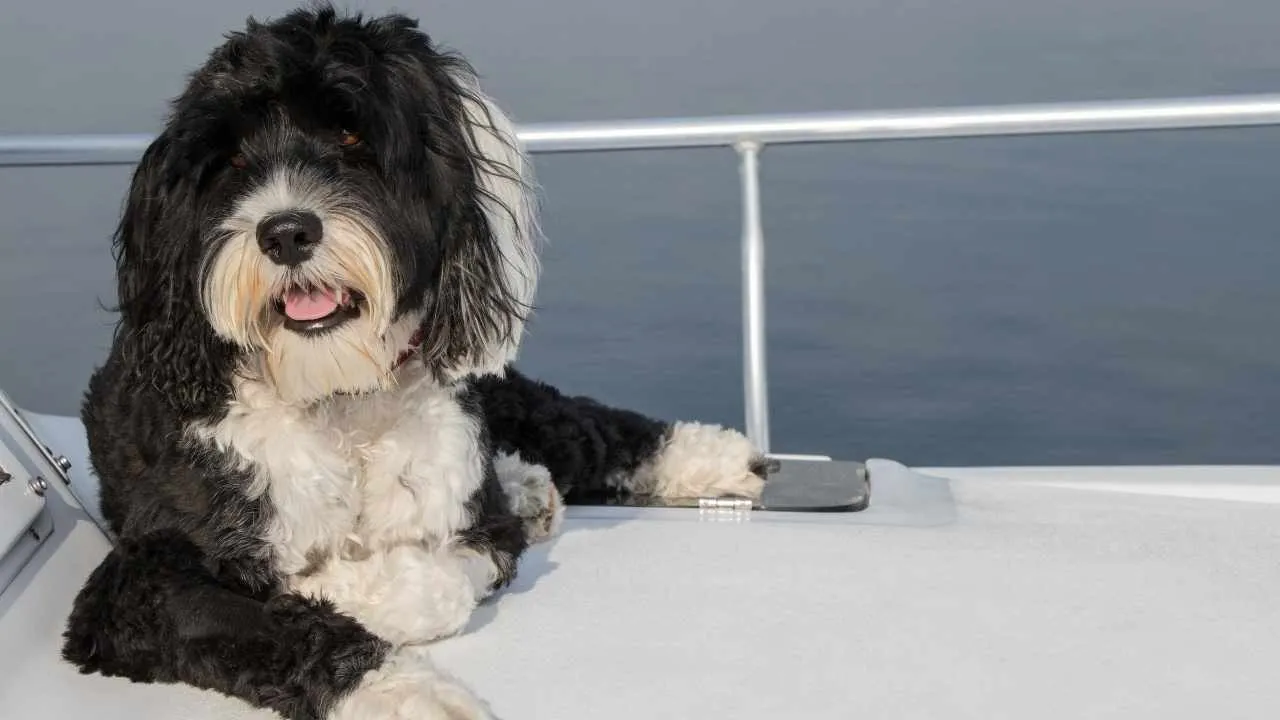
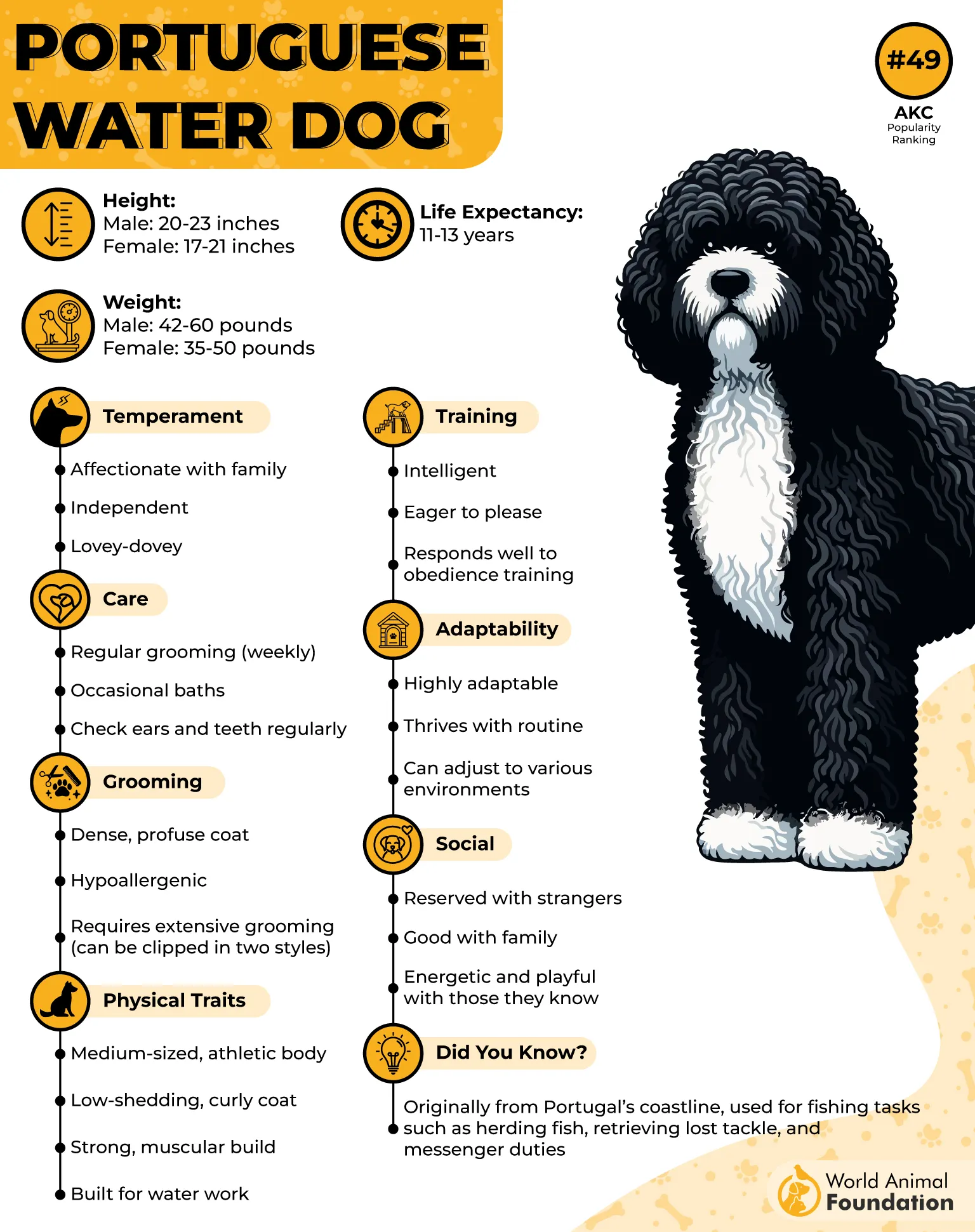
The Portuguese Water Dog has a strong, athletic build with a dense single-layer coat that comes in the form of a curly coat and a wavy coat.
Overall, white is the least common Portuguese Water Dog color, while black with white markings on the chin (“milk chin”) and the chest is the most common color.
This coat is built for water work and releases very little loose hair, which is why the breed is commonly included in low-shedding dog breeds and is often preferred by people seeking hypoallergenic dogs.
Grooming Tips
Consistent maintenance includes brushing the coat every other day
Trim or clip every 6–8 weeks for easy maintenance
Keep coat in shorter “retriever” or “lion” cuts
Clean eyes and ears to avoid buildup
Beyond their coat, Portuguese Water Dogs are intelligent, energetic, and highly trainable.
Originally bred to assist fishermen, they are loyal companions that thrive in active homes with plenty of exercise and mental stimulation.
6. Coton de Tulear
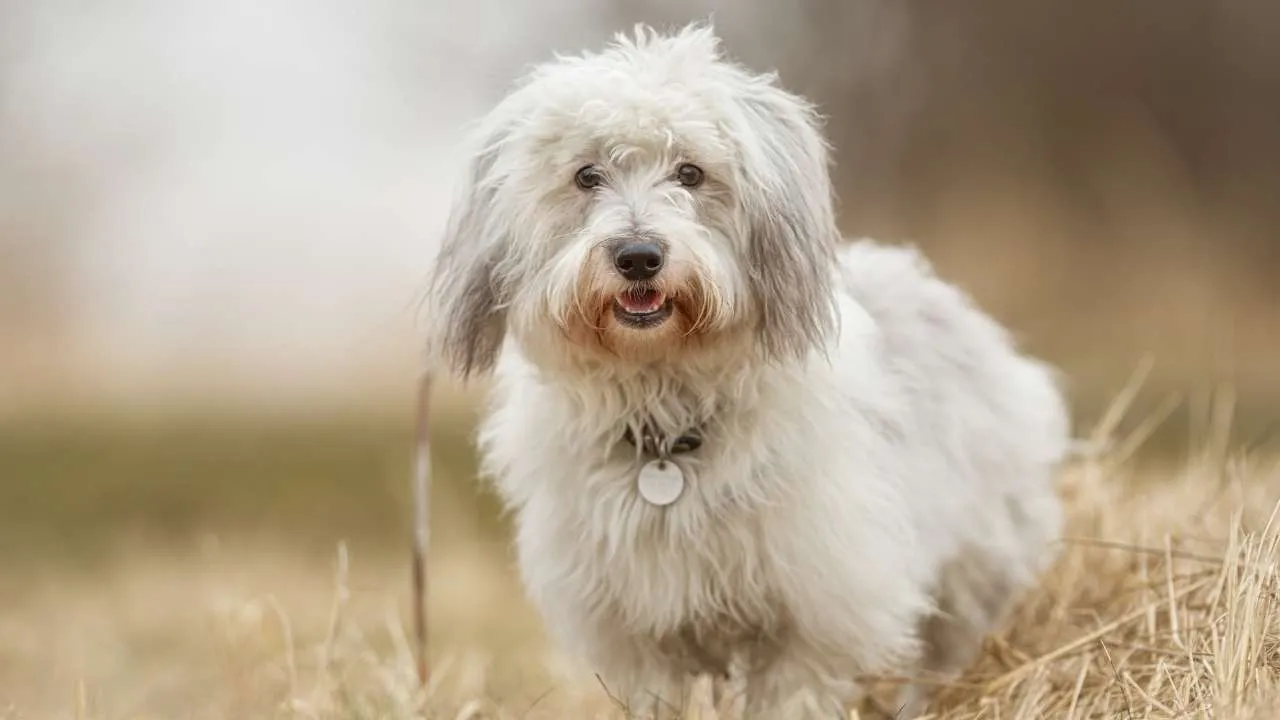
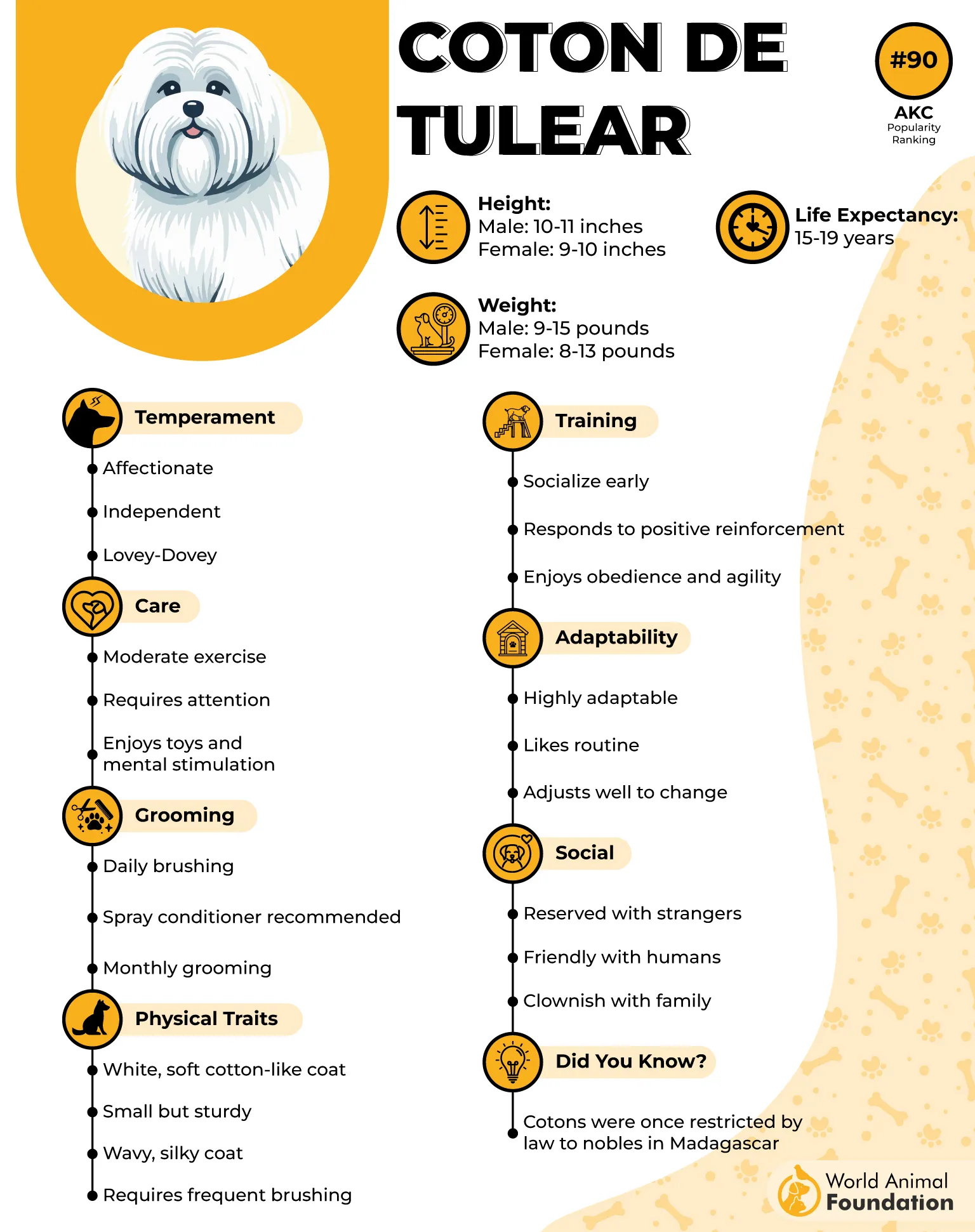
The Coton de Tulear, often called the “Royal Dog of Madagascar,” is a small, fun-loving dog breed known for its soft, cotton-like white coat that feels light, fluffy, and plush to the touch.
This profuse coat is one of its most defining features and is considered low shedding, making it a great choice for people looking for hypoallergenic dogs.
However, despite its soft appearance, the coat can mat easily if not properly cared for, requiring consistent maintenance.
Grooming Tips
Brush daily, reaching down to the skin to prevent matting
Use a spray conditioner to reduce long hair breakage during brushing
Check ears 2–3 times weekly for dead hair and debris buildup
Keep the coat in a short “puppy clip” for easier maintenance
Beyond its coat, the Coton de Tulear is playful, affectionate, and deeply attached to its owners.
It thrives on companionship, enjoys light daily walks, and is happiest when included in family life, making it a joyful and loyal household companion.
7. Bedlington Terrier
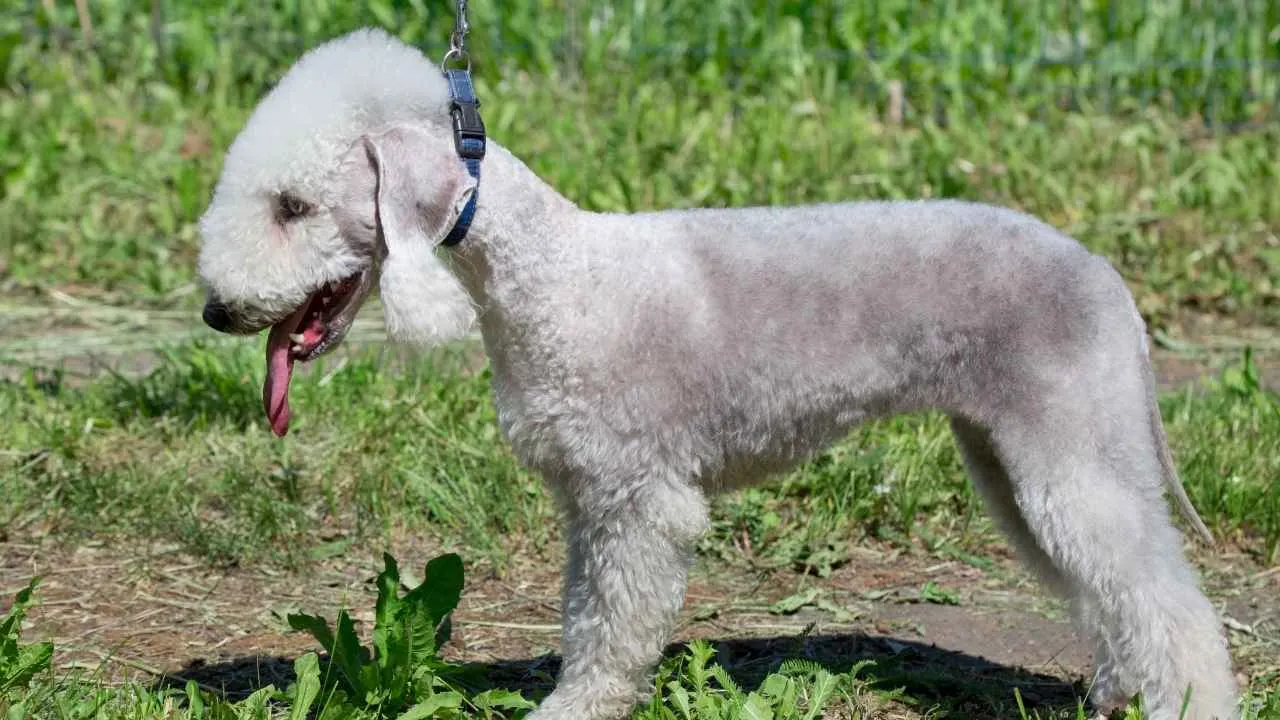
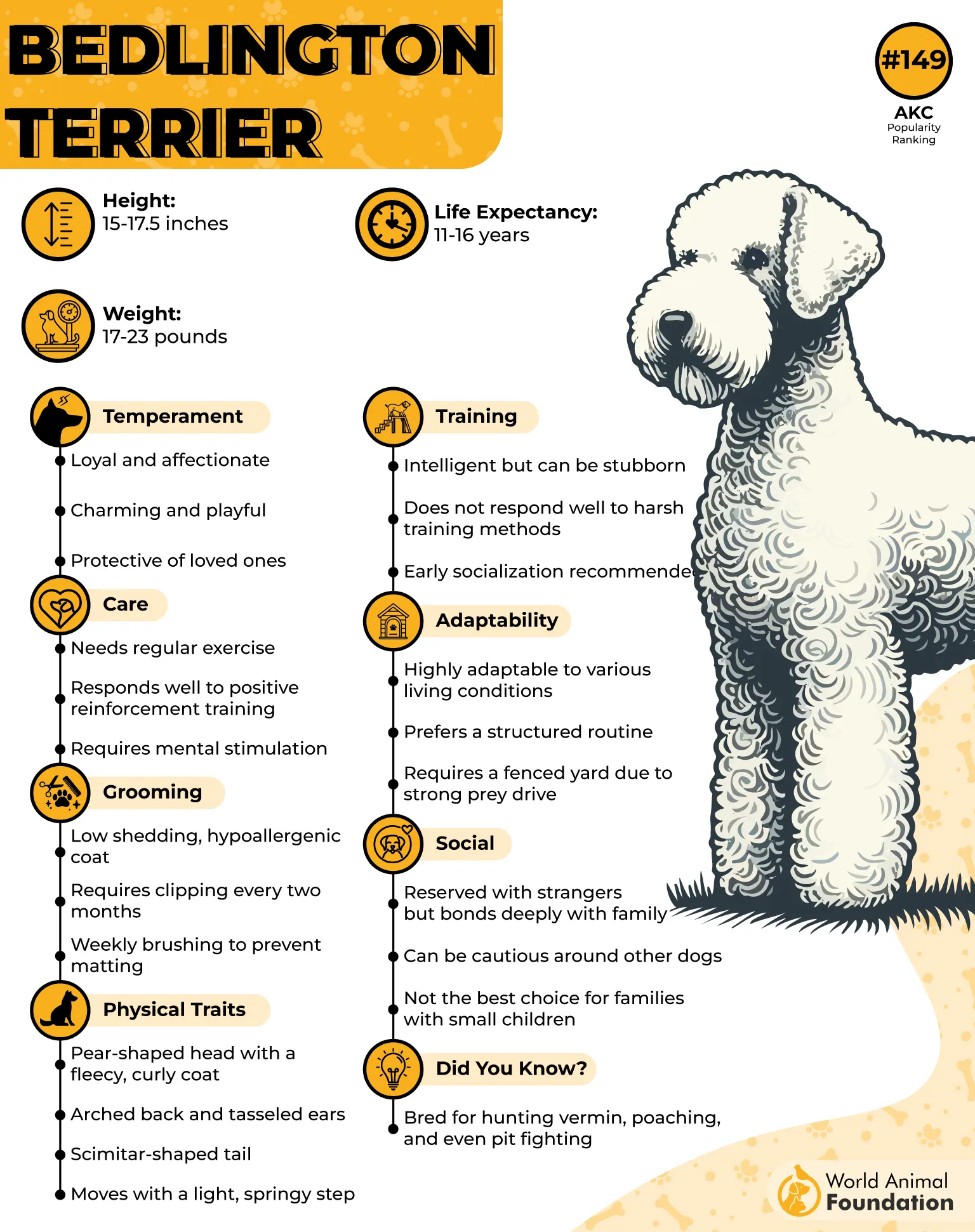
The Bedlington Terrier has a distinctive lamb-like appearance with a soft, dense, and crisply textured coat that grows continuously and is naturally low shedding, releasing very little loose hair.
This unique woolly yet slightly harsh coat helps the dog maintain its sculpted shape and gives it an elegant outline.
Its common hypoallergenic coat colors include blue, liver, and sandy, often with lighter shading as the dog matures, adding to its refined and unusual look, as per PDSA.
Grooming Tips
Brush weekly to prevent tangles and matting
Grooming from a professional groomer every 6 weeks for the classic “lamb” shape
Keep the coat shorter for easier maintenance
Regularly check coat condition to avoid buildup of dog allergens
Beyond its coat, the Bedlington Terrier is active and intelligent. It bonds closely with its owners and thrives in homes that offer companionship, exercise, and mental stimulation.
8. Basenji
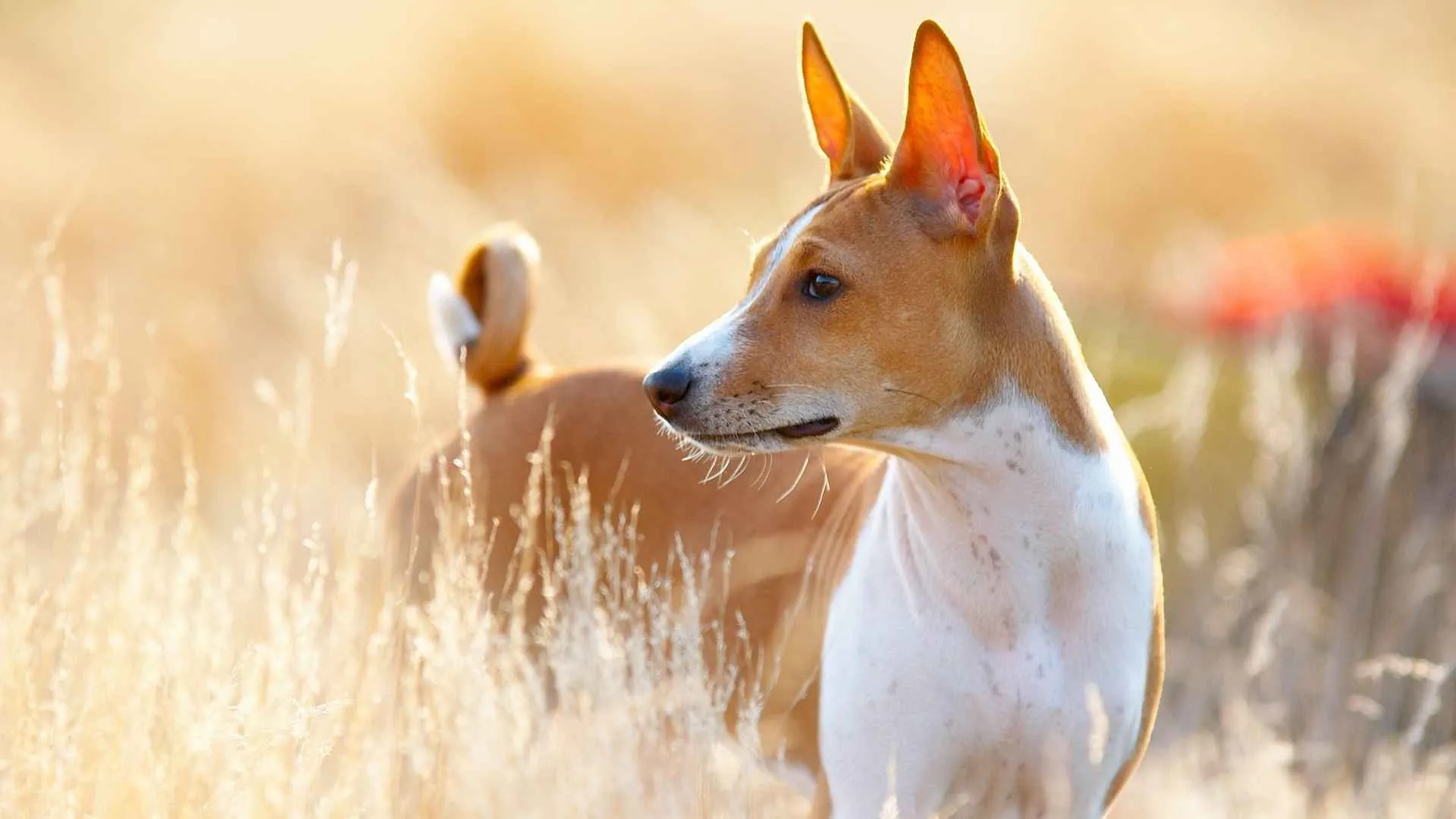
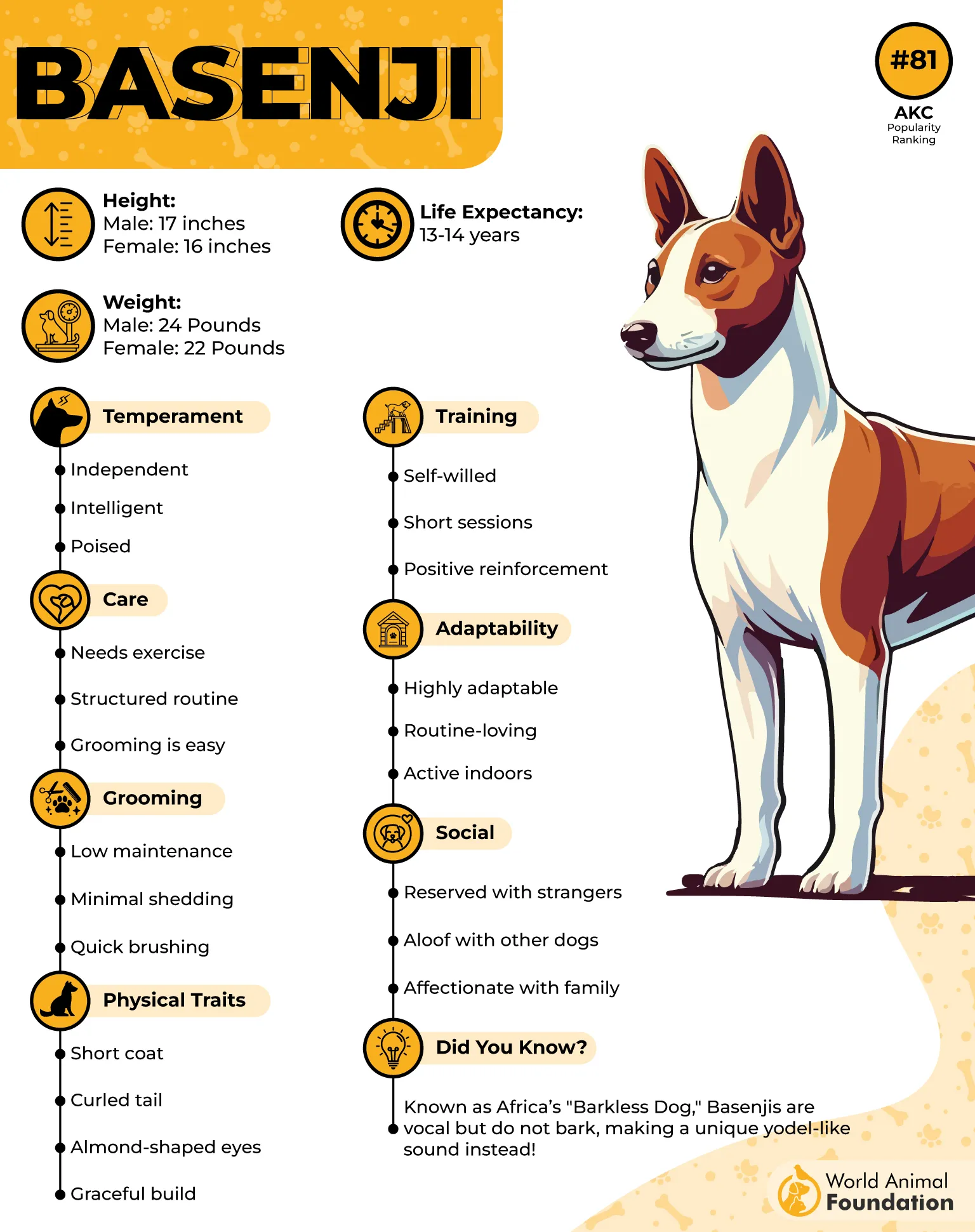
The Basenji, known as the “barkless dog,” is an ancient West African sighthound with a short, fine coat that lies smoothly against the body.
As per Orvis, coat colors include chestnut red, black, tricolor, and brindle, usually with white markings on the feet, chest, and tail tip. Its sleek coat and athletic build give it a neat, refined appearance.
Grooming Tips
Brush weekly to remove dead hair and maintain shine
Bathe only when needed due to the self-cleaning coat
Trim nails regularly to avoid splitting
Early paw handling for grooming comfort
Basenjis are intelligent, independent, and energetic dogs. They are affectionate with family but can be aloof with strangers.
Known for their unique vocalizations instead of barking, they require consistent training, secure spaces, and plenty of exercise to stay happy and well-behaved.
9. Chinese Crested
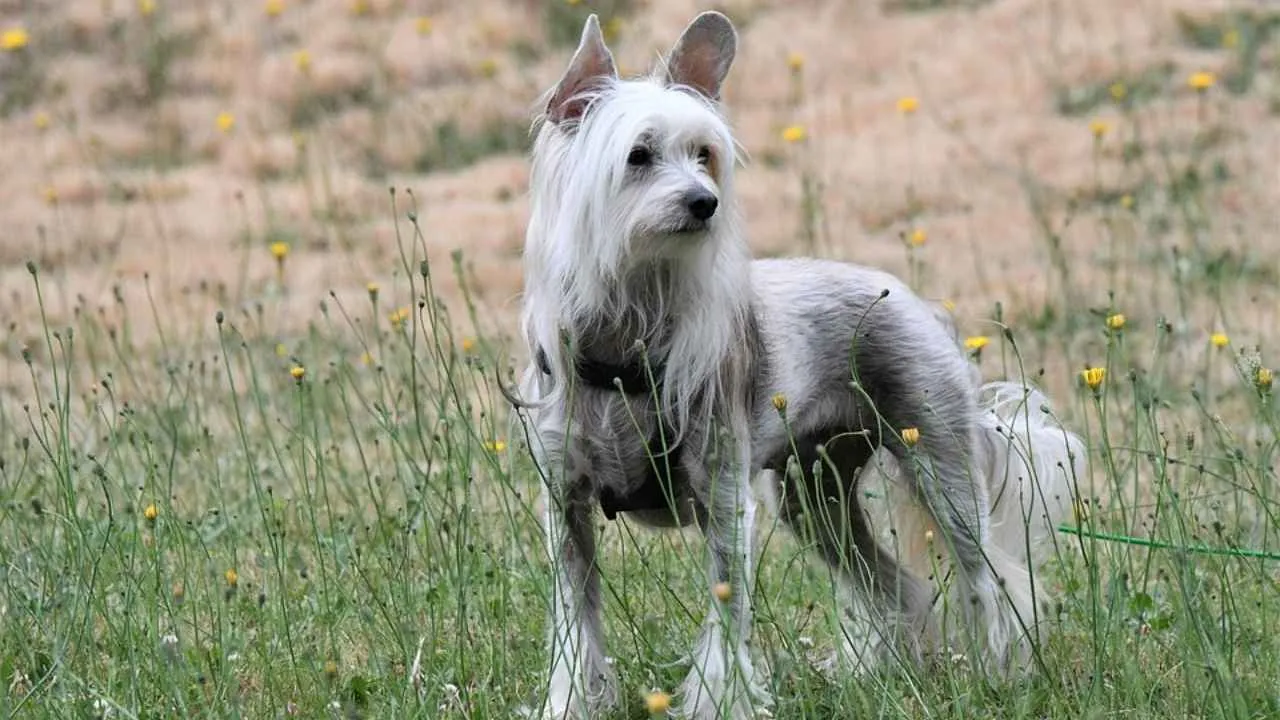
The Chinese Crested is a unique toy breed known for its two varieties: the Hairless and the Powderpuff.
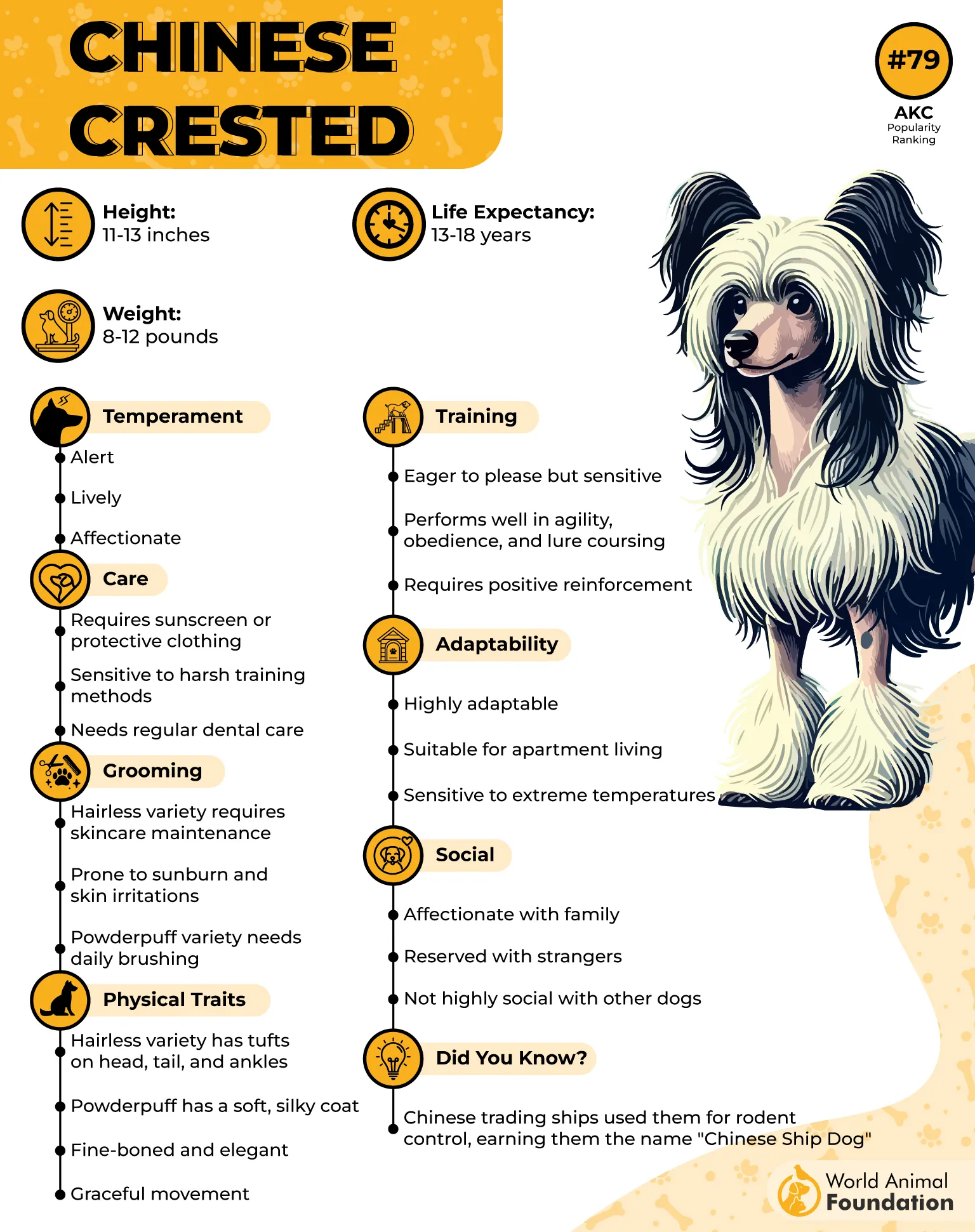
As per Omlet, the Hairless type has smooth, exposed skin with tufts of hair on the head, feet, and tail, while the Powderpuff is covered in a soft, silky double coat.
This breed traces its origins back to the Mexican Hairless dog and was later developed through selective breeding, with both coat types often appearing in the same litter.
Despite their differences, both varieties are considered low-shedding and often classed among hypoallergenic dogs due to minimal loose hair.
Grooming Tips
Hairless: moisturize skin regularly and use sun protection
Powderpuff: brush several times a week to prevent tangles
Bathe gently to maintain skin and coat health
Apply non-irritating creams for dryness (hairless variety)
Chinese Cresteds are affectionate, playful, and highly people-oriented dogs that thrive on companionship.
With proper socialization and attention, they become loyal, loving companions who enjoy being the center of family life.
Conclusion
Choosing the right dog isn’t just about looks—it’s about finding a companion that fits your lifestyle, especially when it comes to grooming and shedding.
From curly-coated breeds like Poodles and Bichons to sleek options like Basenjis and Yorkies, each dog offers a unique balance of personality, coat type, and maintenance needs.
While many of these breeds are known for being low-shedding or often preferred by allergy-sensitive owners, they all share one important thing: they still need regular grooming, care, and attention to stay healthy and happy.
If you’re planning to bring one of these dogs home, think beyond the “low shedding” label and focus on the commitment behind the coat.
A well-groomed dog is not just cleaner—it’s more comfortable, healthier, and more confident too.
In the end, the best choice is the breed that matches both your heart and your routine, because the right dog doesn’t just fit into your home—it becomes part of your everyday life.
