




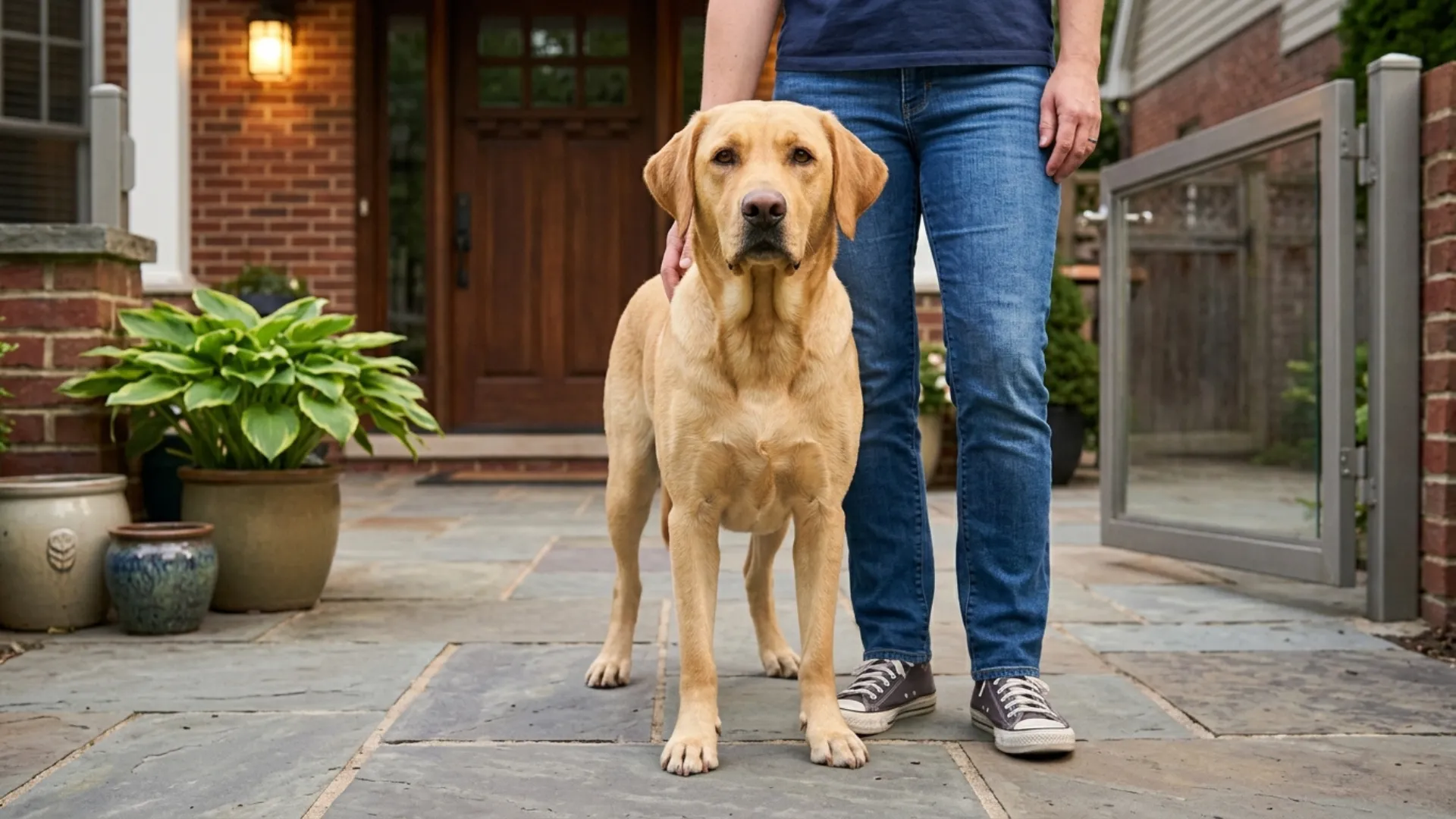
Your first dog should bring more joy than emergency searches for “Why did my puppy eat the wall?” A reliable beginner breed usually offers predictable social behavior, trainability, and a willingness to forgive the occasional rookie mistake.
That does not make any dog self-operating. Exercise, grooming, healthcare, socialization, and basic training still determine whether an adorable puppy becomes a lovely companion or a furry household manager with no qualifications.
The seven breeds below range from outdoorsy retrievers to tiny canine scholars. Each offers a different balance of affection, activity, coat care, and companionship, so let’s find the one that fits your real schedule.
Excellent Dog Breeds Reliable for Beginners
1. Labrador Retriever

The Labrador Retriever descended from Canadian water dogs that helped fishermen, and British athletes later developed Labs into efficient game retrievers. It is a friendly, outgoing, affectionate companion with plenty of enthusiasm.
A well-socialized Lab generally approaches family life with confidence, patience, and an open invitation to play. Many live happily with children, visitors, and other pets when introductions and supervision are handled responsibly.
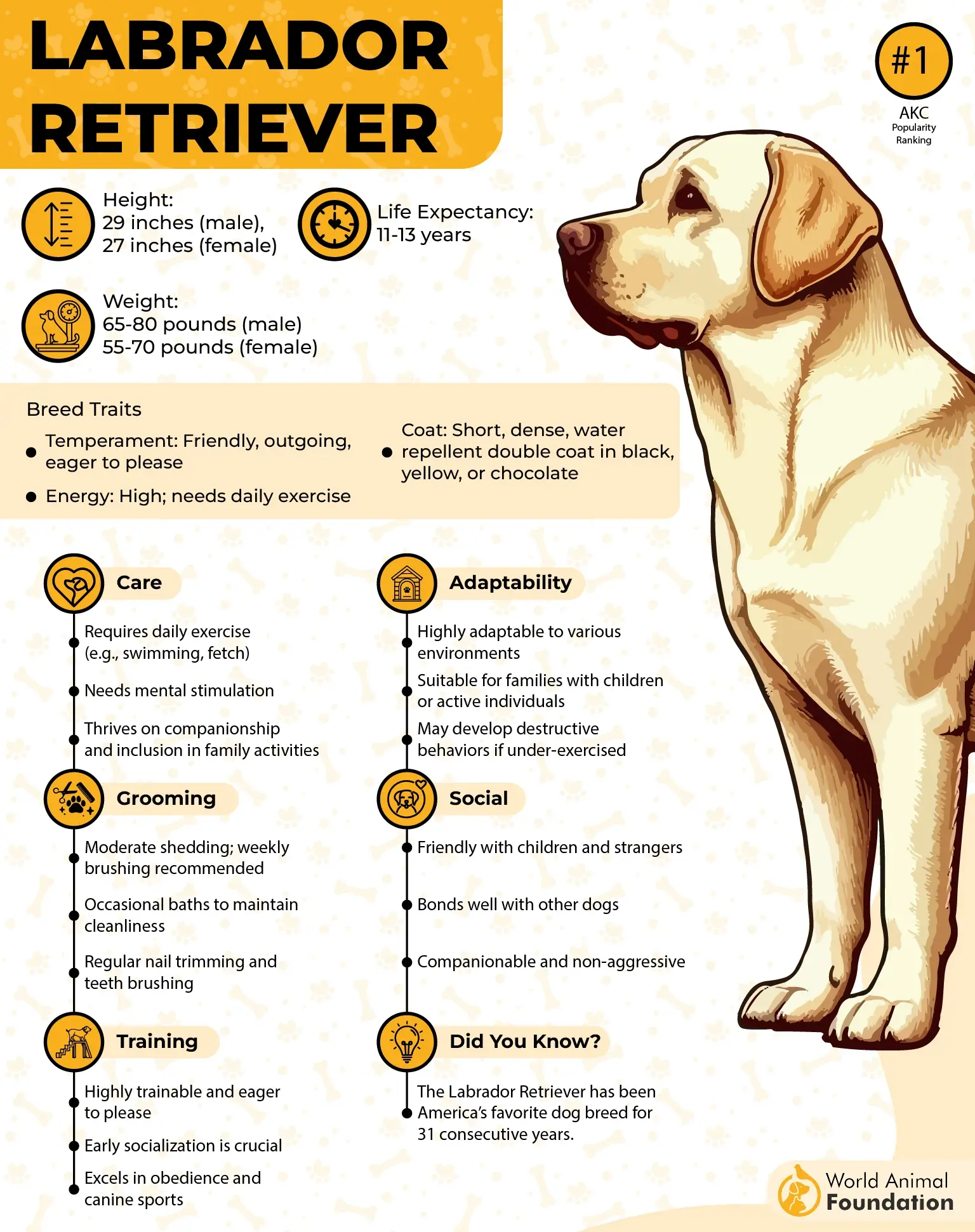
Their eagerness to work with dog owners makes training accessible for beginners, particularly when food and games are involved. Start immediately with recall, loose-leash walking, polite greetings, drop-it, and four paws on the floor because adult strength arrives before adult judgment.
Retrieving games, swimming, hiking, scent work, obedience, and safe off-leash running provide healthier outlets for this energetic dog than chewing furniture. Their retrieving heritage also means they may carry socks, shoes, toys, and objects nobody remembers purchasing.
2. Golden Retriever
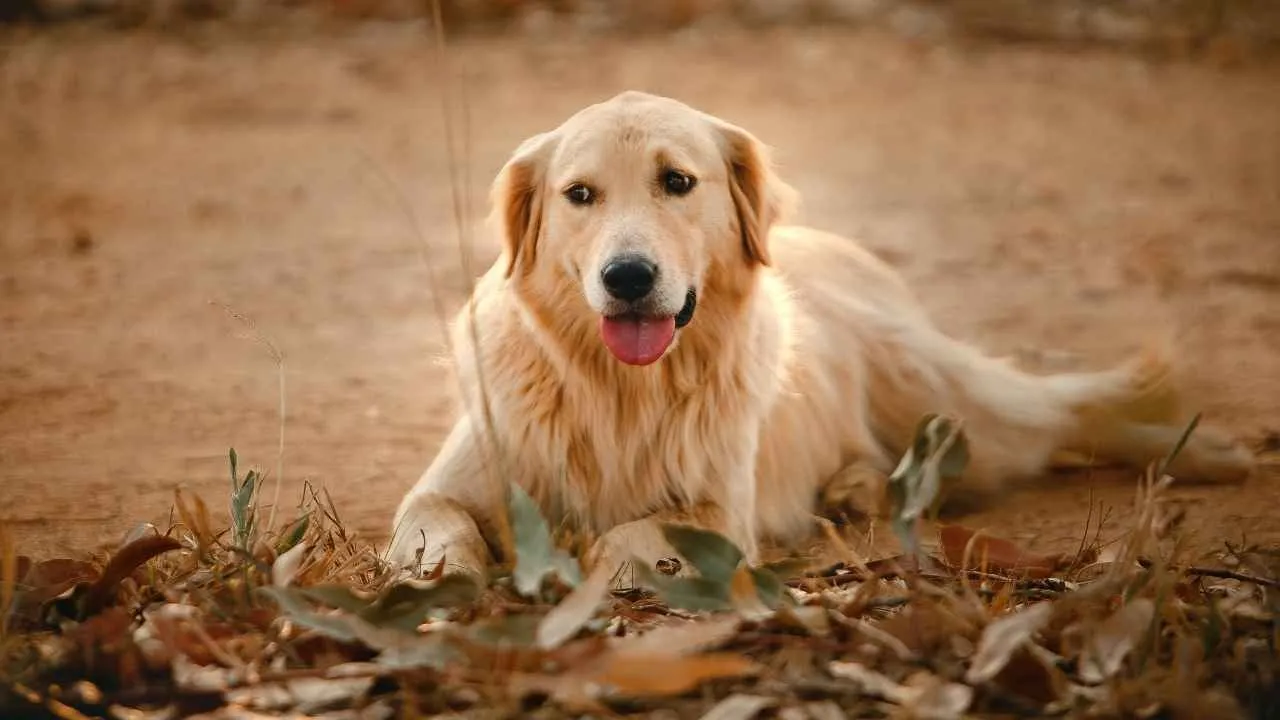
A Golden Retriever’s affectionate, patient temperament often suits beginners who want an involved family companion. Goldens generally enjoy people and can live successfully with children or compatible pets after appropriate socialization. They are famously welcoming, so anyone seeking a suspicious guard dog may receive a wagging host who shows visitors where the snacks are.

Training usually progresses smoothly because most Goldens enjoy praise, food, retrieving, and attention from their handler. Puppy biting, jumping, and grabbing should still be addressed early because friendliness without manners can become exhausting.
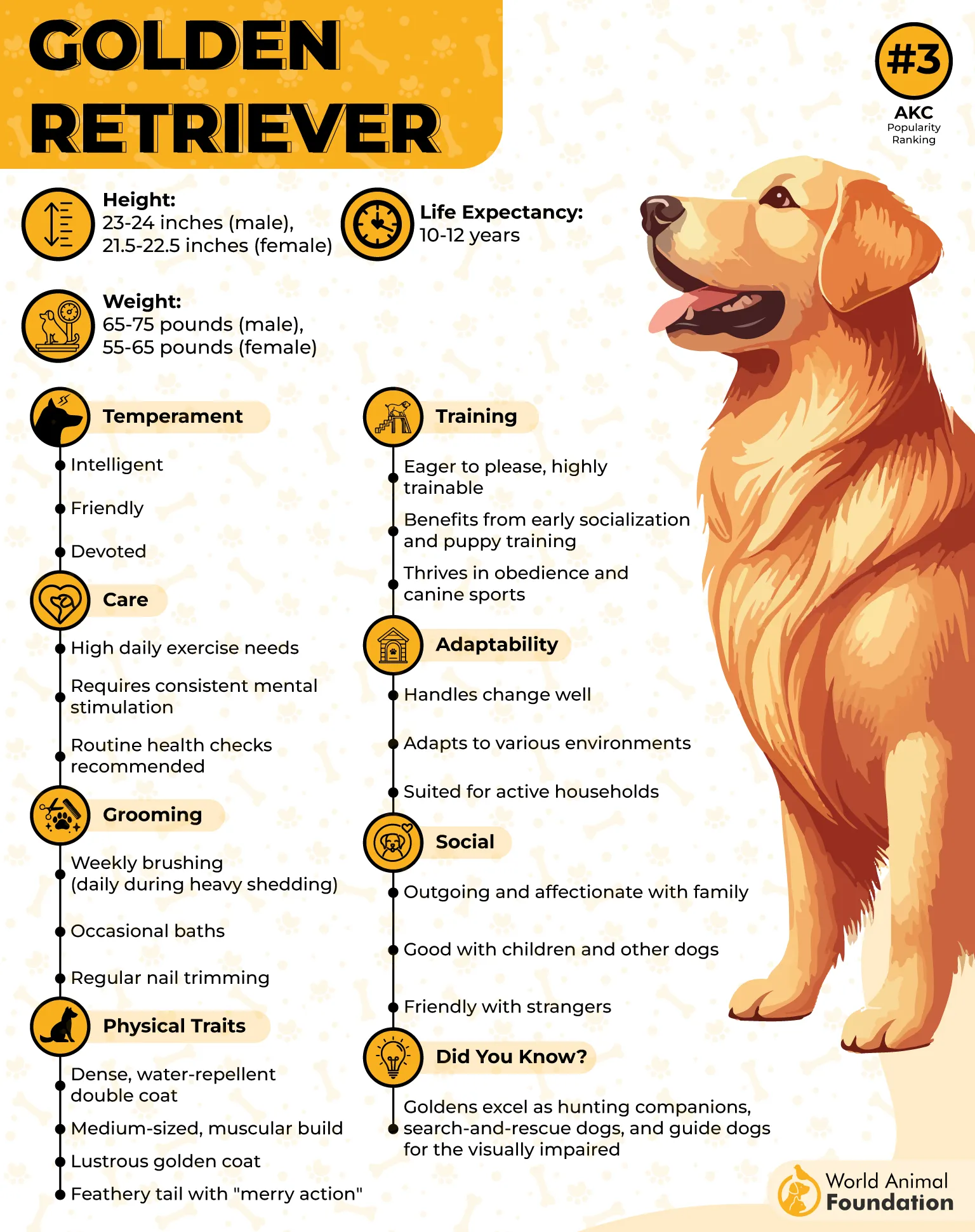
Long walks, swimming, fetch, field work, scent games, or canine sports help these energetic retrievers remain relaxed at home. Field-bred individuals may display greater intensity than heavier show-bred dogs, so beginners should discuss energy and working style with breeders before choosing a puppy.
The dense double coat needs brushing several times weekly and sheds so generously that it becomes part of the décor. Their feathering collects burrs, mud, and moisture, while floppy ears require inspection after swimming.
3. Cavalier King Charles Spaniel
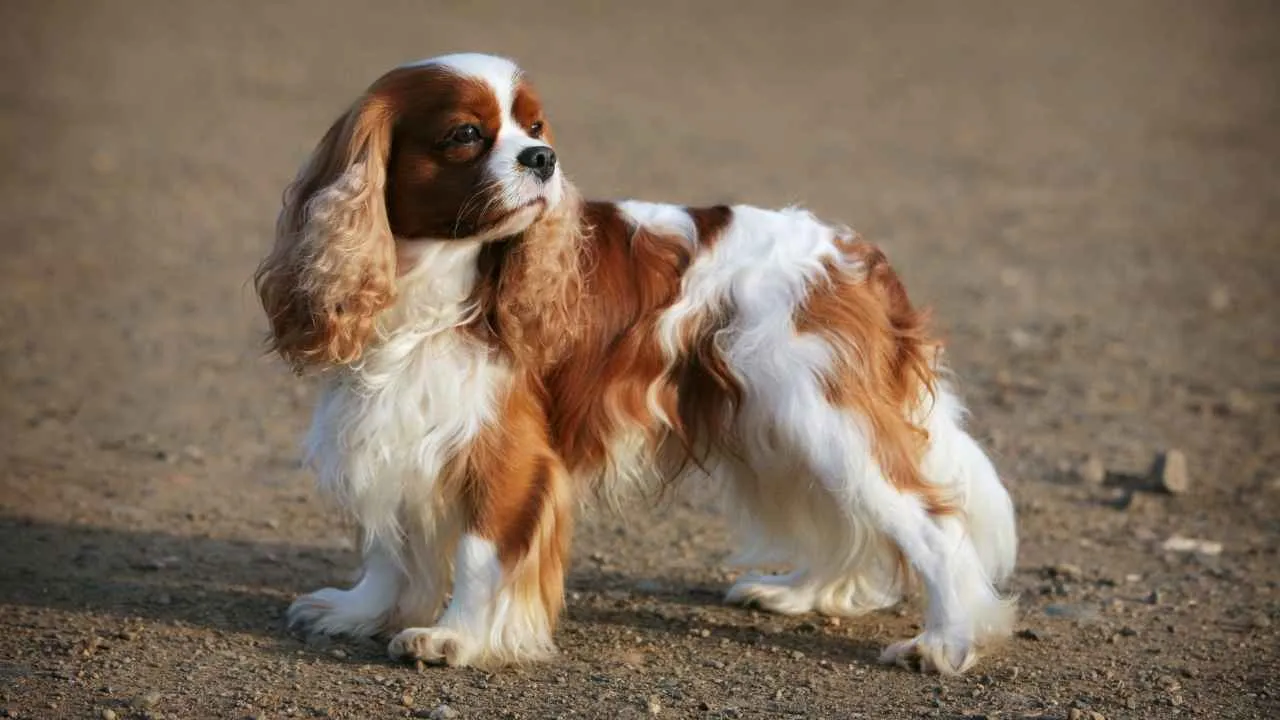
The Cavalier King Charles Spaniel offers the charm of a royal lapdog with a subtle streak of sporting enthusiasm. Named for British monarchs who adored small spaniels, the modern breed remains deeply focused on human companionship.
For first-time owners, Hills Pet suggests that their sociable temperament is often the main attraction. These small dogs commonly welcome considerate children, visitors, cats, and friendly dogs without unnecessary conflict.
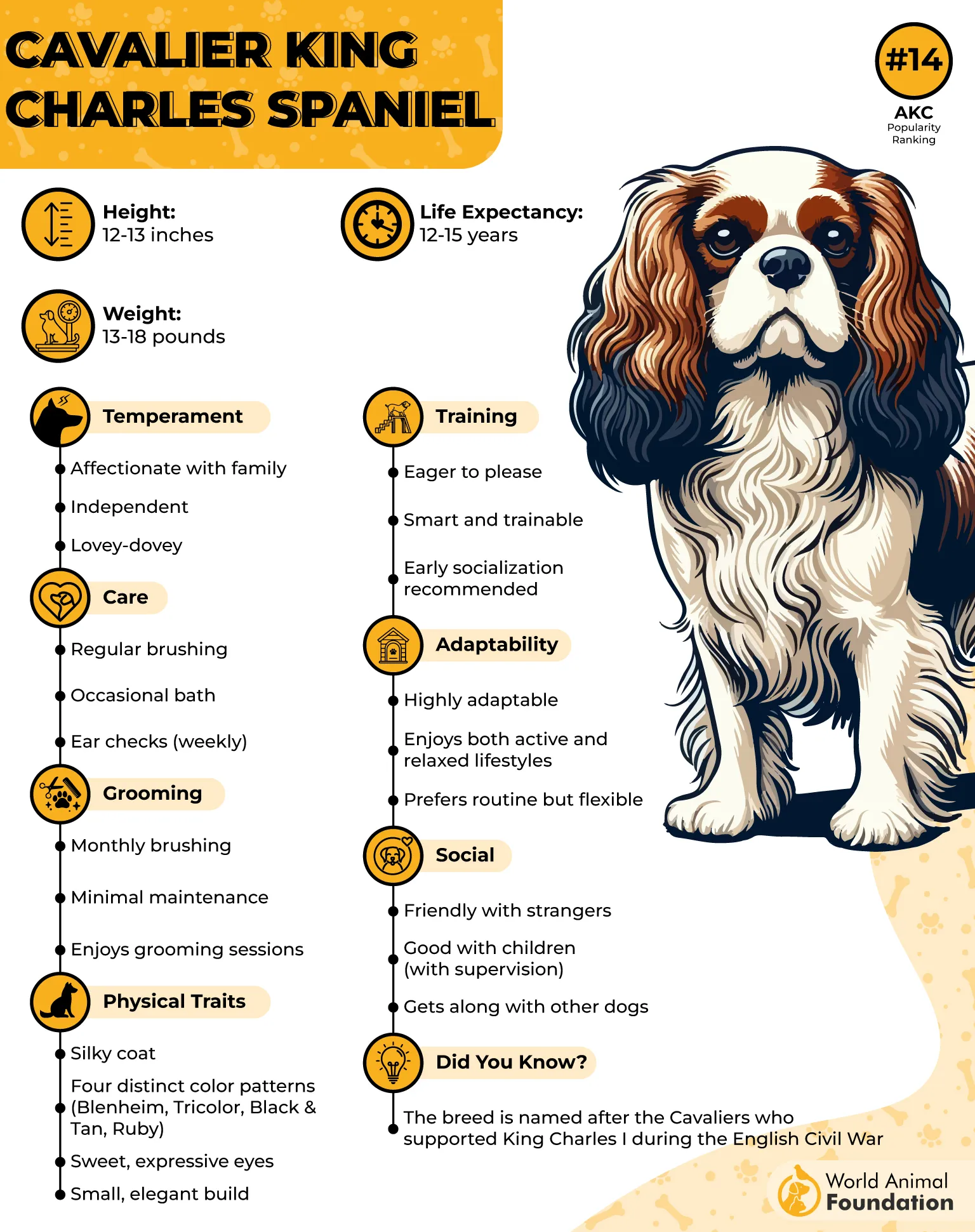
Moderate exercise keeps these furry companions healthy without forcing owners into an extreme fitness regimen. Daily walks, gentle fetch, sniffing opportunities, and occasional countryside outings usually create a satisfying rhythm. Their bird-chasing instincts can appear suddenly, however, making a leash or securely enclosed area important.
These sensitive, affectionate dogs respond best to cheerful praise, small treats, and patient repetition. Early lessons should include recall, house-training, alone-time practice, and calm behavior around people, as attachment can lead to separation distress.
Silky feathering requires brushing several times weekly, especially around the ears and legs. More importantly, the breed faces serious inherited risks, including mitral valve disease and syringomyelia, so health research cannot be treated as optional fine print.
4. Toy Poodle
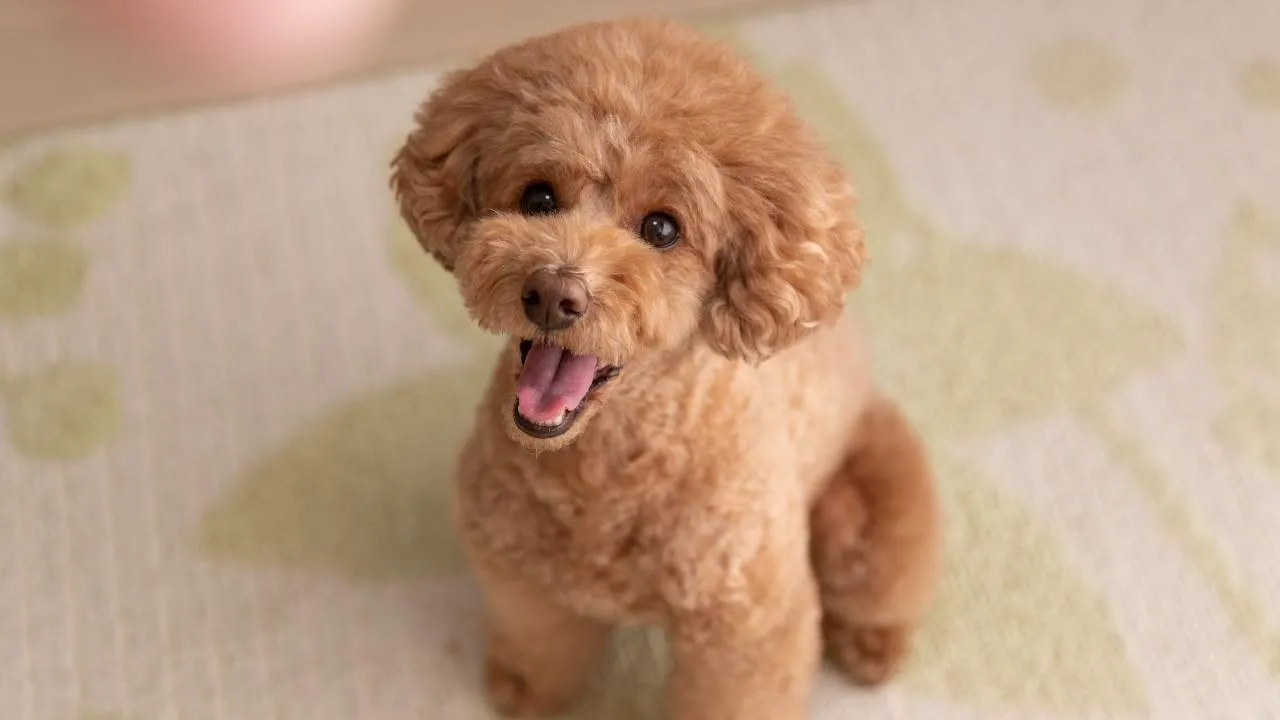
The Toy Poodle is the beginner-friendly choice for anyone who wants a tiny dog running remarkably advanced software.
Toy Poodles learn cues, routines, and accidental loopholes with impressive speed. Beginners often find training rewarding, provided they remember that a clever dog also learns which humans surrender treats after one dramatic stare.
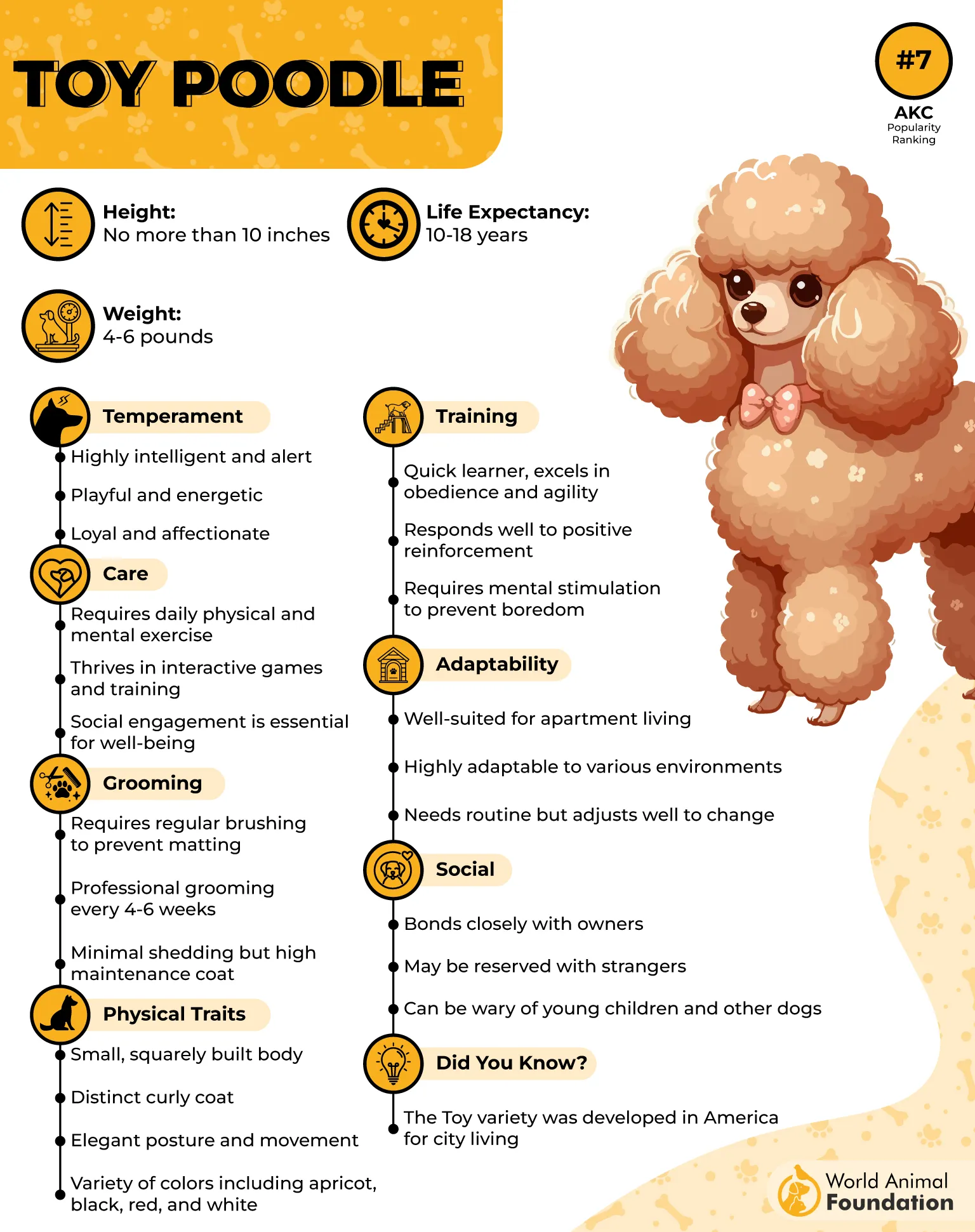
The Royal Kennel Club suggests that their physical needs are manageable, yet they are not decorative cushions with heartbeats. Daily walks, interactive play, and problem-solving games help prevent barking, restlessness, or unauthorized home renovation. Their small frame requires supervised play with children and larger dogs because a collision or fall can cause injury.
The curly coat sheds little loose hair into the home but continues to grow and mat without maintenance. Brushing must reach the skin, while professional clipping is usually needed every four to six weeks.
Practice short absences, create positive associations with independent rest, and avoid making every departure emotionally theatrical as first-time dog owners. With companionship, grooming, and regular brain work, this breed becomes a highly responsive little partner rather than a bored household critic.
5. Bichon Frise
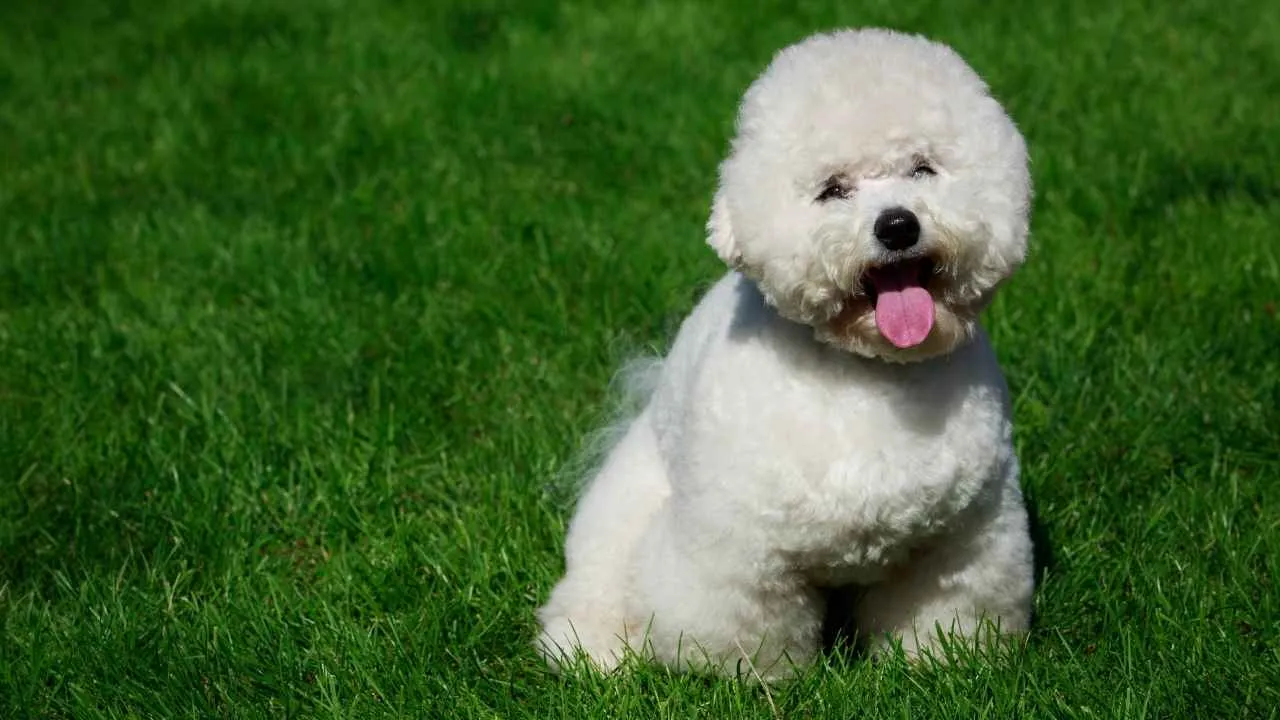
The Bichon Frise is a sturdy, resilient “personality dog” that has relied on intelligence and charm throughout history.
These dogs tend to be affectionate, sociable, and cheerful around people, making them approachable for first-time owners. They usually enjoy family activity without bringing the physical intensity of a large sporting dog into the house.
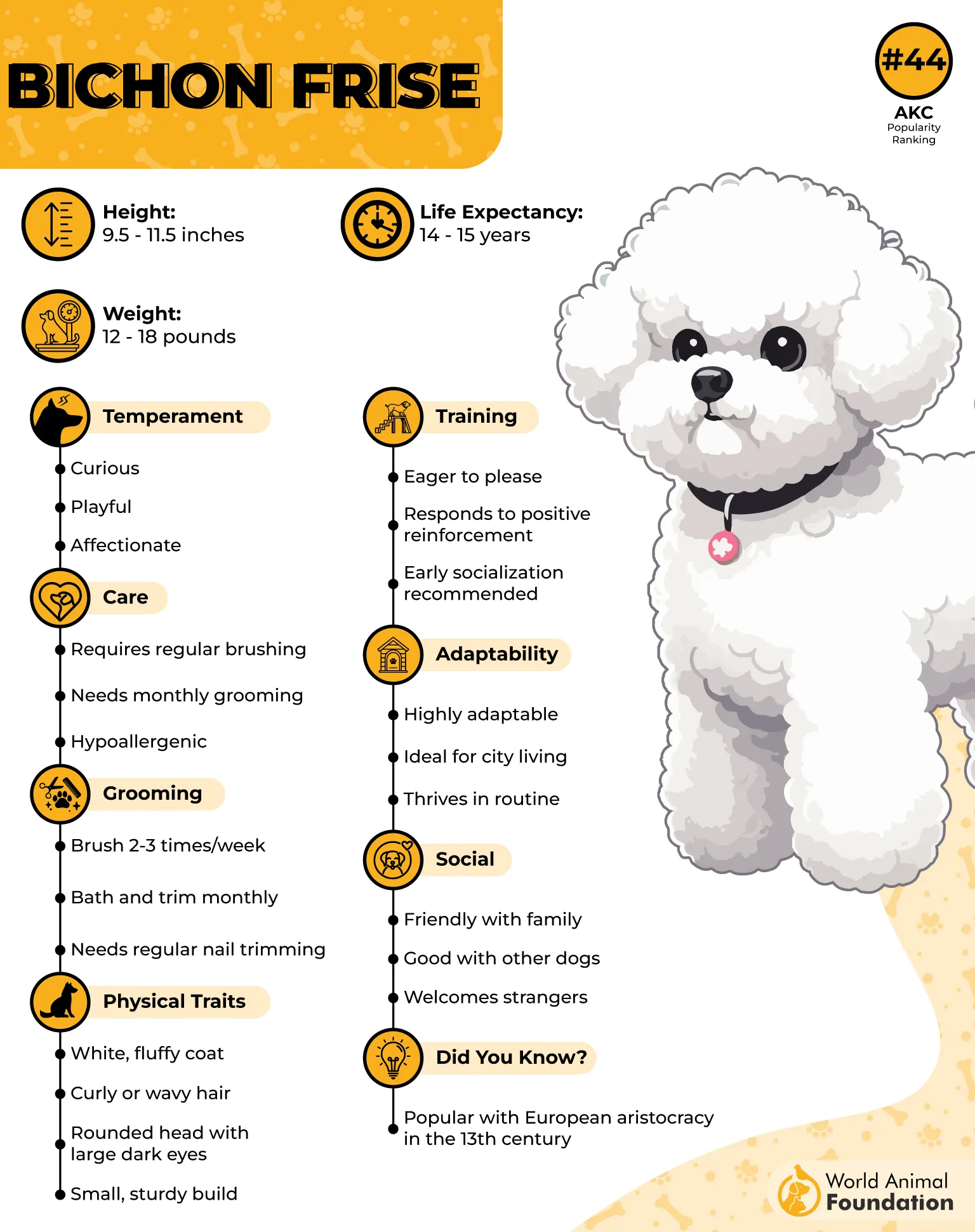
Moderate exercise suits them well, especially when walks are combined with games and social interaction. A healthy adult can enjoy neighborhood outings, indoor fetch, scent puzzles, and trick training before relaxing nearby.
The plush white coat sheds minimally but requires considerable work for new pet owners. Frequent brushing prevents painful mats, and professional grooming is commonly scheduled every four to six weeks. Tear staining, ear care, dental hygiene, and skin cleanliness also require consistent attention between appointments.
House-training may progress slowly, so scheduled outdoor trips and immediate rewards are more effective than giving the puppy unsupervised freedom.
6. Papillon
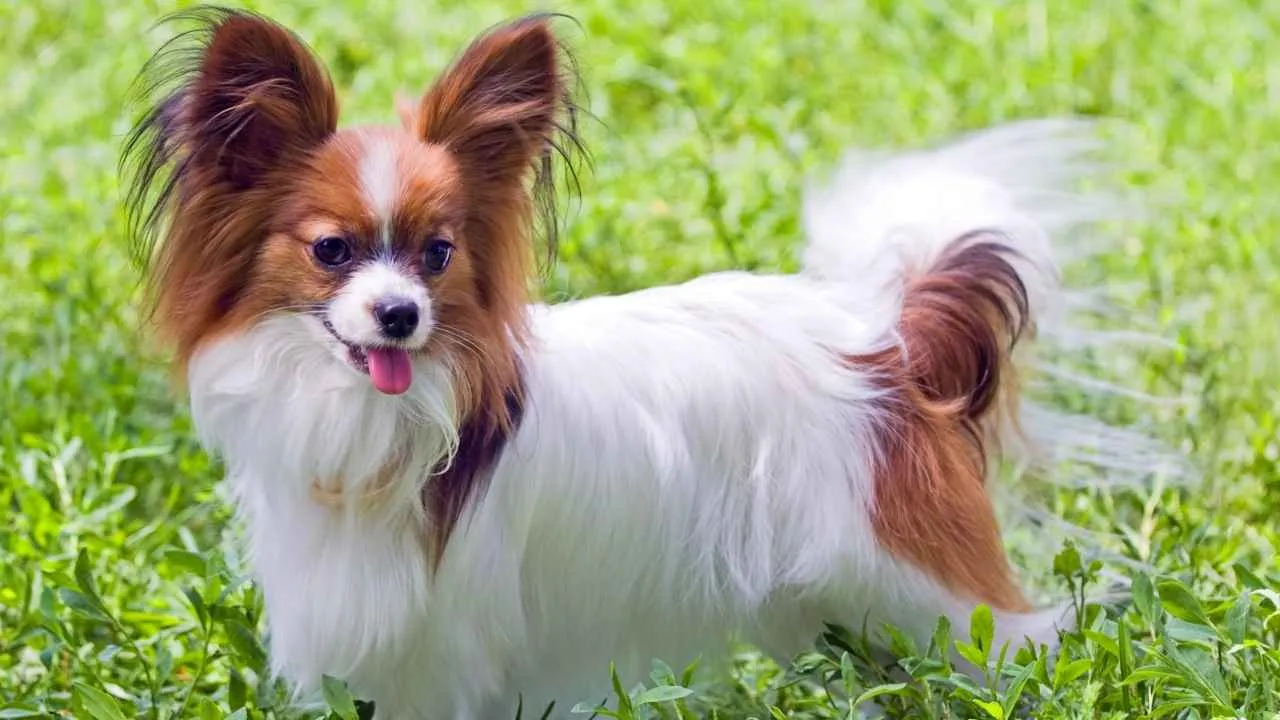
The Papillon has butterfly-shaped ears, aristocratic history, and absolutely no interest in behaving like a fragile ornament. Small Spaniels resembling the breed appear in European paintings alongside noble families, yet modern Papillons remain lively athletes.
This breed suits beginners who want active participation rather than permanent lap duty. Papillons are highly trainable and frequently excel in obedience, rally, agility, and trick competitions. Their quick learning feels magical until they memorize how to open something that was supposedly dog-proof.
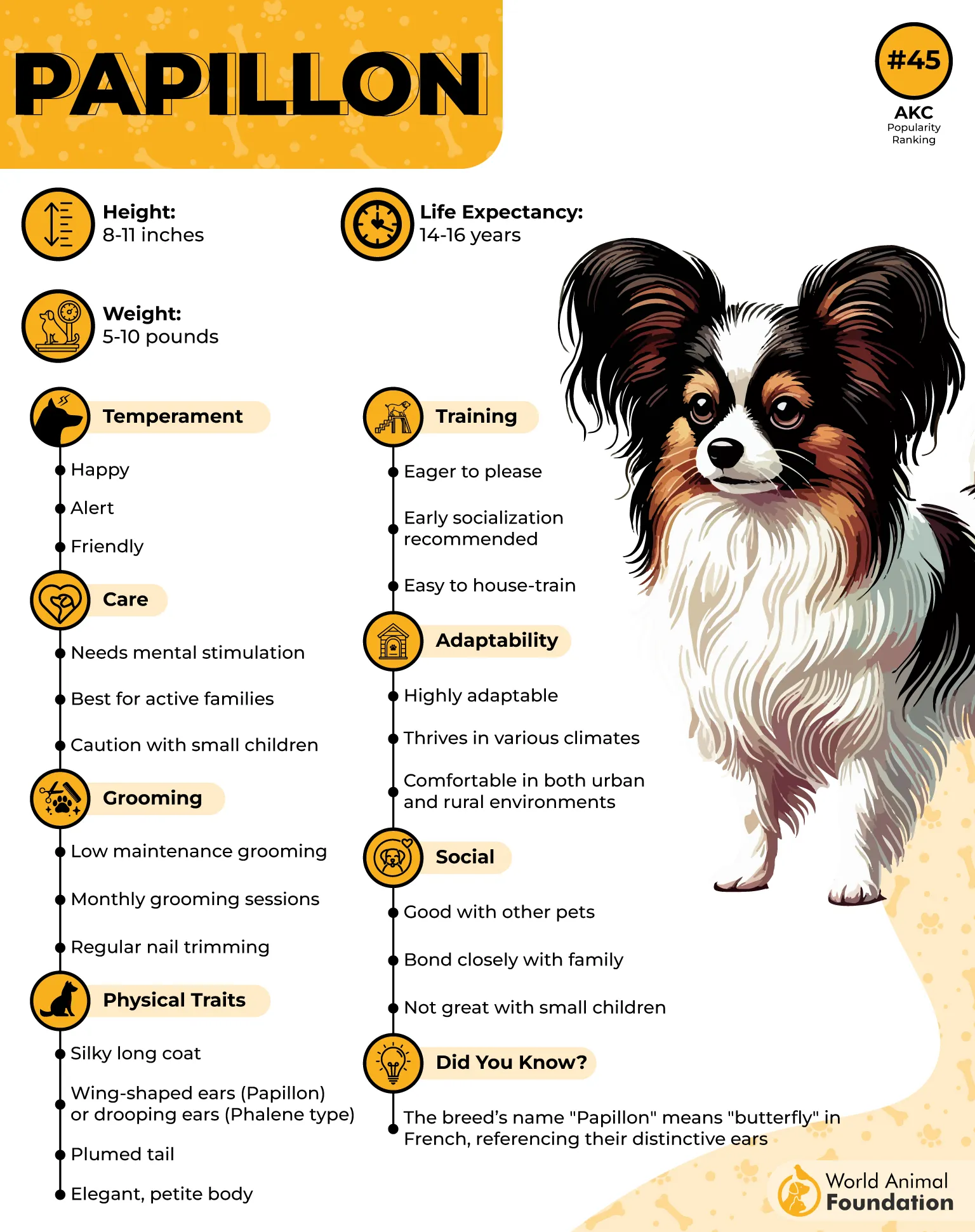
Although compact, these small dogs need daily physical exercise and consistent mental stimulation. Brisk walks, indoor games, safe exploration, and training challenges prevent frustration without requiring an enormous amount of outdoor space. They often settle nicely after activity, making them practical for owners who enjoy short, purposeful sessions throughout the day.
Brushing these affectionate dogs several times weekly helps prevent tangles around the ears, tail, and leg feathering, while trimming is generally limited. Dental care and patellar health deserve particular attention in this small-bodied companion.
Their delicate frame makes rough play with toddlers or much larger animals risky, even though Papillons often behave as if they are indestructible. A thoughtful apartment-living beginner parent receives an affectionate, portable teammate capable of far more than looking photogenic.
7. Havanese
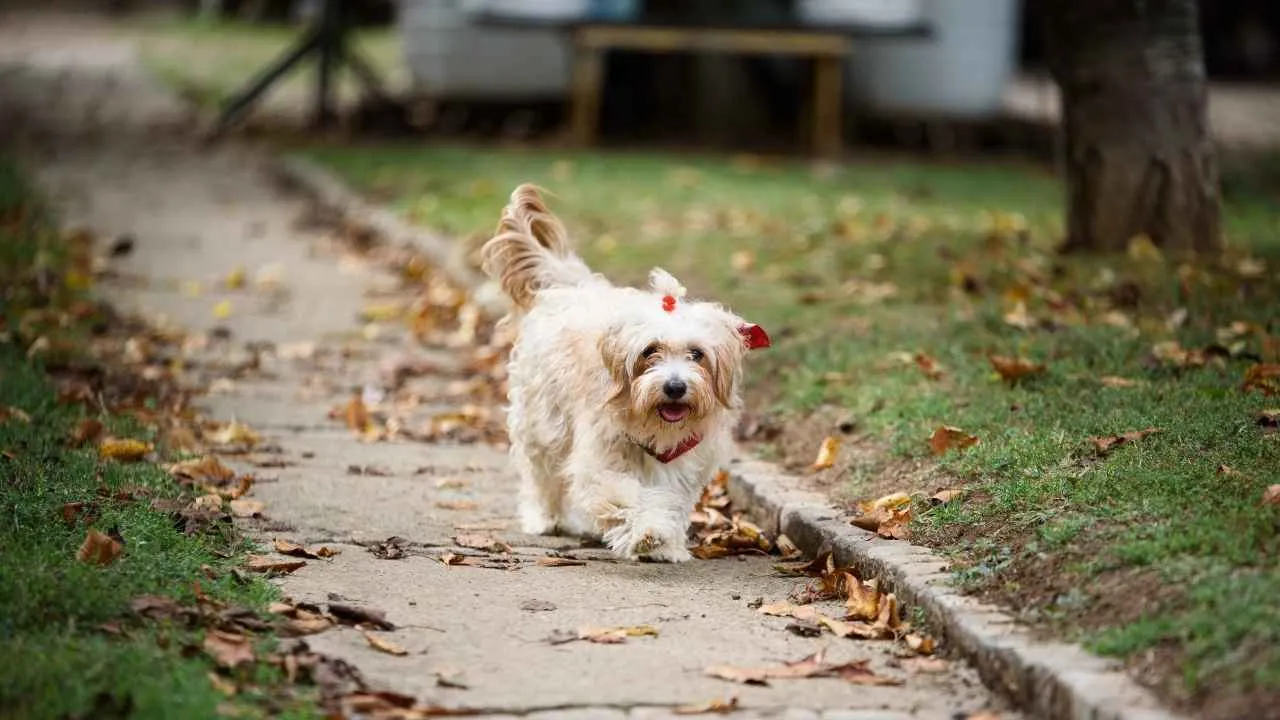
The Havanese is Cuba’s only native dog breed, bringing warmth, bounce, and elite social skills into one compact package. It is cheerful, vivacious, and especially appealing to urban owners.
These dogs generally enjoy their pet parents, compatible pets, and inclusion in household routines.
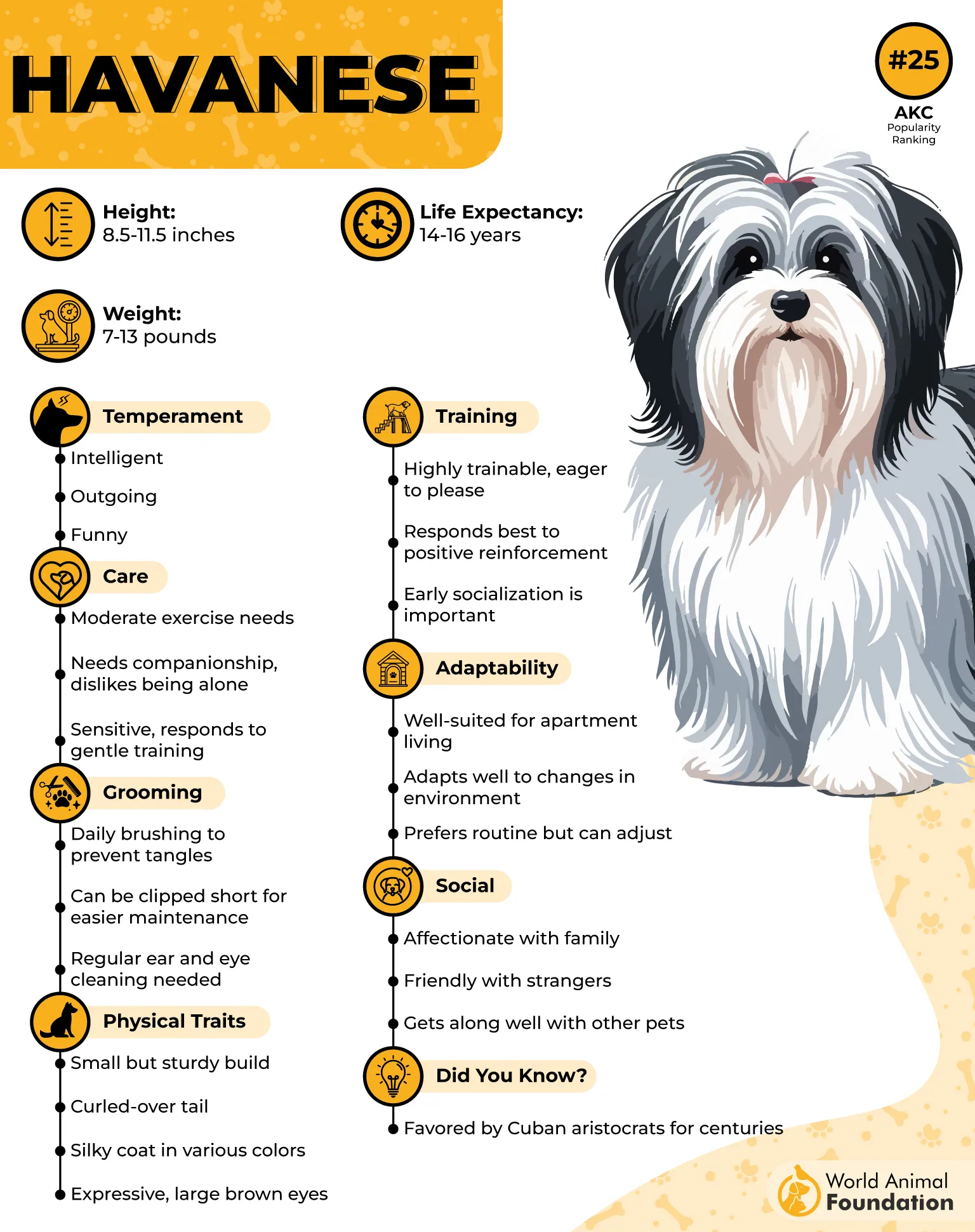
Purina claims that around 30 minutes of daily exercise may suit many adults, depending on age, health, and personality. Interesting walks, indoor fetch, trick training, mini agility, and sniffing games provide variety without overwhelming a beginner.
The long, soft coat must be combed regularly because hidden mats can tighten close to the skin. A shorter pet clip reduces daily effort, while a natural coat demands more bathing, brushing, and professional attention.
Since they crave companionship, gradually teaching calm alone time is essential before real absences become unavoidable. For an owner willing to groom and stay involved, this affectionate social butterfly can make first-time dog ownership feel genuinely rewarding.
Conclusion
A reliable beginner dog is not a breed that requires no effort; that mythical creature probably lives beside the unicorn aisle. Reliability comes from an understandable temperament, realistic care needs, thoughtful breeding, and an owner prepared to teach everyday manners consistently.
Shih Tzu, Bernese Mountain Dogs, French Bulldogs, Border Collies, Cocker Spaniels, Miniature Schnauzers, German Shepherds, and Yorkshire Terriers are also some phenomenal options for new dog owners.
Larger retrievers offer sociability and trainability but demand serious exercise, while the smaller companions trade physical power for grooming, dental care, or greater sensitivity. No category automatically wins because the right dog must fit the owner’s schedule, household, budget, and preferred level of activity.
