




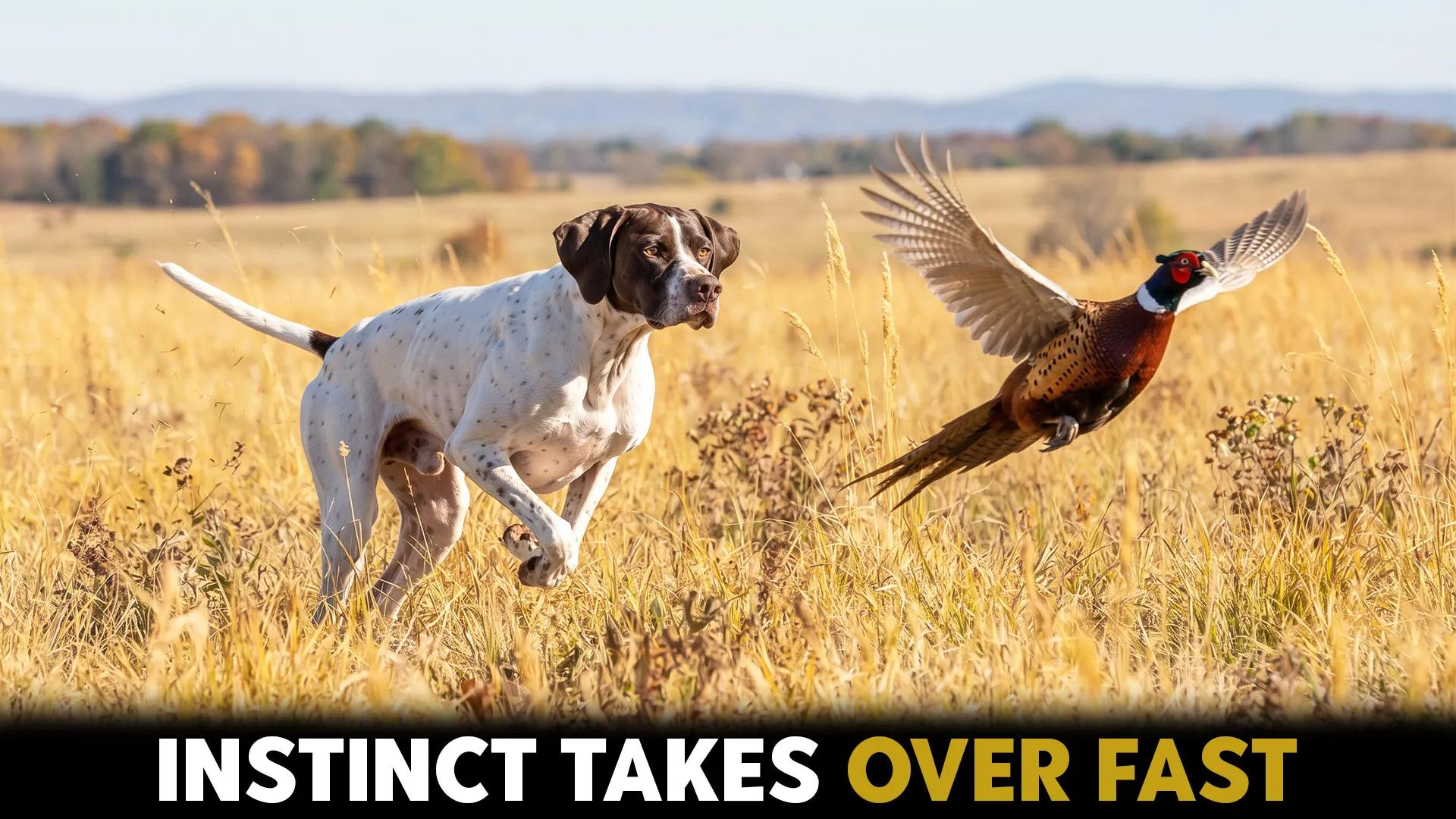
Choosing a dog for upland game bird hunting is about more than picking a breed with a strong hunting reputation. The right dog should match your hunting style, energy level, experience, and the kind of work you expect it to do in the field.
After all, even dogs from the same breed can have very different personalities, drive, and working styles.
A good upland hunting dog needs to be athletic, intelligent, focused, and ready to work alongside its handler. Some are better at finding and pointing wild birds, while others excel at flushing or retrieving them.
Training, genetics, and the individual dog also play a big role, so there is no single breed that will be the perfect fit for every hunter.
So, how do you know which dog belongs by your side in the field? We’ve rounded up some of the best hunting dogs and what makes each one stand out.
Key Takeaways
Meet the standout breeds built for upland bird hunting.
See why English Setters excel at finding and setting game.
Discover how German Shorthaired Pointers and English Pointers tackle the field.
Compare hunting skills, training needs, energy, and care before choosing your bird dog.
Excellent Dog Breeds for Upland Game Bird Hunting
1. English Setter
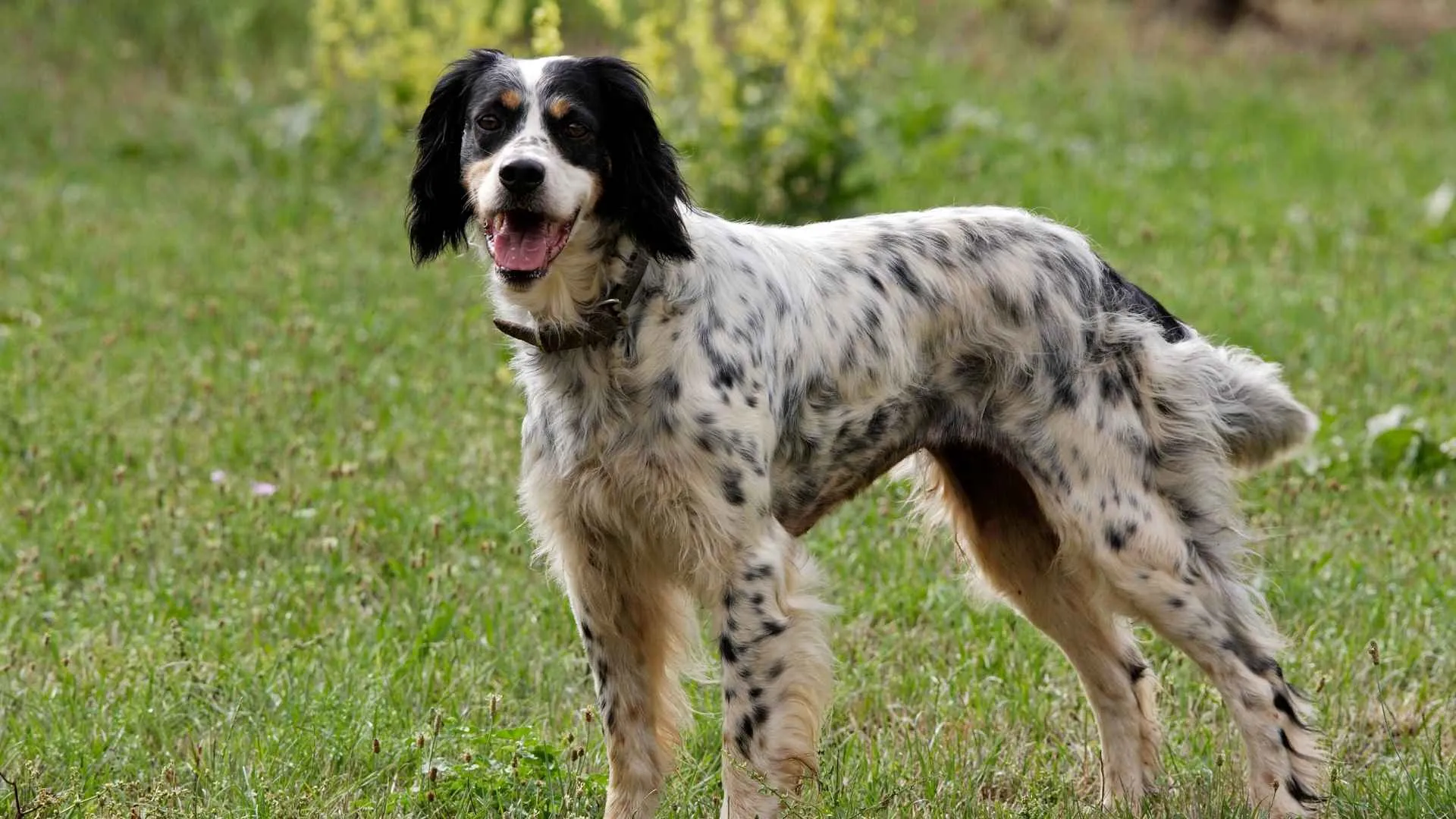
English Setters have a strong history as bird-hunting dogs. They originated in England and were developed mainly for hunting and retrieving birds.
According to Orvis, their name comes from their habit of crouching low, or “setting,” when they locate game. This natural hunting style makes them well suited for upland game bird hunting.

Temperament and Training
English Setters are active, athletic, and curious dogs that enjoy outdoor activities. They are also gentle, affectionate, and highly social.
They form strong bonds with their families and usually get along well with children and other pets when properly socialized.
Their sensitive nature means they respond best to calm, consistent training with praise, treats, and other positive rewards.
Exercise and Grooming
These upland bird dogs need regular exercise, interactive games, and outdoor activities to stay physically and mentally stimulated. They enjoy hiking, running, fetch, swimming, and dog sports.
Their long, silky coats have feathering around the ears, chest, legs, and tail, so brushing two to three times a week is needed to prevent tangles and mats. Their floppy ears should also be checked regularly, as moisture can lead to ear problems.
2. German Shorthaired Pointer
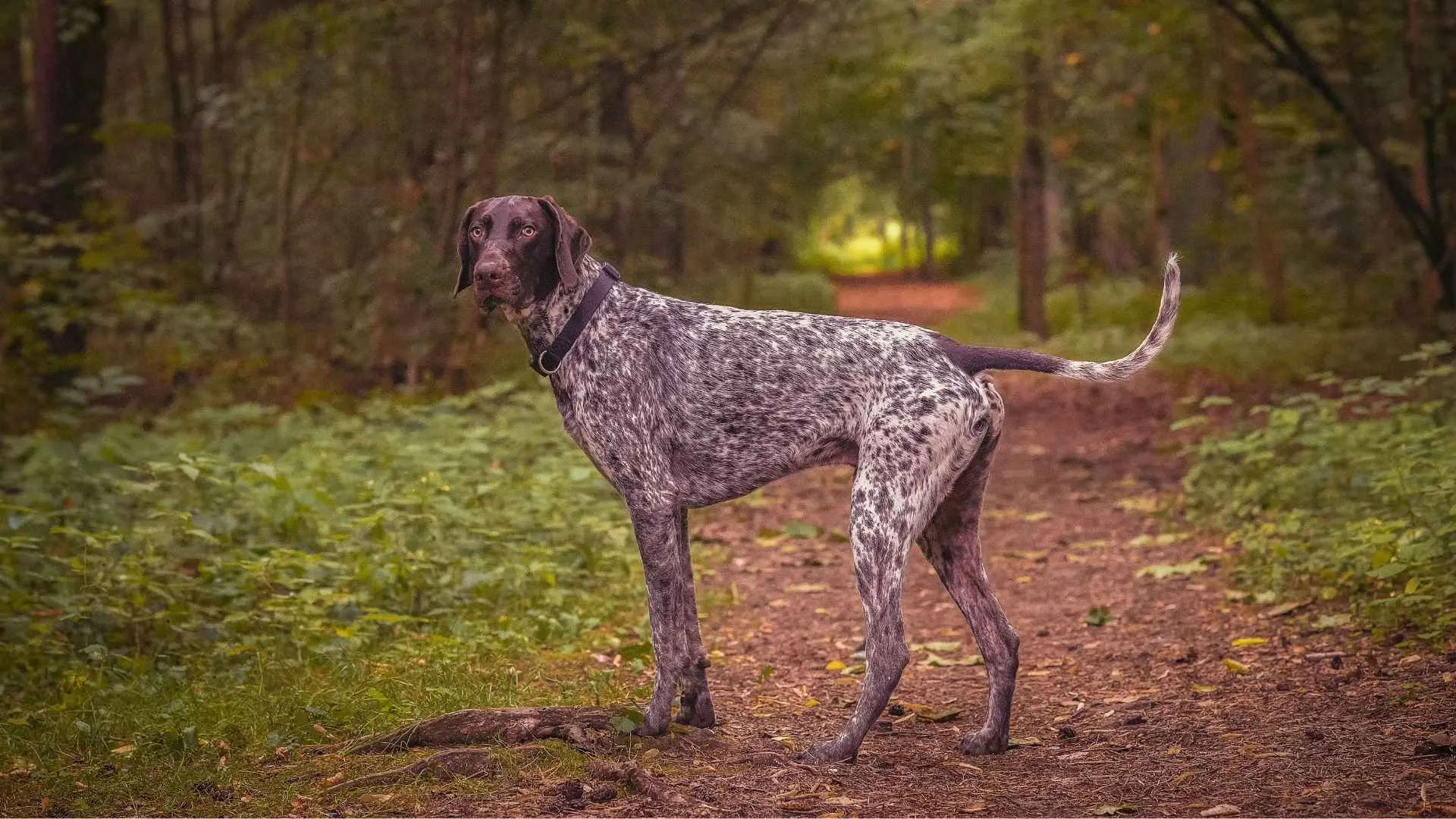
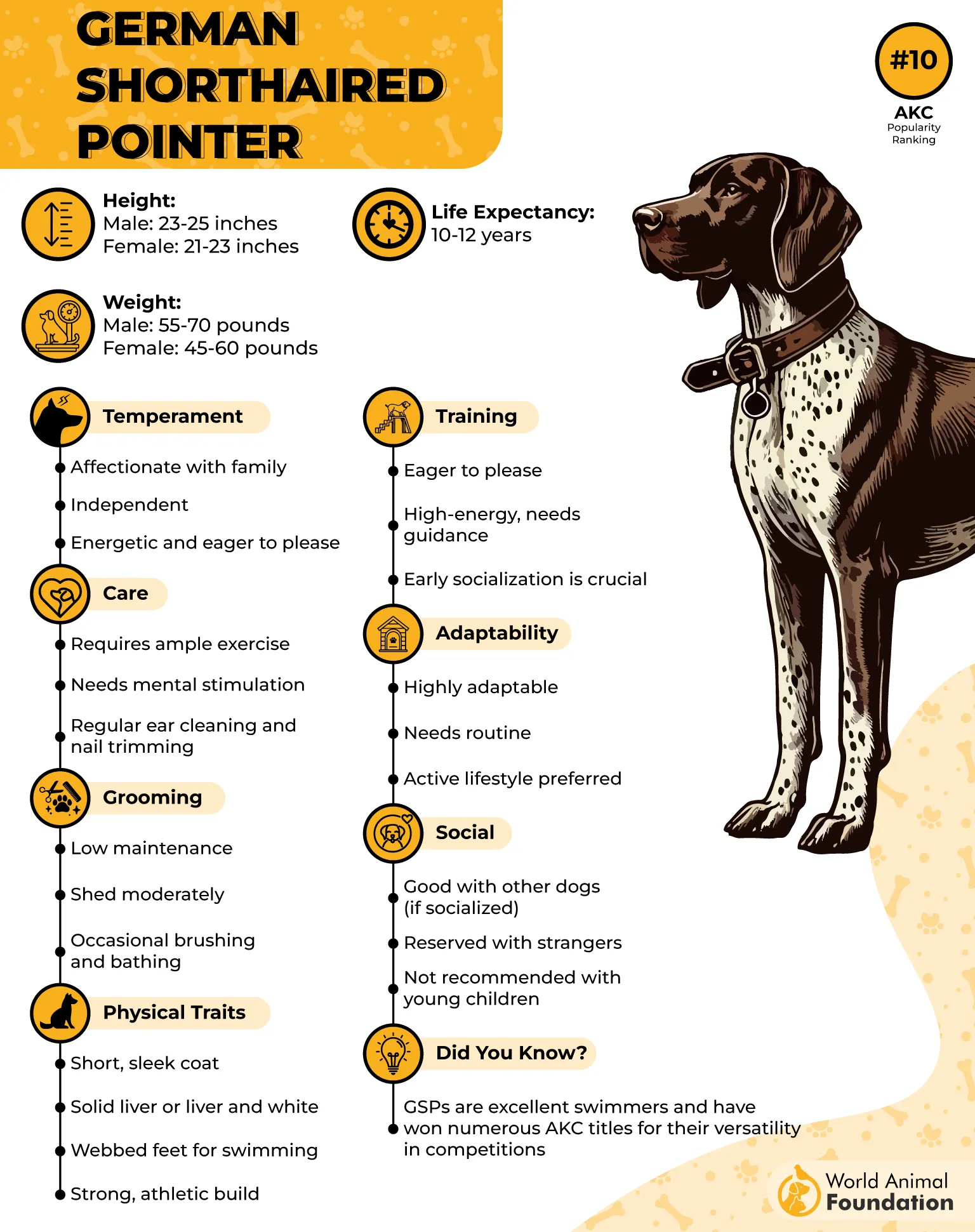
German Shorthaired Pointers are athletic hunting dogs known for their speed, endurance, and versatility. They were developed as all-purpose hunters and have a strong instinct for finding game.
When hunting birds, they use their nose to locate a scent, then stop and point toward it while waiting for the hunter’s signal. Their toughness also allows them to work through challenging terrain.
Energy and Hunting Instincts
These dogs are highly energetic and need plenty of daily exercise and mental stimulation. They enjoy running, hiking, swimming, fetching, agility, and hunting. Their strong prey drive can make homes with small animals, especially birds, less suitable.
They can also follow interesting scents and wander off, so a fenced yard or leash is important when they are not working.
Training and Care
German Shorthaired Pointers are intelligent and can learn training cues quickly, although their independent nature and outdoor instincts can sometimes be distracting. Consistent, positive training works best.
Their smooth, short coat is easy to maintain and needs only weekly brushing to help reduce shedding.
3. Brittany
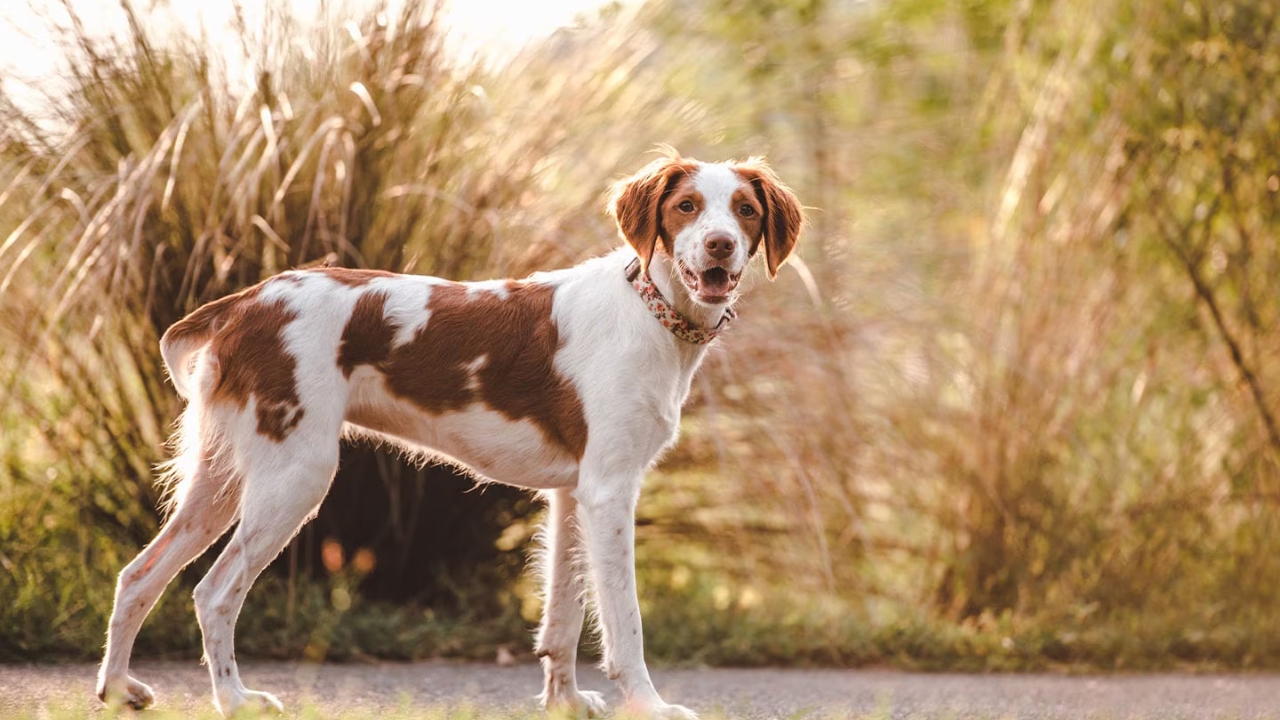
Brittanys are versatile bird dogs with a strong history of upland game hunting. They are known for their excellent noses and ability to search for birds, making them useful partners in the field.
Their hunting style combines speed, agility, and a natural desire to work closely with their handler. These traits allow them to cover ground efficiently while staying focused on finding game.
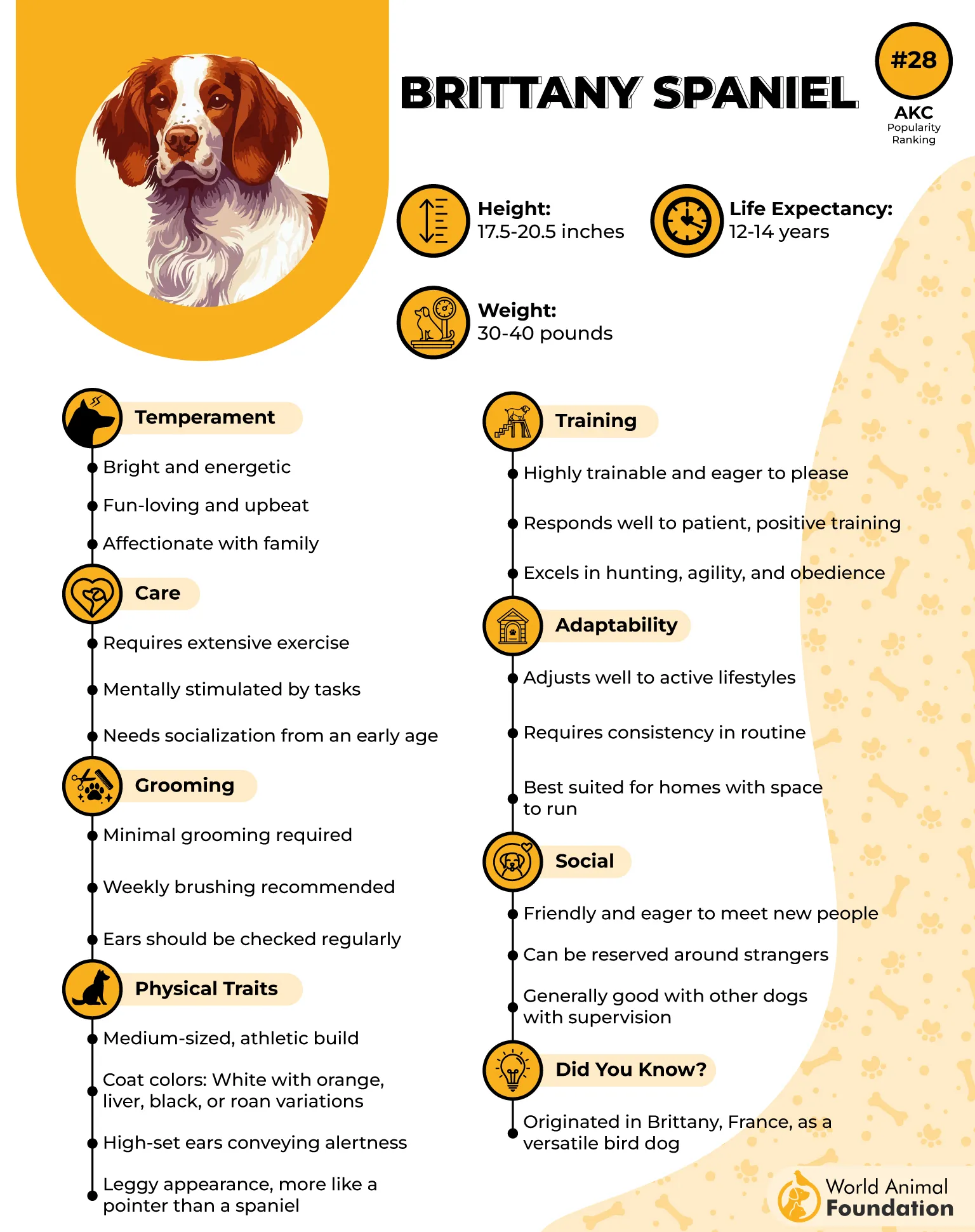
Temperament and Training
Brittanys are energetic, intelligent, and eager to work. They tend to form strong bonds with their handlers and respond well to training when given clear, consistent direction.
Their active nature means they need plenty of physical and mental stimulation, especially when they are not hunting. Regular training also helps keep their energy focused and gives them the structure they need to work effectively in the field.
Exercise and Care
These dogs need plenty of daily activity to stay happy and well-behaved. Hunting, running, hiking, retrieving games, and other outdoor activities can help meet their exercise needs.
Their coat is relatively easy to maintain, with regular brushing helping keep it clean and free of tangles.
4. English Pointer
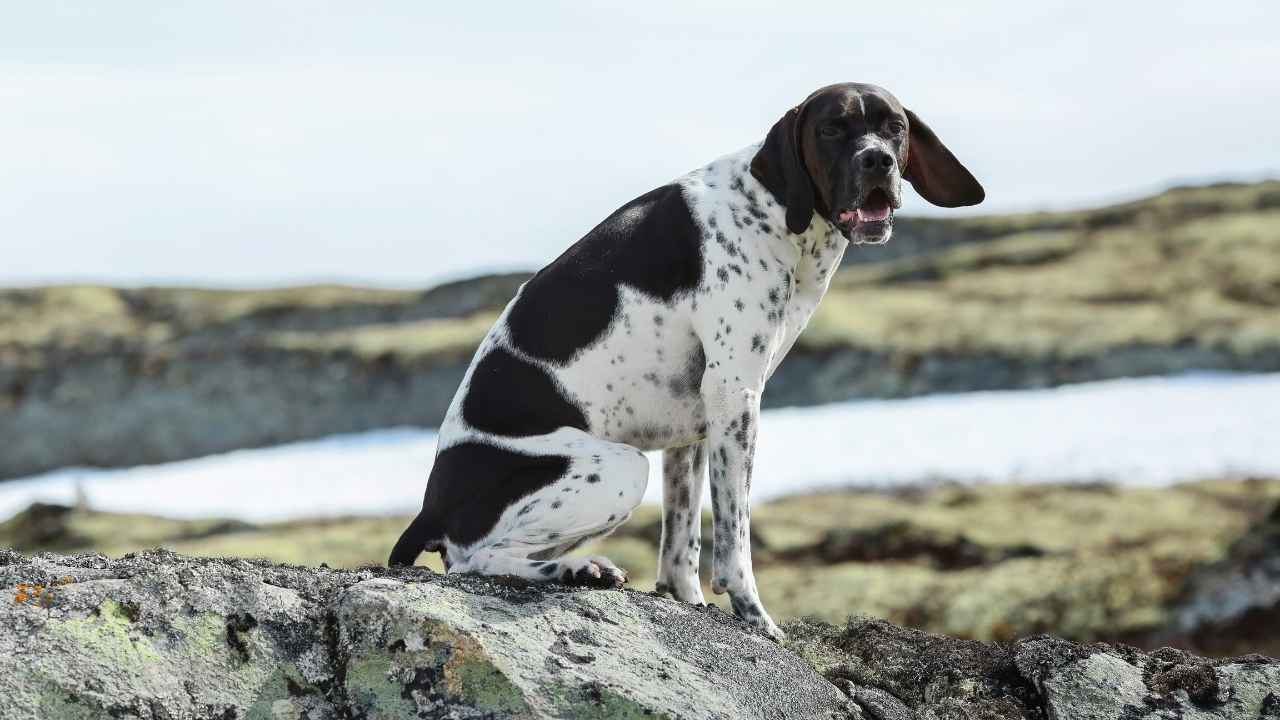
English Pointers are classic gun dogs with a strong history of upland bird hunting. Their name comes from their distinctive pointing stance.
When they catch the scent of game, they stand still with their nose directed toward the bird. Their tail stays level, and one front leg may be raised.
This stance helps guide the hunter toward the game. They are also known for their speed, endurance, and excellent scenting ability.
Temperament and Training
English Pointers are energetic and more independent than many other dogs. Some can be strong-willed, so obedience training from a young age is recommended. Working-line Pointers may be especially active and high-strung.
They are not suited to apartment or city living and need plenty of exercise. Without enough activity, they can become unhappy and destructive.
Exercise and Care
These dogs have boundless energy and enjoy running and outdoor activities. Their short, smooth coats are simple to maintain, with brushing or a quick rubdown two or three times a week.
They are average shedders and need protection from very cold weather because of their short coats. While some Pointers can be calm family companions, their strong hunting instincts remain an important part of the breed.
5. Gordon Setter
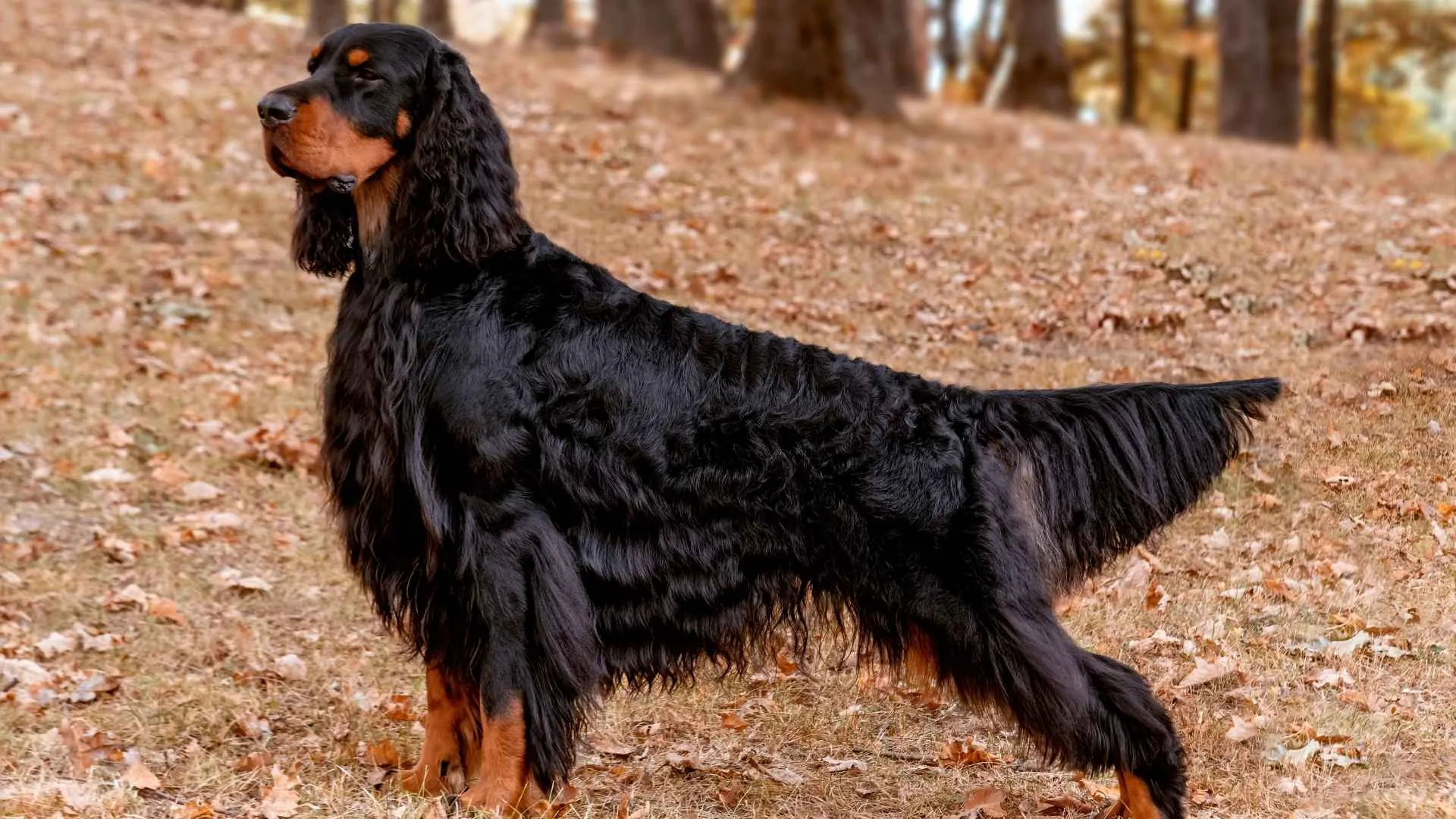
Gordon Setters have a long history as bird-hunting dogs, with roots tracing back to Scotland in the 1600s. They were developed to locate birds and “set,” or quietly lie down when they found prey.
The breed became especially suited to Scotland’s rugged landscape and was bred to hunt birds such as pheasants and quails, as mentioned by PetMD. Their endurance and natural hunting instincts still make them capable field companions today.
Temperament and Training
Gordon Setters are intelligent, loyal, affectionate, and eager to please, but they also have high energy and strong hunting instincts. They can be reserved around strangers at first and may chase smaller animals or birds because of their prey drive.
Early training and socialization are important, with positive reinforcement working well for teaching obedience and recall. They also enjoy staying close to their families when they are not working outdoors.
Exercise and Grooming
These athletic dogs need plenty of daily exercise and do best with an active family that has space for them to run. Hiking, running, long walks, hunting, agility, and other activities can provide both physical and mental stimulation.
Their medium-length, feathered coat needs regular brushing, especially around areas prone to tangles and mats. Their floppy ears should also be checked and cleaned regularly, particularly after swimming or bathing.
6. Spinone Italiano
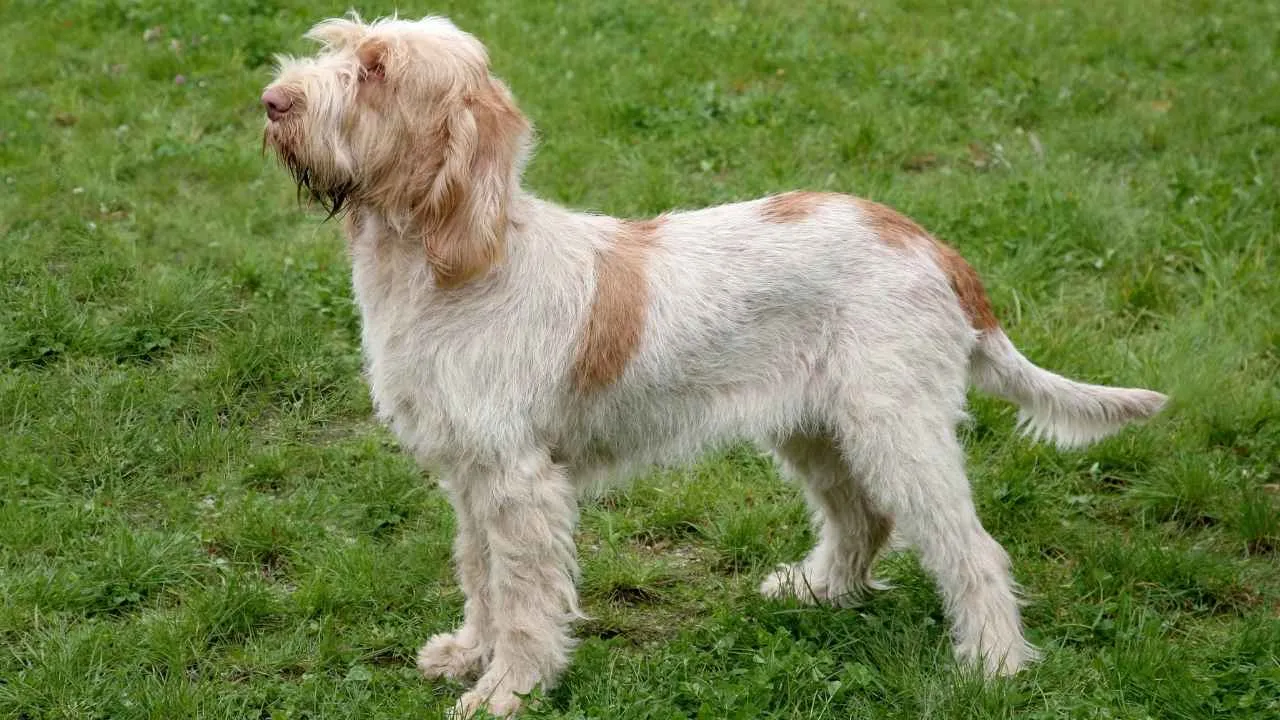
Spinone Italianos are versatile hunting dogs bred to point, track, and retrieve game on both land and water. They use their strong noses and endurance to work through rugged, mountainous, marshy, and thorny terrain.
Their dense coat and thick skin help protect them while working outdoors, and their steady endurance allows them to keep going in the field without relying on speed.
Temperament and Training
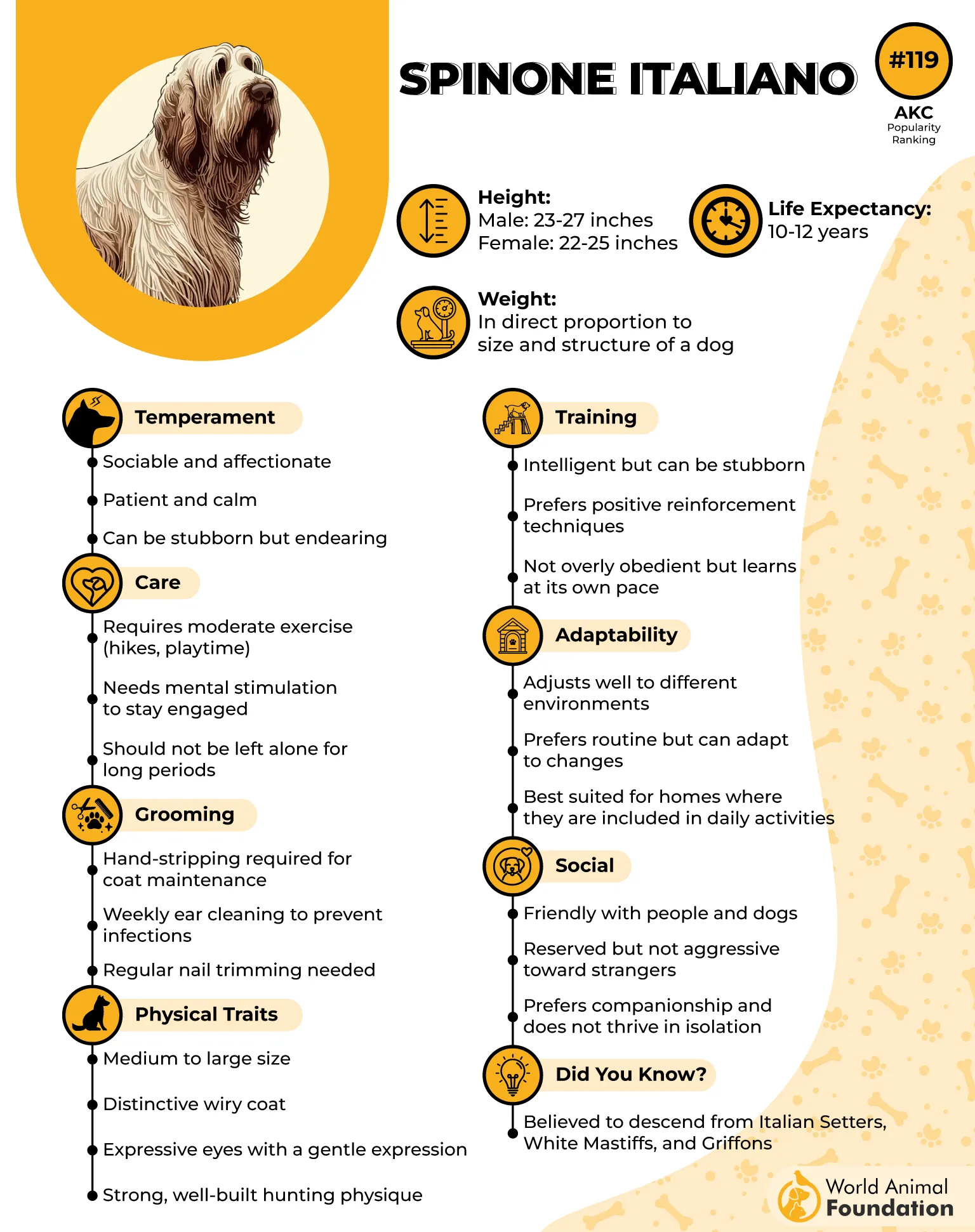
Spinoni are gentle, sociable, patient, and affectionate dogs that tend to get along well with people and other animals. They are intelligent and can learn new skills quickly, but their independent nature means they may not always be eager to follow directions.
Positive, rewards-based training works well, while early socialization helps them become comfortable around different people, animals, environments, and objects.
Exercise and Coat Care
Unlike many high-energy sporting breeds, Spinoni have moderate exercise needs and generally enjoy around an hour of daily activity. Walking, hiking, swimming, nose work, and hunting can keep them active and mentally engaged.
Their wiry coat needs regular care, including brushing, combing, and occasional hand-stripping to prevent matting. Their beard can also collect water, food, and dirt, while their floppy ears need regular attention, especially after swimming.
7. English Springer Spaniel
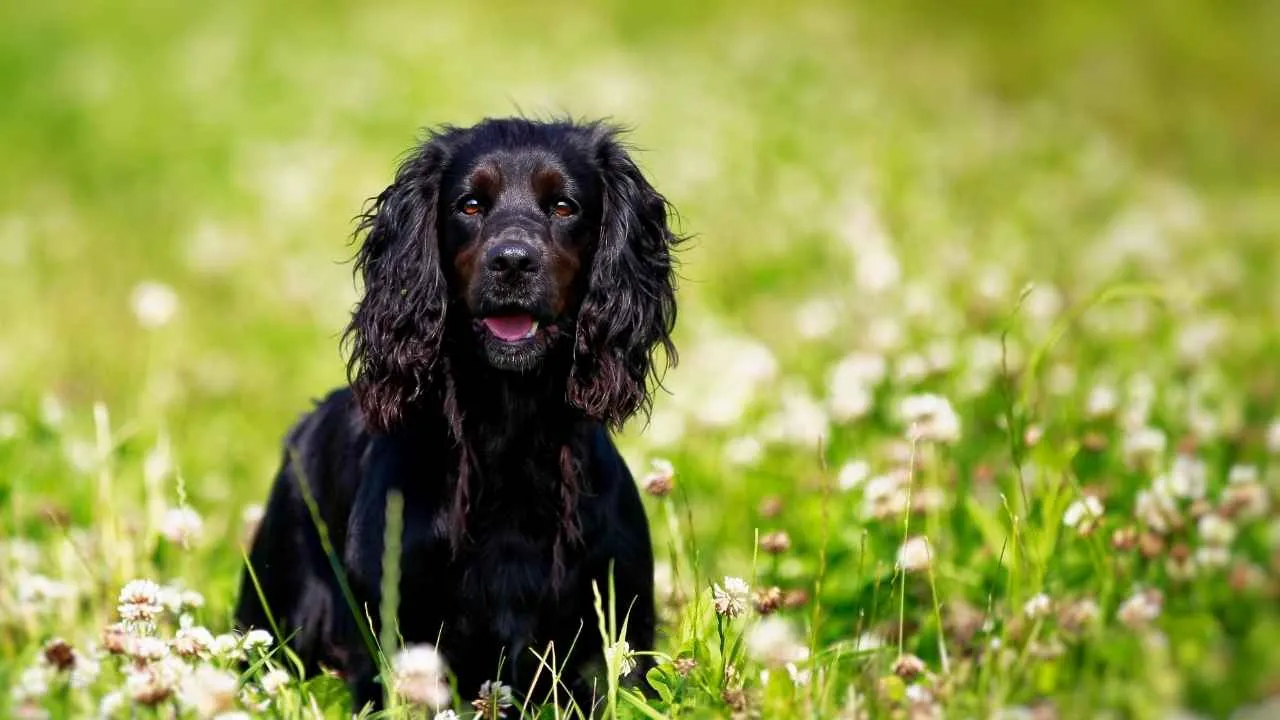
English Springer Spaniels have a long history as hunting companions, with Spaniel-type dogs used in England as far back as the 1500s.
They were bred to flush game by chasing birds into the air for hunters, which is where the term “springer” comes from.
They are close-working hunting dogs with a strong desire to stay with their handlers, and their retrieving urge also makes them useful in the field, as noted by the AKC.
Temperament and Training
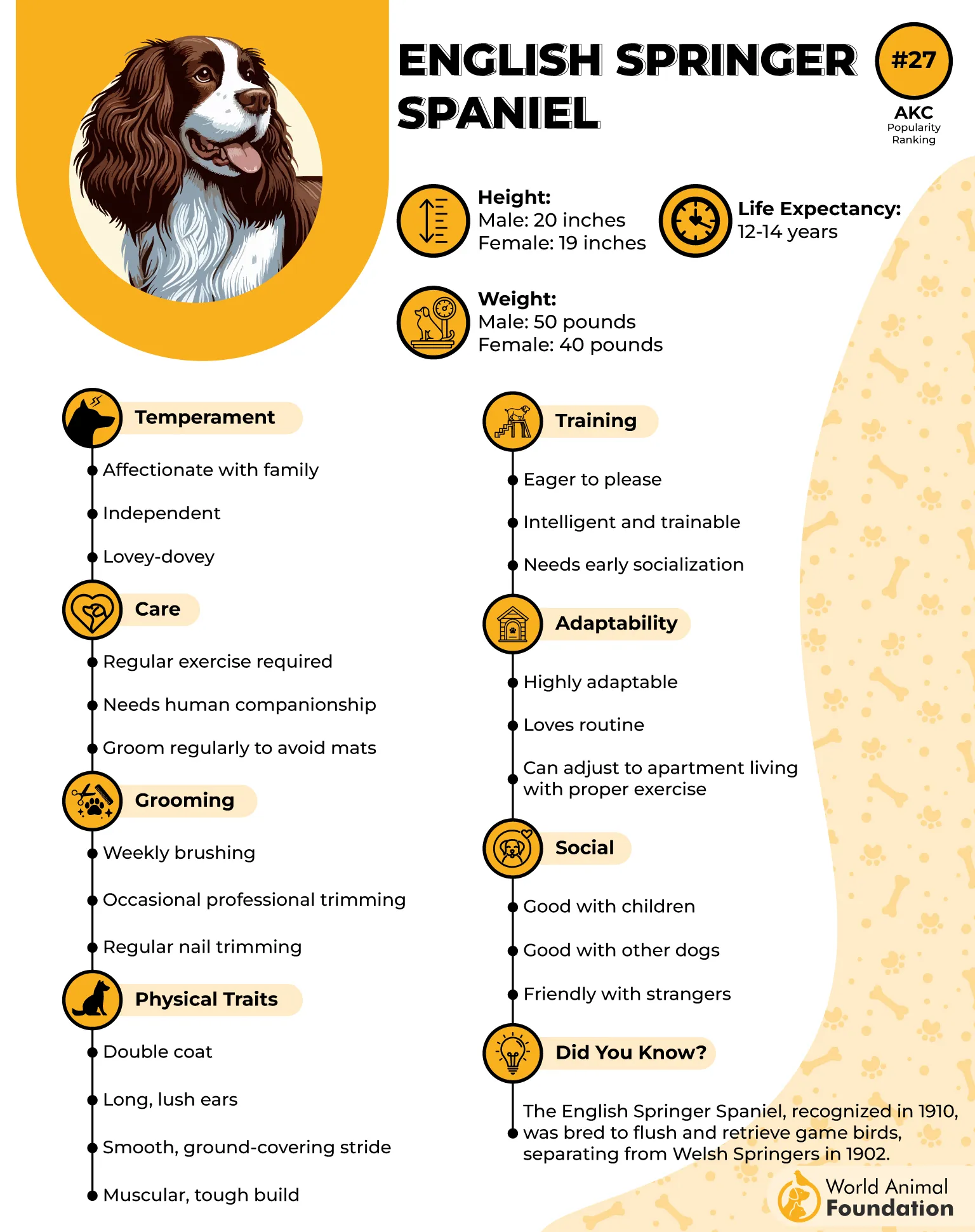
English Springer Spaniels are energetic, intelligent, lively, and eager to please. They generally respond well to patient, gentle training and enjoy having a job to do.
Because they are social dogs that strongly enjoy human company, they may struggle with long periods alone and can develop unwanted behaviors when bored or under-stimulated.
Exercise and Grooming
Springer Spaniels need plenty of daily exercise and do best when they have regular opportunities to stay active with their people.
Hunting, retrieving, tracking, jogging, swimming, agility, and long walks can provide both physical activity and mental stimulation.
Their medium-length, weather-proof coat needs brushing once or twice a week, with extra attention to the feathering to prevent mats and tangles.
Conclusion
Choosing an upland game bird dog comes down to finding the right balance of hunting ability, energy, temperament, and trainability.
From Setters and Pointers to versatile Spaniels and other hardworking breeds, each dog brings its own strengths to the field. The best match depends on the type of hunting you do and how much time you can dedicate to training and exercise.
Before choosing a breed, think about the kind of work you expect your dog to do and the partnership you want in the field.
A well-trained dog can make every hunt more enjoyable, but the bond built along the way can be just as rewarding as the birds you bring home.
