




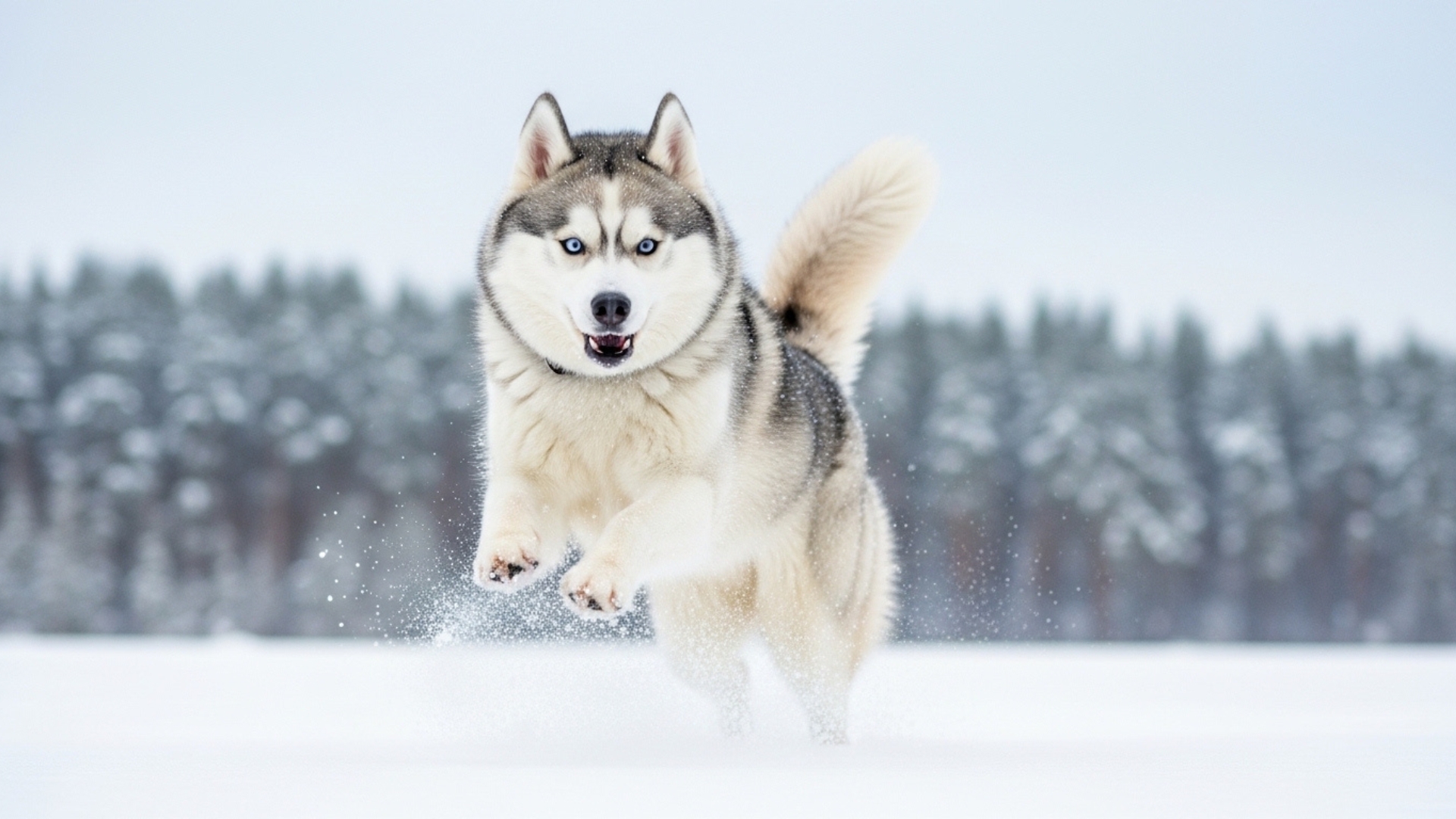
Some dogs show extreme happiness when they go outside during snowy weather.
Certain dog breeds need warm environments, but some breeds can withstand extreme cold temperatures, heavy snow, and strong frigid winds. The dog breeds that excel at playing in snow demonstrate their ability to thrive during the wintertime because they perform their best during this season.
The double coat of their thick protective fur and their strong working heritage make them ideal for maintaining optimal performance in cold weather conditions. The companions of these sled dogs and mountain guardians create wintertime adventures that eliminate all seasonal restrictions.
Fun Fact
Many snow dog breeds have a dense woolly undercoat that traps body heat and protects them in extreme cold. Some dogs possess snowshoe-like paws, which provide them with better traction on ice and deep snow, thus making these dogs naturally designed for extreme winter conditions.
Excellent Dog Breeds for Snowy, Outdoor Play
1. Samoyed
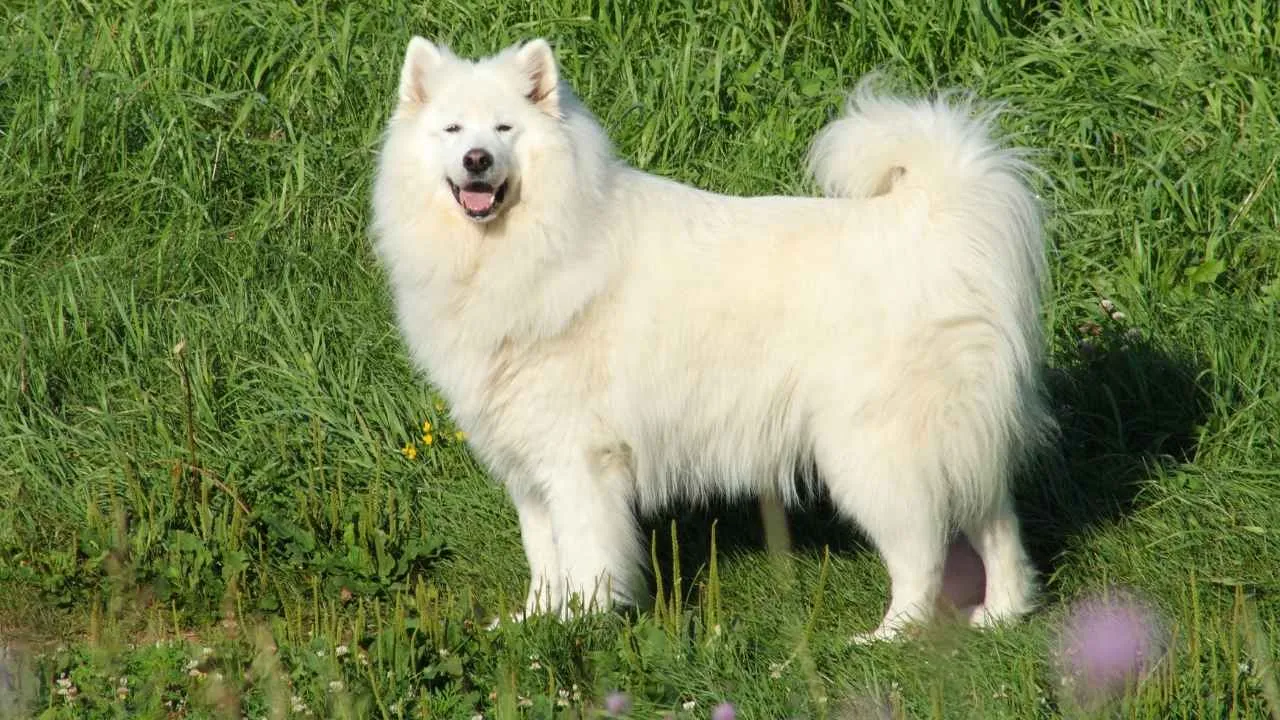
People often describe the Samoyed as a stuffed animal that walks. The Samoyed breed established its roots in Northeast Asia, where people used it for reindeer herding and sled transportation across frozen landscapes, according to the American Kennel Club.
The Samoyed dog breed stands between 19 and 23 inches tall and possesses a dual protective coat, which enables it to endure extremely cold weather.
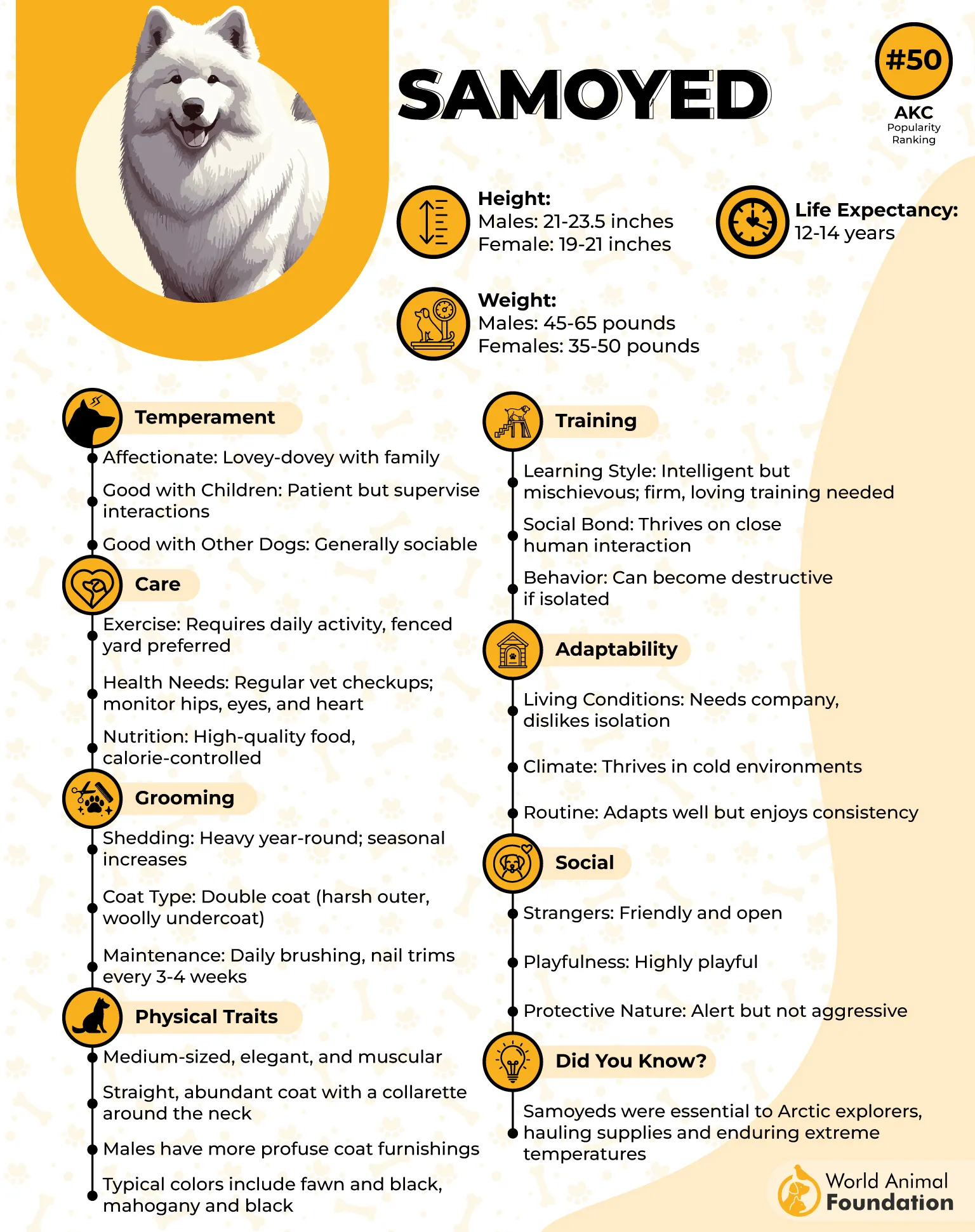
The Samoyed ”smile” prevents drooling, which decreases ice buildup during extreme cold weather conditions.
Their intelligence combines with their mischievous behavior and their deep social nature. A Samoyed needs companionship and structured training from an early age. Their playful nature develops into stubbornness when they lack mental stimulation.
2. Alaskan Malamute
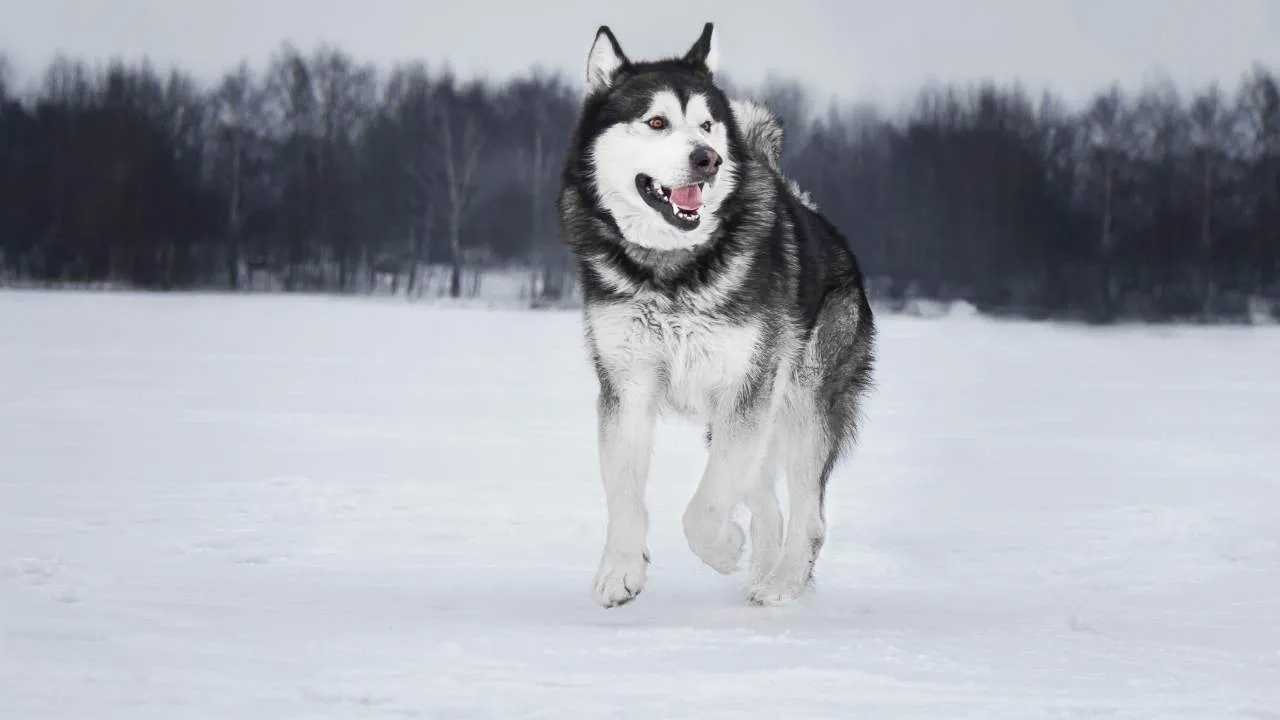
The Alaskan Malamute is one of the oldest sled dogs of the Arctic. This large Spitz breed was developed to enable people to move heavy loads across icy surfaces, as noted by Purina Uk.
The Malamute shows resemblance to a wolf through its wedge-shaped head, its erect ears, and its curled tail. The dog can withstand freezing temperatures and wet weather because its double coat provides protective insulation.
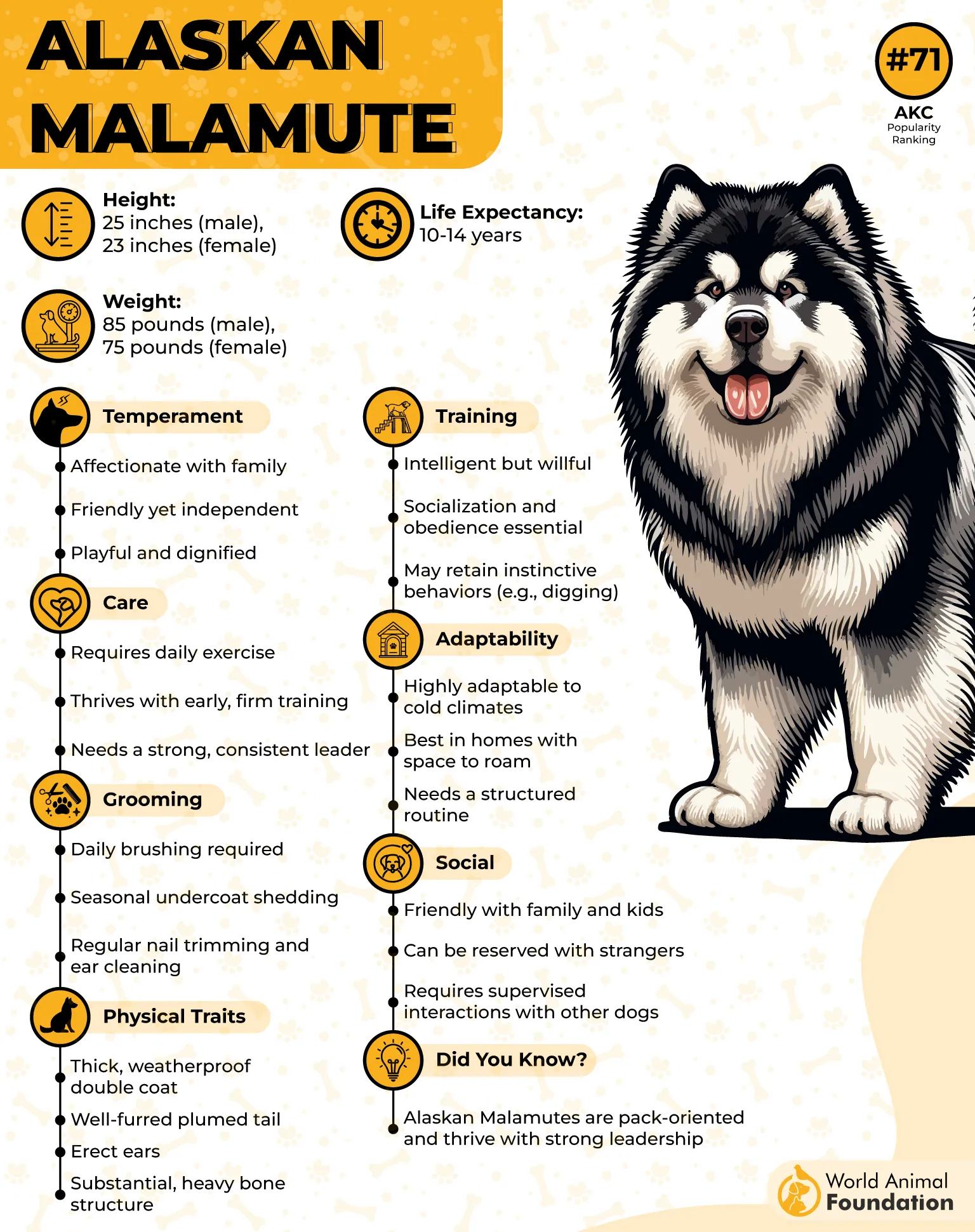
This Malamute dog shows an affectionate nature yet a strong-willed personality, which allows it to form deep attachments with its family members. First-time owners should avoid this breed because it does not suit their needs.
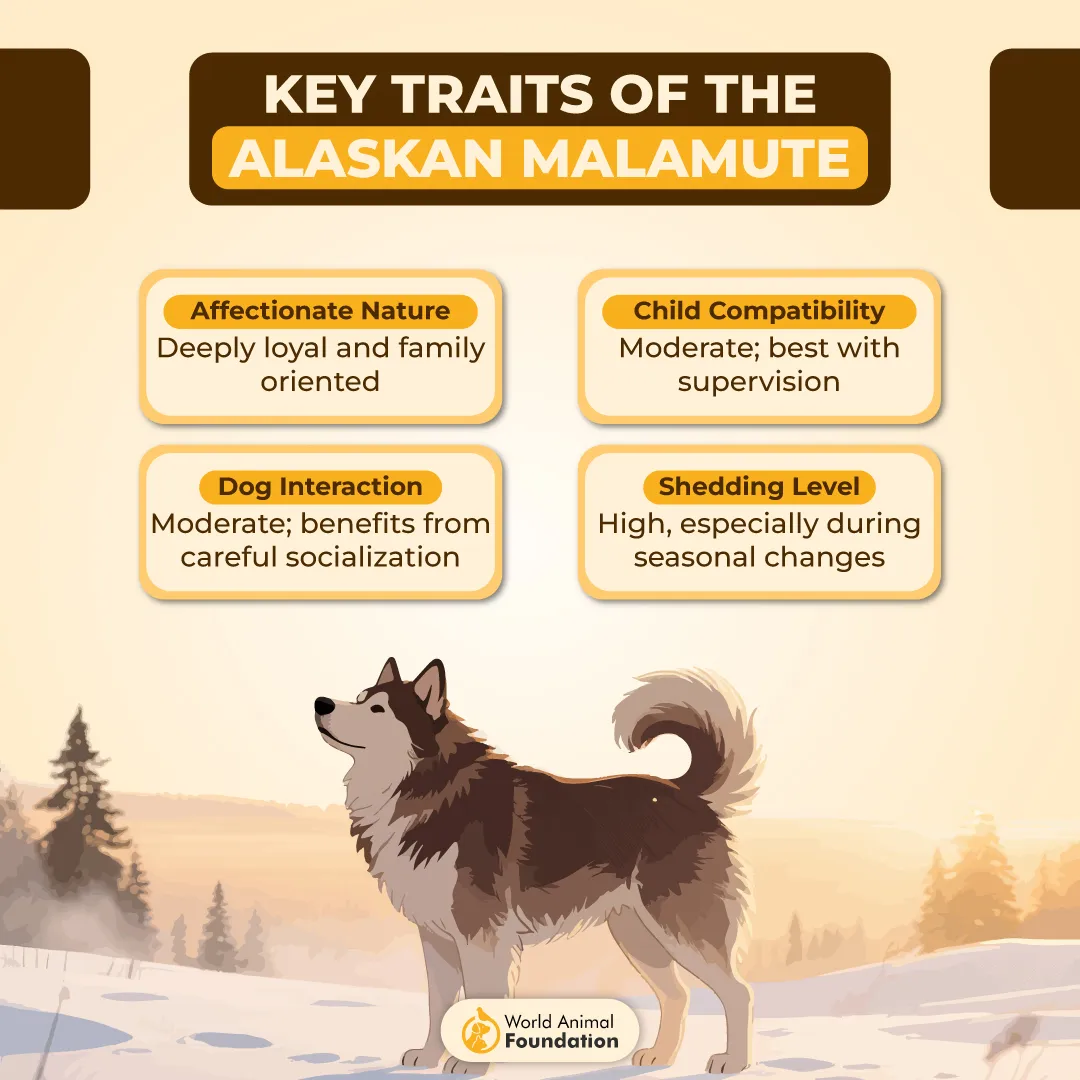
Malamutes show high energy levels, together with strong instinctual behavior to hunt. Digging and escape attempts become more likely when animals experience boredom.
3. Siberian Husky
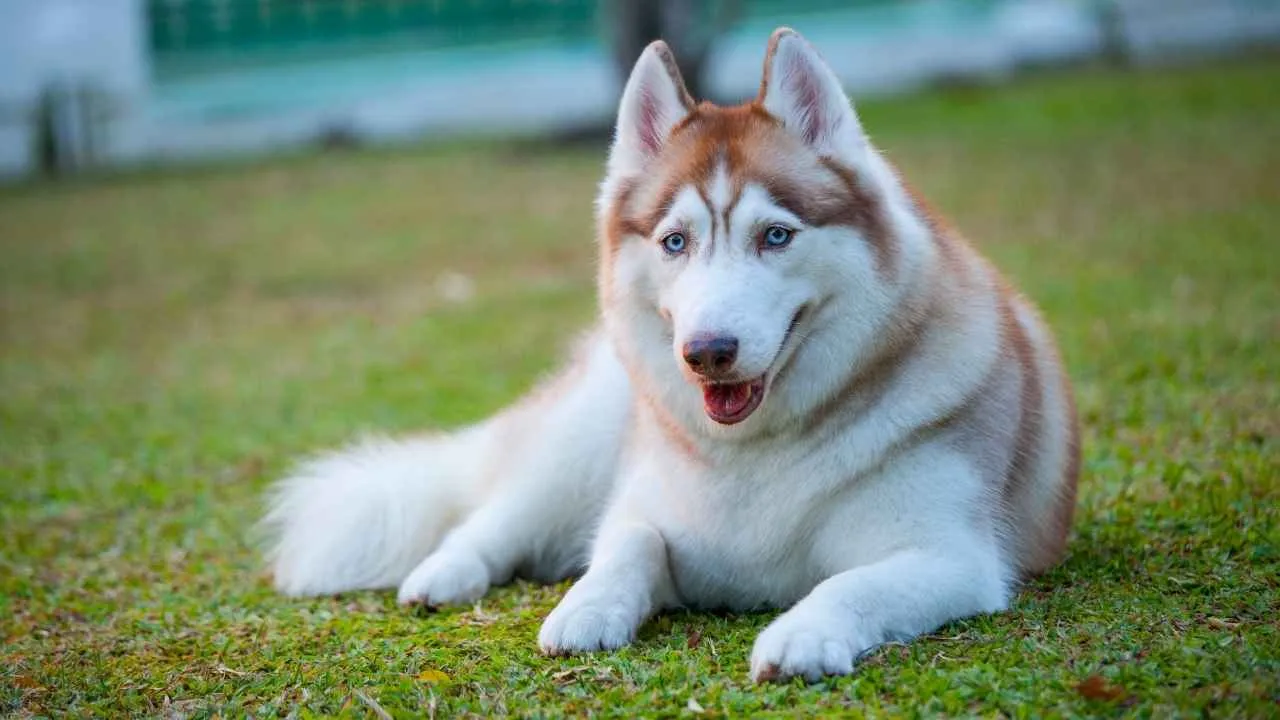
Siberian Huskies stand as a popular dog breed that people choose for regions that experience continuous snowfall. Hill’s Pet Nutrition states that this breed exists because its developers needed a dog that could haul sleds through extreme conditions for extended distances.
Huskies show their thick fur coat and their eye structure, which includes almond-shaped eyes that can show either brown or blue colors, and their unique tail, which takes the shape of a sickle. Their thick ruff protects their neck in frigid winds.
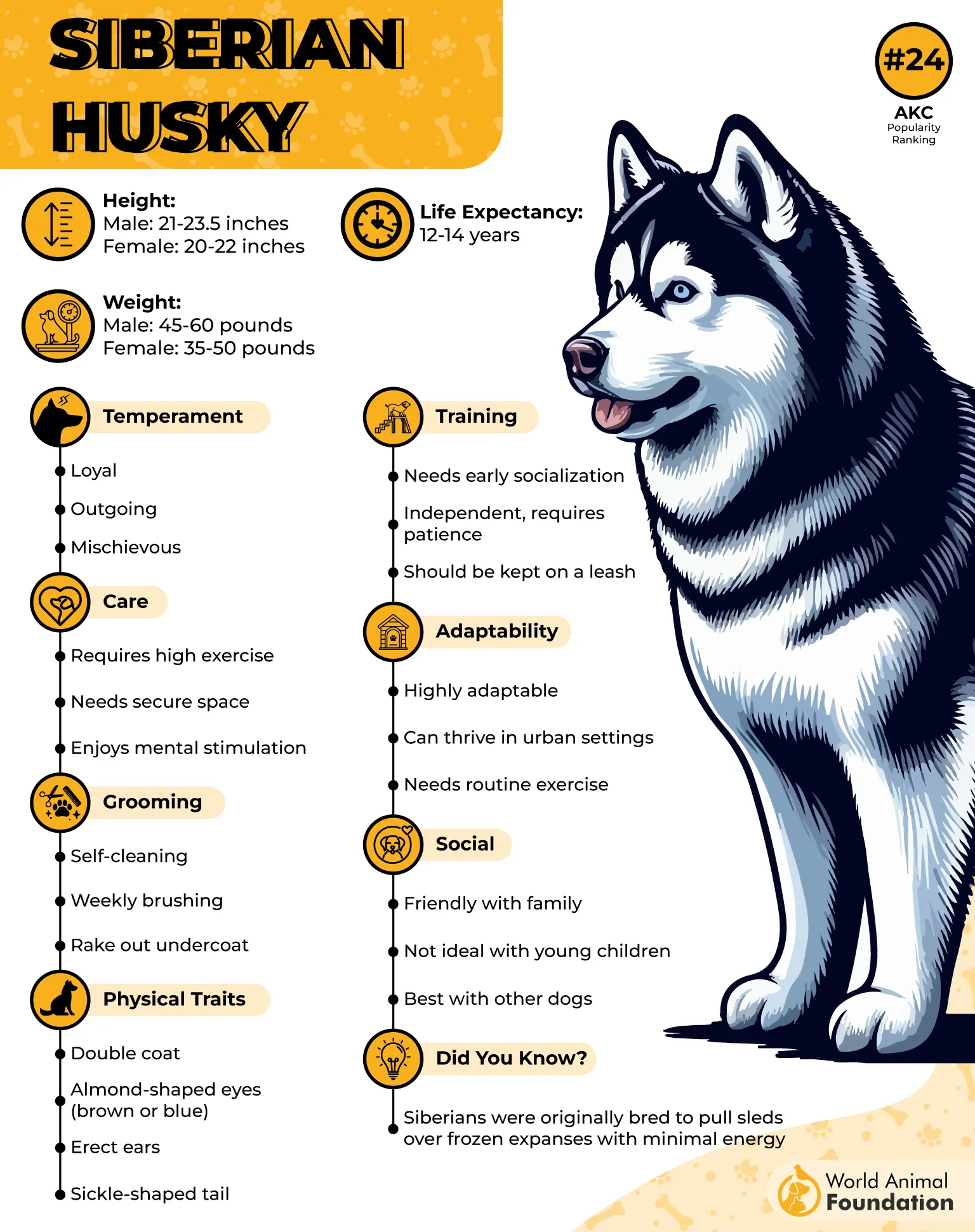
This snow dog enjoys outdoor activities during winter, and it runs for extended periods. The dogs use digging as a method to find relief from the hot weather. The dogs need daily physical activity and cognitive exercise.
4. Bernese Mountain Dog
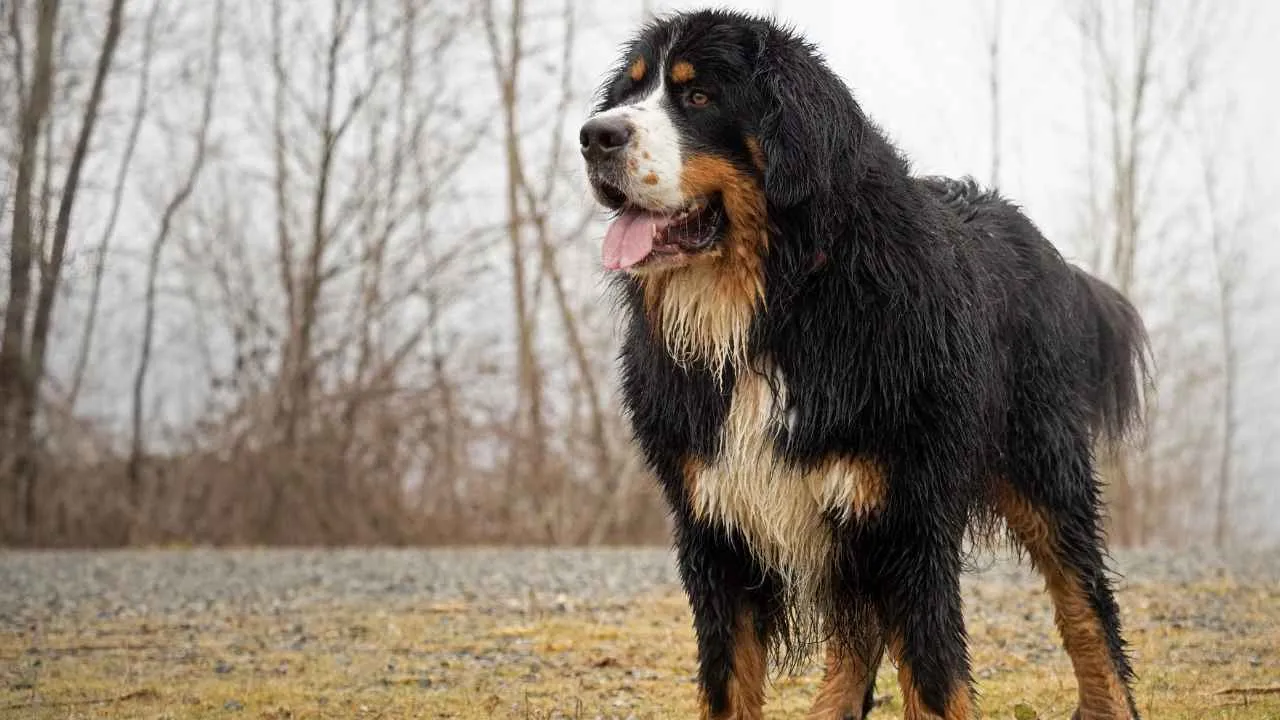
The majestic Bernese Mountain Dog originated in Switzerland, where it worked on farms and assisted in herding sheep. This gentle giant is both hardworking and affectionate.
Its thick coat features a striking tri-color pattern. The dense fur protects against heavy snow and low temperatures.
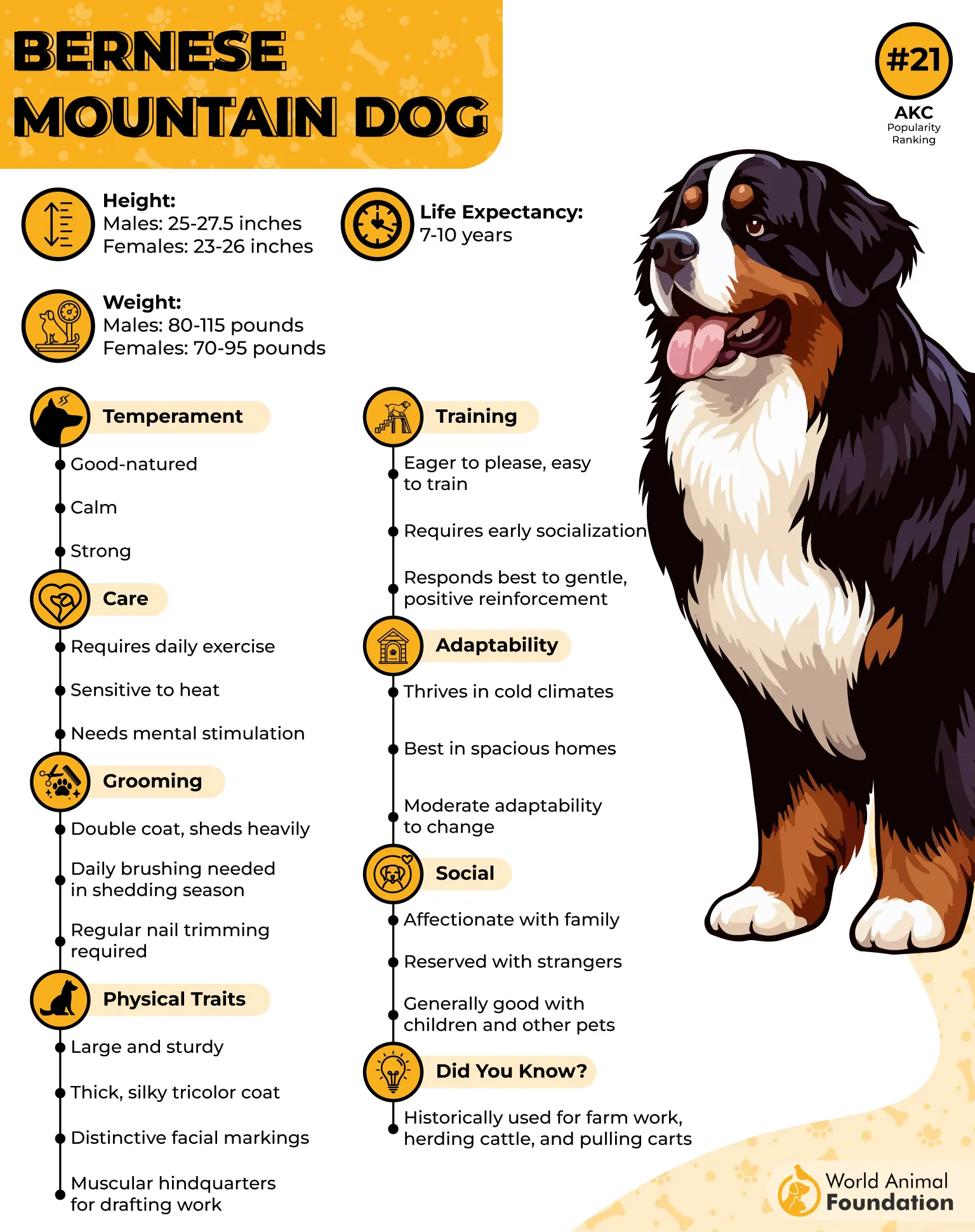
Calm and even-tempered, the Bernese Mountain Dog makes one of the great family dogs for snowy regions. Though large, they are not overly exhausting to manage.
Moderate exercise suits this breed. Regular grooming controls shedding. Early socialization ensures confidence and stability in outdoor settings.
5. Saint Bernard
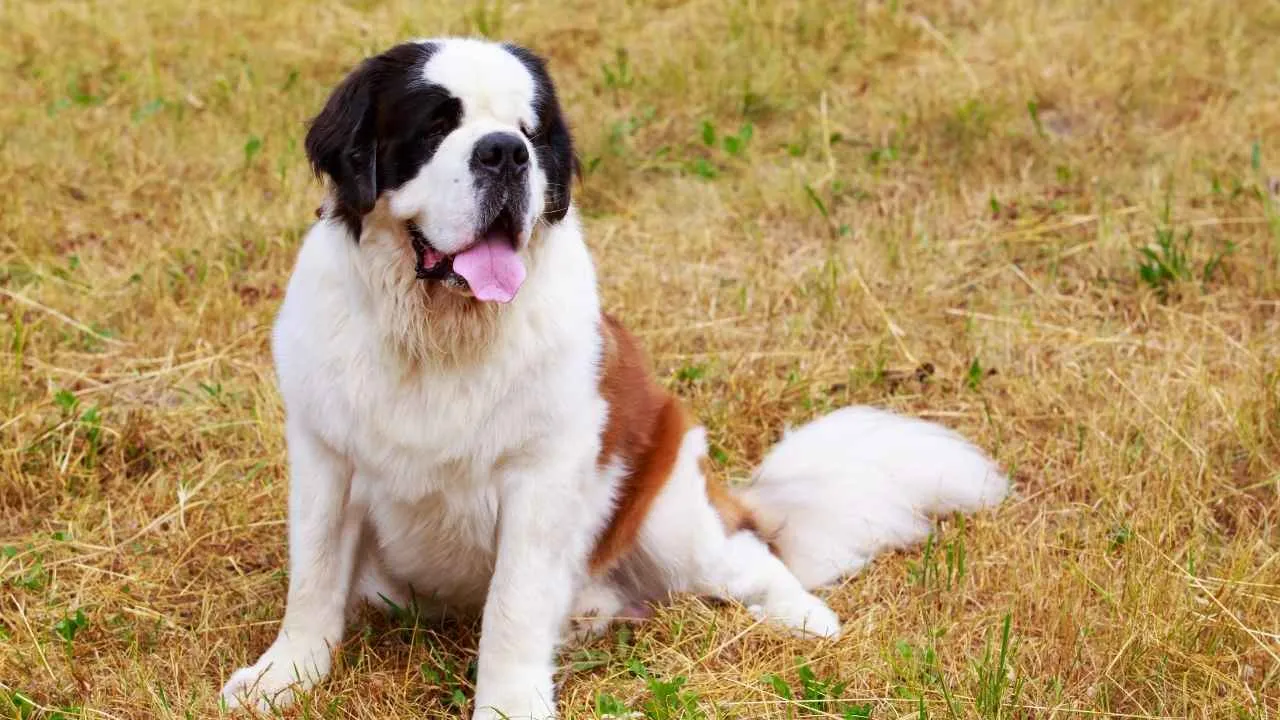
The heroic Saint Bernard is deeply connected to winter history. According to Britannica, monks in the Swiss Alps developed this breed for rescue work during the 16th and 17th centuries.
Standing 26-30 inches tall and weighing up to 180 pounds, Saint Bernards are true gentle giants. Their heavy coats and massive frames help them endure freezing temperatures.
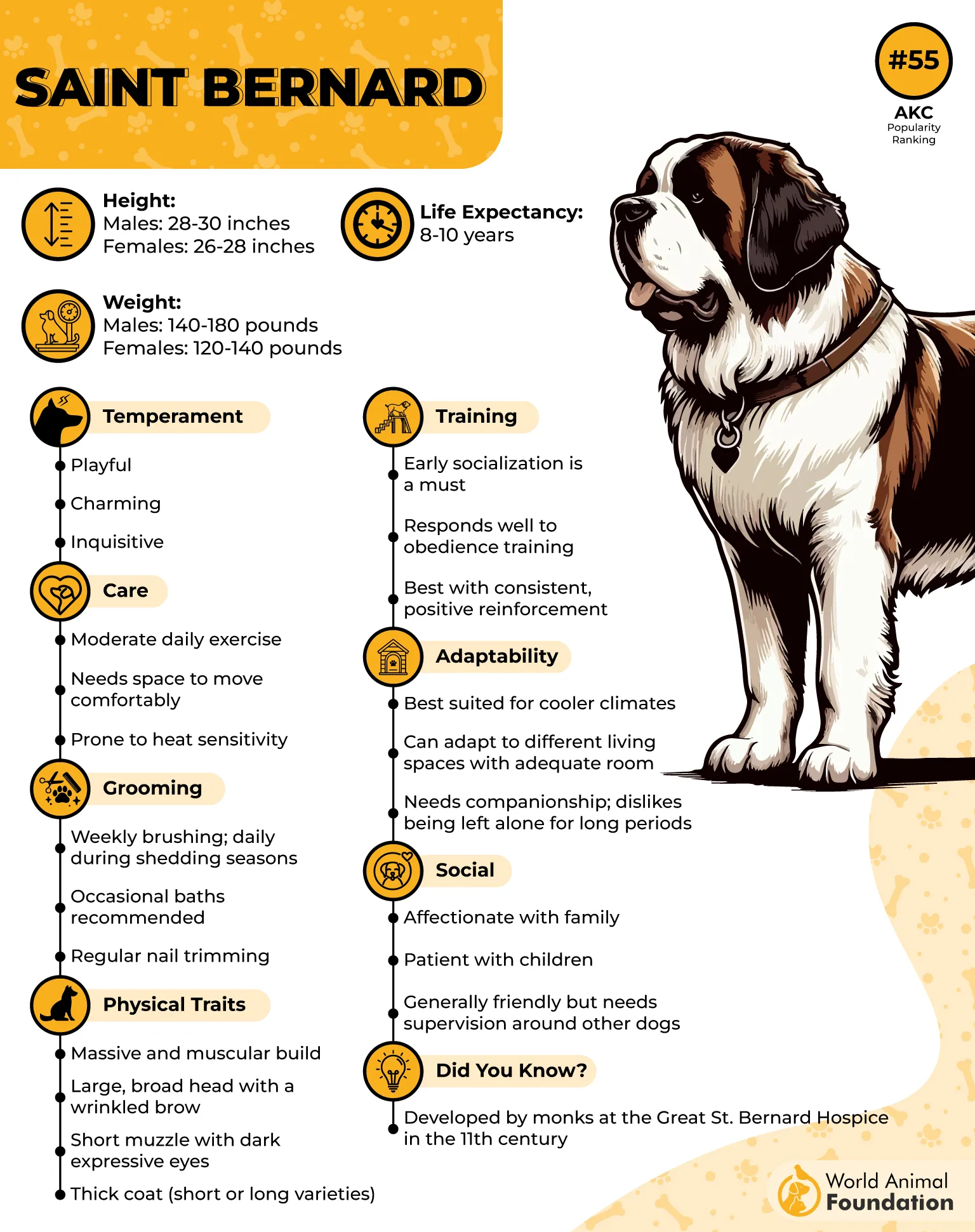
They are calm, affectionate, and methodical. Despite their size, they move slowly and prefer low-energy routines.
This breed requires ample space and about one hour of daily activity. They are happiest in cool climates and may struggle when temperatures rise.
6. Tibetan Mastiff
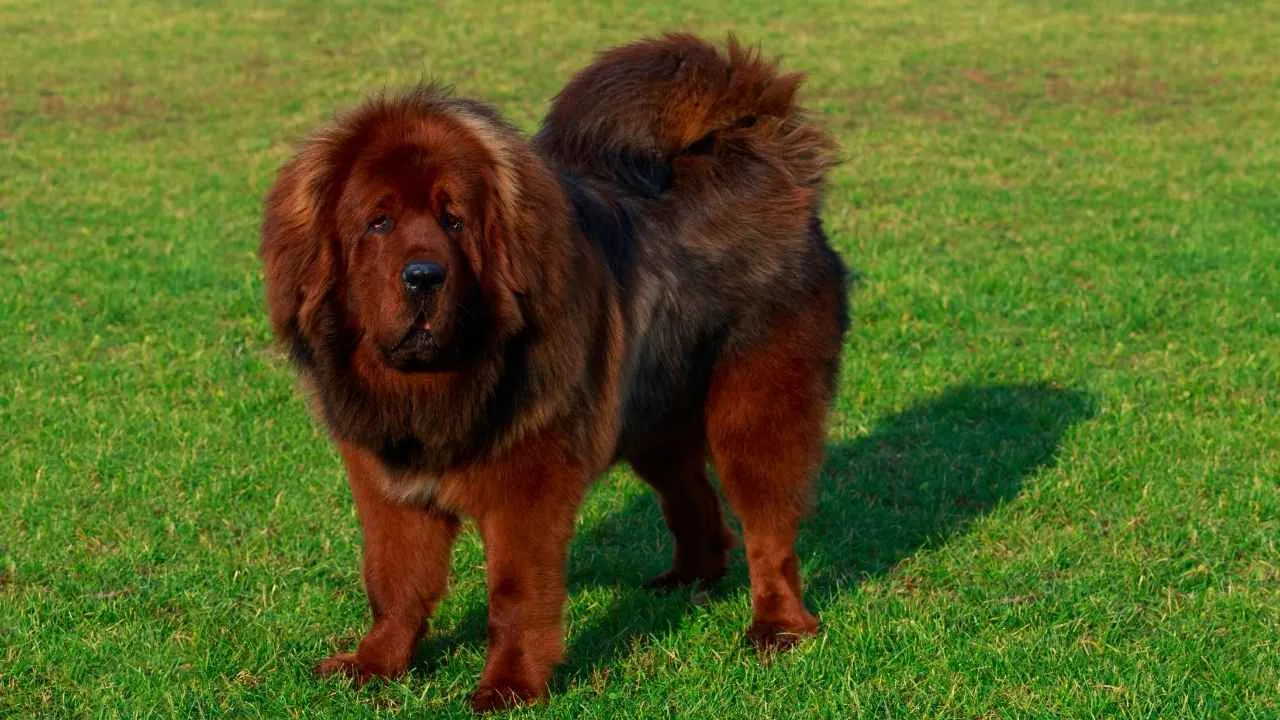
The Tibetan Mastiff represents a powerful breed that originated from the Himalayan Mountains. The Greencross Vets states that ancient people used this breed as an armed protector who safeguarded their livestock.
The Tibetan Mastiff possesses a snowy coat that features thick fur and a mane-like appearance. The males of the species can attain a height of 30 inches.
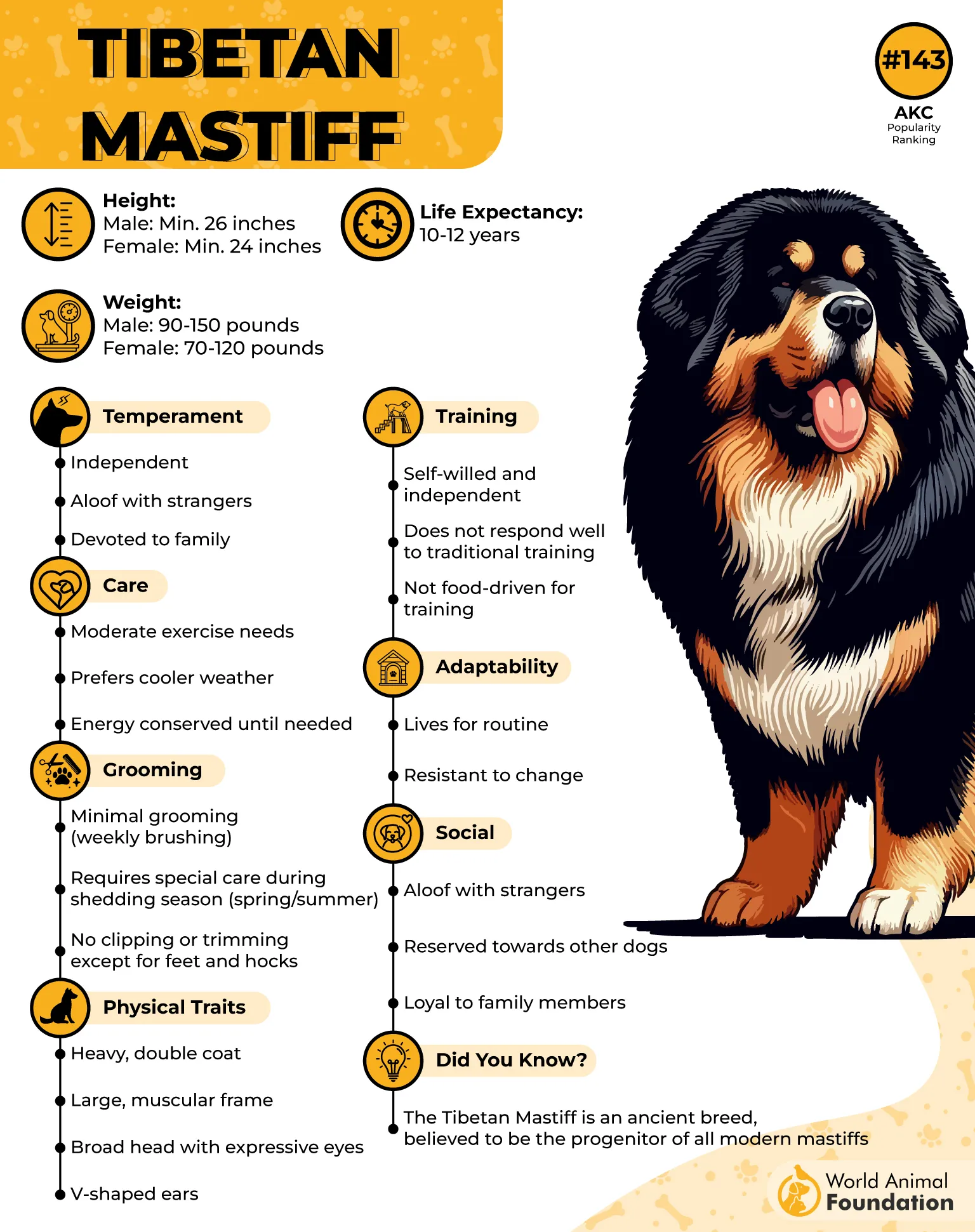
They protect their territory but show little interest in forming bonds with people outside their group. The dogs remain devoted and productive to their handlers, who have expertise in managing them.
The initial socialization process proves vital for success. The breed requires secure boundaries because it enjoys roaming freely. The dogs can endure both extremely hot and cold temperatures, but their owners must handle them responsibly.
7. Norwegian Elkhound
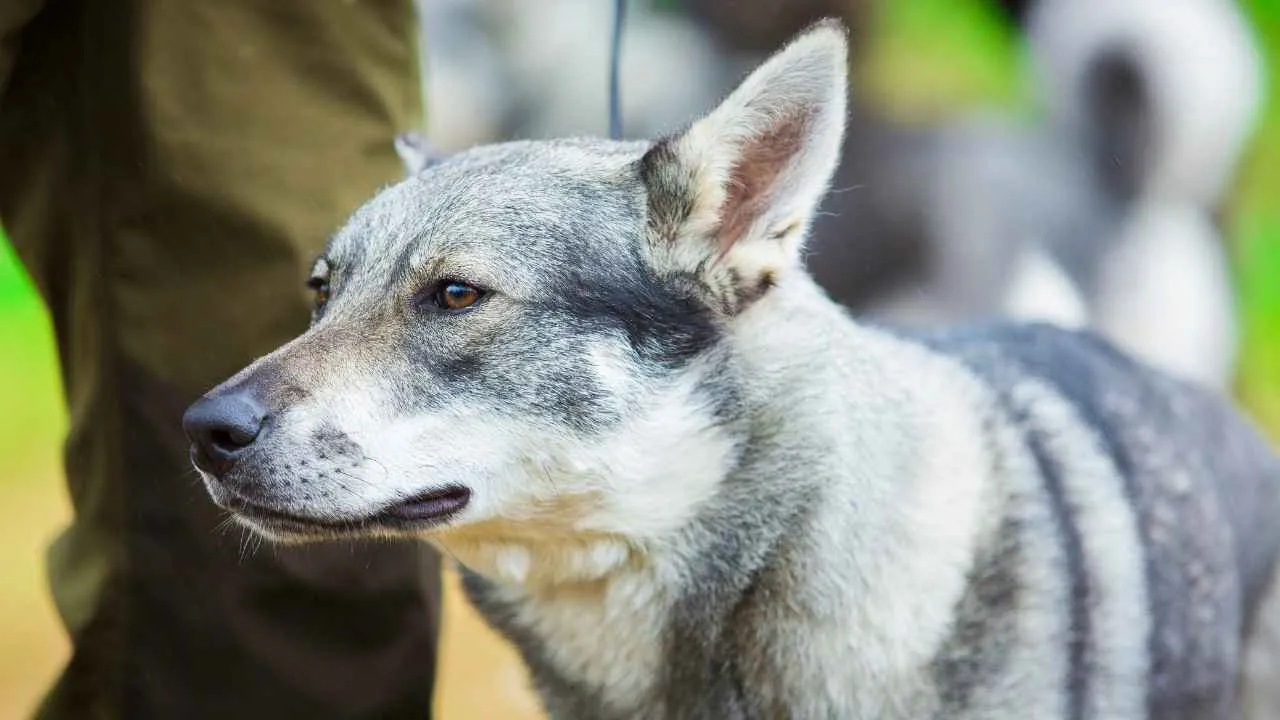
The Norwegian Elkhound has been a fearless hunter of large Scandinavian animals for centuries. Its gray double coat with black markings enables it to move through deep snow with ease.
The average male weight range shows a typical pattern between 50 and 60 pounds. The breed uses its dense ruff and woolly undercoat to withstand extremely cold temperatures.
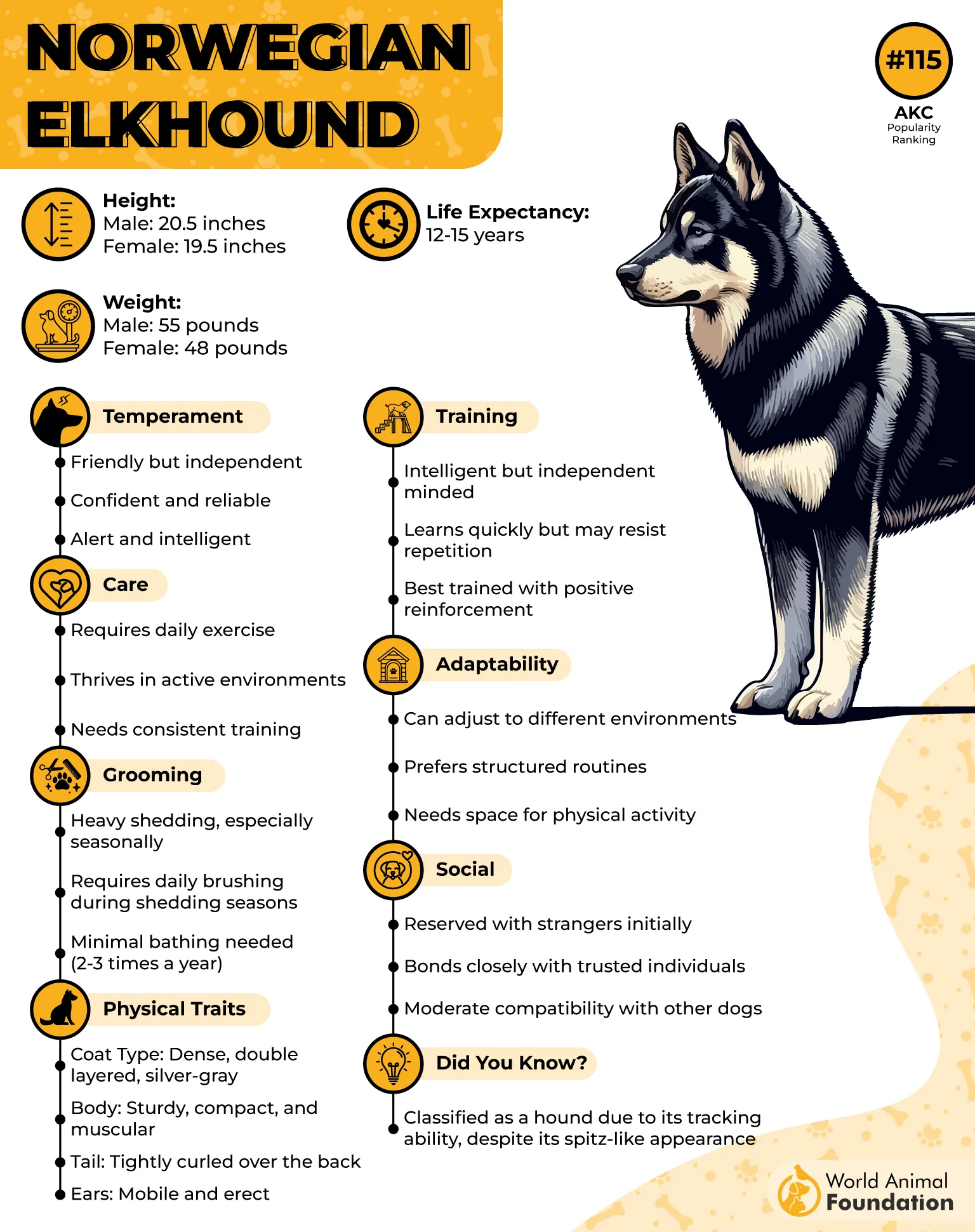
The dogs show no fear as they patrol their territory while displaying affection toward their family members. The dogs exhibit hunting behavior towards smaller animals.
The Norwegian Elkhound works best in homes that have older children because it requires outdoor exercise. The dog will experience excessive shedding throughout the year.
8. Great Pyrenees
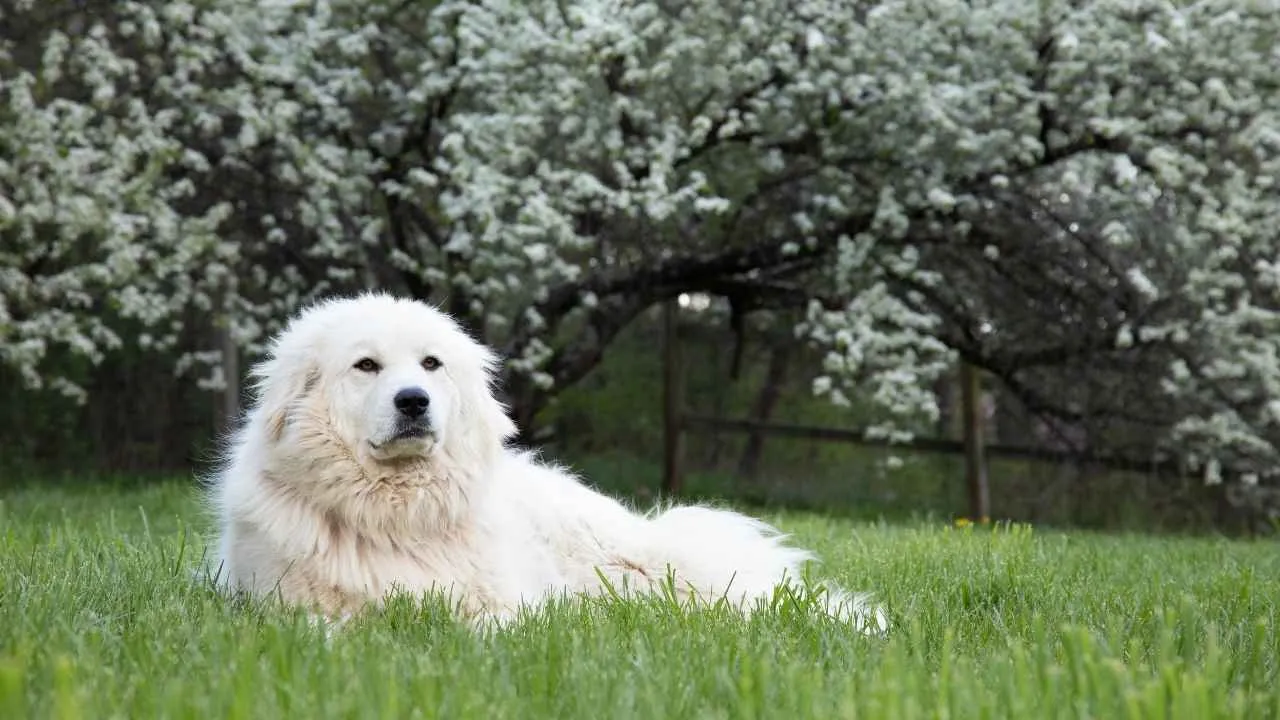
The Great Pyrenees breed provides the impressive ability to protect flocks, which serves as its primary purpose in the Pyrenees Mountains. The breed protects sheep through its ability to work in snowy and mountainous environments.
The dog achieves a height of 32 inches, while its body shows a thick white coat that protects against cold temperatures. The dog remains calm during indoor time, while its outdoor behavior changes to an alert watchdog mode.
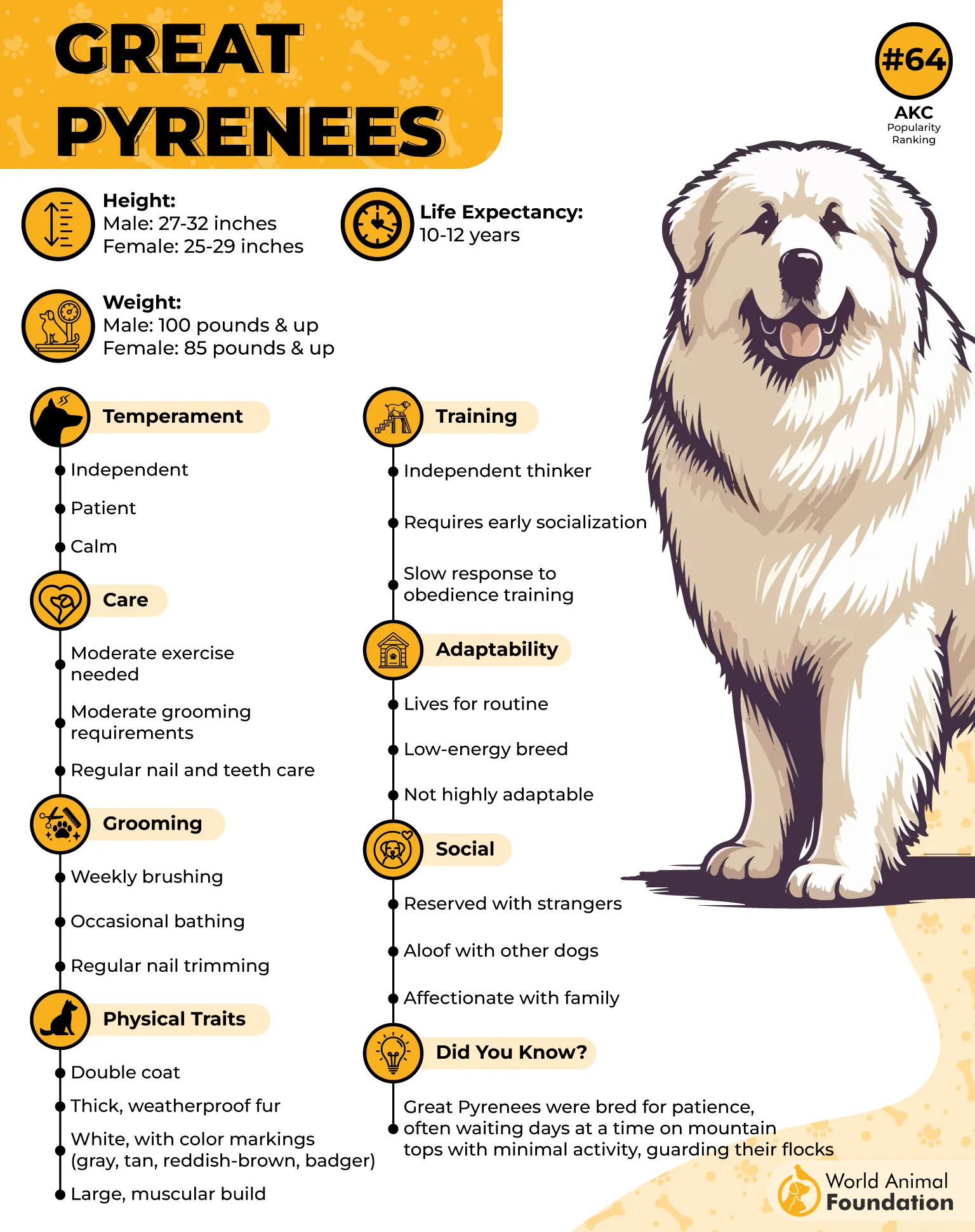
The dog shows a need for personal space, which makes them bark to warn their owners about wintertime dangers.
The dog needs secure fencing for its safety. The animals protect their territory but will maintain peace with other pets when they receive appropriate training.
9. Keeshond
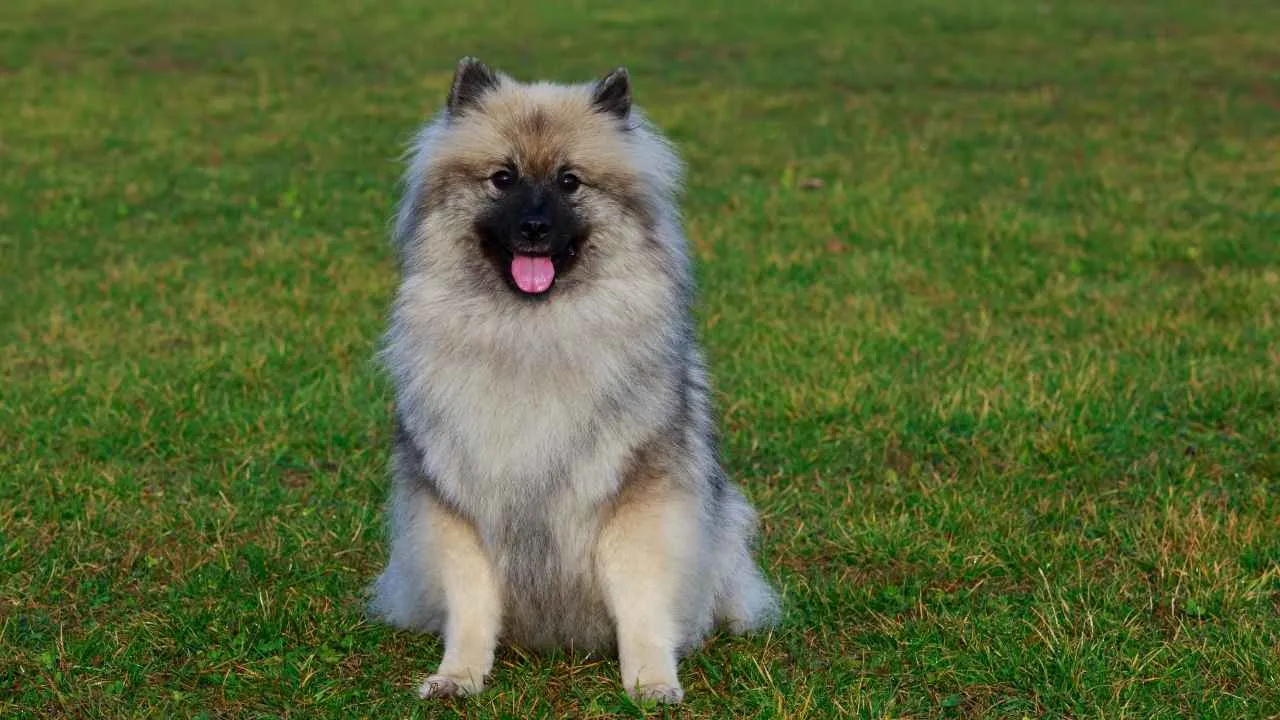
Dutch barges used cheerful Keeshond dogs as their companion and watchdogs. That people refer to this breed as the ”Smiling Dutchman” because of its name.
Their thick double coat forms a warm coat ideal for cold weather. The heavy coats require only twice-weekly brushing for easy grooming.
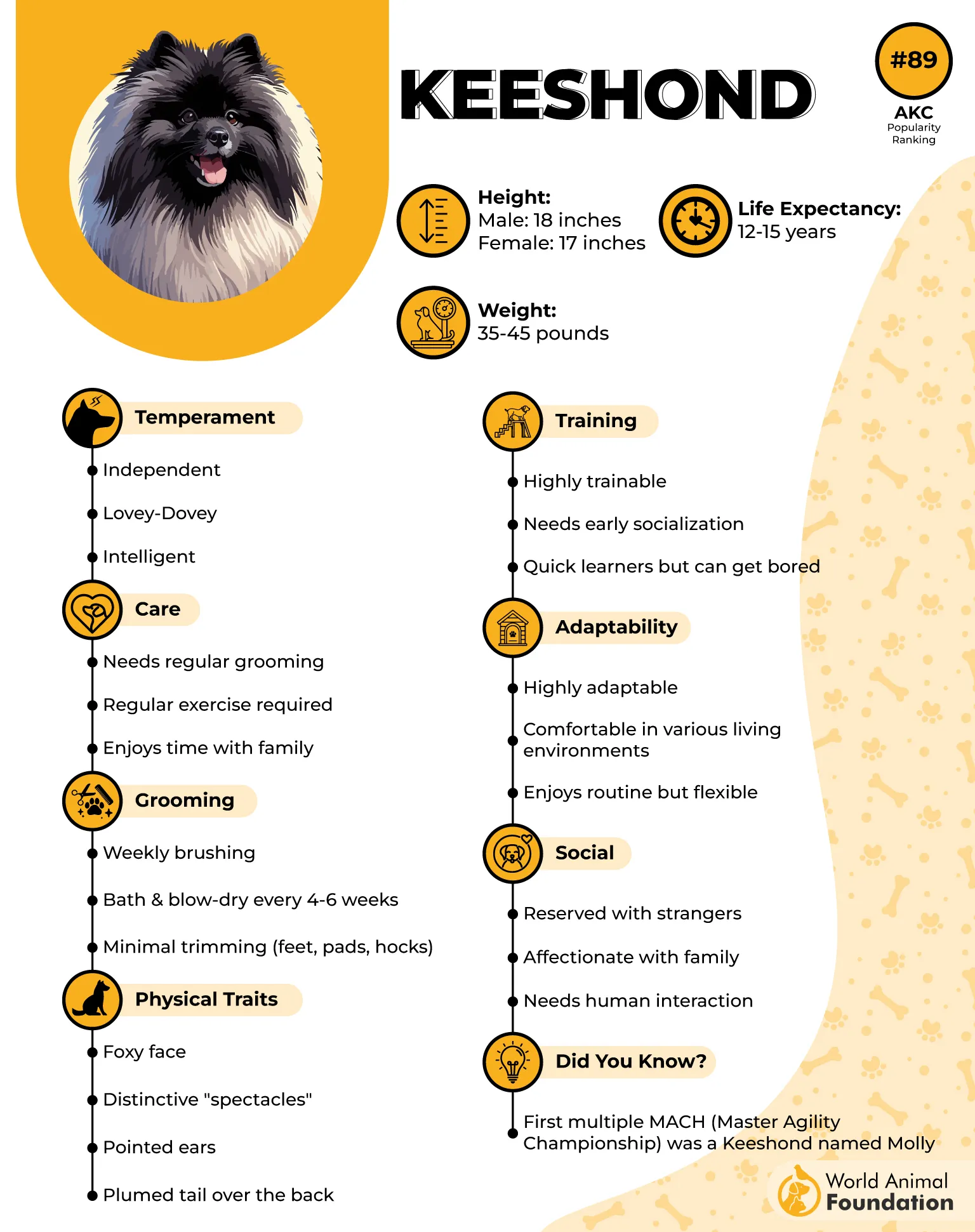
They show their playful and intelligent nature by responding to positive methods. Their body structure makes them more suitable for snowy environments than for hot weather conditions.
The breed requires moderate exercise for its happiness. The dogs participate in outdoor activities, which include agility and scent work, while they spend their time outdoors during the winter seasons.
10. Akita
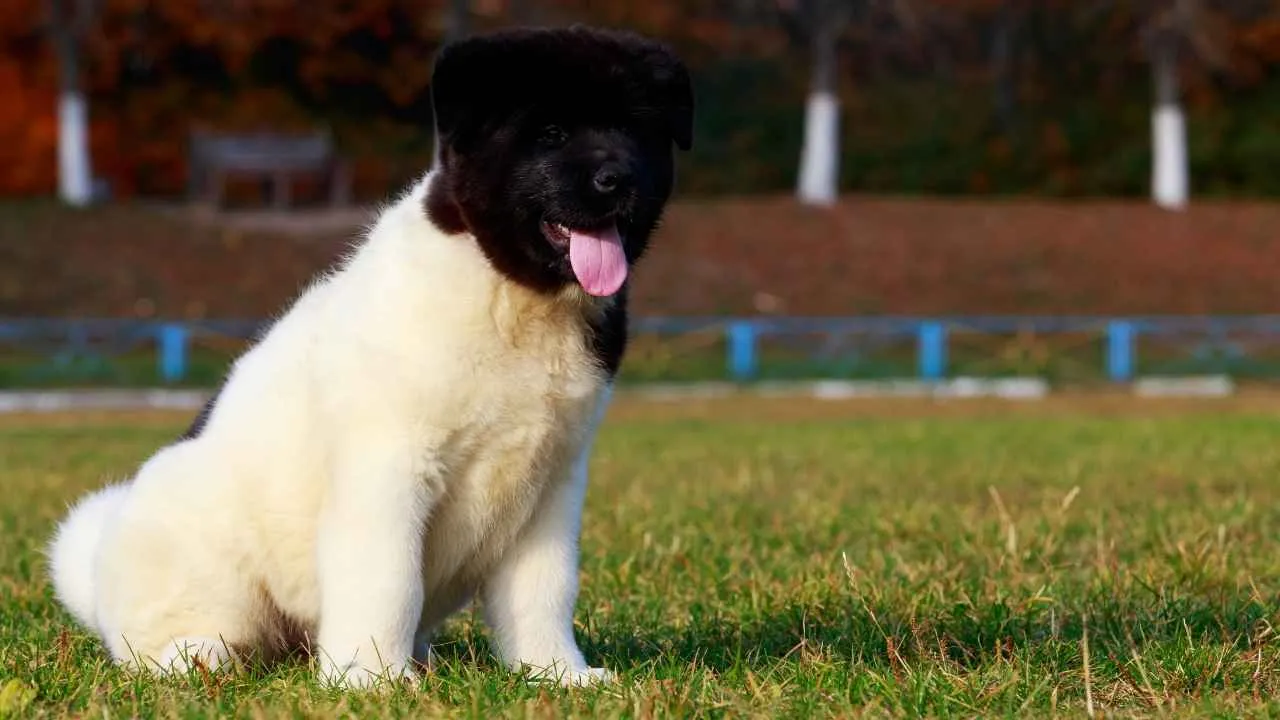
The Akita originated from the snowy mountain areas of Japan and possesses both dignified and powerful qualities. The ancient working dog breed, originally developed for royal protection and boar and deer hunting purposes, gained its exceptional capability to work in cold weather conditions.
The Akita developed into an independent and tough dog breed because of its need to endure harsh winter conditions and physical challenges.
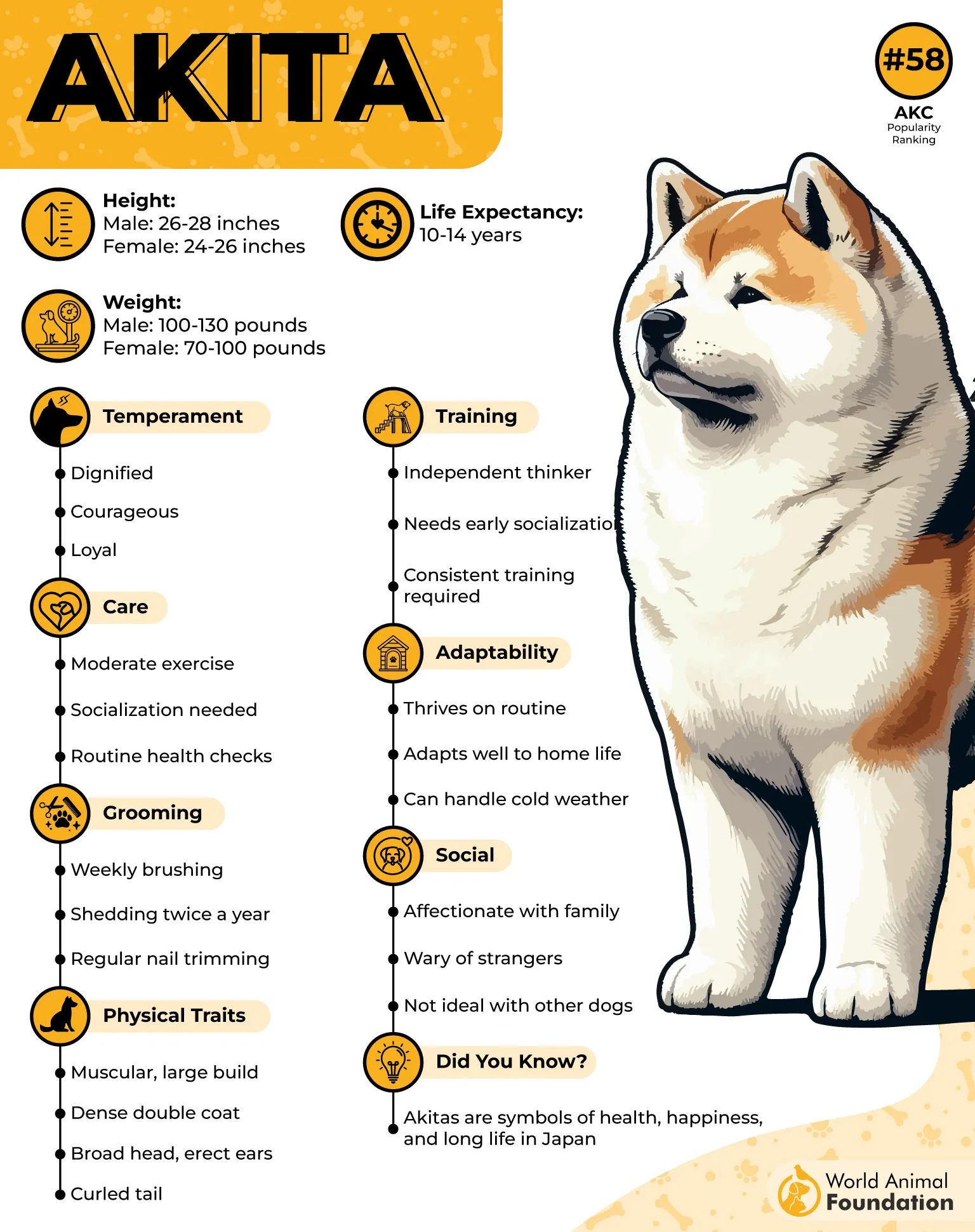
The dog displays calm behavior without excessive energy because it possesses permanent strength and natural self-assurance. The Akita shows the best response to structured routines, which need their handlers to show both authority and respect.
Royal Canin states that daily exercises with a structured schedule help dogs build muscles and maintain their mental health while reducing the chance of developing boredom-related behavior problems.
Conclusion
People need to study history together with their physical characteristics before they can choose the best dog breed for playing in snowy weather. All snow dog breeds, from Siberian Husky to Saint Bernard, descended from dogs that the US military trained to work in frozen environments.
Dogs can remain active while they stay warm because of their thick coat and dense underlayers, which enable them to show natural endurance during wintertime. The dogs show great strength when they pull sleds and guard livestock, and help with mountain rescue operations.
These loyal dogs provide strong protection and everlasting excitement to families who enjoy winter sports and live in cold regions.
