




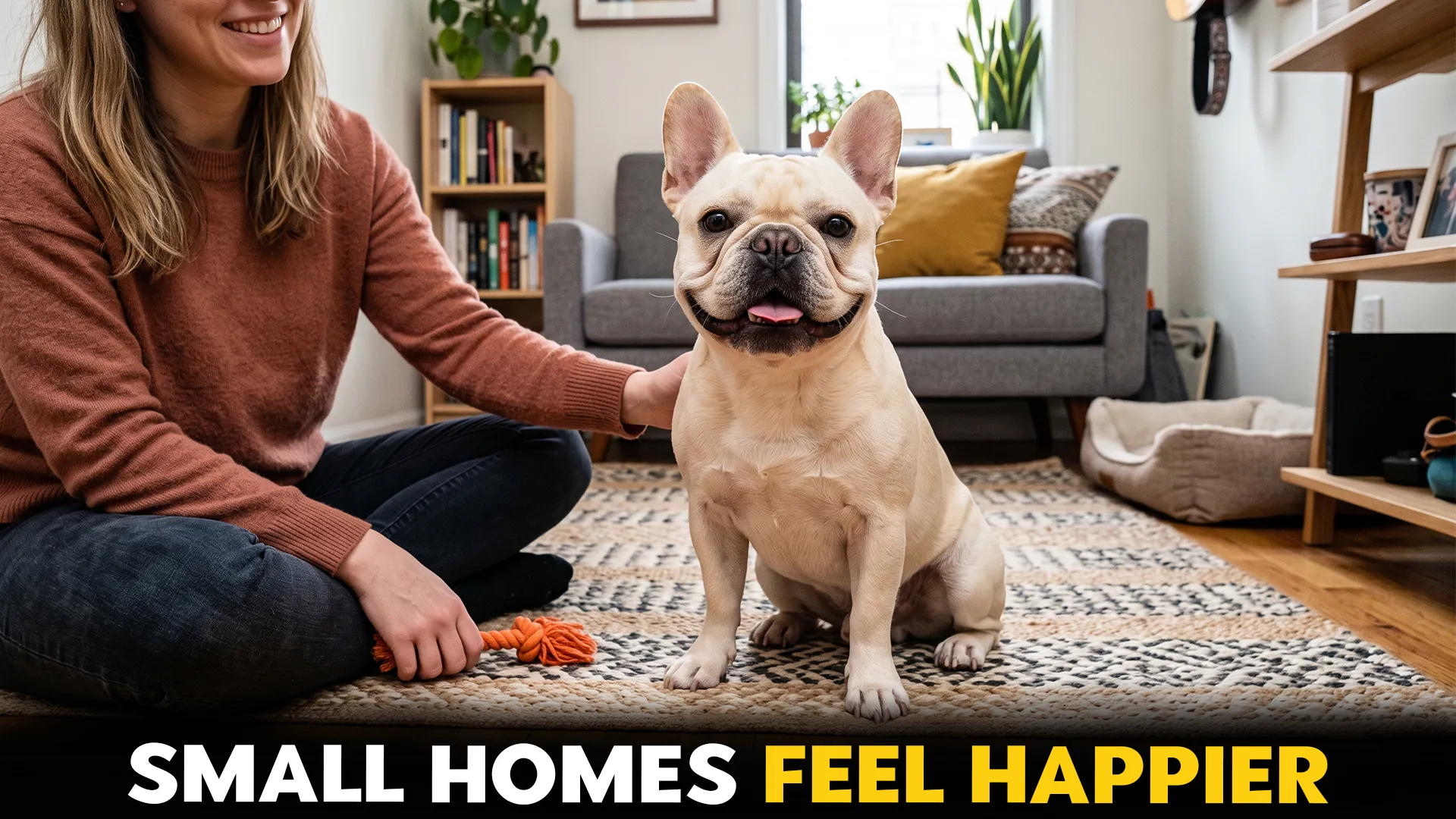
The wrong dog can make a small home feel even smaller. Space limitations become frustrating when a dog’s needs do not match the owner’s lifestyle.
Many people only think about whether a dog physically fits inside their home, but the real question goes deeper. Can the dog adjust to the daily rhythm, available space, and routine of the household? Finding the right match can completely change the experience of dog ownership.
Instead of constant adjustments, the relationship becomes easier, calmer, and more enjoyable. Small space owners deserve companions that bring happiness without creating unnecessary difficulties. The key is knowing which qualities support comfortable living in compact environments.
This article highlights excellent dog breeds for apartment living owners and provides insight into what makes certain dogs a better fit for homes where smart choices matter.
Key Takeaways
Small homes often work best with dogs that understand space without needing constant room to move or constant change in routine.
Shih Tzu and Pomeranian show how compact dogs can still bring a strong personality, from quiet indoor habits to lively curiosity that fills even the smallest rooms.
Chihuahua, Havanese, and Yorkshire Terrier add different layers of companionship, from close emotional bonds to playful energy that stays manageable indoors.
By the time you reach the end, the contrast between these excellent apartment dogs shows how the right choice can completely reshape small-space living.
Excellent Dog Breeds for Small-Space Owners
1. Shih Tzu
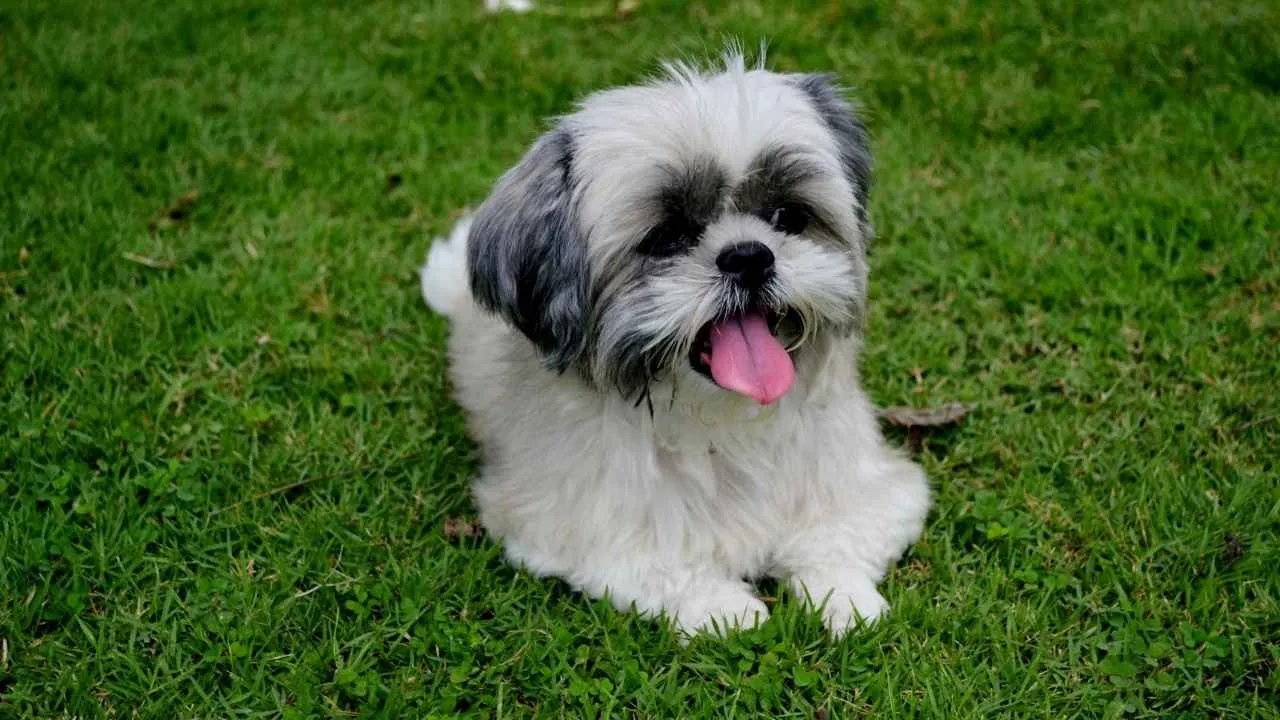
Shih Tzu spent centuries associated with Chinese culture and Buddhist traditions, where it was often referred to as the Lion Dog. Early accounts also connect this breed with Tibet, and its appearance closely resembled dogs that were once grouped with the Tibetan Terrier and Lhasa Apso.
Content Indoors
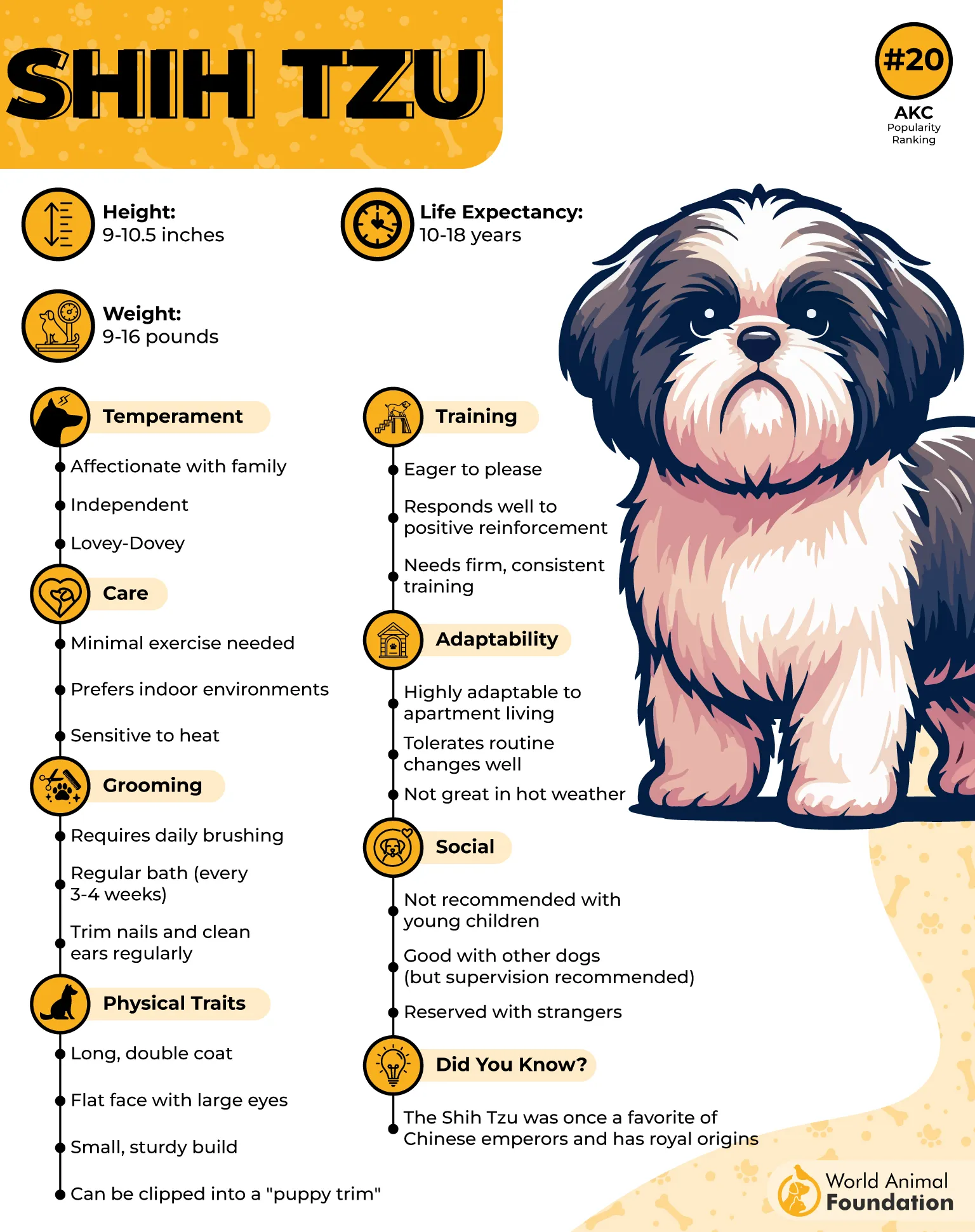
This small dog breed fits comfortably into a smaller home because its daily needs are fairly modest compared with more demanding breeds. A short, daily walk around the block is often enough before this little companion heads straight for its favorite resting spot.
These interesting details help complete the picture:
It doesn’t like to be left alone
Happy to meet new faces and other dogs
Grooming needs to be done daily
Training Takes Time
Shih Tzu approaches learning with a noticeable “what’s in it for me?” attitude, which can test patience during training sessions and daily routines, as per Omlet. House training often takes longer than expected, while consistency, praise, and rewards usually produce the best results over time.
2. Pomeranian
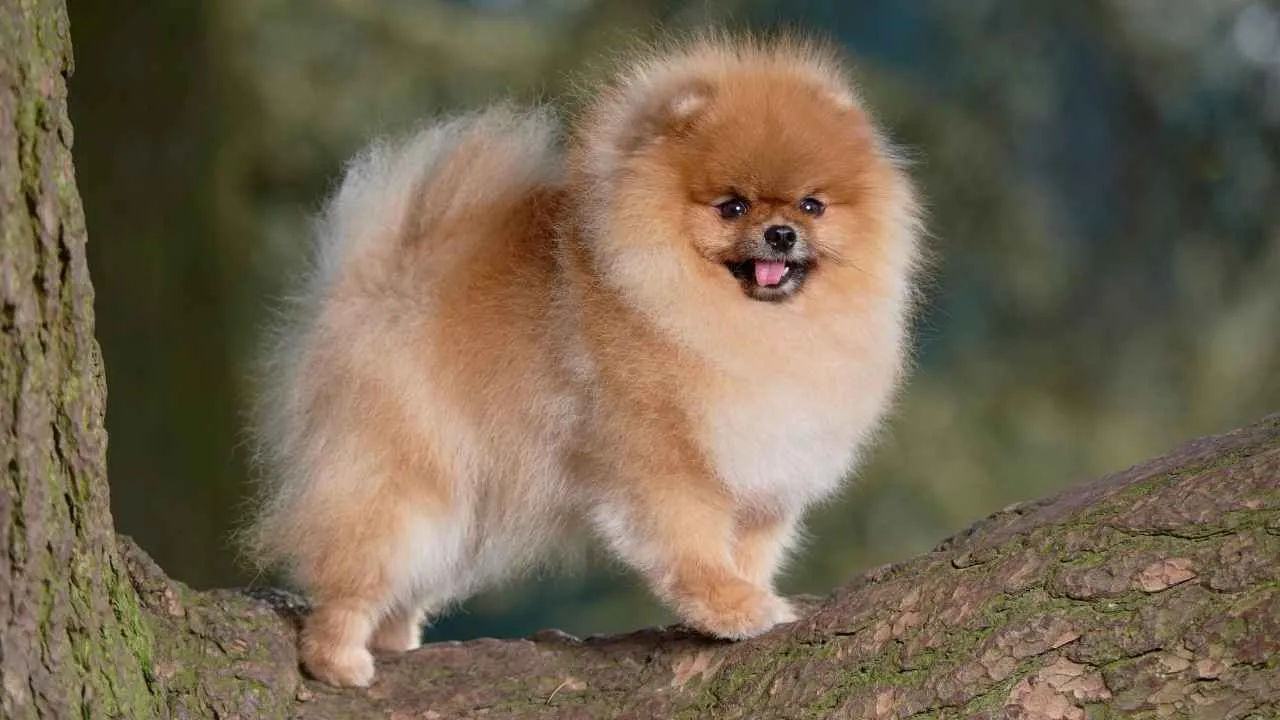
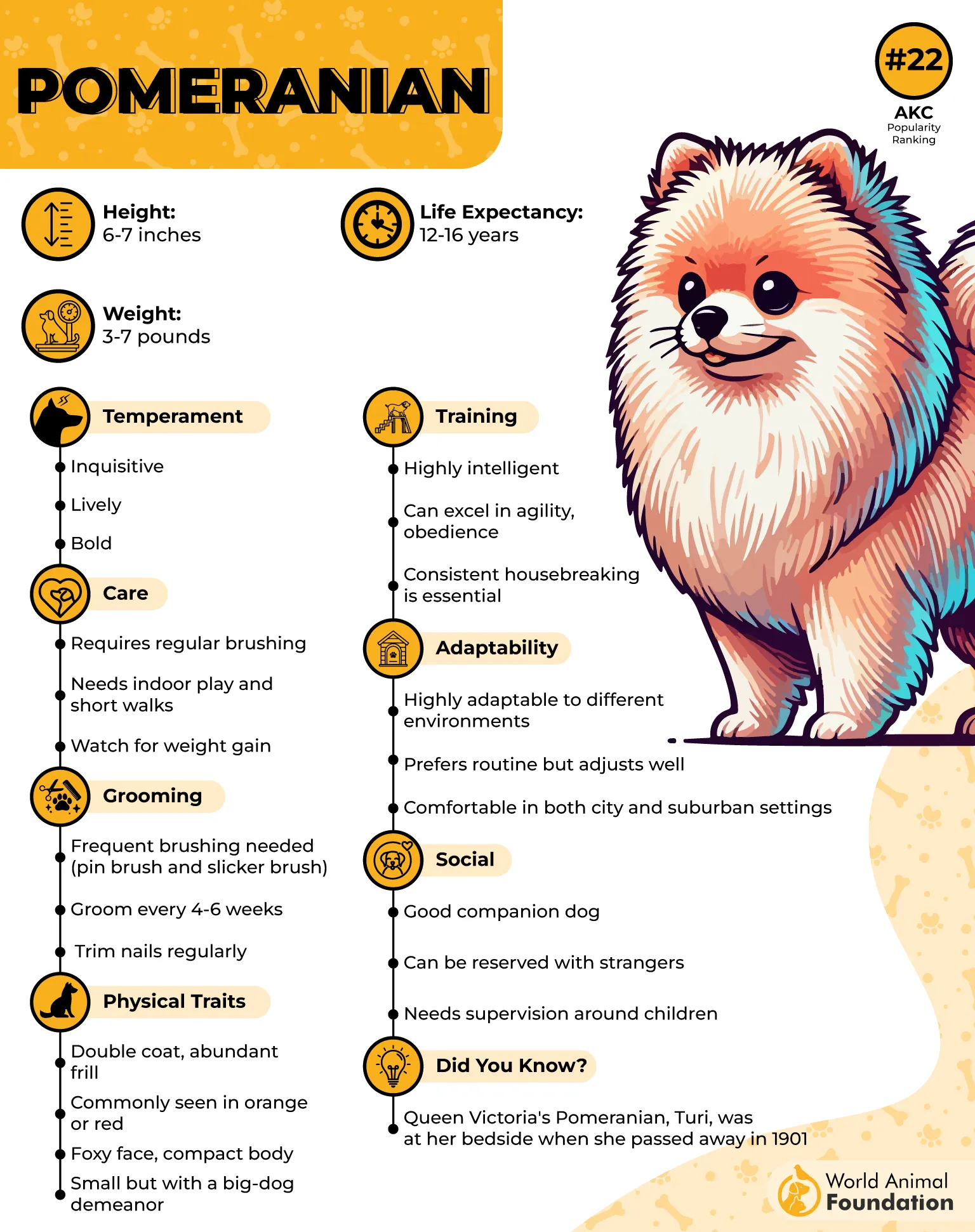
The Pomeranian comes from the Pomerania region of Poland and Germany and is widely linked to the German Spitz. Selective breeding gradually reduced its size, creating the compact companion that later caught the attention of figures such as Queen Victoria.
Always Involved
Poms rarely ignore what is happening around the home and seem determined to investigate every new sound, visitor, or activity, as stated by Greencross Vets. Its lively personality and constant curiosity help keep daily life entertaining.
The following characteristics add extra context:
Also called Zwergspitz
Satisfied running around the garden
Frequently participates in agility and obedience
Confident Character
Pomeranian often approaches life with far more confidence than their size would suggest and can be protective when unfamiliar people arrive. Early socialization helps it become more comfortable around visitors, while introductions with larger dogs benefit from extra care.
3. Chihuahua
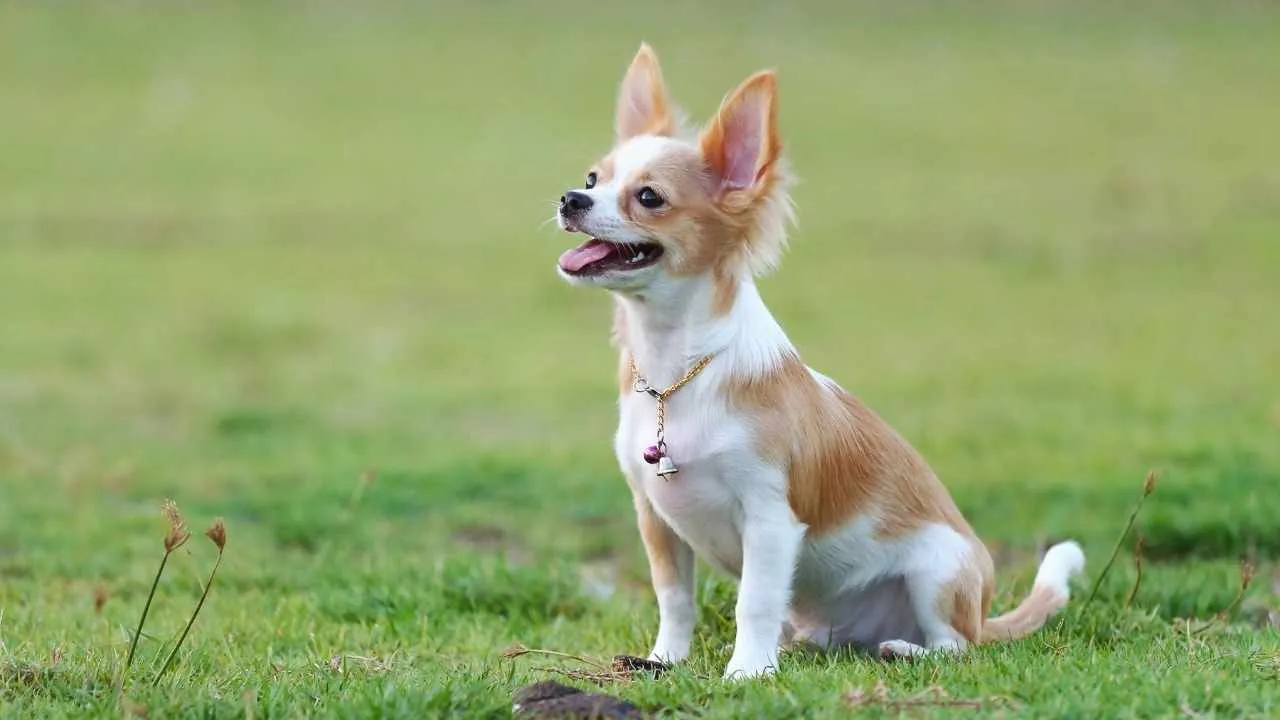
Chihuahua remains one of the smallest dog breeds, yet its confidence often surprises people encountering it for the first time.
The breed’s early beginnings remain uncertain, with theories linking it to both Asia and regions of Central and South America before dogs were identified in Chihuahua, Mexico, during the 1850s.
A Natural Housemate
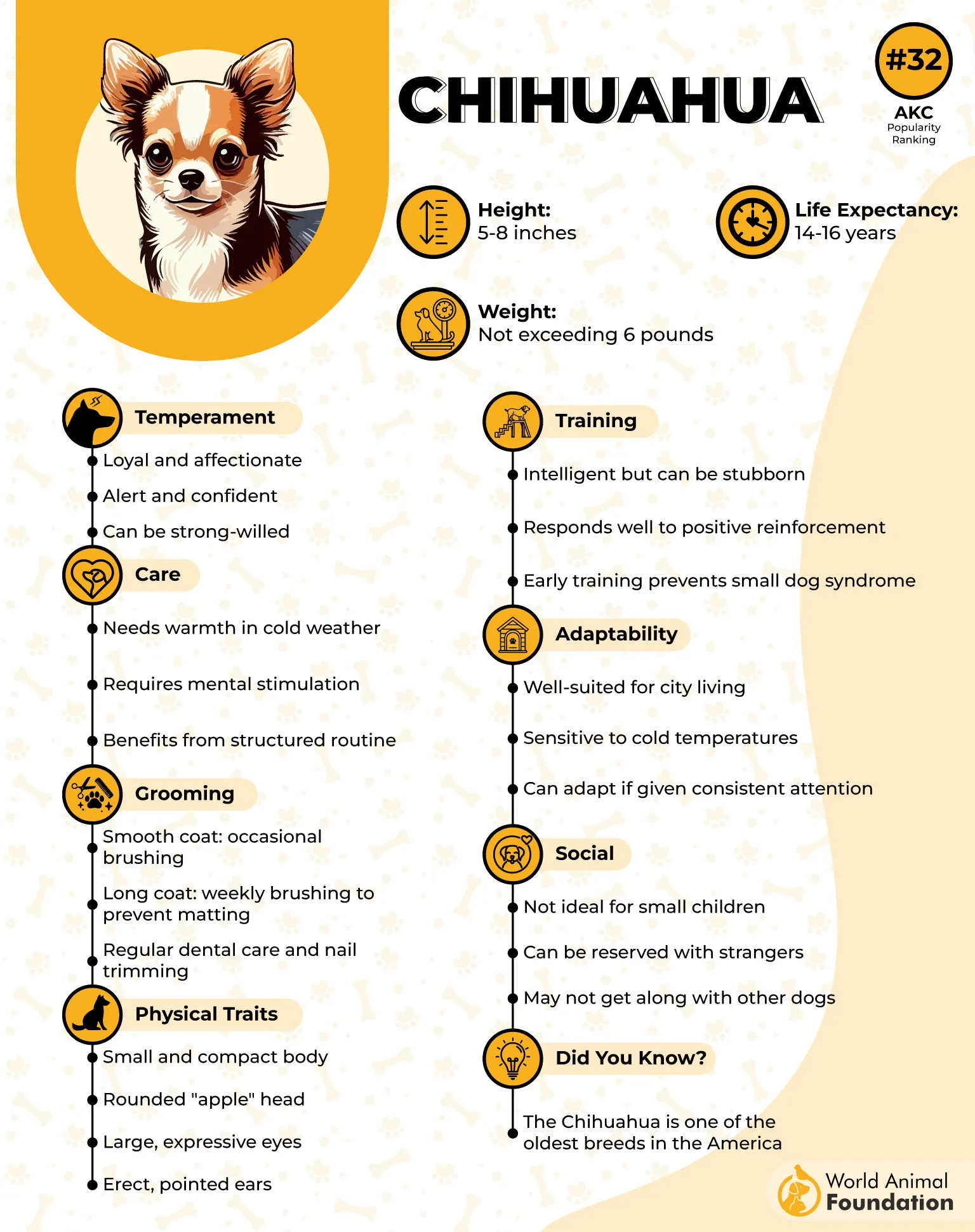
This apartment dog breed gained popularity because people discovered how well it fit into daily life as a companion rather than a working dog. They are content with moderate exercise needs, including short walks and indoor play.

The personality traits of this best dog breed are shown here:
Ranked among America’s top 20 breeds
Frequently described as a miniature Terrier
May become timid around others
Close Bonds
Chihuahua often directs most of its affection toward one person and can become highly protective of that relationship. This tendency makes early training especially important, helping prevent excessive possessiveness and encouraging better interactions with others in confined spaces.
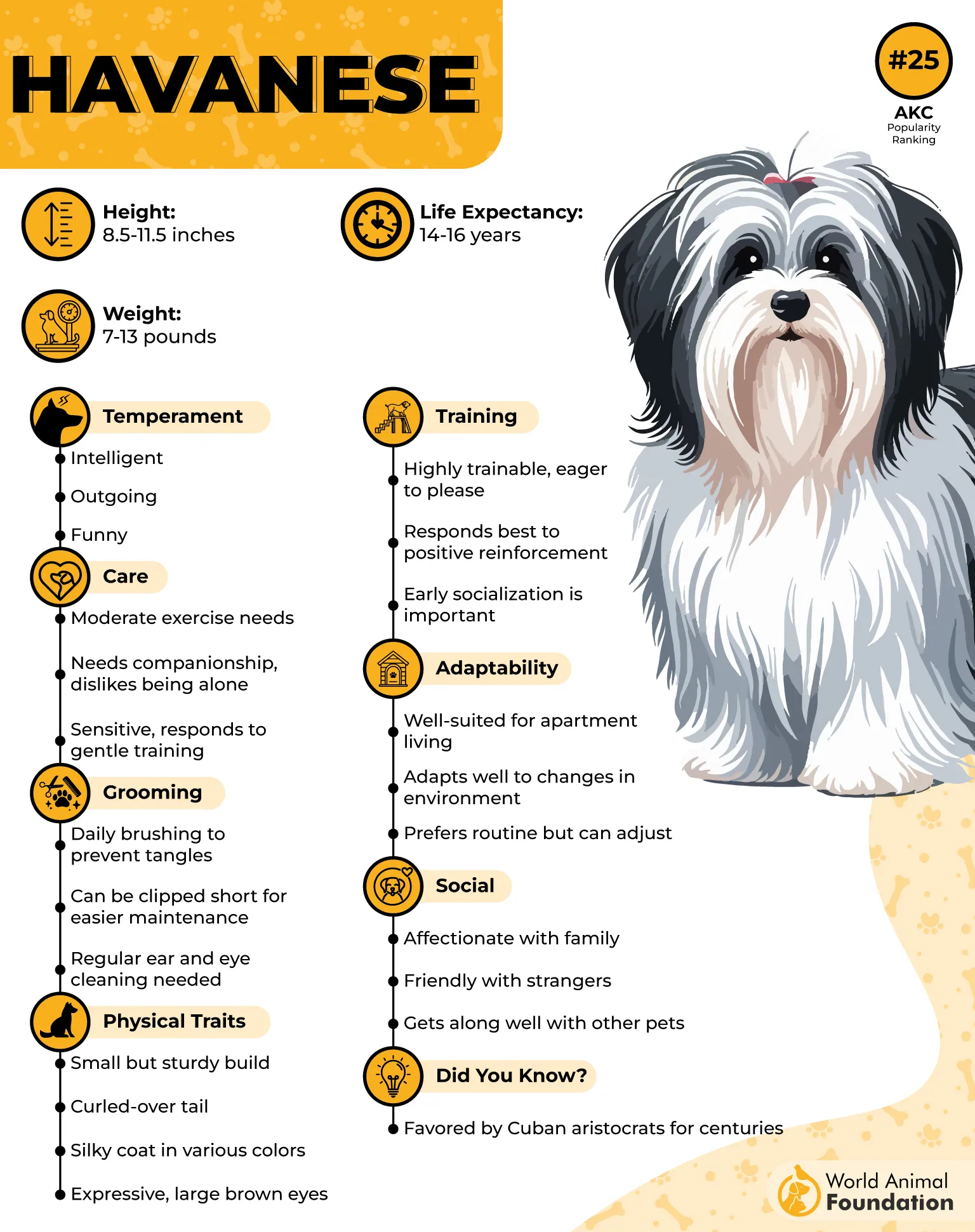
4. Havanese
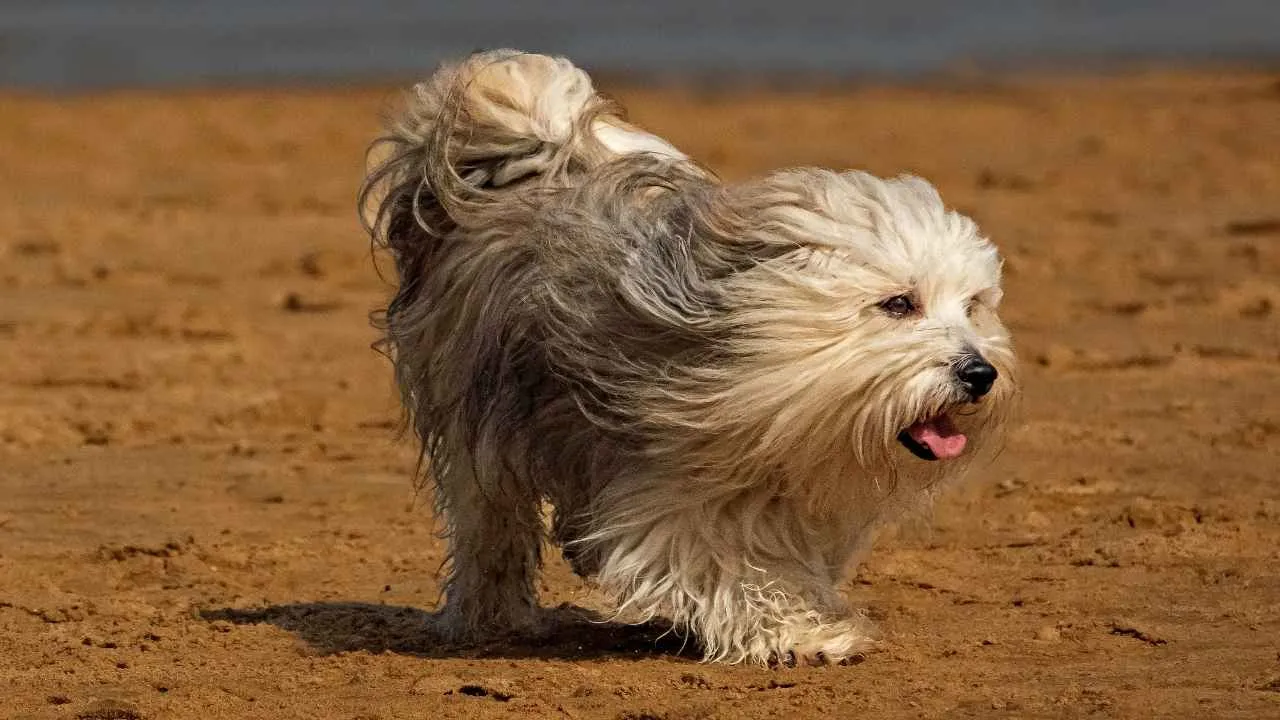
Havanese gained popularity in Cuba after arriving with Spanish traders, eventually becoming associated with wealthy households across the island.
Later, these lively little dogs also found work in circuses, where their quick learning ability and engaging personality proved useful, as VCA Hospital describes.
Always Involved
This furry friend likes to be a part of whatever is happening around the home and usually prefers company over solitude. This constant interest in people is one reason the breed adapts so naturally to close living space.
These details reveal even more about its journey:
Once nicknamed “White Cuban”
Part of the Bichon family
Modern lines descend from dogs imported to the U.S. in the 1960s
Quick to Learn
Havanese enjoys figuring things out and often approaches training sessions with enthusiasm and curiosity. Consistent guidance works particularly well, while the breed’s playful antics can sometimes persuade people to bend the rules without noticing.
5. Yorkshire Terrier
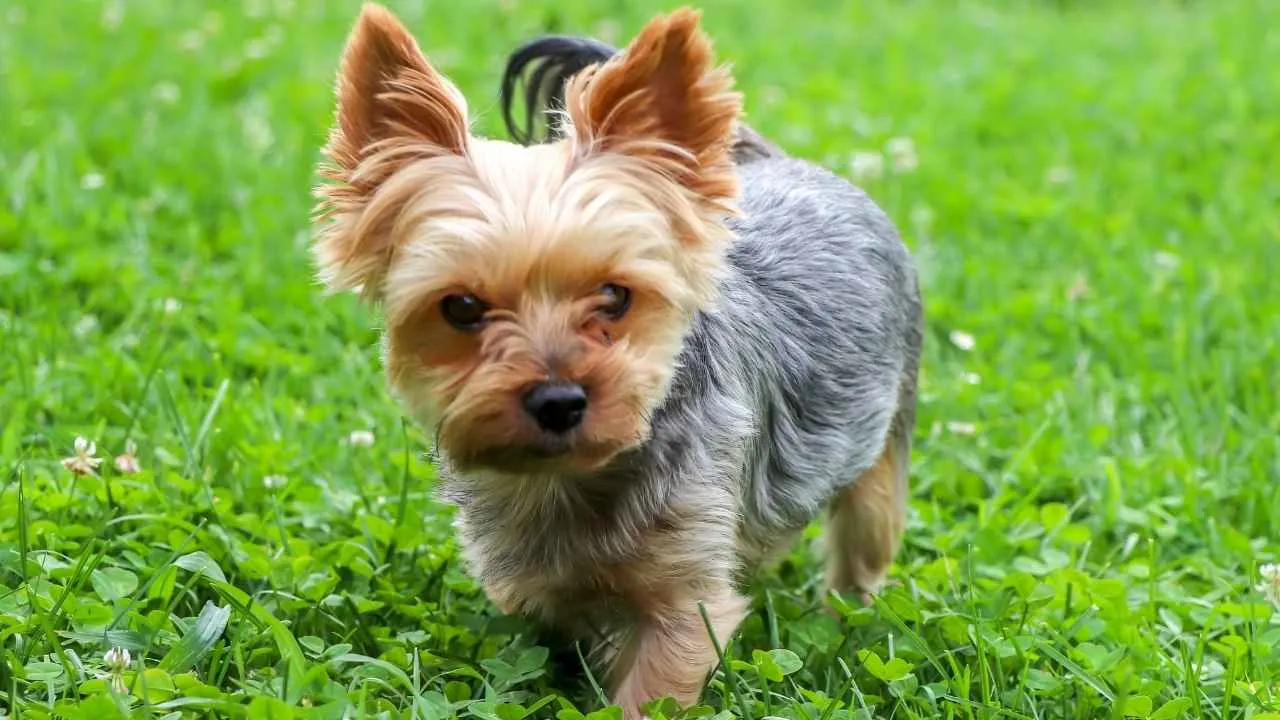
Yorkshire Terrier began in Yorkshire during the mid-19th century after Scottish workers brought small terriers to local cotton mills. These dogs were used for catching rats in the mills before later becoming a much smaller companion breed with a bold personality.
Compact but Busy
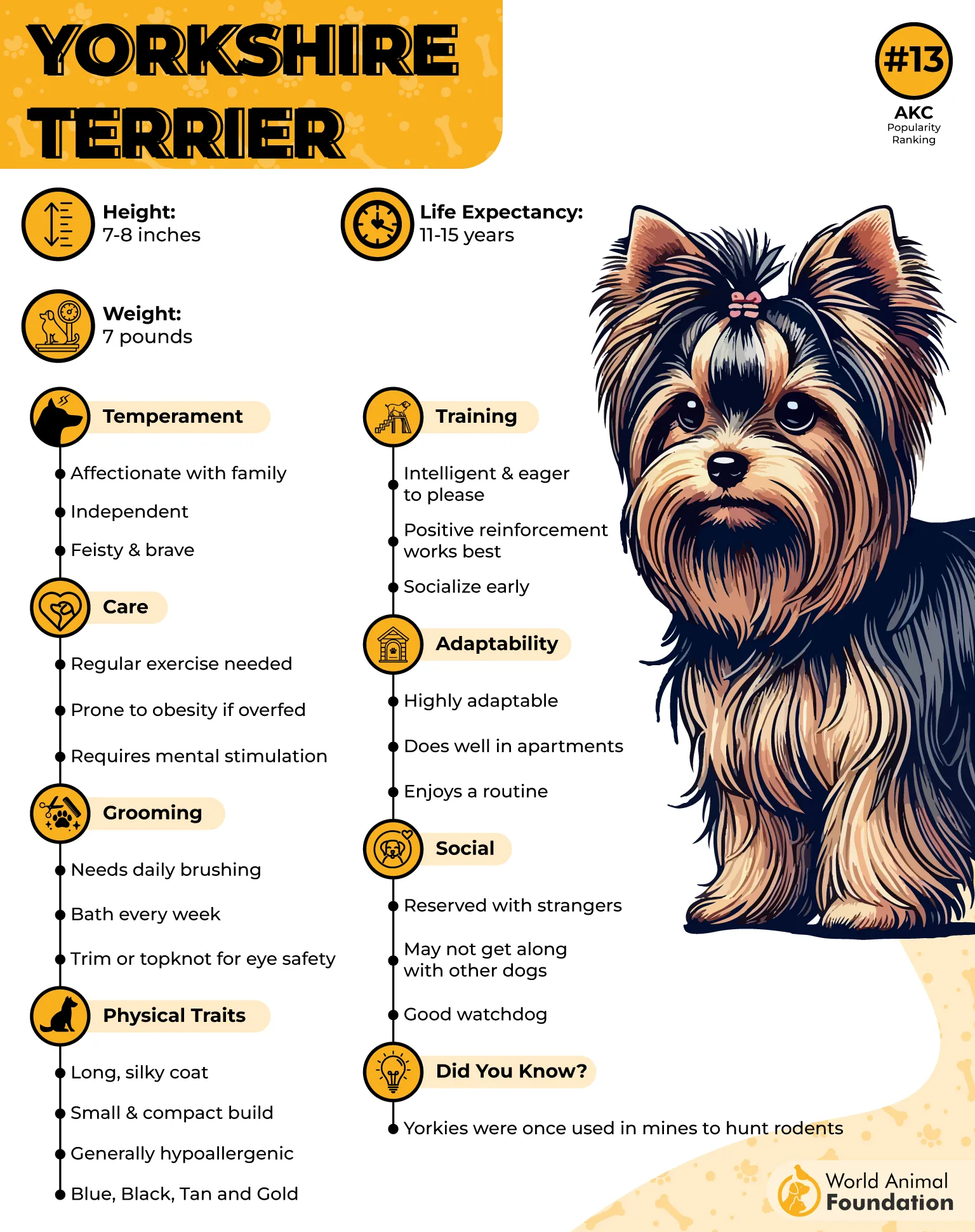
This tiny dog brings plenty of energy into a small frame and often fills a home with curiosity and activity throughout the day. Short walks, indoor fetch games, and regular mental challenges help satisfy this alert little terrier.
To understand it better, these key traits stand out:
Originally worked in cotton mills
Bred toward a size under 10 pounds
Classified as a working terrier
Maintenance Need
The Yorkshire Terrier sheds less than many other breeds, which makes it a practical choice for smaller homes and everyday living. Its long hair still needs daily brushing, while the shorter “puppy cut” is often chosen to keep grooming a bit easier and more convenient.
6. Pug
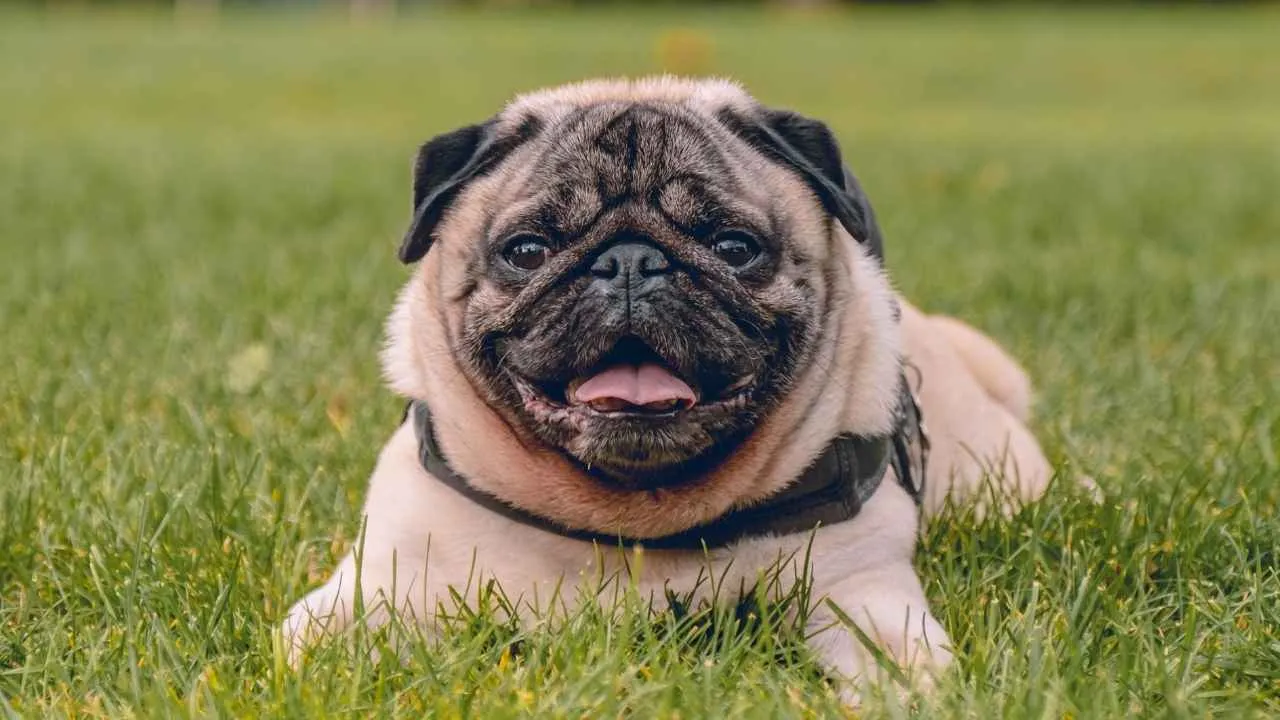
Pugs have a long connection with people, beginning in the Orient before becoming a favored companion in Europe during the 1700s through trade routes.
Its name is linked to the Latin word “Pugnus,” referring to the breed’s fist-like facial shape, while another theory connects it to small pet monkeys popular at the time.
Made for Togetherness
As bred around companionship, they often prefer being close to the people they know throughout the day. This playful little dog enjoys attention and family time, and can turn ordinary moments into entertaining performances with its cheerful personality.
This is what makes the breed history truly unique:
Nicknamed the “shadow” dog
Descended from mastiff ancestry
Linked with Tibetan monastery life
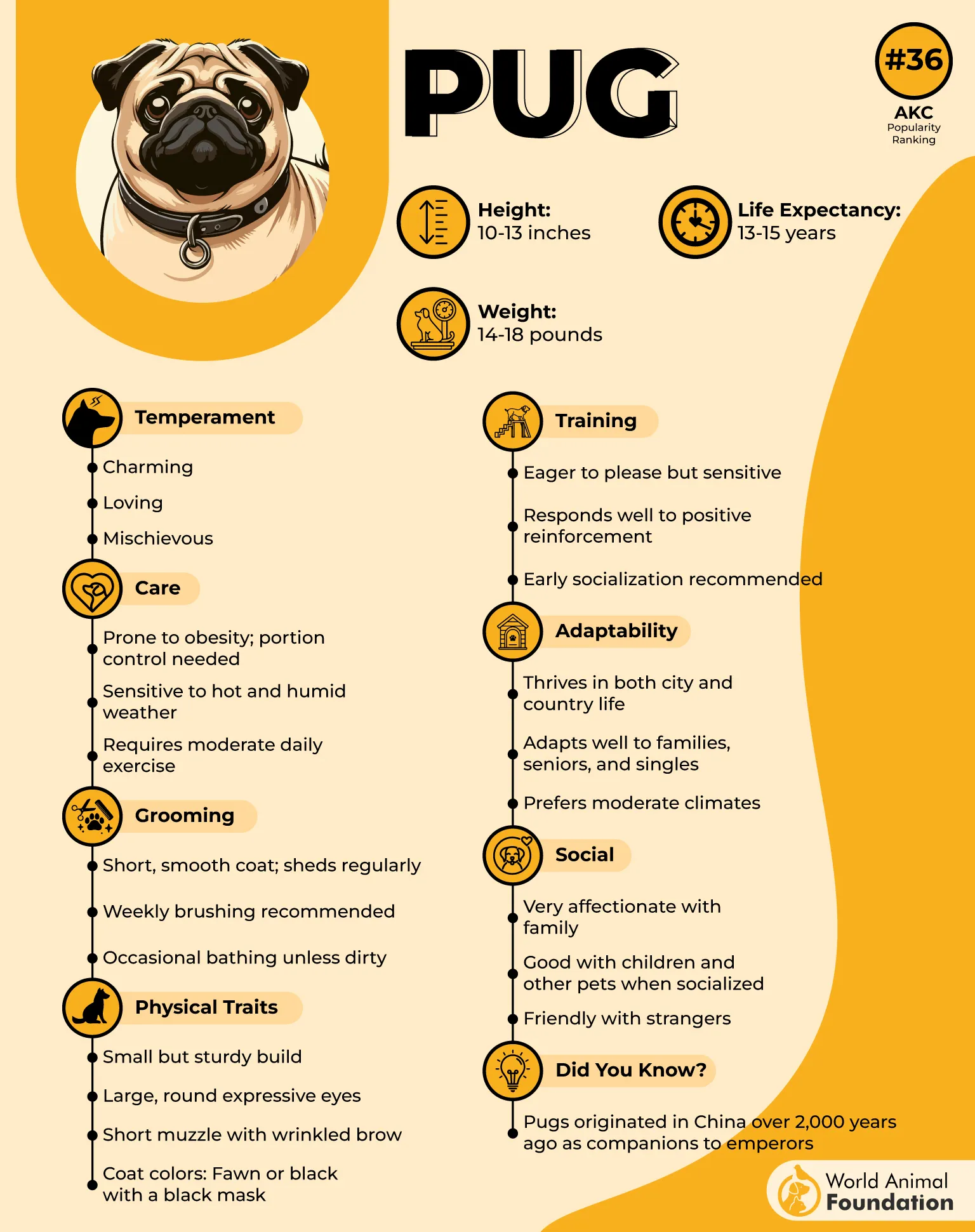
Everyday Personality
In an apartment setting, they enjoy climbing onto laps, sofas, beds, and favorite chairs while seeking attention from their people. This affectionate breed can also be quite food-focused, so regular walks and careful meal portions help manage weight while keeping their daily routine balanced.
7. Bichon Frise
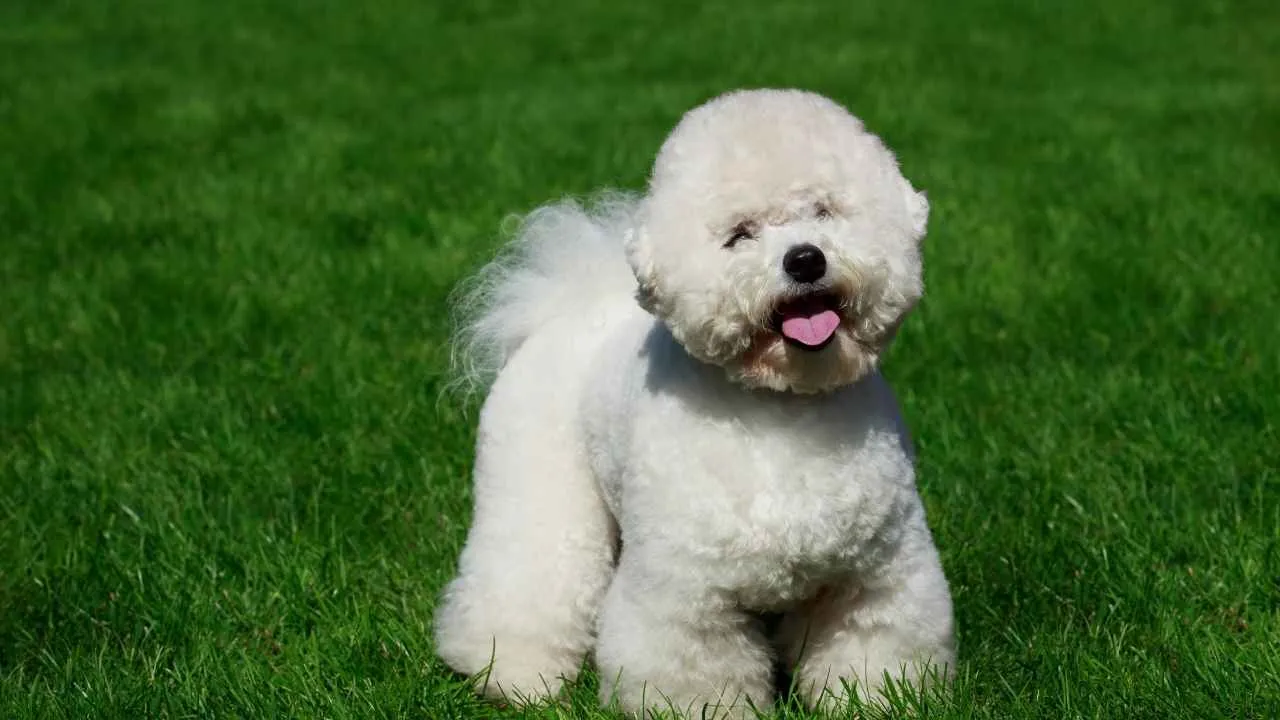
Bichon Frise began its journey in the Mediterranean, where small white dogs were crossed with larger water dogs to create the Barbichon group. Later, it connected with the Tenerife type, and this breed became valued for its cheerful personality and close bond with people.
Small Dog, Big Personality
As a great apartment dog, they fit well into homes with limited space because it enjoys being near their people more than needing large areas to explore. Short walks and daily interaction often suit this playful companion’s routine.
A few details add more depth to this charming dog:
Origin linked to Mediterranean sailors
Used by street performers for tricks
Hypoallergenic coat often shaped with a puppy cut
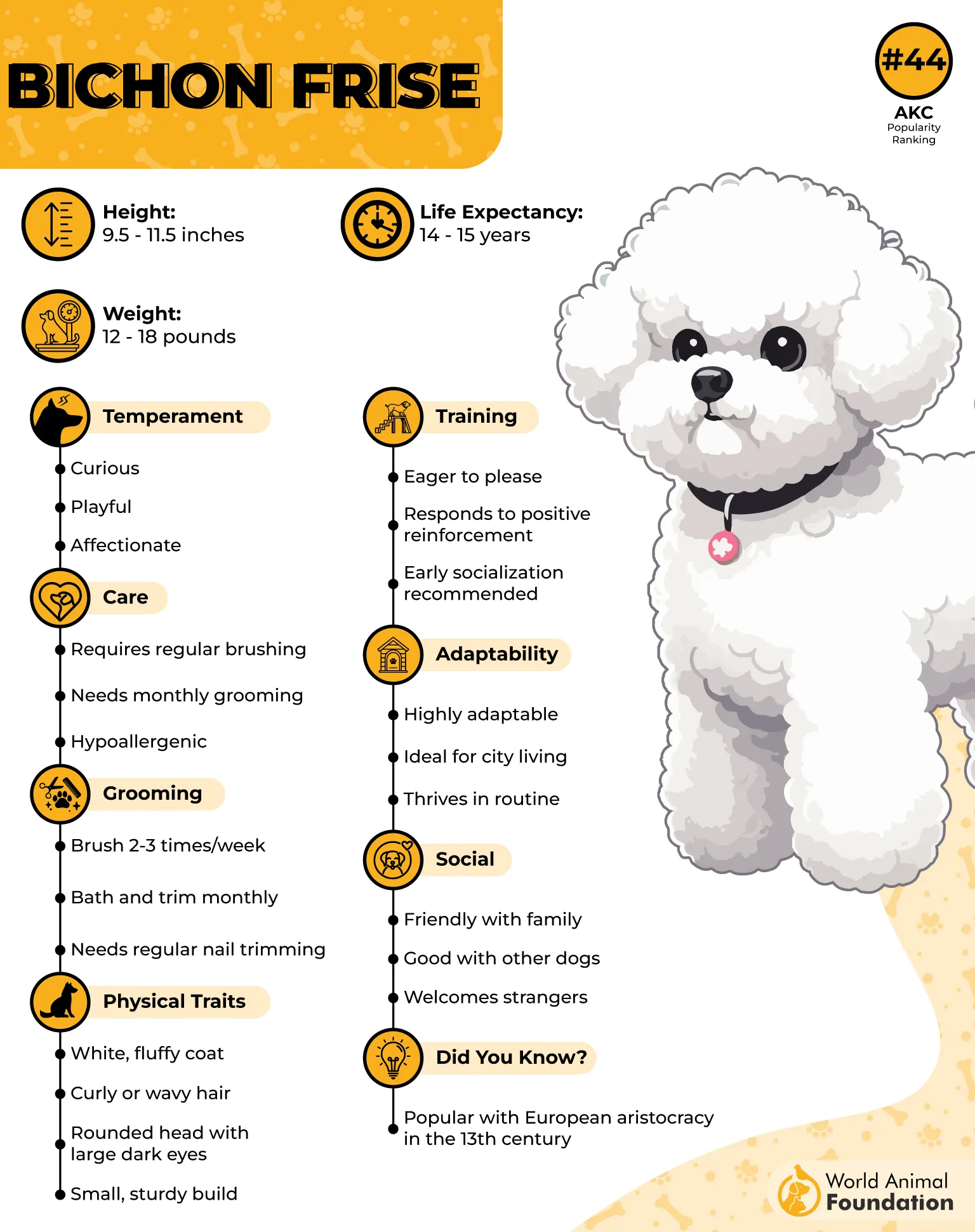
Social by Nature
Bichon Frise enjoys attention and often wants to be involved in everyday activities around the home. Its friendly attitude usually extends easily toward visitors, other dogs, and other pets, while boredom can sometimes lead to unwanted behaviors.
Conclusion
A comfortable home is not defined by how much space it has, but by the connection created inside it. The right dog breeds for apartments can bring warmth, energy, and companionship without making a smaller environment feel overwhelming. Their breed characteristics often show how different personalities adapt to their surroundings.
Whether a dog enjoys quiet routines or playful interaction, balance remains the key to successful small-space living. A gentle temperament and low maintenance needs can make ownership easier, while even some larger breeds can adjust with the right care. When the match feels natural, any home can become a place filled with happiness and unforgettable moments.
