




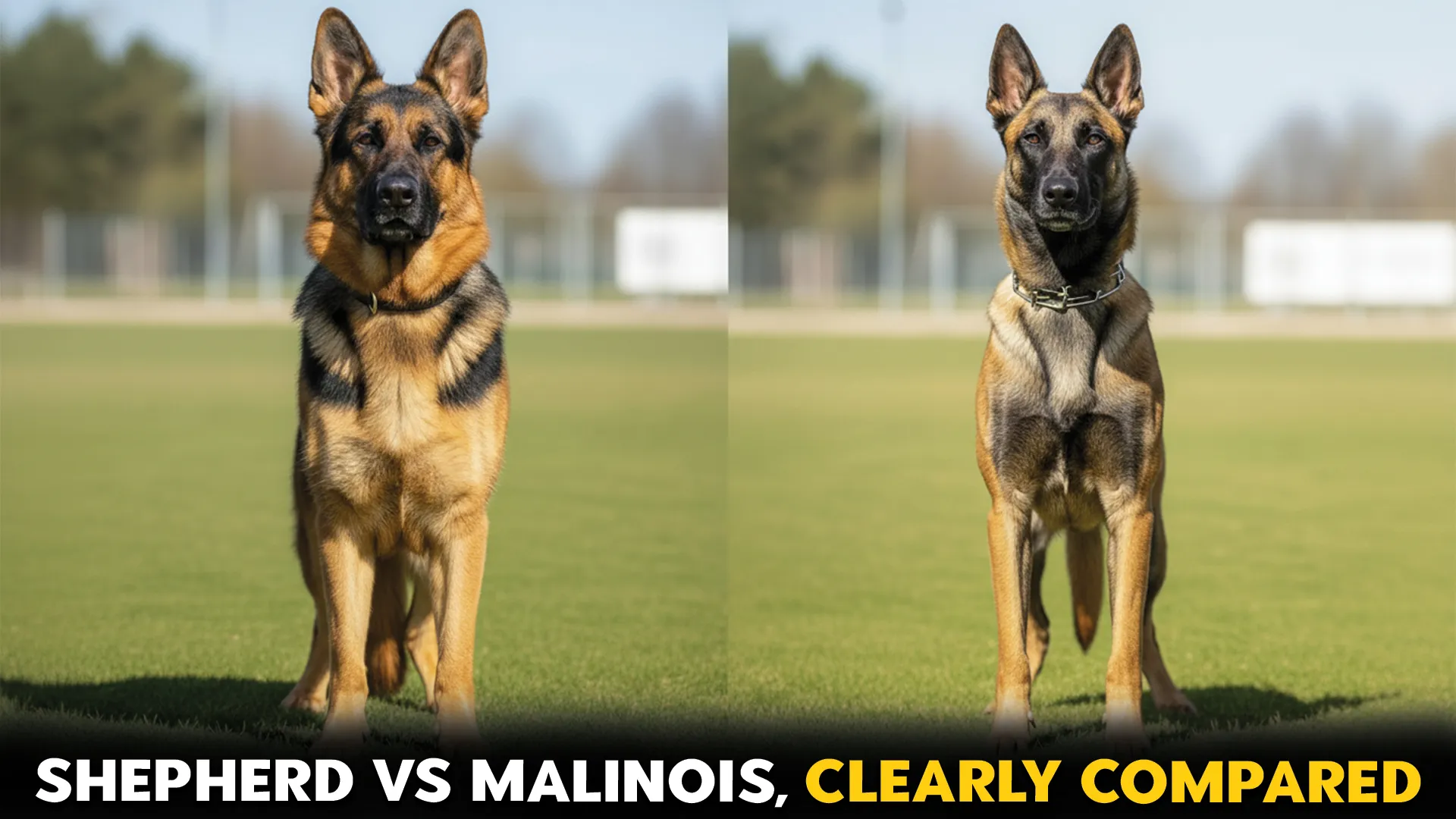
At first glance, these two legendary working dogs can look like long-lost cousins. Same confident posture, same alert expression, same unmistakable “I’ve got this” energy. It’s easy to assume they’re basically the same dog with a different name. But once you live with one, train one, or even pass one on a neighborhood walk, the differences start to show up fast, and they are hard to miss.
From body shape and movement to personality quirks, focus level, and daily needs, these beloved breeds may share roots, but they grow into very different lifestyles. Whether you are choosing a future companion or just love spotting subtle dog details, this side-by-side breakdown clears up the confusion in a fun, practical way and might even surprise you along the way.
Did you know?
Herding dogs used to be grouped with traditional working dogs because of their intense drive and intelligence. They were later given their own category since managing livestock requires independent thinking, quick decisions, and constant communication with humans.
Essential Comparisons of German Shepherd and Belgian Malinois Dog Breeds
Origins & Purpose
Every great working dog has a backstory, and these two breeds read like epic origin tales. One was shaped by a single visionary with a mission, the other by practical herders who cared only about results. That difference still echoes today.
As noted by Purina, German Shepherds started as quiet workers, herding sheep like living fences without barking. Their story stretches back centuries, shaped by herding roots, wartime name changes, and later roles with police and armed forces.
Up in Belgium, near the city of Malines, breeders obsessed over performance rather than trends. The Malinois emerged as a sharp, driven herder prized by cattlemen. Because of their relentless work ethic, they were later used for military work, search and rescue missions, and dog sports.
Size & Physical Build
Before personality even enters the room, body language does the talking. These popular dog breeds communicate a lot just by standing still. Their frames hint at how they move, how they work, and how they approach a task without saying a word.
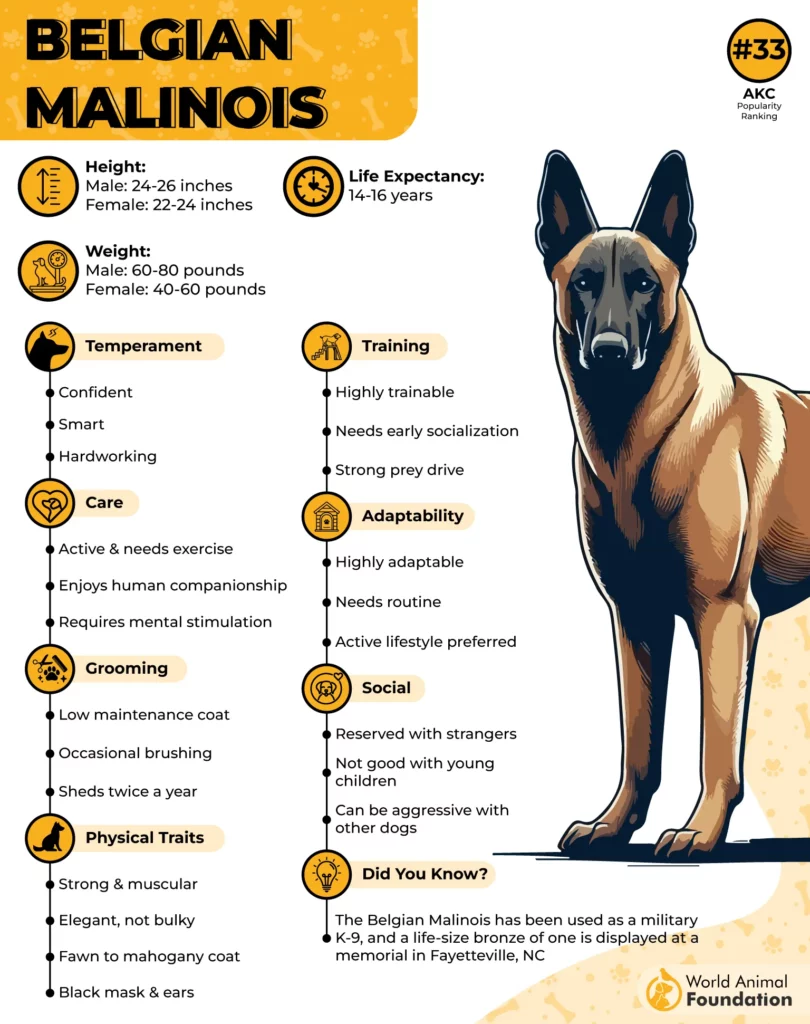
Squarely built and proudly alert, the Belgian Malinois carries a lean, athletic frame built for speed and precision. Strength shows without heaviness, giving them an elegant, ready-for-action look that feels all about movement and responsiveness.
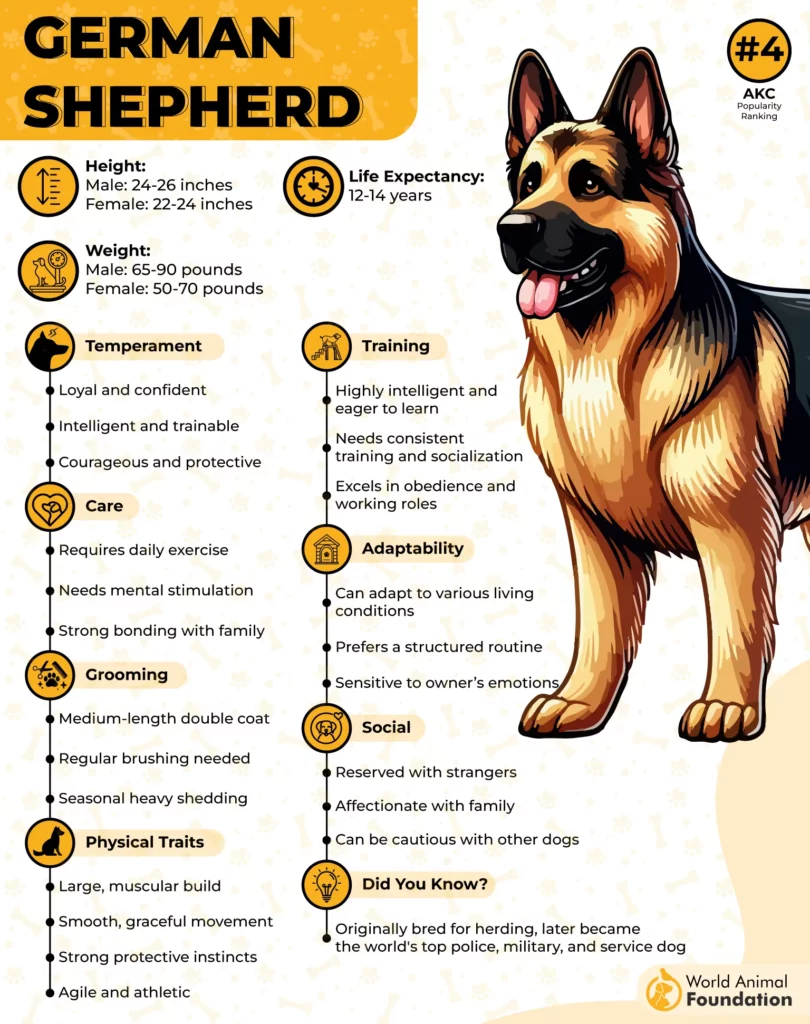
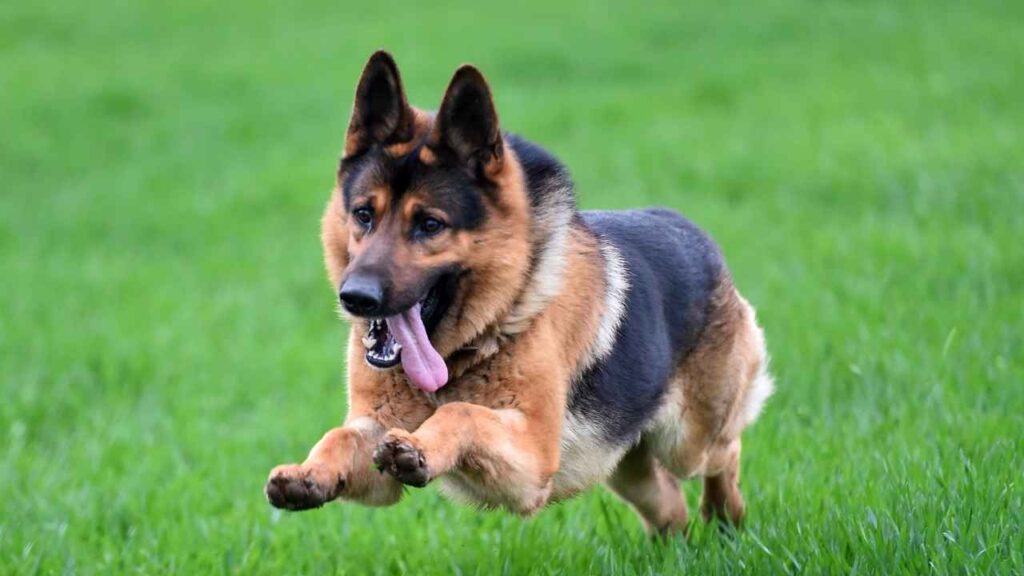
The German Shepherd brings a more substantial presence, with a broader frame and smooth, flowing lines. Their muscular build supports a powerful, ground-covering gait, projecting endurance, balance, and steady authority rather than quick, sharp motion.
Temperament & Personality
This is where the comparison gets spicy. Intelligence shows up differently depending on the dog holding it. One leans into calm confidence, the other crackles with intensity, and both approaches say a lot about how they connect with people.
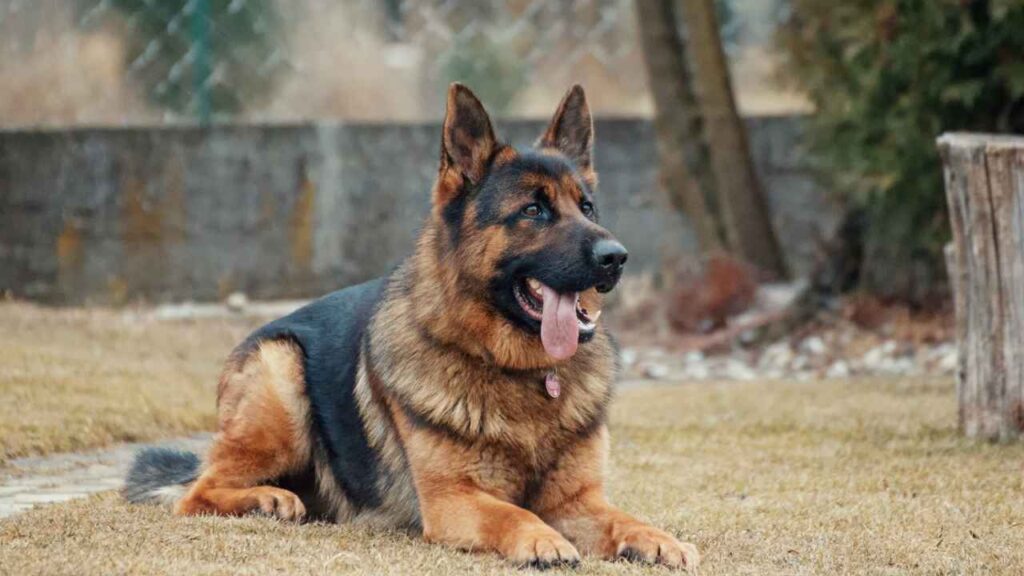
Loyalty defines the German Shepherd, paired with confidence and steadiness that runs deep. They bond intensely with their people and guard with intention, not impulse. A natural aloofness with strangers adds to their composed, watchful reputation.
The Belgian Malinois channels devotion through constant engagement and enthusiasm. Smart, confident, and intensely people-oriented, they thrive on shared activity. When unemployed, frustration shows quickly, making their need for partnership and purpose unmistakably central to who they are.
Exercise & Energy Levels
Energy isn’t just about speed or stamina here; it’s about lifestyle compatibility. These active dogs don’t casually fit into routines; they help define them. How they burn energy shapes the rhythm of daily life in very different ways.
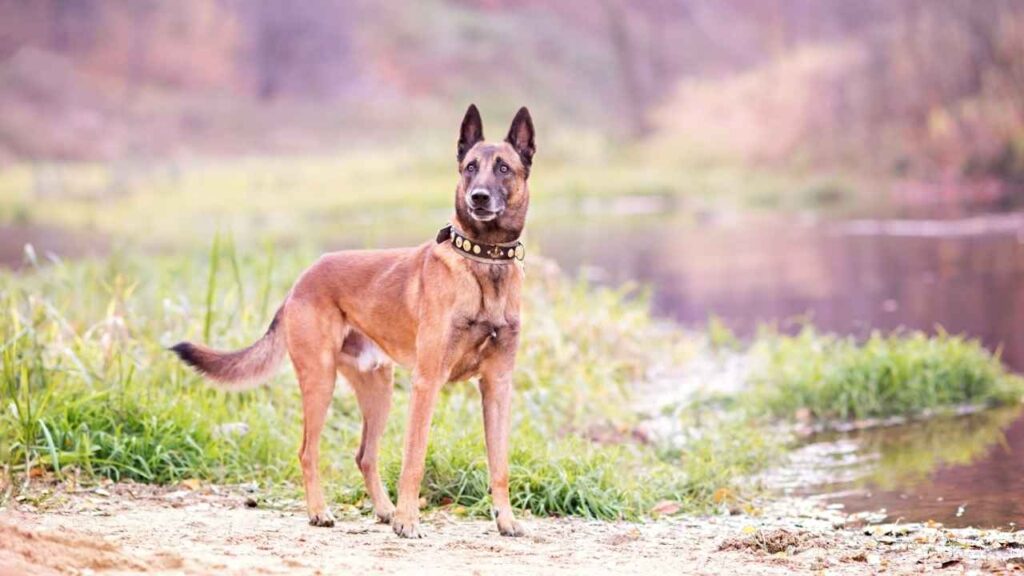
As mentioned by PetMD, Belgian Malinois bring fierce loyalty and serious brainpower, paired with nonstop energy. Long runs, intense training, and challenging activities keep them satisfied. Without enough stimulation, they invent their own entertainment, and it is rarely subtle.
The German Shepherd dog also needs regular physical and mental outlets, though their rhythm feels steadier. Walks, play sessions, and structured canine sports help prevent frustration. When properly exercised, they channel that energy into focus, reliability, and balanced behavior.
Training & Intelligence
Brains play a huge role in long-term ease, and these two bring very different learning vibes to the table. Smart dogs can be wonderfully rewarding or hilariously exhausting. How they learn, focus, and respond shapes everyday life in surprisingly practical ways.
According to the American Kennel Club AKC, German Shepherds thrive when puppy classes and early social time are part of the plan. Smart and eager, they soak up reward-based training and feel their best when included in the daily buzz of family life.
Sharp instincts and intense focus define the Belgian Malinois learning style. Bred to notice movement and react fast, they excel when training channels that drive into structure. Early socialization and training keep that intelligence productive instead of restless or chaotic.
Health & Lifespan
Longevity and routine care quietly influence the long game of dog ownership. Fewer surprises make planning easier, especially when health expectations are clear upfront. Knowing what to watch for helps owners stay prepared and proactive over the years.
Most German Shepherds tend to live between 12 and 14 years and are generally healthy. Breeders screen for hip and elbow dysplasia and degenerative myelopathy. Owners should also learn bloat symptoms since it can be sudden and life-threatening.
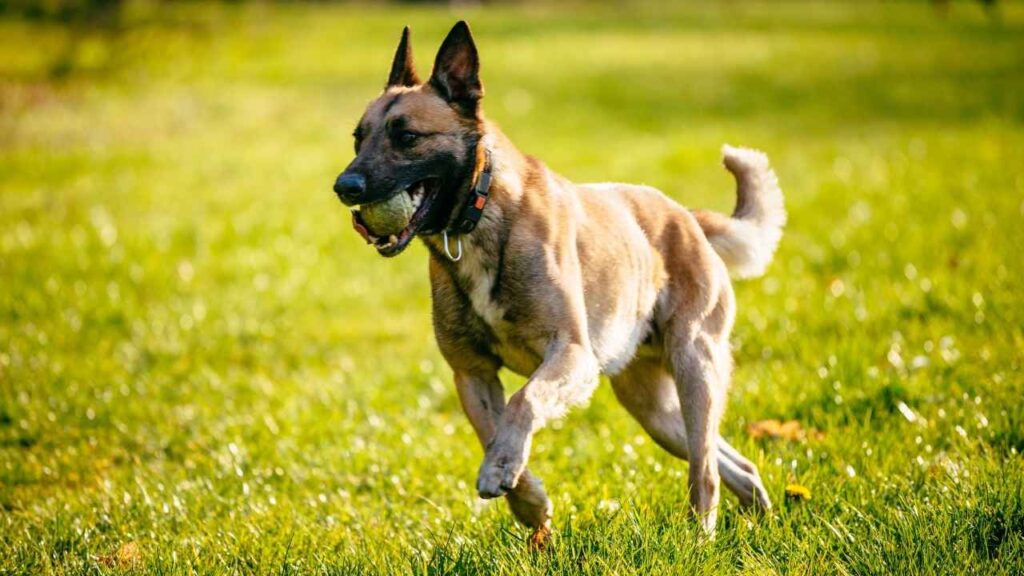
Belgian Malinois typically enjoy a longer lifespan of 14 to 16 years. They are considered a healthy breed, with screenings recommended for hip and elbow dysplasia and eye conditions. Regular ear checks and dental care support their overall well-being.
German Shepherd vs. Belgian Malinois Suitability as Family Pets Vs Guard Dogs
Household roles go beyond cuddles and commands, especially when protection instincts are involved. These breeds carry serious working heritage, yet how they settle into homes with kids, cats, or other dogs can look very different in practice.
People-oriented and intensely bonded, Belgian Malinois stay laser-focused on their humans and surroundings. Their natural guarding instincts pair with a strong work drive, but constant engagement is key. With other pets, structure and supervision help keep harmony steady and predictable.
German Shepherds blend protective instincts with an adaptable family mindset. Naturally watchful and loyal, they often settle well around other furry companions when properly socialized. Their balanced temperament allows them to guard confidently while still fitting into multi-pet households.
Conclusion
By now, it is clear these two impressive dogs share roots but walk very different paths. One offers versatility, steady loyalty, and an easier transition into family life, while the other thrives on intensity, purpose, and constant partnership. Neither is a casual commitment, and both German Shepherds and Belgian Malinois ask for time, structure, and genuine involvement.
The right match comes down to your lifestyle, energy level, and how hands-on you want to be every single day. When the fit is right, the reward is powerful: a devoted companion who shows up fully, works hard, and bonds deeply. Trust what feels manageable and exciting, then take the next step with confidence
