




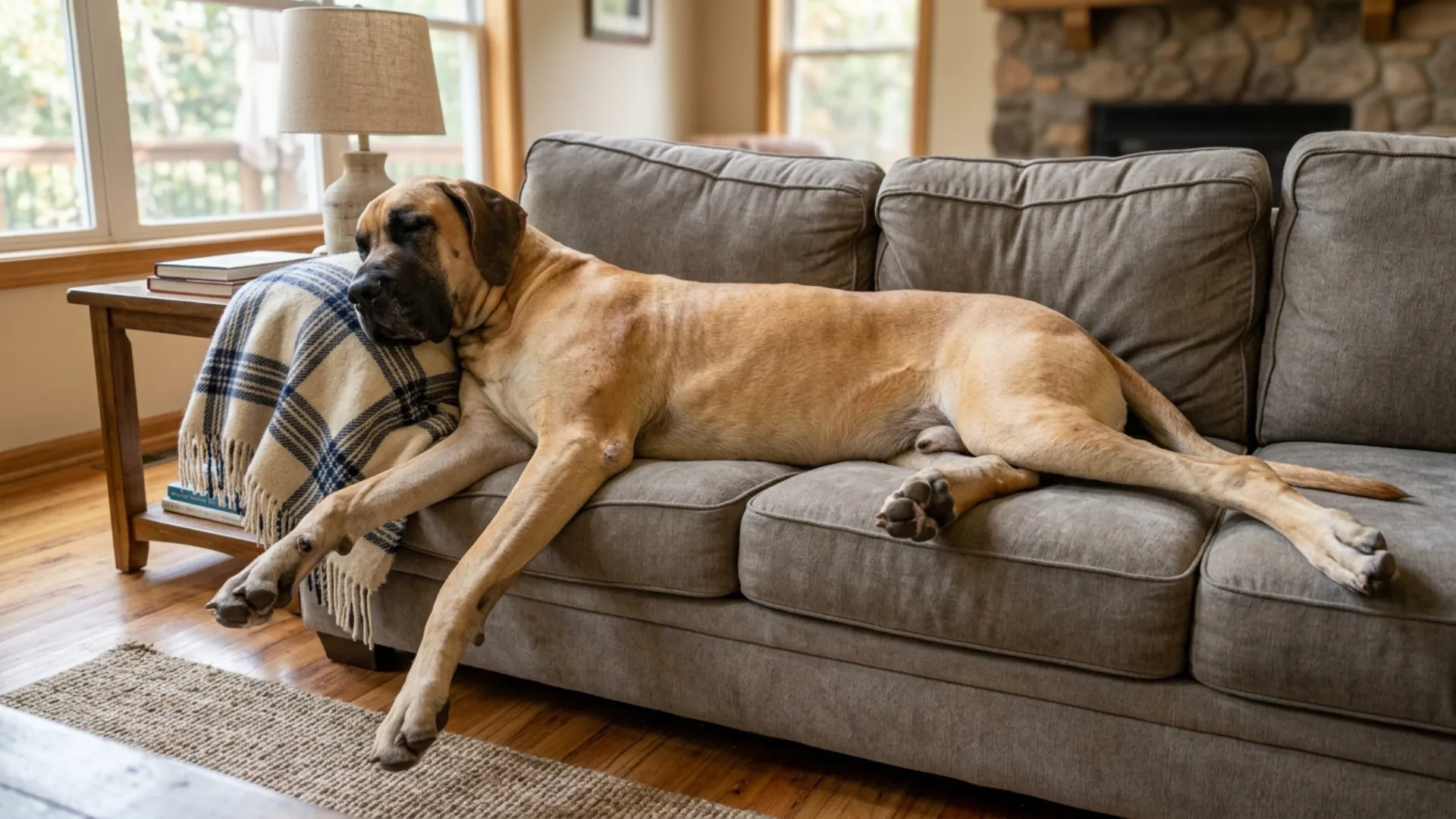
Big dogs get a reputation for being nonstop action characters — like they’re supposed to spend every waking hour charging through forests or pulling sleds across frozen mountains. But honestly? Some of the world’s biggest dog breeds are basically oversized weighted blankets with legs.
A lot of them would genuinely rather nap beside you for six hours straight than run a marathon.
That’s the funny thing about giant breeds. On paper, they look intimidating: massive paws, heavyweight builds, serious guardian energy. Yet in real life, many of them are low-energy homebodies that move through the house like sleepy mates.
Many giant breeds were historically developed for guarding, rescue work, or steady labor rather than hyperactive endurance. That means they were bred for patience, calm temperaments, and the ability to conserve energy instead of bouncing off the walls all day.
And yes, giant breeds come with giant responsibilities too. Food bills can feel like subscription services you forgot to cancel, drool becomes part of your personality, and your sofa may never fully belong to you again.
Here are seven enormous dog breeds that somehow combine “looks like a fantasy beast” with “professional nap enthusiast.”
Enormous Dog Breeds That Are Perfect Couch Potatoes
1. Mastiff
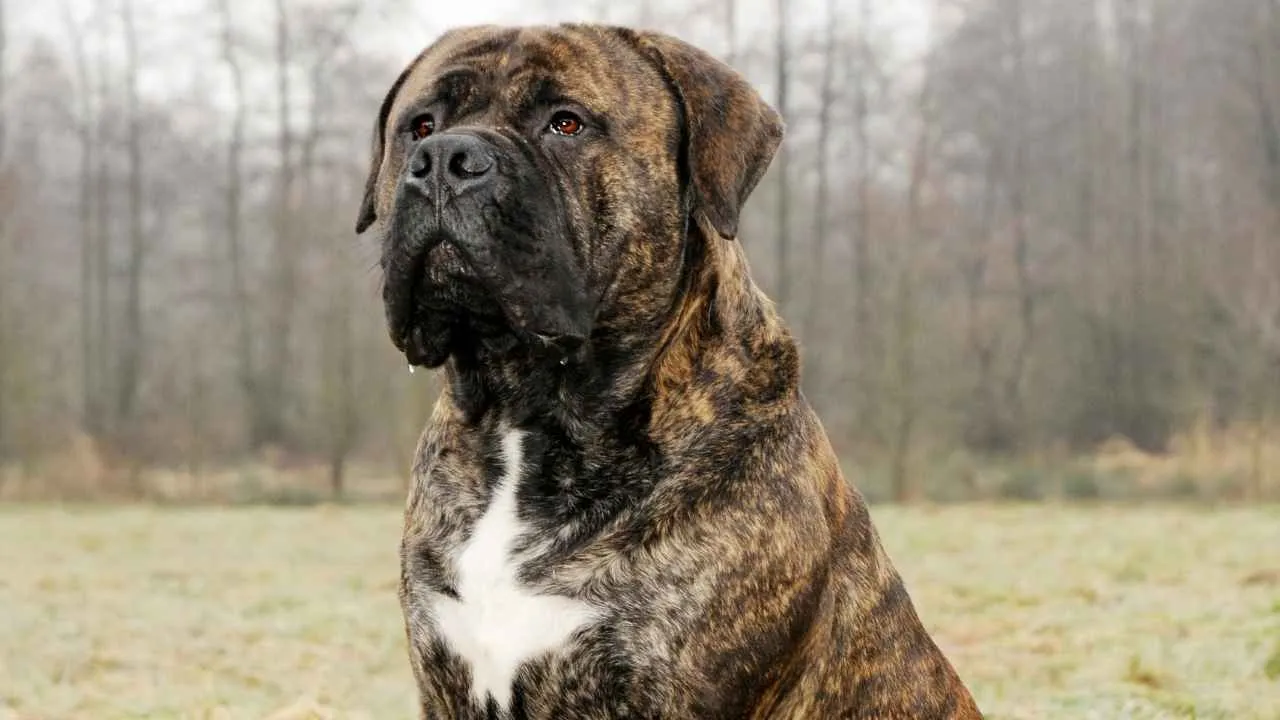
The Mastiff is basically the boss of couch potato dog breeds. These dogs can weigh over 200 pounds, yet many owners joke that their biggest daily accomplishment is relocating from one nap spot to another. PetMD mentions that despite their size, they’re famously calm and deeply affectionate with their families.
A lot of first-time giant-breed owners expect nonstop intensity from Mastiffs because of their massive build. Instead, they discover a dog that moves slowly, watches everything quietly, and treats lounging like an Olympic event.
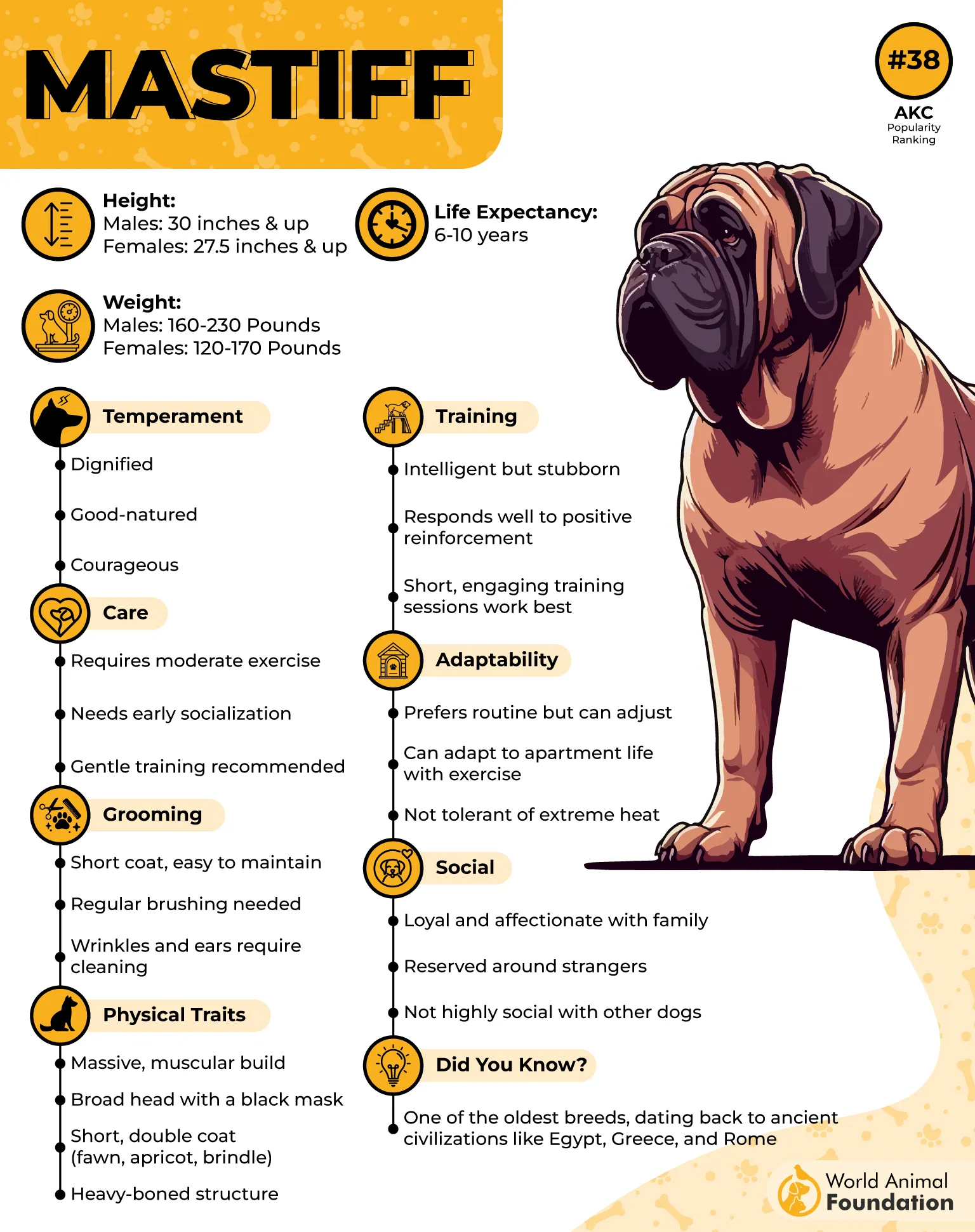
Historically, Mastiffs were guardians, not endurance athletes. Their role was to stay alert, conserve energy, and react only when necessary. That calm, observant nature still shows up today in most well-bred Mastiffs.
Unlike high-drive working dogs that constantly need stimulation, they are often content with moderate daily walks and family time. Many mature adults become noticeably lazier after age three.
Reddit owners constantly describe them as “giant babies” and “living furniture with emotions.”
This sounds fake until you meet one in real life, but many of them actually do surprisingly well in apartments or smaller homes. Not because they’re small — absolutely not — but because they’re usually inactive indoors. A calm Mastiff often spends most of the day sleeping near their humans.
This lazy dog breed also tends to bark less than people expect. Instead of sounding the alarm every five minutes, many Mastiffs prefer to observe silently. That calm confidence is honestly part of their whole aura.

Fun Fact
A Mastiff named Zorba once held the record for the world’s heaviest dog at 343 pounds, as per the American Kennel Club. Imagine trying to explain to your landlord that your “dog” weighs more than a motorcycle.
2. Great Dane
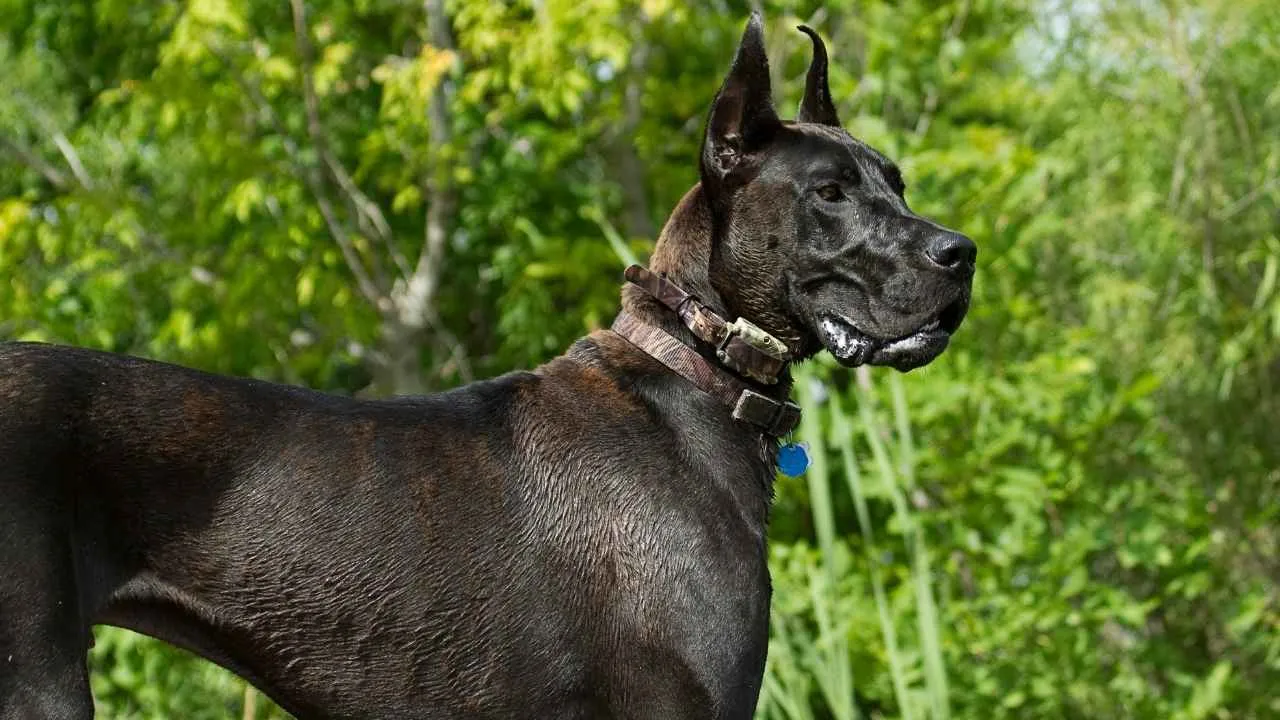
The Great Dane looks like a creature designed by someone who maxed out the “size” slider in a video game. But despite their towering height, this couch potato breed is often affectionate and softy who wants to lean against you dramatically.
People expect them to need endless exercise because of how athletic they appear. In reality, many adult Danes are giant loungers who enjoy short bursts of play followed by elite-level napping. They’re surprisingly chill indoors.
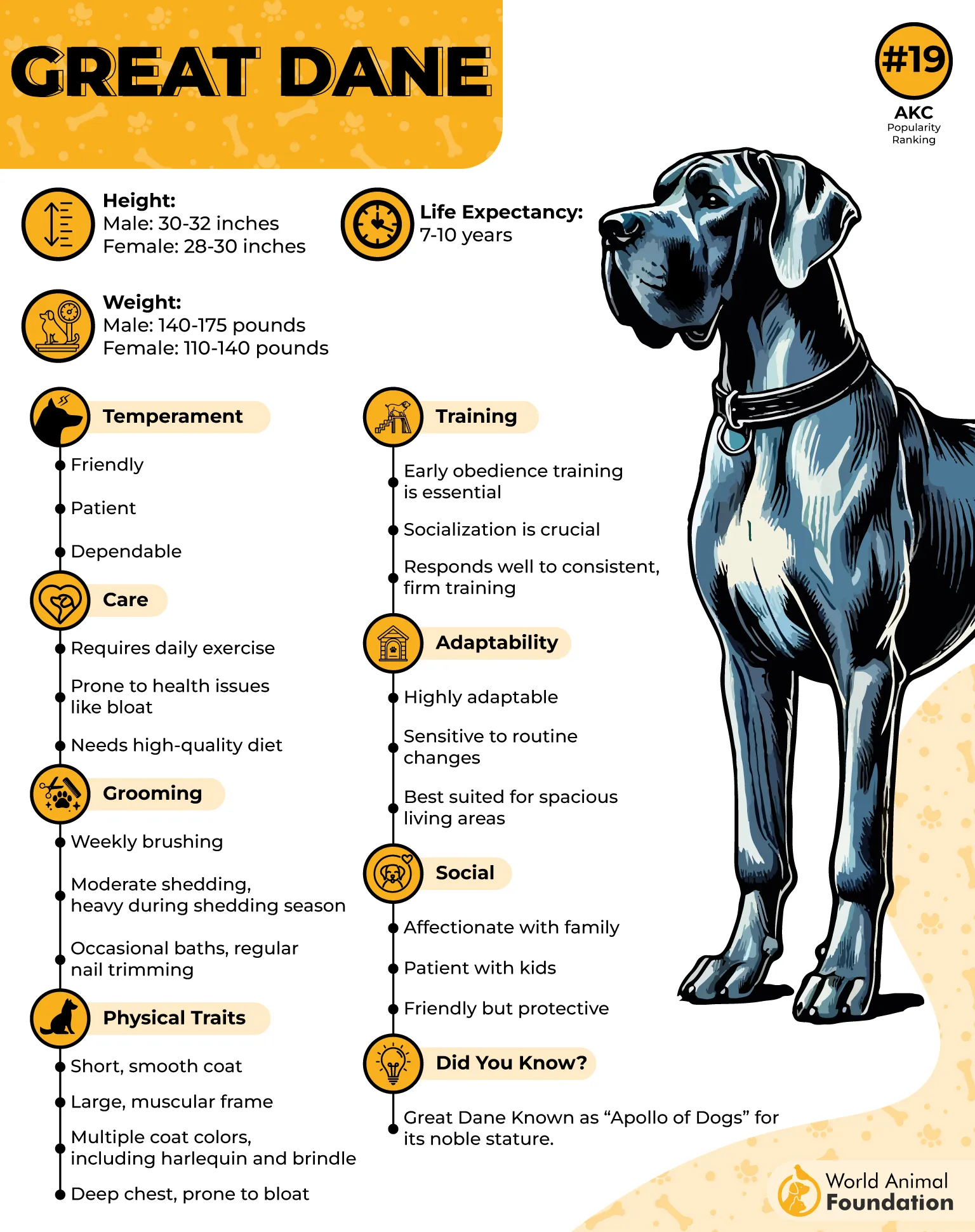
These companion dogs are often described as “apartment giants” because they don’t typically bounce around the house nonstop. Most prefer calm indoor environments where they can stretch out and monitor the room like sleepy bodyguards.
Although originally developed for boar hunting, modern Great Danes are far more companion-oriented. Good breeding has emphasized calmness and sociability over intense hunting instincts.
Because they grow so huge so quickly, training has to start early. A badly behaved Great Dane can accidentally turn everyday life into slapstick comedy. Even playful jumping becomes a full-contact sport.
Thankfully, these relaxed dogs are eager to please and respond well to positive training. They’re emotionally sensitive dogs, so harsh correction usually backfires.
Joint support, proper nutrition, and controlled exercise during puppyhood are extremely important. Giant puppies grow fast, and their bones definitely feel that pressure.
What Makes Them Unique
Great Danes combine intimidating size with surprisingly goofy personalities. One second, they look like royal guardians from a fantasy movie, and the next, they’re scared of a cardboard box in the hallway.
That contrast lives rent-free in online owner discussions.
3. Basset Hound
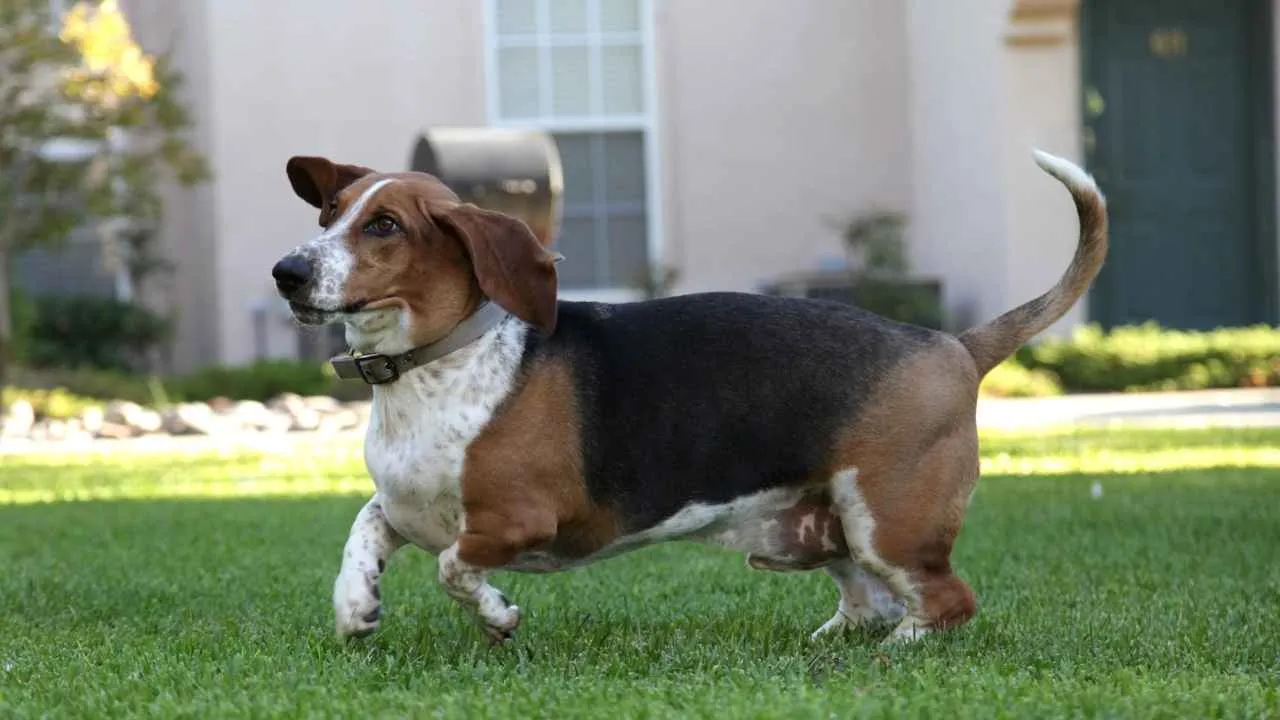
The Basset Hound may not be tall when compared to other pets, but they absolutely belong in the giant couch potato conversation emotionally. These dogs are heavy-bodied, incredibly relaxed, and fully committed to the art of chilling.
Their long ears, droopy eyes, and slow-motion walking style make them look permanently exhausted. Honestly, same.
Basset Hounds were bred for scent tracking, which required endurance and focus rather than explosive speed. That’s why they’re often perfectly happy with slower walks and relaxed routines.
Their powerful noses are legendary, though. Once they catch an interesting scent, selective hearing suddenly activates like a software glitch.
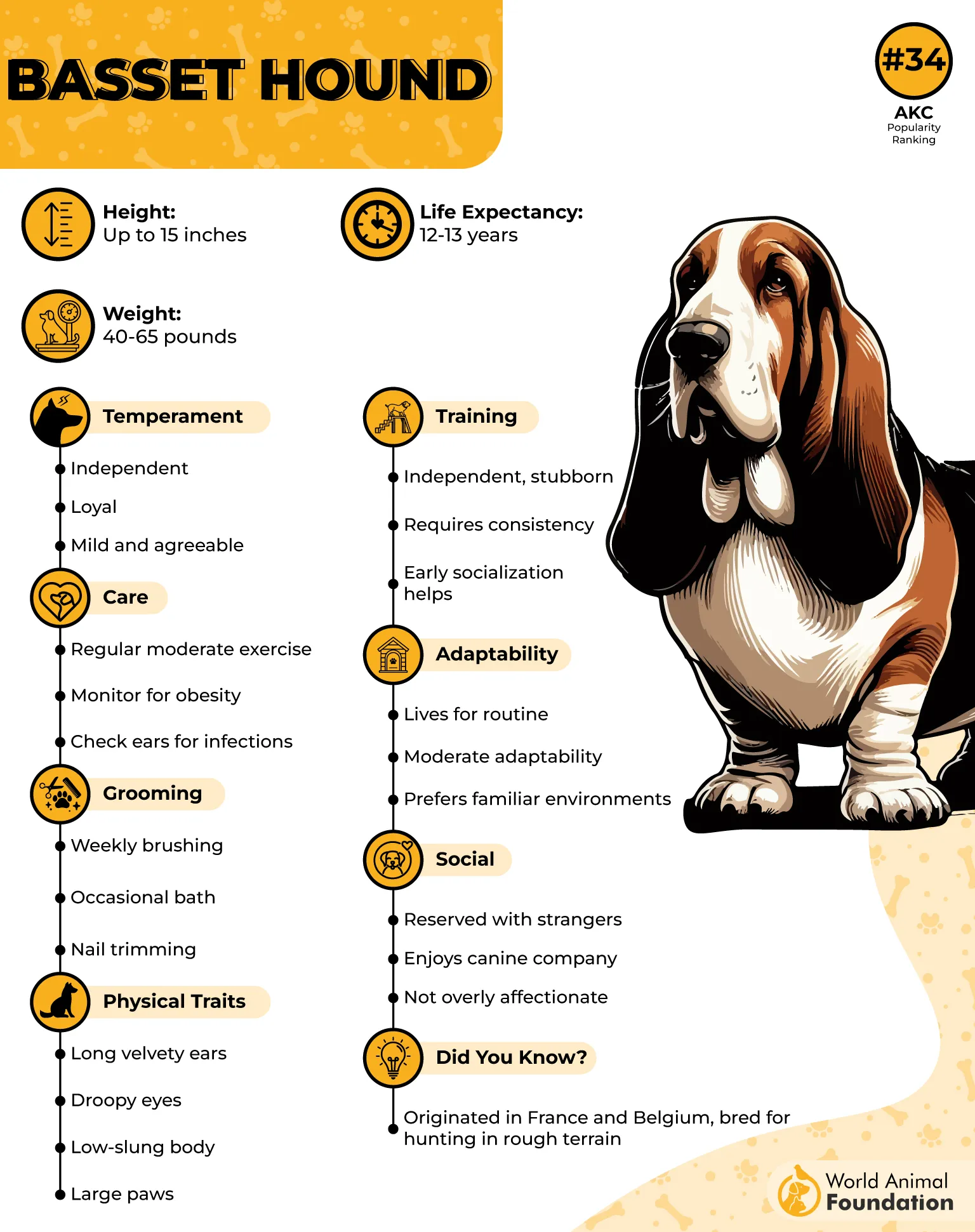
Bassets are famous for loving comfort. Soft beds, couches, blankets, sunny floor spots — they appreciate all of it deeply. Many owners describe them as “professional loungers.” Their laid-back energy makes them especially popular with families wanting a calmer dog. They’re affectionate and love a sedentary lifestyle!
With their laid-back lifestyle, Bassets usually get along well with children, other dogs, and relaxed households. Their mellow temperament makes them easygoing companions for people who prefer calm environments.
But yes, they drool. A lot. And their ears need regular cleaning too.
Fun Fact
A Basset Hound’s sense of smell is second only to the Bloodhound’s. So while they may look lazy, their nose is basically operating on superhero difficulty.
4. Newfoundland
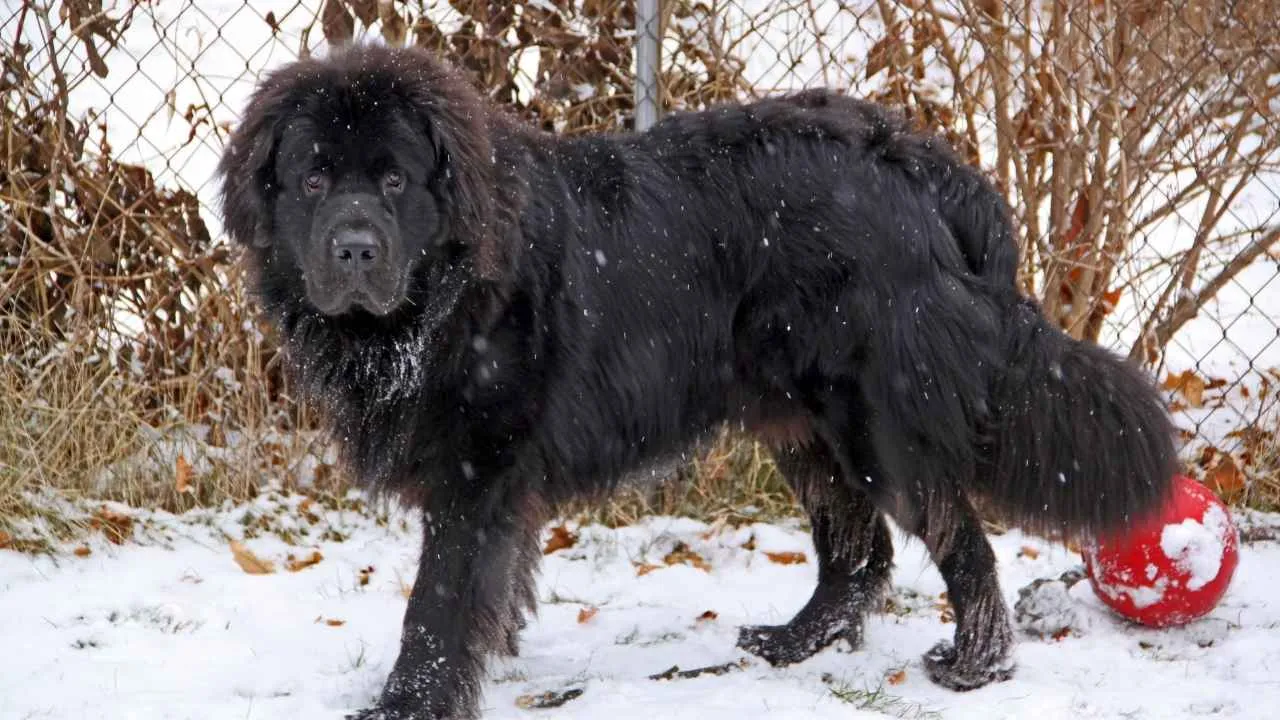
The Newfoundland looks like a living bear but acts like an emotionally supportive therapist. These dogs are famously gentle, calm, and deeply devoted to their people.
Despite their huge size, Newfoundlands are often incredibly patient with children. That’s why they’re sometimes called “nanny dogs.”
Historically, they worked alongside fishermen and performed water rescues in icy conditions. Their strength and swimming ability are honestly wild.
But indoors? Many are calm homebodies who love lounging beside their family. It’s giving “lifeguard on vacation.”
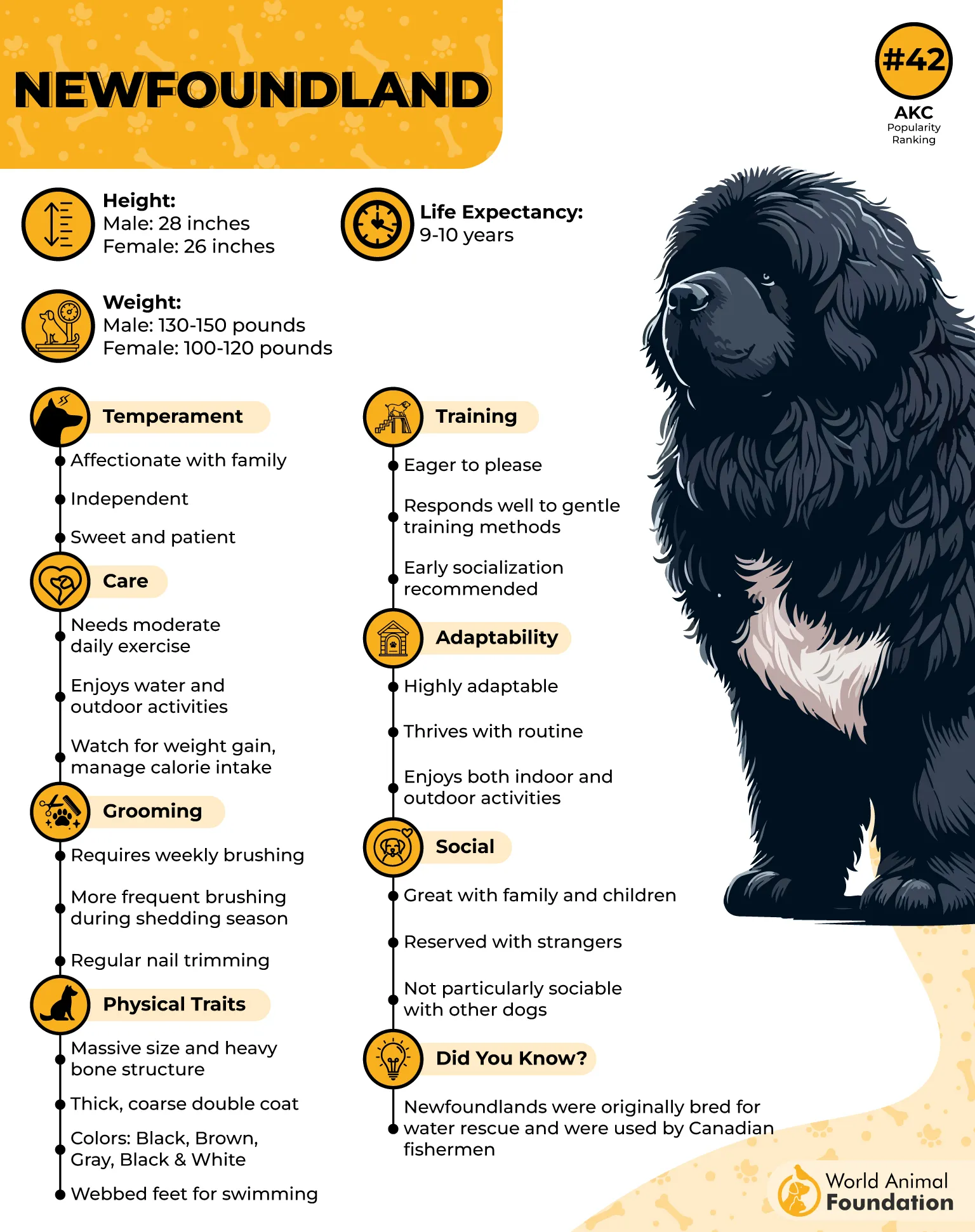
They usually have a sweet, stable temperament. They’re not typically hyper or reactive, which makes them great for quieter homes.
That calm personality is part of why they’re so beloved. They bring a peaceful energy to the house despite taking up half the room.
Their coat is gorgeous but absolutely not low-maintenance. Shedding, brushing, and drooling become regular parts of life. Heat management matters too. These dogs are built for cold weather, so they require extra care and cooling strategies in hot climates.
Historical Fact
A Newfoundland reportedly helped rescue shipwreck survivors in the early 1800s by swimming lines through dangerous waters. Main character behavior, honestly.
5. Saint Bernard
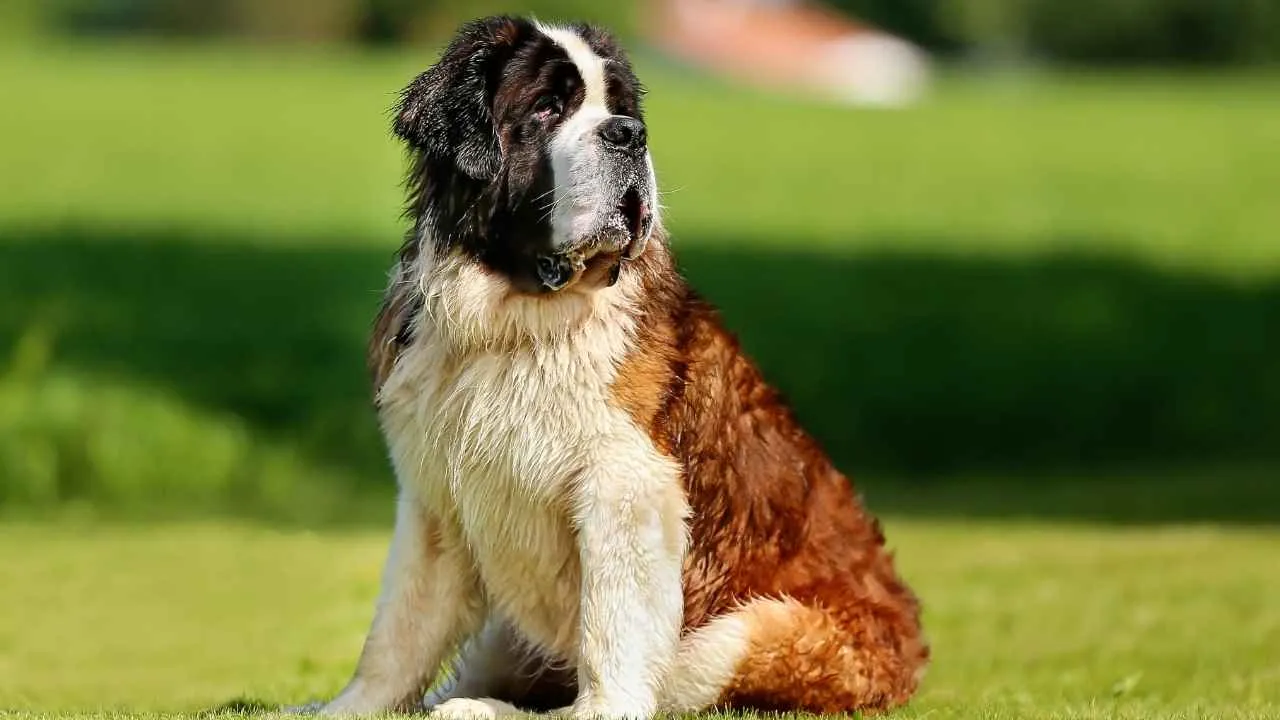
The Saint Bernard became famous for its work in mountain rescue in the Swiss Alps. But modern Saint Bernards are often huge cuddle monsters who prefer relaxing indoors over nonstop activity.
They’re giant, fluffy, and surprisingly gentle for their size.
Saint Bernards aren’t usually hyperactive dogs, says Britannica. Most enjoy moderate walks and family time before returning to their favorite nap zone.
Because they’re so massive, even calm movement can feel dramatic, though. A Saint Bernard casually turning around can accidentally clear a coffee table.
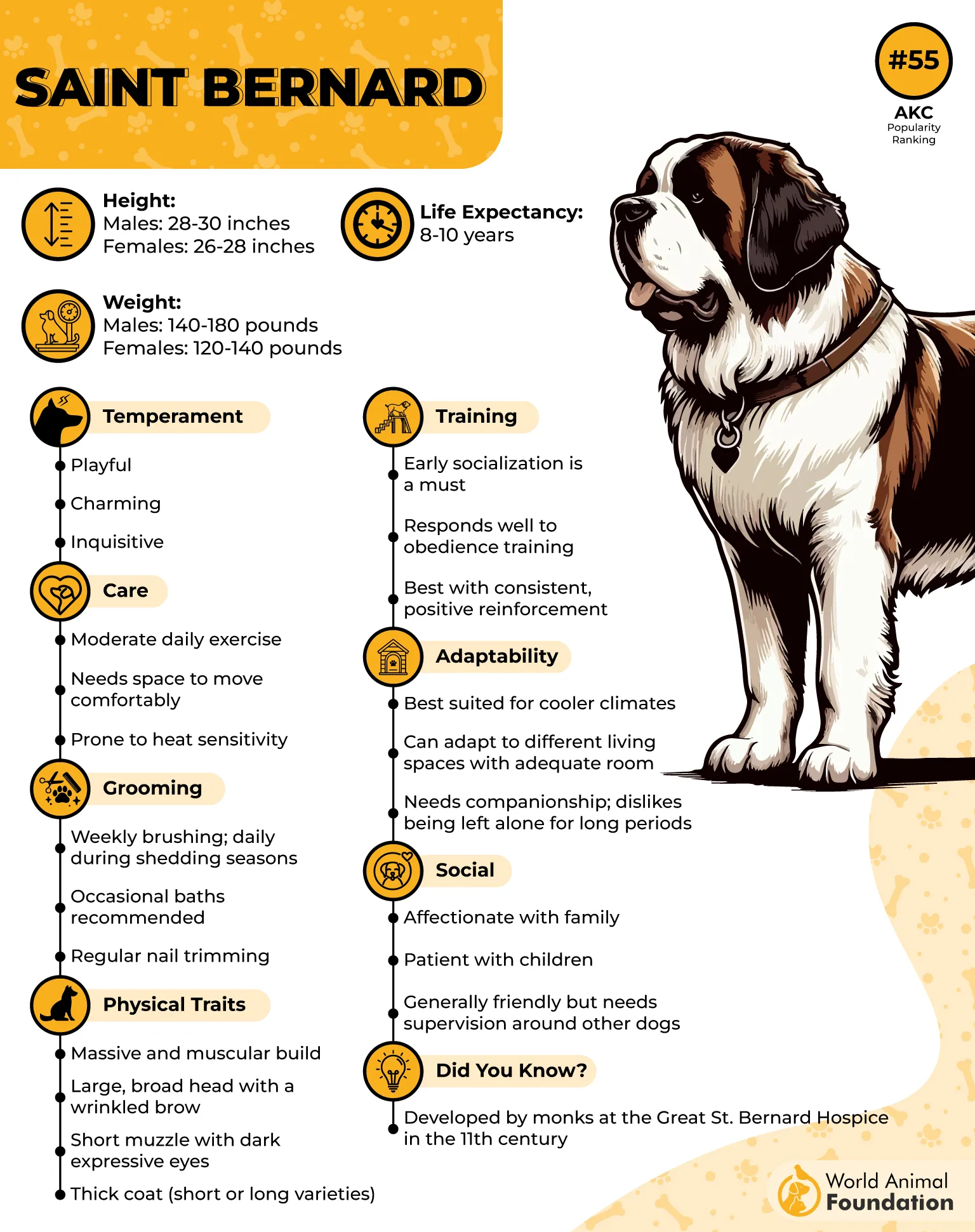
These dogs are known for their patience and affectionate personalities. Many bond strongly with children and tolerate family chaos surprisingly well.
Their mellow attitude makes them popular with households wanting a relaxed giant breed.
Okay. We need honesty here.
Saint Bernards drool like it’s a competitive sport. Walls, clothes, furniture, ceilings, somehow — nothing is fully safe.
Fun Fact
The famous rescue dogs carrying barrels around their necks are partly myth, but Saint Bernards genuinely saved stranded travelers in snowy mountain passes for centuries.
6. Great Pyrenees
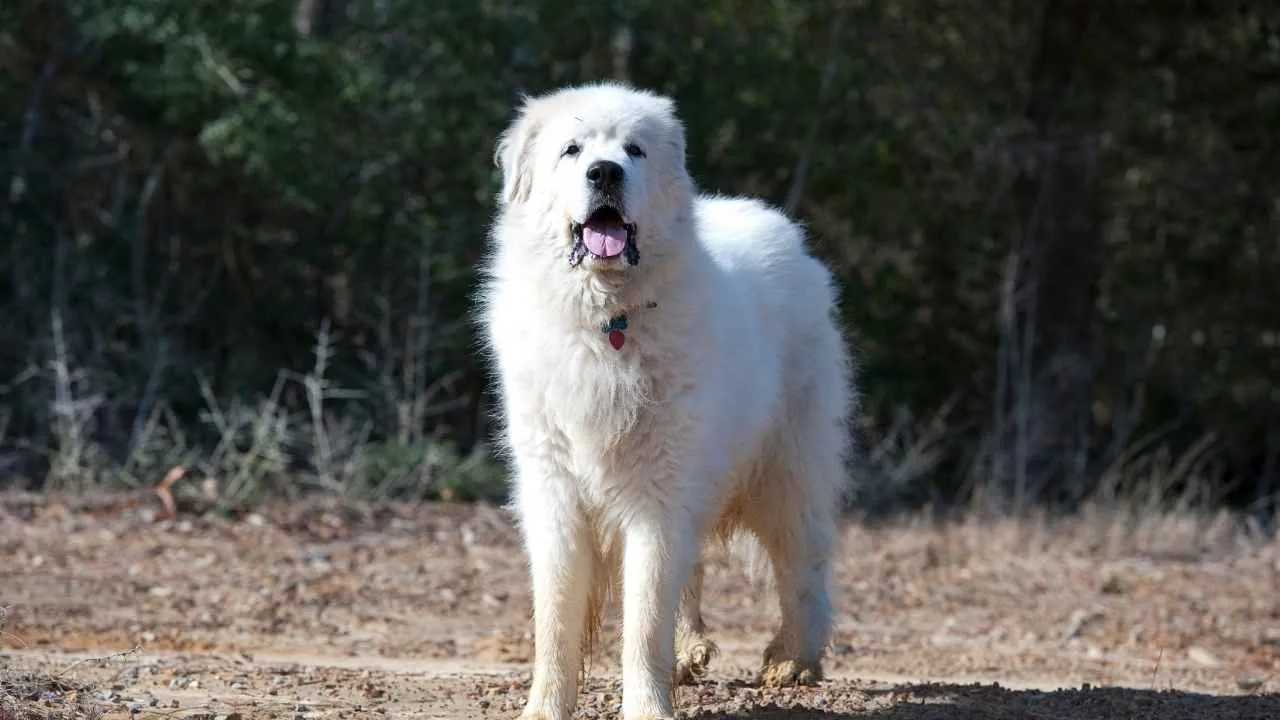
The Great Pyrenees has one of the calmest presences in the giant-dog world. These dogs were bred to watch livestock independently for long periods, so they naturally conserve energy.
That means they’re often incredibly relaxed indoors.
Great Pyrenees aren’t clingy in the same way some companion breeds are. They love their people deeply but often show it through quiet loyalty instead of constant attention-seeking.
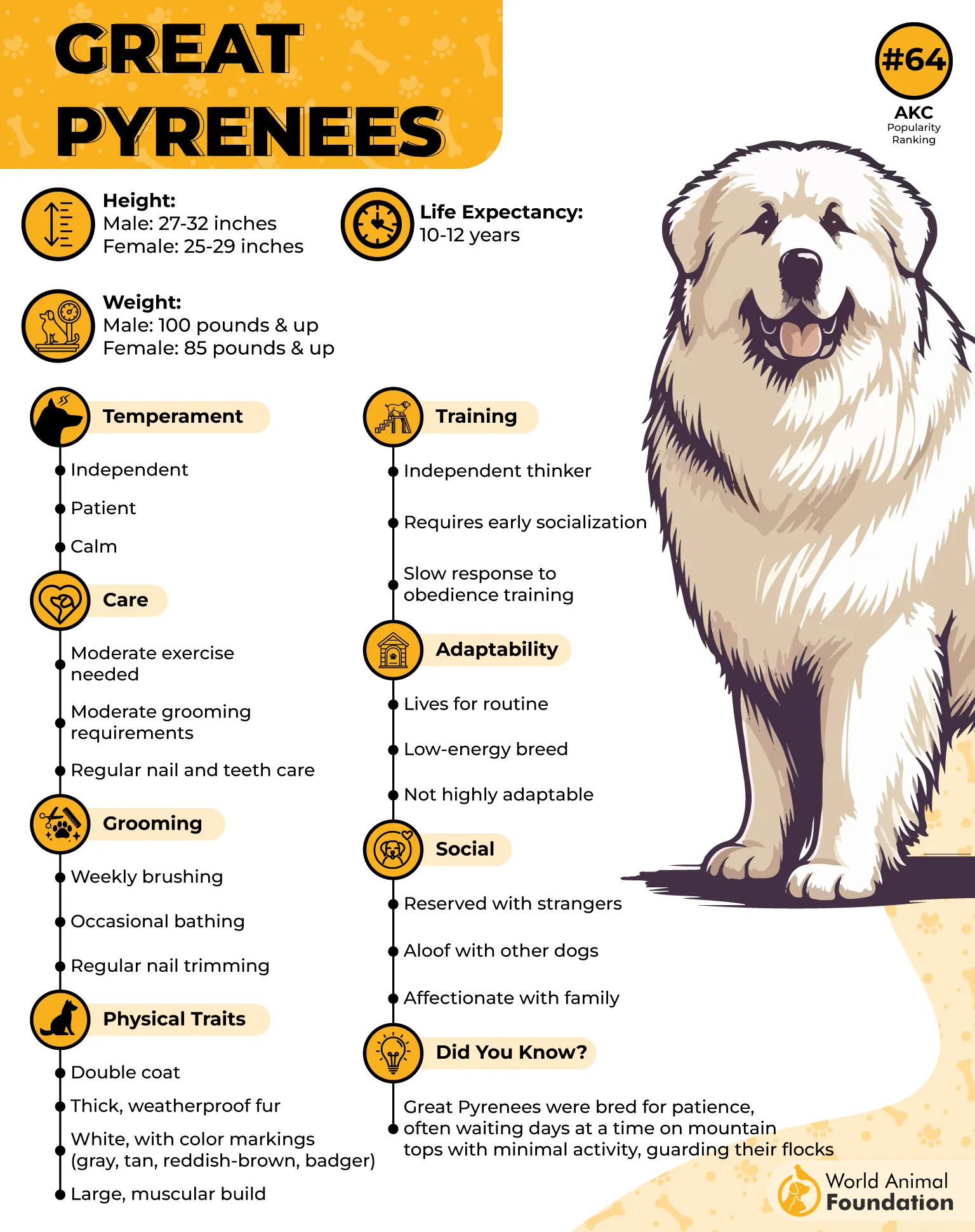
Most Great Pyrenees enjoy peaceful environments and lots of lounging. They’re not usually chaotic or overly demanding indoors.
However, their nighttime guardian instincts can activate randomly. Barking at “suspicious leaf movement” at 2 a.m. is very on-brand for them. Looking for a guard dog? This one is a great choice!
That fluffy white coat is stunning, but brushing becomes a regular part of your lifestyle. Seasonal shedding also feels less like “shedding” and more like “snowstorm indoors.” Still, fans of the breed swear the calm temperament makes it worth it.
Because they worked alone guarding livestock, Great Pyrenees tend to think independently. Training requires patience and consistency rather than brute force.
They’re smart — they sometimes decide your request is optional.
Historical Fact
Great Pyrenees dogs guarded sheep in the Pyrenees Mountains between France and Spain for hundreds of years. Wolves were literally part of the job description.
7. Leonberger

The Leonberger looks majestic enough to belong beside a fantasy king, but underneath all that fluff is usually a goofy, affectionate cuddle addict.
These dogs were specifically bred as companion-working dogs, and that social personality still shines today.
Leonbergers enjoy activity outdoors, but indoors, many are calm and easygoing. After exercise, they’re usually more than happy to lounge around with their people.
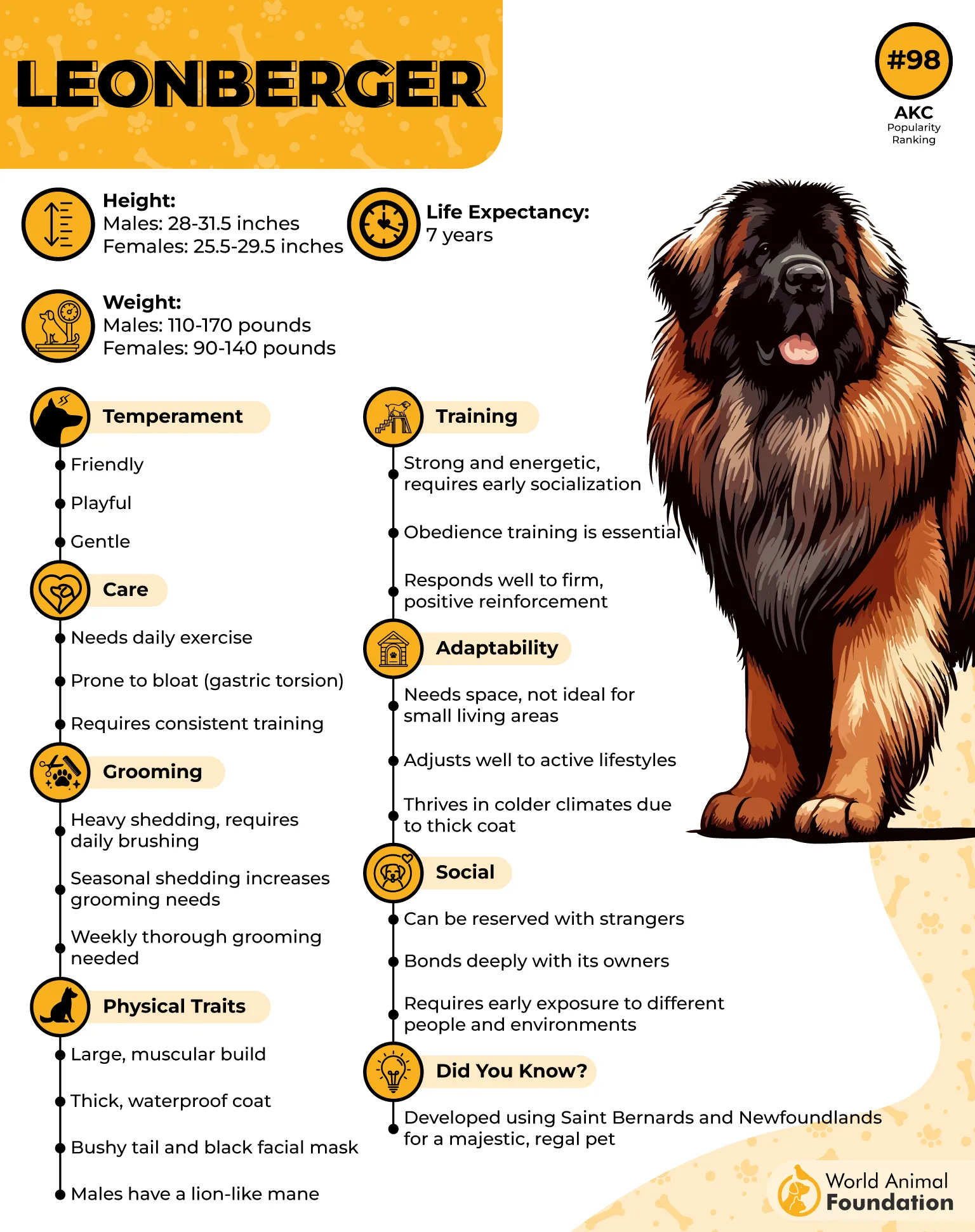
They balance playfulness and relaxation really well.
Unlike some guardian breeds that stay reserved with strangers, the Royal Kennel Club says they are often more sociable. They usually enjoy meeting people and being involved in family life.
That makes them especially appealing for households wanting a giant dog without intense territorial behavior. Many Leonbergers adore swimming. Their webbed feet and powerful build make them naturally strong in water.
So yes, your “couch potato” may occasionally transform into a furry submarine at the lake.
Their thick double coat sheds heavily, especially during seasonal changes. If you hate vacuuming, this breed may test your emotional stability.
Still, owners constantly describe them as lovable, emotionally intelligent, and incredibly rewarding companions.
What Makes Them Unique
Leonbergers somehow combine the presence of a lion, the friendliness of a golden retriever, and the lounging habits of someone binge-watching an entire streaming series in one weekend.
That combination absolutely slaps.
Conclusion
Not every giant dog is a nonstop working machine. Some of the biggest breeds in the world are actually calm, affectionate homebodies that would gladly spend most of the day napping beside their humans.
That’s what makes these breeds so appealing. You get the dramatic size, loyal companionship, and protective presence of a massive dog — without necessarily needing the lifestyle of an ultra-marathon runner. For the right owner, these gentle giants feel less like intimidating guardians and more like oversized emotional-support roommates.
But if your dream dog is equal parts cuddle buddy, calm companion, and majestic fantasy creature lounging across your couch like royalty, these breeds genuinely deliver. They may look like boss-level beasts, but most of them are just giant softies looking for snacks, naps, and someone to love.
