




Enduring dog breeds that thrive in extreme wilderness conditions represent survival in its purest form. These dogs were shaped by cold winds, thin air, endless distances, and unforgiving terrain where weakness had consequences.
Their endurance is not theoretical. It is lived through snow that burns the lungs, mountains that punish every step, and isolation that demands mental strength as much as physical resilience. Humans relied on these dogs when nature offered no mercy and no shortcuts.
Over time, strength became instinct, stamina became routine, and loyalty became a necessity rather than a choice. These dogs do not falter when conditions grow harsh because hardship is familiar territory to them. They move forward when others stop. They adapt when others retreat.
This article explores how certain dog breeds developed physical toughness and adaptability to thrive in extreme wilderness, revealing what separates endurance from survival.
Key Takeaways
Wilderness life is unforgiving, yet some dogs were bred to endure snow, mountains, and long treks without hesitation.
Siberian Huskies glide across frozen landscapes with stamina and pack instincts that make every trek look effortless.
Golden Retrievers and Labrador Retrievers match strength with focus, thriving in long hikes and unpredictable terrain.
By the end, you’ll see which seven breeds carry courage, loyalty, and endurance that few humans canmatch.
Enduring Dog Breeds That Thrive in Extreme Wilderness Conditions
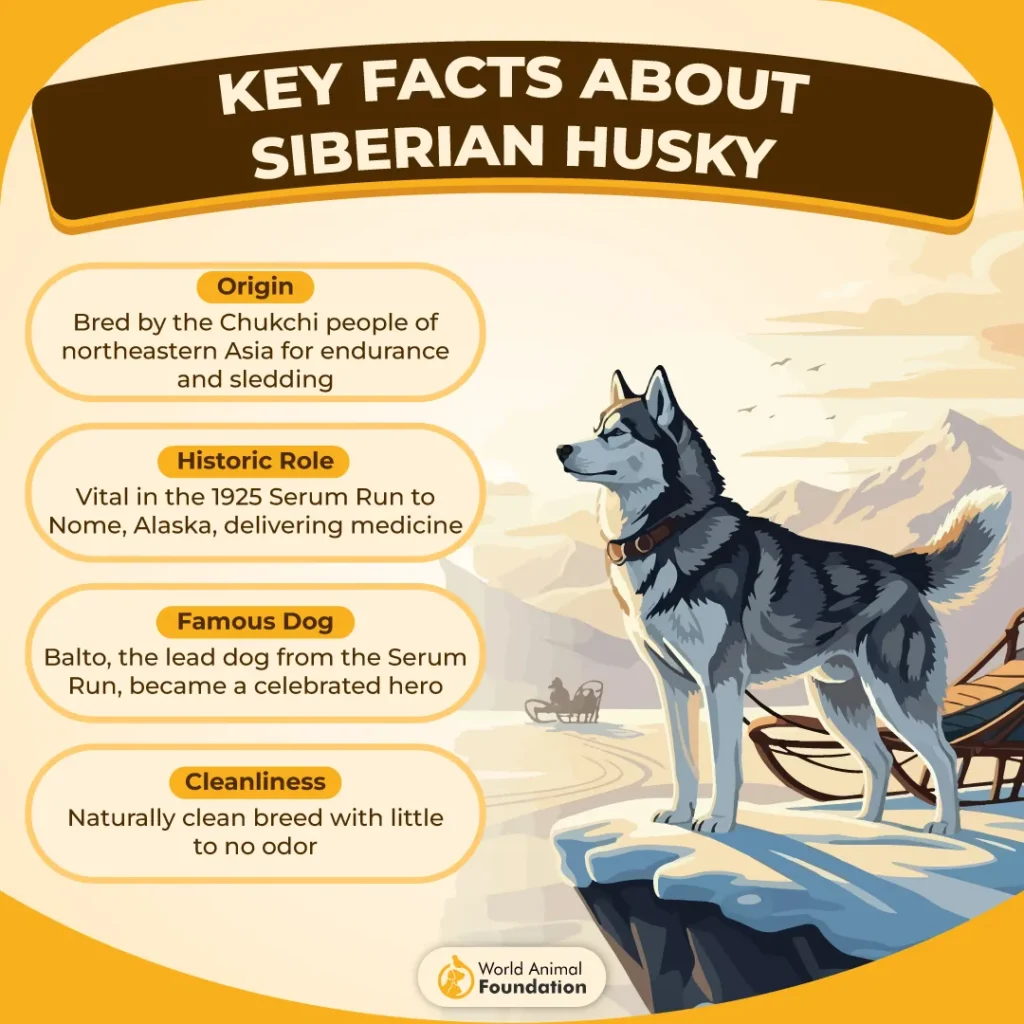
1. Siberian Husky
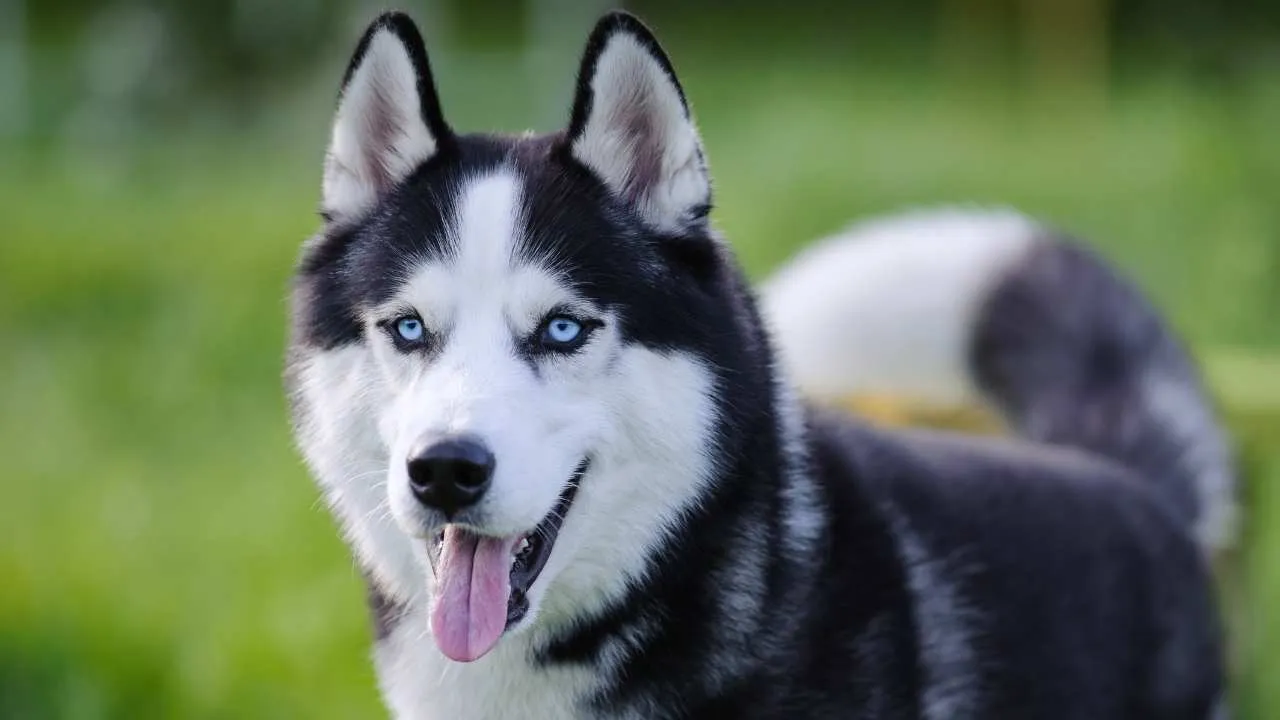
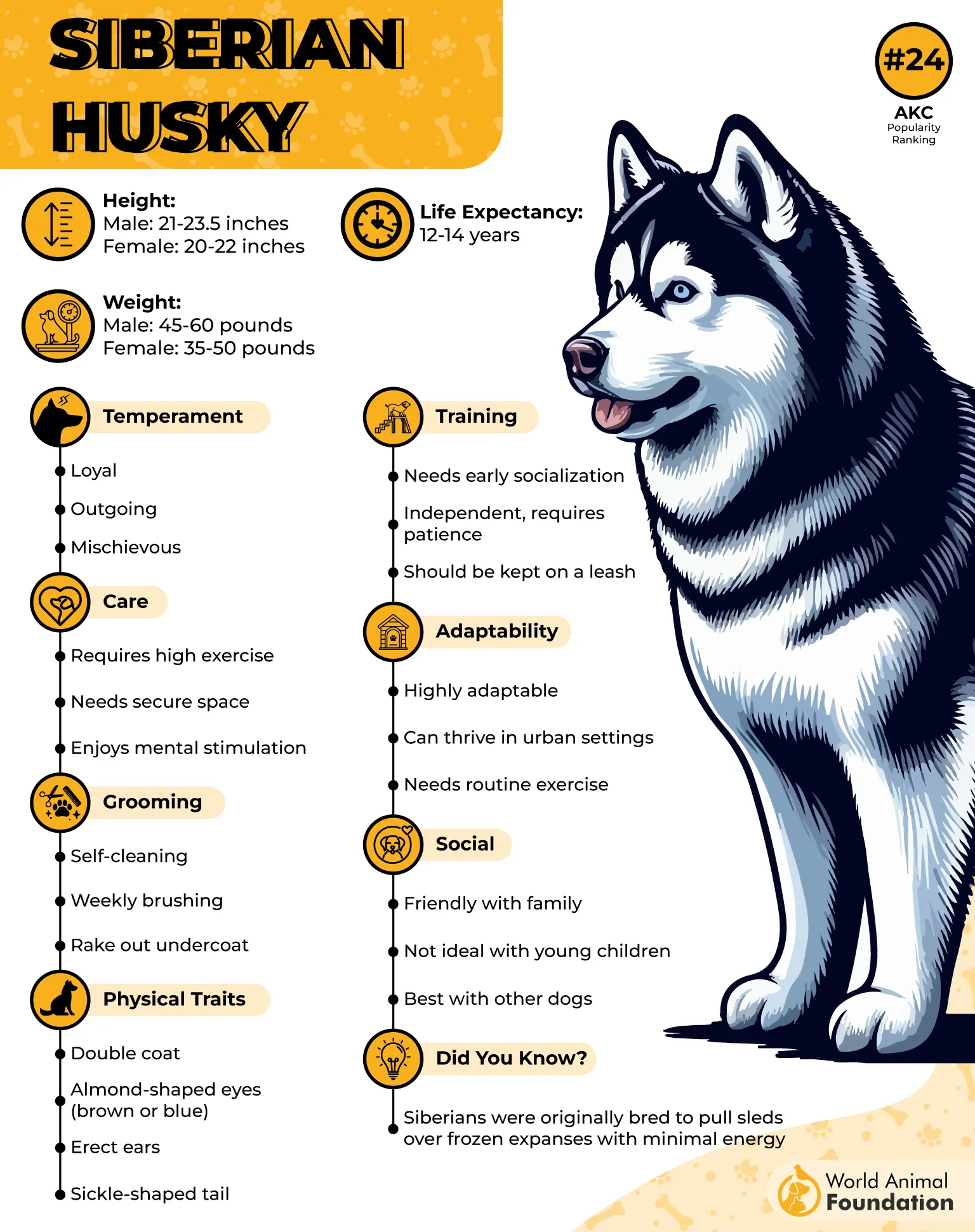
The Siberian Husky is a compact, thick-coated sled dog developed to work in packs over vast frozen landscapes. Its body allows effortless movement across snow while maintaining stamina for long treks. Adapted to harsh climates, this breed performs best in continuous, physically demanding conditions.
Pack Instincts and Mobility
Bred for pulling light loads at moderate speeds, Siberian Huskies display remarkable coordination and stamina in group settings. Their agility and drive make them suited for extended outdoor activity and precise teamwork.
Qualities that shape this capability include:
Swift recovery during sustained exertion
Strong pacing sense over long distances
Keen awareness of surroundings during movement
Alert but Amiable Nature
The breed’s almond-shaped eyes, often blue or brown, express intelligence and curiosity while signaling attentiveness to nearby activity, as the AKC claims. Siberian Huskies combine dignity with playfulness, showing interest in companions without over-assertiveness.
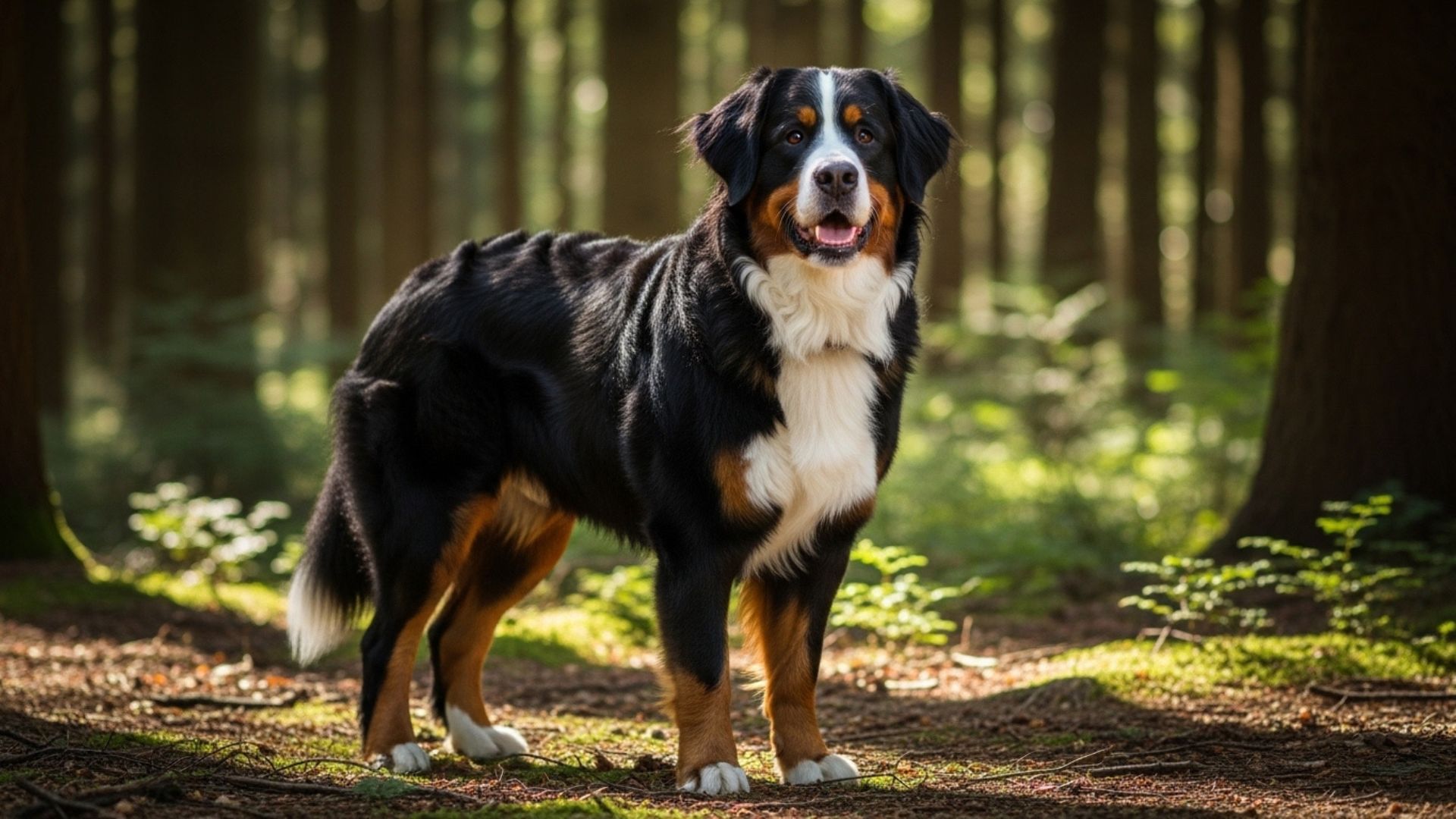
2. Bernese Mountain Dog
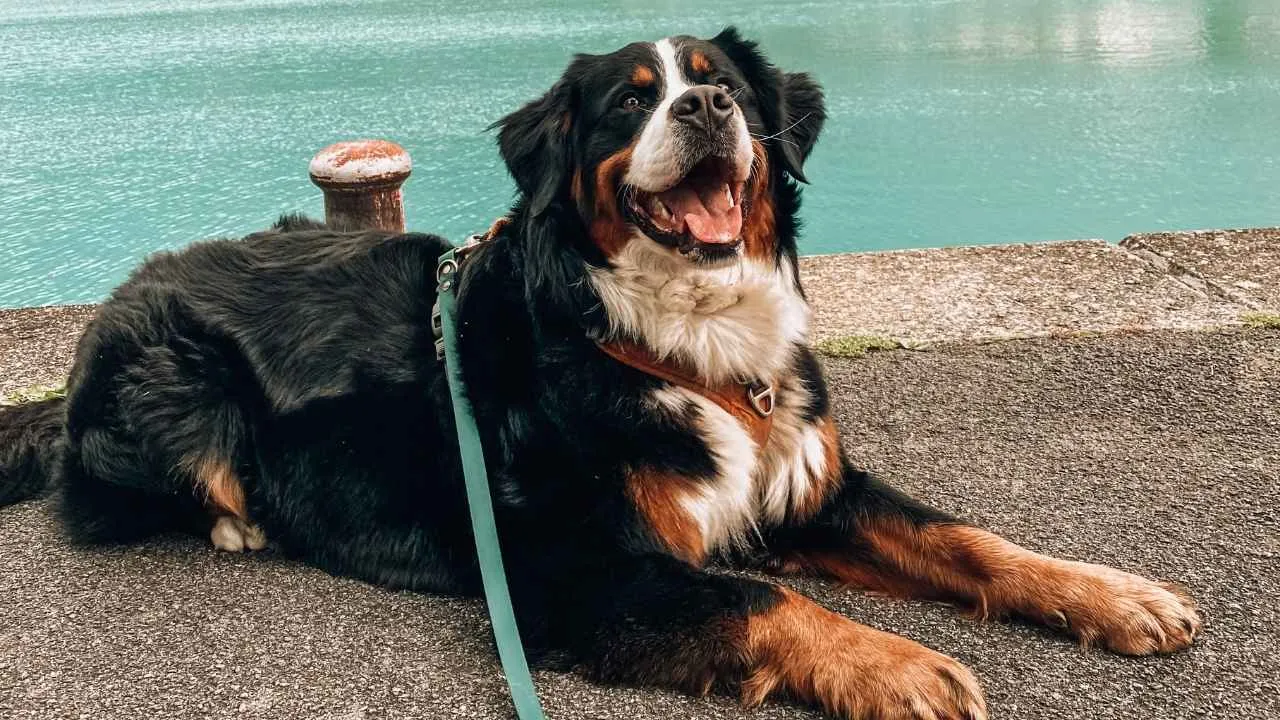
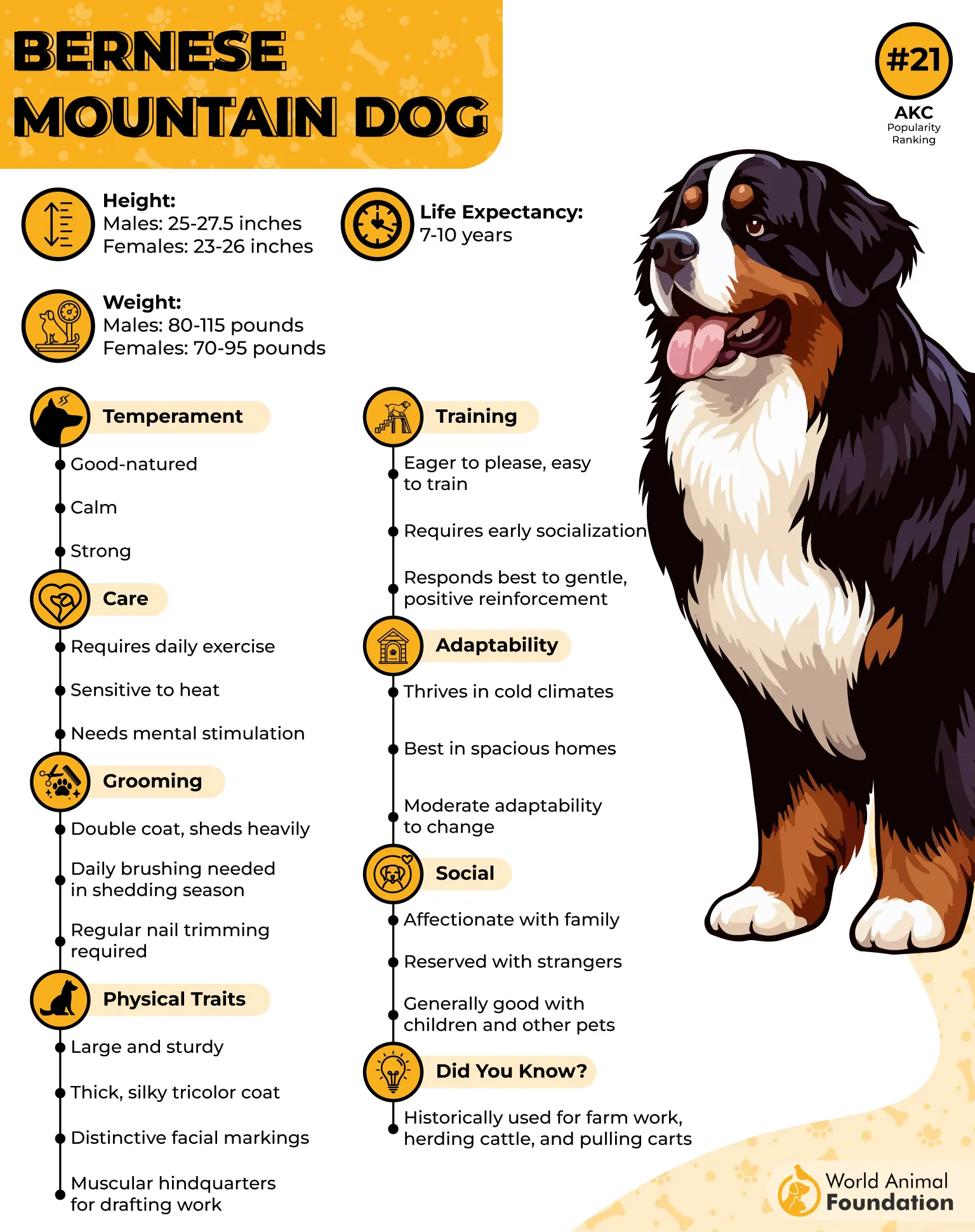
The Bernese Mountain Dog is a large, sturdy worker originally bred for farms and pastures in Switzerland. Its thick double coat protects against cold and moisture while allowing long hours outside. The breed combines power with gentle intelligence, showing both resilience and steady attention.
Calm Efficiency
This breed manages heavy tasks without unnecessary effort, staying composed during work or play in challenging conditions. Their intelligence and focus create a natural sense of responsibility for any environment.
Qualities that define their endurance and reliability:
Efficient multitasking in outdoor chores
Focused awareness during activity
Steady movement across rugged terrain
Close Human Bonding
Berners form strong attachments to one person while maintaining warmth toward the family unit. That loyalty ensures they follow guidance and stay aware of surrounding changes. Their affectionate nature blends with practical judgment in outdoor and wilderness settings.
3. Border Collie
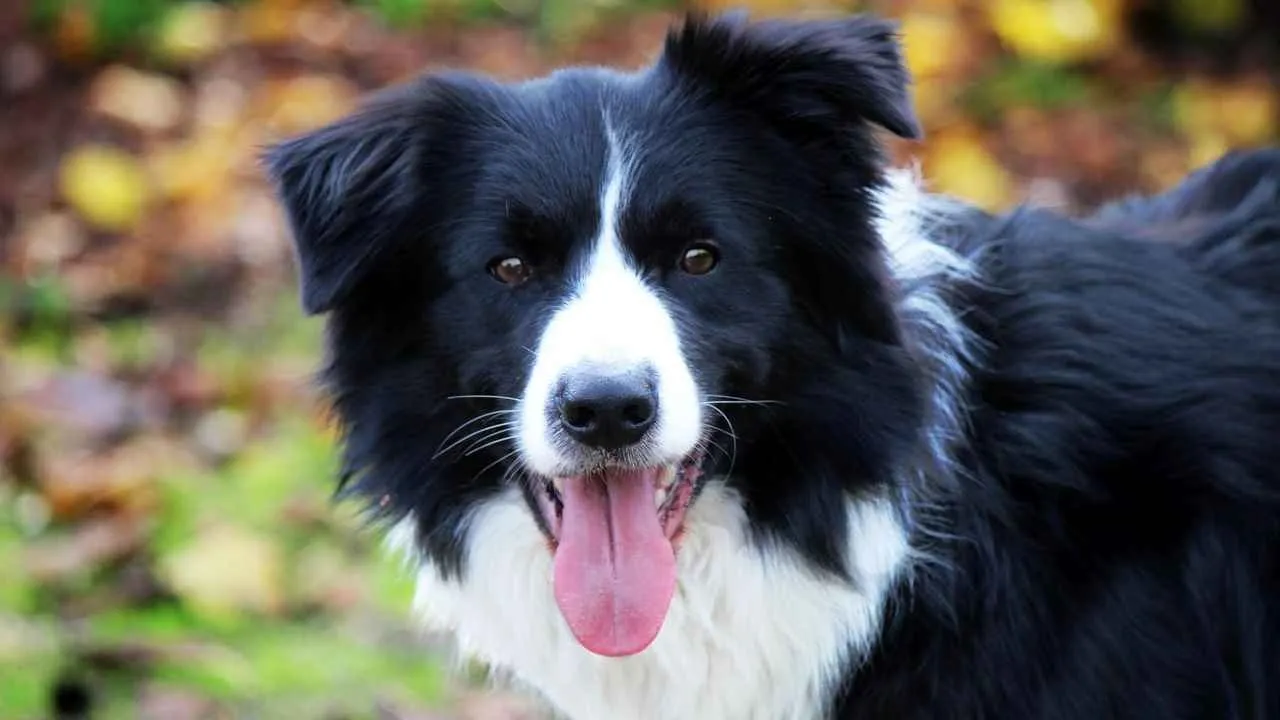
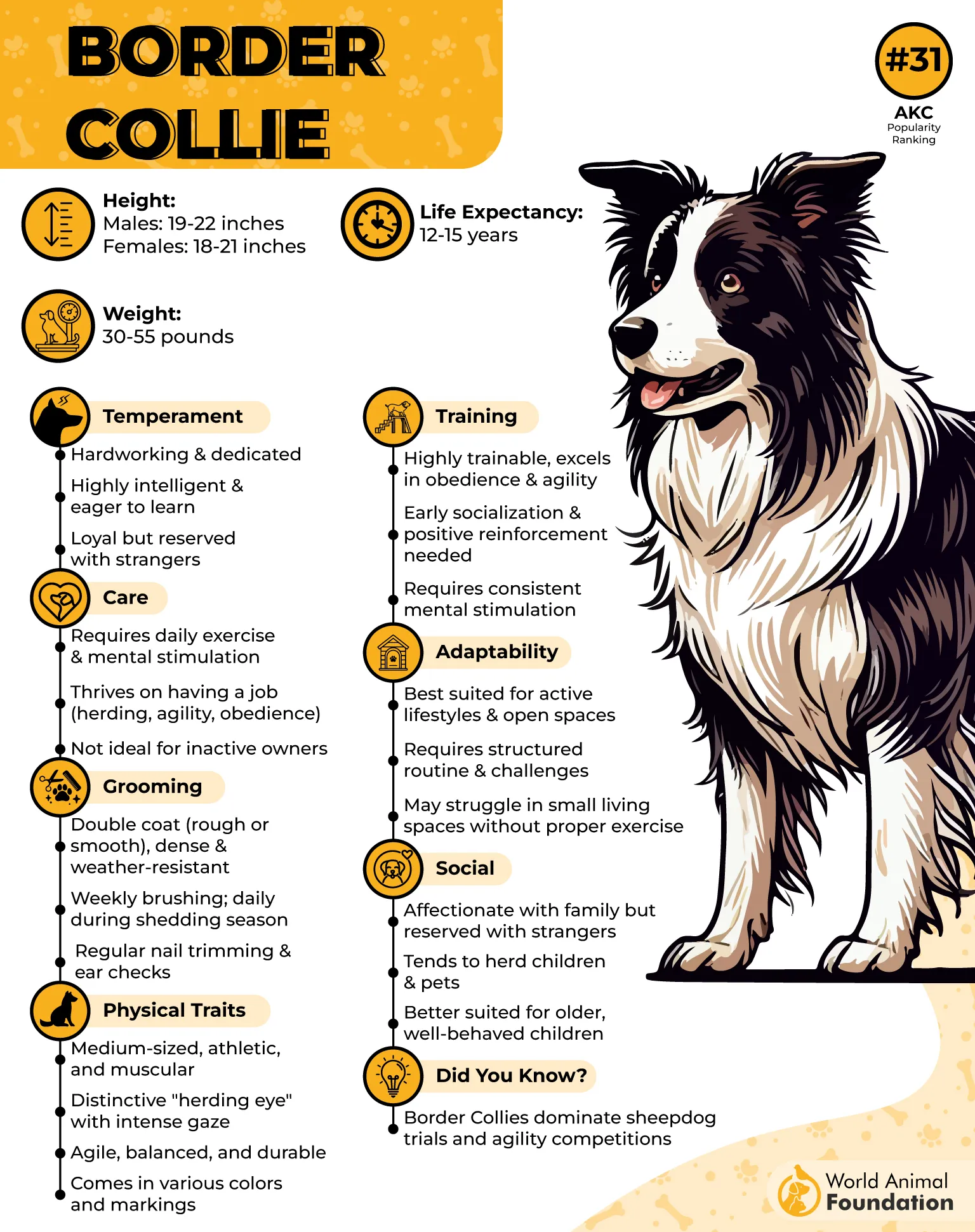
Border Collie developed as a herding specialist known for agility, balance, and a focused working style. The breed’s muscular yet nimble frame allows sustained movement across uneven terrain. This physical efficiency supports long hours of purposeful activity in demanding outdoor settings.
Focus Under Pressure
Border Collie is widely recognized for its intense gaze, often called the herding eye, used to control movement at a distance, as mentioned by WebMD. That visual focus pairs with fast decision-making in unpredictable conditions.
When conditions demand consistency, several traits quietly come into play:
Rapid adjustment to shifting surroundings
Sustained attention over long periods
Accurate response to directional cues
Endurance Through Engagement
Border Collie ranks among the most intelligent dogs, with problem-solving abilities shaped by generations of farm work. The breed performs best when tasks require coordination, timing, and repeated motion. Engagement through structured work supports both mental and physical stimulation in remote environments.
4. Rhodesian Ridgeback
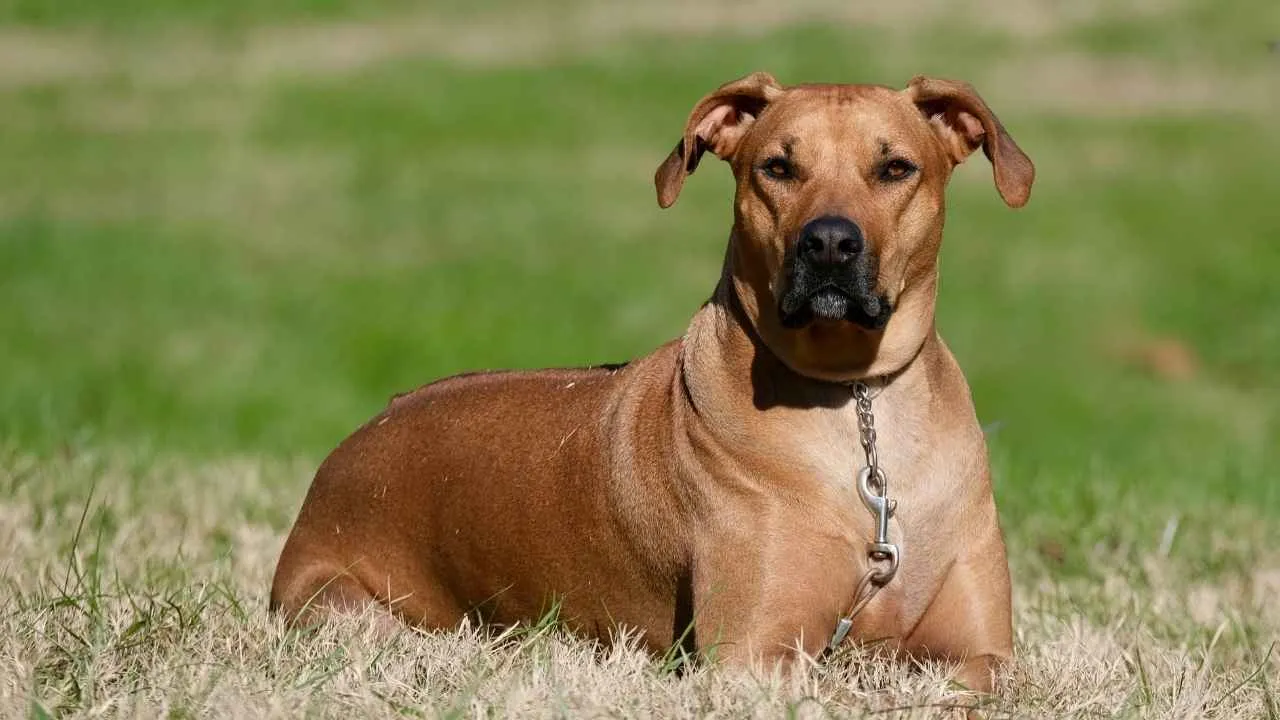
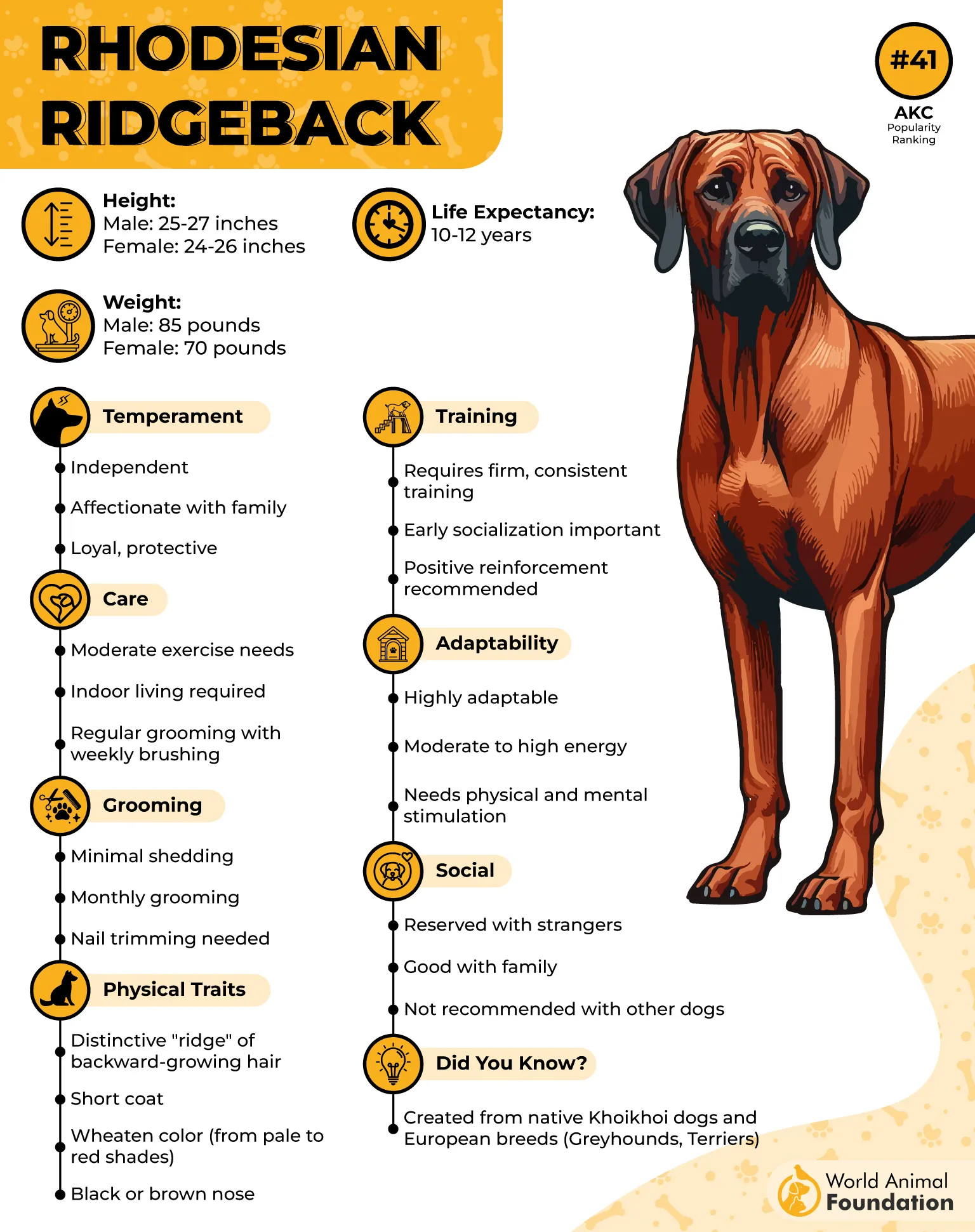
Rhodesian Ridgeback is recognized by the backward-growing ridge of hair formed along the spine. The breed developed in southern Africa as a versatile hound capable of tracking and holding large game at bay. That background explains its calm confidence when facing harsh terrain and unfamiliar conditions.
Endurance in the Field
Known as a Renaissance hound, the Rhodesian Ridgeback combined speed, stamina, and restraint during extended tracking work, as per Pawlicy Advisor. This balance matters in wilderness settings where endurance and judgment decide outcomes.
A few field-tested qualities stand out here.
Sustained pace over long distances
Strong visual focus on moving targets
Natural steadiness under pressure
Athletic Build and Movement
Rhodesian Ridgebacks are powerful athletes with a clean, efficient stride shaped by open land and long pursuits. Their wheaten coat and lean frame help regulate heat during extended exposure outdoors. This physical efficiency places them among active dog breeds suited for demanding outdoor adventures.
5. Golden Retriever
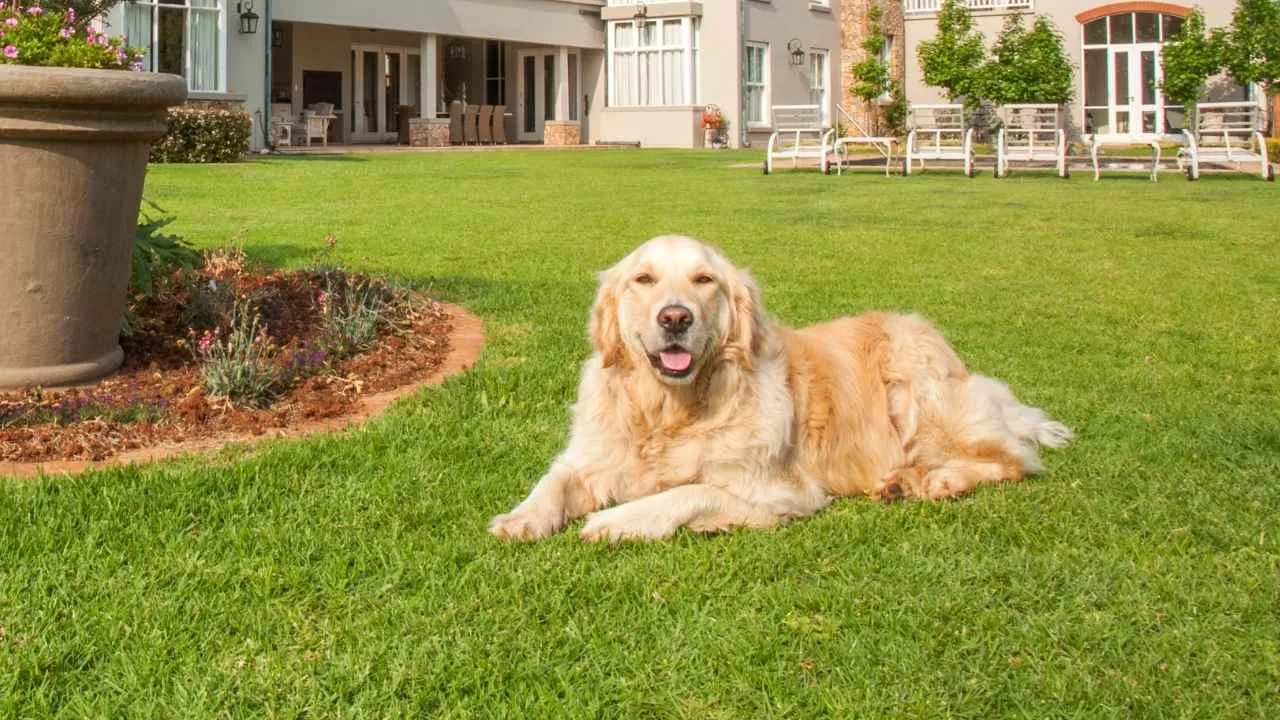
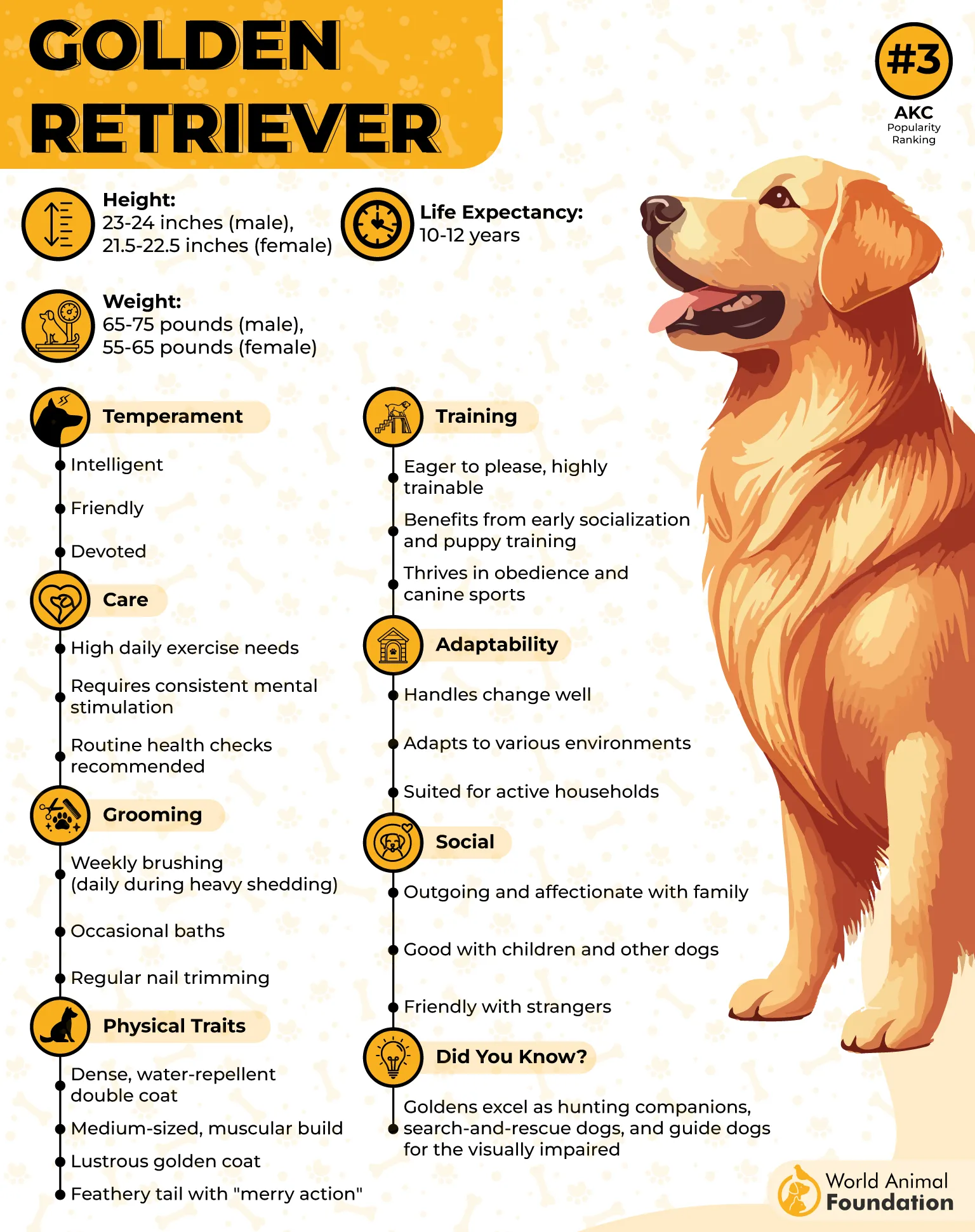
The Golden Retriever was bred in Scotland as a gundog expected to work long hours across rough land and cold water. That background shaped a sturdy, muscular body built for sustained effort rather than short bursts. The smooth, powerful gait reflects a dog designed to keep moving through demanding terrain.
Work Ethic in Harsh Conditions
Golden Retrievers have long been relied on for search and rescue, field work, and guide tasks that demand consistency in unpredictable environments. The breed’s eagerness to follow direction supports teamwork in remote or exposed settings. That reliability shows up in practical ways.
Steady pace over long distances
Focus is maintained during repetitive tasks
Comfort working alongside humans for hours
Movement and Adaptability
Golden Retriever moves with efficiency that conserves energy, an advantage when terrain shifts from water to land. Swimming and retrieving were not side skills but central expectations tied to waterfowl work. This physical adaptability suits an active lifestyle shaped by outdoor conditions.
6. Alaskan Malamute
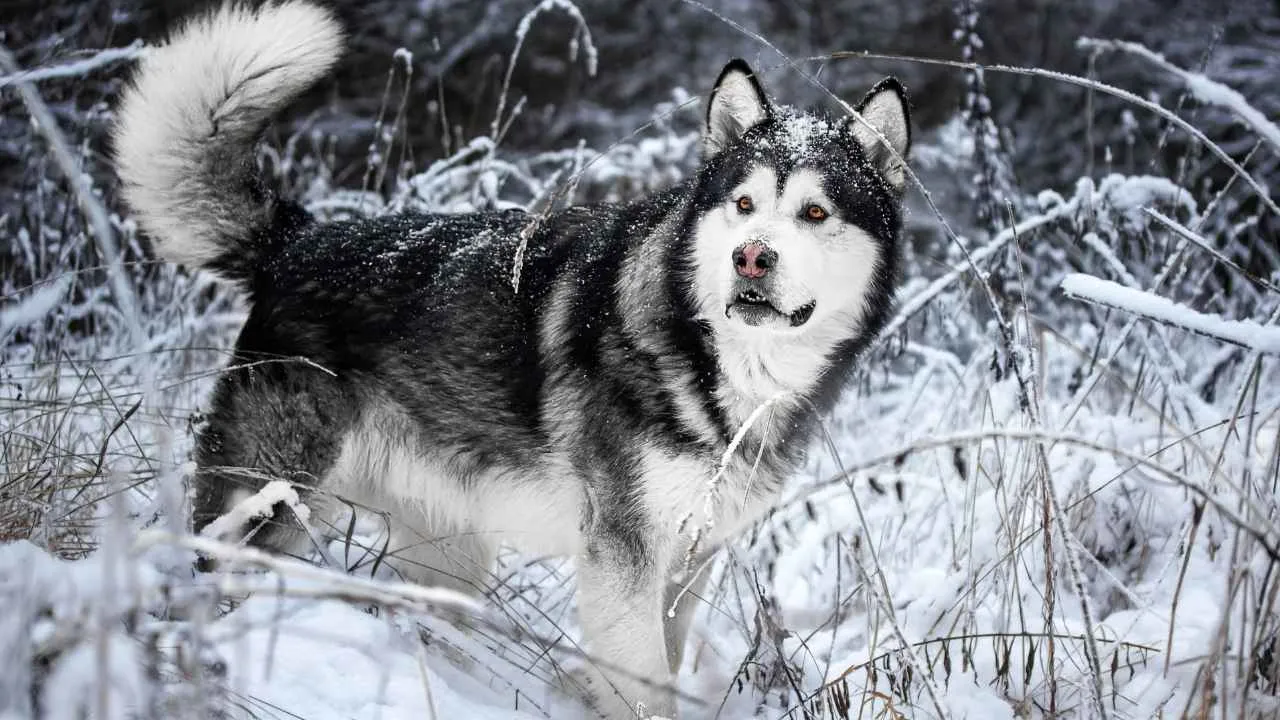
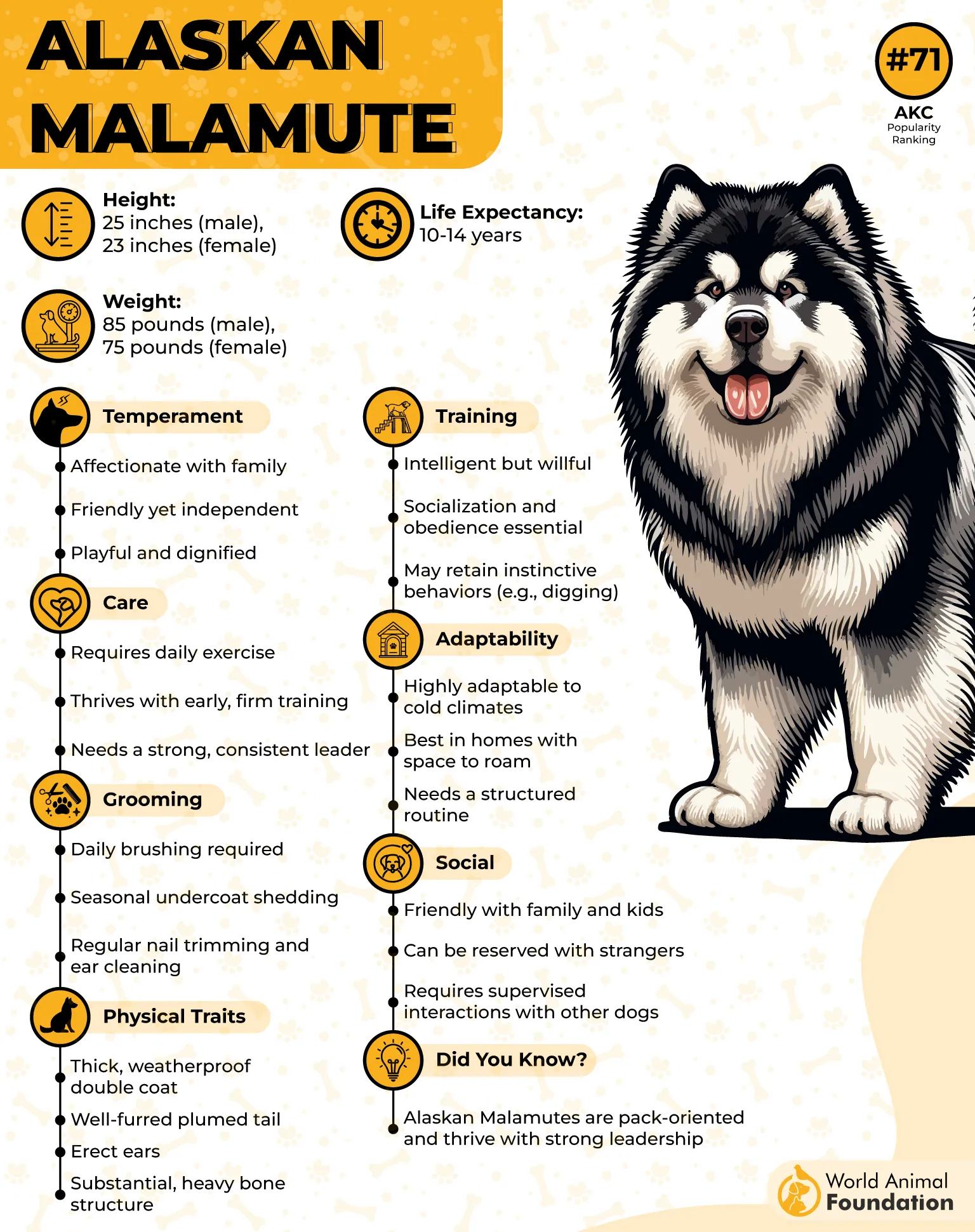
Alaskan Malamutes are powerful spitz-type dogs with dense, weatherproof coats built for endurance in extreme conditions. Their almond-shaped brown eyes and substantial bones hint at both capability and affectionate companionship. Every physical feature reflects a life designed for long hours of strenuous work in cold environments.
Pack Dynamics and Focus
Malamutes are naturally social within their pack, and in a home setting, the human leader guides behavior and focus. Their cooperative instincts translate well to teamwork on challenging trails or wilderness tasks.
These qualities highlight their effectiveness:
Strong adherence to structured guidance
Acute awareness of surroundings
Consistent energy for prolonged activity
Endurance With Purpose
Powerful shoulders and heavy bones allow Malamutes to traverse snow, ice, and rugged terrain efficiently. They excel in hiking and sled-like tasks, proving themselves as true muscular dogs. Engaging them with physical exercise keeps them focused, alert, and satisfied in demanding conditions.
7. Labrador Retriever
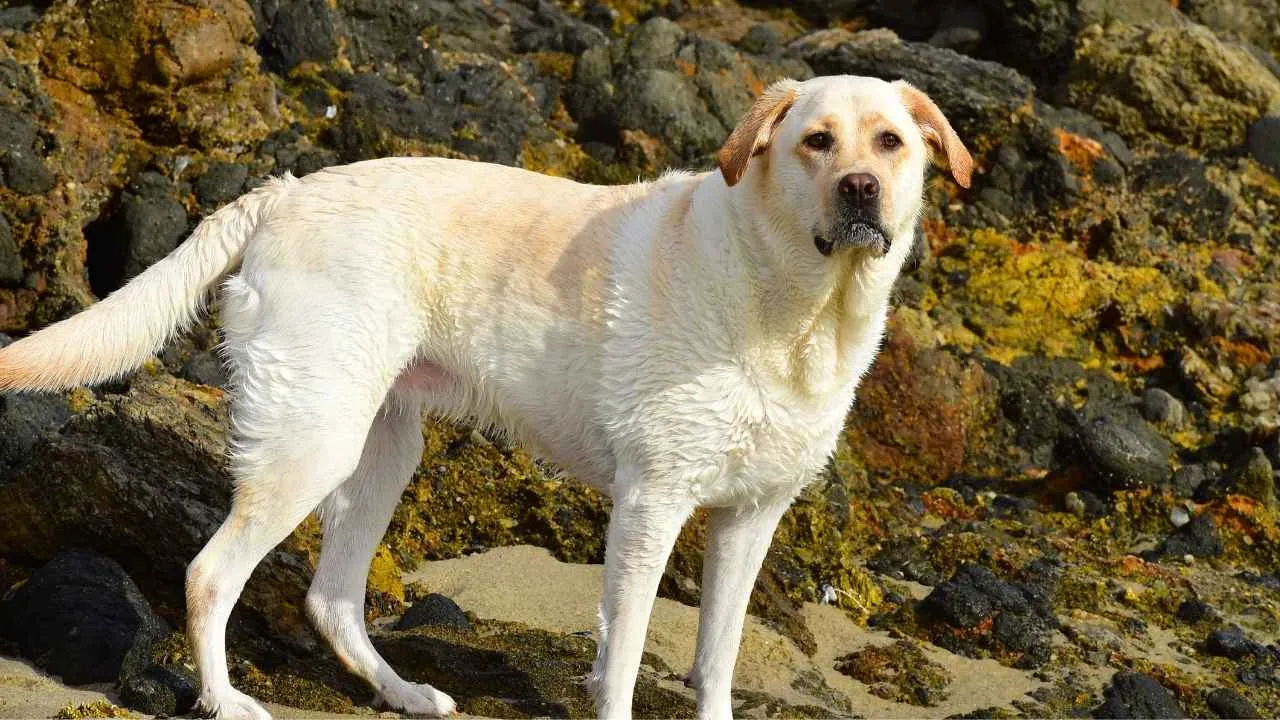
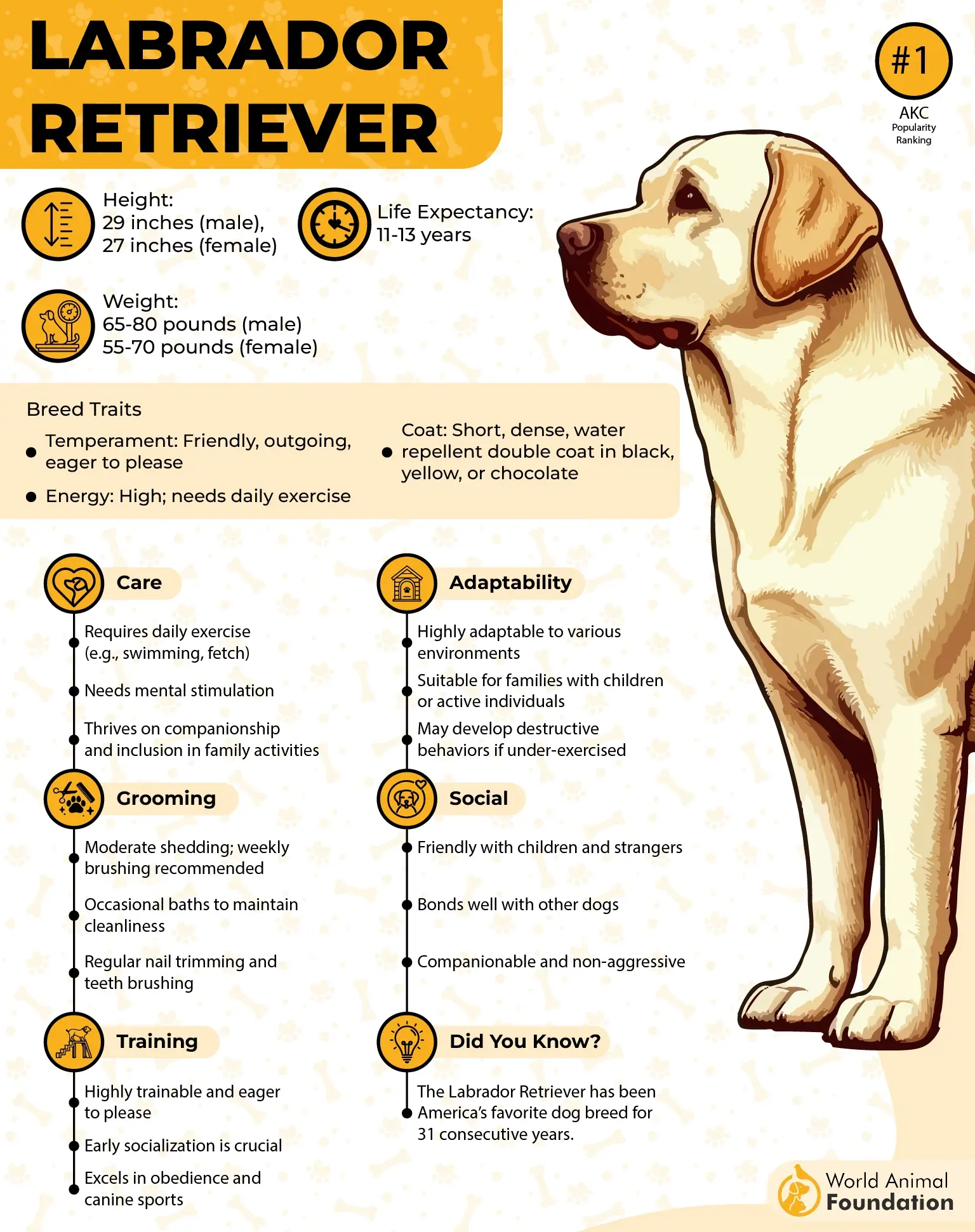
The Labrador Retriever is built for endurance with a dense, water-resistant coat and a strong, athletic frame. Its energy and eagerness make it suited for long hikes, swims, and tasks that demand stamina. In challenging conditions, this breed maintains focus and enthusiasm across changing terrain.
Adaptability and Awareness
Labs adjust quickly to new environments while staying alert to movement and sounds around them. Their intelligence allows them to respond efficiently to unexpected situations, a trait that makes them great hiking dogs.
Observing these qualities reveals practical skills:
High stamina for prolonged outdoor activity
Quick learning of environmental cues
Natural tracking and scent recognition
Task-Oriented Mindset
Labradors are highly motivated when given a purpose, whether retrieving, tracking, or guiding. Structured activity keeps their energy directed and prevents restlessness in wilderness settings. Their eagerness to engage with tasks complements endurance and mental sharpness needed for long explorations.
Conclusion
Life in the wild rewards stamina, balance, and calm decision-making, qualities shared across these best dog breeds. From snowbound trails to open ranges, each adventure dog brings strength shaped by terrain rather than trend. While a small dog breed may suit other settings, these dogs thrive where distance, weather, and effort define the day.
With proper training, they become reliable hiking companions and steady partners in remote spaces. Even in extreme heat or cold, preparation matters for pet owners. What stands out most is loyalty under pressure, a cause these dogs grow into great family dogs beyond the wilderness.
