




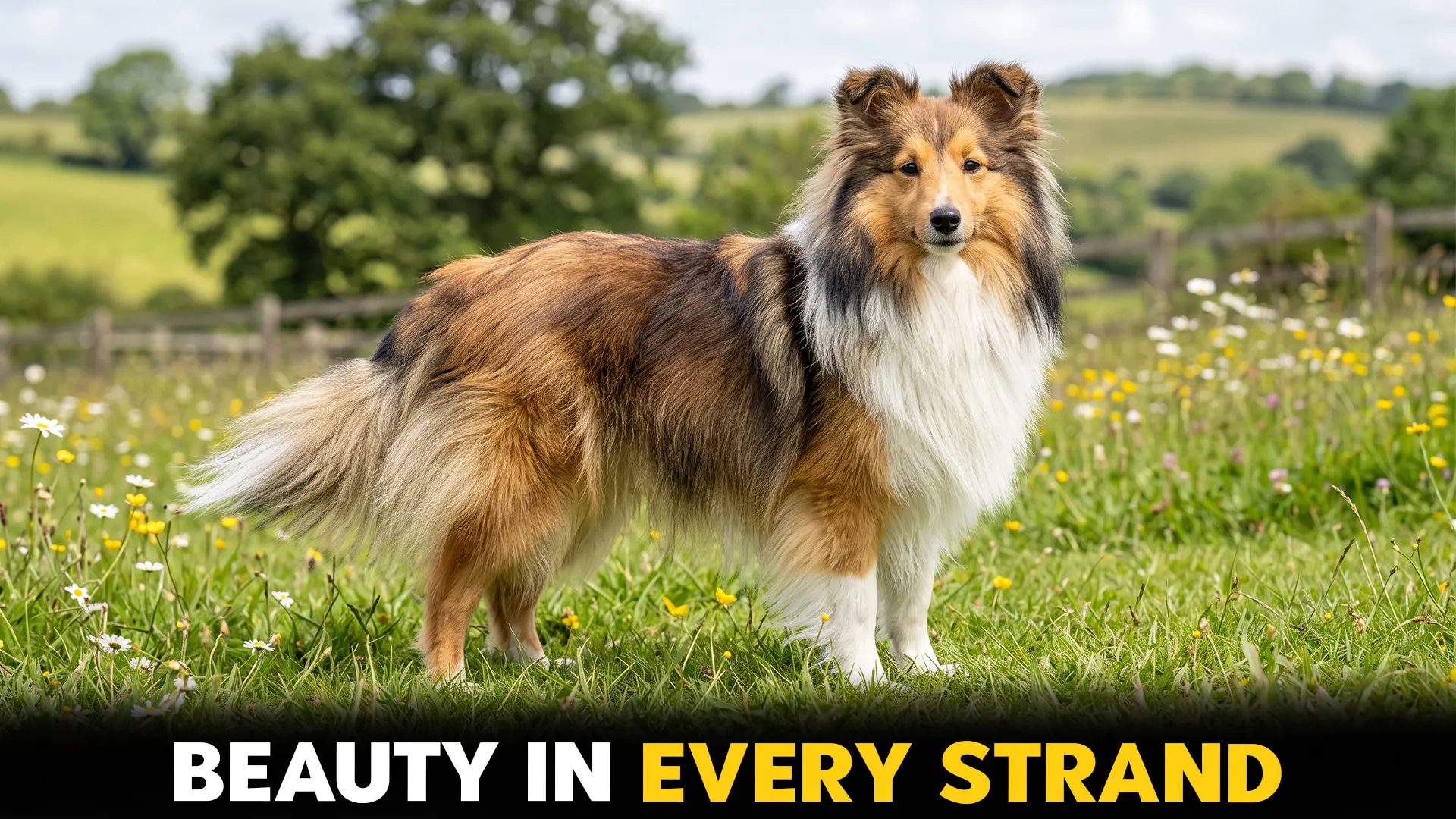
Do you love dogs with multi-colored, mesmerizing coats? Sable coats are among the most fascinating color variations in dog coats and give the canine an elegant appearance.
You might have wondered how it’s different from the other bi-color or tri-color dog coats. While bi- and tri-color coats normally have localized patches of different colors, sable coats create a gradient-like effect.
Sable coats are those with bases of lighter colors and tips of a darker tone; these combinations can have colors like tan, black, and cream, etc. A unique dominant gene called “agouti” is responsible for sable coats in dogs; this gene controls the distribution of pigment.
Many popular dog breeds come with sable coat variations, in addition to their other coat colors. These beautiful doggos are quite the head-turners with their enchanting appearances, wherever they go.
Want to adopt a sable diva? This review will guide you through the world of the most attractive dog breeds with sable coats.
Elegant Dog Breeds with Sable Coat Variations
1. Havanese
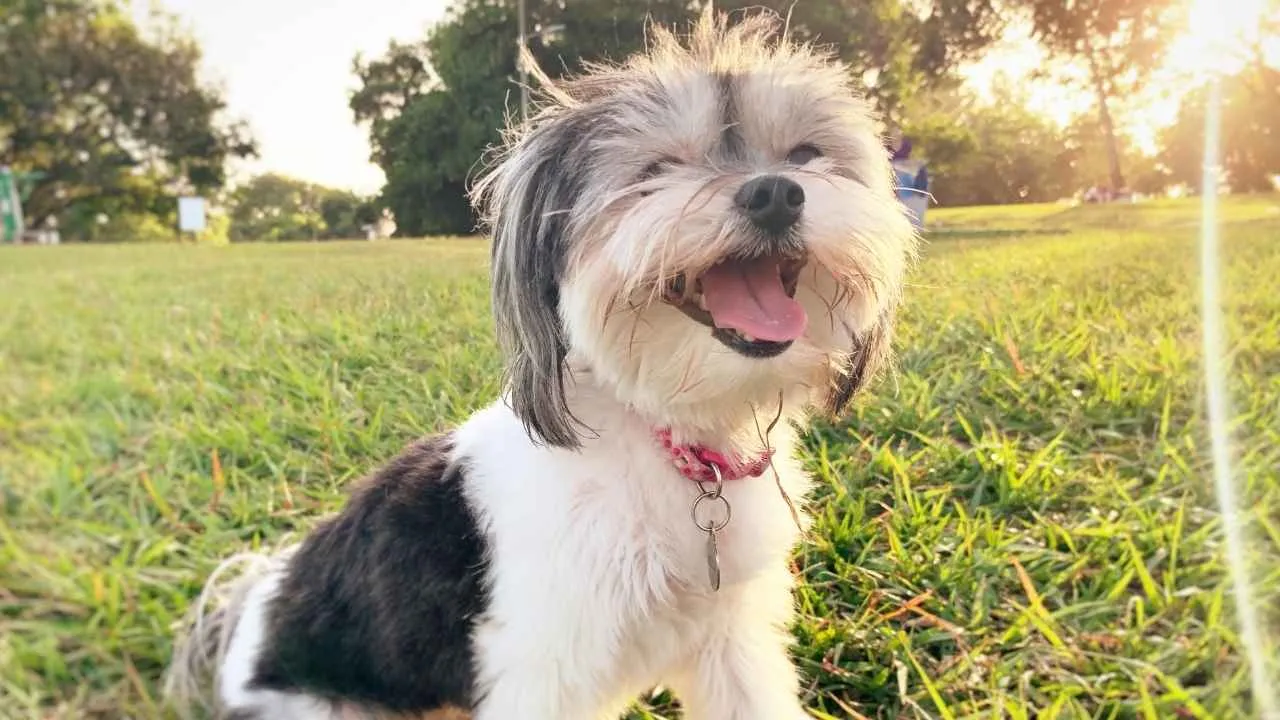
The Havanese is a small dog breed, native to Cuba, and loved by the fanciers of cheerful lap dogs. One of its most prominent features, certainly, is its silky long coat that comes in many colors like white, fawn, chocolate, silver, and of course, sable.
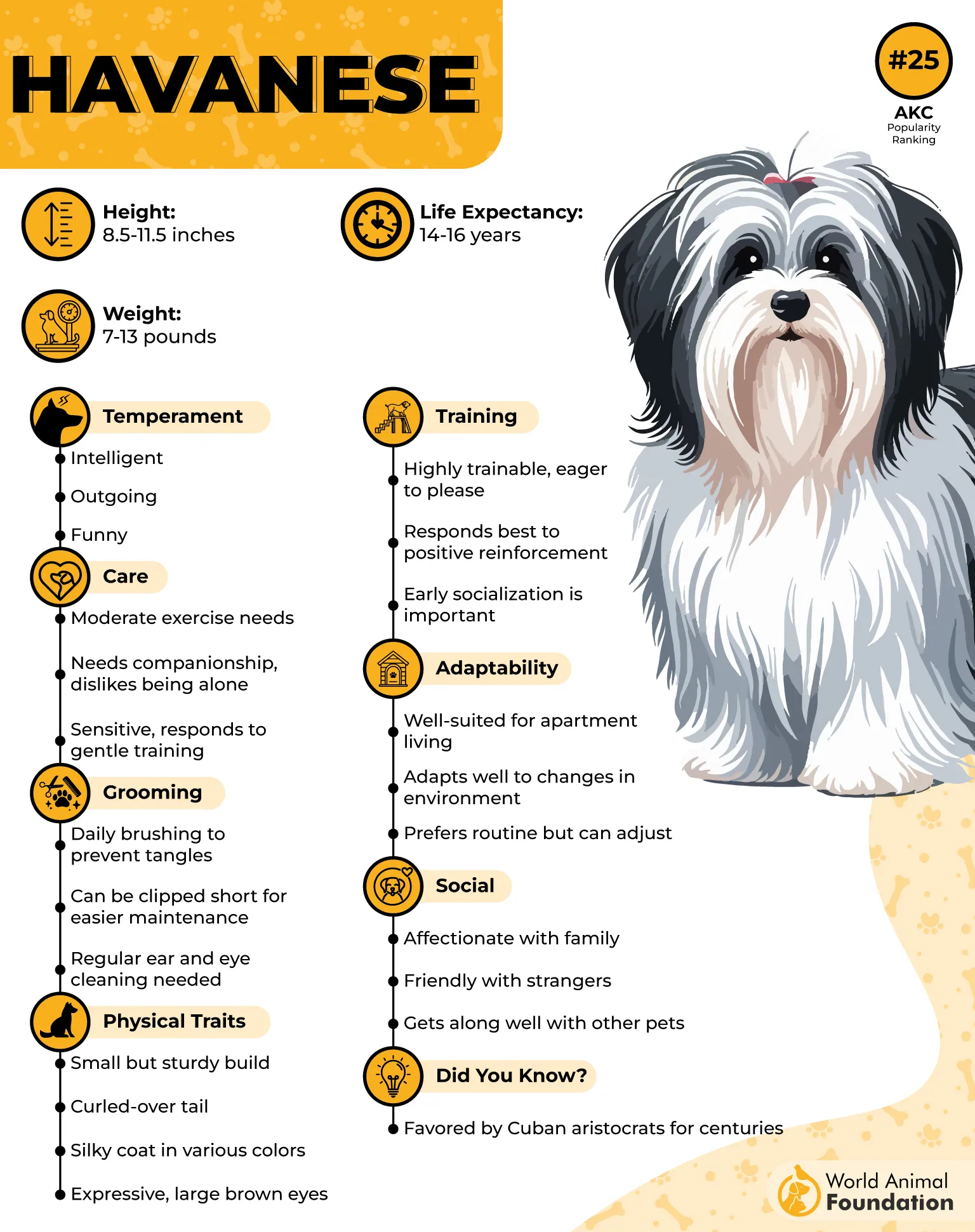
Havanese’s sable coats also come in different varieties, like gold sable, chocolate sable, and brindle sable, etc. Its shaded sable tends to have a cream base and is tipped with brown or tan colors. No matter what color it adorns, your Havanese’s silky coat can be styled in different ways; you can cord it as many pet parents do, or trim it short, according to the AKC.
This pooch has also been called the Havana Silk or Spanish Silk Poodle, as a homage to its glamorous and lush coat. Though as a small dog, Havanese is low maintenance in its exercise needs, when it comes to grooming, taking out time daily to brush its hair is important in keeping it tangle-free.
Once you’re done grooming your Havanese, play with it indoors, give it toys, or take it outdoors on a short walk; your pooch will appreciate all of these activities.
2. Pomeranian
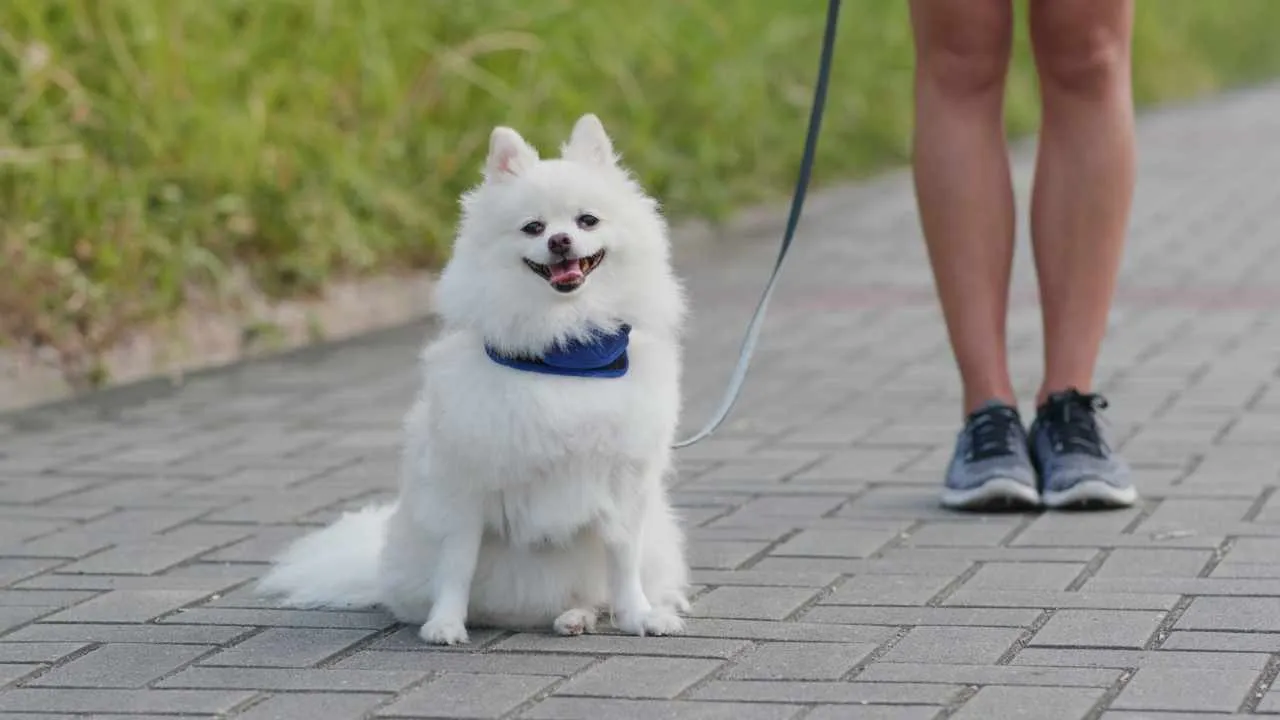
Pomeranian looks like a miniature, fluffy fox with its facial features and the dense double coat covering its small body. If you’ve seen a Pom, chances are you’ve seen its orange, red, or sable variation (its most common coat colors), though it comes in tons of other colors like brindle, tan, and blue merle.
Sable Poms can also have varying combinations, from dark, clear sable to lighter ones, and reverse sable where the base is darker than the tips.
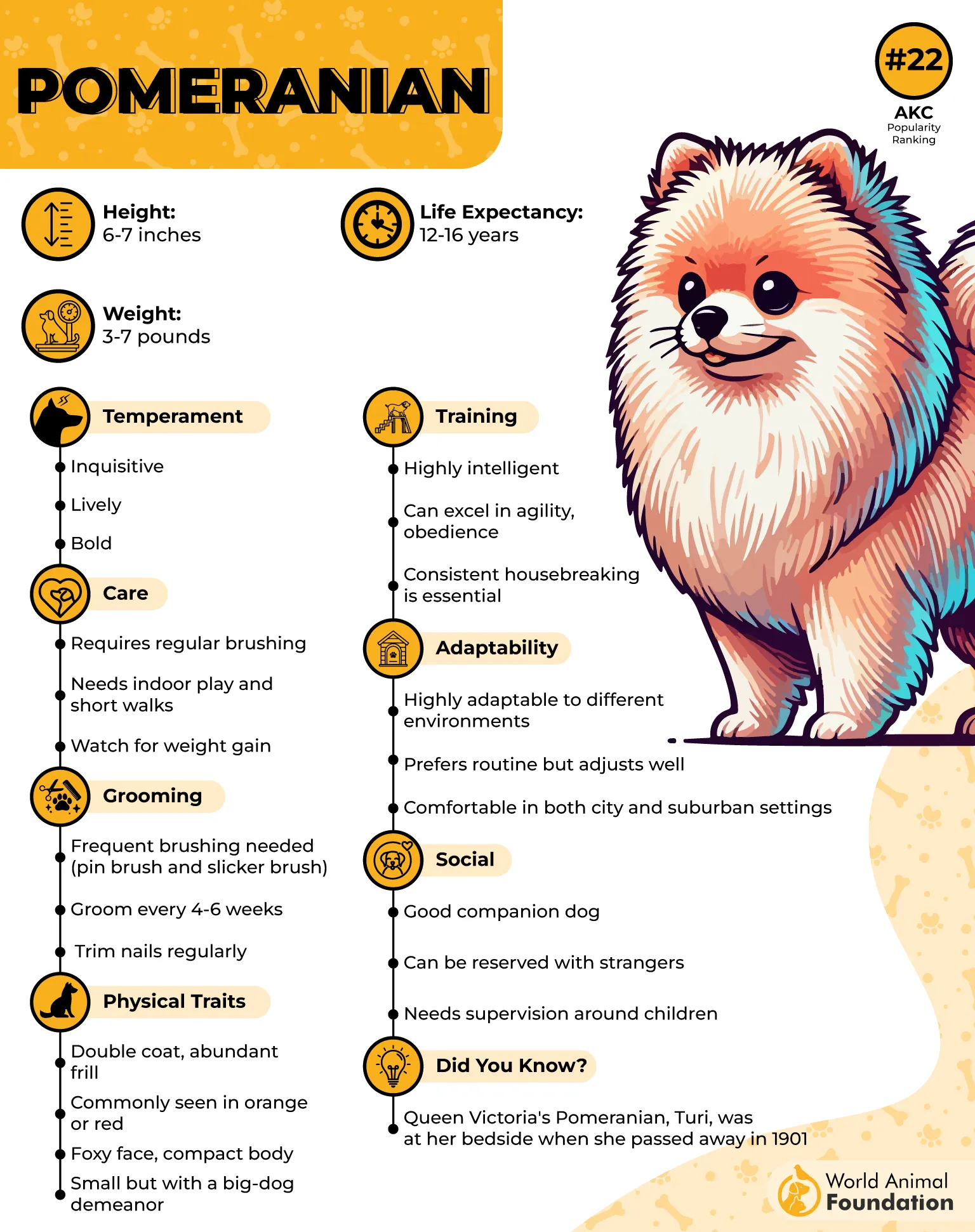
Pomeranians are dogs with a smaller, square build; bodies as long as tall, making them adorable lap dogs. These pooches are believed to have descended from the Spitz family, and were developed as small dogs in Pomerania, and later came to be known as Zwergspitz (dwarf dogs), according to Orvis.
When it comes to temperament, Poms are confident and playful, despite their small size. If given early socialization training, they make good playmates for children who have been trained not to roughhouse their dogs.
Poms make alert and loyal little balls of fuzz; they have protective instincts and tend to bark when they notice a stranger in their territory.
3. Borzoi
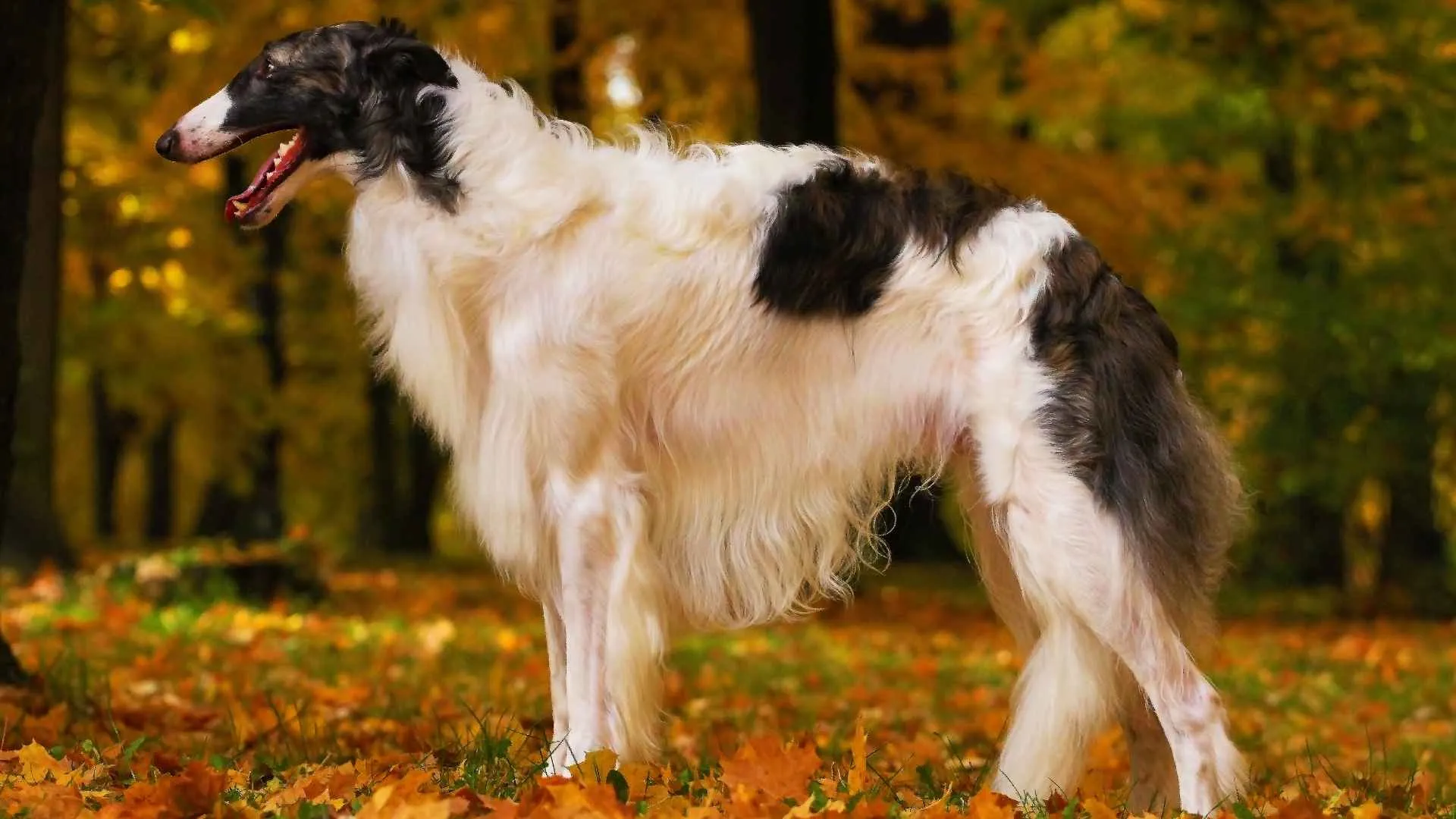
“Regal” is just the word for a Borzoi; the Russian sight-hound that has served as hunting companions for Russian aristocracy. This breed is a surprising combination of robustness and an affectionate nature, which makes it a suitable family dog for experienced families.
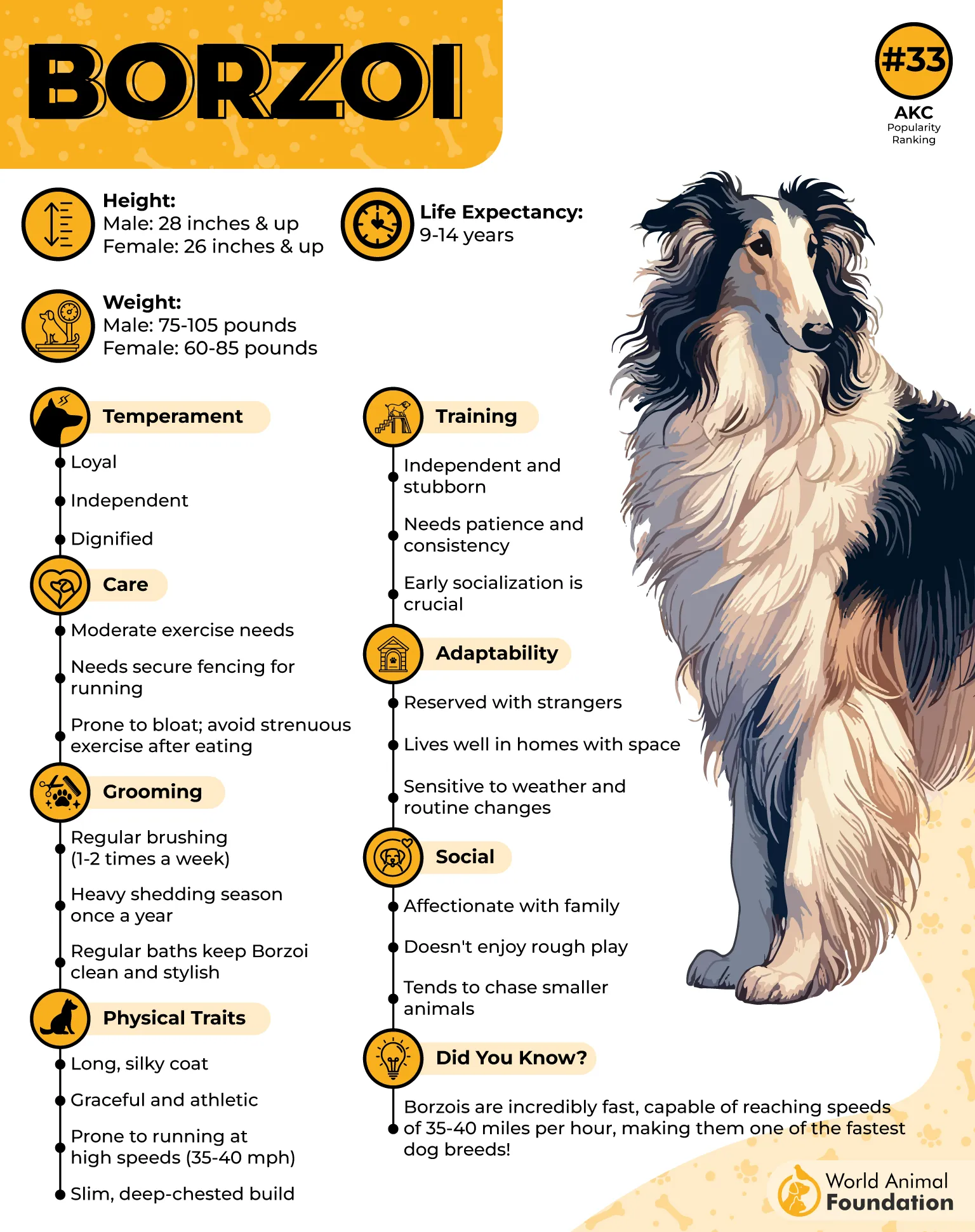
This doggo’s stunning coat colors accentuate its overall charm and uniqueness. They have a long snout and a narrow head, strong and muscular legs, and a sloped back. Their many coat colors include gold, fawn, sable, gray, and black; all varieties look great on their long, silky coat that can be wavy.
Borzoi’s sable coat is one of its most gorgeous varieties; the pigment tends to be white at the base, and cream and tan or black at the top, creating a beautiful gradient. The darker part often covers its back, making it look more balanced and eye-catching.
As these dogs were bred to hunt, Borzois need at least moderate daily exercise, and some opportunities to run (long walks with their owners will also make them happy). These dogs used to hunt in packs and pin their prey till their hunters arrived; their agility can be channeled through making them participate in agility training, lure coursing, and other such activities.
4. Shetland Sheepdog
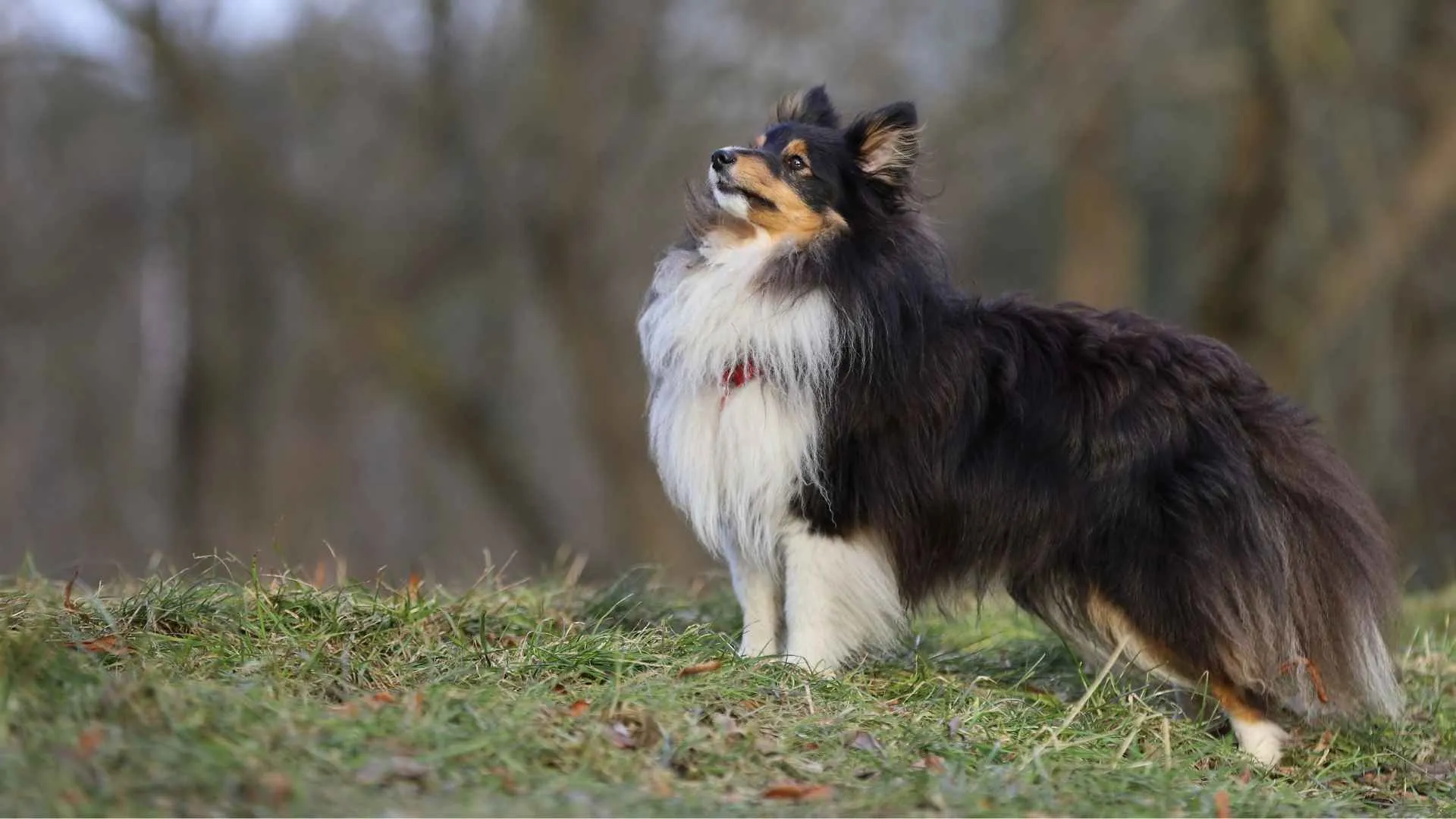
Shetland Sheepdog, or “Sheltie,” is one of the most cheerful and smart herding breeds that originated in the Shetland Islands of Scotland. Shelties are long-haired dogs only, with a shorter head and narrower muzzle, according to Britannica.
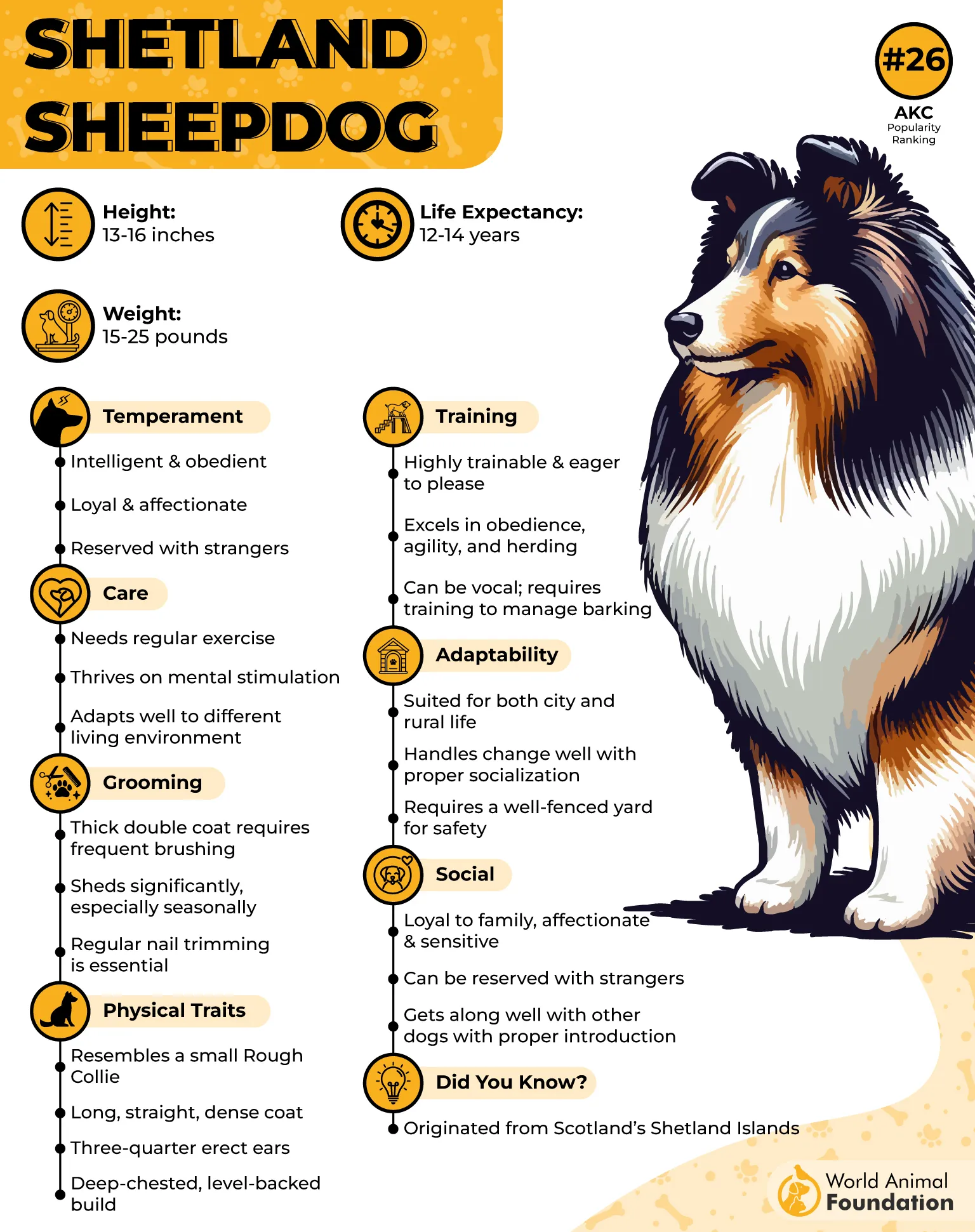
Shelties make suitable companions for pet parents who love to stay active; these doggos are high in energy and need regular exercise to stay healthy. They are also quite people-oriented and won’t cause a scene if they have to live with other pets, and even children. Keeping them active is a great way to curb the possibility of them becoming extra vocal and destructive.
Shelties proudly carry one of the prettiest variations of sable, which is the most common type of coat coloring in these doggos. The double coat tends to be very dense and harsh, and often comes with white markings.
These dogs are high-shedders; make sure not to skip their regular grooming, especially during their heavy shedding seasons. Matting can be found behind their ears and other hidden locations like under their elbows, according to the AKC.
5. Lagotto Romagnolo
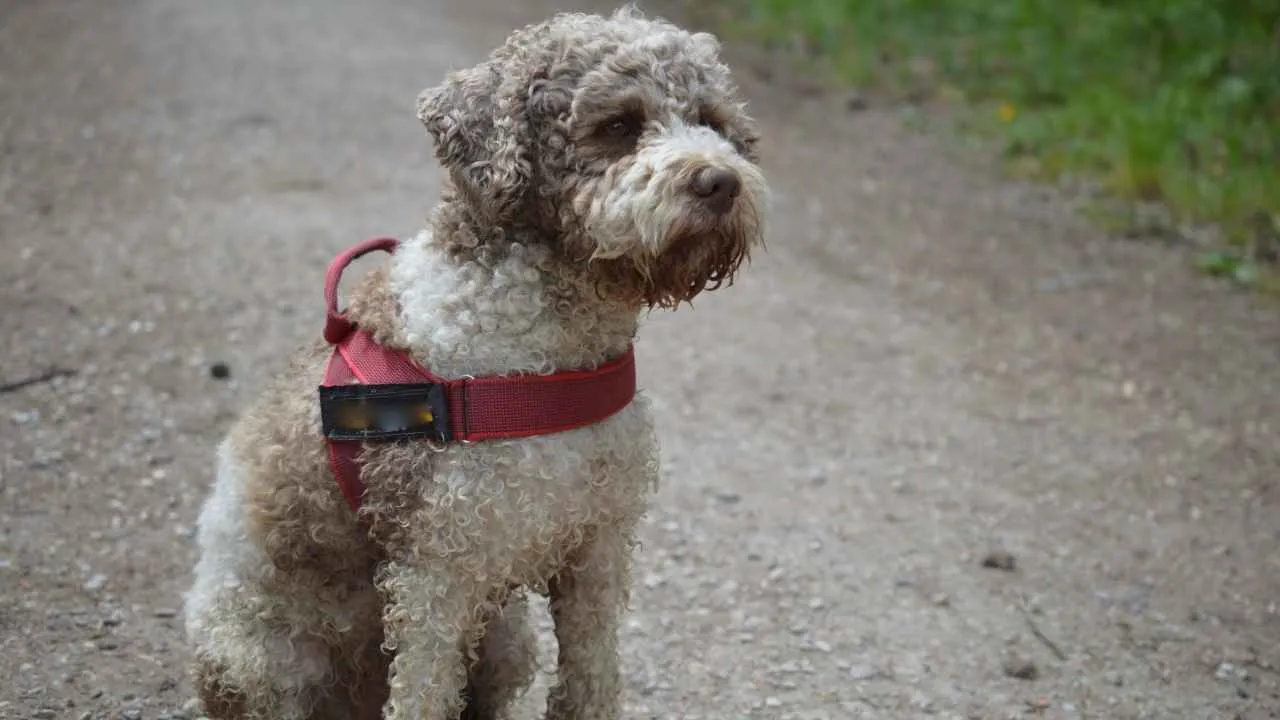
It would be a bummer not to include a curly, sable-coated doggo in this list; so, enter Lagotto Romagnolo, a versatile Italian breed. They were originally bred as hard-working water dogs that were easy to train and all about pleasing their human partners.
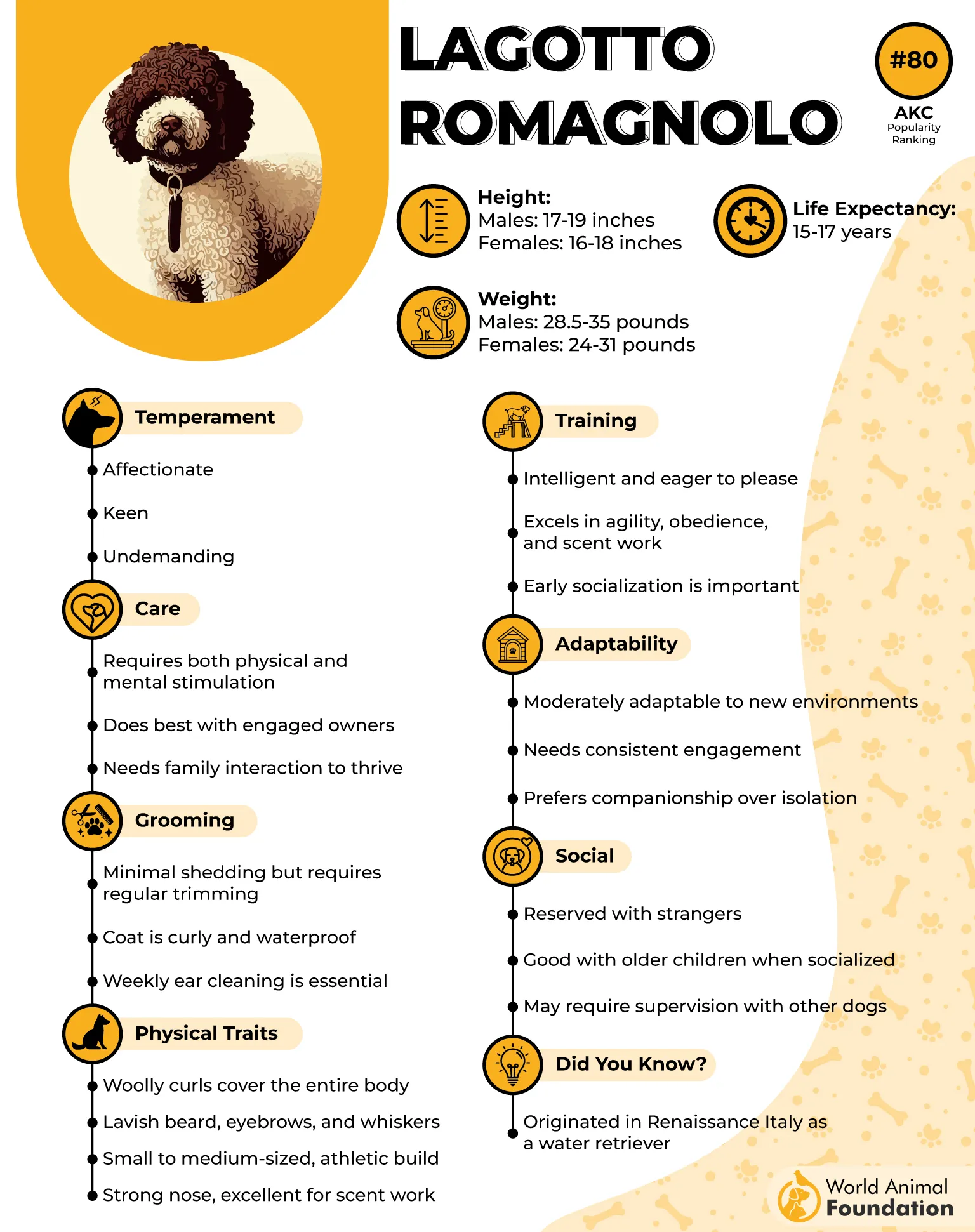
Lagotto Romagnolo is a truly fascinating breed that can be a valuable companion to any active pet parent. Their small to medium but powerful bodies were built for agility and moving effortlessly when going after prey. Their scenting abilities are impeccable; from tracking game to hunting truffles, these doggos can get the job done.
Lagottos have a water-repellent coat that tends to be woolly, curly, and somewhat harsh. Their common coat colors are orange, roan, brown, off-white, white, and sable; its sable variation can have different shades and combinations.
These pups have a very dense coat and can have a lot of hair on their beards, whiskers, and eyebrows (that might even cover their eyes). These teddy bears require a lot of coat care daily; once their curly coat gets matted, it won’t be easy to get rid of it.
They are all about companionship and attention; from spending time with their owners to coexisting with other dogs, they can be quite sociable. They need to stay active, so plan their daily playtime to keep both you and your doggo in high spirits.
6. Pembroke Welsh Corgi
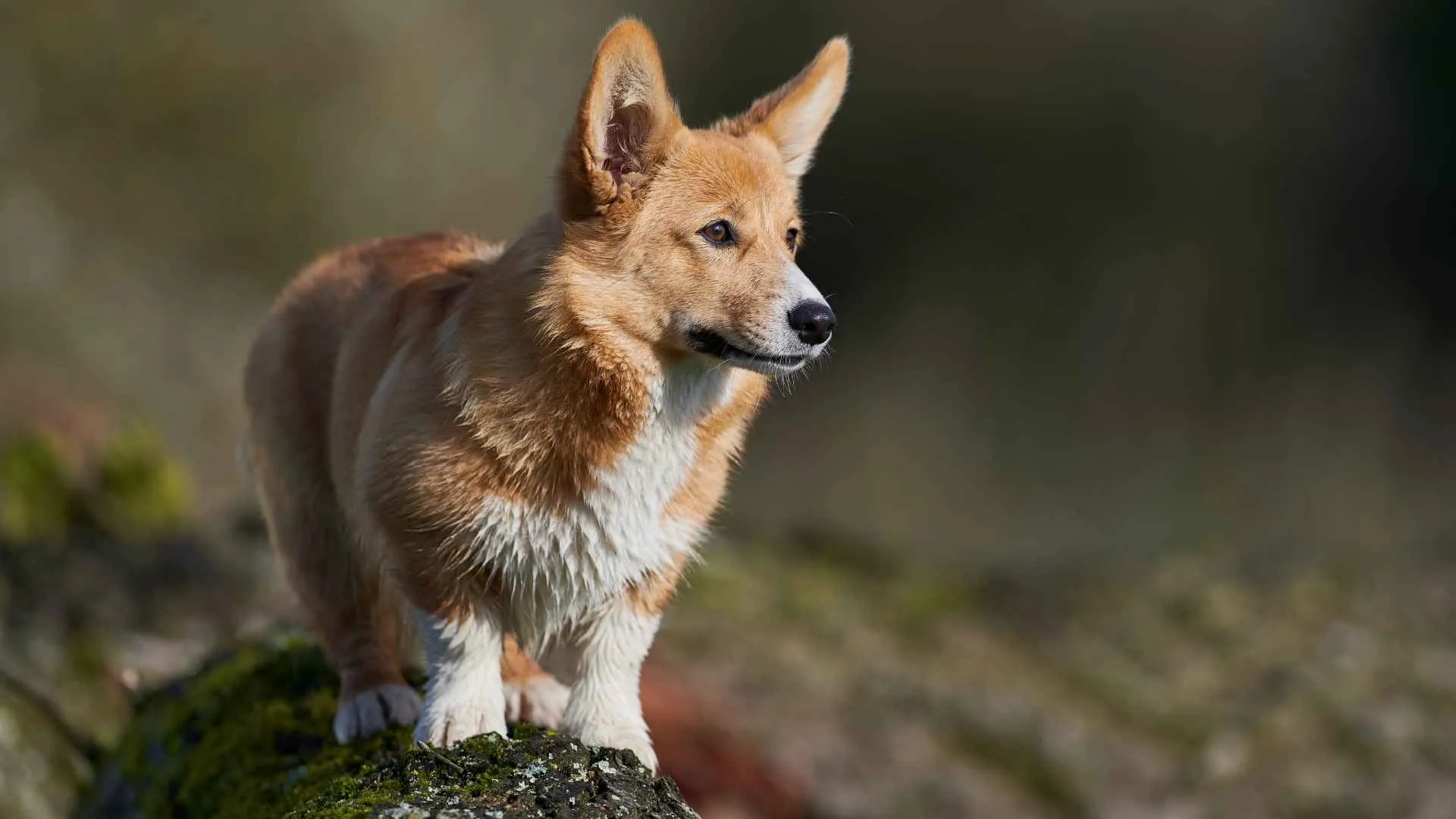
Pembroke Welsh Corgi (or call it just “Corgi”) originated to herd cattle and is now one of the most popular dog breeds in the world, according to PetMD. This dog’s elegant and adorable appearance made even Queen Elizabeth II one of its devoted fans, who had many Corgis as companions.
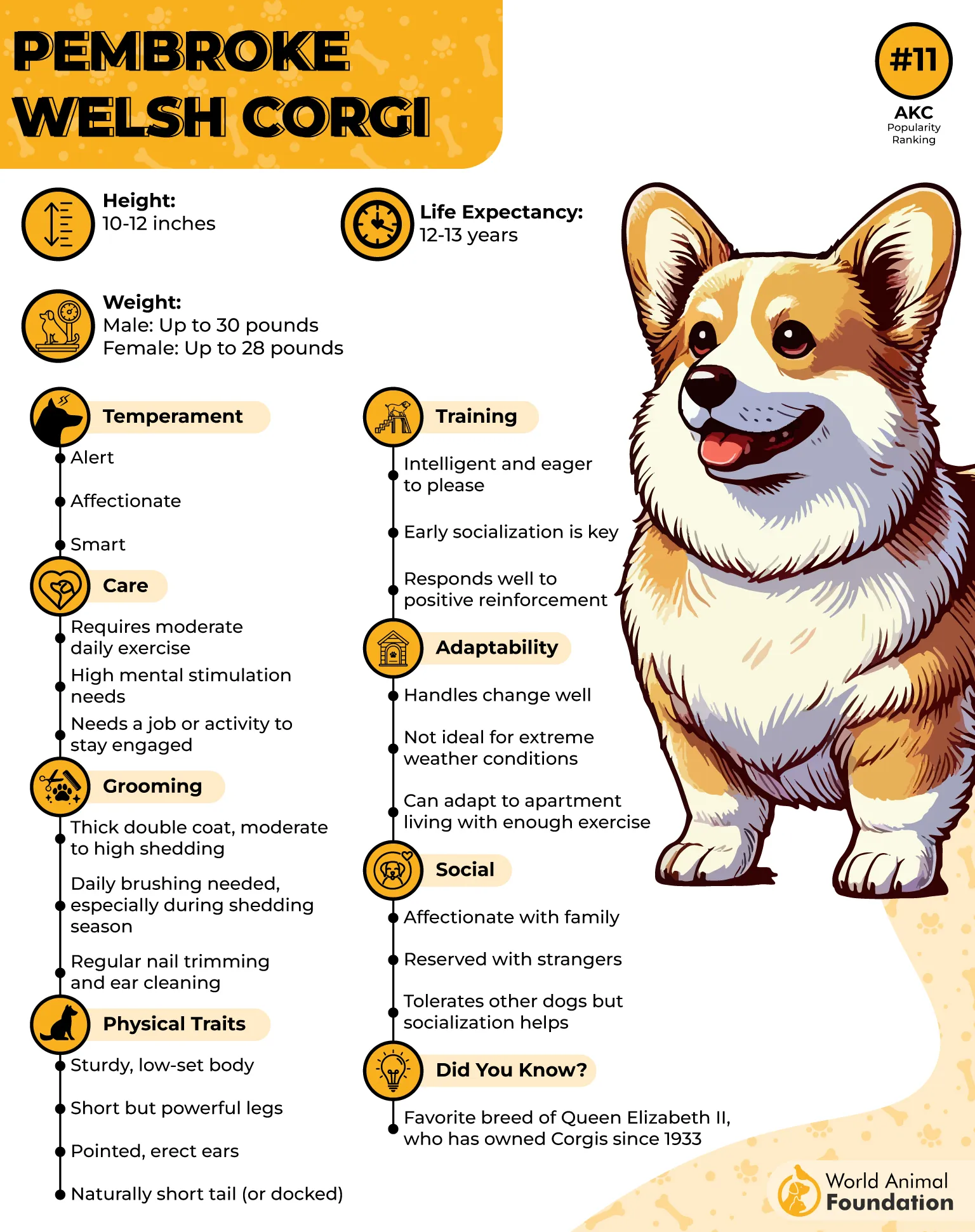
Independence, loyalty, and intelligence are this breed’s core traits and point to its herding background. These short-legged dogs are quite sturdy and love to stay active; physical and mental stimulation activities keep them happy and prevent them from bad habits like chewing.
Corgis’ common coat colors are fawn, red, tan, black, and sable; the sable coat can have red, white, and black hair (one of the most common variations in these dogs). The sable Corgis can have a “black cast” in different locations, like their backs or faces.
As double-coated dogs, Corgis tend to shed; regular brushing sessions and occasional bathing keep their coat in a good state.
7. Collie
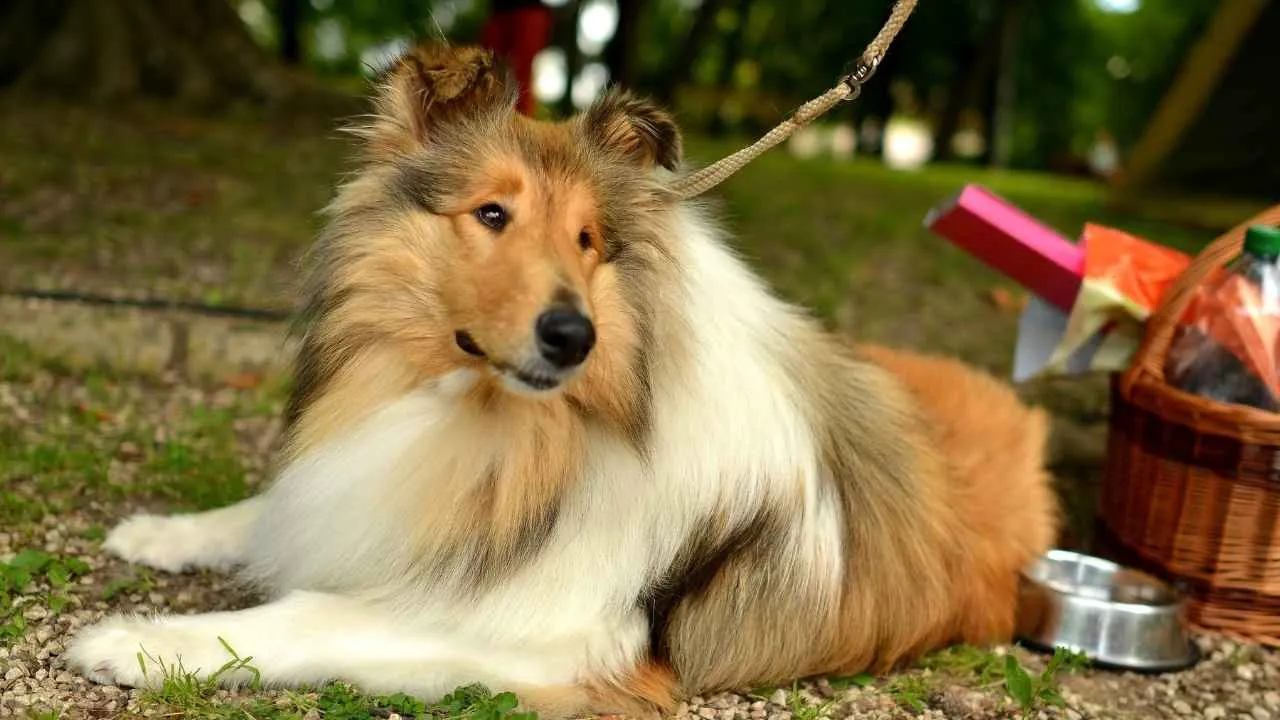
The Collie is a loyal and tough working dog breed known for its intelligence and affectionate nature. As a trainable breed, the Collie excels more than just herding; it makes a great service and search and rescue dog and can perform well in obedience and agility-related tasks.
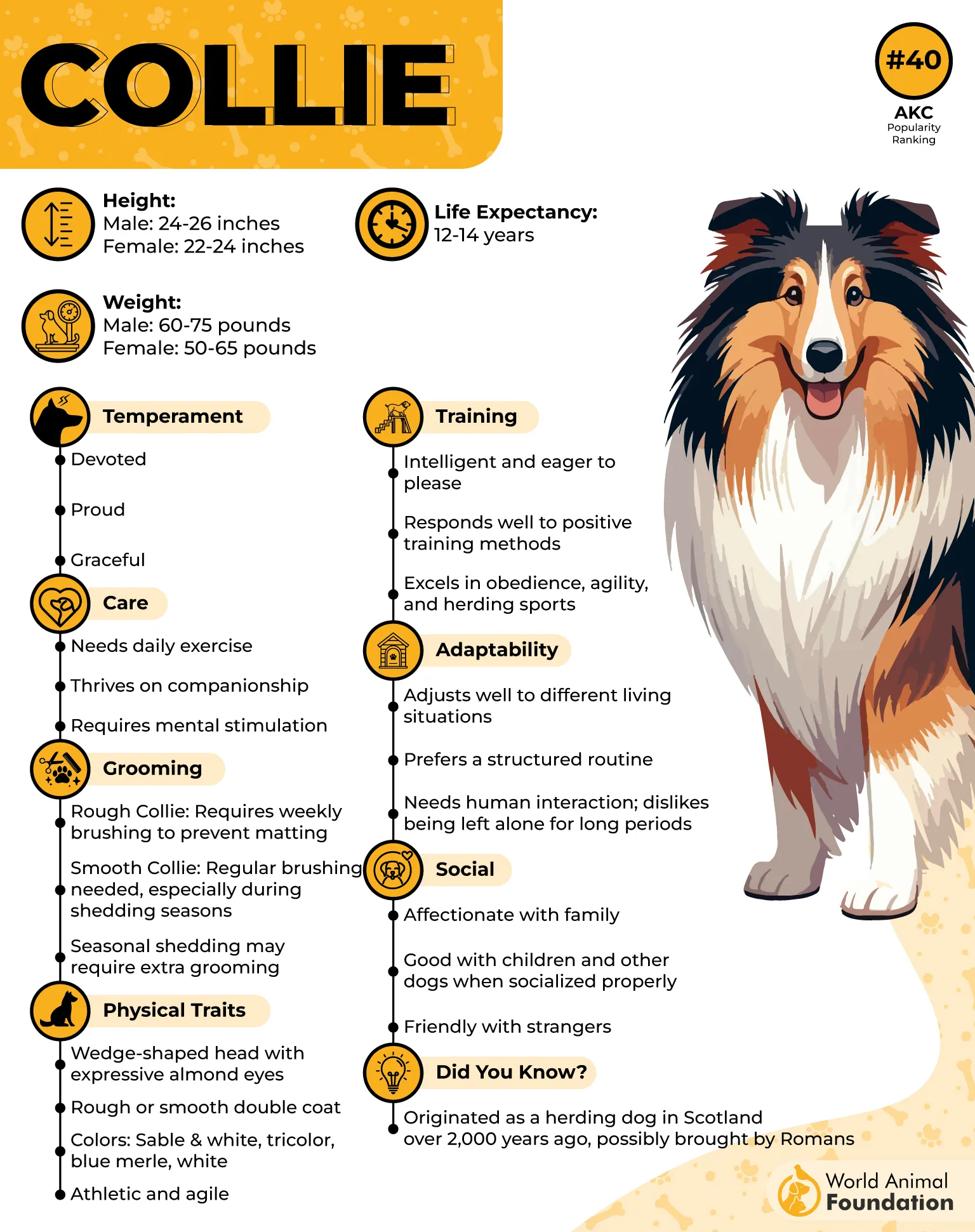
Collies come in two coat types; they can be either smooth-coated or have a full coat, and both types can have sable variations. Collies can be sable or tricolor; sable with the tricolor gene gives an elegant dark sable look that makes this dog’s appearance nothing less than Insta-worthy. Without the tricolor gene, we get a clear sable or a pure sable.
Both smooth and full-coated Collies need regular grooming; the smooth ones have a thick double coat that sheds seasonally, while the long (and rough) coated ones are likely to mat and tangle.
A well-trained Collie is the ultimate family dog that can get along perfectly with children. As herding dogs, they can exhibit a protective behavior towards their humans and might also nip at the heels and ankles of people and other animals.
Conclusion
These gorgeous dogs add beauty to your life not because of their appearance, but also with their loving temperaments. Make sure to find appropriate coat care products to keep your sable dog looking its best when it meets your friends in gatherings.
