




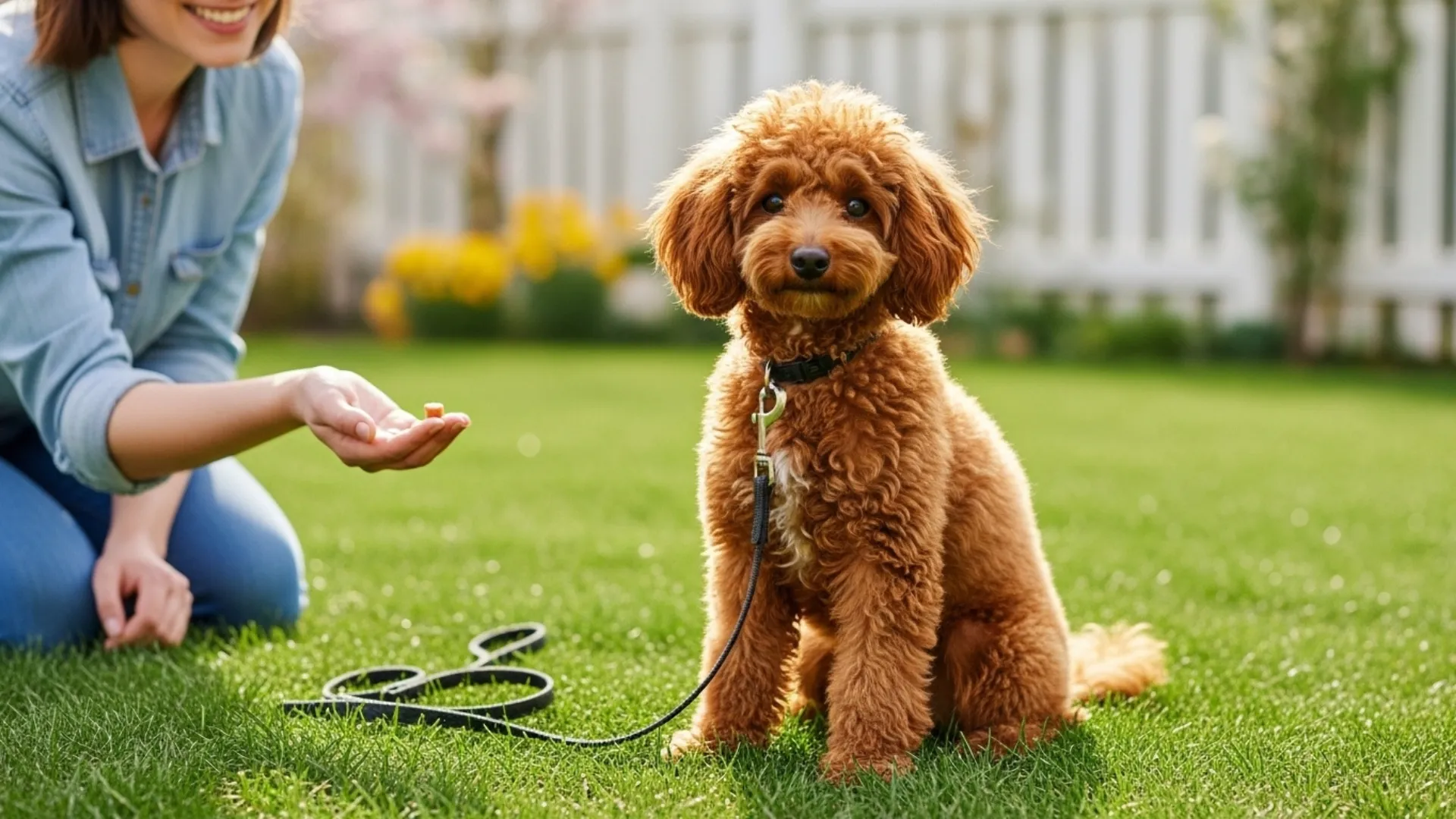
Bringing home your first dog is exciting, but training can feel like a big responsibility.
The good news is that some breeds are naturally more responsive, eager to learn, and easier for beginners to guide. Choosing a dog that picks up commands quickly and enjoys working with people can make your experience far more rewarding.
In this guide, we’ll introduce seven of the easiest dog breeds to train that are well-suited for first-time owners.
Whether you want a playful companion or a calm family pet, these breeds offer a great balance of intelligence, cooperation, and adaptability to help you start your dog ownership journey with confidence.
Easy‑Train Dog Breeds for First‑Time Owners
1. Golden Retriever
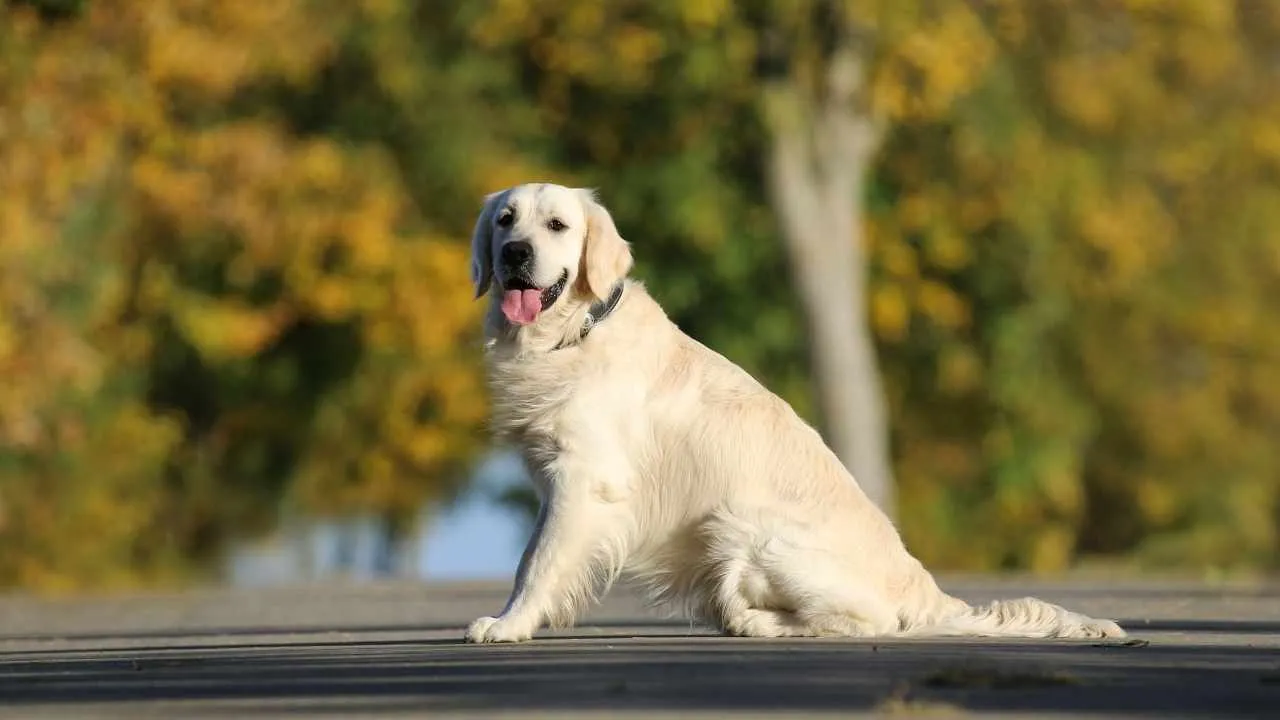
Spend a little time with a Golden Retriever, and you’ll notice how much they enjoy being involved in everything you do.
They are active dogs that like having both physical and mental outlets, whether that’s running, playing, or learning something new. At the same time, they have a calm and gentle side that helps them settle comfortably into home life.
Training a Golden Retriever often feels natural because they genuinely enjoy having tasks to complete. As per PDSA, their intelligence and problem-solving ability mean they quickly understand what’s expected of them, especially when rewards are involved. They also tend to stay engaged, which helps training sessions feel productive instead of frustrating.
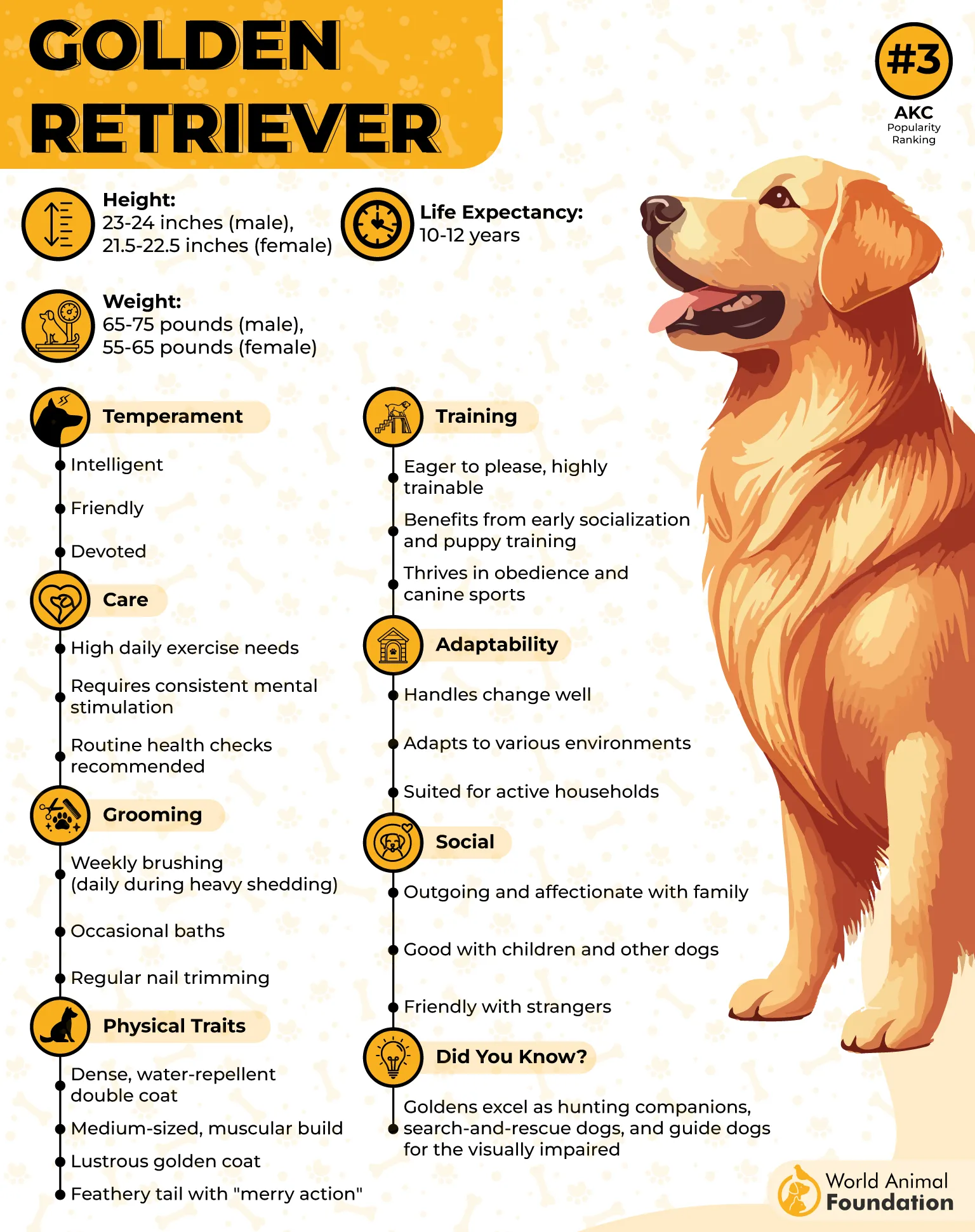
They usually adapt well to family environments when properly socialized from a young age. While they are affectionate and easygoing, they still need regular exercise and attention to stay balanced. Their love for interaction makes them happiest when they are included in daily routines.
Why This Breed Is a Good Fit
Enjoys structured activities, which help beginners stay consistent
A naturally cooperative attitude reduces resistance during training
Builds strong connections that make learning feel interactive
2. Miniature Poodle
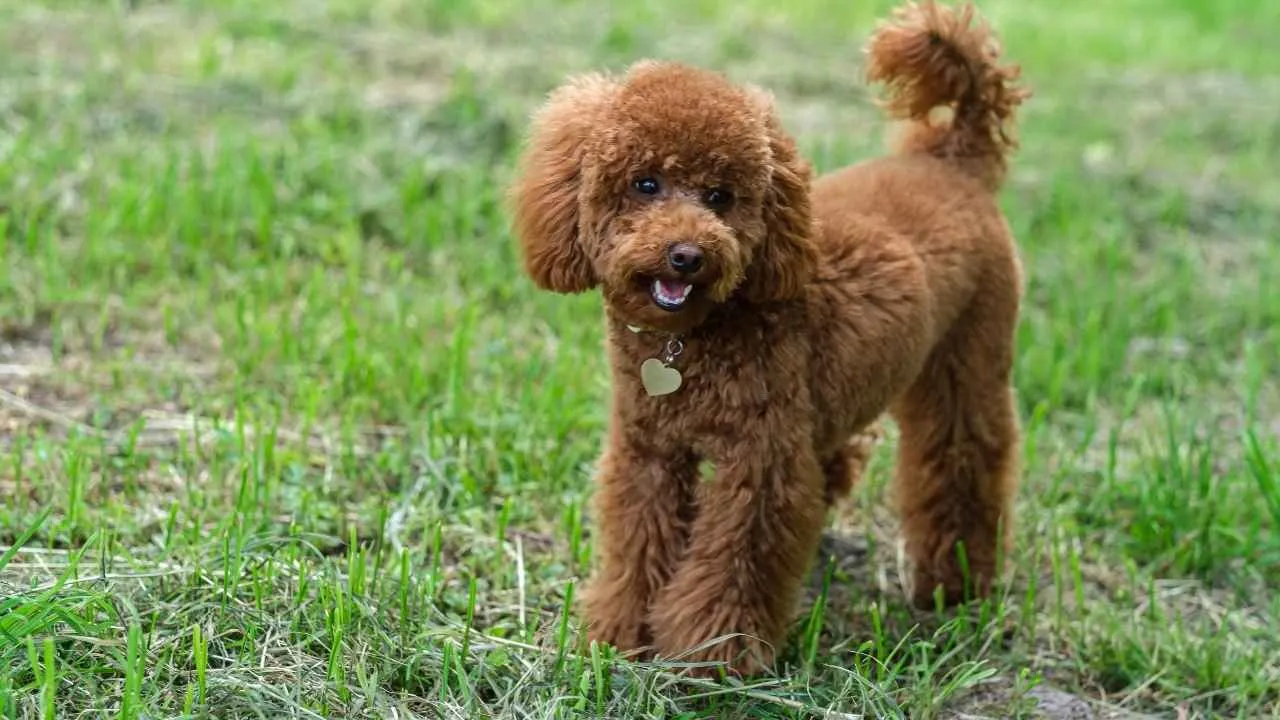
Miniature Poodles bring a surprising amount of energy for their size and rarely sit still for long. They enjoy staying busy, whether that means going on walks, playing games, or exploring new environments. Their playful nature often makes them feel more like a big dog packed into a smaller frame.
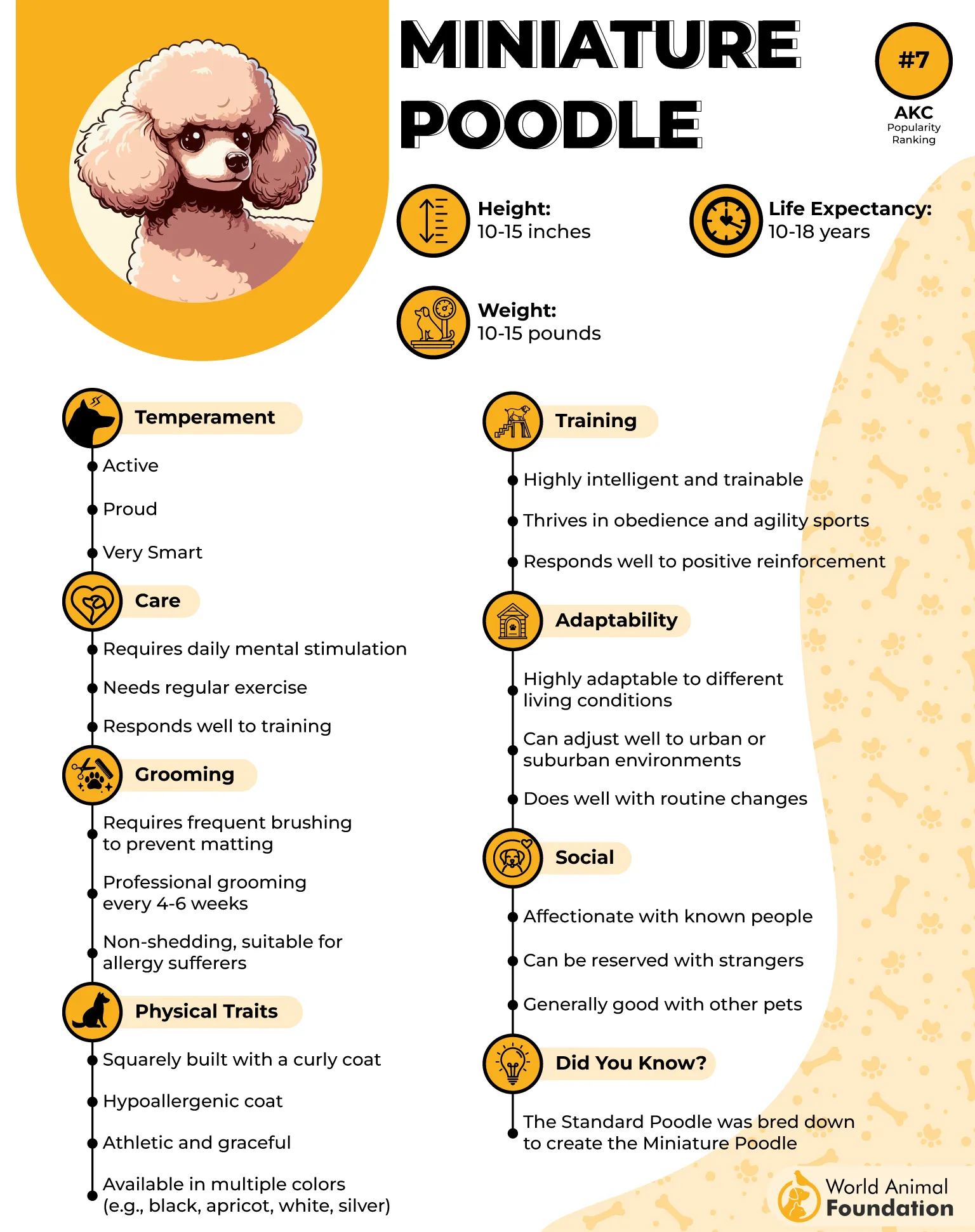
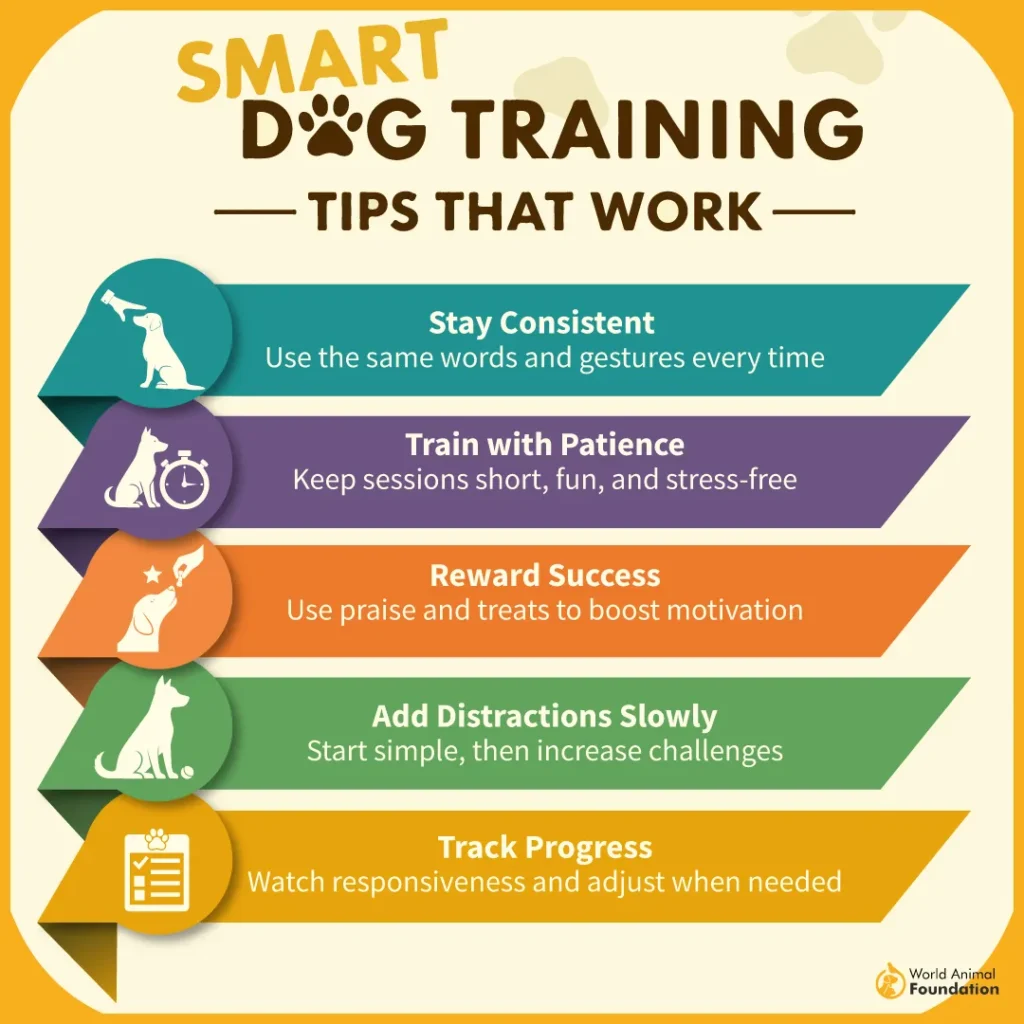
When it comes to learning, these dogs pick things up quickly and often move beyond basic commands without much difficulty. Training can turn into a fun challenge because they enjoy mastering new tricks and showing off what they’ve learned. Keeping sessions varied helps match their curious and active mindset.
According to PetMD, their coat sheds very little, but it does require regular grooming to stay in good condition. They also need consistent mental stimulation, as boredom can lead to unwanted behavior. With the right balance of activity and care, they settle comfortably into many different living situations.
Why This Breed Is a Good Fit
A quick understanding of commands helps beginners feel successful early
Small size makes them easier to manage without sacrificing intelligence
Thrives on interaction, making training sessions lively and engaging
3. Labrador Retriever
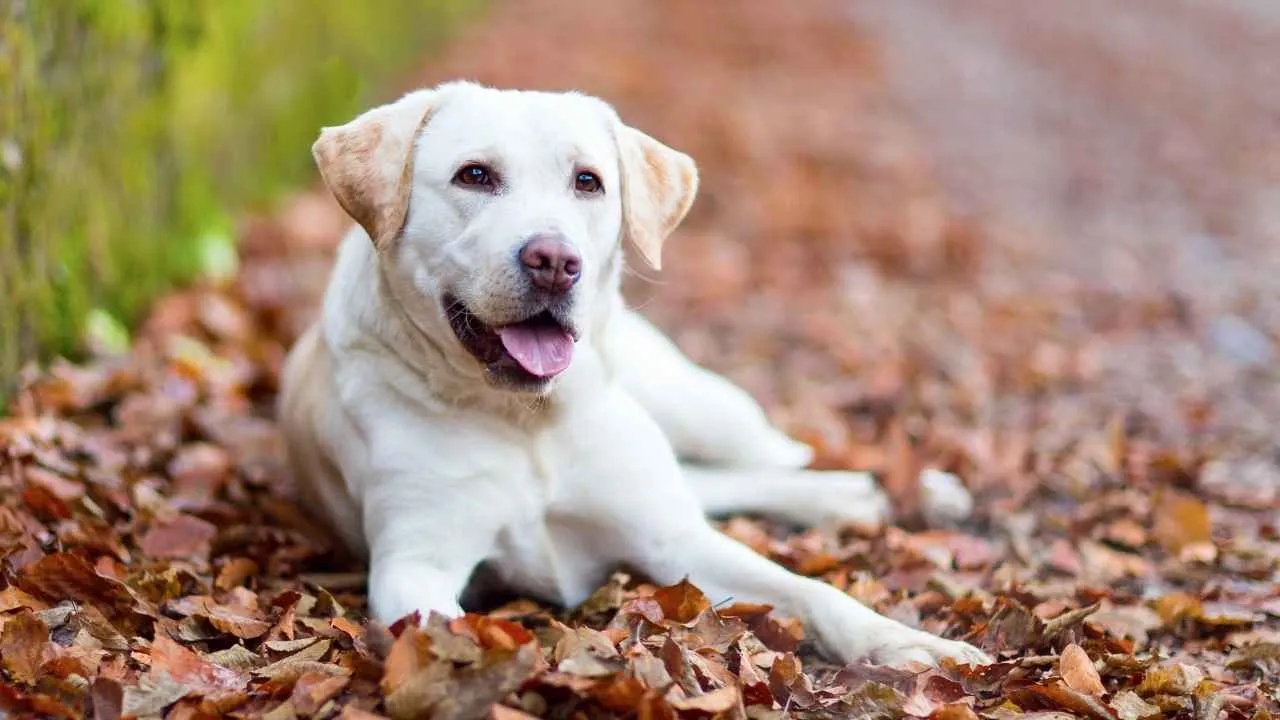
Labrador Retrievers tend to bring an easygoing and cheerful energy into any home. PetPlan notes that they are naturally friendly and often get along well with people and other animals, which makes daily life feel smoother for new owners. Their affectionate nature also means they enjoy being part of family activities.
These dogs respond especially well to training because they are both intelligent and eager to please. They often treat learning like a game, particularly when rewards and encouragement are involved. This makes it easier for beginners to build routines without feeling overwhelmed.
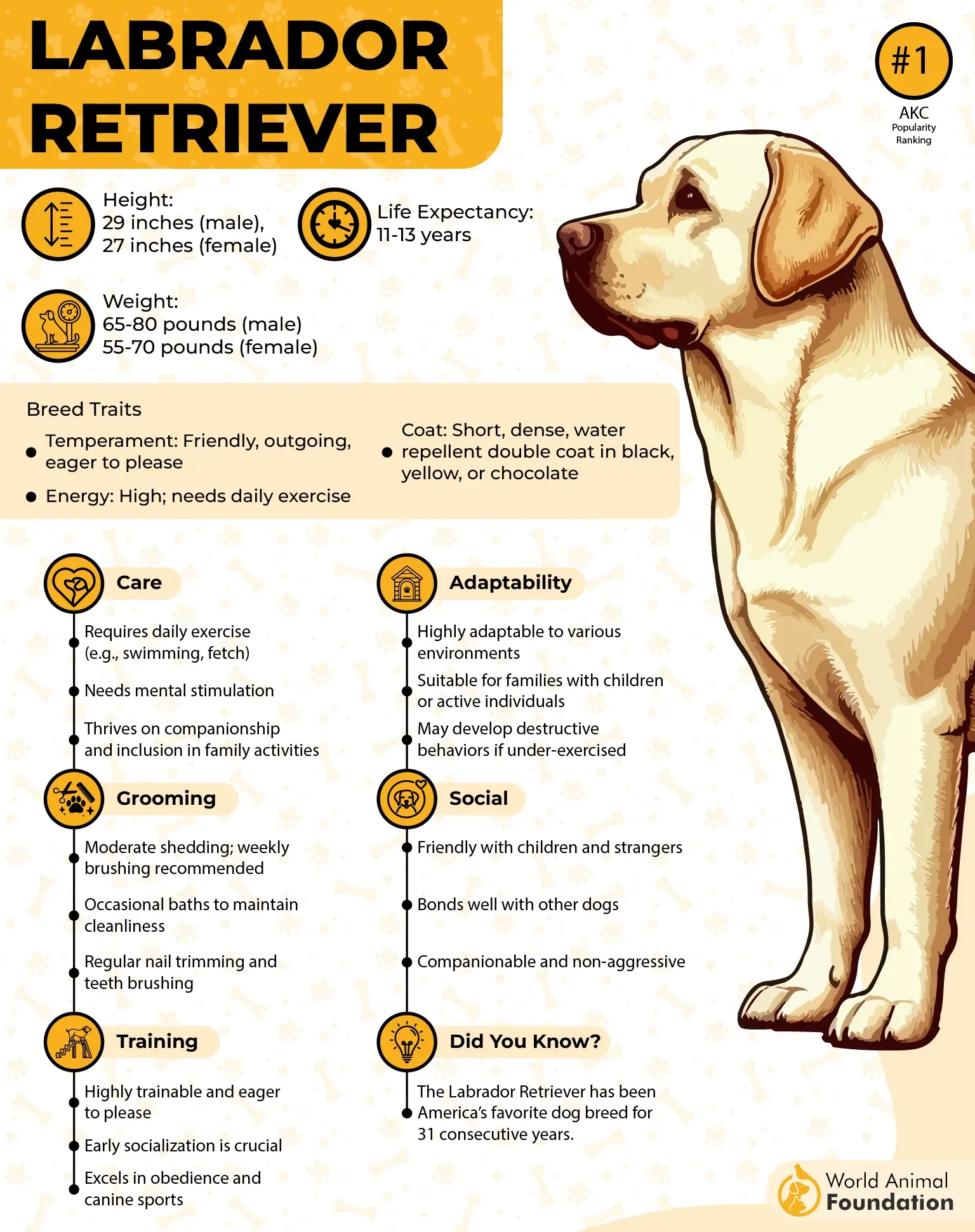
Labradors are active and need regular exercise to stay happy, both physically and mentally. They enjoy playtime and social interaction, and they tend to thrive when they receive attention throughout the day. Their short coat is simple to maintain, though regular brushing helps manage shedding.
Why This Breed Is a Good Fit
Naturally motivated to please, which supports steady training progress
Affectionate dogs, social and adaptable, which reduces common beginner challenges
Loves interactive play, making training feel like part of daily fun
4. Papillon
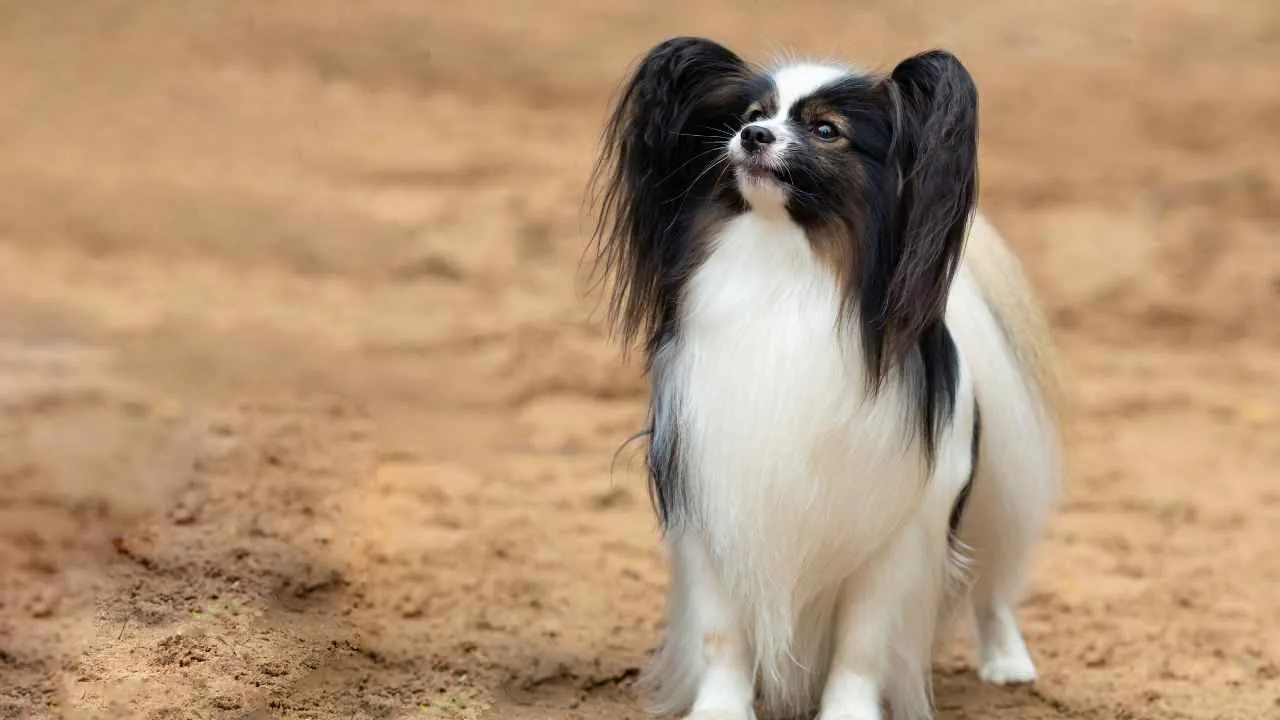
The Papillon is a small dog with a big presence, known for its alert expression and lively personality. It is friendly and outgoing, often enjoying attention and interaction with the people around it. Despite its size, it carries a confident and energetic attitude that keeps things interesting.
Training a Papillon can be surprisingly enjoyable because of how quickly it understands commands. It learns basic obedience with ease and often enjoys moving on to more advanced tricks or activities. Keeping things varied helps match its enthusiasm and prevents boredom.
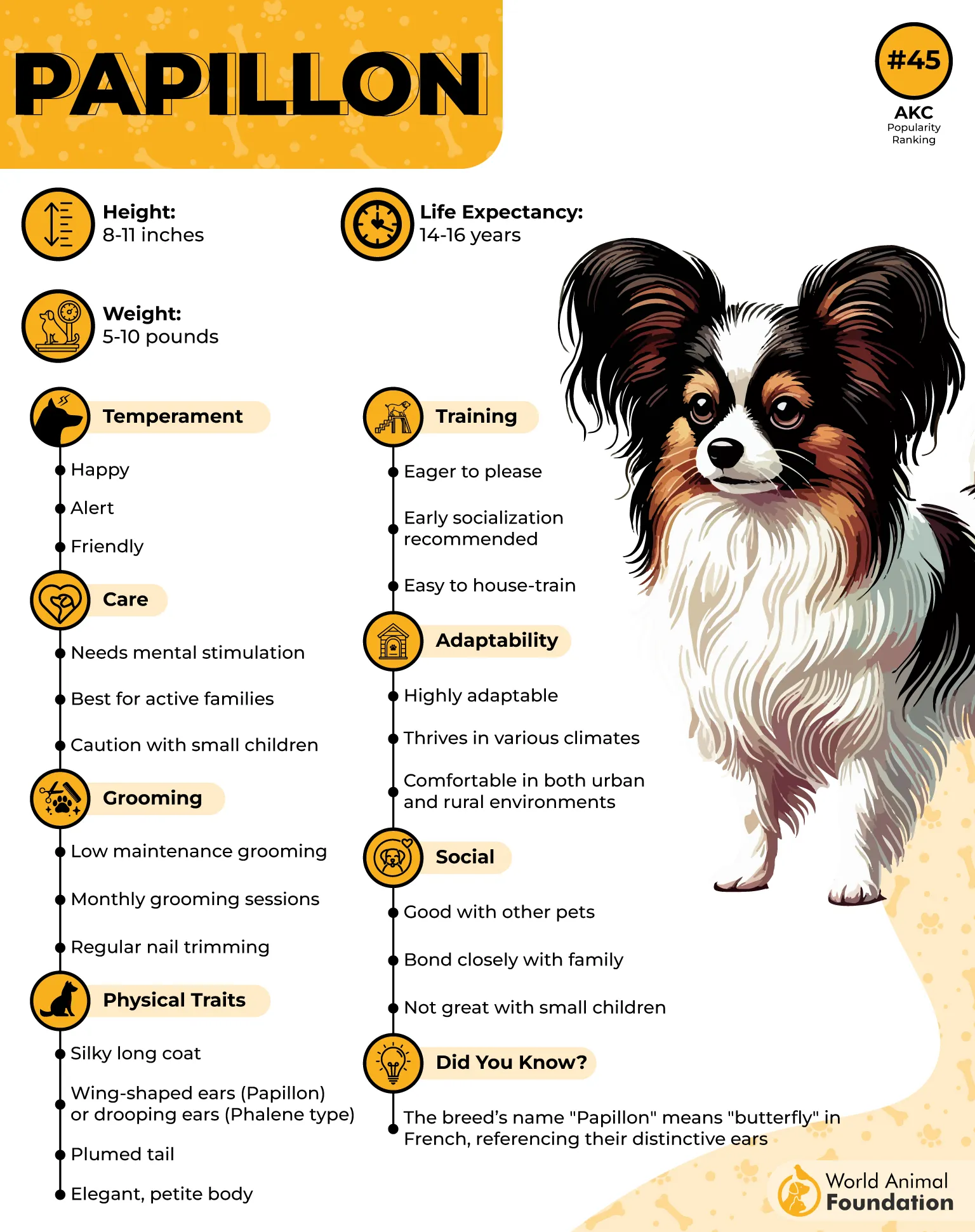
This breed has plenty of energy and benefits from daily walks along with indoor play. It prefers to stay close to its people and may not enjoy being left alone for long periods. While adaptable to smaller spaces, it still needs supervision due to its speed and curiosity.
Why This Breed Is a Good Fit
Learns quickly, helping first-time owners see fast improvement
Compact size makes handling and training more manageable
An energetic personality keeps training sessions interactive and fun
5. Shetland Sheepdog
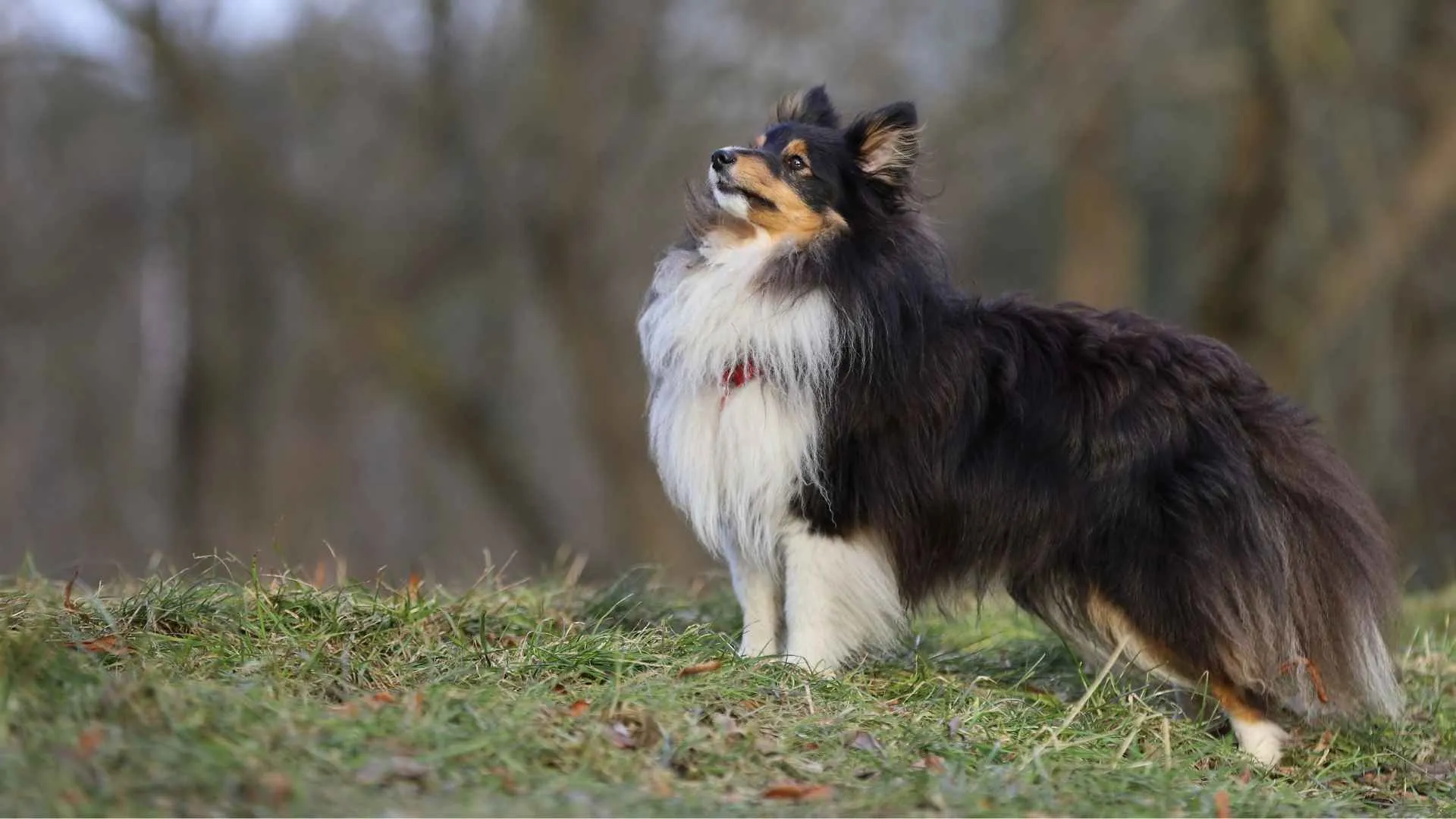
The Shetland Sheepdog is the kind of dog that prefers doing something over doing nothing. Originally bred to work, they still carry that drive today and enjoy staying mentally and physically active. Even in a home setting, they look for ways to stay busy, whether that’s through play, movement, or interaction.
Their eagerness to please makes training feel less like a task and more like a shared activity. Shelties are known to excel in obedience and agility, picking up cues quickly and responding well to guidance. They are also sensitive and attentive, which means they tend to stay focused on their owner during training.
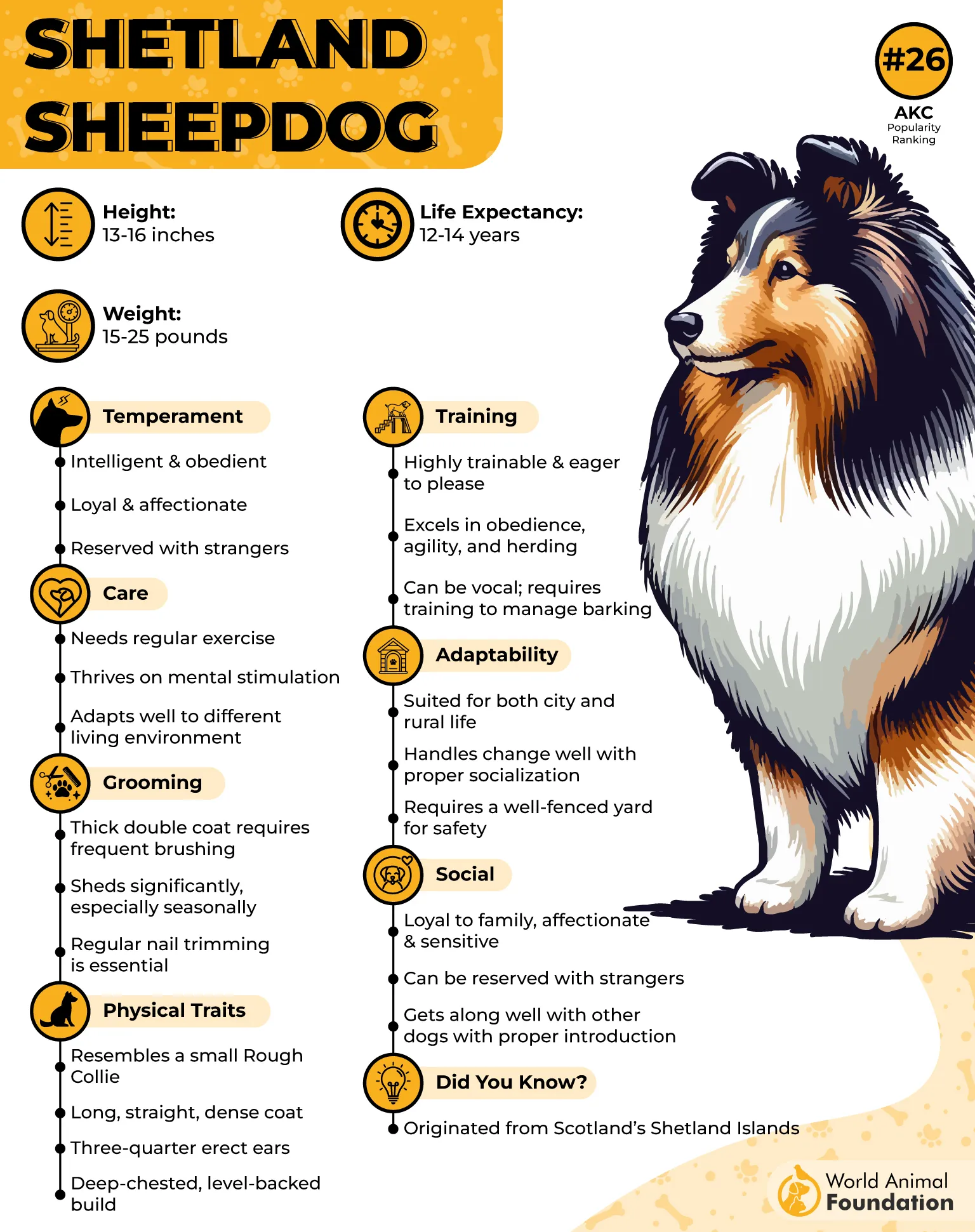
They are affectionate with their families but may be cautious around strangers and can be quite vocal. Regular grooming is needed to manage their thick coat, and daily stimulation helps prevent unwanted behaviors. When their energy is channeled properly, they become a well-rounded and enjoyable companion.
Why This Breed Is a Good Fit
Strong willingness to follow directions makes early training smoother
Enjoys learning activities, keeping both dog and owner engaged
Responsive nature helps beginners build better communication
6. Australian Shepherd
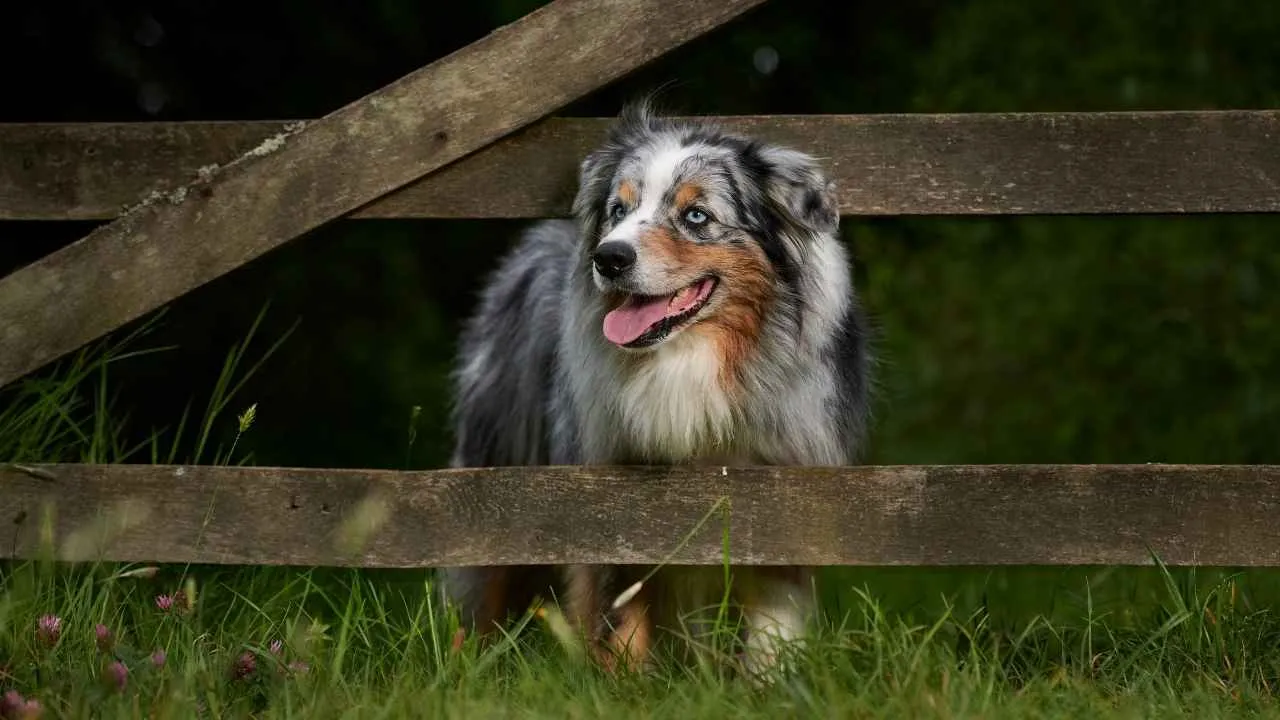
Living with an Australian Shepherd often feels like having a constant shadow that’s ready for action. These dogs are highly social and love being part of whatever is happening around them, especially if it involves movement or play. Their natural energy means they thrive in homes where activity is part of the daily routine.
They are among the most trainable dog breeds because they are intelligent and enjoy learning new skills. They respond positively to encouragement and quickly understand commands when training is consistent. Their strong bond with their family also helps reinforce good behavior over time.
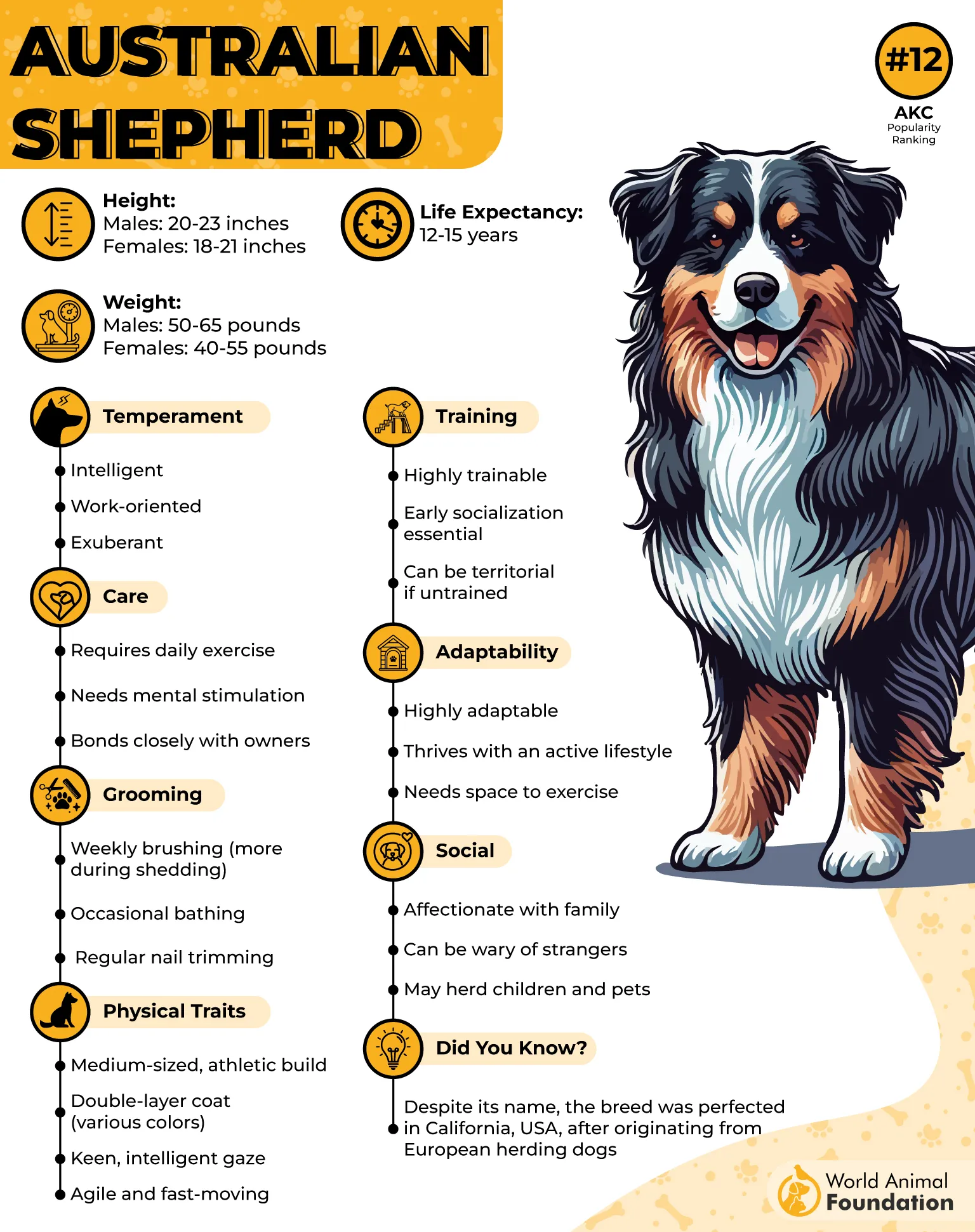
Because they were bred to herd, they have an instinct to stay alert and protective. They need plenty of exercise and mental stimulation, and without it, they may become bored or mischievous. Regular activity and attention help keep their behavior balanced and manageable.
Why This Breed Is a Good Fit
Learns routines quickly, helping new owners stay on track
A highly interactive personality keeps training from feeling repetitive
Strong connection with owners supports consistent behavior
7. Border Collie
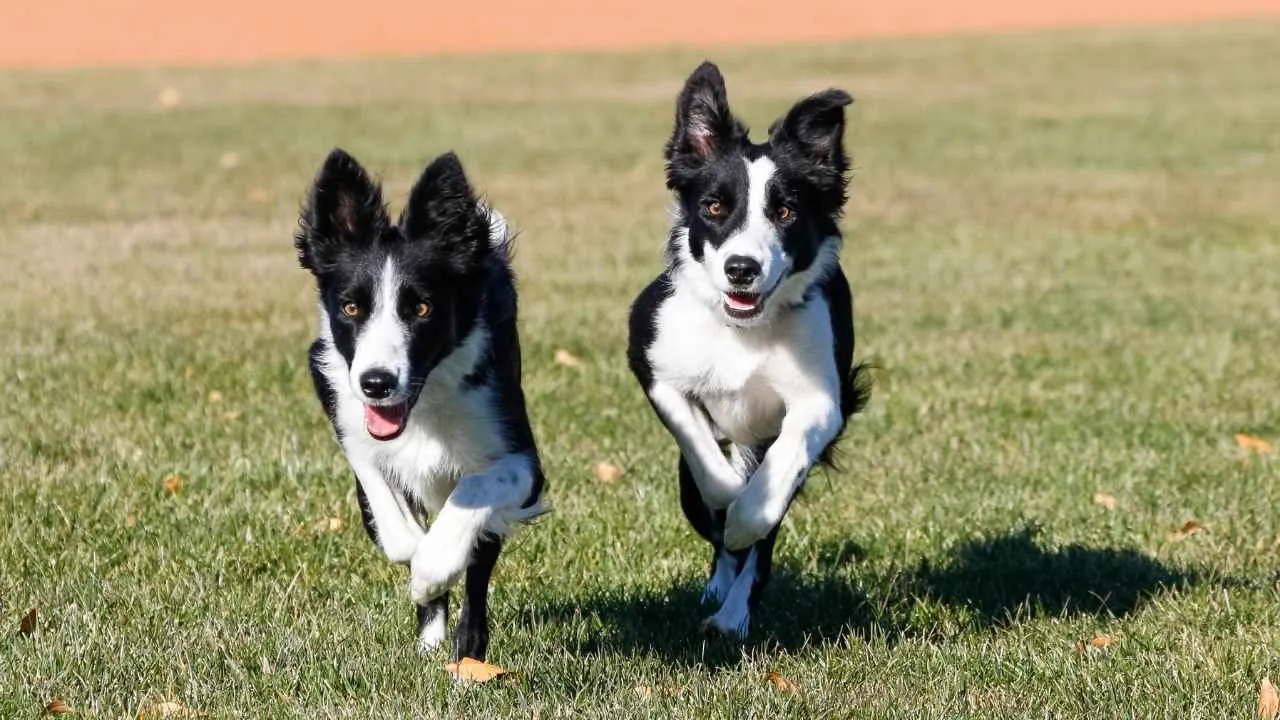
Border Collies are always ready to go, and they rarely run out of energy. They were bred for herding, and that drive still shows in how much they enjoy movement, tasks, and staying occupied. For owners who like being active, they can feel like the perfect match.
Their intelligence is one of their most noticeable traits, and it plays a big role in how they learn. With proper guidance, they pick up commands quickly and often enjoy more advanced training challenges. Keeping their minds engaged is just as important as physical exercise.
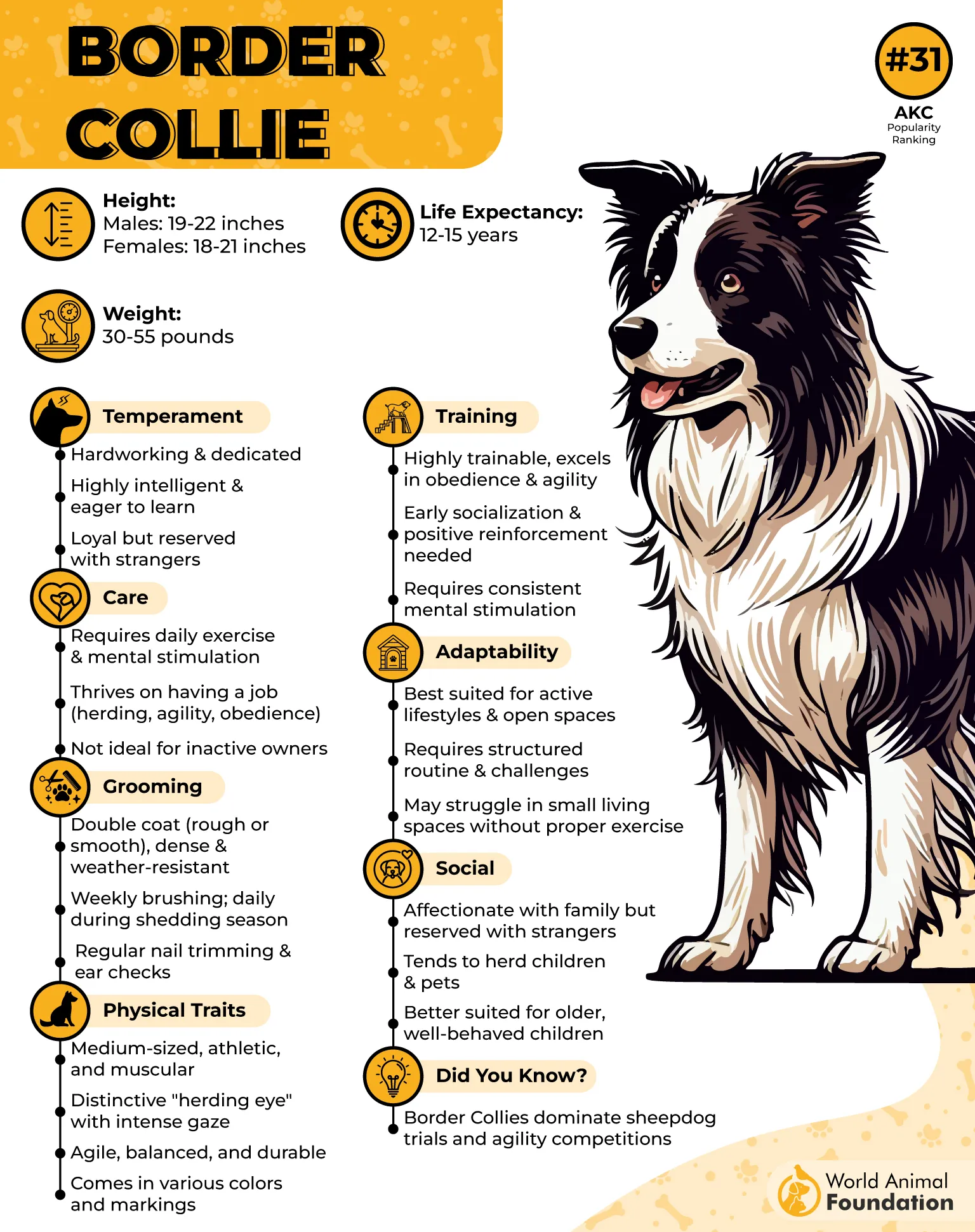
They do best in environments where they have space to move and plenty to do throughout the day. New dog owners must note that they can become bored and destructive without enough stimulation. When their needs are met, they are loyal and highly responsive companions.
Why This Breed Is a Good Fit
Fast learners who respond well to structured training
Thrives on activity, helping owners stay consistent with routines
High engagement level makes training sessions productive and rewarding
Conclusion
Choosing your first dog doesn’t have to feel complicated when you focus on breeds that are naturally easier to train. The right dog will not only learn quickly but also enjoy the process, making everyday life smoother and more enjoyable.
From energetic learners to affectionate companions, each of these breeds offers something unique while still being beginner-friendly. Keep in mind that training takes time, patience, and consistency, no matter the breed.
Other dogs, such as the Cavalier King Charles Spaniel, Shih Tzu, Bichon Frise, Bernese Mountain Dog, Cocker spaniel, and German Shepherd, are among the most popular dog breeds for first-time dog owners
With the right match and a little effort, you’ll build a strong bond and a well-behaved companion that fits perfectly into your life.
