





Bringing a dog into your life should feel exciting, not overwhelming or expensive. If your schedule is packed, a breed with simpler needs can help you stay consistent and keep costs predictable. Think easier coats that do not demand frequent professional grooming, energy levels that fit a realistic daily routine, and temperaments that respond well to basic training.
Still, every dog needs time, patience, and regular care. “Low maintenance” means fewer complicated extras, not zero responsibility. In this article, you will learn what makes a dog easier to care for, which everyday expenses add up, and how to choose a breed that matches your home and habits. You will also see that size is not the whole story.
Small dogs can be lively and vocal, while some larger breeds are surprisingly laid-back. With the right match, you can enjoy a loyal companion without stretching your budget. We will focus on practical traits, so you can pick confidently and plan.
Easy-to-Care-For and Budget-Friendly Dog Breeds
1. Beagle

A Beagle puppy from a responsible breeder is commonly priced around $1,500–$2,000. That upfront cost can feel big, but it helps when you are aiming for predictable pet parenthood and fewer “surprise” problems later.
According to PetMD, Beagles come in two sizes, and many homes like the manageable build for everyday routines. Your budget success with this companion is mostly about food and habits, because Beagles love eating and can be prone to obesity.
A well-balanced commercial diet used as directed, plus an hour of activity, supports a healthy weight and keeps long-term costs steadier. Many families keep it simple with daily walks, then add playtime when the mood strikes.
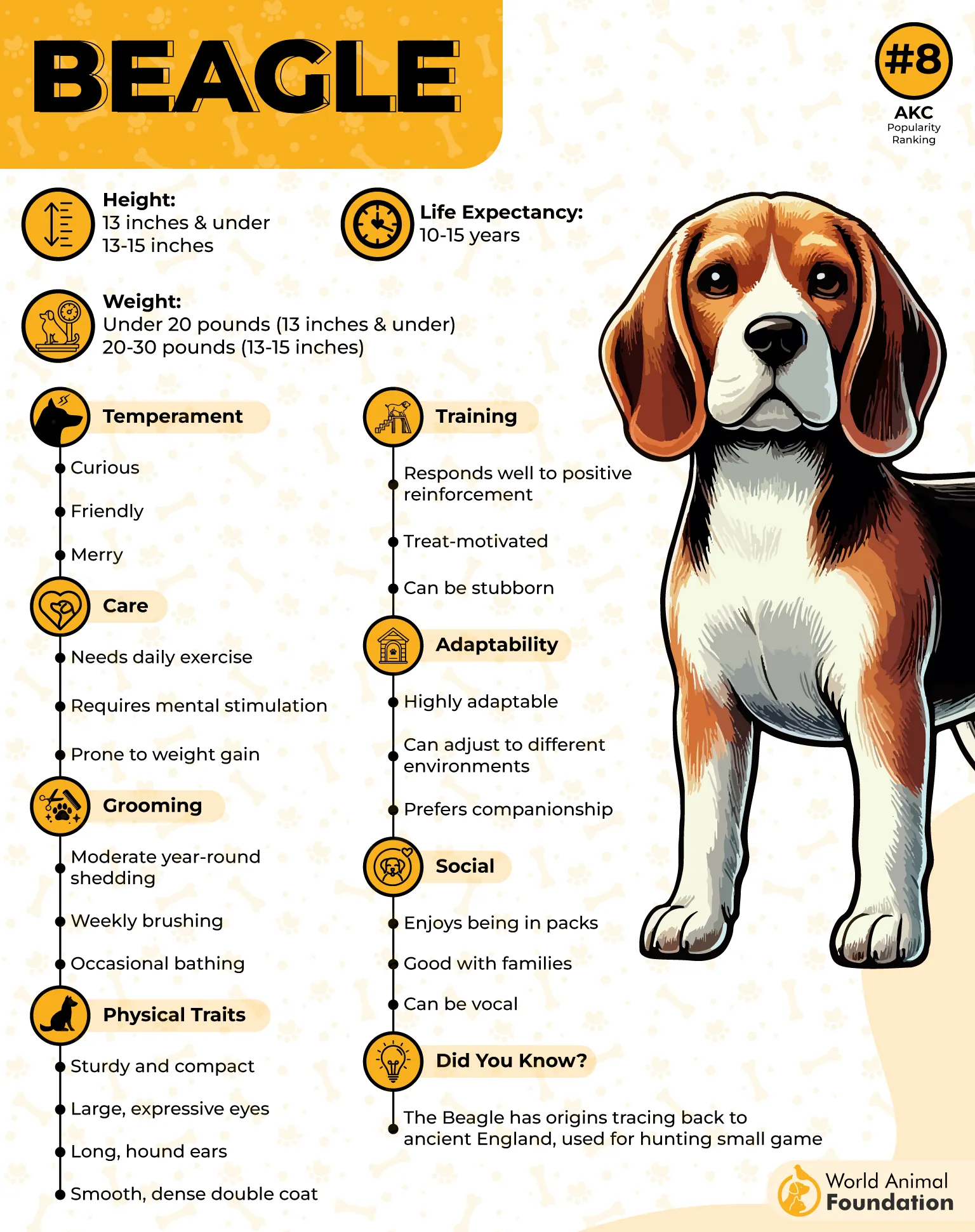
Health planning is the other piece of dog ownership here, since issues can include ear infections, obesity, limber tail syndrome, allergies, cherry eye, and epilepsy.
If weight becomes a struggle, a vet may recommend a restricted-calorie prescription diet, so staying consistent early is cheaper than fixing it later. Regular vet visits also help you catch small problems before they grow.
Why This Breed Is a Good Fit
Easy-to-follow routines keep this breed’s costs more predictable month to month.
A simple walking habit supports good body condition without fancy equipment.
Fair warning: this dog can act like every snack is an emergency meeting.
2. Chihuahua

Chihuahua puppies are often priced around $2,000–$3,500 from reputable breeders. For many pet owners, the appeal is a tiny companion that bonds closely and loves being near their people. This small dog can work well for apartment living when you want closeness, not chaos.
Food can be budget-friendly because portions are typically smaller, but weight gain can still sneak up, especially in long-haired coats.
According to Britannica, Chihuahuas lose body heat quickly, so they do not do well in cold weather. Whether they are long-haired or short-haired, their coat does not provide much warmth or protection from the chill.
Obesity may lead to bigger problems, so a sensible diet and regular exercise are worth the effort. Luxating patellas can also occur, and severe cases may require surgery, which is why prevention and early care matter.
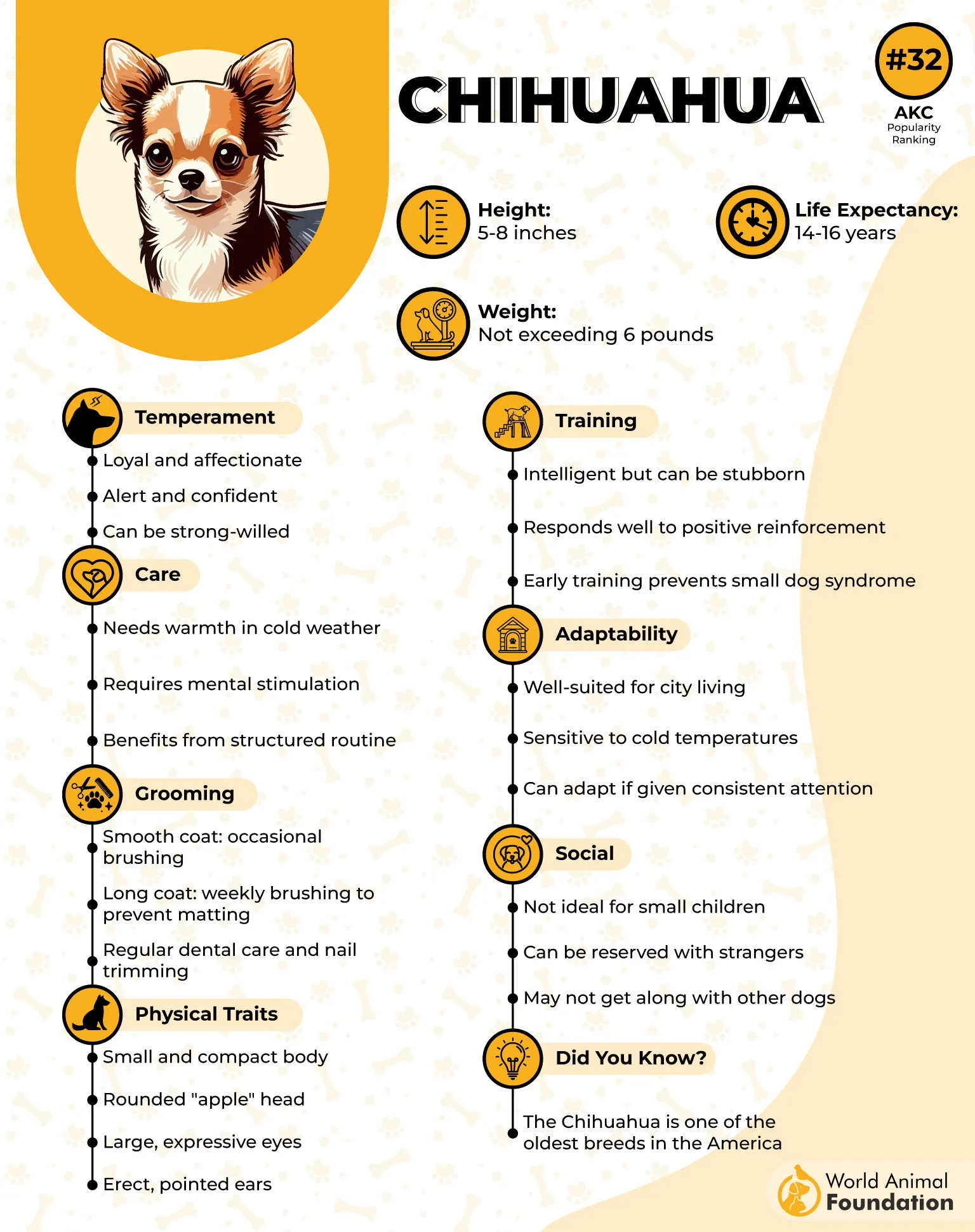
Dental care is the big “do not ignore this” cost here. Periodontal disease is common because small mouths can have crowded teeth, plus some retain baby teeth, so routine teeth brushing and dental cleanings are important.
Add collapsing trachea to the watch list, and you can see why steady checkups help you keep costs under control.
Why This Breed Is a Good Fit
Smaller food portions can make everyday feeding more affordable.
Staying on top of teeth care helps avoid expensive dental care later.
This dog may be tiny, but the attitude comes in full size.
3. Greyhound

Greyhound puppies are often priced around $2,000–$2,900 from responsible breeders. This breed is known for a gentle, noble temperament and an independent spirit, which can be refreshing if you like a calm companion. The classic look is built for speed, from the narrow head to the tucked waist.
Budget-wise, the biggest advantage is that daily life can stay simple when you keep the routine steady. Focus on basics like consistent meals, a safe space to rest, and a predictable schedule that fits your real day.
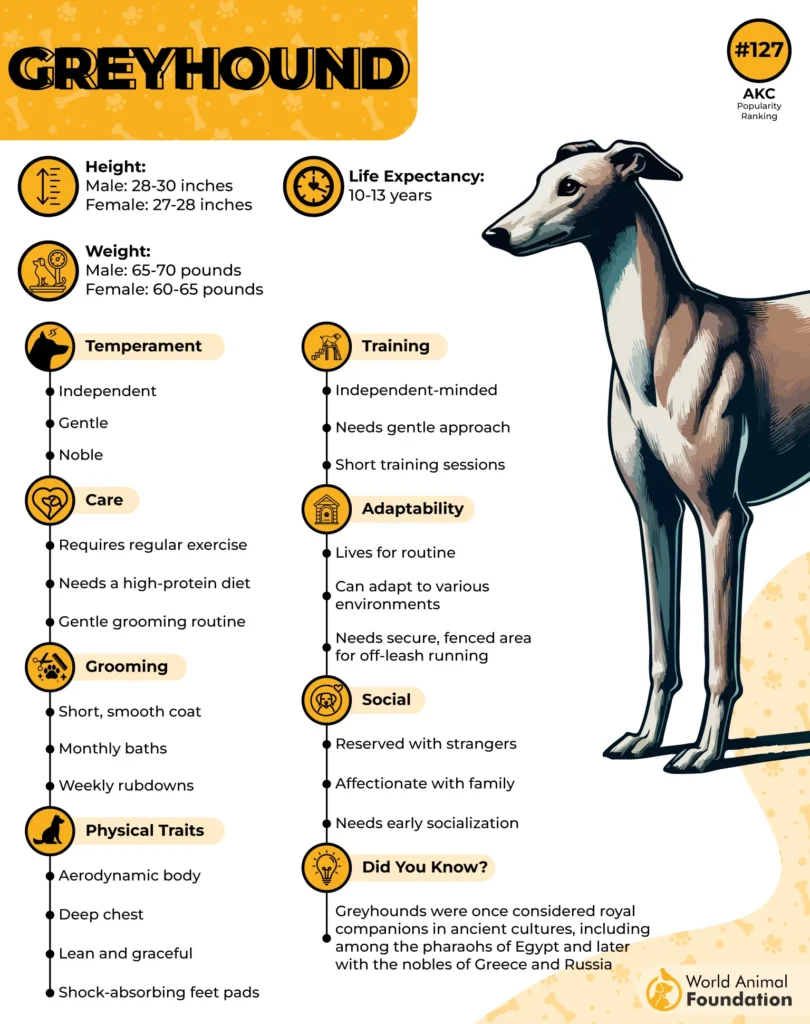
When life is stable, a lot of “extra” spending tends to disappear because you are not constantly troubleshooting. This breed’s design is all about function, so treat comfort and safety as your cost-saving tools.
Keep activity structured, keep routines consistent, and avoid turning care into a shopping project. That is the kind of low-maintenance approach that helps many households feel in control of expenses.
Why This Breed Is a Good Fit
Straightforward routines help keep costs focused on essentials.
A calm temperament can make everyday care easier for busy schedules.
This dog looks like an athlete, but still appreciates a serious lounge session.
4. Dachshund

Dachshund puppies are often priced around $1,250–$3,400, depending on size, coat type, and breeding program.
This breed was developed to pursue badgers and has that bold, lively personality many families love. The three coat types can influence grooming needs and how much time you spend on upkeep.
According to Purina, the Dachshund is prone to intervertebral disk disease (IVDD), where spinal disks can bulge or burst, causing pain and even paralysis, and a genetic component has been identified.
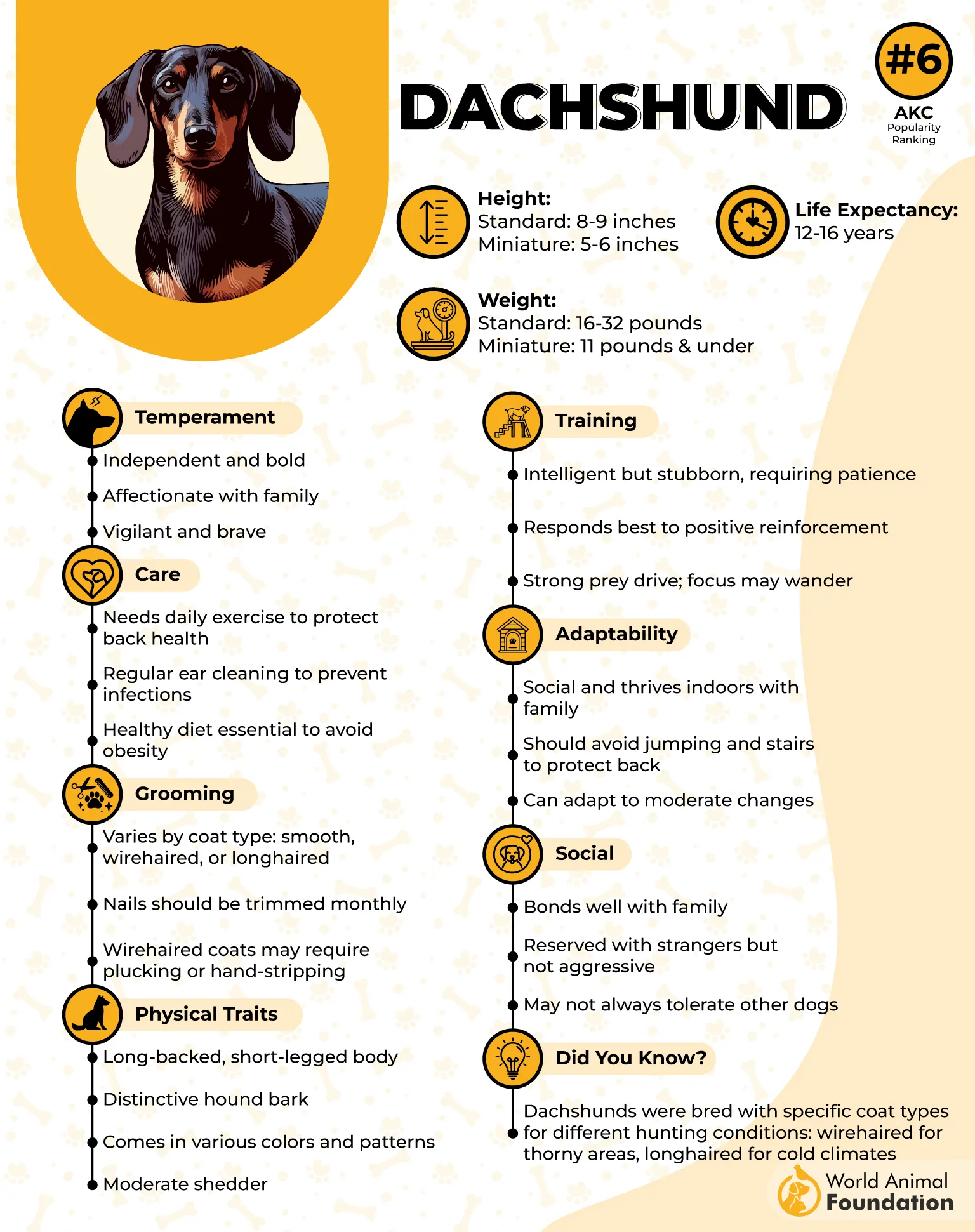
Since it is not clear why some develop IVDD, and others do not, prevention becomes your best money move. That means avoiding repeated jumping on and off furniture, limiting stairs, and reducing twisting stress on the spine.
Preventing obesity is important, and the breed should still have active lives, just with safer movement choices. Good habits here can reduce the odds of major medical bills later.
Why This Breed Is a Good Fit
Smart home setup and daily habits can protect comfort and your budget.
Weight control supports long-term mobility and fewer expensive surprises.
This dog is brave, but their back prefers “no gymnastics today.”
5. Whippet

Whippet puppies are often priced around $2,000–$2,500 from reputable breeders. They are sleek and athletic, capable of fast sprints, but they also enjoy quiet evenings snuggling with their humans. That on-off energy style can fit households that want fun without nonstop intensity.
Grooming can stay simpler because the coat is short and thin, so many owners rely on a quick brush and basic upkeep instead of frequent salon trips. Budget planning is more about health awareness.
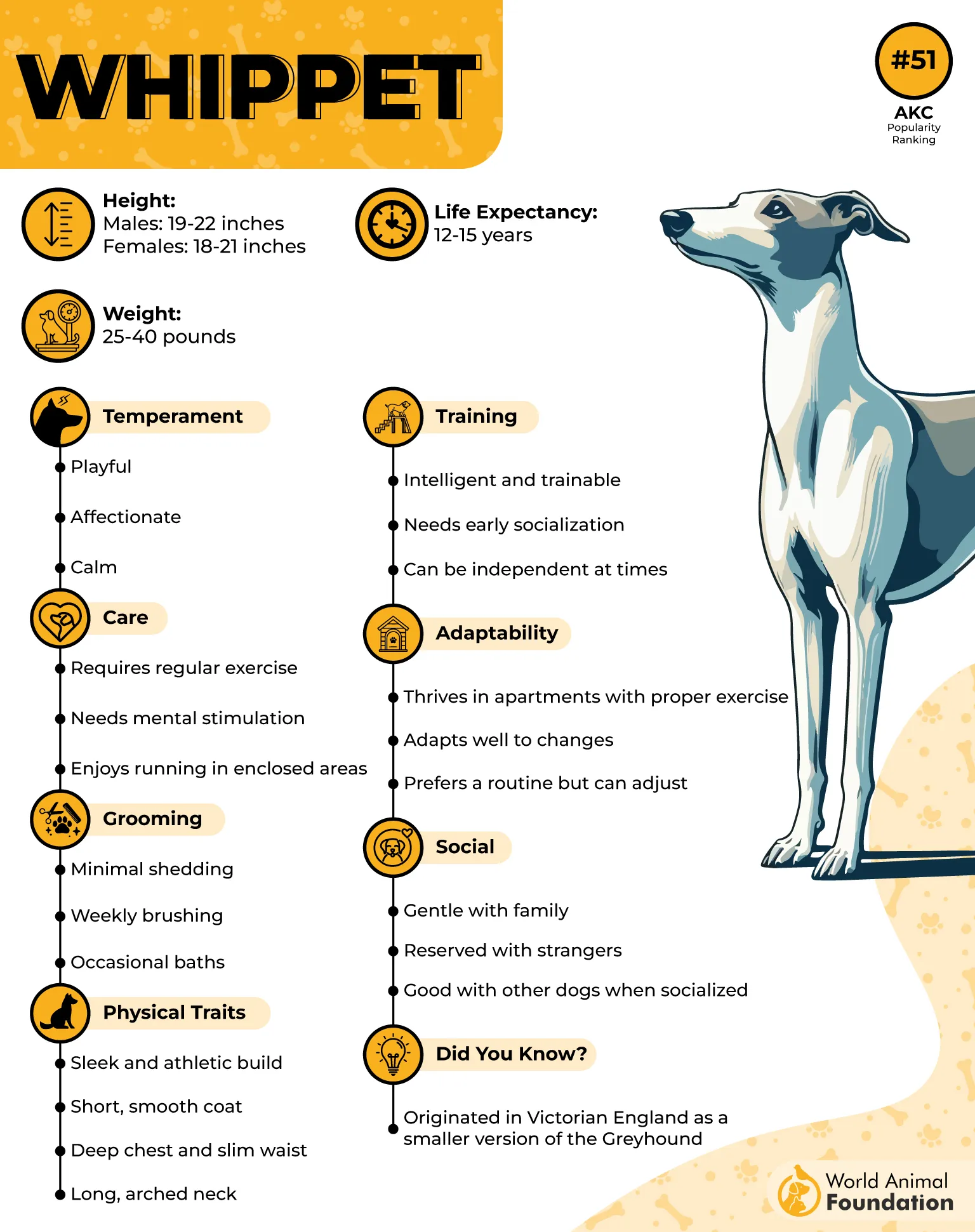
Whippets can develop mitral valve disease as they age, and a lifelong plan may involve oral medications, exercise, and diet. They can also face gastric dilatation and volvulus (GDV), which is a medical emergency requiring surgery.
Another cost factor is injuries. Their thin coat offers less protection, so lacerations can happen during play, and serious wounds may need vet care and stitches. Von Willebrand disease and deafness are also concerns, so consistent checkups help you catch problems earlier.
Why This Breed Is a Good Fit
Basic coat care can keep grooming spending modest for many homes.
Knowing the emergency signs helps you act fast and reduce complications.
This dog can sprint like lightning, then demand couch cuddles immediately.
6. Pug

Pug puppies are often priced around $1,500–$2,500 from responsible breeders. They are affectionate, social, and love company, but they do not handle being left alone well. If your home has people around, the day-to-day vibe can feel cozy and sweet.
The budget reality is medical. Pugs are a severely flat-faced breed and are placed in the highest category of health concerns by a major breed authority due to physical conformation, including risks tied to breathing difficulties, eye problems, and skin problems.
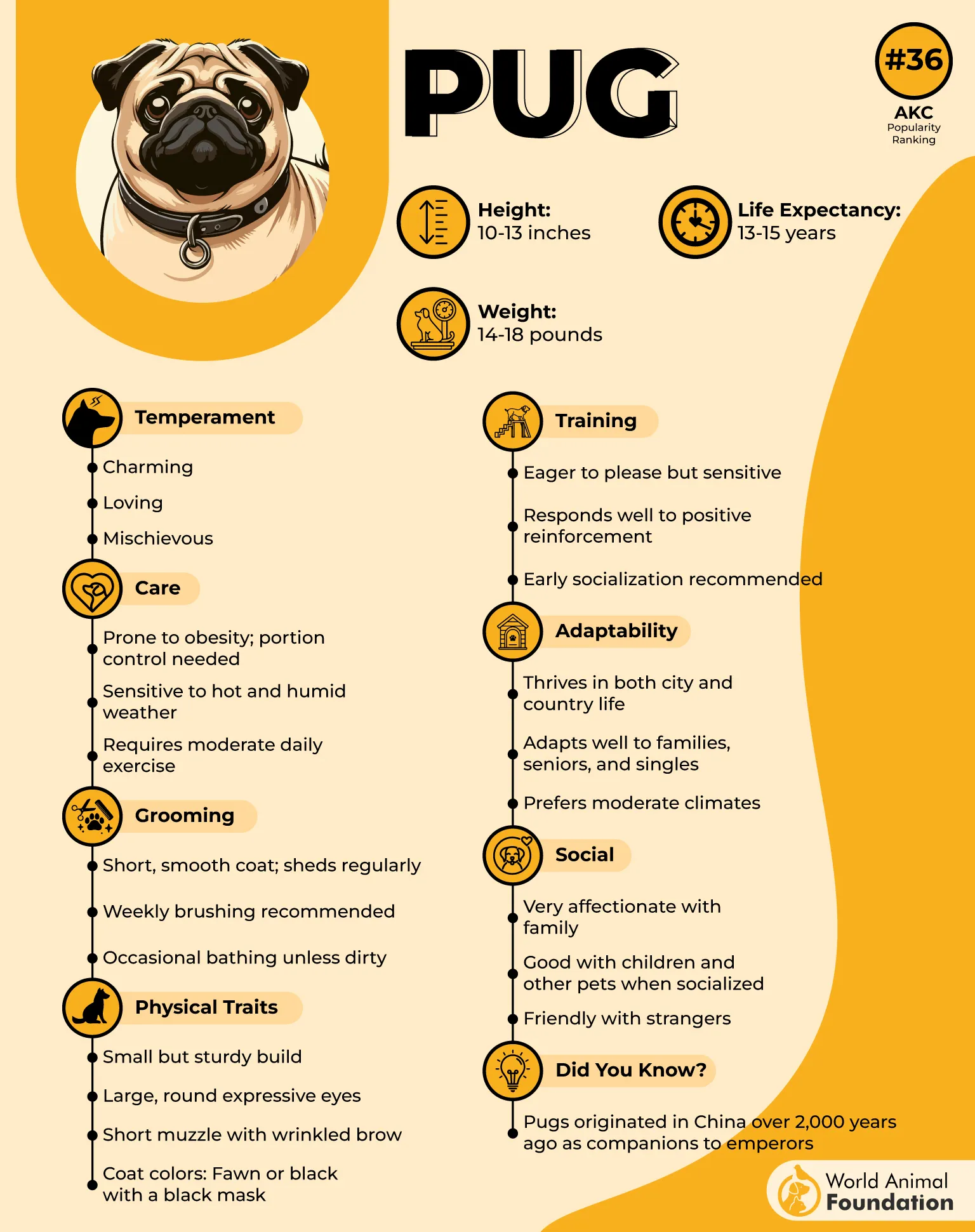
Owners need to monitor exercise carefully, especially in heat, and be prepared for extra care needs. If you are set on this breed, screening and smart selection matter.
Look for parents with relevant health tests, and consider a puppy with a longer nose and fewer facial folds to reduce the risk linked to exaggerated features. This is a “plan ahead” breed, where steady checkups and careful daily choices protect both comfort and your wallet.
Why This Breed Is a Good Fit
Great for people who want a constant little buddy at home.
Careful screening and preventive care can reduce avoidable stress later.
This dog treats attention like a daily necessity, not a fun bonus.
7. Chinese Crested

Chinese Crested puppies are often priced around $2,000–$3,000 from reputable breeders. This toy breed comes in two varieties: hairless and coated, with the coated “powderpuff” having a soft, silky coat. Their unique look is half the fun, and their devotion to people is the other half.
Budget friendliness depends on which variety you choose and the routine you keep. The hairless variety has advantages like less shedding and no typical doggy odor, while the coated variety needs regular brushing to keep the coat looking tidy.
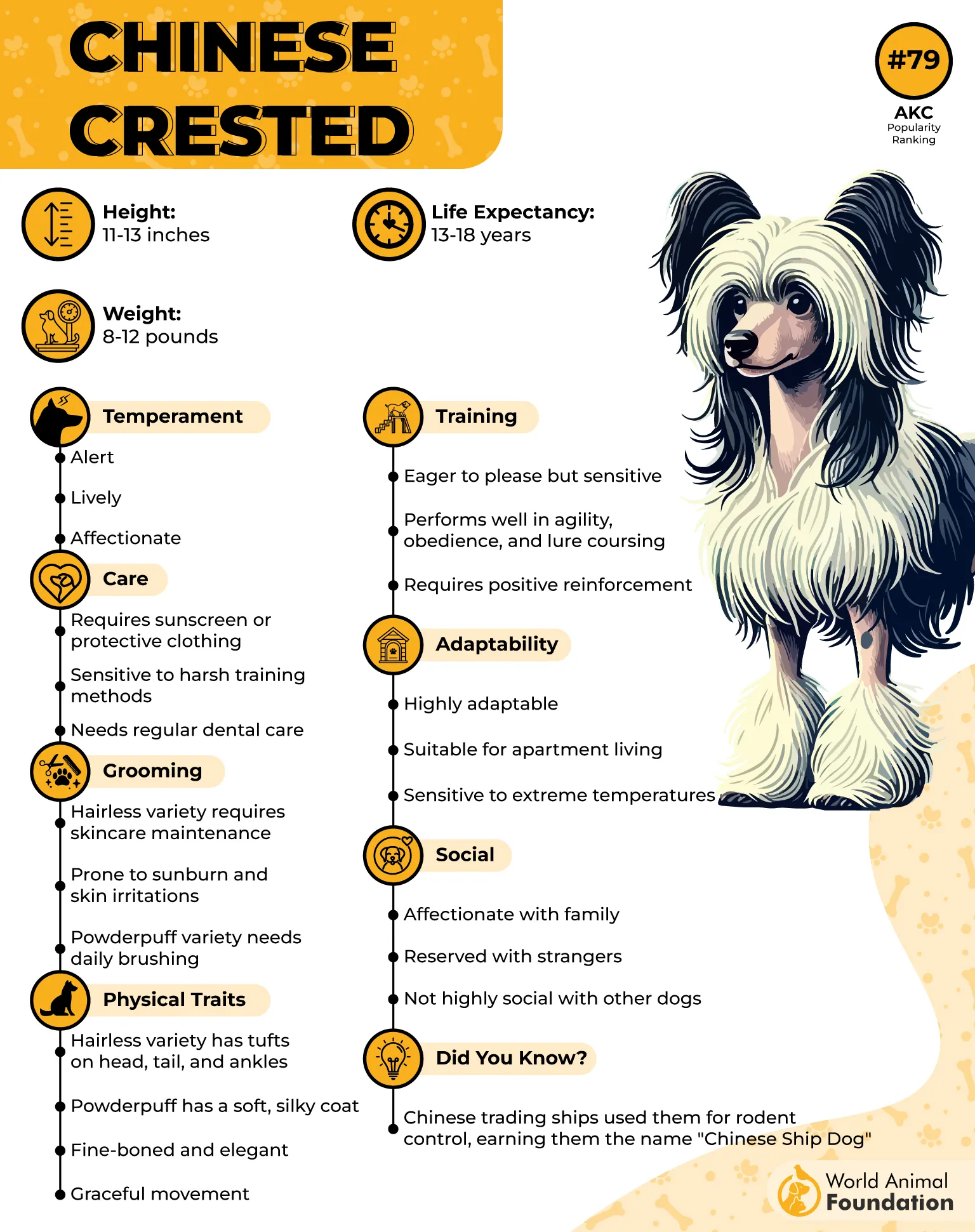
Either way, the goal is predictable upkeep, not complicated grooming drama. Because they are attentive housemates who stay tuned in to their humans, many costs stay centered on basics: food, routine vet care, and a comfortable home setup.
Choose the variety that matches your time, and you are less likely to spend money “fixing” a routine you cannot maintain. That is how pet owners keep this breed manageable.
Why This Breed Is a Good Fit
Picking hairless or powderpuff lets you control the upkeep style.
Toy size can keep food spending reasonable for many households.
This dog looks like a fashion statement and acts like a best friend.
8. Miniature Schnauzer

Miniature Schnauzer puppies are often priced around $1,500–$2,500 from responsible breeders. This is the smallest of the three Schnauzer types and is described as generally healthy, long-lived, and low-shedding. Their portable size can suit apartment living, but they still enjoy play and interaction.
Budget planning here is mostly about cost care. The wiry coat and signature look often benefit from professional grooming, and keeping a schedule prevents the coat from becoming a tangled mess that costs more to fix.
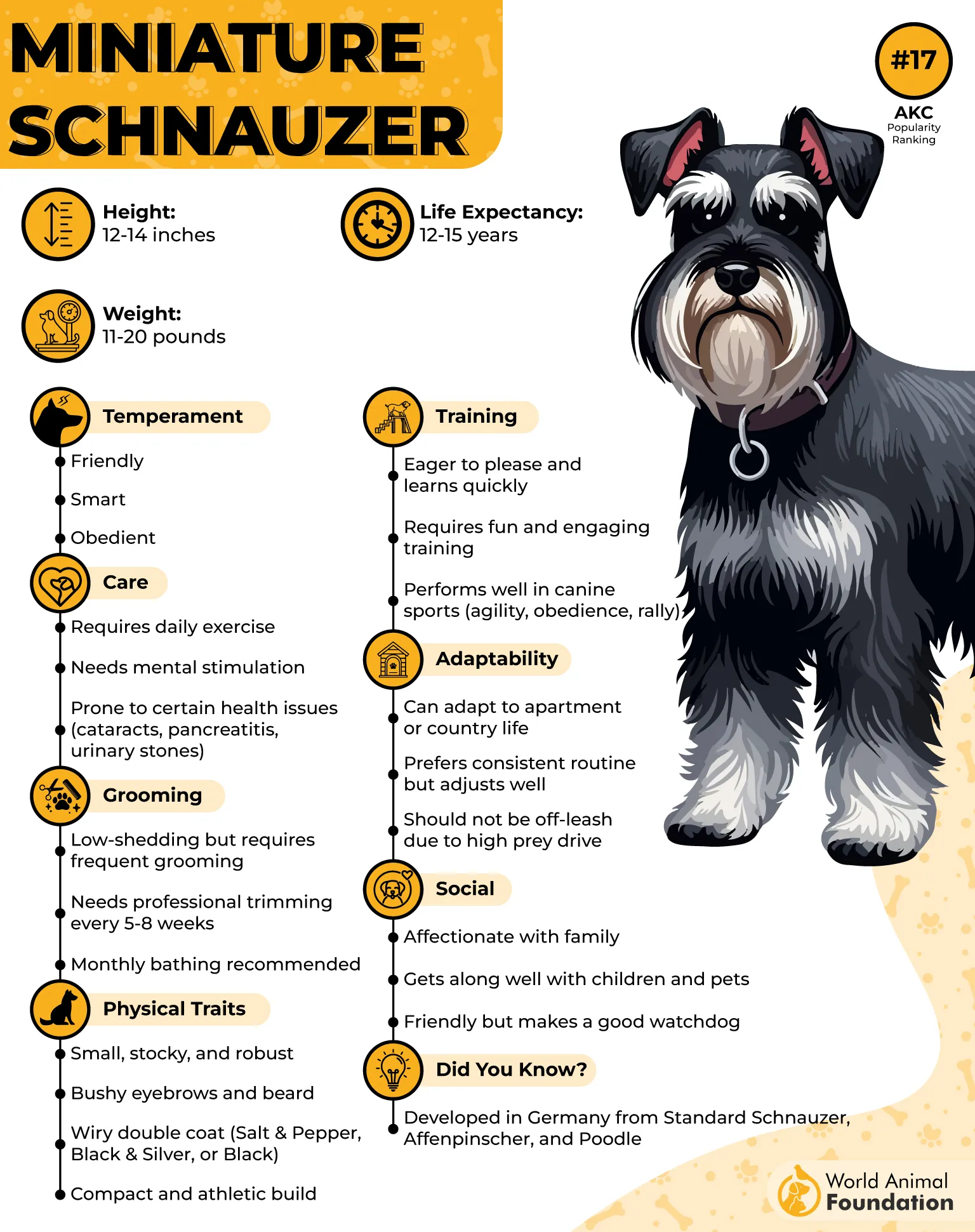
In between, weekly brushing at home can help you stretch the time between appointments. Food and exercise costs stay easier when routines are consistent.
This best small dog breed, bright and trainable, so consistent training can reduce destructive habits that lead to “replacement” spending on chewed-up items. Keep activity regular, keep treats reasonable, and you will find this companion fits many practical budgets.
Why This Breed Is a Good Fit
A planned grooming routine keeps spending predictable instead of random.
Trainability helps you avoid costly bad habits around the house.
This dog will supervise your life like a tiny, bearded manager.
9. Manchester Terrier

Manchester Terrier puppies are often priced around $2,000–$2,500 from reputable breeders. This breed has deep roots and is now commonly kept as a family pet, known for being loving and intelligent. Many homes enjoy the “active, then cozy” rhythm once their energy is spent.
Grooming costs can be easier to manage because the coat is smooth and short, and upkeep is generally simple.
A once-a-week brush is often enough to keep shedding under control, and matting is not usually the problem it is for heavier coats. That means fewer grooming expenses, as long as you stay consistent.
Medical budgeting is where you should stay alert. This breed can be predisposed to von Willebrand disease, hypothyroidism, and primary lens luxation, which is why routine checkups and early attention matter.
Regular eye exams and basic health monitoring help you catch issues early, when they are usually simpler to manage. With steady care, this is one of the Big Ear dog breeds that can feel straightforward for day-to-day life.
Why This Breed Is a Good Fit
Simple coat care helps keep grooming time and spending low.
Preventive checkups can reduce the odds of expensive late-stage problems.
This dog is sleek, clever, and fully convinced that they run the household.
Conclusion
Choosing a budget-friendly dog is really about choosing a lifestyle match. The easiest wins come from simple routines you can actually keep, like steady meals, a realistic walk plan, and basic grooming you will not skip when life gets busy.
Some breeds keep costs lower with simpler coats, while others stay manageable when you plan for regular checkups and preventative care. No matter which pup you pick, smart spending starts with consistency, not shortcuts.
Set a monthly budget for food, grooming, and vet care, and save a little for unexpected visits. Most importantly, pick a dog whose needs fit your time and energy, because the right match feels easier every single day.
