




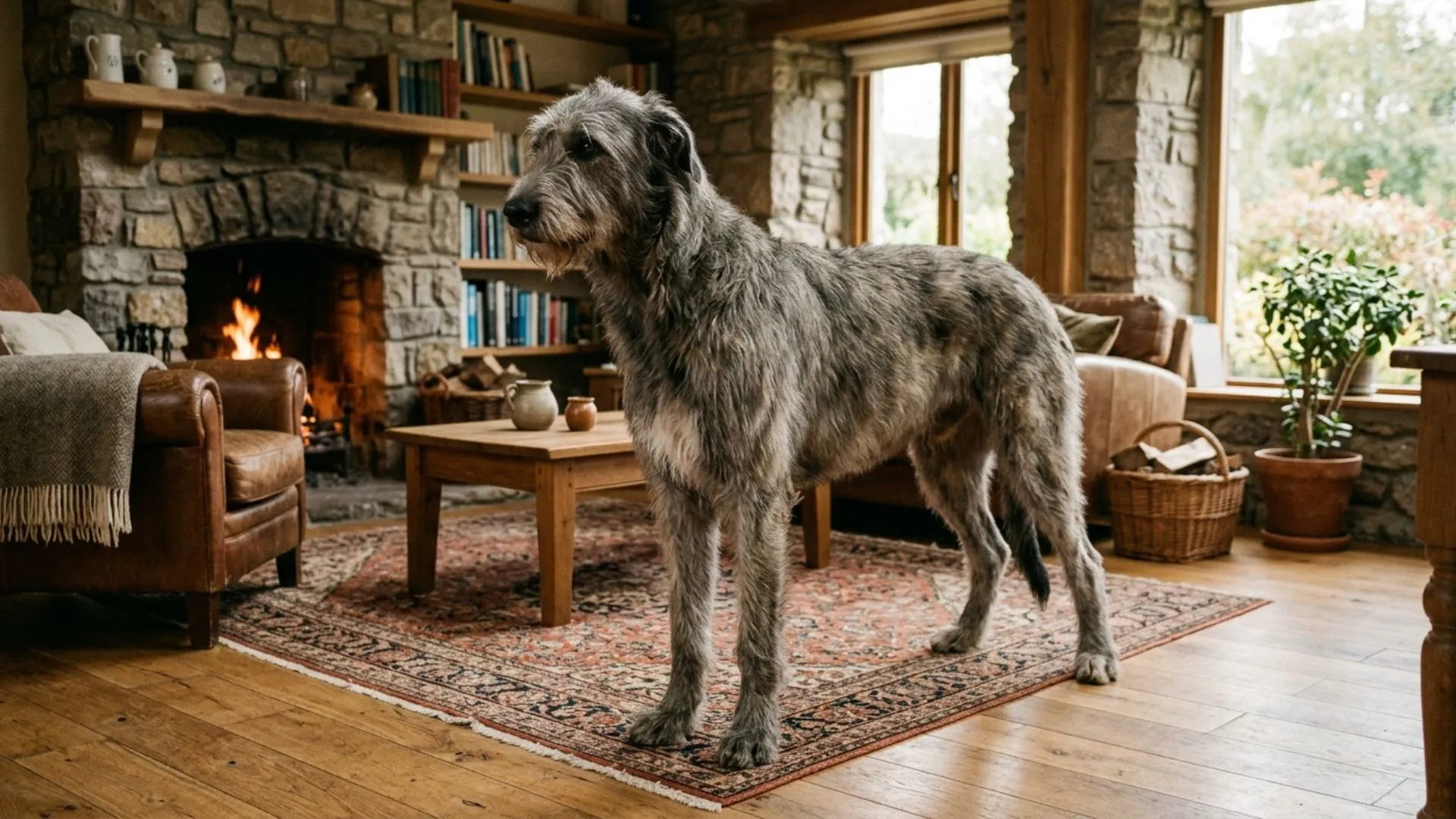
Most homes don’t feel truly calm until the right kind of dog becomes part of them. It’s not about size, appearance, or popularity. Something else shapes that peaceful feeling, and many people overlook it when choosing a pet.
At first, every dog seems manageable. The excitement hides the details that matter later. Then slowly, small differences begin to show. Some dogs settle easily, while others create constant movement that never quite fades. That contrast changes everything inside a home.
There is a reason certain dogs naturally create a quieter, more balanced environment without much effort. It comes down to temperament, not chance. Once you notice this pattern, the idea of choosing a dog becomes clearer and more practical.
In the following sections, you’ll discover which dogs consistently bring that sense of ease into everyday living.
Key Takeaways
At first, every dog feels manageable, but over time, some bring a calm rhythm while others keep a home in constant motion.
Saint Bernard and Newfoundland may look massive, yet they settle into family life with a softness that instantly changes the mood of a space.
Cavalier King Charles Spaniel and Pug stay close without creating chaos, turning everyday routines into something steady and easy to live with.
As you move through the list, you start noticing which dogs bring that quiet balance people keep searching for.
Easy-Going Dog Breeds That Make Every Home a Haven
1. Saint Bernard
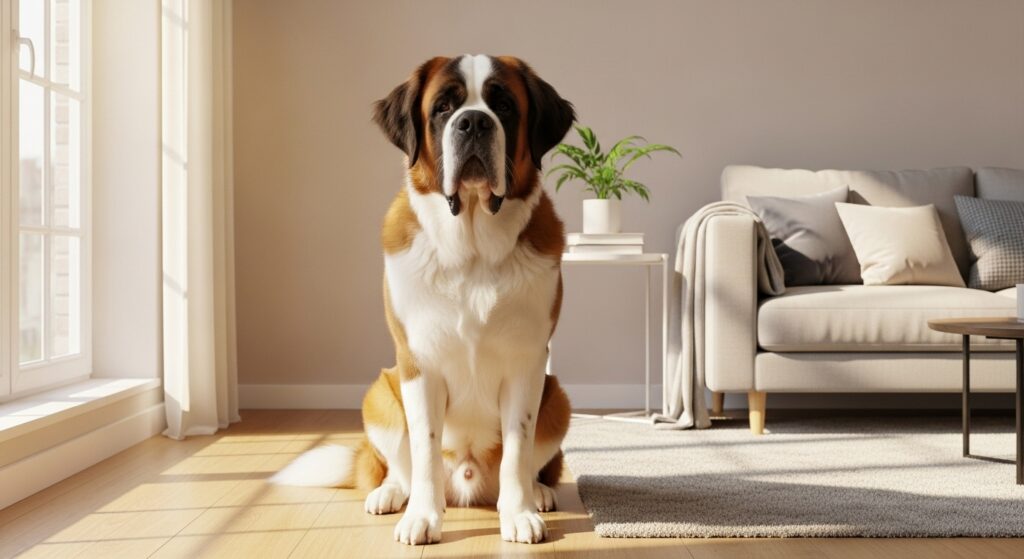
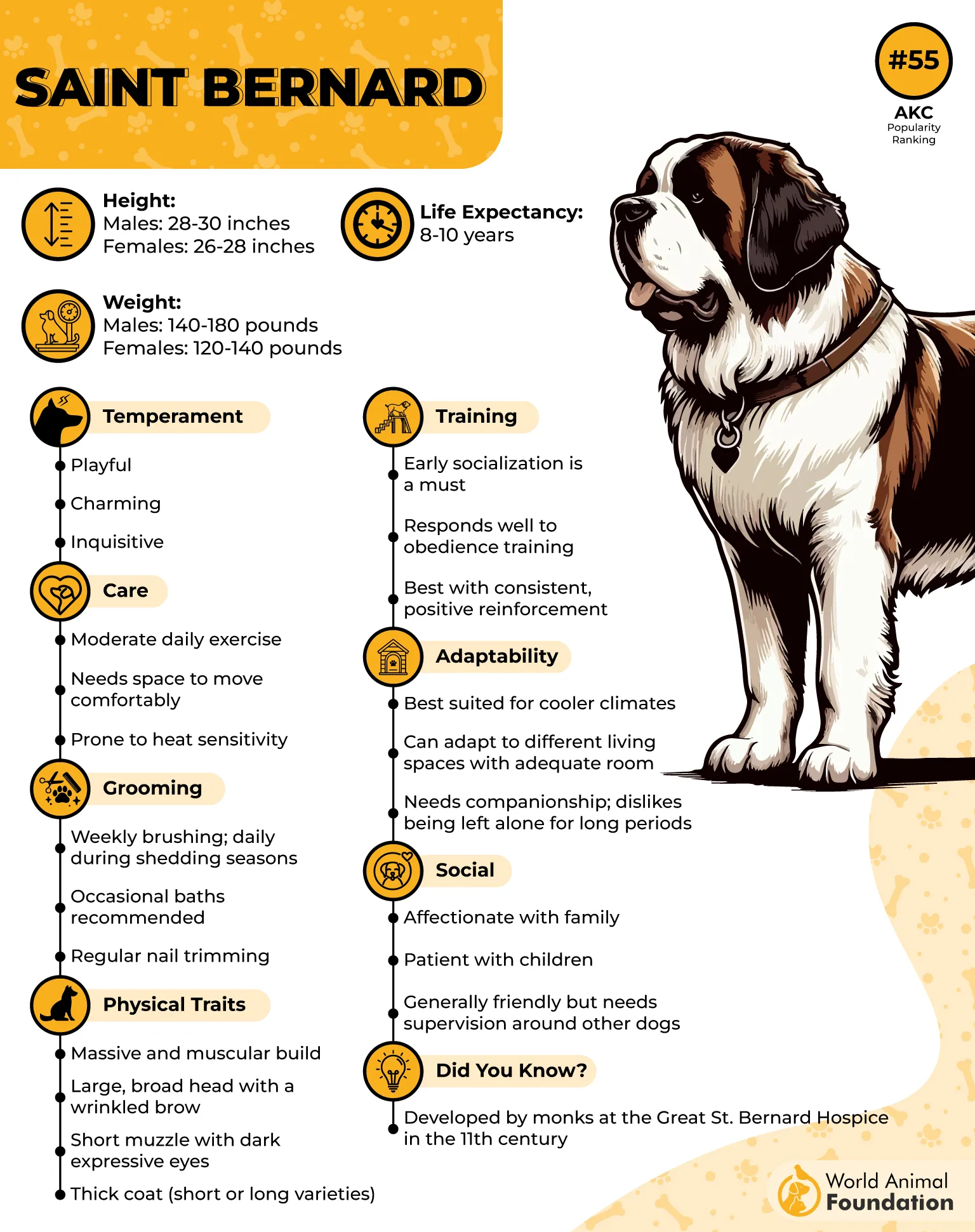
Saint Bernard presents a massive, muscular frame paired with a soft, intelligent expression shaped by its wrinkled brow and dark eyes.
Its size feels imposing at first glance, yet its demeanor remains calm and approachable. This combination creates a dog that feels reassuring rather than overwhelming in a home setting.
Daily rhythm and shared activity
This calm dog breed fits into a routine that includes moderate exercise, often satisfied with a long walk or a short play session. It shows interest in staying involved during family time rather than seeking constant stimulation.
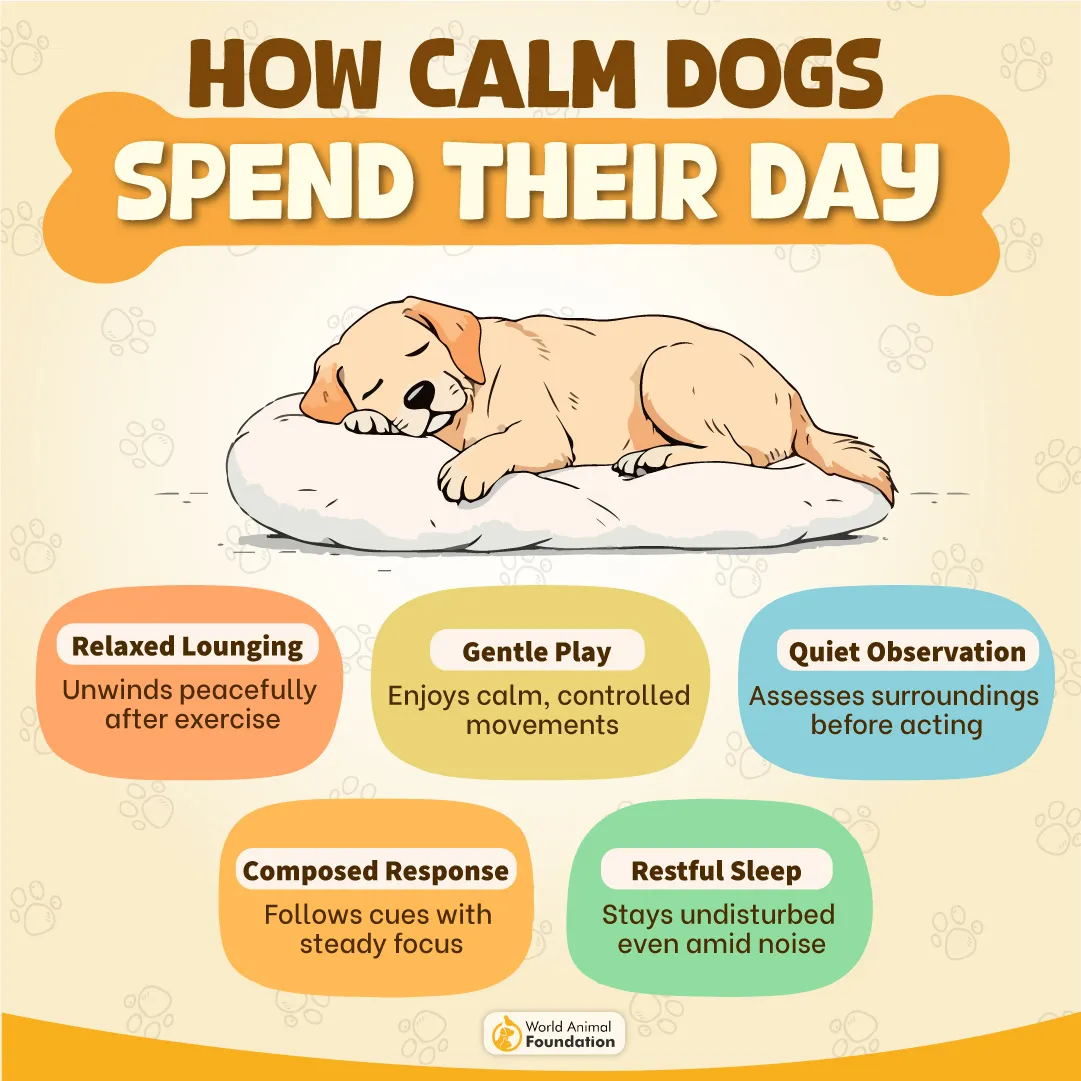
That rhythm appears through simple, familiar patterns:
Joins in walks without pushing for excess activity
Participates in cart pulling or light drafting tasks
Stays engaged during shared outdoor time
Behavior shaped around family presence
As per PetMD, they stay patient and watchful at home, especially around children who know how to interact properly. Its calm nature allows it to remain steady even in active household environments. The preference for staying close to family shapes its daily behavior.
Note: They are generally calm but may show some playful excitement like jumping or reaching for food which obedience training can easily manage.
🎧 Dogcast
Episode 37 — Why Dogs Stay Close without Touching
If you don’t hear sound, tap the button above to enable audio.
2. Irish Wolfhound
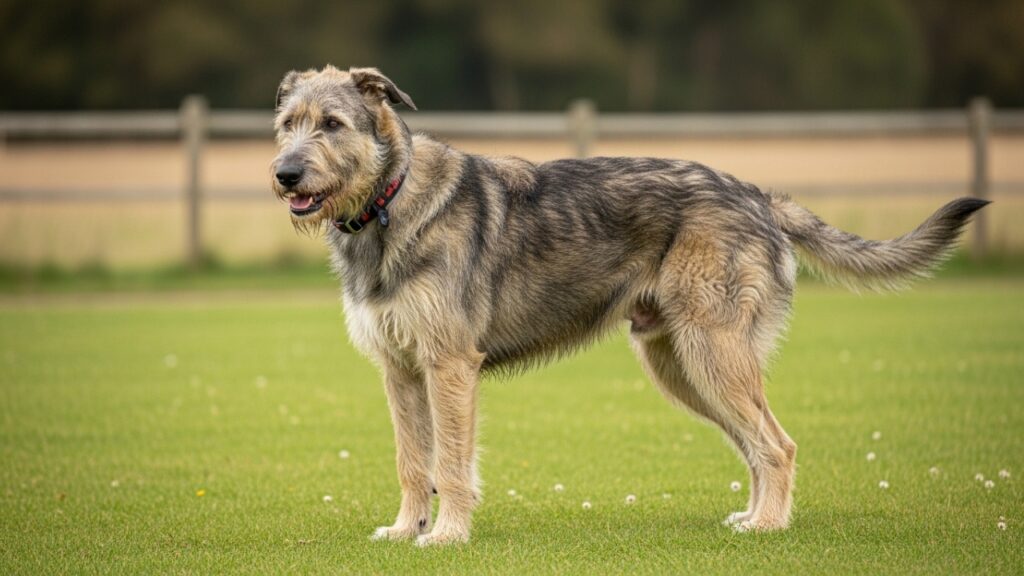
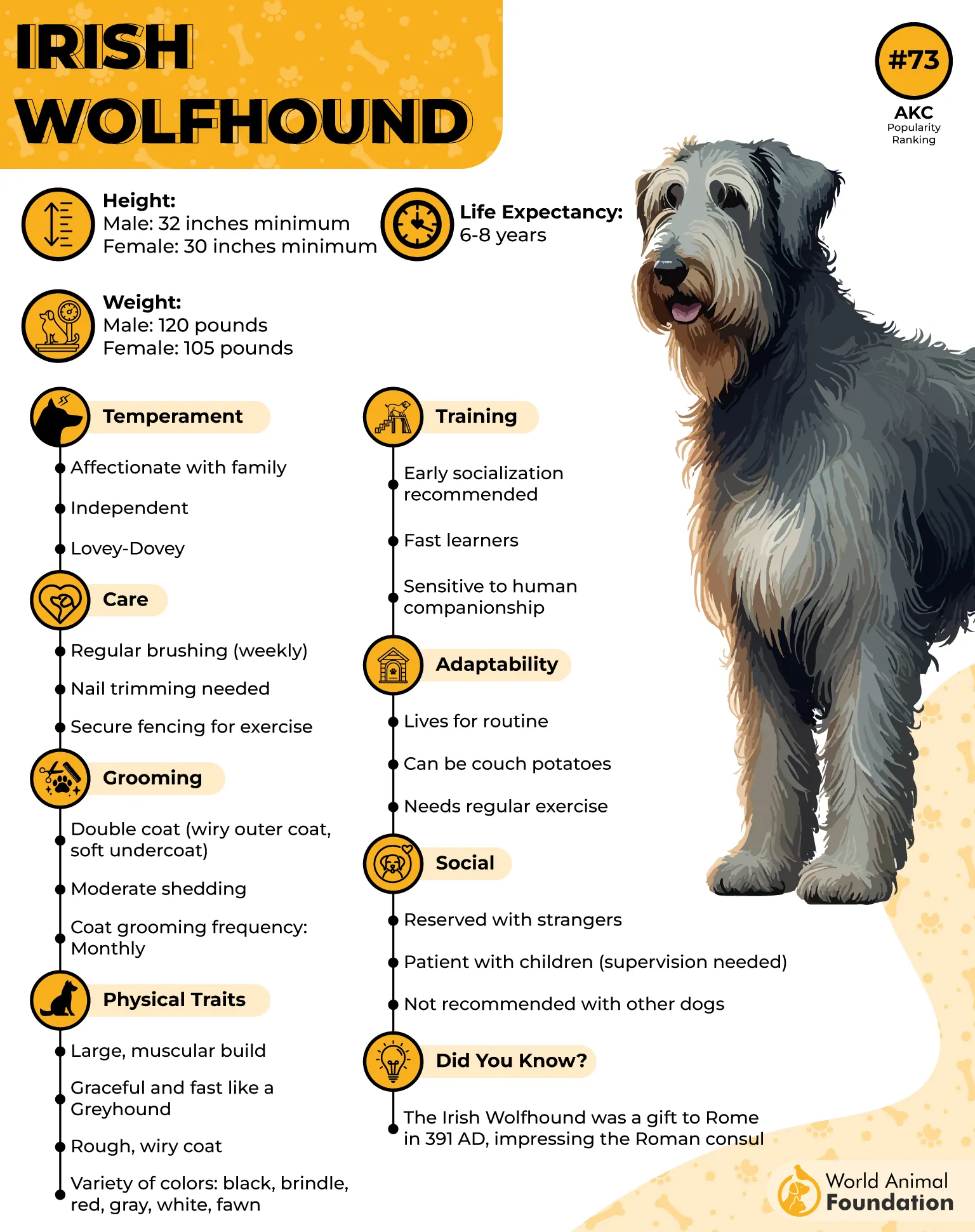
Irish Wolfhound brings a towering frame paired with a calm and composed nature that feels steady inside the home. Its immense, muscular build follows a lean, sighthound structure built for speed rather than bulk. This contrast between size and serenity shapes how it fits into daily life.
Built for scale and movement
According to the AKC, its long legs and a deep frame allow it to pursue large game with speed and reach. Its physical design reflects both strength and grace across open ground.
That structure becomes clearer through key features:
Tall frame built for long strides
Muscular body aligned with sighthound form
Capable of speed during open runs
Temperament shaped by calm interaction
They stay patient and composed around people and other dogs, showing a relaxed approach in family environments. Their behavior with children reflects tolerance, though supervision remains necessary due to size. As adult dogs, their overall demeanor leans toward quiet couch-companion energy.
3. Newfoundland
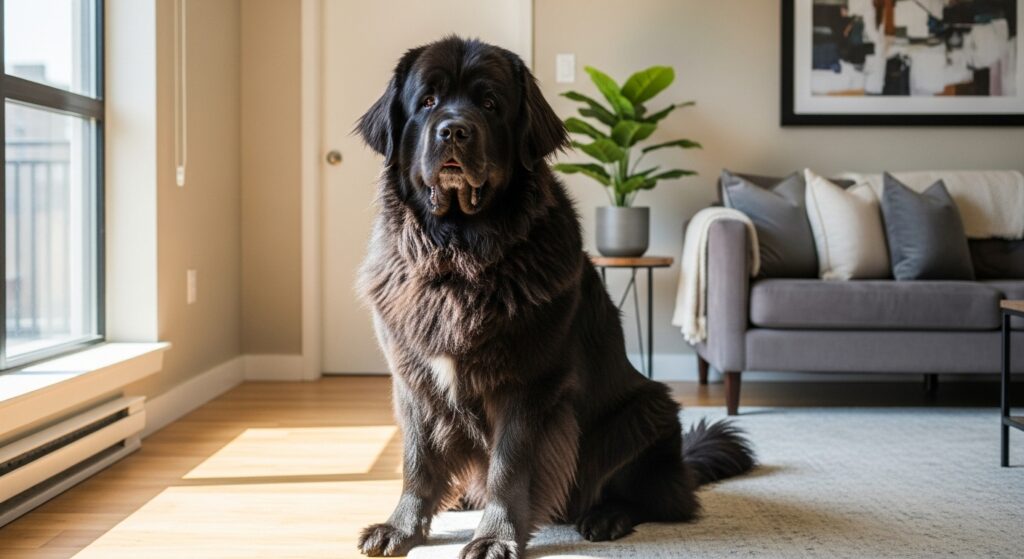
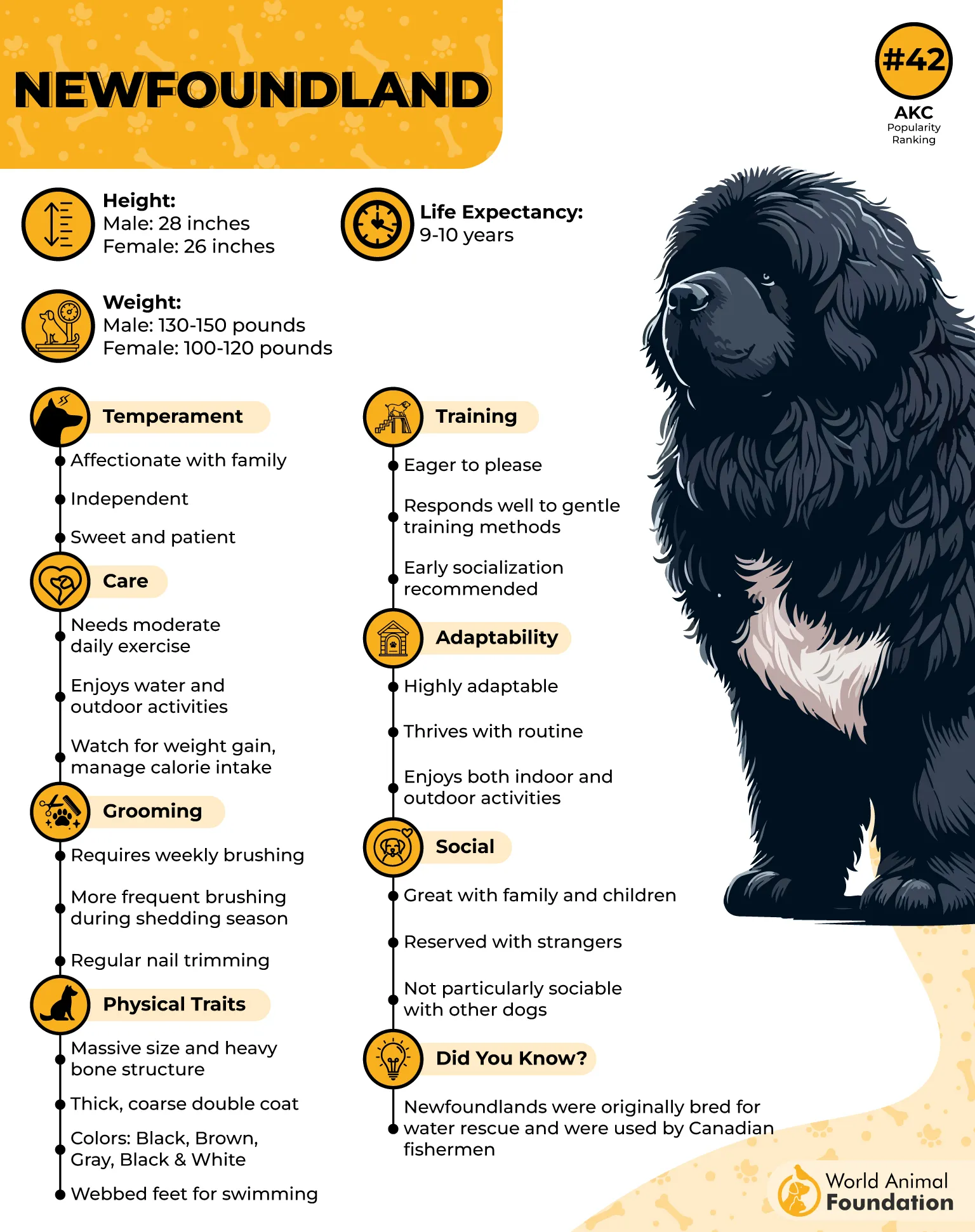
The Newfoundland is known for its massive frame paired with a calm, soft expression that reflects its steady nature. Its gentle temperament is often described as its most defining trait, shaping how it interacts within a home. This balance between size and gentleness creates a reassuring presence indoors.
Natural behavior around people and space
This affectionate breed settles easily into family life, showing patience with children and maintaining a composed attitude around other pets. Its behavior reflects a quiet awareness rather than constant activity or noise.
That ease shows up through everyday patterns:
Remains calm in shared living spaces
Interacts gently with children
Coexists smoothly with other animals
Versatility beyond the home
Newfoundland handles both land and water tasks with equal comfort, supported by strength suited for pulling and controlled physical work.
Its ability to assist in water-based rescue and drafting reflects a practical working nature. These roles connect directly to its physical build and coordination.
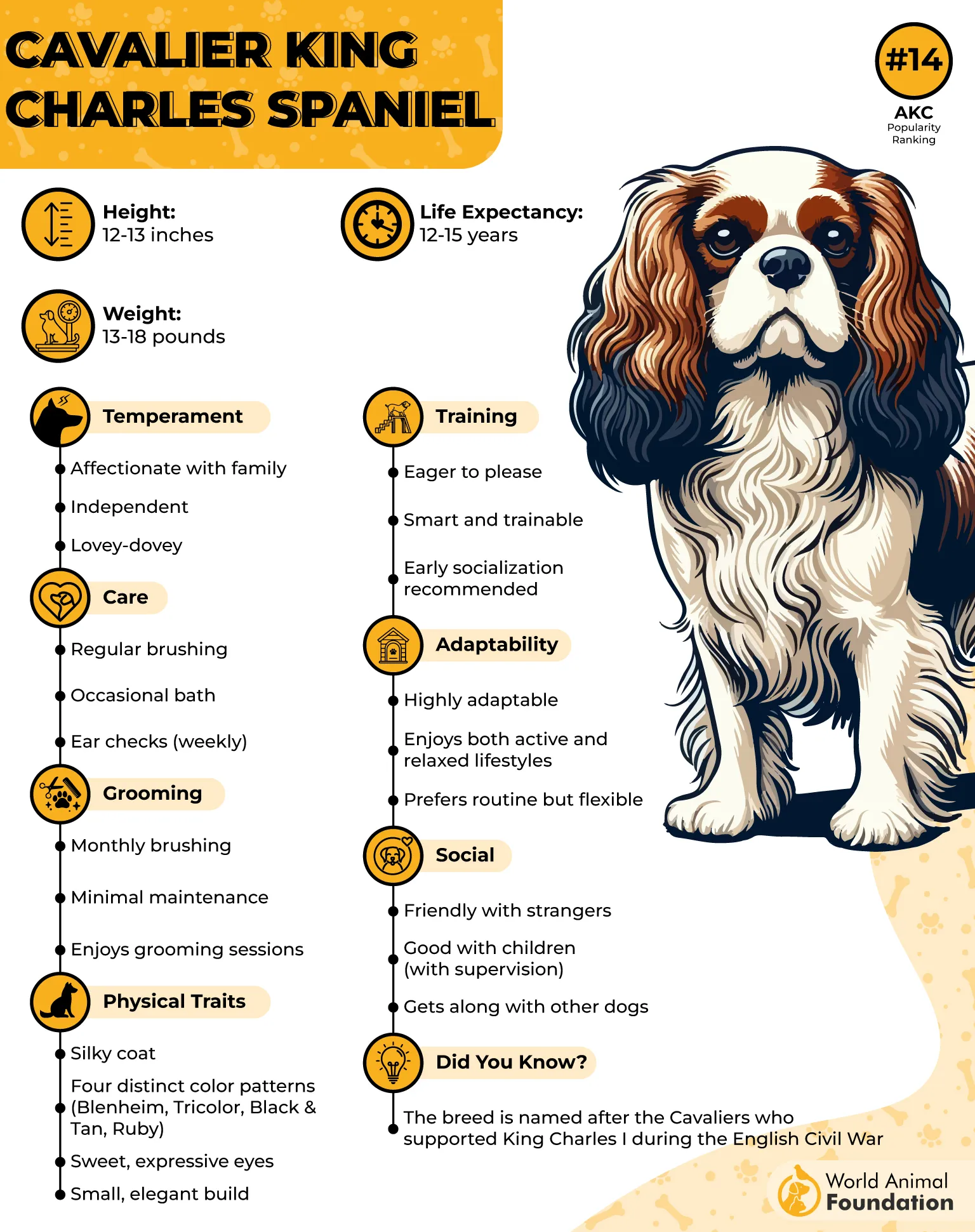
4. Cavalier King Charles Spaniel
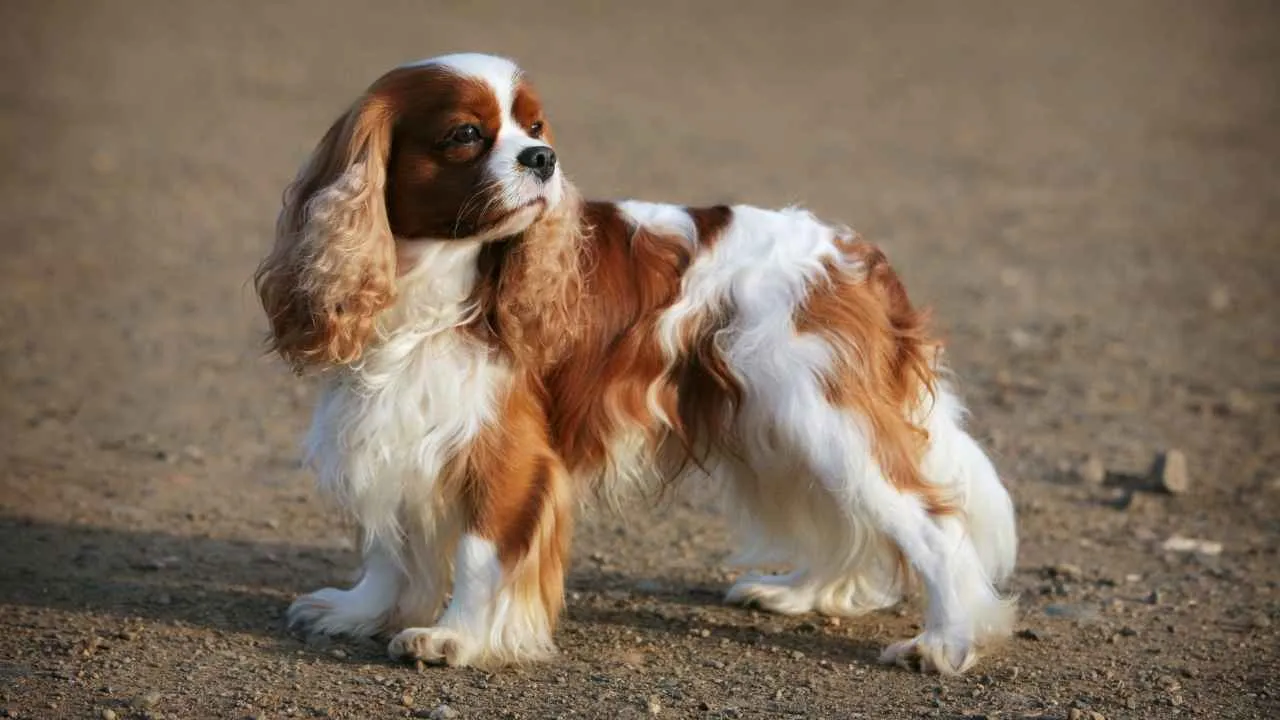
The Cavalier King Charles Spaniel is recognized instantly by its large, round eyes that reflect a soft, attentive expression.
That look creates an immediate sense of warmth, shaping how the dog connects with people in everyday life. Its silky coat and balanced features add to a refined, gentle presence indoors.
Interaction that feels effortless
These spaniels blend attentiveness with a playful streak, staying responsive without becoming demanding. They shift easily between quiet companionship and light activity depending on the moment.
That rhythm appears in simple behaviors:
Seeks close contact without being restless
Engages playfully during short bursts of activity
Stays relaxed around children and other dogs
Adaptability across lifestyles
Generally, a low-maintenance dog breed, they fit naturally into different daily routines, whether the setting involves outdoor walks or extended indoor time.
Its temperament allows it to match the pace of its environment without resistance. This flexibility shapes a dog that fits comfortably into varied home settings.
5. Basset Hound
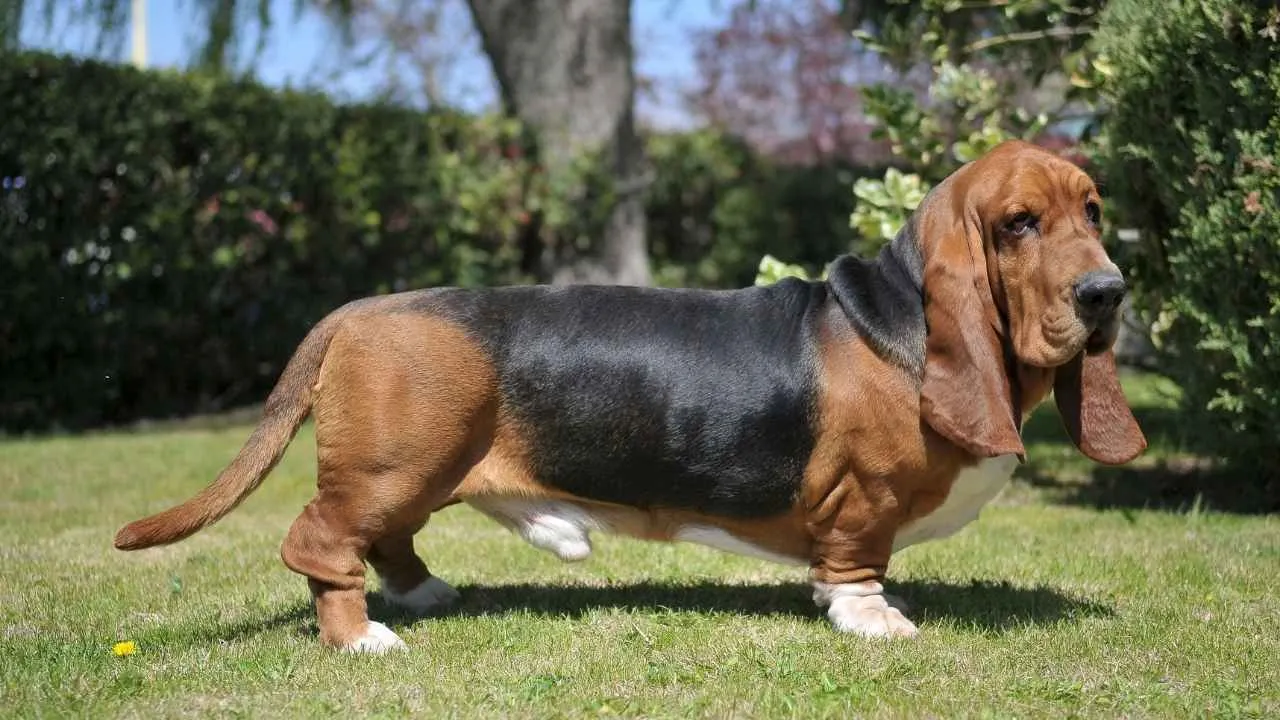
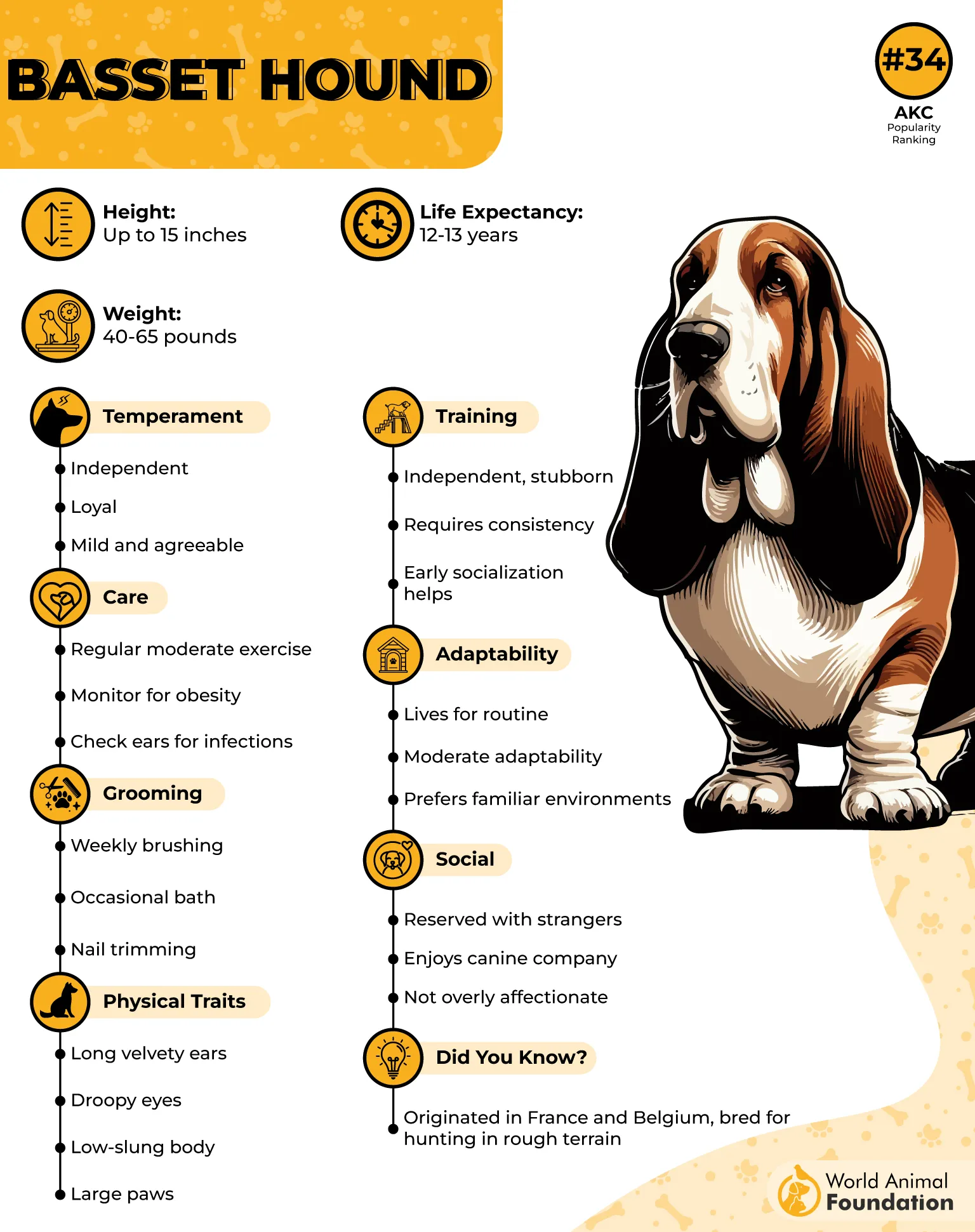
Basset Hound presents a low-slung body supported by heavy bone, powerful legs, and oversized paws built for endurance. Its long ears, domed head, and wrinkled brow create a deeply expressive face that feels almost human. The overall structure reflects a strength designed for steady, ground-level tracking.
Scent focus and tracking behavior
Relies heavily on scent, they are working close to the ground with a deliberate pace that favors accuracy over speed. Their tracking style stays persistent, often continuing a trail long after others lose interest.
That working pattern becomes clear in key traits:
Tracks scent with near Bloodhound-level accuracy
Follows trails slowly but with strong focus
Uses a loud, ringing bark during pursuit
Temperament inside the home
These chill dogs settle into a calm and agreeable presence indoors, showing loyalty without constant attention-seeking behavior. They may appear reserved in affection, but they remain closely bonded to their people. After activity, they prefer long periods of rest in comfortable spots.
6. Pug
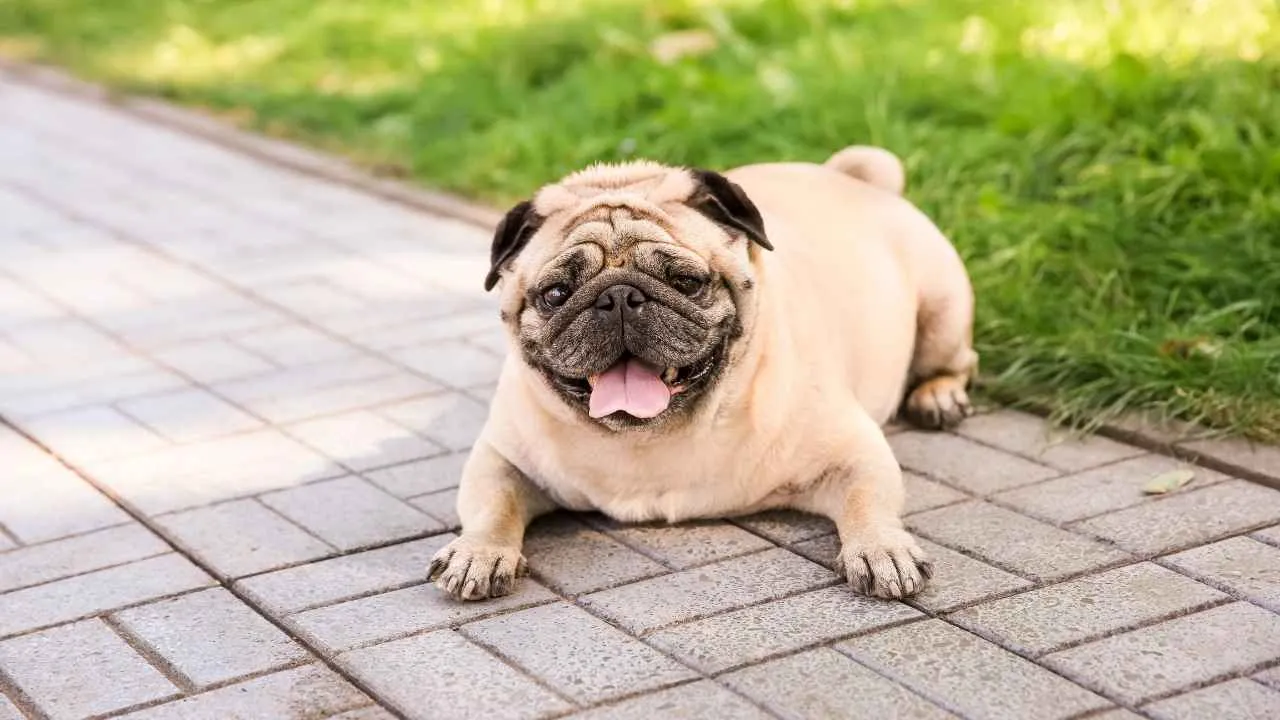
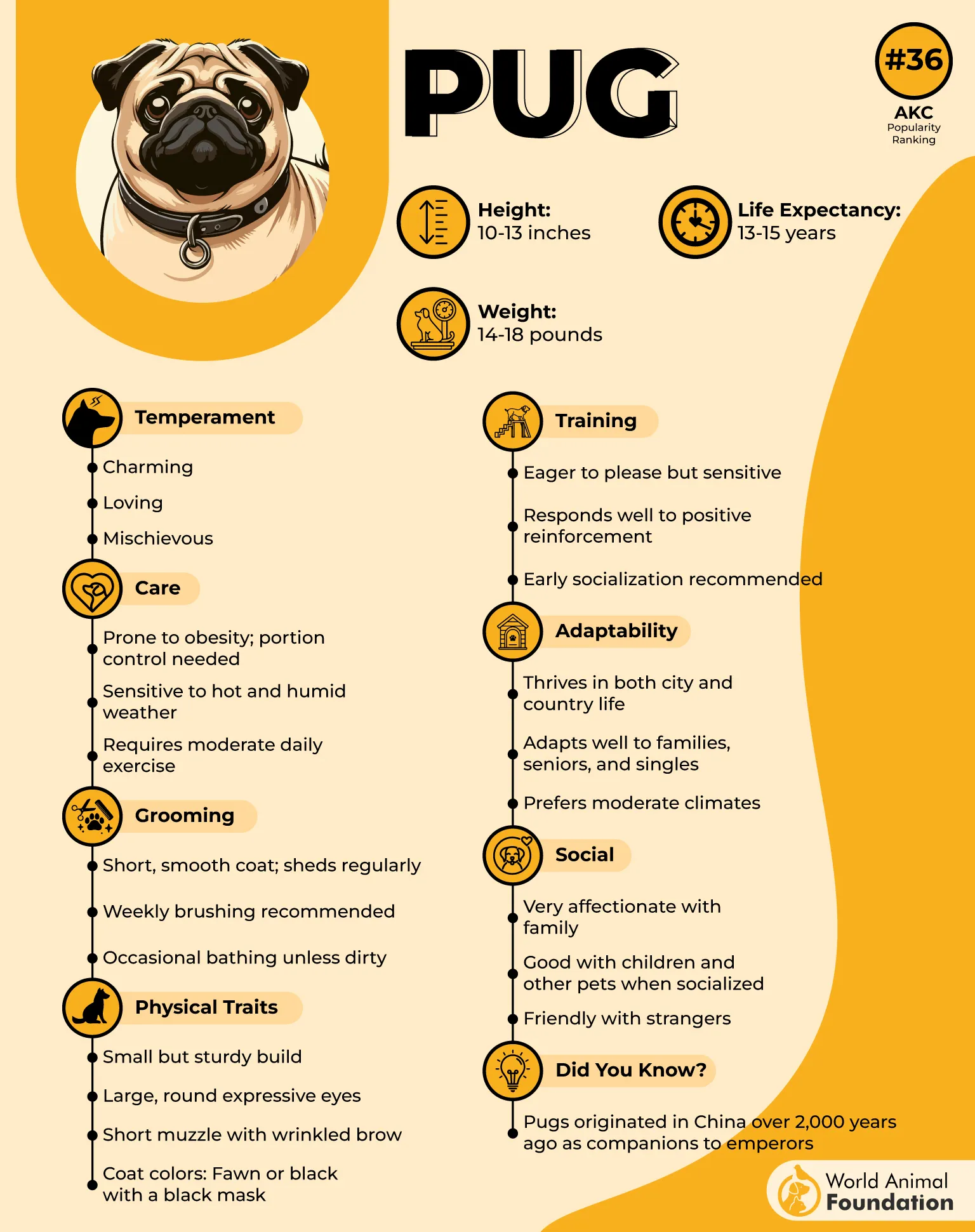
The Pug brings a small yet solid build paired with a face that constantly reflects emotion through its round eyes and wrinkled brow. Its expressions shift from curiosity to excitement in seconds, making interaction feel immediate. This emotional clarity shapes a companion that feels present in everyday moments.
Daily behavior centered on closeness
Closely connected to people, they often settle into shared spaces and routines rather than staying independent. They fit easily into different households, adjusting to both quiet and busy environments with ease.
That closeness appears in simple, repeatable habits:
Prefers resting beside people on sofas or beds
Seeks attention through gentle interaction
Adapts to living with kids, pets, or alone
Comfort shaped by routine and environment
This little lap dog responds best to stable indoor conditions, especially in moderate climates where the temperature stays balanced. Its fondness for food, combined with relaxed habits, requires attention to daily portions. Short play sessions or walks help maintain a steady physical routine.
7. Shih Tzu
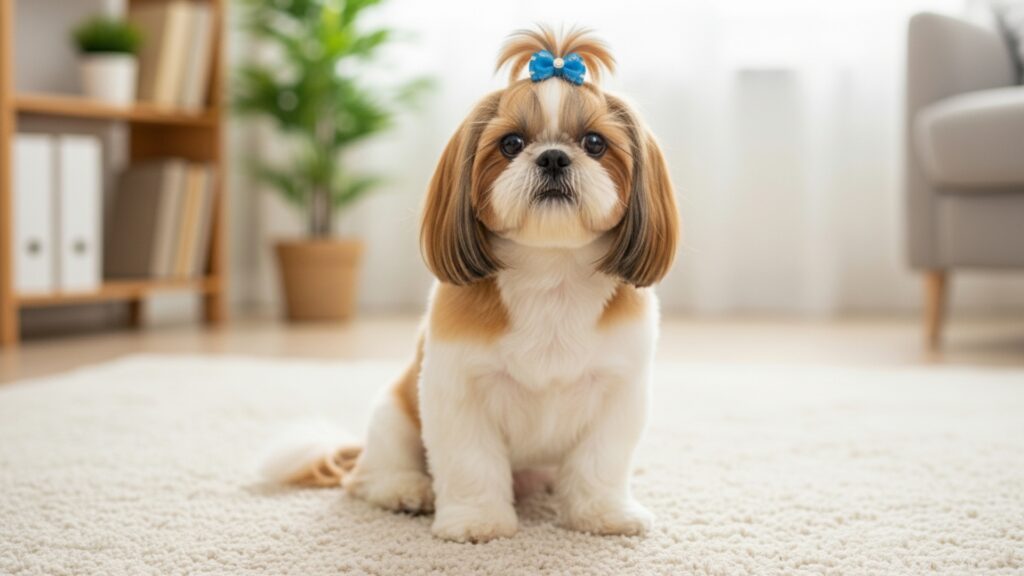
The Shih Tzu draws attention instantly through its large, dark eyes and soft, rounded expression that reflects emotion clearly. This visual connection shapes how it interacts, often engaging people without effort. Its presence leans toward companionship rather than independence.
Daily life built around closeness
These companion dogs prefer staying near people, often settling into laps or nearby spaces rather than seeking constant activity. Their idea of enjoyment centers on shared quiet moments rather than physical play.
This pattern shows up in simple habits:
Chooses resting close to people over roaming
Seeks attention through gentle presence
Engages more in still environments than active ones
Indoor lifestyle preference
Shih Tzu fits naturally into smaller living spaces, shaped by its long association with indoor environments. It adapts easily to apartments or homes without large outdoor areas. Its routine remains centered around indoor comfort and human interaction.
8. Clumber Spaniel
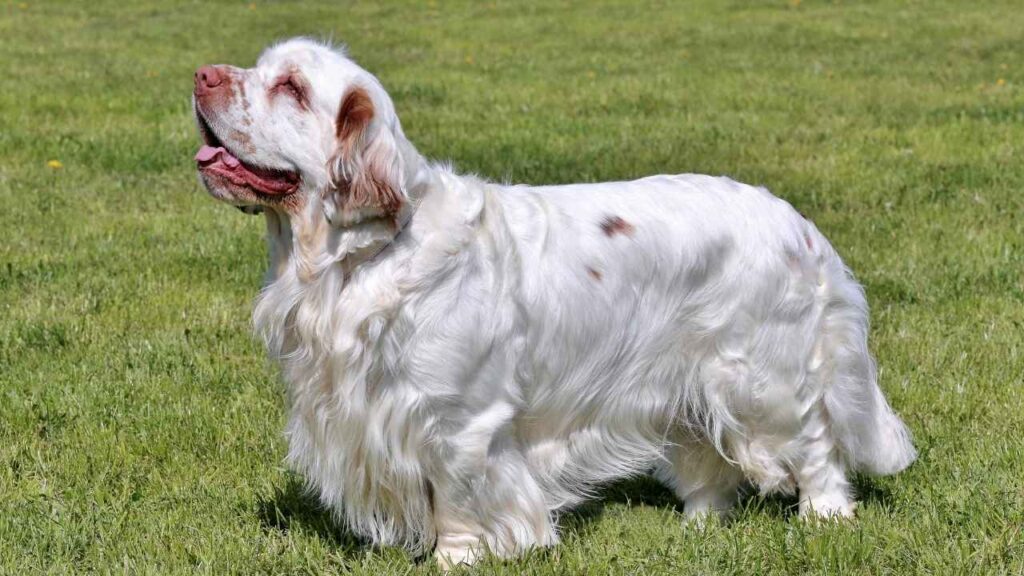
The Clumber Spaniel is known for its heavy, low-set frame, built to push through dense undergrowth during field work. That same structure pairs with a noticeably unhurried presence inside the home. It often prefers resting comfortably rather than staying constantly active.
Scent-led instincts outdoors
These spaniels shift their behavior once outside, relying strongly on their nose to explore and locate scents. Their retrieving instinct shows through playful searching and a tendency to bring back found objects.
That instinct appears in small, specific ways:
Follows scent trails with steady focus
Retrieves objects repeatedly during play
May pick up and swallow found items
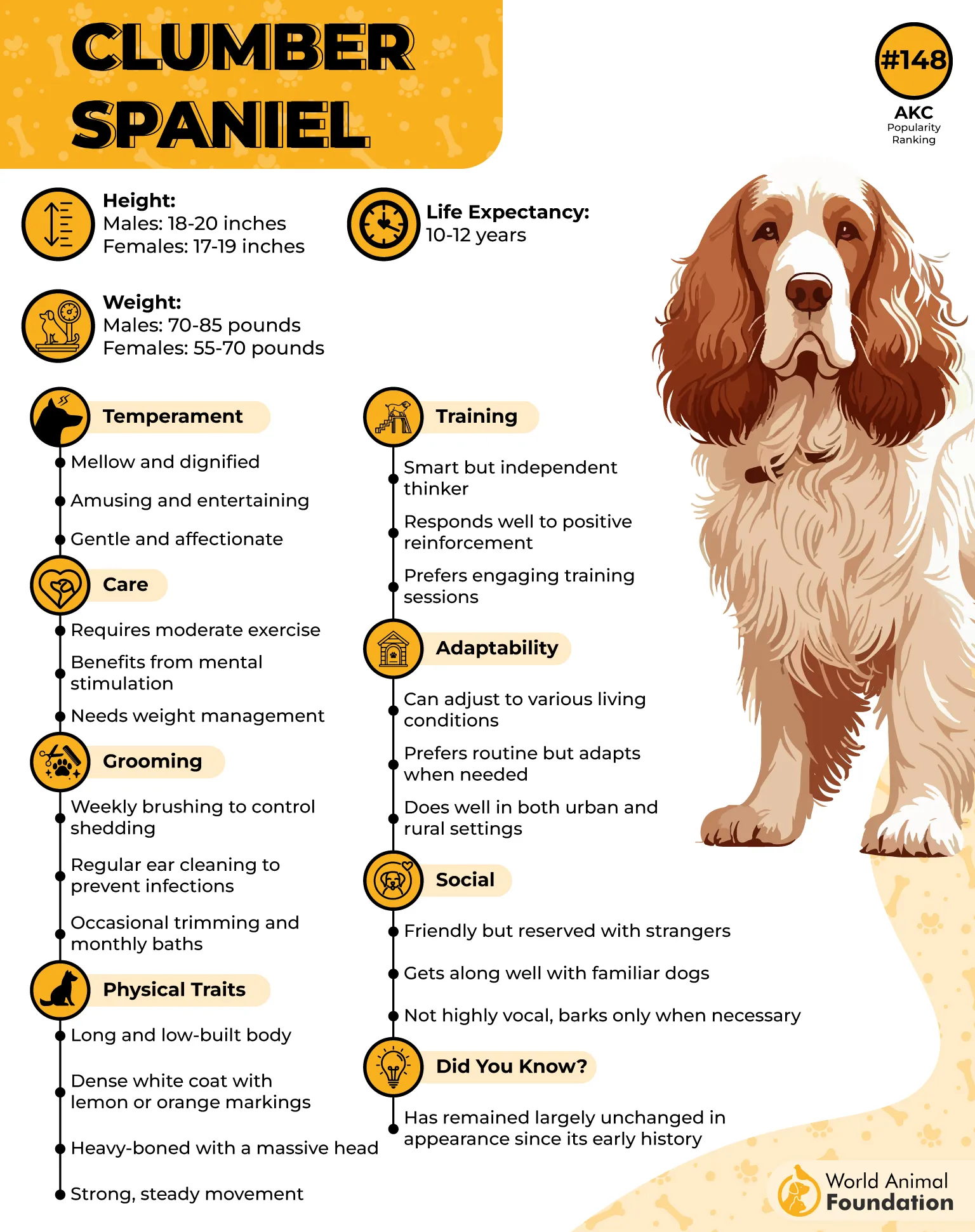
Gentle nature within the household
They maintain a soft, patient temperament around family members, including children and other pets. They rarely react strongly to strangers, keeping a quiet presence unless they sense discomfort involving their family. This creates a home environment that feels calm and undisturbed.
9. Bulldog
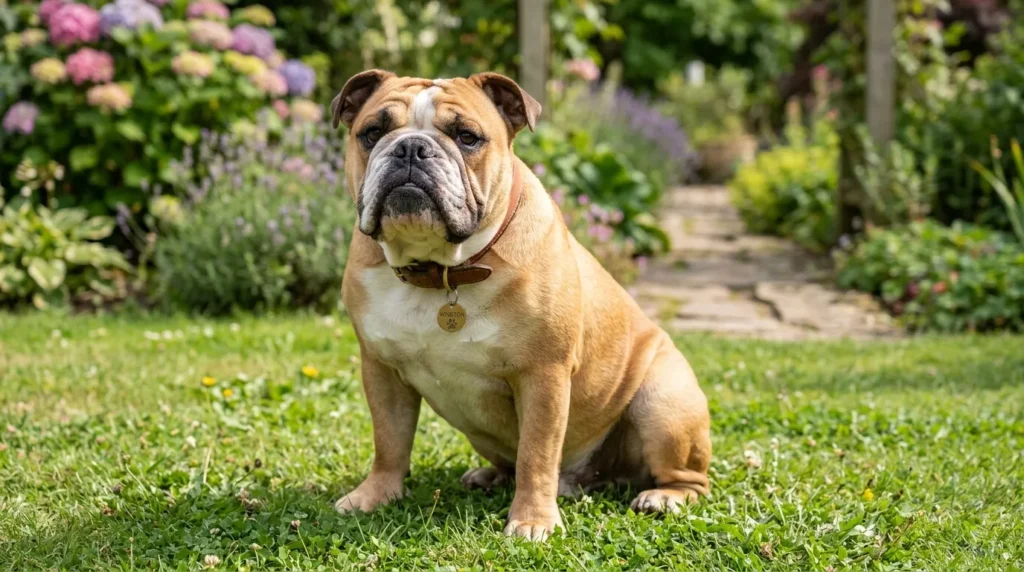
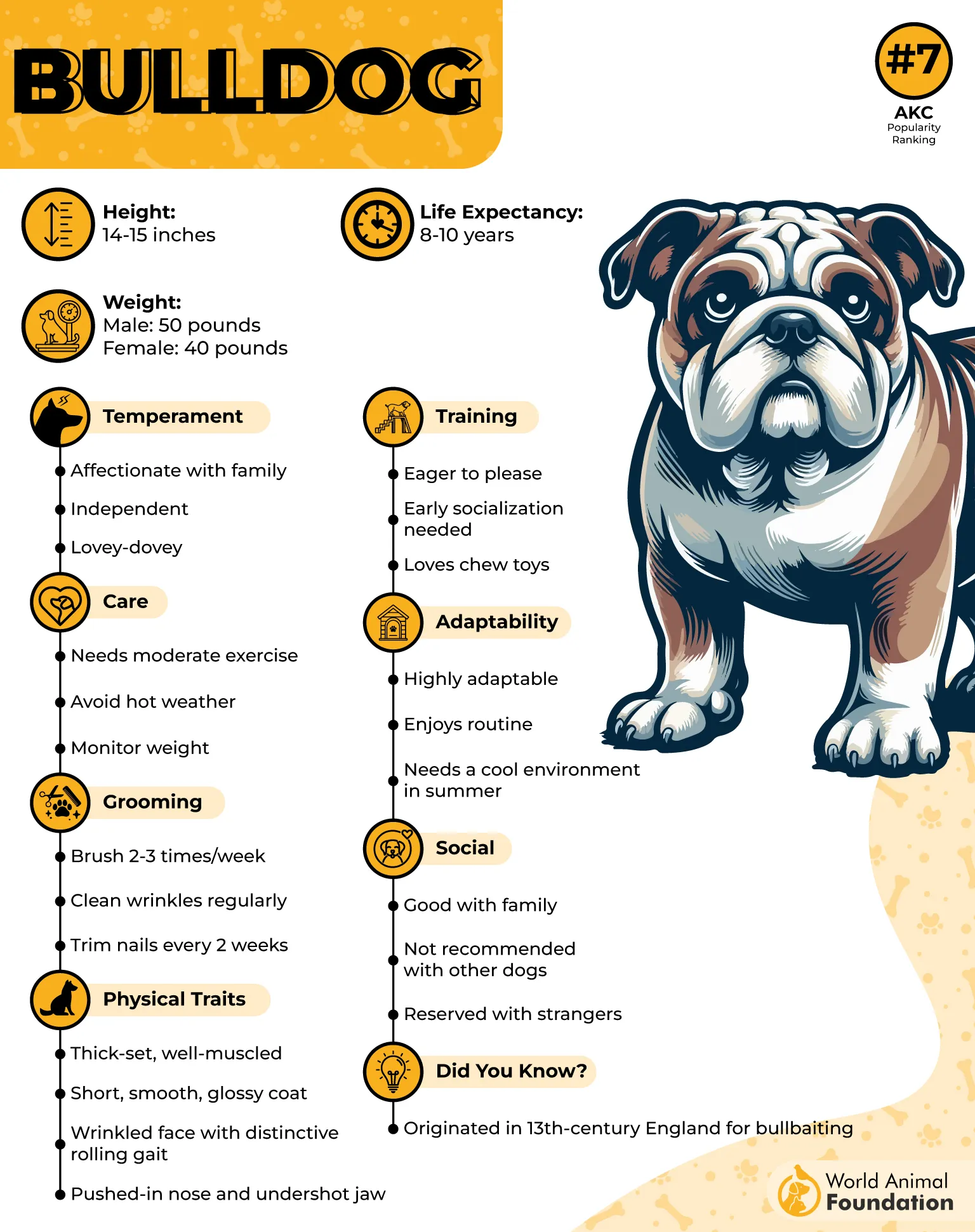
The Bulldog presents a wide stance and muscular, low-profile body paired with a wrinkled face and noticeable underbite. Its physical presence feels grounded, often reflecting a slower, unhurried pace in daily life. This structure aligns with a temperament that leans toward calm, steady companionship.
Social nature within the home
They interact in a friendly and even-tempered way, fitting comfortably around children, other pets, and familiar surroundings. Their behavior reflects a mix of loyalty and relaxed engagement rather than constant activity.
This shows in everyday patterns:
Welcomes interaction without overexcitement
Stays comfortable around other animals
Responds gently in shared spaces
Activity shaped by comfort limits
This small breed benefits from short, controlled exercise sessions, especially in cooler conditions where breathing remains manageable. Extended or intense activity can create discomfort, particularly for those with airway sensitivity. Short walks spaced throughout the day help maintain balance.
10. Greyhound
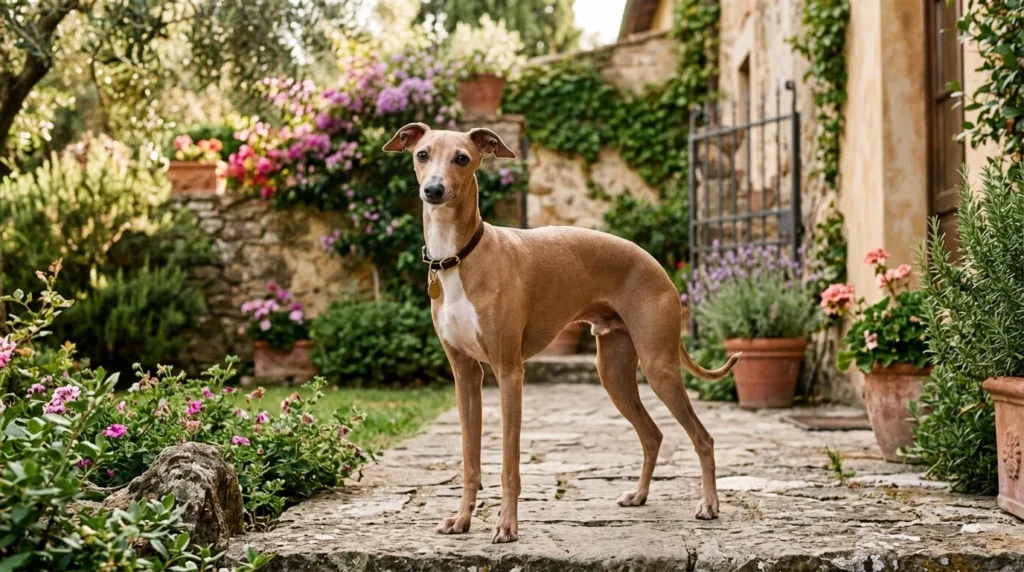
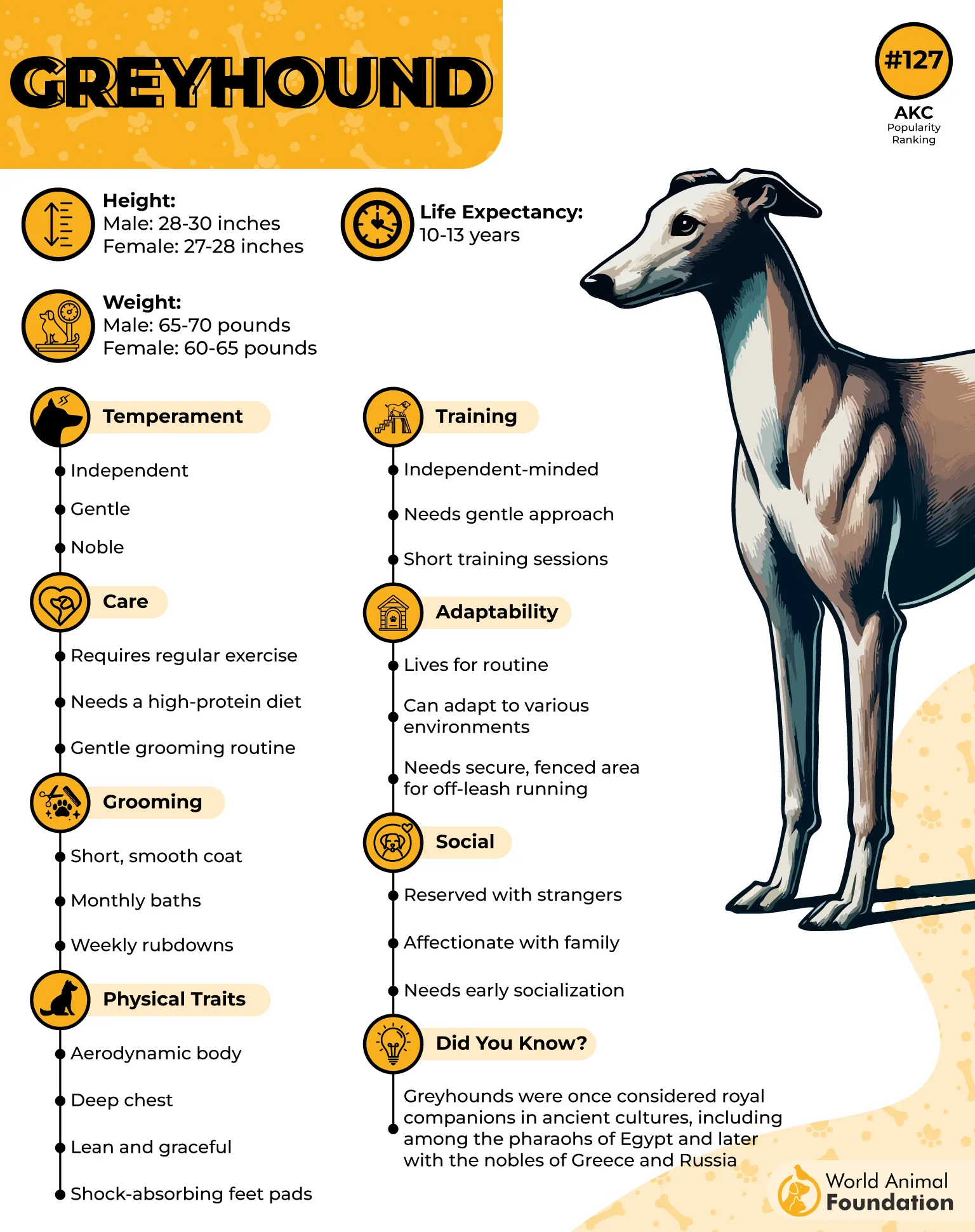
Greyhounds work through vision rather than scent, reacting to motion with sharp focus and quick acceleration. Its lean, curved frame forms that distinctive “inverted S” outline linked to speed. This design reflects a dog shaped for brief, intense bursts rather than prolonged effort.
How it responds to its surroundings
As a racing dog, it processes its environment through visual cues, often noticing movement before anything else. Its reactions are selective, engaging only when something triggers that chase instinct.
That response pattern shows in clear ways
Tracks motion with sharp visual focus
Reacts quickly to sudden movement
Prefers short bursts over extended activity
Calm presence inside the home
This breed settles into a quiet rhythm indoors, showing a gentle and relaxed nature with familiar people. Its independent streak appears in moments of stillness, often choosing rest over constant interaction. This creates a calm presence that blends easily into home life.
Conclusion
Peace inside a home builds gradually, and the role a dog plays in that process becomes clear with time. The breeds in this list show how calm behavior and steady presence reduce strain instead of adding to it. Unlike high-energy dog breeds, they adapt easily, stay close without overwhelming, and support a routine that feels natural, making them a reliable family dog choice for many pet parents.
This creates a difference that is felt rather than noticed at first. As days pass, the environment becomes quieter and more balanced, often helping reduce issues like separation anxiety. Selecting a dog with this kind of temperament leads to a living space where comfort remains consistent and everyday life feels lighter, simpler, and more manageable.
Can You Score 6/6 on These Calm Dog Breeds? 🐶
Which giant breed is described as having a massive frame but a calm, approachable demeanor?
What physical design helps the Irish Wolfhound pursue large game with speed and reach?
Which calm breed is especially known for strength suited to water rescue and drafting work?
Which breed is described as tracking scent with near Bloodhound-level accuracy?
Which small companion dog prefers resting beside people on sofas or beds?
Which breed reacts to motion with sharp visual focus and quick acceleration?
