




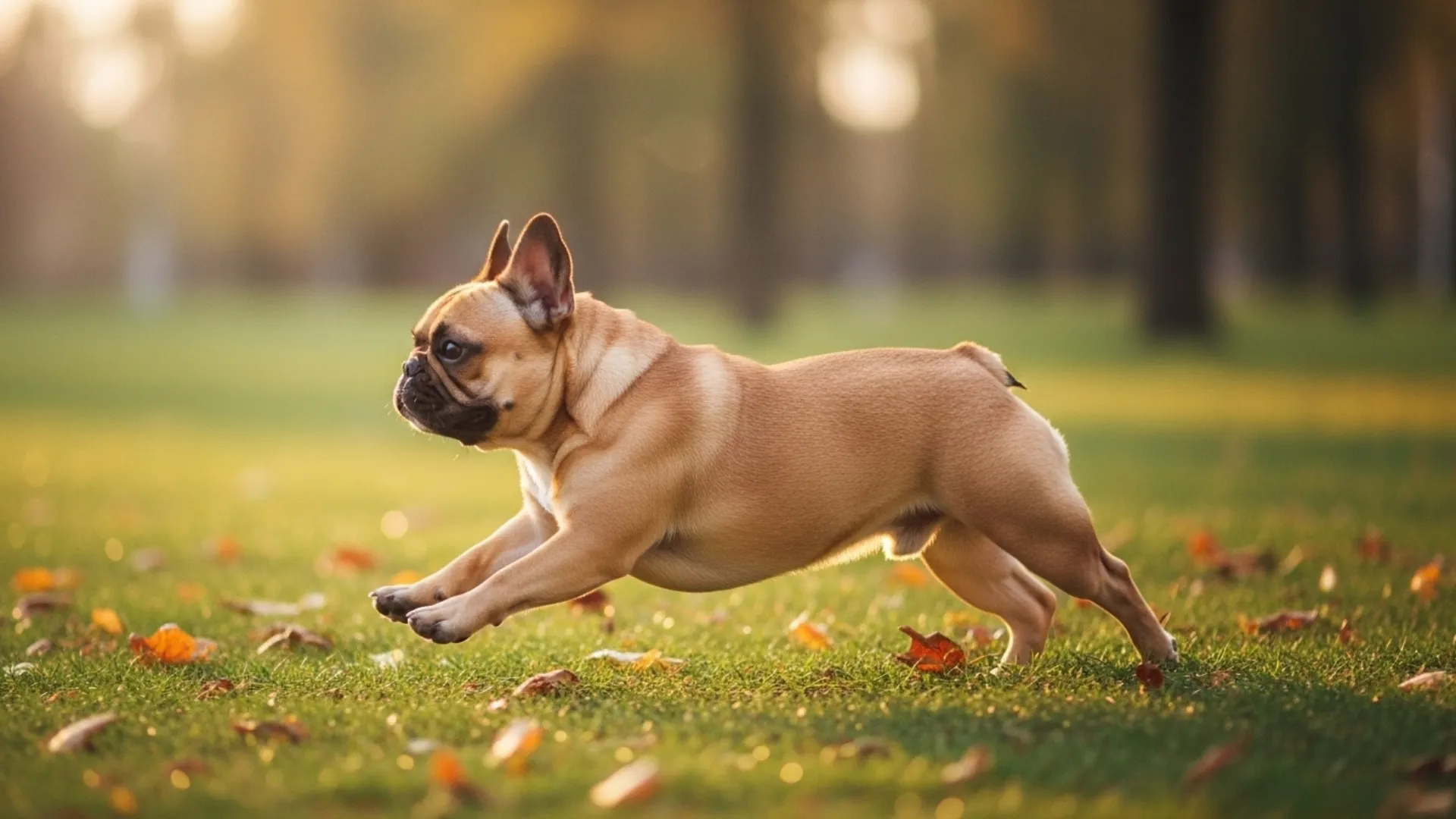
There is a growing shift in how people choose their pets today. Instead of focusing only on appearance, more attention is being given to how a dog fits into daily life.
Time, space, and routine have become important factors in the decision. This shift is practical because not every dog suits every lifestyle. Some require constant attention and structured care, while others are far more relaxed and easy to manage.
These low-maintenance dogs are becoming a preferred choice for people who want companionship without adding extra strain to their routine. They adapt more easily, require less intensive care, and allow owners to maintain balance in their daily lives. This does not mean compromising on connection or companionship. It simply means choosing wisely.
In the following sections, you will explore dogs that are known for their easygoing nature and minimal requirements, making them suitable for a wide range of living situations.
Key Takeaways
Many people realize too late that not every dog fits into a calm and simple routine.
Pugs and French Bulldogs settle into routines so easily that even busy days feel lighter with them around.
Dachshunds and Cavalier King Charles Spaniels bring curiosity and quiet companionship without turning simple routines into effort.
Somewhere between calm presence and easy care, these breeds show what it really means to have a dog that fits your life without changing it.
Top Easy Dog Breeds: Low-Maintenance Companions Await
1. Pug
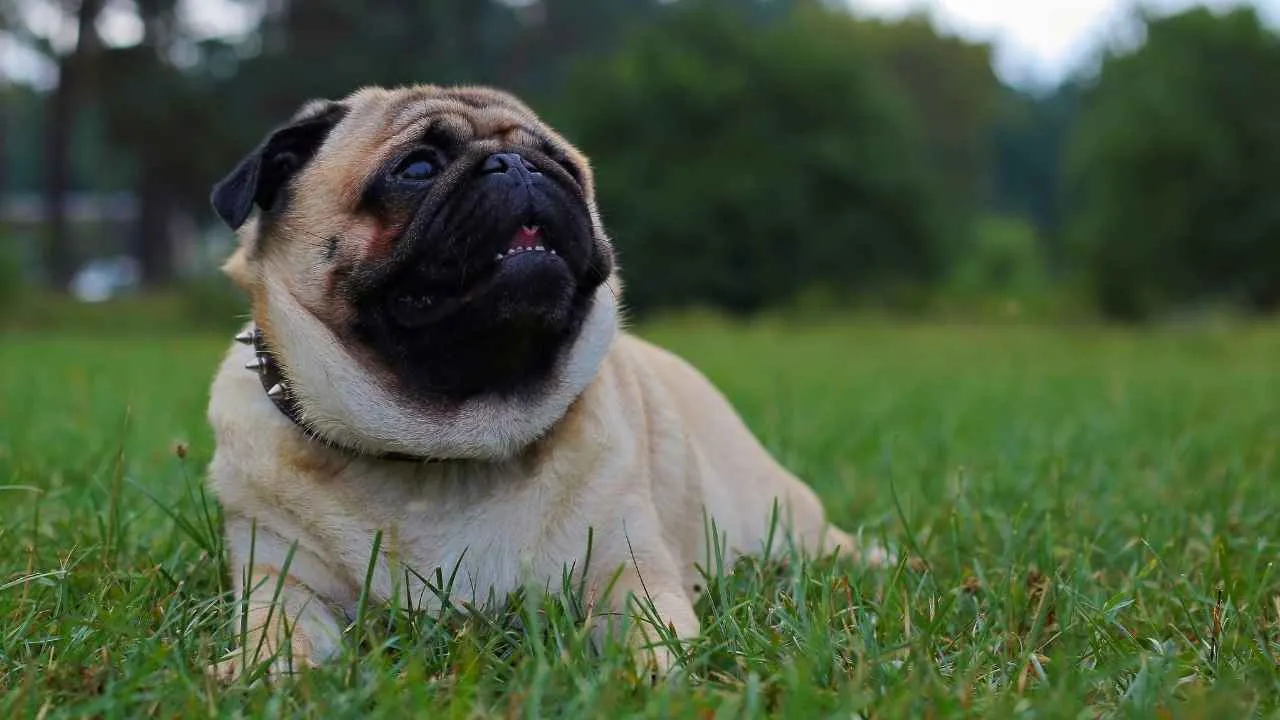
Pugs stay close by design, shaped over centuries as companions in royal courts and monasteries where presence mattered more than task work. Its tendency to remain near people is constant, often choosing proximity over independence. This closeness forms the center of its daily behavior.
Attention-seeking in everyday moments
It interacts through playful gestures, often using humor and exaggerated actions to stay noticed within the home. It places itself wherever activity happens, even during quiet routines like sitting or eating.
This pattern shows up in small but telling ways:
Climbs onto laps, beds, and chairs without hesitation
Uses expressive behavior to draw attention
Stays engaged even during inactive moments
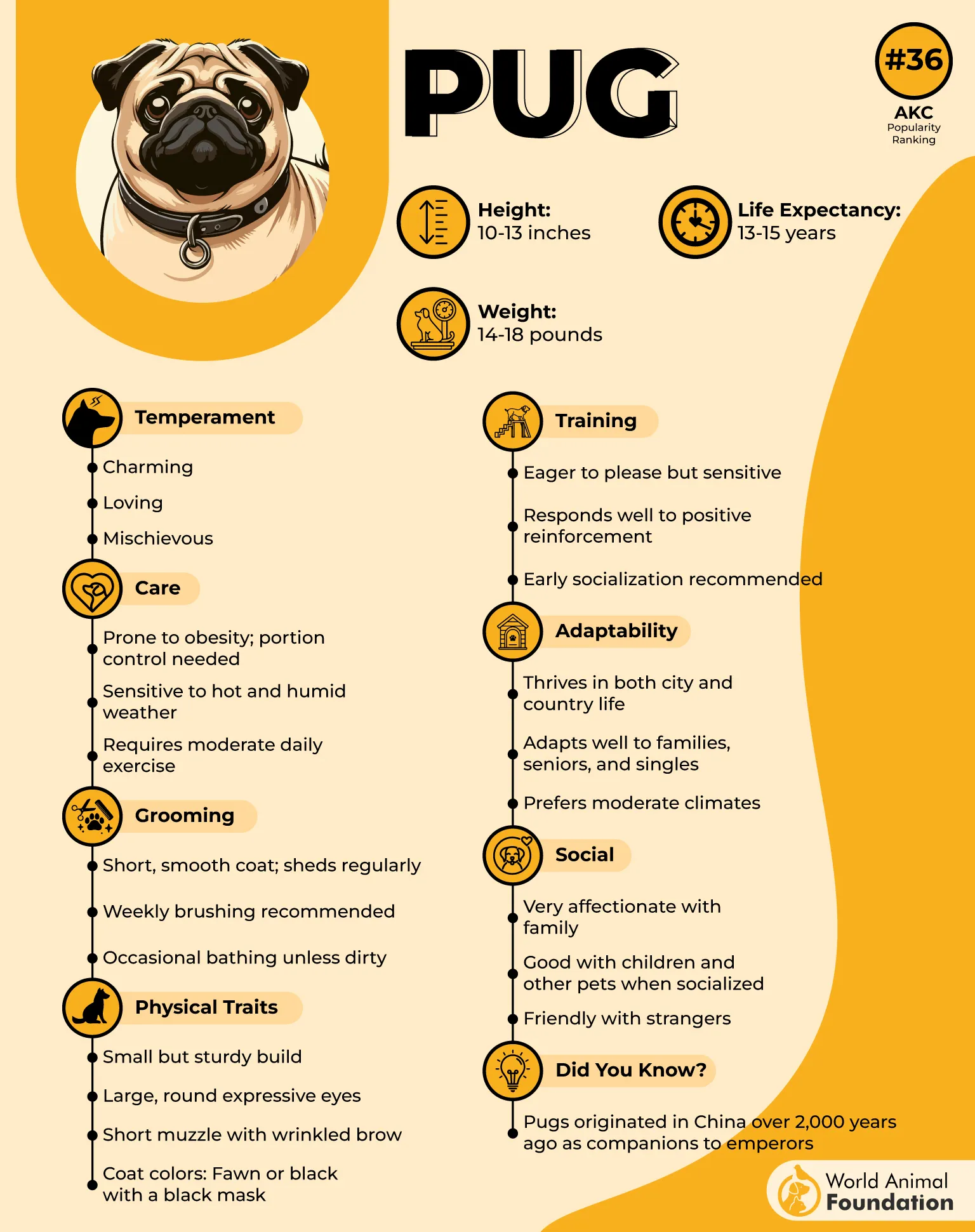
Energy that shifts between extremes
These low-maintenance dog breeds alternate between long stretches of deep rest and sudden bursts of playful movement, often without clear triggers.
It prefers short walks but avoids discomfort from cold or rain, choosing indoor comfort instead, as PetMD noted. Its rhythm leans toward rest with brief interruptions of activity.
2. French Bulldog
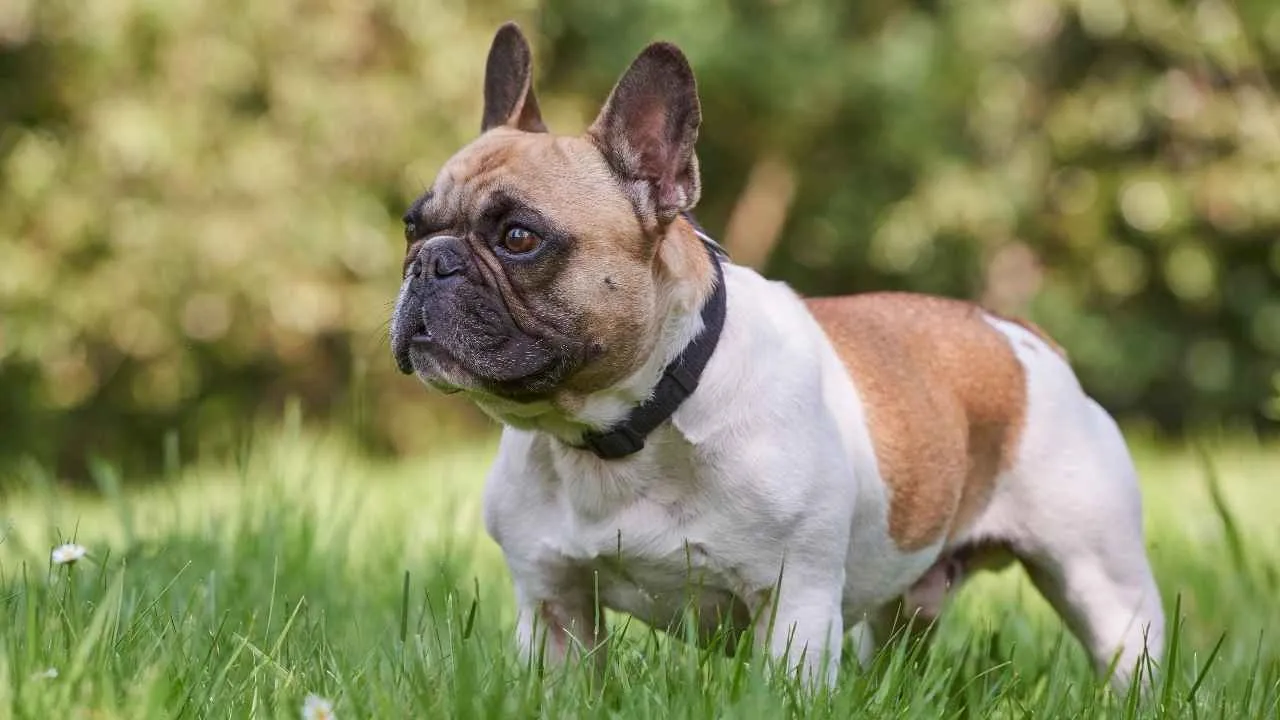
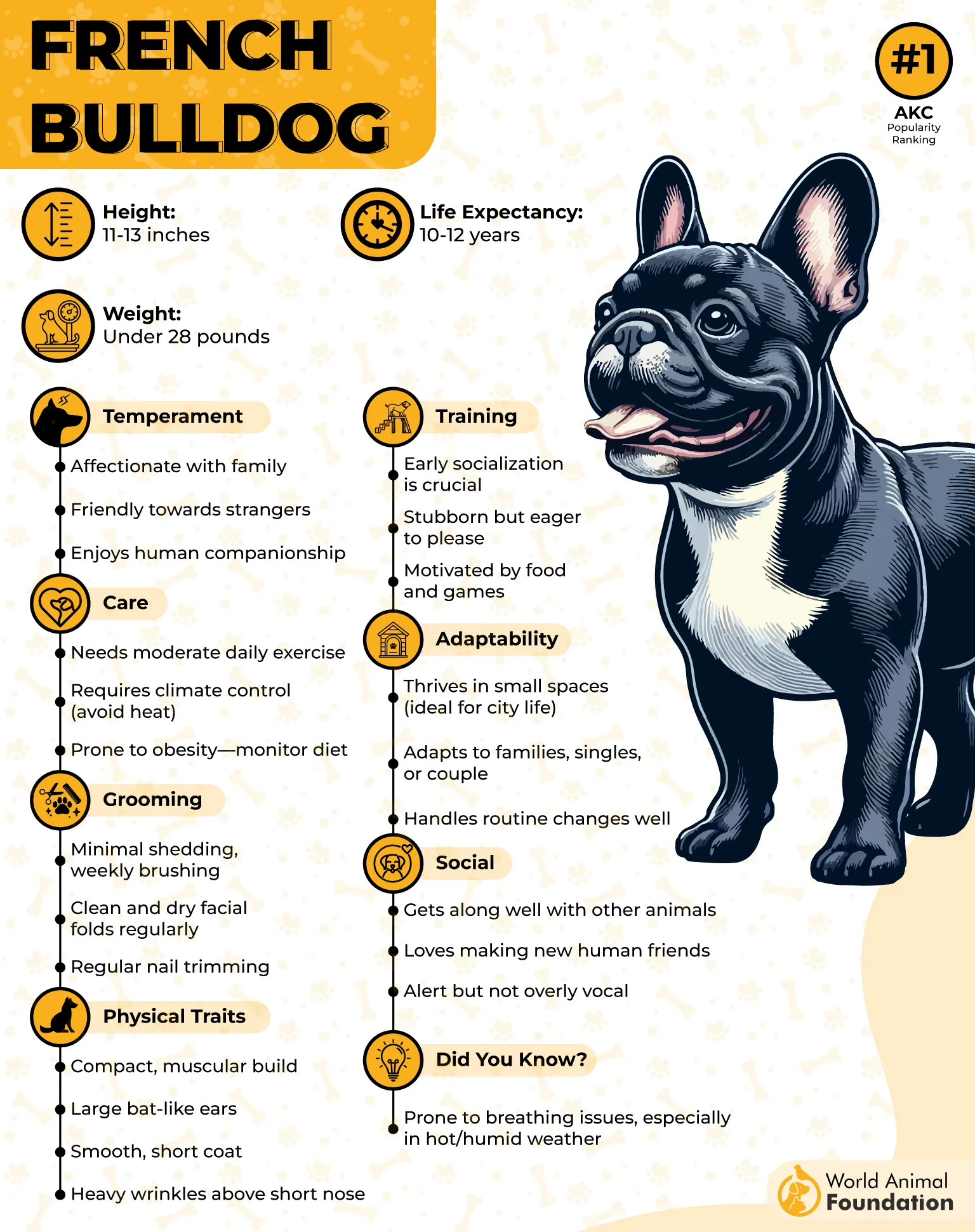
The French Bulldog gained popularity when lace workers brought small Bulldogs to France, where upright ears became a defining feature. Its compact build pairs with a relaxed presence shaped around close human interaction. The breed leans into comfort, often settling quickly into quiet indoor routines.
Daily behavior around closeness
They stay closely involved in household activity, often choosing to remain beside people rather than seeking space. Its good-natured temperament allows easy interaction across children, pets, and visitors, as per PDSA.
These patterns appear clearly in routine moments:
Stays near people throughout the day
Responds well to gentle attention and rewards
Keeps a calm approach around guests and other animals
Care that stays simple
This low-maintenance dog breed requires minimal grooming due to its short hair, though regular face cleaning becomes necessary because of drooling.

Its flat facial structure leads to snoring and snorting, especially during long rest periods. So, short walks and light play fit naturally into its daily rhythm.
3. Dachshund
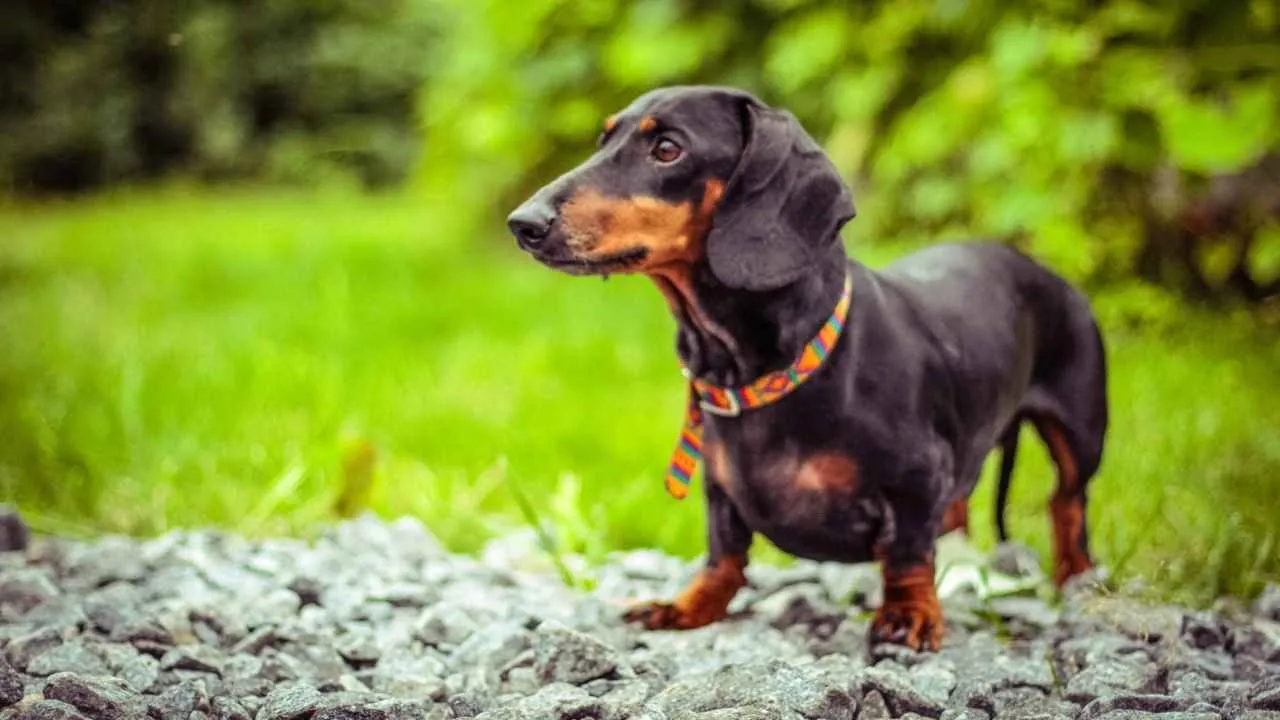
The Dachshund gets its name from its original role as a badger hunter, shaped to enter tunnels and confront prey underground. Its long body and low stance reflect a design meant for confined spaces rather than open ground. This purpose still shows in how it approaches tight spaces at home.
Curiosity that fills the house
These small dogs stay alert to movement and sound, often inserting themselves into daily activities rather than staying passive. Its playful and bold nature keeps it engaged with its surroundings and people.
That curiosity shows up in small, familiar ways:
Burrows into blankets and soft spaces
Reacts quickly to unfamiliar sounds
Keeps track of activity around the home
Coat types and upkeep
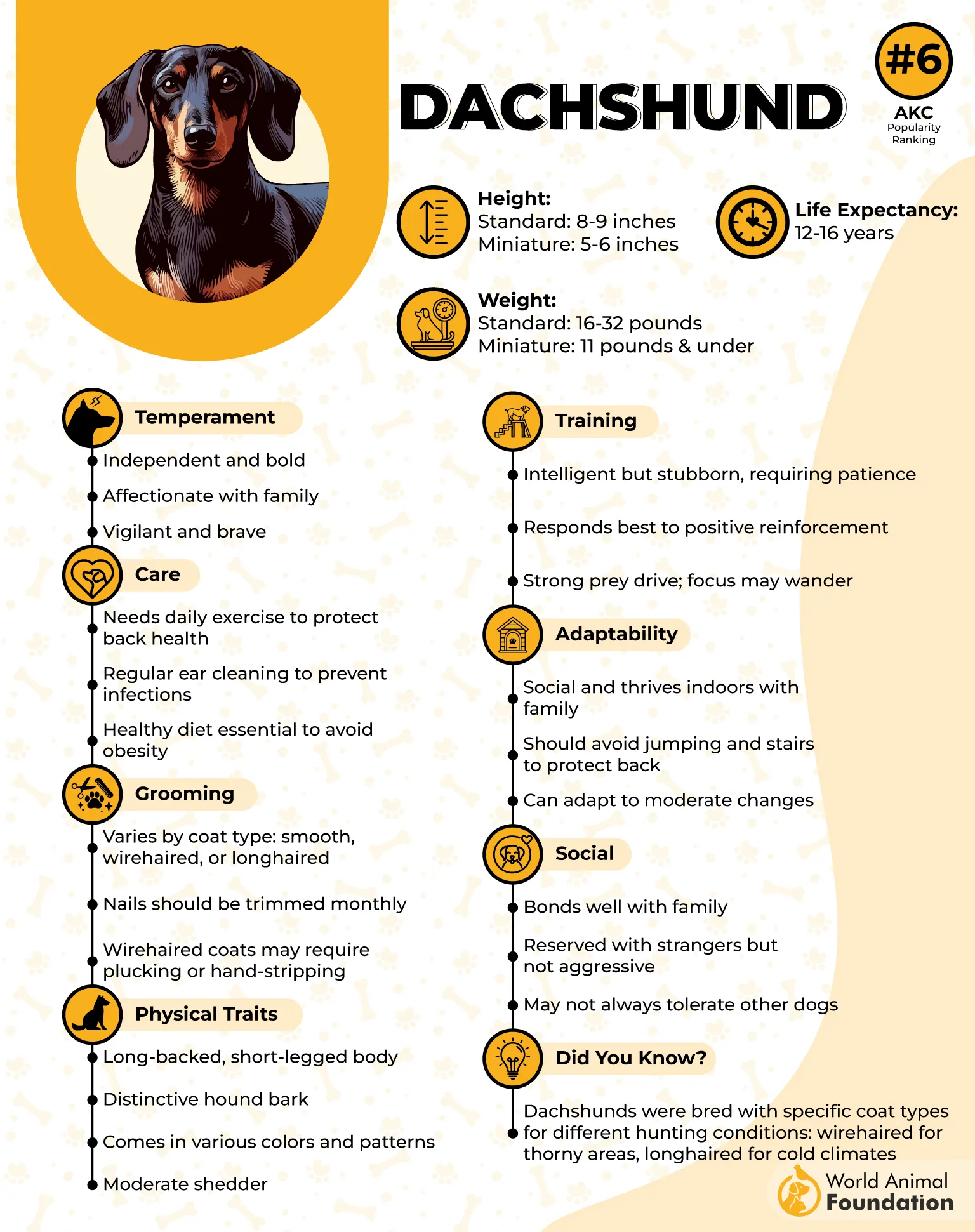
They come in smooth, wirehaired, and longhaired coats, each one having different grooming needs. Smooth coats stay neat with minimal effort, while long-haired types need more regular brushing based on thickness. Wirehaired coats benefit from occasional hand-stripping, with light upkeep in between.
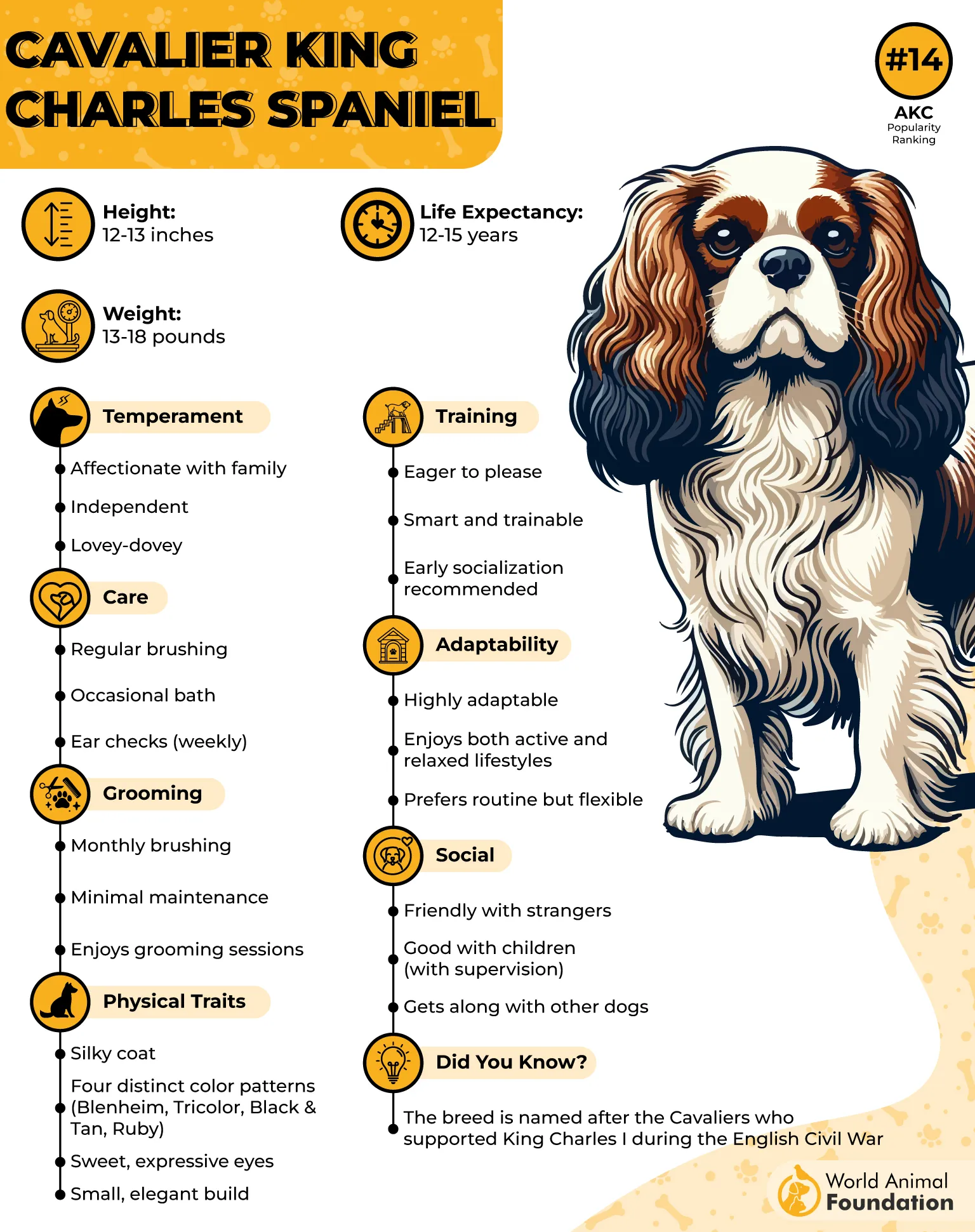
4. Cavalier King Charles Spaniel
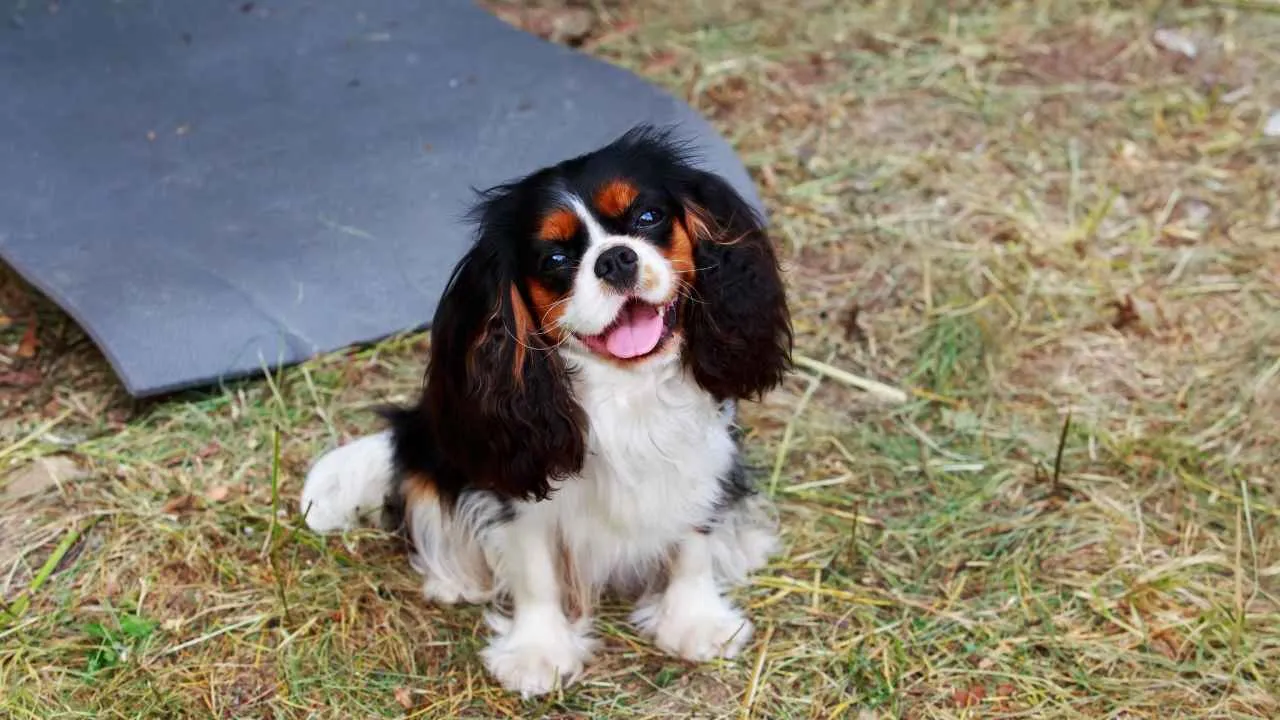
The Cavalier King Charles Spaniel began as a lap companion in Tudor times, often kept close for warmth during long indoor hours.
According to Omlet, its role as a living “hot water bottle” shapes a dog that stays relaxed in close human spaces. That early purpose still reflects in how it settles easily into calm home routines.
Interaction built on gentle presence
These spaniels stay closely connected without becoming intrusive, offering attention softly and responsively. Its affectionate nature shows through quiet companionship rather than constant demand.
Small behaviors reveal this clearly:
Seeks contact during quiet moments
Responds gently to emotional cues
Shifts easily between play and rest
Activity balanced with ease
These companion dogs show interest in walks and outdoor exploration, often following scents or chasing small movements when engaged.
It also settles quickly indoors, making it suitable for apartment living where space is limited. This balance places it among low-maintenance breeds for daily routines.
5. Boston Terrier
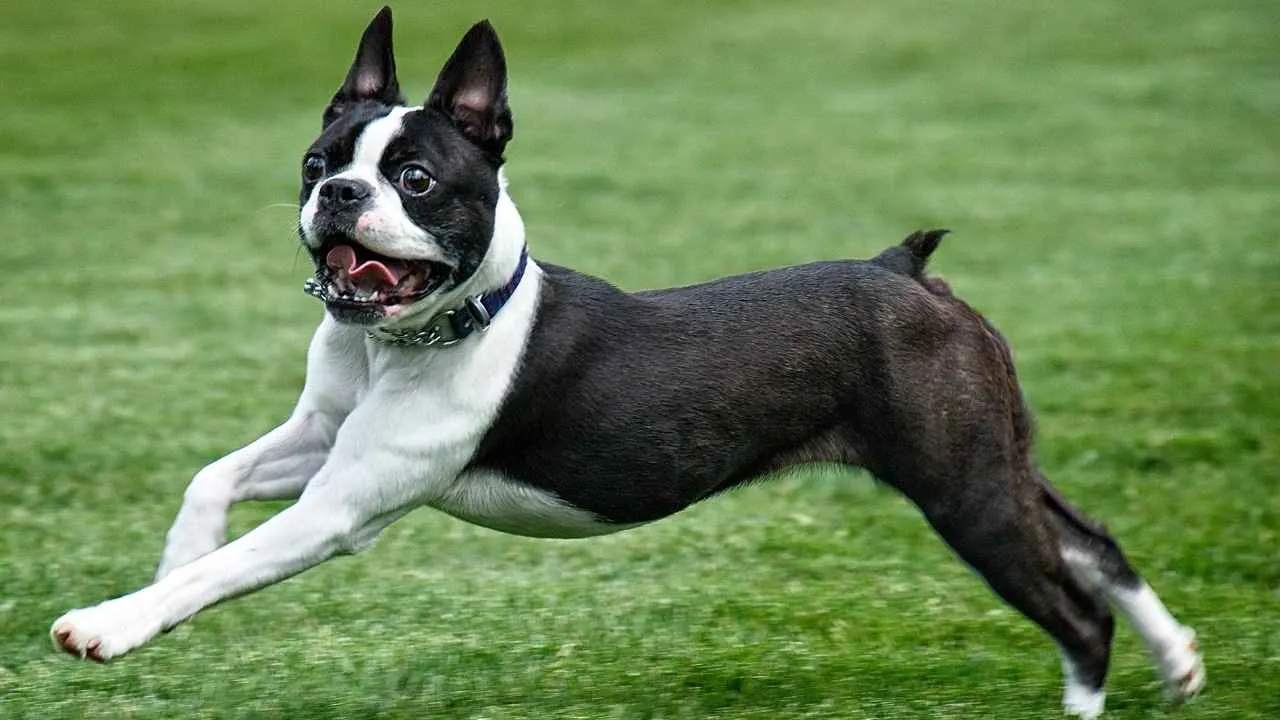
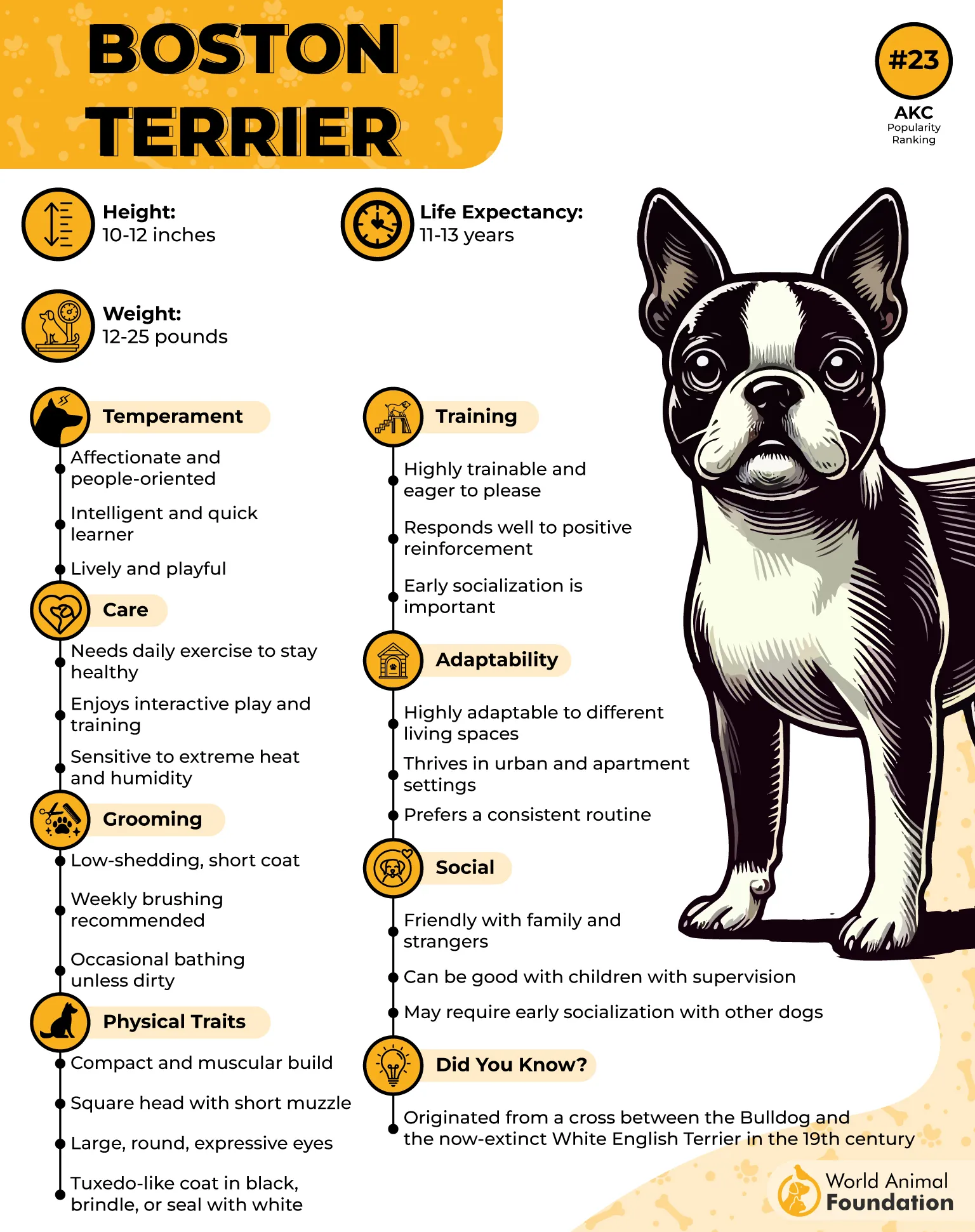
Boston Terrier is instantly recognized by its tuxedo-patterned coat, square head, and large, round eyes that reflect curiosity or mischief. Its compact, well-balanced body gives it a neat, composed appearance. The short muzzle and alert expression create a face that feels constantly engaged.
Daily rhythm and activity needs
These terriers have a flexible approach to activity, where some individuals stay content with moderate exercise and short walks, while others seek more playtime. Simply opening a door to a yard rarely satisfies its need for engagement.
That difference becomes clear in everyday patterns:
Prefers interactive walks over passive outdoor time
Seeks play sessions to release energy
Stays near entry points rather than roaming freely
Personality shaped by interaction
As ab affectionate dogs, they have a bright and playful temperament, often bringing a comedic element into daily life through their behavior. Its people-oriented nature keeps it closely involved in household activity. This consistent interaction builds a lively but manageable presence indoors.
6. Whippet
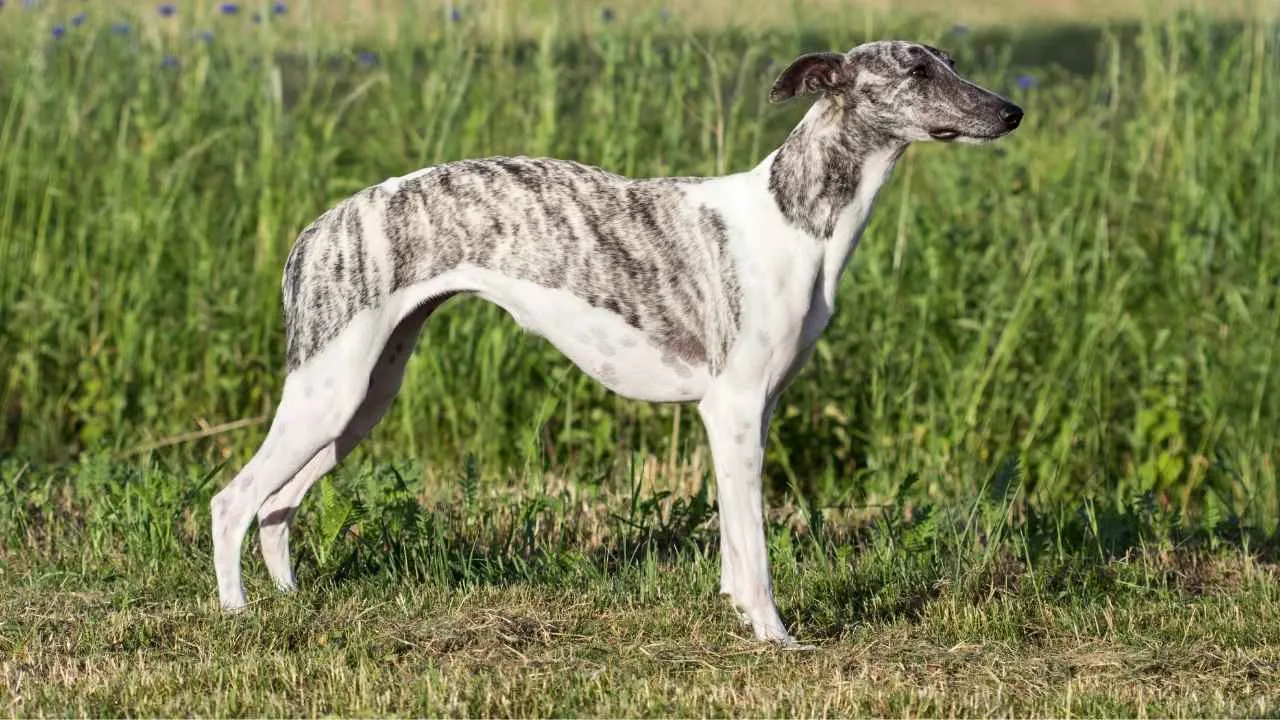
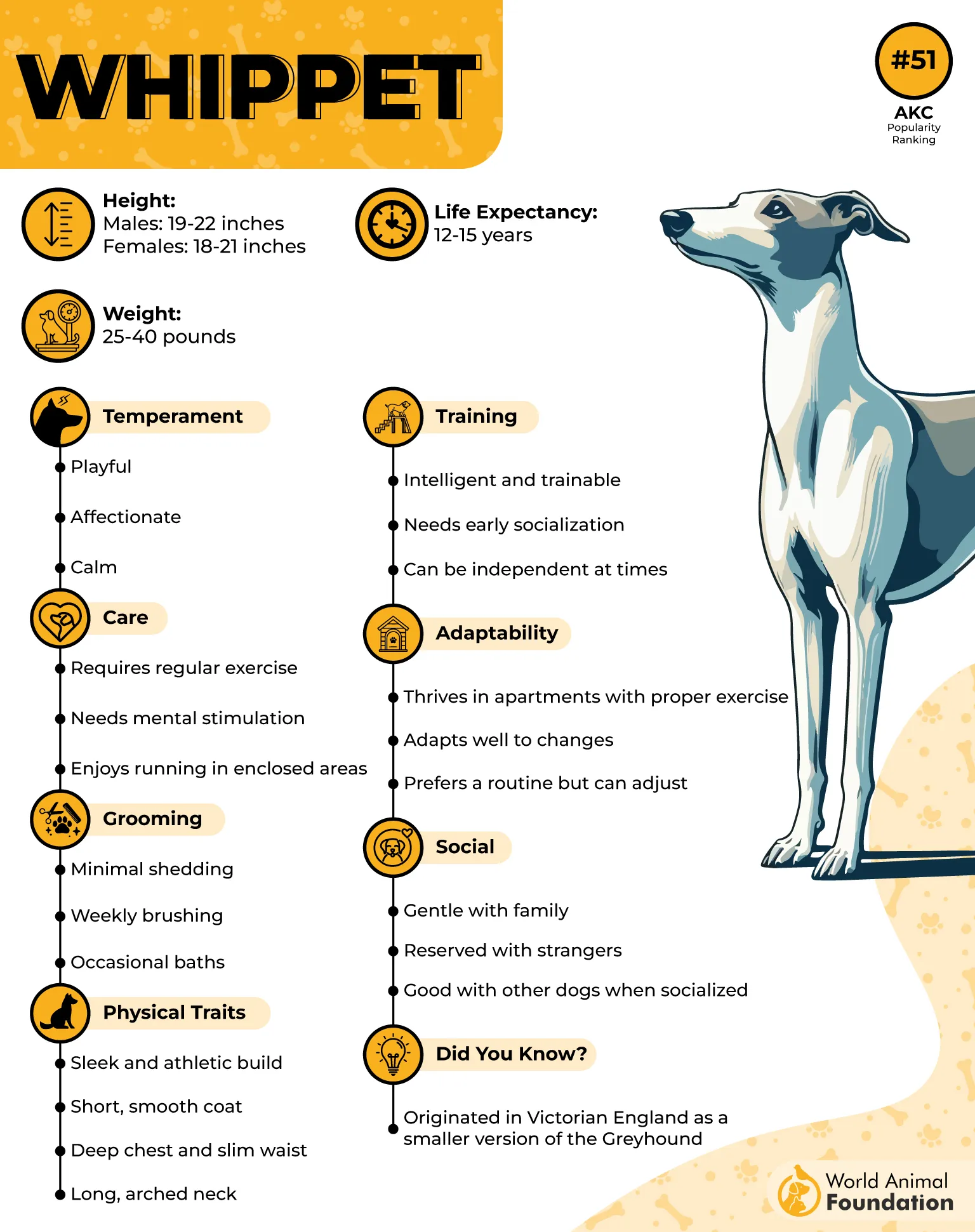
Whippets present a streamlined body shaped for speed, with a deep chest, narrow waist, and long arched neck forming their signature outline. The classic sighthound curve gives it a light yet athletic presence. Its structure reflects a dog built for quick bursts rather than constant motion.
Chase instinct in action
These playful dogs respond instantly when something catches their attention, shifting from calm to focused pursuit within seconds. This reaction is tied to visual tracking rather than scent-based work.
That shift becomes clear through these patterns:
Locks onto fast-moving objects visually
Accelerates quickly during short pursuits
Pauses activity once the chase ends
Simple care and upkeep
Whippets require minimal grooming due to their short, smooth coats, needing only basic weekly brushing and occasional baths.
Its overall maintenance remains straightforward compared to heavier-coated breeds. The combination of low upkeep and calm indoor habits shapes a manageable daily routine.
7. Chihuahua
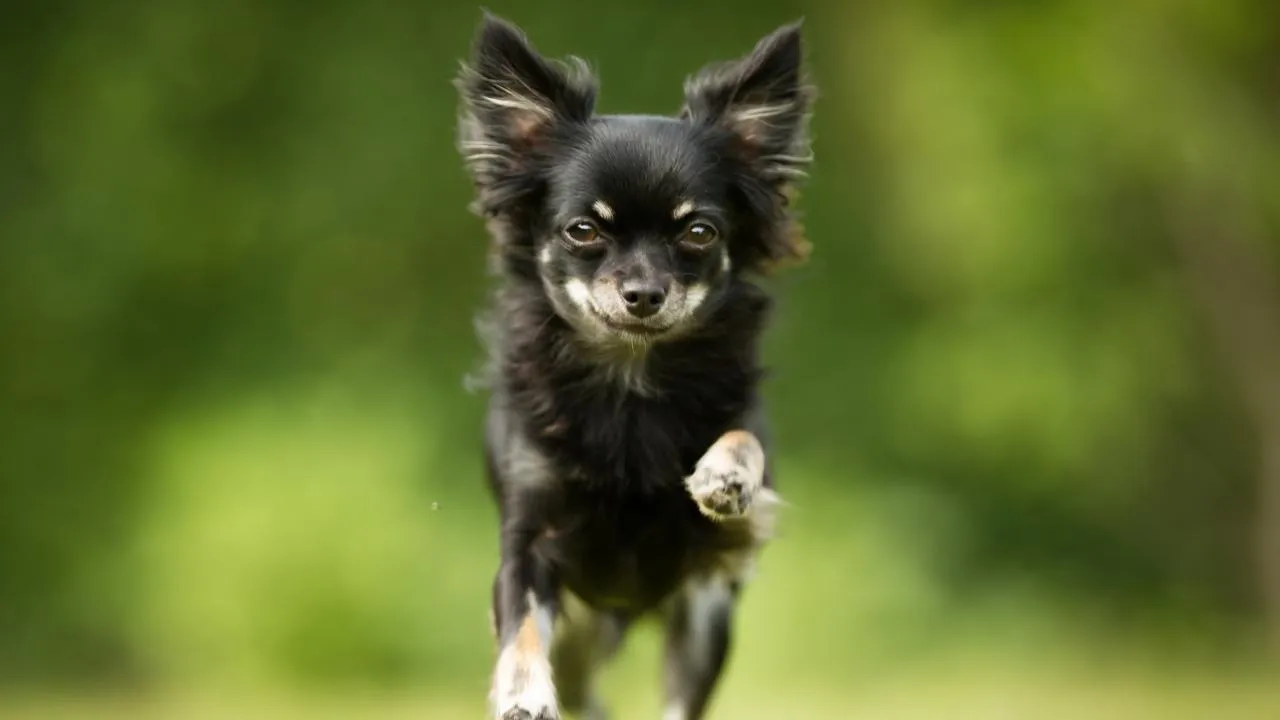
Chihuahua brings a compact, balanced body paired with a confident, almost commanding attitude. Its roots tie back to ancient Mexican civilizations, giving it a long-standing presence among companion dogs. The alert expression and terrier-like demeanor create a personality that feels much larger than its size.
Personality that fills the space
This little breed stays mentally engaged with its surroundings, often reacting quickly to changes and interaction. Its loyalty and charm show through close attachment, while its clever nature can shift into control if left unchecked.
That behavior shows in clear patterns:
Forms a strong attachment to one person
Responds sharply to environmental changes
Pushes boundaries without consistent training
Care shaped by size and coat
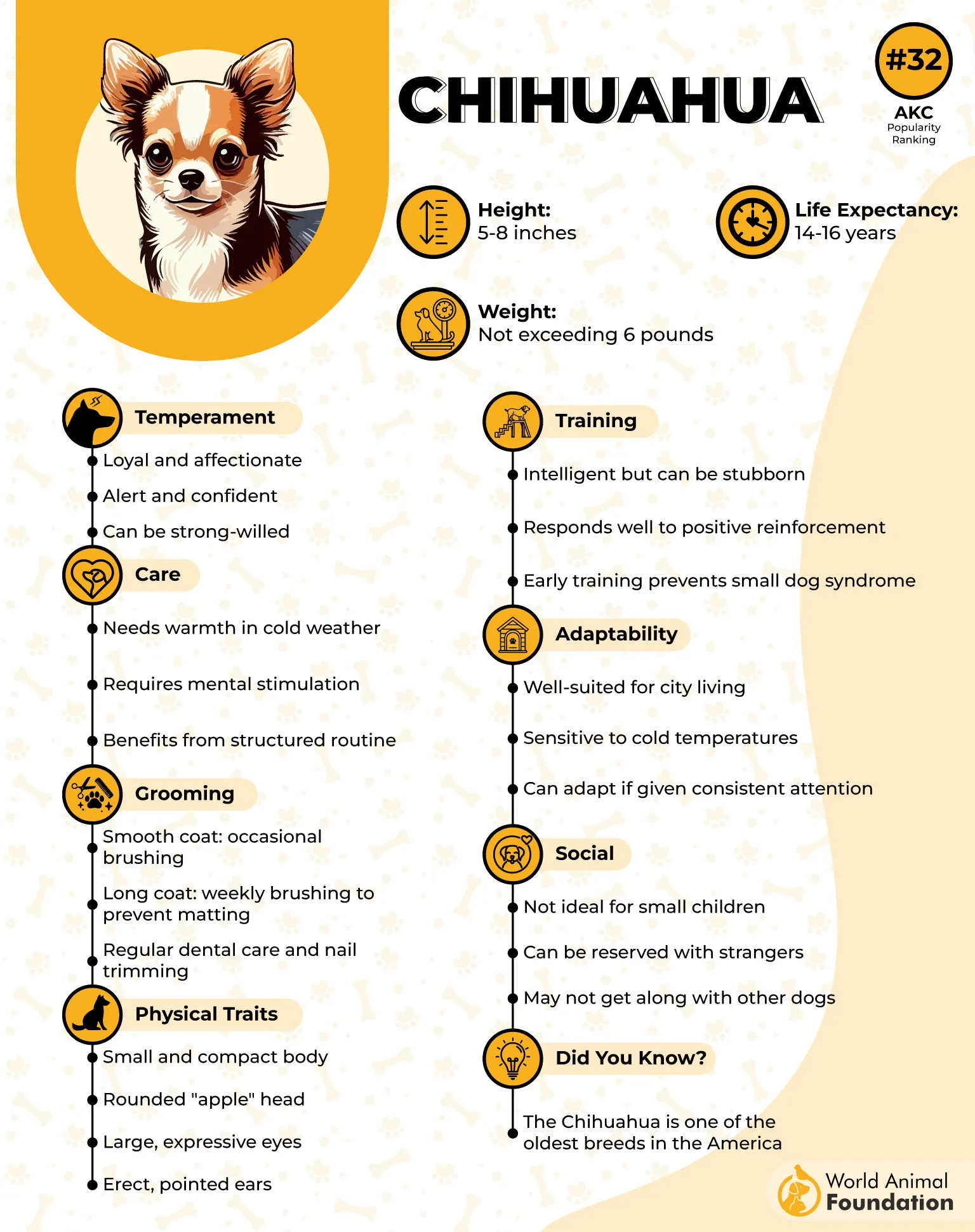
It fits easily into smaller living spaces, requiring only short, steady walks to stay balanced. However, its sensitivity to cold conditions makes warmth an important part of daily care. Coat type also shapes upkeep, with smooth coats needing minimal care and longer coats requiring a little more.
8. Basset Hound
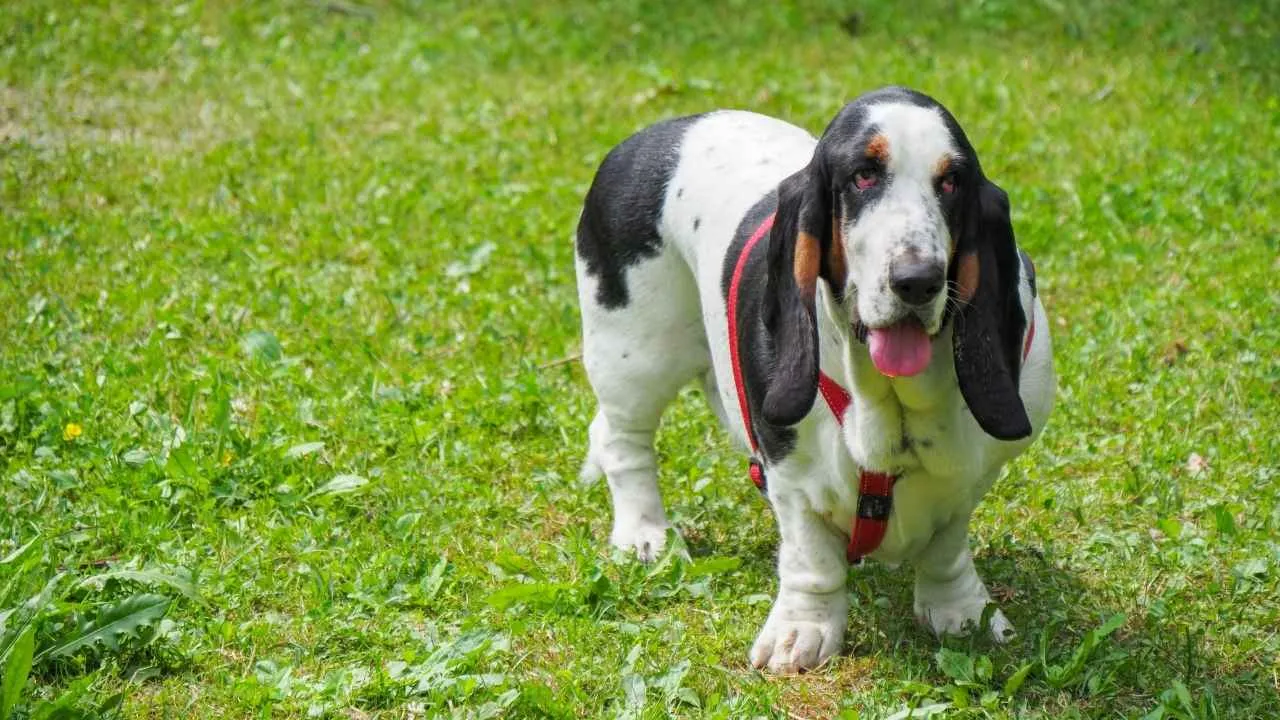
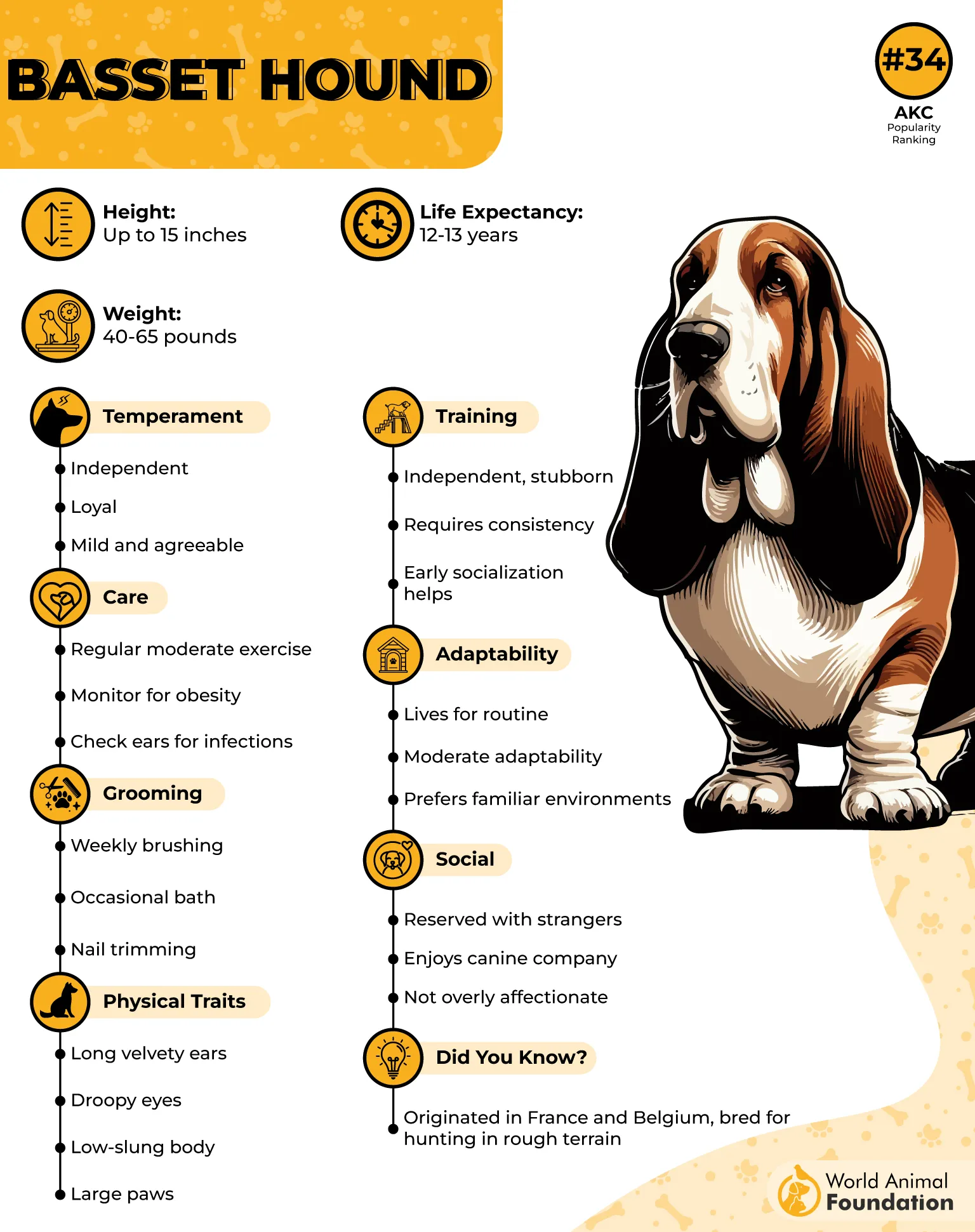
Basset Hound draws attention with its low-set body, long ears, and deeply lined face that gives a thoughtful, almost solemn look. Its structure favors steady progress rather than speed, shaped for covering ground over time. The overall build reflects endurance in motion rather than quick bursts.
Scent focus over speed
They follow scent trails with intense focus, often prioritizing smell over immediate surroundings. Its tracking ability ranks just behind the Bloodhound, making it highly precise in scent work.
That focus appears clearly in how it operates:
Tracks scent trails with strong accuracy
Follows paths without rushing forward
Uses voice to signal findings on the trail
Calm presence indoors
This hound settles into a relaxed and agreeable rhythm inside the home, showing a quiet and steady presence for busy families. Its activity level stays moderate, with regular walks enough to maintain balance. This slower pace shapes a routine that feels manageable day to day.
9. Greyhound
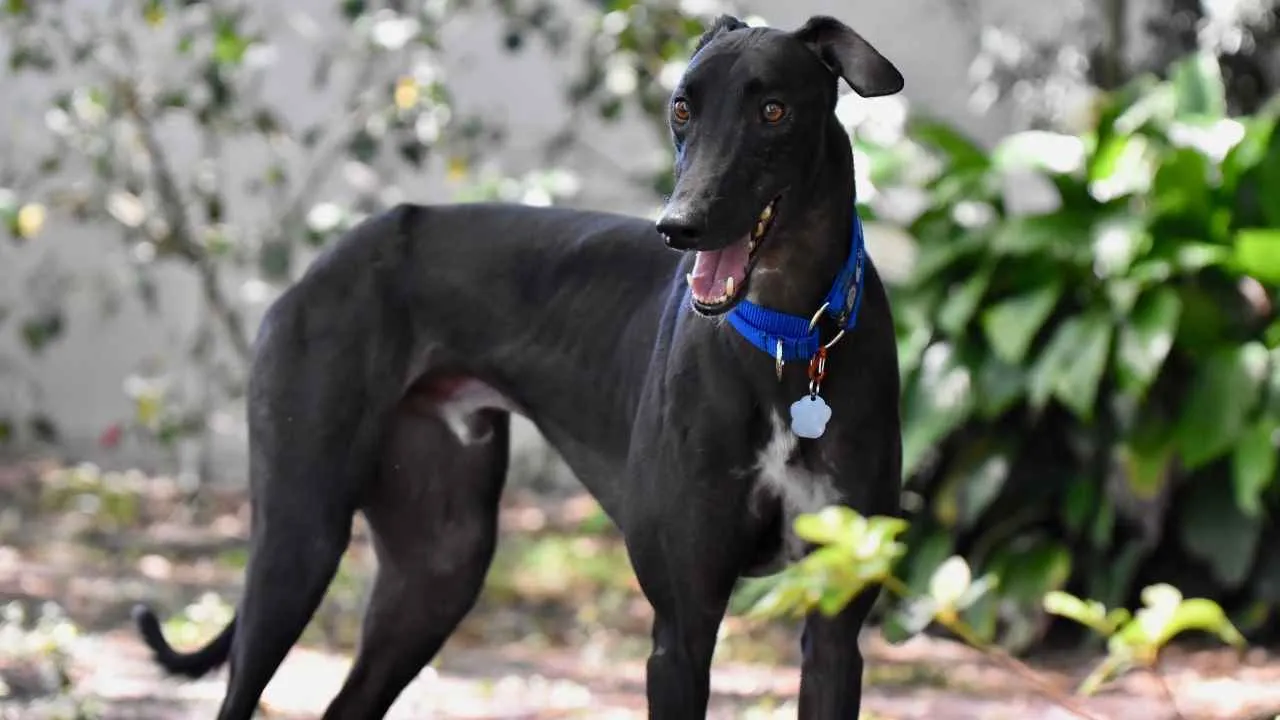
Greyhound reflects a body shaped entirely around speed, with an aerodynamic skull and a deep chest flowing into a tightly tucked waist.
Its structure follows a clear purpose, refined for high-speed pursuit rather than bulk or endurance. The signature curved outline has drawn attention for centuries across art and culture.
Structure that supports function
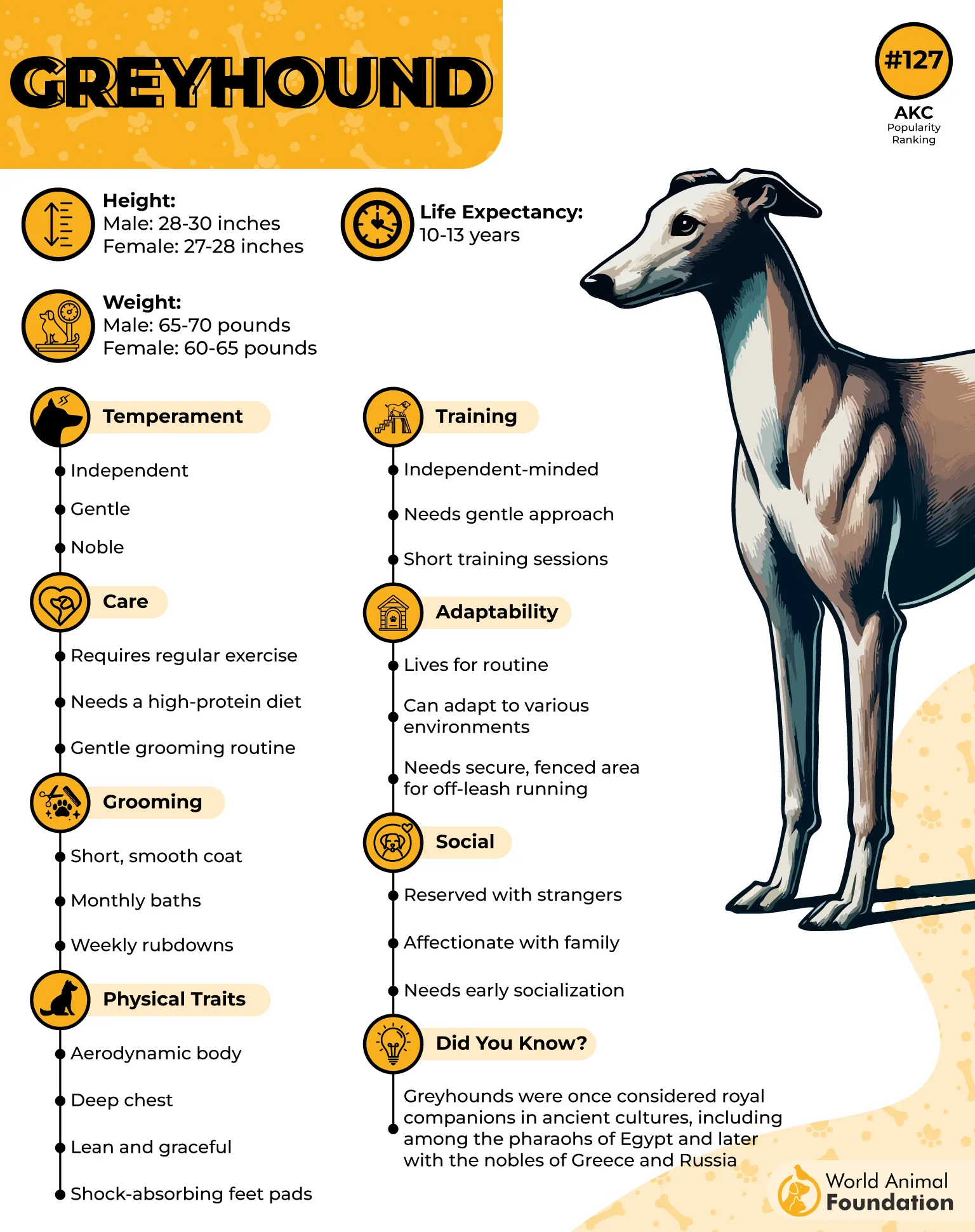
This racing dog shows precision in every physical detail, from shock-absorbing feet to a lean frame designed for acceleration. Each part contributes to controlled bursts of speed during chase situations.
That design becomes clearer in specific elements:
A narrow head reduces air resistance
Deep chest supporting lung capacity
Padded feet absorb impact during runs
Calm presence indoors
Surprisingly, they settle easily into a relaxed indoor routine, often spending long periods resting without restlessness. Its temperament leans toward quiet and gentle interaction, with an independent streak shaping its behavior. Moreover, the short coat of this breed adds further ease of care for pet parents.
Conclusion
A low-maintenance breed changes how daily life feels, especially when routines stay simple and predictable. The best dog breeds here reflect how calm behavior, minimal exercise, and steady presence make companionship easier to manage. Some prefer rest and quiet interaction, while others add light activity without overwhelming the space.
These traits become more noticeable with time. When chosen carefully, the dog fits into your life without demanding constant attention or adjustment. This natural balance allows both comfort and connection to exist together, creating a home environment that feels relaxed, manageable, and steady without turning everyday care into a demanding responsibility.
