




Not everyone has the time (or honestly, the energy) to deal with a high-maintenance dog. Between work, studies, family responsibilities, and trying to have a life, the idea of constant grooming, intense training, and endless exercise can feel like a full-time job. And no cap, for a lot of people, it actually is.
That’s why low-maintenance dogs hit different. They fit into your lifestyle instead of flipping it upside down. These are the breeds that don’t need daily salon-level grooming, don’t demand hours of exercise, and won’t test your patience every single day.
But let’s clear something up—low-maintenance doesn’t mean no maintenance. Every dog needs care, attention, and basic responsibility. The goal here is to find breeds that are easier to manage in terms of grooming, training, exercise, and overall lifestyle fit.
Think of it like choosing a phone. Some need constant charging, updates, and storage management. Others work smoothly without draining your battery—literally and emotionally. That’s the kind of energy we’re looking for here.
So if you’re busy, budget-conscious, or want a dog that understands the assignment, this list of the easiest dog breeds will help you find a pet that actually works with your life—not against it.
Easiest dog breeds: Low-maintenance pets you’ll love
1. Boxer
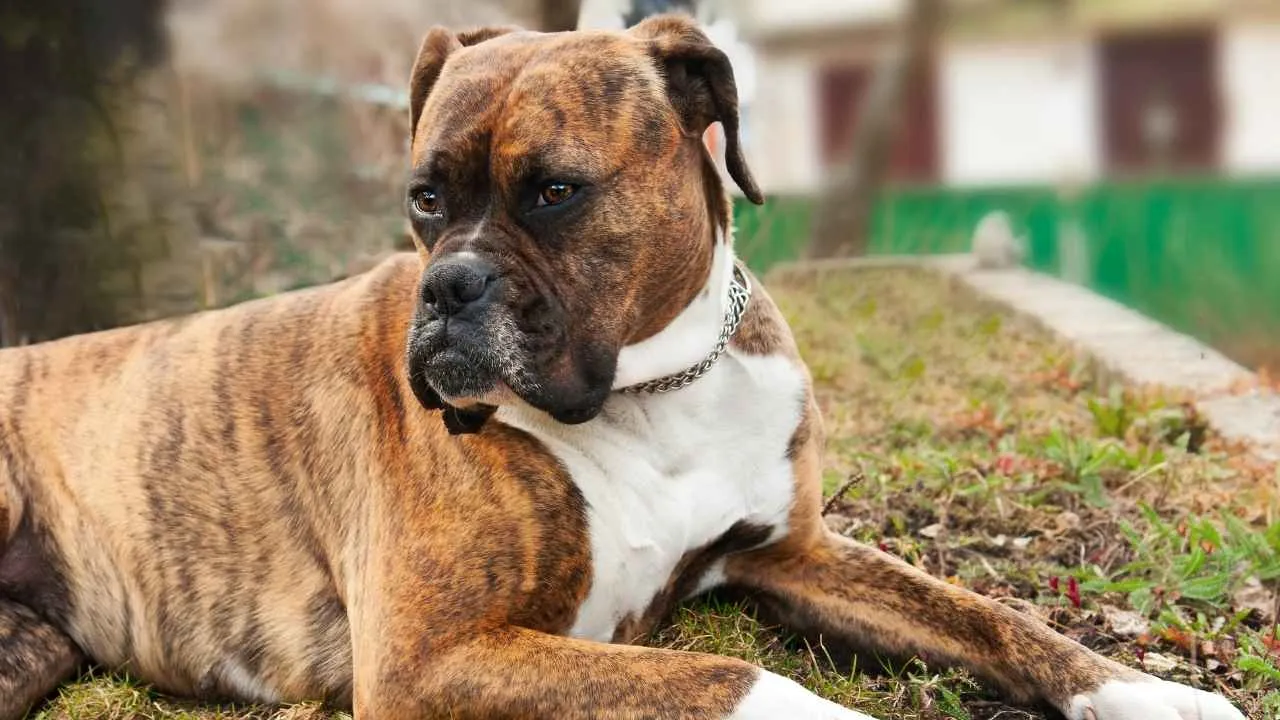
The Boxer is a bit of a plot twist when it comes to low-maintenance dogs. Grooming-wise, they are super easy thanks to their short, smooth coat that only needs occasional brushing. But lifestyle-wise, they are high-energy dogs that need daily exercise and attention to stay balanced.
This dog breed for busy families requires at least an hour of physical activity every day, whether that’s running, playing, or structured exercise. Without it, they can become destructive or restless, which is definitely not the low-effort vibe most people want.
Their energy level means they thrive with active owners who can match their pace.
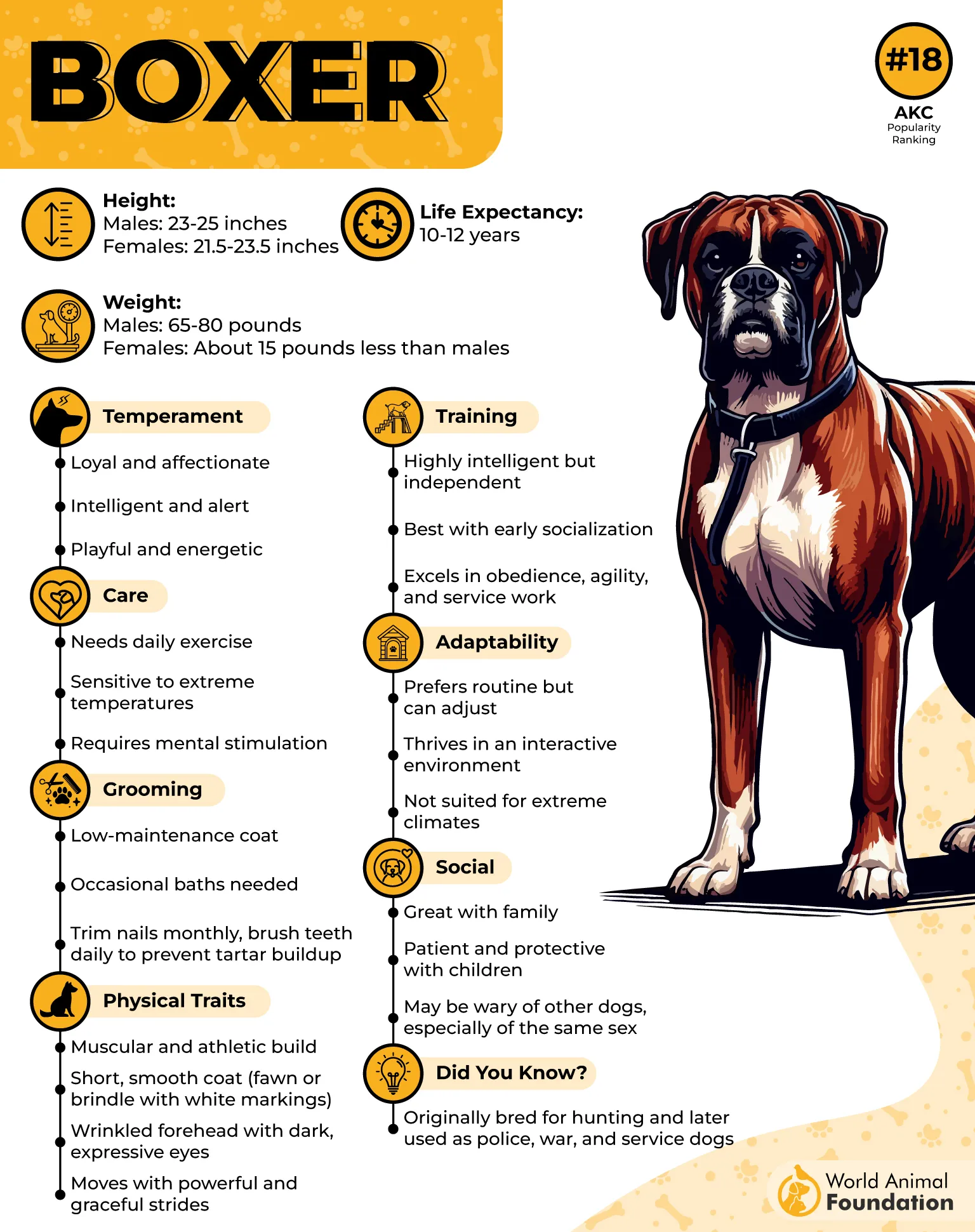
They are extremely affectionate and social, which makes them great companions. However, this also means they don’t like being left alone for long periods. Separation anxiety can become an issue if their social needs aren’t met.
Training these friendly dogs is doable, but requires consistency because they can be stubborn. They are intelligent but playful, which sometimes translates into selective listening. Positive reinforcement works best with this breed.
Fun Fact: Boxers were originally bred in Germany as working dogs and were used as messenger dogs during wartime, which explains their strength and endurance.
2. Boston Terrier
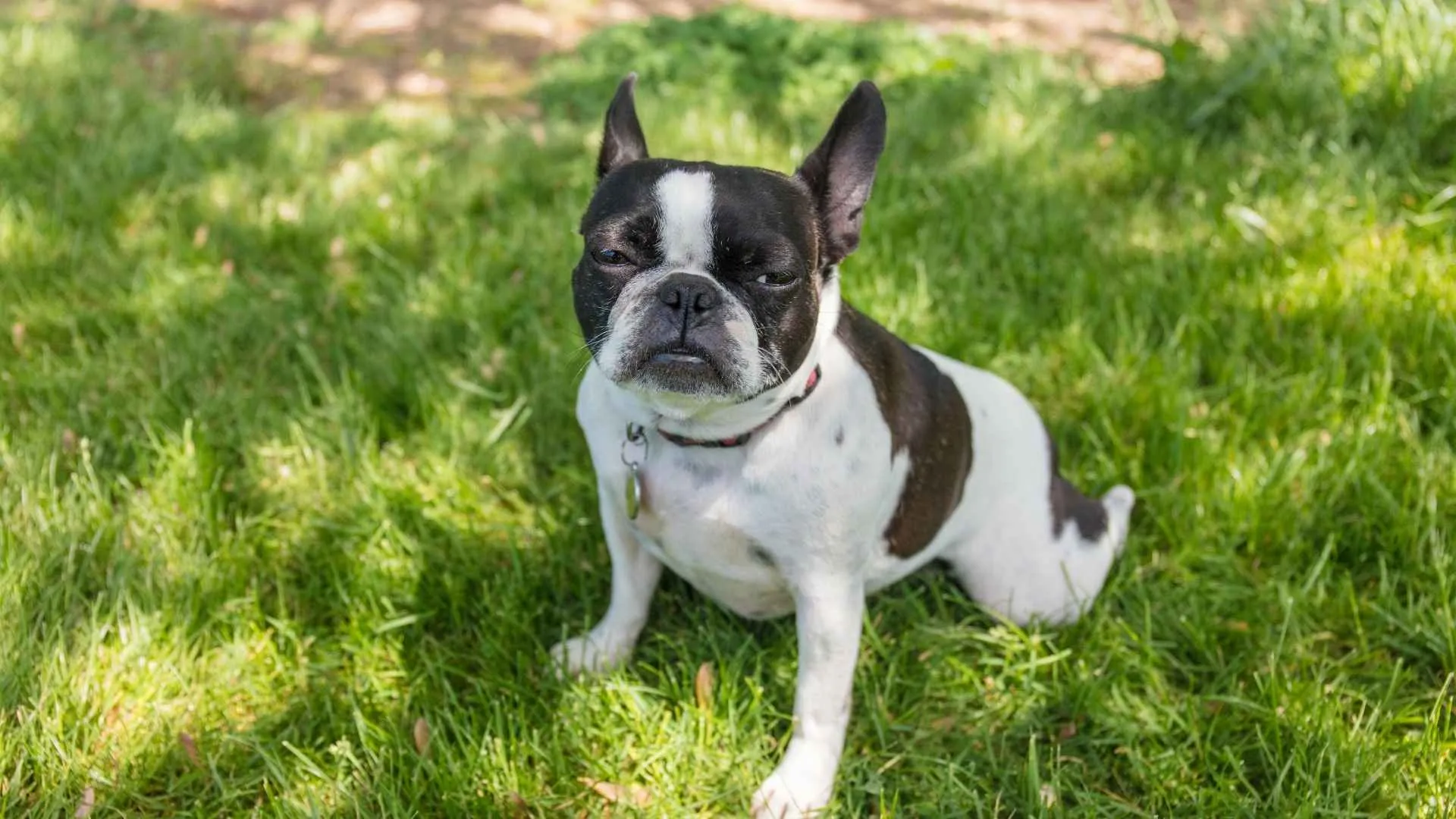
The Boston Terrier is one of the most balanced low-maintenance breeds out there. They have a short coat that requires minimal grooming, and they don’t shed excessively. This makes them a solid choice for people who want less cleaning and upkeep.
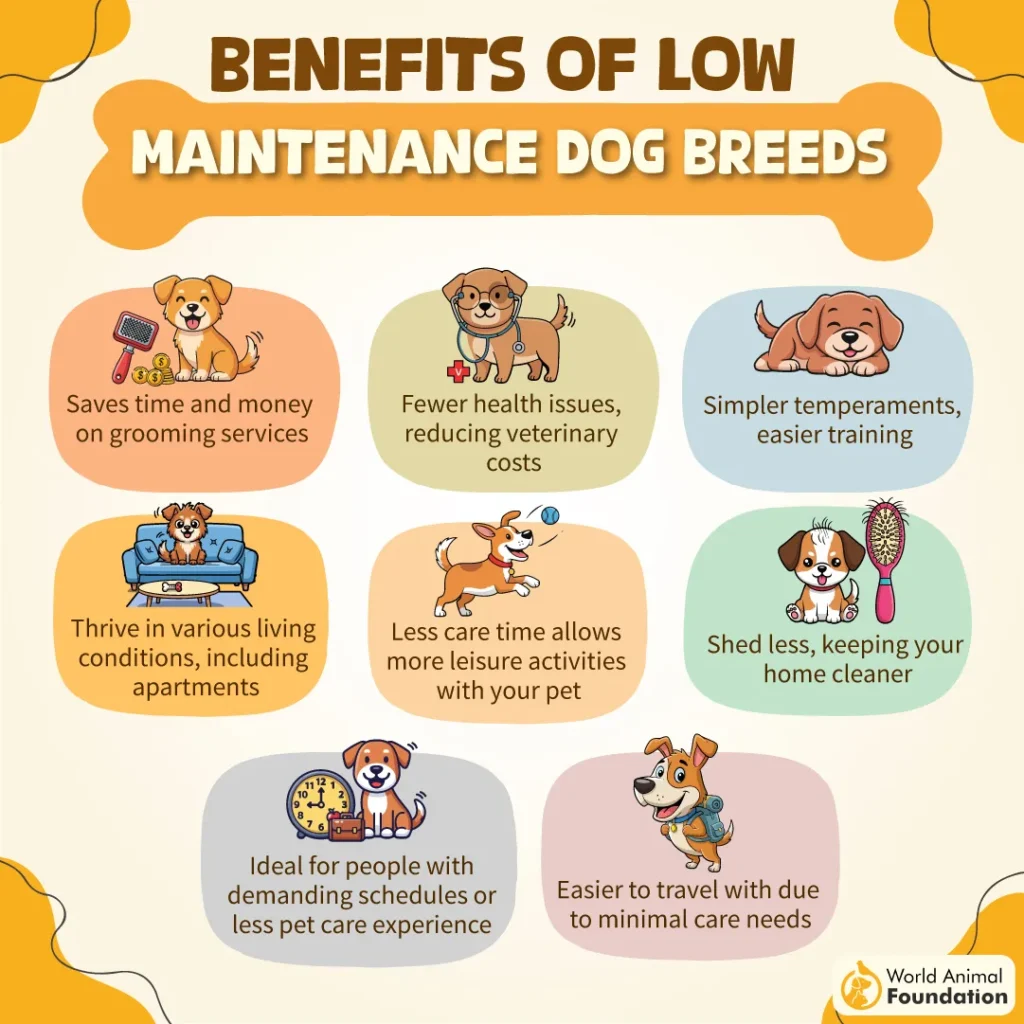
They require moderate exercise, usually one or two walks a day, which is manageable for most lifestyles. They are playful but not overly demanding, which keeps things balanced. Their adaptability makes them great for apartments or smaller homes.
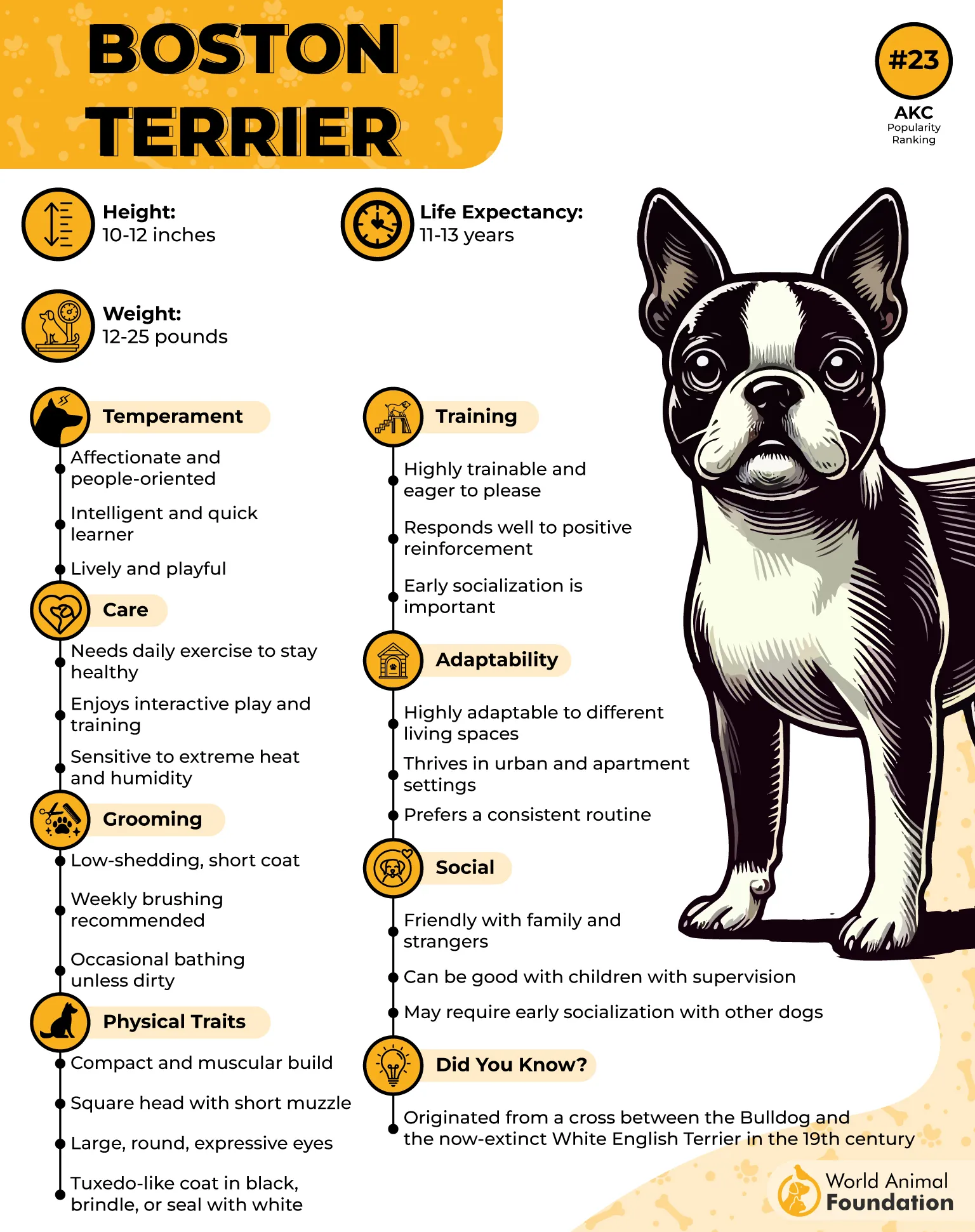
These affectionate dogs thrive on companionship and love being around people, says AKC. They are friendly, social, and generally easygoing with families. This makes them a great everyday companion without high stress.
One thing to keep in mind is their brachycephalic (flat-faced) structure. This can lead to breathing issues, especially in hot weather or during intense exercise. Owners need to be mindful of temperature and activity levels.
Fun Fact: The Boston Terrier is nicknamed “The American Gentleman” because of its tuxedo-like coat pattern and polite personality.
3. Beagle

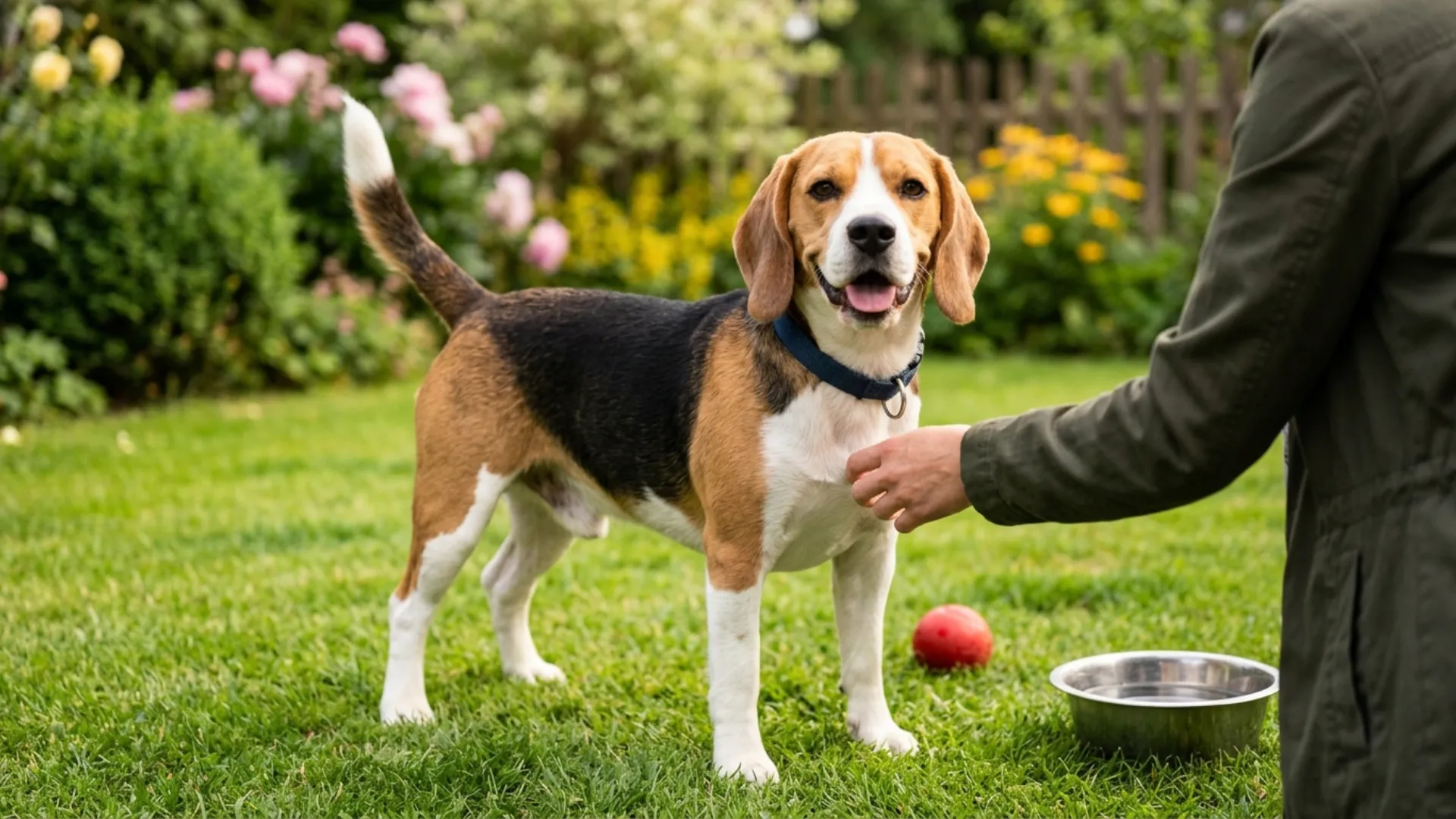
The Beagle is often considered one of the easiest family dogs due to its friendly nature and simple grooming needs. Their short coat requires minimal grooming, making them budget-friendly.
These playful dogs are social and love being around people and other pets. They were bred to work in packs, so they naturally adapt well to family life. This makes them one of the most approachable and friendly breeds.
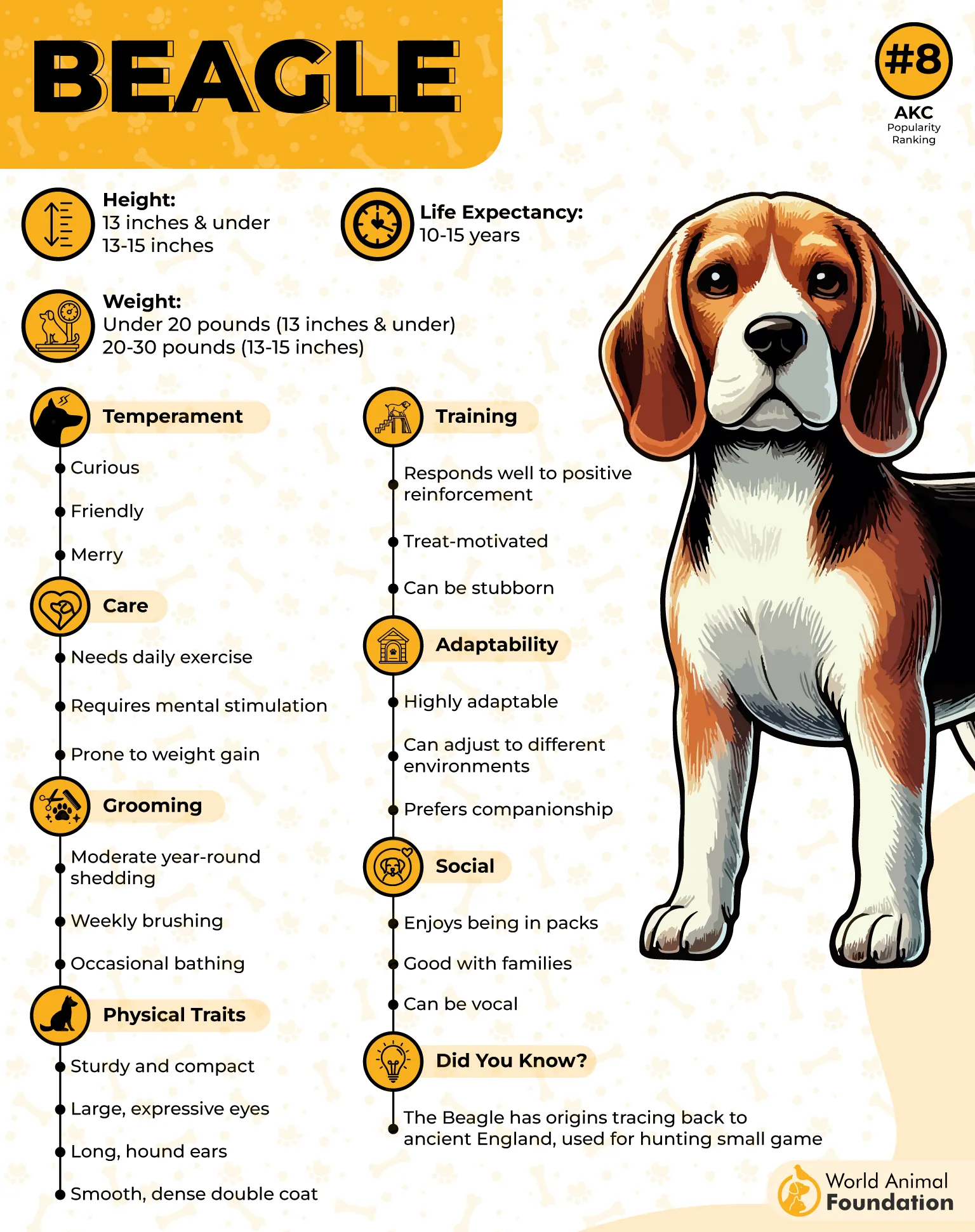
However, Purina claims that they do require regular exercise to stay healthy and prevent boredom. Without enough activity, they can become destructive or overly vocal. Their strong sense of smell also means they love to explore—sometimes a little too much.
Training can be slightly challenging because of their independent nature. They are intelligent but easily distracted, especially by scents. Patience and consistency are key with this breed.
Fun Fact: Beagles have one of the strongest noses in the dog world and are often used in airports for detection work.
4. Pug
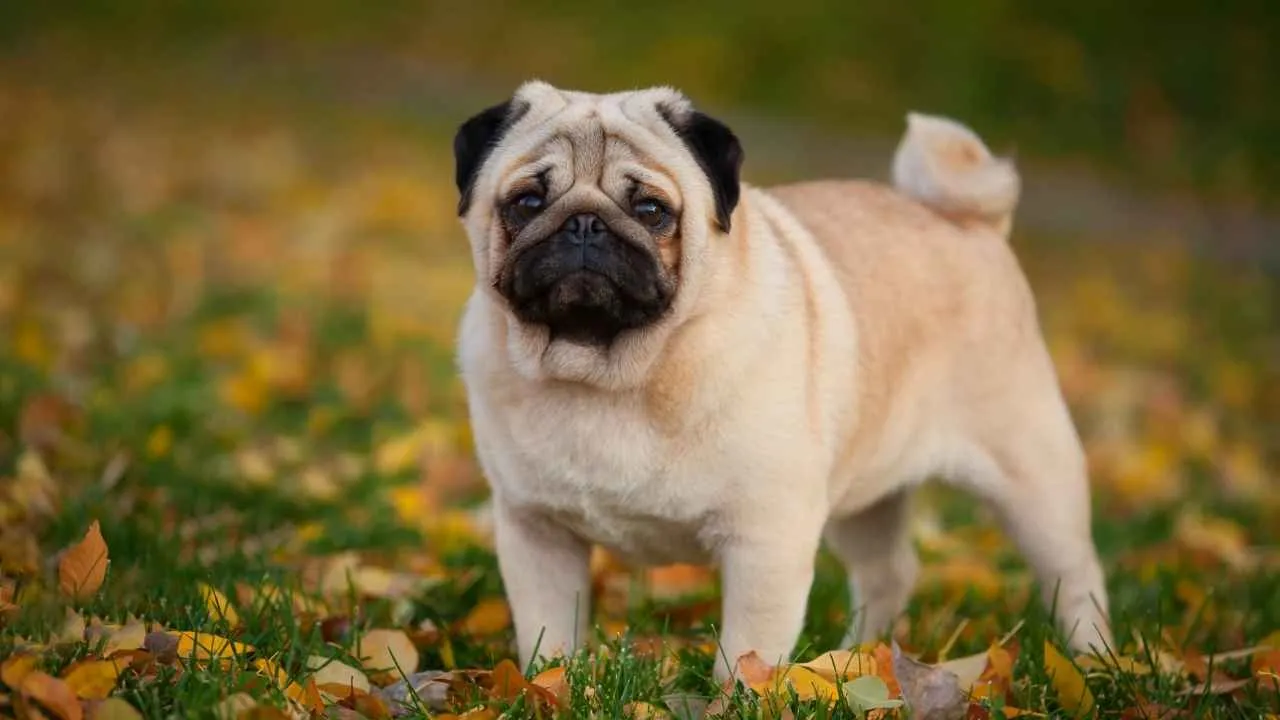
The Pug is one of the most low-maintenance dogs in terms of daily effort for busy households. They are relatively inactive indoors and are perfectly happy lounging around for most of the day. This makes them ideal for people with relaxed lifestyles.
These furry friends require only moderate exercise, such as a short daily walk or some indoor playtime. Unlike high-energy breeds, they don’t need intense physical activity. This makes them easy for busy owners to manage.
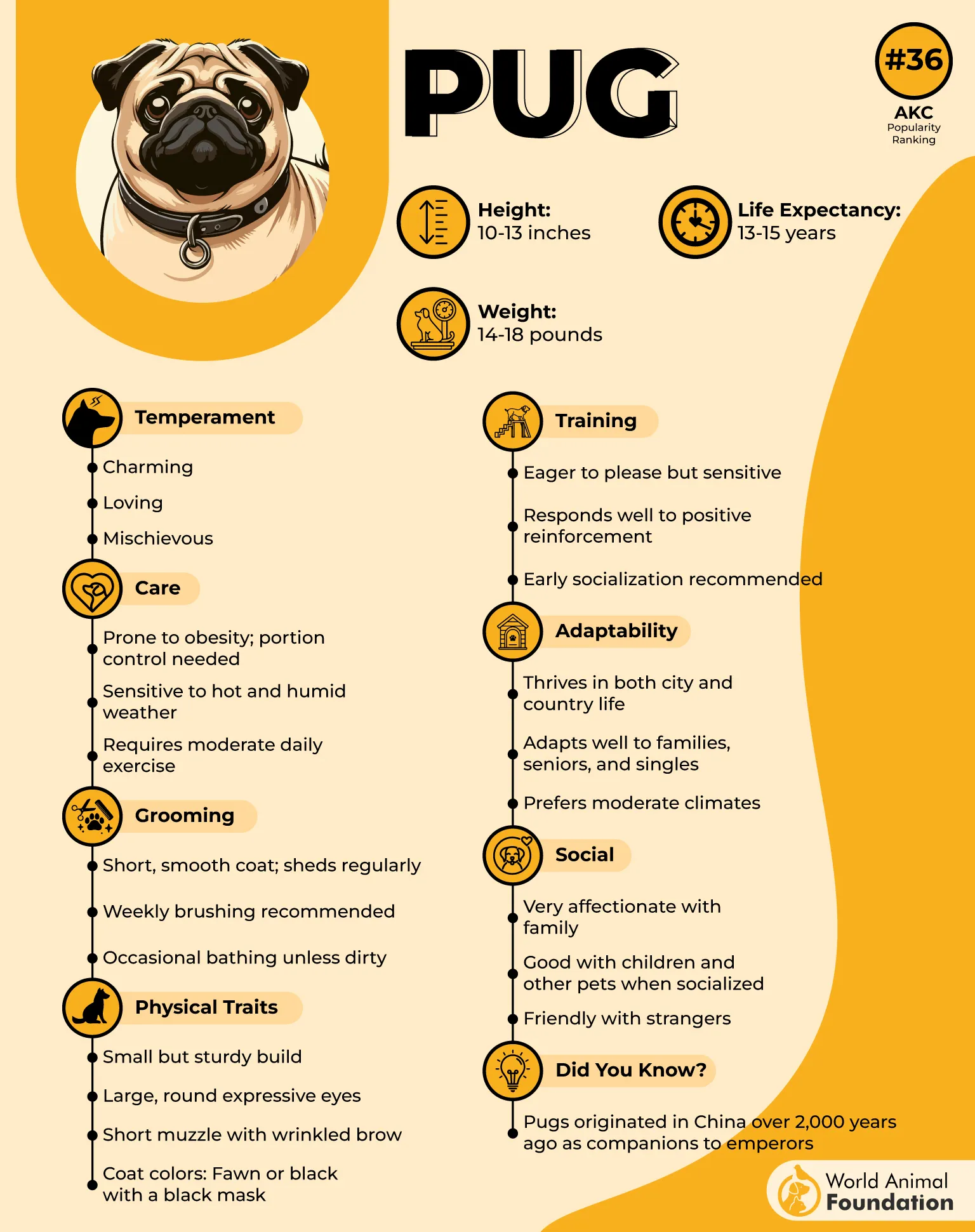
They have short coats that are easy to maintain, although they do shed. Regular brushing helps keep shedding under control. Grooming overall is simple and doesn’t require frequent professional care.
Their biggest health-related challenge is breathing difficulties caused by their flat faces. They are also sensitive to heat and should not be exposed to high temperatures. Proper care is essential to keep them comfortable.
Fun Fact: The Latin phrase associated with Pugs is “Multum in Parvo,” which means “a lot in a little”—basically their personality in one line.
5. Whippet
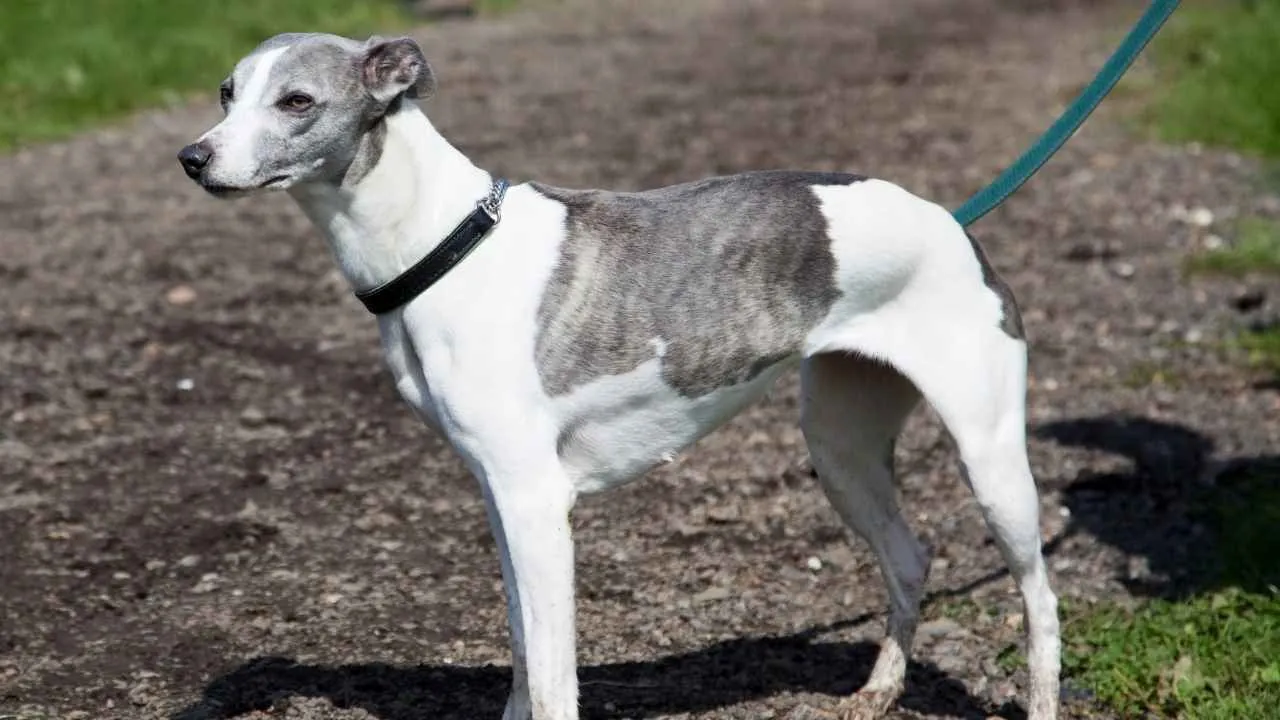
The Whippet is one of the easiest dogs to live with, especially indoors. They are quiet, calm, and rarely bark, making them perfect for apartments or peaceful homes. Their low-maintenance nature is seriously underrated.
They have short coats that require very little grooming. A quick weekly brush is usually enough to keep their coat healthy. They also have very little doggy odor, which is a bonus.
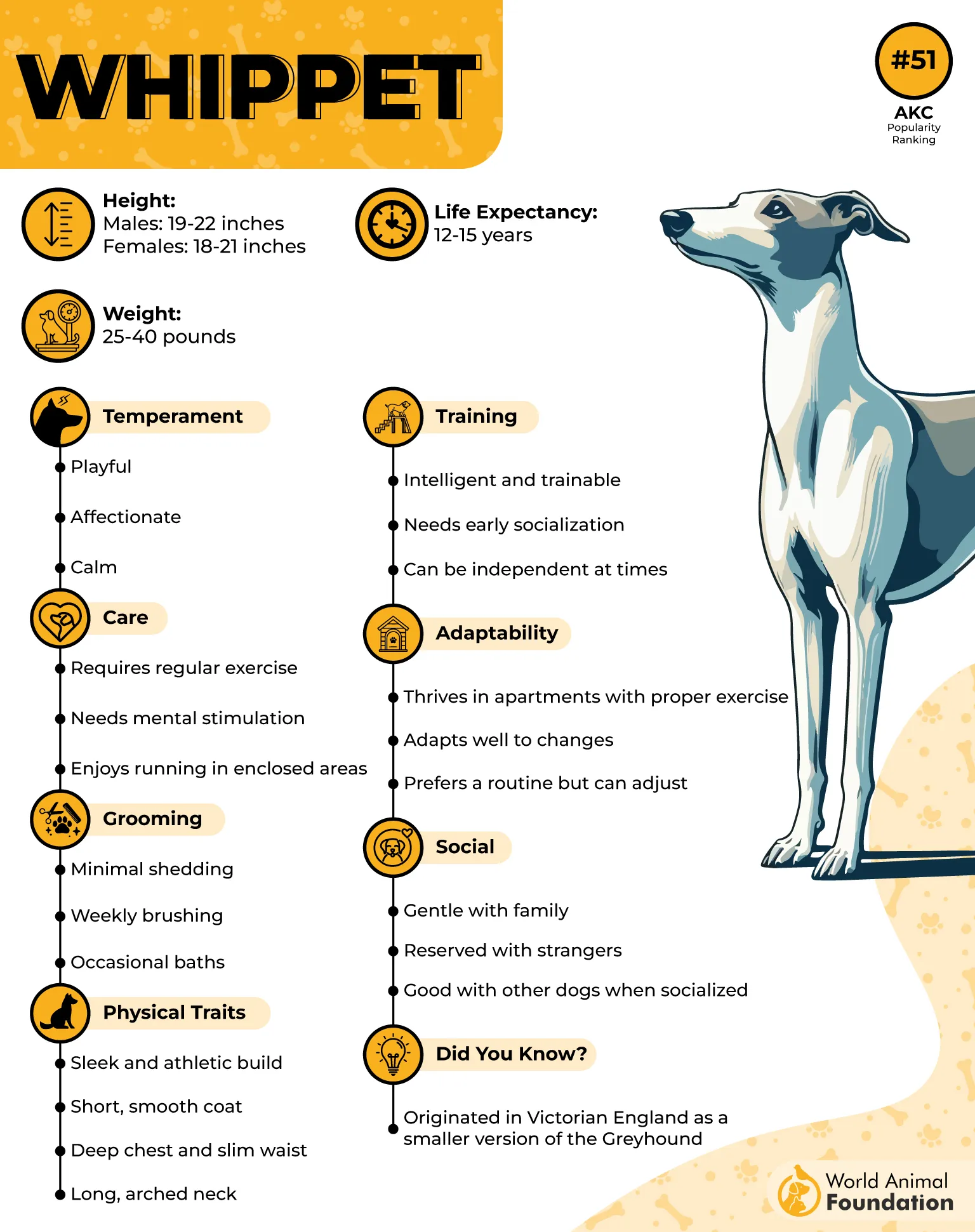
They are known as sprinters rather than endurance runners. This means they need short bursts of exercise rather than long hours of activity. After that, they’re more than happy to relax on the couch.
Trust PDSA when it says training is relatively easy, as they are intelligent and eager to please. However, they are sensitive, so gentle training methods work best. Harsh approaches can make them anxious.
Fun Fact: Whippets were historically used for racing and hunting small game due to their incredible speed.
6. Labrador Retriever
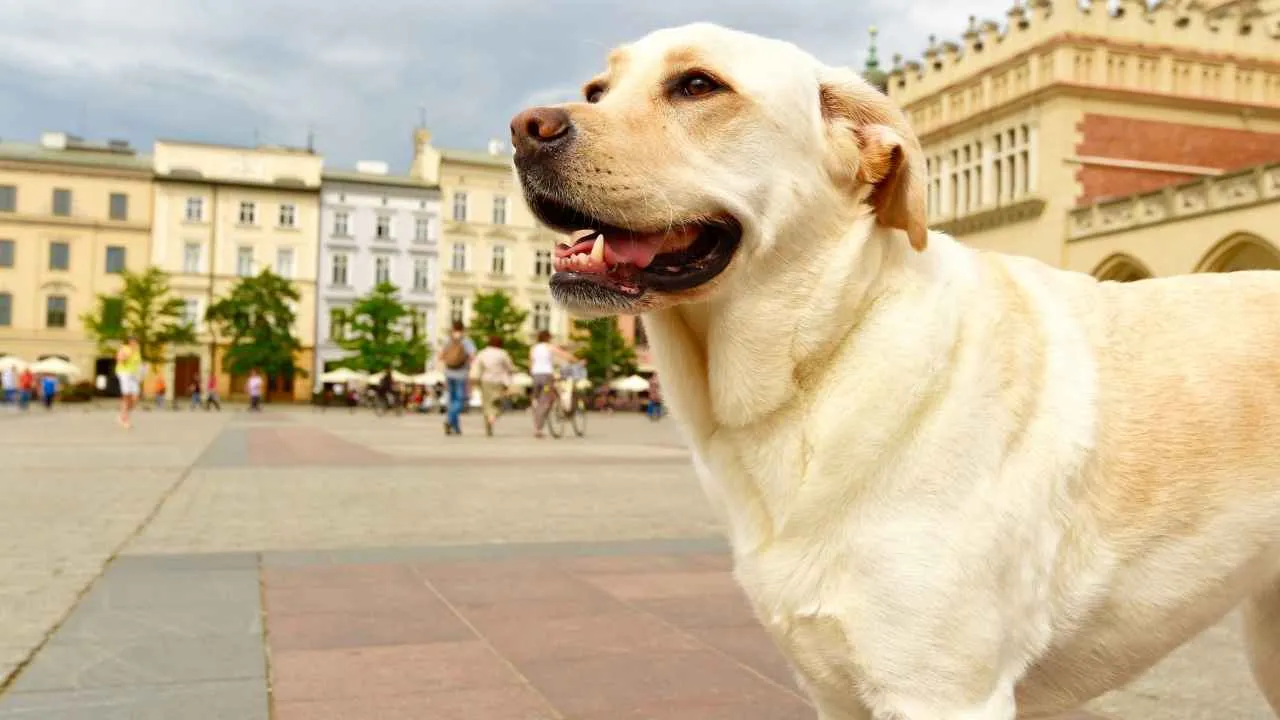
The Labrador Retriever is one of the most popular dogs in the world, and for good reason. While they do shed, their grooming needs are still relatively manageable with regular brushing. Their coat doesn’t require complex maintenance.
Labs are incredibly friendly and social, making them easy to integrate into family life. They get along well with children, other pets, and even strangers. Their temperament is one of their biggest strengths.
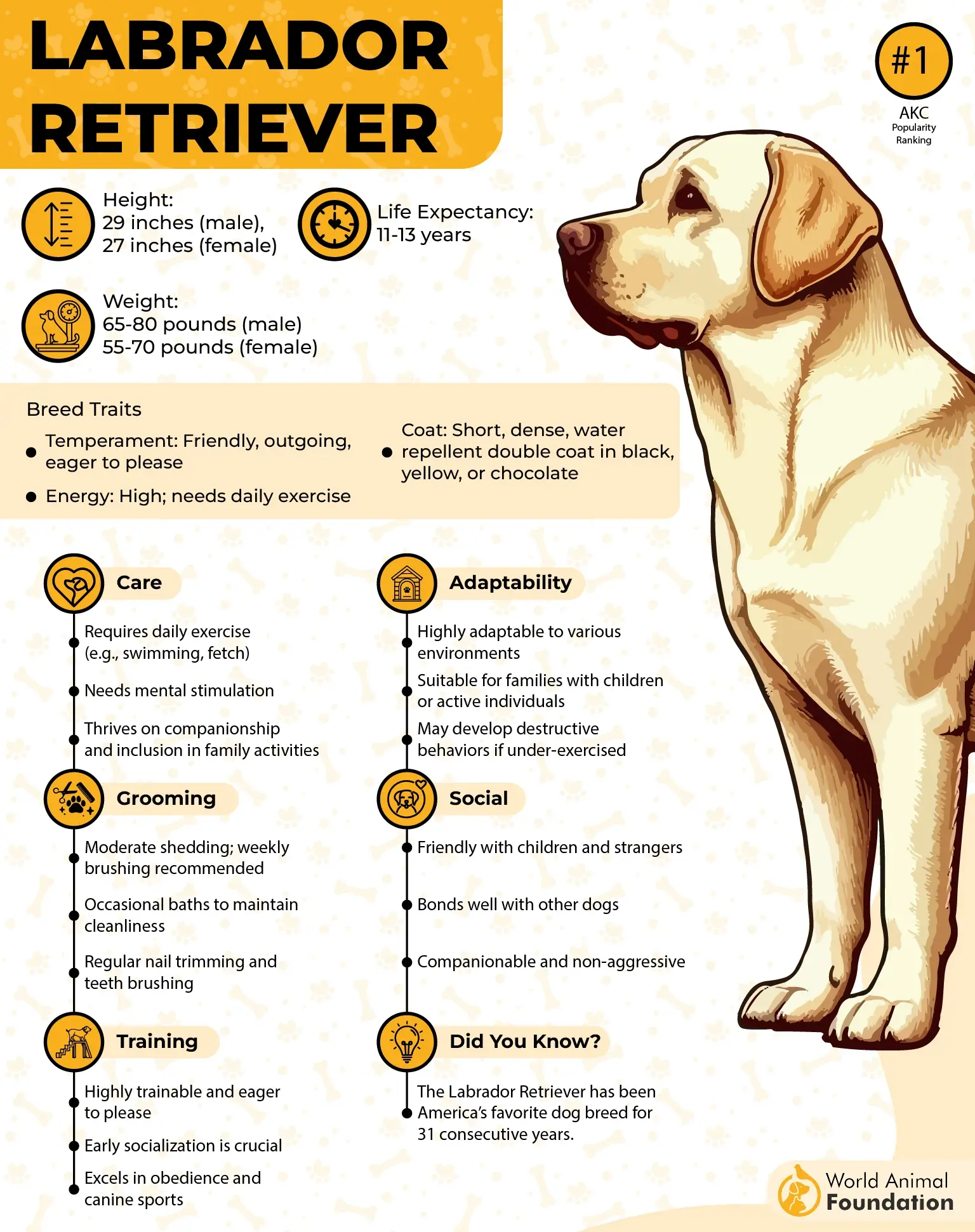
They do require regular exercise because they are energetic and athletic. Activities like swimming, walking, or playing fetch help keep them healthy. Without enough activity, they can gain weight quickly.
Training is usually straightforward because Labs are eager to please and highly trainable. They respond well to positive reinforcement and consistency. This makes them one of the easiest large breeds to manage.
Fun Fact: Labrador Retrievers were originally bred as fishing dogs in Newfoundland, helping fishermen retrieve nets and fish.
7. Golden Retriever
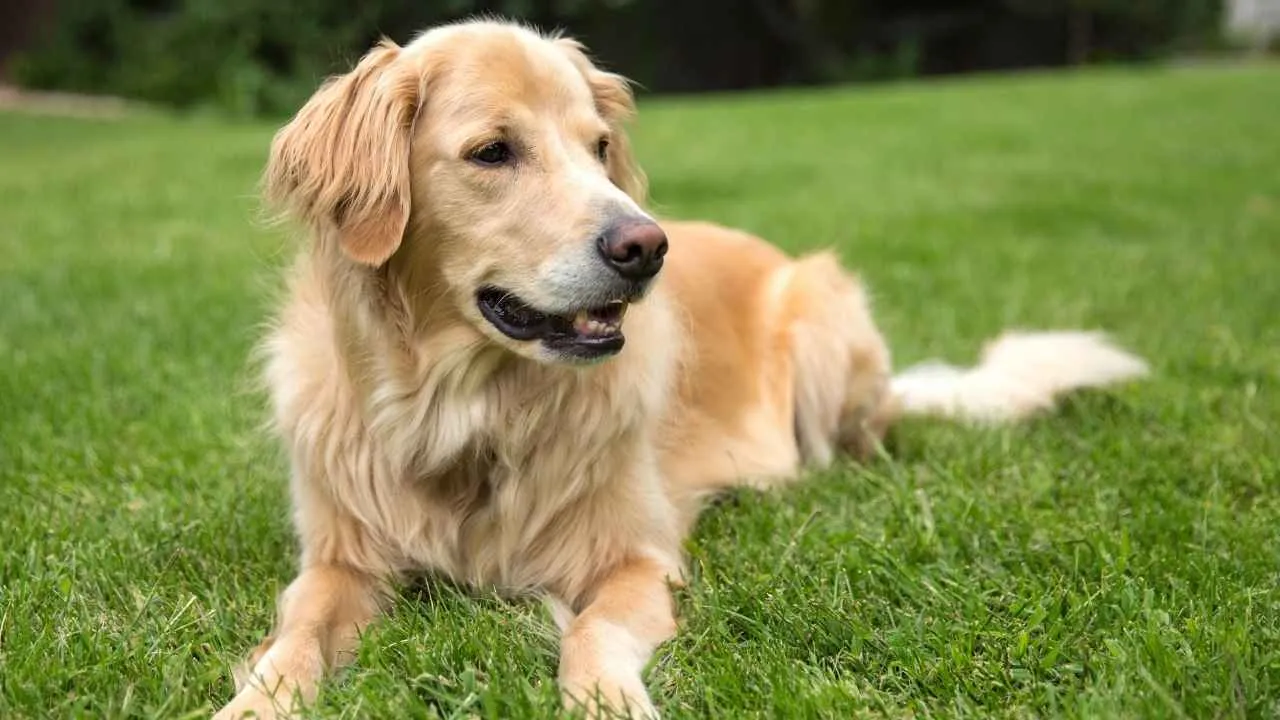
The Golden Retriever is another classic, easy-to-manage breed, especially for families. They are intelligent, friendly, and highly trainable. Their personality makes them one of the most loved dogs globally.
They do shed more than some other breeds, but regular brushing keeps it manageable. Their grooming routine is consistent but not overly complicated. Many owners find it easy to maintain with a schedule.
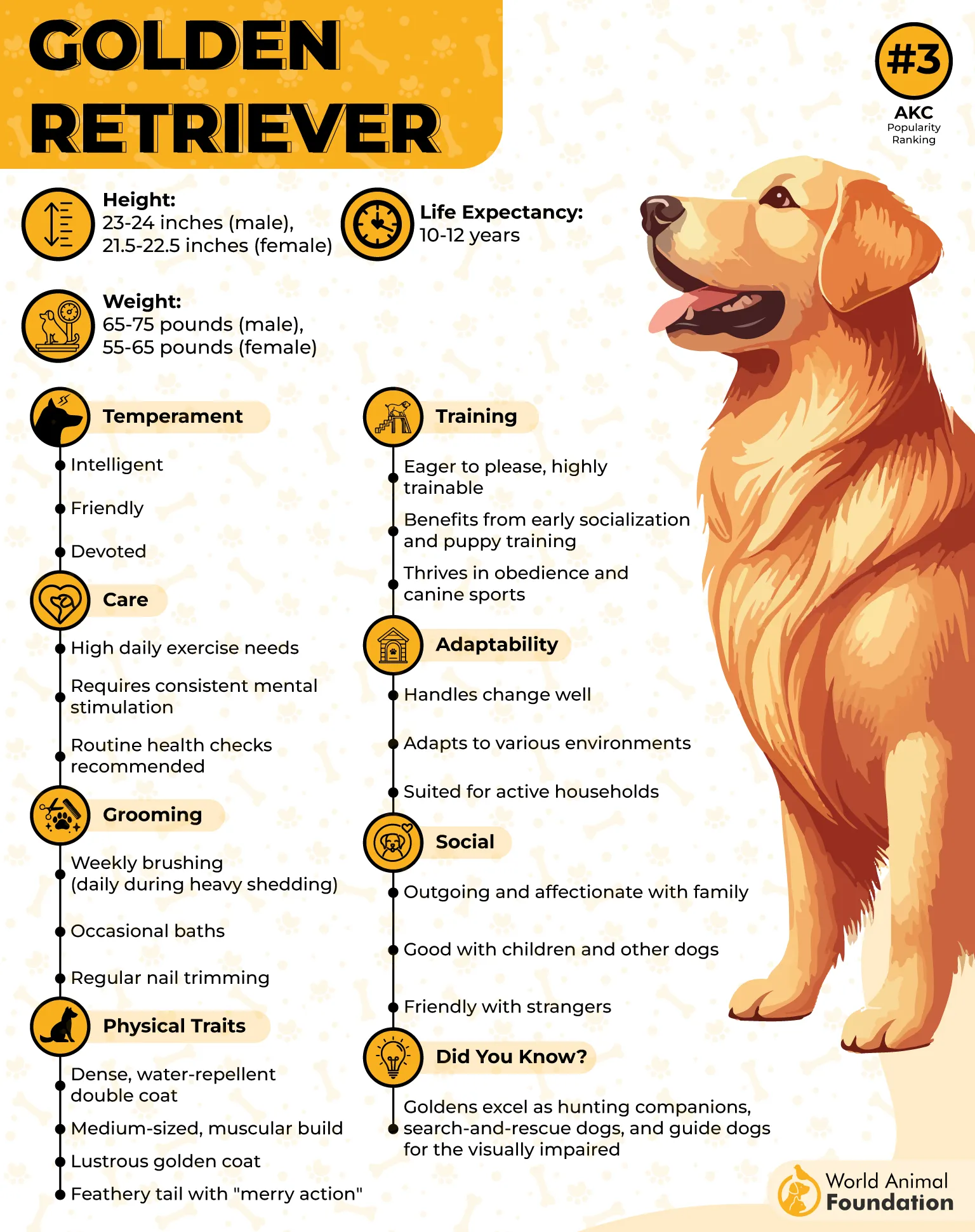
Golden Retrievers thrive on training and love having tasks to complete. This keeps them mentally stimulated and prevents boredom. They are also great problem solvers.
They require regular exercise but are not overly demanding compared to high-performance breeds. Daily walks and playtime are usually enough. Their balanced energy makes them manageable for most families, especially those living on a budget.
Fun Fact: Golden Retrievers were originally bred in Scotland in the 1800s to retrieve game during hunting.
Conclusion
Choosing an easy, low-maintenance dog isn’t about finding a “lazy” pet—it’s about finding the right fit for your lifestyle. Some dogs require constant grooming, training, and energy, while others adapt more naturally to everyday life. The key is knowing what you can realistically handle.
No cap, dogs are still a commitment—emotionally, financially, and physically. Even the easiest breeds need care, attention, and consistency. But choosing the right breed can make everything feel a lot more manageable.
If you’re busy, living in a smaller space, or want a dog that doesn’t demand 24/7 effort, these breeds are solid options. They understood the assignment when it comes to balancing companionship with practicality.
Take your time, research properly, and be honest about your lifestyle. The right dog won’t just fit into your routine—it’ll make it better.
Now find your low-maintenance best friend
