




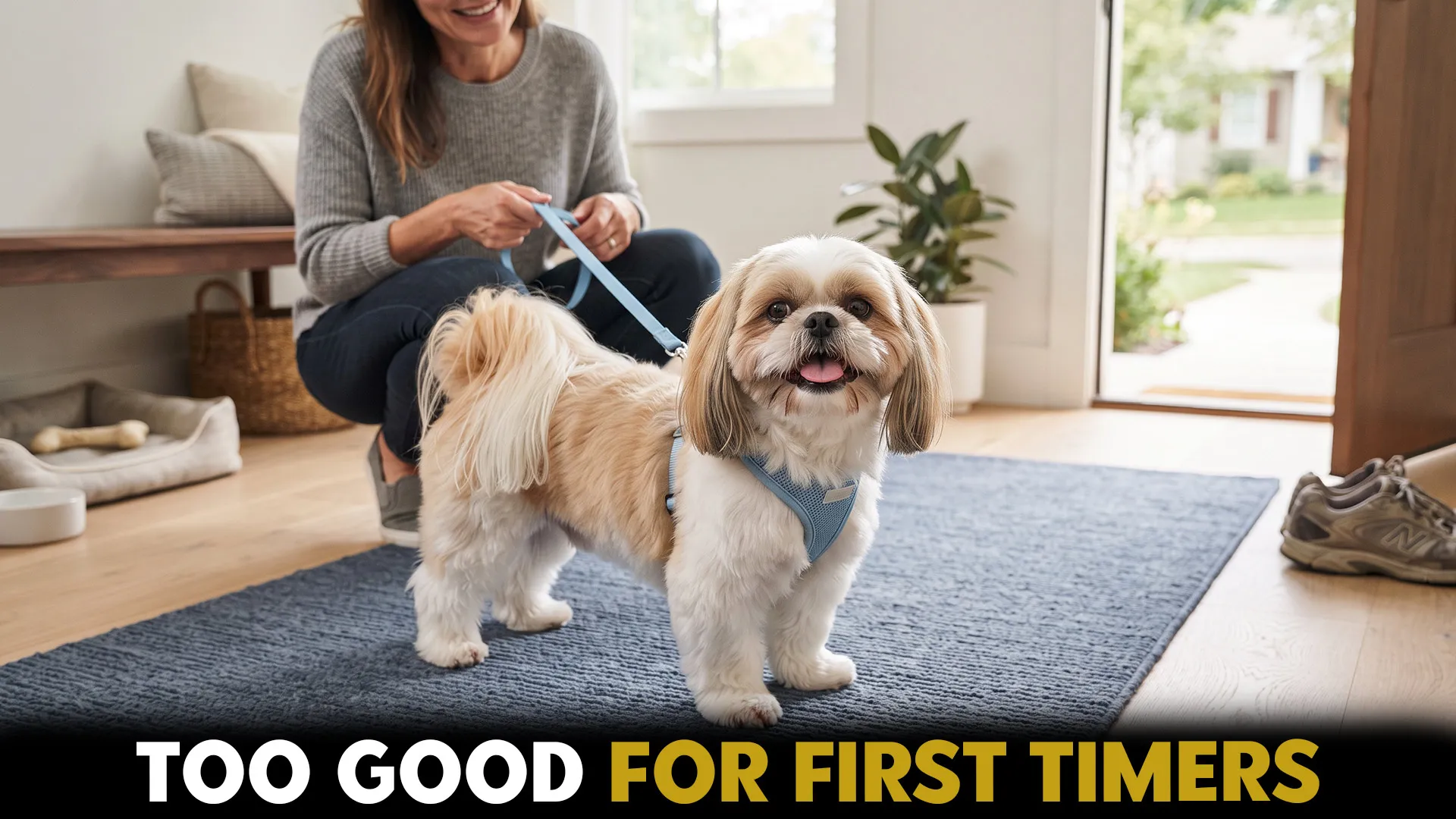
Bringing home your first dog changes the rhythm of everyday life most sweetly. Breakfast comes with a wagging tail, quiet rooms gain little footsteps, and even a quick trip outside feels like an adventure. For first-time dog parents, a friendly temperament and cooperative personality make those early lessons far less daunting.
These easiest dog breeds still need training, exercise, grooming, socialization, and responsible care, but some breeds make the learning curve wonderfully approachable. Your home, schedule, activity level, grooming preferences, and time for companionship all matter.
These dog breeds combine welcoming personalities with practical care needs, giving first-time dog owners plenty of reasons to feel confident about their first canine companion.
Top Easiest Dog Breeds for First-Time Dog Parents
1. Labrador Retriever
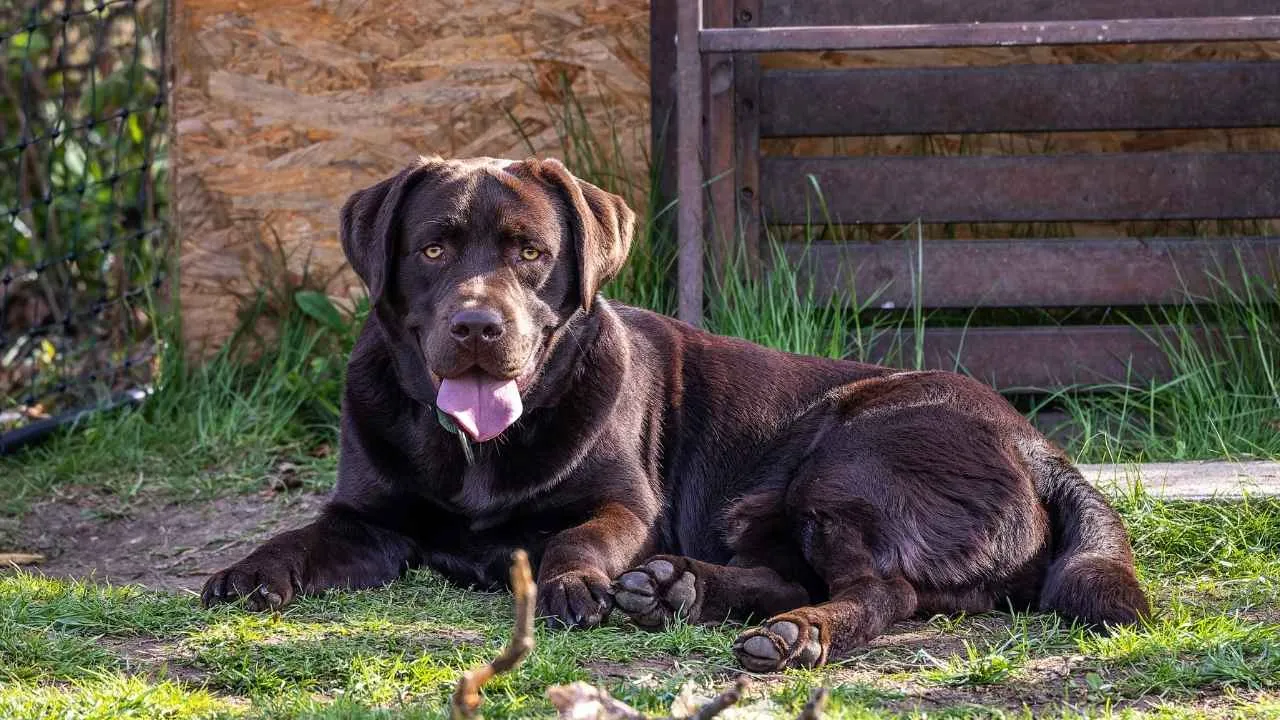
A Labrador Retriever greets life with a wagging tail and boundless enthusiasm. Friendly with strangers, family, children, and other dogs, this sociable breed makes a reassuring companion for a first-time dog owner.
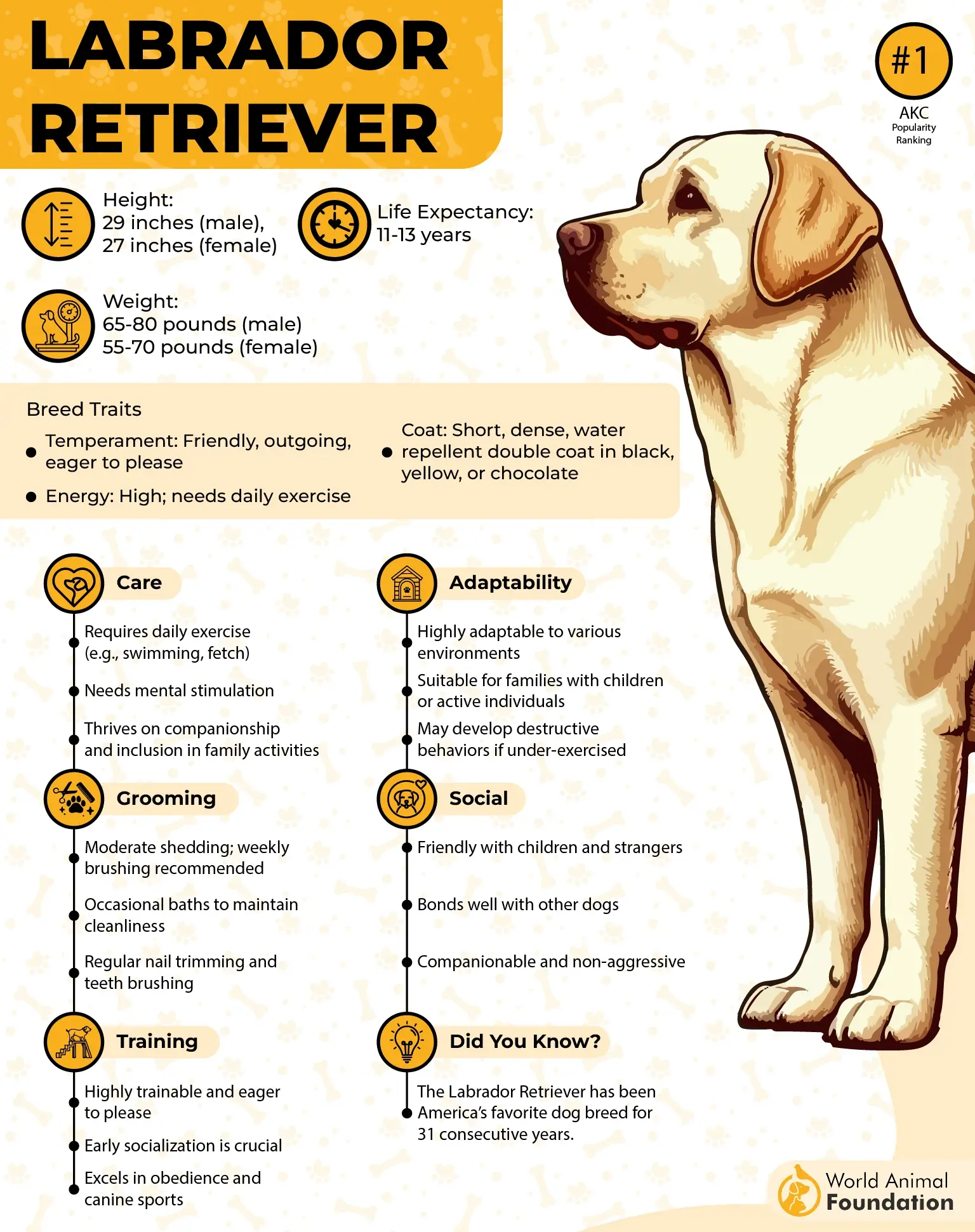
Originally bred in Newfoundland as a water dog to assist fishermen, Labradors naturally love praise, treats, and games. Petplan explains that their famous “soft mouth” was originally developed to retrieve game without damage.
It has now translated into an exceptionally gentle bite habit around human hands during play. Commands, leash manners, recall, and household rules are easy to reinforce through positive reinforcement.
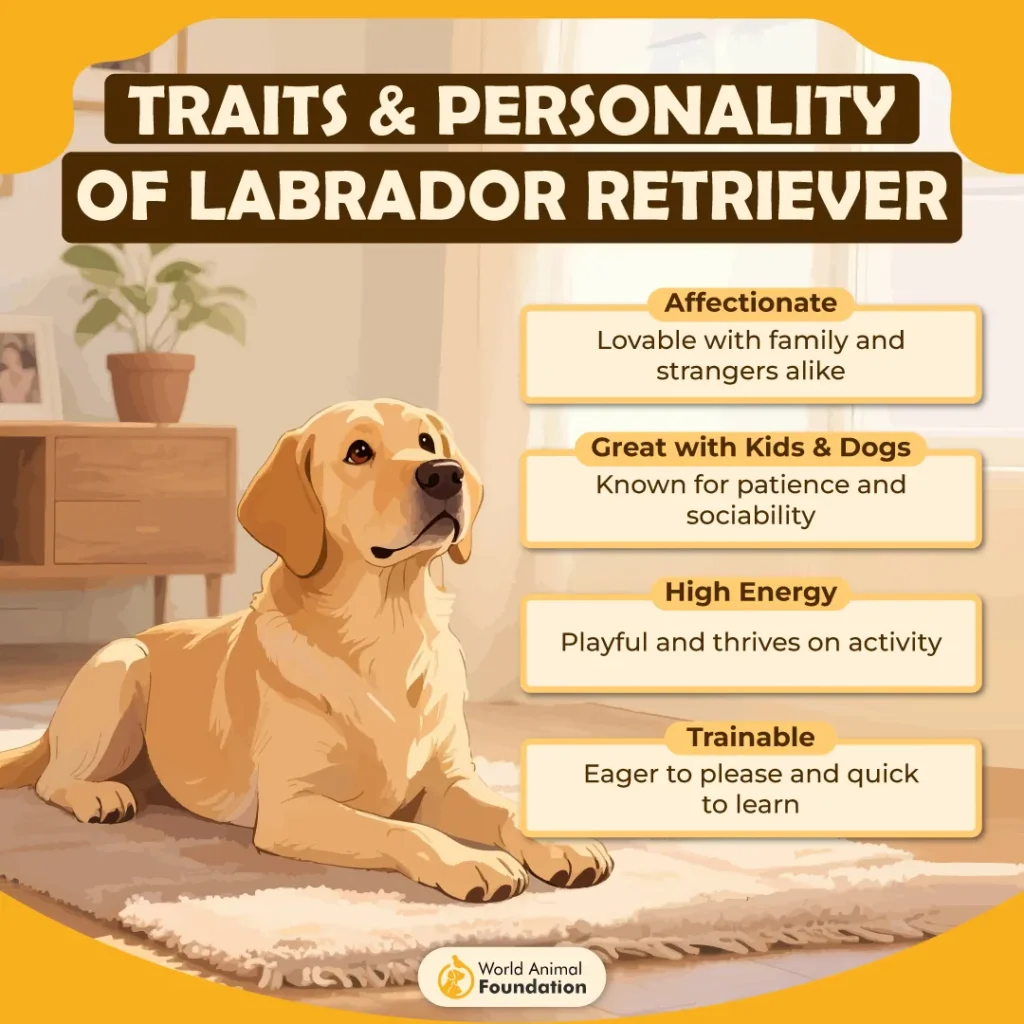
Life with a Lab requires plenty of movement. Long walks, retrieving, swimming, hiking, and outdoor adventures satisfy this energetic dog, while puzzle toys and training games keep their brain busy.
Their short double coat keeps grooming simple, though regular brushing manages heavy shedding seasons. For new owners seeking a friendly, forgiving, playful, and responsive companion, the Labrador offers a welcoming start to dog ownership.
2. Golden Retriever
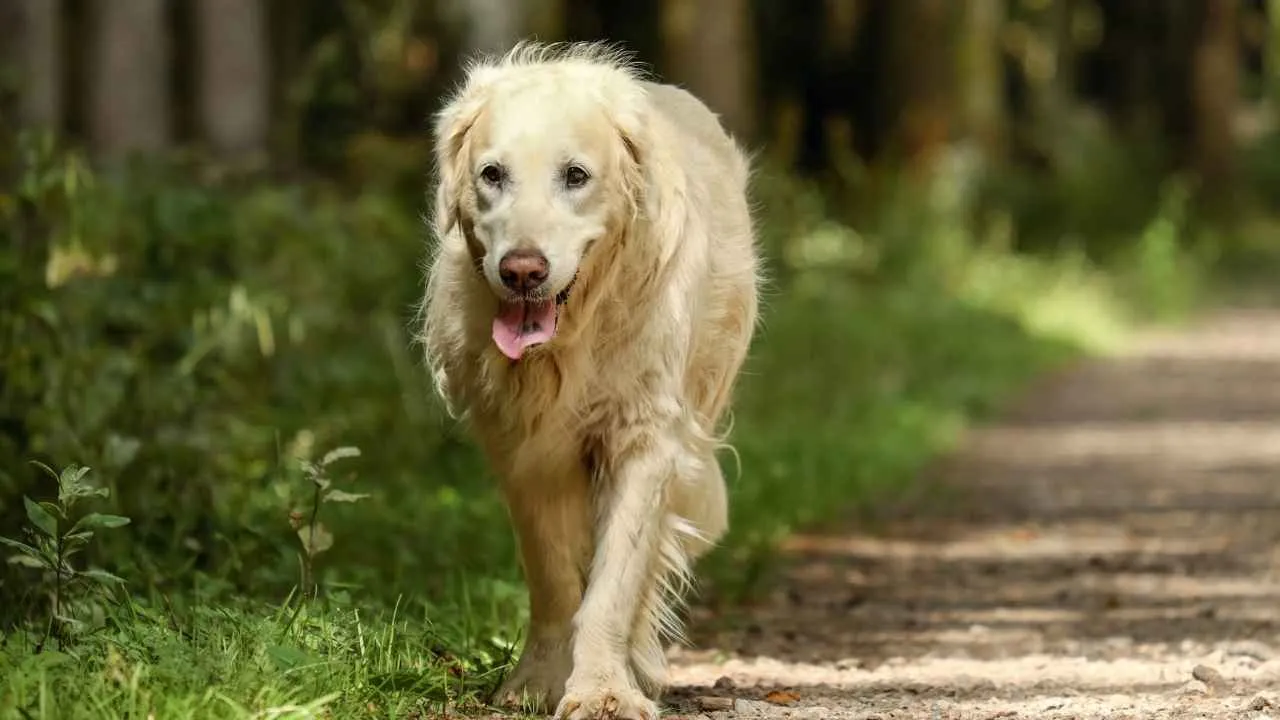
A Golden Retriever brings effortless warmth to any household. Their friendly face greets visitors enthusiastically and settles happily into daily family life, ideal for first-time pet parents.
Golden Retrievers excel with gentle interactions and consistent positive reinforcement, turning obedience lessons, commands, manners, tricks, and routines into bonding opportunities.
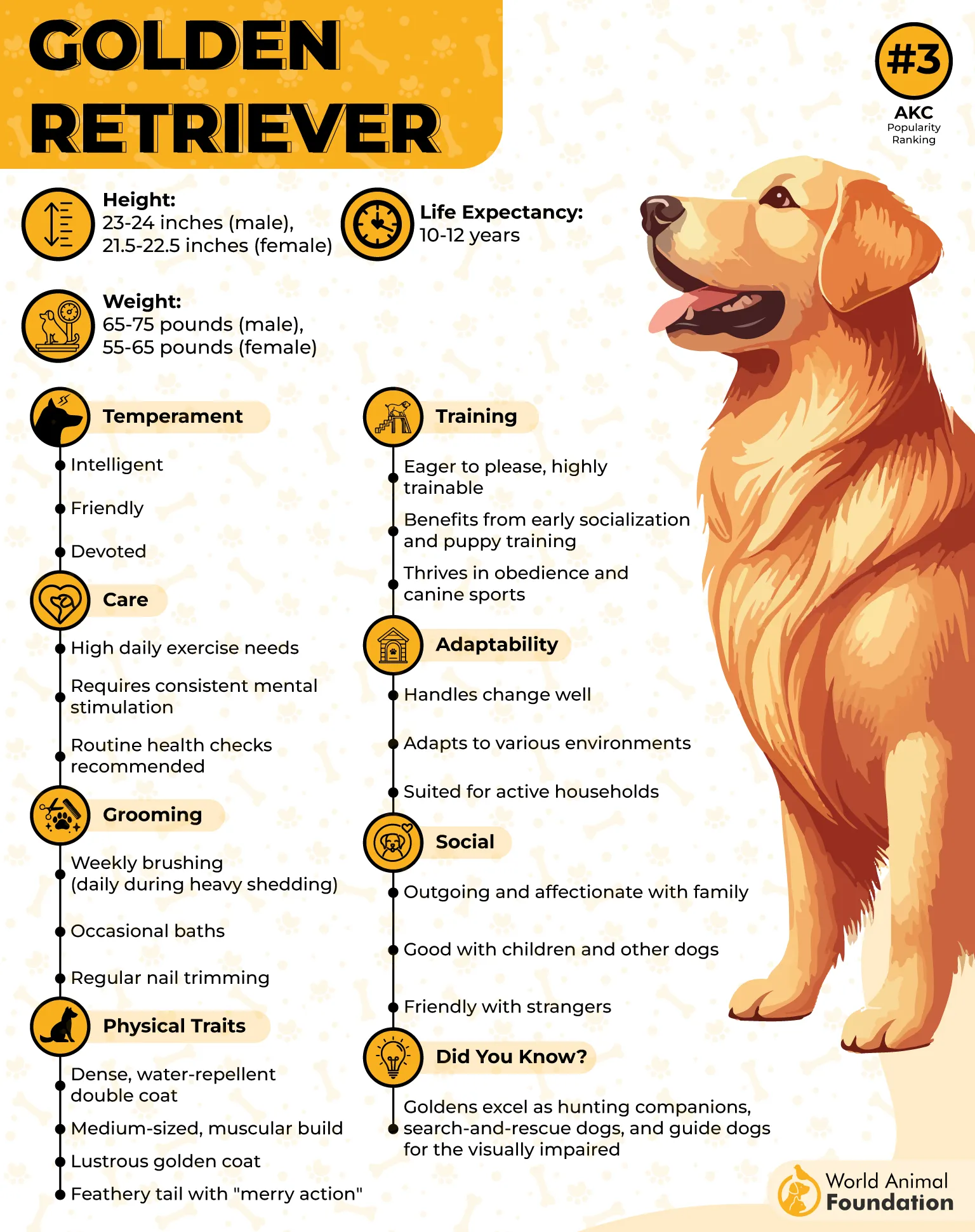
Developed in 19th-century Scotland to retrieve waterfowl from dense terrain, their sporting heritage requires active outlets like long walks, swimming, retrieving, hiking, interactive play, and mental stimulation through puzzle toys.
Their eager-to-please nature makes them remarkably forgiving of beginner handling mistakes, making the learning curve smooth for new owners.
Their luxurious double coat needs regular brushing, especially during peak shedding periods, to control loose hair and maintain skin health.
3. Cavalier King Charles Spaniel
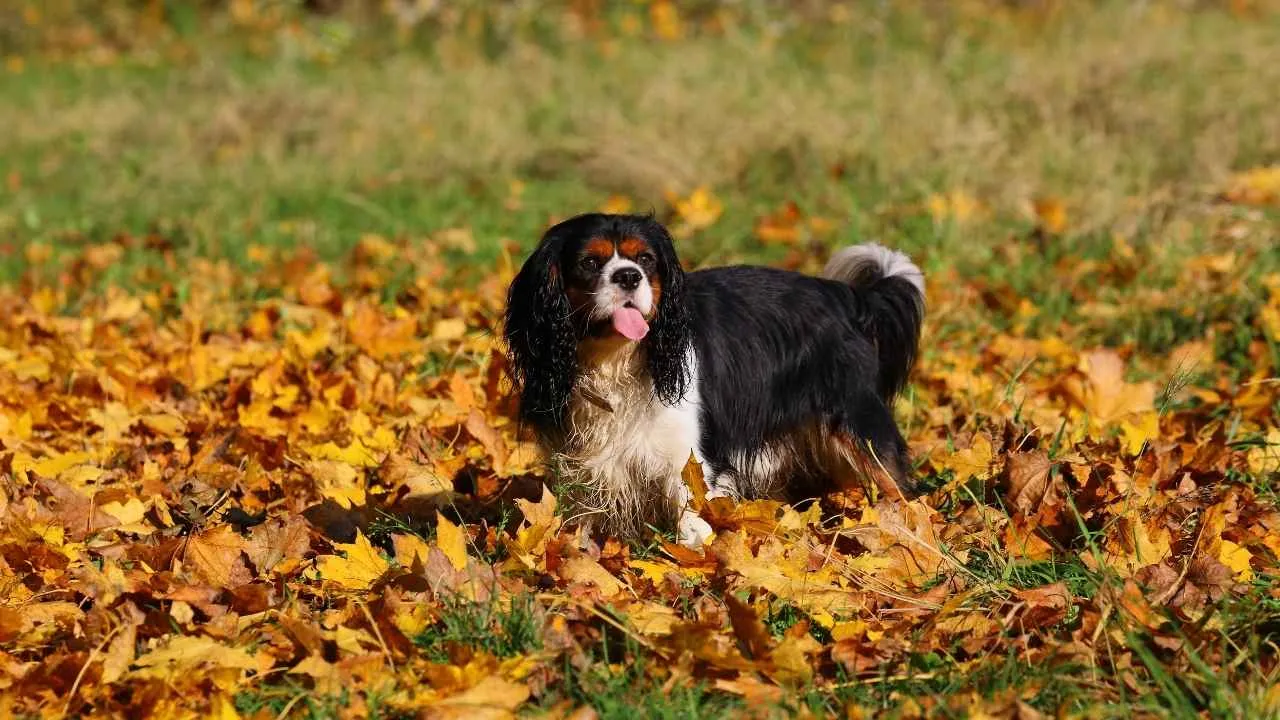
The Cavalier King Charles Spaniel thrives on simple pleasures: staying close, enjoying pleasant outings, and cuddling. This gentle nature gives first-time owners a reassuring, patient companion for children and quiet household routines.
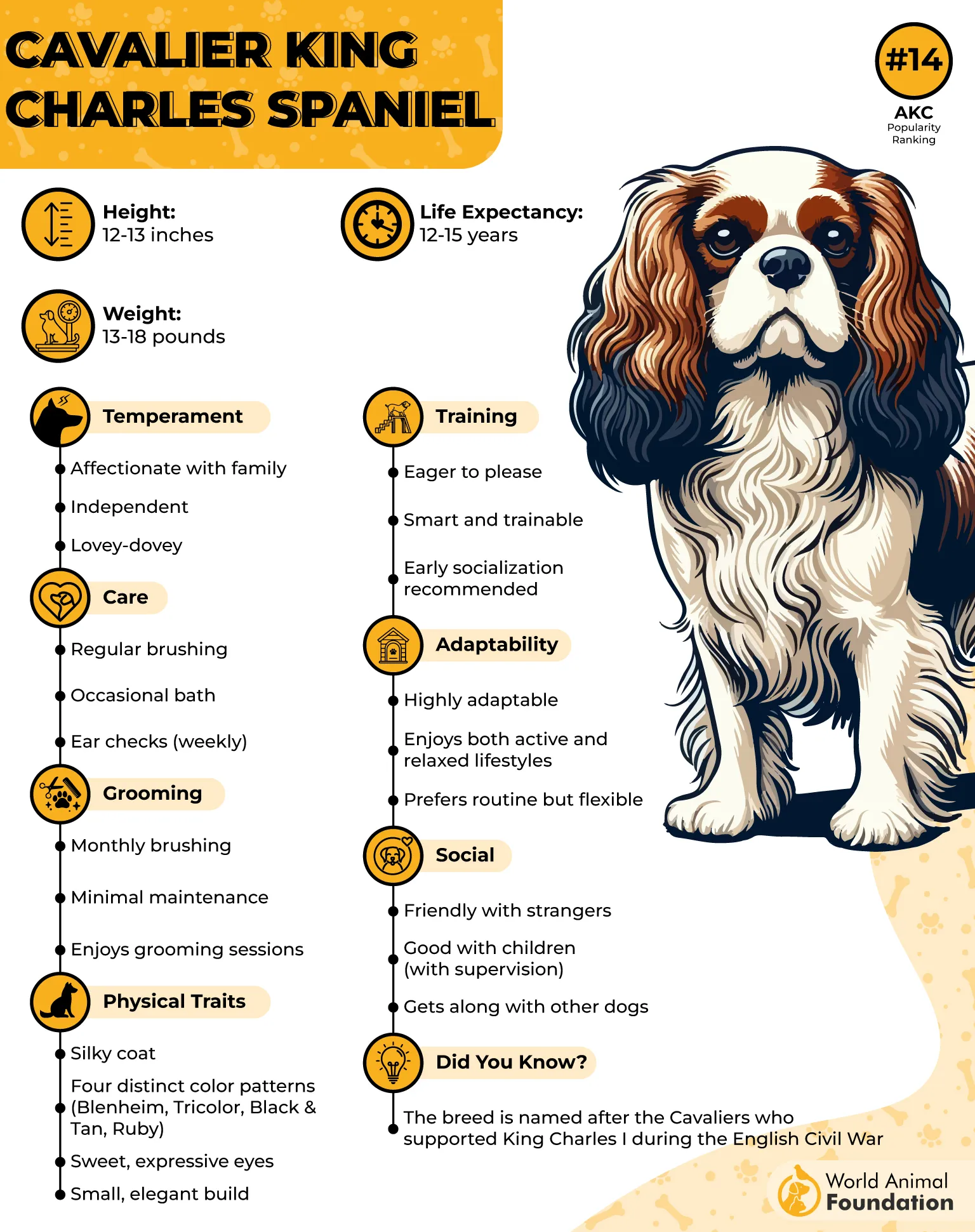
Early socialization ensures polite behavior around new people, animals, and environments. Cavaliers respond best to short, cheerful training sessions using rewards and encouragement.
Their moderate exercise needs fit a balanced lifestyle. A daily walk, play, and brief training are enough before they happily retreat to the sofa. Because they naturally adapt their energy to match their owner’s routine, they rarely overwhelm beginners with intense exercise demands.
Bred in Britain as beloved lapdogs for royal courts, their silky, feathered coat requires regular brushing, particularly around the ears and legs. Responsible owners should also prioritize routine veterinary care for breed-specific health concerns. Overall, the Cavalier is a gentle, adaptable, and people-oriented companion.
4. Shih Tzu
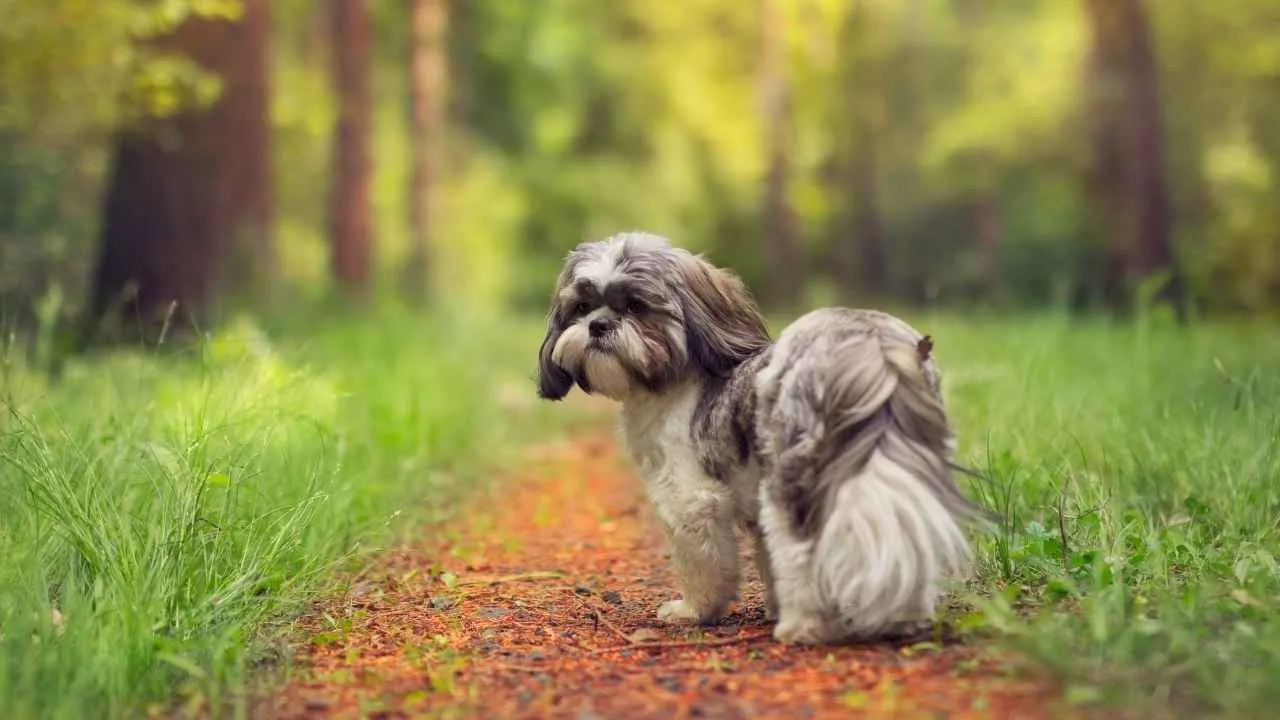
The Shih Tzu is a cheerful companion dog that thrives on human attention and family life. Short walks, indoor play, and gentle exploration provide ample exercise without an intense athletic schedule.
Training requires patience; short, reward-based lessons teach household manners effectively. Rooted in ancient China, the breed was carefully treasured by emperors as a cherished palace lapdog, making their gentle nature a seamless fit for modern beginners. Their low-prey-drive temperament means new owners won’t have to manage instincts like chasing wildlife or excessive territorial barking.
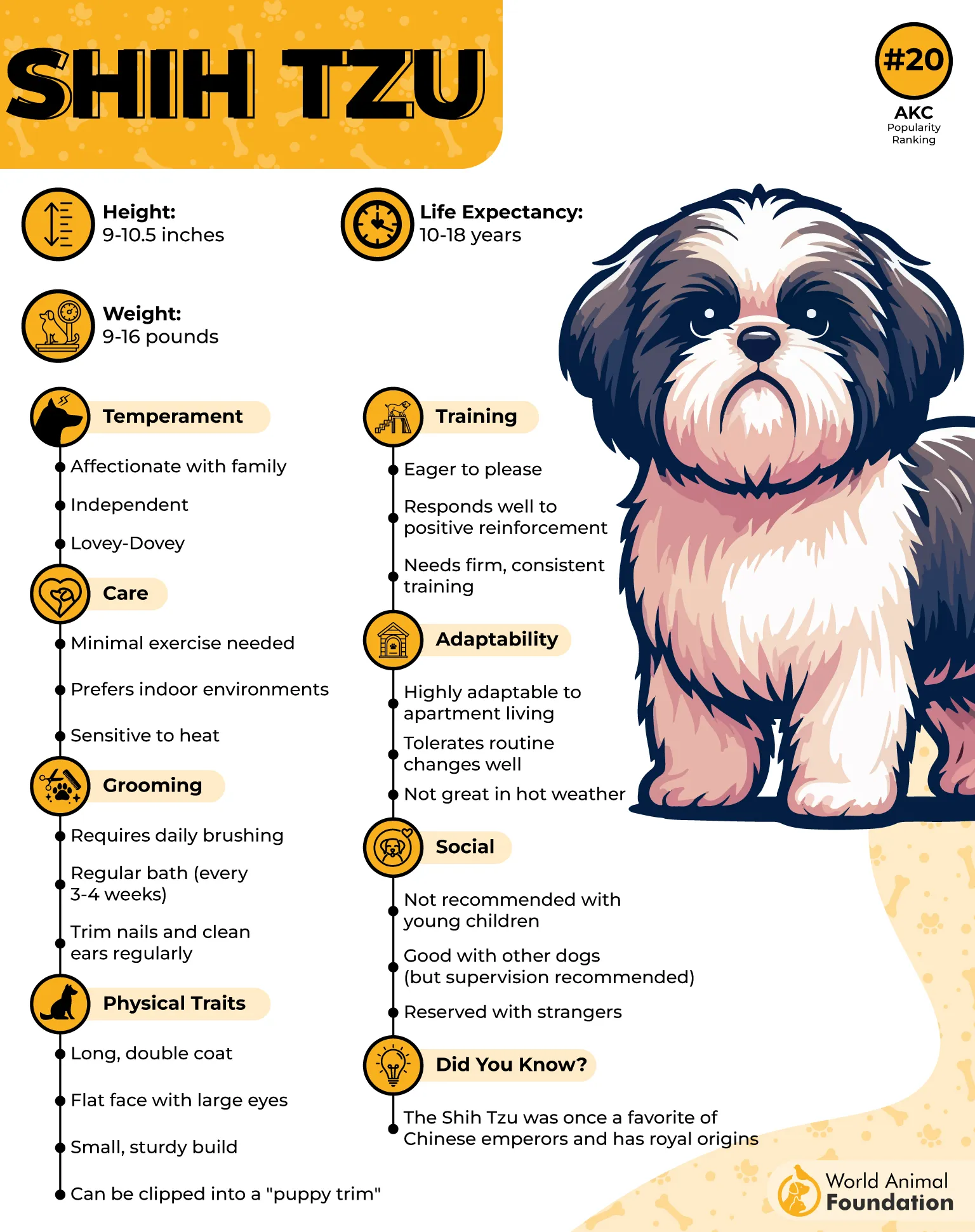
Early socialization builds confidence around new people, pets, and environments. Shih Tzus excel in apartment living, though their short muzzle makes them prone to overheating, requiring caution in hot weather.
Their long, flowing coat needs daily brushing to prevent mats, alongside regular professional grooming or a shorter trim for easier maintenance.
5. Bichon Frise
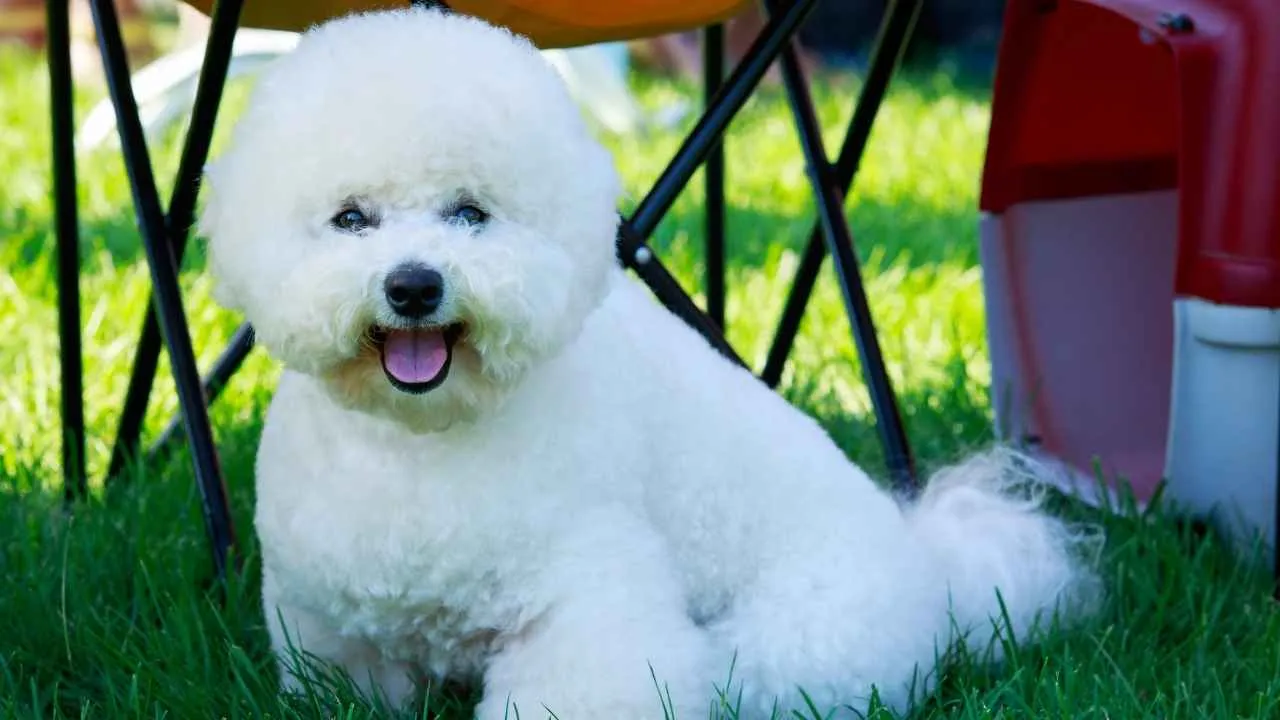
Originating in the Mediterranean as favored companion dogs among European nobility, the Bichon Frise brings joyful, entertaining energy to family life. Friendly, curious, and playful, this uplifting breed provides an easy foundation for socialization and everyday manners.
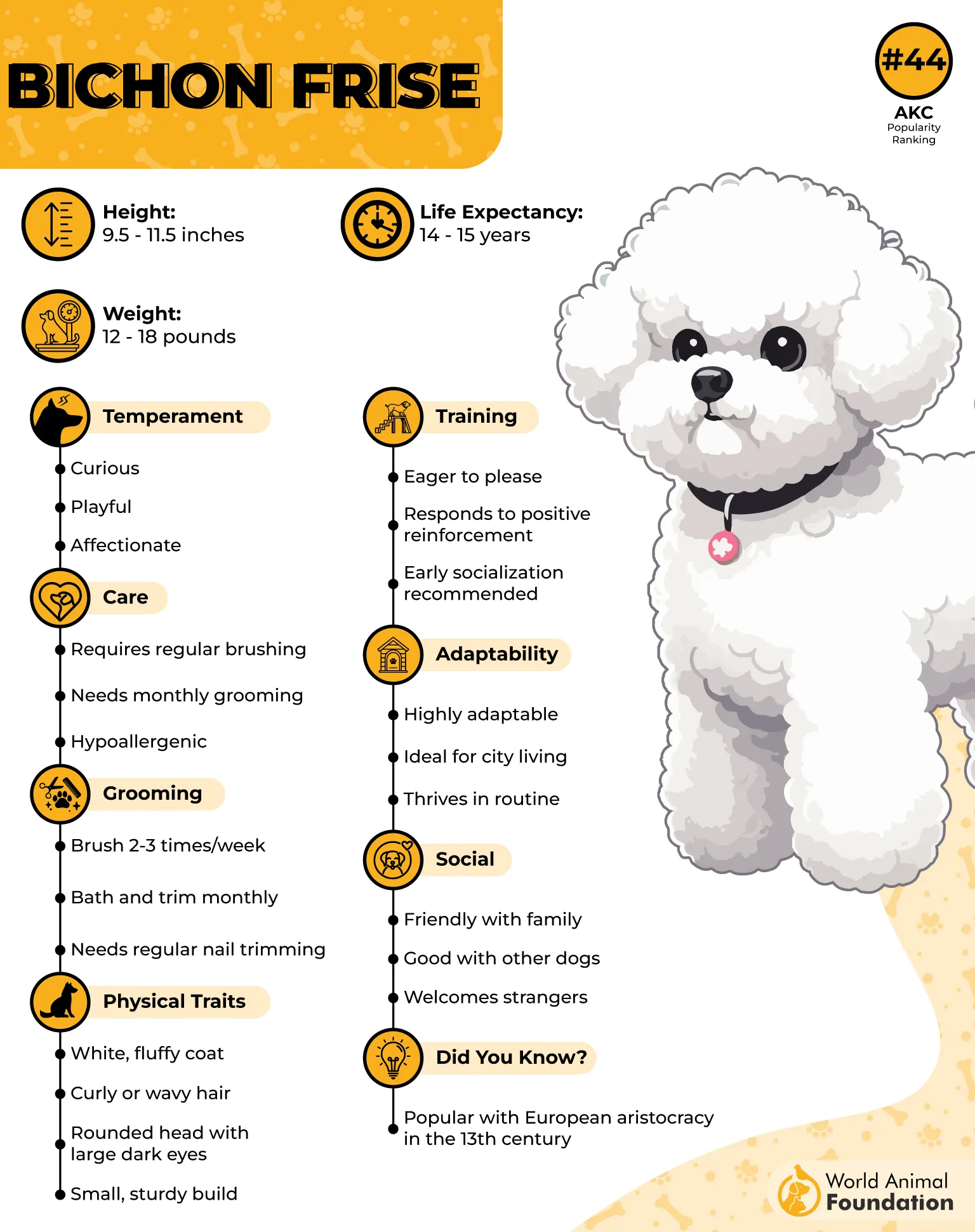
Training is effortless when framed as a game; basic commands, leash habits, and household rules respond well to positive reinforcement.
Their compact size suits apartments, though daily walks, interactive toys, trick practice, and scent games remain essential for mental and physical health. Their cheerful, resilient attitude means they take beginner training sessions in stride without becoming easily stressed or timid.
Their fluffy curly coat sheds minimally, making them popular for households seeking hypoallergenic dogs, though no dog is entirely allergy-free. Purina suggests regular brushing to prevent mats, and periodic professional grooming keeps them neat.
6. Papillon
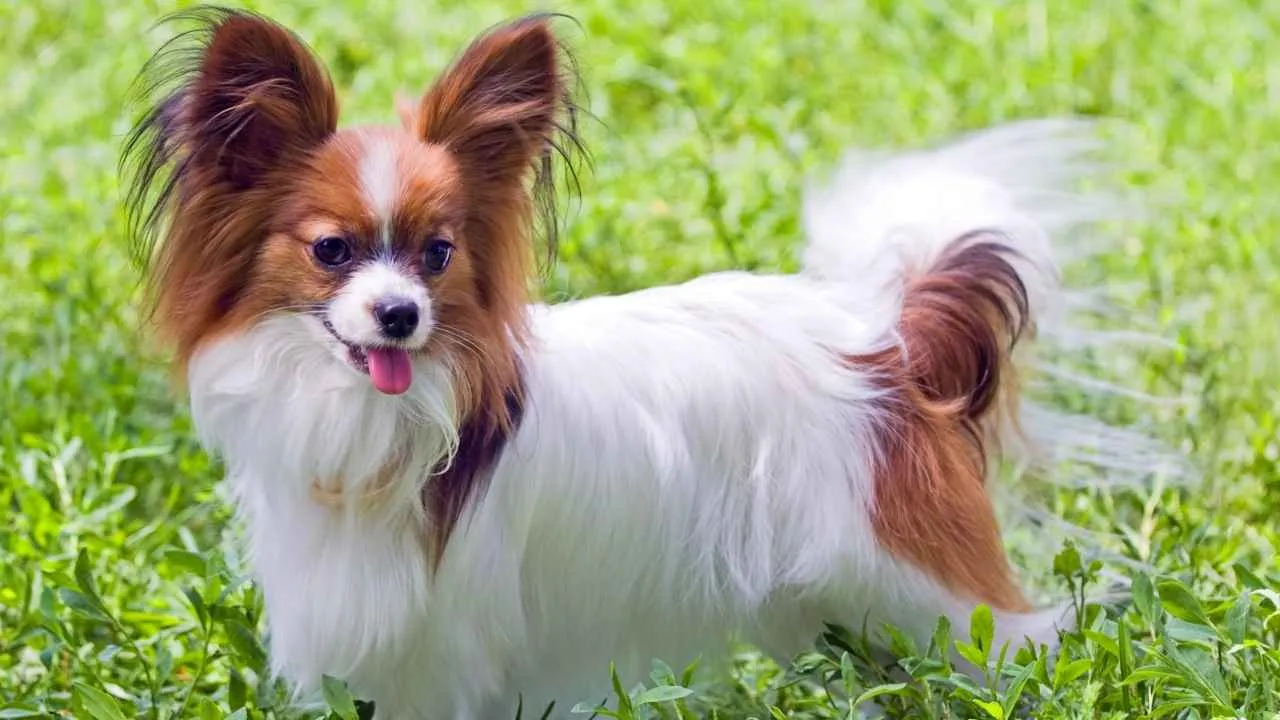
Distinctive butterfly ears and a quick mind define the Papillon. Bright, curious, and outgoing, this tiny dog possesses a remarkably big personality.
Highly trainable and eager to please, Papillons excel at learning commands, tricks, obedience, and agility. Refined in France and Spain as elegant lapdogs, their high intelligence makes them great for beginners who want an active learning partner; puzzle toys, scent work, and dog sports keep their minds sharp.
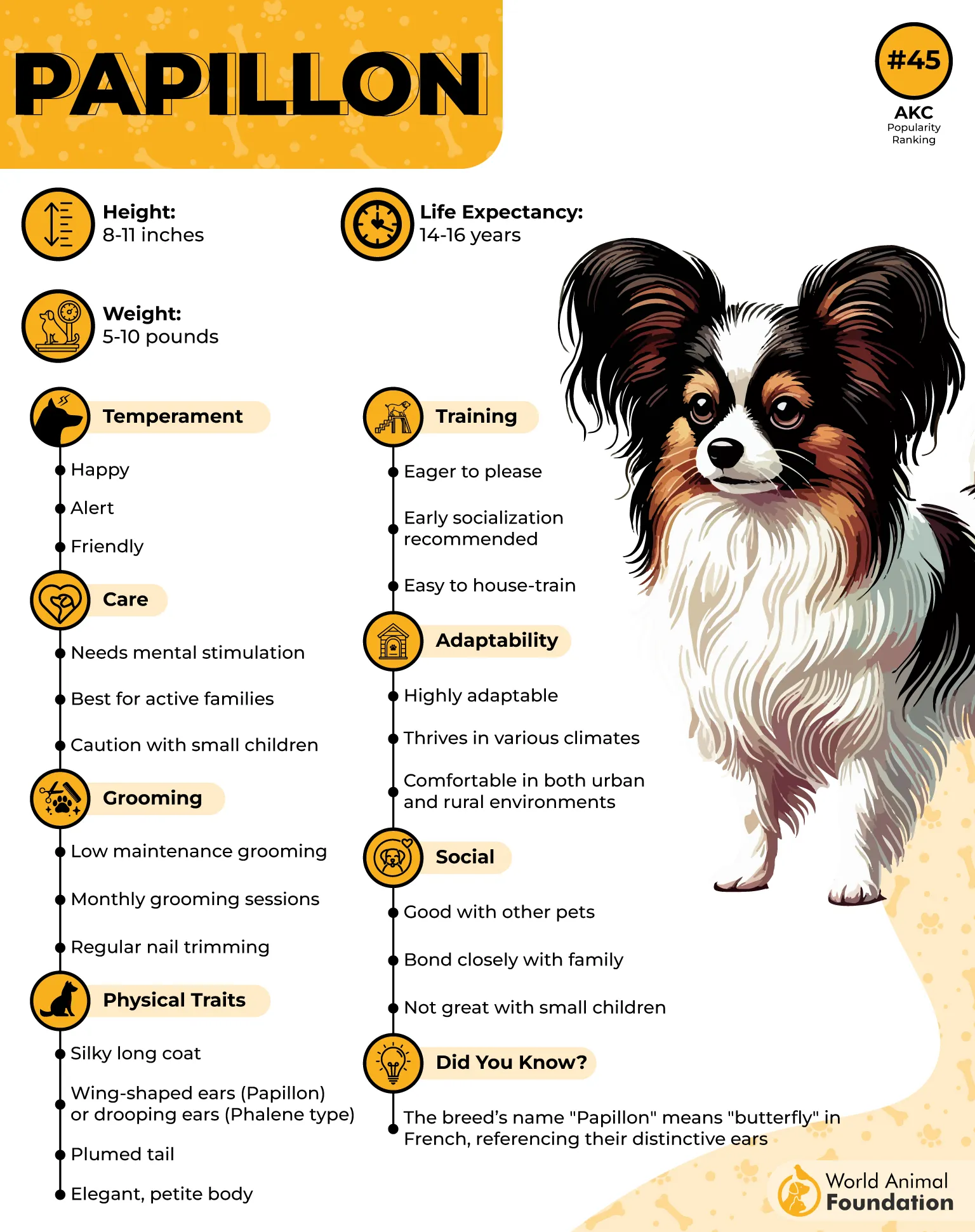
Unlike many small breeds that can be stubborn, the Papillon’s desire to cooperate makes routine training fast and highly rewarding. Daily walks and lively indoor games satisfy their physical energy, making them practical for smaller homes.
Their fine coat requires regular brushing, especially around the feathered ears and tail. Early socialization ensures this confident breed interacts well with visitors, children, and other dogs.
7. Maltese
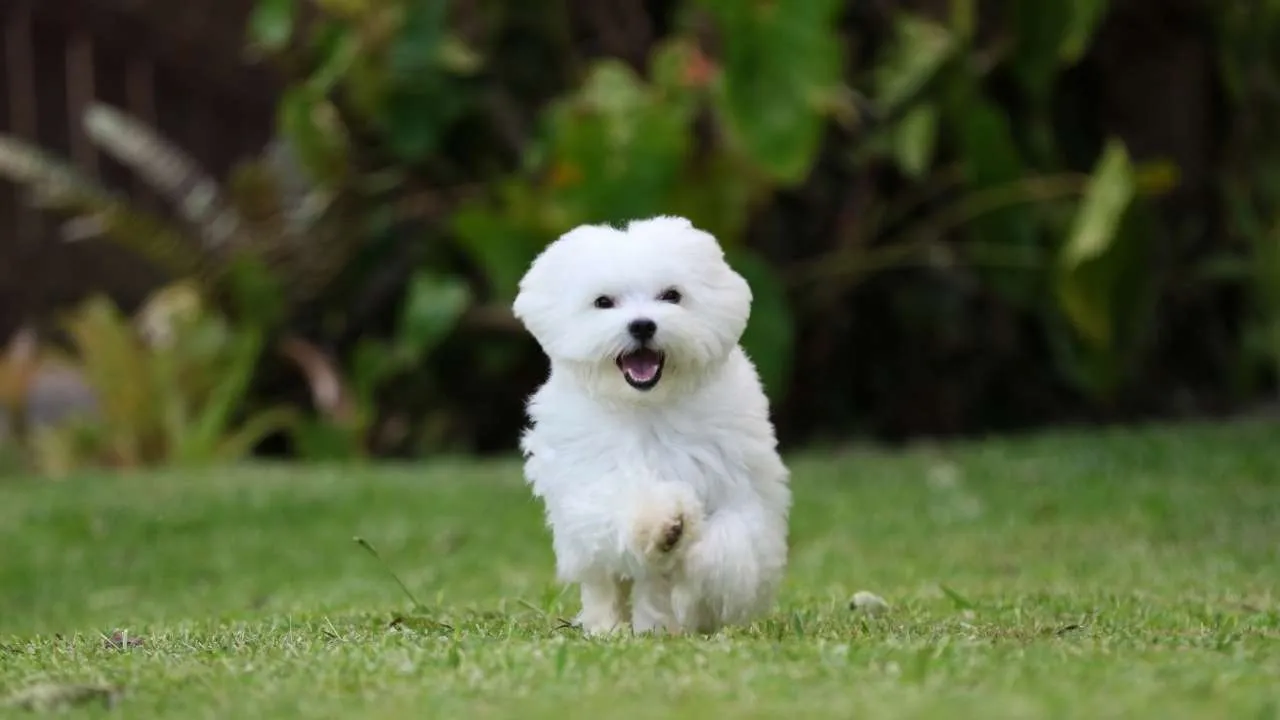
The Maltese packs endless devotion into a tiny frame, following household activity closely and seeking affection. Their gentle temperament provides beginners with an easy starting point for reward-based training, basic commands, leash skills, and boundaries.
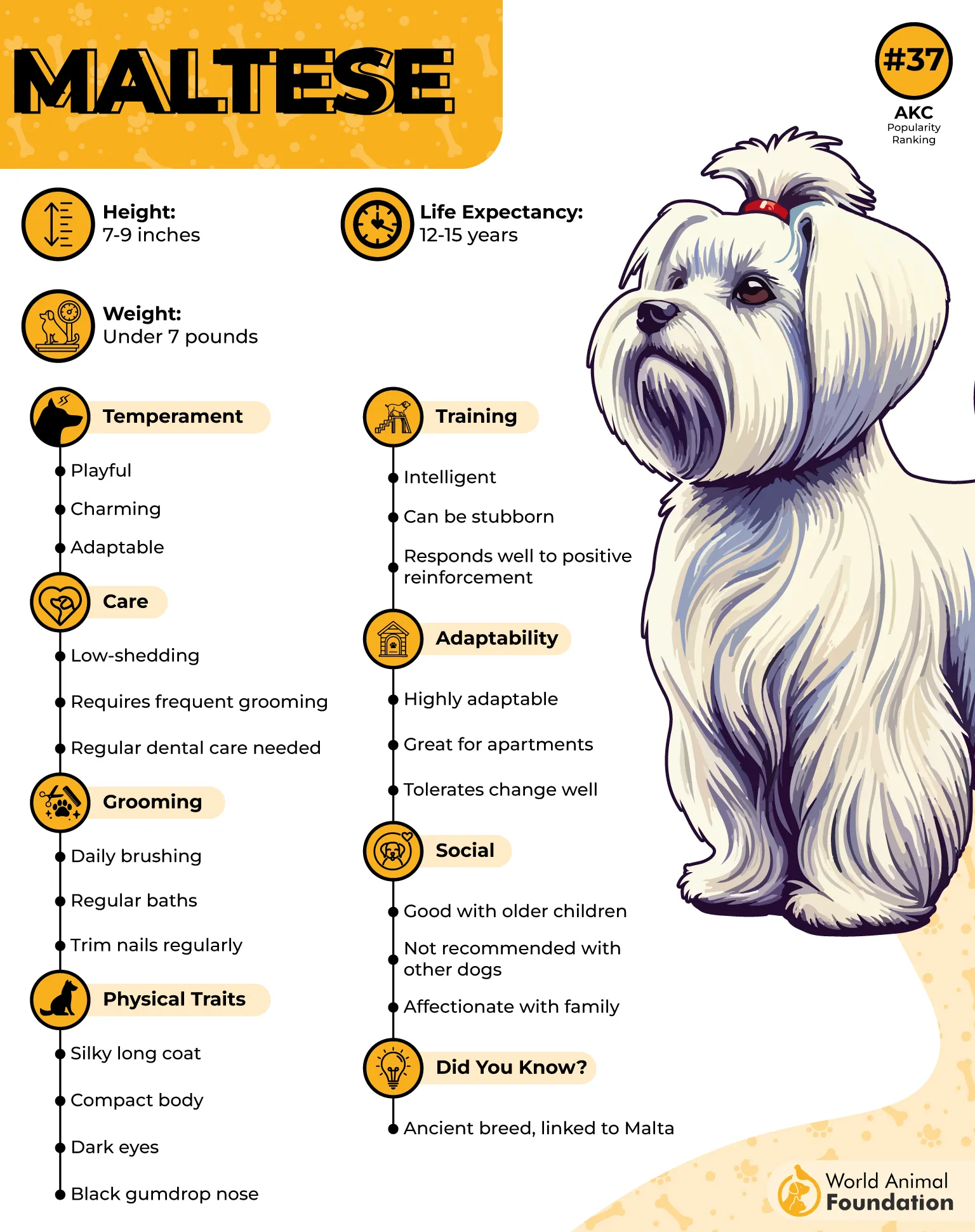
Compact and apartment-friendly, the Maltese needs only short walks, indoor games, and structured play alongside early socialization with new people and places. Their naturally sweet, non-aggressive demeanor makes managing day-to-day interactions around visitors completely stress-free.
Their silky white coat requires daily brushing to prevent tangles and regular professional grooming to maintain length.
Hailing from the Mediterranean island of Malta, where they were revered for centuries as aristocratic lapdogs, their tiny bodies also require routine dental care to avoid breed-related health issues. Maltese thrive on human interaction and dislike long periods of isolation.
8. Havanese
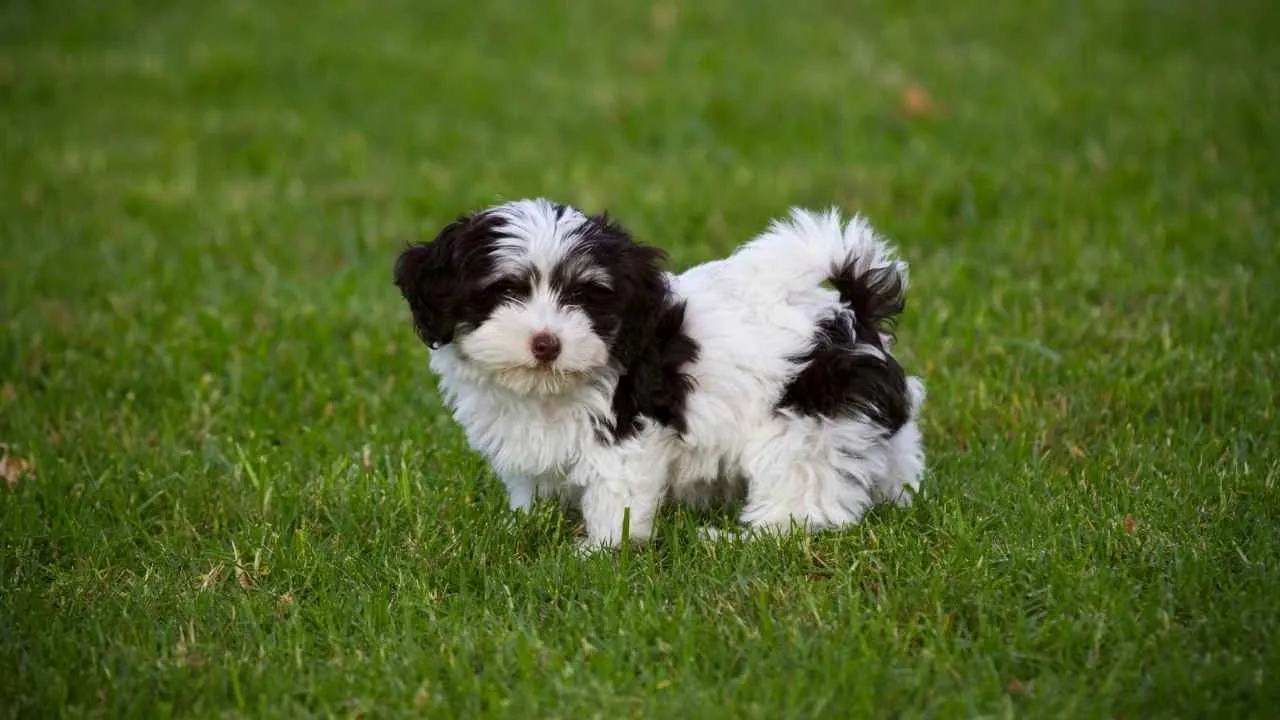
The Havanese seamlessly integrates into family life with a playful, affectionate, and shadow-your-every-move personality. Sociable and people-focused, they are ideal for beginners wanting an involved pet.
These intelligent dogs learn quickly through praise, treats, and early socialization around visitors, children, and other animals. As the native dog of Cuba, developed as an affectionate lapdog for the country’s aristocracy, they naturally thrive on companionship and family activities.
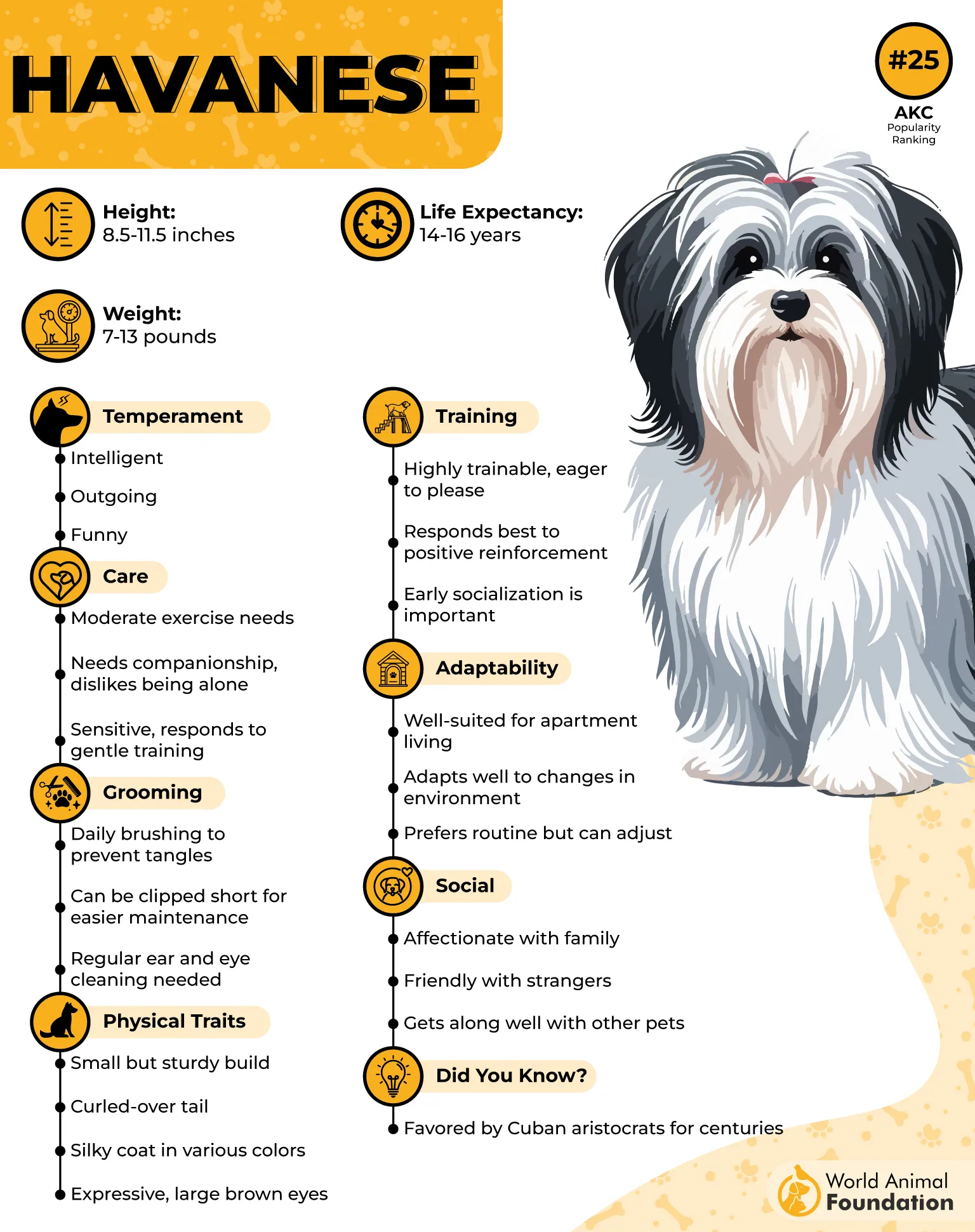
Their highly empathetic, intuitive nature makes them easy for new owners to read and bond with from day one. Exercise needs are moderate, easily met with daily walks, indoor games, interactive toys, and brief training sessions.
Their silky coat requires regular brushing to avoid tangles, though professional grooming and a shorter haircut can significantly reduce daily maintenance. Because they dislike long stretches alone, Havanese thrive in attentive households looking for an adaptable, friendly companion.
9. Pug
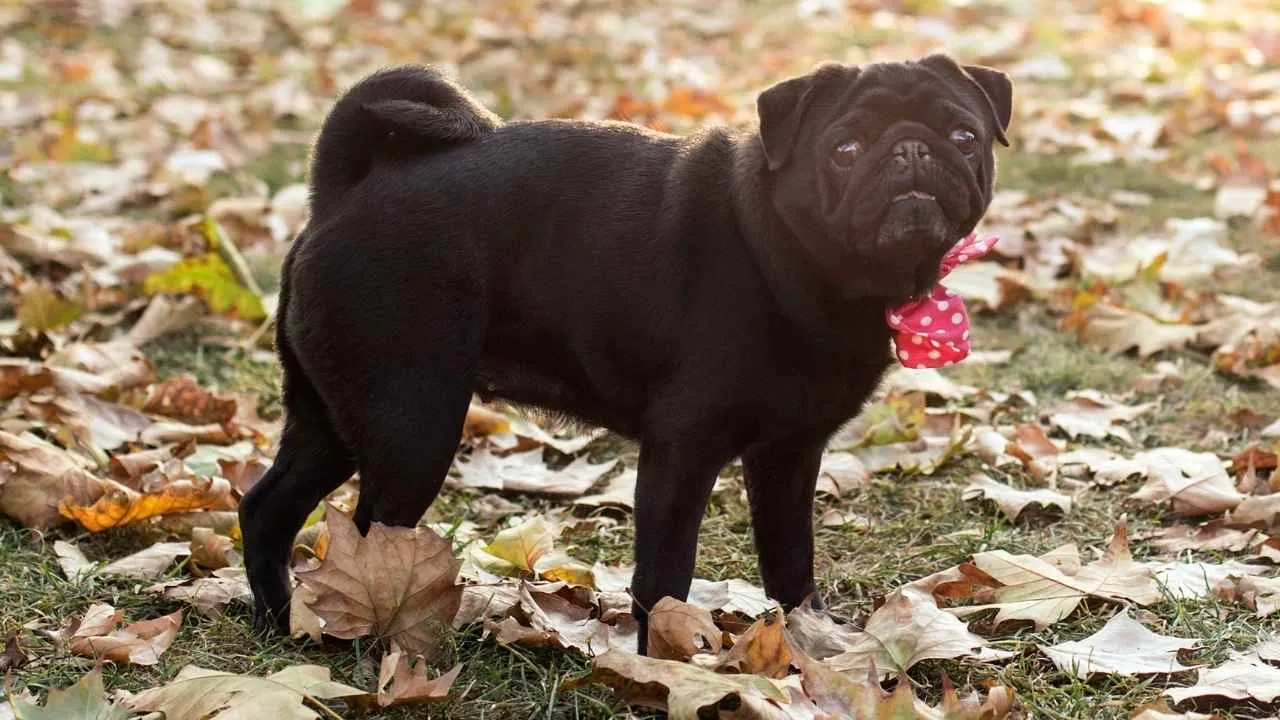
Expressive, goofy, and affectionate, the Pug brings constant entertainment and low maintenance to first-time dog owners. They love staying close to family and respond well to short, treat-based training sessions for basic commands and leash manners.
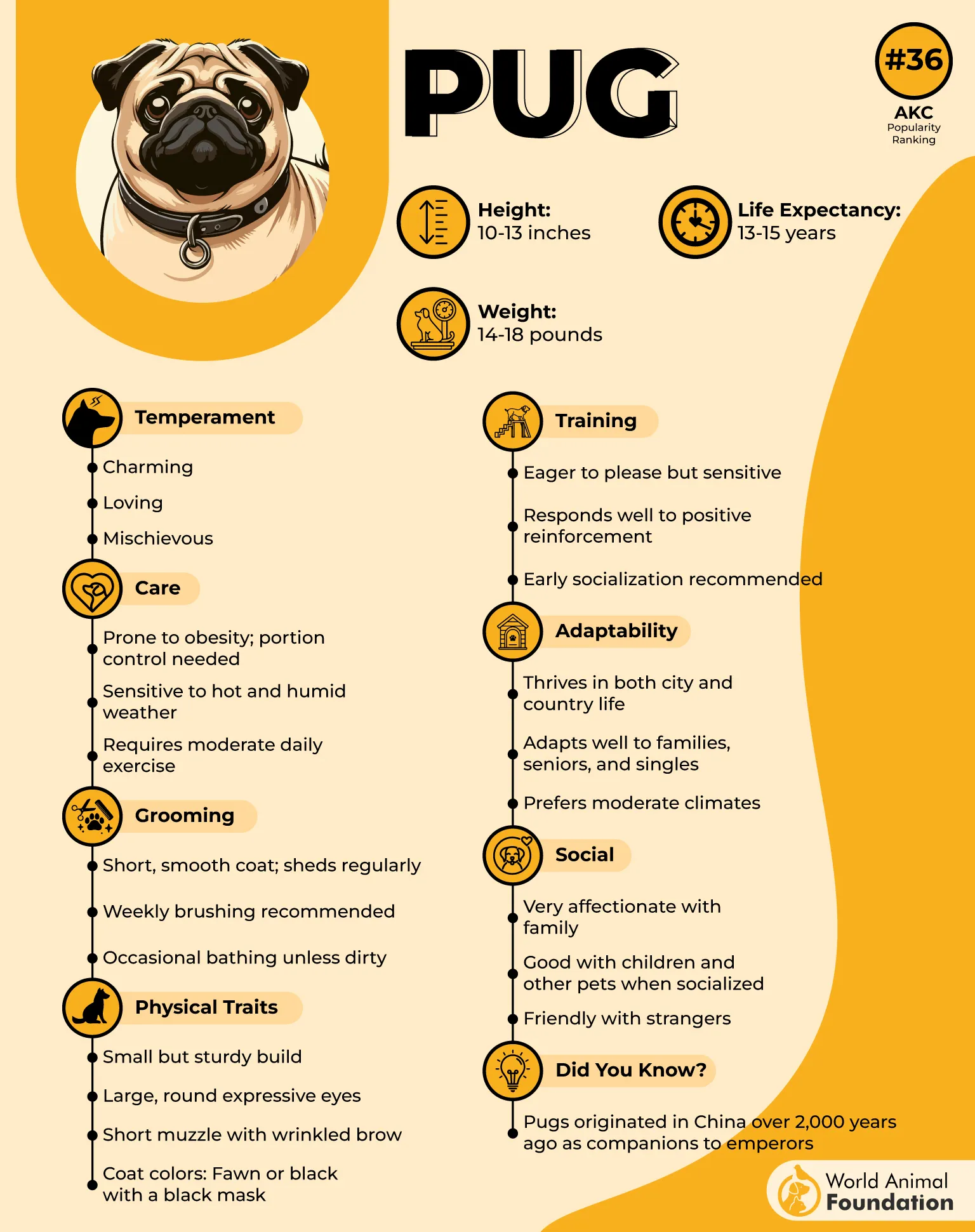
Bred in ancient China to serve as pampered companions to imperial families, their moderate activity needs fit a leisurely lifestyle. Because they lack working-dog drives like herding or high prey aggression, new owners can focus on simple household manners without curbing complex behavioral instincts.
Short walks and indoor games provide useful movement, but as a brachycephalic breed with a short muzzle, they overheat easily. Provide extra care in hot weather and careful weight management.
Routine care includes facial-fold cleaning, dental care, nail trims, and regular brushing to manage surprising amounts of coat shedding.
10. Toy Poodle
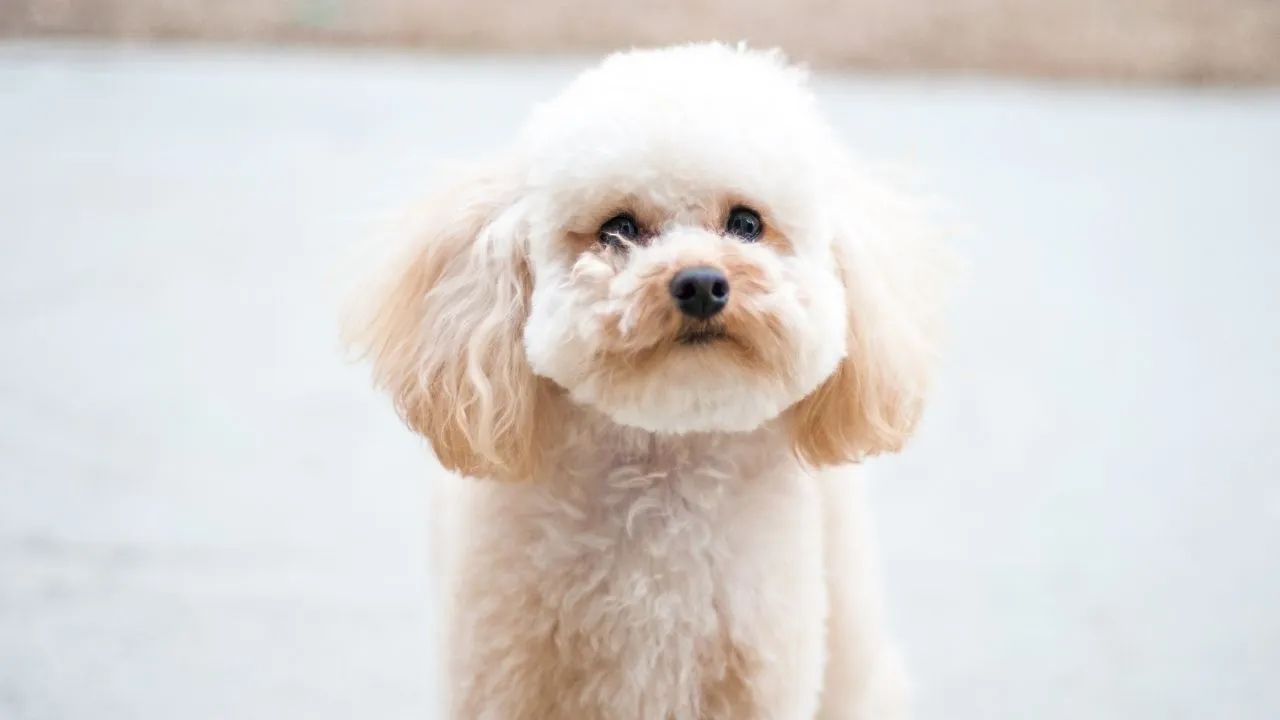
The Toy Poodle combines high intelligence, charm, and affection into a small package. Eager to engage, they excel at learning commands, tricks, obedience routines, and puzzle games through positive reinforcement.
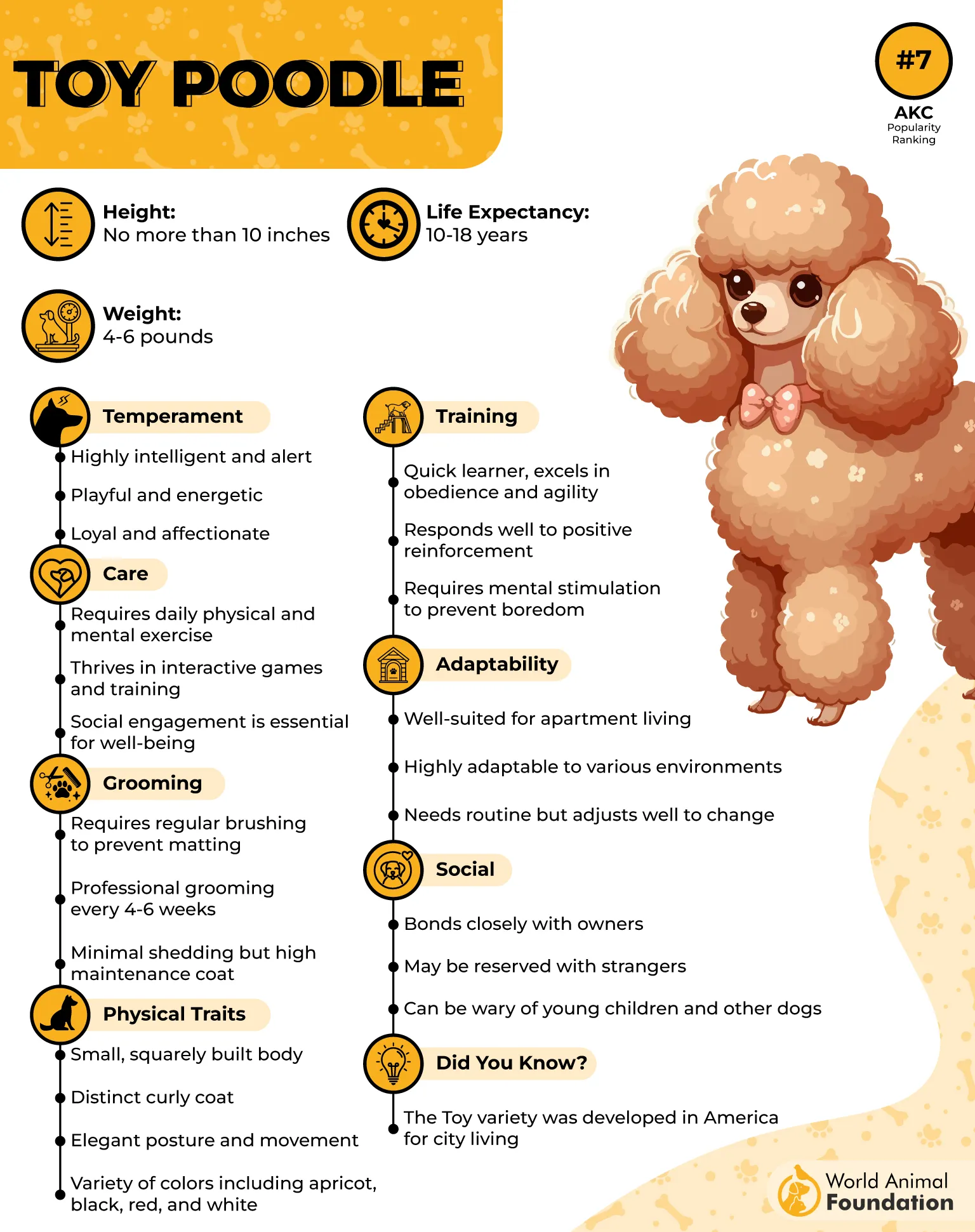
Originally developed in France and Germany as agile duck retrievers before being bred down in size, their athletic smarts make them quick study partners. PetMD adds that their exceptional problem-solving abilities mean they pick up house training and basic rules faster than almost any other toy breed, giving new owners an immediate confidence boost.
Early socialization with diverse people and environments ensures well-adjusted household manners. Despite their compact size, daily walks, lively play, and mental stimulation are essential to keep their sharp minds occupied. This makes them great for apartment dwellers who enjoy active engagement.
Their non-shedding curly coat appeals to those seeking a low-allergen breed, though regular brushing and professional grooming are necessary to prevent matting.
Conclusion
The easiest first dog is not simply the breed with the shortest list of chores; the happiest match comes from choosing a personality and routine that fit naturally into your life. Active households often enjoy the enthusiasm of Labradors and Golden Retrievers, whereas smaller companion breeds suit owners who prefer moderate activity and plenty of indoor interaction.
The best beginning comes from choosing a dog whose everyday needs fit comfortably beside your own. Get that match right, and those first awkward training sessions soon become stories you will smile about for years.
