




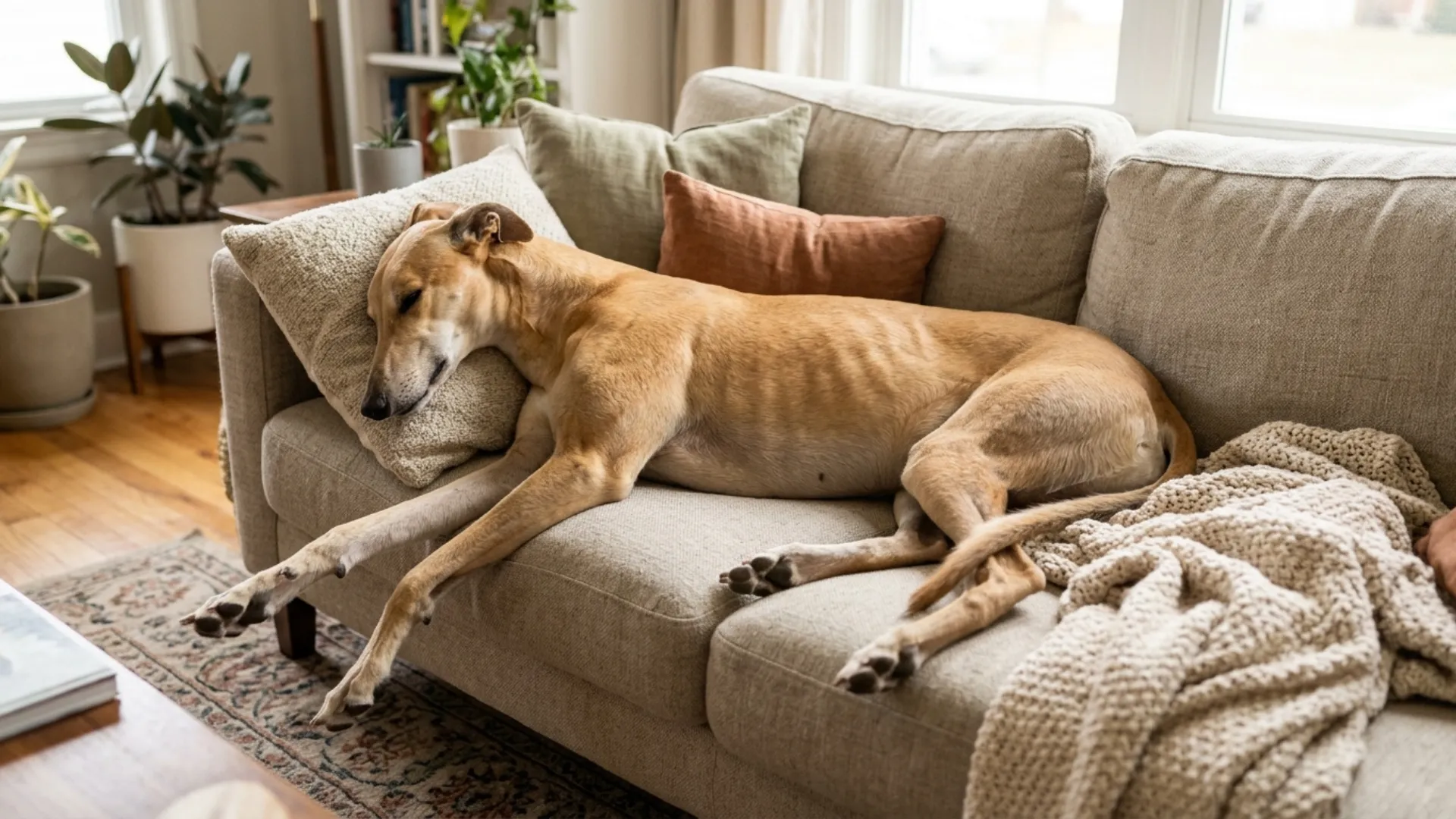
Not every dog wants to spend hours running, hiking, or chasing balls in the backyard. Some are happiest curled up beside their favorite person, enjoying a peaceful afternoon and a comfortable place to nap. For relaxed owners, these easygoing companions can bring plenty of affection without demanding constant high-energy activities.
However, a laid-back personality does not mean a dog can thrive without exercise or attention. Every breed needs daily movement, mental stimulation, companionship, and appropriate veterinary care. Age, health, and individual temperament also influence how much activity a dog prefers.
From relaxed sighthounds to affectionate lapdogs, these seven breeds are known for qualities that can suit a more leisurely lifestyle. Their different personalities and care requirements make it worth considering which companion best matches your home and daily routine.
Dreamy Couch‑Potato Dog Breeds for Relaxed Owners
1. Basset Hound
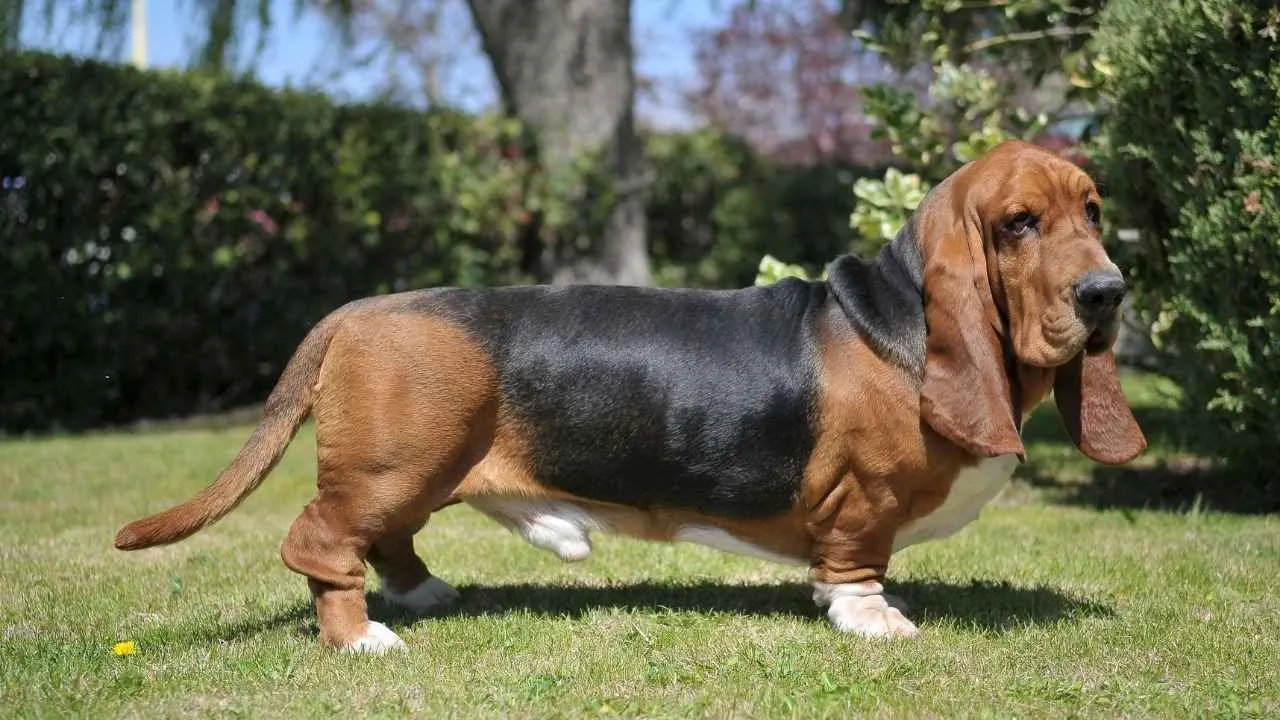
The Basset Hound is gentle, good-natured, and often content to lounge around the house between sniffing adventures. Its relaxed appearance reflects a generally unhurried approach to life, although its powerful nose can lead it on determined scent trails.
These affectionate dogs appreciate companionship and benefit from patient training because they can be stubborn when something interesting catches their attention.
A French Scent Hound With a Long History
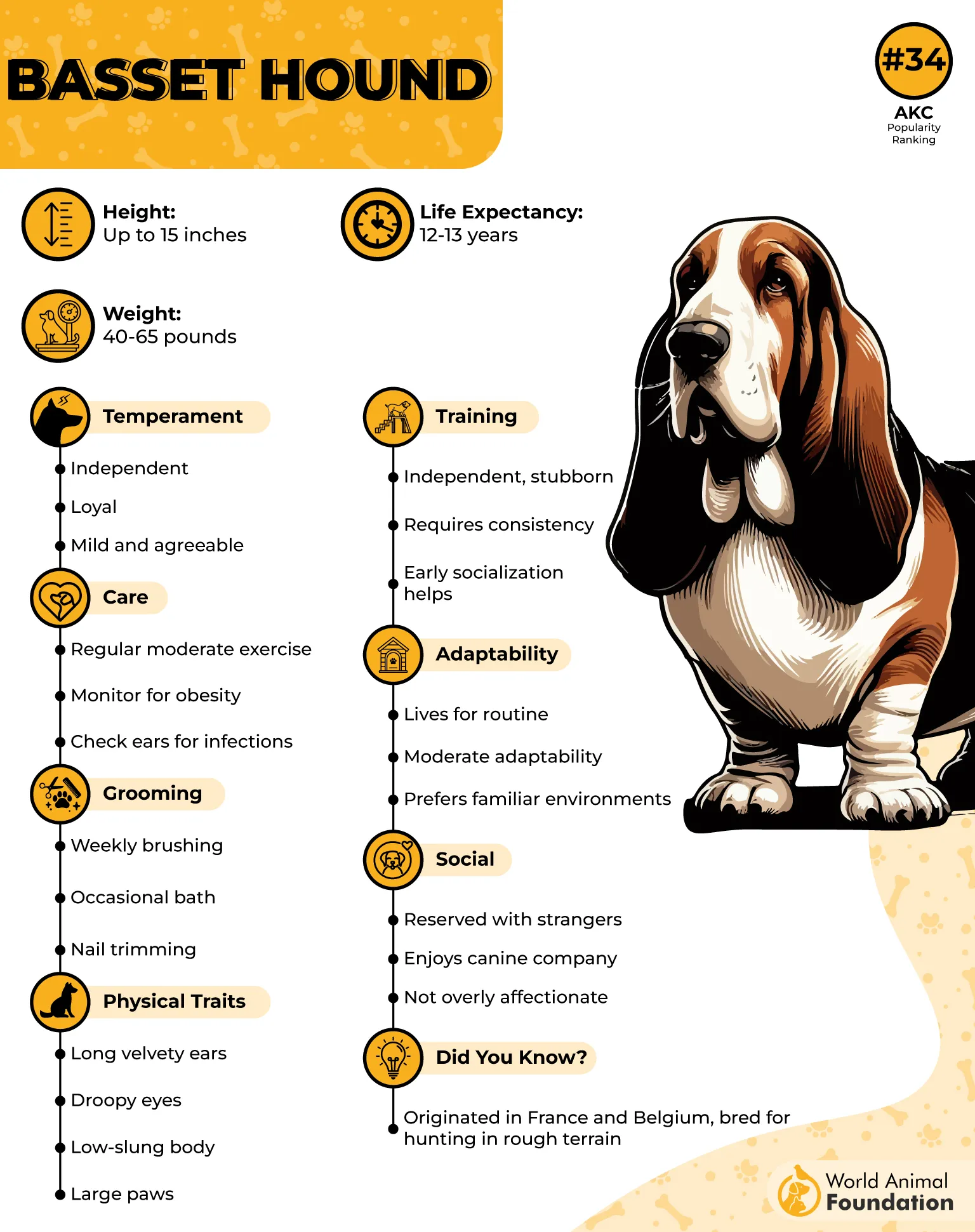
The Basset Hound’s ancestry is associated with short-legged French scent hounds developed to track game close to the ground. The breed became popular in Britain and later gained recognition in the United States for its distinctive appearance and tracking ability. Its traditional hunting role relied on persistence and scenting rather than speed.
Slow Strolls and Comfortable Afternoon Naps
Basset Hounds often enjoy leisurely walks followed by extended periods of rest, making them appealing to owners who prefer a calmer routine. However, their short legs and heavy bodies still need regular, moderate exercise to support healthy weight and mobility. Their long ears, skin folds, and susceptibility to back problems also require attentive care, as noted by the AKC.
2. Greyhound
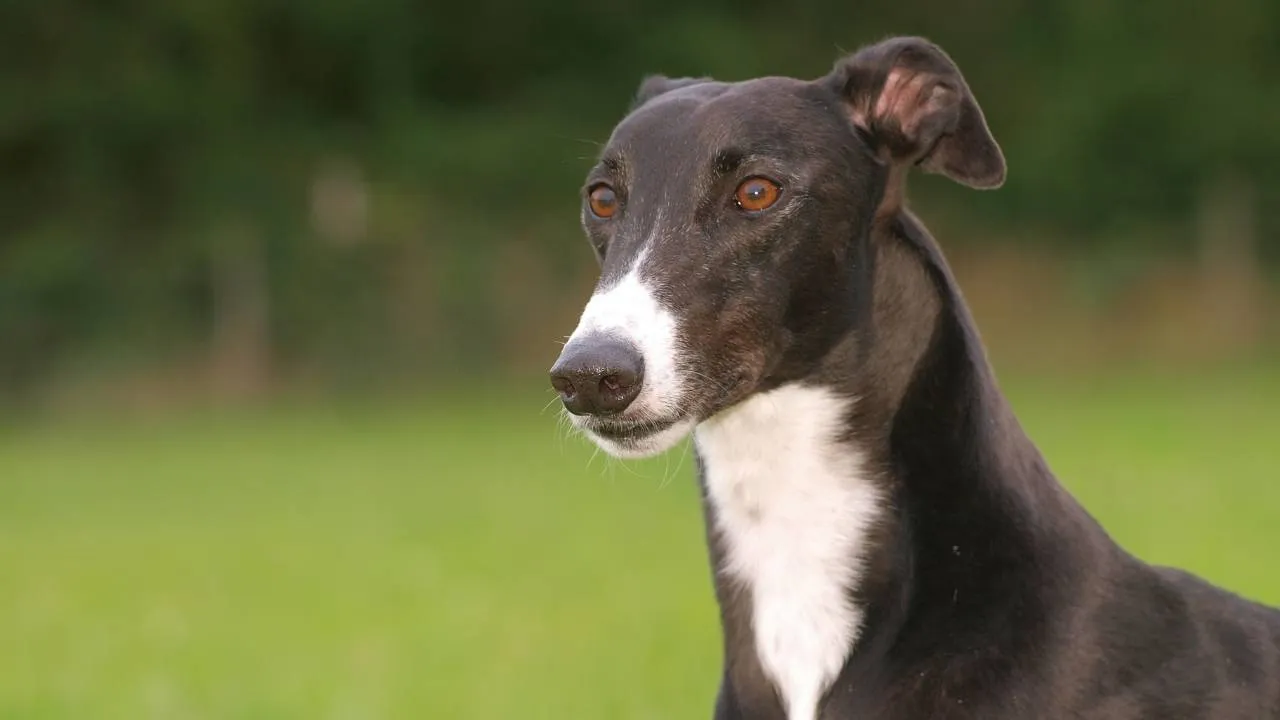
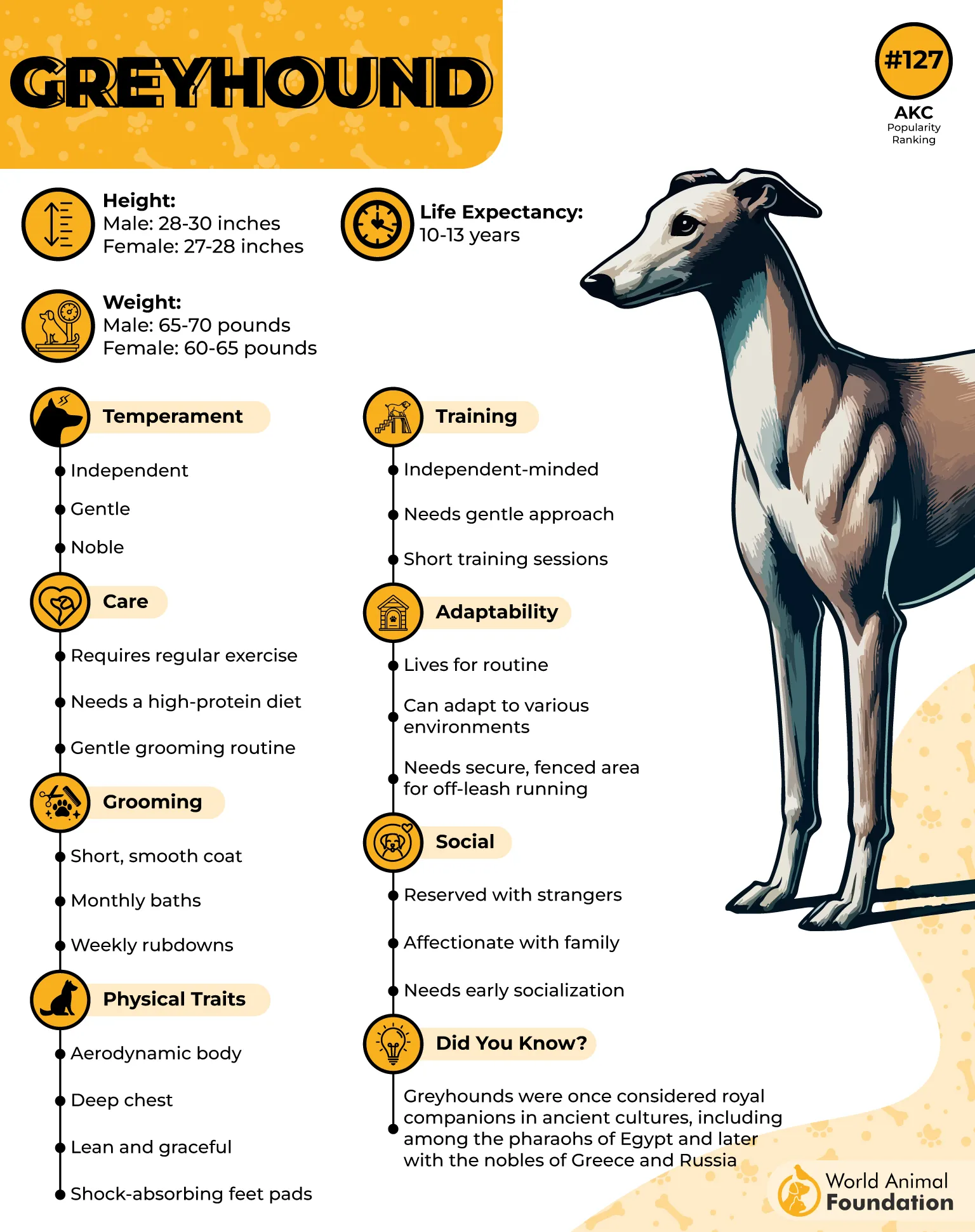
Despite its reputation as a racing dog, the Greyhound is often surprisingly calm indoors. It tends to be gentle, sensitive, and affectionate, enjoying brief bursts of speed followed by long stretches of relaxation. Many Greyhounds appreciate a quiet home and a soft bed, although their prey drive and individual exercise needs should be considered before adoption.
An Ancient Sighthound Built for Speed
Greyhounds belong to an ancient group of sighthounds developed to pursue prey using exceptional vision and rapid acceleration. They have a long history in hunting and coursing, with organized racing becoming another prominent role in modern times. Their lean bodies and flexible spines support speed rather than sustained endurance.
Sprinters That Love to Lounge
Greyhounds can be excellent companions for relaxed owners because they often settle comfortably indoors after suitable exercise. A daily walk and opportunities for safe, controlled running can help meet their physical needs. Their thin coats offer limited insulation, so warm bedding and protective clothing in cold weather may be necessary.
3. Bulldog
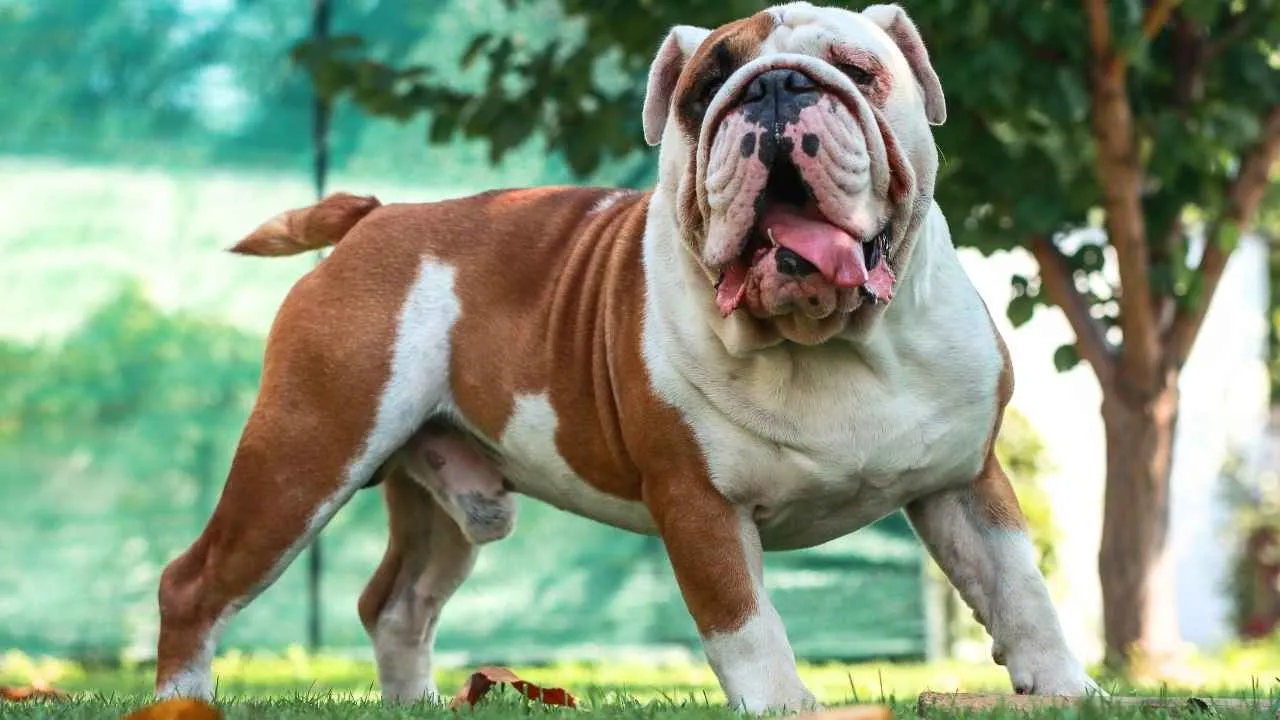
The Bulldog is typically affectionate, steady, and devoted to its family. Its stocky build and comparatively low enthusiasm for strenuous activity often suit a quieter household, although individual dogs vary in energy and temperament. Bulldogs enjoy human company and can be playful, but their physical limitations mean owners must be careful not to push them beyond their comfort.
From British Bull-Baiting to Family Companionship
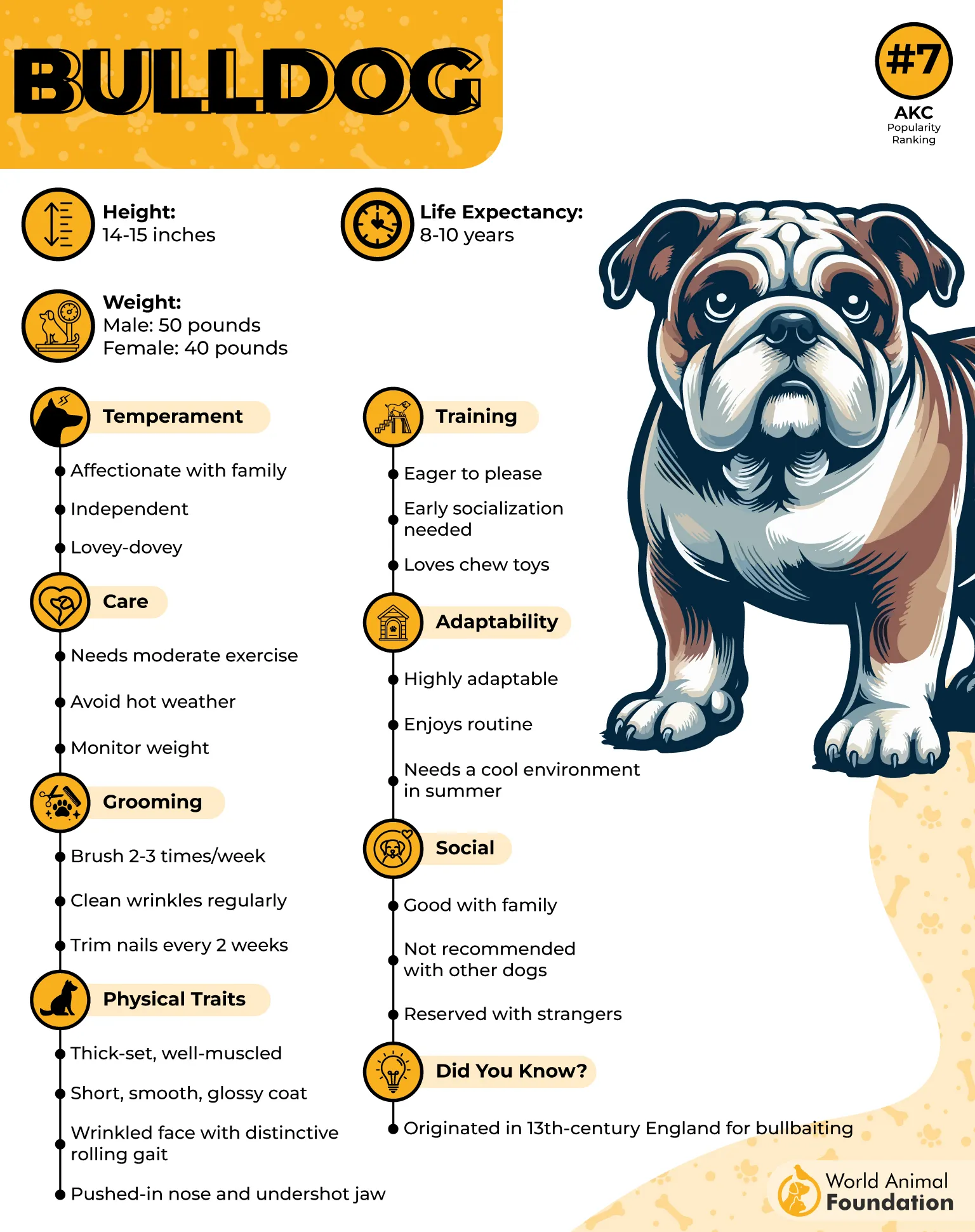
The modern Bulldog developed in Britain from dogs historically associated with bull-baiting. After the practice was outlawed in the 19th century, breeders increasingly emphasized a more companionable temperament and distinctive appearance, as per Purina. Today’s Bulldog differs considerably in purpose from its historical predecessors.
Relaxed Living With Careful Exercise Management
Bulldogs generally benefit from short, gentle walks and relaxed indoor activities rather than intense exercise. Their shortened muzzles can interfere with breathing and temperature regulation, making heat and humidity particularly dangerous. Owners should also monitor their weight, skin folds, and breathing, as the breed can experience significant health problems.
4. Cavalier King Charles Spaniel
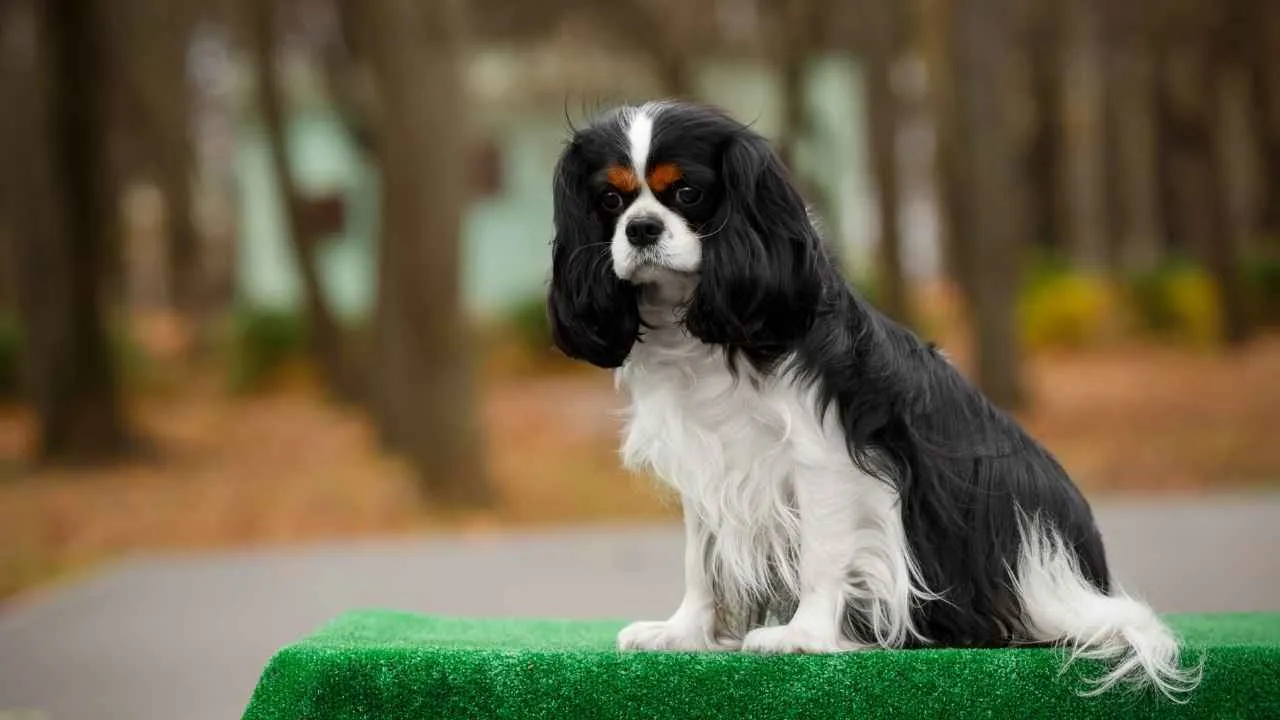
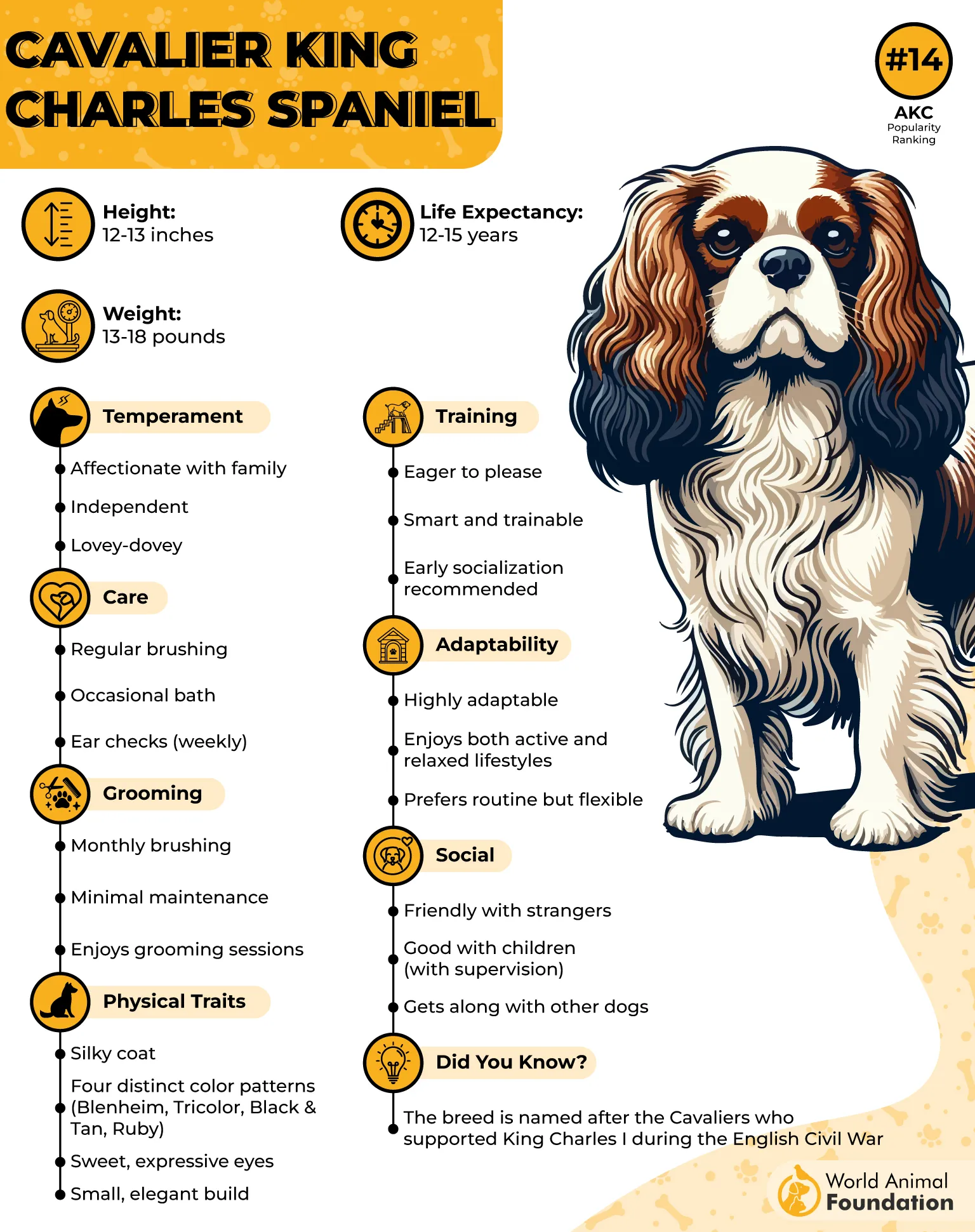
The Cavalier King Charles Spaniel is affectionate, sociable, and eager to remain close to its favorite people. Its gentle temperament and adaptability make it a natural fit for owners who enjoy quiet companionship. Although it can be playful and enjoys exploring outdoors, it generally appreciates spending downtime on a sofa or curled up beside its family.
A Royal Companion With British Roots
The Cavalier King Charles Spaniel descends from toy spaniels associated with British aristocratic households. Small spaniels appeared in European paintings for centuries, and the modern breed was developed to recreate an earlier toy-spaniel appearance. Its history as a friendly dog helped establish its people-oriented nature.
A Lapdog That Still Enjoys Daily Walks
The Cavalier’s manageable size and affectionate disposition make it well suited to apartment living and relaxed households, provided its needs are met. Daily walks, play, and companionship help keep it healthy and content. Prospective owners should pay particular attention to inherited heart disease and other breed-associated health concerns when choosing a puppy.
5. Pekingese
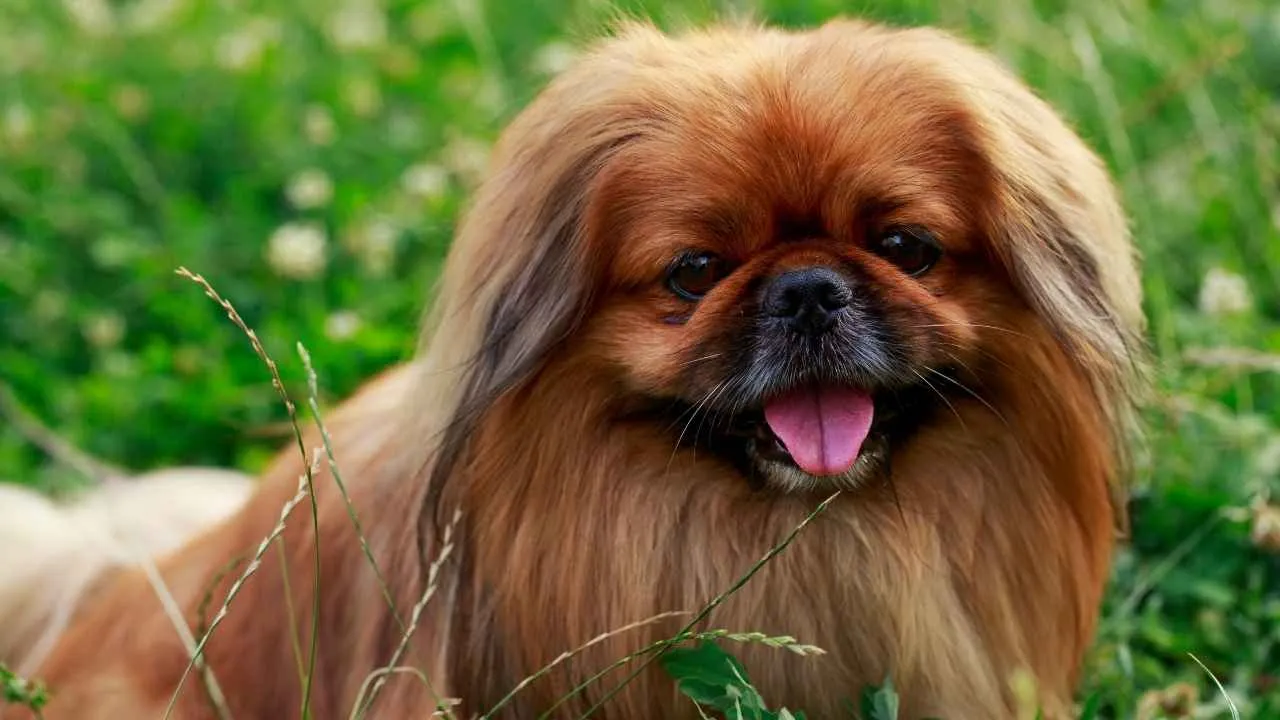
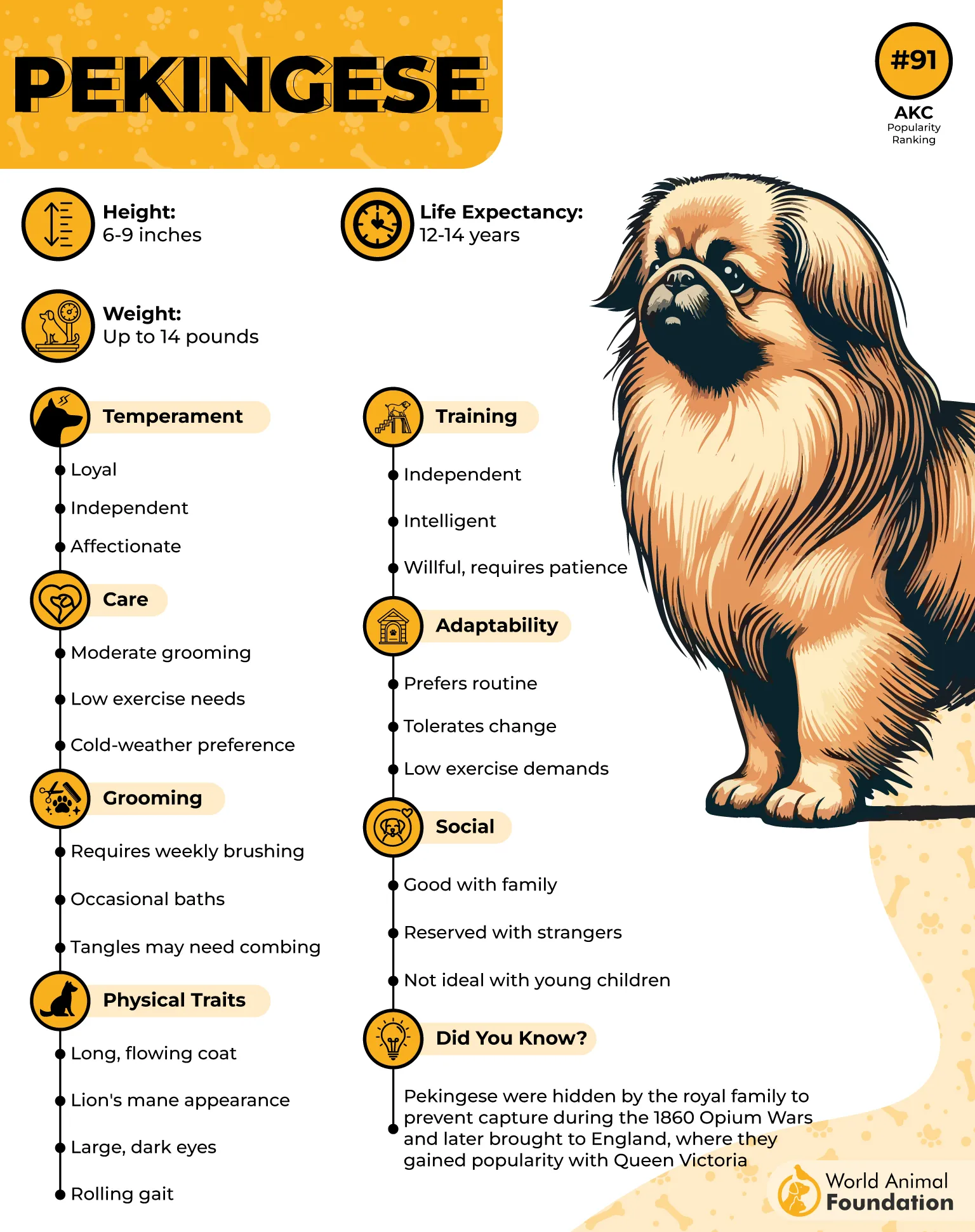
The Pekingese is confident, independent, and deeply attached to its chosen people. Unlike highly energetic breeds that constantly seek activities, it often prefers comfortable surroundings and unhurried companionship, as per PDSA. Its dignified manner can come with a stubborn streak, so gentle training and respectful handling are important for maintaining a positive relationship.
A Palace Companion From Imperial China
The Pekingese originated in China and was historically treasured as a companion dog within imperial households. Its small size, distinctive coat, and bold personality made it a favored lapdog for centuries. The breed later became established in Europe after being introduced from China during the 19th century.
Comfortable Indoors With Minimal High-Impact Activity
Pekingese dogs often appreciate a relaxed indoor routine and short, gentle walks rather than strenuous exercise. Their compact build makes them convenient companions for smaller homes, but their flat faces can cause breathing difficulties and increase their risk of overheating. Regular grooming and careful monitoring in warm weather are essential.
6. Clumber Spaniel
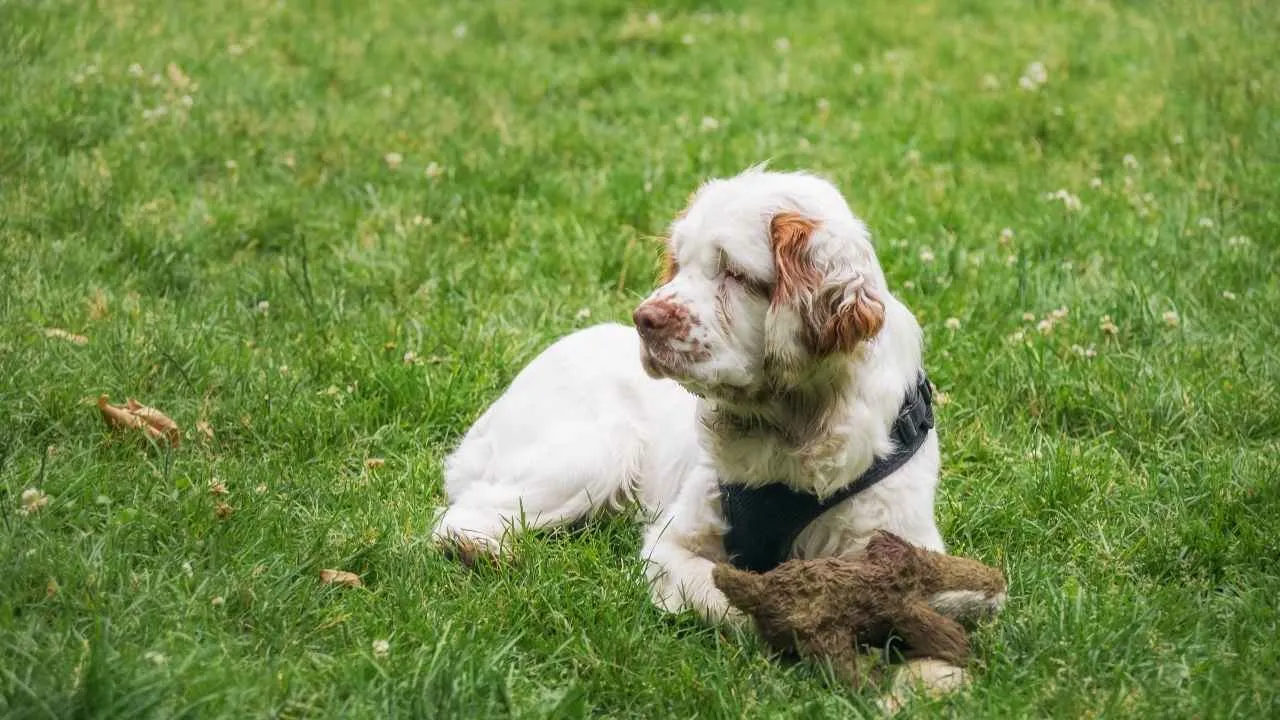
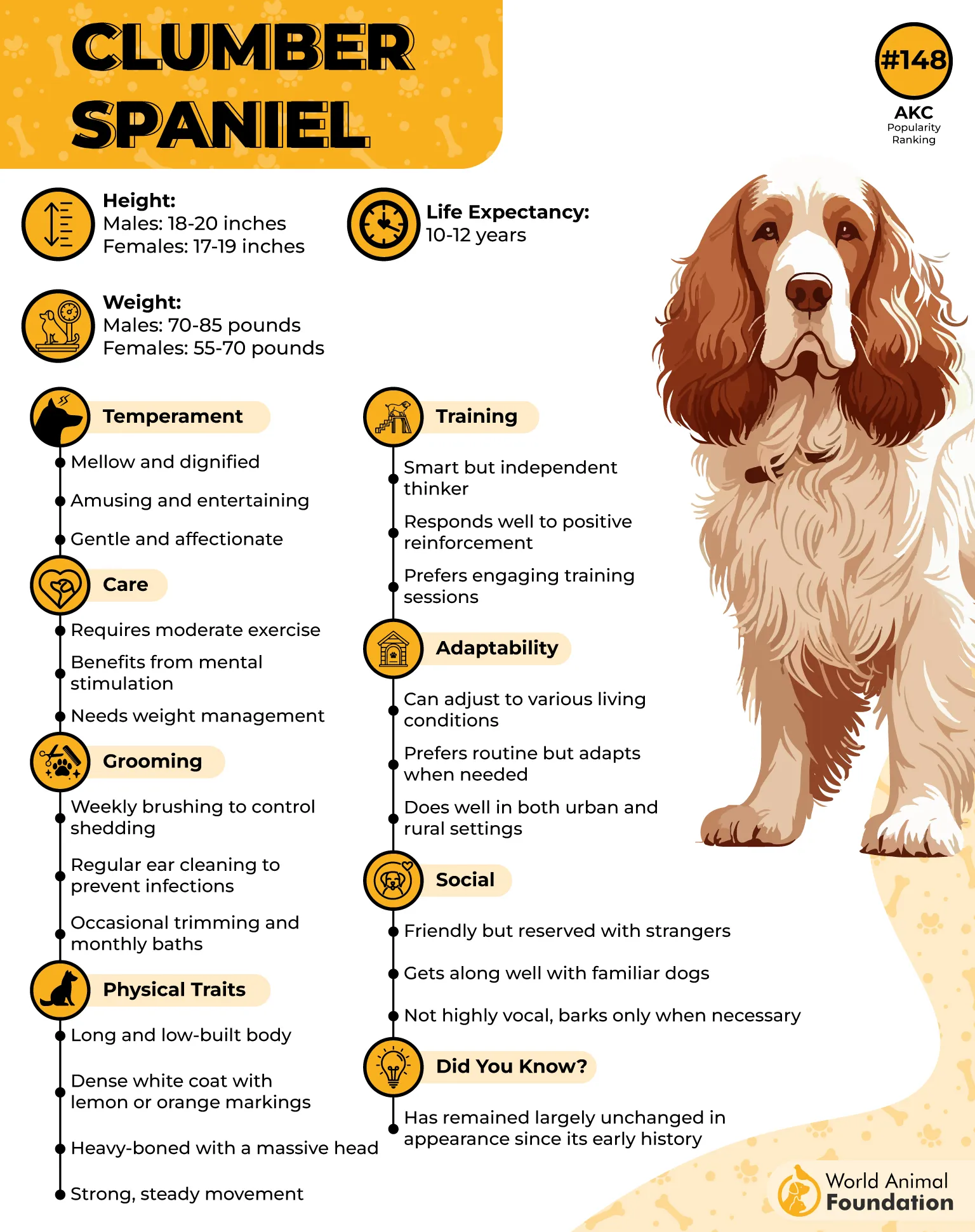
The Clumber Spaniel is generally thoughtful, gentle, and less frantic than many other sporting breeds. It often approaches activities at a steady pace and enjoys close contact with its family. Although it may appear perfectly suited to lounging, its background as a working spaniel means it still benefits from scent games, outdoor exploration, and regular daily exercise.
A British Sporting Spaniel With Aristocratic Connections
The Clumber Spaniel developed in Britain and became associated with aristocratic shooting estates, particularly Clumber Park in Nottinghamshire. Bred to work through dense cover and locate game birds, it combines a sturdy build with a deliberate working style. Its sporting heritage remains visible in its excellent nose and methodical approach.
A Steady Companion for Unhurried Households
Clumber Spaniels can suit owners who prefer relaxed walks and peaceful evenings rather than demanding athletic activities. Their moderate exercise needs should still be met, while their tendency toward weight gain makes portion control especially important. Regular grooming, ear care, and attention to joint health also contribute to their comfort.
7. Great Dane
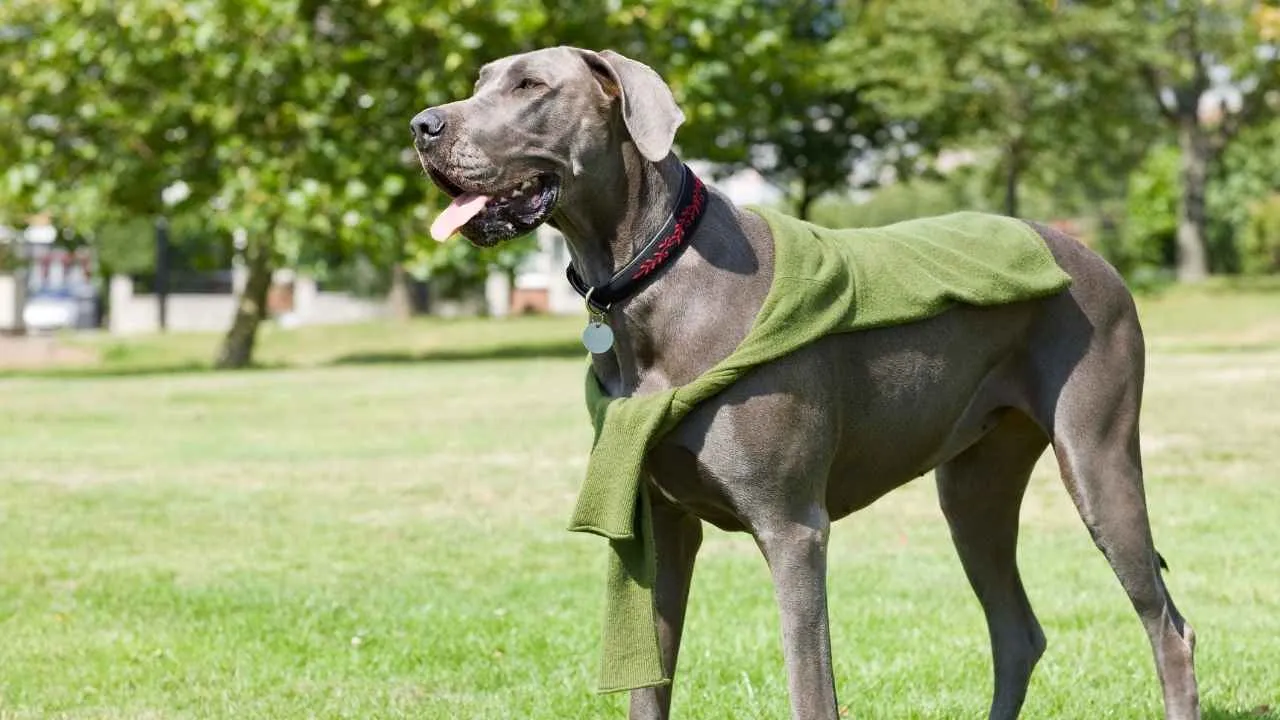
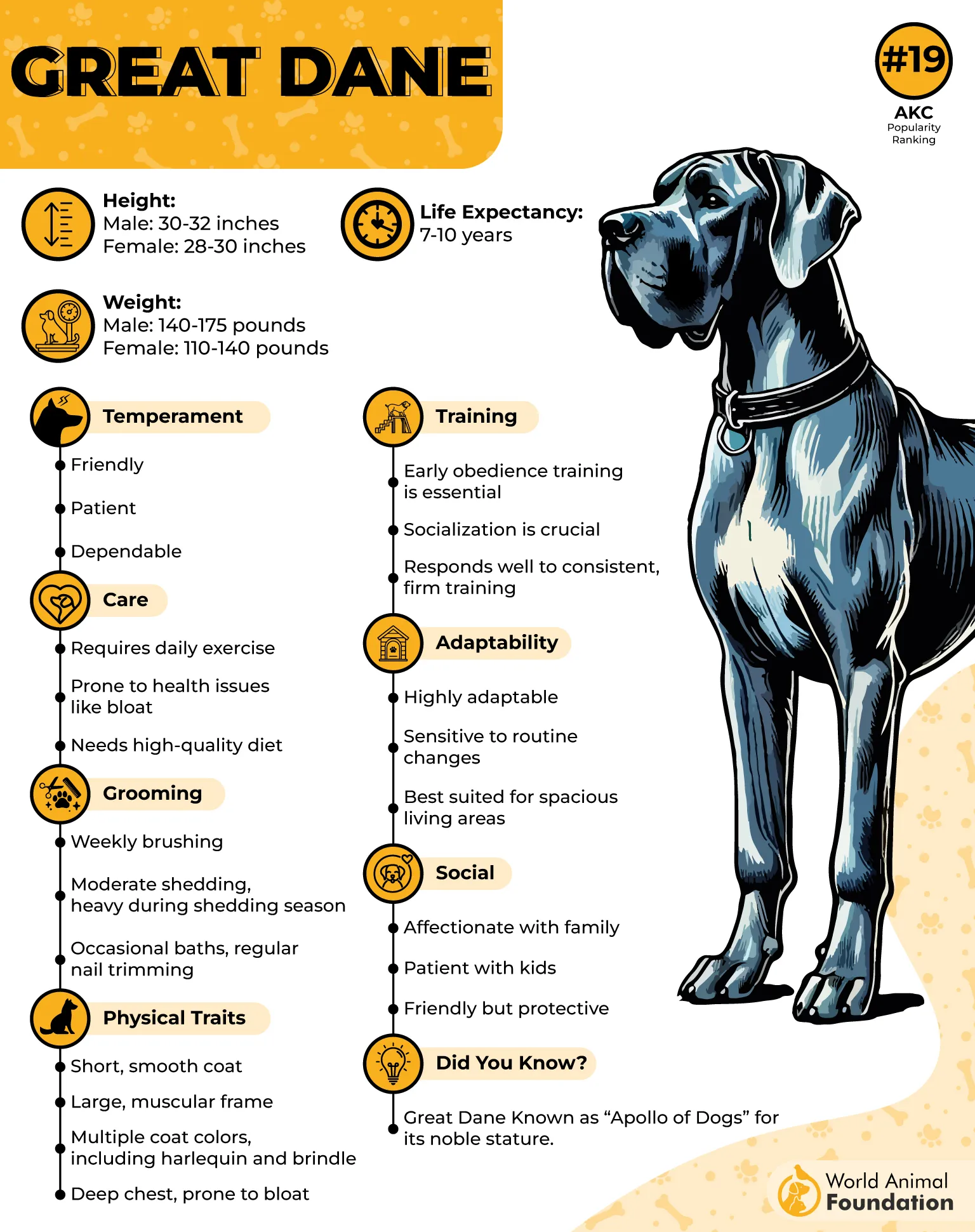
The Great Dane is often affectionate, gentle, and surprisingly fond of relaxing near its family despite its enormous size. Many enjoy leaning against their owners or stretching out on comfortable furniture. Their calm indoor demeanor can be appealing, but their strength, space requirements, and need for regular activity mean they are not automatically easy dogs for every household.
A German Breed With a Hunting and Guarding Past
Despite its English name, the Great Dane was developed primarily in Germany from large dogs used for hunting powerful game and guarding estates. Over time, selective breeding helped establish the breed as a more refined companion with a reputation for its imposing stature and generally friendly nature.
A Gentle Giant That Needs Room to Rest
Great Danes often enjoy quiet companionship and moderate daily walks rather than sustained high-intensity exercise. Their size calls for spacious resting areas, careful weight management, and appropriate activity, particularly while they are growing. They are also prone to serious health conditions, including gastric dilatation-volvulus (bloat), which owners should discuss with a veterinarian.
Conclusion
All of the above dogs offer different versions of a relaxed canine lifestyle. Some are affectionate lapdogs, others are calm indoor companions after exercise, and several prefer gentle exploration followed by a comfortable rest.
However, a couch-potato reputation should never be mistaken for a lack of care requirements. Every dog needs appropriate physical activity, mental engagement, a healthy diet, and regular veterinary attention. Breed-specific concerns, including breathing difficulties, heart conditions, and joint problems, can also influence how much exercise a dog can safely manage.
Before choosing a companion, consider your living space, daily schedule, grooming preferences, and ability to meet the dog’s long-term health needs. With the right match and responsible care, a laid-back dog can bring warmth, affection, and plenty of peaceful moments to a relaxed household.
